

Cambodia is a land of ancient temples, tropical beauty, and resilient spirit. While most visitors come for the grandeur of Angkor Wat, they soon discover that the country offers much more – from floating villages on Tonlé Sap to jungle-covered mountains and the warm hospitality of its people.
This guide explores Cambodia’s most famous highlights along with its lesser-known treasures, helping you plan a trip that blends history, nature, and authentic culture.
Best Cities in Cambodia
Siem Reap
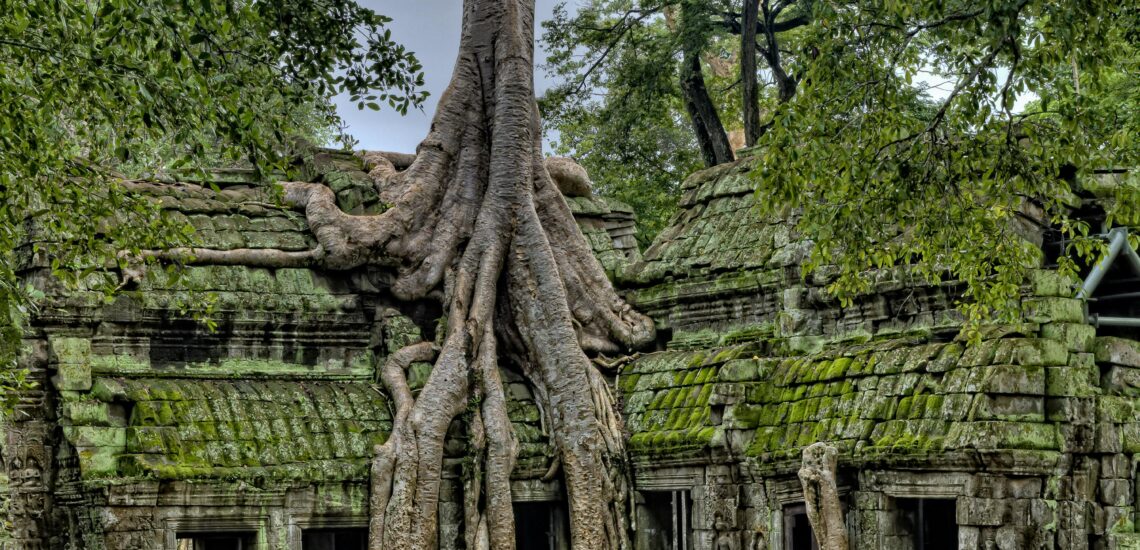
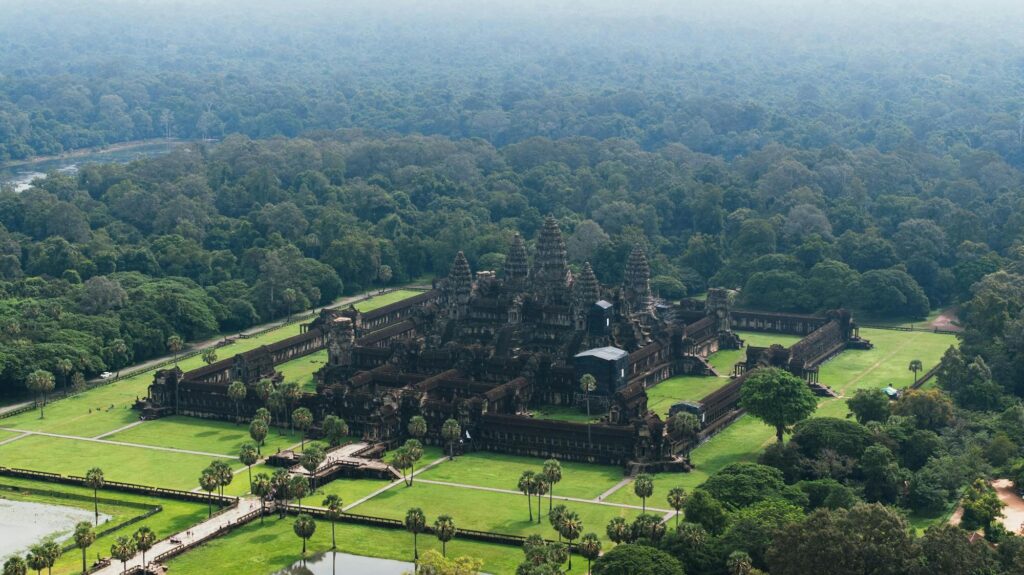
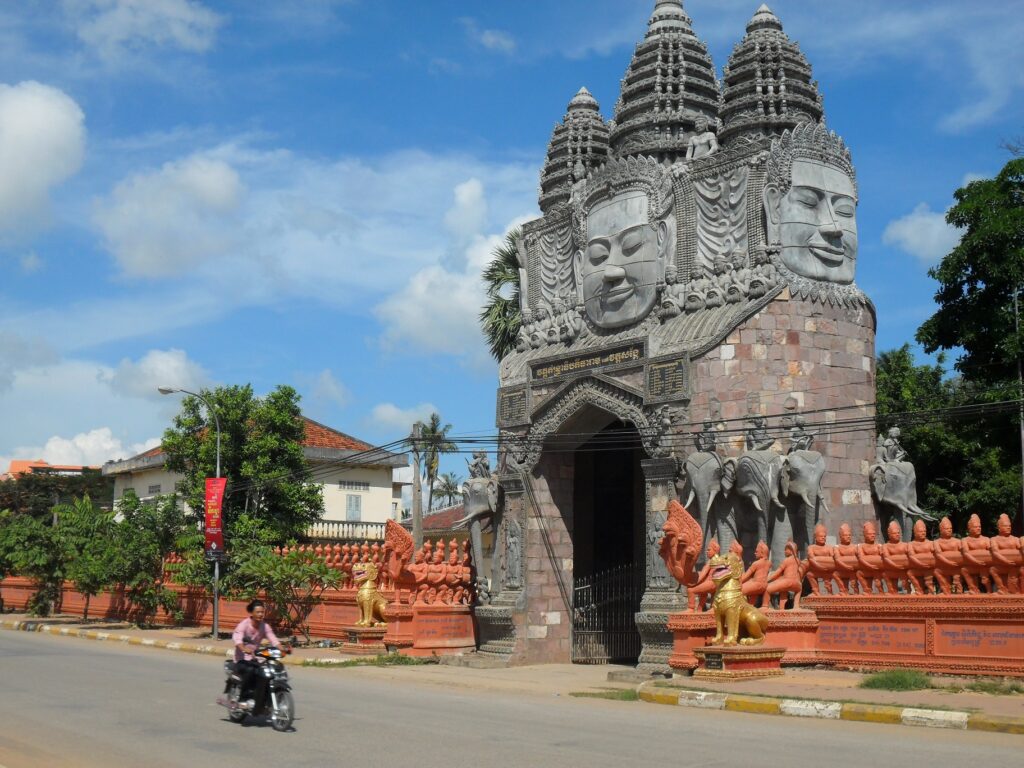
Siem Reap is Cambodia’s cultural hub and the gateway to the Angkor Archaeological Park. Angkor Wat, the largest religious monument in the world, is best seen at sunrise, while Bayon Temple captivates with its carved stone faces, and Ta Prohm enchants visitors with tree roots enveloping ancient walls, made famous by Tomb Raider. Beyond Angkor, the Angkor National Museum, lively night markets, and traditional Apsara dance performances showcase Khmer culture.
The best time to visit is November–March, when the weather is cooler and ideal for temple-hopping. Siem Reap International Airport has direct flights from across Asia, and buses connect it with Phnom Penh and Bangkok. Around town, tuk-tuks, bicycles, and e-bikes are the most convenient ways to explore both the city and the Angkor complex.
Phnom Penh
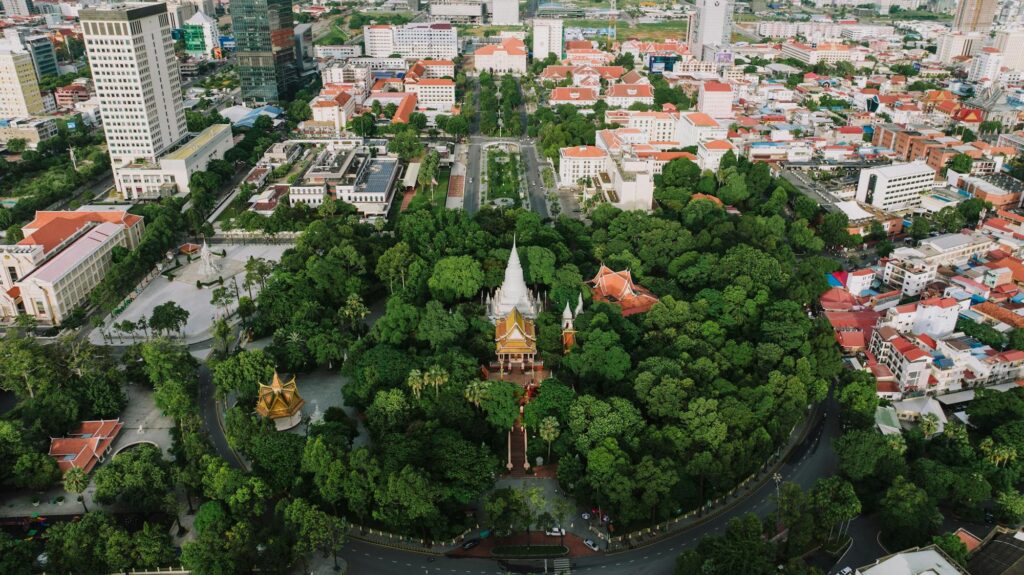
Phnom Penh, at the meeting of the Mekong and Tonlé Sap Rivers, blends royal heritage with powerful reminders of Cambodia’s past. The Royal Palace and Silver Pagoda showcase Khmer architecture and sacred treasures, while the Tuol Sleng Genocide Museum (S-21) and Choeung Ek Killing Fields offer sobering insight into the country’s recent history. In the evenings, the riverside promenade fills with locals and visitors enjoying street food, markets, and views of the Mekong, while rooftop bars provide a perfect spot for sunset.
Battambang
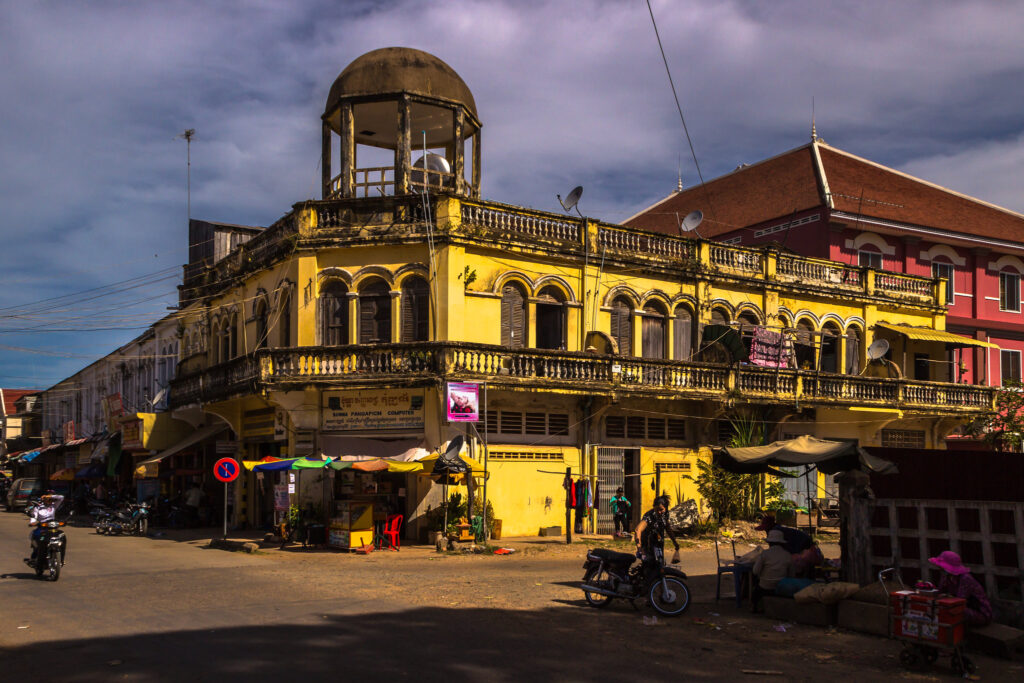
Battambang, Cambodia’s second-largest city, mixes colonial-era charm with a growing arts scene. One of its most unique attractions is the Bamboo Train, a wooden platform on rails that takes you through rice fields and villages. Phnom Sampeau, just outside town, combines hilltop temples, bat caves with thousands of bats at dusk, and memorials tied to Cambodia’s wartime past. In the city, visitors can explore local art galleries, enjoy the café culture, and stroll past French colonial architecture along the riverfront.
Kampot
Kampot, a riverside town with French-colonial charm, is known for its relaxed vibe and mountain scenery. A sunset cruise on the Kampot River is a highlight, offering views of glowing skies and fireflies after dark. Nearby, visitors can tour pepper plantations to taste Kampot pepper, considered among the world’s best. A short drive away, Bokor Hill Station features misty mountain views, waterfalls, and abandoned colonial buildings that add an atmospheric touch.
Kampot is about 3–4 hours from Phnom Penh or 1.5 hours from Sihanoukville by bus or taxi. Around town, bicycles, scooters, and tuk-tuks are the easiest way to reach plantations and Bokor National Park.
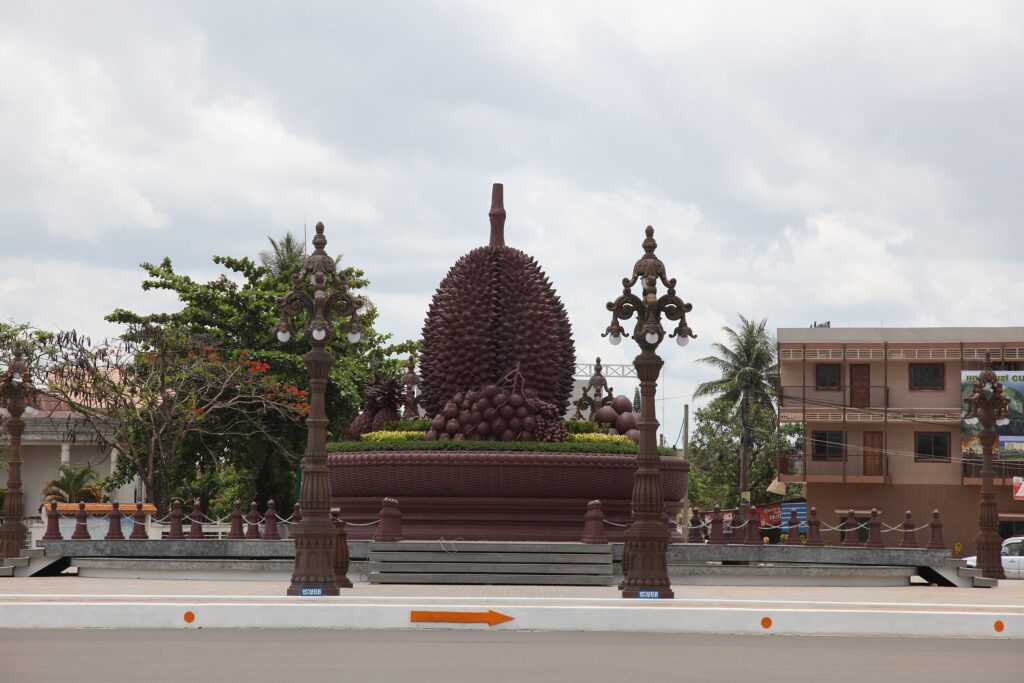
Kep
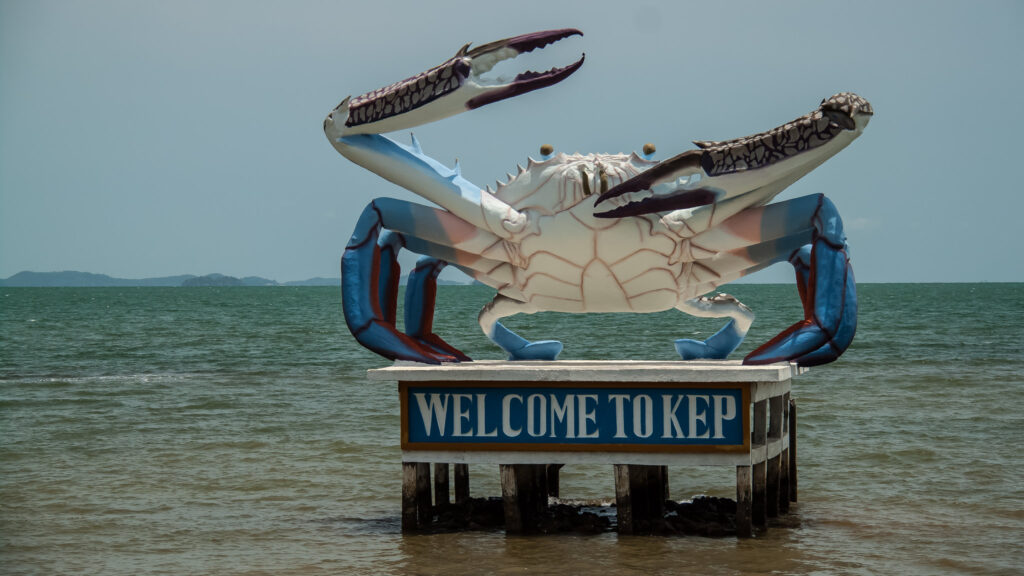
Kep, a quiet coastal town near Kampot, is famous for its seafood and laid-back atmosphere. The Crab Market is the centerpiece, where visitors can try freshly caught crab cooked with Kampot pepper. For relaxation, Kep Beach offers calm waters and a family-friendly vibe, while a short boat ride to Rabbit Island (Koh Tonsay) provides rustic bungalows, hammocks, and simple beach life. The town also has remnants of French-colonial villas and hiking trails in Kep National Park with ocean views.
Best Natural Attractions in Cambodia
Tonlé Sap Lake
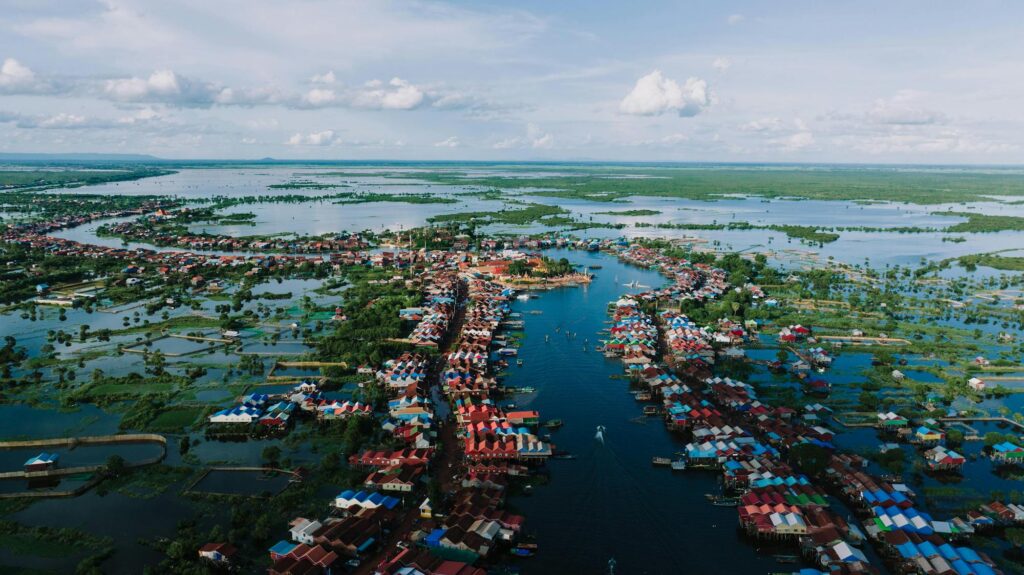
Tonlé Sap, Southeast Asia’s largest freshwater lake, is central to Cambodia’s culture and livelihood. Visitors explore floating and stilted villages such as Kampong Phluk or Chong Kneas, where daily life revolves around fishing and water-based trade. Boat tours also give a glimpse of flooded forests and bird sanctuaries that thrive in this unique ecosystem.
Tonlé Sap is easily reached from Siem Reap, about 30–40 minutes by car or tuk-tuk, with boat trips arranged at village piers or through local tour operators.
Cardamom Mountains
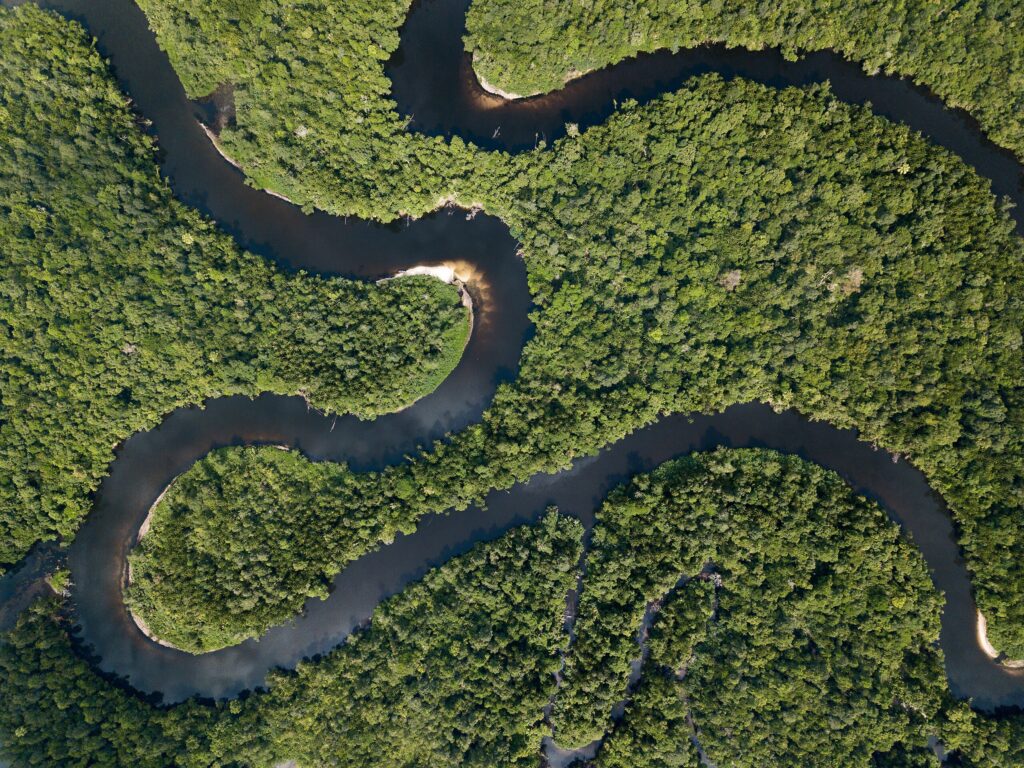
The Cardamom Mountains in southwestern Cambodia are one of Southeast Asia’s last great rainforests, home to elephants, gibbons, and rare bird species. Travelers come for multi-day treks from eco-tourism hubs like Chi Phat, boat trips through mangroves in Botum Sakor National Park, and overnight stays in floating eco-lodges surrounded by jungle. Activities include hiking, kayaking, and wildlife spotting, making it a top destination for nature lovers.
Mondulkiri
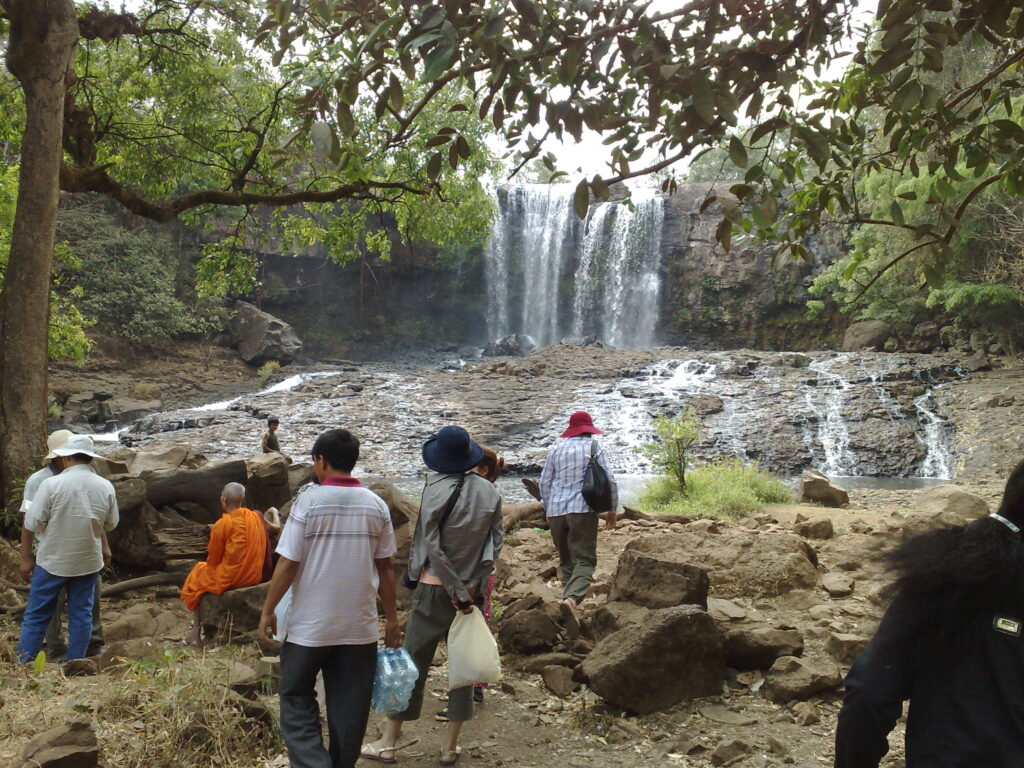
Mondulkiri, in Cambodia’s remote eastern highlands, is known for its forests, rolling hills, and Bunong indigenous culture. Visitors come to the Elephant Valley Project, an ethical sanctuary where rescued elephants roam freely, and to natural sites like Bou Sra Waterfall, one of the country’s largest. Hiking trails through pine-covered hills and visits to Bunong villages offer both nature and cultural encounters.
Ratanakiri
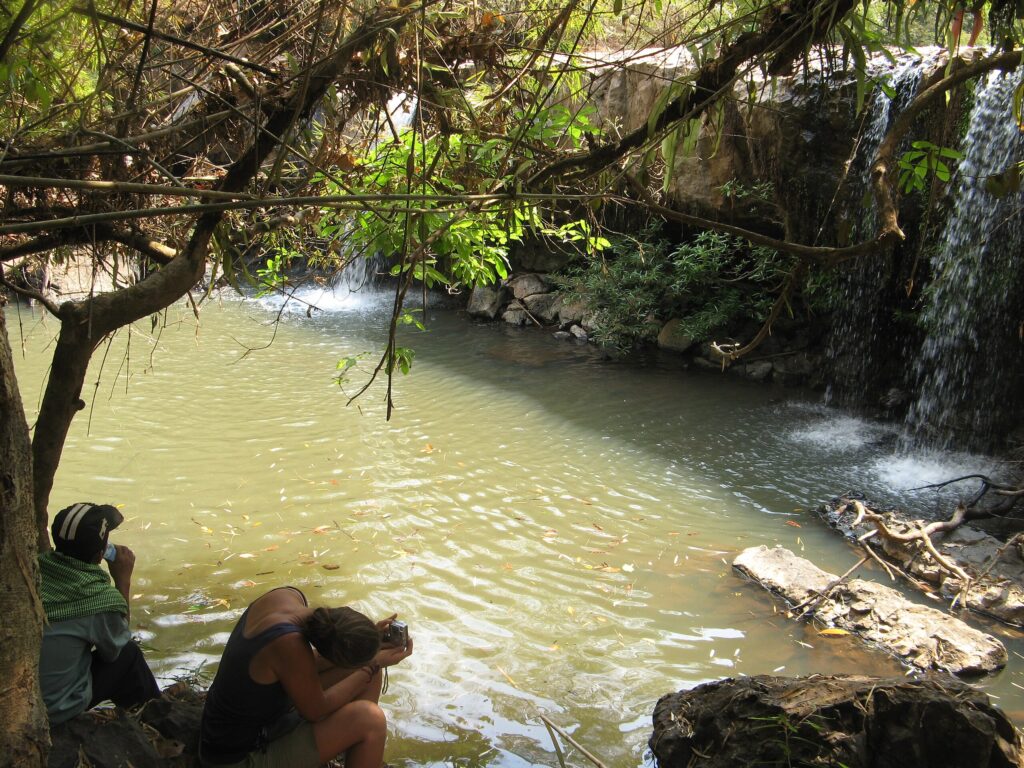
Ratanakiri, in Cambodia’s remote northeast, is famous for its rugged landscapes and indigenous communities. The highlight is Yeak Laom Lake, a clear volcanic crater lake perfect for swimming and picnics. The province also offers treks to waterfalls like Ka Tieng and Cha Ong, jungle adventures, and visits to Tampuan and Jarai villages to experience traditional culture and crafts.
The best time to visit is November–March, when the weather is cooler and trails are dry. The provincial capital, Banlung, is about 10–12 hours by bus from Phnom Penh, or reachable via connecting flights to nearby airports. From Banlung, local guides and motorbikes are the best way to explore waterfalls, lakes, and villages.
Hidden Gems of Cambodia
Koh Rong Samloem
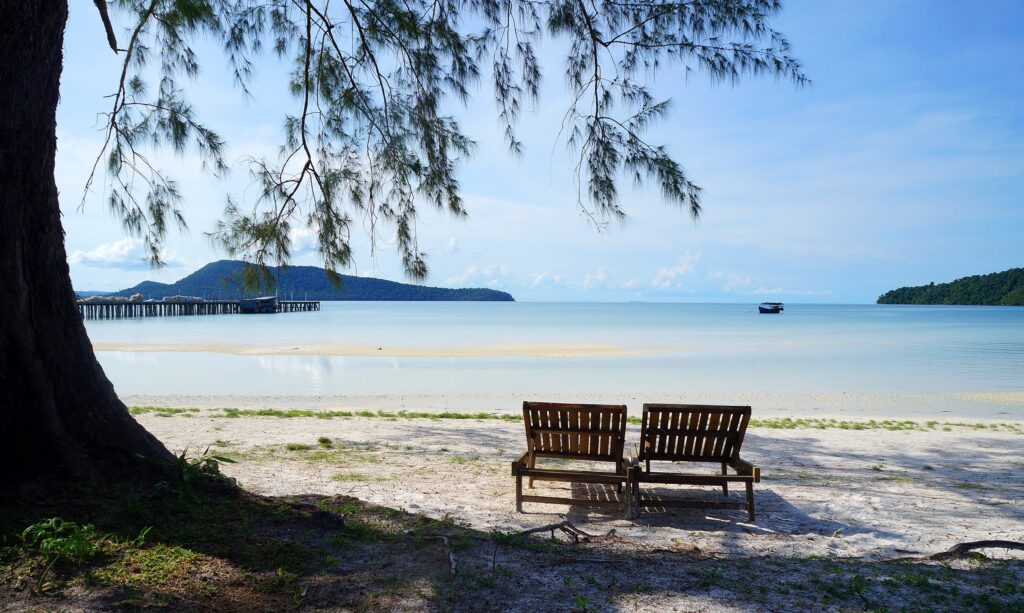
Koh Rong Samloem, just off Cambodia’s southern coast, is a quieter alternative to busy Koh Rong. With no cars and minimal nightlife, the island is all about relaxation – hammocks under palm trees, stargazing at night, and exploring jungle trails. The main highlights are Lazy Beach and Sunset Beach, both ideal for swimming and enjoying spectacular evening views. Diving and snorkeling trips to nearby reefs add variety for those wanting more activity.
The island is reached by speedboat from Sihanoukville (45–60 minutes), with transfers also available from Koh Rong. Once there, everything is walkable, with boats and jungle paths connecting the beaches.
Preah Vihear Temple
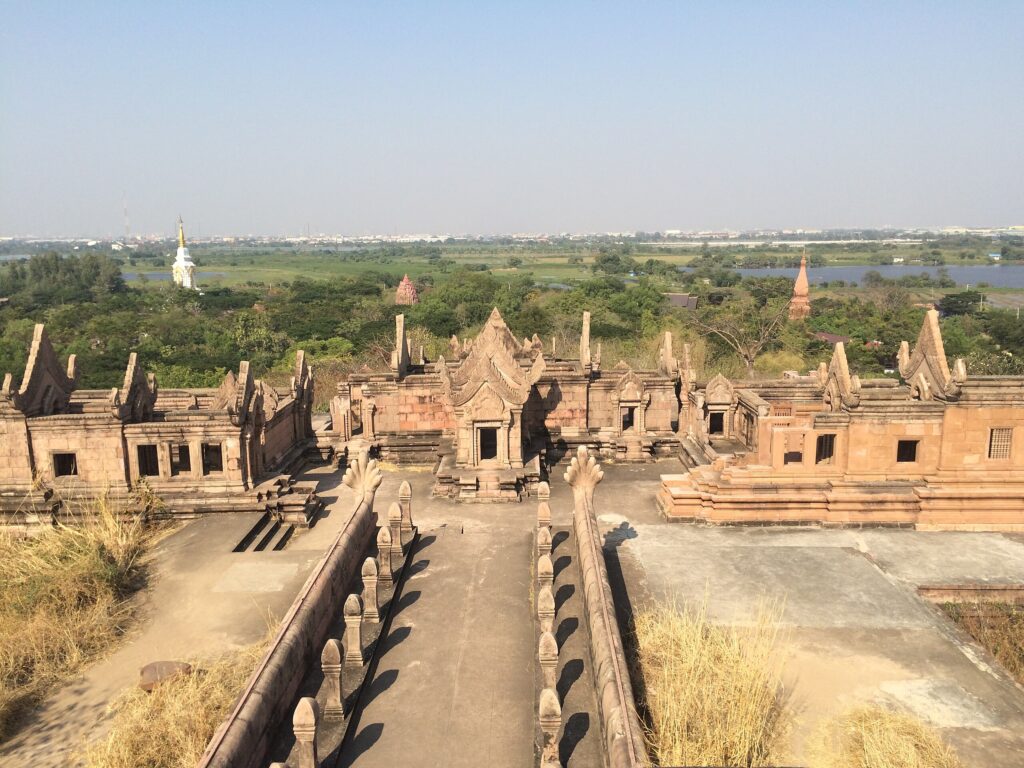
Preah Vihear Temple, a UNESCO World Heritage Site, sits dramatically on a mountaintop along the Thai border. Built during the Khmer Empire, it is dedicated to the Hindu god Shiva and features long causeways, intricate carvings, and sanctuaries spread across different levels of the mountain. Beyond its architecture, the site is prized for panoramic views over Cambodia’s northern plains, making it both a spiritual and scenic highlight.
Preah Vihear is about 4–5 hours from Siem Reap by car, often visited on a day trip with a hired driver or organized tour. The temple is in a remote area, so private transport is the most practical option.
Kratie
Kratie, a small town on the Mekong River, is best known for its relaxed atmosphere and as one of the few places to see endangered Irrawaddy dolphins. Boat trips at Kampi, just north of town, give travelers the chance to spot these rare freshwater dolphins. Another highlight is Koh Trong Island, a short ferry ride away, where visitors can cycle through orchards, rice fields, and traditional villages, with homestays offering an authentic rural experience.
Kratie is about 5–6 hours from Phnom Penh by bus or car. Once there, local tuk-tuks, bicycles, and boats are the easiest ways to explore the river and surrounding countryside.
Banteay Chhmar
Banteay Chhmar, in northwestern Cambodia, is a vast and little-visited temple complex built by King Jayavarman VII in the 12th century. Its walls feature detailed carvings of battles and daily life, while many structures are partially reclaimed by trees, creating a mysterious, jungle-covered atmosphere similar to Ta Prohm but without the crowds. The site also includes smaller satellite temples scattered through nearby villages.

Travel Tips
Best Time to Visit
Cambodia’s tropical climate is divided into three main seasons. From November to March, the weather is cool and dry, creating the ideal conditions for exploring ancient temples in Angkor or relaxing on the southern beaches. The period from April to May is the hottest of the year—temperatures can soar, but this also means fewer crowds at major attractions. The rainy season (June to October) turns the countryside into a lush, green landscape. Travel during these months can be slower, and rural roads may flood, yet the vibrant scenery and quieter sites often reward patient travelers.
Currency
The official currency is the Cambodian Riel (KHR), but in practice US dollars are widely used and often preferred for everyday transactions. Riel is mostly given as change for small amounts. ATMs dispense both currencies in larger towns and cities, but carrying cash is essential in rural areas.
Getting Around
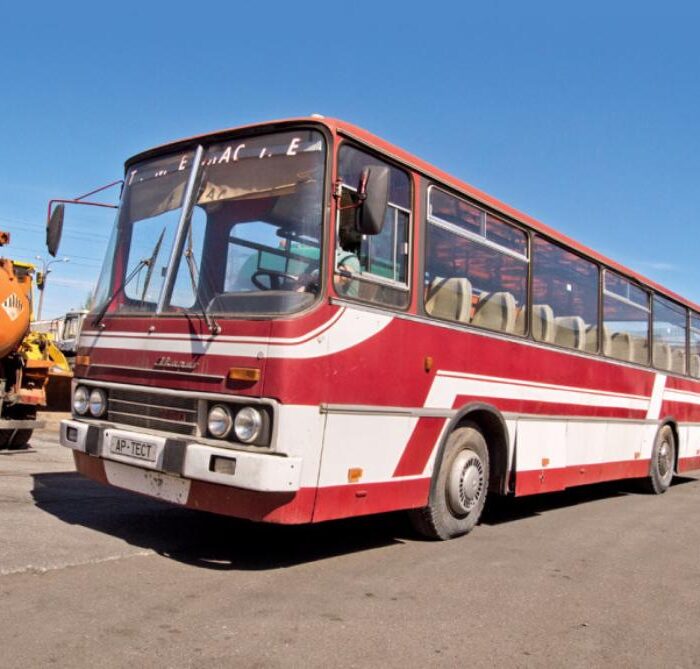
Transport in Cambodia ranges from practical to adventurous. Buses and minivans link major cities like Phnom Penh, Siem Reap, Battambang, and Sihanoukville. For longer distances, domestic flights save considerable time, particularly between Phnom Penh, Siem Reap, and the coast. Within towns, tuk-tuks are the most popular and affordable way to get around, while motorbike rentals give freedom to explore at your own pace. If choosing to rent a car or motorbike, travelers must hold an International Driving Permit alongside their home license. Road conditions can be unpredictable, so many visitors prefer hiring a local driver.
Visa
Entry into Cambodia is relatively easy. Most nationalities are eligible for a Visa on Arrival at airports and land borders, or can apply in advance for an eVisa online. Both options are straightforward, but it’s advisable to check the latest requirements before traveling.

Published August 18, 2025 • 8m to read