

Burundi is a small, landlocked nation in East Africa with very low visitor numbers and a strong local character. Travel here is shaped more by setting and daily life than by major landmarks. The shores of Lake Tanganyika, rolling green highlands, and tea-growing hills define much of the landscape, while cultural traditions remain closely tied to music, dance, and community life. With limited tourism, many areas feel quiet and unhurried, appealing to travelers who value a slower pace and local interaction.
At the same time, travel in Burundi requires realistic planning. Infrastructure outside major towns is limited, journeys can take longer than expected, and conditions may change with little notice. With patience, flexible scheduling, and dependable local support, visitors can experience lakeside scenery, rural landscapes, and cultural practices that are still part of everyday life. Burundi is best suited to travelers seeking simplicity, atmosphere, and cultural depth rather than conventional sightseeing.
Best Cities in Burundi
Bujumbura
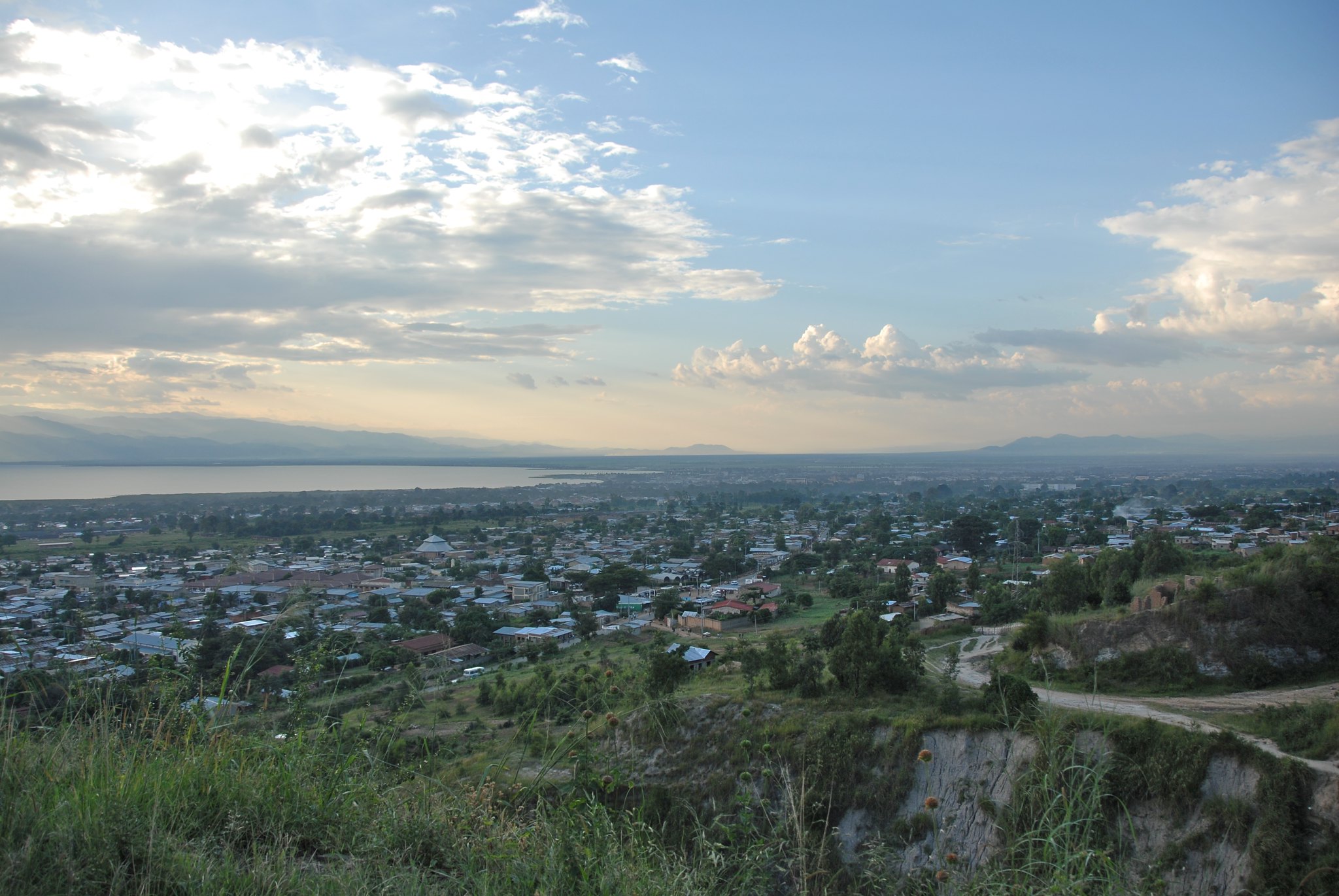
Bujumbura is Burundi’s main city on Lake Tanganyika and the country’s primary commercial hub, even though Gitega became the political capital in 2019. The city sits where the Rusizi River reaches the lake, which is why the waterfront feels “working” rather than purely scenic: you will see boats, fish landings, and small trade moving through the lakefront zones. For visitors, the best stops are simple and local, including a late-afternoon walk by the lake when temperatures ease, and time in the central market to understand daily supply chains and regional produce. Bujumbura is also the most practical place in Burundi to sort the basics before going upcountry: cash, SIM/data, and reliable transport are easier to arrange here than in smaller towns.
Logistically, Bujumbura is served by Melchior Ndadaye International Airport (BJM), the country’s main air gateway, with a 3,600 m paved runway that supports standard jet operations. If you are connecting onward by road, Gitega is about 101 km away by driving route (often around 1.5 hours in normal conditions), which is useful if you need to reach government offices or continue through the central plateau.
Gitega
Gitega is Burundi’s political capital (since January 2019) and a noticeably calmer, more “highland” city than Bujumbura, sitting on the central plateau at about 1,500 m elevation. With a population commonly cited around 135,000 (2020 figures), it feels compact and navigable, and it rewards travelers who are interested in cultural context rather than big-city entertainment. The essential stop is the National Museum of Gitega, founded in 1955, which concentrates Burundi’s heritage into a focused visit featuring royal-era objects, traditional tools, household items, textiles, and musical instruments, including the karyenda royal drum tradition that once symbolized the kingdom.
Gitega is also a practical base for nearby cultural sites tied to royal history. The Gishora Drum Sanctuary is only about 7 km north of town (often 15–20 minutes by car) and is one of the most direct ways to understand the ceremonial role of drums through the setting and local explanation. Getting to Gitega is straightforward from Bujumbura: the road distance is about 100–101 km, typically 1.5–2 hours by car or taxi depending on traffic and checkpoints. An overnight stay is worthwhile, as it lets you visit the museum without rushing and still have daylight for a short excursion to Gishora before continuing onward.
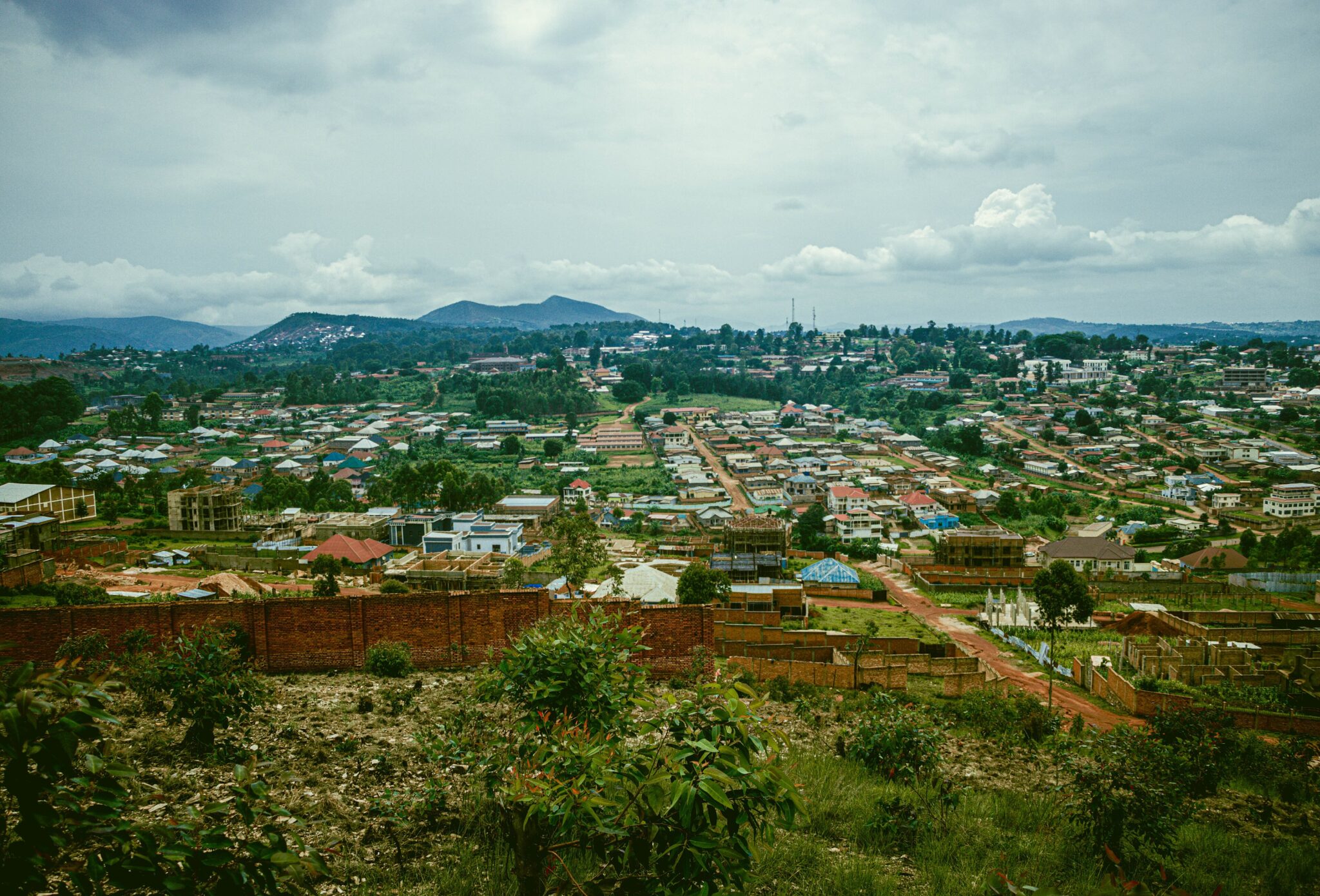
Best Natural Wonders Sites
Rusizi National Park
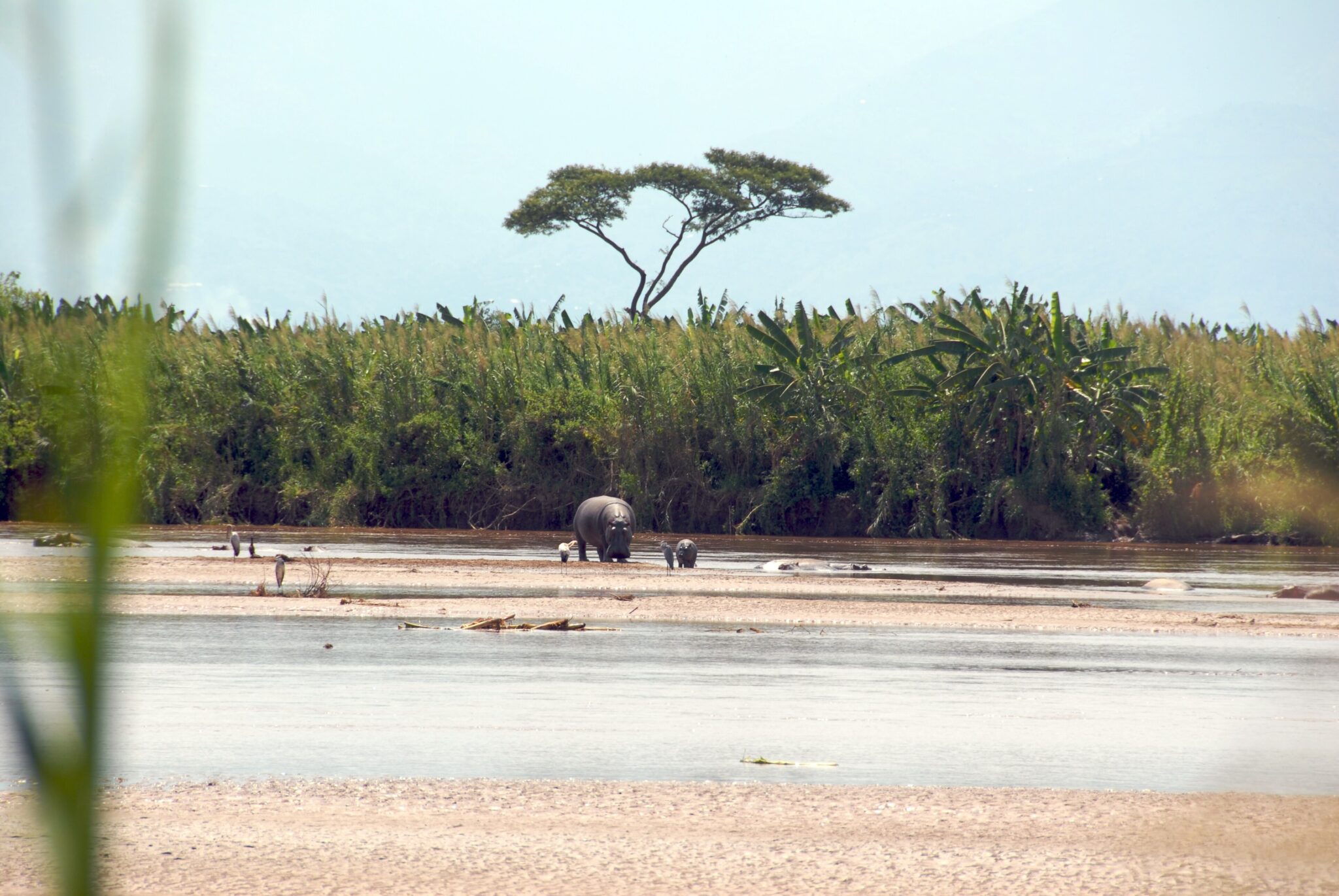
Rusizi National Park is the closest “real nature” escape from Bujumbura, protecting the wetlands and river channels around the Rusizi River delta where it meets Lake Tanganyika. The main draw is boat-based wildlife viewing: in a 60 to 120-minute excursion you often have the best chance of spotting hippos in calm backwaters, Nile crocodiles along muddy banks, and a high concentration of waterbirds and wetland species. The landscape is flat and open in places, so light matters. Early morning typically delivers cooler temperatures, stronger animal activity, and better visibility for photography, while later hours can feel harsher due to glare and heat reflecting off water and reeds.
Getting there is straightforward because it sits just outside the city. From central Bujumbura, plan roughly 10 to 20 km and about 20 to 45 minutes by car depending on traffic and your exact departure point, then you arrange a boat at the landing area or through a local operator. If you are coming from Gitega, treat it as a half-day segment at minimum: the road distance to Bujumbura is about 100 km (often 1.5 to 2.5 hours), then you add the short transfer to the park and time on the water.
Kibira National Park
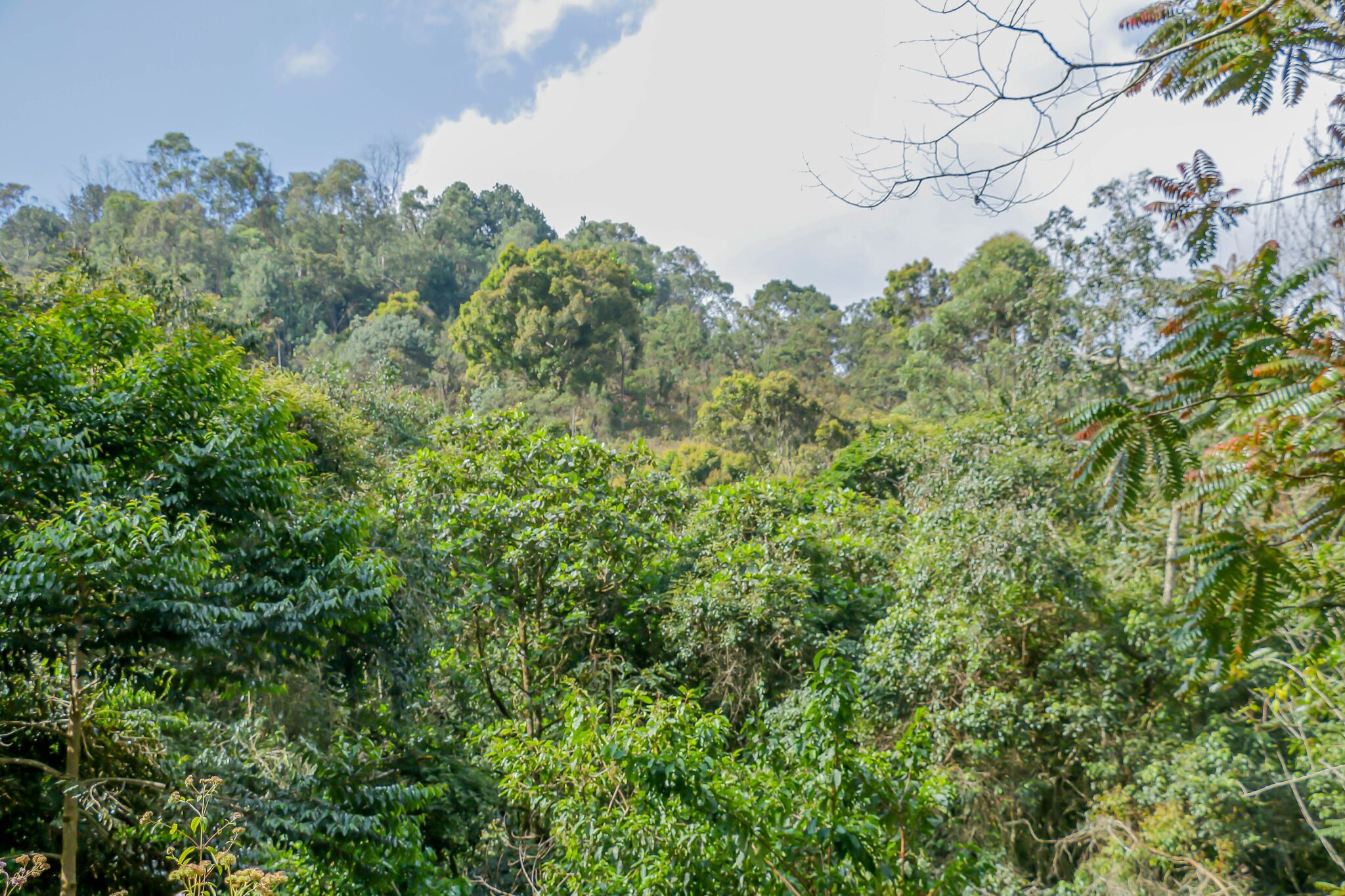
Kibira National Park is Burundi’s flagship high-altitude rainforest in the northwest, sitting along the Congo–Nile Divide and protecting about 400 km² of montane forest, bamboo patches, boggy areas, and river corridors. It is best approached as a hiking and forest-immersion destination rather than a guaranteed wildlife spectacle. The park is known for primates such as chimpanzees, black-and-white colobus, red-tailed monkeys, and baboons, plus strong biodiversity figures often cited at roughly 98 mammal species, 200+ bird species, and around 600+ plant species. The most rewarding experience is usually a guided walk that focuses on forest atmosphere, birds, and primates when they appear, with cooler temperatures than the lowlands and trails that can turn muddy and slick after rain.
Access is typically organized by road from Burundi’s main cities. From Bujumbura, park approaches around the Teza or Rwegura sides are commonly treated as 80 to 100 km away, often 2.5 to 3.5 hours depending on traffic, road condition, and weather. From Gitega, the drive is usually shorter, often 1.5 to 2.5 hours depending on your entry point, making it a practical overnight or long day trip; from Ngozi, some trailheads can be reached in roughly 1 to 2 hours.
Ruvubu National Park
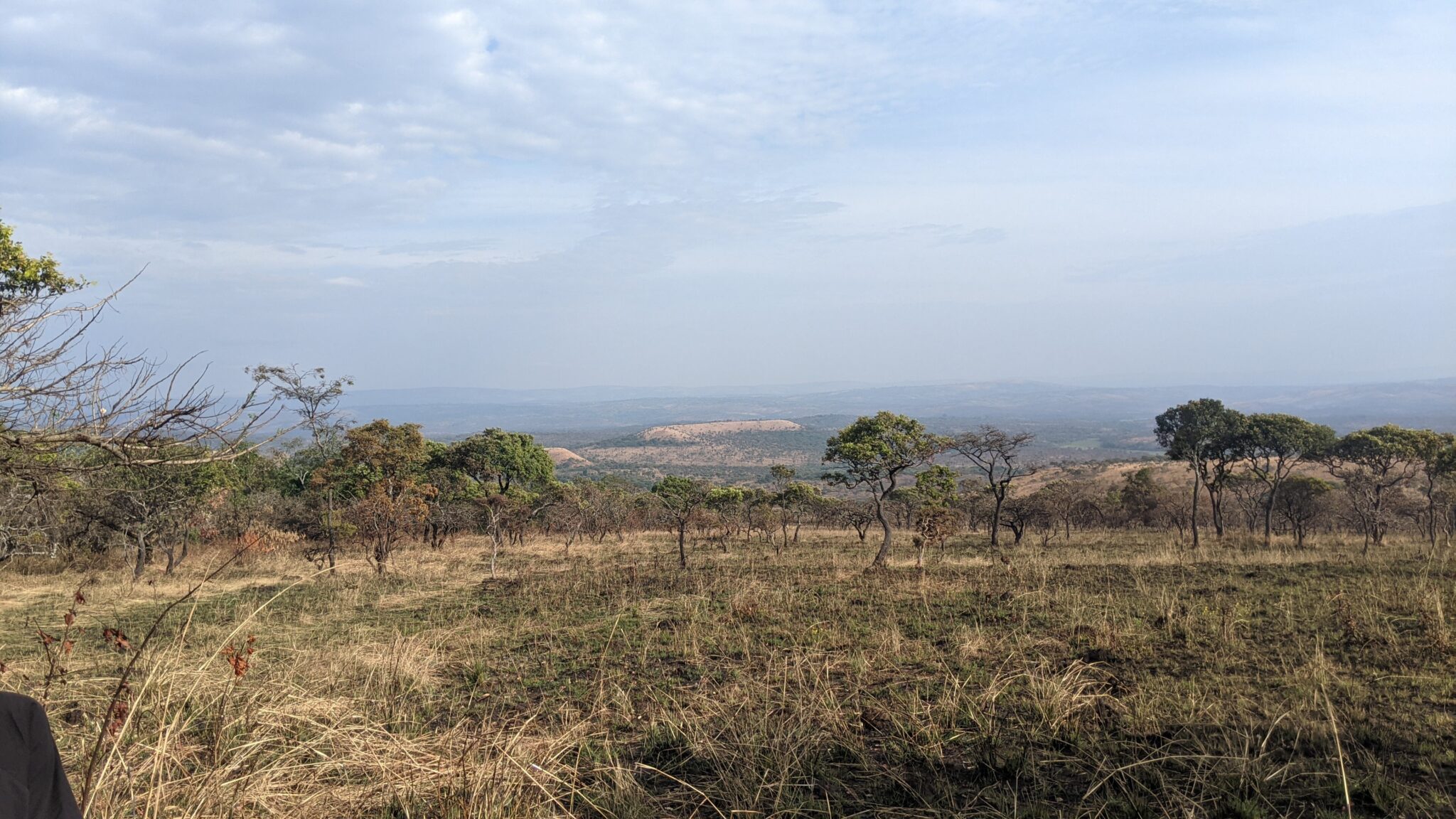
Ruvubu National Park is Burundi’s largest national park, covering about 508 km² and established in 1980 across the provinces of Karuzi, Muyinga, Cankuzo, and Ruyigi. The park follows the Ruvubu River through broad valleys of savannah, floodplains, papyrus marsh, and riverine forest, which makes it more about quiet landscapes and water habitats than classic open-plains safari theatrics. Wildlife is real but not “guaranteed on demand”: the strongest sightings tend to be along river sections, where hippos and Nile crocodiles are the headline species, supported by Cape buffalo, waterbuck, multiple duiker species, and at least five primate species (including olive baboon, vervet, red colobus, blue monkey, and Senegal bushbaby). Birding is a major reason to go, with around 200 recorded bird species, and the best viewing is often early morning when the river edges are most active.
Lake Tanganyika (Bujumbura beaches)
Lake Tanganyika is Burundi’s defining landscape and one of the world’s great freshwater lakes, with a shoreline that lends itself to simple, restorative afternoons. The lake is exceptionally deep, reaching about 1,470 m at its maximum, and it stretches roughly 673 km north to south, which explains why it can feel almost ocean-like at sunset. Near Bujumbura, the best experience is low-intensity: a beach afternoon for swimming and relaxing, lakeside cafés for a slow meal, and late-day waterfront time when temperatures ease and the light turns golden over the water. Even a short visit works well between longer drives because it requires almost no planning beyond choosing a reliable beach spot.
From central Bujumbura, most beach areas along the lake are easy to reach by taxi in roughly 10 to 30 minutes, depending on traffic and which section of shore you choose, and many travelers combine a beach stop with an early evening sunset window. If you are using the lake as a recovery day, keep the plan simple: arrive mid-afternoon, swim where locals regularly swim, then stay through sunset and return before it gets late.
Saga Beach
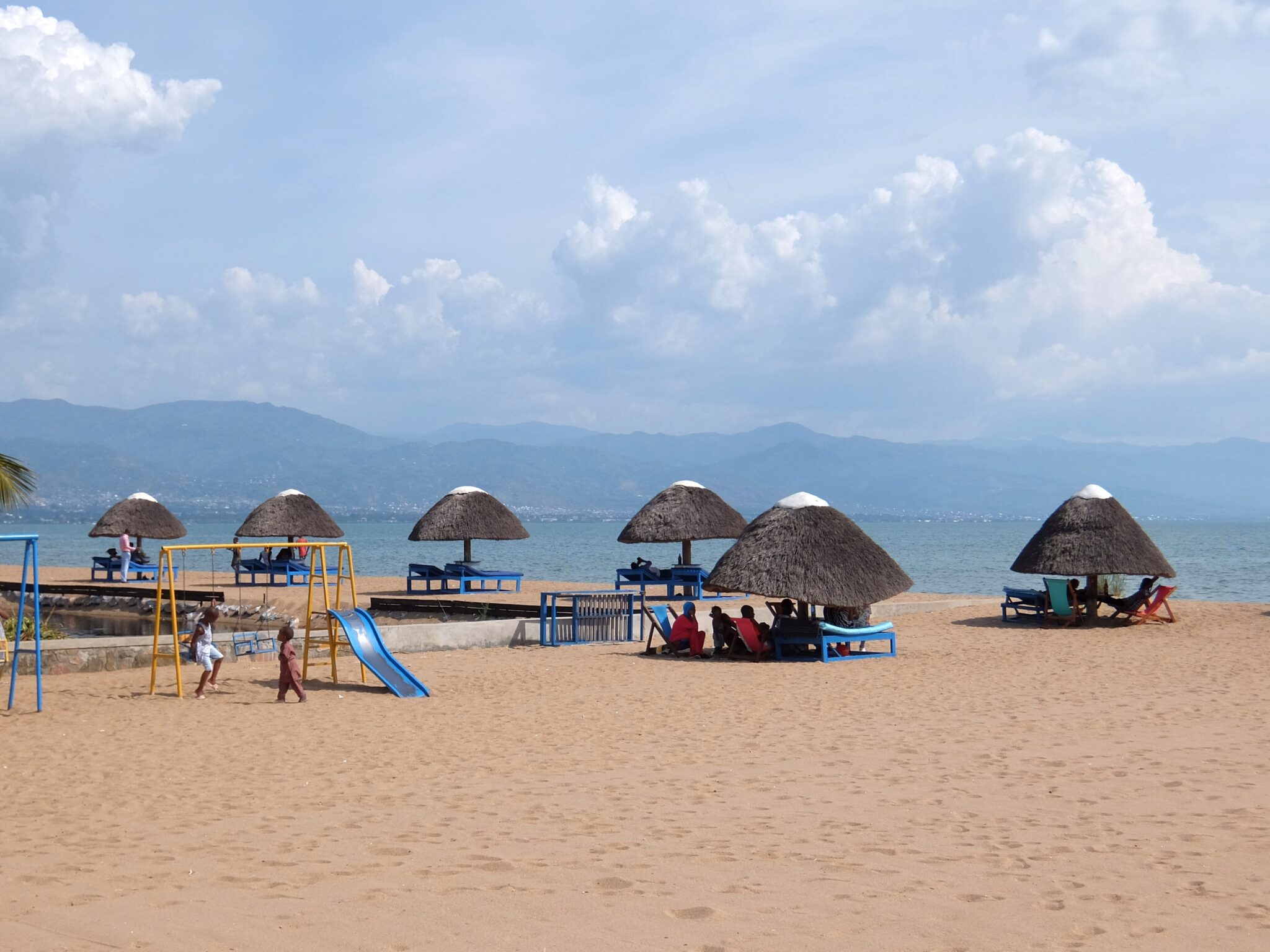
Saga Beach (often referred to locally as Saga Plage) is one of the easiest Lake Tanganyika escapes from Bujumbura, valued for its long strip of sand, a distinctly local weekend atmosphere, and simple lakeside restaurants rather than polished resort infrastructure. It tends to be quiet on weekdays, while weekends are notably livelier, with groups gathering for food, music, and casual sports on the sand. Expect a straightforward “slow afternoon” experience: walking the shoreline, watching boats and lake life, and ordering simple meals (often fresh fish) with sunset views. Because Lake Tanganyika is extremely deep and conditions can change, it is best to swim only where locals regularly enter the water and to treat currents conservatively even when the surface looks calm.
Livingstone Stanley Monument
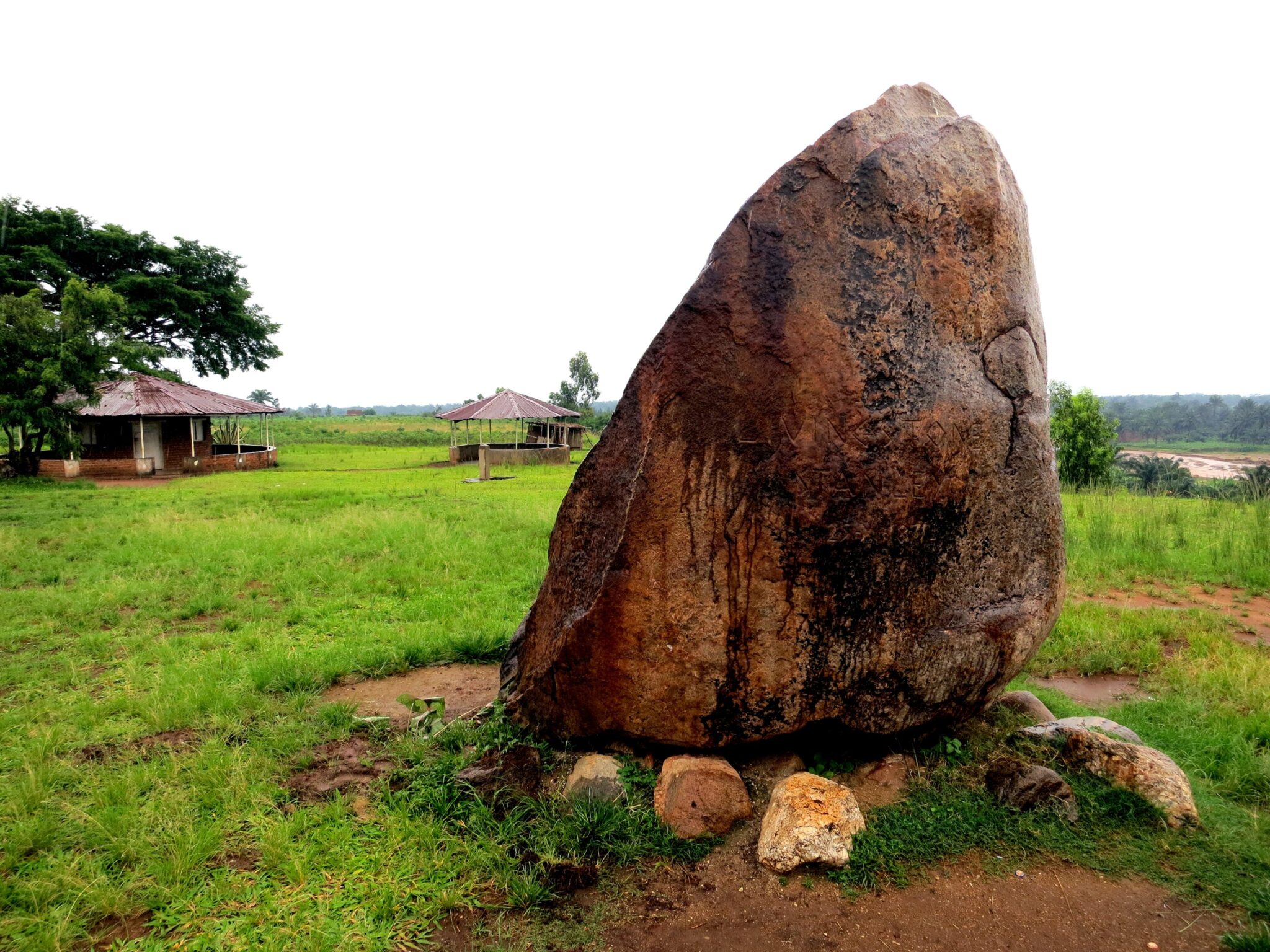
The Livingstone–Stanley Monument is a small but historically resonant stop on the Lake Tanganyika shore at Mugere, roughly 10 to 12 km south of Bujumbura. It marks a documented visit by David Livingstone and Henry Morton Stanley, who stayed two nights (25–27 November 1871) during their lake-shore exploration. The monument itself is essentially a large rock with an inscription and a viewpoint-style setting overlooking the lake, so the value is context rather than spectacle: it helps anchor the region’s 19th-century exploration narrative, while the surrounding lakeshore scenery gives you an easy, photogenic pause on a travel day.
From central Bujumbura, it works best as a short outing by taxi or private car, typically 20 to 40 minutes each way depending on traffic and where you start. Treat it as a brief stop, then make the outing feel fuller by pairing it with a lakeside walk or a market visit in Bujumbura, or by continuing a little farther along the shore if your route already runs south.
Best Cultural and Historical Sites
National Museum of Gitega
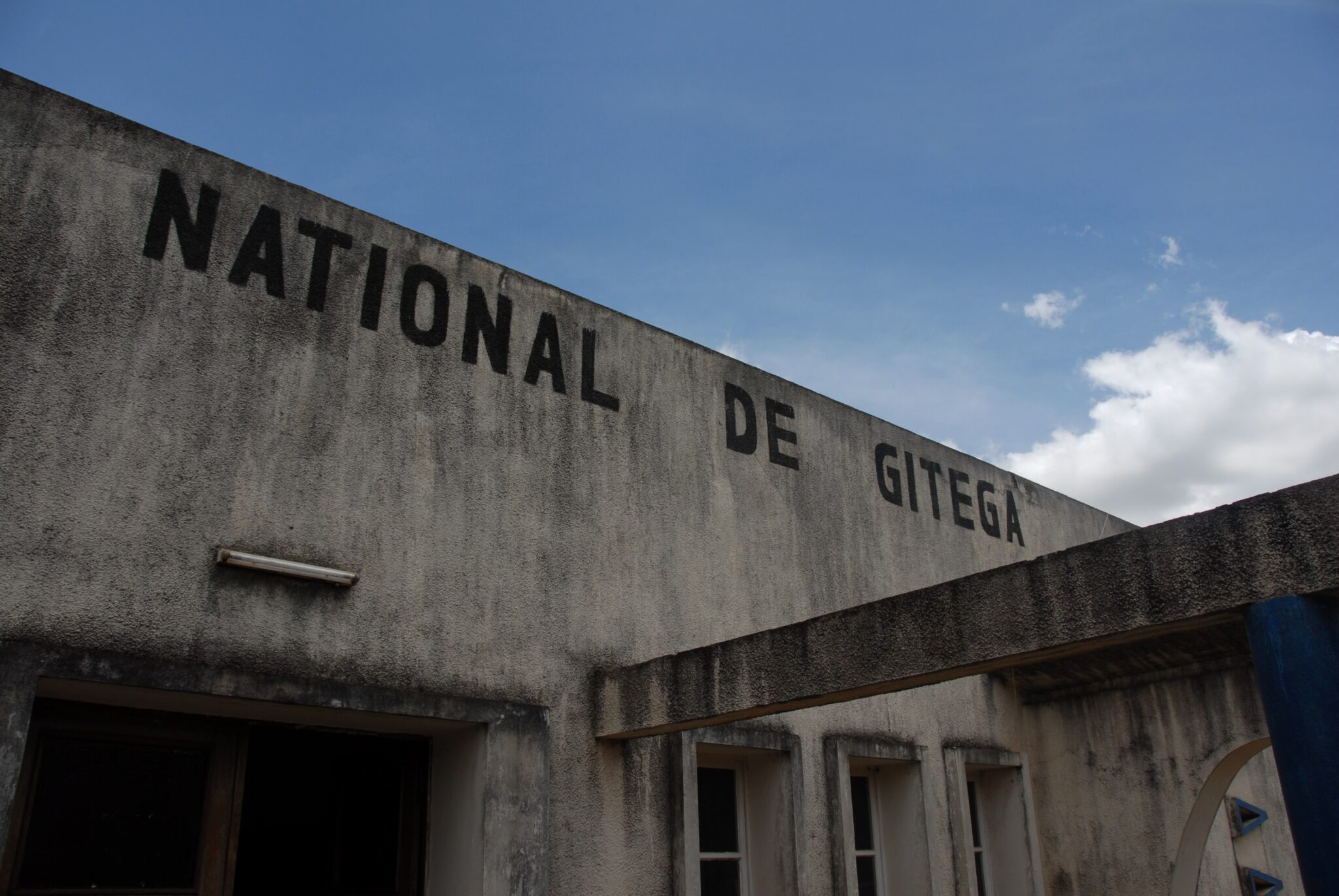
The National Museum of Gitega is Burundi’s key cultural institution and the best single stop for grounding yourself in the country’s history, identity, and traditional life. Founded in 1955, it is often described as the country’s oldest and most important museum, with collections that cover royal-era heritage and everyday material culture: traditional tools, household objects, crafts, textiles, musical instruments, and symbolic items connected to the monarchy. The visit is most valuable as context rather than spectacle. It helps you recognize patterns you will later see in markets and rural areas, from craft materials and motifs to the cultural importance of drums and ceremonial objects. Plan 1 to 2 hours for a focused visit, and closer to 2 to 3 hours if you prefer to move slowly and take notes.
Gishora Drum Sanctuary
Gishora Drum Sanctuary is Burundi’s most emblematic site for royal drumming heritage, located about 7 km north of Gitega. It is closely tied to the country’s monarchy and is often linked to King Mwezi Gisabo in the late 19th century, which gives the place historical weight beyond the performance itself. The experience is usually a live demonstration of the ritual dance of the royal drum, recognized by UNESCO on the Representative List of the Intangible Cultural Heritage of Humanity (2014). The performance format is distinctive: you typically see a dozen or more drums, arranged in a semicircle around a central drum, with the number of drums traditionally kept odd. Drumming is combined with movement, chanting, and ceremonial gestures, so even a short visit feels like a concentrated introduction to how drums function as national symbols rather than entertainment alone.
Regina Mundi Cathedral (Bujumbura)
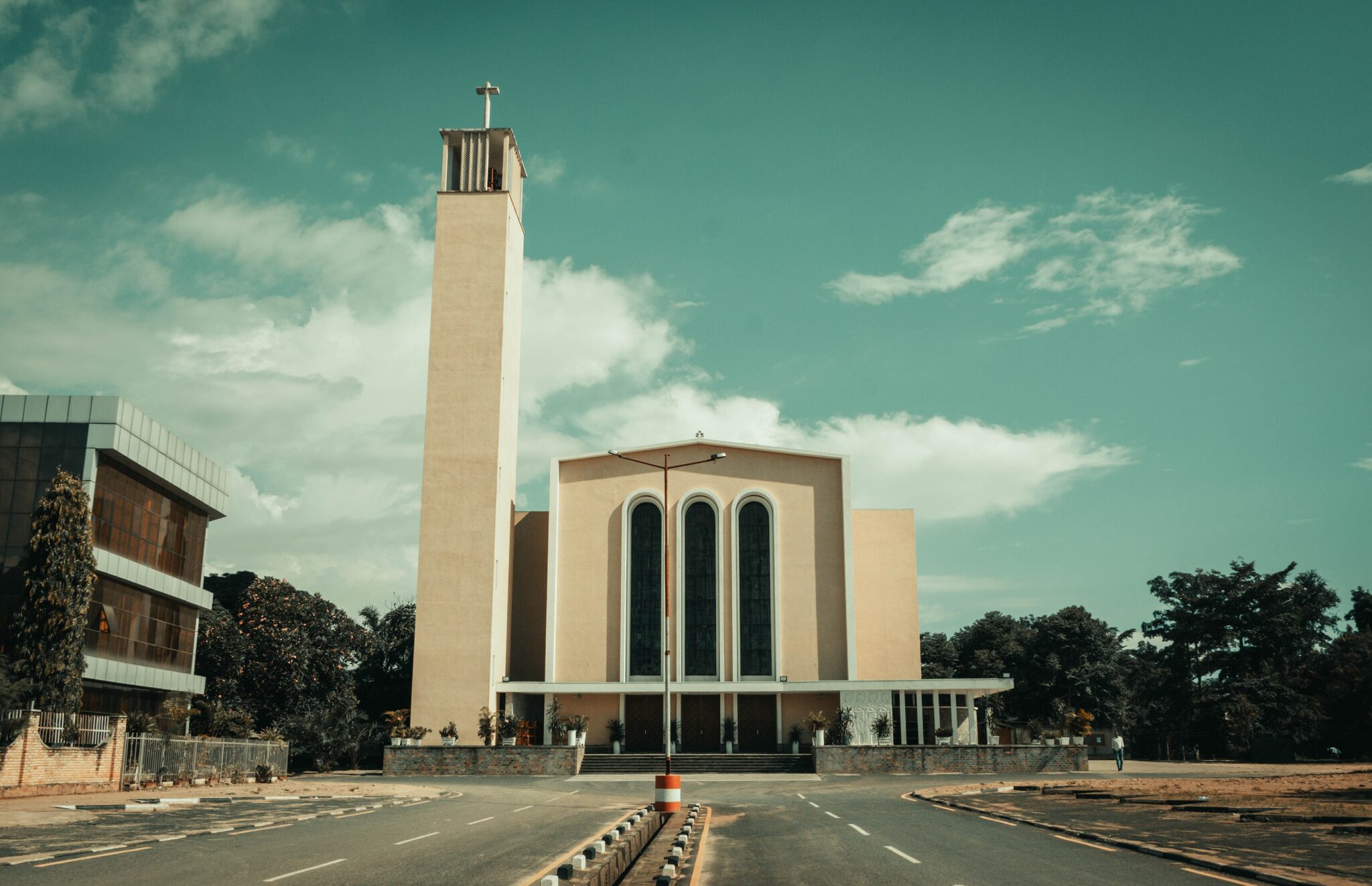
Regina Mundi Cathedral is one of Bujumbura’s best-known churches and a straightforward stop to add cultural texture to a city day. It is valued less for “must-see” collections and more as a landmark that helps you read the city’s central districts, with a spacious interior suited to quiet observation and a role as a gathering place for major services. If you visit calmly, you will notice the practical side of a working cathedral: daily rhythms around prayer times, community meetings, and the way church spaces function as civic anchors in many Burundian cities. Plan 20 to 40 minutes for a respectful visit, longer only if you are attending a service or taking time to sit quietly.
Hidden Gems of Burundi
Source of the Nile (Rutovu)
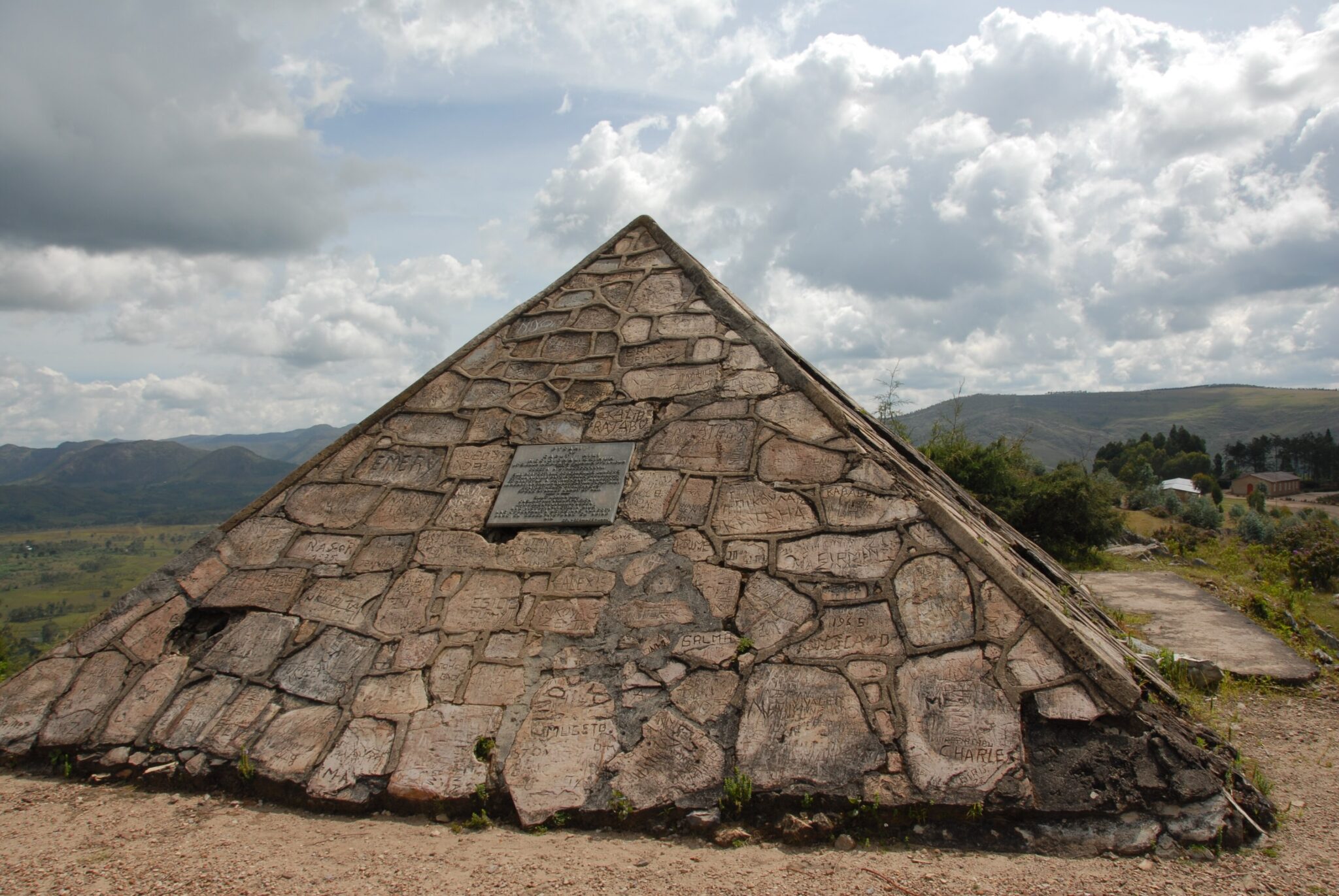
Rutovu’s “Source of the Nile” is a quiet highland landmark in southern Burundi, valued for its symbolism rather than dramatic scenery. The site is linked to a small spring on the slopes of Mount Kikizi (2,145 m), identified in the early 20th century as the southernmost headwater in the chain that feeds the White Nile system. A simple stone pyramid-style marker is the focal point, and the visit is mainly about standing at a modest trickle of water and placing it in a much larger geographic story. What makes it worthwhile is the setting: rural hills, patchwork farms, cool air at around 2,000 m altitude, and the sense of being in an out-of-the-way corner of the country with very little tourism infrastructure.
Access is typically by road with a driver. From Bujumbura, plan roughly 115 km (often around 3 to 4 hours in real conditions) via the southern corridor toward Bururi Province, then onward to Rutovu and the site. From Gitega, it is commonly described as about 40 km (usually 1 to 1.5 hours depending on the route and road condition), making it an easy half-day add-on if you are already in the center of the country. If you are coming from Rutana, the road distance is about 27 km (often 45 to 60 minutes).
Karera Waterfalls
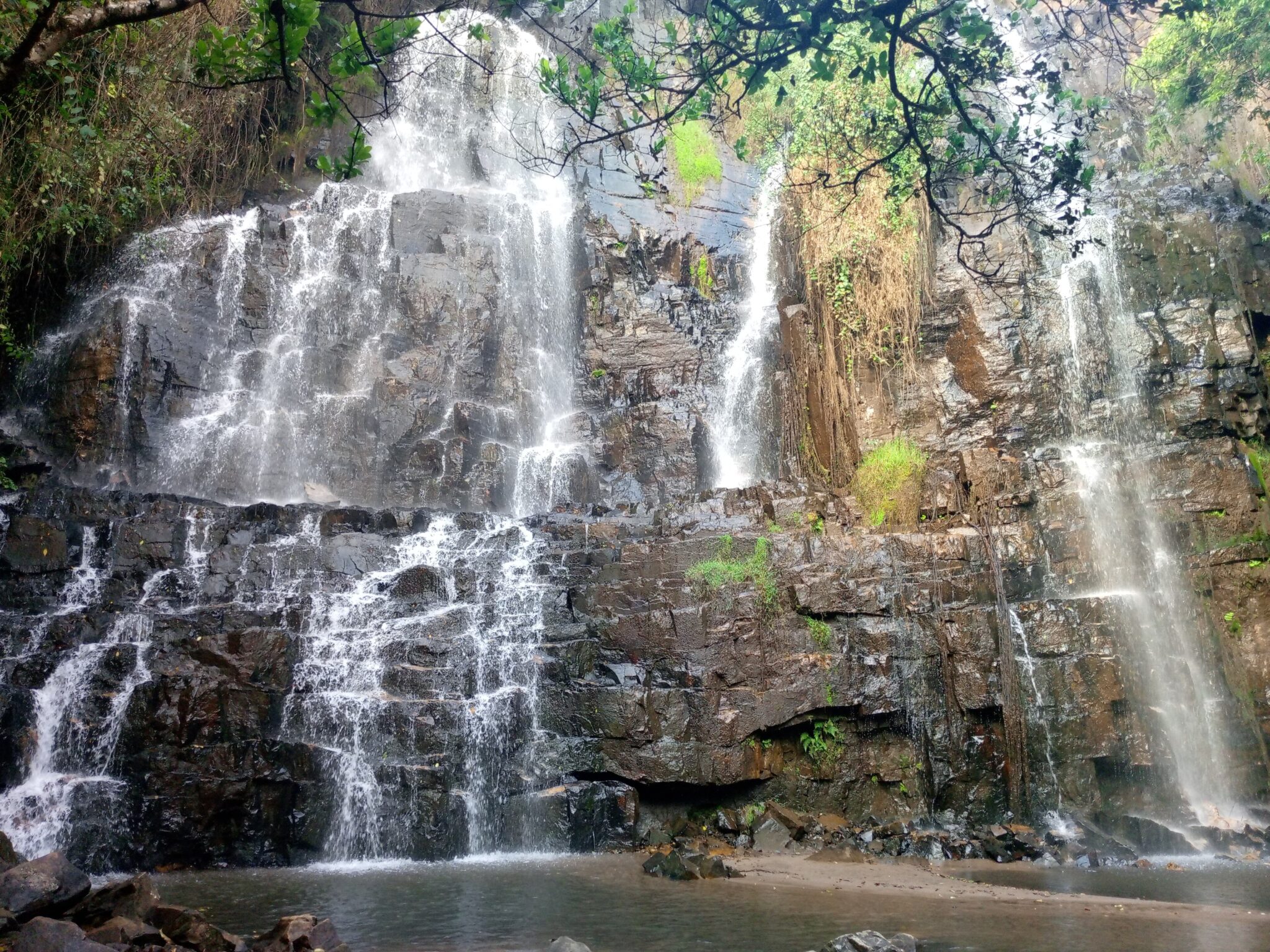
Karera Waterfalls are one of Burundi’s most scenic, easy-access nature breaks, set south of Rutana in a green valley where the water splits and drops in a multi-tier system rather than a single plunge. The site covers roughly 142 hectares and the falls divide into six branches over three main levels, with the best-known upper drop often described at around 80 m, plus another significant cascade of about 50 m nearby that joins the flow downstream. The result is a layered viewpoint experience: you can watch parallel streams pour into basins, then follow short paths to see how the water converges and spills toward the valley, with the surrounding vegetation staying vivid after rains and the rock faces looking darker and more textured in early or late light.
Access is usually arranged by road, and it works well as a half-day or full-day outing depending on where you start. From Gitega, the falls are commonly described as about 64 km away, often 2 to 3 hours by car once you factor in slower sections and local turn-offs. From Bujumbura, plan roughly 165 to 170 km and around 4.5 to 6 hours in real conditions, making it more comfortable as part of a southern route or with an overnight nearby. From Rutana town, you are close enough to treat it as a short excursion with modest driving time. For the best flow, go after recent rainfall, but expect muddy, slippery paths and bring shoes with grip; if you visit in a drier spell, viewpoints are easier and cleaner, but the volume is usually lower.
Teza Tea Plantations
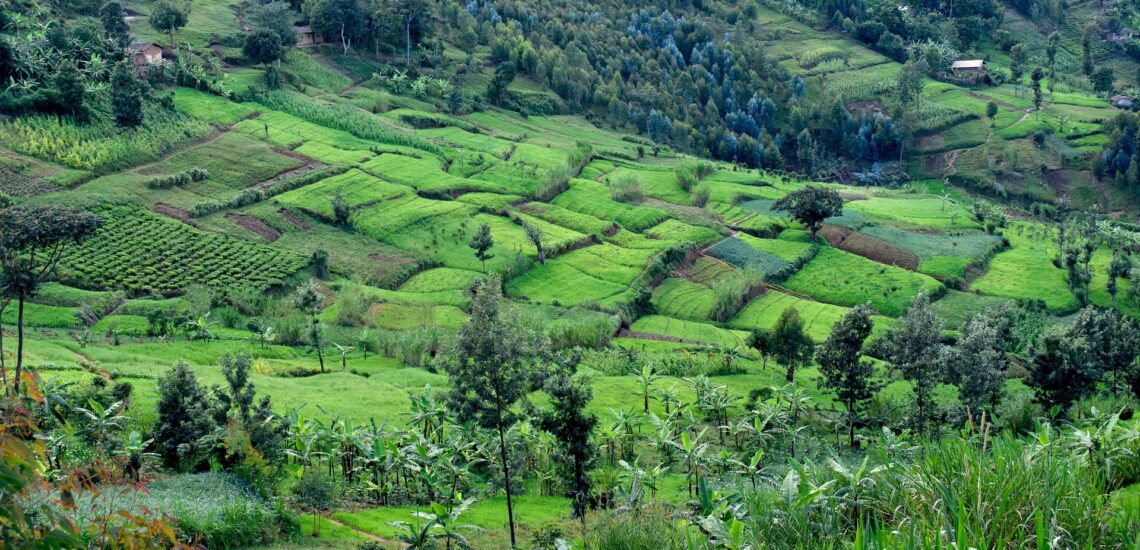
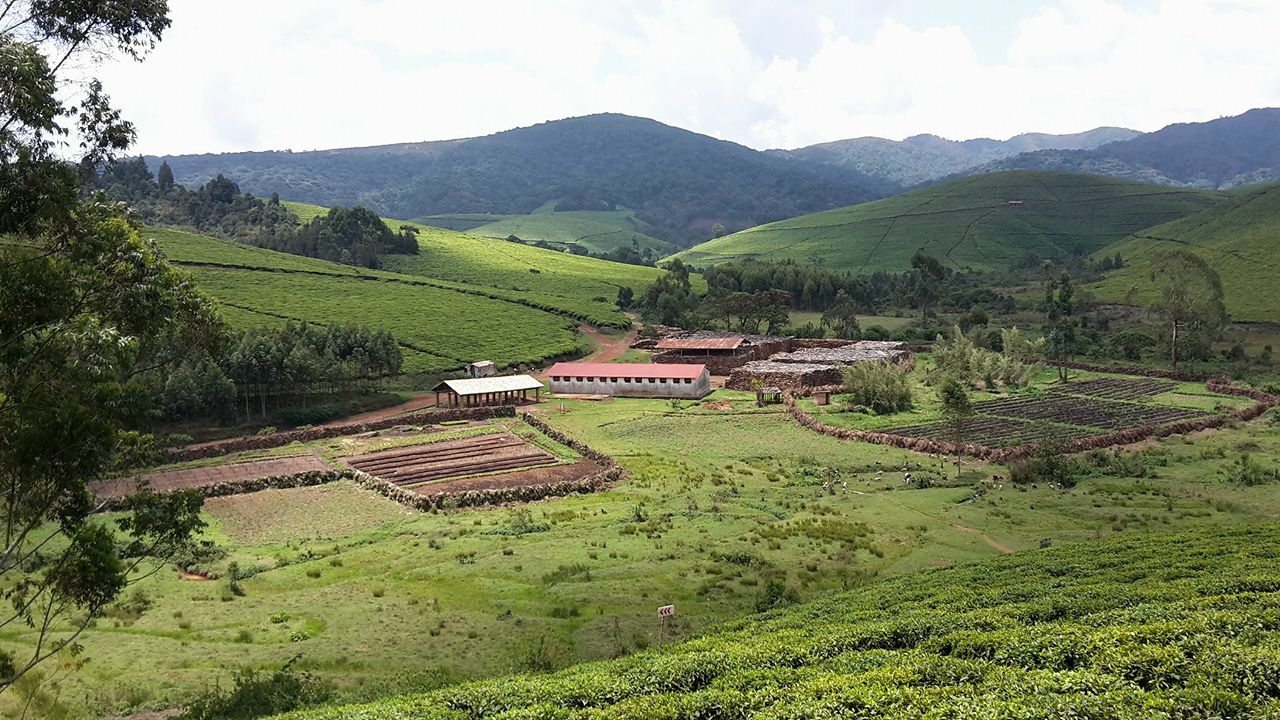
Teza Tea Plantations are among Burundi’s most scenic highland landscapes, set on the edge of Kibira Forest along the Congo-Nile ridge. The estate is often described as an industrial block of about 600 hectares, with surrounding “village” tea areas that expanded the footprint to roughly 700 hectares in the wider Teza zone. The plantations sit in cool mountain conditions, commonly cited in the 1,800 to 2,300 m altitude band, which is ideal for slow-growing leaf and the misty, textured look that makes the hills so photogenic. A visit is mainly about the scenery and the tea rhythm: walking short paths between neatly clipped rows, watching hand-plucking in season, and stopping at viewpoints where the green slopes drop into forested valleys.
Lake Rwihinda (Bird Lake)
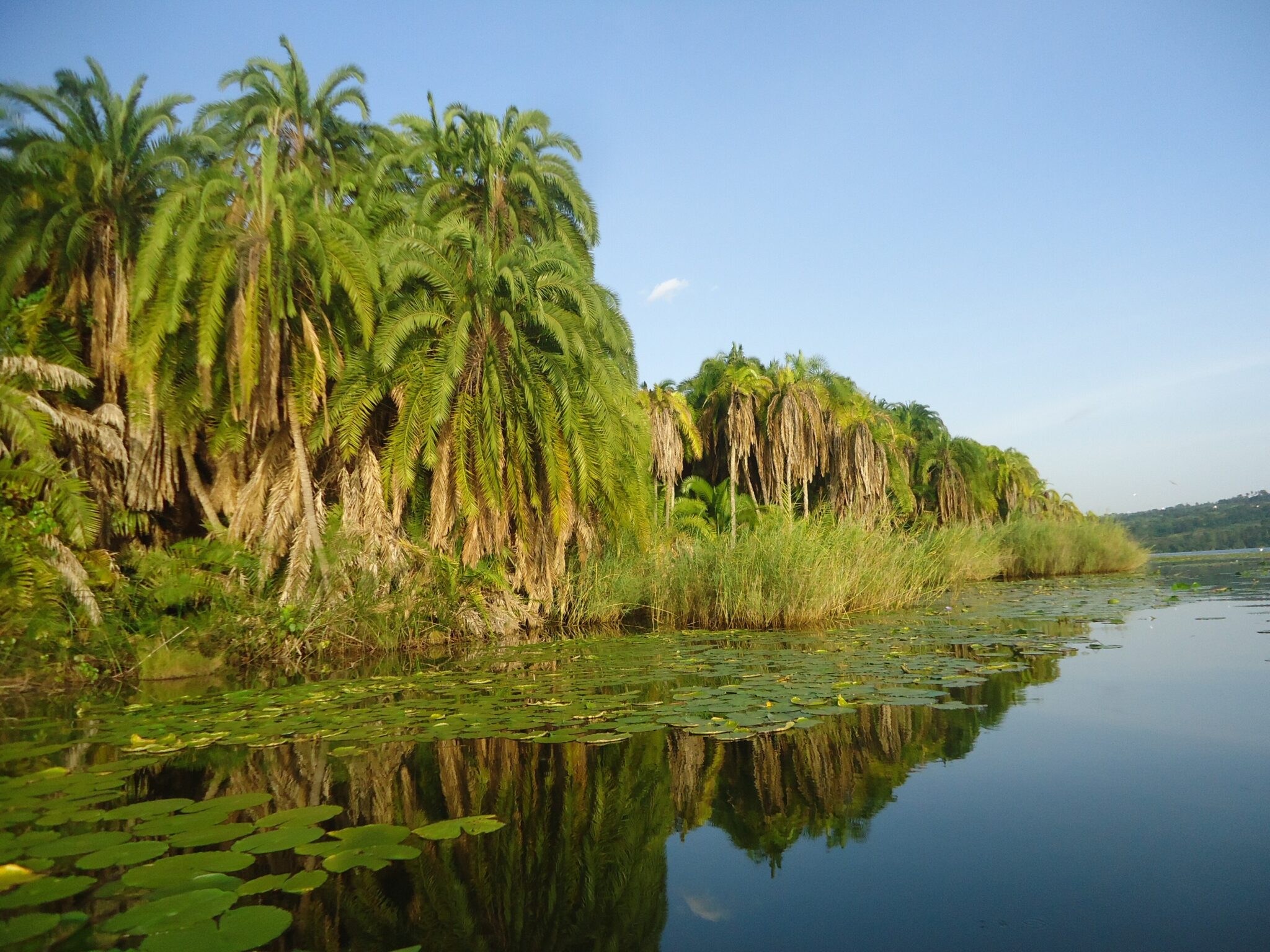
Lake Rwihinda, often called “Bird Lake”, is a small but biologically rich wetland in Kirundo Province in northern Burundi. The open water area is about 425 hectares (4.25 km²) at roughly 1,420 m elevation, while the wider managed reserve is reported to extend to around 8,000 hectares (80 km²) when surrounding marshes and habitat buffers are included. It is best known for waterbirds and migratory species, with 60+ bird species recorded around the lake and papyrus-fringed edges that create good feeding and nesting habitat. Visitor numbers remain very low by regional standards, often cited at only 200 to 300 birdwatching visitors per year, which is why the atmosphere tends to feel quiet and local rather than touristic.
Travel Tips for Burundi
Safety and General Advice
Travel in Burundi requires careful planning and up-to-date information. Conditions can vary across regions, and staying informed through official travel advisories is essential. Visitors should rely on trusted local contacts or organized support for logistics, especially outside Bujumbura. Booking transportation and accommodation in advance helps ensure reliability, as infrastructure remains limited in some rural areas.
A yellow fever vaccination may be required depending on your point of entry, and malaria prophylaxis is recommended for all travelers. Tap water is not consistently safe to drink, so use bottled or filtered water for drinking and brushing teeth. Travelers should pack insect repellent, sunscreen, and basic medical supplies, as healthcare facilities outside Bujumbura are limited. Comprehensive travel insurance with evacuation coverage is also strongly advised.
Car Rental and Driving
An International Driving Permit is recommended alongside a national driver’s license, and both should be carried at all times when renting or driving vehicles. Police checkpoints are common, and cooperation is typically smooth when documents are in order. Driving in Burundi is on the right-hand side of the road. While roads between major cities are generally passable, rural routes can be rough, particularly after rain. Caution is advised when traveling outside urban centers, and night driving is best avoided due to limited lighting and visibility. Travelers planning to drive themselves should carry all necessary documentation and consider hiring a local driver for longer or more challenging routes.

Published January 24, 2026 • 15m to read