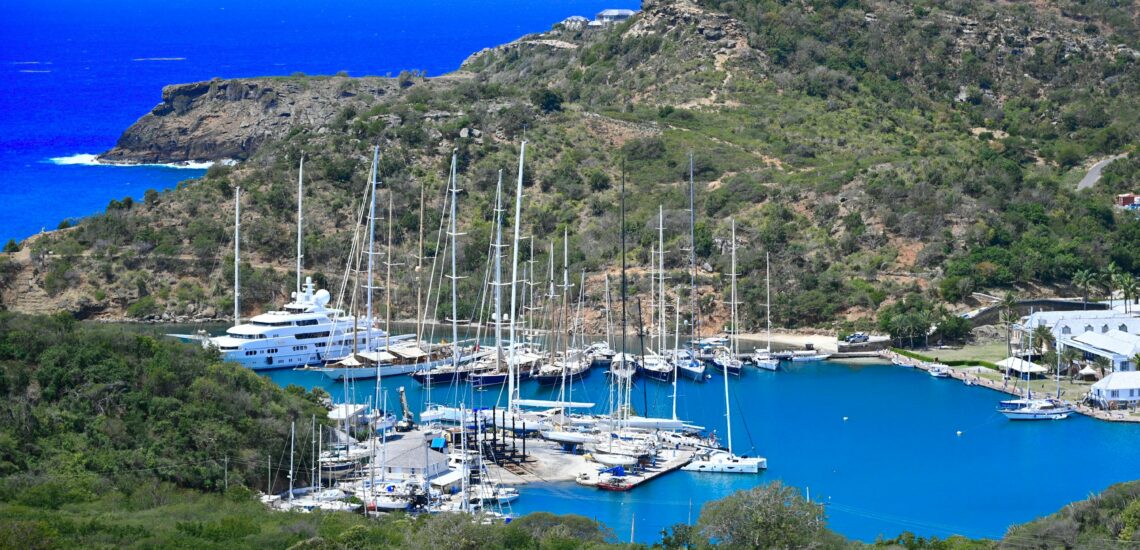


Famous for having “a beach for every day of the year”, Antigua and Barbuda are twin jewels of the Eastern Caribbean. These islands blend British colonial history, turquoise waters, coral reefs, and laid-back Caribbean charm into a picture-perfect tropical escape.
Antigua is lively and steeped in history – home to sailing regattas, historic forts, and bustling harbors – while Barbuda is quiet and unspoiled, with pink-sand beaches stretching for miles. Together, they offer a perfect balance of adventure, culture, and tranquility.
Best Cities and Cultural Destinations
St. John’s
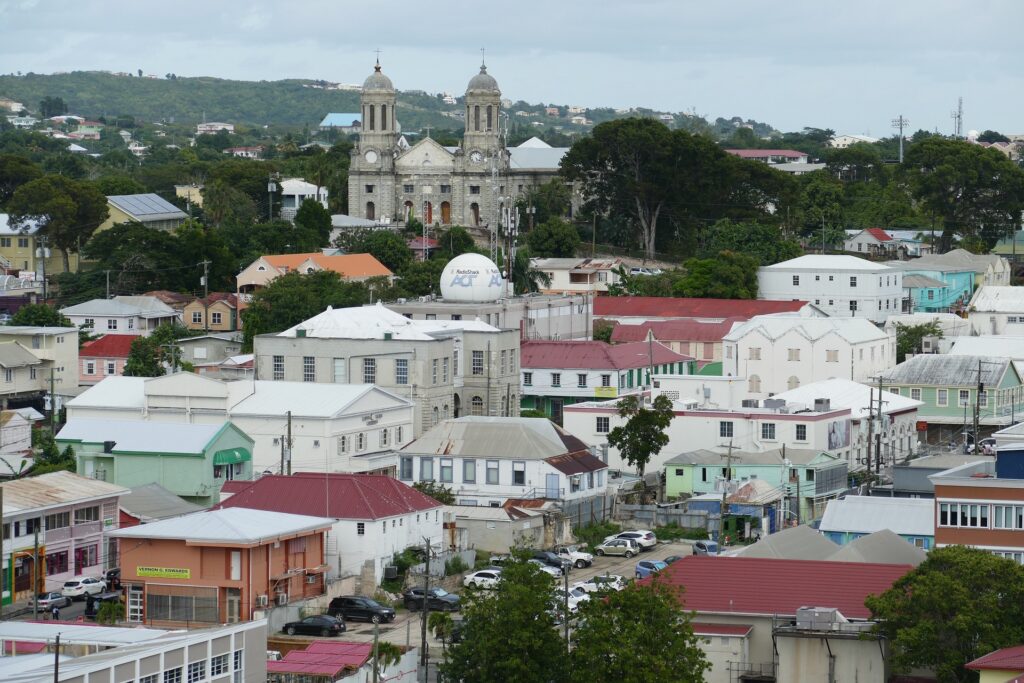
St. John’s, the capital of Antigua and Barbuda, is a lively blend of colonial heritage and modern Caribbean life. The city’s skyline is defined by St. John’s Cathedral, an imposing landmark with twin white towers that overlook the harbor. Nearby, the Museum of Antigua and Barbuda, housed in an 18th-century courthouse, traces the island’s story from its Indigenous Arawak roots through the colonial and post-independence eras.
Along the waterfront, Heritage Quay and Redcliffe Quay are the heart of the city’s shopping and dining scene, offering duty-free boutiques, local art galleries, and open-air cafés. Just a few streets away, Market Street bursts with color and energy, where vendors sell spices, tropical fruits, and handmade crafts.
English Harbour & Nelson’s Dockyard
English Harbour and Nelson’s Dockyard, a UNESCO World Heritage Site, represent the heart of Antigua’s naval history and one of the Caribbean’s best-preserved colonial ports. Once the base of Admiral Horatio Nelson’s fleet, the dockyard has been fully restored and now serves as both a working marina and a cultural landmark. Visitors can tour the Dockyard Museum housed in the old Admiral’s House, explore the stone buildings converted into galleries, boutiques, and cafés, and walk along the quays where luxury yachts moor beside centuries-old warehouses. The surrounding Nelson’s Dockyard National Park offers hiking trails to Fort Berkeley and the Lookout Trail leading to panoramic views of the coastline. English Harbour is easily accessible by car or taxi from St. John’s in about 40 minutes, and small ferries connect it with Galleon Beach. The nearby Shirley Heights Lookout provides one of the best island viewpoints, especially at sunset during the Sunday gatherings with live steel bands and local food.

Falmouth Harbour
Falmouth Harbour lies next to English Harbour on Antigua’s southern coast and serves as the island’s main hub for yachting and maritime events. Surrounded by forested hills, the natural deep-water harbor shelters several large marinas such as Antigua Yacht Club Marina and Falmouth Harbour Marina, where visitors can see some of the world’s largest private yachts. The area offers easy access to sailing charters, diving centers, and boat tours around the coastline. During Antigua Sailing Week, held each spring, the harbor becomes the center of international regattas and lively shore activities. Falmouth Harbour is about a 40-minute drive from St. John’s, with taxis and rental cars available, and many hotels and restaurants line the waterfront, making it a convenient base for exploring both the harbor and the nearby Nelson’s Dockyard National Park.
Parham Town
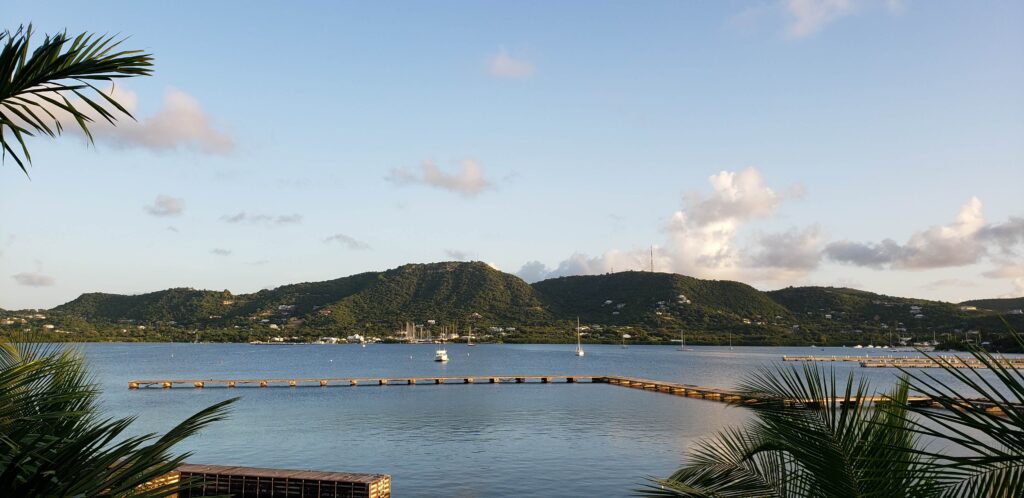
Parham Town, located on the northeast coast of Antigua, is the island’s oldest settlement and was once its first capital. Founded in 1632, it remains an important historical site reflecting early colonial life. The town’s main landmark is St. Peter’s Church, a Georgian-style building dating back to the 1840s, built on the foundations of one of the earliest churches in the Caribbean. Visitors can walk through the quiet streets, observe local fishing life around Parham Harbour, and see remnants of colonial-era architecture. The town is about a 25-minute drive from St. John’s and can be easily reached by car or local bus, offering a calm and authentic look into Antigua’s early history away from the main tourist centers.
Best Natural Wonders in Antigua and Barbuda
Half Moon Bay (Antigua)
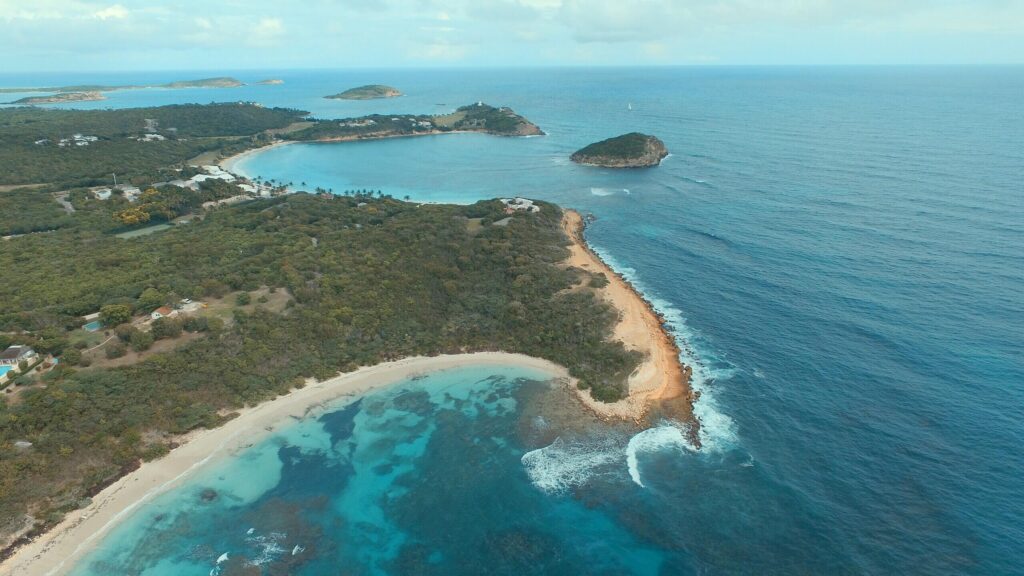
Half Moon Bay lies on Antigua’s southeastern coast and is known for its wide crescent of white sand bordered by low green hills and clear Atlantic waters. It is part of a national park and remains less developed than other beaches, making it ideal for visitors seeking a quiet coastal escape. The eastern side of the bay offers good conditions for body surfing and windsurfing, while the western end has calmer water suitable for swimming and snorkeling. Basic facilities and a small beach café are available near the parking area. The beach is about a 35-minute drive from St. John’s or 20 minutes from English Harbour, reachable by car or taxi along scenic coastal roads.
Dickenson Bay
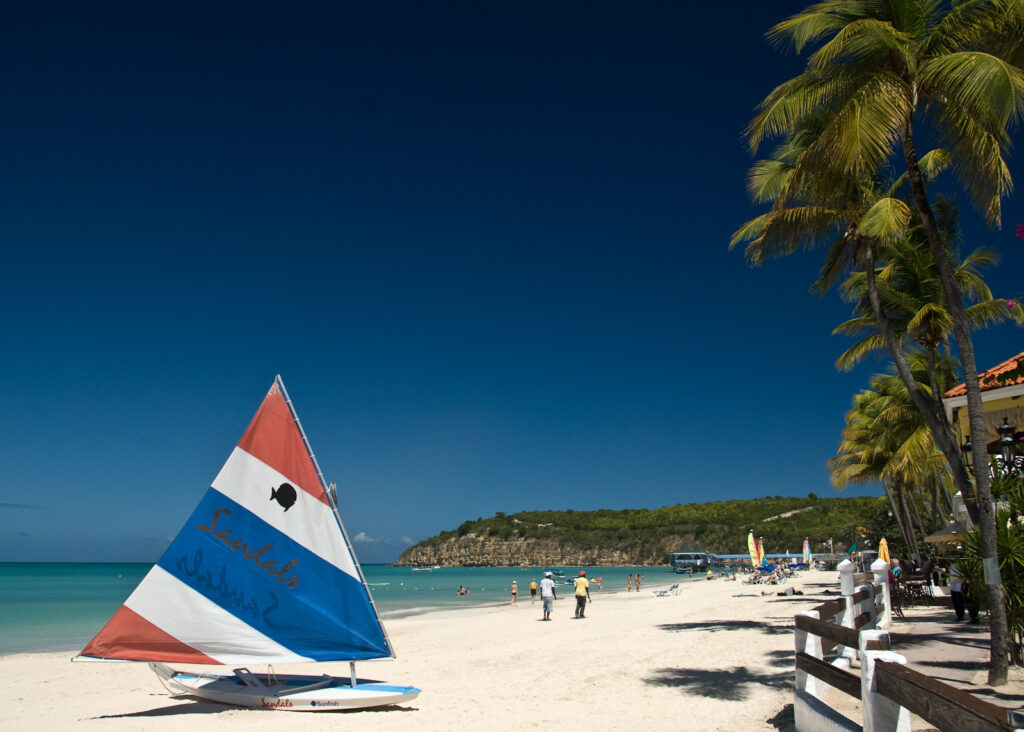
Dickenson Bay, located on the northwestern coast of Antigua near St. John’s, is the island’s most popular and developed beach. The long stretch of soft sand and calm waters make it suitable for swimming and a wide range of water sports including jet skiing, kayaking, and parasailing. The bay is lined with major resorts, beach clubs, and open-air restaurants where visitors can relax or enjoy sunset views over the Caribbean Sea. Small boats and catamarans depart from the shore for snorkeling trips and coastal cruises. Easily accessible by car or taxi from the capital in less than 15 minutes, Dickenson Bay serves as both a daytime recreation spot and an evening social hub.
Valley Church Beach
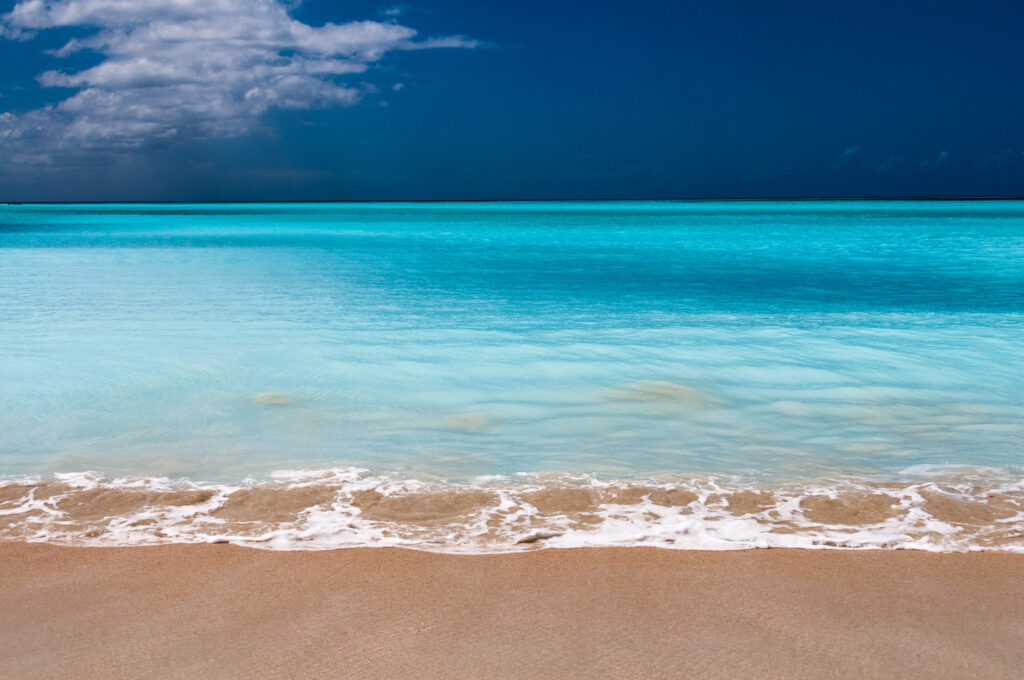
Valley Church Beach is located on Antigua’s western coast, just south of Jolly Harbour, and is known for its calm turquoise waters and wide sandy shoreline. The gentle surf makes it ideal for swimming, paddleboarding, and wading, while the nearby palm trees provide natural shade. Small local bars and restaurants offer food and drinks right by the beach, and water sports rentals are available for visitors who want to explore the bay. The beach is about a 25-minute drive from St. John’s and can be easily reached by taxi or rental car. Its peaceful atmosphere and easy access make it a good option for a relaxed day by the sea.
Darkwood Beach
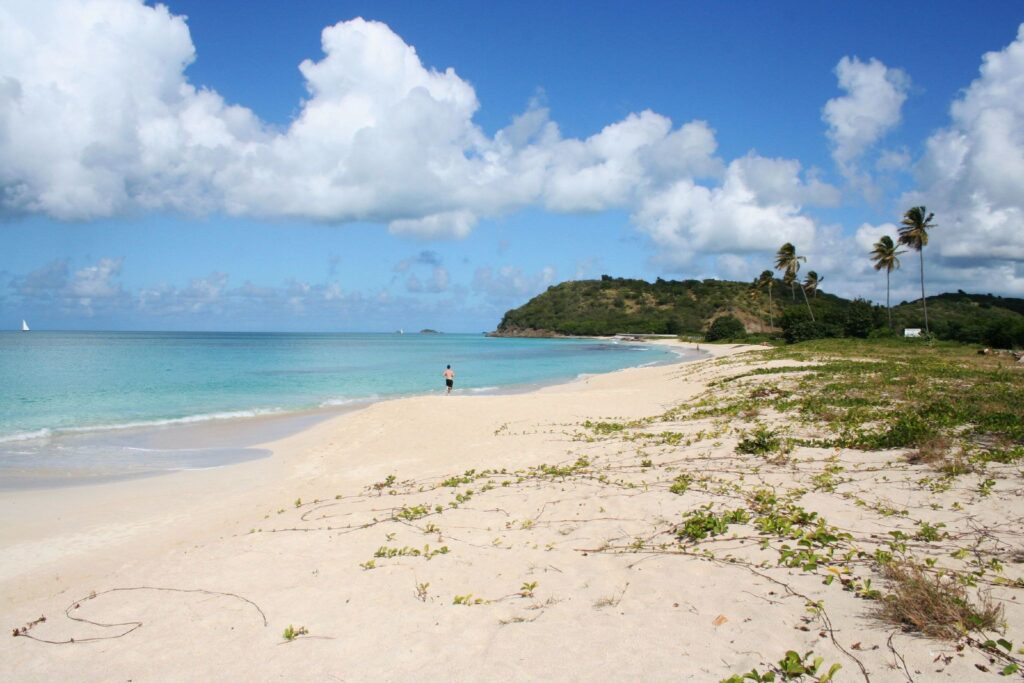
Darkwood Beach on Antigua’s west coast is one of the island’s best places to visit for snorkeling, swimming, and watching the sunset. Its clear, calm waters and nearby coral reefs attract visitors who want to explore marine life without taking a boat trip far offshore. The beach is also known for its relaxed atmosphere and open views of the Caribbean Sea, making it a good choice for spending a quiet afternoon or ending the day with dinner by the water. Small beach bars serve local seafood and drinks, and the location is easily reached by car or taxi from St. John’s in about 30 minutes.
Devil’s Bridge National Park
Devil’s Bridge National Park, located on Antigua’s rugged east coast near Indian Town, is worth visiting for its striking natural limestone arch carved by the constant force of the Atlantic Ocean. The site features several blowholes where seawater shoots upward through the rock, creating dramatic bursts of spray. It offers a rare chance to see the island’s wilder coastal landscape, very different from its calm western beaches. Visitors can walk carefully along the rocky edges for views of the arch and surrounding cliffs, especially at sunrise when the light highlights the waves and textures of the stone. The park is about a 40-minute drive from St. John’s and can be reached by car or taxi, often combined with visits to nearby Half Moon Bay or Betty’s Hope Plantation.
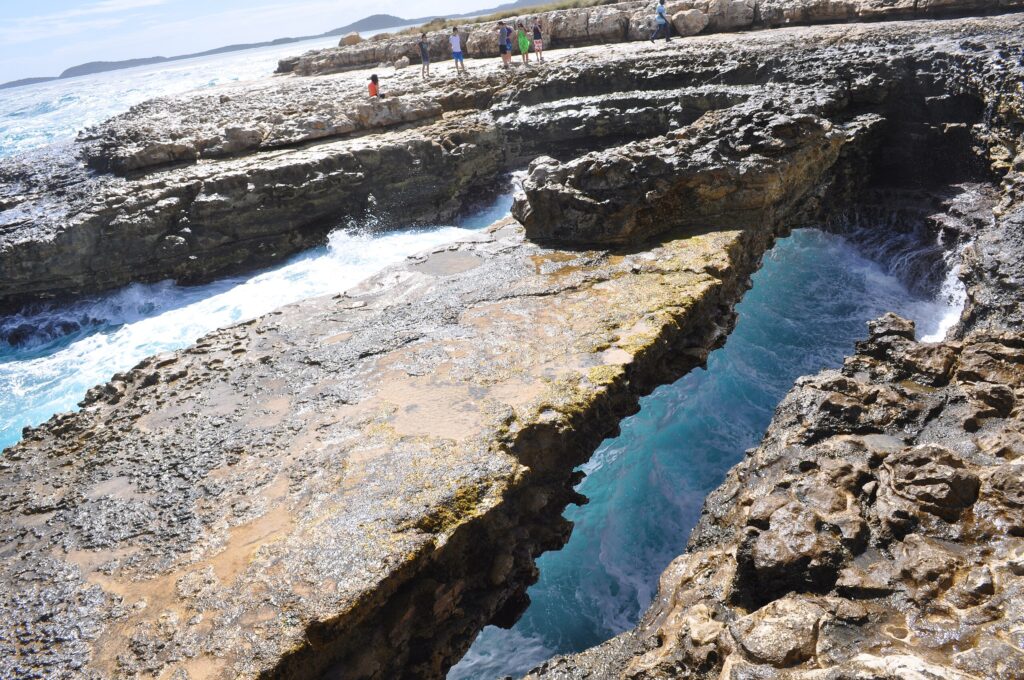
Fig Tree Drive
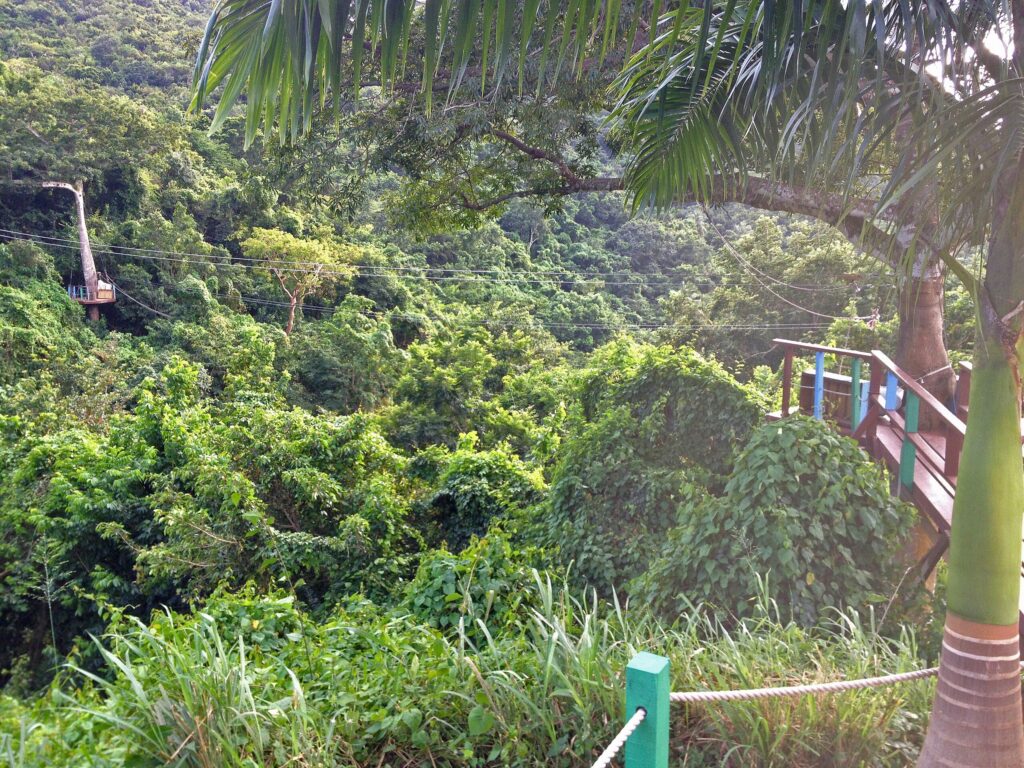
Fig Tree Drive is the main inland route crossing Antigua’s southwestern region and is worth visiting to experience the island’s tropical interior beyond the beaches. The winding road passes through small villages, banana groves, and rainforest-covered hills, offering a look at local farming life and native vegetation. Along the way, visitors can stop at roadside stalls selling fresh mangoes, coconuts, and pineapples, or join canopy tours and zipline excursions near Wallings Nature Reserve. The drive connects the west coast near Old Road to the central part of the island, making it easy to combine with visits to beaches like Darkwood or Valley Church. Renting a car or hiring a taxi allows time to explore at your own pace and stop for short walks or photo breaks along the route.
Barbuda’s Pink Sand Beach
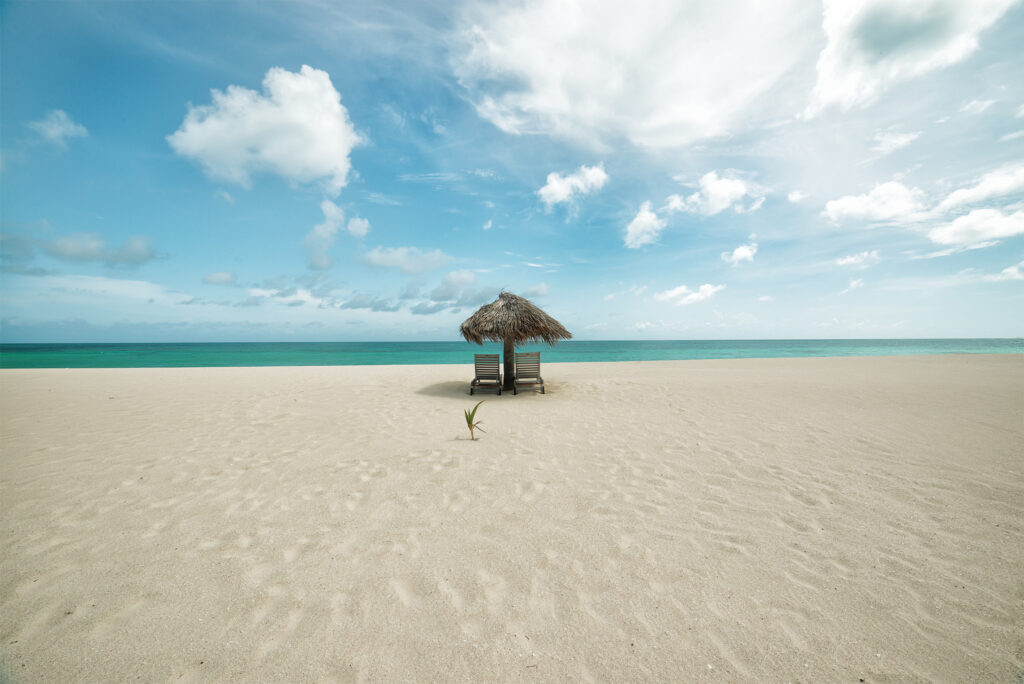
Barbuda’s Pink Sand Beach is one of the main reasons to visit the island, offering a quiet escape surrounded by unspoiled nature. The beach stretches for about 17 miles along the island’s southwestern coast, where crushed coral and shells give the sand its distinctive pale pink color. Visitors come here for its calm, shallow waters and the sense of solitude rarely found elsewhere in the Caribbean. The beach is ideal for long walks, swimming, and photography, especially in the early morning or late afternoon when the sand’s color is most visible. Barbuda can be reached by ferry or small plane from Antigua, and local taxis or guided tours can take visitors to the beach from Codrington, the island’s main settlement.
Frigate Bird Sanctuary (Barbuda)
The Frigate Bird Sanctuary in Codrington Lagoon is one of Barbuda’s most important natural attractions and a key reason to visit the island. It hosts one of the world’s largest colonies of magnificent frigate birds, which can be seen nesting and displaying their red throat pouches during the breeding season. The sanctuary is also home to more than 150 other bird species, making it a major site for birdwatching and photography. Access is only possible by boat, with local guides offering tours that navigate through the mangroves and shallow waters of the lagoon. Trips usually depart from the pier in Codrington and take about 20 minutes, providing a close look at the island’s protected wildlife and fragile coastal ecosystem.
Hidden Gems in Antigua
Great Bird Island
Great Bird Island, located about two and a half kilometers off Antigua’s northeast coast, is worth visiting for its mix of marine and wildlife experiences. The small uninhabited islet is surrounded by calm turquoise waters that are excellent for snorkeling, with coral reefs full of tropical fish and sea turtles. A short hiking trail leads to a hilltop lookout with panoramic views of the surrounding islands and reefs. The island is also the only known habitat of the critically endangered Antiguan racer snake, which has been successfully protected through conservation programs. Visitors can reach Great Bird Island by organized boat tours, private charters, or water taxis departing from the mainland near the Jumby Bay area, making it an easy half-day or full-day trip from Antigua.
Green Island
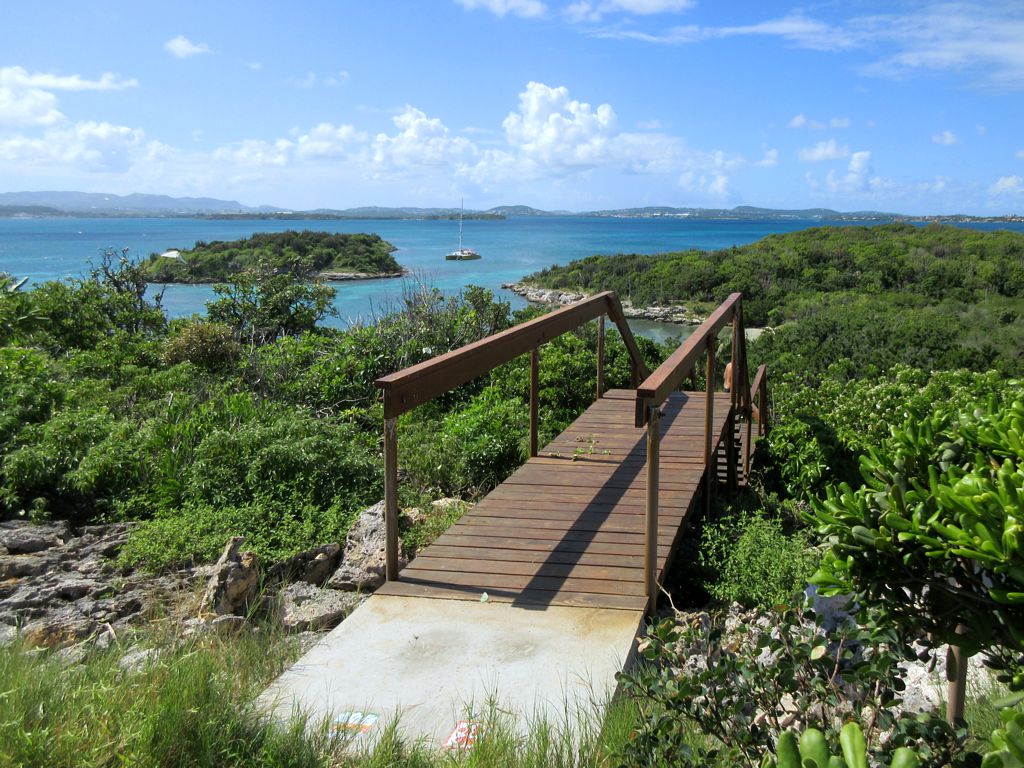
Green Island lies just off Antigua’s eastern coast, near Nonsuch Bay, and is one of the island’s most popular destinations for day trips and catamaran excursions. The uninhabited private island is surrounded by calm, shallow waters protected by coral reefs, making it ideal for swimming, snorkeling, and paddleboarding. Most visitors arrive on organized boat tours that include time for picnicking and exploring the sandy beaches. The area’s clear water and marine life make it a good spot for underwater photography. Boats to Green Island usually depart from Nonsuch Bay or from resorts along the east coast, and the trip takes around 15 to 20 minutes, offering a convenient and scenic escape from the mainland.
Cades Reef
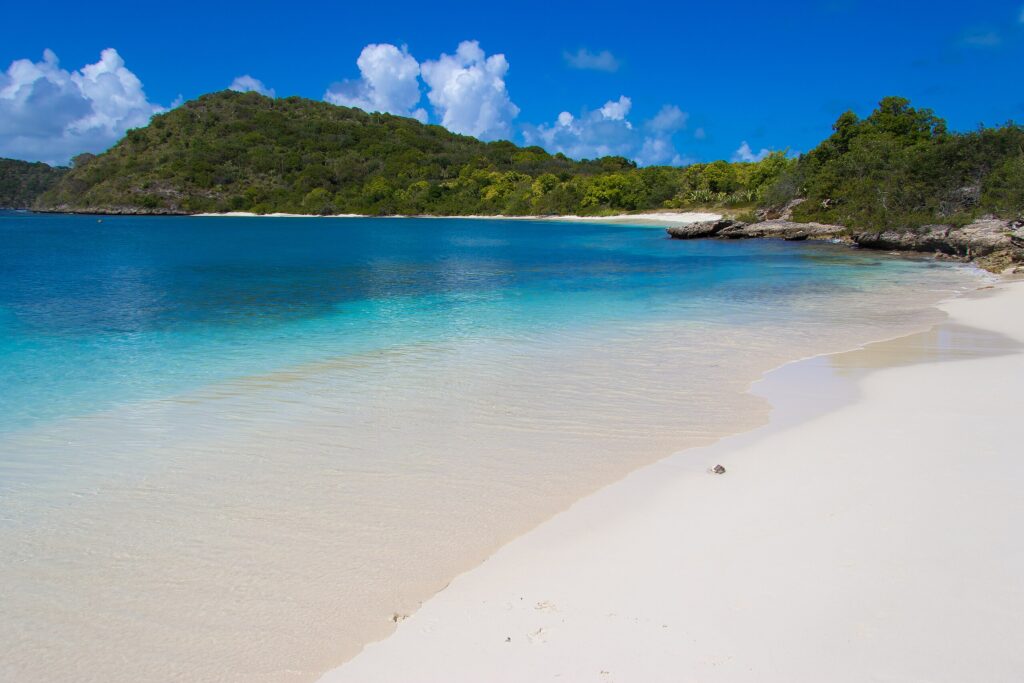
Cades Reef, located off Antigua’s southwest coast within Cades Bay Marine Park, is one of the island’s best places to visit for snorkeling and diving. Stretching nearly two miles along the coastline, the reef is home to a wide variety of coral formations and marine life, including parrotfish, angelfish, and sea turtles. The calm, clear waters make it suitable for both beginners and experienced divers. Most visitors reach the reef by catamaran or snorkeling tour departing from Jolly Harbour or nearby beaches, with half-day trips that include swimming stops and guided underwater exploration. Visiting Cades Reef is a chance to see Antigua’s vibrant marine ecosystem up close and experience one of the Caribbean’s most accessible natural underwater attractions.

Fort Barrington
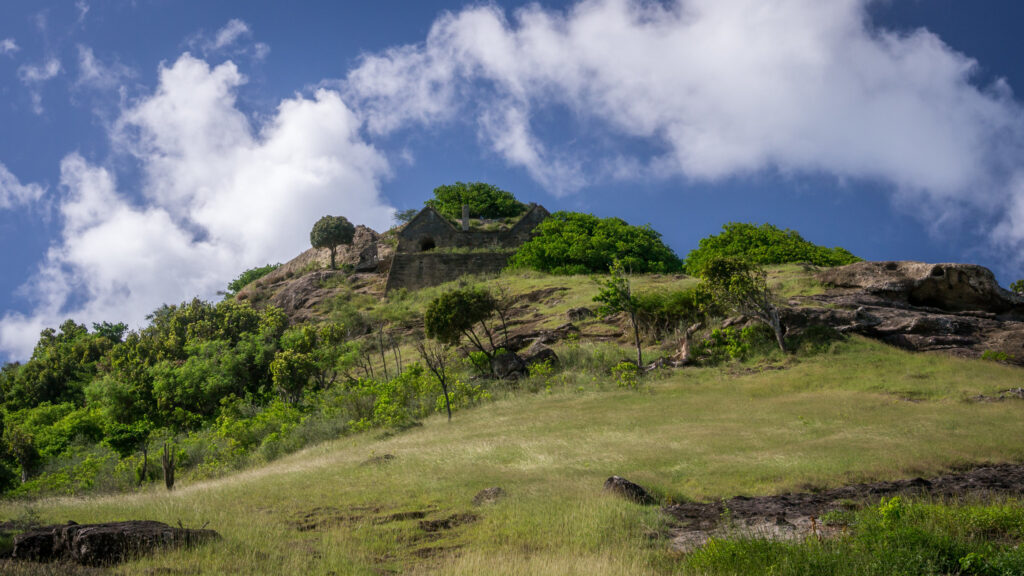
Fort Barrington, located on a hill overlooking Deep Bay on Antigua’s northwest coast, is worth visiting for its historical ruins and panoramic coastal views. Built in the 18th century to guard St. John’s Harbour, it remains one of the island’s best-preserved military fortifications. The short but steep hiking trail to the top takes about 15 minutes and rewards visitors with wide views of Deep Bay, the Caribbean Sea, and even St. Kitts on clear days. The fort’s old cannons and stone walls give insight into Antigua’s colonial defenses. It is easily reached by car or taxi from St. John’s in about 10 minutes, and visitors can combine the walk with swimming or relaxing at Deep Bay Beach below.
Betty’s Hope
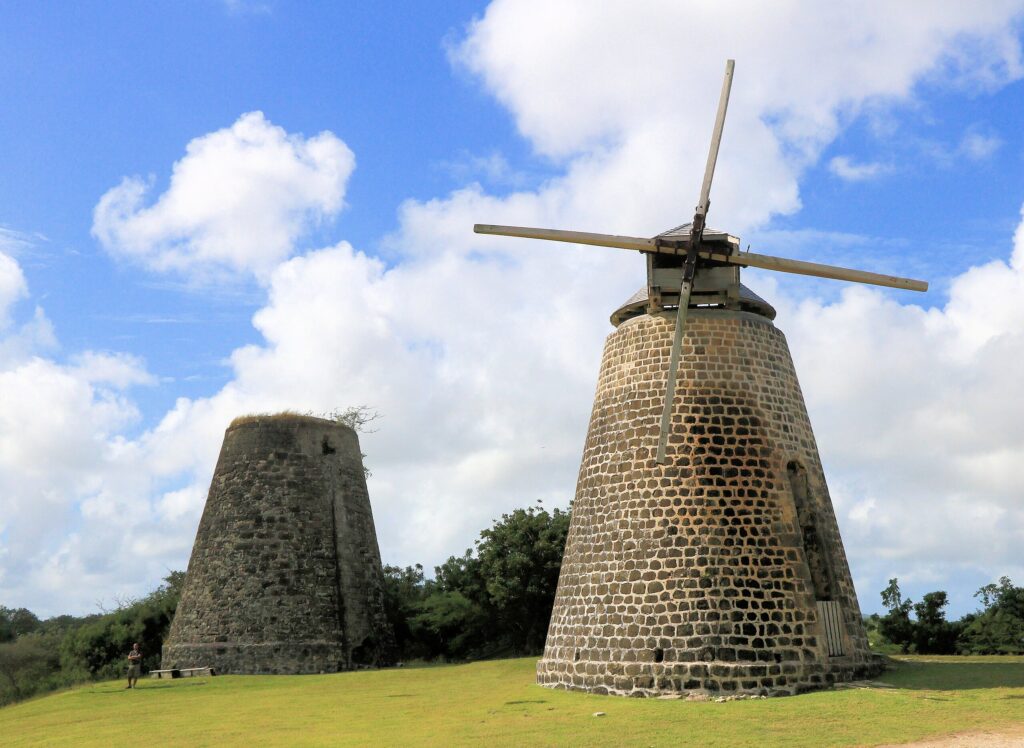
Betty’s Hope, located on Antigua’s eastern side near Pares Village, is one of the island’s most significant historical sites and worth visiting to understand its colonial past. Established in the 17th century as the first large sugar plantation on the island, it played a major role in Antigua’s early economy. The site has been partially restored, with two stone windmills and a small museum displaying artifacts, maps, and exhibits about plantation life and the history of sugar production. Visitors can walk among the ruins, see the restored mill machinery, and learn about the lives of the enslaved people who worked there. Betty’s Hope is about a 25-minute drive from St. John’s and can be easily combined with a trip to Devil’s Bridge National Park or Half Moon Bay.
Mount Obama (formerly Boggy Peak)
Mount Obama, formerly known as Boggy Peak, is the highest point in Antigua at 402 meters and offers one of the best opportunities to explore the island’s natural interior. Located in the southwestern Shekerley Mountains, it is worth visiting for its hiking trails and wide views over the coastline and nearby islands. The main route to the summit begins near the village of Jennings or Fig Tree Drive and takes about one to two hours depending on fitness level. The trail passes through forested slopes with native vegetation and occasional clearings overlooking the Caribbean Sea. At the top, visitors are rewarded with panoramic views stretching across Antigua and, on clear days, to Montserrat and St. Kitts. The area can be reached by car or taxi from St. John’s in about 30 minutes, and it is best visited in the early morning before the heat of the day.

Travel Tips for Antigua and Barbuda
Travel Insurance & Health
Travel insurance is highly recommended, especially if you plan on sailing, diving, or other water activities. Ensure your policy includes medical coverage and protection against weather-related disruptions during the wet season (June–November).
Antigua and Barbuda rank among the safest and most welcoming islands in the Caribbean. Tap water is safe to drink, and local food standards are high. Always carry sunscreen, insect repellent, and plenty of water, particularly on beach days or hikes, as the tropical sun can be intense.
Transportation & Driving
Taxis and local minibuses operate on major routes between towns, beaches, and resorts. For trips between the two islands, ferries and charter boats connect Antigua with Barbuda in about 90 minutes. To explore independently and reach more secluded spots, renting a car is the most flexible and convenient option.
An International Driving Permit is required along with your national license. Visitors must also obtain a temporary local driving permit, available from rental agencies or police stations. Police checks are routine – carry your license, passport, and insurance papers at all times.
Vehicles drive on the left-hand side of the road. Roads are generally well-maintained, though some rural areas can be narrow and winding, with occasional sharp bends or livestock crossing. Always drive carefully and remain alert in small communities.

Published October 26, 2025 • 13m to read