

It’s the 21st century, yet the new Subaru Forester feels like a rugged park ranger from a remote outpost. The 2024 model year arrives with its trusty naturally aspirated engine, a well-proven chain-driven CVT, and the seemingly immortal symmetrical all-wheel-drive system. Is that a bad thing? Not necessarily. Here’s everything we found after putting it through its paces.
Exterior Design: Rugged Looks With a Few Rough Edges
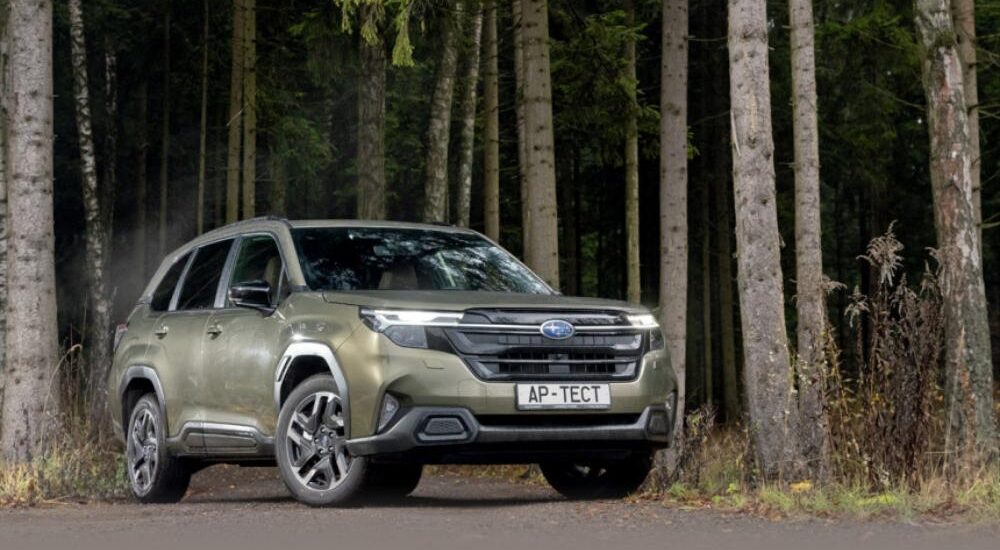
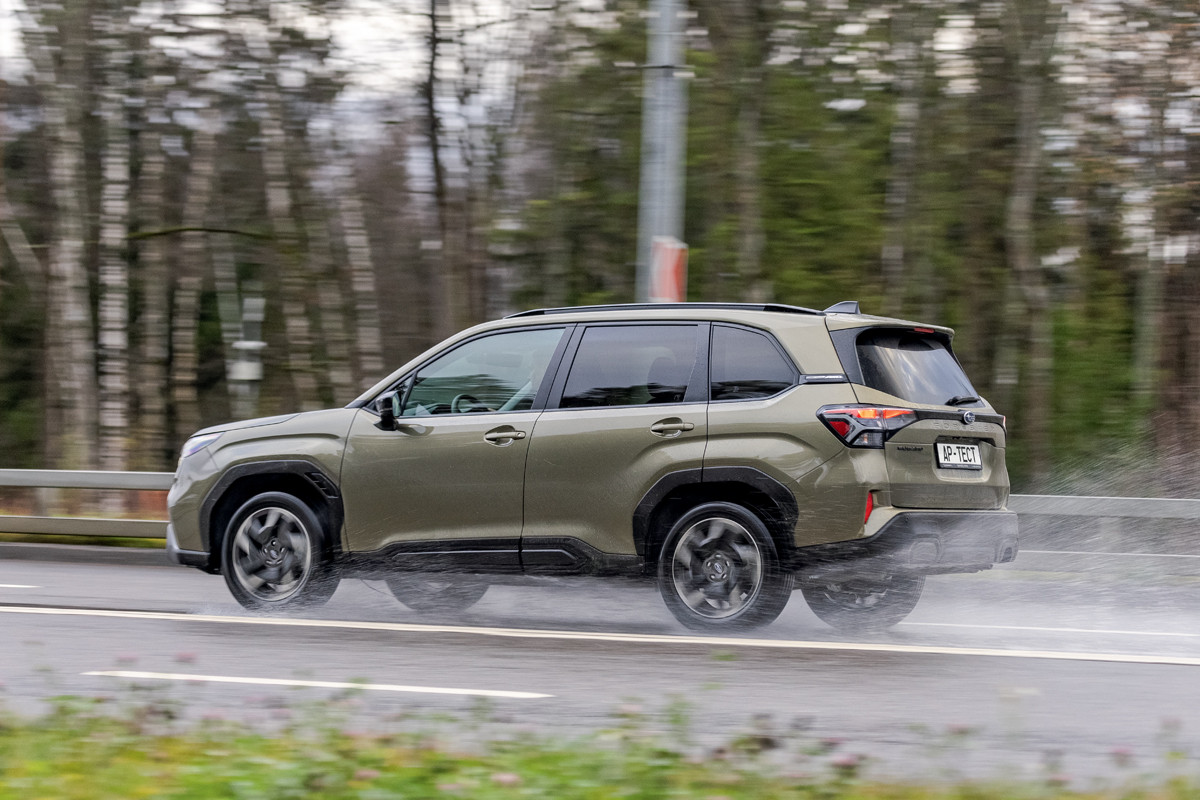
In Autumn Green Metallic, the new Forester genuinely resembles a ranger’s cloak — and the cluttered mix of surfaces and intersecting lines on the front bumper looks like a patchwork of not-so-tidy repairs.
The sixth-generation Forester is slightly larger than its predecessor, though the visual bulk is somewhat deceiving:
- Length increase: just 15 mm over the outgoing model
- Width increase: a mere 13 mm
- Overhangs: marginally longer
- Grille: noticeably enlarged
- Wheel arches: new angular, squared-off profile
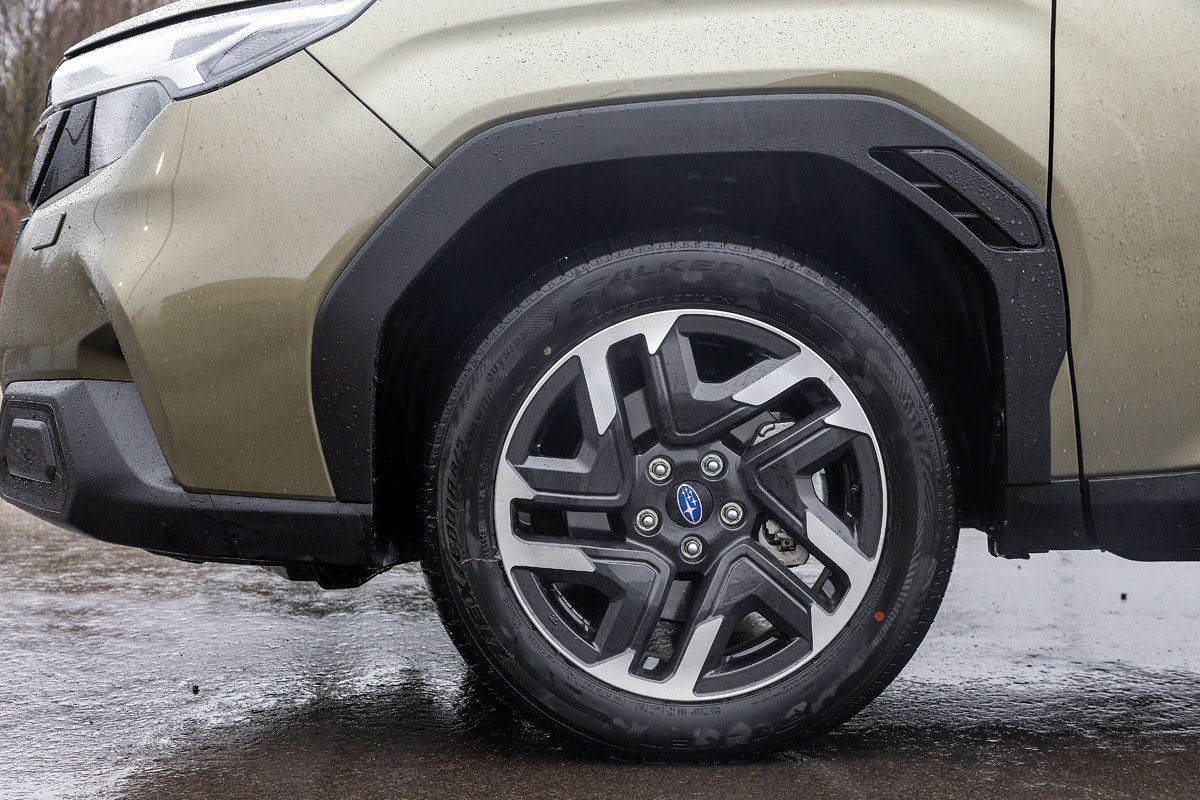
The squared-off arches are a questionable design choice — they expose the wheel-well gaps and make the 18-inch wheels look undersized. The chunky plastic fender flares are a deliberate styling element, and the vent grilles cut into them actually serve a functional purpose, channeling air out of the wheel wells.
Platform and Structure: Stiffer, Safer, Smarter
Under the skin, the new Forester rides on an upgraded Subaru Global Platform (SGP). Key structural improvements include:
- Better crash protection in frontal and side impacts thanks to updated welding processes
- 10% reduction in torsional flex, improving overall body rigidity
- Recalibrated electric power steering, optimized for wider use of driving assistants and active safety systems
Interior and Instrumentation: A Digital-Analog Sweet Spot
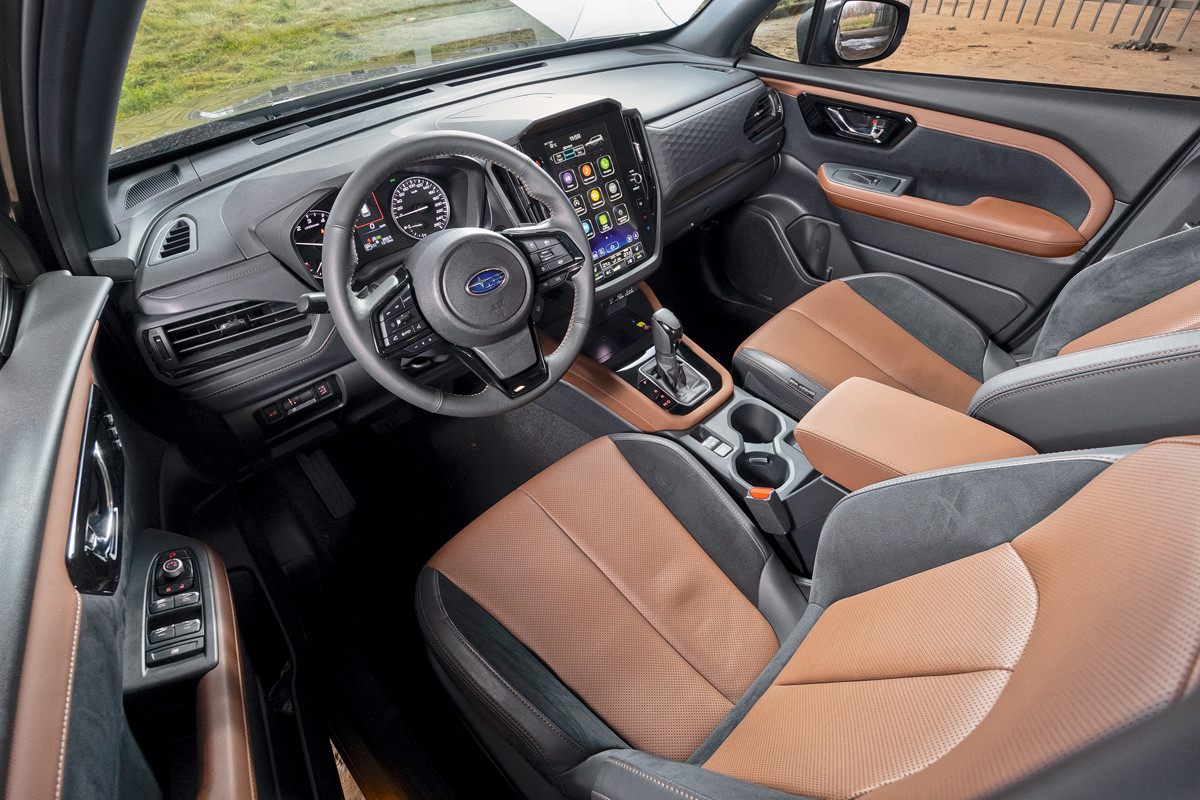
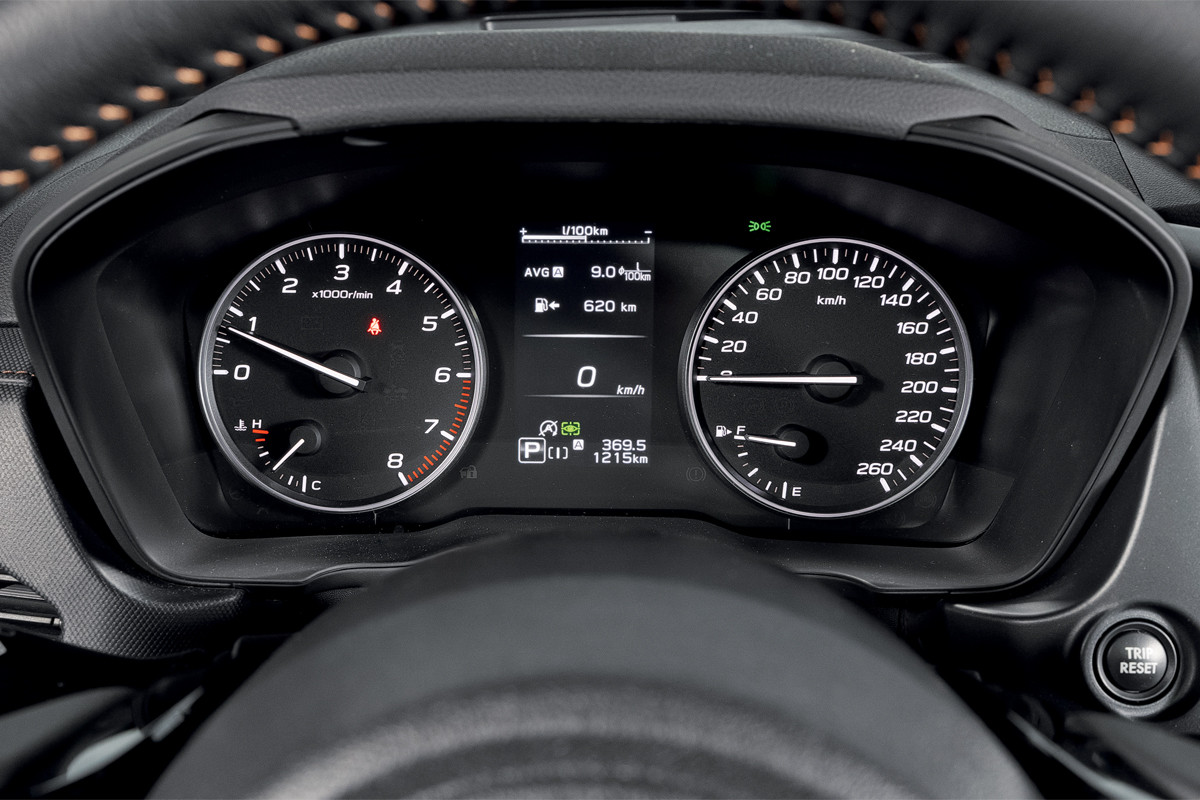
The cabin has been digitized, but it hasn’t abandoned its analog roots. The first thing that catches your eye is the gorgeous monochrome analog gauge cluster — bright, high-contrast, and free of distracting color overload. It’s the kind of instrument panel you find yourself admiring out of pure nostalgia.
A small display at the top of the cluster shows:
- Tire pressure readings
- Odometer and trip data
- Instant and average fuel consumption
- Trip timer information
Navigation through these readouts is handled by a joystick on the left steering wheel spoke. The reset button, however, sits on the dashboard to the right — right where the engine start button is. It’s easy to mix them up, and I caught myself doing it more than once.
Steering Wheel Controls
- Right spoke: buttons for driving assistants that require manual activation, plus the SI-Drive toggle for switching between Intelligent and Sport powertrain modes
- Stalks: old-school, with satisfying tactile clicks — and the markings on their rotary heads aren’t blocked by the steering wheel spokes
Infotainment: The New Starlink System Impresses
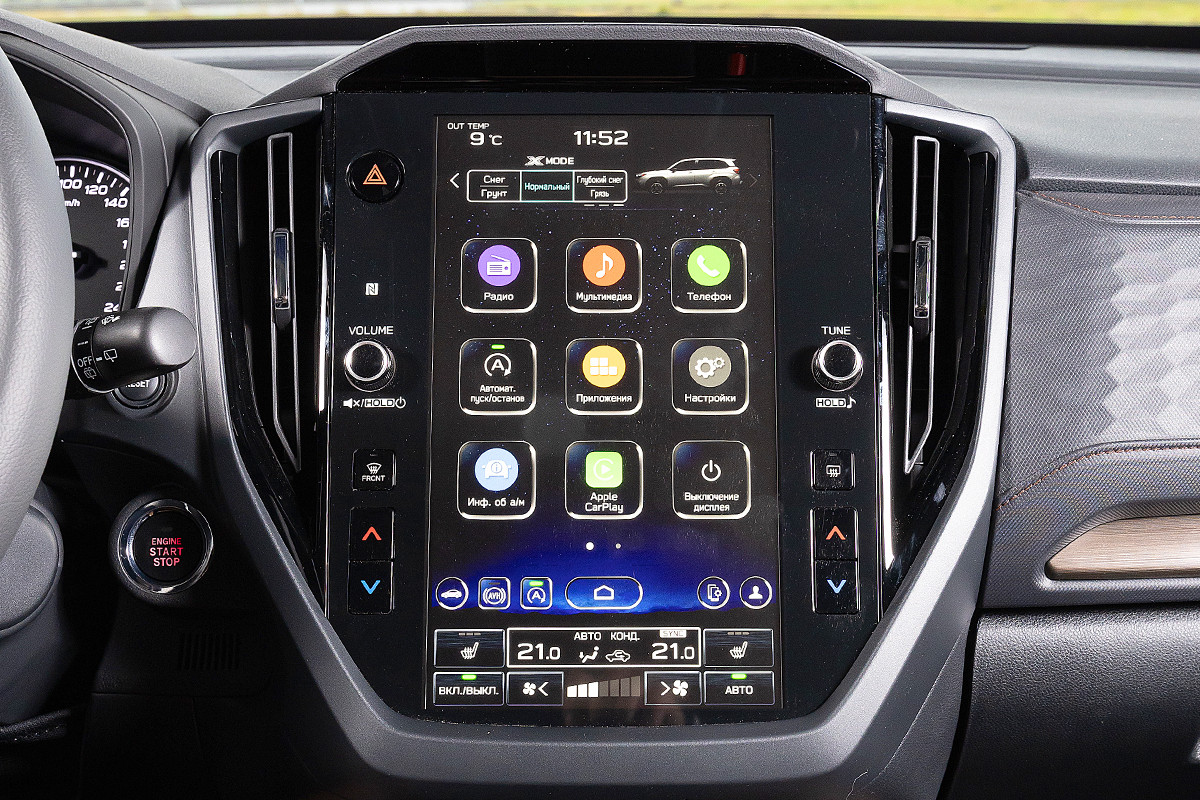
The 11.6-inch Starlink multimedia display has switched to a portrait orientation and swallowed the climate control panel whole — HVAC is now virtual and lives inside the touchscreen.
Climate functions managed through the screen include:
- Airflow direction
- Zone synchronization
- Auto mode and recirculation toggles
That said, temperature controls remain physical and are separate for driver and front passenger. The climate system itself works flawlessly.
What Makes the New Starlink Stand Out
- Large, intuitive icons — even touchscreen skeptics will warm up to this interface
- Customizable home screen — remove icons you don’t need to reduce clutter
- Night mode that stays readable without blinding you
- Wireless Apple CarPlay and Android Auto — both work without a hitch
- Driver profile recognition via paired smartphone: it greets you by name, adjusts your seat position, and sets your mirrors automatically
- Supports up to five registered driver profiles
Rear Seats and Passenger Space
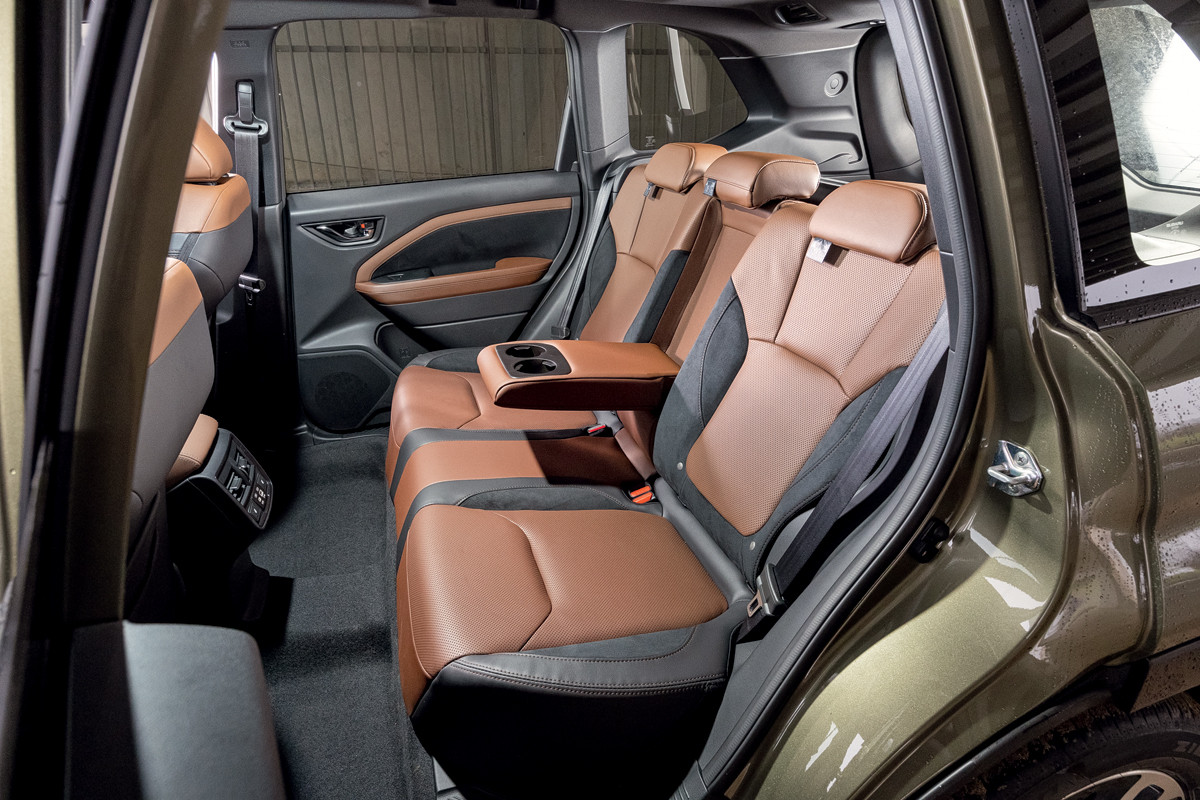
Wider door openings make getting in and out noticeably easier. On paper, the rear cabin has shrunk slightly in every dimension — but in practice, it doesn’t feel that way at all.
- Legroom in the second row is generous
- Headroom is ample even with the sunroof installed
- Your temples don’t brush the headliner
- Feet slide easily under the front seat rails
- The rear seatback offers step-adjustable recline via a lever on the seat cushion
Cargo Area: Bigger and Smarter
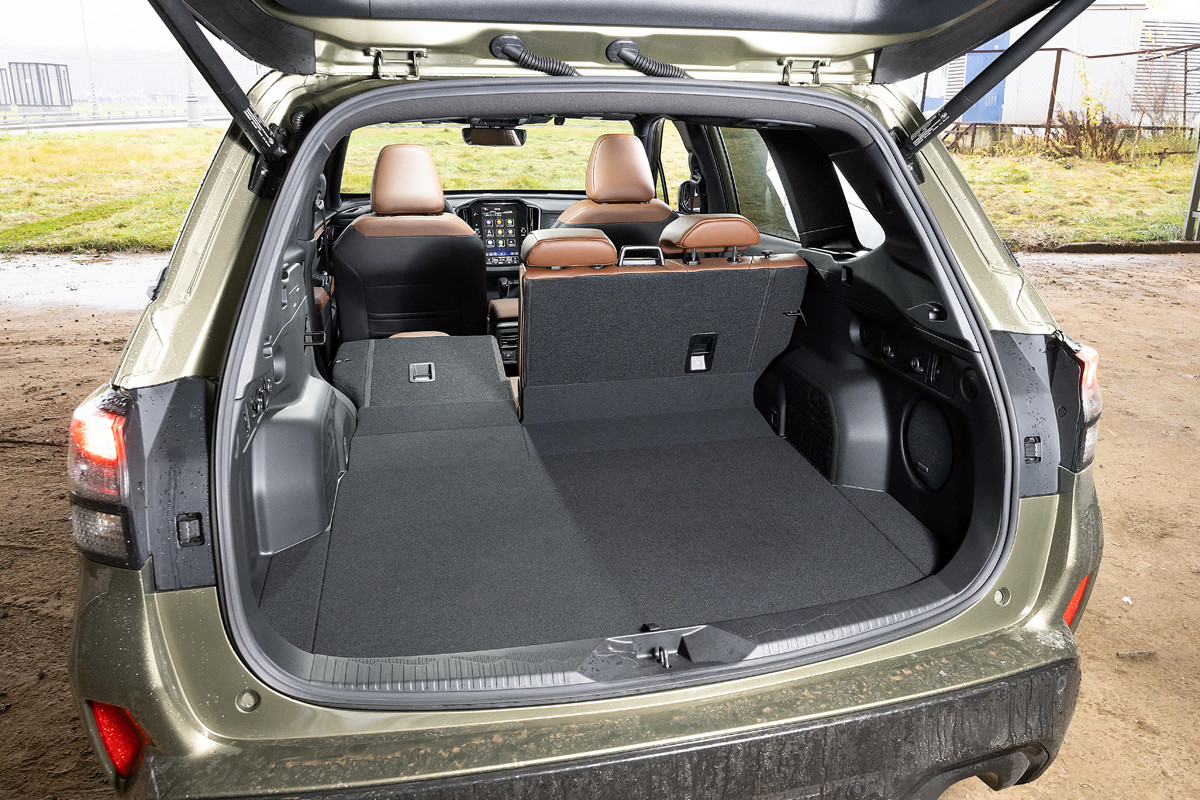
The trunk has grown by a solid 20 liters, and it’s packed with practical touches:
- A storage compartment for a small bottle
- Numerous tie-down hooks and loops
- Interior lighting and a 12V outlet
- Full-size spare tire tucked under the floor
- Rear seatbacks fold flat at the push of a button, creating a level load floor with no step
- The power tailgate can now be opened hands-free with a foot wave under the rear bumper
Ride and Suspension: Cat-Like Composure
The Forester’s suspension remains as cat-like as ever — quiet, comfortable, and supple. The way this car glides over speed bumps is remarkable; it genuinely feels like they’ve sunk into the asphalt out of sheer cowardice.
Engine and Drivetrain: The Case for Naturally Aspirated
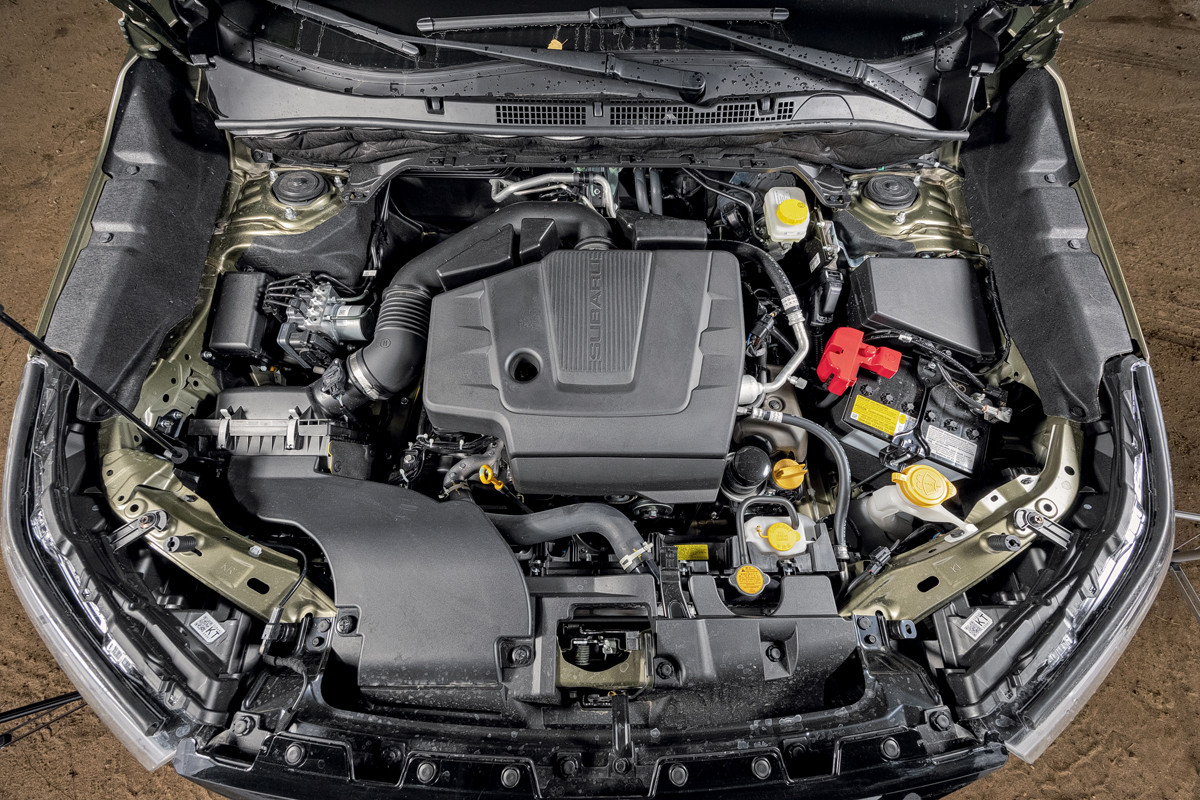
What’s new about Subaru’s 2.5-liter horizontally opposed (boxer) engine in its latest form?
- Mechanical thermostat replaces the previous unit
- Larger, thicker cooling radiator
- Higher-capacity cooling fan
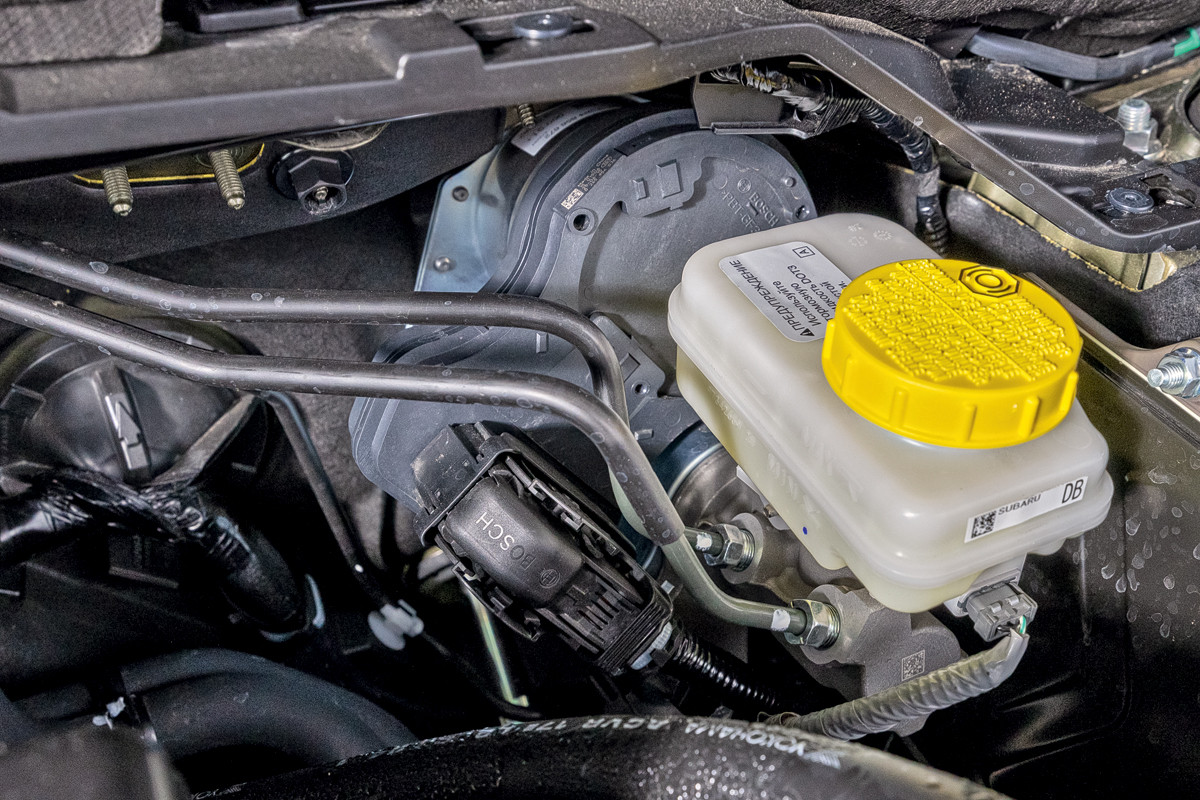
- Electric brake booster replaces the old vacuum-assisted unit (eliminating the vacuum pump entirely)
Driving Impressions
The engine delivers the same linear power curve and even torque spread across the rev range, paired with near-perfect compatibility with the Lineartronic CVT. This duo cruises at 100 km/h (62 mph) at just 1,500 rpm.
Turbo-Forester loyalists may scoff, but the naturally aspirated 2.5-liter is arguably Subaru’s finest traditional-school powertrain — and there’s a reason it’s so popular in the American market. Hit the start button and you’re greeted with museum-like silence and zero vibrations. On the move, the engine is nearly inaudible. Acceleration has always been adequate for every Forester generation, and torque has never been an issue.
Of course, it would be great to try the hybrid Forester e-Boxer sold in Europe and Japan — but those aren’t available through parallel import channels.
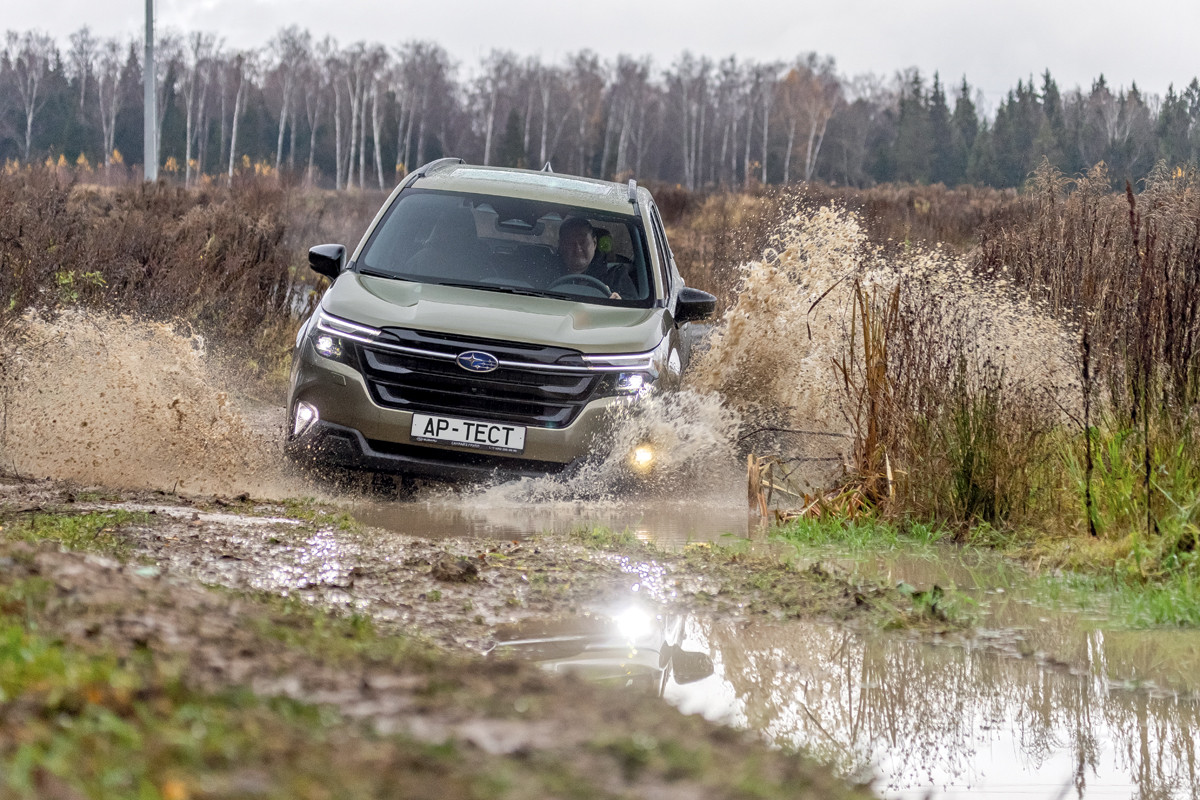
Off-Road Capability: X-Mode Goes Digital
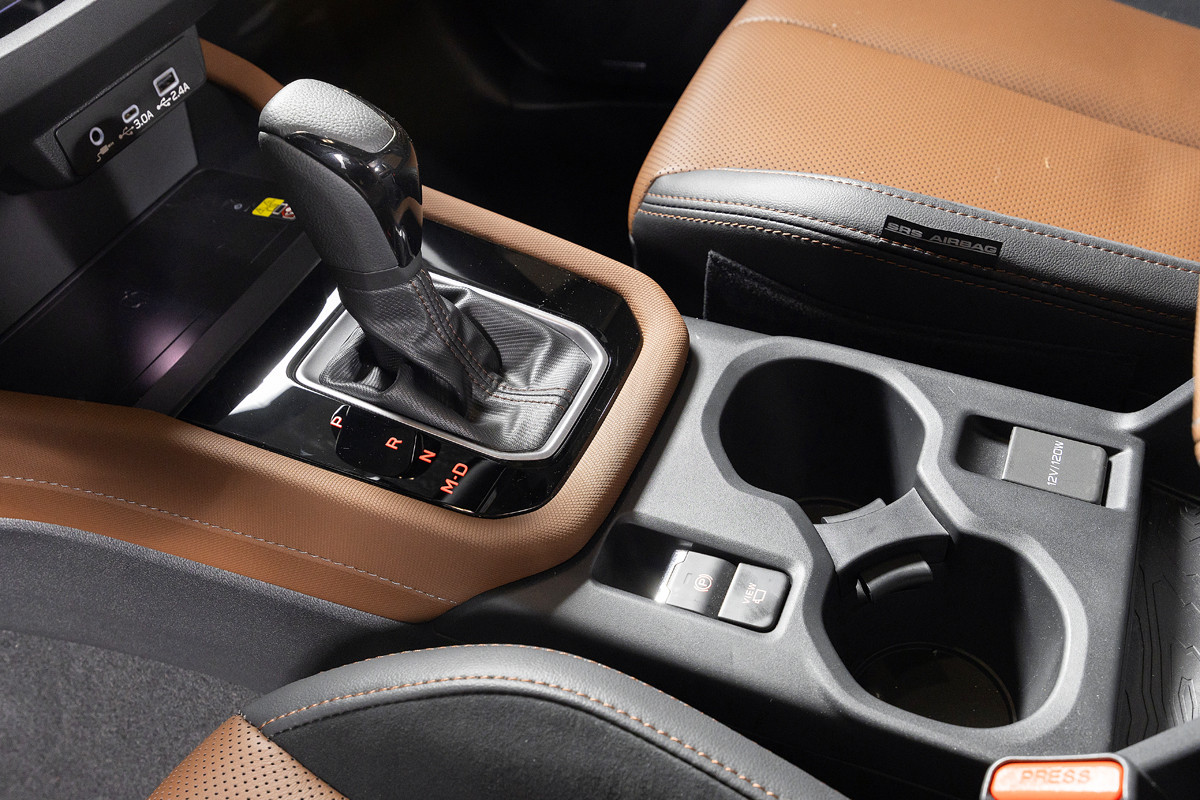
One disappointing change: the physical X-Mode dial has been removed from the center console. Off-road modes are now selected exclusively through the touchscreen menu. This is a step backward for usability — you have to look at the screen, tap a virtual button, and confirm it registered.
The available X-Mode settings remain straightforward:
- Snow/Dirt: for slippery surfaces regardless of the cause (ice, wet pavement, loose gravel)
- Deep Snow/Mud: for plowing through heavy snow or deep mud
Both modes genuinely transform the powertrain response and mobilize the AWD system to impressive effect.
Safety Tech: The New Three-Eyed EyeSight System
The biggest upgrade is the arrival of the latest-generation “three-eyed” EyeSight system, now augmented with a front radar. The full sensor suite includes:
- Stereo camera
- New wide-angle monocular camera
- Front and rear microwave radar
- Rear sonar
What This Means in Practice
- Extended detection range — the system sees farther and reacts faster
- Improved pedestrian recognition, especially for jaywalkers
- Better cyclist detection, particularly those who don’t dismount at crosswalks
- Automatic emergency braking that inspires total confidence, aided by the low-inertia electric brake booster
- Refined adaptive cruise control that holds lane center smoothly, corrects trajectory gently, and responds calmly to vehicles cutting in from adjacent lanes
Additional safety highlights:
- Full 360-degree surround-view camera — a welcome first for the Forester
- Automatic high-beam system that’s smart enough to ignore reflective road signs
The Annoyances: Start-Stop and the Overzealous Driver Monitor
Two features that grate on the nerves:
- Start-stop system: can be turned off per session, but reactivates every time you restart the engine
- Interior driver-monitoring camera: extremely strict — glance down at the gauges or linger on the roadside scenery and it fires off a warning telling you to keep your eyes on the road
If you’re the type who likes to enjoy passing scenery, check your phone occasionally, or browse through the onboard computer while driving, Subaru’s electronics will drive you up the wall. The fatigue-detection algorithm also seems overly sensitive — the system decided I was “tired” just fifteen minutes after departure.
Pricing and Trim Levels: Premium Quality at a Premium Cost
The 2024 Subaru Forester doesn’t come cheap through parallel import channels. Here’s what the lineup looks like:
Forester Elegance (Base) — ~$78,000
Standard equipment includes:
- Latest-generation EyeSight safety suite
- Fabric upholstery
- 10-way power driver’s seat and 8-way power passenger seat
- Seat position memory
- Keyless entry and push-button start
- Adaptive cruise control
- Blind-spot monitoring
- Lane-keeping assist
- Seven airbags
Forester Premium — ~$84,500
Adds over the Elegance:
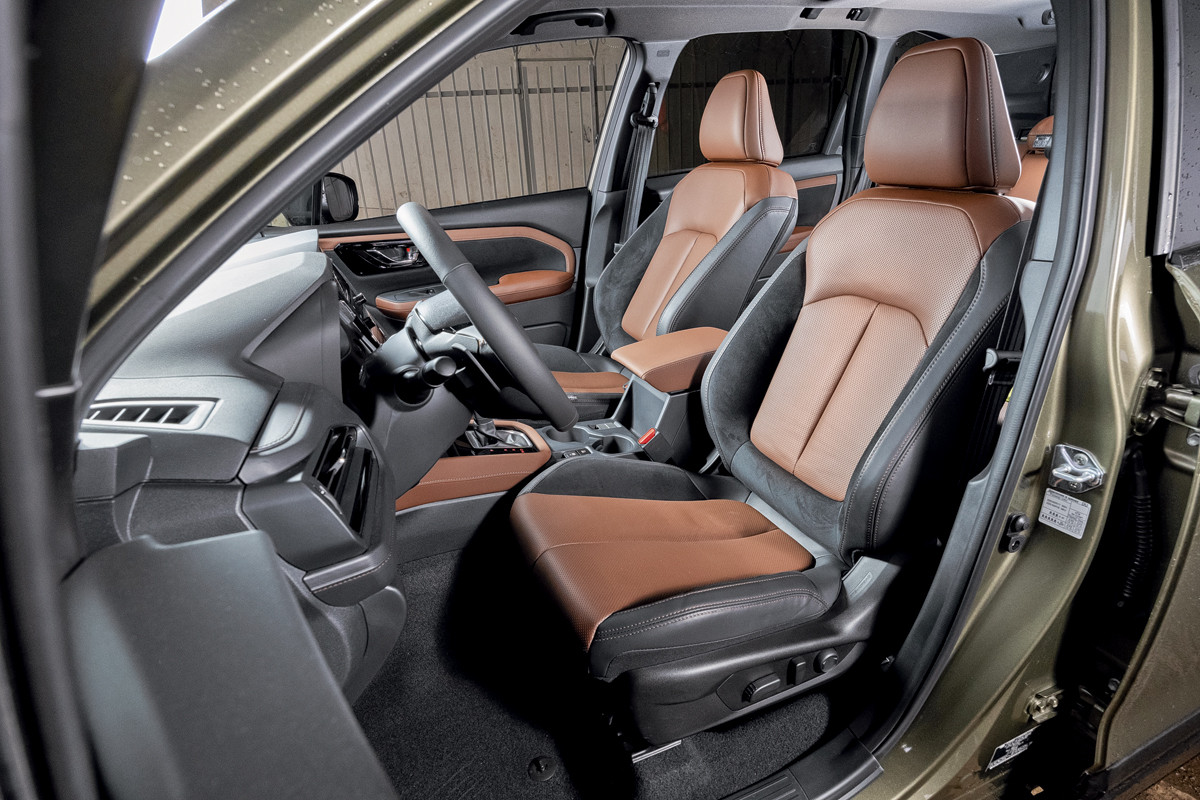
- Leather interior
- Panoramic sunroof
- Low-profile roof rails
- Harman/Kardon audio system with subwoofer and additional speakers
Final Verdict: A Traditionalist’s Dream in a Digital World
The 2024 Subaru Forester is an endearingly old-school SUV wrapped in modern safety tech. Its naturally aspirated boxer engine, symmetrical AWD, and supple suspension deliver a driving experience that prioritizes comfort, reliability, and quiet confidence over flashy specs. The upgraded EyeSight system is a genuine leap forward, and the new Starlink infotainment is a pleasant surprise.
The rough edges — fussy driver monitoring, the loss of the physical X-Mode dial, and aggressive parallel-import pricing — don’t erase the Forester’s fundamental appeal. This is a car built for people who value substance over style, and in that regard, the sixth-generation Forester delivers exactly what its loyal fanbase expects.
Photo: Konstantin Sorokin
This is a translation. You can read the original article here: Ау! Новый Subaru Forester: первый тест

Published February 13, 2026 • 9m to read