

Moldova is famous for wine, huge underground wine cellars, rural landscapes, Orthodox monasteries, Orheiul Vechi, traditional food, Chisinau’s Soviet-era atmosphere, the breakaway region of Transnistria, and its complex identity between Romania, Russia, Ukraine and the European Union. It is not one of Europe’s most visited countries, but that is part of its image: Moldova is often associated with vineyards, villages, quiet roads, old cellars, political complexity and an understated Eastern European character.
1. Moldovan wine
Across Moldova’s rolling hills, wine is not a niche product but one of the country’s clearest national signatures. Vineyards are woven into rural life, family celebrations, autumn work, local hospitality, small wineries and export branding. The official national wine brand promotes Moldova through four protected wine regions – Codru, Ștefan Vodă, Valul lui Traian and Divin – which helps give a small country a surprisingly structured wine identity. Unlike destinations where wine feels mainly like a luxury experience, in Moldova it belongs to both ends of the scale: village cellars and homemade traditions on one side, modern producers and international markets on the other.
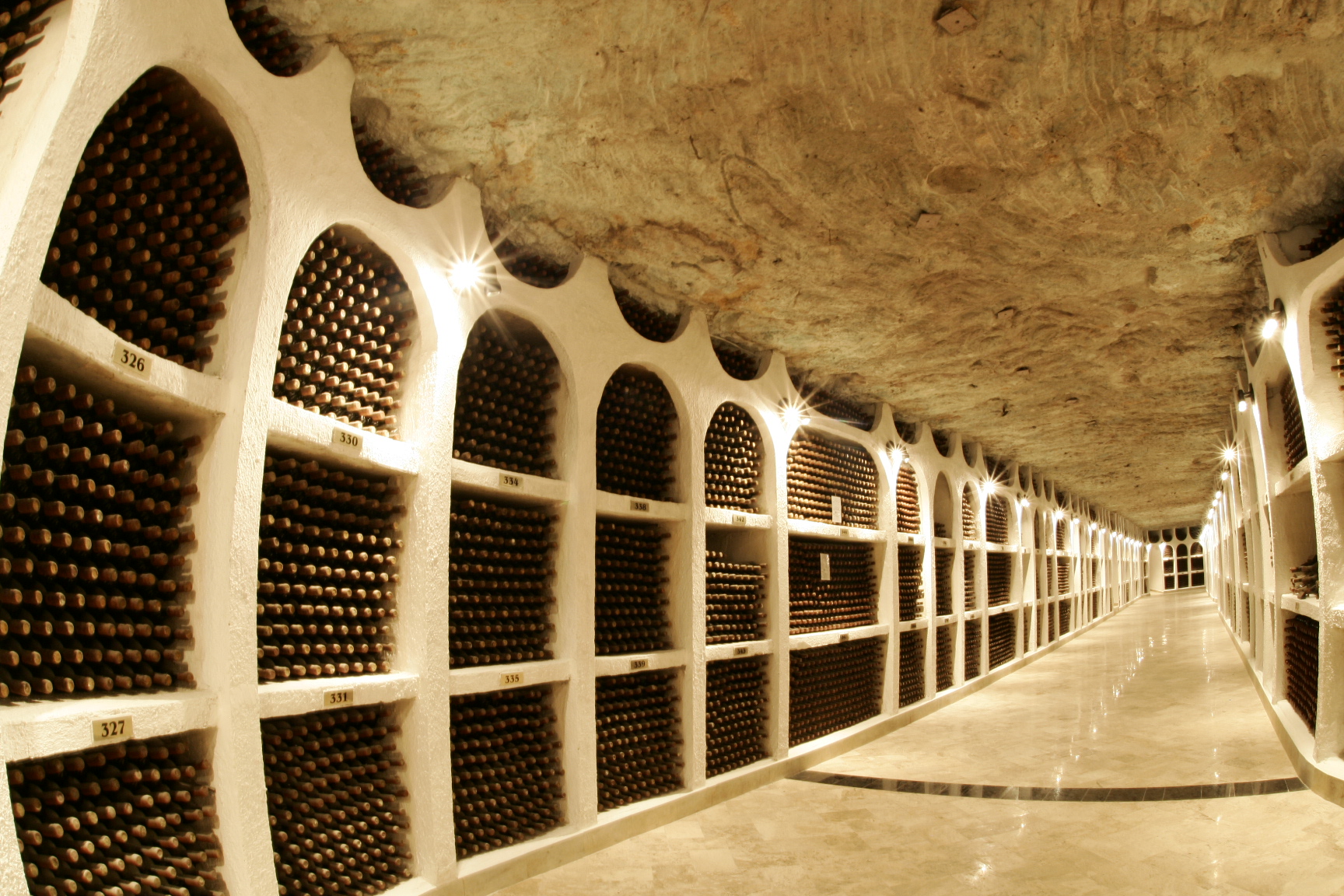
The most memorable part of Moldova’s wine image is underground. Cricova and Mileștii Mici turned former limestone galleries into vast subterranean wine cities, with Cricova extending for more than 120 kilometers and Mileștii Mici for over 200 kilometers underground. Mileștii Mici is especially famous for its huge bottle collection, recognized by Guinness World Records in 2005, while Cricova has become one of the country’s best-known cultural and tourism landmarks.
2. Cricova and Mileștii Mici wine cellars
Underground Moldova has become almost as famous as its vineyards above ground. Cricova and Mileștii Mici are not ordinary cellars, but former limestone galleries turned into vast subterranean wine complexes. Cricova’s galleries stretch for more than 120 kilometers, while Mileștii Mici extends for over 200 kilometers, with about 55 kilometers used for wine production and storage at depths of roughly 40 to 80 meters. The natural conditions underground – cool, stable temperatures and high humidity – made these old quarry tunnels ideal for storing and maturing wine on an industrial scale.
The scale is what makes these places unforgettable. Mileștii Mici holds a collection of about 1.5 million bottles, recognized by Guinness World Records in 2005, while Cricova has become one of Moldova’s best-known national heritage and tourism landmarks. Both sites feel less like storage facilities and more like underground towns, with long “streets,” production areas, collections, tasting halls and visitor routes cut into limestone. In 2025, Cricova and Mileștii Mici were added to Moldova’s UNESCO World Heritage Tentative List as “The Underground Wineries of Moldova”, confirming their importance not only for wine tourism, but also for industrial heritage, geology and the country’s modern cultural image.
3. Orheiul Vechi
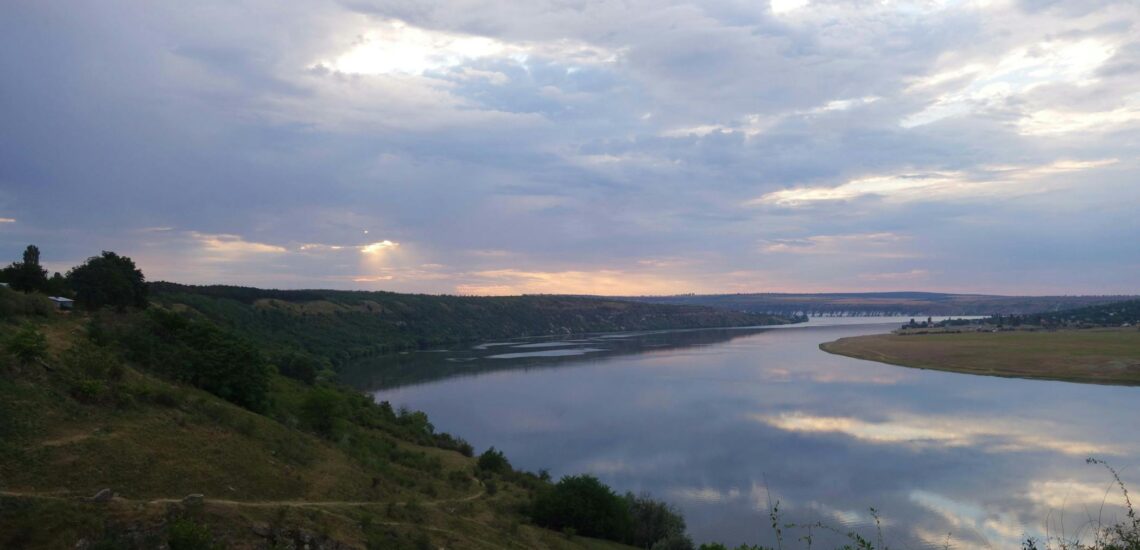
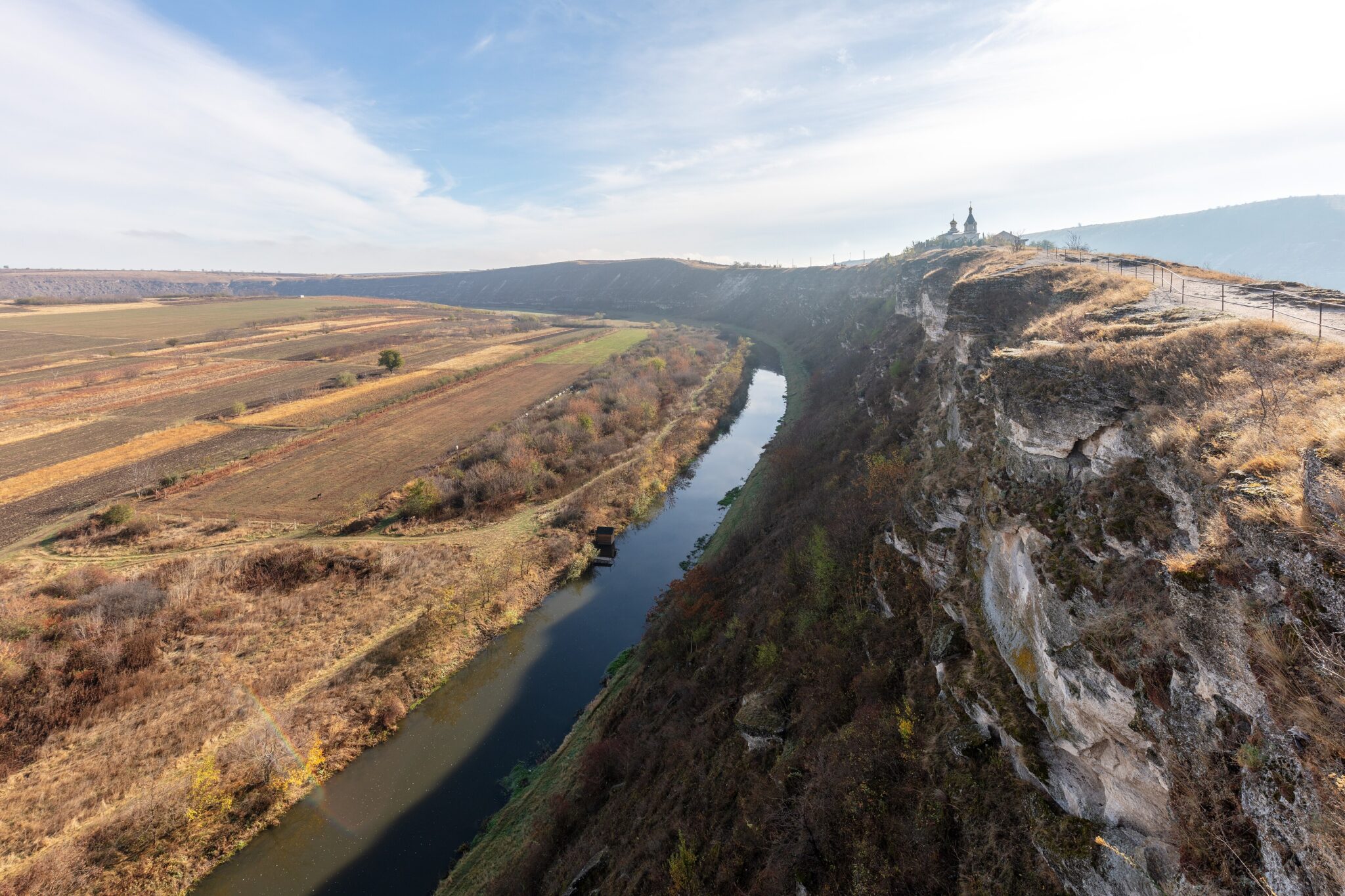
North of Chișinău, the Răut River bends through limestone cliffs and opens one of Moldova’s most memorable landscapes. Orheiul Vechi is not a single monument, but a wide archaeological and natural complex where cave monasteries, ruins, traditional villages and river views all occupy the same dramatic setting. Its position was important for centuries because it stood near routes linking central Moldova with the Dniester basin, a corridor used by different peoples, settlements and powers over time. The area is on Moldova’s UNESCO Tentative List as an archaeological landscape, which reflects its value as more than a scenic viewpoint.
4. Rural Moldova and village hospitality
More than half of the population still lives outside cities – about 56% in 2024 and that shows in the country’s travel image: vineyards on low hills, vegetable gardens, orchards, wells, roadside markets, village churches, family courtyards and small guesthouses where food and wine matter more than formal sightseeing. Moldova has 916 communes and 1,682 localities in total, so its character is spread through small settlements rather than concentrated in a few famous urban centres. This should not be turned into a fairy-tale version of village life. Rural Moldova is practical, agricultural and often modest, shaped by work, migration, family networks and local traditions.
5. Chisinau
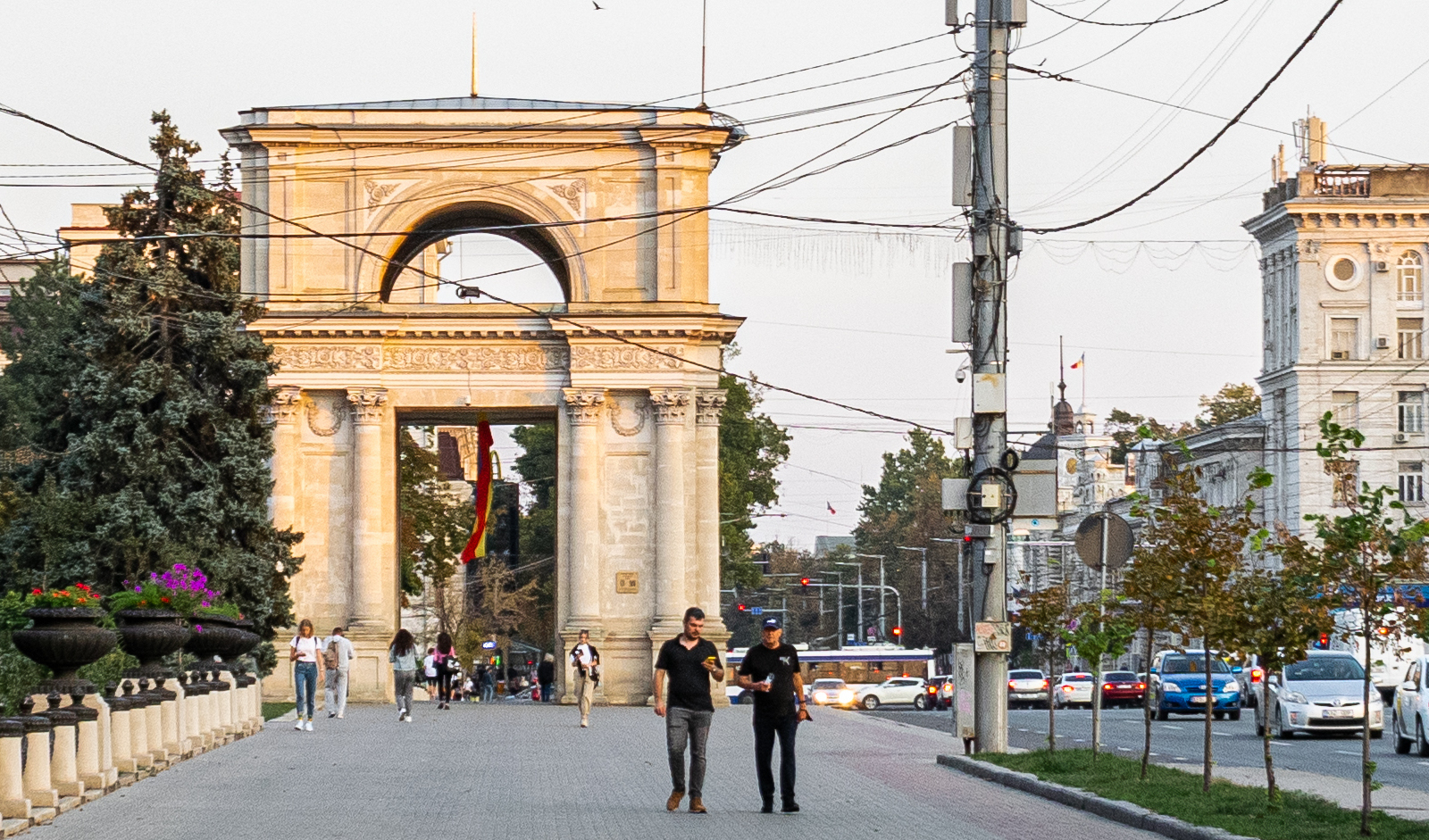
Chisinau does not overwhelm visitors with grand monuments, and that is part of its character. Moldova’s capital feels practical rather than polished: wide Soviet-era boulevards, leafy parks, apartment blocks, Orthodox churches, markets, government buildings, museums and small cafés sit together without the heavy tourist staging found in more famous European capitals. Its central rhythm often gathers around Ștefan cel Mare Boulevard, Cathedral Park, the Triumphal Arch, the Central Market and neighbourhood streets where Romanian speech, Russian influence and newer European-facing ambitions are all visible in everyday life.
6. Orthodox monasteries
Moldova’s spiritual landscape is shaped less by monumental cathedrals than by monasteries set among forests, villages, river cliffs and quiet rural roads. Căpriana is one of the country’s oldest and most respected monastic sites, closely linked with medieval Moldavian history. Curchi stands out for its restored churches and more formal architectural presence, while Saharna and Țipova connect religious life with dramatic scenery along the Dniester region, where cliffs, waterfalls and rock-cut spaces give the sites a stronger sense of pilgrimage and retreat.
These monasteries matter because they show Moldova’s Orthodox identity in a very local form. They are not world-famous on the scale of Rila or Romania’s painted monasteries, but within Moldova they carry real cultural weight: baptisms, feast days, pilgrimages, family visits, village traditions and quiet weekend trips all pass through them.
7. Moldovan cuisine
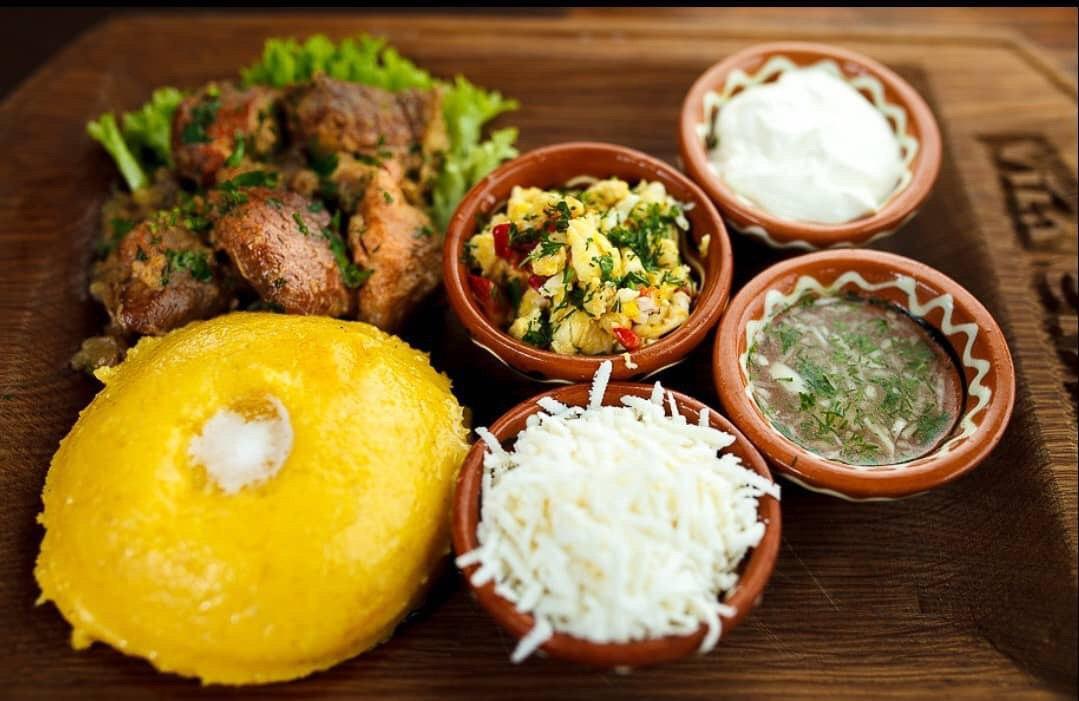
Moldovan food is built for tables where people stay longer than planned. It is simple, generous and closely tied to village life: cornmeal mămăligă served with brined cheese and sour cream, plăcinte filled with cheese, cabbage, potatoes, pumpkin or cherries, sarmale wrapped in cabbage or vine leaves, zeamă with chicken and sour broth, grilled meats, pickles, soups, pastries and jars of homemade preserves. The cuisine reflects Moldova’s position between Romania, Ukraine, Russia and the Balkans, but it still feels local because so much of it depends on garden vegetables, dairy, bread, seasonal fruit and family-style cooking. A meal at a Moldovan guesthouse rarely feels like a formal tasting menu; it is more likely to arrive as a spread of bread, cheese, vegetables, meat, soup, pastries, homemade wine and fruit from the yard. The flavours are not designed to impress through luxury or complexity.
8. Mărțișor and folk traditions
On 1 March, Moldova marks the arrival of spring with Mărțișor, a small red-and-white thread or ornament worn on clothing and offered to family, friends, teachers and colleagues. The custom is shared with neighbouring cultural traditions, but in Moldova it remains one of the clearest seasonal symbols: red suggests vitality and warmth, white suggests purity, snow or renewal, and the gesture itself turns the beginning of spring into a public exchange of good wishes. UNESCO added the cultural practices linked with 1 March to the intangible heritage list in 2017, recognizing the tradition as part of a wider regional spring ritual.
Folk culture in Moldova is not limited to one festival. It appears in embroidered shirts, woven textiles, wedding songs, circle dances, village music, painted eggs, winter customs, harvest celebrations and costumes worn for performances and family events. The traditional blouse with shoulder embroidery, known as altiță, is especially important because it links Moldova with a broader Romanian cultural space while still allowing local patterns, colours and meanings to stand out.
9. Romanian language and cultural identity
Romanian is now the state language in Moldova: in 2023, parliament changed legal and constitutional wording so that official references use “Romanian” rather than “Moldovan”, following an earlier Constitutional Court position from 2013. Yet everyday identity is more complicated than a legal term. Many people still use “Moldovan” as a cultural or personal label, while Romanian language, Soviet history, Russian influence, Gagauz and Ukrainian communities, Orthodox traditions and rural local identity all remain part of the country’s social landscape. For some Moldovans, Romanian identity and European integration feel natural; for others, Moldovan statehood and post-Soviet experience remain central to how they understand the country.
10. Gagauzia
In Moldova’s south, Gagauzia adds a cultural layer that does not fit simple labels. The region has autonomous status within Moldova, with Comrat as its main town, and its identity is shaped by the Gagauz people – a Turkic-speaking community that is mainly Orthodox Christian. That combination is unusual in Europe and makes Gagauzia distinct from both Moldova’s Romanian-speaking majority and from neighbouring Slavic, Balkan and Turkic cultural spaces. The autonomy arrangement dates from the mid-1990s, when Moldova created a special legal framework for the region after the tensions of the early post-Soviet period. Gagauz, Romanian and Russian all have official status there.
Gagauzia should not be treated as one of Moldova’s main tourist symbols, but it is important for understanding the country’s diversity. Its villages, Orthodox churches, local festivals, wine-growing areas, Turkish-rooted language, Russian-language public life and regional institutions show how complex Moldova is beyond the usual images of wineries, monasteries and rural guesthouses. Politically, the region has often had a different orientation from Chișinău, especially on questions involving Russia, the European Union and Moldovan state identity.
11. Transnistria
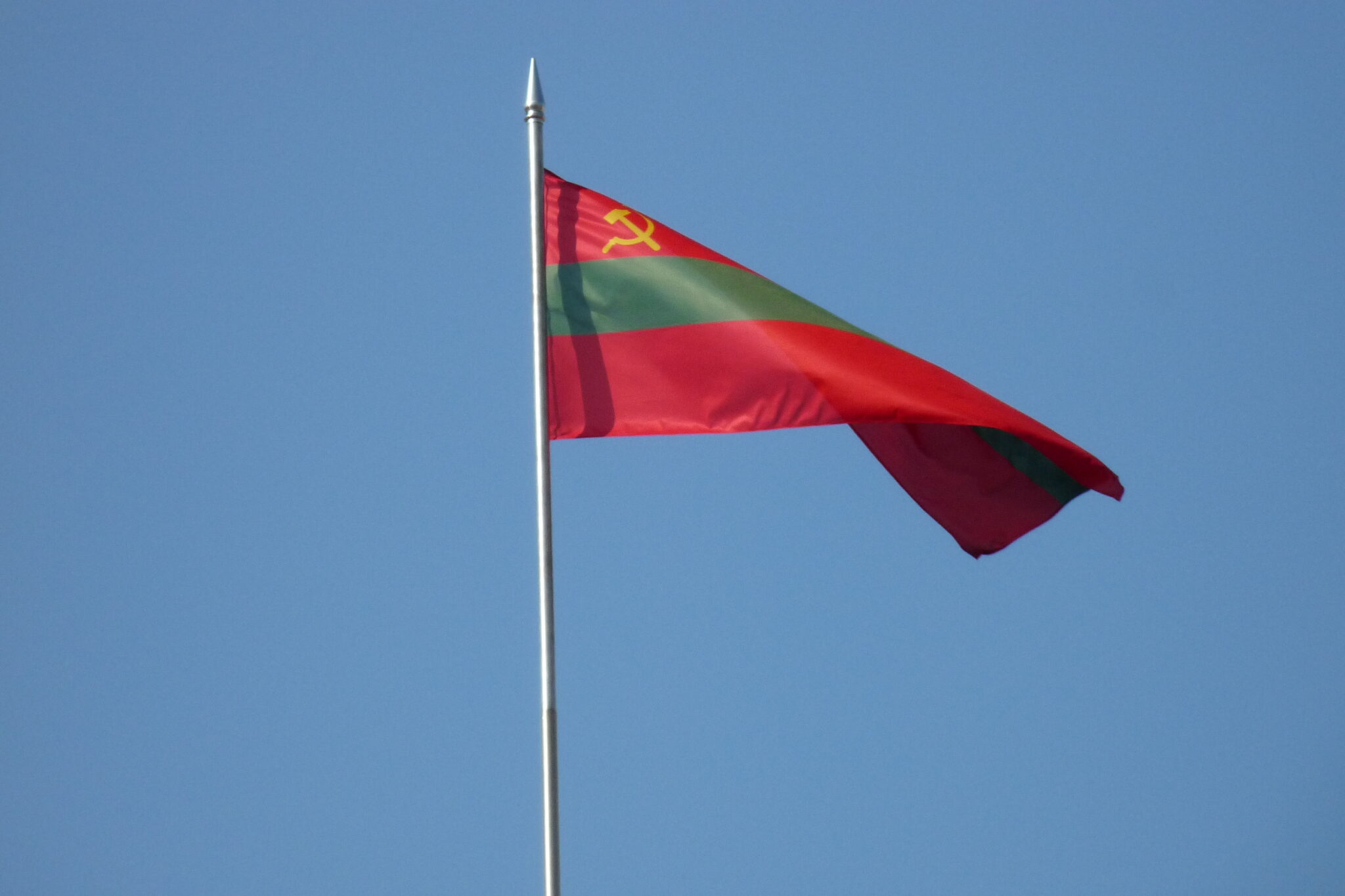
East of the Dniester River, Transnistria is the part of Moldova most often associated with unresolved post-Soviet geopolitics. The region declared separation around the collapse of the Soviet Union, fought a short conflict with Moldovan forces in 1992, and has since operated with its own de facto institutions, currency, border procedures and capital in Tiraspol. It is not recognized as an independent state by UN members, but Chișinău does not control it in practice. That makes Transnistria one of Europe’s longest-running territorial disputes, and one of the main reasons Moldova appears in discussions of security, sovereignty and Russian influence.
For visitors, the region is often reduced to Soviet-style imagery: monuments, wide avenues, military symbols, Tiraspol, Bender and the feeling of entering a place outside Moldova’s normal political rhythm. That image can be striking, but it should not be treated only as travel curiosity. The issue is serious for Moldova because Russian forces remain connected with the security situation there, negotiations continue through international formats, and events in Transnistria affect Moldova’s relations with Russia, Ukraine, the European Union and the OSCE. Even in 2026, the region remains politically sensitive, with new disputes over Russian citizenship policy showing that the conflict is not simply a frozen relic of the 1990s.
12. Moldova’s European path
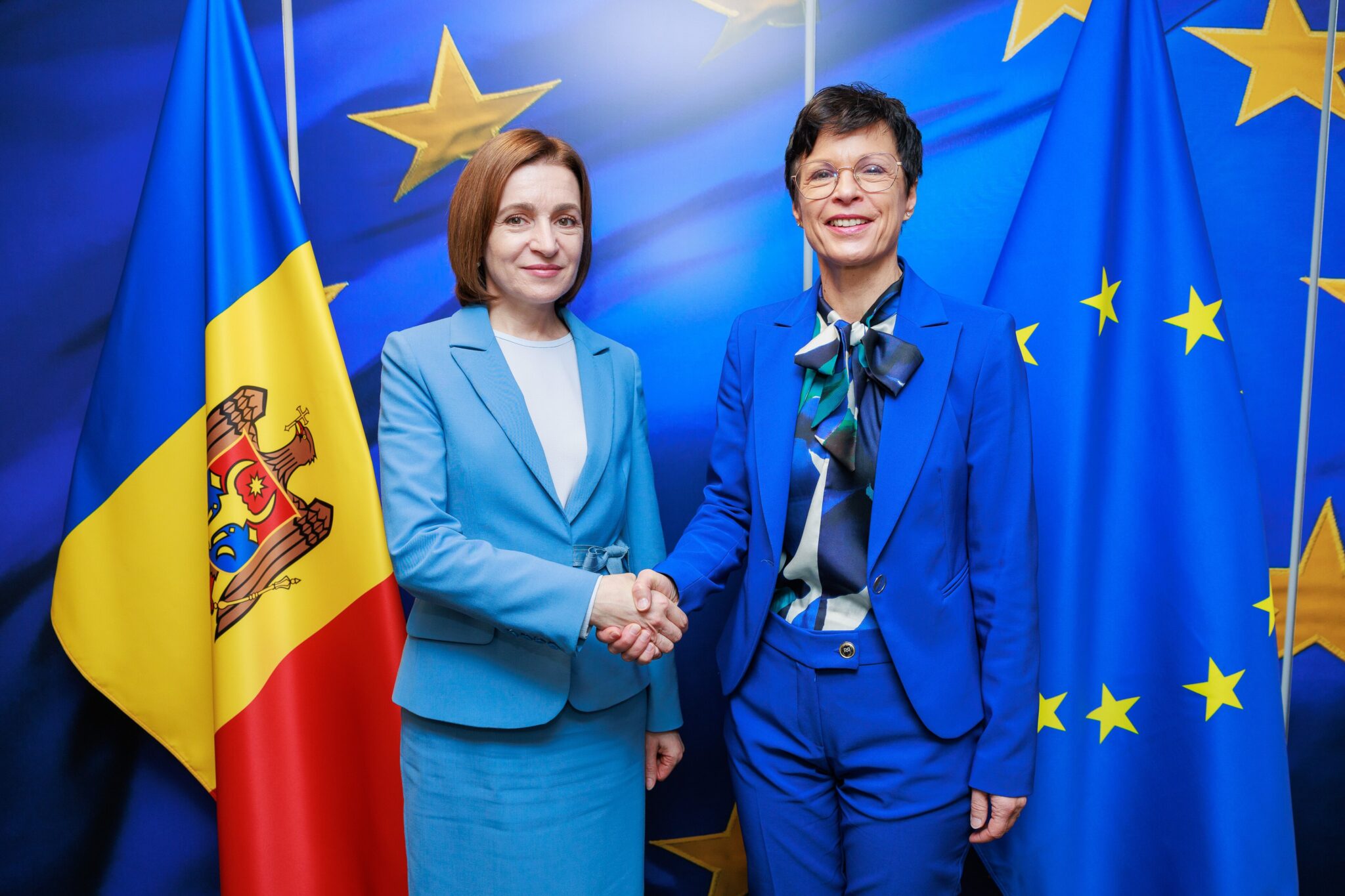
Since 2022, Moldova’s international image has been increasingly shaped by its move toward the European Union. The country applied for EU membership in March 2022, shortly after Russia’s full-scale invasion of Ukraine began, received candidate status in June 2022, and formally opened accession negotiations in June 2024. These dates turned Moldova’s European direction from a long-term political preference into one of the central facts about the country’s modern identity. For a small state between the EU’s eastern border, Ukraine and Russia’s sphere of influence, the accession process is not only about institutions and laws; it is also about security, trade, energy, language, reform and geopolitical choice.
13. Moldova as an underexplored European destination
Moldova’s appeal is strongest when it is presented honestly: not as a country of world-famous landmarks, but as one of Europe’s quietest and least packaged travel experiences. In 2024, its collective tourist accommodation establishments received about 474,200 tourists, including 254,000 foreign visitors – modest numbers by European standards, especially when compared with better-known neighbours and major city-break destinations. That lower visibility is part of what makes Moldova interesting. The country is small enough to connect Chișinău, Cricova, Mileștii Mici, Orheiul Vechi, monasteries, rural guesthouses and Transnistria in short trips, yet varied enough to feel more complex than its size suggests.
The best way to understand Moldova is through a few strong themes rather than a long list of exaggerated attractions. Wine is the clearest one, supported by huge underground cellars, village winemaking and a growing tourism brand. Rural life adds orchards, gardens, homemade food, guesthouses and Orthodox monasteries, while Chișinău gives the country a practical post-Soviet capital rather than a polished postcard city. Orheiul Vechi provides the most recognizable landscape, and Transnistria and Moldova’s European path add political depth.
If you’ve been captivated by Moldova like us and are ready to take a trip to Moldova – check out our article on interesting facts about Moldova. Check if you need an International Driving Permit in Moldova before your trip.

Published May 24, 2026 • 11m to read