

Ireland is famous for Dublin, Guinness, dramatic Atlantic coastlines, traditional music, St Patrick’s Day, ancient monuments, literary giants, and a national identity shaped by language, emigration, and memory. Official Irish tourism and government sources present the country through wild scenery, cultural heritage, ancient sites, and a famously social public life.
1. Dublin
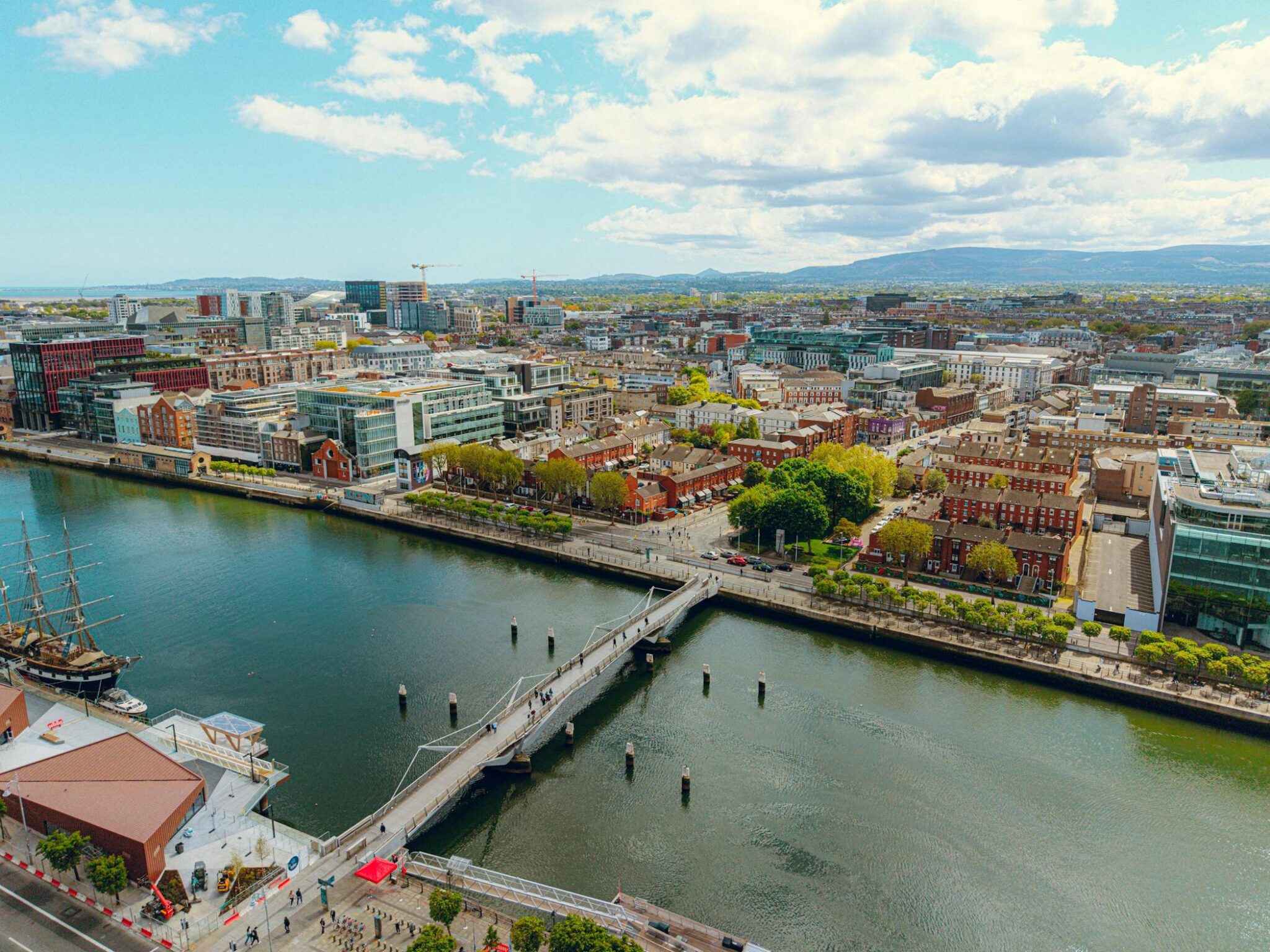
Ireland is famous for Dublin because the city shapes the country’s image in two different ways at once. On one side, it is the historic capital associated with Georgian streets, traditional pubs, literary culture, and the river-centered cityscape that many visitors picture first. On the other, modern Dublin is one of Europe’s strongest international business hubs, especially for tech and digital companies. That combination matters because it makes the city feel current, not frozen in an old tourist image. Dublin is still a UNESCO City of Literature, but it is also a place strongly associated with European headquarters, international offices, and a workforce drawn from far beyond Ireland.
What gives Dublin extra weight is the scale of that modern role. Google’s EMEA headquarters is in Dublin, and Google Ireland was described in 2022 as having a workforce of more than 9,000 there. Meta’s international headquarters campus in Dublin opened in 2023 and was described as employing more than 2,000 full-time staff. TikTok also continues to use Dublin as a major base, with Ireland’s investment agency and TikTok’s own newsroom showing the city still functioning as an active hub in 2026.
2. Guinness
For many people abroad, Guinness is one of the first things they think of when they think of Ireland, alongside Dublin, pubs, music, and St Patrick’s Day. That matters because Guinness is not just a successful beer brand. It became part of how Ireland presents itself to the world, with a reputation built on the dark stout itself, the long history of brewing in Dublin, and the way the brand is woven into everyday pub culture as well as tourism.
What gives Guinness extra weight is the strength of its connection to place. The story leads back to St James’s Gate in Dublin, where Arthur Guinness signed the brewery lease in 1759, and that date alone gives the brand unusual historical depth. Over time, Guinness grew far beyond one brewery and became one of Ireland’s clearest commercial and cultural exports.
3. Cliffs of Moher
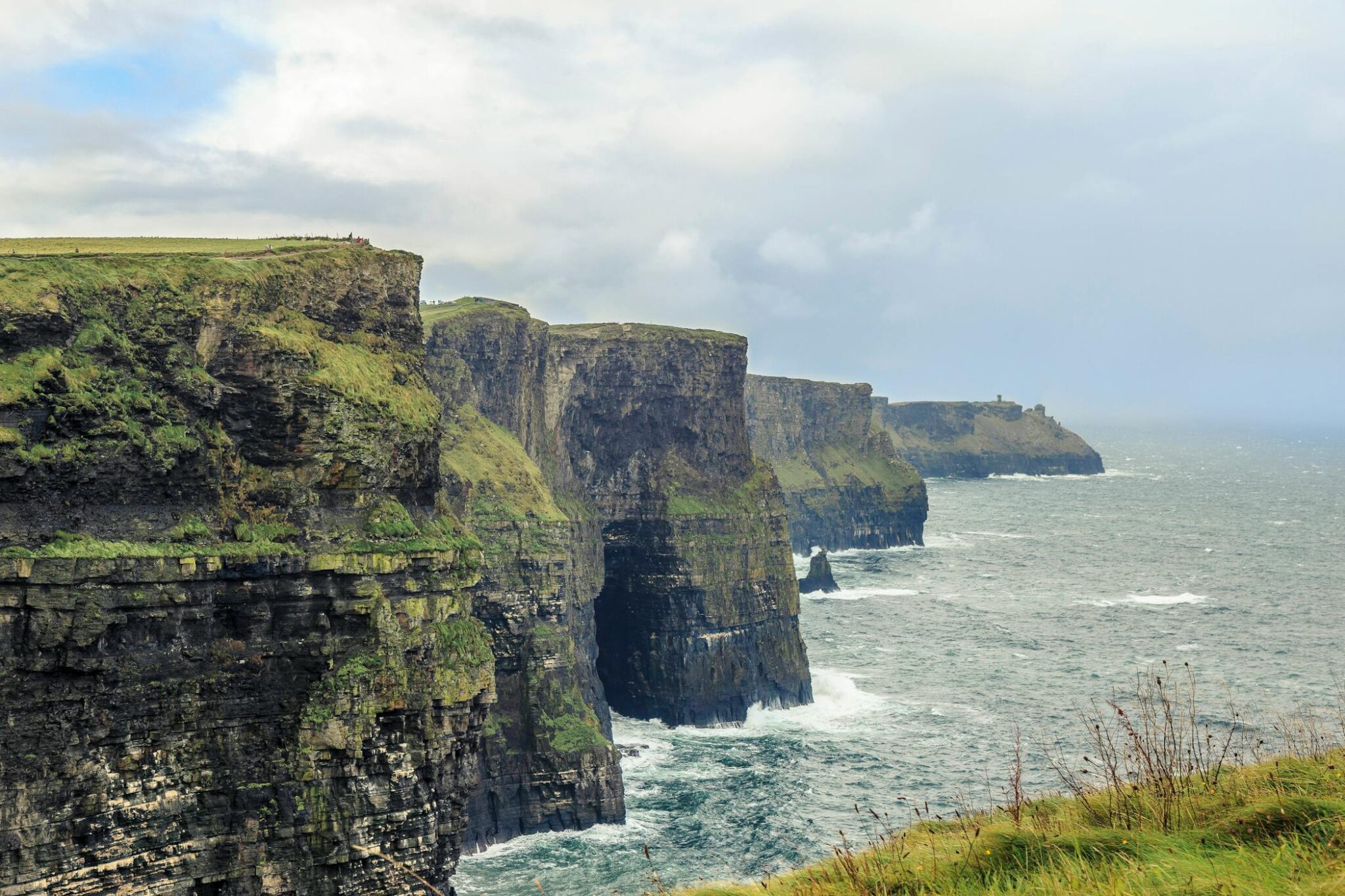
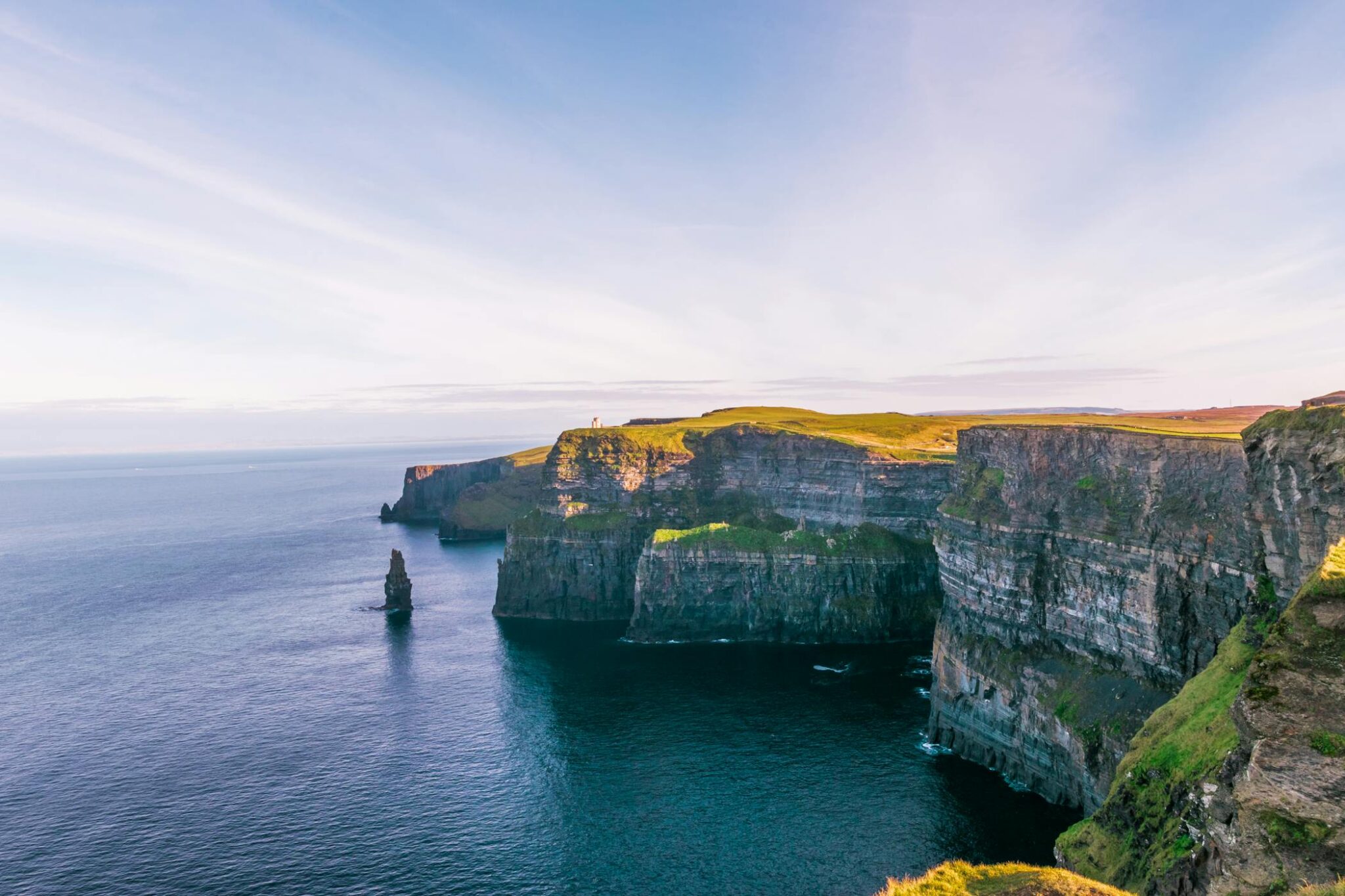
Few places in Ireland are so easy to recognize at once: a long wall of Atlantic cliffs, high views over the ocean, sea birds, wind, and a west-coast landscape that feels both exposed and monumental. That is why the cliffs matter so much to Ireland’s image abroad. The cliffs run for about 14 kilometres along the coast and rise to a maximum height of about 214 metres, which gives them real physical presence rather than postcard fame alone. They also form part of the Burren and Cliffs of Moher UNESCO Global Geopark, which helps show that their importance is not limited to tourism, but extends to geology and landscape as well
4. The Wild Atlantic Way
Instead of promoting the west coast through separate counties and isolated sights, Ireland turned the whole Atlantic edge into one connected idea: a long route of cliffs, beaches, headlands, villages, islands, and changing weather facing the ocean. That matters because it made the west coast easier to imagine as a single experience rather than a scattered set of places. At about 2,500 kilometres, it is presented as the longest defined coastal touring route in the world, which helps explain why it became such a powerful national brand. Within that distance, it links famous highlights such as sea cliffs and peninsulas with smaller towns, harbors, beaches, and stretches of road where the landscape itself is the main attraction.
5. St Patrick and St Patrick’s Day
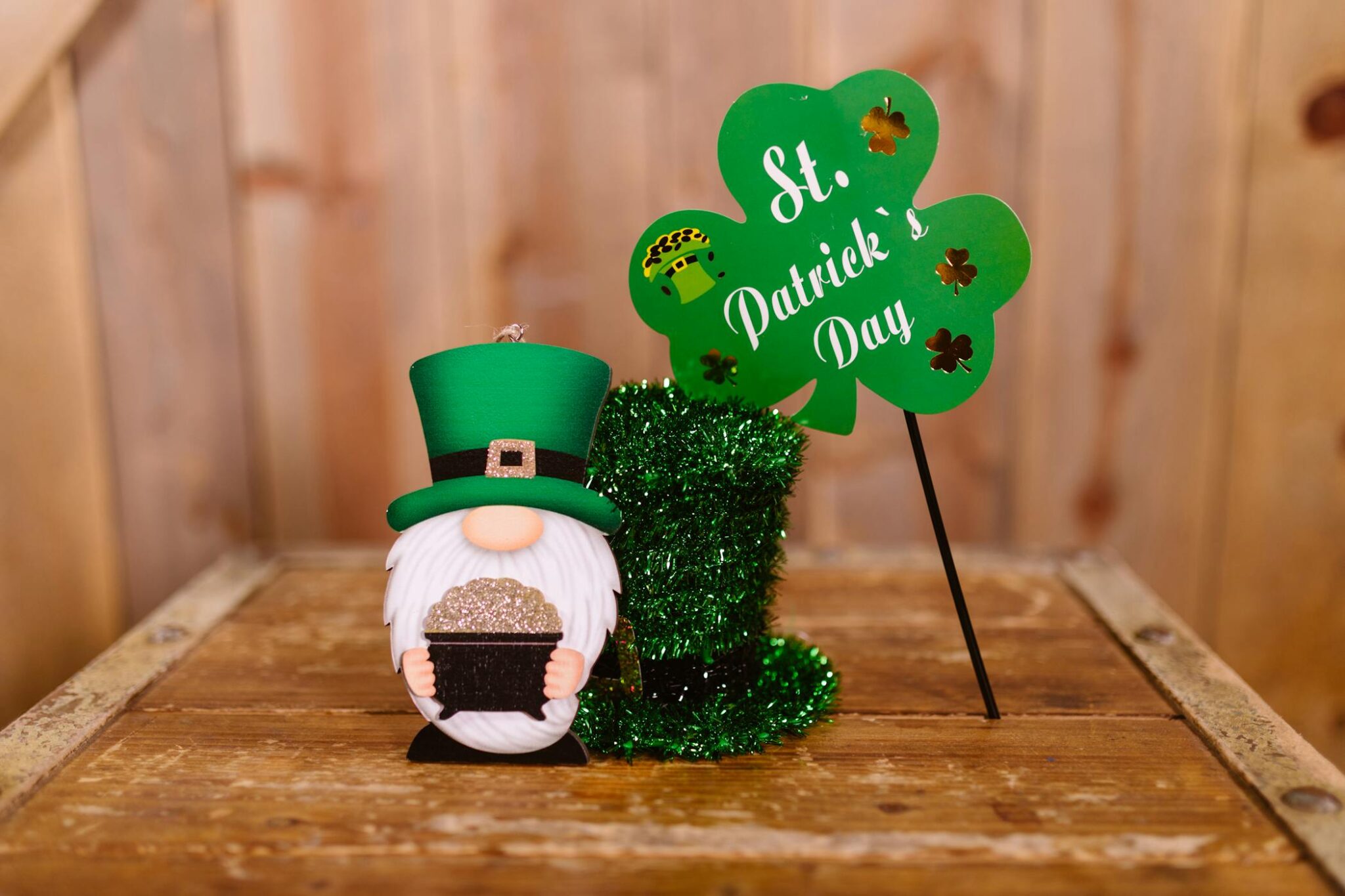
Ireland is famous for St Patrick’s Day because few national holidays have spread so far beyond their country of origin. What began as a feast day linked to Ireland’s patron saint became one of the most recognizable public celebrations in the world, which is why it carries so much weight in Ireland’s international image. For many people abroad, St Patrick’s Day is the first thing they associate with the country: green clothing, parades, music, flags, and a very visible expression of Irish identity. That matters because the holiday does more than mark a date on the calendar.
What gives St Patrick’s Day extra weight is the combination of religion, history, and modern global reach. It is held on 17 March, the traditional feast day of St Patrick, but its meaning today goes much wider than church observance alone. Across Ireland, the day is tied to festivals, local events, and national pride, while abroad it has become one of the strongest recurring symbols of Irish culture.
6. Traditional Irish music
In some places, folk music survives mainly on formal stages or at special festivals, but in Ireland traditional music still feels close to everyday life. It is associated with pub sessions, fiddles, flutes, pipes, accordions, singing, and the wider idea that music belongs naturally with conversation, memory, and storytelling. That is why it carries so much weight in Ireland’s image abroad.
Irish traditional music is heard in villages, towns, cities, pubs, festivals, and cultural events, which means it is not locked inside one region or one formal institution. It also works as more than entertainment. The music is tied to dance, oral tradition, and the sense that stories and emotion can move through melody as easily as through words.
7. Pubs and the craic
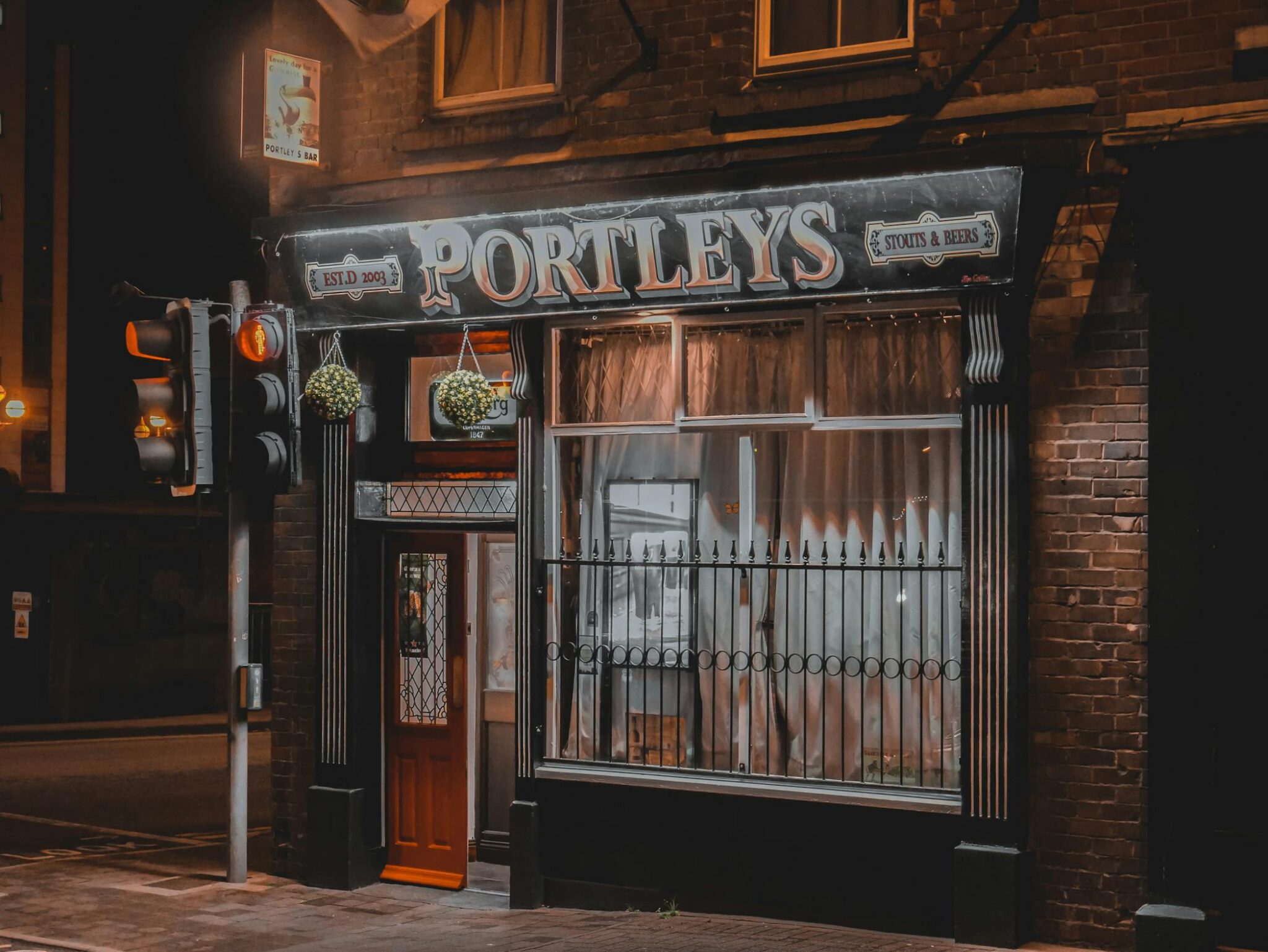
Ireland is famous for pub culture because the pub is more than a place to drink. In the Irish image, it stands for conversation, music, humor, storytelling, and the kind of social life that happens in public without feeling formal. That is why pubs matter so much to how Ireland is seen abroad. For many visitors, the pub is one of the places where the country feels most distinct, not because it is old-fashioned, but because it brings together people, speech, and atmosphere in a way that feels immediate and easy to recognize.
8. Riverdance and Irish dance
Ireland is famous for Irish dance, especially through Riverdance, because the show turned a traditional performance form into one of the country’s strongest global images. Before that, Irish dance was already an important part of national culture, but Riverdance gave it a different scale and visibility. It presented step dancing as something fast, disciplined, theatrical, and modern, which is why so many people around the world now associate Ireland with high-energy group performance, sharp footwork, and a very distinctive stage style.
What gives this association extra weight is that it is still active in the present. Riverdance is currently performing as Riverdance 30 – The New Generation, marking the show’s 30th year, and its official touring schedule still spans major international runs, including 67 U.S. cities and a Dublin season running from 17 June to 6 September 2026.
9. The Book of Kells and Trinity College Dublin
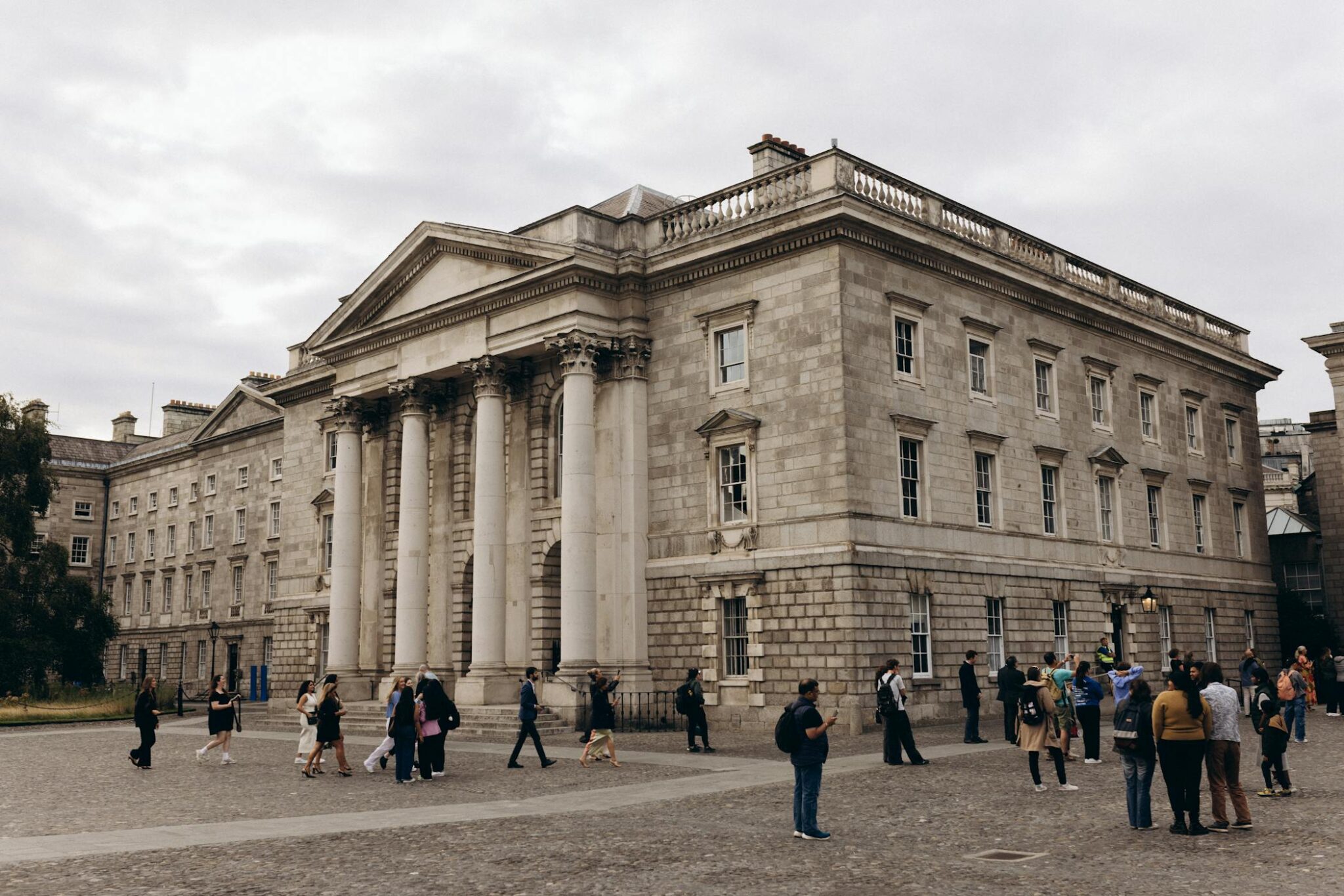
This is not just an old religious book kept in a library. It is one of the most important objects in Ireland’s cultural history and one of the clearest examples of how the country is associated with scholarship, monastic tradition, and intricate visual craftsmanship. That is why the Book of Kells carries so much weight in Ireland’s image abroad. It turns a distant early medieval past into something concrete, famous, and easy to recognize.
Created around the year 800, it is one of the best-known illuminated manuscripts in the world, and at Trinity College Dublin it remains the centerpiece of an exhibition that attracts more than 500,000 visitors a year. That scale matters because it shows the manuscript is not only important to specialists, but one of the country’s major cultural attractions in the present.
10. Irish literature
Very few countries with a population of about 5.4 million have produced such a dense concentration of globally known writers. Names such as James Joyce, Oscar Wilde, W. B. Yeats, Samuel Beckett, and Seamus Heaney gave Ireland an influence in poetry, fiction, drama, and criticism that feels much larger than the country itself. That is why literature matters so much to Ireland’s image. What gives this reputation extra weight is the role of Dublin. The city has been a UNESCO City of Literature since 2010, was the 4th city in the world to receive that title, and is closely linked with 4 Nobel Prize winners for Literature. This matters because Ireland’s literary fame is not just about individual authors from the past. It is also built into institutions, festivals, prizes, libraries, and the public identity of the capital itself.
11. The Irish language and the Gaeltacht
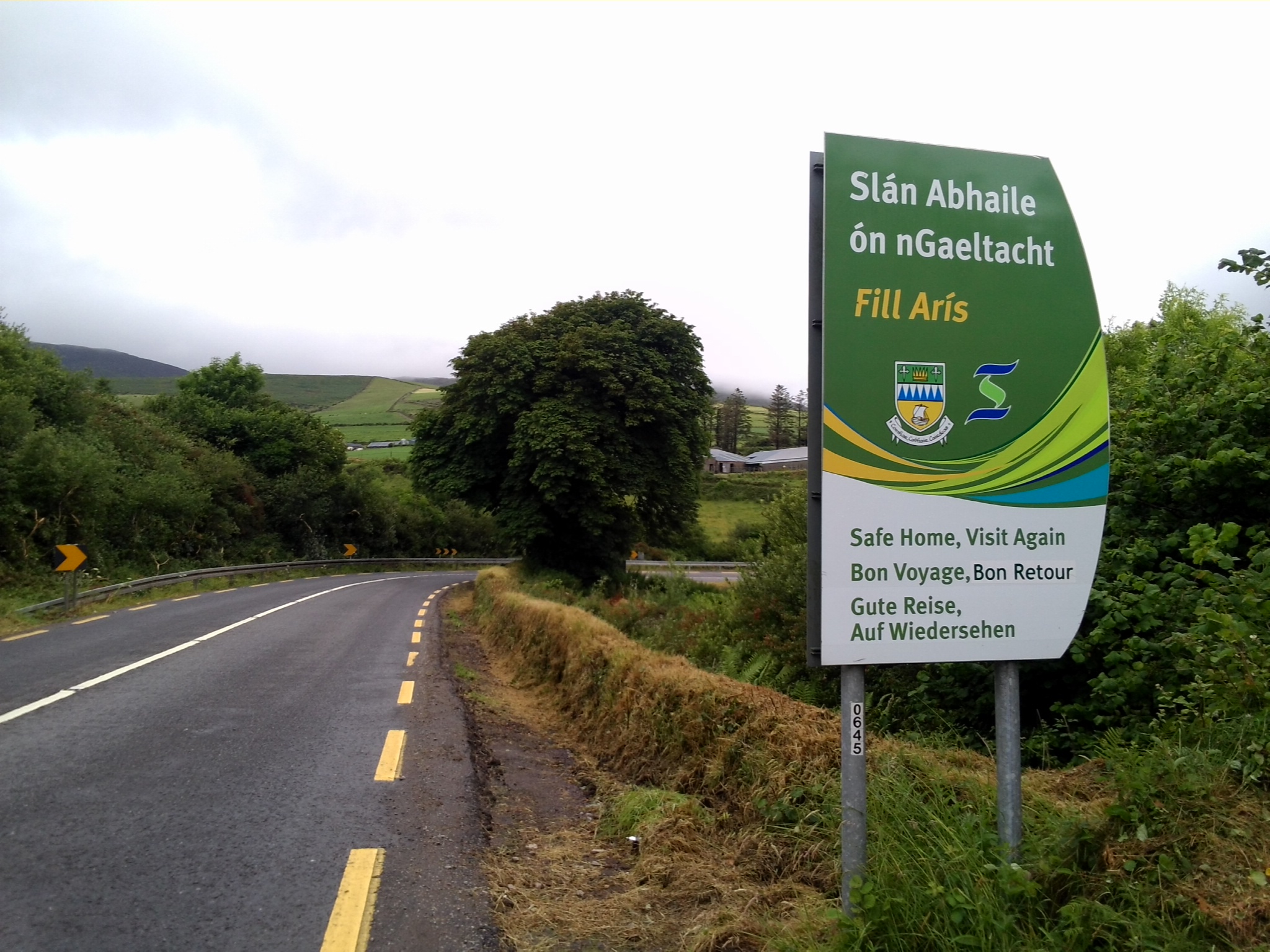
Ireland is famous for the Irish language because it remains one of the strongest symbols of national identity, even in a country where English is the main language of daily life for most people. Irish carries more than practical meaning. It represents continuity, memory, independence, and the idea that the state has a cultural core older than modern political borders. That is why the language matters so much to Ireland’s image.
Under the Constitution, Irish is the first official language of the state, while English is recognized as a second official language. The Gaeltacht gives that status a real geographic foundation, because these are the areas where Irish still survives most strongly as a community language rather than only as a school subject or symbol.
12. Hurling and Gaelic football
Ireland is famous for Gaelic games, especially hurling and Gaelic football, because these sports carry much more cultural weight than ordinary national pastimes. They are treated as distinctly Irish, rooted in local place, county identity, and community life, which is why they matter so much to the country’s image. In many places, sport is mainly commercial entertainment, but in Ireland these games are still strongly tied to amateur tradition, volunteer effort, and the feeling that sport belongs to the parish as much as to the player.
The GAA describes itself as Ireland’s largest sporting organisation, and its reach is visible in everything from local clubs to major national finals at Croke Park, which has a capacity of 82,300. Hurling in particular is often presented as one of the oldest and fastest field games in the world, while Gaelic football gives Ireland another major native code with deep county rivalries and huge public attention.
13. Brú na Bóinne and Newgrange
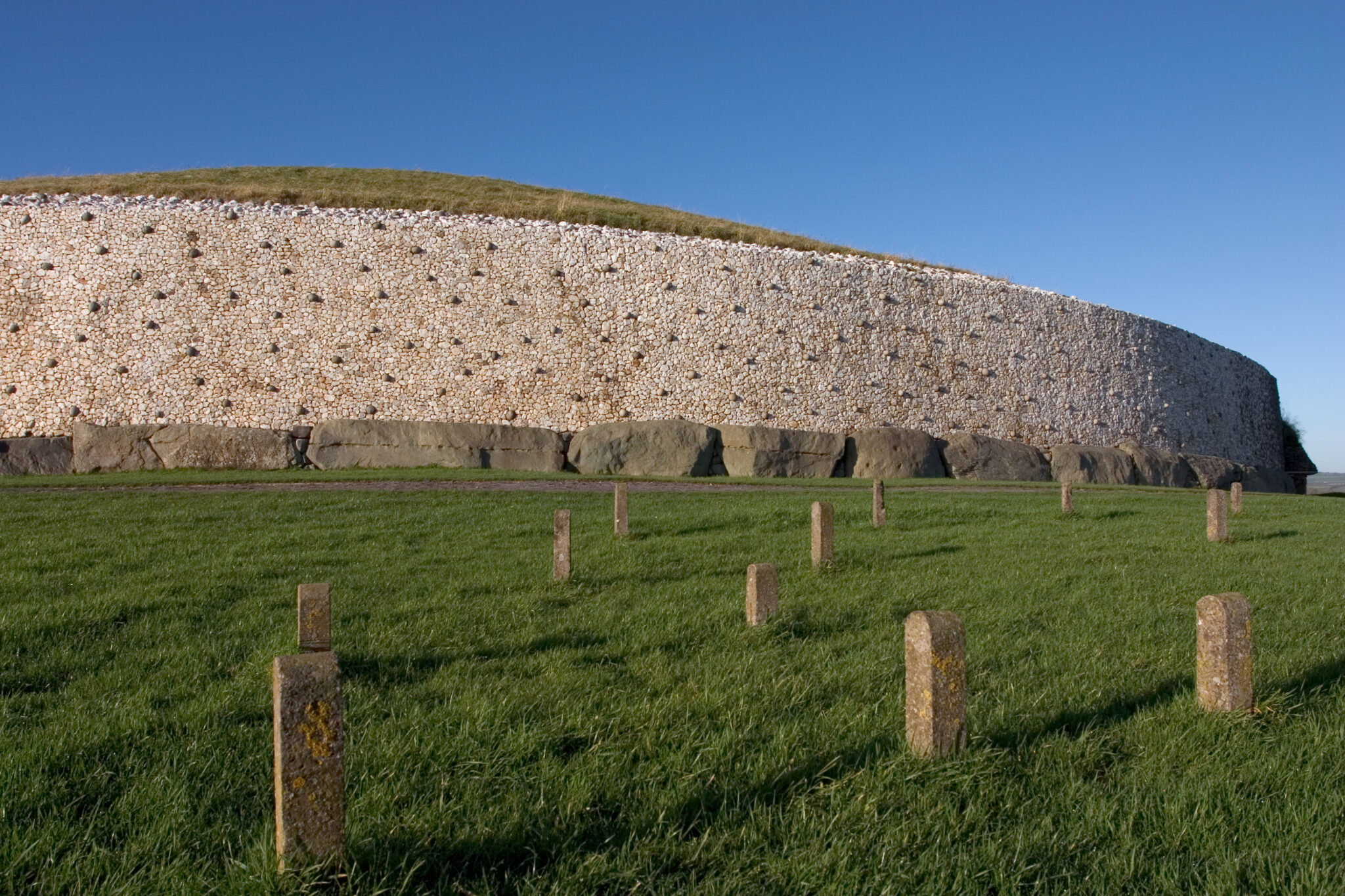
Ireland is famous for Brú na Bóinne because the site gives the country one of its strongest links to prehistoric Europe. This is not just an old monument in the countryside, but a whole ritual landscape that shows how deep Ireland’s human history really is. That matters because Newgrange and the wider Brú na Bóinne complex push Ireland’s image far beyond pubs, music, and green scenery. They connect the country to a much older world of tomb building, ceremonial space, and stone art, which gives Ireland one of the most important prehistoric identities in Europe. Newgrange dates to around 3200 BC, which makes it older than Stonehenge and the Egyptian pyramids. It is also the best-known monument in a wider complex recognized for having Europe’s largest and most important concentration of prehistoric megalithic art.
14. Skellig Michael
The island rises sharply out of the ocean off the Kerry coast, and that setting alone gives it an unusual power in Ireland’s image. It does not look like a normal heritage site reached by an easy road or placed inside a town. Instead, it feels remote, exposed, and difficult, which is exactly why it carries such weight. The island is known for an early monastic settlement built high above the sea, where stone beehive huts and steep steps still show how demanding life there must have been. This was not a symbolic retreat close to comfort, but a deliberate choice of extreme seclusion. Skellig Michael is also one of only two UNESCO World Heritage Sites in the Republic of Ireland, which adds even more weight to its status.
15. The Ring of Kerry
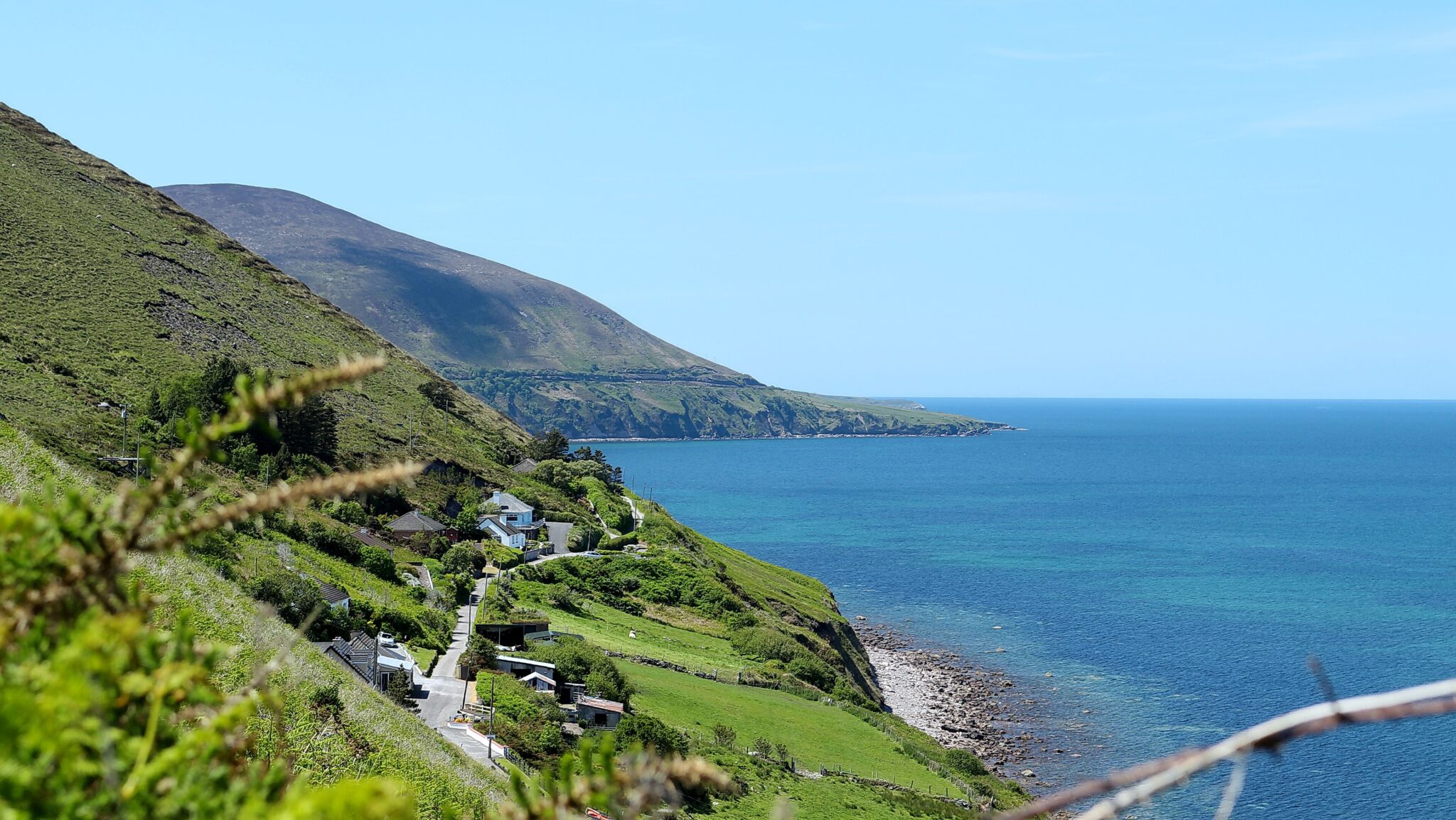
Ireland is famous for the Ring of Kerry because it turns the country’s Atlantic image into one of its clearest and most memorable travel experiences. Rather than one single landmark, it offers a whole sequence of coastal views, mountain passes, lakes, villages, and exposed western scenery that many people now see as the classic Irish road trip. The route is about 179 kilometres long around the Iveragh Peninsula, and that scale matters because it gives Ireland a landscape-based symbol rather than just one famous site.
What gives the Ring of Kerry extra weight is the variety packed into that loop. It links places such as Killarney, Kenmare, Sneem, Waterville, and the wider scenery around Moll’s Gap, Ladies View, and Killarney National Park, so the route feels less like a road between attractions and more like a moving summary of the Irish southwest. It is also closely tied to the Wild Atlantic Way, which strengthens its role in Ireland’s modern tourism image.
16. Blarney Castle and the Blarney Stone
The site is not important mainly for military history or architectural scale, but for the story attached to it: the old belief that kissing the stone grants eloquence. That is exactly why it became so memorable. In a country already strongly associated with speech, wit, storytelling, and conversation, the Blarney Stone feels less like an isolated tourist legend and more like a symbol that fits Ireland’s wider cultural image. Castle became famous not simply as a ruined tower house in County Cork, but as the home of one of Ireland’s best-known traditions, repeated by generations of visitors. The present castle dates mainly from the 15th century, which gives the site real historical depth, but its international fame comes above all from the stone itself and the idea attached to it.
17. The Emerald landscape
Ireland is famous for green landscapes because the look of the country is one of its strongest and most persistent images abroad. Long before many visitors know specific cities or landmarks, they often already picture Ireland through rolling hills, wet fields, stone walls, coastal grasslands, and a countryside that seems almost entirely shaped by shades of green. That is why the idea of the “Emerald Isle” remains so strong.
What gives this image extra weight is that it appears across very different parts of the country. Ireland is not known only for one famous valley or one national park, but for a wider impression of green land stretching from inland farmland to Atlantic cliffs and softer coastal hills. Rain, pasture, and open rural space all help create that effect, which is why the landscape feels less like a slogan and more like a real national signature.
18. The Great Famine
Ireland is also known, more darkly, for the Great Famine, because no other tragedy shaped the country’s modern history so deeply. The famine of 1845-1852 was not only a period of crop failure and hunger, but a national disaster that changed Ireland’s population, society, politics, and memory for generations. It is one of the main reasons Irish history cannot be understood only through music, landscape, and literature.
More than 1 million people died, and at least 1 million more emigrated, which helped drive one of the great population collapses in modern European history. The effects reached far beyond those years themselves. The famine changed landholding, weakened the Irish language in many areas, deepened the importance of emigration, and became one of the strongest sources of national memory and political feeling.
19. Emigration and the Irish diaspora
Ireland is famous for emigration and for a diaspora far larger than the population of the state itself. This matters because leaving the country was not a small side story in Irish history, but one of its central patterns. Across the 19th and 20th centuries, millions of people left Ireland for Britain, the United States, Canada, Australia, and other parts of the world, and that movement became one of the main reasons Irish identity spread so widely beyond the island. That is why emigration carries so much weight in Ireland’s image.
Ireland still presents its global communities as an important part of national life, and official diaspora policy shows that maintaining those ties remains a real state priority in the present. This makes sense because emigration shaped not only where Irish people went, but also how Ireland understands itself: as a country whose history extends well beyond its own borders.
20. Halloween and Samhain
Finally, Ireland is famous for being widely promoted as the home of Halloween, and this is one of the country’s most distinctive cultural claims. The idea matters because it connects modern celebration with a much older Irish story. Halloween in Ireland is not presented only as costumes and parties, but as something rooted in Samhain, the ancient festival that marked the shift from summer to winter and was already being observed more than 2,000 years ago. That gives Ireland a stronger link to the holiday than most countries can claim.
What gives this association extra weight is that Ireland still builds real festivals and visitor experiences around that origin story today. The Púca Festival in County Meath continues to present Samhain as a living part of Irish cultural identity, with the 2025 edition running from 30 October to 2 November and the 2026 festival scheduled for 29 October to 1 November. That matters because it shows Ireland is not relying only on an old legend. It is still actively presenting Halloween through fire, folklore, storytelling, and places linked to early Samhain tradition.
If you’ve been captivated by Ireland like us and are ready to take a trip to Ireland – check out our article on interesting facts about Ireland. Check if you need an International Driving Permit in Ireland before your trip.

Published April 10, 2026 • 14m to read