

Germany is famous for Berlin, castles, beer, Christmas markets, cars, forests, fairy tales, classical music, and some of the most consequential history in Europe. It is also one of the world’s richest heritage countries: UNESCO currently lists 55 World Heritage properties in Germany, including major cathedrals, Roman sites, industrial landmarks, Bauhaus buildings, and the newly inscribed palaces of King Ludwig II of Bavaria.
1. Berlin
Germany is famous for Berlin because no other city captures so much of the country’s modern identity in one place. It is not only the capital and the seat of government, but also the city most strongly associated with Germany’s twentieth-century history, reunification, political change, and contemporary cultural life. That gives Berlin a different kind of importance from other major German cities. It is known not just for size or status, but for the way landmarks, ministries, museums, memorials, and everyday urban life all sit inside a city that has repeatedly stood at the center of European history.
The Brandenburg Gate, the Reichstag, Museum Island, the remains of the Berlin Wall, and large memorial sites all make the city instantly recognizable, while its creative districts, galleries, nightlife, and international population give it a strong contemporary profile as well. With about 3.9 million residents, Berlin is also Germany’s largest city, which adds real scale to its political and cultural influence.
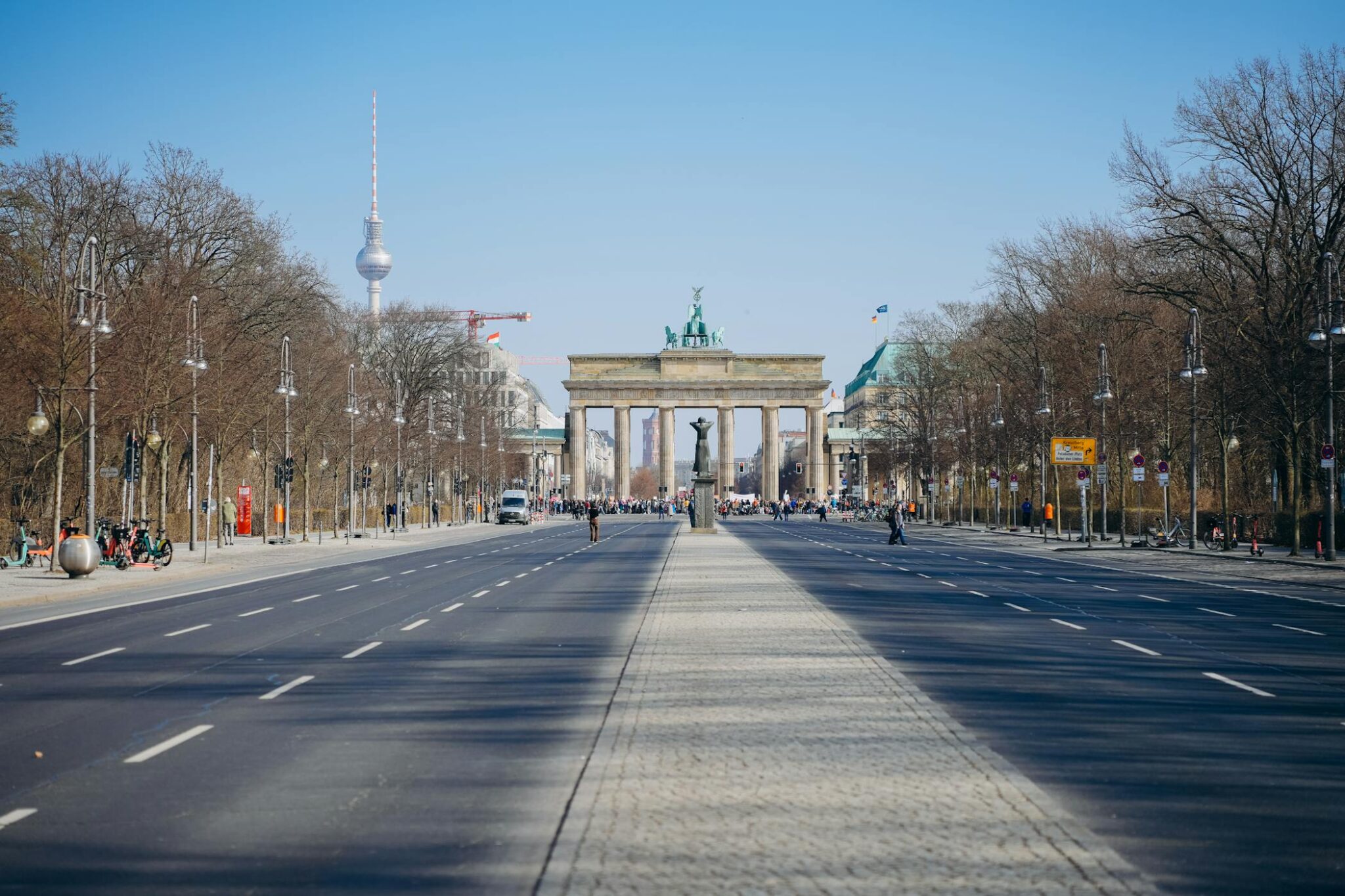
2. Brandenburg Gate
Even people who know little about German history can usually recognize it at once. That is because the gate is tied not only to Berlin, but to some of the biggest moments in modern German history, especially division and reunification. It has become much more than an old neoclassical monument in the capital. Built in the late 18th century, it later stood directly beside the Berlin Wall, which turned it into a powerful symbol of a divided Germany during the Cold War. After 1989 and the fall of the Wall, its meaning changed again, and it became one of the clearest public symbols of reunification.
3. Munich and Oktoberfest
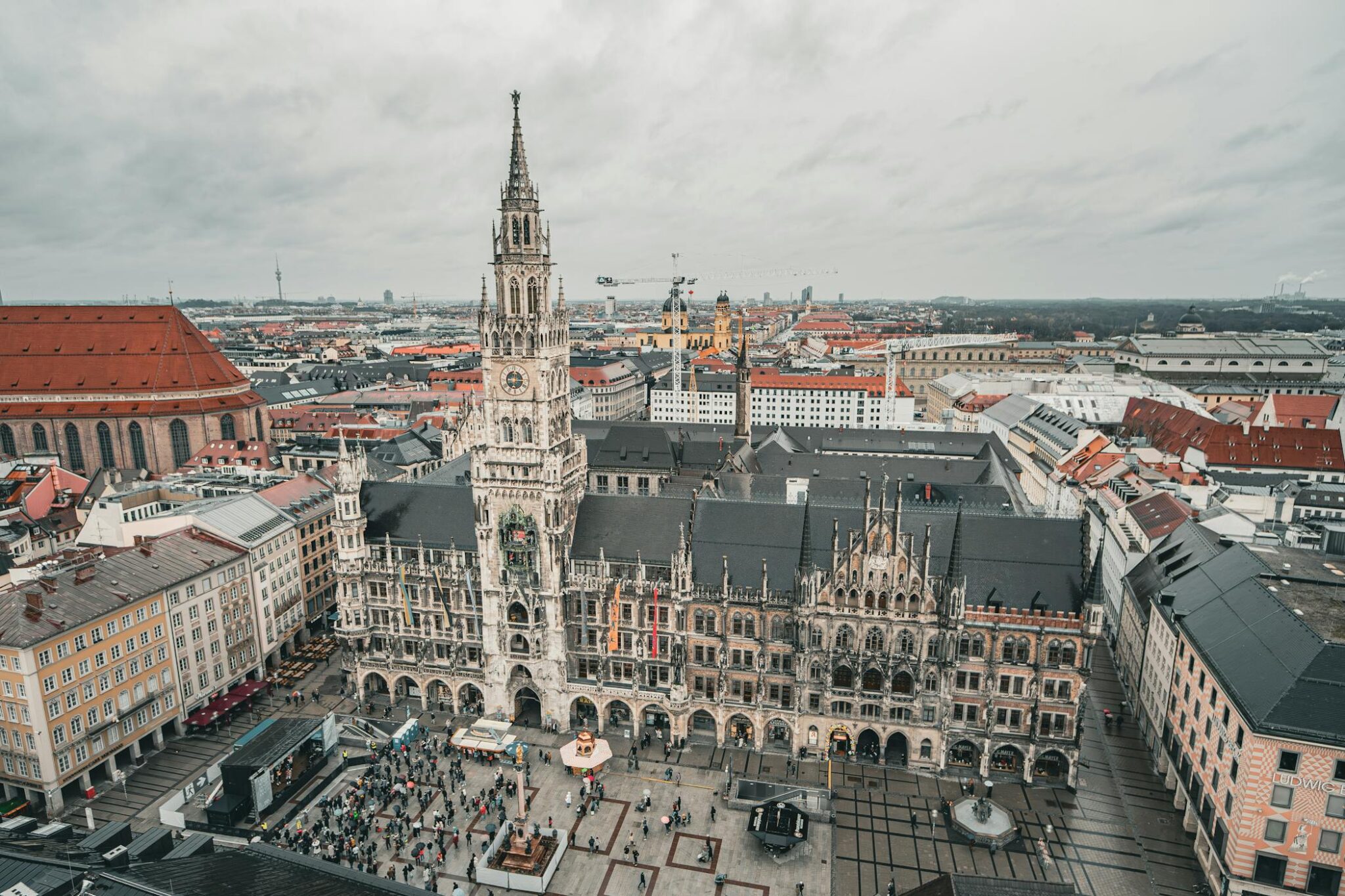
Germany is famous for Munich, and especially for Oktoberfest, because this is one of the clearest cases where one city and one tradition shape how the whole country is seen abroad. Munich already stands out through beer culture, Bavarian identity, historic squares, and a polished southern German image, but Oktoberfest pushes that visibility to another level. Held on the Theresienwiese, the festival turned Munich into one of the most internationally recognizable names in German culture. For many people outside Germany, it is one of the first things they associate with the country, which shows how strongly this local tradition grew into a national symbol.
The festival attracts millions of visitors, and the official figure for 2025 was about 6.5 million people over the full run. That is why it matters more than as a large beer event. Oktoberfest combines local costume traditions, music, brewery culture, food, fairground rides, and public celebration in a form that has been repeated for generations and is still fully alive in the present.
4. German beer and the Purity Law
Germany is famous for beer because brewing is one of the country’s strongest and oldest cultural associations. It is not just a popular drink there, but part of regional identity, public festivals, local pride, and everyday social life. That is why German beer carries more weight than a simple food product.
What gives this reputation extra force is the connection to the Reinheitsgebot, the famous Purity Law first issued in 1516. That means the rule has been linked to German brewing culture for more than 500 years, which is why it became such a powerful symbol of continuity and quality. Even though modern brewing is more complex than one historic formula, the Reinheitsgebot still plays an important role in how German beer is understood and presented. It suggests discipline, consistency, and respect for tradition.
5. Bavaria, lederhosen, and dirndls
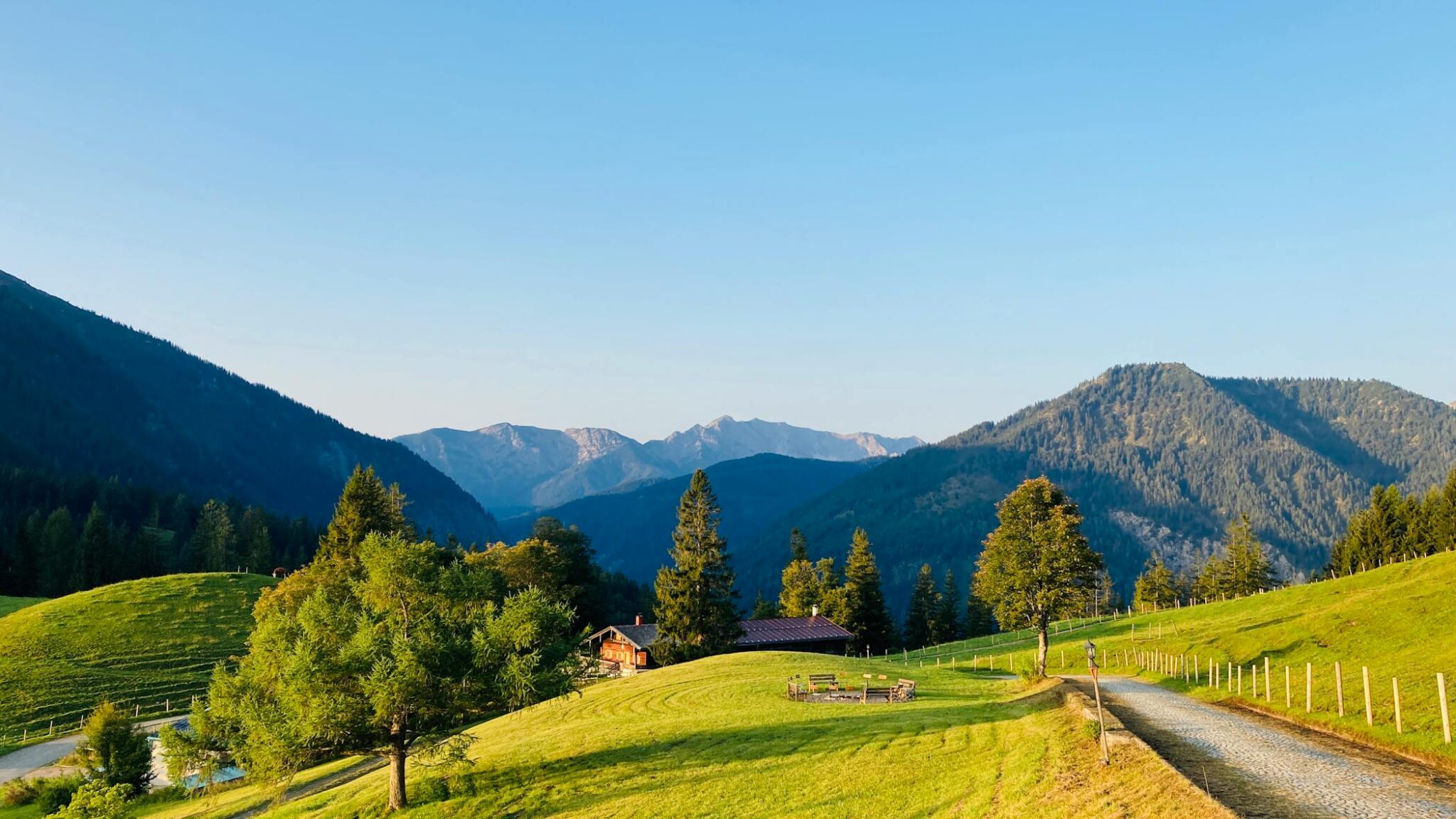
When foreigners picture Germany, they often imagine beer halls, Alpine scenery, traditional costume, brass music, and large public festivals, and much of that visual language is Bavarian rather than nationally typical in the same way everywhere else. Lederhosen and dirndls became some of the best-known items of German folk costume, especially through festivals such as Oktoberfest, where they moved far beyond local use and became part of a global image of “German tradition”. This matters because Bavaria is not just one federal state among others. In the eyes of many visitors, it often stands for Germany as a whole, even when that simplifies the country’s wider regional diversity.
6. Neuschwanstein Castle
Even people who know little about German history often recognize it at once: towers, steep mountain setting, and a silhouette that looks closer to legend than to an ordinary royal residence. That is why Neuschwanstein became much more than one Bavarian landmark. What gives the castle extra weight is that its importance became even stronger in 2025, when UNESCO inscribed the palaces of King Ludwig II of Bavaria as a World Heritage site. Neuschwanstein is part of that group alongside Linderhof, Schachen, and Herrenchiemsee, and UNESCO emphasizes that these palaces were built between 1868 and 1886 as highly imaginative royal retreats inspired by older castles, Versailles, German fairy tales, and Wagner’s operas.
7. Germany as a land of castles and palaces
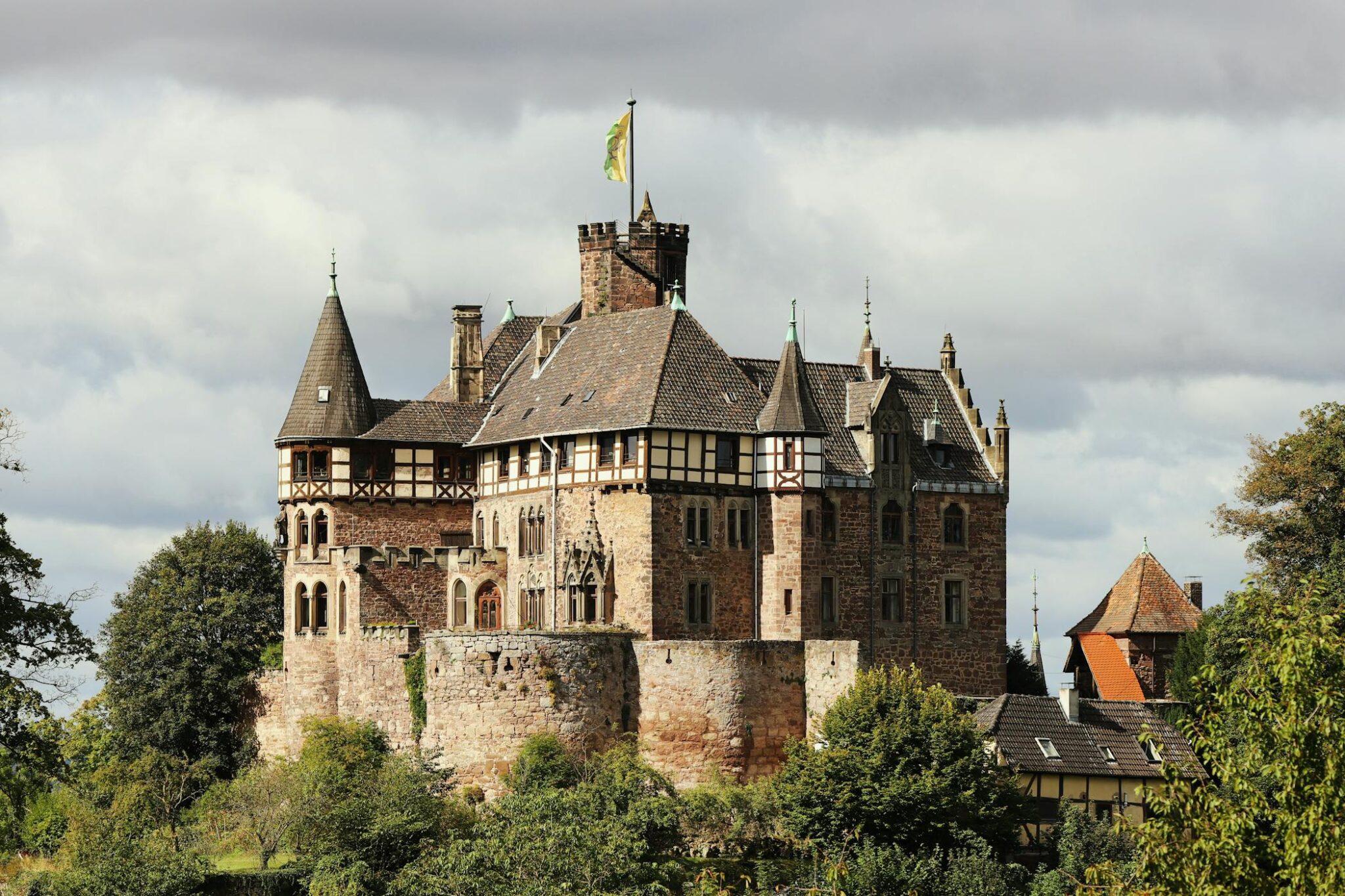
Germany is famous for castles far beyond Neuschwanstein because medieval fortresses, royal residences, and palace complexes are spread across the country in a way that few other places in Europe can match. This matters because Germany’s historic image is not built around one single royal landmark, but around repetition: hilltop castles above river valleys, old fortified towns, Baroque palaces, hunting lodges, and former princely residences appearing again and again from region to region. That is why castles and palaces play such a large role in how Germany is imagined abroad.
Germany’s Castle Road alone brings together more than 60 castles, palaces, and stately homes, which shows that this is not just a romantic cliché but a real travel pattern across the country. The broader point is even bigger: Germany’s historical landscape was shaped for centuries by kingdoms, duchies, bishoprics, and smaller states, and all of them left architecture behind.
8. The Black Forest and cuckoo clocks
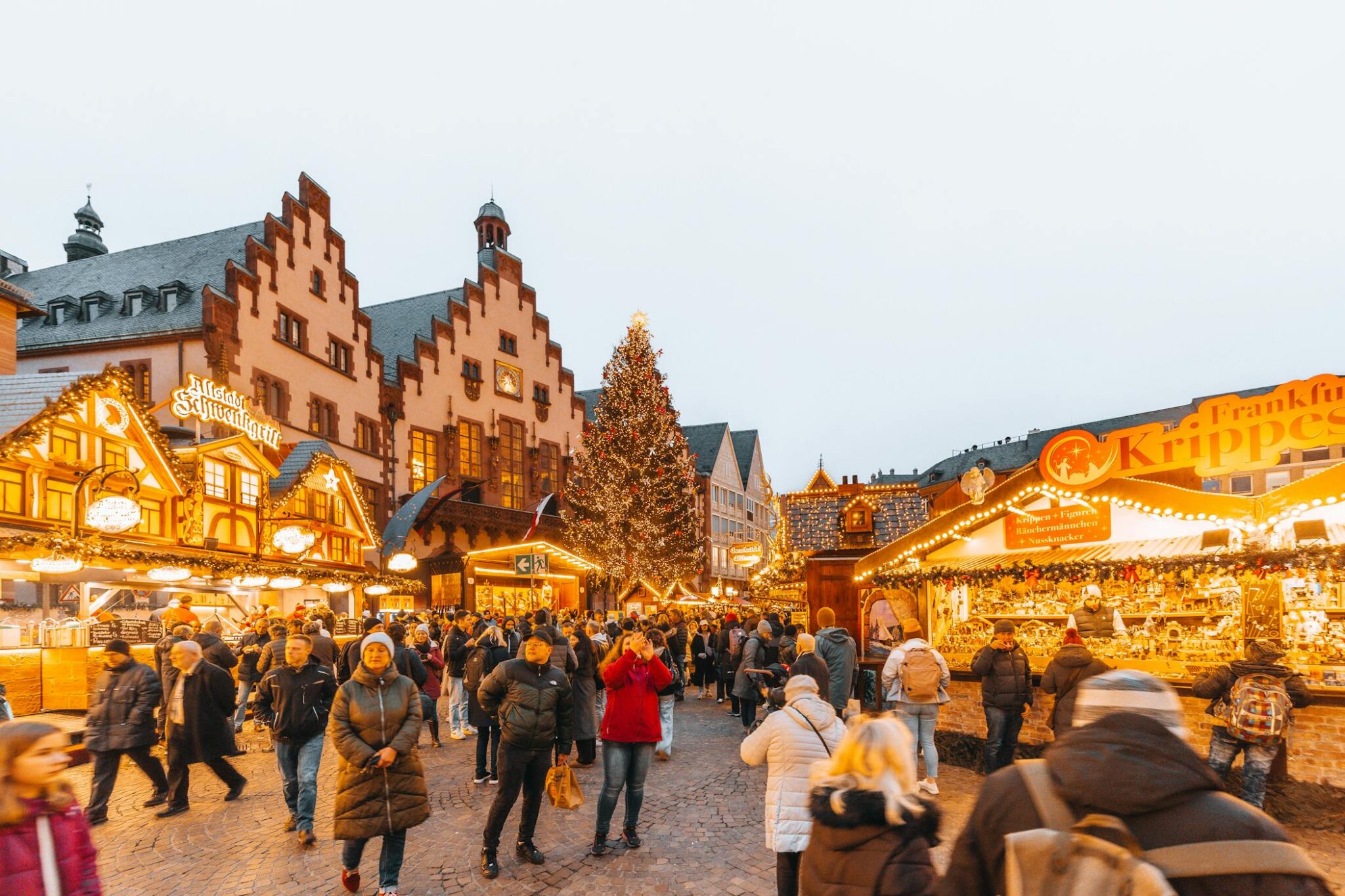
In many places, seasonal markets are a pleasant extra, but in Germany they feel much more central to public life and cultural identity. Town squares, cathedral fronts, and old market streets fill with wooden stalls, lights, hot drinks, ornaments, sweets, and music, turning the weeks before Christmas into a distinct social season. That is why Christmas markets matter so much to Germany’s image abroad. They are found across the country, from large cities to smaller historic towns, which means the tradition feels national rather than local. Nuremberg’s Christkindlesmarkt is one of the best-known examples and traces its history back to at least 1628, which shows how deep these markets run in German cultural life.
9. Christmas markets
In many places, seasonal markets are a pleasant extra, but in Germany they feel much more central to public life and cultural identity. Town squares, cathedral fronts, and old market streets fill with wooden stalls, lights, hot drinks, ornaments, sweets, and music, turning the weeks before Christmas into a distinct social season. That is why Christmas markets matter so much to Germany’s image abroad. They are found across the country, from large cities to smaller historic towns, which means the tradition feels national rather than local. Nuremberg’s Christkindlesmarkt is one of the best-known examples and traces its history back to at least 1628, which shows how deep these markets run in German cultural life.
10. Cars and automobile heritage
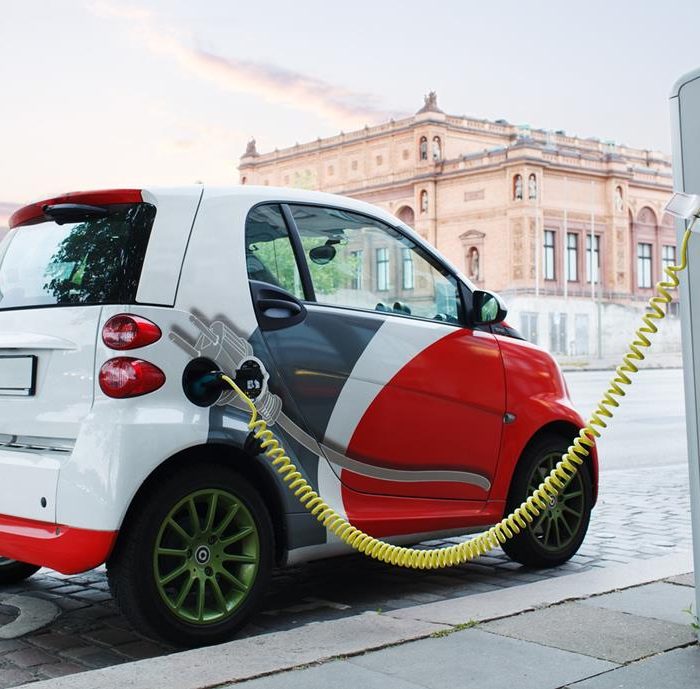
Germany is famous for cars because few countries are so closely associated with one branch of industry. The link goes far beyond transport. In Germany, the automobile became part of the national image through engineering, manufacturing, design, and technical reputation, which is why the country is often seen as one of the world’s main homes of the modern car. This is not based on branding alone. Germany is not known for one successful brand, but for a whole automotive culture that includes Mercedes-Benz, BMW, Porsche, Audi, and Volkswagen, along with museums, racetracks, supplier networks, and regions shaped by industrial production. That is why cars matter so much to Germany’s image abroad. They represent precision, scale, export strength, and technical ambition in a form people recognize immediately.
11. The Autobahn
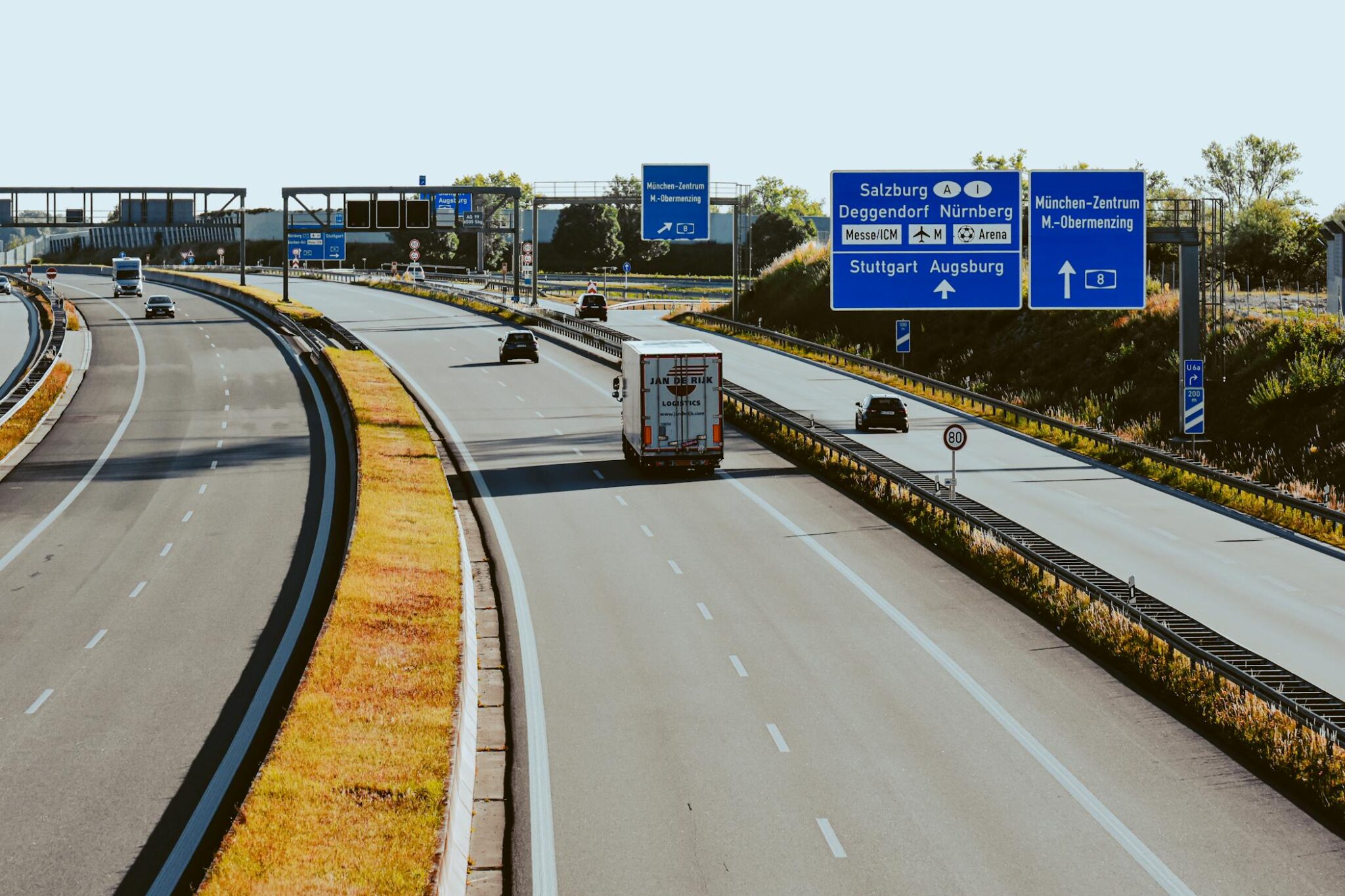
In many countries, highways are just infrastructure, but in Germany the Autobahn carries a larger meaning. It is linked with engineering, cars, speed, and a national image built around technical confidence and freedom of movement. That is why the subject remains so recognizable abroad. Germany still has no general speed limit on unrestricted motorway sections, even though an advisory speed of 130 km/h applies. That distinction is exactly why the Autobahn remains such a persistent international reference point: it is not completely lawless, but it is still unusual enough to stand out among industrialized countries.
12. Cologne Cathedral
Germany is famous for Cologne Cathedral because few churches in the country dominate the image of a city so completely. The cathedral is not just the main landmark of Cologne, but one of the clearest religious and architectural symbols of Germany as a whole. Rising beside the Rhine and visible far beyond the immediate city center, it gives Cologne an identity that is easy to recognize at once. Construction began in 1248, and the building remained unfinished for centuries before being completed in the 19th century, which gives it an unusually long and layered history. Its twin towers rise to about 157 metres, making it one of the largest and most recognizable Gothic churches in Europe.
13. The Rhine and its castle landscapes
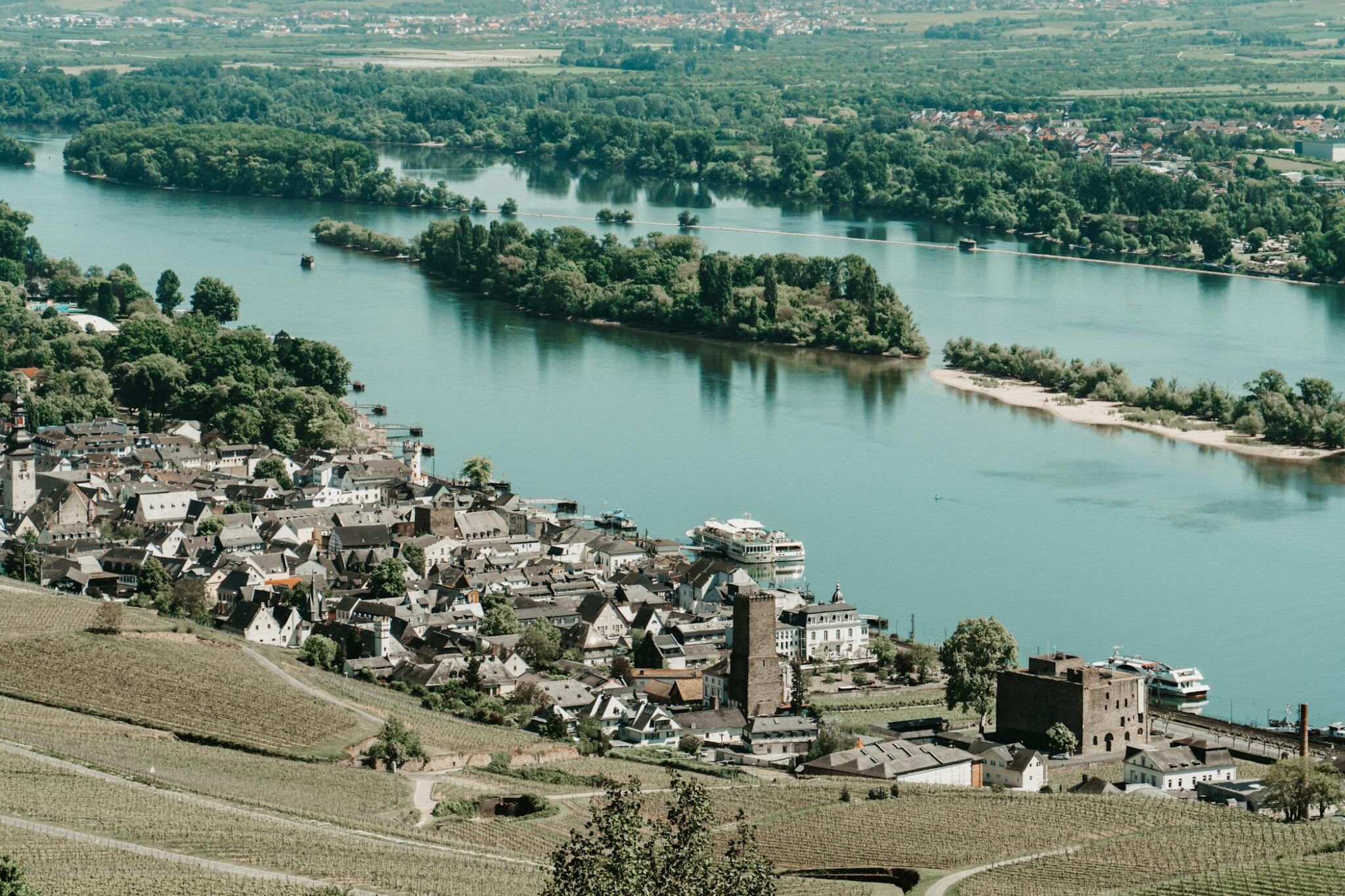
The Rhine is not just a major waterway, but one of the landscapes through which Germany is most often imagined: castles on hilltops, vineyard slopes, medieval towns, river bends, and a long connection between trade, travel, and political power. That is why the river matters so much to Germany’s image abroad. It turns geography into something cultural and highly visual, especially in the romantic stretch where the valley narrows and historic architecture appears again and again above the water.
The Upper Middle Rhine Valley, the UNESCO-listed stretch between Bingen and Koblenz, runs for about 65 kilometres and includes around 40 castles and forts, while the wider Rhine area is promoted with about 60 castles and palaces. That concentration explains why this landscape became one of Germany’s strongest travel symbols.
14. Hamburg and its port
While Berlin is linked with politics and history, Munich with Bavaria and festivals, and Cologne with the Rhine, Hamburg represents Germany through trade, shipping, water, and a long outward-looking urban tradition. That difference matters. Hamburg is not famous mainly for one monument, but for a whole identity built around the port, canals, warehouses, bridges, and a city culture shaped by contact with the wider world. The Port of Hamburg covers more than 7,000 hectares and remains the largest seaport in Germany, which explains why the city is so often described as the country’s gateway to the world. Its Hanseatic past also matters, because Hamburg’s trading role was built over centuries rather than in one modern industrial phase.
15. Bauhaus
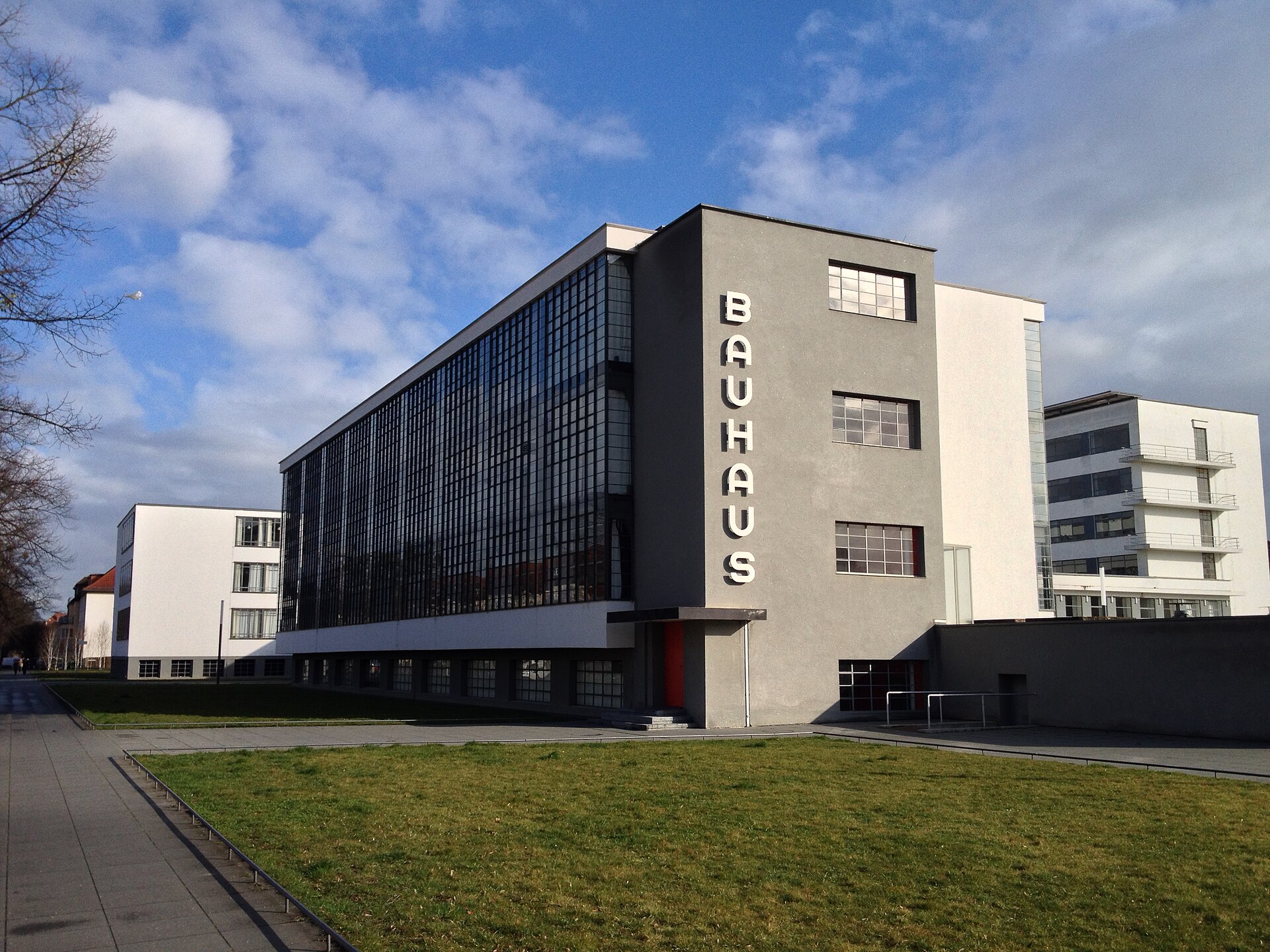
Bauhaus helped redefine how buildings, furniture, objects, and everyday spaces could look in the modern world, replacing heavy decoration with cleaner forms, functional thinking, and a closer link between art, craft, and industry. Founded in 1919 in Weimar, the movement later became closely associated with Dessau and, more broadly, with the transformation of twentieth-century design. Its ideas reached far beyond Germany and influenced architecture, furniture, typography, and product design across the world.
Robin The Nagel, CC BY-SA 4.0 https://creativecommons.org/licenses/by-sa/4.0, via Wikimedia Commons
16. The Brothers Grimm and fairy tales
Germany is famous for fairy tales above all through the Brothers Grimm, whose stories became some of the most widely known works of folklore in the world. Their importance to Germany’s image is hard to overstate. For many people abroad, Germany is not associated only with cars, castles, and beer, but also with a world of forests, witches, wolves, enchanted sleep, hidden cottages, and wandering children. That atmosphere comes largely from the Grimm tradition, which turned oral stories and regional legends into something durable, literary, and internationally recognizable.
The German Fairytale Route runs for about 600 kilometres from Hanau to Bremen and links places connected both to the lives of Jacob and Wilhelm Grimm and to the stories that became globally famous. The route now connects around 70 locations, which shows that the Grimm legacy is not tied to one museum or one birthplace alone, but to a wider cultural landscape spread across the country.
17. Bach, Beethoven, and classical music
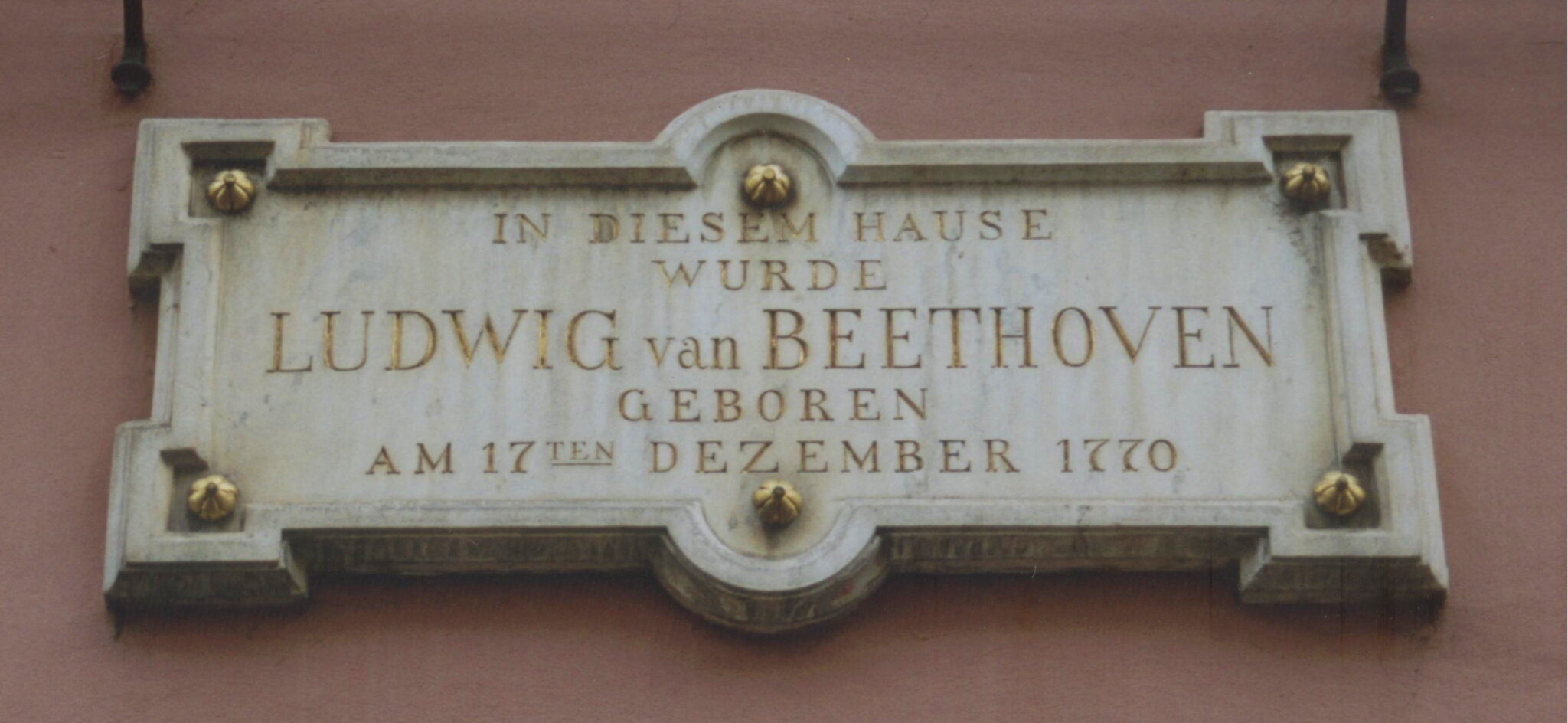
Bach and Beethoven stand at the center of that reputation. Bach represents structure, counterpoint, and the depth of the Baroque tradition, while Beethoven carries the image of music pushed toward greater emotional force, scale, and artistic independence. Together, they help explain why Germany is associated not only with music history in a general sense, but with some of the figures who shaped the language of Western classical music itself. For many people abroad, these names are part of the reason Germany is seen as one of the great musical countries of Europe.
What gives this reputation extra weight is that it extends far beyond two famous composers. Germany’s musical identity is supported by a wider tradition that includes Handel, Telemann, Wagner, Strauss, and many others, as well as a dense cultural infrastructure of orchestras, opera houses, concert halls, and theatres. Bach, born in 1685, and Beethoven, born in 1770, belong to different musical worlds, but together they show the range of German influence across centuries.
Sir James, CC BY 3.0 https://creativecommons.org/licenses/by/3.0, via Wikimedia Commons
18. Martin Luther and the Reformation
Germany is famous for Martin Luther and for the Protestant Reformation because few events that began on German soil changed Europe so deeply. The Reformation was not just a religious dispute inside the Church. It reshaped theology, politics, education, literacy, and the balance of power across much of the continent. In 1517, Luther’s 95 theses in Wittenberg became the symbolic starting point of the Reformation, and that date remains one of the clearest turning points in European religious history. Germany’s connection to Luther is therefore not abstract. It is tied to a real place, a real year, and a transformation that divided Western Christianity and created new confessional, cultural, and political landscapes.
19. Football
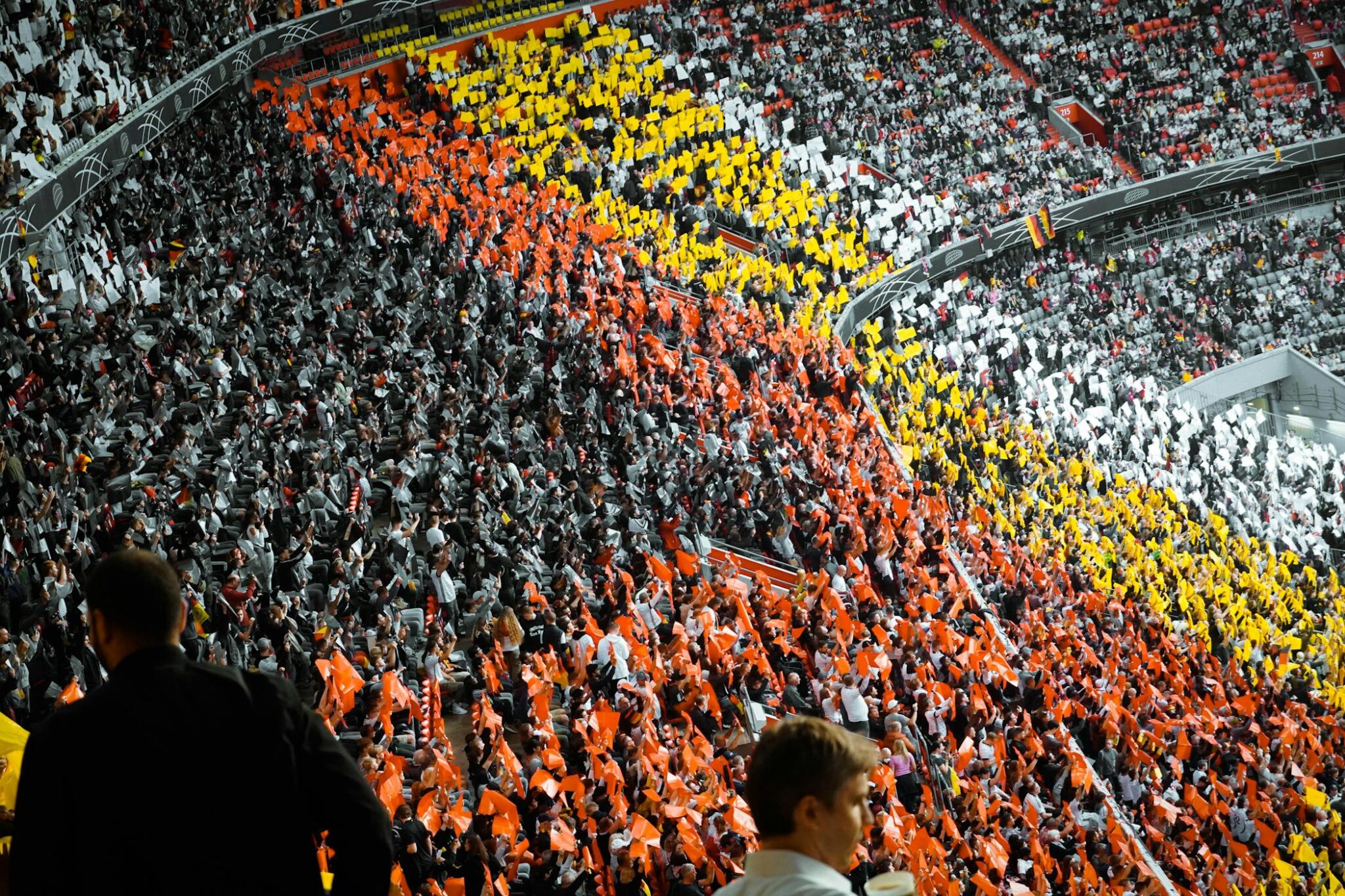
It shapes city rivalries, weekend routine, local pride, and national memory in a way that makes it one of the clearest everyday symbols of modern Germany. This matters because German football is known not only for passion, but also for structure, scale, and continuity. From village clubs to giant arenas, the game feels built into public life, which is why it remains one of the first modern associations many people have with the country. The men’s national team has won 4 World Cups, which places Germany among the most successful countries in the history of the tournament. At club level, the Bundesliga remains one of Europe’s strongest football brands, and in the 2024-25 season it sold 11,653,239 tickets, with an average attendance of 38,082 per match.
20. The Berlin Wall
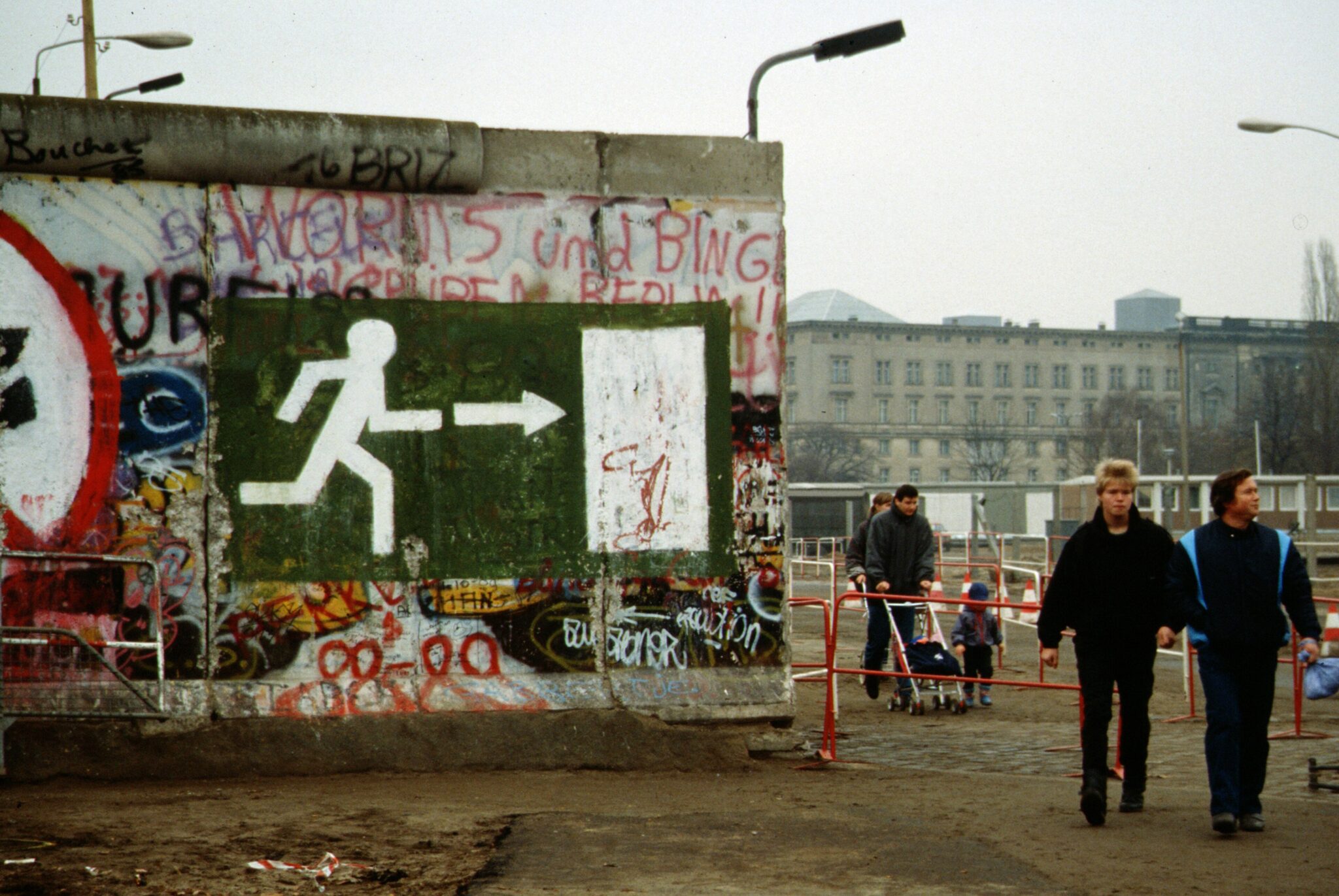
Germany is famous for the Berlin Wall because few structures came to symbolize division so completely. It was not just a barrier inside one city, but the clearest physical image of the Cold War in Europe and of Germany’s split into two states after the Second World War. For many people around the world, the Wall became the single strongest symbol of a divided Germany: concrete, watchtowers, checkpoints, and families cut apart by politics and force.
What gives the Berlin Wall extra weight is the length of time and the historical meaning attached to it. It divided East and West Berlin, and more broadly East and West Germany, for 28 years, from 1961 to 1989. Its fall in 1989 then gave Germany one of the most powerful public images of reunification in modern European history. Today, places such as the memorial on Bernauer Strasse keep that history visible and grounded in a real urban setting rather than in memory alone.
21. Reunification
The fall of the Berlin Wall on 9 November 1989 became the decisive turning point that made reunification possible, and from that moment Germany’s image began to change in the eyes of the world. Instead of remaining the main symbol of Cold War division in Europe, the country became one of the clearest examples of peaceful political transformation at the end of the twentieth century.
The formal reunification of Germany followed in 1990, and Berlin gradually returned to its role as the capital after the move from Bonn was decided in 1991 and completed in 1999. These dates matter because they show that reunification was not just one emotional moment at the Wall, but a full political and institutional rebuilding of the country.
Raphaël Thiémard from Belgium., CC BY-SA 2.0 https://creativecommons.org/licenses/by-sa/2.0, via Wikimedia Commons
22. World War II, Nazism, and remembrance culture
Germany is also known, more darkly, for Nazism and World War II, and this remains one of the country’s unavoidable global associations. No serious account of what Germany is famous for can leave it out, because the Nazi period shaped not only German history, but the history of Europe and the world in the twentieth century. The dictatorship, the war, and the crimes committed under National Socialism left such a deep mark that Germany is still recognized internationally through this past, even when the association is negative.
What gives Germany a different kind of international reputation today is the way it confronts that past. Since 1996, the Bundestag has held an annual Day of Remembrance for the Victims of National Socialism, which shows that memory is built into national political life rather than left to museums alone. In Berlin, the Memorial to the Murdered Jews of Europe, opened in 2005, became the clearest central symbol of that remembrance culture. This matters because modern Germany is known not only for the history of Nazism, but also for the seriousness with which it studies, commemorates, and warns against that history.
If you’ve been captivated by Germany like us and are ready to take a trip to Germany – check out our article on interesting facts about Germany. Check if you need an International Driving Permit in Germany before your trip.

Published April 10, 2026 • 15m to read