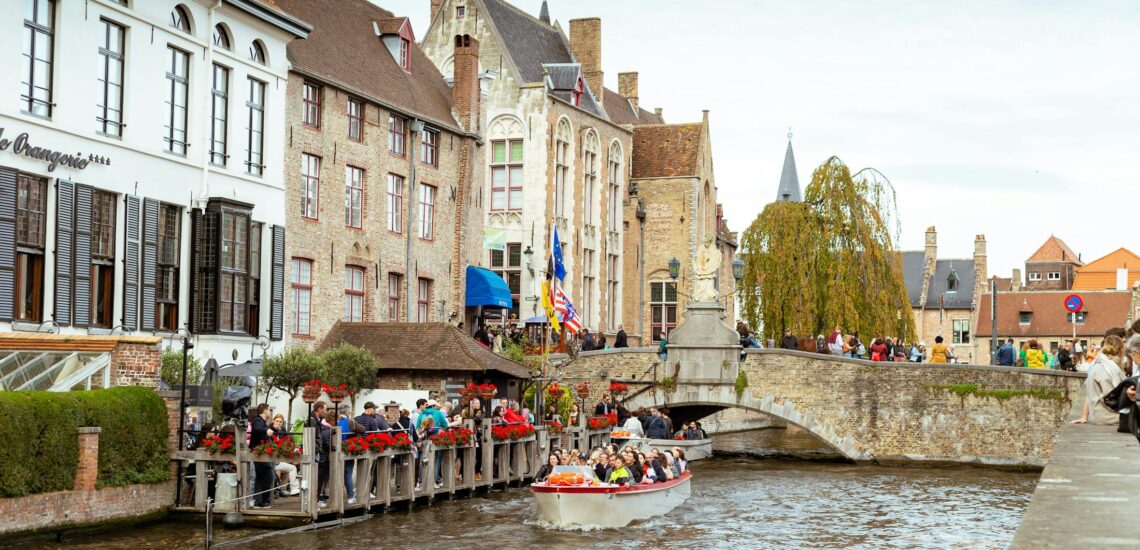


Belgium is famous for grand squares, medieval cities, chocolate, waffles, beer, fries, comic-book culture, and a surprisingly large cultural influence for such a small country. From Brussels and Bruges to Antwerp, Art Nouveau architecture, cycling, and world-famous festivals, Belgium is known for combining food, heritage, design, and a distinctly recognizable identity.
1. Brussels
Belgium is famous for Brussels because the city concentrates several of the things that define the country’s image in one place. It is the capital, the largest urban center in the country, and the city most foreigners are likely to name first when they think of Belgium. That importance comes not only from politics, but from visibility. Brussels brings together historic squares, monumental buildings, major museums, government institutions, comic-strip culture, beer, chocolate, and a dense urban life that gives the city a broader role than that of an administrative capital alone. It is the place where many of Belgium’s best-known symbols overlap.
Official EU sources note that Brussels is one of the three official seats of the European institutions, while Brussels tourism directly calls the city the capital of the European Union and highlights the Commission and Council buildings in the European Quarter.
2. Grand Place
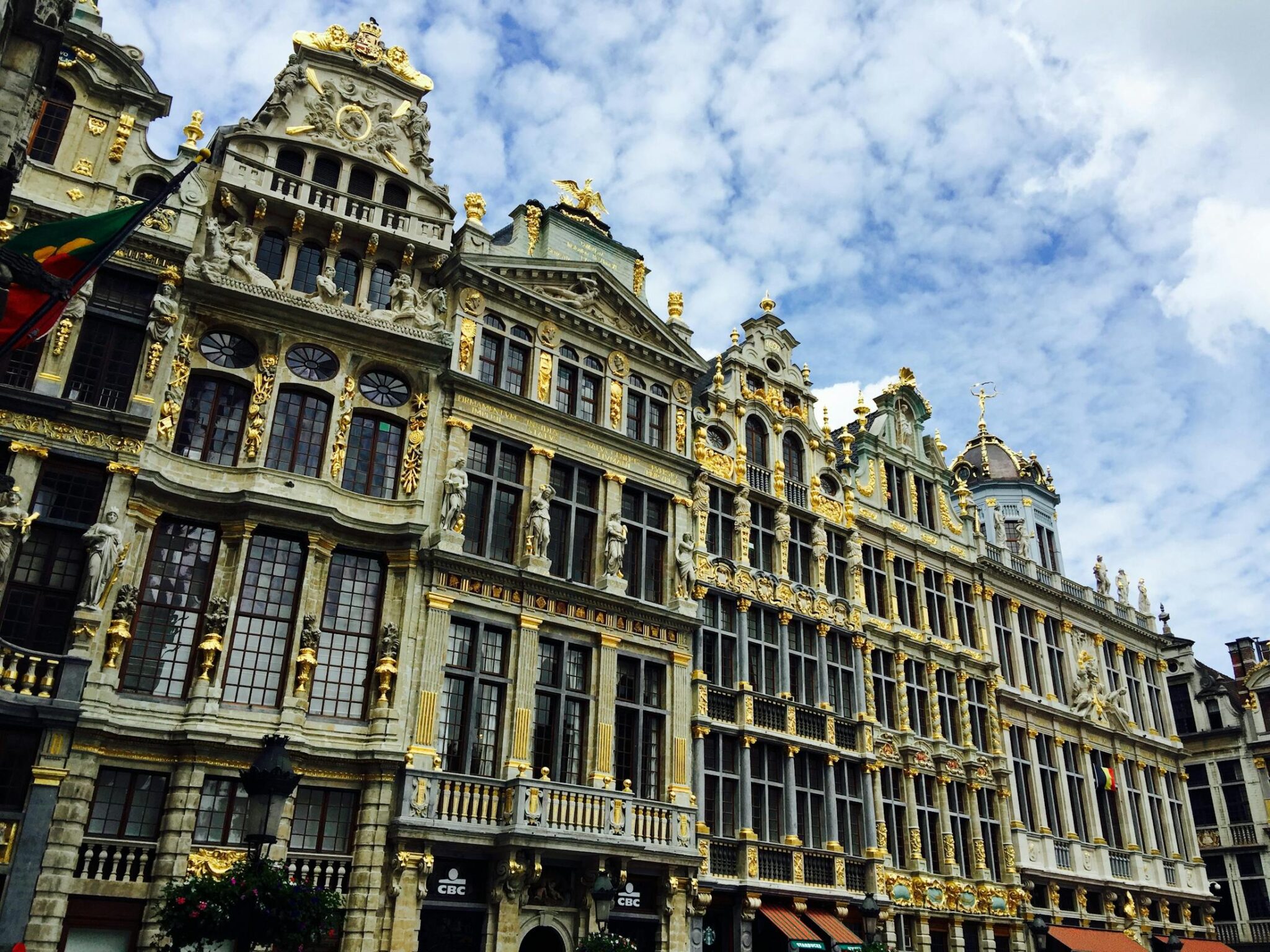
Belgium is famous for the Grand Place in Brussels because few landmarks express the country’s historic image so clearly in one space. It is not just a central square, but one of the places most closely tied to how Belgium is recognized abroad. The Grand Place brings together ornate guild houses, the Town Hall, rich decorative detail, and a level of architectural unity that makes the square immediately memorable even to people who know little about Brussels. That is why it has such strong symbolic value: it turns Belgian urban history into something visible, compact, and easy to recognize.
Its importance also comes from the fact that the Grand Place is more than a beautiful setting surrounded by old buildings. It has long stood at the center of civic, commercial, and public life in Brussels, which gives it historical depth as well as visual impact. The square is widely treated as one of the most impressive in Europe, and its international status was strengthened further when it was recognized as a World Heritage site.
3. Bruges
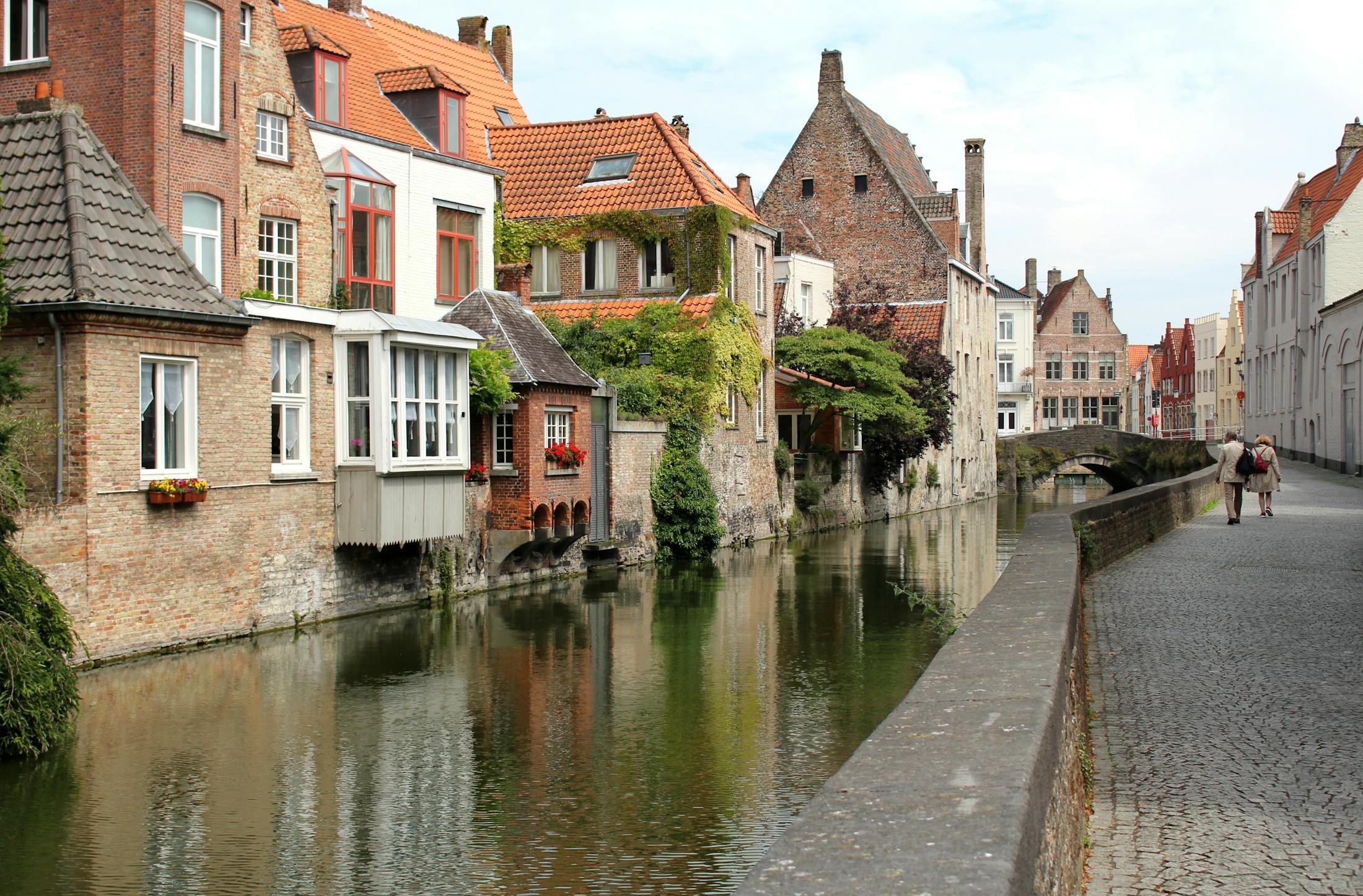
Belgium is famous for Bruges because the city preserves a medieval urban image more completely than almost any other place in the country. It is one of those cities whose name immediately produces a visual idea: canals, brick houses, church towers, cobbled streets, market squares, and narrow lanes that still follow the shape of an older town. That clarity is a big reason Bruges became so internationally recognizable. It does not represent Belgium through politics or modern scale, but through preservation, atmosphere, and the kind of historic setting people can understand at a glance. For many visitors, Bruges is the place that turns the idea of old Belgium into something concrete.
4. Belgian chocolate
Belgium is famous for chocolate because it is one of the country’s strongest and most durable international associations. For many people abroad, chocolate appears near the top of the list almost immediately, alongside Brussels, waffles, and beer. That reputation did not come from marketing alone. Belgian chocolate became known through a combination of long-standing craft, careful production, and a public image built around quality rather than mass novelty. This is why it functions as more than a popular food. It has become one of the products most closely tied to Belgium’s national identity.
What gives Belgian chocolate its weight is the sense that it combines tradition with technical skill. It is associated not only with pralines and gift boxes, but with specialist shops, established makers, and a culture in which chocolate is treated as something to be made properly rather than simply consumed quickly. Over time, that created a strong idea of Belgian know-how in chocolate making, and that idea became one of the clearest hallmarks of the country abroad.
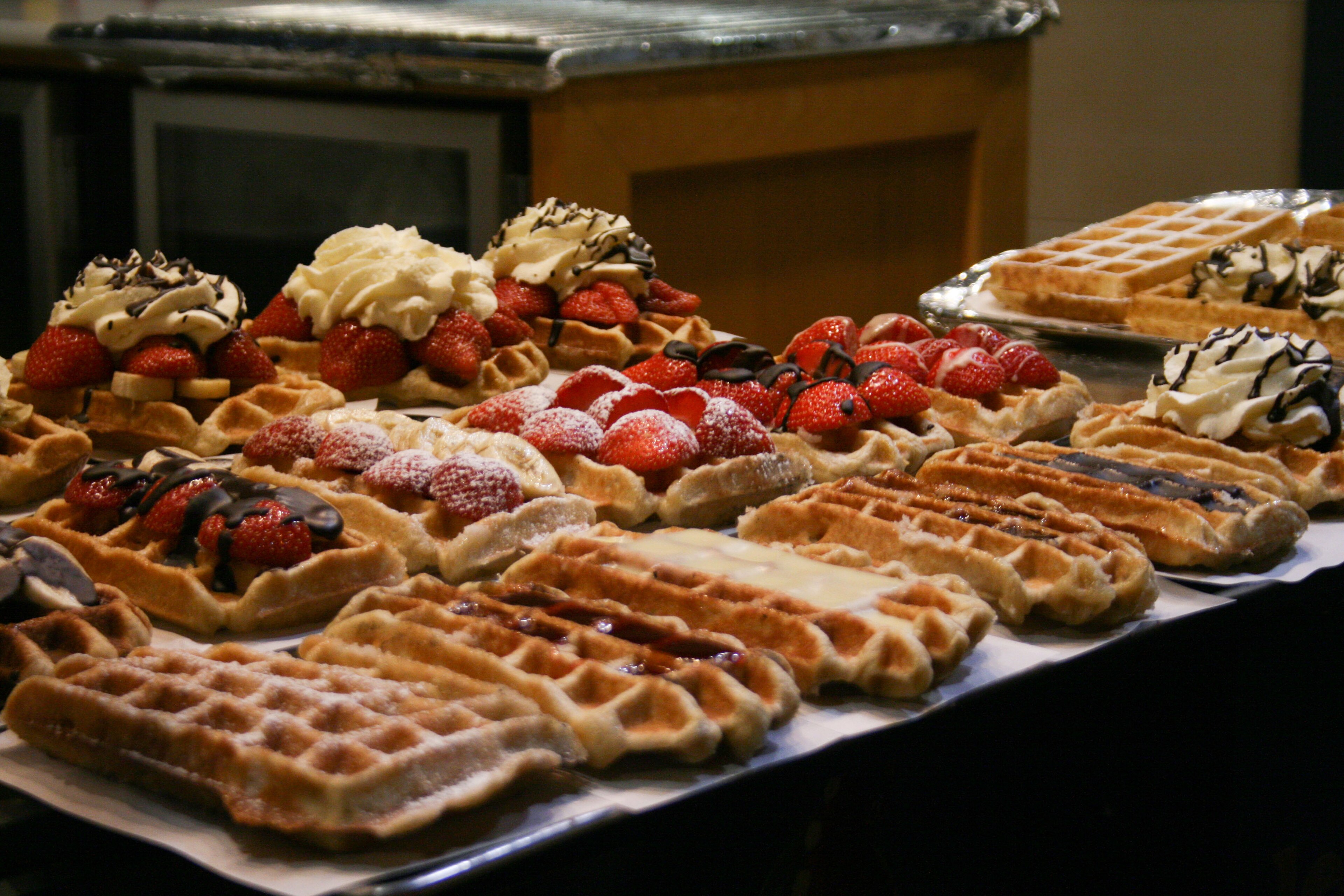
5. Belgian waffles
Few Belgian specialties are recognized so quickly or so widely. The waffle is simple to identify, easy to remember, and strongly connected with the kind of street food and café culture visitors encounter almost immediately in Belgian cities. That is part of why it became such a durable symbol. It works at several levels at once: as a local habit, a tourist treat, a national food marker, and one of the first things many people associate with Belgium alongside chocolate and beer.
What makes Belgian waffles especially important is that they are not just a generic sweet snack with a Belgian label attached later. They are linked to real local styles, above all the Brussels waffle, which is known for its light structure, crisp outer layer, and softer inside. Served plain or with toppings, it became one of the foods that helped give Belgium a distinct culinary face in international travel culture. The waffle’s popularity also comes from visibility: it is sold in city centers, markets, dessert shops, and casual food spots, so it feels woven into daily life rather than reserved for special occasions.
6. Belgian beer
Beer is tied to the country through tradition, craftsmanship, local identity, and everyday social life, which is why it holds a much stronger cultural position than alcohol does in many other places. Belgium is not known for one standard style repeated everywhere, but for variety: abbey beers, Trappist beers, lambics, saisons, strong ales, wheat beers, and many others all form part of the same wider beer culture. That range is one of the main reasons Belgian beer became so internationally respected. It suggests depth, technique, and continuity rather than simple consumption.
Its importance is also strengthened by the role beer plays in Belgian daily and festive life. It belongs in cafés, breweries, family tables, local celebrations, and regional traditions, so it functions as part of the country’s social fabric rather than as a product alone. The recognition of Belgian beer culture as intangible heritage makes sense for that reason: what matters is not only brewing itself, but the practices around serving, tasting, producing, and passing knowledge from one generation to another.
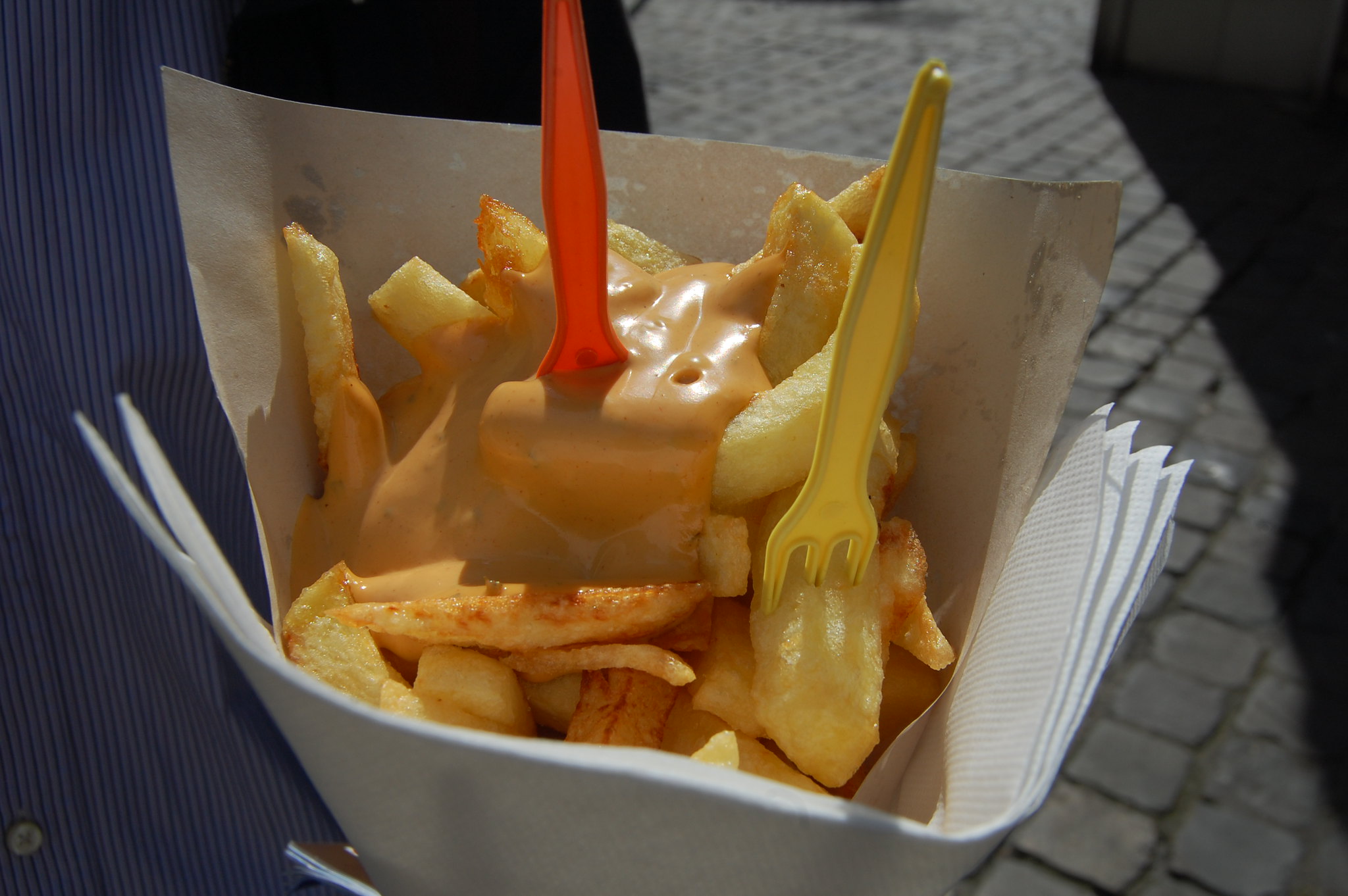
7. Belgian fries
Belgium is famous for fries because they are not treated as a side dish alone, but as one of the clearest parts of the country’s everyday food identity. In many places fries are something that comes next to another meal, but in Belgium they have a stronger role of their own. They are tied to street food, local habit, casual eating, and the kind of simple national specialty that people recognize immediately. That is why fries remain such a strong symbol of Belgium: they are easy to find, easy to remember, and closely connected with daily life rather than tourism alone.
Their importance also comes from the culture built around them. Belgian fries are associated with dedicated fry shops, familiar serving styles, and cooking traditions that give them a more specific identity than the generic version known in many other countries. They are part of the country’s culinary heritage in a way that feels both ordinary and distinctive at the same time. This matters because some national symbols are famous only abroad, while fries are deeply rooted inside Belgium itself.
8. Antwerp and diamonds
While Brussels is often linked with politics and Bruges with historic beauty, Antwerp is known around the world for trade, fashion, port activity, and above all diamonds. That association is not recent or superficial. For centuries, the city has been one of the main places where diamonds were bought, sold, sorted, and moved through global markets. This long connection is why Antwerp became much more than a city with a diamond district. It turned diamonds into one of the clearest commercial images tied to Belgium.
Antwerp’s Diamond District is not just a tourist label, but part of a wider trading tradition that helped define the city’s place in international commerce from the fifteenth century onward. Even people who know little else about Belgium often know the country through Antwerp’s role in the diamond world. That gives the city a different kind of fame from Belgium’s food or architectural symbols.
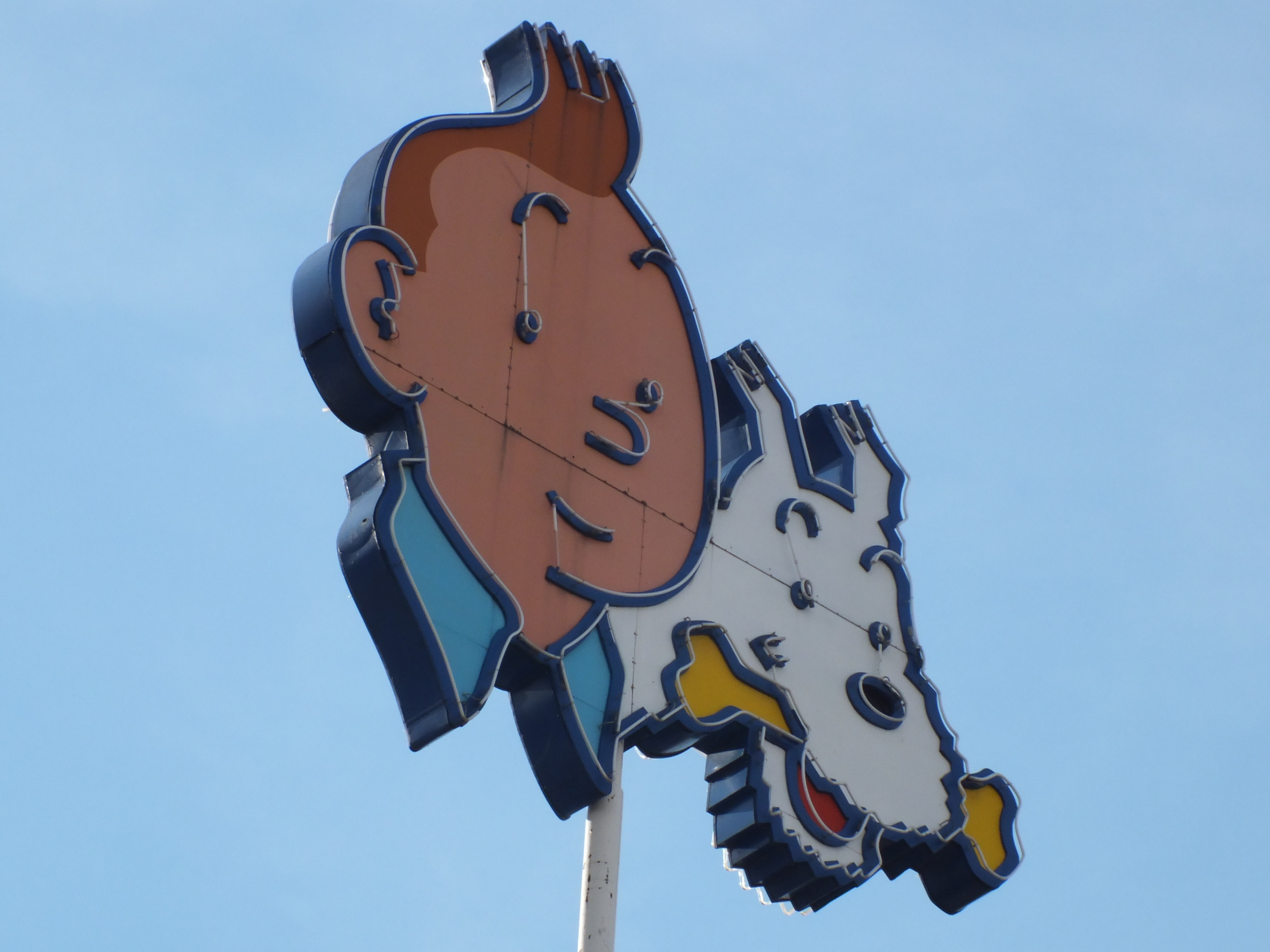
9. Comic culture, Tintin, and The Smurfs
Belgium is famous for comic-book culture because it turned illustrated storytelling into one of the clearest parts of its national identity. In many countries comics are popular, but in Belgium they became something larger: a tradition with famous creators, long-running series, publishing history, dedicated museums, public art, and characters known far beyond the country itself. That is why Belgium is so strongly associated with this field. Comic culture is not a niche interest there, but one of the ways the country presents itself both to visitors and to the wider world.
Tintin and The Smurfs are central to that reputation because they gave Belgium two of the most recognizable comic creations in Europe. Tintin became known through adventure, travel, and a clean visual style that made the character easy to identify across generations, while The Smurfs turned a small group of blue figures into a global cultural phenomenon. In Brussels, this heritage is visible in murals, museum spaces, themed walking routes, and the broader image of the city as a place where comics belong in everyday public space rather than only on bookstore shelves.
10. Art Nouveau and Victor Horta
Belgium is famous for Art Nouveau because the country played a central role in turning the style into one of the defining architectural languages of the late nineteenth and early twentieth centuries. In Belgium, Art Nouveau is not remembered as a minor decorative trend, but as a movement that changed how buildings could look and feel in a modern city. Instead of relying on older historical forms, it introduced flowing lines, ironwork, glass, plant-like ornament, and interior spaces designed as part of one unified whole. That is why Belgium stands out so strongly in the history of architecture: it is one of the places where Art Nouveau was not just adopted, but shaped at a foundational level.
No figure is more closely tied to that reputation than Victor Horta. His houses in Brussels helped define what Art Nouveau could be, combining structure, decoration, light, and movement in a way that still feels modern. Buildings such as the Hôtel Tassel gave the style one of its clearest early statements, while Horta’s wider body of work made Brussels one of the key cities for understanding the movement. This matters because Belgium is famous not simply for preserving Art Nouveau, but for helping create it.
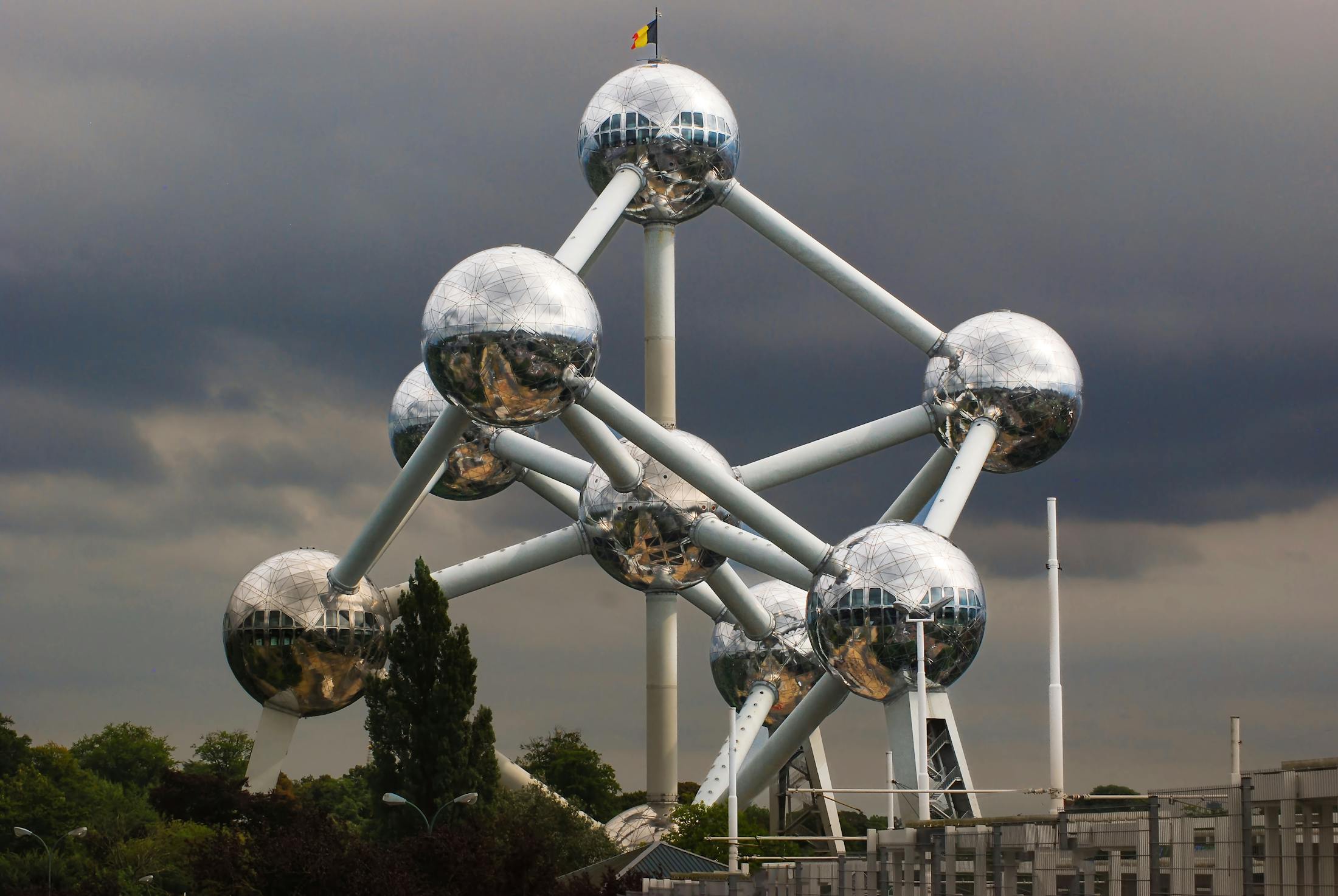
11. The Atomium
Unlike historic squares, medieval towns, or food symbols, the Atomium represents Belgium through design, scale, and visual originality. Its structure is so unusual that people often remember it even if they know little else about Brussels. That gives it a special role in the country’s identity.
The design is built around connected spheres arranged in a way that makes the structure easy to recognize from almost any angle, which helps explain why it functions almost like a logo for the city. Over time, it became one of the few Belgian landmarks that can represent the country in a single image without explanation.
12. Manneken Pis
The statue is modest in size, but its visibility is enormous. For many visitors, it is one of the first images they connect with Brussels, and through Brussels with Belgium itself. Part of its appeal comes from contrast: instead of representing the country through grand scale, royal power, or monumental architecture, Manneken Pis became famous through humor, irreverence, and the ability of the city to turn something playful into a lasting emblem.
What makes Manneken Pis especially important is that its fame goes beyond the fountain alone. Over time, the statue came to represent a certain image of Brussels: informal, self-aware, slightly rebellious, and comfortable with turning local tradition into public identity. Its long history, endless attention from visitors, and the many costumes associated with it helped transform it from a small urban detail into one of Europe’s most unusual city symbols.
13. Moules-frites
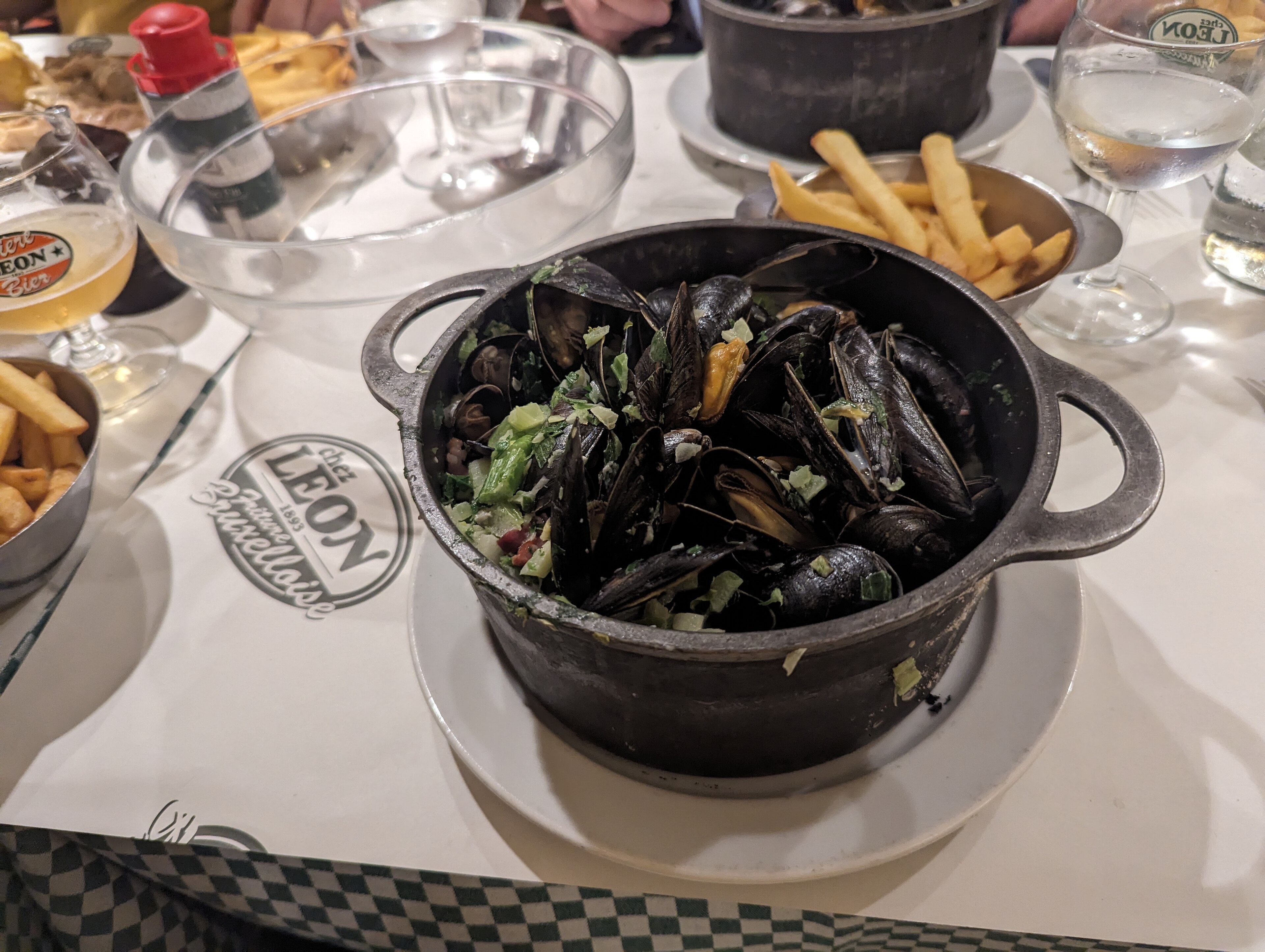
Mussels on their own are familiar in many coastal parts of Europe, and fries are famous in Belgium almost everywhere, but the pairing of the two became one of the meals most strongly associated with Belgian eating. That is one reason moules-frites has such a stable place in the country’s identity. It feels simple, practical, and rooted in ordinary dining rather than in formal national symbolism, which makes it more convincing as a real part of Belgian food culture.
The mussels give the dish its connection to northern European seafood traditions, while the fries anchor it firmly in Belgium’s best-known everyday food habit. Served together, they create a meal that is easy to recognize and hard to confuse with another country’s culinary image. The dish is common in restaurants, brasseries, and tourist areas, but it also feels established enough to go beyond tourism.
14. Cycling and the cobbled classics
Belgium is famous for cycling because the sport is woven into the country’s identity in a way that goes far beyond weekend recreation or major race days. In many places, cycling is popular, but in Belgium, especially in Flanders, it carries the weight of tradition, local pride, regional landscape, and public memory. The sport is tied to narrow roads, village crowds, cold spring weather, steep short climbs, and rough cobbled sections that make races feel hard, physical, and unmistakably Belgian. That is why cycling became one of the clearest ways the country is recognized abroad: it is not just something Belgians watch, but something deeply rooted in how parts of the country present themselves.
The strongest example is the culture around the cobbled classics, the one-day races that turned Belgian roads into some of the best-known ground in world cycling. These events are famous not simply because they are old, but because they created a very specific image of the sport: repeated attacks on short hills, riders bouncing over stone surfaces, and huge crowds lining the route in towns and open countryside alike. Flanders, in particular, became central to this reputation because its terrain is perfect for dramatic spring racing without needing high mountains or extreme altitude.
15. Magritte and surrealism
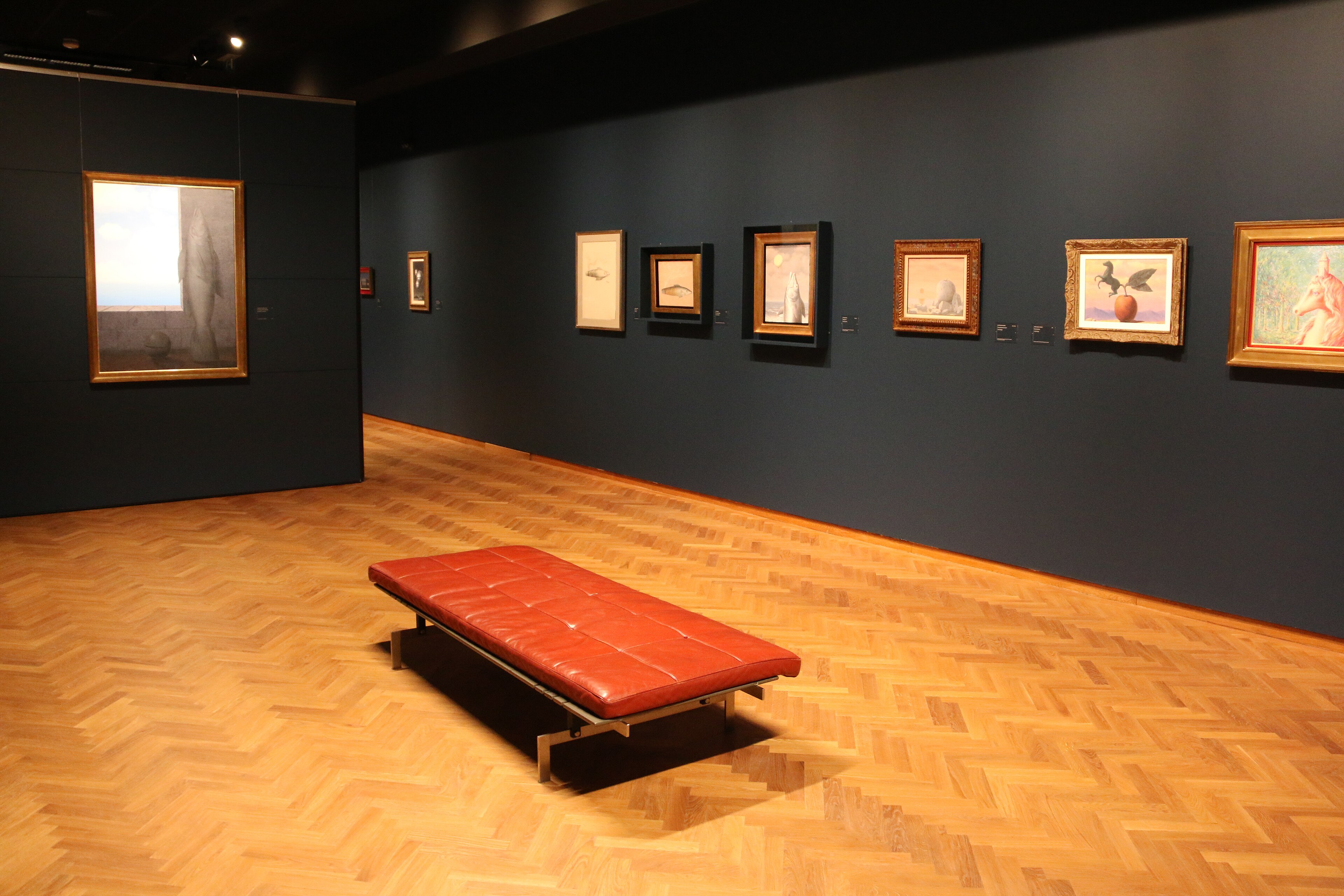
Belgium is famous for René Magritte and for its strong link with surrealism because few artists shaped the country’s cultural image so clearly. Magritte gave Belgium one of its most recognizable names in twentieth-century art, and his work helped connect the country with a way of seeing that is at once ordinary and unsettling. Instead of relying on dramatic scenes or emotional excess, he built strange meaning out of familiar objects: hats, clouds, windows, pipes, rooms, stones, faces. That method made his art easy to identify even for people who know little about painting, which is why Magritte became such an important symbol of Belgium abroad.
This reputation also matters because it extends beyond one artist to a wider cultural identity. In Belgium, surrealism is not treated as a marginal experiment, but as one of the traditions most closely tied to the country’s modern artistic image. Brussels plays a central role in that story, and Magritte’s presence there helped turn the city into one of the main places associated with his legacy. The scale of his recognition gives Belgium a distinct position in European culture: not only as a country of old towns and famous food, but as a place that made ambiguity, visual wit, and intellectual strangeness part of its artistic signature.
16. Tomorrowland
Belgium is famous for Tomorrowland because the festival became one of the country’s strongest modern symbols outside the usual image of chocolate, beer, and medieval cities. It represents Belgium in a very different way: through large-scale entertainment, global youth culture, music tourism, and an event style built for international visibility. Held in Boom, Tomorrowland is known far beyond Europe and attracts huge crowds over two weekends, which gives Belgium one of its most recognizable contemporary exports. That scale matters because it turns the festival from a successful local event into a name associated with the country itself.
What makes Tomorrowland especially important is that its reputation is based not only on music, but on presentation and reach. The festival is known for elaborate stage design, a strong visual identity, and an audience that comes from a large number of countries, which gives it a global profile few European events can match. In that sense, Tomorrowland does for modern Belgium what older landmarks do for its historical image: it gives people a clear reference point they can identify immediately.
If you’ve been captivated by Belgium like us and are ready to take a trip to Belgium – check out our article on interesting facts about Belgium. Check if you need an International Driving Permit in Belgium before your trip.

Published March 22, 2026 • 13m to read