


Traffic jams waste our most precious resource: time. Being stuck in gridlock disrupts your emotional balance, causing frustration, stress, and anxiety. This comprehensive guide provides practical strategies to help you survive traffic jams while protecting your physical and mental wellbeing.
Understanding Traffic Jams: Types and Prevention Strategies
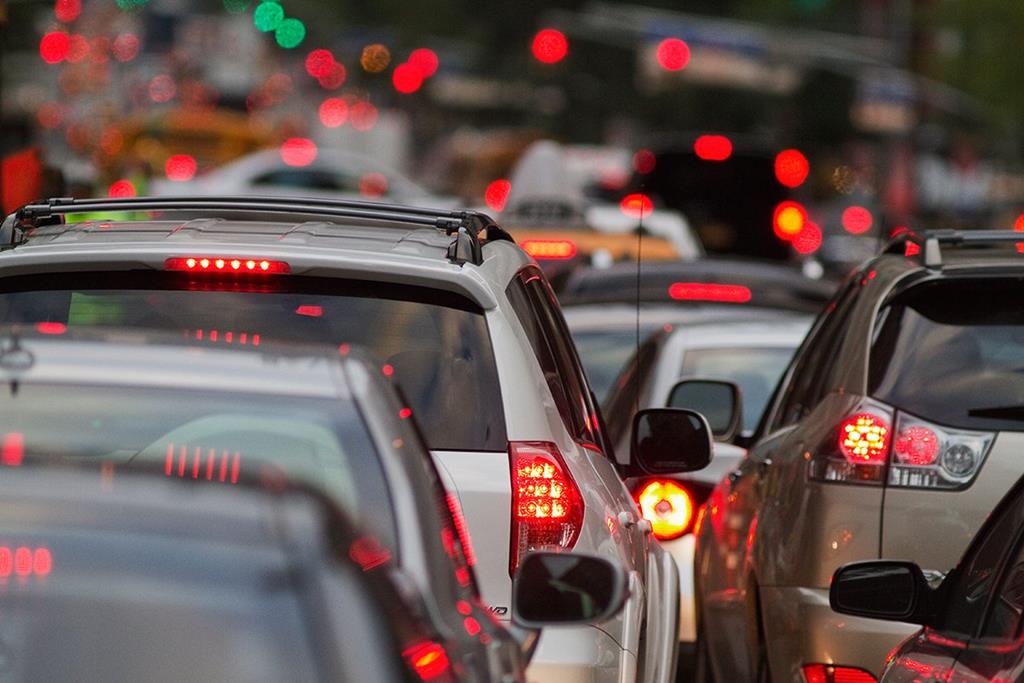
Road congestion falls into two main categories: predictable and spontaneous. Understanding these patterns helps you plan better and avoid unnecessary delays.
Predictable Traffic Jams occur during:
- Morning rush hours (7:00-9:30 AM)
- Evening rush hours (4:30-7:00 PM)
- Pre-holiday shopping periods
- Weekend getaway times (Friday evenings, Sunday evenings)
- Major sporting events or concerts
Prevention tips: Adjust your schedule to travel during off-peak hours, work remotely when possible, or use alternative routes identified through traffic apps.
Spontaneous Traffic Jams result from unexpected incidents like accidents, road construction, weather conditions, or emergency situations. These are unpredictable, and drivers near the incident may be stuck for hours with limited detour options. Traffic enforcement must clear the scene before traffic can resume.
Essential Traffic Jam Preparation Checklist
Smart preparation transforms frustrating delays into manageable situations. Always keep your vehicle stocked with essentials, as you never know when you’ll encounter unexpected gridlock.
Always keep in your car:
- Food and beverages: Non-perishable snacks, bottled water, energy bars
- Entertainment: Audiobooks, podcasts downloaded offline, music playlists
- Comfort items: Phone charger, sunglasses, tissues, hand sanitizer
- Air quality: Cabin air filter, air freshener, or portable air purifier
- Emergency supplies: First aid kit, blanket, flashlight
Planning your trip: Always add buffer time to your estimated arrival. If possible, consider alternative transportation like walking, cycling, or public transit for shorter distances—it’s better for your health and the environment.
Productive Activities to Do While Stuck in Traffic
Transform wasted time into productive or relaxing moments. Here are proven ways to make the most of your traffic jam experience:
Learning and self-improvement:
- Listen to audiobooks, educational podcasts, or language learning apps
- Practice foreign language vocabulary and pronunciation
- Listen to industry news or professional development content
- Memorize poems, quotes, or presentations
Relaxation and mindfulness:
- Practice deep breathing exercises or meditation
- Listen to calming music or nature sounds
- Do simple stretching exercises (neck rolls, shoulder shrugs)
- Practice gratitude reflection
Planning and organization:
- Plan your weekly schedule or upcoming vacation
- Make mental or voice-recorded to-do lists
- Brainstorm solutions to ongoing problems
- Set personal or professional goals
Social connection:
- Call family members or old friends (using hands-free devices)
- Have a meaningful conversation with your passenger
- Share a smile with fellow drivers—positivity is contagious
What NOT to Do in a Traffic Jam: Critical Safety Tips
While stuck in traffic, certain behaviors increase stress, safety risks, and legal problems. Stay alert and maintain focus on the road situation at all times.
Avoid these dangerous behaviors:
- Don’t use your phone for texting or social media: Distracted driving causes accidents even in slow traffic. Traffic can suddenly start moving, and you need to be ready to respond immediately.
- Don’t engage in aggressive behavior: Honking excessively, yelling at other drivers, or making hostile gestures escalates tension and creates dangerous situations. Stay calm and courteous.
- Don’t leave your vehicle: Abandoning your car can result in towing fees, parking fines, and additional penalties. You’re legally required to stay with your vehicle.
- Don’t let frustration consume you: Negative emotions won’t clear the traffic but will ruin your mood and increase stress hormones. Accept what you cannot control.
- Don’t blame yourself: Traffic jams happen to everyone. Self-criticism adds unnecessary emotional burden without solving anything.
- Don’t view it as wasted time: Reframe the situation as an unexpected break—a chance to pause, reflect, and recharge away from your usual responsibilities.
Building Stress Resistance: Long-Term Strategies
Traffic jams are unavoidable parts of modern life. Developing emotional resilience helps you handle these situations with grace while protecting your health.
Key mindset shifts:
- Accept what you cannot control: Traffic is beyond your power to change. Once you internalize this truth, you’ll stop fighting reality and start adapting to it.
- Practice emotional intelligence: Recognize your stress triggers and develop healthy coping mechanisms before situations become overwhelming.
- Communicate proactively: If you’re running late, call ahead immediately. This single action dramatically reduces anxiety by managing expectations.
- Protect your physical health: Chronic stress contributes to serious conditions including ulcers, diabetes, heart disease, and respiratory problems. Your wellbeing is worth more than any appointment.

Post-Traffic Jam Recovery: Healthy Stress Release
After enduring a long traffic jam, properly decompress to prevent carrying that stress into your personal life.
Healthy ways to release traffic stress:
- Physical activity: Take a walk, do some stretches, or engage in light exercise
- Hydrotherapy: Take a warm bath or contrast shower to relax tense muscles
- Self-care treat: Buy yourself something small that brings joy
- Healthy venting: Talk about your experience with understanding friends or family
- Avoid: Taking out frustration on loved ones or engaging in destructive behaviors
Remember: Traffic jams are temporary inconveniences, not catastrophes. With the right mindset and preparation, you can transform these delays from maddening experiences into opportunities for rest, reflection, and personal growth.
Whether you’re commuting locally or traveling internationally, always ensure you have proper documentation. If you need an International Driving License, you can conveniently complete an application form on our website—even while sitting in traffic!

Published April 20, 2018 • 5m to read