

Surging Summer Caravan Sales and Road Safety: What Every Driver Needs to Know
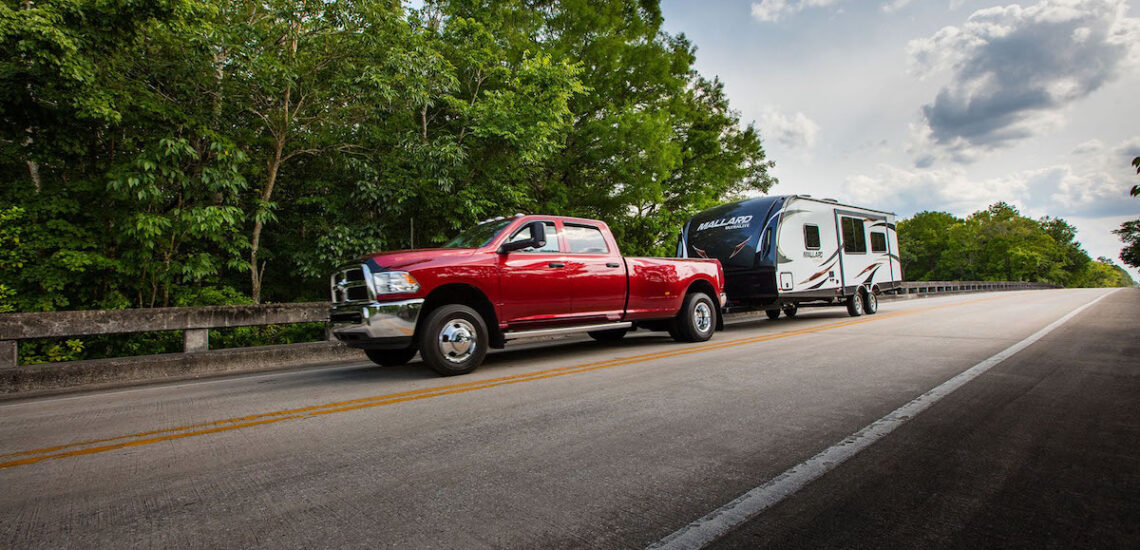
As international travel restrictions continue to grow, so does the demand for motorhomes and caravans across the UK. With more families choosing staycations and road trips, sales and rentals of caravans are skyrocketing — and so is the number of drivers hitting the road without fully knowing the rules.
According to the AutoTrader online platform, views of caravan-for-sale listings have surged by 18% in recent weeks alone. A study by Car Dealer Magazine confirmed the trend, reporting that both sellers and manufacturers are experiencing record-breaking demand.
The Uswitch portal also found that Google searches for “towing a caravan” skyrocketed this summer, reaching 26,000 queries in just June and July combined.
These numbers tell a clear story: drivers are eager to learn how to hitch a caravan safely, understand load capacity limits, and protect themselves on the road. To dig deeper, we surveyed more than 1,364 British motorists on their knowledge and confidence when driving with a caravan.
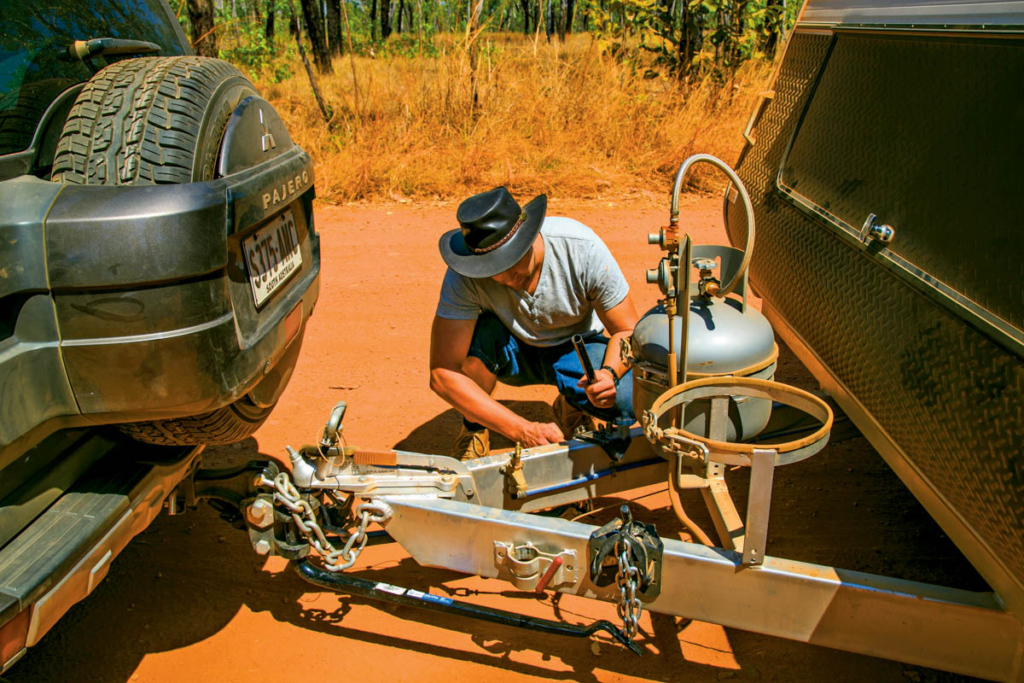
How to Safely Hitch a Caravan to a Car
There were 9,000 Google searches for “how to hitch a caravan to a car” in June and July this year — and it’s easy to see why. Our study found that 60.10% of respondents don’t know how to safely hitch a caravan to a car. Whether you’re a first-timer or a seasoned traveller, it’s worth brushing up on the basics.
Here’s what you should do before every trip:
- Seek professional help if unsure — even experienced drivers should have their setup checked regularly, as equipment can deteriorate over time.
- Practice before a long journey — hitching a caravan is a skill that takes repetition. A few practice runs in a safe environment can make a big difference.
- Check your vehicle and caravan are in good repair — inspect brakes, headlights, tyre pressure, licence plates, and mirrors before you set off.
- Ensure adequate rear visibility — if your caravan is wider than your car and blocks your standard rear-view mirrors, you are legally required to fit extended-bracket mirrors on both sides. Failing to do so can result in a £1,000 fine, three penalty points, or invalidated insurance.
- Keep your licence plates clean and readable — obscured plates can lead to fines and penalty points.
Caravan Towing Weight Limits: Do You Know the Rules?
Towing weight regulations vary depending on when you passed your driving test — and a striking 56.94% of motorists we surveyed were completely unaware of this. Driving outside these limits can void your insurance and land you with serious penalties.
Here’s a quick breakdown of the rules, according to the RAC:
- Licence obtained after 1 January 1997 (Category B) — you can tow a trailer up to 750 kg. You may also tow a heavier trailer if the combined weight of the trailer and towing vehicle does not exceed 3,500 kg. For anything beyond that, you’ll need a Category B+E licence.
- Licence obtained before January 1997 — less restrictive rules apply. You can tow a trailer up to 8.25 tonnes (8,500 kg).
- Exceeding weight limits — if your caravan or trailer doesn’t meet the legal weight requirements, your insurance may be cancelled and you could receive up to six penalty points.
Speed Limits When Towing a Caravan in the UK
Google searches around caravan speed limits have increased by a remarkable 182% — and it’s not hard to see why. Our survey revealed that 51.64% of drivers don’t know the speed limits that apply when towing a caravan.
The data also revealed some notable differences between groups:
- Women drivers were less likely to know the speed limits (65.47%) compared to men.
- Older drivers (55+) showed lower confidence, with 57.12% unaware of current limits.
- Younger drivers (16–24) fared better, with 40.23% unaware of the rules.
When towing a caravan or trailer in the UK, the following speed limits apply:
- 60 mph — on motorways and dual carriageways
- 50 mph — on single-lane roads
- 30 mph — in built-up areas
It’s also worth noting that 51.45% of drivers don’t know it’s illegal for a car towing a caravan to use the right-hand lane on a motorway. Always keep to the left lane wherever possible.
How Weather Conditions Affect Caravan Towing Safety
Bad weather significantly increases the risks of towing a caravan. With the UK’s notoriously unpredictable climate, it’s essential to know how to stay safe when conditions take a turn for the worse.
Our survey uncovered some eye-opening statistics:
- 62.10% of drivers said they would feel uncomfortable towing a caravan in windy weather.
- 37.81% of respondents said they don’t feel safe when a car towing a caravan is travelling in front of them on the motorway.
- Google data shows a 120% increase in searches for “towing a caravan in strong winds” over the past month.
If you find yourself facing adverse weather conditions, here are some practical tips to keep you safe:
- Assess whether it’s safe to drive at all — when winds are severe, the safest decision may be to stay put. If you’re travelling inland, consider booking a hotel until conditions improve.
- Move your caravan to a sheltered spot early — don’t wait for the storm to worsen. Tow your caravan to a windless, protected location well in advance of bad weather.
- Place heavy items on the caravan floor — lowering the centre of gravity helps balance the caravan and improves wind resistance.
- Use waterproof slings or straps — these can help secure the caravan and further stabilise it in strong winds.

Published April 01, 2021 • 5m to read