

Discover the fascinating story behind Rolls-Royce’s first “owner-driver” car—a revolutionary departure from the legendary Silver Ghost.
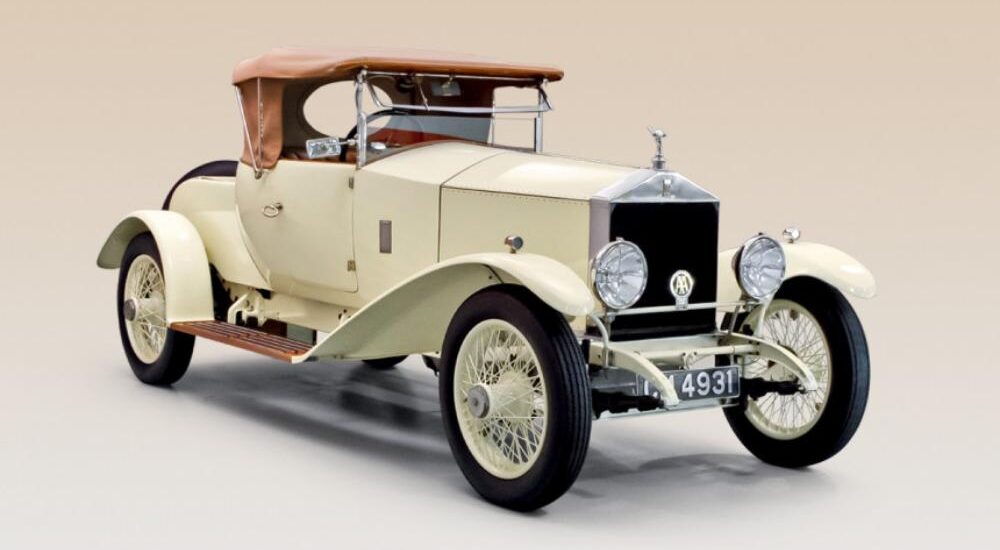
From 1907 to 1922, Rolls-Royce produced just one automobile: the Silver Ghost, universally acclaimed as “the best car in the world.” But a second model was about to emerge—one born of necessity and designed for an entirely new type of driver. This is the story of the Rolls-Royce Twenty Roadster by Wm. Watson of Liverpool.
Why Rolls-Royce Created the Twenty
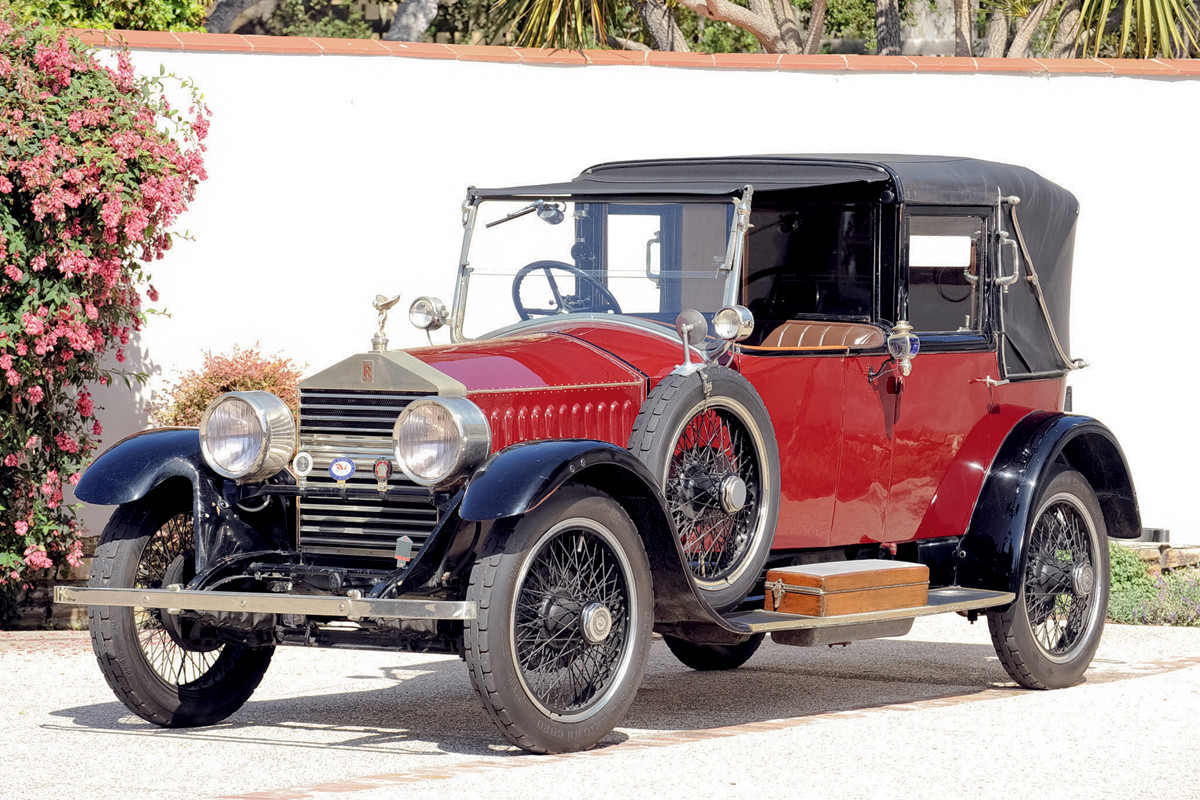
The development of a smaller, more accessible Rolls-Royce began near the end of World War I. The reasoning was grimly practical: Britain was about to face a critical shortage of professional chauffeurs.
The war had taken its toll on the workforce in several ways:
- Many skilled drivers had fallen on the battlefield
- Others returned home with injuries that prevented them from working
- The pool of trained chauffeurs was simply insufficient to meet demand
This meant that wealthy automobile owners—accustomed to being driven everywhere—would need to get behind the wheel themselves. The existing Rolls-Royce models were engineered for professional drivers, so a new approach was required: a car that any person capable of passing a driving test could operate with confidence.
Revolutionary Engineering by Frederick Henry Royce
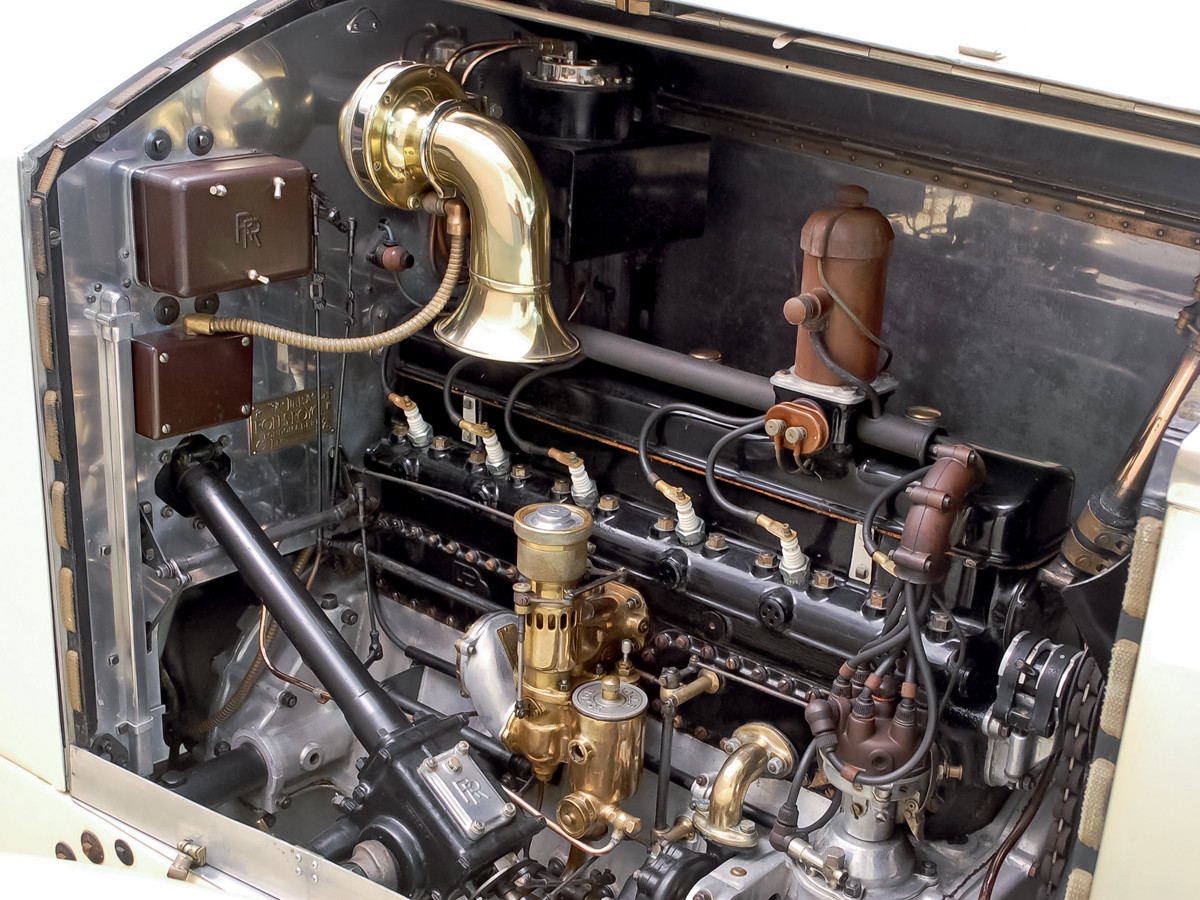
Frederick Henry Royce, the company’s chief engineer and lead designer, approached this challenge with characteristic seriousness. Despite his well-known conservatism and respect for tradition, he boldly modernized the “junior” model’s design.
Key Technical Innovations
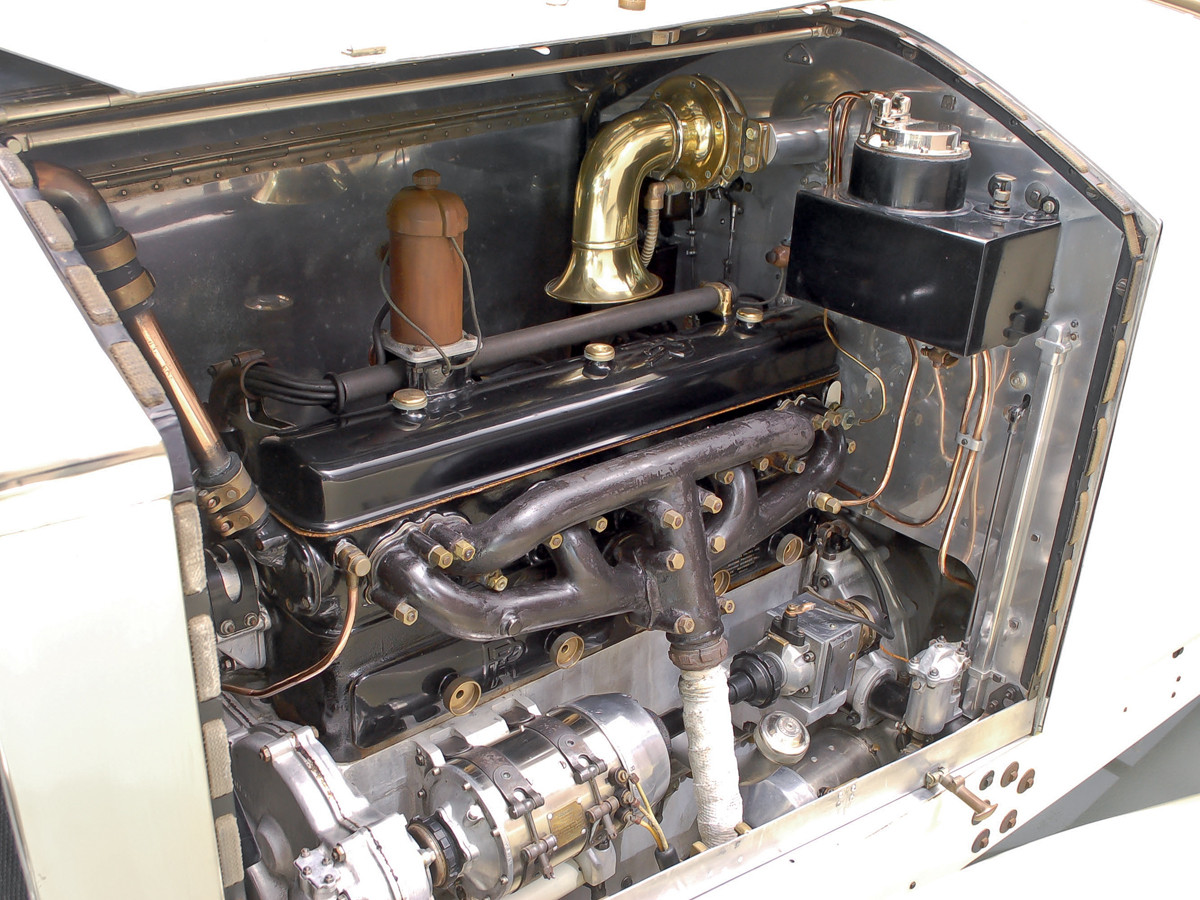
The new engine represented a significant departure from the Silver Ghost:
- Unified cylinder block – Replacing the Ghost’s split-block design (two three-cylinder halves)
- Removable cylinder head – A modern improvement over the previous non-removable design
- Single spark plug per cylinder – Simplified from the Ghost’s dual-ignition system
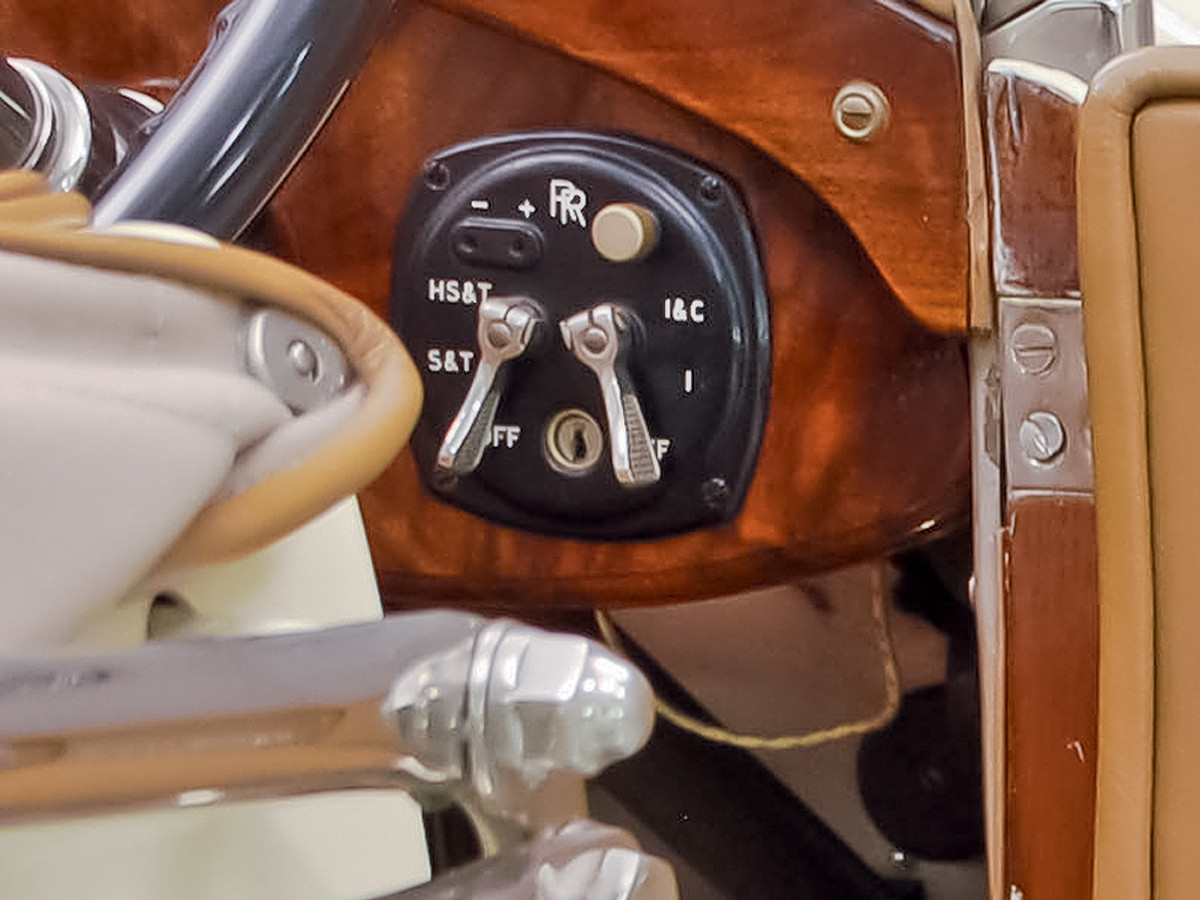
- Backup magneto – Retained as a failsafe in case the high-voltage coil failed
Power and Performance
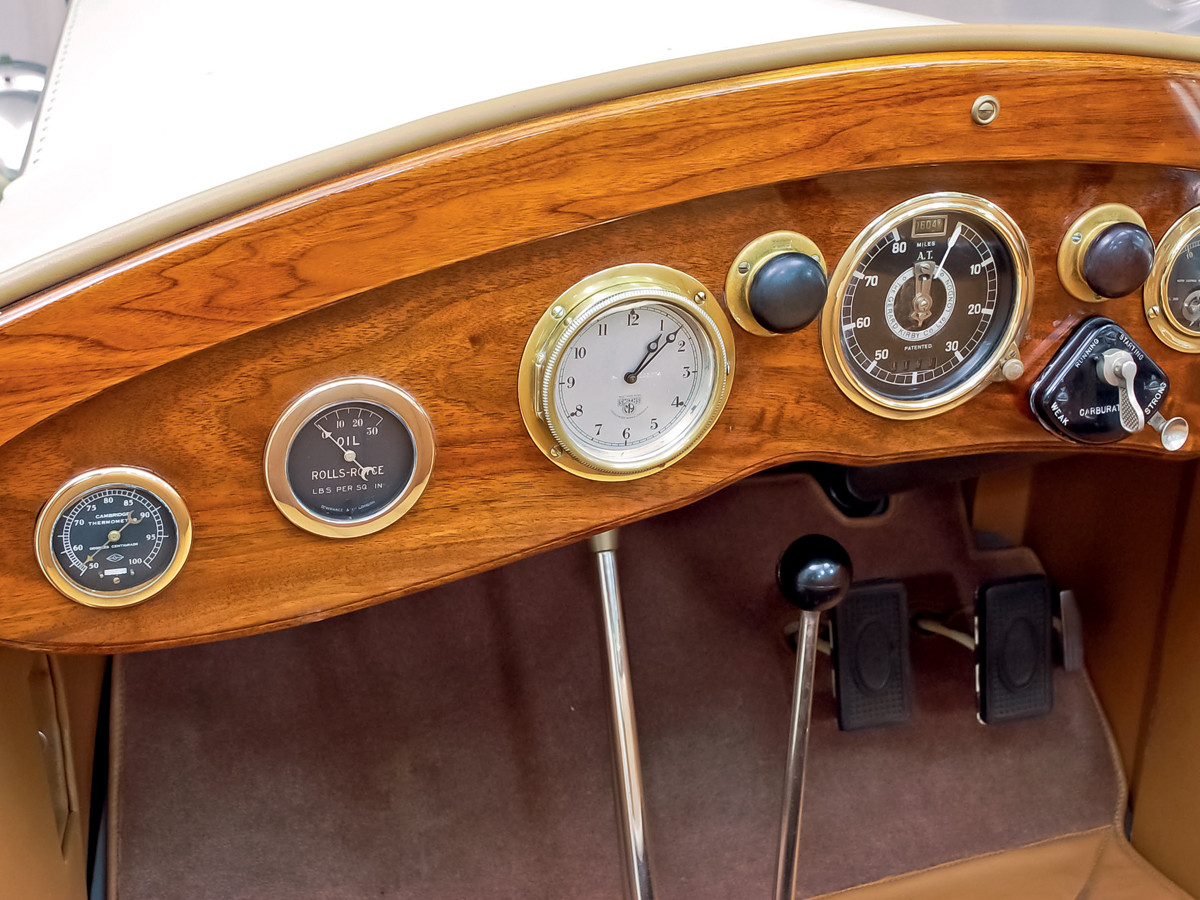
The “Twenty” in the model name referred to taxable horsepower—a calculated figure based on engine displacement (3,127 cc). The actual output of the inline-six engine was considerably higher:
- Actual horsepower: 55 hp
- Maximum engine speed: 2,750 rpm
The Transmission Controversy
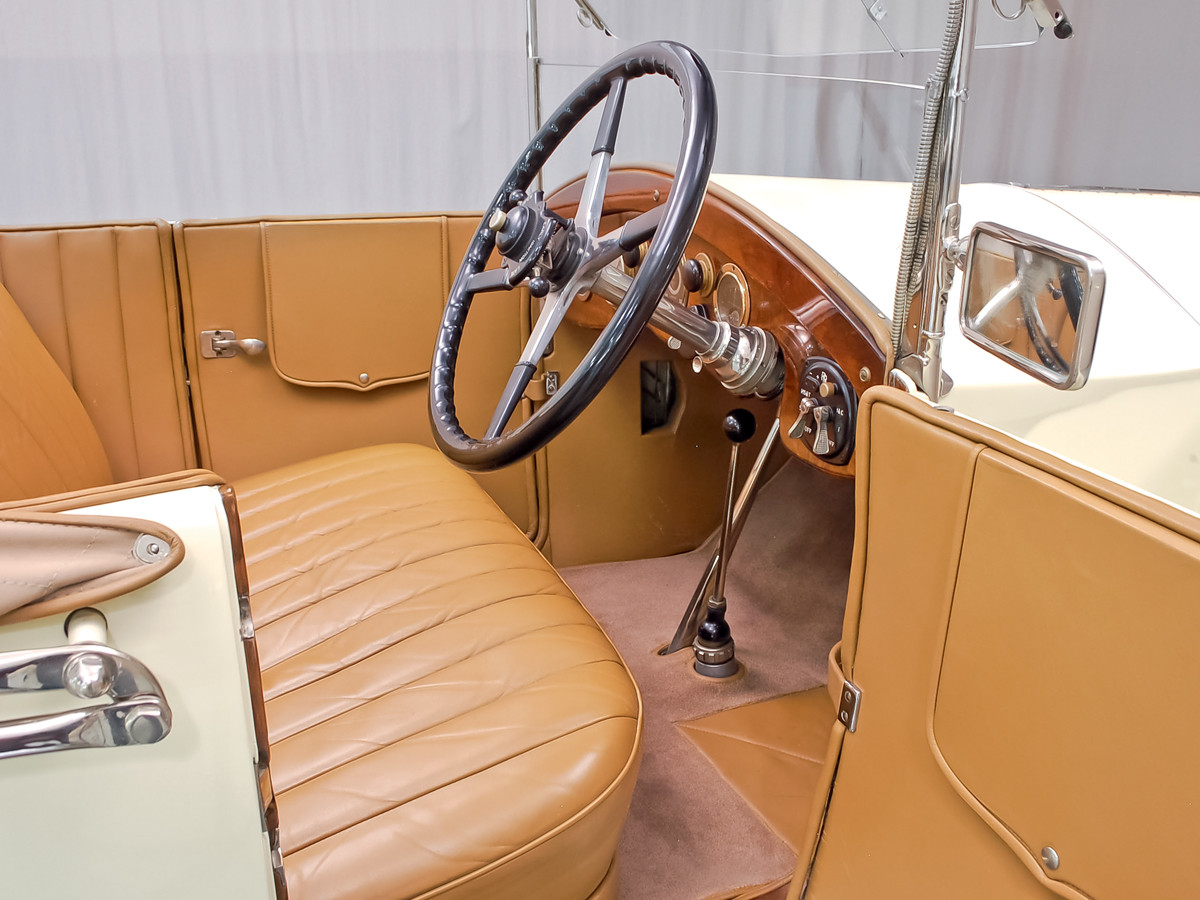
When the Twenty debuted, it featured a three-speed manual gearbox with an unusual layout. The gear lever was positioned in the center of the driver’s compartment—under the driver’s left hand rather than the right. The handbrake lever sat nearby, also passing through the floor.
This layout might seem perfectly logical today, but it sparked complaints from conservative buyers. They preferred the familiar arrangement with both levers on the right side, between the seat and the door—even though this configuration:
- Obstructed access to the driver’s seat
- Required specially trimmed seat cushions to accommodate the levers
Ultimately, tradition won out. In late autumn 1925, Rolls-Royce made significant updates:
- Added a fourth gear
- Relocated both the gear lever and handbrake to the right side
- Replaced friction dampers with modern hydraulic shock absorbers
The Twenty continued in production until 1929, when it was succeeded by the 20/25 HP model.
The Watson Connection: A Liverpool Coachbuilder’s Story
The particular car featured in this article is chassis number 125 out of 2,940 units produced. Every Rolls-Royce chassis underwent factory road testing before being approved for sale. Buyers would then select a coachbuilder to create a custom body according to their personal tastes.
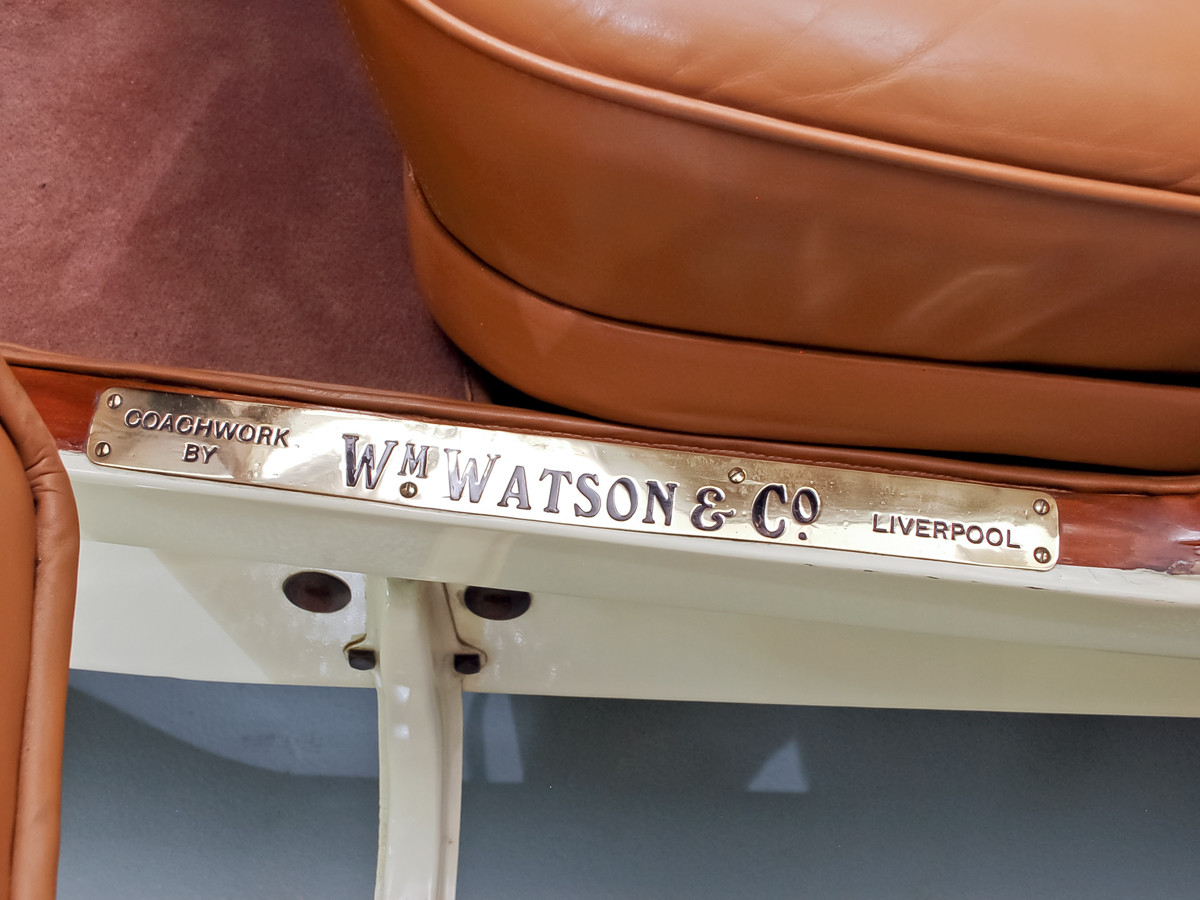
In this case, the buyer was not a private individual but William Watson and Company, a Liverpool-based Rolls-Royce dealership that operated its own coachbuilding facility.
William Watson: From Bicycles to Luxury Cars
William Watson belonged to the distinguished generation of British cycle racers and bicycle manufacturers who shaped the early automotive industry. His journey into automobiles was remarkable:
- 1901 – Built his first four-wheeled vehicle (a tricycle with a French De Dion-Bouton engine, modified with an additional front wheel)
- Early 1900s – Became the British importer for Georges Richard automobiles from France
- 1904 – Became Britain’s first authorized dealer for the French manufacturer Berliet
- 1905 – Leveraged his cycling connections to become the leading sales agent for Napier automobiles
- 1908 – Won the Tourist Trophy race driving Napier’s “Little Dorrit” racing car
- 1908 – Joined Rolls-Royce as a regional sales agent
- 1921 – Built his first custom body on a Rolls-Royce chassis
The Watson Business Empire
Watson’s company primarily built bodies for the more modest Morris brand rather than Rolls-Royce. The business expanded to include:
- Two Liverpool workshops servicing Talbot, Alvis, Jaguar, AC, and Bentley vehicles
- A London branch in Chelsea that operated as a car rental service
William Watson lived to the age of 87, passing away in 1961. His company continued operating at its Liverpool address for another decade. The original building still stands on Oldham Street, now serving a more modern purpose—as a parking garage.
The Legacy of the Rolls-Royce Twenty
The Twenty remained in production for seven years, from 1922 to 1929. Its spiritual successor in today’s Rolls-Royce lineup is the Rolls-Royce Ghost—fittingly named after the Silver Ghost that preceded the Twenty a century ago.
Like its ancestor, the modern Ghost is the “junior” model in the range, designed for owners who prefer to drive themselves rather than hire a chauffeur. Some traditions, it seems, are worth preserving.
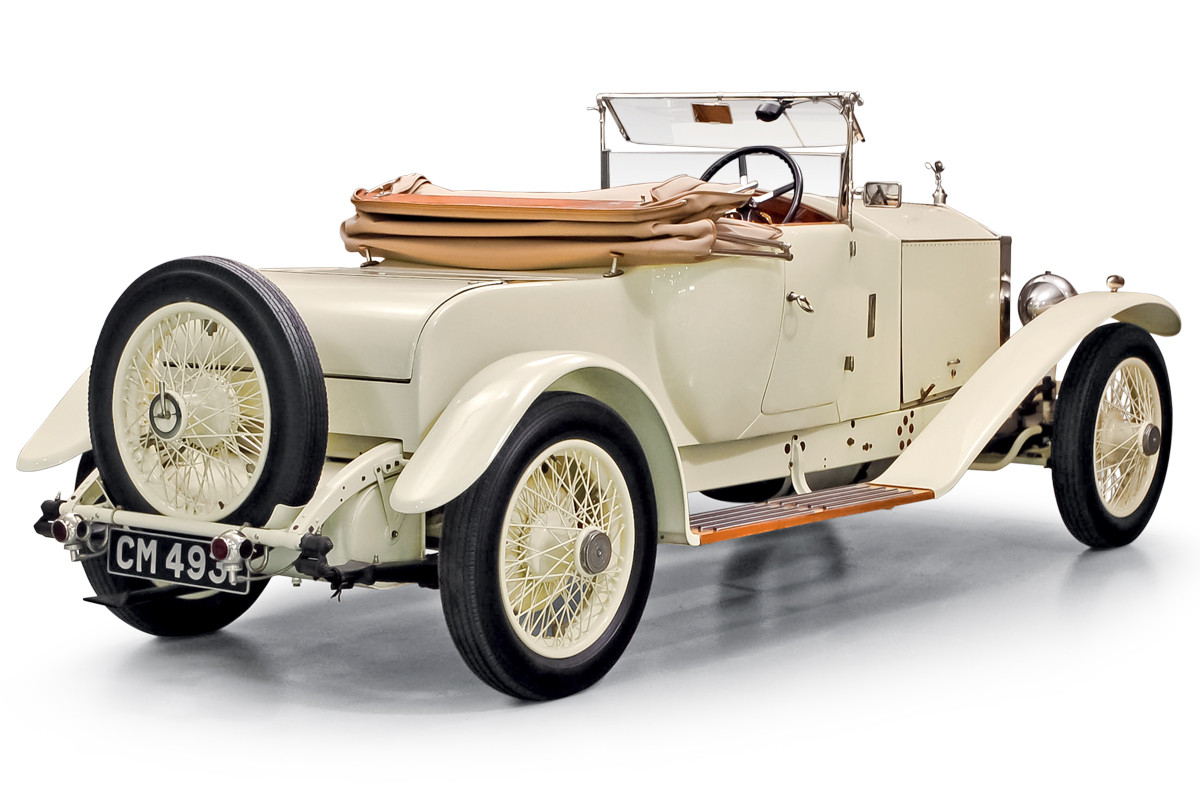
The 1923 Rolls-Royce Twenty represents a pivotal moment in automotive history—when one of the world’s most exclusive manufacturers first acknowledged that luxury and personal driving could coexist.
Photo: Andrey Khrisanfov
This is a translation. You can read the original article here: Тень призрака: Rolls-Royce Twenty Roadster 1923 года в рассказе Андрея Хрисанфова

Published January 08, 2026 • 6m to read