
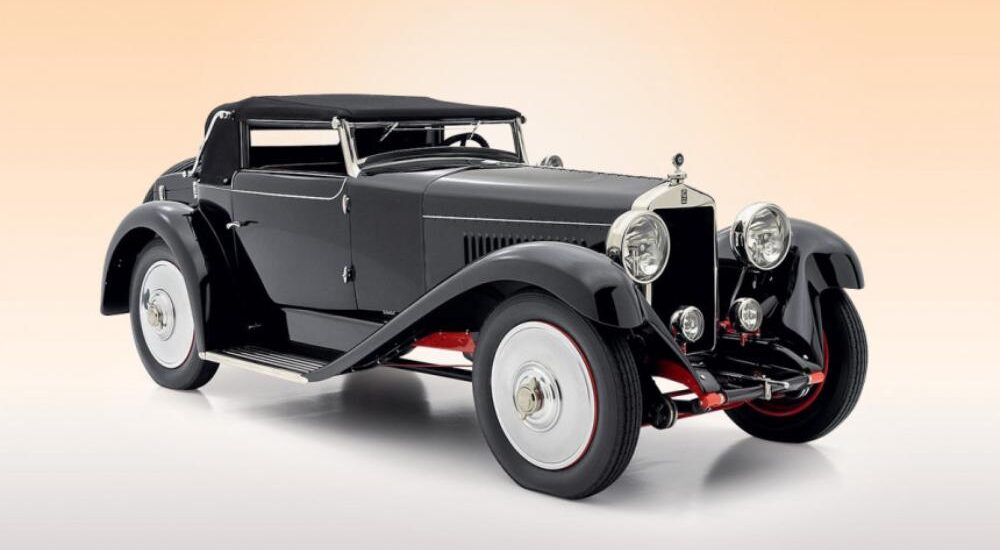


A tale of passion, perseverance, and one of France’s most elegant automobiles
Once upon a time in 1920s Paris, there lived a jeweler… But we’ll get to the jeweler later. This is a story of romance. Let’s begin instead with a young flight school cadet named Jean Charpentier—an incurable romantic who one day fell hopelessly in love. With a car.
A Fateful Encounter at the Paris Auto Salon
Jean Charpentier was one of those young men whose soul sang and whose heart yearned to fly. He was training to become a fighter pilot at the aviation school of Louis Blériot, the legendary pioneer of French aviation, where he showed considerable promise. One autumn day, during his time off from classes, he wandered into the Paris Motor Show.
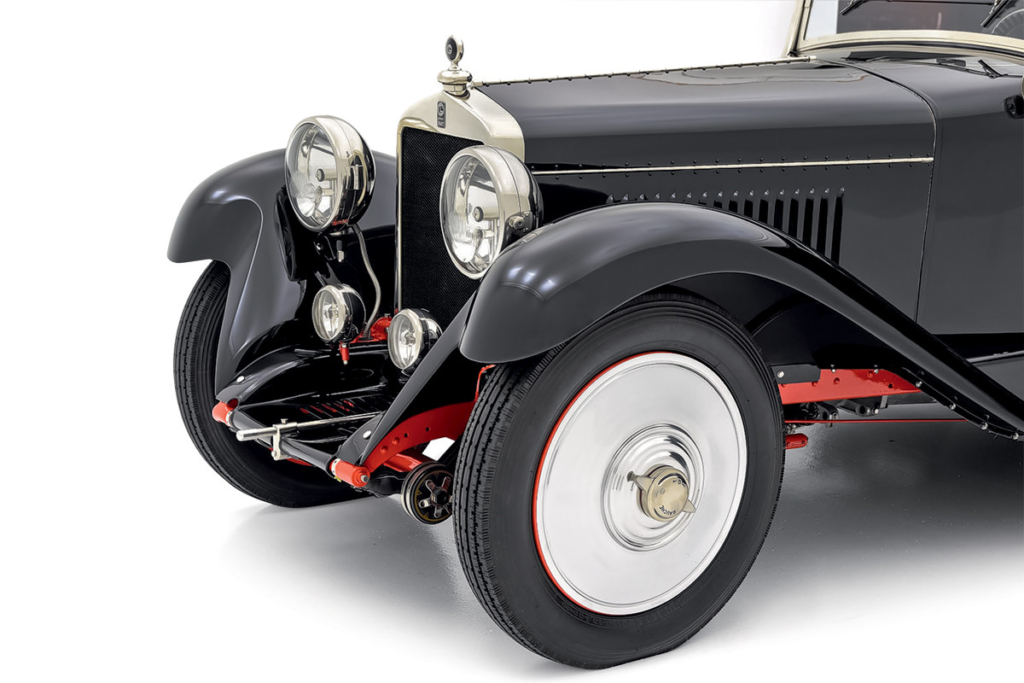
As he strolled past the displays showcasing forty foreign models and eighty-one domestic French automobiles, he suddenly stopped dead in his tracks. Before him stood the Pourtout coachbuilding exhibit—and its centerpiece was a magnificent Georges Irat.
Georges Irat: The Automobile of the Elite
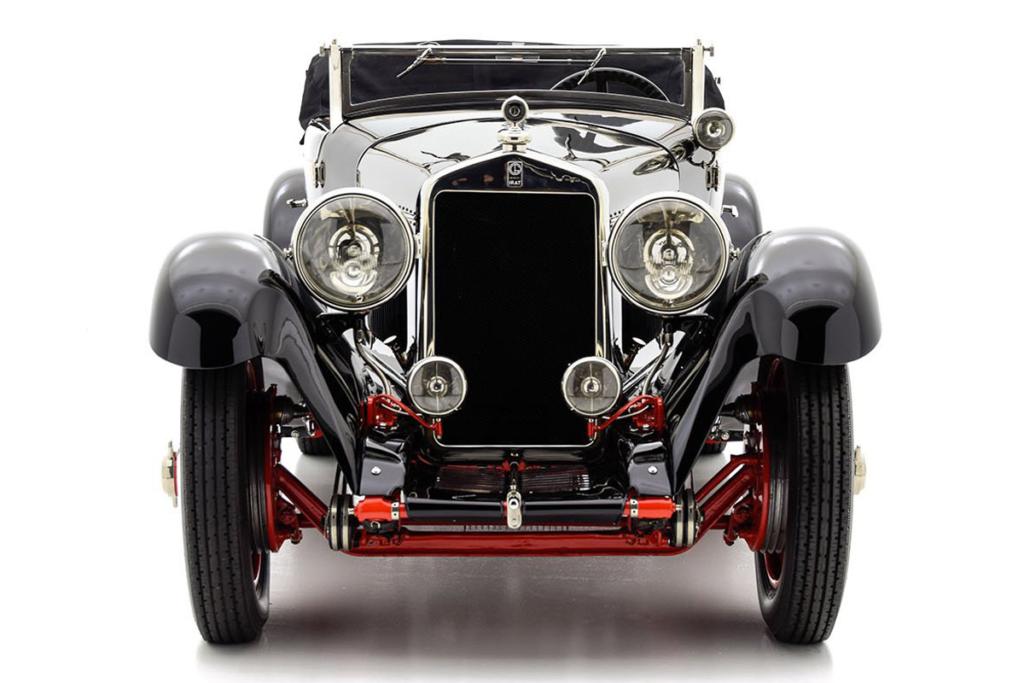
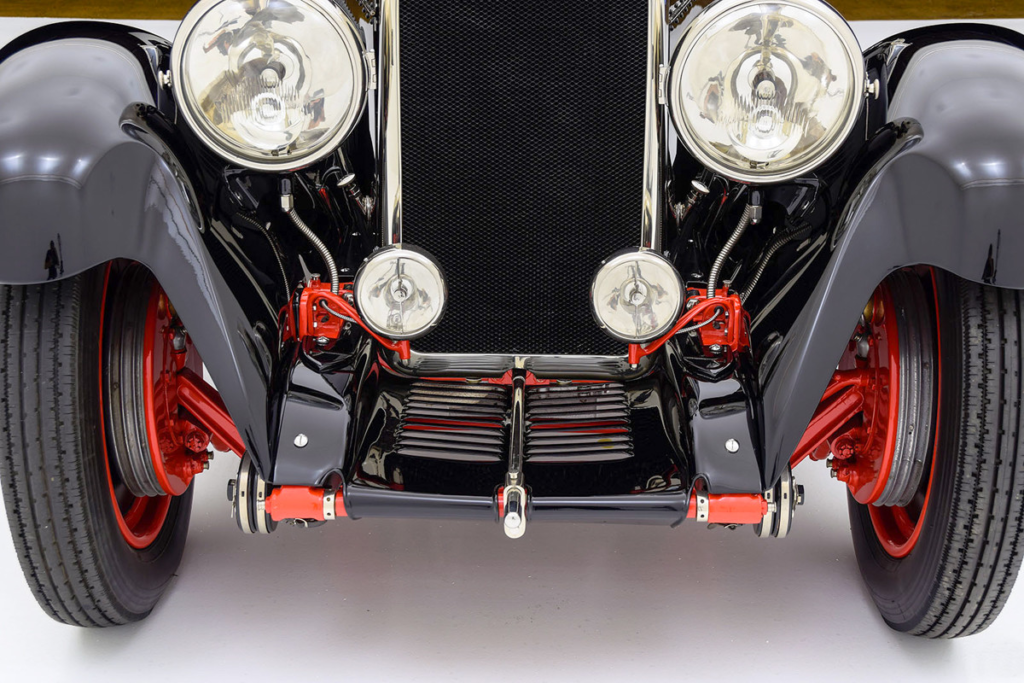
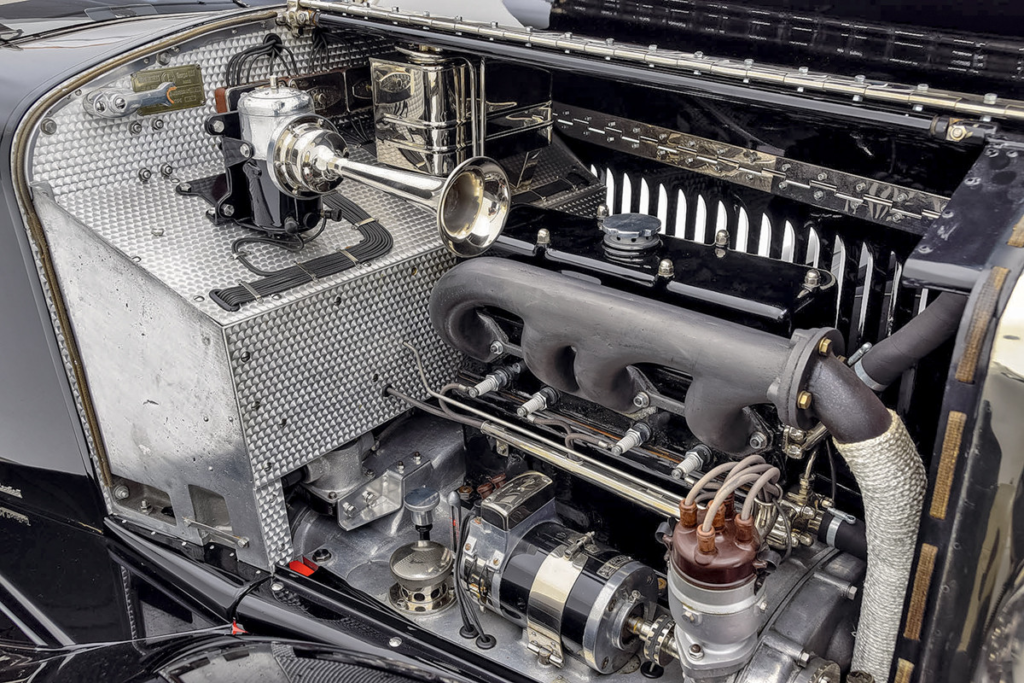
The Georges Irat company had been operating since 1921 in the upper-middle price segment, delivering prestigious vehicles with a distinctly sporty character. By the late “Roaring Twenties,” their production lineup included both four-cylinder and six-cylinder models—engines the company manufactured entirely in-house, entrusting such a critical task to no one else.
Key facts about Georges Irat in the 1920s:
- Founded in 1921, targeting affluent buyers seeking performance and prestige
- Manufactured their own engines in both four- and six-cylinder configurations
- Competed successfully in major motorsport events
- Participated in the first-ever 24 Hours of Le Mans race in 1923
- Company slogan: “Le Voiture de l’Elite” (The Automobile of the Elite)
Later, in the mid-1930s, the marque would decline to producing simple compact cars with purchased Ruby engines. But in its early years, Georges Irat built solid, fast machines that earned an excellent reputation on racetracks across Europe.
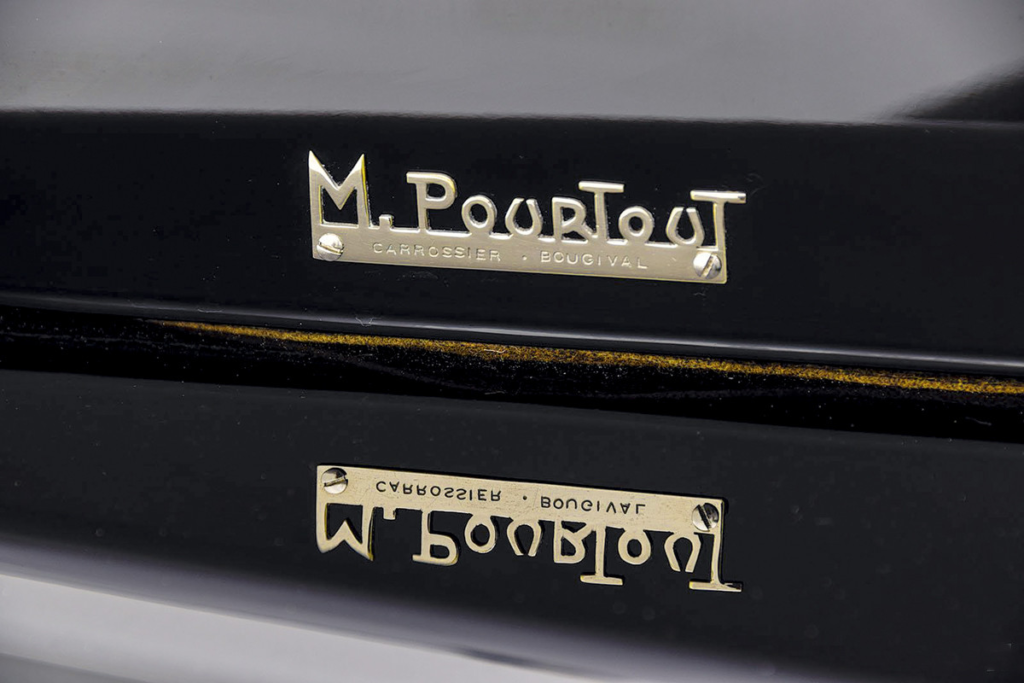
The Pourtout Touch: Bespoke French Coachbuilding
Georges Irat cars were sold exclusively as rolling chassis—buyers were expected to commission custom bodywork from specialized coachbuilders according to their own tastes. The particular car that captured young Charpentier’s attention had been ordered by a prominent Parisian jeweler named Vège, a man of considerable means. The automobile had cost him 135,000 francs—enough to buy eighteen Citroëns. But cheap cars held no interest for the jeweler.
The open-top body was crafted by Pourtout, a coachbuilding firm founded in 1925 by Marcel Pourtout.
About the Pourtout workshop:
- A family business where Madame Henriette Pourtout handled all the accounting
- Employed just twelve craftsmen—all master artisans of the highest caliber
- Located in the tiny workshop in Bougival, near Paris
- Built bodies for everything from small Fiats to sporty Bugattis, advanced Voisins, utilitarian Unics, domestic Panhards, and imported Buicks
- Counted among its clients former French Prime Minister Georges Clemenceau
- Earned a reputation for quality and style despite being less than five years old
The Birth of “Georgette”
The aspiring fighter pilot returned to the exhibition several more times just to admire the car that had stolen his heart. He secretly nicknamed it “Georgette.” Long after the show closed and the fortunate owner collected his purchase, Jean would catch glimpses of the car streaking through the streets of Paris.
He eventually graduated from flight school with flying colors, but by then the Great Depression of 1929 had struck, life had changed dramatically, and memories of that wonderful automobile gradually faded into the background. After all, flying was quite different from driving.
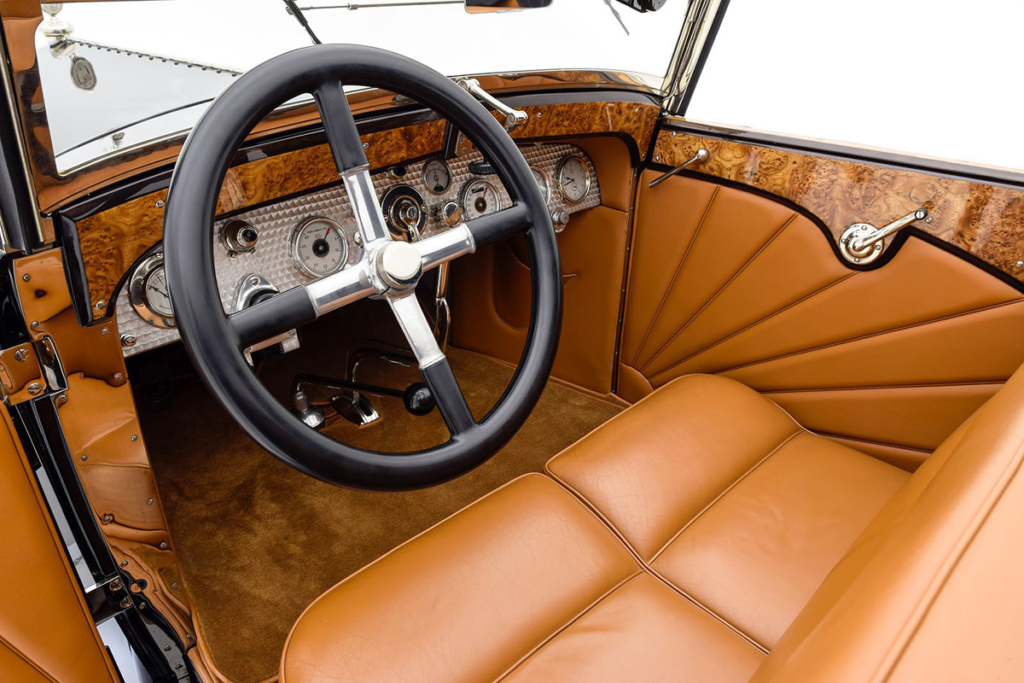
An Unexpected Reunion Decades Later
Many years later, fate had another meeting in store for our pilot. One day, while driving through the Parisian suburbs on a familiar road, an open-top car suddenly overtook him as if he were standing still and disappeared around the nearest bend.
This wouldn’t have been unusual if Charpentier had been driving some cheap Citroën. But he was behind the wheel of a two-liter Ballot—a sports-racing car by definition, secondhand but meticulously maintained by his own hands. Jean immediately floored it to see who had so effortlessly left him in the dust, but the mysterious car had vanished without a trace.
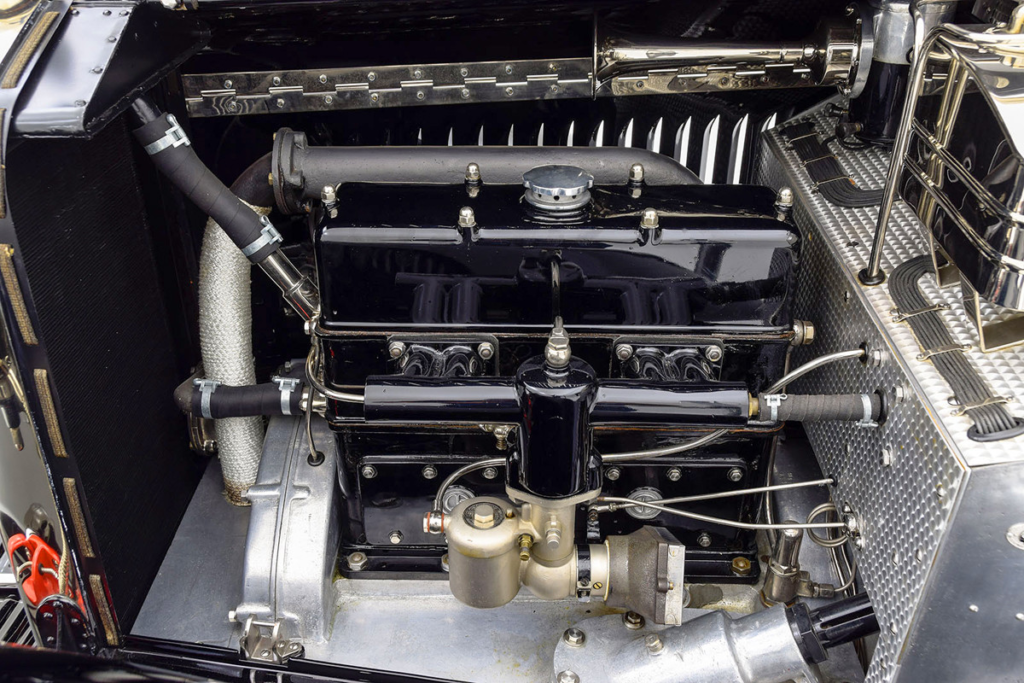
The chase continued over several encounters:
- The mysterious automobile appeared before Charpentier multiple times
- Each time it escaped pursuit
- He couldn’t even see it from the front to identify the manufacturer’s emblem
- The car seemed impossibly fast
Then one fine day, luck was finally on his side. He spotted the mysterious car at the very gates of a garage, its owner about to pull it inside. Jean immediately pulled his Ballot to the curb, jumped out, walked around to the front of the long-pursued vehicle… and stood thunderstruck.
Before him was his beloved Georgette.
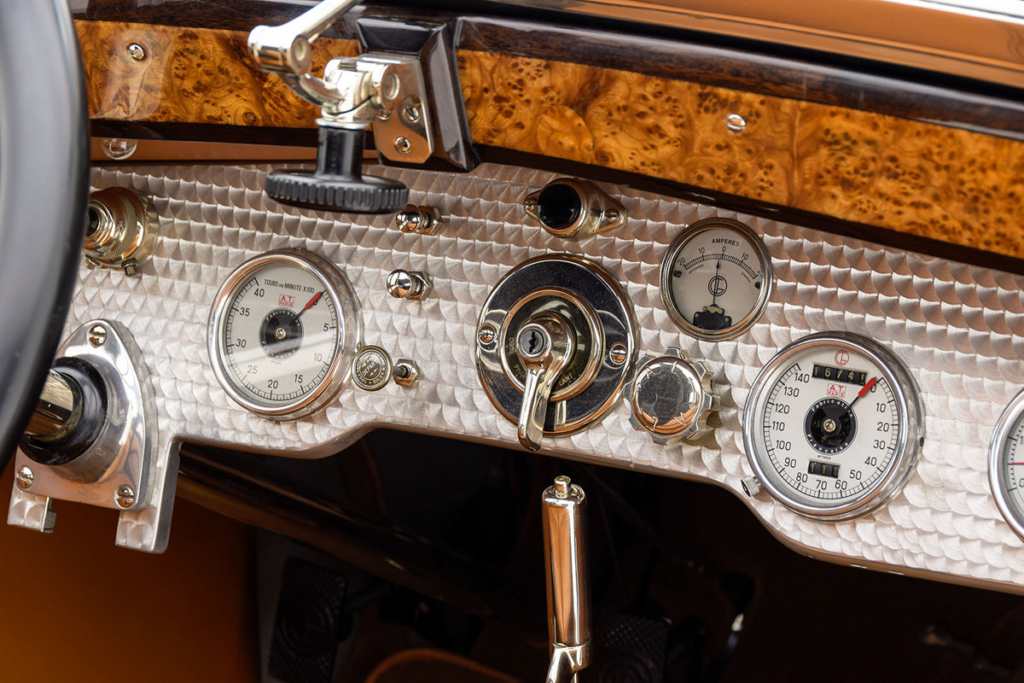
Reclaiming a Dream
The car was weathered, slightly dented from Parisian traffic, and rather carelessly repainted. But it was unmistakably her.
The conversation with the owner revealed little. He’d bought it by chance, it ran excellently, but the roof mechanism was completely jammed and wouldn’t fold up. In bad weather, you simply couldn’t drive it. The floor was rotting under the feet, the sills needed work… In short, the car needed serious attention, but he never got around to it and was thinking of selling it for something newer.
Fortunately, pilot Charpentier happened to have money on him that day. Catching the owner at his word, he handed over a deposit on the spot and soon brought his beloved Georgette home at last—to repair and restore.
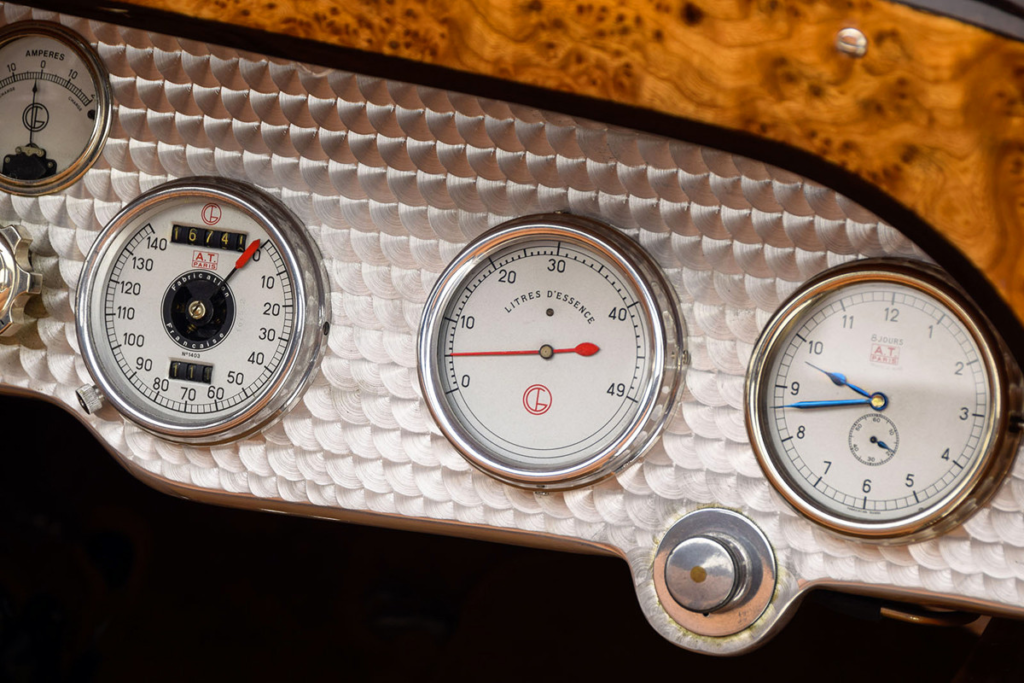
The Labor of Love
The car required enormous amounts of work. The running gear desperately needed attention as well. Apparently, the previous owner simply wasn’t mechanically inclined and rarely looked under his car.
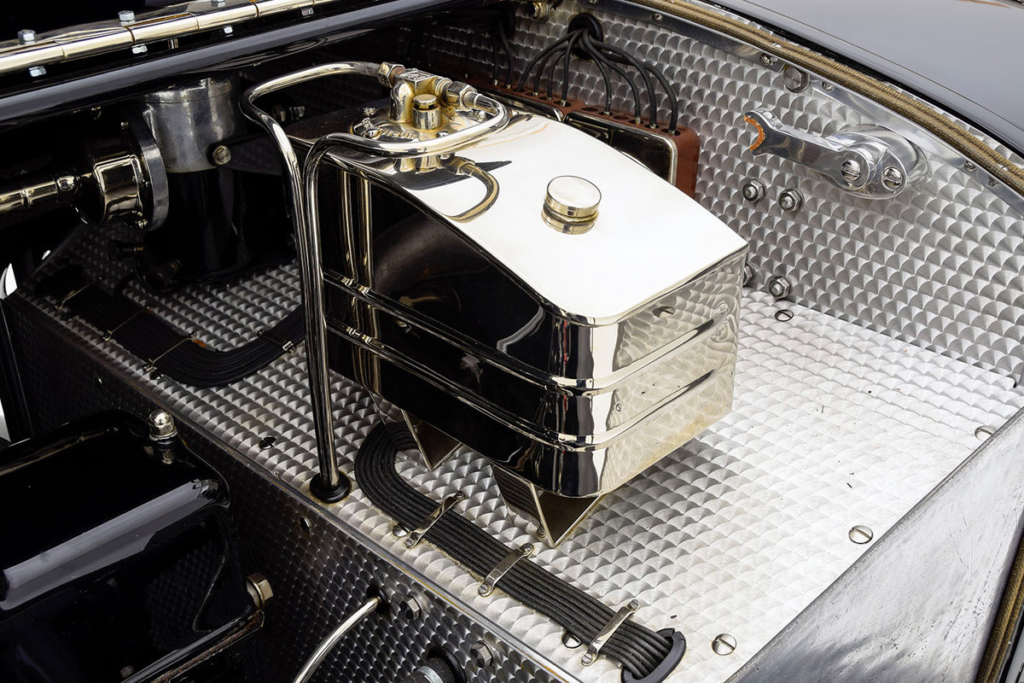
The restoration journey:
- Charpentier worked unhurriedly, thoroughly, with care and precision
- He meticulously addressed every issue the car had developed
- Some mechanical parts had to be ordered from specialists
- The process brought him genuine joy and satisfaction
Around this time, fortune smiled on Jean in another way—he married well. His wife was not only beautiful but wise, tactful enough never to mock her husband’s passion for old cars. So pilot Charpentier was genuinely content with life. Happiness radiates from his correspondence of that period, some of which survives in the historical files he compiled during the restoration.
He even got to drive Georgette after completing the restoration—though not for long. In the early 1950s, a contract opportunity emerged with the American company Goodyear, specifically their division in Akron, Ohio, which was involved in designing and building airships. The Charpentier family had to relocate to the United States, leaving the automobile in temporary storage in a Parisian garage.
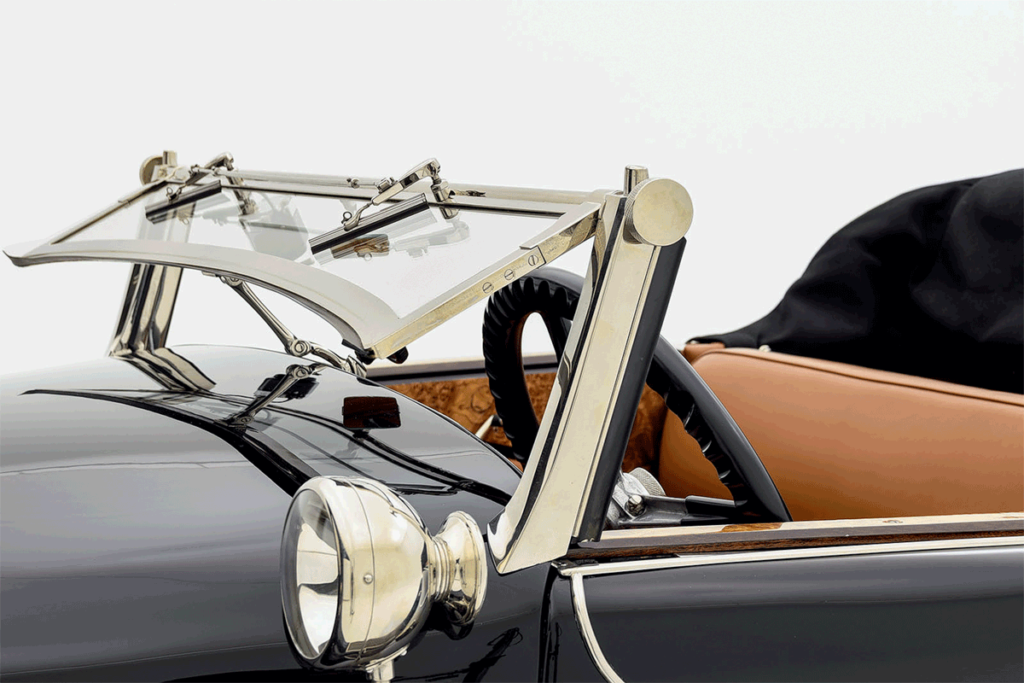
A Bittersweet Farewell
The pilot apparently intended to return to Paris after his contract ended, but his career in America took off spectacularly. Realizing he would stay in the States permanently, he reluctantly sold his precious Georgette in 1960 to a former Parisian acquaintance.
The rare automobile eventually followed him to America, but they never met again.
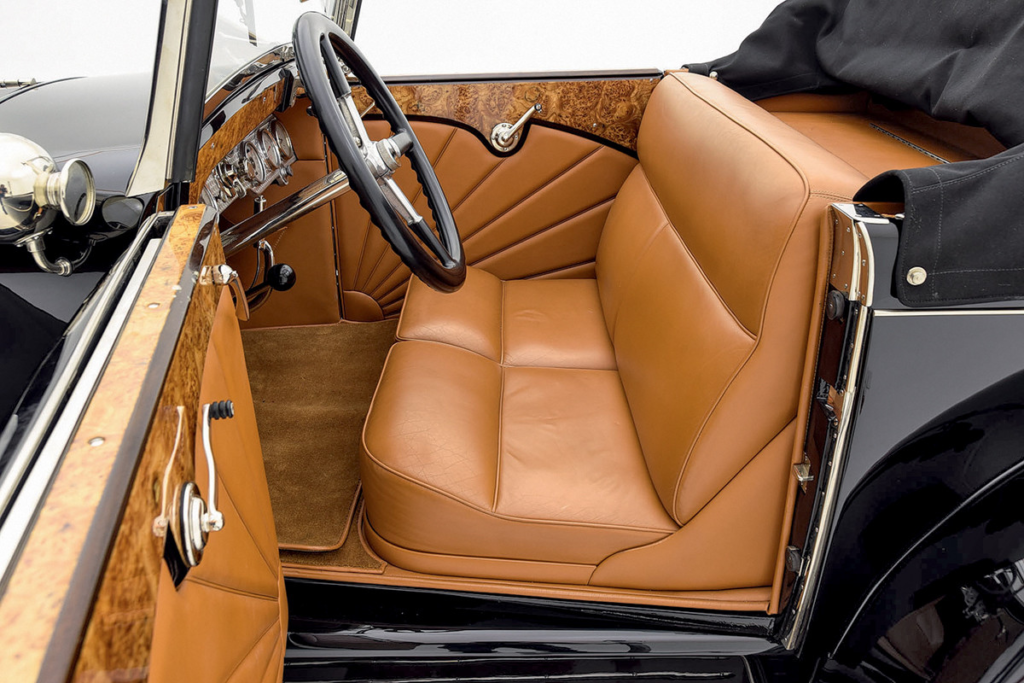
A New Chapter: Professional Restoration
The French automobile with its bespoke coachwork suddenly surfaced at an auction in the early 1990s. There, renowned collector Noel Thompson spotted it, immediately purchased it, and sent it for a complete professional restoration to Automobile Restorations in New Jersey.
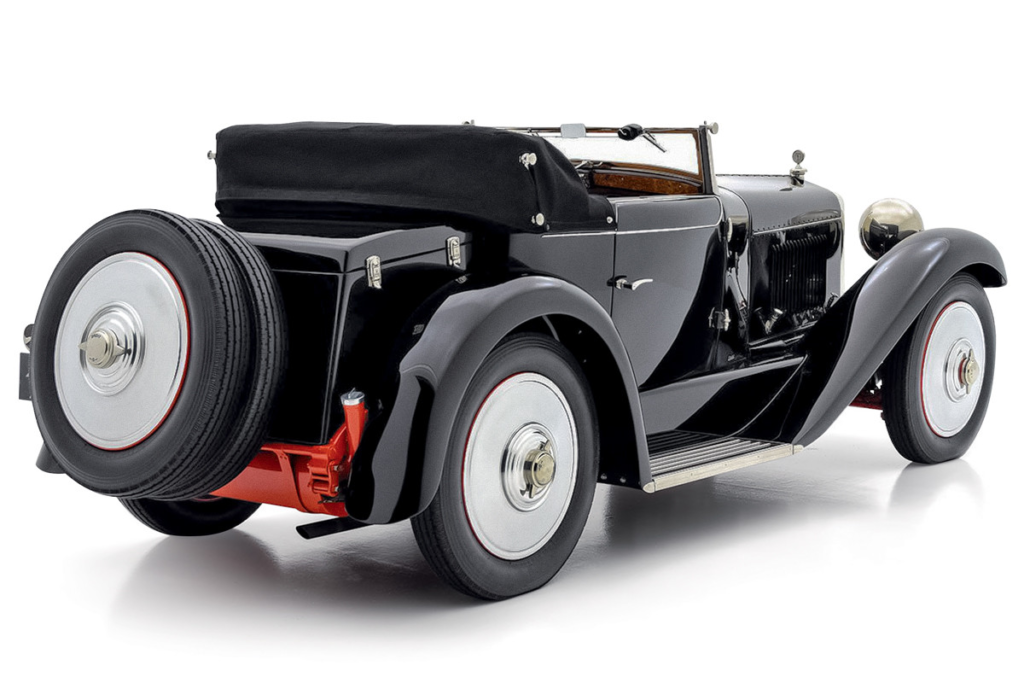
The final restoration:
- The New Jersey specialists worked on the car for five full years
- They returned it to its original splendor in every detail
- The quality would likely have satisfied even its first owner, jeweler Vège
- The car now stands as a testament to 1920s French craftsmanship and one pilot’s enduring love
Today, this magnificent Georges Irat Model A Pourtout represents not just a piece of automotive history, but a love story spanning decades—proof that some passions never truly fade.
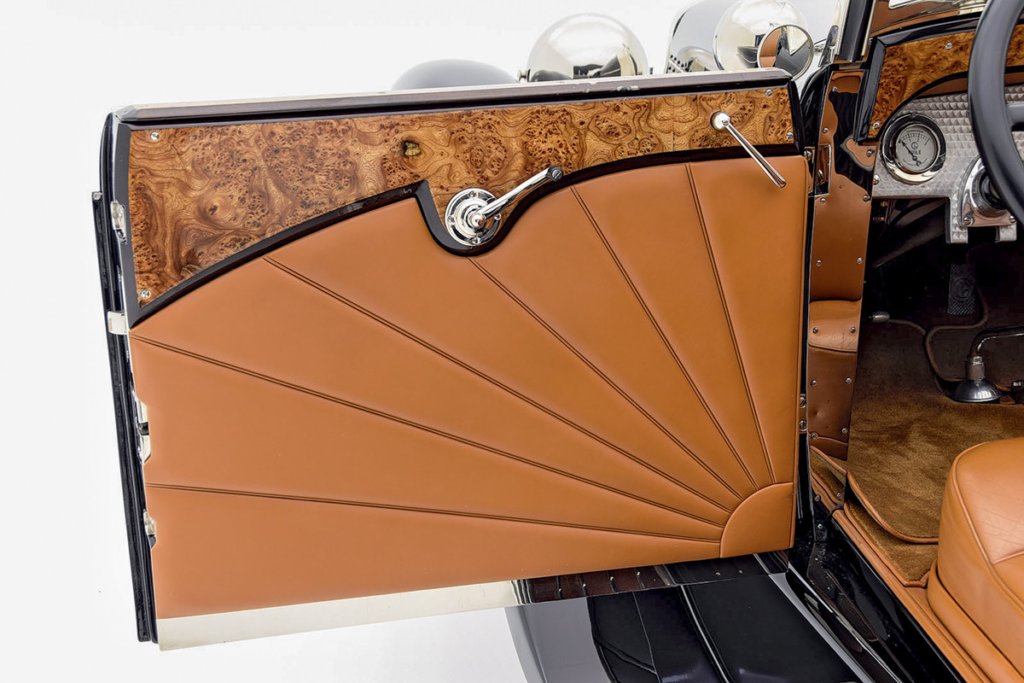
The 1927 Georges Irat Model A with Pourtout coachwork remains one of the finest examples of bespoke French automotive craftsmanship from the golden age of coachbuilding.
Photo: Andrey Khrisanfov
This is a translation. You can read the original article here: Georges Irat Model A Pourtout 1927 года в рассказе Андрея Хрисанфова

Published December 03, 2025 • 8m to read