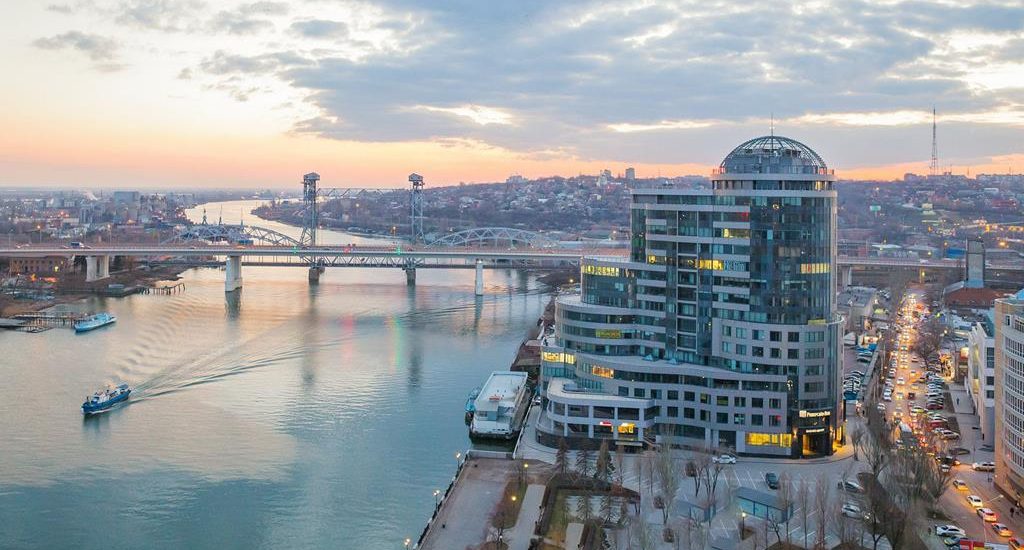


The FIFA World Cup 2018 held in Russia gave football fans a unique opportunity to explore various Russian cities. One of these remarkable destinations was Rostov-on-Don, a vibrant million-plus city and the capital of the Southern Federal District of Russia. Whether you’re a football enthusiast reminiscing about the tournament or a traveler planning your next adventure, this guide covers everything you need to know about Rostov-on-Don, its iconic stadium, top attractions, and practical travel tips.
Why Rostov-on-Don Is Called “Father Rostov”: History and Culture
Rostov-on-Don is a major administrative center in southern Russia, renowned for its rich history and multicultural heritage. This city serves as a true melting pot of different nationalities and traditions, which explains its numerous unofficial names:
- Father Rostov – a term of endearment reflecting the city’s significance
- Combine Capital of Russia – referencing its agricultural machinery industry
- Gateway to the Caucasus – due to its strategic southern location
- Merchant City – honoring its commercial heritage
- Liverpool of Azov – comparing it to the famous English port city
- Rost Angeles – a playful modern nickname
- Port of Seven Seas – highlighting its maritime connections
The city has its own distinctive flair, with an atmosphere filled with legends and stories that cannot be artificially recreated. If you’re looking for authentic Russian cities to show foreign visitors, Rostov-on-Don absolutely deserves a spot on your list.
Football Heritage in Rostov-on-Don
Football has deep roots in Rostov-on-Don. Back in 1930, the “Olimp-2” stadium was built, becoming an arena for many famous matches. The city’s beloved football team, FC Rostov (also known as “Rostselmash”), brought international recognition to the region when they competed in the UEFA Champions League. The club has consistently produced bright and talented players throughout its history.
During the FIFA World Cup 2018, Rostov-on-Don hosted five exciting matches. The group stage games included:
- Brazil vs. Switzerland (Group E) – June 17, Sunday, 9:00 PM
- Uruguay vs. Saudi Arabia (Group A) – June 20, Wednesday, 6:00 PM
- South Korea vs. Mexico (Group F) – June 23, Saturday, 9:00 PM
- Iceland vs. Croatia (Group D) – June 26, Tuesday, 9:00 PM
Additionally, the city hosted a Round of 16 playoff match. The Lokomotiv Stadium served as a training ground for national teams participating in the tournament.
Rostov Arena: The Stunning World Cup Stadium
The Rostov Arena is a breathtaking modern stadium situated on the left bank of the River Don. Built specifically for the 2018 World Cup, this venue has become a symbol of the city’s sporting ambitions.
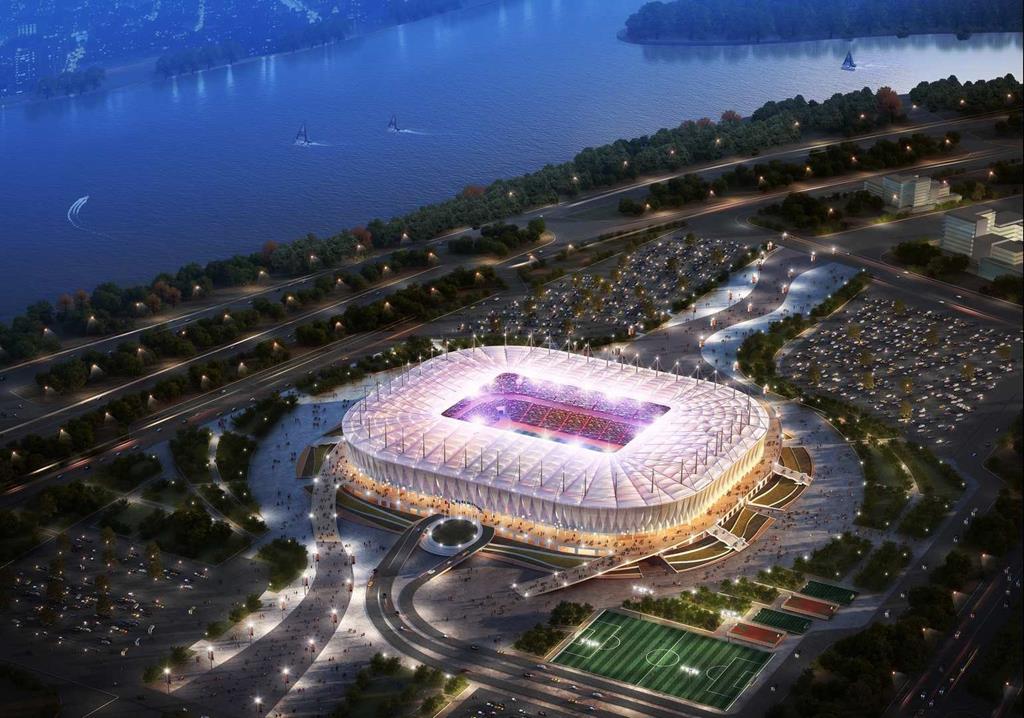
Rostov Arena – the modern FIFA World Cup 2018 venue on the left bank of the River Don
Key features of Rostov Arena:
- Original World Cup capacity: 45,000 seats
- Current capacity: 38,000 seats (reduced after the tournament)
- Five-story oval building structure
- Open stands arranged in three tiers
- Wave-like roof covering parts of the seating areas
- Distinctive stained-glass facade made of metal and glass
- Construction cost: 20 billion rubles
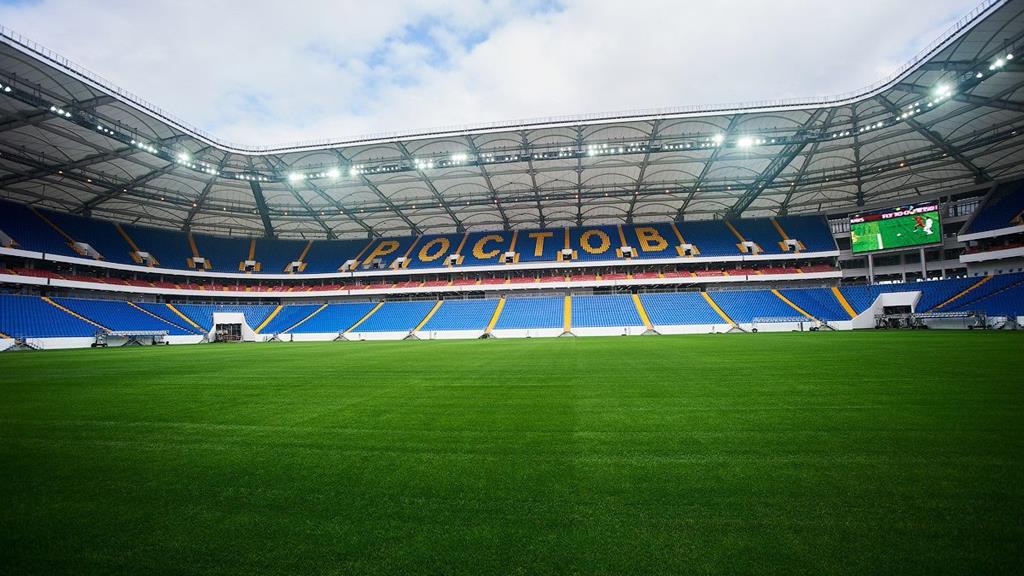
Interior of Rostov Arena featuring three-tier stands and the iconic wave-like roof design
The stadium was originally called “Levberdon Arena” (referring to the left bank of the Don), but this name was changed in 2015. Other considered names included “Don Arena” and a proposal to honor Viktor Ponedelnik, the legendary Soviet footballer who scored the winning goal in the 1960 European Championship final. However, FIFA’s naming guidelines required a simple, universal name without proper nouns, resulting in the current “Rostov Arena” designation. The snow-white roof against the magnificent river backdrop resembles both wings and sails, creating a truly iconic landmark.
Top Tourist Attractions in Rostov-on-Don
Beyond football, Rostov-on-Don offers visitors a wealth of historical and cultural attractions. Here are the must-see destinations:
Bolshaya Sadovaya Street: The Heart of Rostov
Your introduction to Rostov-on-Don should begin with its main street, constructed in 1781. The section of Bolshaya Sadovaya Street between Budennovsky and Voroshilovsky Streets is locally known as the “Broadway of Rostov.”
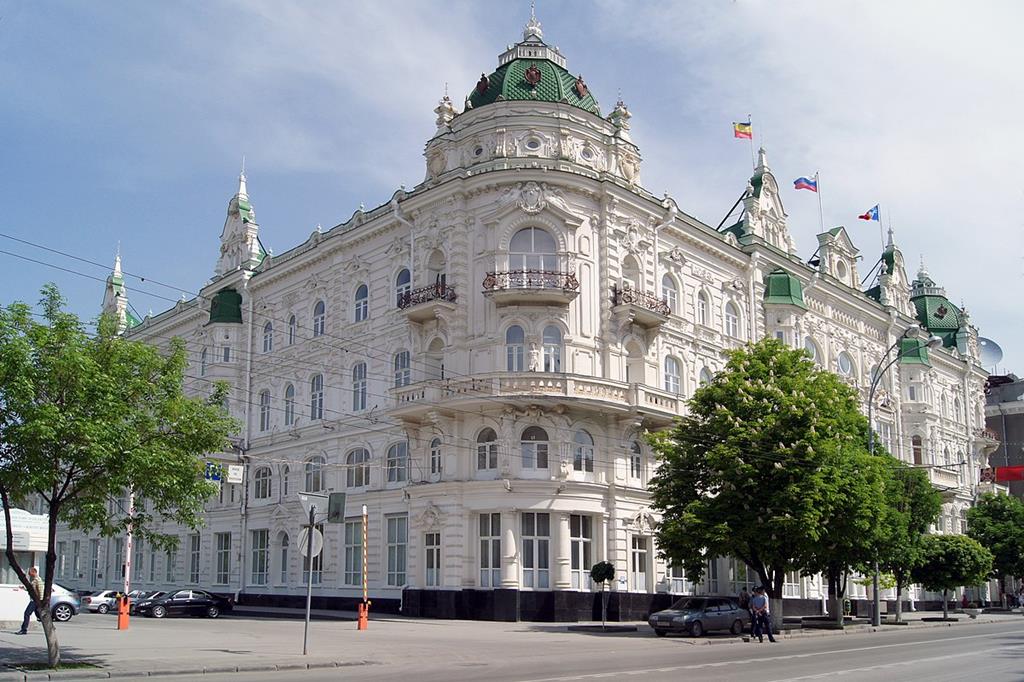
Bolshaya Sadovaya Street – the historic main boulevard of Rostov-on-Don, dating back to 1781
This prestigious area features unique architectural gems, each building bearing the surname of its original owner:
- Margarita Chernova House
- The Mayor’s Building
- The State Bank
- Moskovskaya Hotel
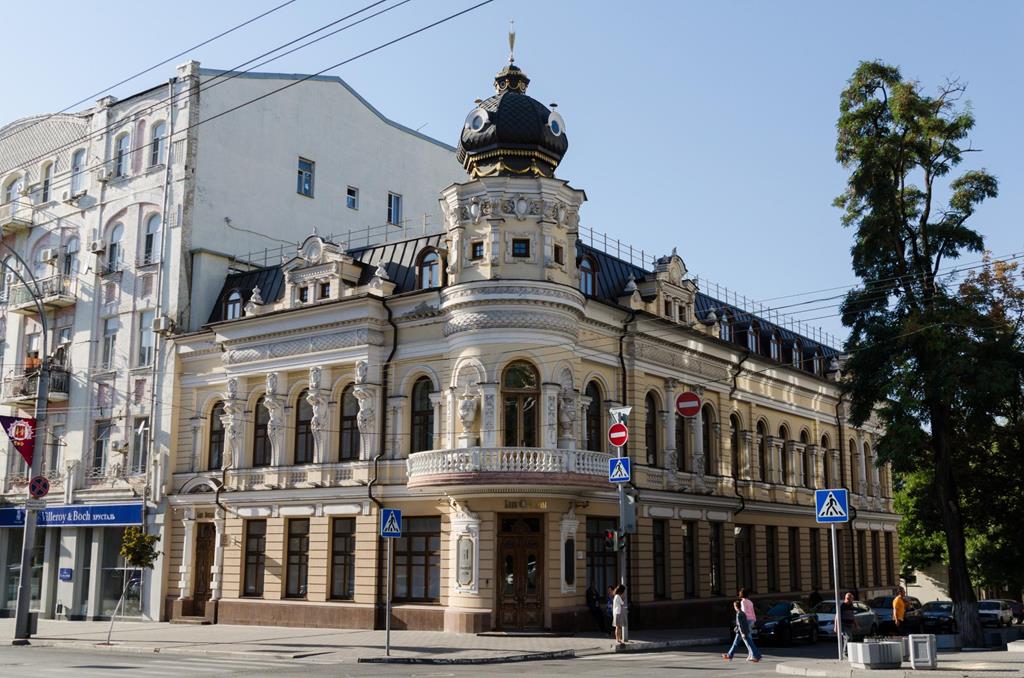
The elegant Margarita Chernova House – one of the architectural treasures on Bolshaya Sadovaya Street
Liventsovskaya Fortress: Ancient Ruins Compared to Troy
History enthusiasts must visit the Liventsovskaya Fortress – the ruins of ancient settlements in the Rostov region dating back to the 18th century B.C. This remarkable site was built by the Catacomb and Pit Grave cultures of the Don region and is often compared to the legendary city of Troy.
Ushakov Embankment: The City’s Main Recreation Area
The Ushakov Embankment along the River Don is the favorite gathering place for both locals and visitors. This beautiful waterfront promenade is filled with monuments, stone slabs, and blooming flower beds.
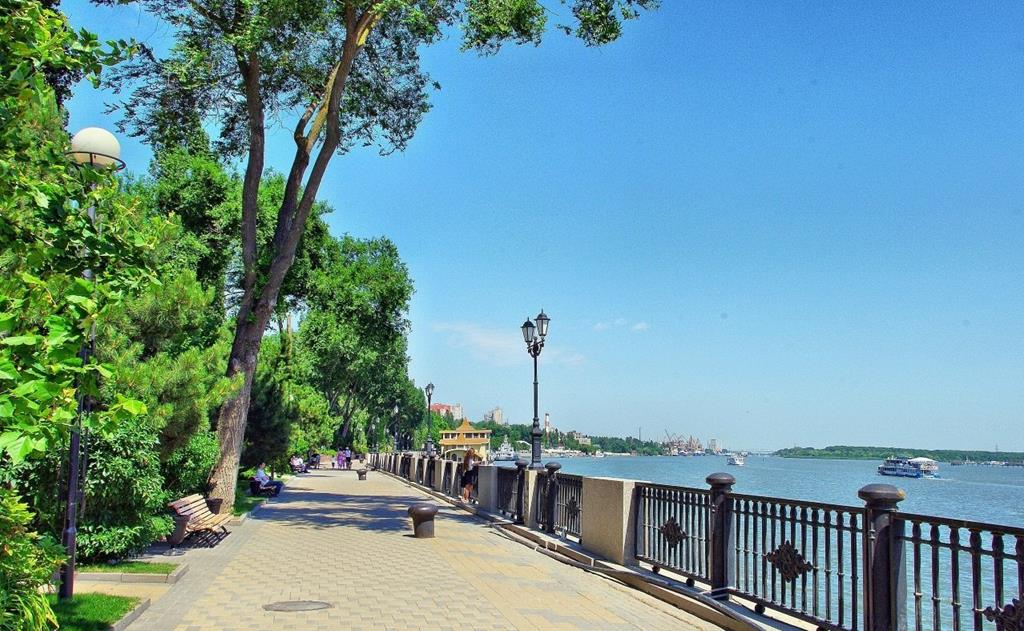
Ushakov Embankment – the scenic riverside promenade and main recreation area of Rostov-on-Don
The embankment features several landmark monuments that represent the cultural identity of southern Russia:
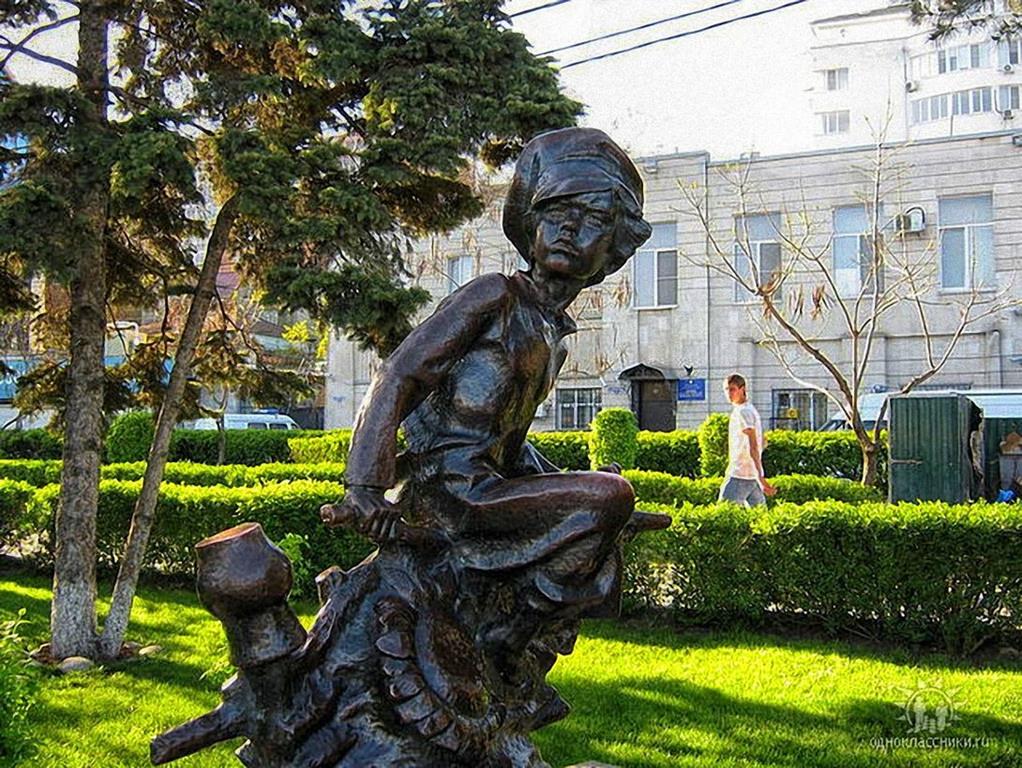
The beloved Nakhalenok monument – a character from Mikhail Sholokhov’s famous stories
- Nakhalenok with Grandpa Shchukar – beloved literary characters
- “Rostovchanka” – the kind and friendly symbol of local women
- The Tree of Locks – a romantic tradition
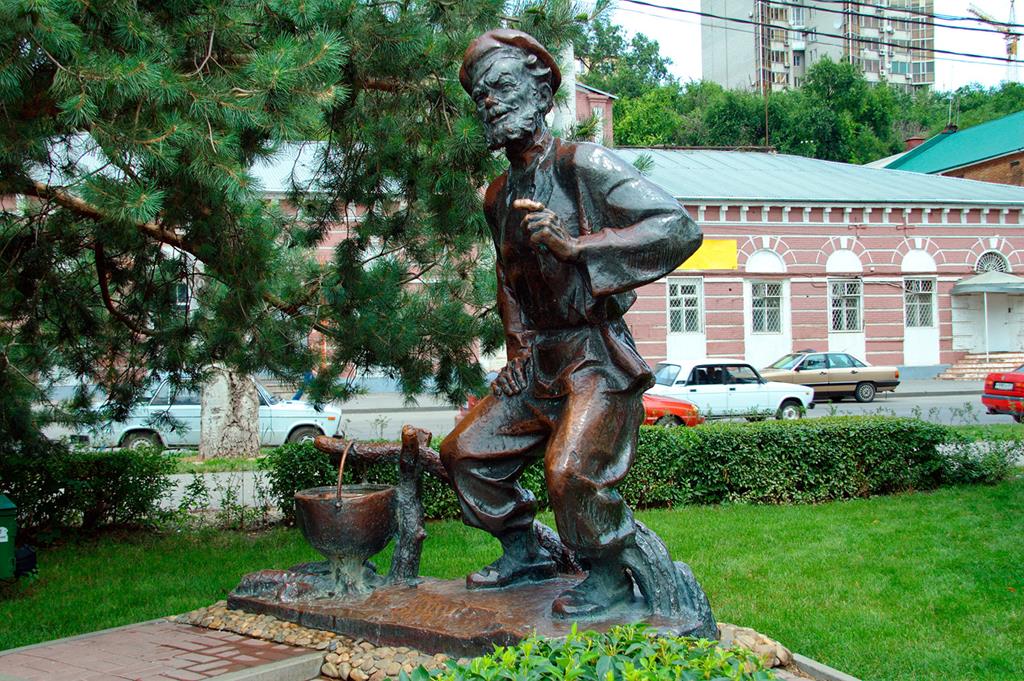
Grandpa Shchukar monument – honoring the humorous character from Don literature
The right bank of the river features newer sculptural additions:
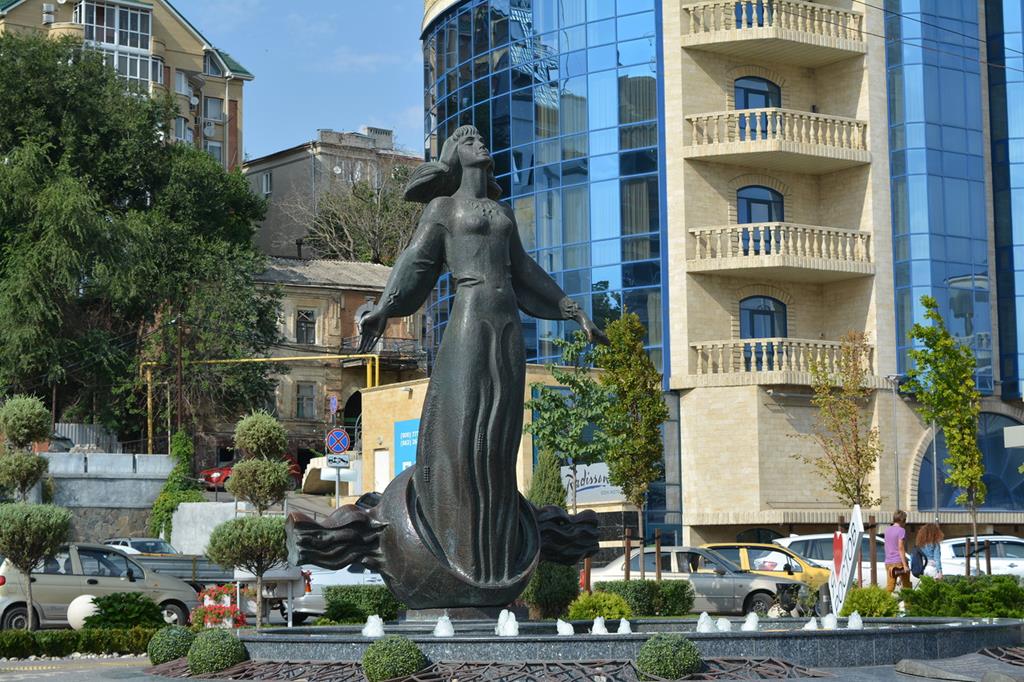
“Rostovchanka” – the graceful sculpture symbolizing the spirit of Rostov women
- The “Artist”
- The “Father Don”
- The “Fisherman”
- “Gregory and Aksinya in the Boat”
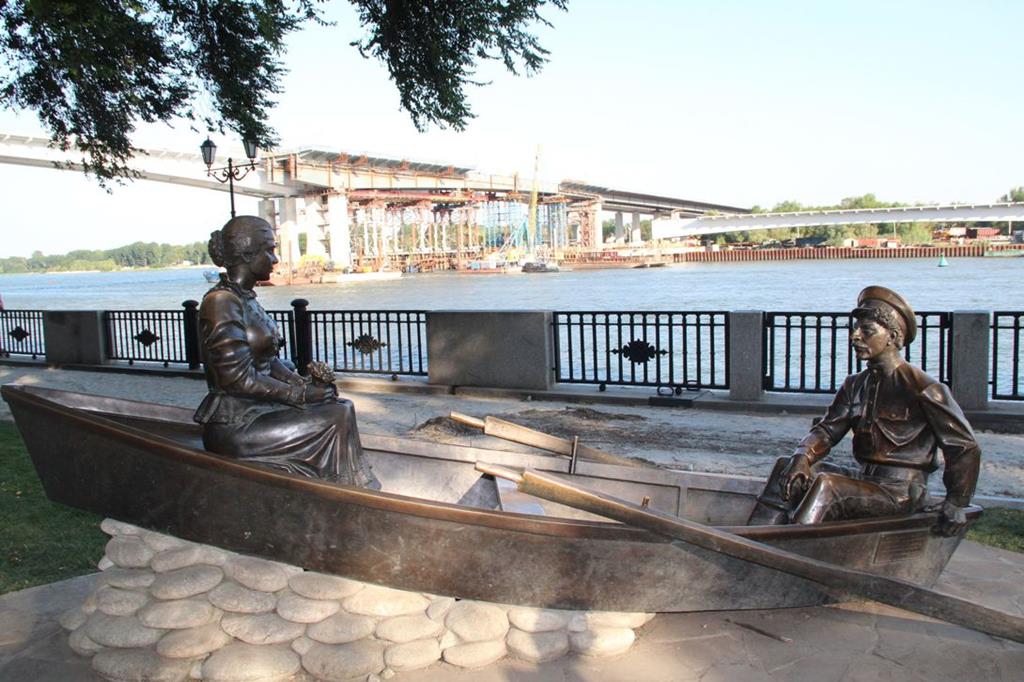
“Gregory and Aksinya in the Boat” – a romantic scene from Sholokhov’s epic novel “And Quiet Flows the Don”
Paramonov Warehouses: Industrial Ruins with Natural Springs
In the city center, you’ll discover the fascinating ruins of the Paramonov Warehouses, a historic granary complex. During the 19th century, these warehouses handled the bulk of the local port’s wheat exports to England. As trade with Great Britain expanded, this massive storage facility was constructed near the Grain Wharf.
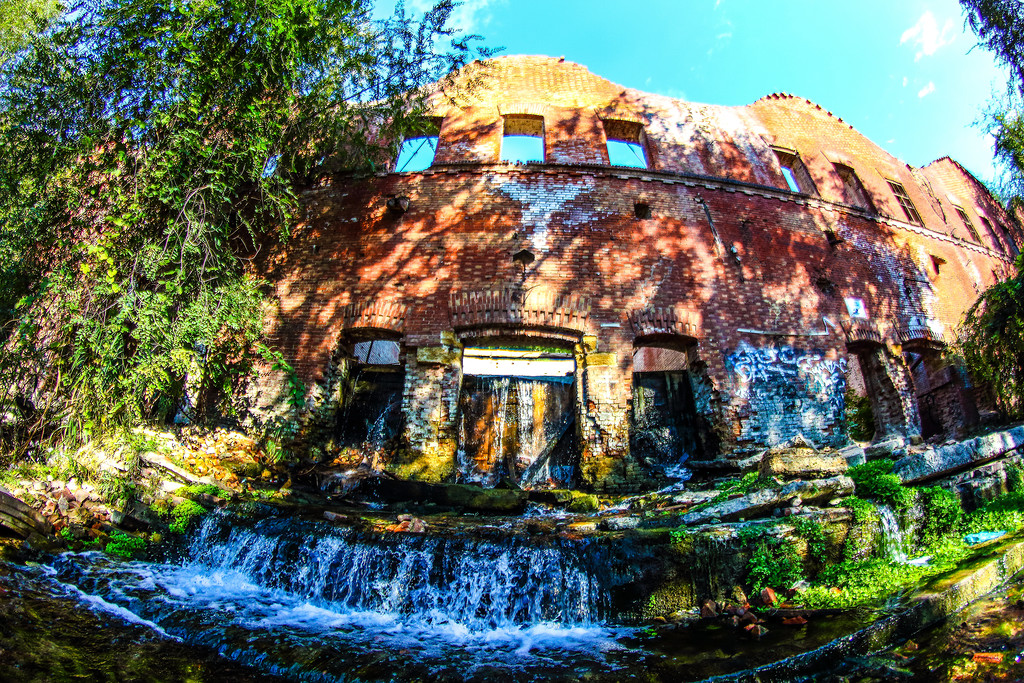
The Paramonov Warehouses – historic 19th-century ruins with natural springs forming crystal-clear pools
Today, the warehouses create a striking impression with their fortress-like red brick walls. Natural springs bubbling throughout the site form picturesque waterfalls and ponds with crystal-clear water. It’s remarkable to imagine that just over a century ago, this place symbolized industrial power and prosperity, providing jobs for thousands of workers.
Cathedral of the Nativity of the Blessed Virgin Mary
Located on Stanislavsky Street, this magnificent cathedral serves as the main church of the Rostov Diocese. Designed by renowned architect Konstantin Thon, the cross-shaped cathedral is a smaller replica of Moscow’s Cathedral of Christ the Savior. The nearby Central Market (formerly a traditional bazaar) adds to the historic atmosphere.
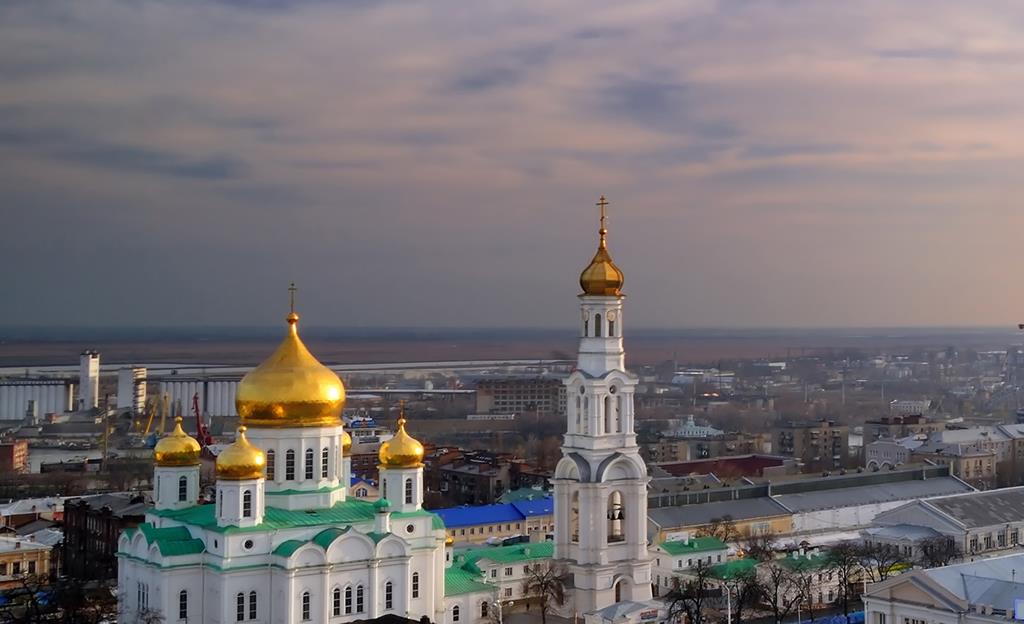
The Cathedral of the Nativity of the Blessed Virgin Mary – a stunning replica of Moscow’s Cathedral of Christ the Savior
Monument to the Water Supply System
Rostov-on-Don ranks among the top 10 Russian cities to receive an early water supply system. In 2007, a charming bronze monument was erected on the site of the first standpipe, depicting a woman drawing water from a tap.
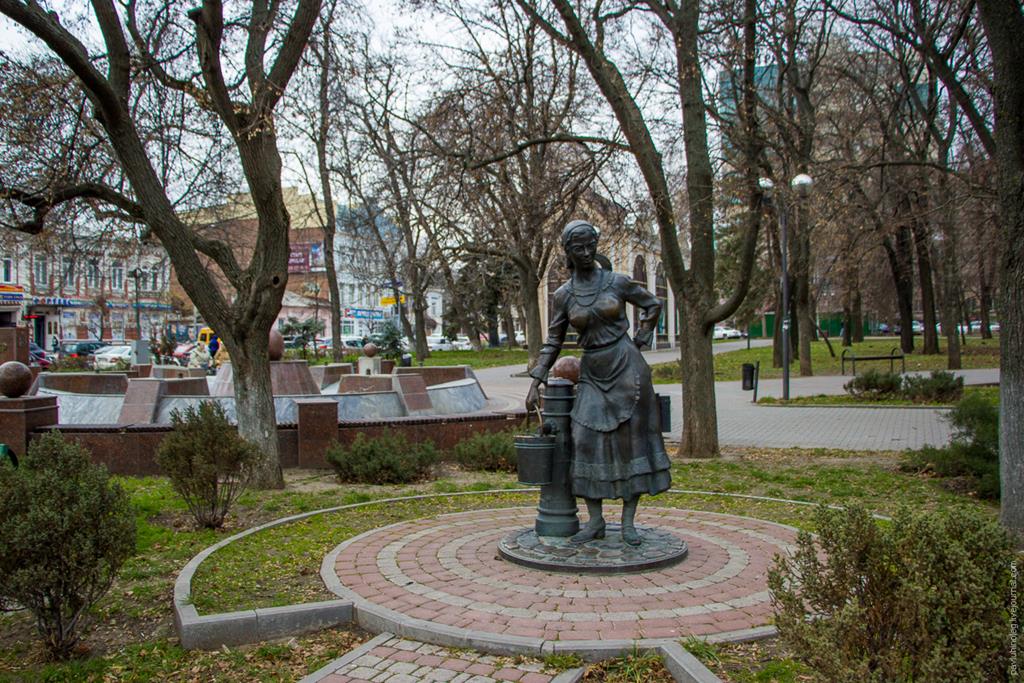
Monument to the Water Supply – commemorating the introduction of running water to Rostov in 1865
Interesting facts about Rostov’s water supply:
- Original pipeline length (1865): just over 5 kilometers
- Current pipeline network: more than 2,000 kilometers
Other Must-Visit Attractions in Rostov-on-Don
Complete your Rostov experience with these additional destinations:
- Church of the Intercession of the Holy Virgin
- Rostov Dolphinarium
- Rostov Zoo – sprawling across 90 hectares with over 5,000 species and approximately 400 animals, including endangered species
- Museum of Cosmonautics
- Iversky Monastery
- The Synagogue
- Fountain on Theatre Square
- Seraphim of Sarov Church
- Surp Khach Church (Holy Cross Church)
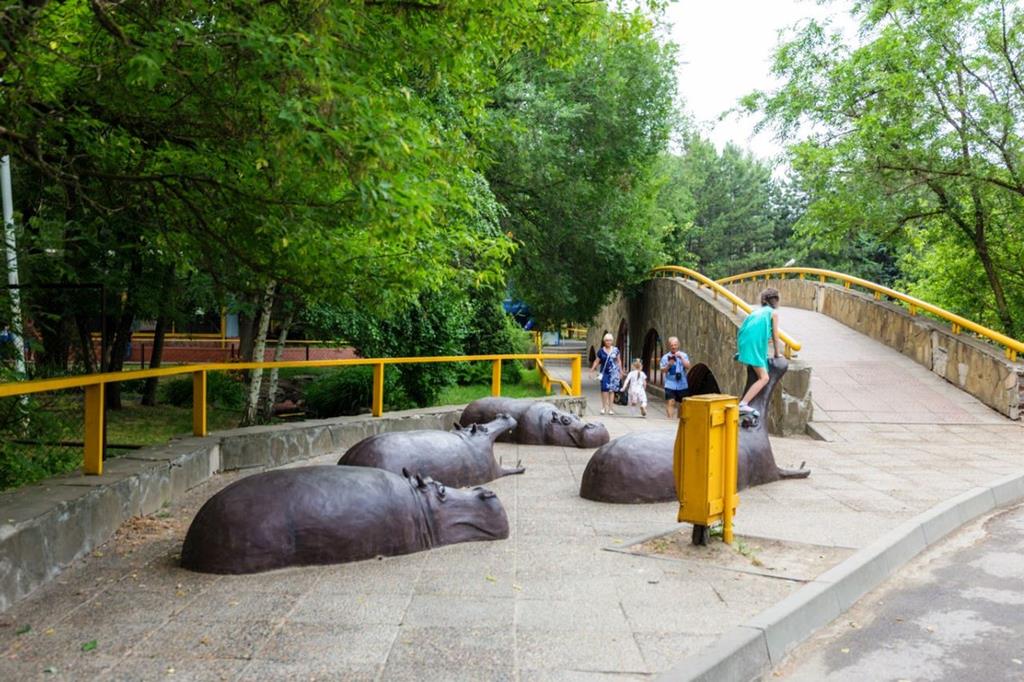
Rostov Zoo – one of the largest zoos in Russia, home to over 5,000 animal species
Platov International Airport: A Modern Gateway to Rostov
Rostov-on-Don received a major infrastructure boost when preparing for the 2018 World Cup: the brand-new Platov International Airport. This was the first airport built from the ground up in modern Russian history, with construction costs reaching 30 billion rubles.
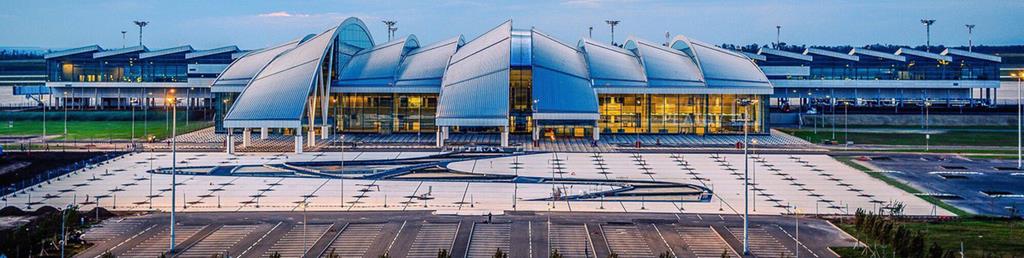
Platov International Airport – Russia’s first newly-built airport in modern history
Key information about Platov Airport:
- Location: 29 km northeast of Rostov-on-Don, in Aksay Region; 15 km northwest of Novocherkassk
- Named after: Cossack Ataman Matvei Platov
- Parking capacity: 2,500 car spaces
- Terminal area: 50,000 square meters (equivalent to 7 football fields)
- Passenger boarding bridges: 9 total (4 international, 4 domestic, 1 flexible)
- Recognition: Shortlisted for The British Expertise International Awards 2018 in “Best Engineering and Design Project”
Airport facilities include:
- Children’s play space
- Food court
- Tourist information centers
- Business lounge
- Accessible facilities for disabled travelers
- Baby care room
- Modern restroom facilities
The interior features artistic portraits of Matvei Platov and Mikhail Kutuzov composed of historical facts, quotes, and epithets. Platov Airport also serves as the home base for Azimuth Airlines, operating Sukhoi Superjet aircraft.
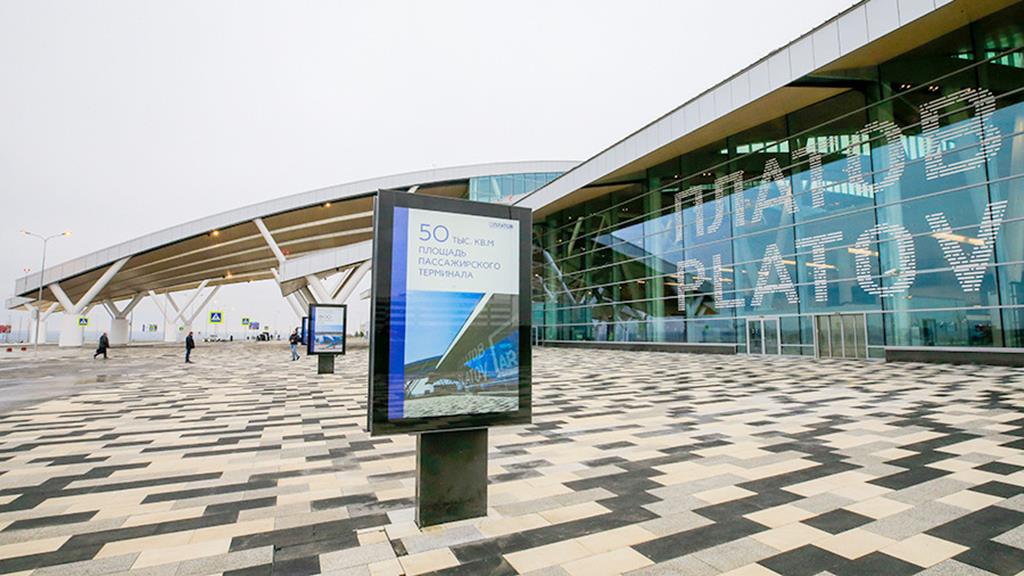
The spacious and modern interior of Platov International Airport terminal
How to Rent a Car in Rostov-on-Don
Renting a car in Rostov-on-Don is straightforward, with numerous rental companies offering foreign vehicles across all categories. Here’s what you need to know:
Car rental options:
- Budget class vehicles
- Medium class vehicles
- Business class vehicles
Rental requirements:
- Minimum age: 23 years
- Driving experience: at least 2 years
- Prices starting from 500 rubles per day
- Agreement processing time: approximately 20 minutes
Popular car rental agencies in Rostov:
- “Forsazh” (Fast and Furious)
- Rentist
- YUGAVTO Rental
- Rent-A-Car
All companies maintain their vehicles in excellent technical condition and offer convenient online booking through their websites.

Car rental services in Rostov-on-Don offer a wide range of vehicles for exploring the region
Explore Rostov-on-Don with an International Driving Permit
Renting a car gives you the freedom to explore Rostov-on-Don’s attractions at your own pace. However, don’t forget to prepare the necessary documentation. If you still need an International Driving Permit, we’re here to help. You can easily apply for your IDP here. Don’t miss out on the opportunity to discover this fascinating Russian city!
Published May 25, 2018 • 9m to read