


Turkey offers incredible opportunities for independent travel, and renting a car gives you the freedom to explore this diverse country at your own pace. From ancient ruins to stunning coastlines, having your own vehicle opens up countless possibilities. This comprehensive guide covers everything you need to know about car rental in Turkey, from documentation requirements to road conditions and insider tips.
Required Documents for Car Rental in Turkey
Airport rental offices offer maximum convenience for most visitors arriving by air. However, booking your vehicle online in advance is highly recommended. Most rental websites feature user-friendly interfaces with multiple language options, allowing you to:
- Select your pickup location and drop-off point
- Compare prices across different vehicle categories
- Secure your preferred car class before arrival
- Often save money with advance booking discounts
Essential documents you’ll need:
- Valid passport
- International or domestic driver’s license (check specific requirements)
- Credit card (Visa or MasterCard) for deposit and payment
- Flight information for airport pickups
Note that many rental companies require a 10% prepayment when booking with a credit card. However, some local companies like Cizgi rent car offer flexible payment options including cash payment on-site with no prepayment or deposit required.
Car Rental Costs in Turkey: What to Expect
Rental prices in Turkey vary significantly based on several factors. Understanding these will help you budget effectively and find the best deals.
Key price factors:
- Seasonal demand: High tourist season (summer months) commands premium prices, while off-season rates can be 30-40% lower
- Location: Popular tourist regions charge 20-30% more than less-visited areas
- Rental duration: Weekly and monthly rentals offer better daily rates than short-term bookings
- Vehicle type: Car class, transmission type, and engine significantly impact pricing
- Pickup location: Hotel rentals typically cost 30% more than specialized rental agencies
Money-saving tips:
- Choose diesel engines – fuel costs in Turkey are high, and diesel offers better economy
- Book with larger rental companies for flexible drop-off locations across the country
- Expect a security deposit hold of up to $1,000 on your credit card, refunded upon vehicle return
- Consider manual transmission – automatic cars are less common and more expensive
Daily rental rates generally range from $30 to $100, depending on vehicle class and season. Full rental costs include zero-deductible insurance in most cases.
Driving Rules and Regulations in Turkey
Turkey experiences higher accident rates compared to other European countries, largely due to local driving culture. Being aware of traffic rules and common practices helps ensure a safer journey.
Speed limits to observe:
- Urban areas: 50 km/h (31 mph)
- Highways: 90 km/h (56 mph)
- Motorways: 120 km/h (75 mph)
Important regulations:
- All passengers must wear seatbelts
- Legal blood alcohol limit: 0.5‰ (though any alcohol consumption voids insurance in case of accidents)
- Required equipment: first aid kit and reflective warning triangle (verify these are included when picking up your rental)
- Paying fines on the spot saves 25% (negotiation possible for non-speeding violations)
What to expect on Turkish roads:
- Traffic enforcement is relatively lenient unless violations are severe
- Driving style can be chaotic with frequent horn usage
- Red light running and speeding occur but aren’t universal
- Stay alert and drive defensively

Road Quality and Toll Payment Systems
Turkey maintains a modern, well-developed road network that makes car travel pleasant and efficient. Most roads feature excellent surfaces, clear markings, and well-lit tunnels.
Toll roads and bridges:
Several premium motorway sections and bridges require payment. These toll routes offer higher speed limits and superior conditions, though free parallel roads are usually available.
Major toll crossings in Istanbul area:
- Bosphorus Bridge
- Fatih Sultan Mehmet Bridge
- Yavuz Sultan Selim Bridge
- Osman Gazi Bridge (50 km from Istanbul, crossing Izmit Gulf)
- Eurasia Tunnel (underwater Bosphorus crossing)
Electronic toll payment systems:
Turkey uses contactless payment systems for toll collection:
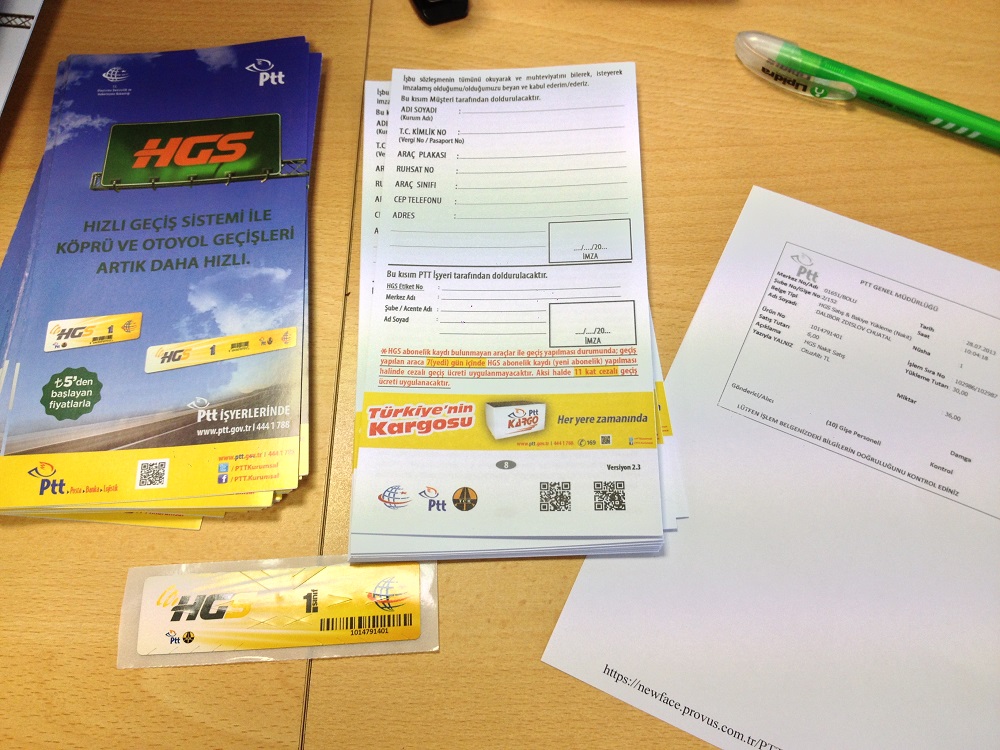
- HGS (Hızlı Geçiş Sistemi): Windshield sticker system – becoming the standard nationwide
- OGS: In-car sensor system – being phased out gradually
Both systems allow passage through toll gates without stopping. Simply drive through at under 30 km/h – a green light confirms successful payment and displays the charged amount.
Common Rental Company Practices to Know
Being aware of typical industry practices helps you avoid surprises and make informed decisions.
Fuel policies:
- Most Turkish rental companies provide vehicles with minimal fuel – often just enough to reach the nearest gas station
- This makes it nearly impossible to return the car with an empty tank as required
- Some companies allegedly calibrate empty tank indicators to light up with 10 liters remaining
- Expect to leave approximately 50-60 lira worth of fuel in the tank
Booking without prepayment risks:
- Your reserved vehicle may become “unavailable” with only premium upgrades offered
- Consider booking with two companies as backup to guarantee availability
- Large international firms provide the exact reserved vehicle class but require prepayment and charge higher rates
Red flags to avoid:
- Never leave your passport as security deposit – legitimate companies don’t require this
- Watch for delayed electronic vouchers – you need printed confirmation showing your reserved vehicle class, dates, and times
- Verify all equipment (first aid kit, warning triangle) before accepting the vehicle

Understanding Car Rental Insurance in Turkey
Insurance coverage is crucial for worry-free travel. Here’s what’s typically included and what additional protection you might need.
Basic insurance (included in rental cost):
- Third Party Liability (TPL): Mandatory for all vehicles in Turkey, covers damage to other vehicles you may cause
- Collision Damage Waiver (CDW): Covers damage to your rental car in accidents, with deductible/franchise applies
- Theft Protection (TP): Guards against vehicle theft when contract terms are followed, typically includes franchise
CDW and TP limitations – NOT covered:
- Tire and wheel damage
- Broken windows and headlights
- Lost or damaged keys
- Towing expenses
- Underbody damage
- Violations of rental terms (driving under influence, unsafe parking, etc.)
Super CDW (SCDW) – optional upgrade:
- Comprehensive coverage with reduced or zero deductible
- Covers items excluded from basic insurance (glass, wheels, underbody)
- Insurance company pays all accident costs
- Available upon request at contract signing
- Higher premium but provides complete peace of mind
Final Tips for Renting a Car in Turkey
Ready to explore Turkey by car? Here are key takeaways for a successful rental experience:
- Book in advance online for better rates and guaranteed availability
- Choose diesel engines to save on fuel costs
- Verify all required safety equipment before leaving the rental office
- Understand your insurance coverage and consider SCDW for complete protection
- Keep your international driver’s license up to date
- Familiarize yourself with HGS toll payment system before highway travel
- Drive defensively and stay alert to local driving habits
Turkey’s roads open up a world of discovery – from Mediterranean beaches to Cappadocia’s fairy chimneys, from ancient Ephesus to vibrant Istanbul. With proper preparation and the right rental car, you’ll have the freedom to create your own Turkish adventure.
Don’t have an international driver’s license yet? You can easily and quickly process it on our website. With an international driver’s license, Turkish roads – and roads worldwide – are ready for you to explore!

Published February 25, 2026 • 7m to read