


Driving a car in a foreign country can be both exciting and nerve-wracking, especially if it’s your first time navigating unfamiliar roads. Italy, with its passionate Mediterranean culture, brings a unique driving style that can surprise even experienced drivers. Before you rent a car and hit the Italian roads, it’s essential to understand the local driving mentality and what to expect behind the wheel.
Understanding Italian Driving Culture and Mentality
Italian drivers are known for their confident, assertive approach to driving. They combine speed, decisiveness, and what may seem like aggressive behavior while maintaining impressive awareness and safety. Here’s what defines the Italian driving experience:
- Quick reflexes and bold maneuvers: Italian drivers don’t hesitate when overtaking. Hesitation is viewed negatively on Italian roads, so decisiveness is key.
- Frequent horn use: The car horn is a communication tool in Italy. Depending on the context, it can mean anything from a friendly greeting to an urgent warning.
- Sudden braking and lane changes: Sharp stops and aggressive lane switching are common practices that might seem chaotic to foreign drivers but are considered normal by local standards.
- Heightened police awareness: Despite their spirited driving, Italians remain extremely alert when police patrols or traffic checkpoints are nearby.
Don’t expect overly courteous or gentlemanly behavior on Italian roads. Drivers often touch bumpers while parking – it’s considered perfectly normal. When overtaken or pressured, Italians rarely admit fault, as their passionate temperament extends to defending their driving choices.
What Common Road Signals Mean in Italy
- Car flashing headlights from behind: They’re asking (or demanding) that you move over and let them pass.
- Oncoming car flashing headlights: Slow down immediately – there’s likely a police checkpoint ahead.
How to Rent a Car in Italy: Essential Tips for Tourists
Italy offers numerous car rental options, making it easy to explore the country at your own pace. Here’s everything you need to know about renting a vehicle:
Car Rental Options and Pricing
- One-way rentals available: You can pick up a car in one city (like Milan in the north) and return it in another (like Naples in the south).
- Unlimited mileage options: Choose this to travel freely without worrying about distance restrictions.
- Average cost: Economy class vehicles start from approximately €40 per day.
- Company size matters: Larger rental companies typically offer full insurance coverage (CASCO), while smaller firms may only provide partial coverage at lower rates.
Requirements for Renting a Car in Italy
Before renting a vehicle, make sure you have the following documents and meet these requirements:
- Valid passport
- Credit card (required for deposit)
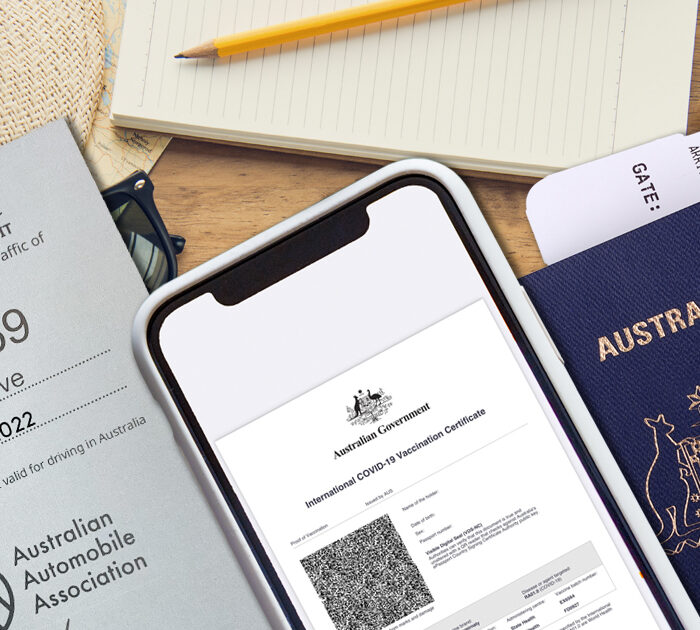
- International Driving Permit (IDP) or a national license with name in Latin alphabet
- Age requirement: Drivers must be between 23 and 85 years old (some companies accept drivers as young as 21, but this is rare)
Important note: If your driver’s license isn’t in Latin characters, you’ll need an Italian translation, which requires additional time and money – something to avoid during your trip.
Consider Renting a Motorcycle
Motorcycles are also available for rent, though they require a higher deposit due to increased theft risk. For solo travelers exploring Italy’s historic centers with narrow streets and limited parking, a motorcycle can be an ideal choice for easier navigation and parking.
What to Do If You’re Involved in a Car Accident in Italy
Despite improved road safety measures, Italy still experiences a relatively high accident rate compared to other European countries. Tourists are particularly vulnerable because they’re unfamiliar with routes and local driving patterns. Here’s what to do if an accident occurs:
For Minor Accidents (No Injuries)
- Remove your vehicle from the roadway immediately or move it to the right side to prevent traffic jams.
- If you can’t move the car: Place an emergency warning triangle, turn on hazard lights, and call for roadside assistance.
- Wait for traffic police (Polizia Stradale) to arrive.
The “Friendly Statement” Protocol (Constatazione Amichevole)
If both drivers agree on who’s at fault and there are no disputes, you can fill out a joint accident report called “Constatazione Amichevole” (Friendly Statement of Fact). This document simplifies the insurance claim process. It must include:
- Location, date, and conditions of the accident
- Information about both drivers, including passport and driver’s license details
- License plate numbers of both vehicles
- Insurance policy numbers and company names for both parties
- Description of material damage
- Witness information (only required if there’s a dispute)
For Accidents with Injuries
- Call an ambulance immediately (118)
- Do not move the vehicles
- Preserve skid marks and evidence until police arrive
- Wait for traffic police to document the scene
Final Tips for Driving in Italy
- Always opt for comprehensive insurance (CASCO) without a deductible, given the parking culture and driving style.
- Carry an International Driving Permit to avoid complications – you can easily obtain one online.
- Stay alert and confident – indecisiveness on Italian roads can create more problems than assertive driving.
- Embrace the experience – once you understand the rhythm of Italian driving, it becomes an exciting part of your adventure.
With proper preparation and the right mindset, driving in Italy can be one of the most rewarding ways to explore this beautiful country. Stay safe, drive confidently, and enjoy the journey through Italy’s stunning landscapes and historic cities!

Published November 30, 2018 • 5m to read