

A hybrid sedan that channels the spirit of the Mazda 6 — sharp handling, impressive efficiency, and genuine driving character
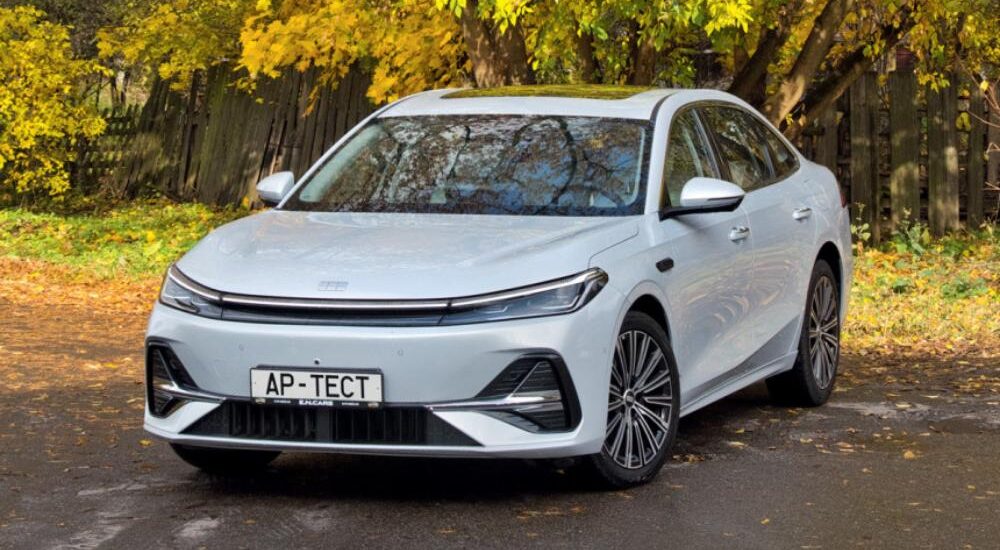
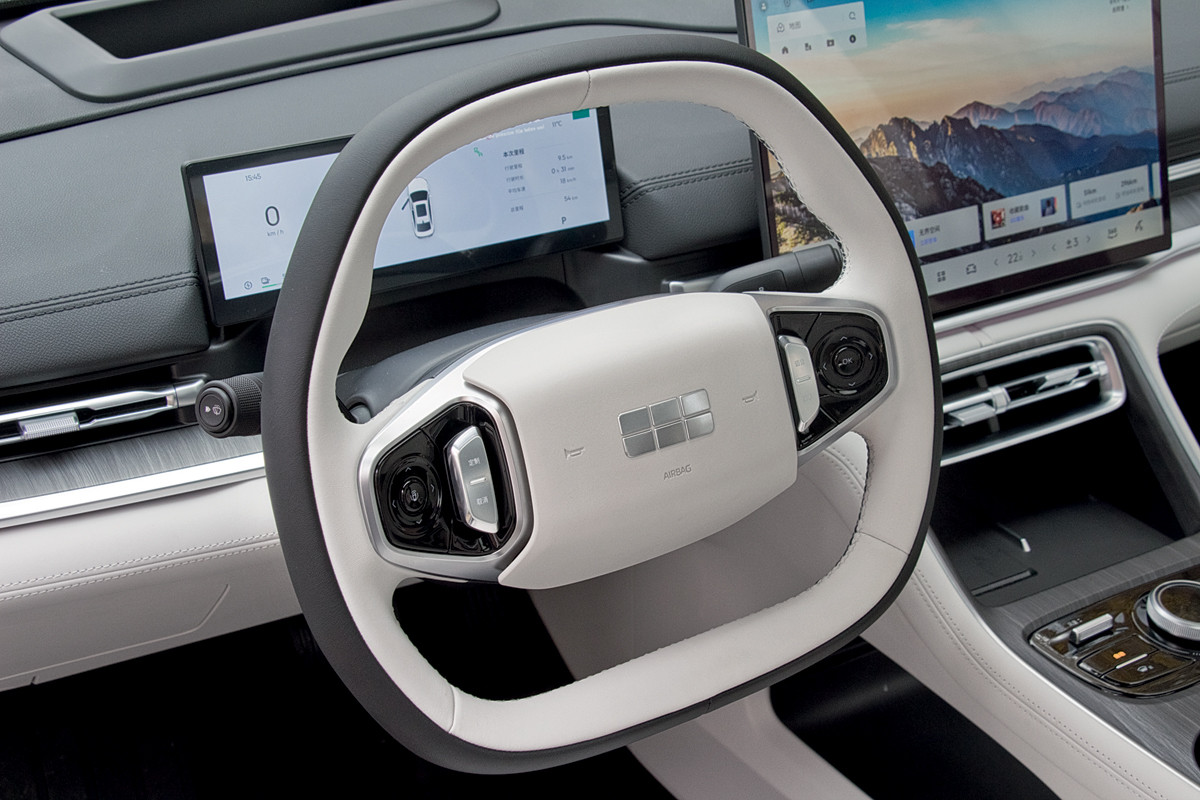
A quick flick of the flattened steering wheel while lifting off the throttle through a damp corner — and for a split second, my brain registers this as a Cam… Wait, this isn’t a Toyota. It’s a Geely Galaxy A7. Yet my subconscious keeps insisting this nearly five-meter sedan is actually a Camry. A knockoff? Surprisingly, no. This is the real deal — a genuinely well-executed car in almost every respect.
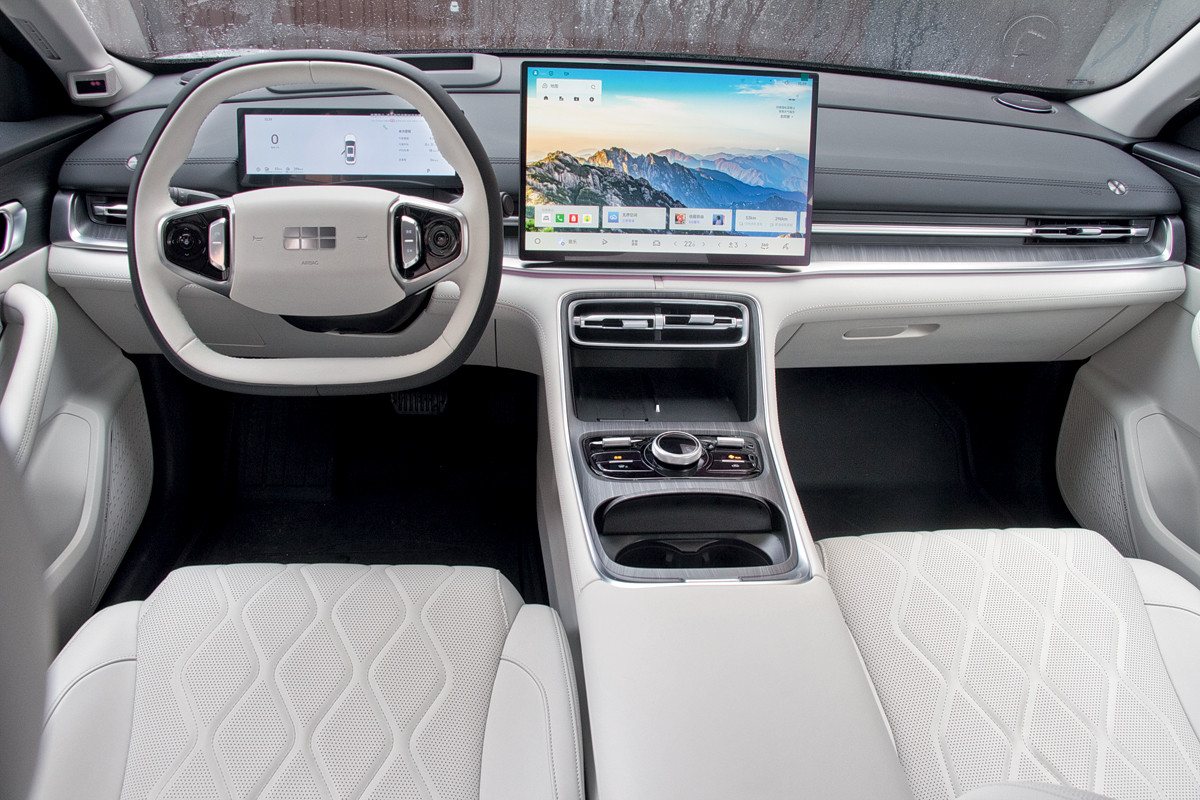
Large sedans haven’t been my thing for years. I’d even trim down my own EV for better agility. But behind the wheel of the Geely A7 — let’s call it a helm rather than a wheel, given this oval oddity — the only thing that bothers me is the low steering sensitivity: three full turns lock-to-lock. That said, the front-wheel steering angle and overall maneuverability are excellent. Parking in tight courtyards is surprisingly effortless, helped by an outstanding 360-degree camera system that stitches together a remarkably seamless bird’s-eye view.
Built on Geely’s Versatile Electric Architecture
Like the Geely EX5 electric crossover I drove six months ago, and its sibling the Geely Galaxy Starship 7, the A7 sedan rides on the GEA platform — Geely Electric Architecture. All three vehicles share something remarkable: affordability.
Chinese market pricing:
- Geely EX5 (electric): 110,000–146,000 yuan
- Geely Galaxy A7 and Starship 7 (hybrid): 90,000–126,000 yuan
The official EX5 sells in Russia for at least 4 million rubles, while pricing for the hybrid EX5 EM-i hasn’t been announced yet. Before increased import duties, gray-market importers like E.N.Cars offered both hybrids for roughly 25-29k dollars.
Design and Interior: Modern Without Excess
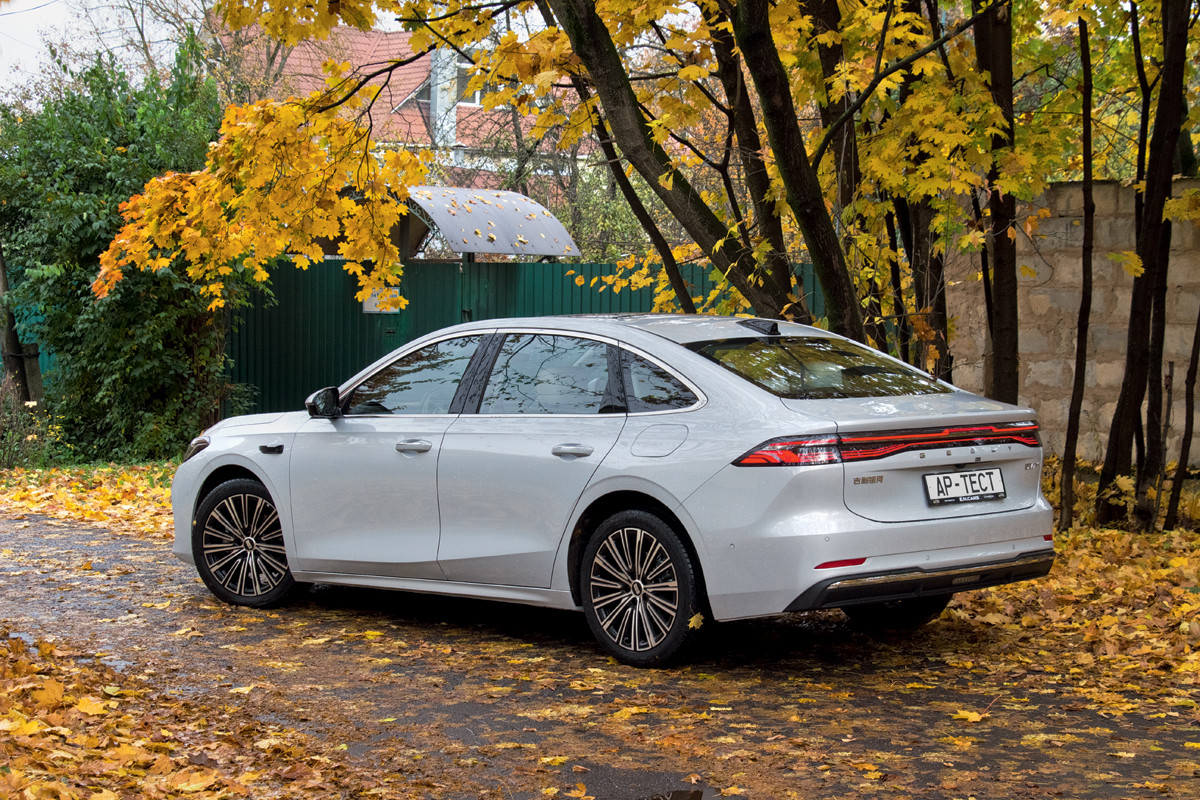
The A7 delivers contemporary styling with LED light bars front and rear — without overdoing the “Asian aesthetic.” Inside, you’ll find a bright, spacious cabin featuring a panoramic glass roof with a sunroof.
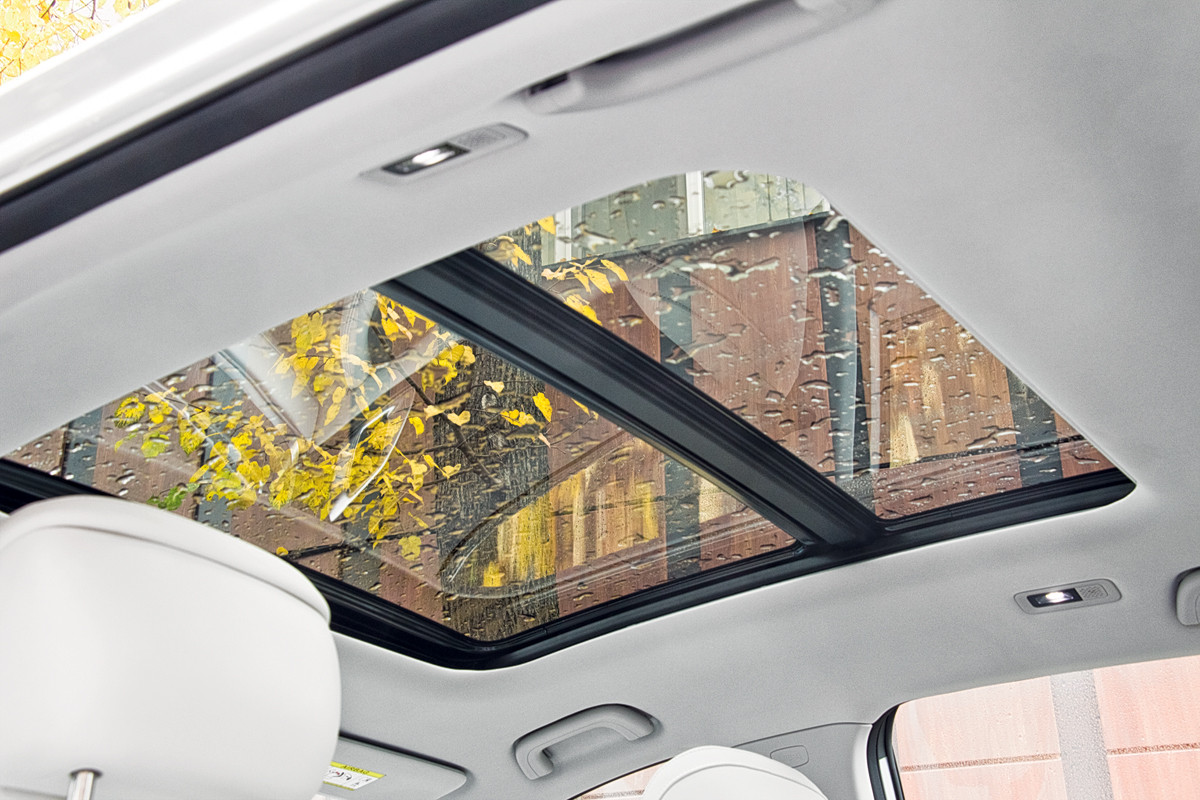
Interior highlights:
- Clean, quality trim with ambient lighting
- Multiple screens plus a heads-up display
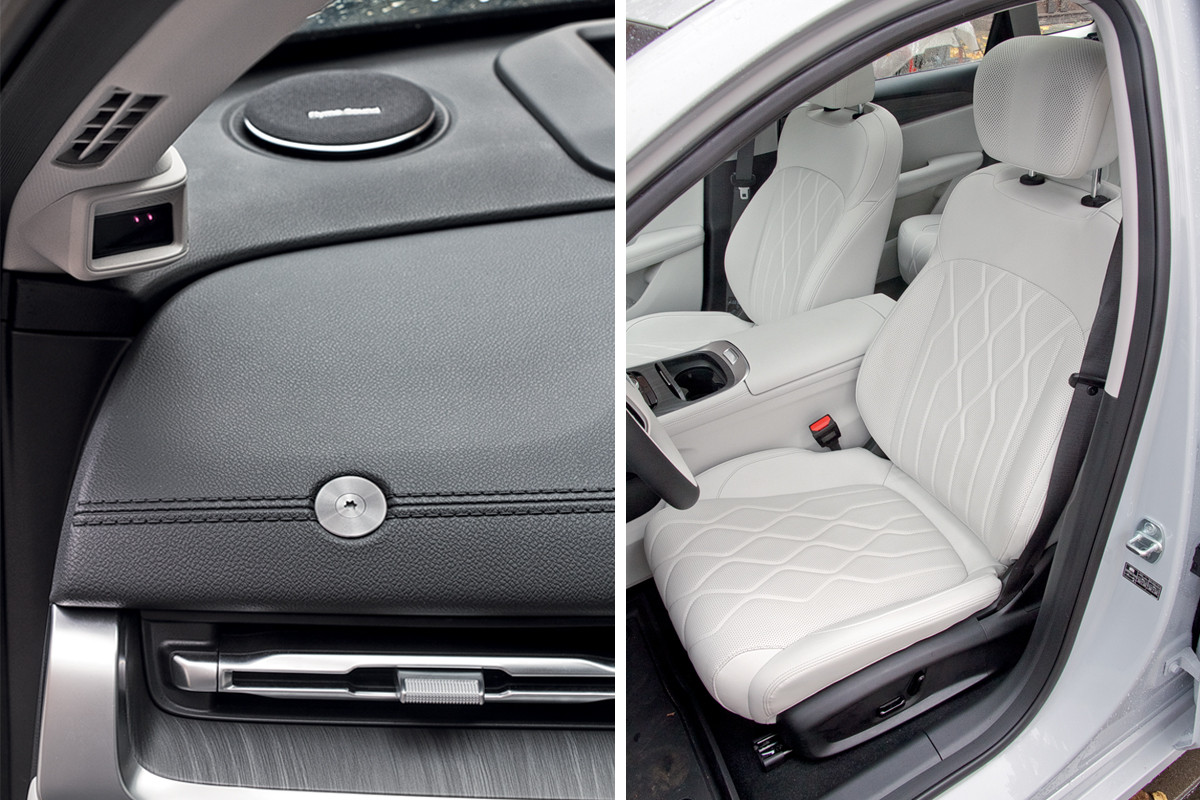
- Flyme Sound audio system with 16 speakers — not audiophile-grade, but surprisingly capable across most genres after some EQ tweaking (though I wish it had more than three bands)
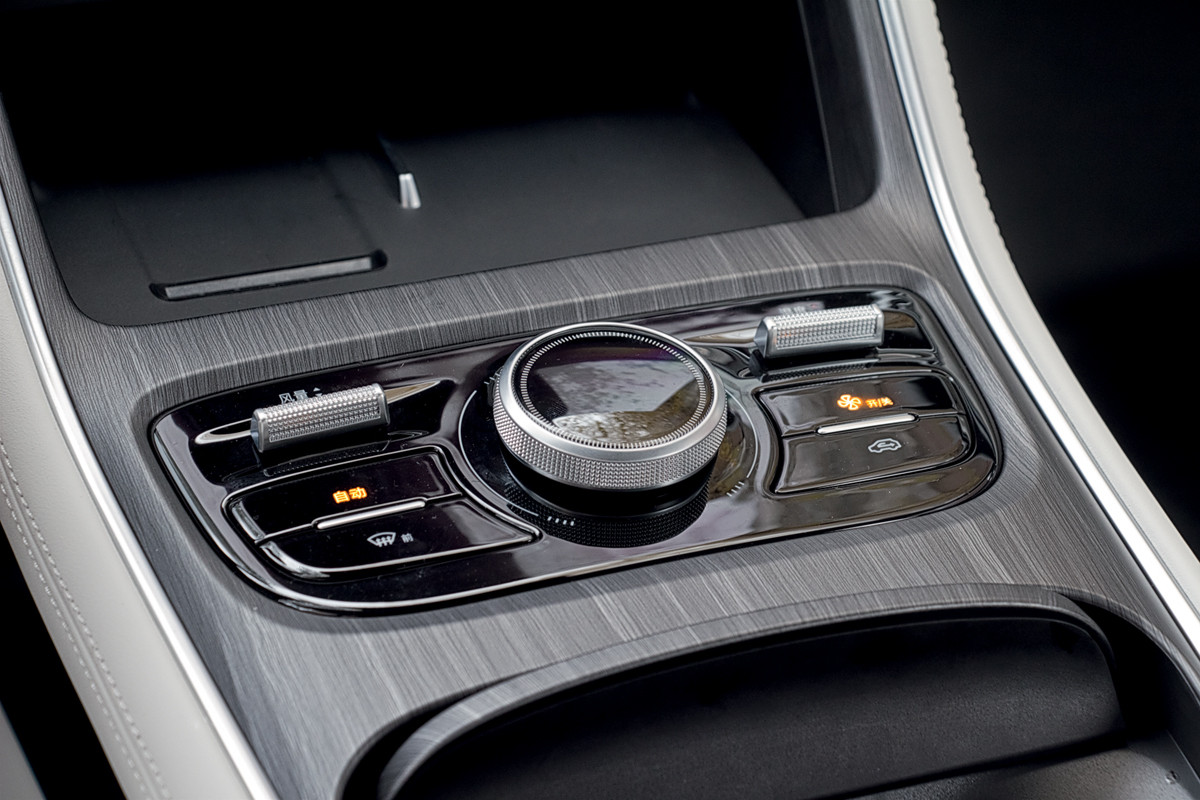
- Well-integrated center tunnel between the front seats — more harmonious than the awkward layout in the EX5
Where it falls short:
- The seats aren’t as perfectly sculpted as in the EX5 — my shoulder blades hang without proper support
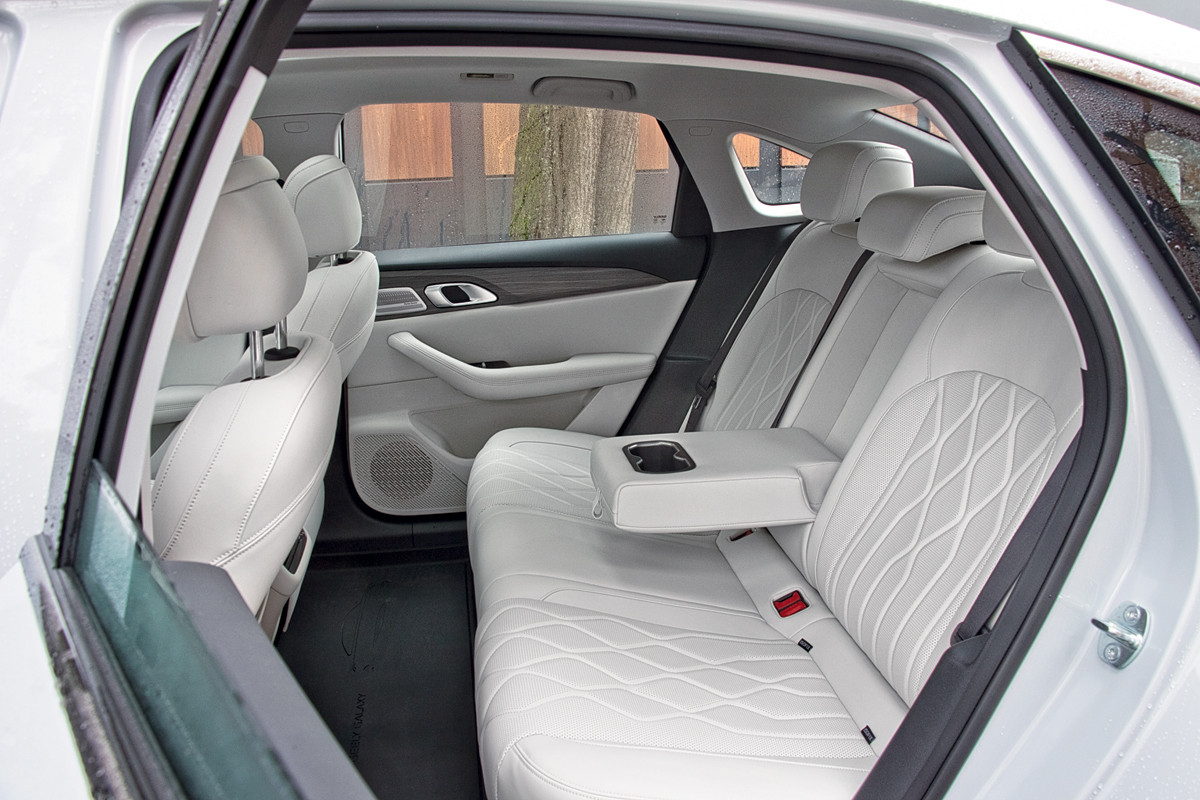
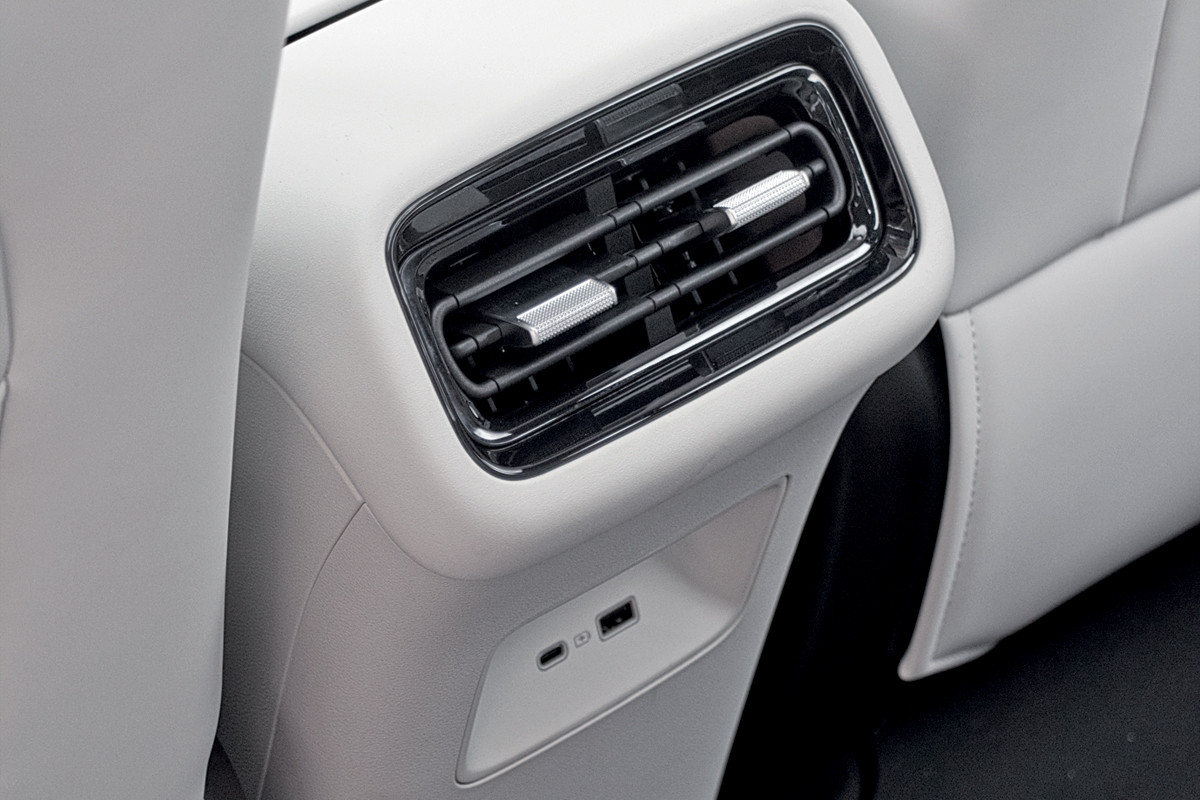
- Rear passengers feel the raised floor from the battery pack most acutely: plenty of shoulder and knee room, but no space to slide your feet under the front seats, and the headroom is tight
On the plus side, the center screen is within easy reach. And most importantly, the A7 transforms completely once you’re moving.
Powertrain: Hybrid Performance That Surprises
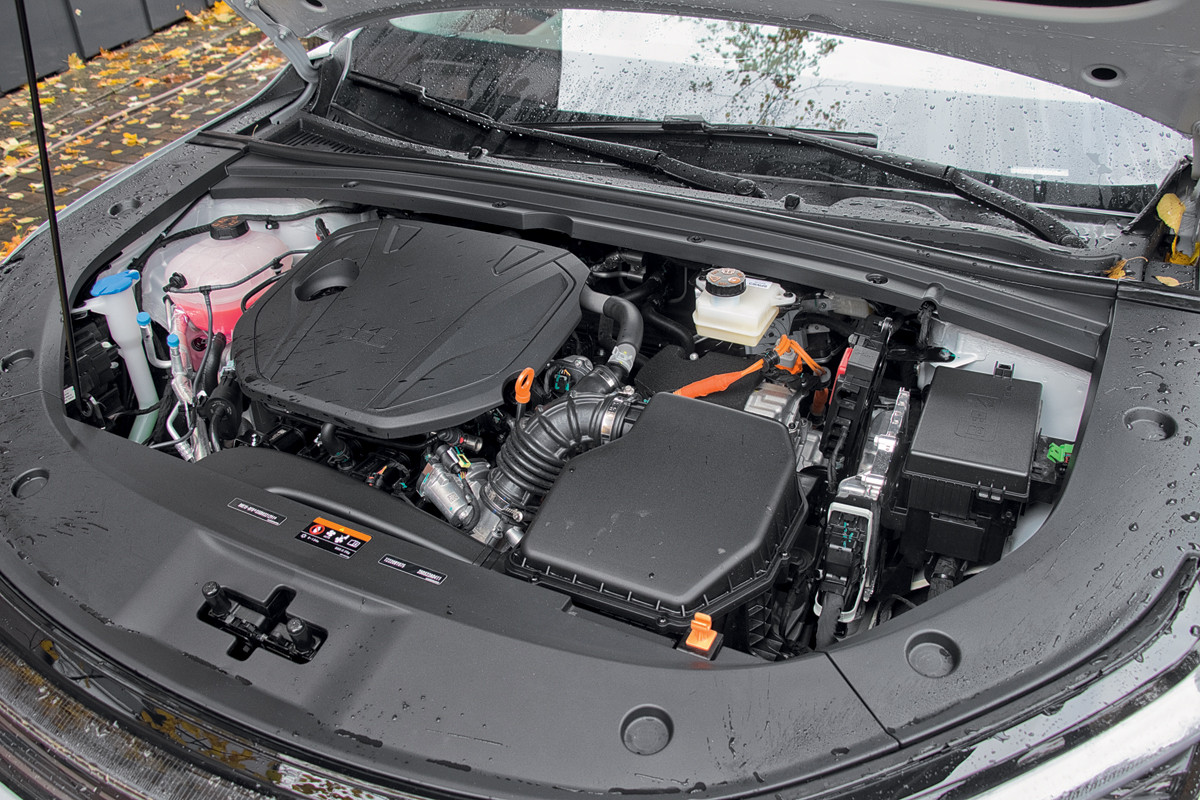
Under the hood sits the same 400-volt hybrid architecture found in the Starship 7.
Powertrain specifications:
- 1.5-liter naturally aspirated engine: 112 hp, 136 Nm
- Permanent magnet synchronous electric motor: 238 hp, 262 Nm (more powerful than the crossover’s unit)
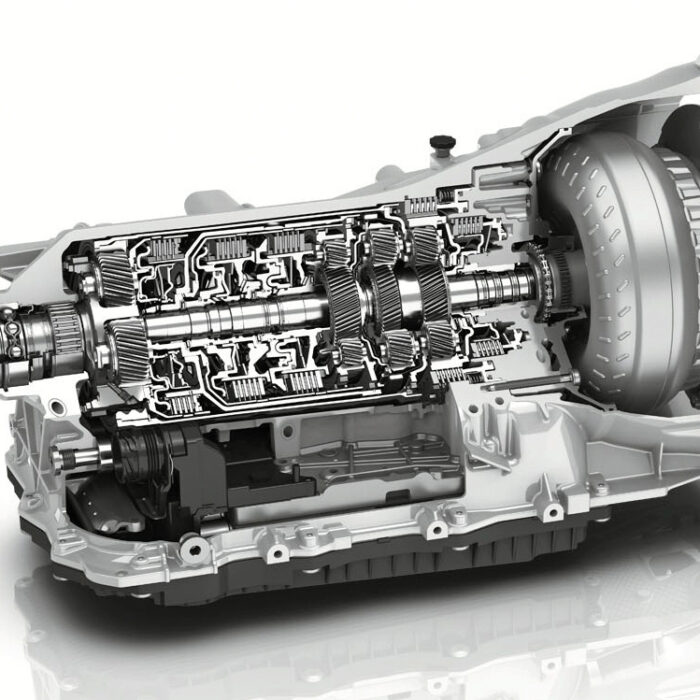
- Single-speed transmission with integrated generator and clutch
- 18.4 kWh LFP battery pack
Floor the accelerator and you get instant thrust, with a smooth power boost when the gasoline engine joins in — quiet and vibration-free. In traffic, you’re not a victim of economy-first programming; you’re a predator. A small one, perhaps — like those burrowing mammals that survived the Chicxulub asteroid impact — but definitely not a herbivore. The A7 will crack the 0–100 km/h sprint in under eight seconds.
Handling: Where the Mazda 6 Spirit Lives
Throwing the A7 into corners is genuinely enjoyable. The responses are crisp, and there’s something resembling real feedback through that oval wheel — enough to feel the road’s pulse. The effort might even be slightly heavy, but I’ll take that over numb, gelatinous emptiness any day.
Driving dynamics:
- Steering: Responsive with decent road feel, though low overall sensitivity (3 turns lock-to-lock)
- Body control: Firm, perhaps too firm — the ride can feel bouncy over rough surfaces
- Rear-end behavior: The sedan showed a willingness to rotate under power on a wet intersection — brief understeer followed by a playful tail wag
If the A7’s character felt disjointed, I’d criticize this behavior. But it doesn’t. Everything feels intentional and cohesive.
The suspension could use some softening — on bad roads, the A7 bounces like a tennis ball, and serious discomfort is possible. Around Moscow, the only real jarring came from crossing tram tracks mid-corner; expansion joints and seams produced tolerable vibrations. The dampers will likely settle over the first 10,000–20,000 kilometers, like slightly tight sneakers that fit perfectly after a month of wear.
The Personality Factor: What Chinese Cars Often Lack
What do we automotive journalists desperately miss in Chinese vehicles? What the English call “personality.” This coherent sense of identity is often absent from Japanese and Korean cars too — that “built from whatever was available” feeling, where the chassis, steering, and suspension don’t speak the same language.
But behind the wheel of the Geely A7, I wasn’t reminded of the Camry. I was thinking of another Japanese sedan: the Mazda 6.
Yes, this five-meter hybrid inherits the character of Mazda’s golden era — when the Japanese weren’t afraid to run 6+ degrees of caster angle on their front suspension, when every steering wheel with that chrome bird badge delivered confident, communicative feedback. Who needed that? Those of us who find joy in driving, not just transportation from A to B.
Nordschleife Development: Following the Korean Playbook
This is why I was thrilled to discover that the Geely A7 and Starship 7 underwent full development testing at the Nürburgring Nordschleife.
Does track testing guarantee great handling? Not necessarily — remember Hyundai’s experience. Even their own test center near Adenau and hiring Albert Biermann from BMW M didn’t elevate Genesis to German standards. But consider this: neither the Kia Stinger nor the Hyundai N models would exist without Nordschleife development. The Koreans understand this so well that they just opened an expanded 25,000-square-meter facility at the Nürburgring, focused on EV and hybrid development.
Geely appears to be following the same path. Their Frankfurt engineering center now employs 150 engineers. And China has a head start: while chassis tuning still needs work, Chinese automakers lead the world in hybrid technology.
Fuel Economy: AI-Powered Efficiency
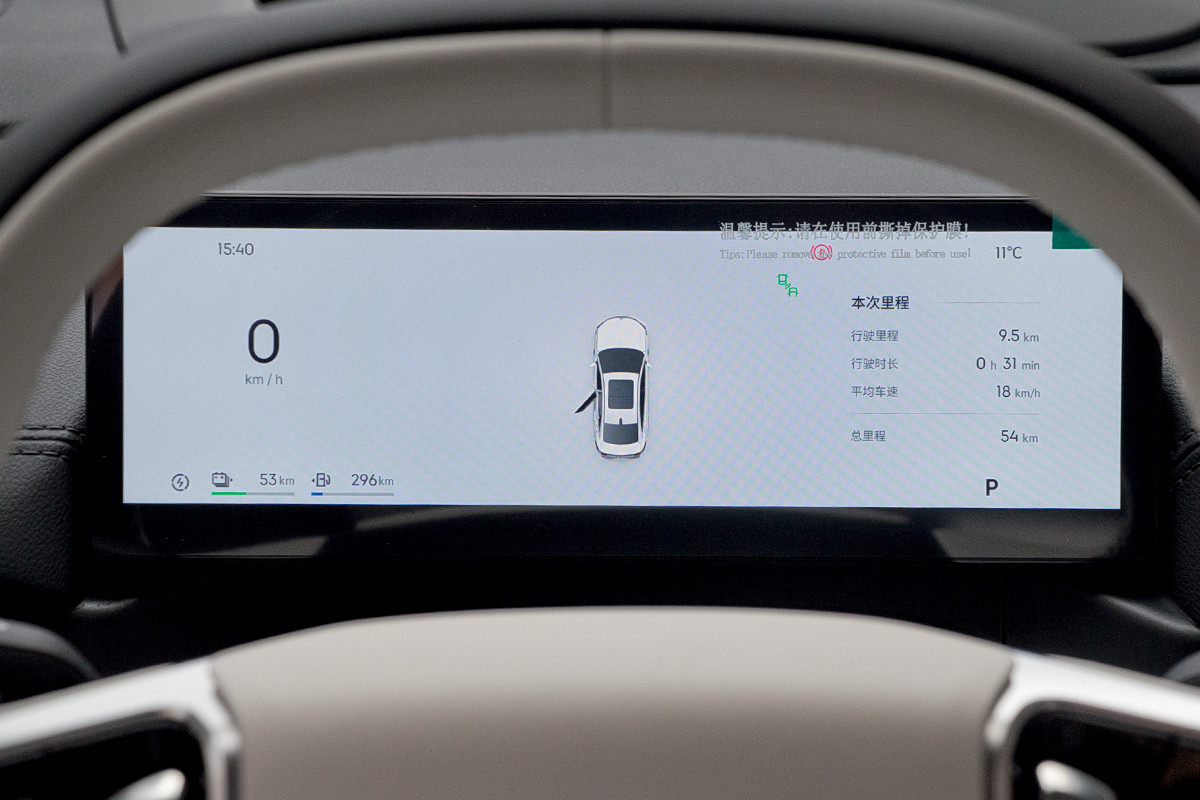
I picked up the A7 from E.N.Cars essentially on empty, drove it for a day, added just 10 liters of fuel — and the trip computer showed 500 kilometers of remaining range. Running on pure optimism?
Why the A7 is more efficient than the Starship 7:
- Smaller frontal area means less aerodynamic drag
- Lower curb weight
- More powerful electric motor enables more effective regenerative braking
The regeneration isn’t strong enough for true one-pedal driving, and there’s a one-to-two-second delay after lifting off the throttle before the regenerative braking kicks in. But select the strongest regen setting, and you’ll only touch the brake pedal for complete stops at traffic lights — which is fortunate, since the brake pedal feel is mushy and has excessive travel.
The AI advantage:
Geely claims their Leishen AI Hybrid 2.0 system uses artificial intelligence to optimize power distribution between the ICE and electric motor while managing battery charging. The result? A claimed 2,100 km range on a full tank with a charged battery in the top-spec model.
The official 3.0 L/100 km urban cycle figure seems like fantasy — but if you regularly plug in the A7 to charge externally, it might just be achievable.
The Bottom Line
What you get with the Geely Galaxy A7:
- Spacious, comfortable cabin with premium equipment
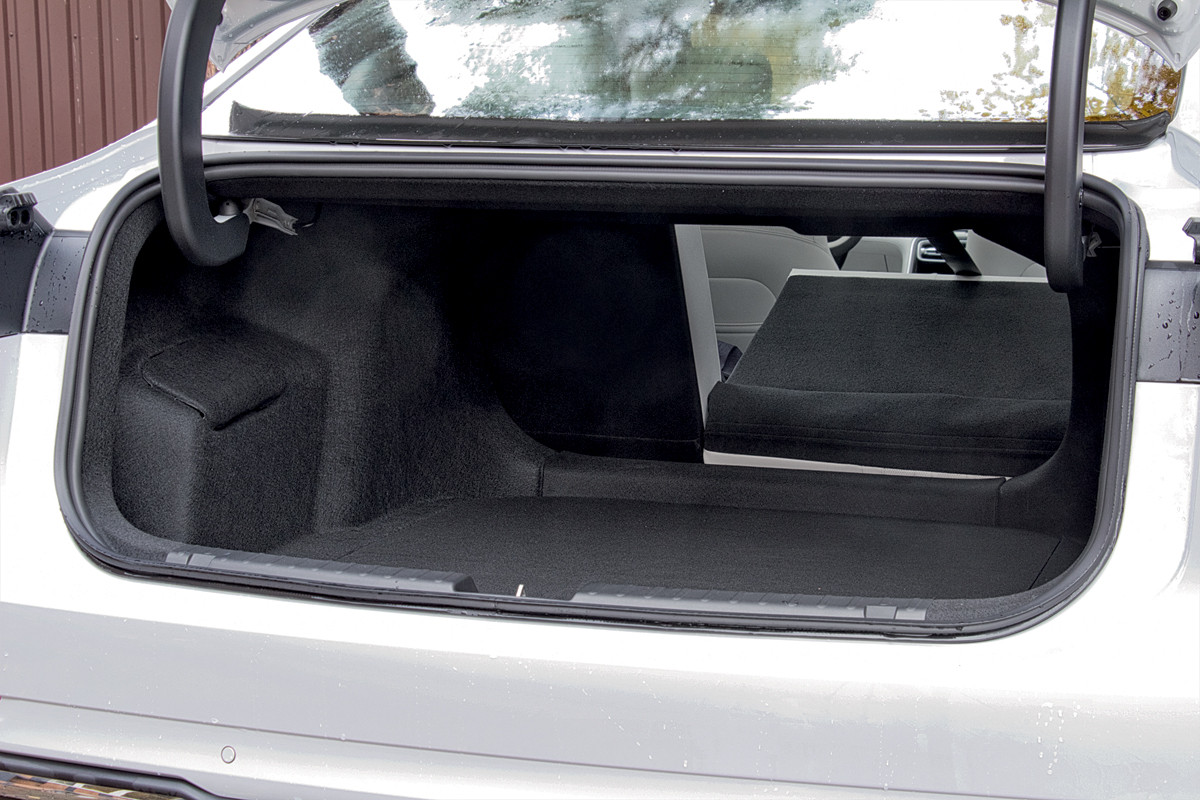
- Generous trunk capacity
- Respectable acceleration
- Engaging handling with genuine character
- Exceptional fuel economy
- Roughly 60 km of pure electric range for short trips
- Attractive pricing (in China)
How Did Geely Get Here?
I wrote about Chinese automotive industry capabilities a year ago, and everything is developing exactly as predicted: Chinese manufacturers are launching wave after wave of increasingly compelling new models, while the rest of the world defends itself with tariffs and duties.
Two private conglomerates lead this charge: BYD and Geely. While BYD focuses primarily on the domestic market, Geely increasingly leverages its Western assets — including, as we’ve seen, the Nordschleife. And Chinese companies have long had their own AI servers.
As I said: they’re unstoppable.
And should we even try to stop them?
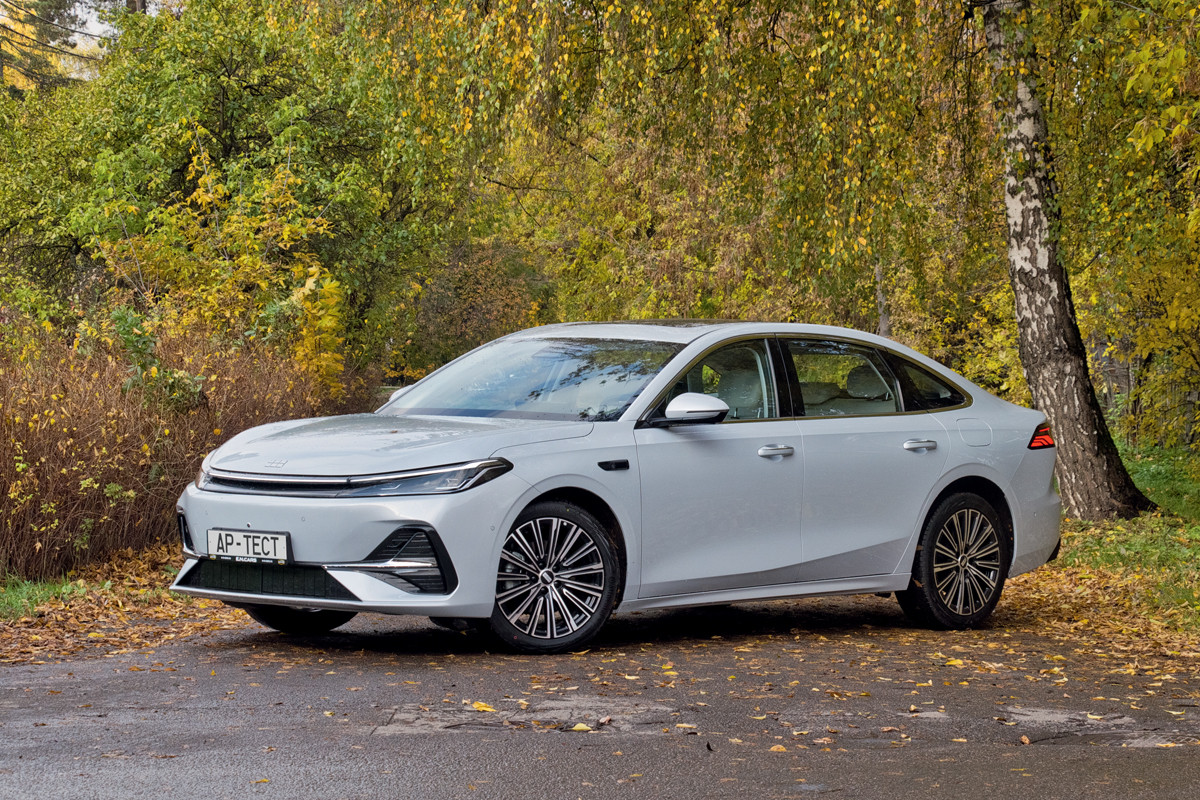
Photo: Leonid Golovanov
This is a translation. You can read the original article here: Серверная петля. Geely Galaxy A7 в руках Леонида Голованова

Published January 08, 2026 • 8m to read