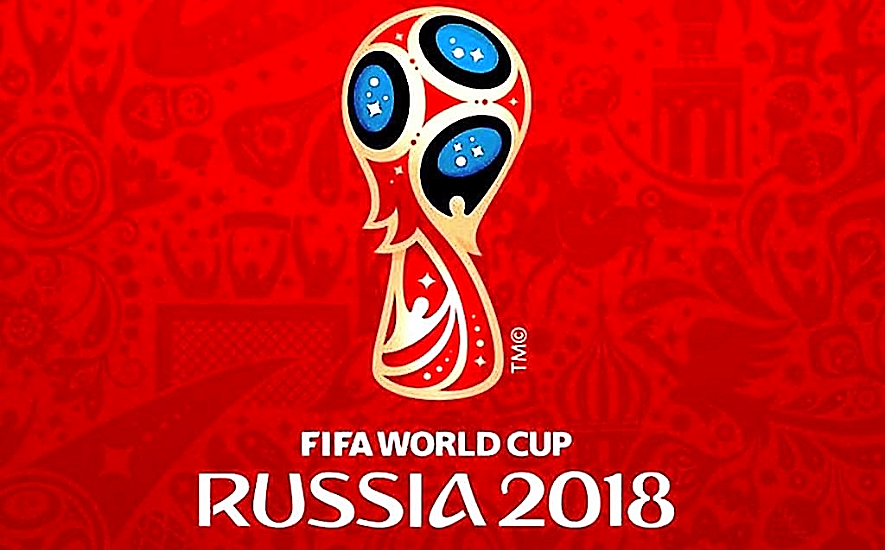


The Mundial, or FIFA World Cup 2018, was one of the greatest sporting events in history. The term “mundial” in Spanish means “global” or “world,” and since 1982, this word has been used by football fans and sports journalists worldwide to describe the premier international football tournament.
Russia hosted the 2018 World Cup, marking the first time the country had the privilege of hosting this prestigious event. It was the 21st FIFA World Cup and made history as the first Mundial to take place in Eastern Europe, spanning two continents — Europe and Asia.
Host Cities for Mundial 2018
The championship games took place across 11 Russian cities from June 14 to July 15, 2018. Each city offered unique attractions and world-class facilities for players, coaches, and fans.
All 11 Host Cities
- Moscow
- Saint Petersburg
- Nizhny Novgorod
- Rostov-on-Don
- Kaliningrad
- Yekaterinburg
- Saransk
- Volgograd
- Samara
- Sochi
- Kazan
Tournament Structure by Cities
- Round of 16: Seven cities hosted these matches — Sochi, Kazan, Samara, Saint Petersburg, Rostov-on-Don, Moscow, and Nizhny Novgorod
- Quarter-Finals: Matches took place in Nizhny Novgorod, Samara, Kazan, and Sochi
- Semi-Finals: Held in Moscow and Saint Petersburg
- Final: The World Championship final was held at the iconic Luzhniki Stadium in Moscow on July 15, 2018
Each host city invested heavily in infrastructure development, building new stadiums, airports, and roads. They created optimal conditions for athletes, coaches, fans, and tourists, ensuring comfortable accommodation, excellent dining options, and efficient transportation systems.
Mundial 2018 Rules and Tournament Format
The Fair Play System
Mundial 2018 introduced an innovative “Fair Play” rating system as a tiebreaker. This system calculated team discipline based on yellow and red cards received, encouraging players to show greater respect for their competitors and maintain sportsmanship throughout the tournament.
Tournament Structure
The 2018 World Cup featured 32 national teams, including host nation Russia and 31 teams that qualified through regional competitions. The tournament followed this format:
- Group Stage: Teams were divided into 8 groups of 4 teams each
- Points System: Win = 3 points, Draw = 1 point, Loss = 0 points
- Advancement: The top 2 teams from each group advanced to the knockout stage
Tiebreaker Criteria
When teams finished with equal points in the group stage, the following criteria determined rankings:
- Points earned in head-to-head matches
- Goal difference in head-to-head matches
- Goals scored in head-to-head matches
- Overall goal difference in all group matches
- Total goals scored in all group matches
- Fair Play points
- Drawing of lots (if all else failed)
Knockout Stage Format
The knockout stage operated on a single-elimination basis with the following rules:
- Regular Time: 90 minutes of play
- Extra Time: Two 15-minute periods (30 minutes total) if scores were level
- Penalty Shootout: Five penalties per team if still tied after extra time
- Sudden Death: If tied after five penalties, teams alternated single kicks until one team scored and the other missed
Mundial 2018 Official Symbols and Mascot
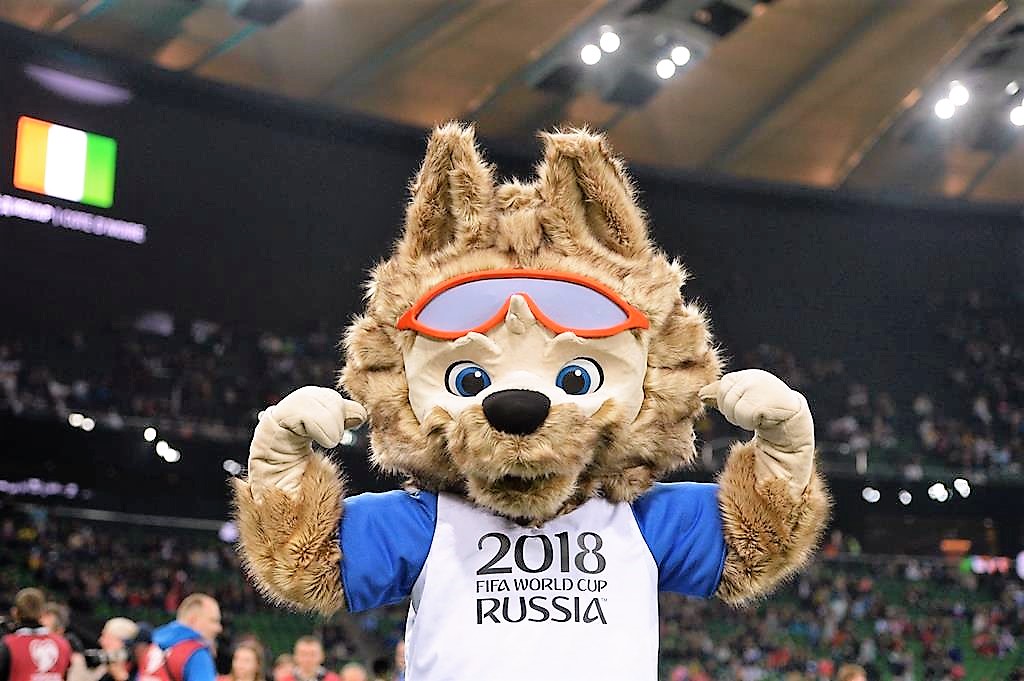
Zabivaka: The World Cup Mascot
Every FIFA World Cup features unique symbols, and Mundial 2018 was no exception. The mascot, Zabivaka (meaning “the one who scores” in Russian), was a charismatic wolf designed by Ekaterina Bocharova, a university student from Tomsk. This made the mascot selection particularly special, as it came from an ordinary citizen rather than a professional design agency.
Zabivaka’s character traits included:
- The youngest and most energetic team member
- Known for speed and agility
- Passionate about fair play and respecting rivals
- Always wearing distinctive orange-tinted sports glasses
The Mascot Selection Process
Three finalists competed for the honor of becoming the official mascot:
- A tiger
- A cat
- A wolf (Zabivaka)
More than half of Russian voters chose the wolf, making Zabivaka the official face of Mundial 2018.
The Official Emblem: The Firebird
The Mundial 2018 emblem featured a stunning design inspired by Russian culture and football symbolism. Created by Brandia Central, a Portuguese design company, the emblem incorporated multiple meaningful elements:
- Central Image: The Firebird from Russian folklore, symbolizing movement, power, and dynamics
- Trophy Integration: A spiral design wrapping around the FIFA World Cup trophy
- Eight Points: Representing the eight participating groups
- Color Palette: Golden, blue, black, and red — inspired by traditional Russian icon painting techniques
- Decorative Patterns: Elements resembling both a soccer ball and traditional Russian ornamental designs
- Magic Ball: Positioned at the top, symbolizing the universal love for football
Brandia Central conducted extensive research into Russian history, art, and culture, consulting with Russian experts and creating numerous sketches before the special commission — comprising sports officials, legendary athletes, and renowned artists — selected the final design.
Traveling During Mundial 2018
For international visitors attending Mundial 2018, renting a car provided flexibility and convenience to explore Russia’s diverse host cities. If you need to drive internationally, an International Driving Permit is essential. Apply here for your International Driving Document to drive confidently anywhere in the world!
Published April 30, 2018 • 5m to read