


Is It Illegal to Park on the Pavement in the UK?
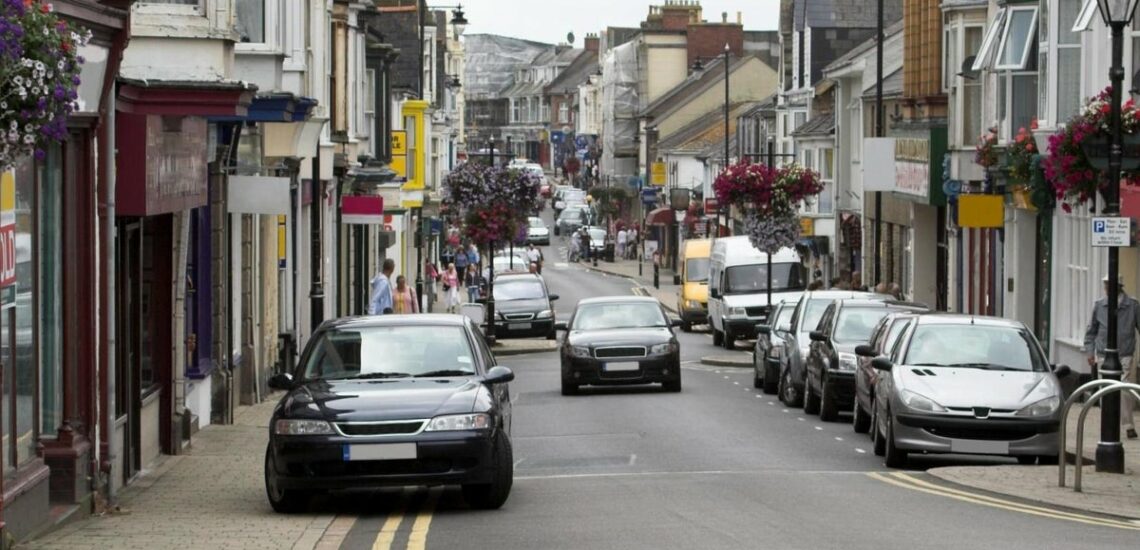
Pavement parking is a controversial topic across the UK. Outside of London, it is not automatically illegal — but that does not mean you are safe from a fine. Both the police and local councils have the authority to penalise drivers who park on the pavement. Read on to understand exactly where you stand and what the rules mean for you.
When Is Pavement Parking Prohibited?
Rule 244 of the Highway Code states: “Do not park partially or wholly on the pavement in London unless signs permit it.” This applies to all vehicles — including cars, vans, and motorcycles.
However, there is an important exception. Some London boroughs permit pavement parking with specific wheel arrangements, such as:
- Two front or rear wheels on the pavement
- Two side wheels on the pavement
- All four wheels fully on the pavement
These rules can vary from street to street — even within the same road. Always pay attention to road signs and pavement markings. Dotted white lines will indicate whether parking on the road, partially on the pavement, or fully on the pavement is permitted.
One additional rule applies universally across the UK: heavy goods vehicles weighing more than 7.5 tonnes are not permitted to park on the pavement. The only exception is during active loading operations where the vehicle cannot be left unattended.
Is Pavement Parking Legal Outside of London?
Outside the capital, there is currently no blanket national ban on pavement parking. However, this does not mean drivers are free from enforcement. Local councils can impose the same restrictions that apply in London, and the police retain powers to act under several rules of the Highway Code:
- Rule 242 — Prohibits leaving a vehicle or trailer in a position that is dangerous or obstructs traffic on roads in England and Wales
- Rule 145 — Driving on the pavement has been illegal since the Highways Act 1835. Fines apply, but officers must catch the driver in the act
- Rule 244 — While this specifically references London, it notes that drivers elsewhere “must not do so unless signs permit” — making enforcement possible in other areas too
In practice, enforcement outside London is typically handled by local authorities and their parking inspectors rather than the police directly.
What Damage Does Pavement Parking Cause?
The issue of pavement parking goes far beyond inconvenience. It has real, measurable consequences for communities and public infrastructure:
Social Isolation
Transport Committee chairwoman Lilian Greenwood MP has warned that pavement parking puts vulnerable people at serious risk: “People are at risk of social isolation if they feel they can’t safely leave their homes or are physically unable to do so.” This particularly affects elderly people, wheelchair users, and parents with pushchairs who cannot safely navigate blocked pavements.
Damage to Pavement Surfaces
Local authorities estimate that approximately £1 billion was spent on repairs to kerbs, pavements, and footpaths between 2006 and 2010. Uneven or cracked pavements create significant hazards — particularly for visually impaired pedestrians who rely on level surfaces to navigate safely.
Is There a Complete Ban on Pavement Parking in London?
Some drivers believe that parking entirely on the pavement is a guaranteed way to avoid a fine — particularly where double yellow lines run along the road. This is a myth.
Under Rule 244, pavement parking in London is prohibited unless a permit sign is in place. Where permit signs do exist, parking partially or fully on the pavement is not only allowed — it may be necessary. On narrow roads, if all vehicles parked on the road, emergency services such as fire engines and refuse trucks would be unable to pass.
In short, the rules depend entirely on local signage — and ignoring them can result in a penalty.
What Is the Fine for Pavement Parking?
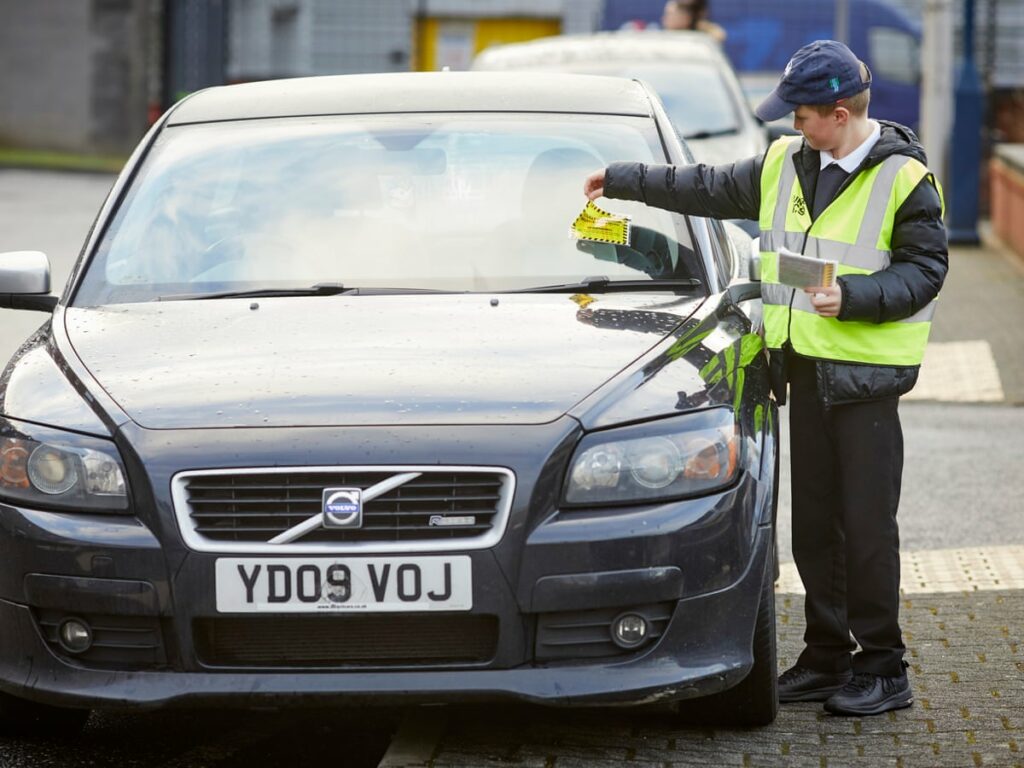
If you return to your vehicle to find a yellow plastic envelope on the windscreen, here is what to expect:
- Fixed Penalty Notices (FPNs) for pavement parking in London range from £50 to £130
- FPNs can be issued by police officers, local council representatives, or the Driver and Vehicle Standards Agency (DVSA)
- If you are in breach of a local council parking restriction sign, a Penalty Charge Notice (PCN) of £50 to £130 may be issued by council-appointed enforcement officers
- Fines can be paid online or at a post office within 28 days of issue
- A discount applies if you pay within 14 days (or 21 days if the notice was received by post)
Payment instructions and details are printed on the back of the notice.
Is Pavement Parking Banned in Other Parts of the UK?
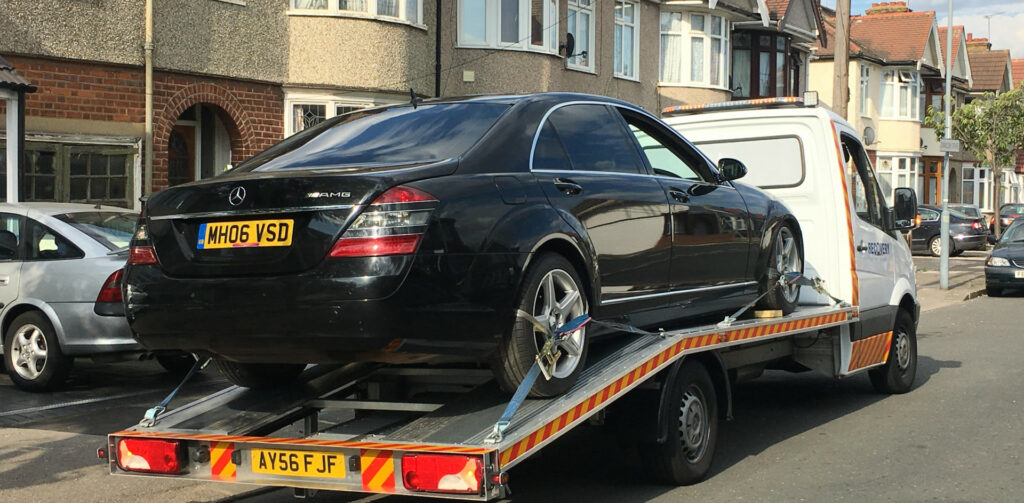
Pavement parking rules differ significantly across the devolved nations. Here is a breakdown of the current situation in Scotland, Northern Ireland, and Wales:
- Scotland — A complete ban on pavement parking came into force following the passage of the Transport (Scotland) Act. Trucks are partially exempt and may park on the pavement for up to 20 minutes at a time for loading purposes
- Northern Ireland — Traffic wardens issue Penalty Charge Notices for pavement parking in areas with restriction signs in place. Police officers are responsible for enforcement where criminal offences apply
- Wales — The Welsh Government has consulted on whether to introduce a full pavement parking ban. A survey by the charity Living Streets Cymru found that more than a quarter of people over the age of 65 in Wales struggle to move freely on streets due to pavement parking
Could a National Pavement Parking Ban Come to England?
A nationwide ban on pavement parking in England has been under serious consideration. A report by the House of Commons Transport Committee recommended extending London-style restrictions across the rest of England.
Former Transport Minister Grant Shapps launched a public consultation on the issue in March 2020, expressing support for tougher measures. He stated: “Cars parked on the pavement can pose serious difficulties for pedestrians.” As public pressure grows and more regions move toward outright bans, a national law may not be far away.

Published May 13, 2021 • 5m to read