
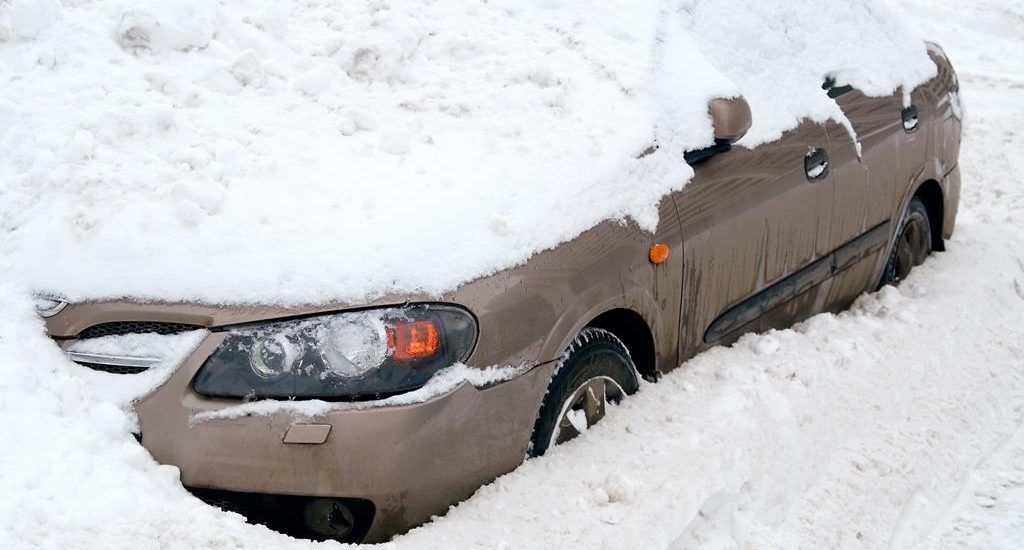


In December 2011, a Swedish man survived an incredible ordeal when his car became trapped in heavy snow. Armed with only a sleeping bag, a jar of oil-rich cream, and several cans of lemonade, he endured two months in sub-zero temperatures by eating snow for hydration. His vehicle, though buried, provided crucial shelter that prevented him from freezing to death. Rescuers eventually found him weak but alive—a testament to proper winter emergency preparedness.
However, not everyone facing winter travel emergencies is as fortunate. Whether you’re planning winter road trips or might encounter unexpected blizzard conditions, following these essential winter driving safety guidelines could save your life.
Winter Travel Preparation: Essential Planning Steps
Before embarking on any winter journey, carefully assess the risks and benefits. Only travel during severe weather conditions in genuine emergencies.
Fuel and Power Supplies:
- Fill your gas tank completely before departure
- Carry an additional 20-liter fuel container
- Store extra 5-6 liters of fuel inside your vehicle cabin
- Pack spare batteries for essential devices
- Bring chargers for flashlights, mobile phones, and GPS devices
Winter Clothing and Comfort Items:
- Layered clothing designed for extreme temperatures
- Insulated down jacket or heavy winter coat
- Waterproof winter boots with good traction
- Warm gloves and extra mittens
- Sleeping bag rated for cold temperatures (one per passenger)
- Warm blankets and pillows for each traveler
Emergency Food and Water Supplies:
Calculate food needs for your planned travel time plus an additional 3 days. Essential items include:
- Canned meat and other non-perishable canned foods
- Uncooked smoked sausages (long shelf life)
- 5-10 liters of drinking water
- Instant noodles and energy bars
- Tea bags, hot chocolate, and coffee
- Sharp knife for food preparation
- Wet wipes and paper towels
- Waterproof matches and lighter
- Portable kettle and heat tablets
- Camp stove or portable gas range (preferred)
Medical and Safety Equipment:
- Comprehensive first-aid kit
- Personal medications for each passenger
- Bright-colored tent or car cover for visibility
- Small axe or hatchet
- Folding saw
- Compact shovel (military-style sapper shovel recommended)
- Strong tow rope
- Bright-colored safety rope for tethering
Blizzard Survival: Critical Safety Procedures
When caught in severe weather with your vehicle becoming snow-covered, follow these life-saving steps:
Immediate Vehicle Protection:
- Position your car with the front end facing away from the wind
- Deploy your bright-colored tent or cover on the driver’s side
- Secure tent ends properly but ensure exhaust pipe remains uncovered
- Cover windows with tent material to reduce heat loss
Emergency Communication:
- Contact emergency services immediately and provide your location
- Check for cell phone signal periodically if initial contact fails
- Remain calm even if unable to establish communication
- Conserve phone battery for emergency use
Regular Maintenance Tasks:
- Exit vehicle periodically to clear snow from exhaust pipe
- Remove snow buildup from around tires
- Dig out snow accumulation from under the vehicle
- Always secure safety rope between yourself and car when leaving vehicle
- Attempt to move vehicle slightly to prevent wheel freeze-up
Engine and Heating Management:
- Avoid sleeping with engine running to prevent carbon monoxide poisoning
- In temperatures below -30°C (-22°F), keep engine running as it may not restart
- Prioritize avoiding carbon monoxide exposure over conserving fuel
- Use portable camp stove under tent extension when possible
- Only use gas range inside vehicle as absolute last resort due to fire risk
Hydration and Warmth:
- Drink hot beverages regularly (tea, coffee, hot chocolate)
- Stay hydrated but avoid alcohol which can worsen hypothermia
- Keep moving inside vehicle to maintain circulation
- If exiting vehicle, be aware of potential wildlife dangers
Post-Blizzard Recovery and Rescue Procedures
Most blizzards last less than 24 hours. Once conditions improve, take these steps to increase rescue chances:
Vehicle Recovery:
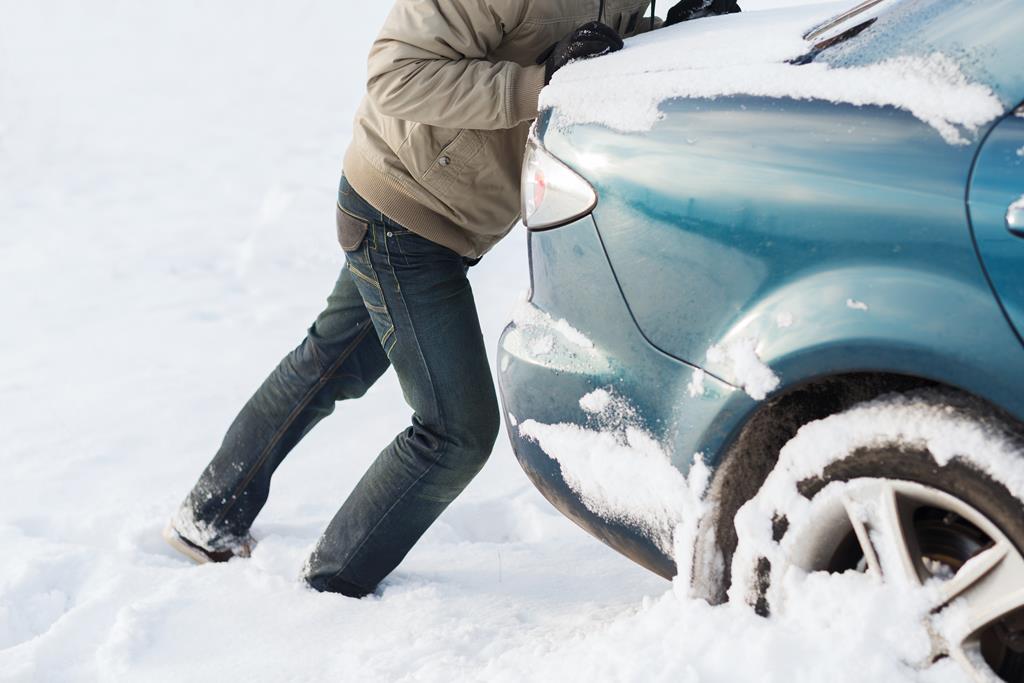
- Begin digging out your vehicle without waiting for rescue teams
- Clear snow from under the car first to prevent sinking
- Free the wheels last to maintain vehicle stability
- Keep bright tent on vehicle for maximum visibility
Signaling for Rescue:
- Create a signal fire using available materials:
- In open areas: gather dried grass and vegetation
- In wooded areas: collect brushwood and dry branches
- Use heat tablets and small amounts of gasoline as fire starters
- After dark, use flashlight in flashing mode to attract attention
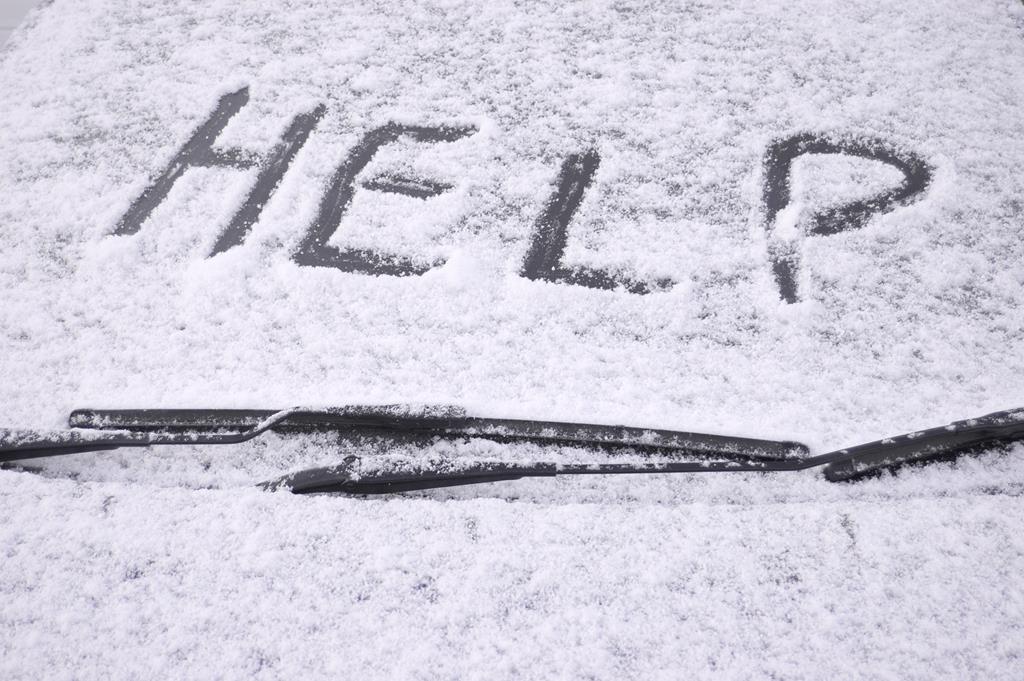
- Create visible signals that indicate someone needs help
Important Safety Reminder: Your chances of rescue are significantly higher if you remain with your vehicle rather than attempting to walk for help in severe winter conditions.
Winter travel can present unexpected challenges, but proper preparation dramatically increases your survival odds. These winter driving safety tips could mean the difference between a minor inconvenience and a life-threatening emergency. Remember to check weather forecasts, inform others of your travel plans, and always carry your International Driving Permit when traveling abroad. Stay safe and prepared!

Published November 10, 2017 • 4m to read