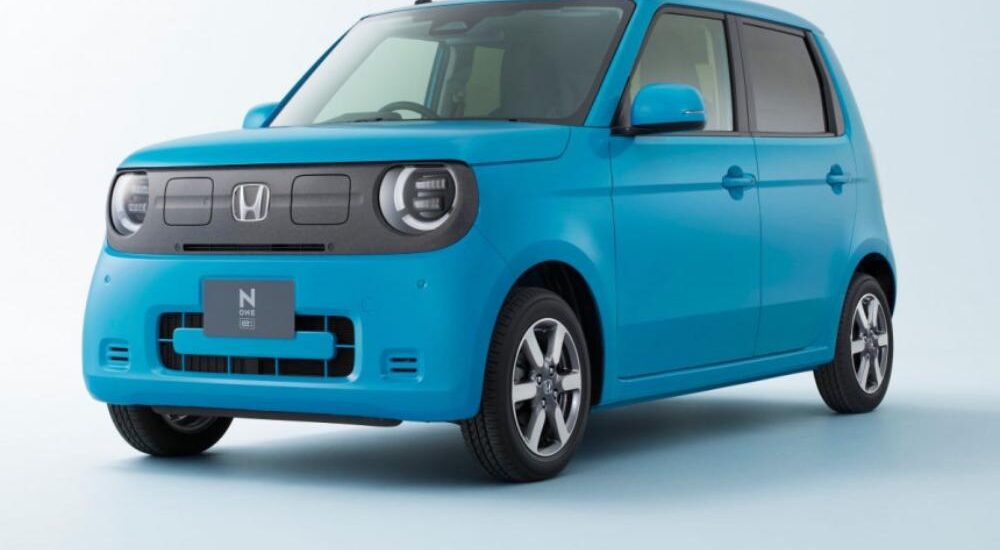


The Honda N-One kei car has been in production since 2012 and is now in its second generation. The model’s main highlight is a design styled after the iconic Honda N360 microcar from the 1960s. However, this retro style likely only boosted sales at launch, with demand rarely exceeding 20,000 units per year thereafter. Now, the lineup welcomes the Honda N-One e: electric vehicle, which effectively replaces the unsuccessful Honda e model that was produced from 2020 to 2024.
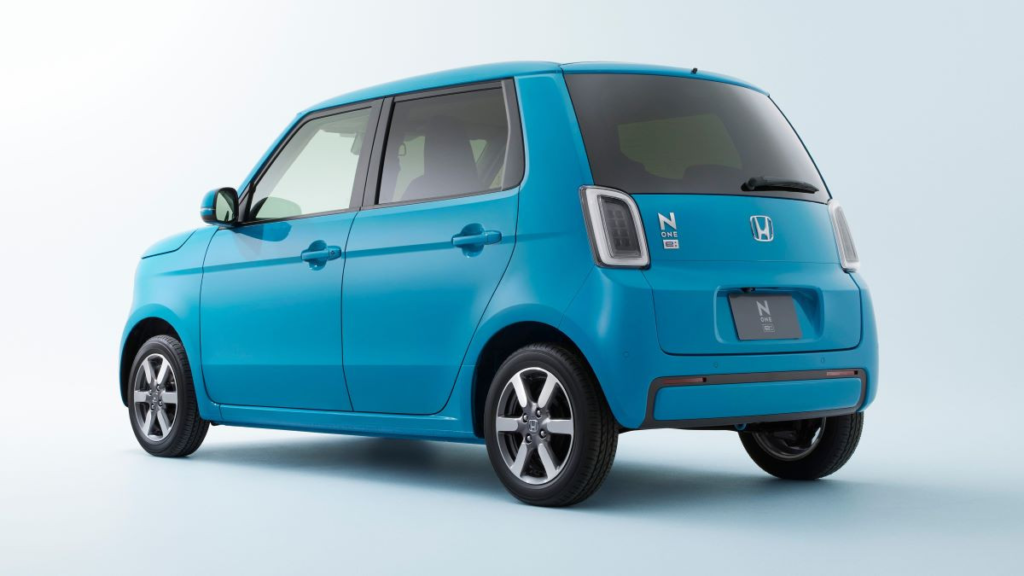
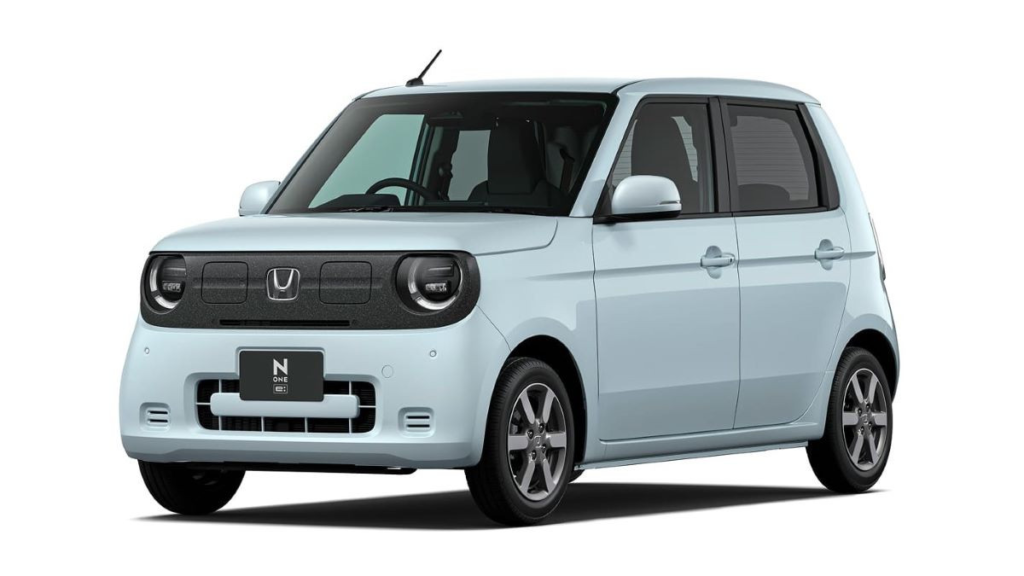
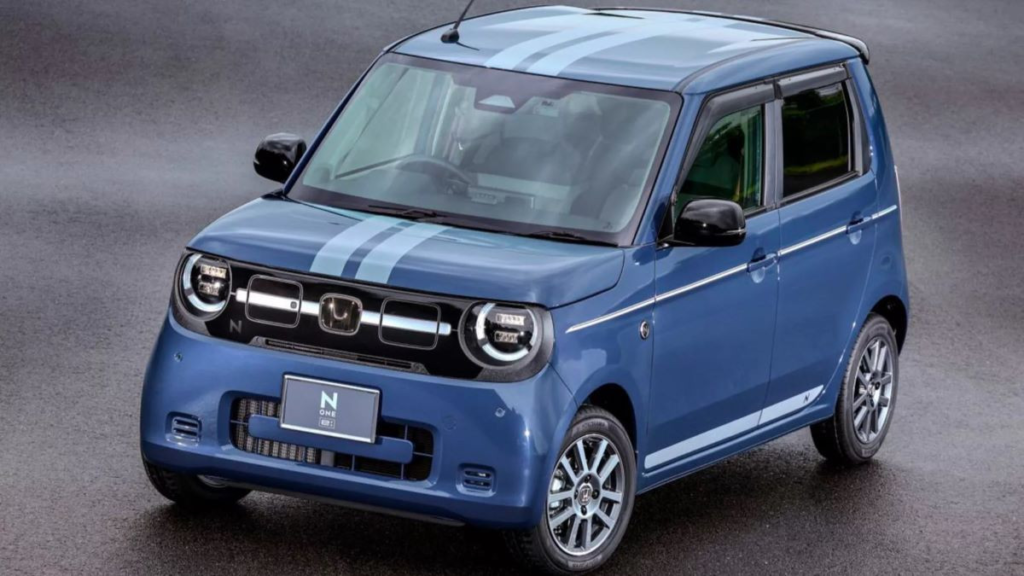
The battery-electric Honda N-One e: is based on the existing gasoline-powered kei car, sharing a unified body and chassis. However, the front end has been significantly redesigned and now features a new hood, headlights, bumper, and a front fascia incorporating a charging port. At the rear, the car has a revised tailgate, and the license plate has been relocated lower down onto the bumper. The body color palette consists of five hues, with optional “racing” stripe graphics. The EV’s length (3,395 mm) and width (1,475 mm) appear unchanged, as these are dictated by strict kei car regulations. The exact specifications have not yet been officially published.
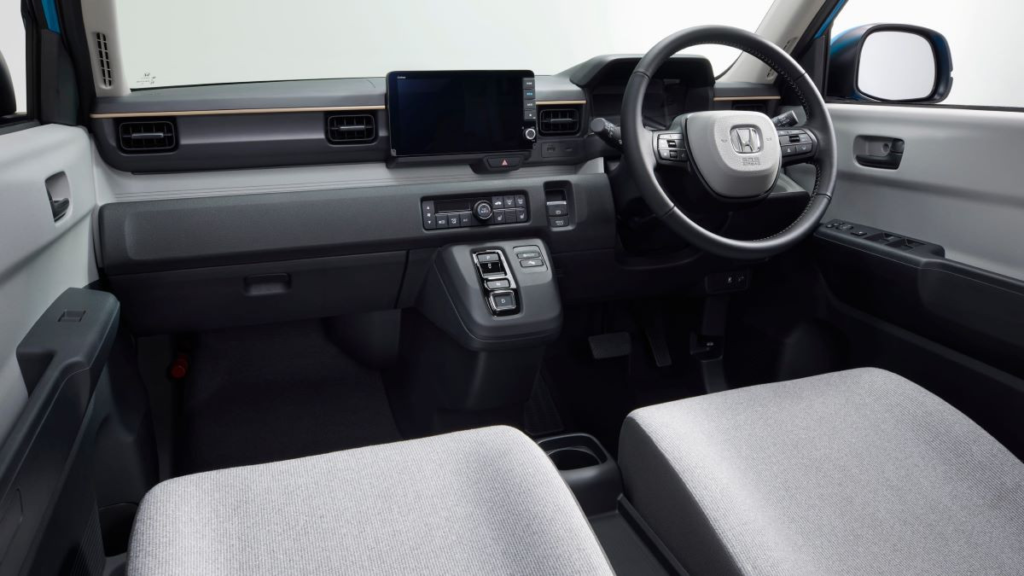
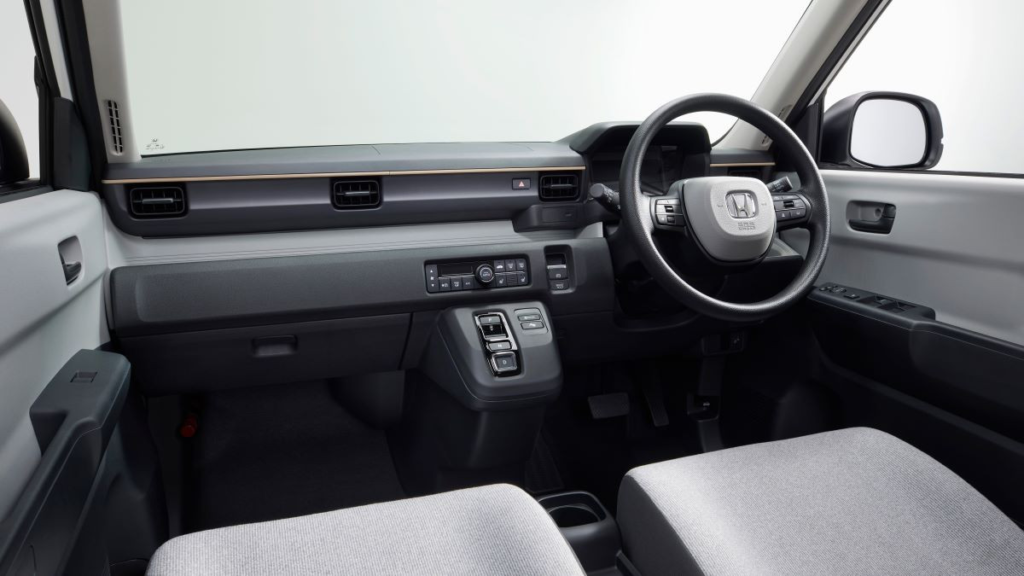
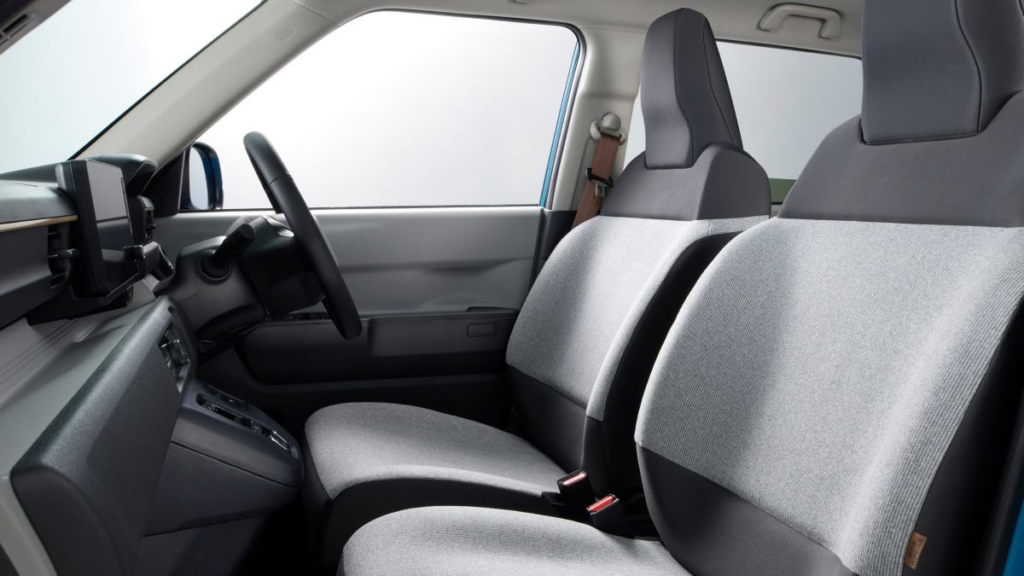
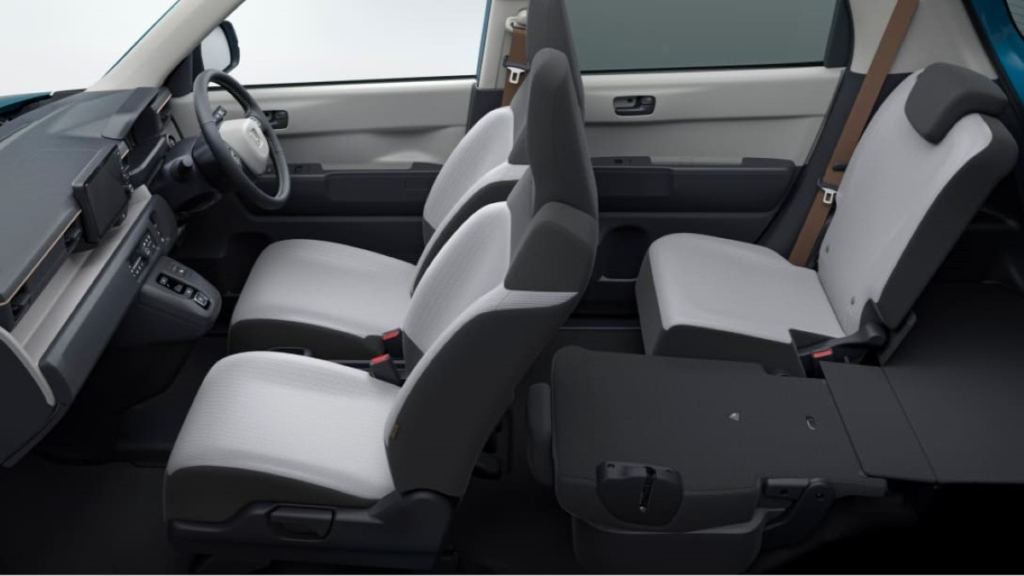
The interior retains the same angular, minimalist style with an abundance of physical controls. In reality, however, it is entirely new. It features revised air vents, an instrument panel hood, and a two-spoke steering wheel. A convenient shelf for small items runs along the dashboard, with a dedicated smartphone slot flanked by USB charging ports at its center (wireless charging is not available). The multimedia system includes a nine-inch screen, physical buttons, and a rotary volume knob, though base versions do not include a screen. A push-button transmission selector is located on the center console. The rear seats can be folded down together or separately, or even made completely flat to create a level cargo floor. Honda emphasizes that many interior components are made from recycled plastic.
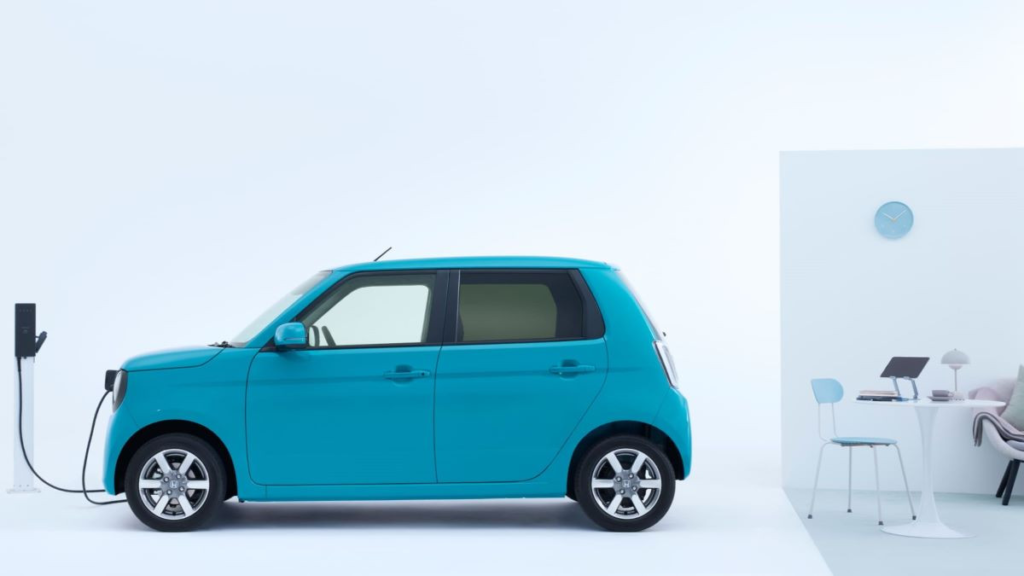
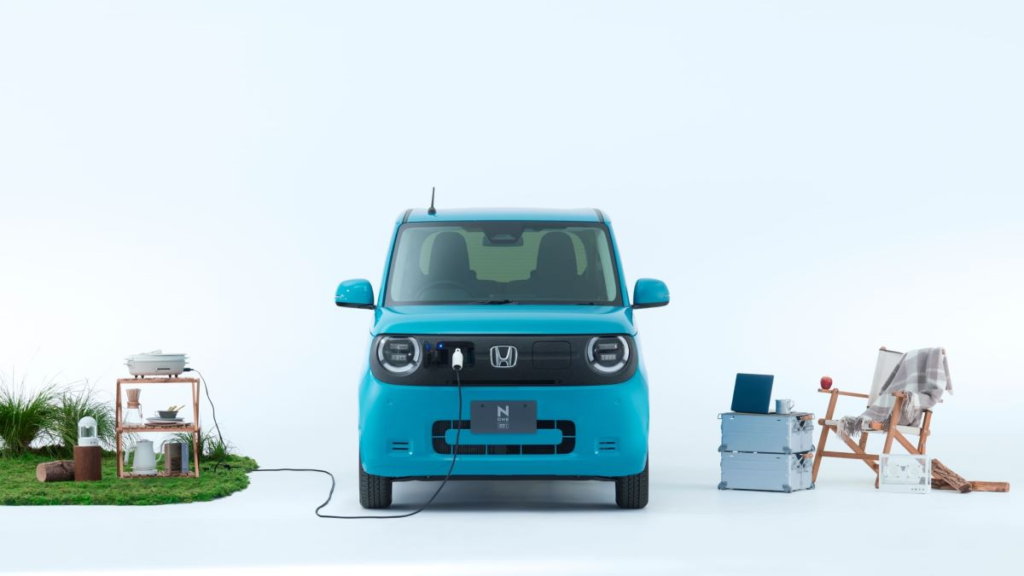
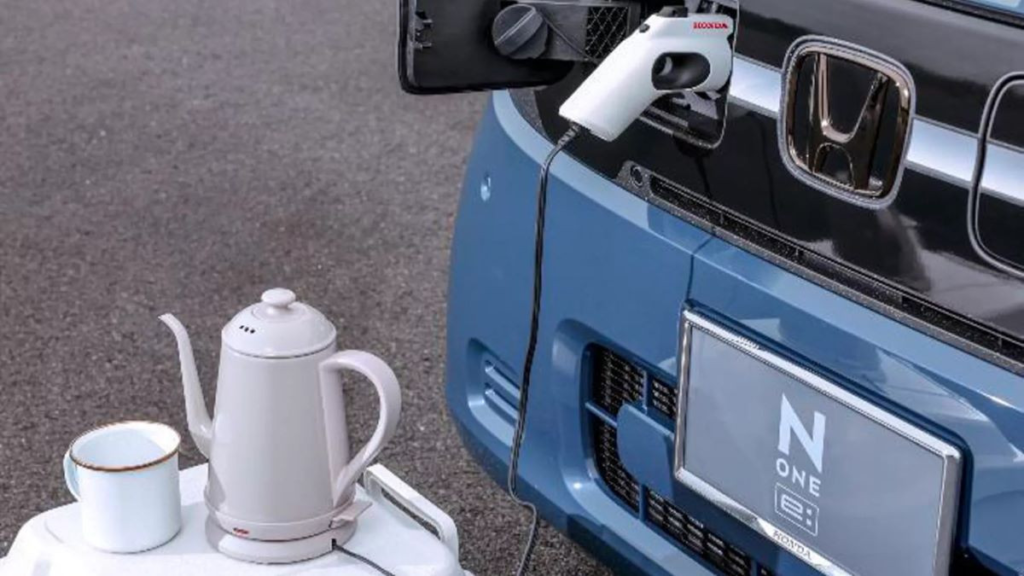
Details about the electric powertrain have not yet been fully disclosed. Officially, only a WLTC-rated range of 270 km (168 miles) and bi-directional charging capability (V2H and V2L) have been announced. However, given the N-One e: hatchback’s close relation to the Honda N-Van e: commercial van, it is speculated to feature a single electric motor on the front axle with an output of either 53 or 64 hp (the maximum allowed for kei cars), paired with a traction battery with a capacity of 29.6 kWh.
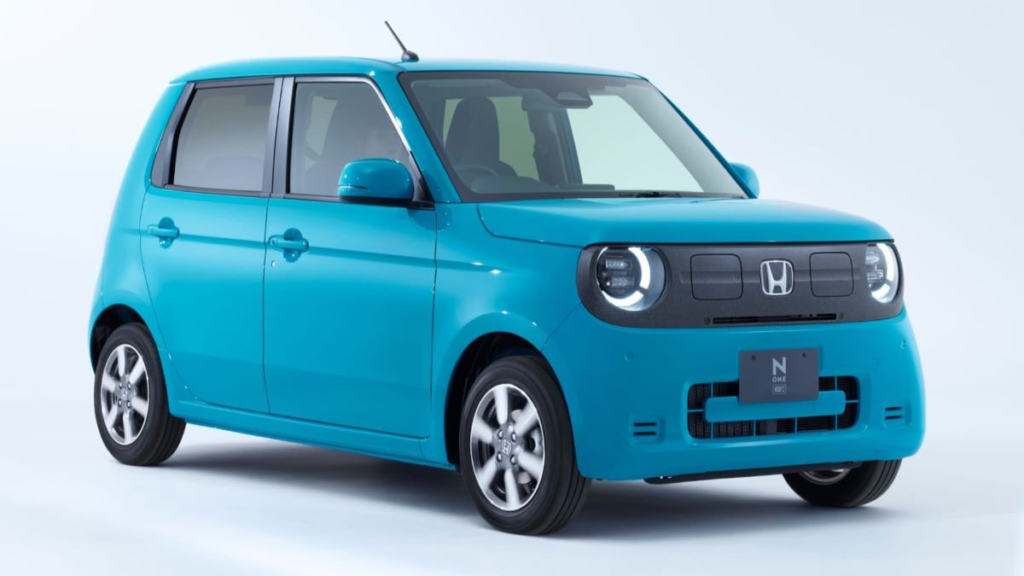
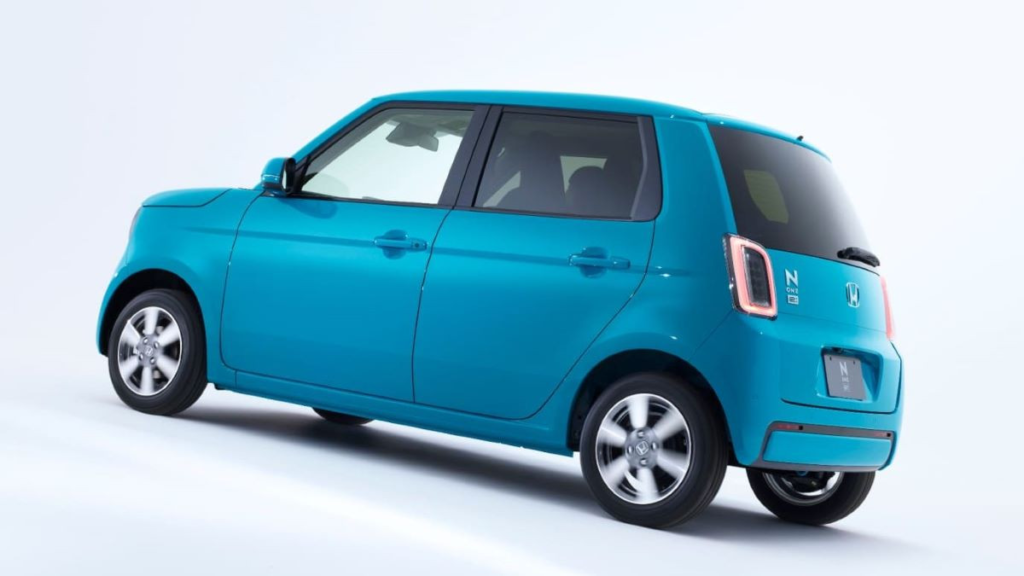
The electric Honda N-One e: kei car will hit the Japanese market this coming September, when all details will be revealed. Furthermore, the little EV has a strong chance of reaching Europe and other markets, hinted at by a prototype’s appearance at the recent Goodwood Festival of Speed in England and its confirmed participation in the September IAA Mobility show in Munich.
Photo: Alexey Byrkov
This is a translation. You can read the original article here: Хэтчбек Honda N-One стал электромобилем

Published October 01, 2025 • 3m to read