
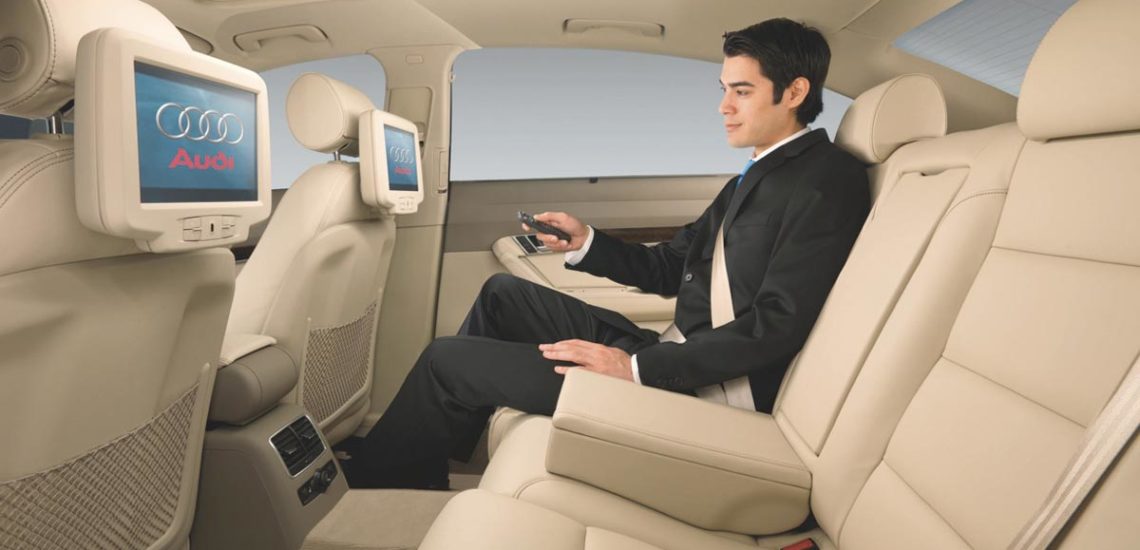


Portable car TVs have long been an essential companion for making long journeys more enjoyable for passengers. While smartphones and tablets offer some entertainment value, they fall short with their small screen sizes and mounting challenges. LCD car TVs have revolutionized in-vehicle entertainment, offering passengers the ability to watch movies and TV programs in comfort.
Modern car entertainment systems range from compact 6-inch displays to larger 30-inch LCD panels that can be installed in SUVs and larger vehicles. Most practical car TVs feature screen diagonals between 6 and 12 inches, offering quick installation and immediate video playback capabilities. In this comprehensive guide, we’ll explore the best car TV options and what to watch out for when making your purchase.
Types of Car TV Systems
Car TVs are designed to be affordable and practical, with quality devices available for around one hundred dollars. Unlike laptops, they don’t require powerful components, making them accessible for most vehicle owners. Of course, luxury vehicles like Bentley may feature custom-designed systems with premium materials.
Portable Ceiling-Mounted Car TVs
These lightweight devices attach to your vehicle’s roof using brackets or suction cups, offering flexible installation options. Many models include additional features beyond basic video playback:
- Built-in clock, alarm, and calendar functions
- Simple embedded games for entertainment
- Programmable on/off timers
- Multiple mounting position options
- Easy transfer between vehicles
Headrest TV Systems
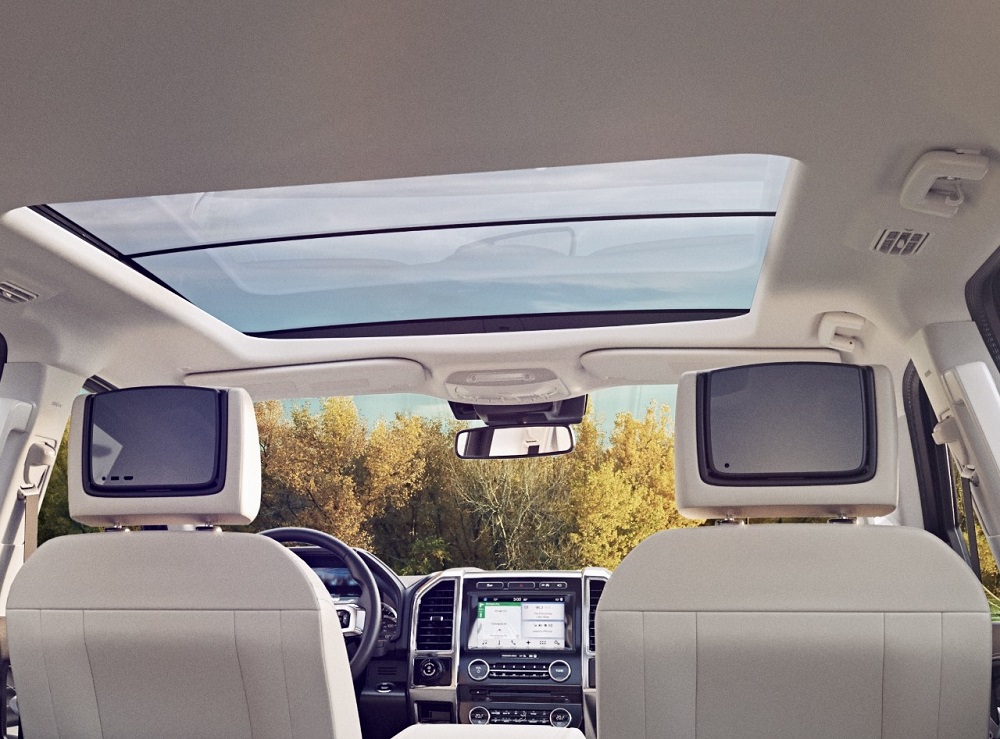
Headrest TVs integrate directly into your vehicle’s seats, providing dedicated entertainment for rear passengers. While some consider these systems somewhat dated, they still offer practical benefits.
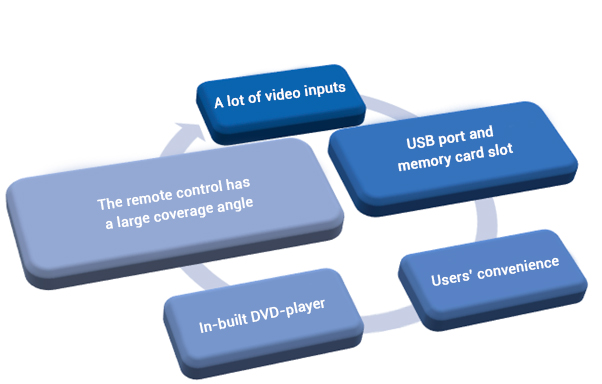
USB port and memory card slot
Users’ convenience
In-built DVD-player
The remote control has a large coverage angle
Advantages of headrest TV systems:
- Multiple video input options
- USB ports and memory card slots
- Built-in DVD players in many models
- Wide-angle remote control coverage
- Convenient positioning for passengers
- Driver cannot be distracted (safety feature)
Limitations to consider:
- Modest screen resolution (typically 800 x 480 pixels)
- No TV tuner in most models
- Limited support for high-definition video files
- May struggle with MKV and other advanced formats
Rearview Mirror TV Monitors
Rearview mirror TVs have been available for several years, offering a discreet entertainment option that doubles as a functional mirror. These devices typically require 12V power and are virtually indistinguishable from standard rearview mirrors when turned off.
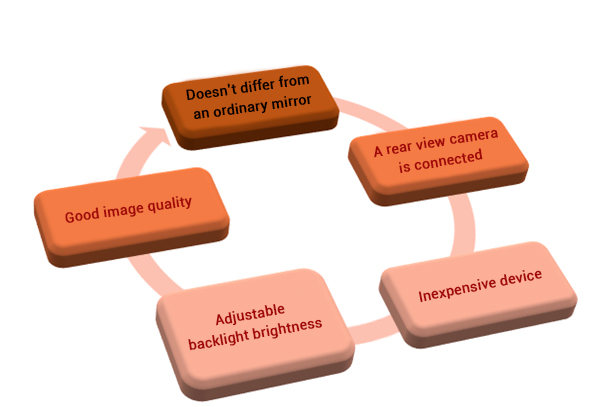
A rear view camera is connected
Inexpensive device
Adjustable backlight brightness
Good image quality
Key features:
- Stealth design that mimics standard mirrors
- Rear view camera connectivity
- Budget-friendly pricing
- Adjustable brightness settings for varying light conditions
- Decent image quality despite mirror layer
Drawbacks:
- Limited connectivity (primarily AV inputs only)
- No memory card slot or USB interface
- Smaller screen size
- May require custom mounting in some vehicles
- Mirror layer can reduce contrast
- Best suited for backup camera integration rather than entertainment
Understanding TV Tuner Technology
When shopping for a car TV, it’s crucial to understand that not all devices labeled as “TVs” can actually receive broadcast television. True car TVs must include a TV tuner, otherwise they function simply as monitors for pre-recorded content.
Digital vs. Analog TV Tuners
The presence of a TV tuner alone doesn’t guarantee compatibility with current broadcasting standards. Here’s what you need to know:
- Analog tuners: Increasingly obsolete as many countries have discontinued analog broadcasts
- Digital tuners: Essential for modern TV reception, but standards vary by region
- DVB-T vs. DVB-T2: Older DVB-T standard has been replaced by DVB-T2 in many regions
- Regional compatibility: Always verify which digital standards are used in your country
Many car owners primarily use USB drives and memory cards for entertainment rather than live TV, making the tuner type less critical for some users.
Choosing the Right Car TV System
When selecting a car TV, consider these important factors:
- Screen size: Balance between visibility and installation convenience (6-12 inches is typical)
- Resolution: Higher resolution provides better image quality for movies and games
- Connectivity options: USB, SD card, HDMI, and AV inputs offer flexibility
- Power requirements: Most use 12V car power, but verify compatibility
- Mounting options: Consider your vehicle’s interior and passenger needs
- File format support: Ensure compatibility with your video library
- Tuner type: If watching broadcast TV is important, verify digital standard compatibility
Whether you’re enhancing your road trip experience or keeping passengers entertained during daily commutes, the right car TV system can transform your vehicle into a mobile entertainment center. Choose wisely based on your specific needs, and always prioritize safe installation that doesn’t distract the driver.

Published May 20, 2019 • 4m to read