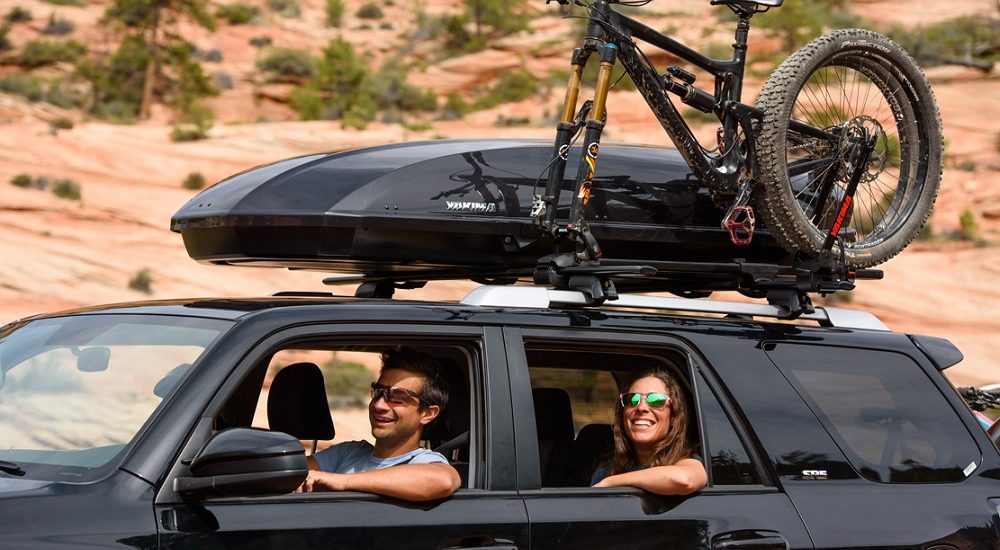


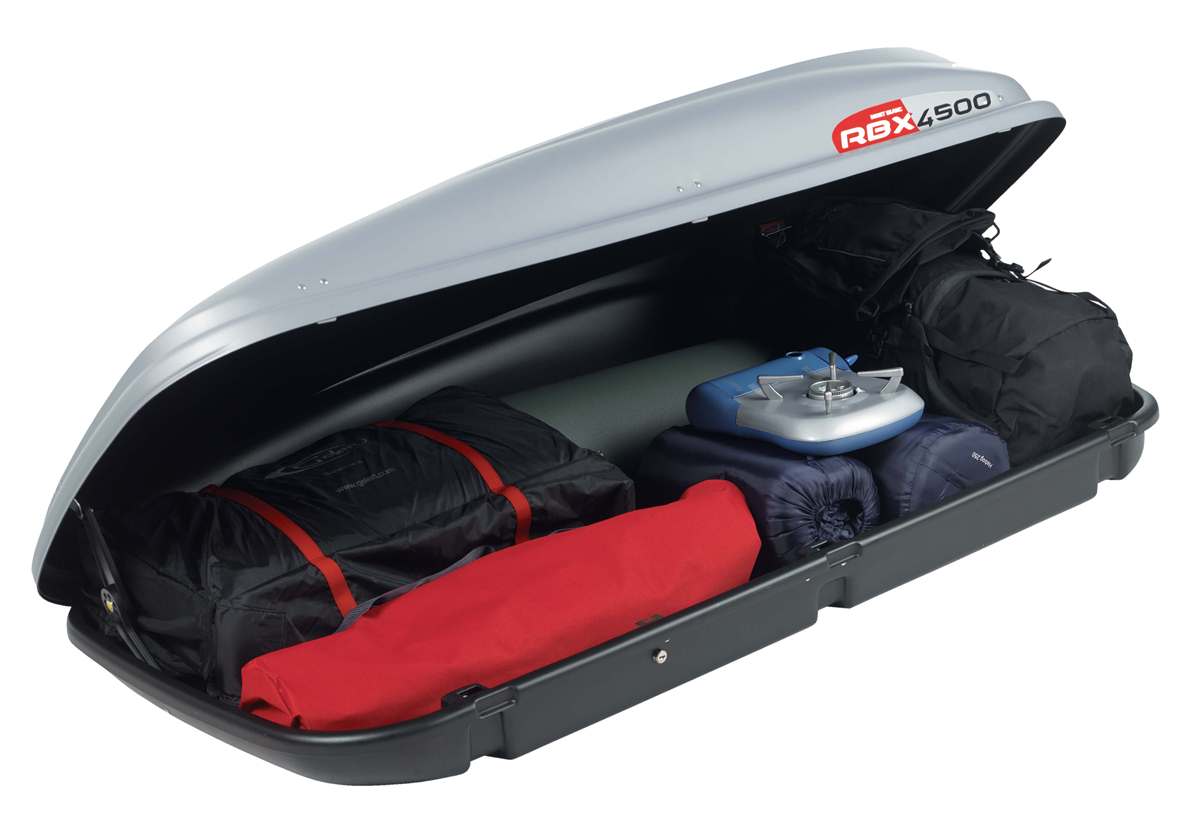
Need extra cargo space for your next road trip or outdoor adventure? A car roof rack or cargo carrier can be the perfect solution when your vehicle’s built-in trunk space isn’t enough. Whether you’re transporting sports equipment like skis and snowboards, bicycles, camping gear, or bulky items during a move, the right roof rack system makes all the difference. In this comprehensive guide, we’ll explore different types of car roof racks, their advantages and disadvantages, and essential tips for choosing the best option for your vehicle.
Essential Factors to Consider When Choosing a Car Roof Rack
Before selecting a specific roof rack or cargo carrier, consider these important factors beyond just your car’s make, model, and body type:
- Size and capacity requirements: Determine the dimensions you need based on your vehicle size and the type of cargo you’ll be transporting regularly.
- In-person shopping recommended: Purchase from physical stores whenever possible and bring your vehicle along. This ensures proper fitment, as universal mounting systems don’t always work with every car model.
- Specialized equipment needs: If you plan to transport bicycles, kayaks, or other specific gear, look for dedicated carrier systems designed for those items.
- Rear door clearance: For SUVs, station wagons, and hatchbacks, ensure the roof rack won’t interfere with opening the rear liftgate or tailgate.
- Existing roof rails: Check if your vehicle has factory-installed roof rails, which simplify the installation process significantly.
- Weight capacity limits: Pay close attention to weight restrictions. Remember that your total load capacity is limited by the weakest component—if your roof can handle 150 kg but the crossbars are rated for 100 kg, your maximum safe load is only 100 kg.
- Material quality: Metal construction offers superior durability and strength compared to plastic, which may vibrate at highway speeds. Aluminum crossbars with stainless steel hardware provide the best balance of strength and corrosion resistance.
- Accessibility features: For taller vehicles, choose cargo boxes that open from multiple sides for easier loading and unloading.
- Price vs. quality balance: Budget options may rust quickly or have poor mounting quality, while premium systems can attract theft and require frequent removal. Find a middle ground that offers reliability without excessive cost.
- Brand reputation: Choose established manufacturers with proven track records for quality and customer support.
- Proper load distribution: Once installed, distribute weight evenly—manufacturers recommend placing half the load’s weight between the crossbars, with a quarter at the front and a quarter at the rear. Always adjust your driving speed based on cargo weight, dimensions, and road conditions.
Bicycle Carriers: 4 Mounting Options Compared
Bike racks are specially designed to transport bicycles safely while protecting both your vehicle’s interior and your bikes from damage. Here are the four main mounting locations, each with distinct advantages:

– on the top
– on the tow bar
– inside the car
– on the back door
Roof-Mounted Bicycle Carriers
Roof-mounted bike racks attach to standard crossbars on your vehicle’s roof using secure mounting brackets. These systems can accommodate up to four bicycles simultaneously with all components held firmly in place.
Advantages:
- Most affordable bike rack option
- Secure, rigid mounting system
- Doesn’t block rear visibility
Disadvantages:
- Significantly increases vehicle height (watch for low clearances)
- Difficult to load/unload bikes alone, especially on taller vehicles
- Reduces fuel efficiency due to increased wind resistance
- Bikes exposed to weather and road debris
Interior Bike Storage
SUVs and larger vehicles can accommodate bicycles inside the cargo area, though this typically uses most or all of your interior trunk space.
Advantages:
- No impact on aerodynamics or fuel economy
- Complete protection from weather, UV rays, dirt, and moisture
- Most affordable option (no equipment needed)
- Secure from theft
Disadvantages:
- Only practical for SUVs and large vehicles
- Eliminates cargo space for other items
- May soil interior with dirt from bikes
Trunk-Mounted Bicycle Carriers
These racks attach to the rear door or trunk lid using adjustable straps with protective rubber padding. While less common than other options, they serve specific needs.
Advantages:
- Minimal effect on vehicle aerodynamics
- Doesn’t significantly increase vehicle dimensions
- Works on vehicles without roof rails or tow hitches
Disadvantages:
- More complex installation process
- Limited to three bicycles maximum
- Higher price point than roof racks
- May block rear visibility and access to trunk
Hitch-Mounted Bicycle Carriers (Best Overall Option)
Hitch-mounted racks attach to your vehicle’s tow bar and can transport up to five bicycles, making them ideal for families and serious cyclists.
Key Advantages:
- Exceptionally secure and stable mounting
- Can carry up to five bicycles
- Minimal impact on vehicle aerodynamics and fuel economy
- Vehicle dimensions remain largely unchanged
- Easy loading and unloading at a comfortable height
Drawbacks to Consider:
- Higher initial cost
- Extends vehicle length from the rear
- Requires a tow hitch installation
- Bikes remain exposed to road debris, stones, mud, and water spray
Beyond Bicycles: Versatile Cargo Solutions
Car roof racks aren’t just for bikes—they’re perfect for transporting a wide variety of gear including:
- Skis and snowboards
- Kayaks and small boats
- Extension ladders and construction materials
- Camping equipment and luggage
- Surfboards and paddleboards
When shopping for a roof rack system, prioritize established brands known for quality materials and secure mounting systems. Investing in a reputable product ensures safety, durability, and peace of mind on the road.
Travel Safely and Legally with Your Roof Rack
Whether you’re using a roof rack for local trips or international adventures, always ensure you have the proper documentation. If you’re planning to drive abroad, an International Driving Permit (IDP) is essential. Don’t have one yet? You can conveniently apply for your IDP right here on our website!

Published February 11, 2019 • 5m to read