

Venezuela is a country of extraordinary natural wonders, cultural richness, and striking contrasts. From the thundering drop of Angel Falls, the world’s highest waterfall, to the calm turquoise waters of the Caribbean coast, Venezuela remains one of South America’s most geographically diverse destinations.
Best Cities in Venezuela
Caracas
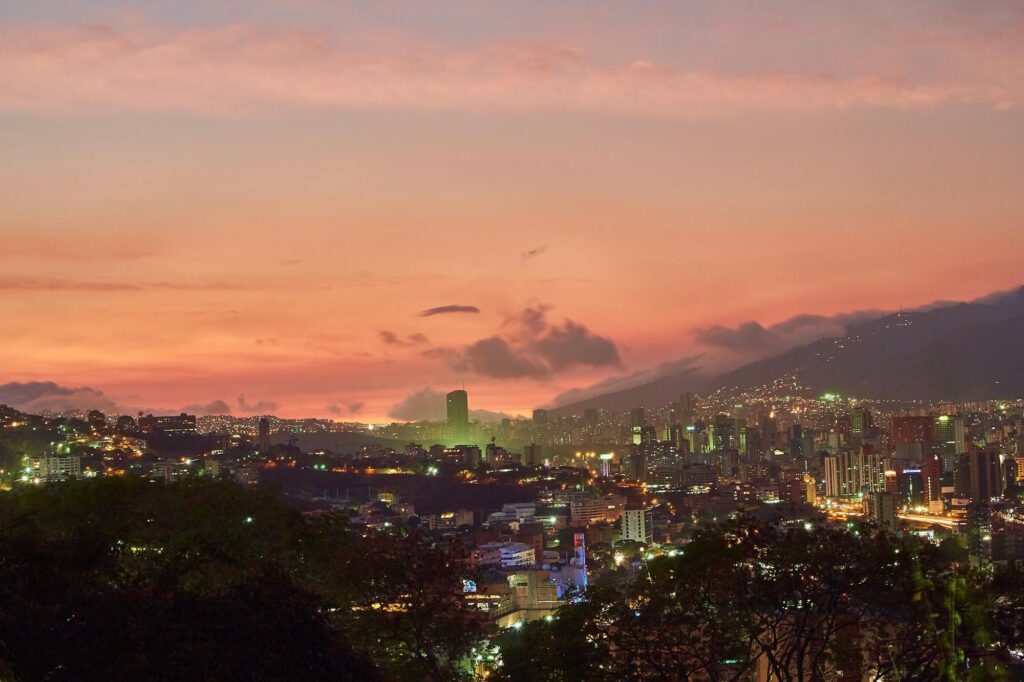
Caracas, Venezuela’s capital, lies in a valley at the foot of the Ávila mountain range. The historic center features Plaza Bolívar, the Catedral de Caracas, and government buildings reflecting the city’s colonial and republican past. The National Pantheon is one of the most significant landmarks, serving as the resting place of Simón Bolívar. Cultural attractions include the Museo de Arte Contemporáneo, with collections of Venezuelan and international artists. For views of the city and surrounding Andes, the Ávila cable car takes visitors from Caracas up to El Ávila National Park, where hiking trails and lookout points provide a natural escape from the urban center.
Mérida
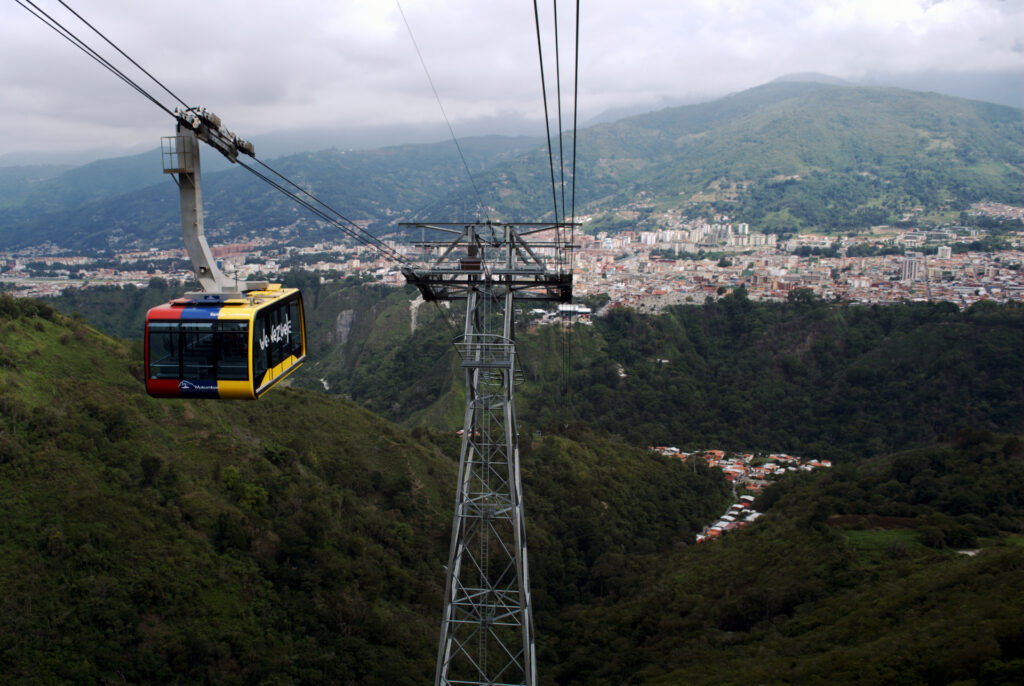
Mérida, in Venezuela’s Andean region, is a university city with colonial architecture, plazas, and a vibrant student atmosphere. It serves as the main base for exploring Sierra Nevada National Park, which offers trekking routes, glacial lakes, and high mountain scenery. A major attraction is the Teleférico de Mérida, one of the longest and highest cable cars in the world, rising from the city to over 4,700 meters at Pico Espejo. The surrounding region is also known for adventure sports such as paragliding, rafting, and canyoning, as well as traditional markets featuring Andean food and crafts. Mérida is accessible by road and domestic flights, though travel routes can vary depending on current conditions.
Maracaibo
Maracaibo, Venezuela’s second-largest city, is located on the western shore of Lake Maracaibo. It is an important cultural and economic center, historically tied to the country’s oil industry. The Basilica of Our Lady of Chiquinquirá is a major religious landmark and the focus of annual festivals each November. The city also has a strong tradition of gaita music, especially during the holiday season. Maracaibo serves as the main gateway to the Catatumbo Lightning, a natural phenomenon where frequent lightning storms occur over the lake, particularly from April to November. The city is connected by the General Rafael Urdaneta Bridge, linking it to eastern parts of the region, and is served by La Chinita International Airport.
Ciudad Bolívar
Ciudad Bolívar, on the banks of the Orinoco River, is one of Venezuela’s most historic cities. Its colonial old quarter is characterized by brightly painted houses, cobblestone streets, and plazas that reflect its 18th- and 19th-century heritage. Landmarks include the Angostura Congress House, where Simón Bolívar gave one of his most important speeches, and the Jesús Soto Museum of Modern Art. The city also serves as a main gateway to Canaima National Park and Angel Falls, with tours and flights departing from its airport. Ciudad Bolívar is both a cultural stop and a logistical base for travelers heading into Venezuela’s Gran Sabana region.
Coro
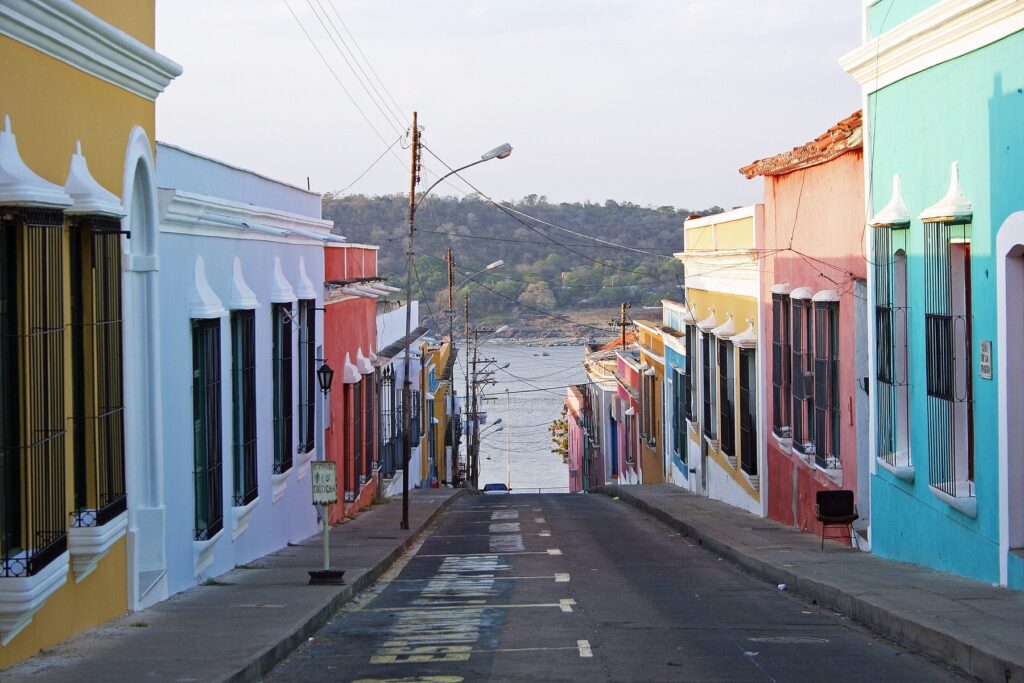
Coro, the oldest colonial city in Venezuela, is a UNESCO World Heritage Site recognized for its pastel-colored houses, cobblestone streets, and Spanish colonial architecture. Highlights include its historic center, colonial churches, and museums that reflect the city’s role as one of the earliest Spanish settlements in South America. Just outside the city lies Médanos de Coro National Park, a desert landscape of shifting sand dunes popular for hiking and sandboarding. Coro is located in Falcón State, about 500 km west of Caracas, and serves as both a cultural and natural destination.
Best Natural Wonders in Venezuela
Angel Falls
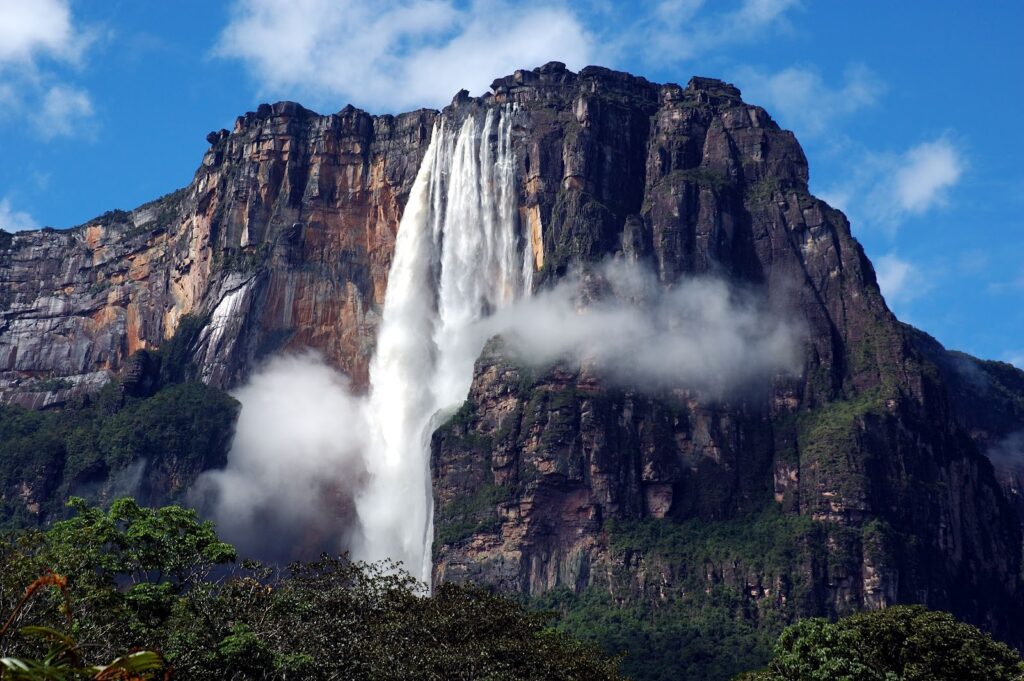
Angel Falls, in Canaima National Park, is the world’s highest waterfall at 979 meters, with an uninterrupted drop of 807 meters. The falls cascade from the Auyán-Tepui plateau, creating a mist that can be seen from kilometers away. Reaching Angel Falls requires a combination of transport: flights from Ciudad Bolívar or Puerto Ordaz to Canaima, followed by a river journey and a short jungle hike to the viewpoint. The falls are most dramatic during the rainy season (June–November), when water flow is strongest. Angel Falls is part of a UNESCO World Heritage Site and is one of Venezuela’s most iconic natural landmarks.
Canaima National Park
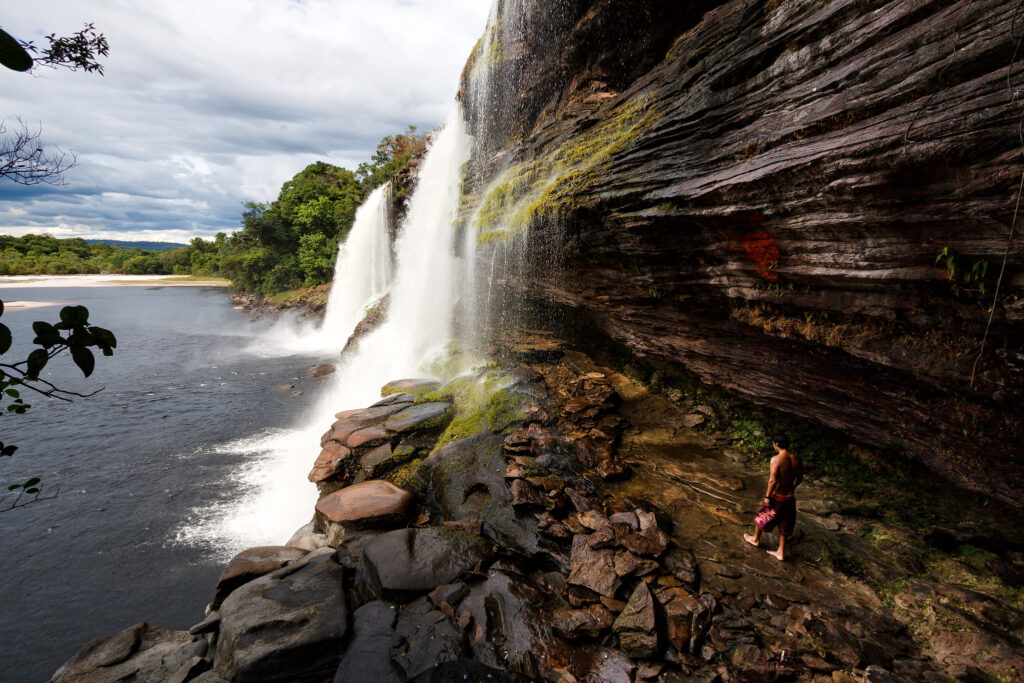
Canaima National Park, in southeastern Venezuela, is a UNESCO World Heritage Site covering over 30,000 km² of savannas, rivers, and unique geological formations. The park is famous for its tepuis — flat-topped mountains such as Mount Roraima — which rise dramatically from the landscape and are considered some of the oldest rock formations on Earth. The park also features numerous waterfalls, including Angel Falls, the highest in the world. Around Canaima Lagoon, near the main visitor camp, a cluster of waterfalls creates a striking introduction to the park’s scenery. Trekking, boat trips, and scenic flights are the main ways to explore the region, which is accessible by plane from Ciudad Bolívar or Puerto Ordaz.
Mount Roraima
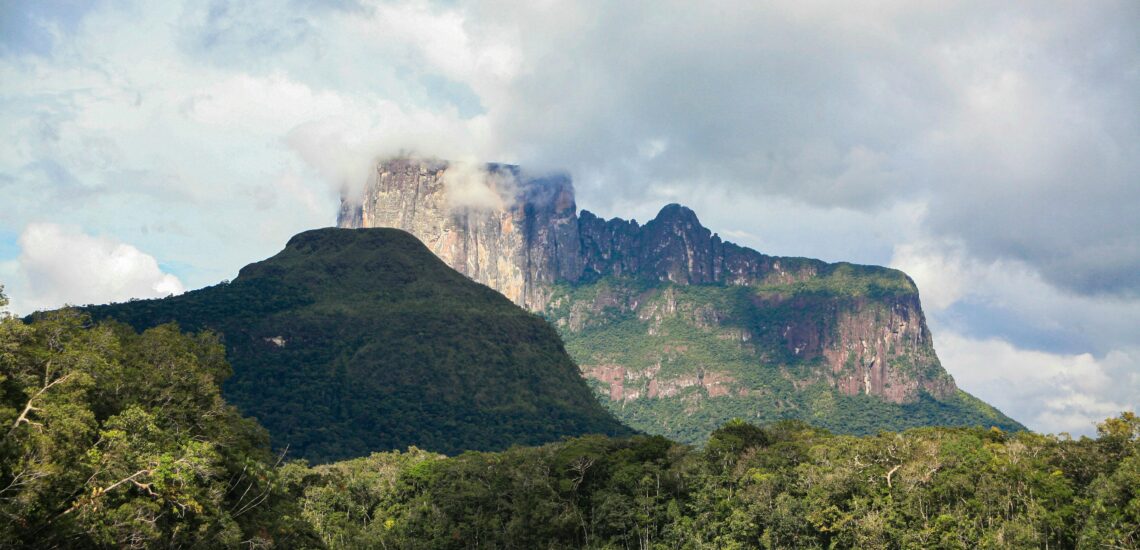
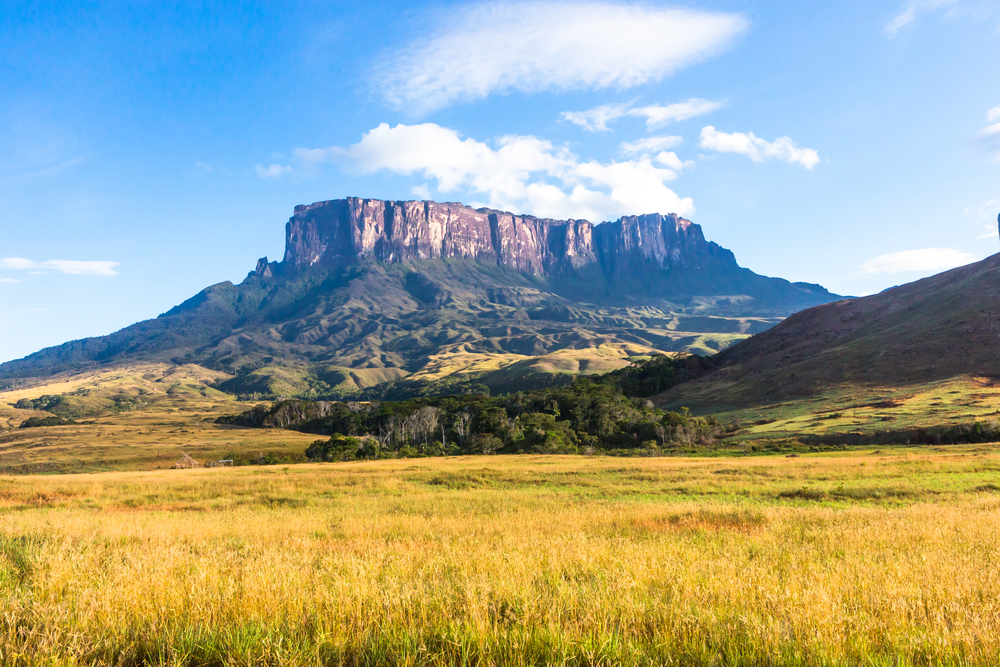
Mount Roraima, on the border of Venezuela, Brazil, and Guyana, is one of the most famous tepuis (tabletop mountains) of the Guiana Highlands. Rising 2,810 meters above sea level, its sheer cliffs and flat summit are believed to have inspired Sir Arthur Conan Doyle’s novel The Lost World. The plateau is accessible via a multi-day trek from Paraitepui in Venezuela, typically taking 6 to 8 days round trip. On top, the landscape is marked by unique rock formations, quartz fields, endemic plants, and natural pools. Treks require guides and are best undertaken in the dry season, though weather on the summit is unpredictable year-round. Mount Roraima is within Canaima National Park, a UNESCO World Heritage Site.
Los Roques Archipelago
Mount Roraima, on the border of Venezuela, Brazil, and Guyana, is one of the most famous tepuis (tabletop mountains) of the Guiana Highlands. Rising 2,810 meters above sea level, its sheer cliffs and flat summit are believed to have inspired Sir Arthur Conan Doyle’s novel The Lost World. The plateau is accessible via a multi-day trek from Paraitepui in Venezuela, typically taking 6 to 8 days round trip. On top, the landscape is marked by unique rock formations, quartz fields, endemic plants, and natural pools. Treks require guides and are best undertaken in the dry season, though weather on the summit is unpredictable year-round. Mount Roraima is within Canaima National Park, a UNESCO World Heritage Site.
Lake Maracaibo & Catatumbo Lightning
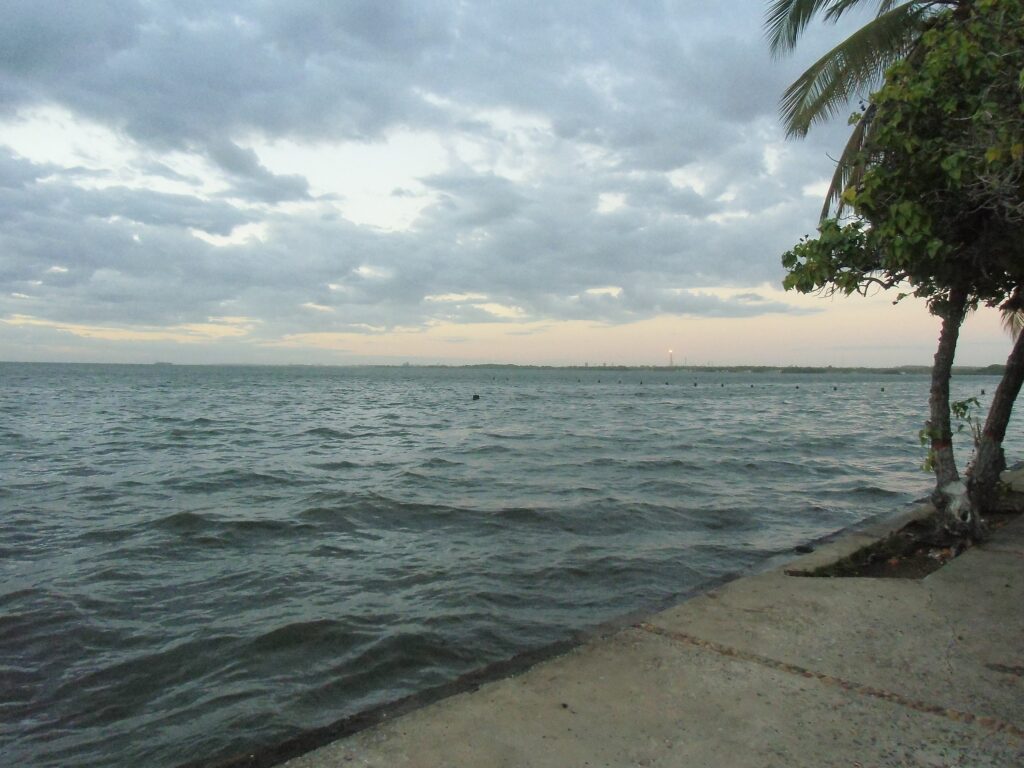
Lake Maracaibo, in northwestern Venezuela, is the largest lake in South America and connected to the Caribbean Sea by a narrow strait. At its southern end occurs the Catatumbo Lightning, a rare meteorological phenomenon where lightning storms illuminate the sky almost nightly, often without accompanying thunder. This spectacle can last for hours and is visible from kilometers away, making it a major natural attraction. The wetlands around the lake also support diverse birdlife, including ibises and herons. Tours to view the Catatumbo Lightning typically depart from towns such as Puerto Concha or Catatumbo village, accessible via boat trips through the surrounding rivers and marshes.
Mochima National Park
Mochima National Park, on Venezuela’s northeastern coast between Puerto La Cruz and Cumaná, combines Caribbean beaches with mountainous scenery. The park includes offshore islands and islets, sheltered bays, and coastal fishing villages. Popular activities are boat excursions to quiet beaches, snorkeling and diving in coral-rich waters, and dolphin watching. On land, trails lead into the coastal mountains for views over the islands and sea. Most visitors base themselves in Puerto La Cruz, Cumaná, or the town of Mochima, where local operators arrange tours by boat. The park is accessible by road along the coastal highway and by nearby regional airports.
Morrocoy National Park
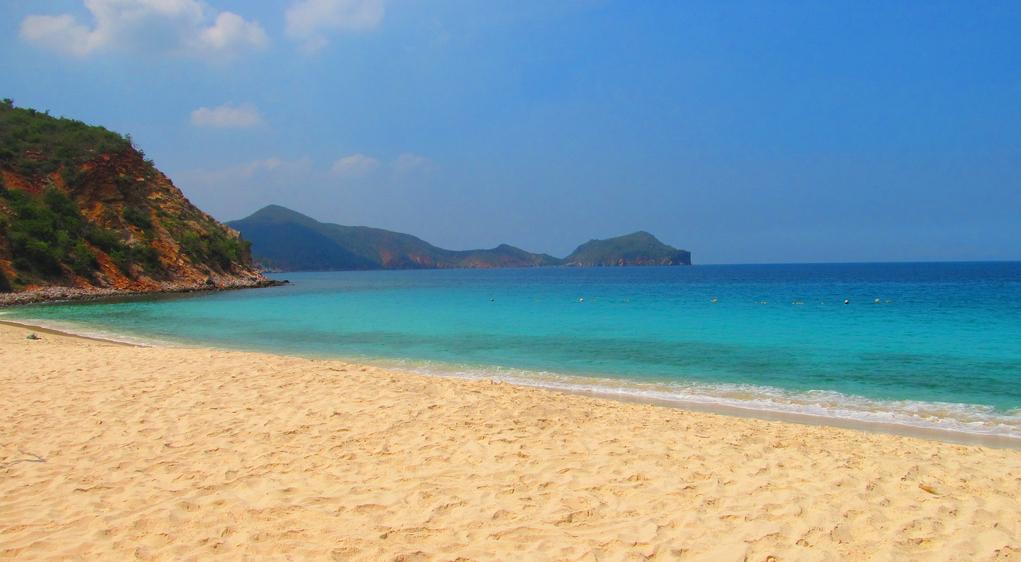
Morrocoy National Park, in Falcón State on Venezuela’s Caribbean coast, is known for its mangroves, coral reefs, and dozens of small islands (cayos). Visitors often explore by boat, hopping between beaches such as Cayo Sombrero, Cayo Borracho, and Cayo Sal. The park’s calm, clear waters are ideal for swimming, snorkeling, and diving. Inland, mangrove forests provide habitat for birds like herons and scarlet ibises. The main access points are the towns of Tucacas and Chichiriviche, where boats can be hired to visit the cayos. Morrocoy is about a four-hour drive from Caracas, making it one of the country’s most popular coastal getaways.
Sierra Nevada National Park
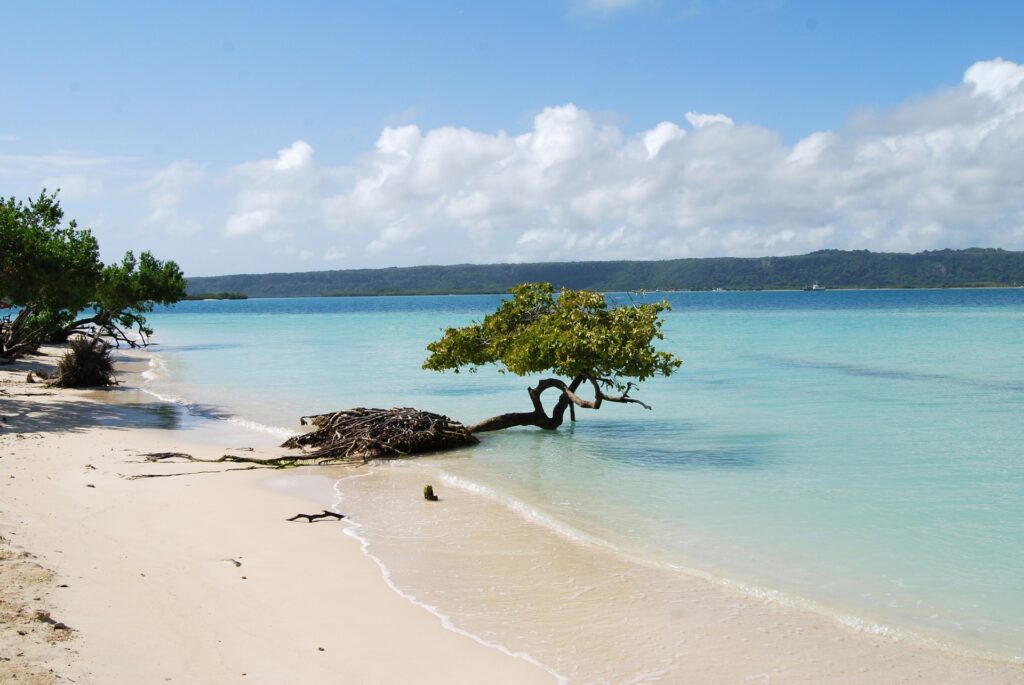
Sierra Nevada National Park, in Venezuela’s Andes, protects high mountain ecosystems including páramo grasslands, glacial lakes, and snow-capped peaks. The park’s most prominent summits are Pico Bolívar (4,978 m), the highest in the country, and Pico Humboldt. Trails range from short hikes near Mérida to multi-day treks into high-altitude terrain. Wildlife includes spectacled bears, condors, and endemic hummingbirds. The park is a popular destination for mountaineering, camping, and nature tourism, with access points near the city of Mérida, which also operates the Teleférico de Mérida, one of the world’s highest cable cars.
Gran Sabana
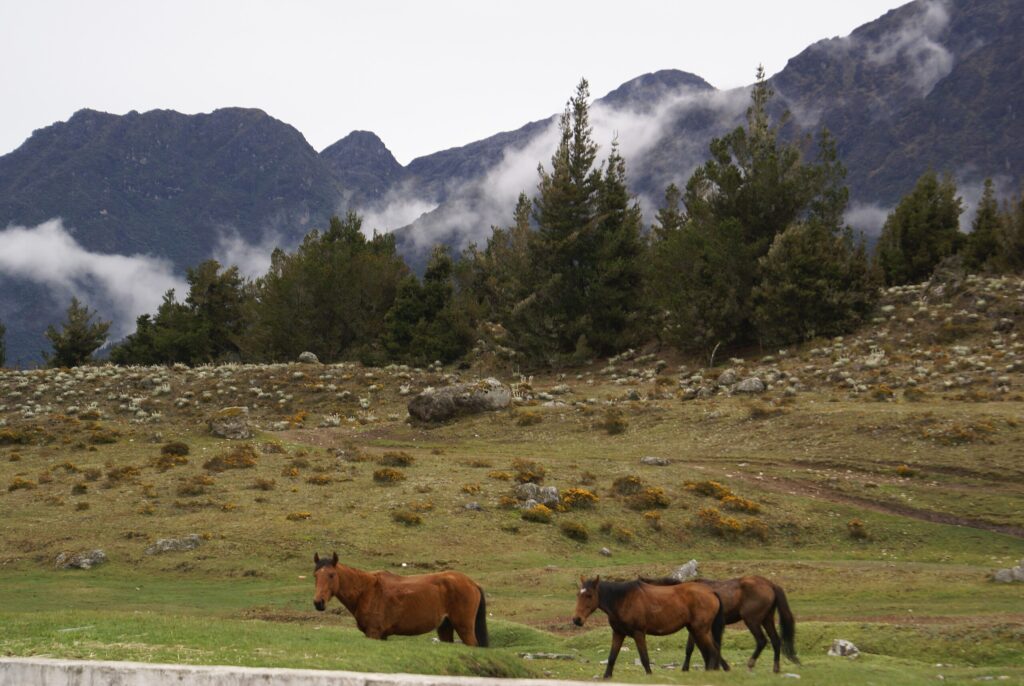
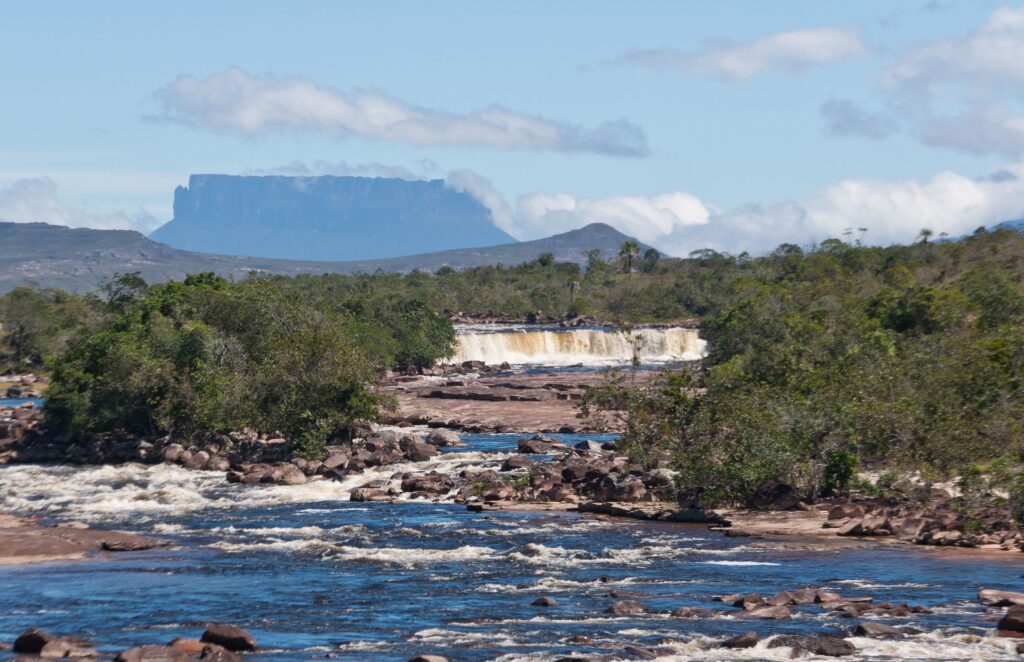
The Gran Sabana, in southeastern Venezuela, is a vast plateau of open savannah within Canaima National Park, part of the Guiana Highlands. The landscape is characterized by flat-topped mountains called tepuis, towering cliffs, and numerous waterfalls such as Salto Kama, Salto Kawi, and the 200-meter-high Salto Aponwao. The region is sparsely populated, home to Pemon indigenous communities, and offers opportunities for trekking, camping, and 4×4 tours. Mount Roraima, one of the most famous tepuis, is accessed from this area through multi-day guided expeditions. The Gran Sabana is reached mainly by road along the highway between Ciudad Guayana and Santa Elena de Uairén, near the Brazilian border.
Hidden Gems of Venezuela
Médanos de Coro
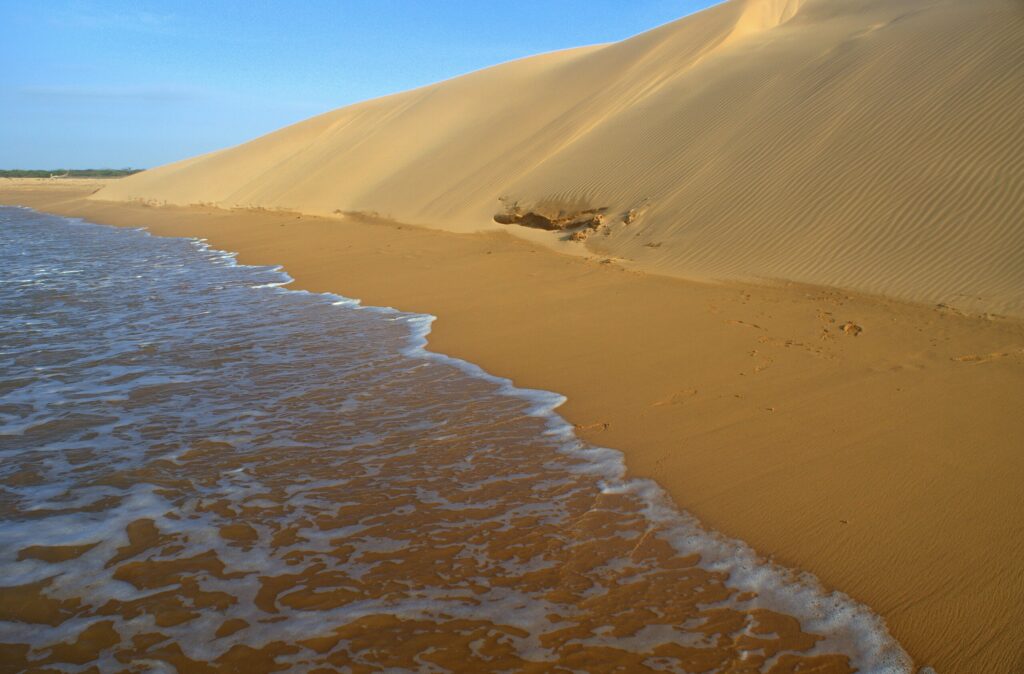
Médanos de Coro National Park, in Falcón State, is a desert landscape of rolling sand dunes that shift with the wind. The dunes, some rising over 40 meters, are popular for sandboarding, photography, and sunset viewing. The park also includes areas of coastal scrub and lagoons that attract birdlife such as herons and flamingos. Médanos de Coro lies just outside the city of Coro, a UNESCO World Heritage Site, making it easy to combine cultural visits with natural scenery. The park is accessible by road and is one of Venezuela’s most visited natural attractions.
Delta del Orinoco
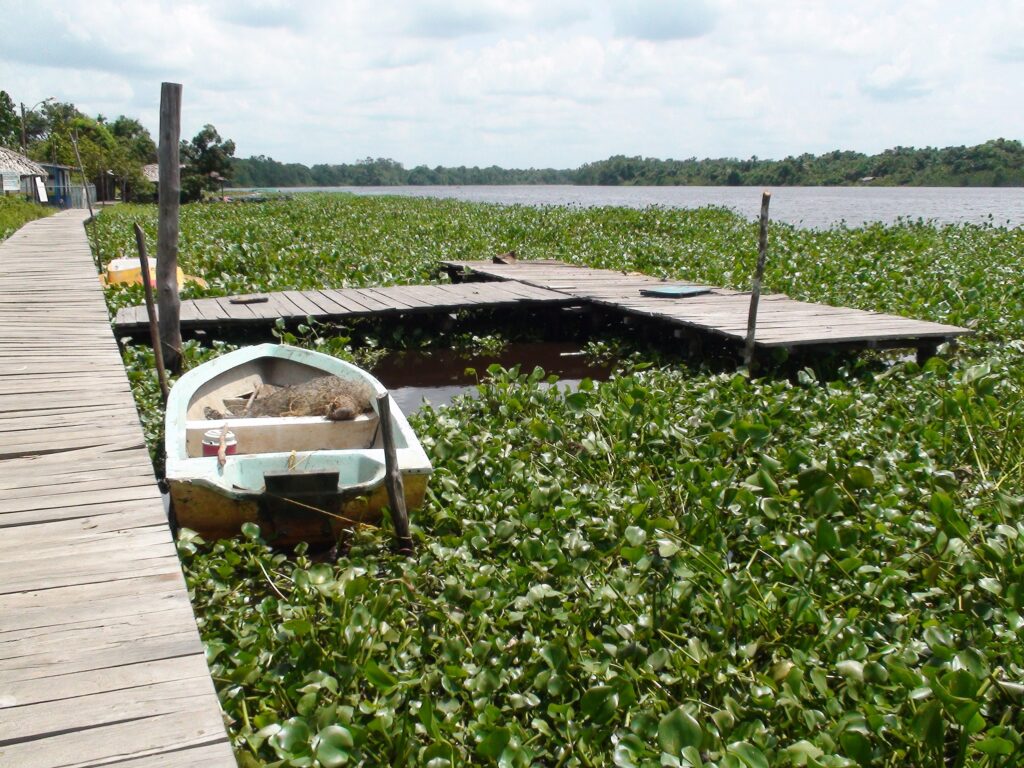
The Orinoco Delta, in northeastern Venezuela, is a vast network of rivers, channels, and wetlands covering more than 40,000 km². The area is rich in biodiversity, with wildlife such as caimans, river dolphins, monkeys, macaws, and toucans. It is also home to the Warao people, who live in stilt houses along the waterways and maintain traditional fishing and handicraft practices. Visitors typically explore the delta on guided boat tours, staying in eco-lodges that offer excursions for wildlife watching and cultural visits. The main access point is the town of Tucupita, with connections by road and regional flights from Caracas and Ciudad Bolívar.
Choroní
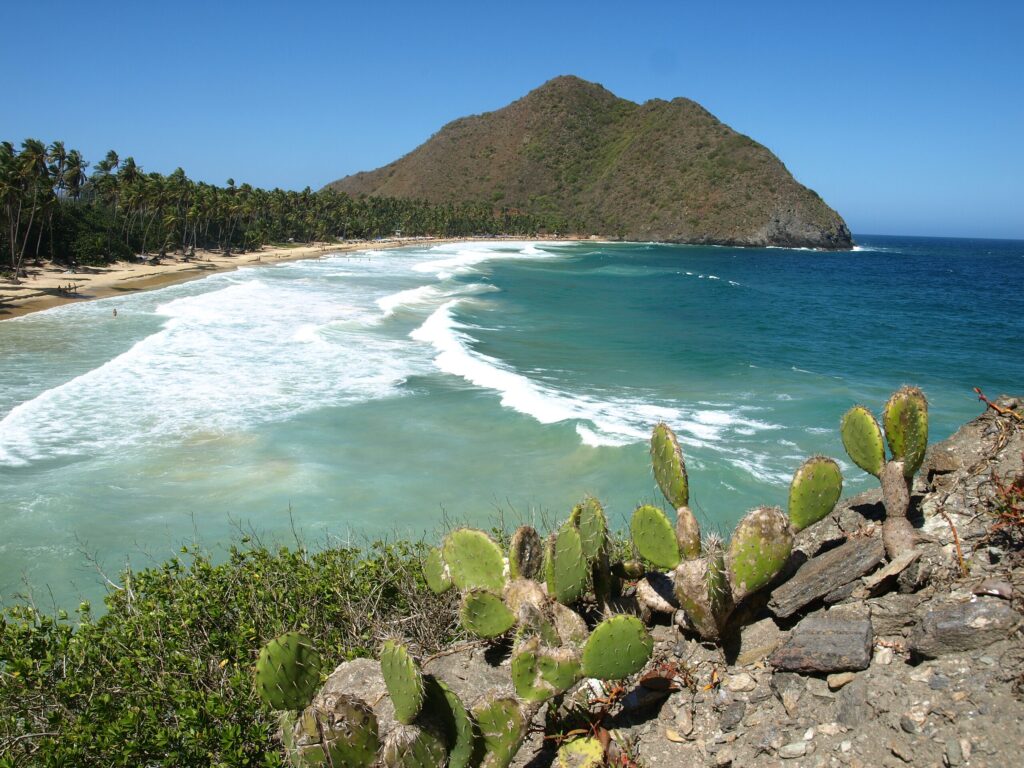
Choroní, on Venezuela’s Caribbean coast, is a colonial-era town at the edge of Henri Pittier National Park. It is noted for its well-preserved houses, cobblestone streets, and Afro-Venezuelan cultural traditions, especially music and drumming. The nearby beach of Playa Grande, lined with palms and fishing boats, is one of the most popular in the region. Other smaller coves can be reached by boat from the town’s port. Choroní is accessible by road from Maracay, crossing through the cloud forests and mountain roads of Henri Pittier National Park, which makes the journey part of the experience.
Cueva del Guácharo
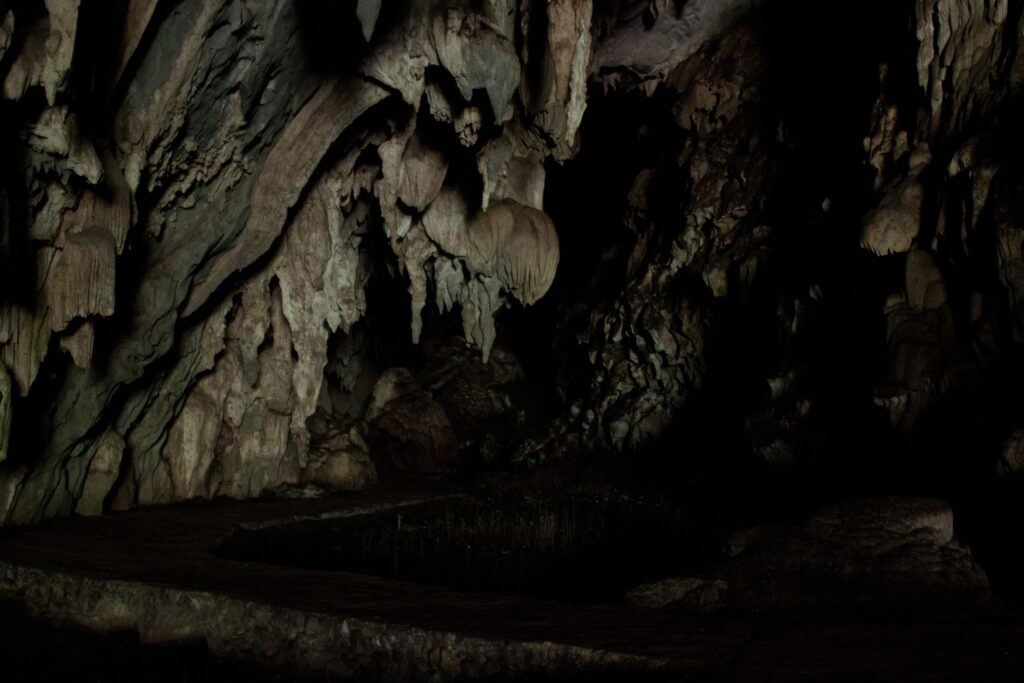
Cueva del Guácharo National Park, in Monagas State, protects a large limestone cave system discovered by Alexander von Humboldt in 1799. The main cavern extends more than 10 km, though only the first section is open to visitors. It is home to thousands of guácharos (oilbirds), nocturnal fruit-eating birds that give the cave its name. Guided tours explain the geology, stalactite formations, and the behavior of the bird colonies. Surrounding trails lead through montane forest rich in orchids and wildlife. The cave was declared Venezuela’s first national monument in 1949 and is accessible from the nearby town of Caripe.
Gran Sabana Indigenous Villages
The Gran Sabana, within Canaima National Park, is home to Pemon communities who have lived in the region for centuries. Many villages welcome visitors to learn about local traditions, crafts, and ways of life closely tied to the surrounding tepui landscapes. Community-run lodges and guided tours provide opportunities to explore waterfalls, rivers, and savannahs while supporting sustainable tourism. Stops in villages such as Santa Elena de Uairén and Paraitepui are common for travelers heading toward Mount Roraima or other treks. Visits usually include explanations of Pemon legends, handicrafts, and traditional foods, giving cultural context to the natural wonders of the region.
Special Experiences in Venezuela
- Trekking to the summit of Mount Roraima for otherworldly landscapes.
- Watching the spectacular Catatumbo lightning over Lake Maracaibo.
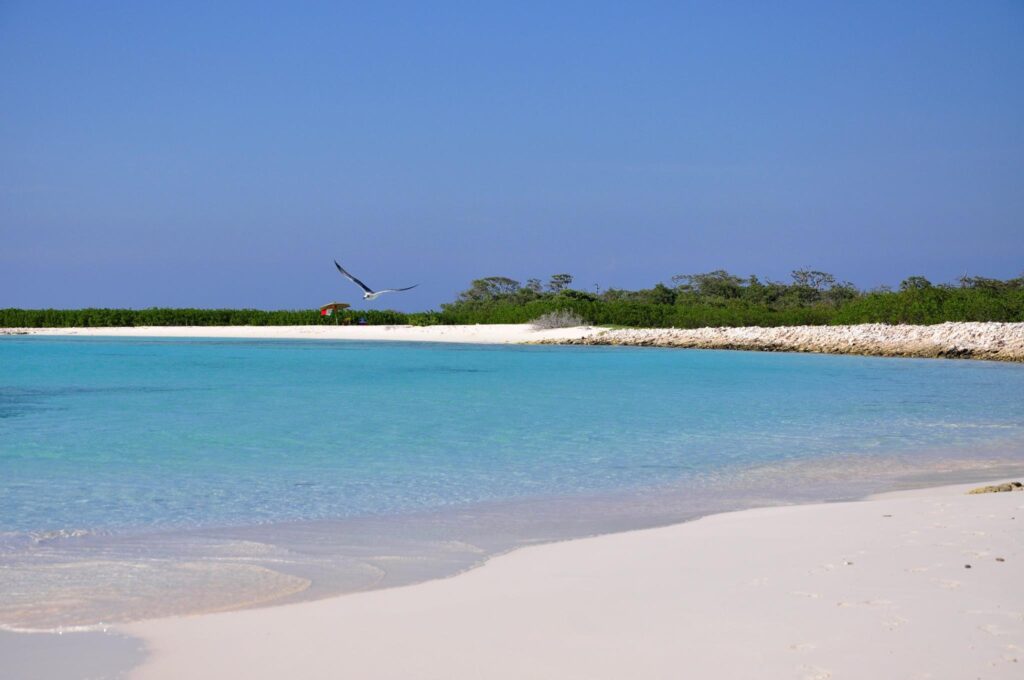
- Relaxing on untouched beaches in the Los Roques Archipelago.
- Exploring colonial towns like Coro and Choroní.
- Visiting Angel Falls in the rainy season for its most powerful flow.
- Riding the Mérida cable car, one of the highest in the world.
Travel Tips for Venezuela
Travel Insurance & Safety
Travel insurance is essential when visiting Venezuela, as medical facilities outside major cities are limited. Make sure your policy covers adventure activities, jungle treks, and medical evacuation, especially if you plan to visit remote regions like Canaima or the Orinoco Delta.
Venezuela has ongoing safety concerns, so always check current travel advisories before your trip. In cities, use hotel safes, avoid displaying valuables, and be cautious at night. When exploring remote areas, it’s best to travel with a local guide or organized tour for both safety and cultural insight.
A yellow fever vaccination is required for jungle regions, and travelers heading to Mérida and the Andes should allow time to acclimatize to altitude.
Transportation & Driving
Venezuela’s vast geography means domestic flights are often the most practical way to travel, with routes connecting Caracas to Canaima, Mérida, and Los Roques. Long-distance buses exist but are generally slow and basic. In regions like the Orinoco Delta and Canaima, river transport is a common and often necessary way to get around.
Rental cars are available but can be challenging to use. Roads are often poorly maintained, fuel shortages are frequent, and a 4×4 vehicle is essential for areas like the Gran Sabana and other rural regions. Driving at night is discouraged due to both road safety and security risks. Police checkpoints are frequent, so always carry your passport, car documents, and an International Driving Permit along with your home license. For most travelers, organized tours or hiring local drivers are safer and more convenient than self-driving.

Published September 21, 2025 • 13m to read