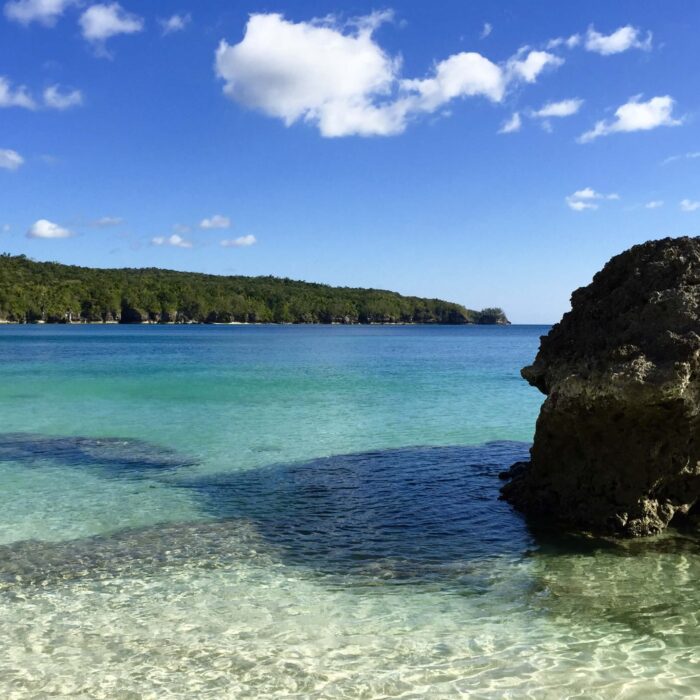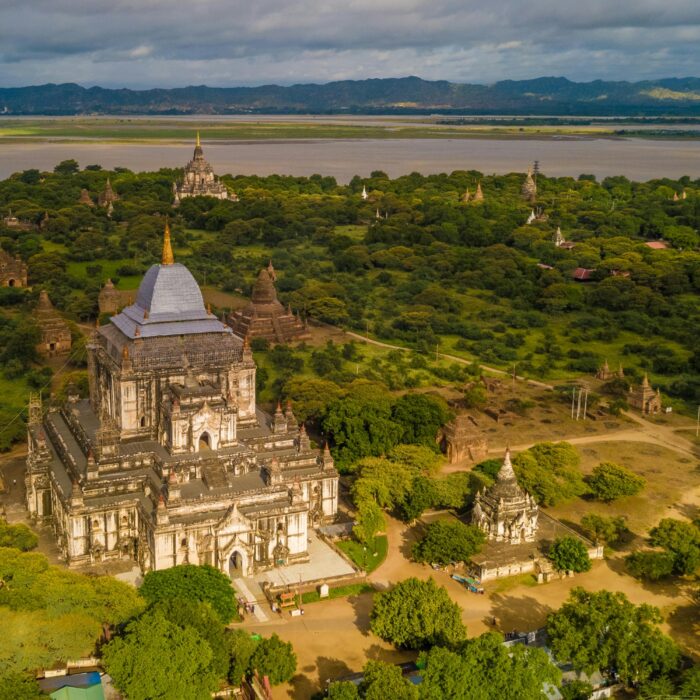


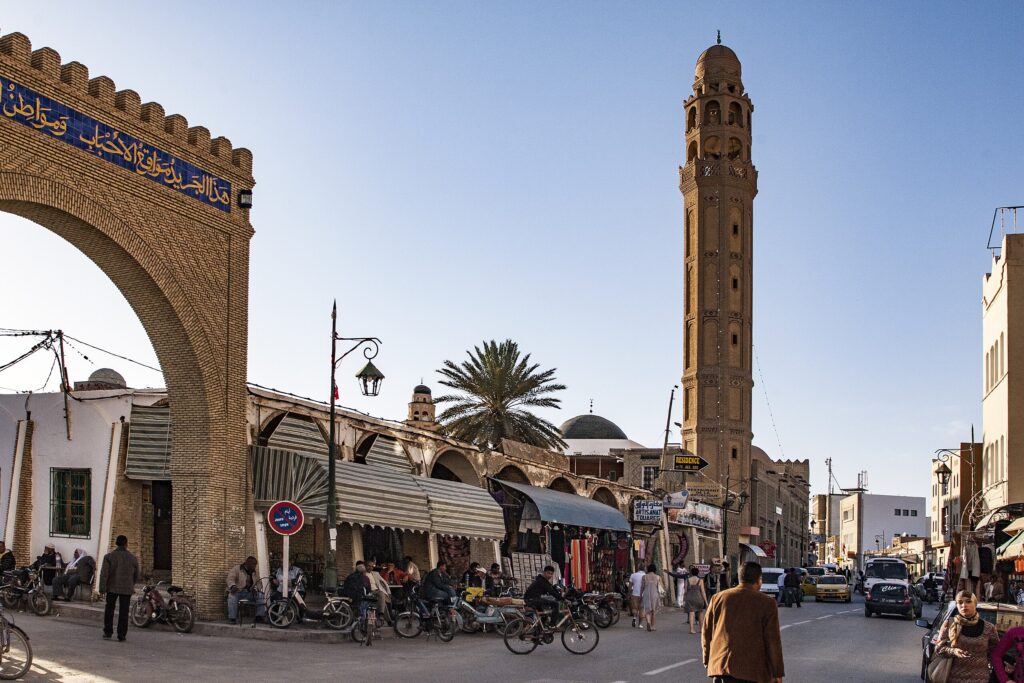
Tunisia, though small in size, holds an impressive variety of places to explore. It combines Mediterranean beaches, ancient cities, and the vast desert landscapes of the Sahara. The country’s history stretches from Phoenician and Roman times to Arab and French influences, creating a mix of cultures and architecture that’s easy to see in every region.
Travelers can visit the archaeological remains of Carthage near Tunis, wander through the blue-and-white streets of Sidi Bou Said, or relax on the beaches of Hammamet and Djerba. Inland, El Djem’s Roman amphitheater and the desert oases around Douz and Tozeur reveal another side of Tunisia – one shaped by history and nature alike. Compact and easy to travel, Tunisia offers beaches, culture, and desert adventure all in one trip.
Best Cities in Tunisia
Tunis
unis brings together a historic core and a modern urban center in a way that allows visitors to move easily between different periods of North African history. The Medina of Tunis, a UNESCO World Heritage Site, is a large network of covered souks, religious schools, and artisan workshops where metalwork, textiles, and leather goods are still produced. The Zitouna Mosque stands at the center, and the surrounding quarters show how trade and religious life shaped the city for centuries. Walking routes connect the main gates of the medina with markets, small cafés, and viewpoints over the rooftops.
Just outside the old city, the Bardo National Museum holds one of the world’s most significant collections of Roman mosaics, offering a clear picture of daily life and artistic traditions in ancient North Africa. Avenue Habib Bourguiba forms the modern axis of Tunis, with public buildings, restaurants, and transport links that make navigation straightforward. The city is also a practical base for excursions to Carthage and Sidi Bou Said, each reachable by light rail in less than an hour. Travelers choose Tunis for its combination of accessible heritage sites, museums, and nearby coastal towns that can be explored in short day trips.

Sidi Bou Said
Sidi Bou Said is a coastal hilltop village near Tunis, known for its consistent blue-and-white architecture and narrow lanes that overlook the Mediterranean. The layout of the village encourages slow walking between small galleries, local craft shops, and cafés that open toward the water. Many visitors come to observe how the uniform design of doors, windows, and facades shapes the overall atmosphere and to spend time in public squares and terraces with views of the bay.
One of the most visited spots is Café des Délices, situated on a series of steps that face the shoreline. It is a common place to stop for mint tea while watching boat traffic and the coastline below. Sidi Bou Said is easily reached from Tunis by light rail or taxi, making it a straightforward half-day or full-day excursion.

Carthage
Carthage lies a short distance from Tunis and is spread across several archaeological zones that show how the city developed from a Phoenician settlement into a major Roman center. The Antonine Baths illustrate the scale of public infrastructure along the Mediterranean coast, and their coastal setting helps visitors understand how the Romans integrated daily life with the shoreline. Other nearby sites include the Punic ports, the Tophet, and residential quarters where foundations and columns outline the city’s original layout.
Byrsa Hill is the most strategic point in Carthage and offers an overview of the entire area, including the bay, excavated streets, and modern districts around the site. The Carthage Museum, located at the top, brings together objects from different periods, allowing visitors to connect the Punic and Roman phases of the city’s history. Carthage is easily reached from Tunis by light rail, taxi, or car, making it simple to explore the archaeological zones in a half-day or full-day visit.

Sousse
Sousse combines a historic core with a modern coastal zone, making it a practical base for visitors interested in both culture and beach access. The Medina of Sousse, a UNESCO World Heritage Site, is enclosed by fortified walls and contains souks where traders sell textiles, household goods, crafts, and spices. Key landmarks include the Great Mosque and the Ribat, which together show how the city functioned as a religious and defensive center during the early Islamic period. Walking through the medina’s gates provides a clear sense of how commerce, worship, and daily life were organized.
Outside the old city, Sousse’s beachfront district stretches along a long curve of sand, supported by hotels, cafés, and transport links to nearby resorts. The area is used for swimming, boating, and day trips along the coast. Sousse is reachable by train, road, and flights into the nearby Monastir airport, which makes it easy to include in itineraries around central and northern Tunisia.

Kairouan
Kairouan holds an important place in Islamic history and is one of Tunisia’s key religious centers. The Great Mosque, founded in the 7th century, occupies a large walled compound and is notable for its courtyard, minaret, and arcades that illustrate early Islamic architectural practice in North Africa. Nearby, the Aghlabid Basins show how the city developed systems for collecting and storing water, which allowed Kairouan to grow despite its inland location. Walking through the medina brings visitors past workshops where carpet makers, metalworkers, and woodcarvers continue long-established crafts.
The city is reached by road or rail from Tunis, Sousse, and Sfax, making it a straightforward stop on major routes through central Tunisia. Many visitors spend time in the mosque precinct, explore the souks, and visit the basins before continuing to other cities. Kairouan is also known for its traditional sweets, which are sold in shops around the medina and provide a direct link to local culinary traditions.

Tozeur
Tozeur sits at the boundary between cultivated oases and open desert, with an old quarter built from patterned brick that shows how local architecture adapted to heat and limited resources. The town’s dense palm groves support date production and create shaded paths that connect residential areas, markets, and small museums. Walking through the old quarter gives a clear picture of how building techniques and street layouts developed over time, and the town functions as a practical base with hotels, transport services, and guides for desert excursions.
From Tozeur, travelers can reach several major natural sites. Chott el Jerid lies just outside the town and is crossed by a long road that passes salt flats and seasonal pools. The mountain oases of Chebika, Tamerza, and Mides are accessible by paved routes and offer short hikes through canyons and spring-fed valleys. Ong Jemel, reached by 4×4, contains rock formations and open desert terrain used as filming locations for international productions. Tozeur has an airport with flights from Tunis and seasonal connections to other cities.
Best Historical and Archaeological Sites
El Djem
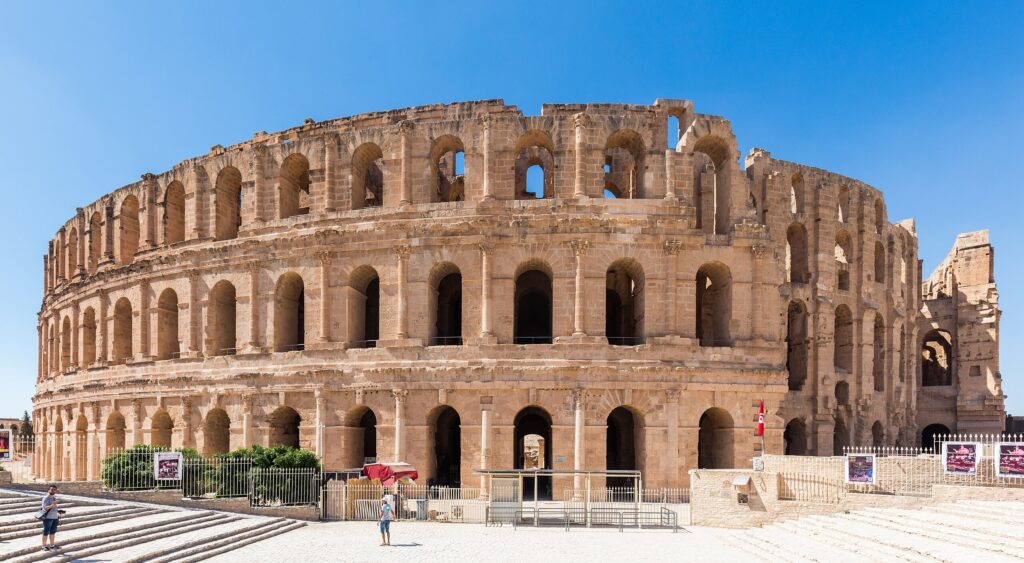
El Djem is the site of one of the largest Roman amphitheaters outside Italy, built in the 3rd century to serve a prosperous regional center of the empire. The structure remains almost fully accessible, allowing visitors to move through the arena floor, underground corridors, and upper tiers that overlook the surrounding plains. Its scale shows how Roman administrative and economic networks extended deep into North Africa, and on-site displays explain the role of spectacle and public gatherings in provincial cities.
El Djem is reached by road or train from Tunis, Sousse, and Sfax, making it a straightforward stop on major north–south routes. A small museum near the amphitheater contains mosaics and everyday objects found in nearby villas, providing context for how residents lived in the region during the Roman period.
Dougga
Dougga is one of Tunisia’s most complete Roman towns, set on a hillside that helps visitors understand how the settlement related to the surrounding farmland. The site includes a well-preserved Capitol, a theater, public baths, and residential quarters laid out along clear street lines. Walking through these areas shows how administrative, religious, and domestic life functioned in a regional center that served both Roman officials and local communities. Because the ruins extend across a compact area, it is easy to explore on foot while following the original urban layout.
Dougga is reached by road from Tunis or Béja, with most travelers visiting on a half-day or full-day trip. The location receives fewer visitors than other major archaeological sites in the country, which allows for unhurried exploration of temples, paved streets, and hillside viewpoints.

Bulla Regia
Bulla Regia is known for its underground villas, an architectural solution developed to manage high summer temperatures in northern Tunisia. These houses include lower-level living quarters built partly below ground, with upper courtyards that allowed light and air to circulate. Several villas remain structurally clear, and visitors can walk through rooms that still contain mosaics, wall sections, and domestic layouts showing how families organized daily life. The site also includes a theater, baths, streets, and public buildings, offering a broader view of how the town operated within the Roman province.

Kerkouane
Kerkouane is one of the few Punic towns that survived without later Roman rebuilding, which makes it a direct source of information about Carthaginian urban life. The site preserves a clear street grid, house foundations, workshops, and a sanctuary area, allowing visitors to see how daily activities, water management, and ritual spaces were arranged in a coastal settlement. Many houses contain preserved bathtubs carved from stone, a feature associated with Punic domestic traditions, and the site’s location above the sea shows how the town functioned in relation to nearby trade routes.
Kerkouane is reached by road from Kelibia or as part of a day trip along the Cap Bon peninsula from Tunis or Hammamet. The archaeological zone is compact and easy to walk, with paths that connect residential blocks, the sanctuary, and viewpoints along the coast. A small on-site museum displays ceramics, tools, and other finds that help explain Punic craftsmanship and household practices.
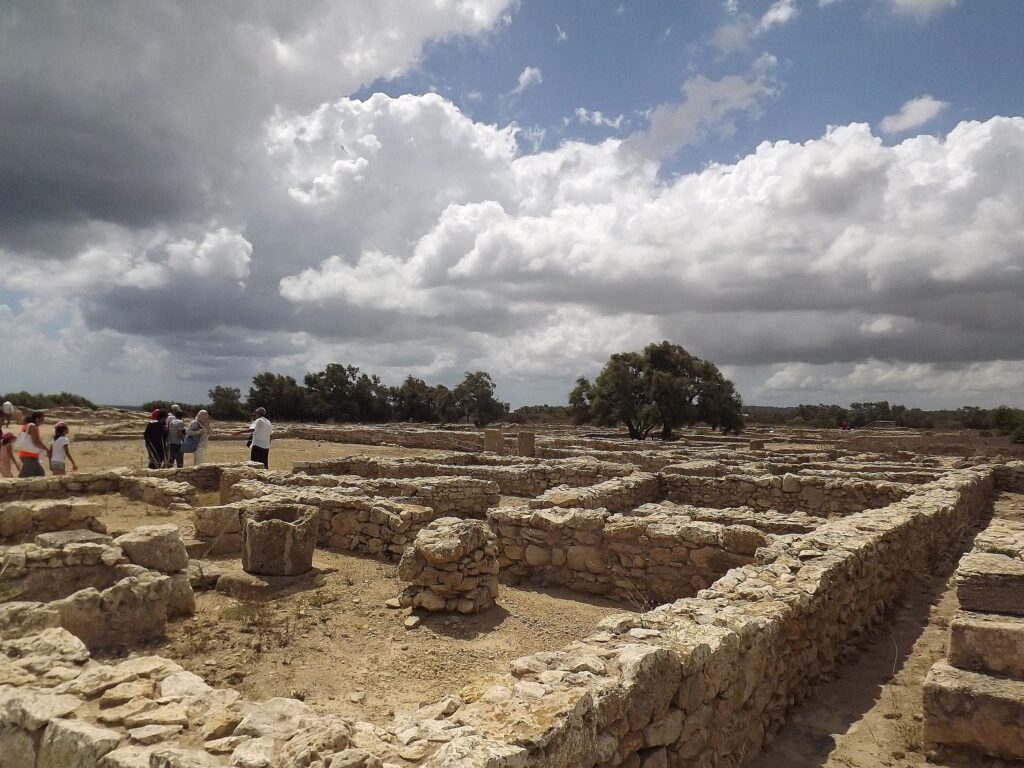
Carthage Archaeological Park
The archaeological zones of Carthage are spread across residential districts and low hills, so visits often involve moving between separate sites rather than exploring a single enclosed complex. This layout reflects how the Roman city once occupied a wide coastal area. The Antonine Baths are the largest surviving structure and illustrate the scale of public facilities in a major provincial center. Other areas, including the Roman villas, theater, Tophet, and Punic ports, show how domestic life, trade, and religious practices evolved over many centuries.
Carthage is easily reached from central Tunis by light rail, taxi, or car, which makes it suitable for a half-day or full-day visit with time to move between the different zones. Many travelers begin at the Antonine Baths and then continue to Byrsa Hill for an overview of the ancient and modern city.

Best Natural and Desert Destinations
The Sahara Desert
The Tunisian Sahara moves from cultivated oases into open desert marked by dunes, plains, and low plateaus. Douz is the main access point for organized desert travel, with camel treks and 4×4 routes that reach areas not accessible by regular roads. From here, travelers can enter dune fields for short excursions or multi-day crossings. Ksar Ghilane, farther south, is a practical base for those who want direct access to dunes and a small oasis with a hot spring used by visiting groups. Matmata adds another dimension to the region, with troglodyte houses built partly underground to regulate heat; several of these homes are open to visitors and explain how local families adapted to the environment.
Most desert itineraries include at least one overnight stay in a structured camp. These camps provide meals, basic facilities, and opportunities to observe the night sky without urban light. Travel times vary depending on the region: Douz and Matmata are reachable by road from Tozeur, Gabès, or the coastal cities, while Ksar Ghilane usually requires a 4×4 transfer for the last stretch.

Chott el Jerid
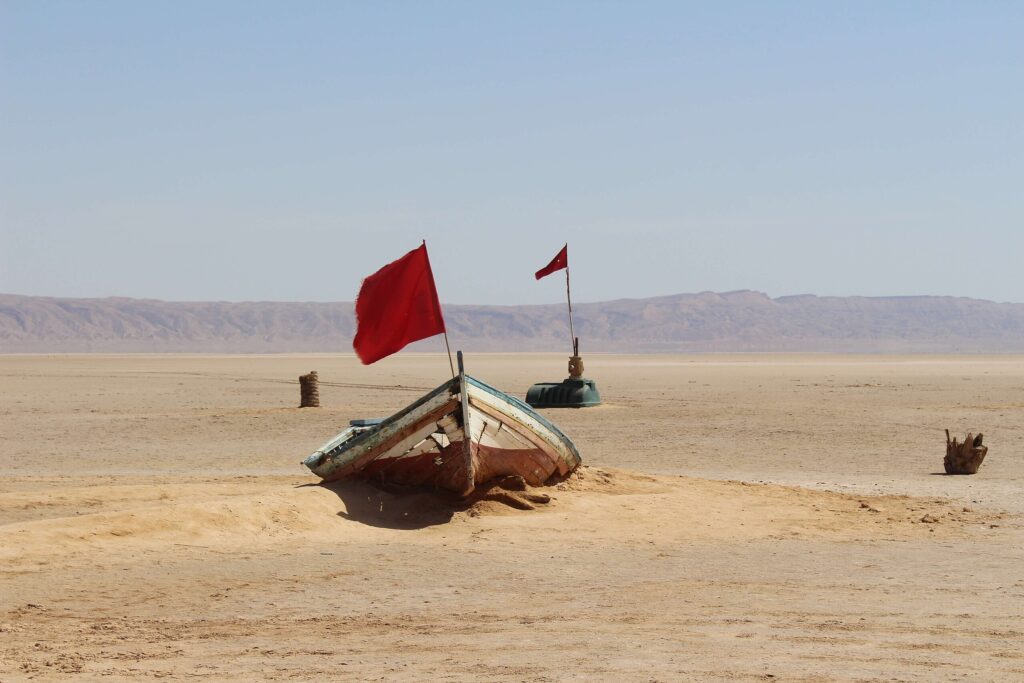
Chott el Jerid is a large salt pan between Tozeur and Douz, crossed by a long causeway that allows direct travel across the lakebed. The surface forms salt crusts and shallow pools that change appearance with light and season, which is why travelers often stop at viewpoints along the road to observe the colors and the flat horizon. In dry periods the lake becomes a hard, cracked plain, while after rain it can hold water that reflects the sky. The area gives a clear impression of how southern Tunisia shifts from oasis zones into open desert.
Most visits to Chott el Jerid take place as part of a wider route through Tozeur, Douz, or the mountain oases. The causeway links these regions, making it easy to include short stops during transfers. Travel by car or organized tour is the standard approach, as walking far from the road is not recommended due to soft ground in some areas.
The Atlas Mountains
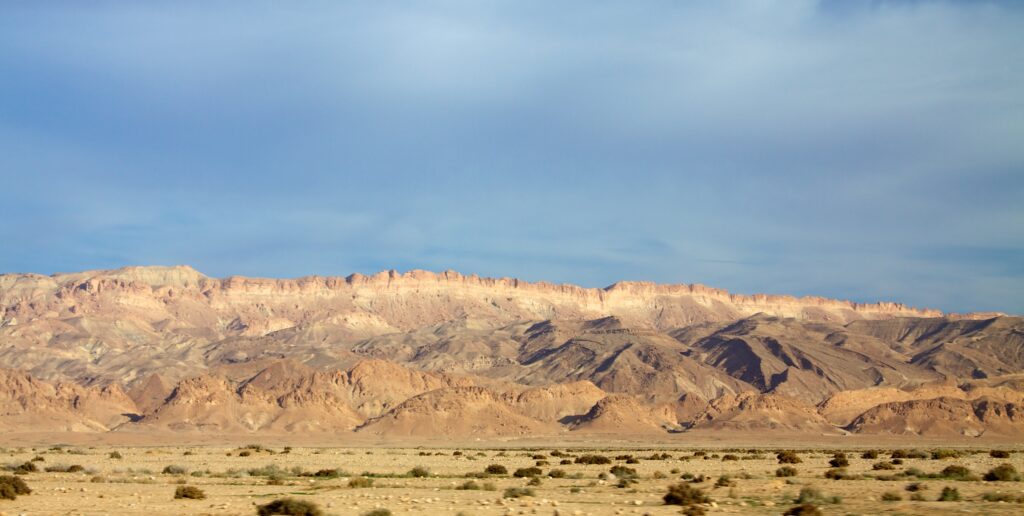
The Atlas Mountains extend across northern and central Tunisia and provide an accessible break from the hotter lowlands. The slopes around Djebel Zaghouan contain marked trails, Roman-era water structures, and viewpoints that explain how the region supplied ancient Carthage. Small roads connect villages, farmland, and forested ridges, making the area suitable for short hikes or half-day drives. Local communities in the foothills maintain agricultural terraces and seasonal markets, which give visitors a sense of how rural life operates in the mountain zones.
Cap Bon Peninsula
The Cap Bon Peninsula is an agricultural region east of Tunis, known for citrus groves, vineyards, and a coastline that alternates between long beaches and rocky stretches. Hammamet is the main resort area, with a compact medina, accessible beachfront, and a range of accommodations that make it a practical base for exploring the peninsula. Nearby Nabeul functions as both a market town and a center for pottery production, where workshops demonstrate shaping, glazing, and firing techniques that have long been associated with the region.
Travel around Cap Bon is straightforward by car or shared transport, and many visitors combine stops in Hammamet and Nabeul with coastal drives toward Kelibia or the northern headlands. The peninsula is often chosen as a day trip or short retreat from Tunis because of its road connections, moderate distances, and mix of cultural sites with beach access.
Best Beaches and Coastal Destinations
Hammamet
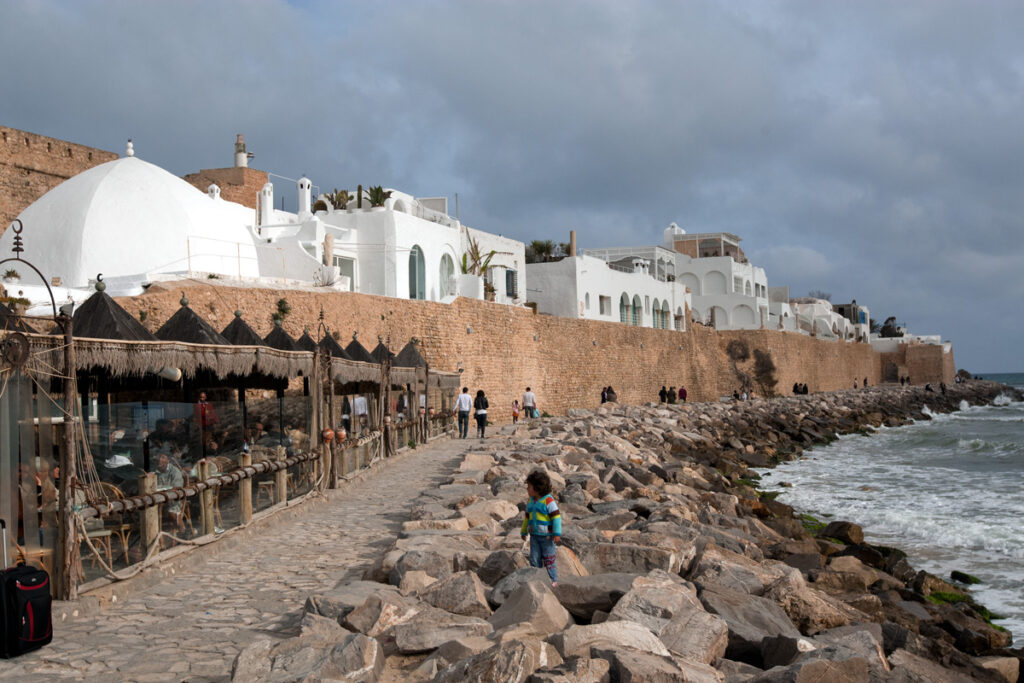
Hammamet is one of Tunisia’s main coastal destinations, known for its long stretch of beach and easy access to resort facilities. Most visitors use the town as a base for swimming, boating, and simple day trips along the Cap Bon Peninsula. The old medina sits near the water and contains narrow lanes, small shops, and a fortress that overlooks the bay. Walking through this area provides a straightforward introduction to local crafts and the region’s historical ties to Mediterranean trade.The town is reached by road or rail from Tunis and has frequent transport links to Nabeul, Kelibia, and other parts of Cap Bon. Hotels and guesthouses line the coast, making it simple to combine time on the beach with visits to nearby pottery workshops, markets, or archaeological sites.
Djerba Island
Djerba is an accessible island in southern Tunisia where beach areas sit alongside long-standing cultural sites. Houmt Souk, the main town, has markets, small workshops, and a coastal fort that explains the island’s historic role in trade across the Gulf of Gabès. South of the town, the El Ghriba Synagogue remains an active place of worship and is one of the oldest Jewish sites in North Africa. These stops allow visitors to see how different communities shaped the island’s identity over many centuries.
The coastline around Djerba offers shallow, calm water suitable for swimming and kitesurfing, with several schools located near the main beach zones. Camel rides, pottery workshops, and visits to rural villages show how agriculture and crafts continue to support daily life. The island is connected to the mainland by a causeway and can be reached by road or by flights into Djerba–Zarzis International Airport.

Mahdia
Mahdia is a coastal town south of Sousse that appeals to travelers who want direct beach access and a quieter environment than the larger resort zones. The medina sits on a narrow peninsula and is easy to explore on foot, with small workshops, cafés, and a shoreline path that leads to the old fortifications. Its layout shows how the town developed around fishing, textile production, and maritime trade. The harbor area remains active, and local markets provide a straightforward look at daily life.
Beaches near Mahdia are among the calmest in the region, making the town a practical choice for swimming and relaxed seaside stays. Transport connections include road and rail links to Sousse, Monastir, and Tunis, which allows visitors to combine time in Mahdia with day trips to archaeological sites or inland towns.
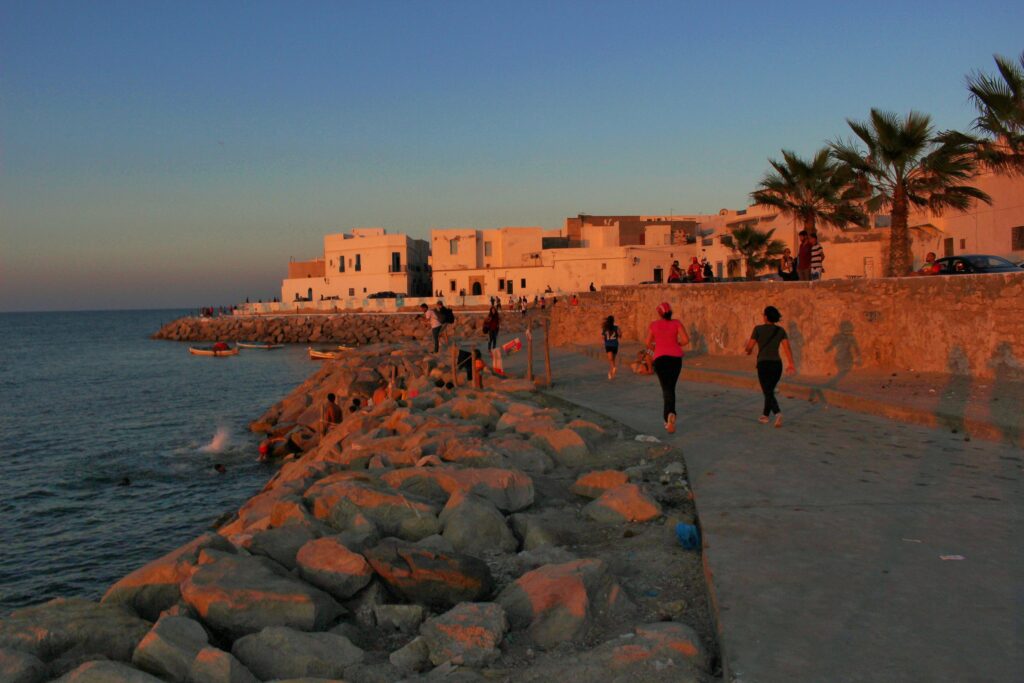
Monastir
Monastir combines a compact historic center with a coastal zone suited for relaxed stays. The Ribat is the city’s main landmark and one of the most complete early Islamic fortifications in the region. Visitors can walk through its corridors and climb the tower for views over the harbor and surrounding neighborhoods. A short walk away, the Bourguiba Mausoleum presents modern Islamic architectural elements and contains exhibits that outline the role of Habib Bourguiba in Tunisia’s recent history. The medina, adjacent to these sites, holds small shops and cafés that function mainly for local residents.
The city also serves as a practical base for coastal activities. Its beaches and marina offer convenient access to swimming areas, boat trips, and waterfront promenades. Monastir is easy to reach via its international airport or by train from Sousse and Mahdia, making it a straightforward stop on itineraries along Tunisia’s central coast.

Hidden Gems of Tunisia
Tataouine
Tataouine is a useful base for exploring southern Tunisia’s network of hilltop villages, ksour, and desert plateaus. The region is known for its fortified granaries, where communities once stored grain and oil in multi-level vaults. Ksar Ouled Soltane is the most accessible example and shows how these structures functioned in a dry climate with limited security. Nearby Chenini is built along a ridge and includes a mosque, abandoned dwellings, and viewpoints that explain how settlements were positioned for defense and access to grazing areas.
The area also attracts visitors interested in film locations. Several sites around Tataouine were used during the production of Star Wars, and guided tours link the ksour and open desert landscapes associated with the films. Tataouine is reached by road from Gabès, Djerba, and Medenine, and most travel in the region is done by hired 4×4, as many routes cross uneven terrain.

Zaghouan
Zaghouan is a mountain town south of Tunis, known for the Roman Water Temple that once marked the start of an aqueduct supplying ancient Carthage. The site explains how water was collected and directed across long distances, and paths around the temple lead to terraces with views of the plain. The town itself contains small workshops where artisans produce ceramics, textiles, and metal goods, offering visitors a look at local craft traditions linked to the region.
The slopes of Djebel Zaghouan provide accessible hiking routes and short drives to rural villages and viewpoints. Most travelers reach Zaghouan by car from Tunis or Hammamet, making it suitable for a half-day or full-day visit.

Le Kef
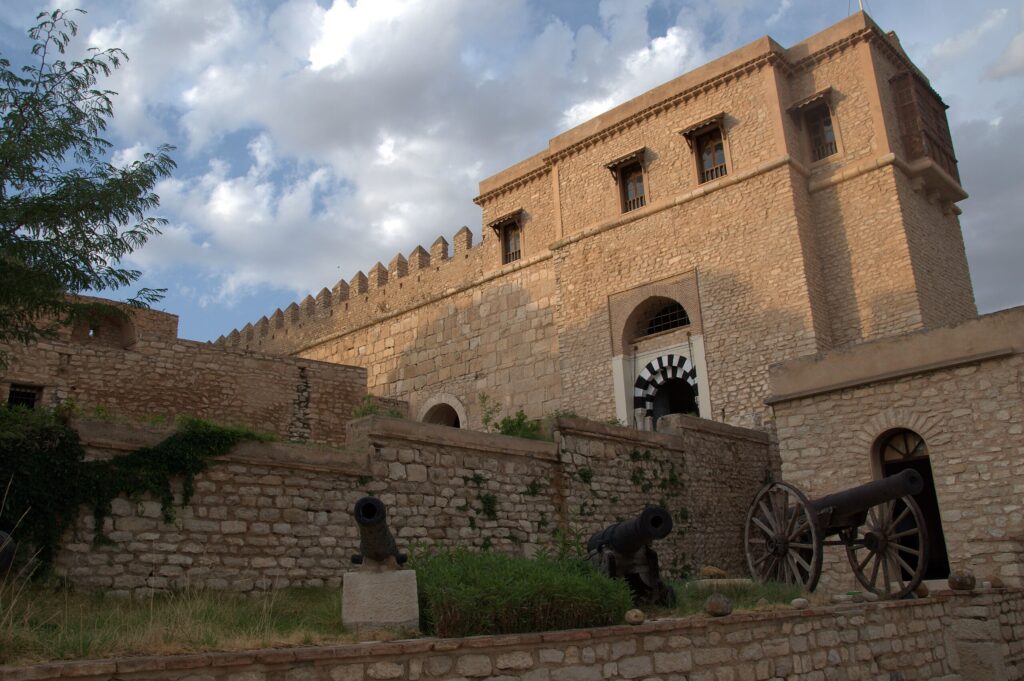
Le Kef is an inland town near the Algerian border that brings together several periods of Tunisian history. Its hilltop kasbah, originally developed during the Ottoman era, provides access to ramparts and gates that overlook the surrounding plains. Below the fortress, the town includes Roman-era remains, old religious buildings, and streets that show a mix of Arab and Berber influences. Small museums and cultural centers help visitors understand how the region functioned as a military and administrative post over many centuries.
Tabarka
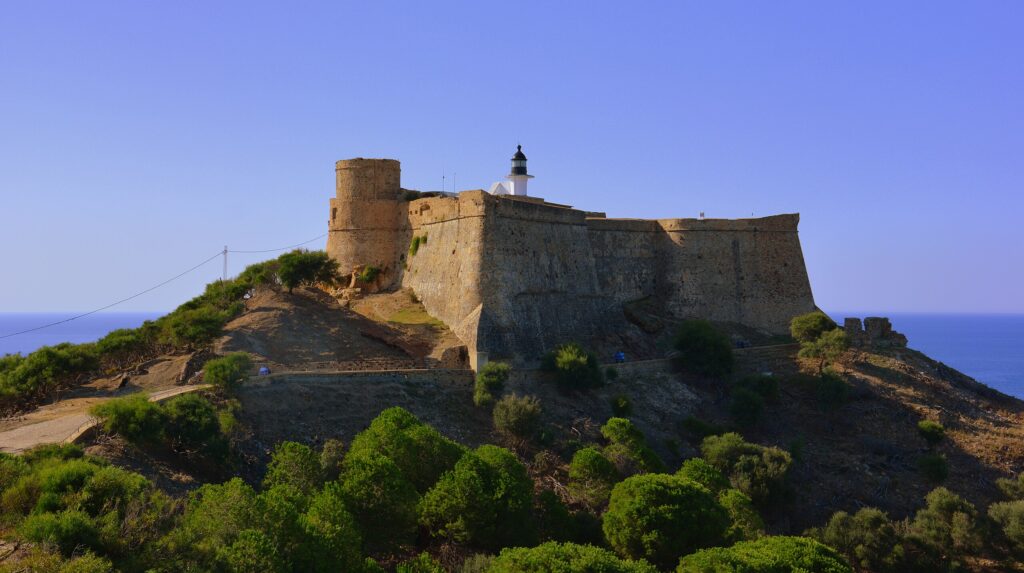
Tabarka sits near the Algerian border on Tunisia’s northern coast and is known for diving sites where coral formations and underwater cliffs are accessible by boat. The town’s marina functions as the starting point for most trips, and local operators provide equipment and guided excursions. On land, the surrounding hills belong to a forested mountain zone that supports hiking routes, small villages, and viewpoints over the coastline. The Genoese Fort, located on a rocky promontory, offers a clear impression of how the area was defended and how maritime routes shaped the town’s development.
Travel Tips for Tunisia
Travel Insurance & Safety
Travel insurance is highly recommended for visitors to Tunisia, particularly for those planning desert excursions or adventure activities. A comprehensive policy should cover medical care, emergency evacuation, and unexpected travel delays, as facilities in remote areas can be limited. Urban centers like Tunis and Sousse have reliable healthcare, but coverage for rural regions adds peace of mind.
Tunisia is widely regarded as one of the safest and most welcoming countries in North Africa. Crime rates are low, and locals are hospitable toward visitors. Nevertheless, it’s best to respect local customs and dress modestly, especially in rural communities and religious sites. Tap water is safe to drink in most cities, but many travelers still prefer bottled or filtered water. Sunscreen, hats, and hydration are essential when exploring desert or coastal areas, as the sun can be intense.
Transportation & Driving
Tunisia offers a practical and affordable transportation network. Trains and buses connect major cities such as Tunis, Sousse, and Sfax, while louages – shared taxis that leave when full – are a fast and inexpensive way to travel between towns. For longer distances, domestic flights operate between Tunis and destinations like Djerba and Tozeur, saving travel time for those heading south.
For travelers who prefer flexibility, renting a car is an excellent way to explore the countryside, from the Cap Bon peninsula to the mountain villages and southern oases. Roads are generally well-maintained, but those venturing into desert regions should plan carefully and consider using a 4×4 vehicle for safety and comfort. Driving in Tunisia is on the right-hand side, and an International Driving Permit is recommended for foreign visitors. Always carry your license, passport, and insurance documents, as checkpoints are common on major routes.

Published December 07, 2025 • 18m to read