

Small but full of surprises, Togo is one of West Africa’s most diverse and rewarding destinations. Nestled between Ghana and Benin, this slender country packs in bustling markets, palm-fringed beaches, sacred forests, mountain villages, and traditional mud-tower houses. Add in vibrant festivals, voodoo traditions, and a welcoming spirit, and Togo becomes a gem for travelers eager to go beyond the usual tourist trail.
Best Cities
Lomé
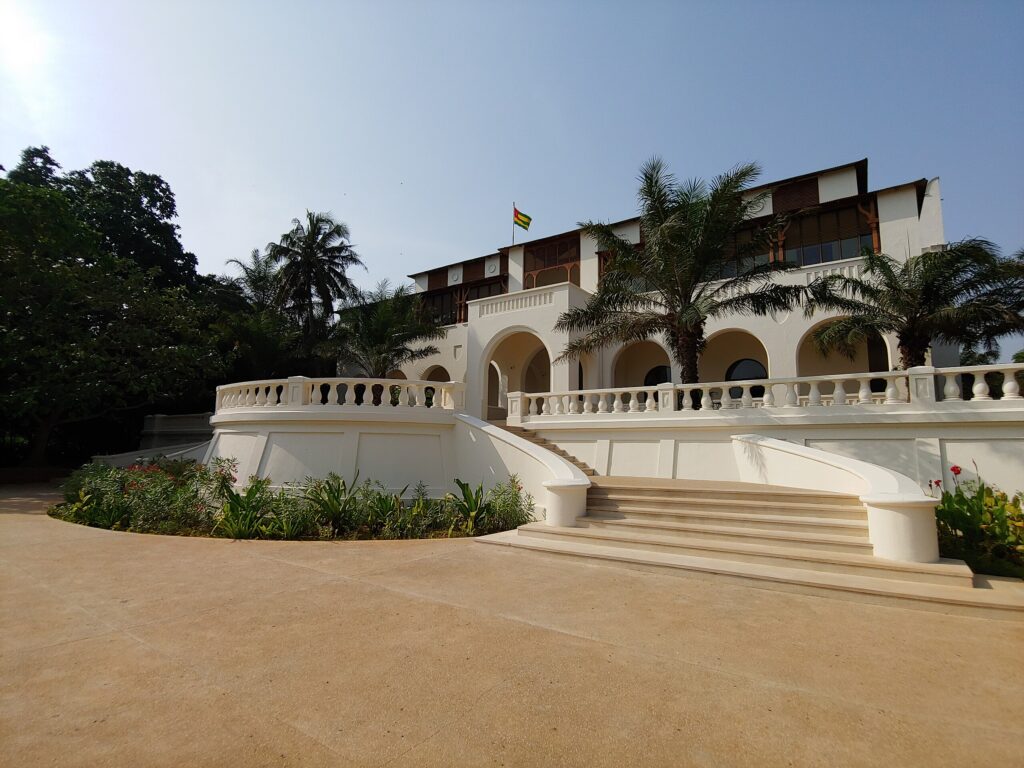
Lomé, the capital of Togo, sits on the coast and combines lively markets with colonial landmarks and beach life. The Lomé Grand Market is the city’s busiest spot, spread across several streets and filled with textiles, spices, and crafts. For something unique, the Akodessewa Fetish Market is the largest of its kind in the world, where traditional healers sell talismans, herbs, and remedies used in voodoo practices.
Other stops include the Lomé Cathedral, an example of French colonial architecture, and the Togo National Museum inside the Palais des Congrès, which showcases traditional crafts and the country’s history. Lomé Beach runs along the city and is a popular place to relax with grilled fish and a drink after exploring.
Kpalimé
Kpalimé, in Togo’s Plateaux region, is known for its cooler climate and artistic community. Local workshops produce batik textiles, wood carvings, and pottery, and visitors can join short classes to learn traditional techniques. Just outside town, Cascade de Womé is an accessible jungle waterfall with a pool for swimming, a popular half-day trip.
The surrounding hills are ideal for trekking. Mount Agou, Togo’s highest peak, can be climbed in a day with the help of local guides, while forest trails lead through coffee and cocoa plantations.
Aného
Aného is a quiet coastal town that once served as the German colonial capital, and traces of that history remain in its architecture and layout. Beyond the town, the shoreline and nearby Lake Togo give access to some of the country’s most important cultural sites.
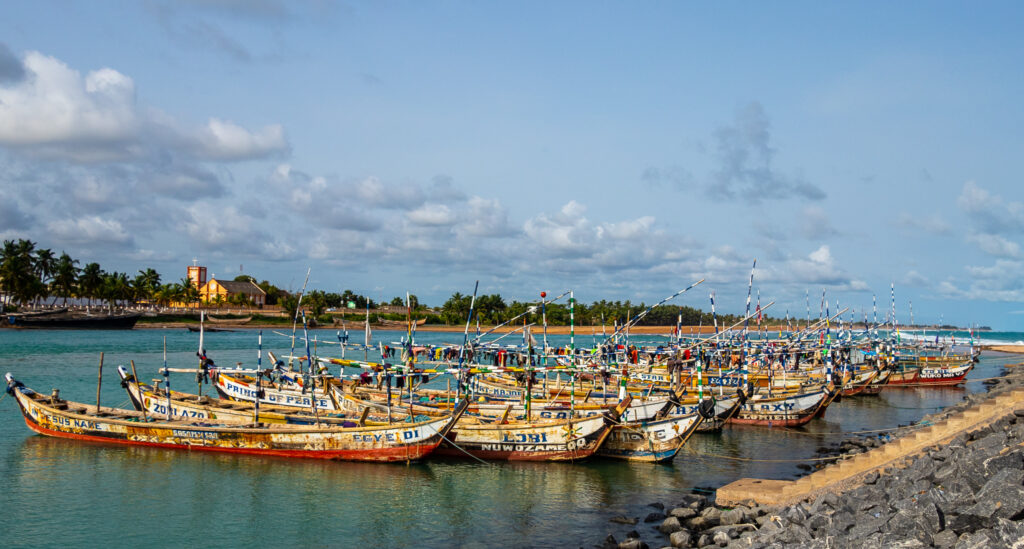
Traditional voodoo shrines are found around the lake, and from Aného it’s easy to take a canoe across to Togoville, a town known for its mix of Catholic and animist traditions. This crossing has been used for centuries and remains one of the most direct ways to experience local spiritual life.
Togoville
Togoville, on the northern shore of Lake Togo, is one of the country’s most symbolic towns. The House of the German Treaty marks the spot where Togo became a protectorate in 1884, a key moment in its colonial history. The town is also known for its sacred voodoo shrines, where rituals are still practiced, standing alongside a large Catholic cathedral built by missionaries.
This mix of Christianity and animism makes Togoville a unique place to understand Togo’s cultural identity. Visitors usually arrive by canoe across Lake Togo from Aného, a journey that has been the traditional link between the two towns for generations.
Best Natural Attractions
Mount Agou
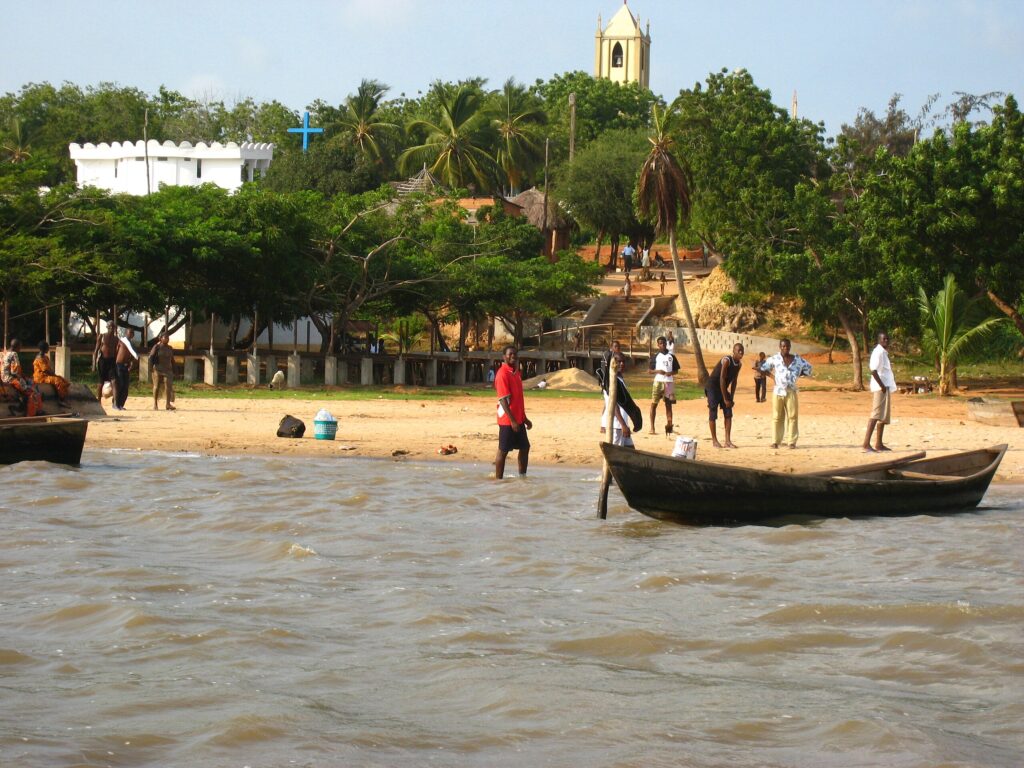
Mount Agou is Togo’s highest peak at 986 meters and a rewarding goal for hikers. Trails climb through Ewe villages and farmland before entering forest, where local guides point out plants and wildlife along the way. The hike is moderately challenging, taking a few hours, but it’s manageable for most active visitors. At the summit, views open over the Plateaux region, with rolling hills, plantations, and on clear days, distant glimpses toward Ghana. The mountain is best climbed from Kpalimé, where guides can be arranged.
Cascade de Womé
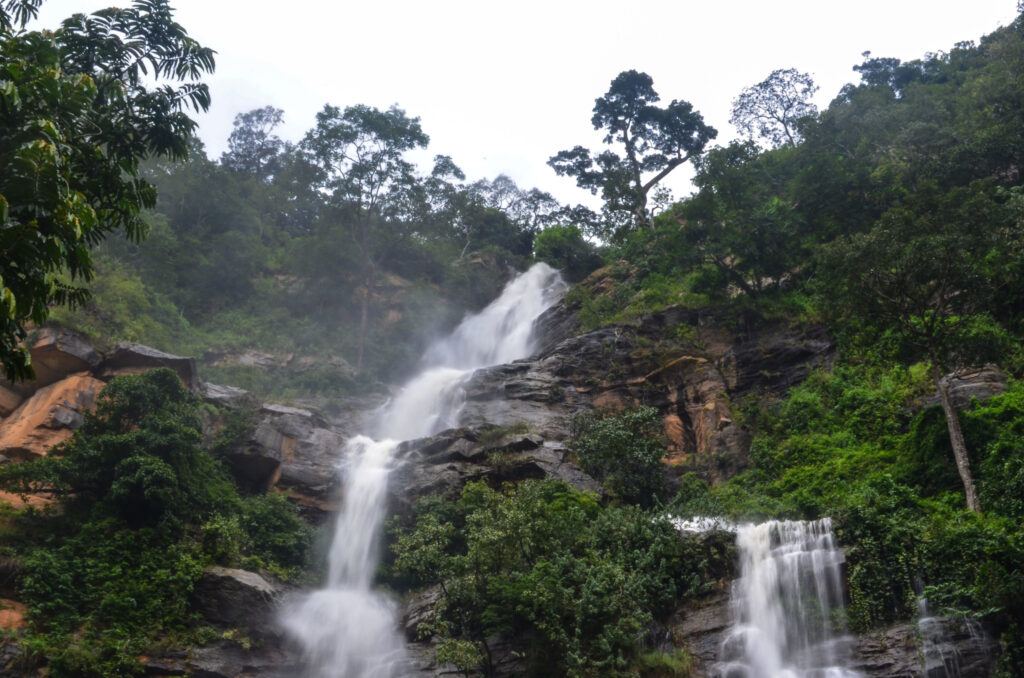
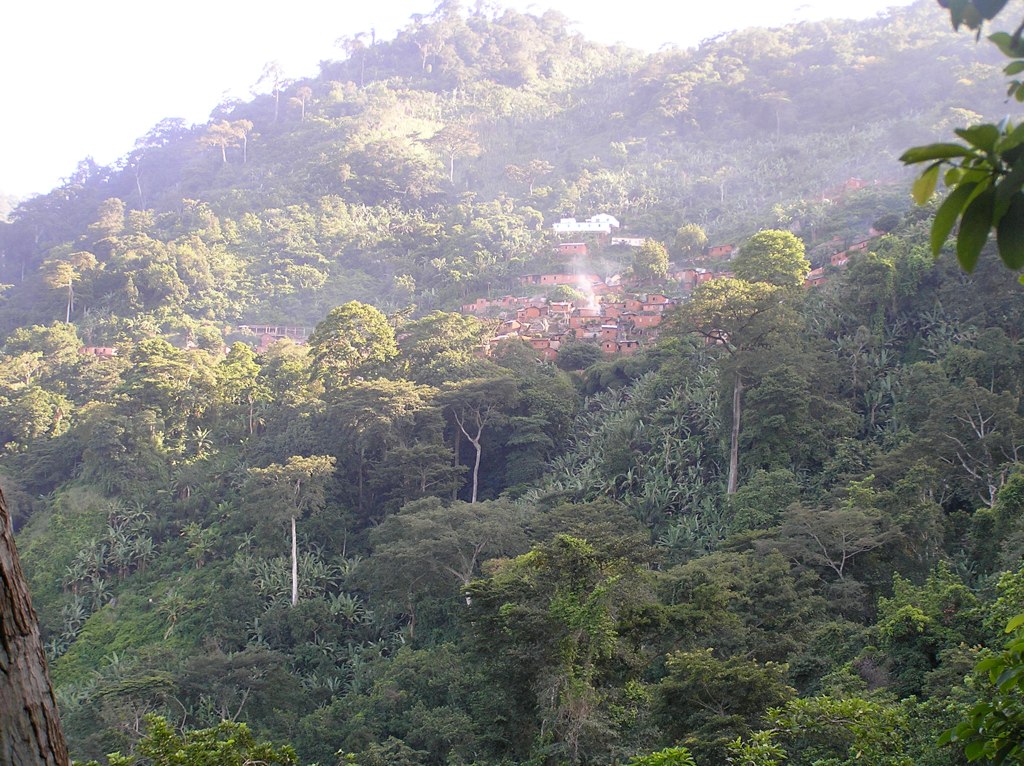
Cascade de Womé is one of the easiest natural escapes near Kpalimé, reached by a short jungle walk from the road. The waterfall drops into a wide, clear pool where visitors can swim and cool off after the hike. The surrounding forest makes it a good spot for a picnic and a break from the town. Local guides are available at the entrance and help with access, especially in the rainy months when the trail can be slippery. The site is only a short drive from Kpalimé, making it a half-day trip.
Fazao-Malfakassa National Park
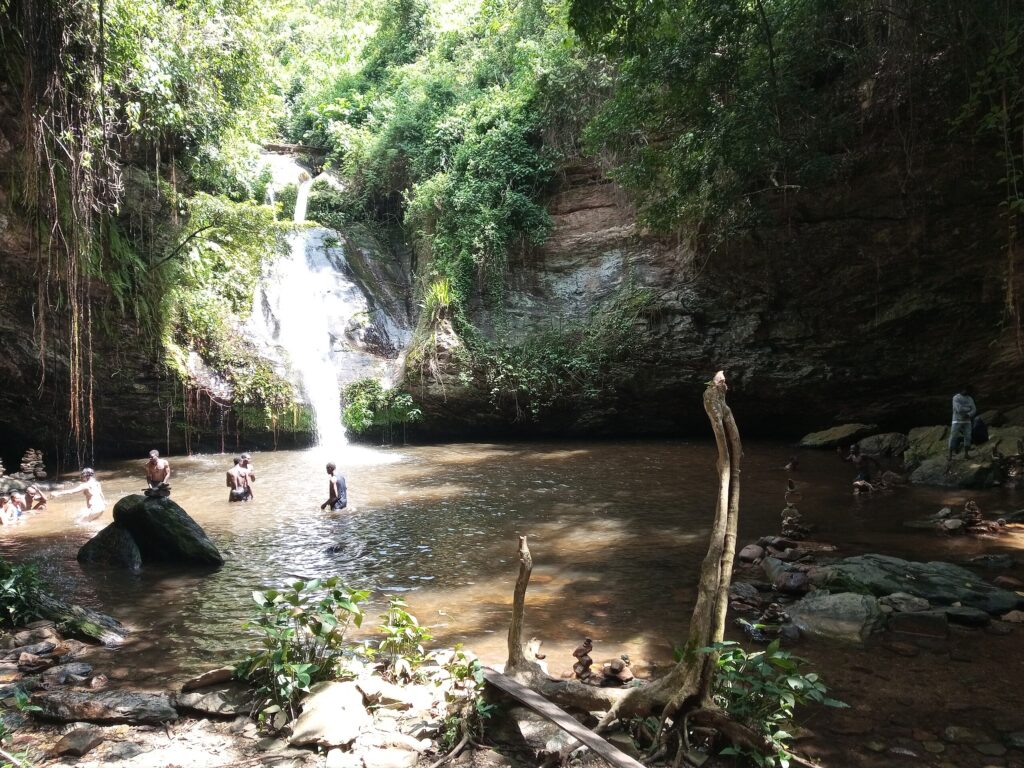
Fazao-Malfakassa is Togo’s largest national park, stretching between the towns of Kara and Sokodé. Its landscape mixes forest, savanna, and rolling hills, making it one of the best areas in the country for multi-day treks. Wildlife includes antelope, monkeys, and warthogs, while birdwatchers can spot a wide variety of species with the help of guides. Access is through park entrances near Sokodé or Kara, where local guides are required to lead hikes and help navigate the trails. Facilities are basic, so visits are best planned with a tour or community lodge.
Lake Togo
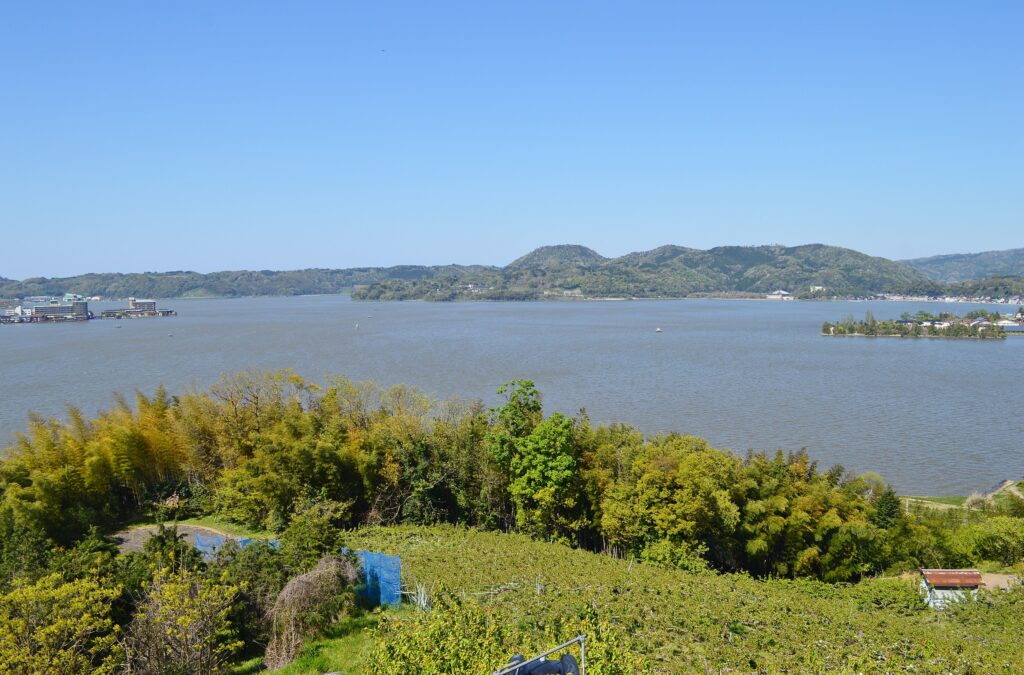
Lake Togo stretches along the southern coast and is best known for the canoe crossing to Togoville. The calm waters are easy to navigate, and the trip offers views of fishing villages and traditional shrines along the shoreline. The lake also attracts herons and other water birds, making it a peaceful spot for nature watching. Many visitors combine the crossing with a visit to Togoville’s voodoo shrines and cathedral, experiencing both the natural and spiritual importance of the lake.
Northern Togo
Koutammakou
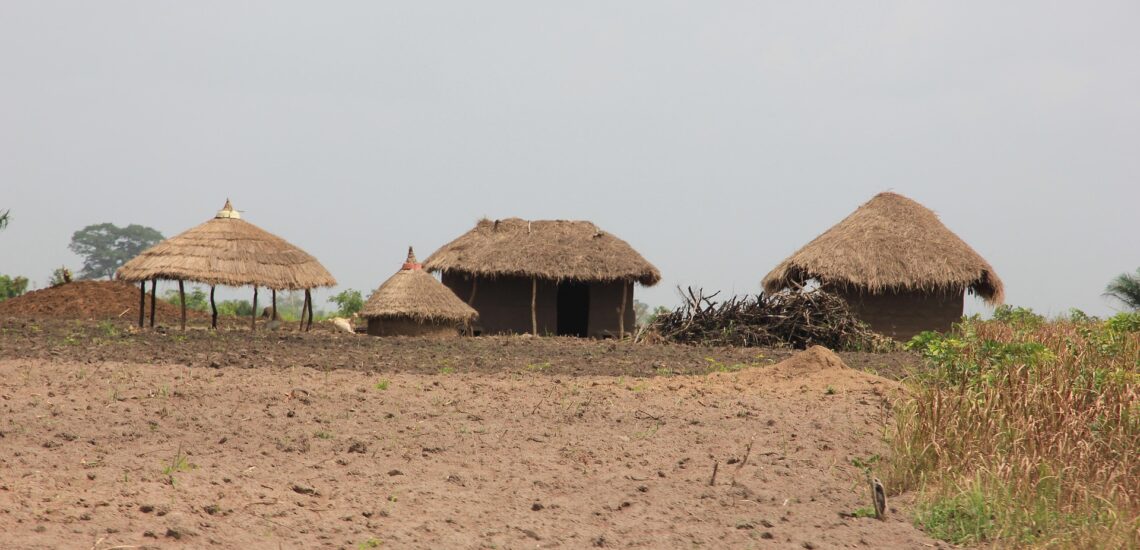
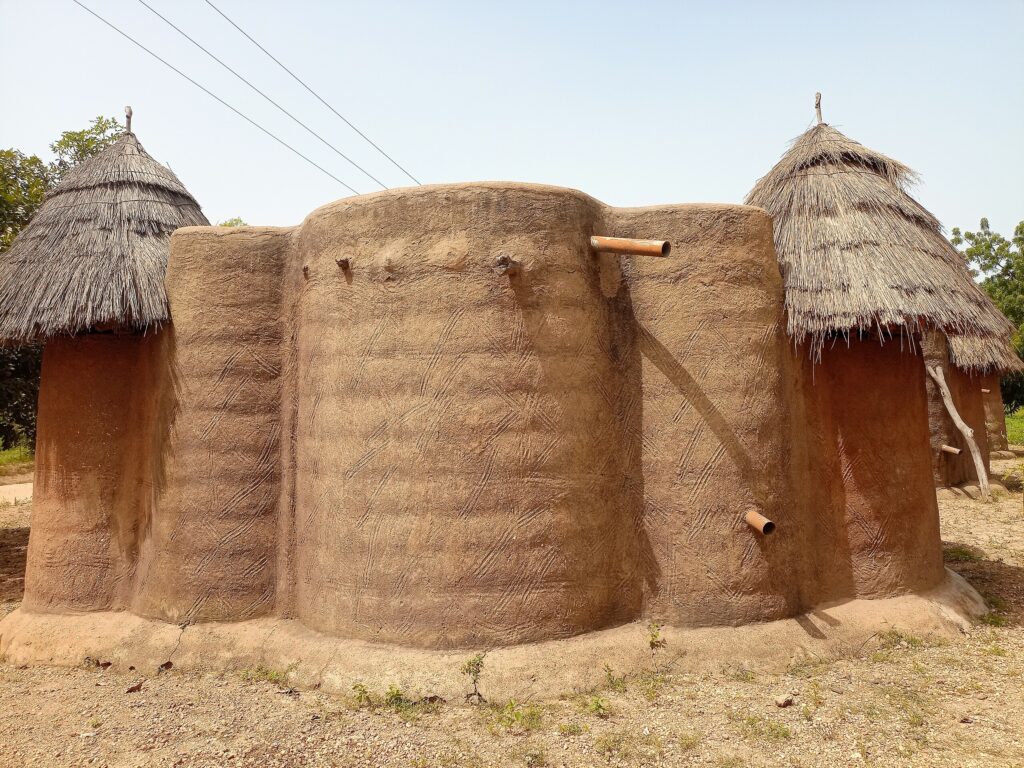
Koutammakou in northern Togo is a UNESCO World Heritage Site, known for its Takienta – fortified mud-tower houses built by the Batammariba people. These dwellings are still lived in today and represent a cultural tradition passed down through generations. The landscape is dotted with villages, fields, and shrines, making it as much a living cultural space as a historical one.
Visitors can tour with local guides to learn about Batammariba customs, initiation rituals, and everyday farming life. The area offers excellent photography, especially in the soft light of morning and evening. Koutammakou is reached from Kara by road, with local accommodations in nearby villages.
Kara
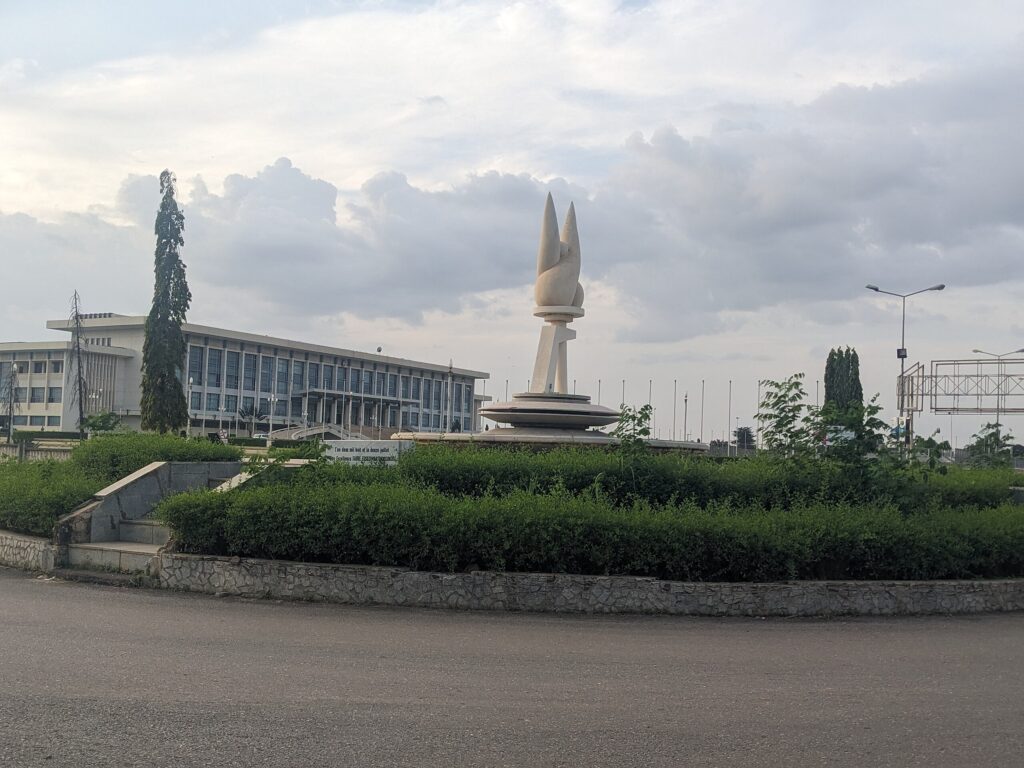
Kara is the main town in northern Togo and a good base for exploring the region. The nearby Niamtougou Market is one of the largest in the area, drawing traders from surrounding villages and offering everything from textiles to livestock. Traditional settlements around Kara give visitors a look at daily life and local customs. The town is best known for the annual Evala wrestling festival in July, when young men take part in initiation rites through wrestling matches, songs, and dances.
Tamberma Valley
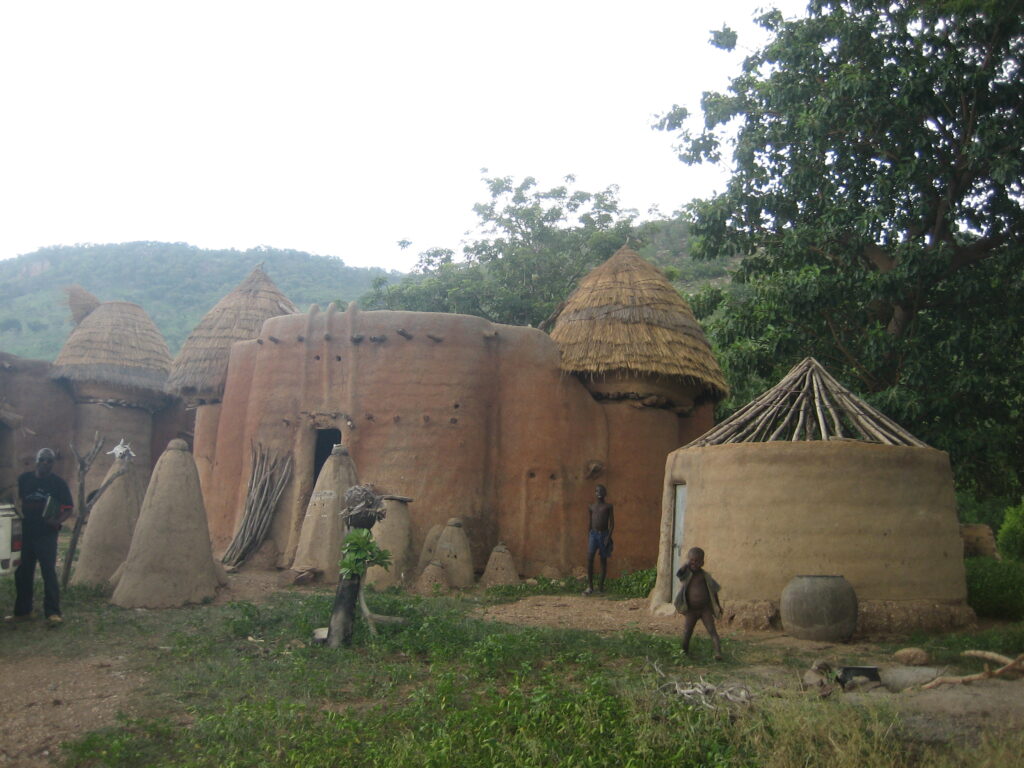
The Tamberma Valley, near the border with Benin, is famous for the fortress-like earthen homes of the Tamberma (or Somba) people. These structures, similar to the Takienta houses of Koutammakou, are built with towers and flat roofs that serve both as living spaces and protection. The valley is also known for its animist traditions, with sacred groves and ancestor worship central to community life. Exploring the valley is best done with a local guide, who can explain the symbolism of the architecture and introduce visitors to village practices.
Hidden Gems of Togo
Nok Lake (Lake Nangbéto)
Nok Lake, also called Lake Nangbéto, is a man-made reservoir in Togo’s Plateaux region. It is known for calm waters that are good for boating and fishing, and for the villages along its shores where visitors can learn about local life. The area is also a strong spot for birdwatching, with species often seen around the wetlands created by the dam. The lake is about a three-hour drive north of Lomé, usually visited on a day trip or overnight with nearby community lodges.
Sarakawa Reserve (Near Kara)
Sarakawa Reserve is a small wildlife area near Kara that offers a chance to see zebras, antelope, buffalo, and several bird species. Visitors explore the park on guided jeep tours, which provide a safari-style experience in northern Togo without long travel distances. The reserve is easy to reach from Kara, making it a half-day or full-day trip. Facilities are basic, so visits are best arranged with local operators or lodges.

Abdoulaye Faunal Reserve
Abdoulaye Faunal Reserve is one of Togo’s least-visited protected areas, set in open savanna where wildlife can be observed without crowds. Antelope, monkeys, and a variety of bird species are present, though sightings depend on the season and patience. The reserve is also home to Fulani herders, whose cattle graze in the area and who often welcome visitors to learn about their way of life. Access is by road from Dapaong in northern Togo, and visits require local guides since infrastructure is minimal.
Danyi Plateau
The Danyi Plateau in southern Togo is a cooler highland area known for forested hills, waterfalls, and wide views over the valleys below. Scenic drives and short hikes connect villages and natural sites, making it a good escape from the coastal heat. One of the main stops is the Benedictine Monastery of Danyi Dzogbégan, where visitors can walk the peaceful grounds and try cheese made by the monks.
Aledjo Fault
The Aledjo Fault is a narrow gorge where the main north–south road cuts through high cliffs, creating one of Togo’s most striking natural passes. The rock walls rise steeply on both sides, and the site is often seen as a symbolic divider between the country’s northern and southern regions. It is located near the town of Bassar, making it an easy stop when traveling between Sokodé and Kara.
Travel Tips
Currency
The official currency is the West African CFA Franc (XOF), which Togo shares with several neighboring countries, making cross-border travel simpler. ATMs are available in Lomé and larger towns, but in rural areas cash is essential, especially in smaller denominations for markets and local transport.
Language
French is the official language, used in government, education, and business. In daily life, however, many people speak local languages such as Ewe and Kabiyé, along with numerous regional dialects. English is not widely spoken outside tourist services, so a translation app or learning a few French or Ewe phrases will enhance communication.
Getting Around
Transport in Togo varies depending on region. Buses and shared taxis connect major towns affordably, while in cities, zemidjan (motorbike taxis) are the most common and inexpensive option for short trips. For travel in rural areas or national parks, a 4WD vehicle is often necessary due to poor road conditions, especially during the rainy season. Travelers who wish to rent a car or motorbike must carry an International Driving Permit along with their home license.
Safety
Togo is considered generally safe for travelers, but normal precautions should be taken, especially in crowded areas. Petty theft can occur in markets and bus stations, so keeping belongings secure is advised. In remote regions, traveling with a local guide is recommended for both safety and cultural understanding. Visitors should always ask permission before photographing people, shrines, or sacred sites, as local traditions place high importance on respect.

Published September 19, 2025 • 9m to read