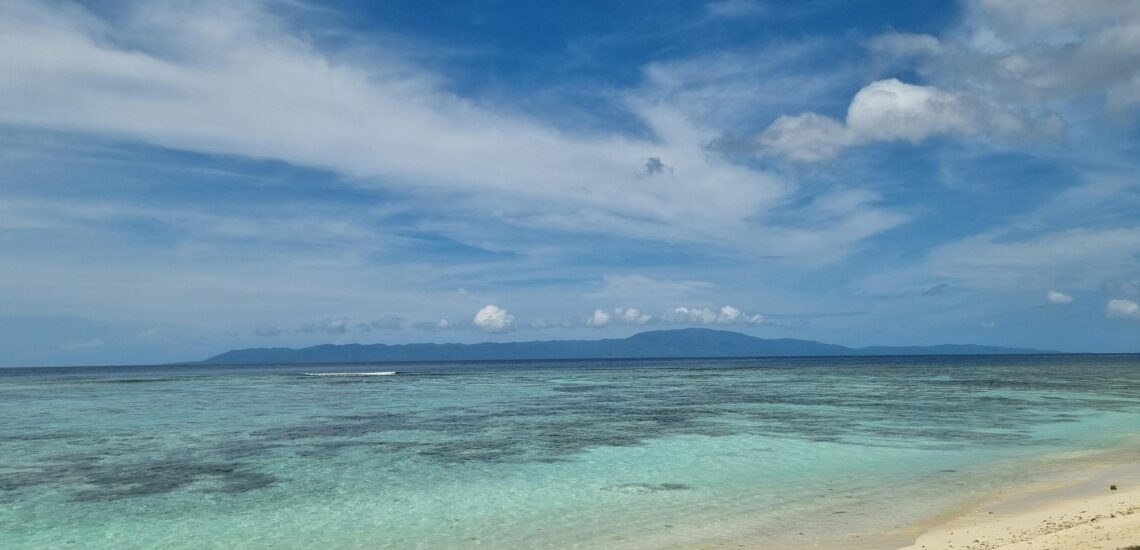


The Solomon Islands – nearly 1,000 islands scattered across the South Pacific – remain one of the region’s most authentic, untouched destinations. With WWII battlefields, volcanic landscapes, pristine reefs, and rich Melanesian traditions, the Solomons offer an adventure far from the beaten track. Perfect for divers, history buffs, trekkers, and cultural travelers, these islands deliver raw beauty and immersive experiences.
Best Cities
Honiara (Guadalcanal)
Honiara, the capital of the Solomon Islands on Guadalcanal, is the country’s busiest hub and gateway for travelers. The National Museum & Cultural Centre offers a good introduction to local traditions with its displays of artifacts, carvings, and crafts. History buffs will find Honiara especially significant, as the island was a major WWII battleground. Sites such as the American War Memorial, Japanese Peace Park, and Bloody Ridge give insight into the fierce Guadalcanal Campaign.
Daily life is best experienced at Central Market, a lively spot where vendors sell fresh produce, fish, betel nut, and handmade crafts. For those seeking the sea, Bonegi Beach just outside the city offers easy snorkeling over sunken WWII wrecks now covered in coral. Honiara is also the starting point for trips to Malaita, Western Province, and the outer islands. The city is served by Honiara International Airport (HIR), with flights from Australia, Fiji, and other Pacific hubs, making it the essential entry point to the Solomons.
Gizo (Western Province)
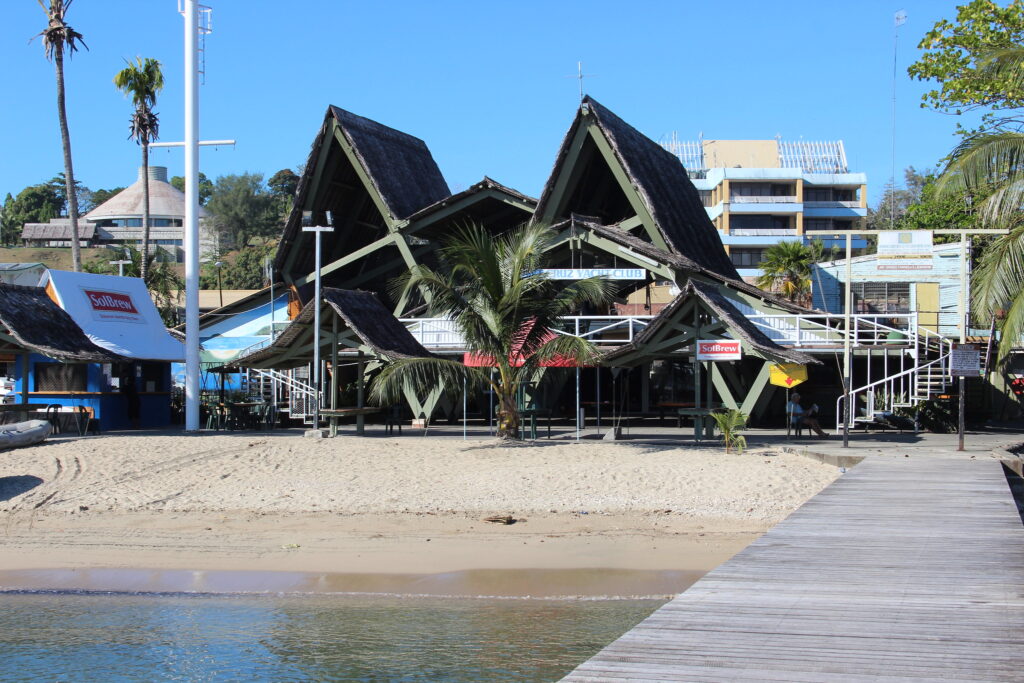
Gizo, the capital of the Western Province, is a laid-back island town and one of the Solomon Islands’ most popular travel bases. Surrounded by reefs and small islands, it’s ideal for snorkeling, diving, and boat trips. Just offshore lies Kennedy Island, where John F. Kennedy and his crew swam to safety after their PT-109 boat was sunk in WWII — a popular half-day excursion. Nearby villages such as Mbabanga welcome visitors with cultural performances, handicrafts, and insights into traditional Solomon Islands life.
Most accommodations are in eco-lodges and small guesthouses, often set on their own islets, offering a slower, nature-based rhythm. Gizo is accessible by domestic flights from Honiara (about 1 hour), usually landing at Nusatupe airstrip, followed by a short boat ride into town. With its mix of history, culture, and unhurried island living, Gizo is a perfect base for exploring the Western Province.
Best Natural Attractions
Marovo Lagoon (New Georgia Islands)
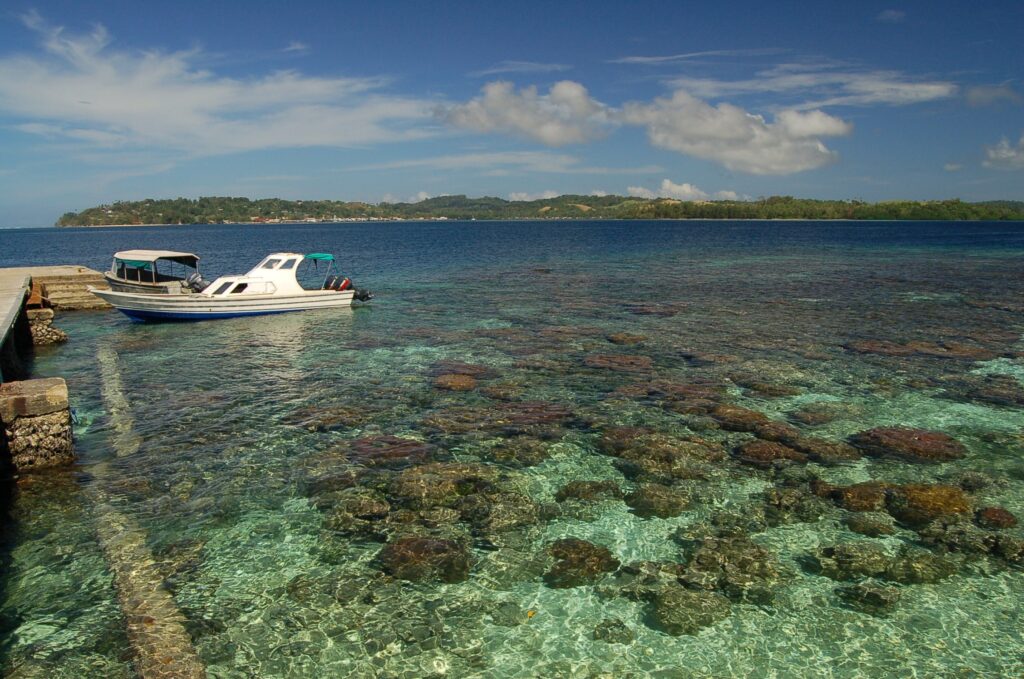
Marovo Lagoon, in the New Georgia Islands, is the world’s largest double barrier lagoon and a UNESCO World Heritage nominee for both its biodiversity and cultural heritage. Its vast sheltered waters are perfect for kayaking through mangroves, snorkeling vibrant coral gardens, and diving dramatic outer reef drop-offs where reef sharks, turtles, and manta rays are common. The lagoon’s countless small islands and turquoise channels make it one of the most scenic spots in the Solomon Islands.
Along the shores, villages are home to some of the Pacific’s finest woodcarvers, who create intricate bowls, masks, and sculptures from ebony and rosewood. Visitors can stay in family-run guesthouses and eco-lodges, many built in traditional style and offering home-cooked meals with freshly caught seafood.
Mataniko & Tenaru Falls (Guadalcanal)
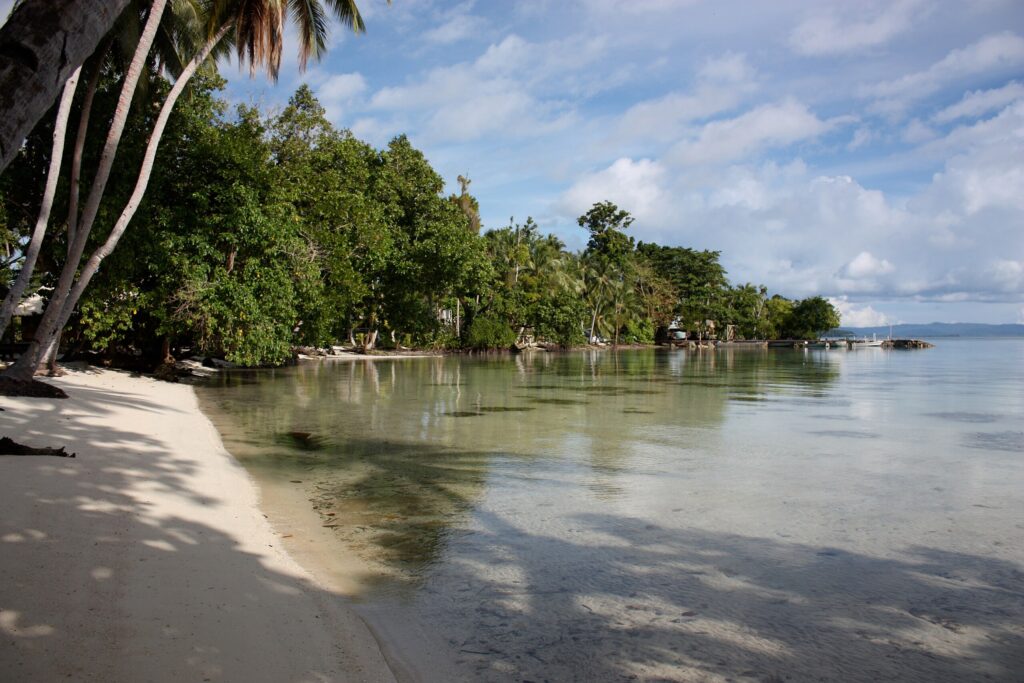
Mataniko and Tenaru Falls, near Honiara on Guadalcanal, showcase the Solomon Islands’ raw rainforest beauty mixed with wartime history. Mataniko Falls, just outside the capital, plunges into a dramatic canyon, with nearby caves once used as hideouts and shelters during WWII. Short guided hikes lead to viewpoints and swimming spots, making it one of the island’s most accessible natural attractions.
Deeper inland, Tenaru Falls offers a wilder adventure. Reached by a several-hour trek through dense rainforest, the waterfall drops more than 60 meters into a crystal pool surrounded by jungle cliffs. The hike can be challenging, with river crossings and slippery trails, so going with a local guide is essential.
Tetepare Island (Western Province)
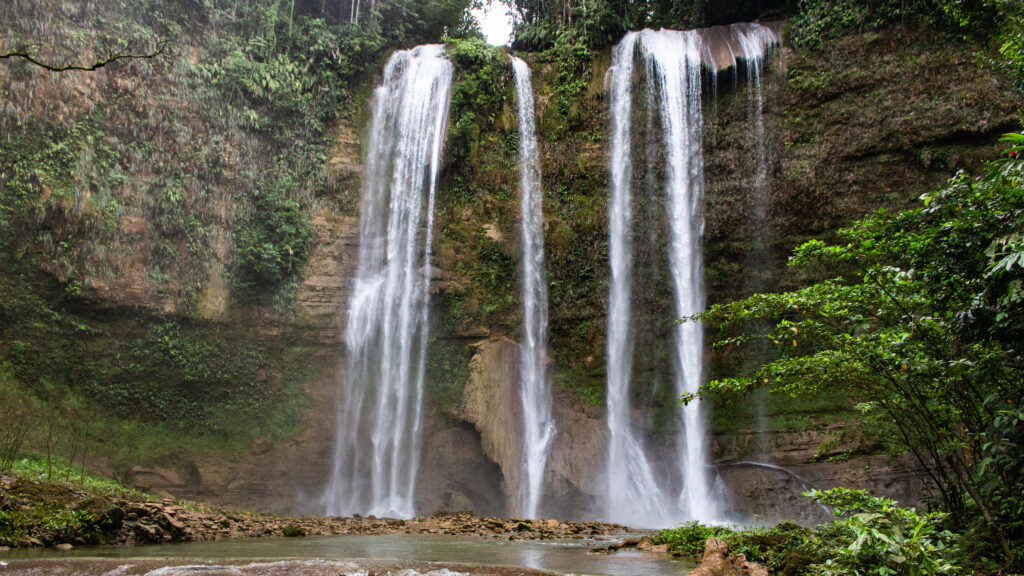
Tetepare Island, in the Western Province, is the largest uninhabited island in the South Pacific and a model for community-led conservation. Once home to a thriving population, it was abandoned in the 19th century and is now protected as a wilderness reserve. Visitors stay at the rustic Tetepare Eco-Lodge, run by local communities, which provides simple bungalows and guided activities. The island is a sanctuary for rare wildlife, including dugongs, nesting green and leatherback turtles, and hornbills, as well as one of the healthiest reef systems in the region.
Activities include trekking through untouched rainforest, snorkeling and diving vibrant reefs, and joining rangers for turtle monitoring on the beaches. With no permanent residents and limited visitor numbers, the island feels completely wild and secluded. Tetepare is reached by boat from Munda or Gizo, usually arranged through the Tetepare Descendants’ Association.
Best Islands & Beach Destinations
Rennell Island
Rennell Island, in the southern Solomon Islands, is home to East Rennell, a UNESCO World Heritage Site recognized for its unique ecology and culture. At its heart lies Lake Tegano, the largest raised coral atoll lake in the world, dotted with limestone islets and caves once used as a WWII seaplane base. The area is rich in endemic bird species, including the Rennell starling and bare-eyed white-eye, making it a must for birdwatchers. Villages around the lake preserve strong Polynesian traditions, distinct from the Melanesian cultures of most of the Solomons. Visitors can stay in basic homestays, join canoe trips on the lake, and learn about local legends tied to the land and water.
Munda (New Georgia)
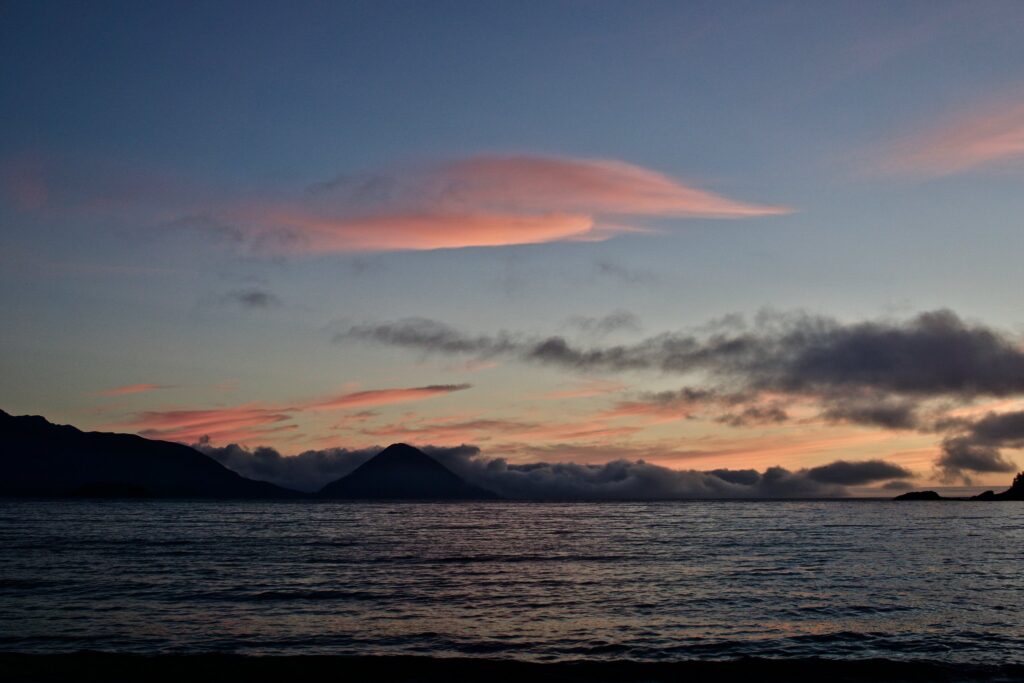
Munda, on the island of New Georgia, blends WWII history with some of the Solomon Islands’ best diving. Once a major wartime airbase, it still has scattered relics – tanks, airstrips, and abandoned bunkers – that visitors can explore around town. Offshore, the waters are a diver’s dream, with WWII plane wrecks, coral gardens, and walls teeming with marine life. A highlight is a boat trip to Skull Island, a sacred site where shrines hold ancestral skulls and shell valuables, offering a rare cultural encounter.
Uepi Island (Marovo Lagoon)
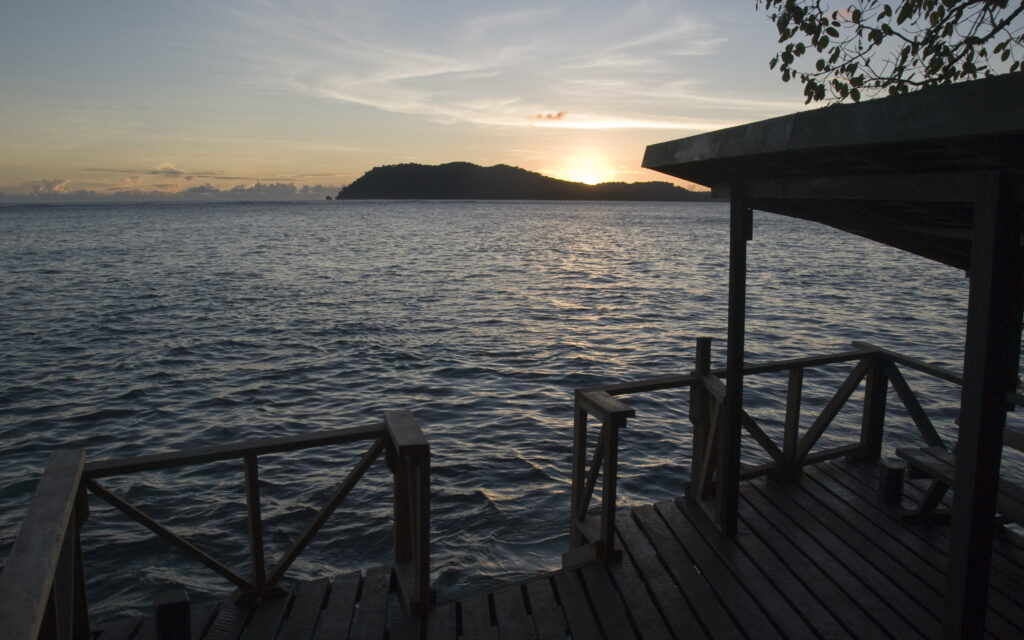
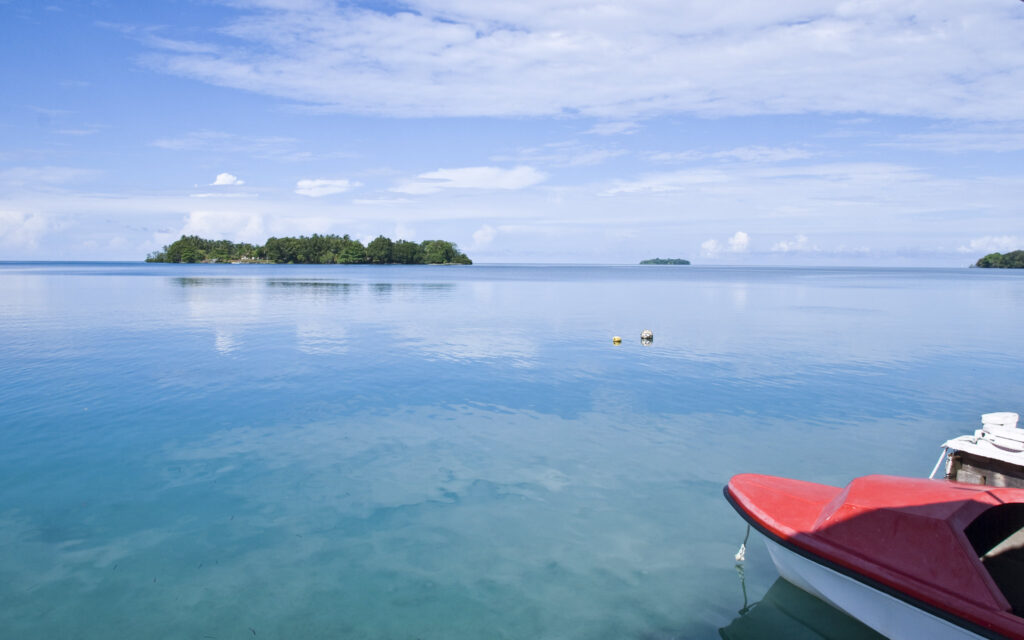
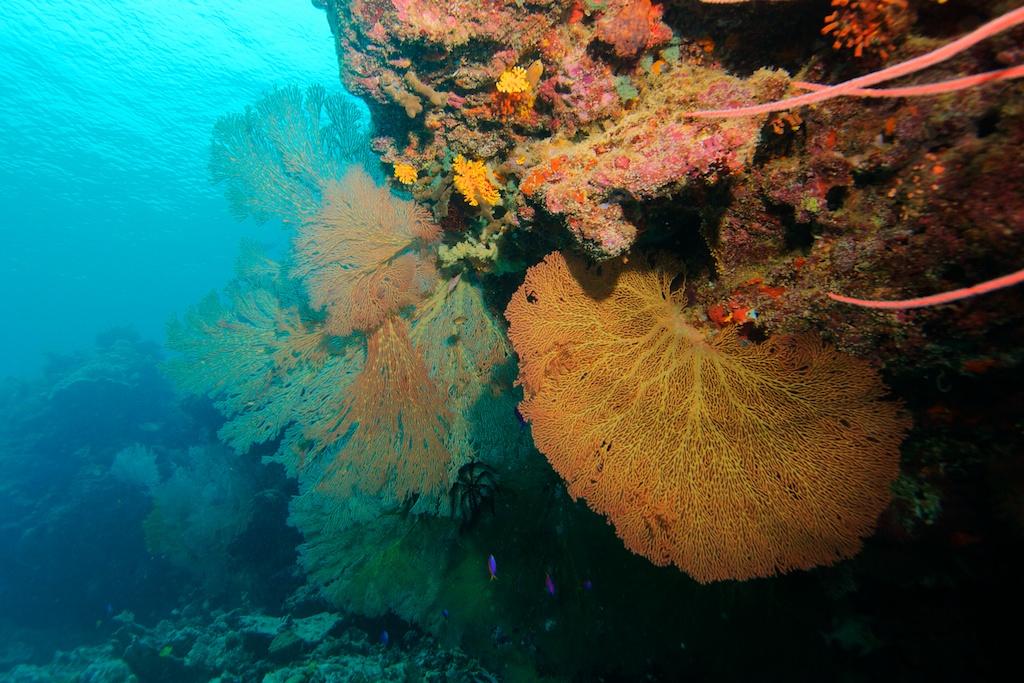
Uepi Island, set on the edge of Marovo Lagoon, is one of the Solomon Islands’ premier diving and snorkeling destinations. Just off its beaches, sheer reef walls drop into the deep, attracting reef sharks, manta rays, and schools of barracuda, while coral gardens host turtles and colorful reef fish. Kayaking and lagoon trips reveal mangroves and tiny islets, making it just as rewarding above water.
Hidden Gems of the Solomon Islands
Santa Isabel Island
Santa Isabel Island, one of the Solomon Islands’ longest and least-visited islands, offers a mix of rugged landscapes and warm hospitality. The interior is cloaked in dense jungle trails, where trekkers can hike to remote villages and hidden waterfalls, while the coastline has quiet bays and traditional fishing communities. With no big resorts, visitors stay in simple guesthouses or village homestays, sharing meals and stories with locals for a genuine cultural experience.
Malaita Province (Langa Langa Lagoon)
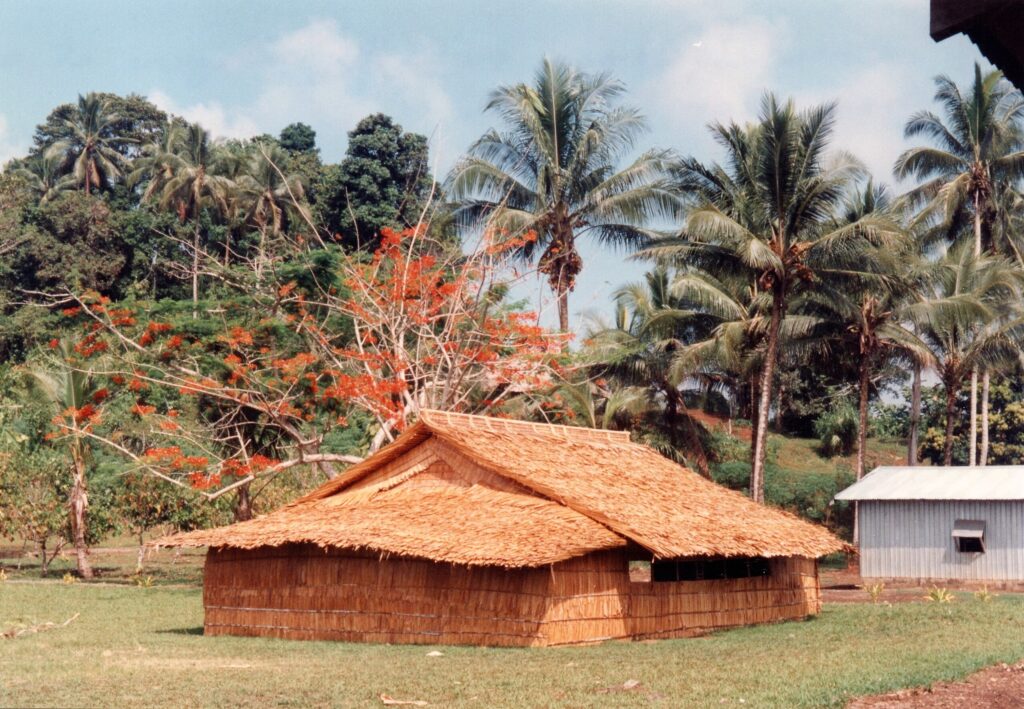
Malaita Province, one of the most populous regions of the Solomon Islands, is deeply rooted in tradition and especially famous for the Langa Langa Lagoon. Here, communities still practice the ancient craft of making shell money, once used as currency and still important for ceremonies like bride price. Visitors can also meet canoe builders, who carve and assemble outrigger canoes using age-old techniques passed down through generations.
Cultural immersion is central to a visit – travelers may watch traditional dances, learn about Malaita’s strong matrilineal society, and stay in simple guesthouses or homestays within lagoon villages. Access is via domestic flights from Honiara to Auki (about 1 hour), followed by boat trips across the lagoon.
Russell Islands
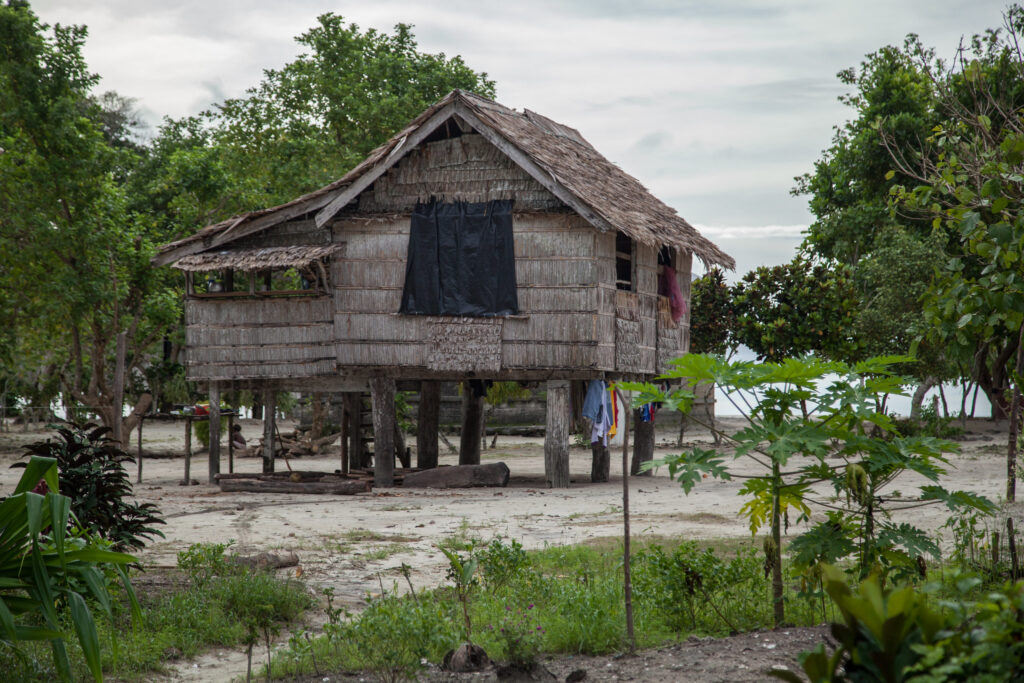
Russell Islands, in Central Province of the Solomon Islands, are a cluster of lush, sparsely populated isles known for their reefs, lagoons, and calm waters. Visitors can kayak between islets, snorkel over coral gardens, and often spot spinner dolphins leaping in the bays. The limestone coastlines hide caves such as Karumolun Cave, while inland trails lead to small villages where traditional subsistence life continues.
Savo Island
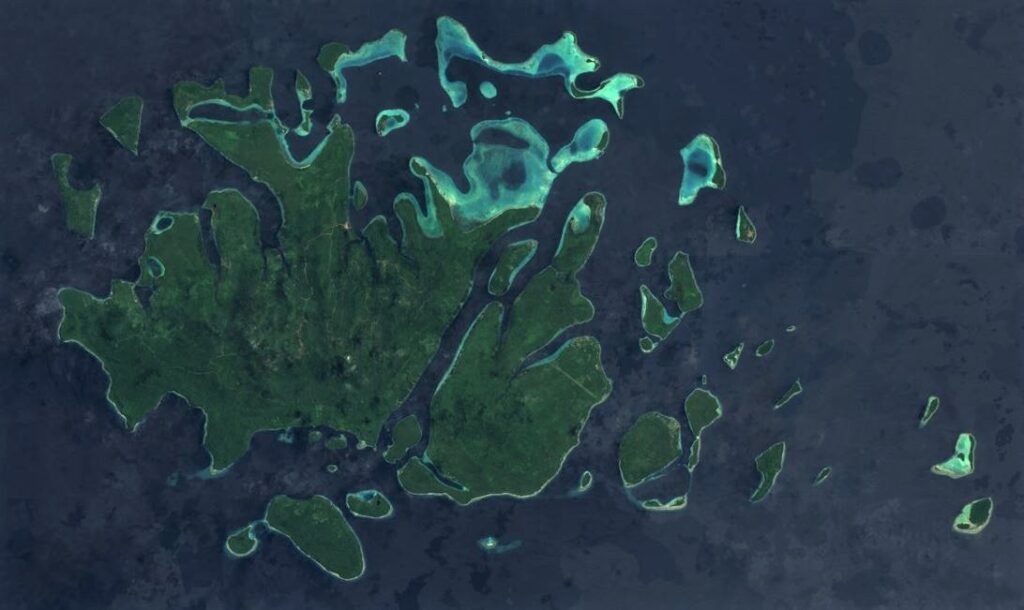
Savo Island, just off the coast from Honiara, is a volcanic island known for its raw natural attractions and easy access from the capital. The centerpiece is the active Savo volcano, which can be climbed on a half-day trek through forest and steaming vents, rewarding hikers with panoramic island views. Around the coast, hot springs bubble up near the shoreline, and one of Savo’s most unusual sights is the megapode birds that bury their eggs in warm volcanic sand, later dug up and sold in local markets.
The island is also surrounded by rich marine life, with opportunities for snorkeling, dolphin watching, and village visits. Reached by boat from Honiara in about an hour, Savo makes for a popular day trip but also offers simple guesthouses for overnight stays.
Ontong Java Atoll
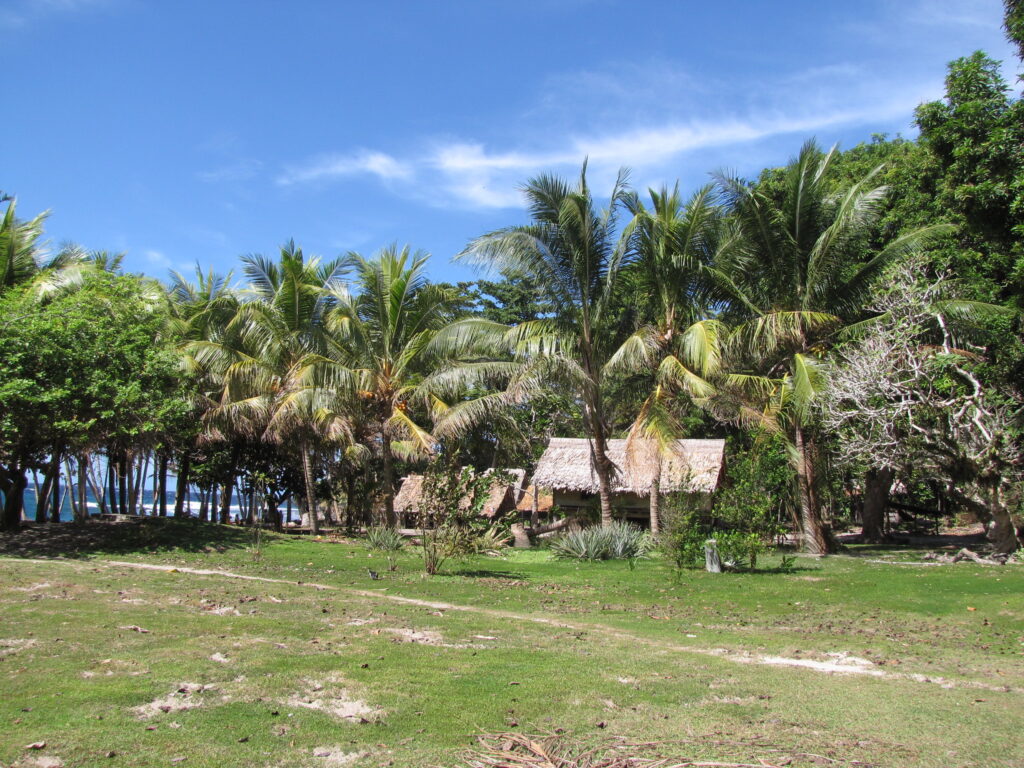
Ontong Java Atoll, in the far north of the Solomon Islands, is one of the largest atolls in the Pacific, stretching over 1,400 km² of lagoon. Unlike most of the Solomons, its people are Polynesian rather than Melanesian, with distinct traditions, language, and navigation skills that have been preserved through centuries of isolation. Villages are built on small, low-lying islets, where life revolves around fishing, coconut cultivation, and canoe travel.
Reaching Ontong Java is a serious challenge – there are no regular flights, and access is only possible by chartered boat or rare supply vessels from Honiara or Malaita, often taking several days. Accommodation is limited to basic village stays, and visitors must arrange permission and logistics well in advance.
Travel Tips
Currency
The official currency is the Solomon Islands Dollar (SBD). ATMs and card facilities are limited mainly to Honiara, so it’s important to carry enough cash, especially when traveling to the outer islands. Small denominations are particularly useful for markets, transport, and village purchases.
Language
The official language is English, but in daily life most locals speak Solomon Pijin, a widely understood creole that connects the islands’ many communities. English is commonly used in tourism and government, so travelers generally won’t face major language barriers.
Getting Around
As an island nation, transport is part of the adventure. Domestic flights with Solomon Airlines connect Honiara to provincial capitals and remote islands, though schedules can be weather-dependent. For inter-island travel, boats and canoes are essential and remain the lifeline for many communities.
On larger islands, rental cars are available in some areas, but roads can be rough and infrastructure limited. To rent legally, travelers must carry an International Driving Permit along with their home license. Most visitors find it easier and more rewarding to hire local guides, who not only ensure safe navigation through remote terrain but also open doors to cultural experiences.
Accommodation
Lodging ranges from eco-lodges and boutique resorts to simple guesthouses and homestays. On smaller islands, accommodation is scarce, so it’s best to book well in advance. Staying with local families offers an authentic insight into island traditions and daily life.

Published September 06, 2025 • 10m to read