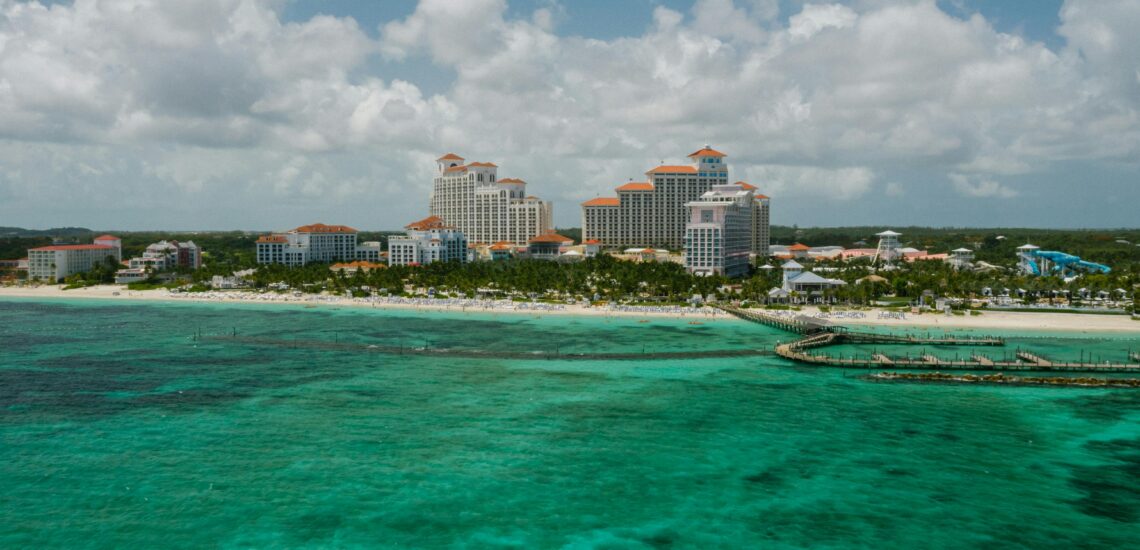


The Bahamas is an island nation of more than 700 islands and 2,000 cays in the Atlantic Ocean, just a short flight from Florida. Its clear waters, pink-sand beaches, and rich marine life make it one of the most popular destinations in the Caribbean.
Visitors come for the variety of experiences. In Nassau, you can explore colonial landmarks, museums, and local markets. The Exumas are known for boat trips, swimming pigs, and snorkeling in blue holes. Harbour Island attracts travelers with its pink beaches, while Andros offers excellent diving and fishing. Each island has something different to offer, from busy resorts to quiet stretches of nature.
Best Islands in the Bahamas
Nassau (New Providence Island)
Nassau, the capital of the Bahamas, is the country’s main gateway and cultural center. In the downtown area, visitors can walk among colonial-era buildings, browse the Straw Market for handmade crafts, and explore sites like the Queen’s Staircase and Fort Fincastle, which overlook the harbor. The Pirates Museum tells the story of Nassau’s time as a pirate stronghold, while the Junkanoo Expo Museum introduces visitors to the island’s famous carnival traditions.
For nature and wildlife, Ardastra Gardens is home to the well-known marching flamingos and native animals. A short drive west, Cable Beach offers calm water, soft sand, and access to resorts such as Baha Mar, where travelers can enjoy dining, swimming, and entertainment. Nassau combines history, local life, and easy access to beaches, making it an ideal starting point for exploring the Bahamas.
Paradise Island
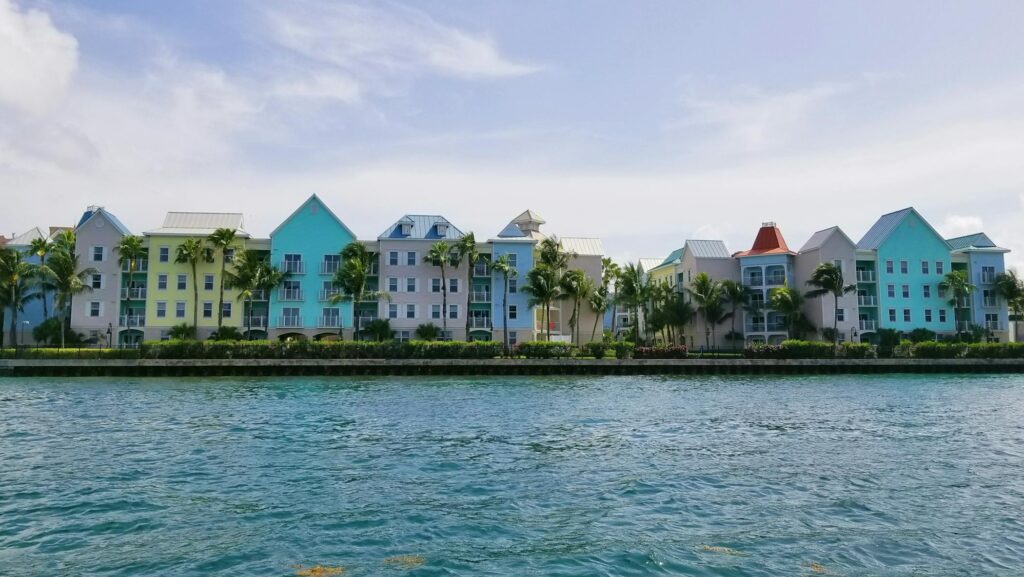
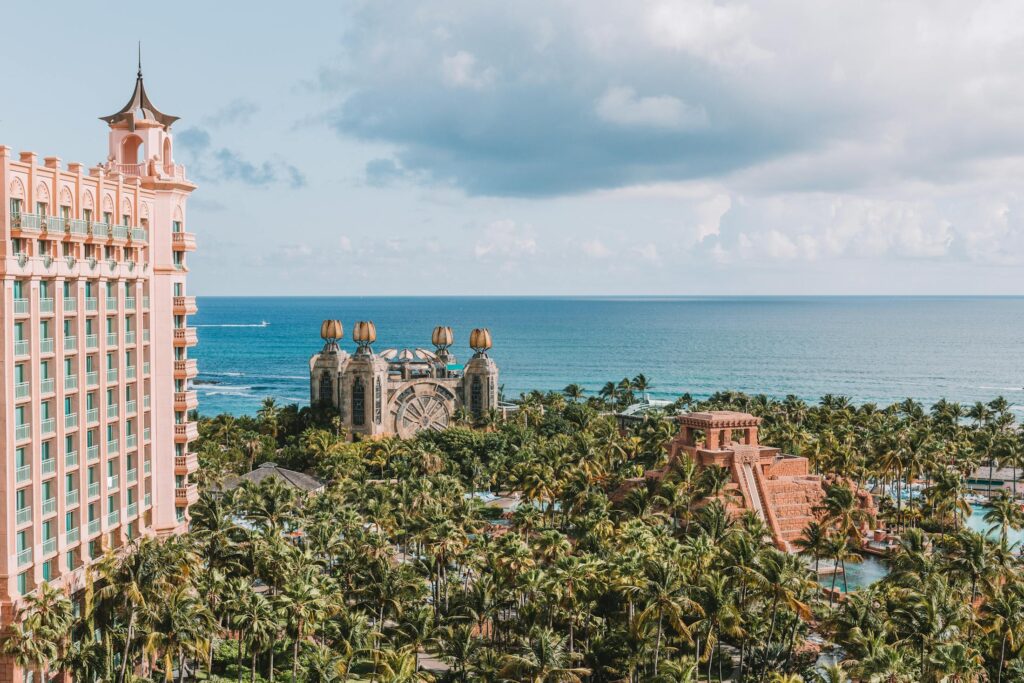
Paradise Island, connected to Nassau by two short bridges, is one of the Bahamas’ most popular destinations for leisure and entertainment. The centerpiece is the Atlantis Resort, a vast complex featuring water parks, marine habitats, aquariums, casinos, and restaurants – all within walking distance. Visitors can spend the day sliding through tunnels surrounded by sharks, exploring underwater exhibits, or relaxing at the resort’s beaches and pools.
Cabbage Beach, stretching along the island’s northern shore, offers space for swimming, jet skiing, and parasailing, with beach bars and rental stalls nearby. Paradise Island is easily reached from downtown Nassau by car, taxi, or even on foot across the bridge. It’s a convenient choice for families and couples who want a mix of activity, comfort, and oceanfront scenery without leaving the capital area.
Grand Bahama Island
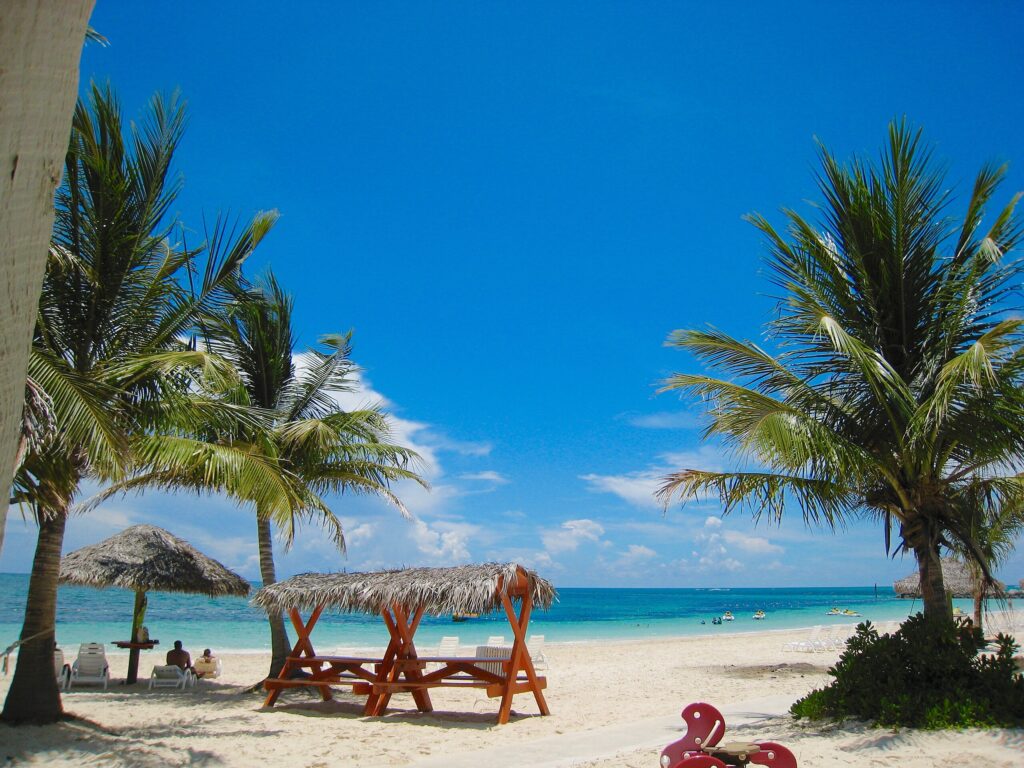
Grand Bahama Island is known for its mix of beaches, nature, and easy access to outdoor adventures. Lucayan National Park is the island’s highlight, featuring mangrove trails and one of the world’s longest underwater cave systems, which visitors can explore with guided tours. Nearby, Gold Rock Beach offers a long, quiet stretch of sand that appears at low tide – it’s one of the island’s most photographed spots.
In Freeport, the Port Lucaya Marketplace provides a lively setting for shopping, dining, and live music, while the Garden of the Groves showcases tropical plants, waterfalls, and native birds along shaded walking paths. The island is reached by flight from Nassau or Miami, or by ferry from Florida, making it one of the most accessible Bahamian islands for travelers looking to combine nature, relaxation, and local culture.
The Exumas
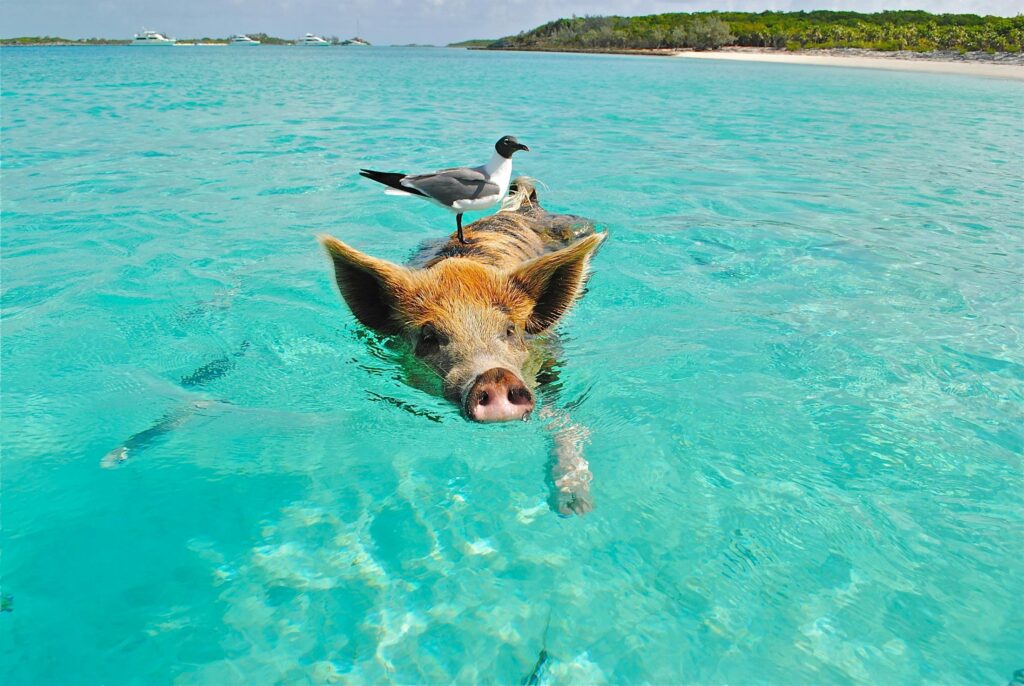
The Exumas, stretching across 365 islands and cays, offer some of the clearest water and most unspoiled scenery in the Bahamas. The Exuma Cays Land and Sea Park is the centerpiece – a protected area where coral reefs, sandbars, and marine life create some of the best diving and snorkeling in the region. Big Major Cay, better known as Pig Beach, lets visitors swim alongside the island’s famous wild pigs, while Thunderball Grotto near Staniel Cay is an underwater cave made famous by the James Bond films Thunderball and Never Say Never Again.
Staniel Cay serves as a convenient base for exploring the surrounding cays by boat, with local guides offering day trips to beaches, reefs, and hidden coves. The Exumas are accessible by short flight or ferry from Nassau, and small planes connect directly to Staniel Cay or Great Exuma.
Eleuthera & Harbour Island
Eleuthera and Harbour Island combine history, style, and stunning natural scenery. Harbour Island, just a short ferry ride from mainland Eleuthera, is famous for its three-mile-long Pink Sand Beach and the pastel-colored cottages of Dunmore Town. The town’s narrow streets are lined with small shops, local cafés, and boutique hotels that give the island a refined yet relaxed atmosphere.
On Eleuthera, the Glass Window Bridge offers one of the most striking views in the Bahamas, where the dark Atlantic meets the calm turquoise Caribbean in a narrow channel. Nearby, Preacher’s Cave marks the landing site of the first English settlers in the 1600s and remains an important historical stop. Both islands can be reached by short flight or ferry from Nassau.
Andros Island
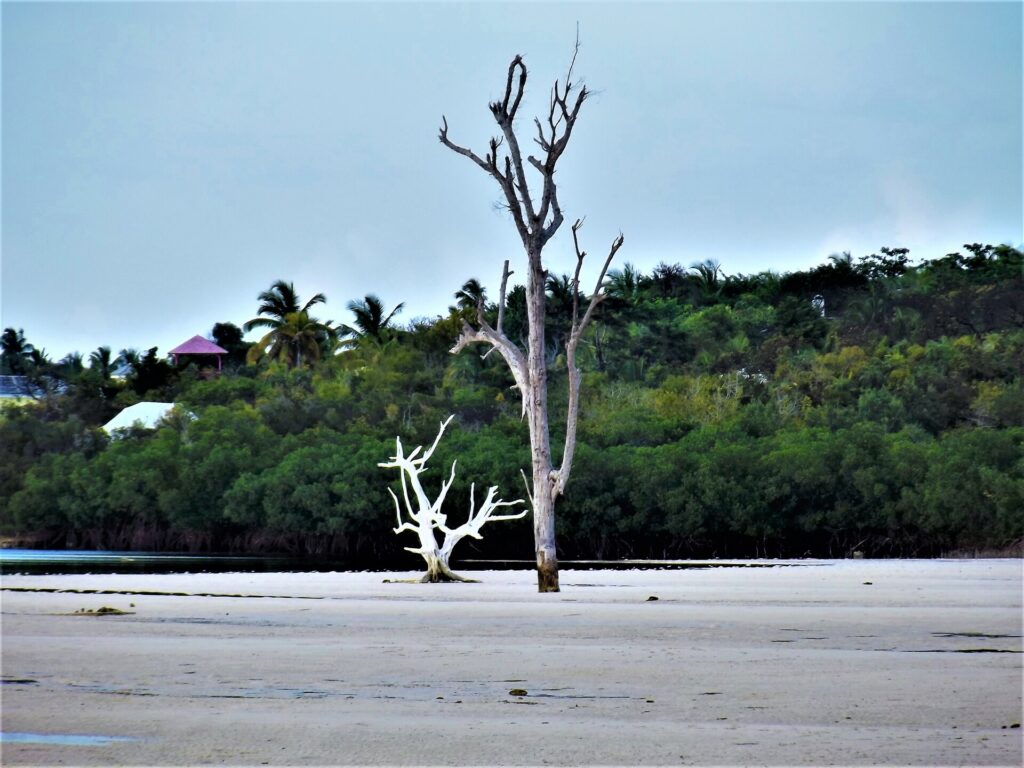
Andros Island, the largest island in the Bahamas, is a paradise for nature lovers and explorers. Despite its size, it remains largely undeveloped, offering miles of mangroves, creeks, and untouched wilderness. Offshore lies the Andros Barrier Reef – the third-largest reef system in the world – making it one of the top destinations for scuba diving and snorkeling. Beneath the island, thousands of blue holes form a network of underwater caves that can be explored with guides through Blue Holes National Park. Andros is also known as one of the world’s best spots for bonefishing, attracting anglers from around the globe. Kayaking through the tidal flats and channels offers another way to experience the island’s unique ecosystem and abundant birdlife.
Bimini
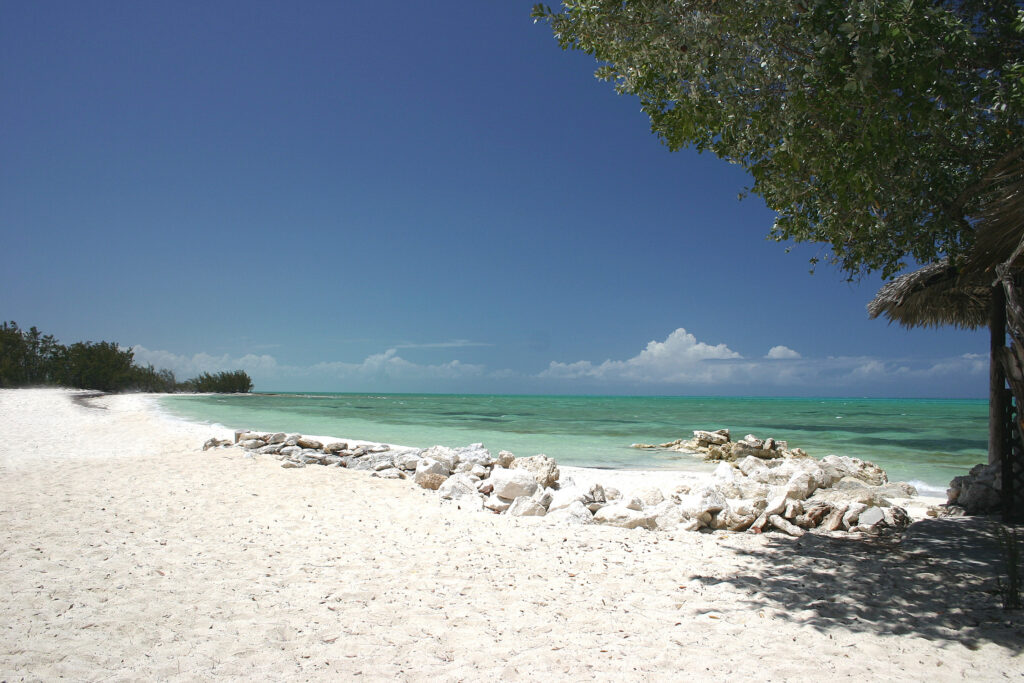
Bimini, the westernmost island group in the Bahamas, sits just 50 miles from Florida and is a favorite destination for boaters, divers, and sport fishers. Once a retreat for Ernest Hemingway, the island still carries a laid-back, adventurous spirit. Its waters are teeming with marlin, tuna, and bonefish, making it one of the best fishing spots in the region.
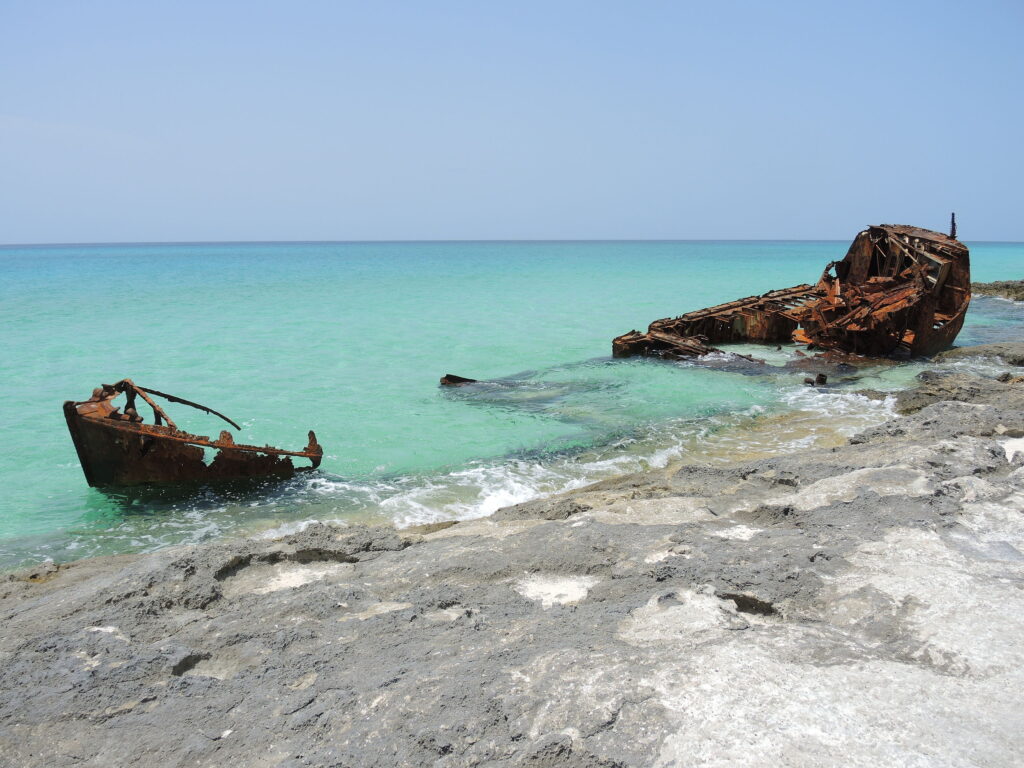
Divers and snorkelers can explore the Sapona Shipwreck, a World War I-era concrete ship that now lies in shallow water covered in coral and marine life. Another nearby curiosity is the Bimini Road – a series of submerged stone blocks that some believe are the remains of the lost city of Atlantis. Bimini is easily reached by ferry or short flight from Miami.
Long Island
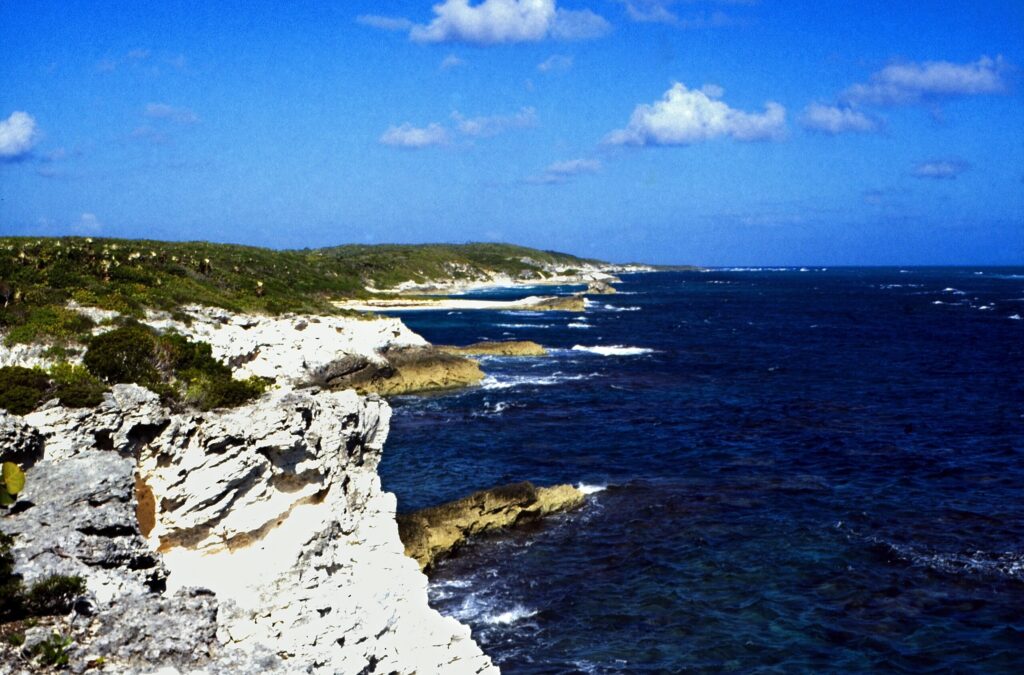
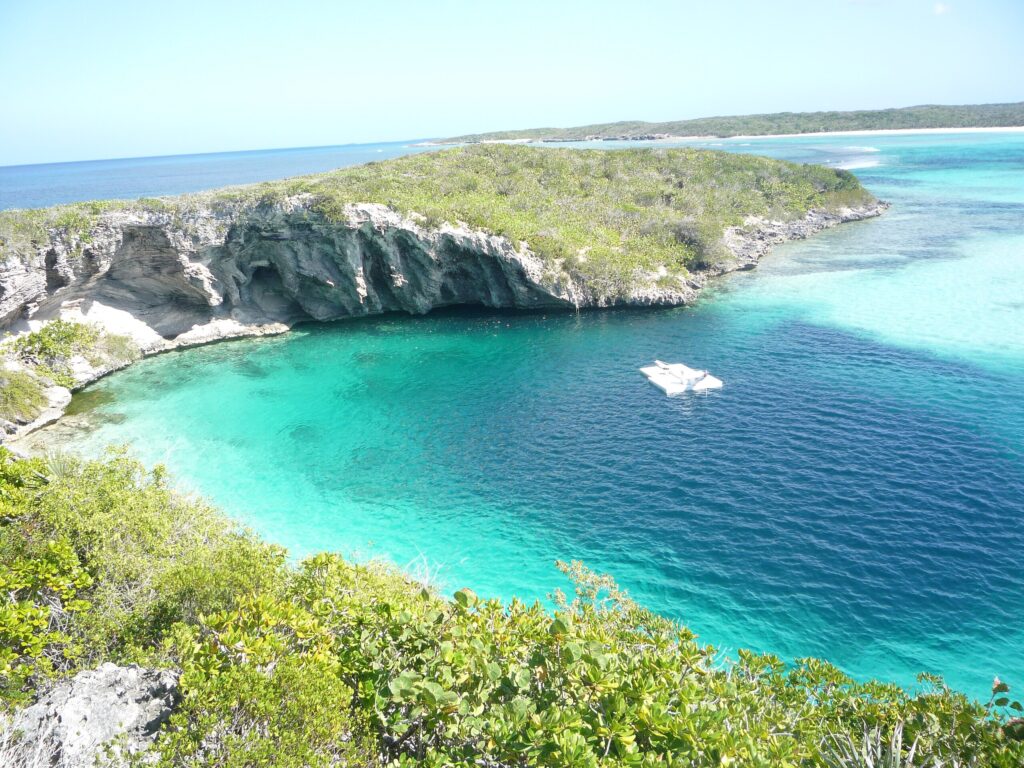
Long Island, stretching over 80 miles through the central Bahamas, offers a striking mix of rugged cliffs, quiet beaches, and hidden coves. It’s best known for Dean’s Blue Hole, the world’s second-deepest underwater sinkhole at 202 meters, where divers and swimmers can explore the crystal-clear depths or watch international free-diving competitions.
The island’s Atlantic coast features dramatic limestone cliffs and crashing surf, while the Caribbean side is calm, with soft white sands and shallow turquoise water ideal for swimming and kayaking. Visitors can also explore caves, historic churches, and small fishing settlements that give Long Island its authentic, unhurried feel. Reached by short flight or ferry from Nassau.
Cat Island
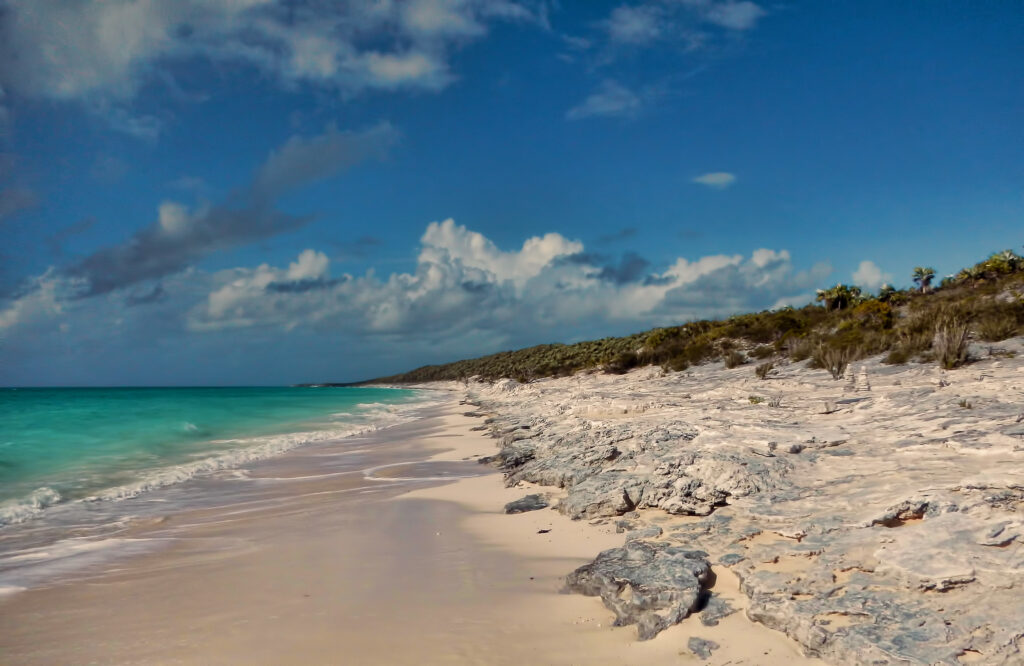
Cat Island, located in the central Bahamas, is known for its quiet atmosphere, lush landscapes, and strong sense of heritage. The island’s most famous landmark is Mount Alvernia, also called Como Hill – the highest point in the Bahamas at 63 meters – crowned by The Hermitage, a small stone monastery built by a Benedictine priest in the early 1900s. Visitors can climb to the top for wide views of the island and coastline.
Beyond its historic sites, Cat Island offers long, uncrowded beaches, forested trails, and traditional settlements where local life moves at an easy pace. It’s an excellent destination for travelers interested in hiking, swimming, and connecting with Bahamian culture away from the crowds.
Best Natural Wonders in The Bahamas
Pink Sand Beach (Harbour Island)
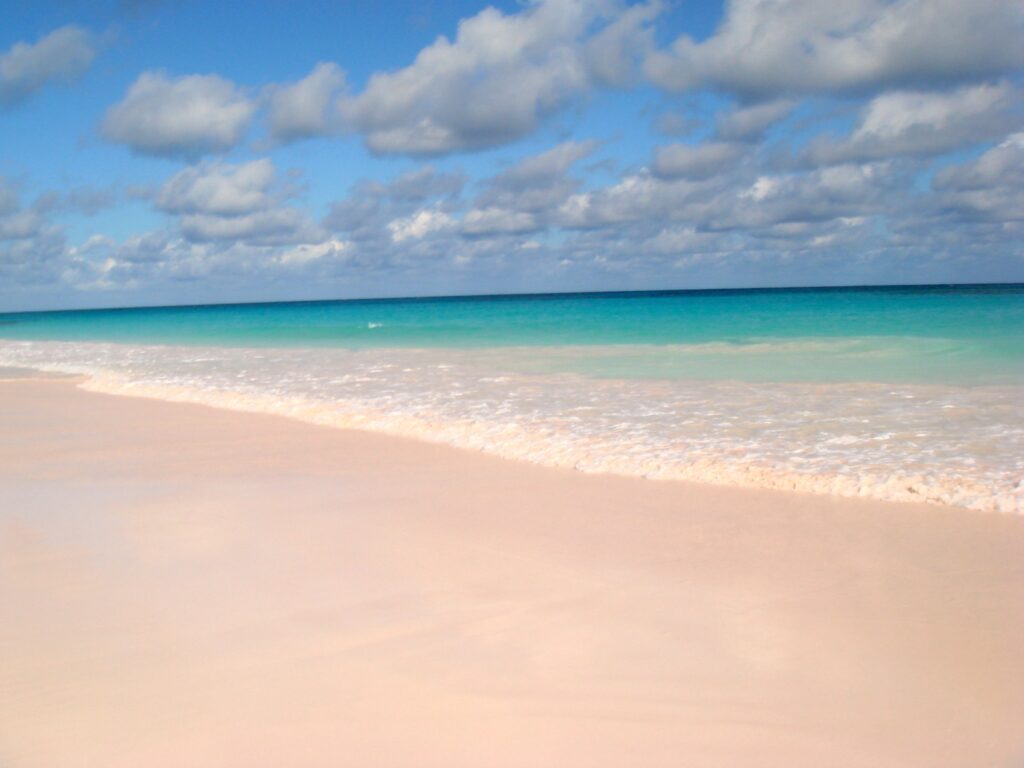
Pink Sand Beach, located on Harbour Island, is one of the Bahamas’ most famous and photographed beaches. Stretching for nearly three miles along the island’s eastern shore, its pale pink hue comes from crushed coral and tiny marine shells mixed with white sand. The water is calm and clear, protected by an offshore reef that makes it perfect for swimming, snorkeling, and paddleboarding.
Accessible by a short ferry ride from North Eleuthera or Nassau, Pink Sand Beach is easy to reach yet feels peaceful and secluded. The beach backs onto Dunmore Town, where visitors can find boutique hotels, cafés, and small shops within walking distance.
Dean’s Blue Hole
Dean’s Blue Hole is one of the Bahamas’ most remarkable natural wonders and a world-renowned freediving site. At 202 meters (663 feet) deep, it’s the second-deepest blue hole on Earth, surrounded by sheer limestone cliffs and a small, sheltered beach. The water near the edges is shallow and clear, making it easy for visitors to swim or snorkel before it suddenly drops into the deep, dark abyss.
The site hosts international freediving competitions and training events each year but is also open to casual visitors who want to experience its striking beauty. Dean’s Blue Hole is easily reached by car from anywhere on Long Island, and its calm setting and crystal water make it one of the most unforgettable natural attractions in the Bahamas.
Exuma Cays Land and Sea Park
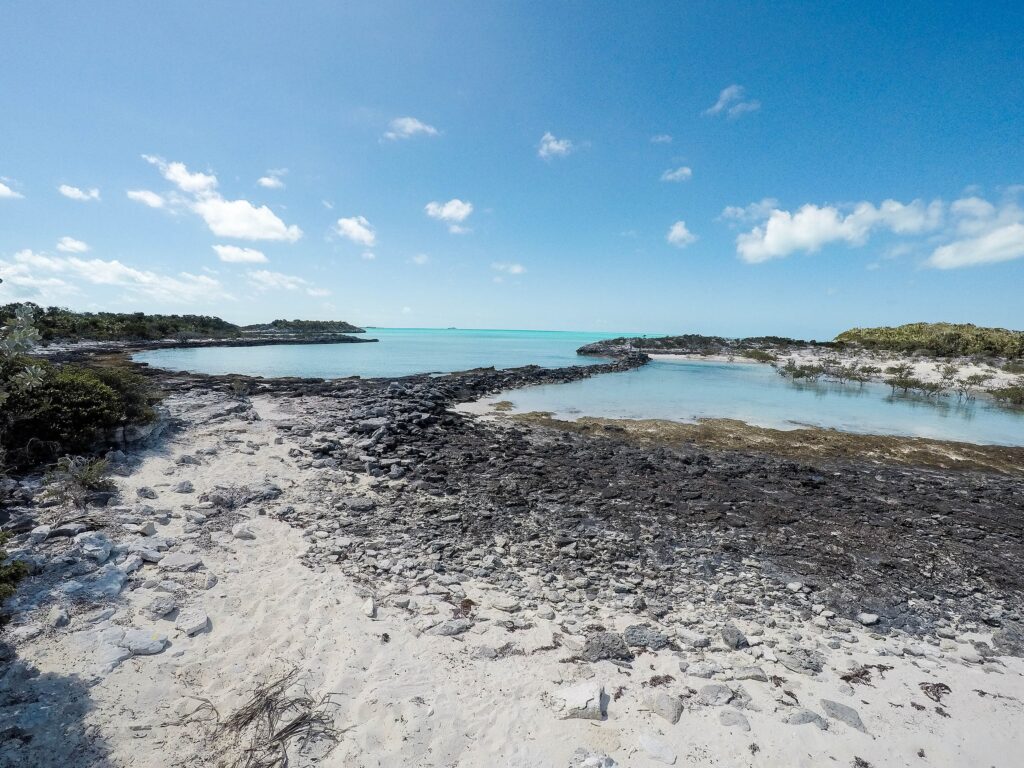
Exuma Cays Land and Sea Park is a protected marine reserve spanning 176 square miles of crystal-clear water, coral reefs, and untouched islands. Established in 1958, it was the first park of its kind in the Caribbean and remains one of the region’s best places to experience marine life in its natural state. Visitors can snorkel or dive among vibrant coral formations, sea turtles, reef fish, and rays, all thriving in this no-fishing zone. Accessible only by boat or organized tour from nearby islands such as Staniel Cay or Great Exuma, the park also features secluded beaches and hiking trails on Warderick Wells Cay, where the park’s headquarters are located.
Lucayan National Park
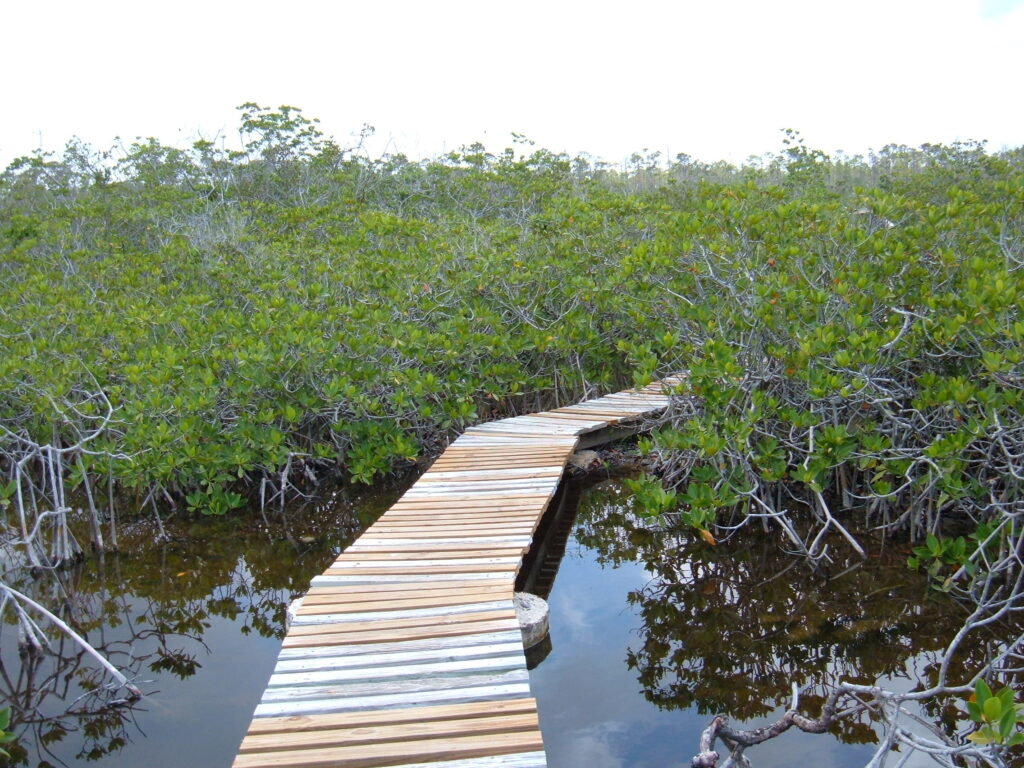
Lucayan National Park, located on Grand Bahama Island, is one of the island’s top natural attractions, known for its mix of caves, beaches, and mangrove ecosystems. The park protects one of the world’s longest underwater cave systems, parts of which can be explored on guided tours that reveal impressive limestone formations and underground pools.
Above ground, wooden boardwalks wind through mangrove forests teeming with birdlife and lead directly to Gold Rock Beach, often called the most beautiful beach on Grand Bahama. Visitors can kayak through the creeks, walk the trails, or enjoy a quiet picnic by the sea. Easily reached by car from Freeport in about 30 minutes, Lucayan National Park is ideal for anyone interested in both nature and adventure.
Glass Window Bridge (Eleuthera)
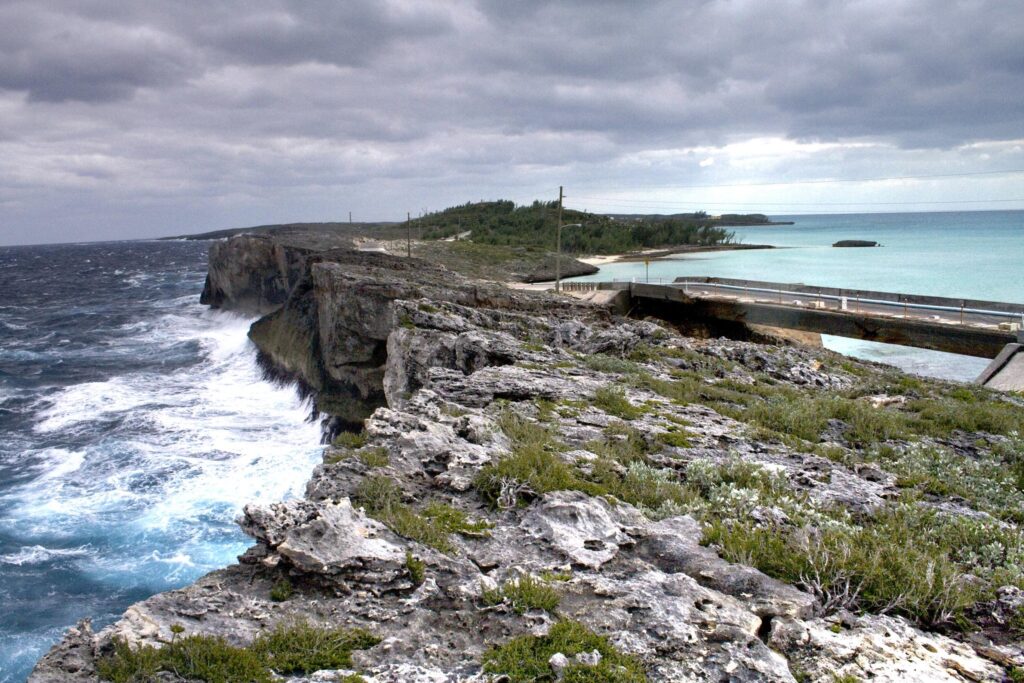
Glass Window Bridge is one of the most striking natural sights in the Bahamas. Here, a thin strip of rock separates the deep blue Atlantic Ocean from the calm turquoise waters of the Caribbean Sea, creating a dramatic visual contrast visible from the roadside. The original natural arch was replaced by a man-made bridge, but the effect remains just as stunning. Visitors can stop at viewpoints on either side to take photos or simply watch the waves crash against the rocks. The area is easily accessible by car from nearby Gregory Town and makes for a quick yet unforgettable stop while exploring Eleuthera.
Andros Blue Holes
The Andros Blue Holes are a network of mysterious underwater sinkholes scattered across Andros Island, both inland and offshore. Formed over thousands of years, these deep, circular pools are filled with crystal-clear water and connected by submerged cave systems that attract divers and scientists from around the world. Many of the blue holes are hidden within thick pine forest and mangroves, giving them an almost otherworldly atmosphere.
Visitors can swim or snorkel in some of the accessible blue holes, such as Captain Bill’s or Cousteau’s Blue Hole, located within Blue Holes National Park. Guided tours explain their geology, history, and role in local folklore. Easily reached by car or organized excursions from Andros Town.
Hidden Gems of the Bahamas
Crooked Island & Acklins
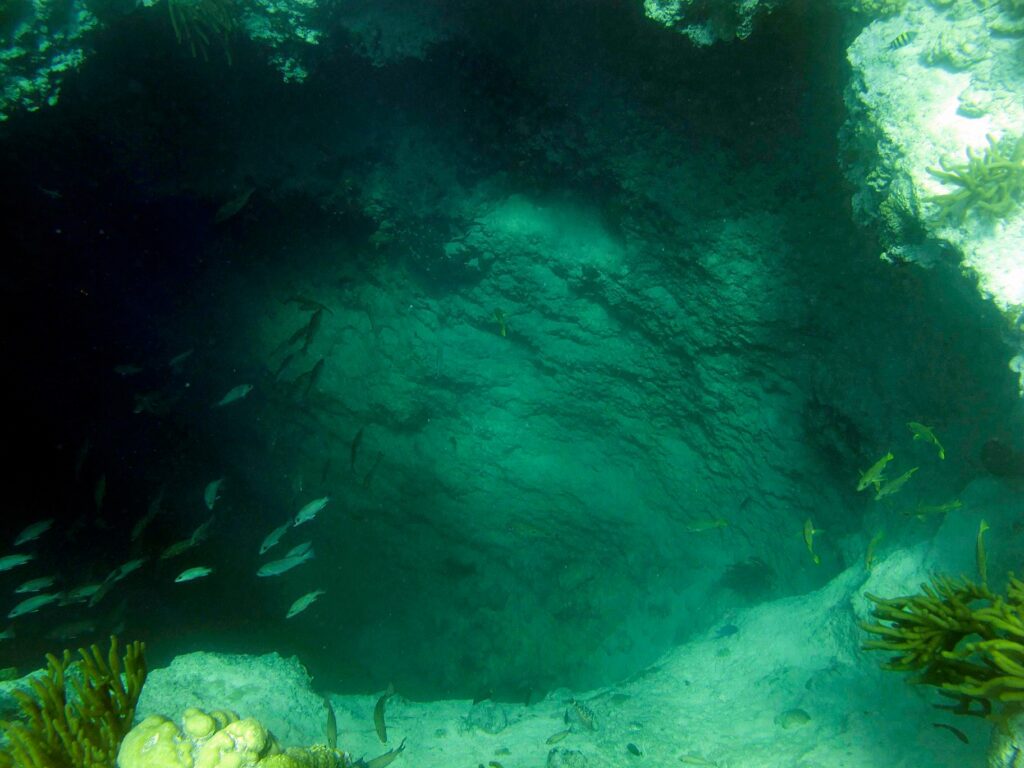
Crooked Island and Acklins are among the country’s most remote and least developed islands. Known for their long, empty beaches, shallow lagoons, and rich history, they offer a glimpse of the Bahamas before tourism. Visitors can explore old Loyalist plantation ruins, small fishing settlements, and salt ponds that once fueled local trade.
The islands are ideal for travelers seeking solitude and outdoor adventure – bonefishing, kayaking through mangroves, and snorkeling along pristine reefs are among the highlights. Access is by small plane from Nassau, and limited guesthouses provide simple but comfortable accommodation.
Mayaguana
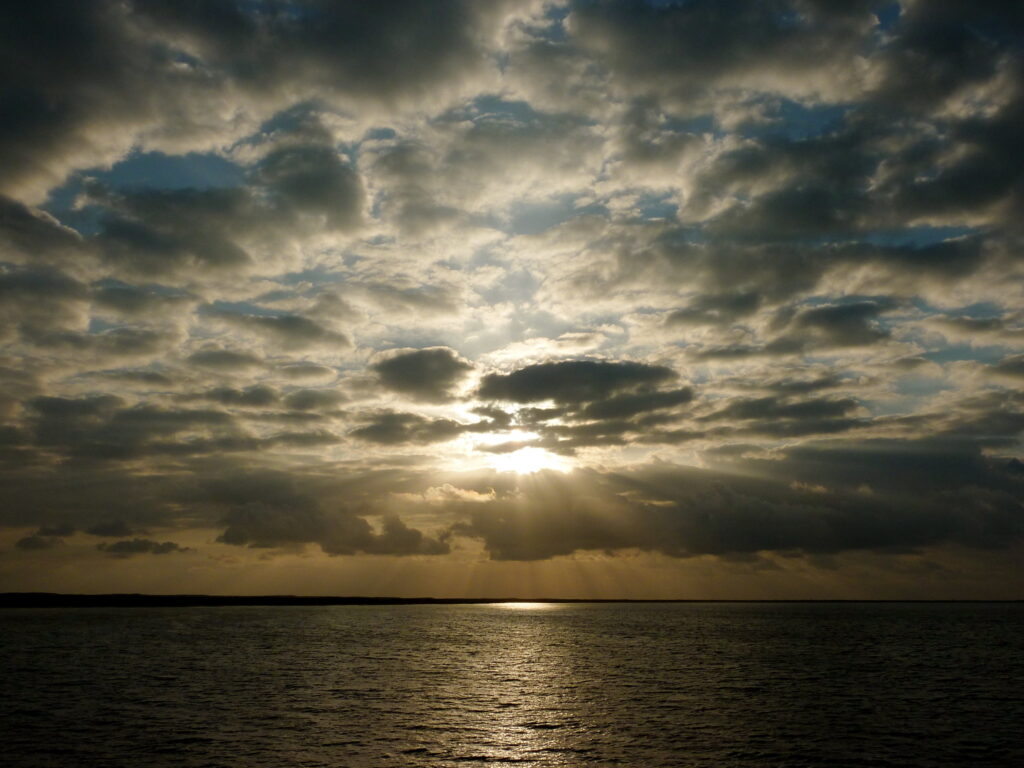
Mayaguana, the easternmost and least-visited island in the Bahamas, offers total tranquility and untouched natural beauty. With only a few small settlements and miles of empty coastline, it’s the perfect escape for travelers seeking solitude. The island’s clear waters and surrounding reefs provide excellent snorkeling and diving, with abundant marine life and colorful coral formations just offshore.
Fishing, beachcombing, and exploring remote coves are the main activities, while evenings bring quiet sunsets and star-filled skies. Basic accommodations and local guesthouses cater to those looking for a simple, authentic island experience.
Rum Cay
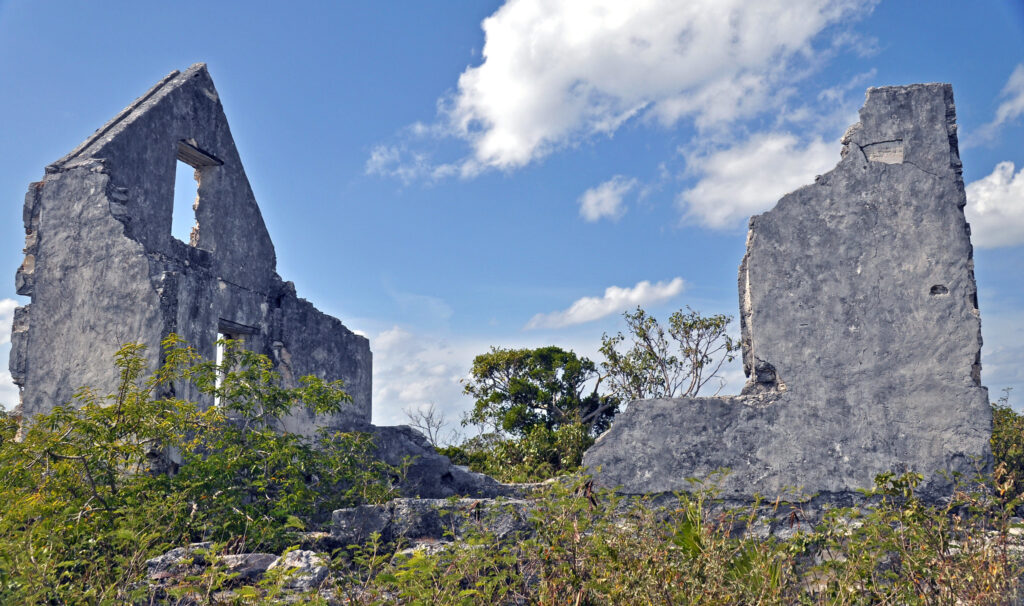
Rum Cay is a quiet destination known for its rich marine life and hidden history. The surrounding waters are dotted with shipwrecks, coral reefs, and underwater caves, making it a top choice for divers and snorkelers seeking uncrowded sites. The HMS Conqueror wreck, dating back to 1861, is one of the most popular dive spots, now covered in coral and home to schools of tropical fish. On land, the island has a handful of settlements, old ruins, and scenic beaches ideal for walking or picnicking. With few visitors and limited development, Rum Cay offers a sense of seclusion and discovery that’s rare in the Caribbean.
San Salvador Island
San Salvador Island is widely believed to be the first landfall of Christopher Columbus in 1492. Today, it attracts visitors for both its historical landmarks and its exceptional diving. Monuments mark the site of Columbus’s arrival, while nearby ruins and small museums tell the story of the island’s early explorers and settlers. Beneath the surface, San Salvador’s surrounding waters are among the clearest in the Bahamas, with coral walls, drop-offs, and shipwrecks that make it a favorite for divers and snorkelers. The island also offers quiet beaches, small resorts, and a friendly, laid-back atmosphere. Regular flights from Nassau connect San Salvador to the rest of the Bahamas.
Travel Tips for The Bahamas
Travel Insurance & Safety
Travel insurance is strongly recommended, especially if you plan to go diving, boating, or island-hopping. Make sure your plan includes medical coverage and trip-cancellation protection during the hurricane season.
The Bahamas is generally safe, though visitors should stay alert in busy urban areas like Nassau and Freeport. Tap water is safe to drink on the major islands, and bottled water is readily available everywhere. Always use reef-safe sunscreen to help protect the fragile coral ecosystems that make Bahamian waters so beautiful.
Transportation & Driving
Domestic flights operated by Bahamasair and local charters connect the major islands quickly and efficiently. Inter-island ferries serve popular routes such as Nassau–Eleuthera and Nassau–Exuma. On larger islands, taxis and rental cars are available for local exploration.
An International Driving Permit is required for most visitors along with a valid national license. Vehicles drive on the left-hand side of the road. Roads are smooth and well-maintained in Nassau and Freeport but can be rougher on the outer islands, where a 4×4 vehicle is useful for off-road exploring. Always carry your identification, insurance, and rental documents when driving.

Published November 16, 2025 • 13m to read