

Taiwan may be small in size, but it’s packed with diversity and charm. This island offers a mix of dramatic mountains, tropical beaches, vibrant night markets, ancient temples, and world-class food. It blends traditional Chinese culture, Japanese colonial influences, and its own modern identity, making it one of Asia’s most unique destinations.
Whether you’re hiking in national parks, soaking in hot springs, or sampling bubble tea and street food, Taiwan delivers surprises at every turn.
Best Cities in Taiwan
Taipei
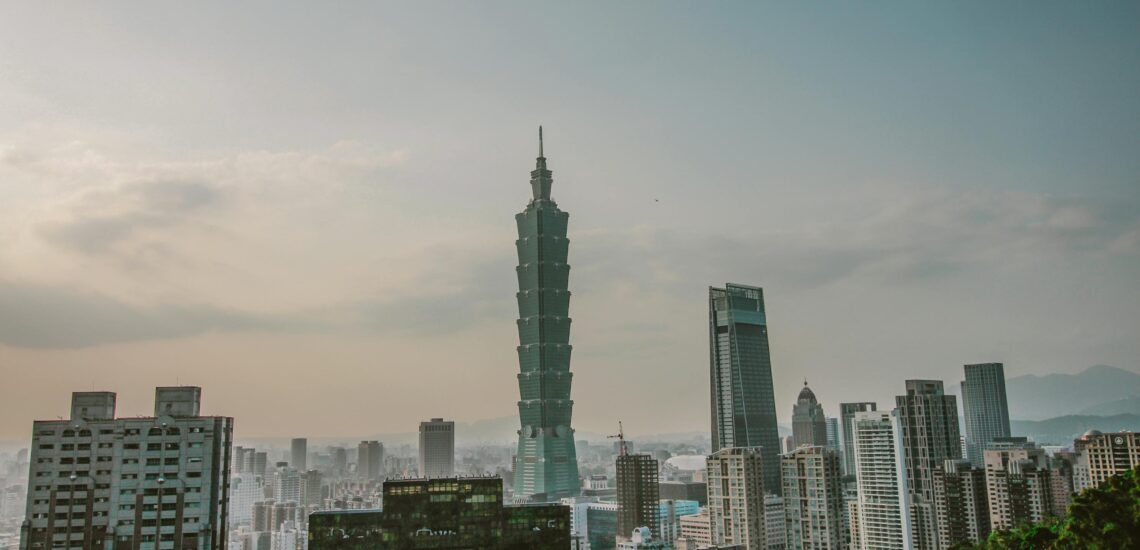
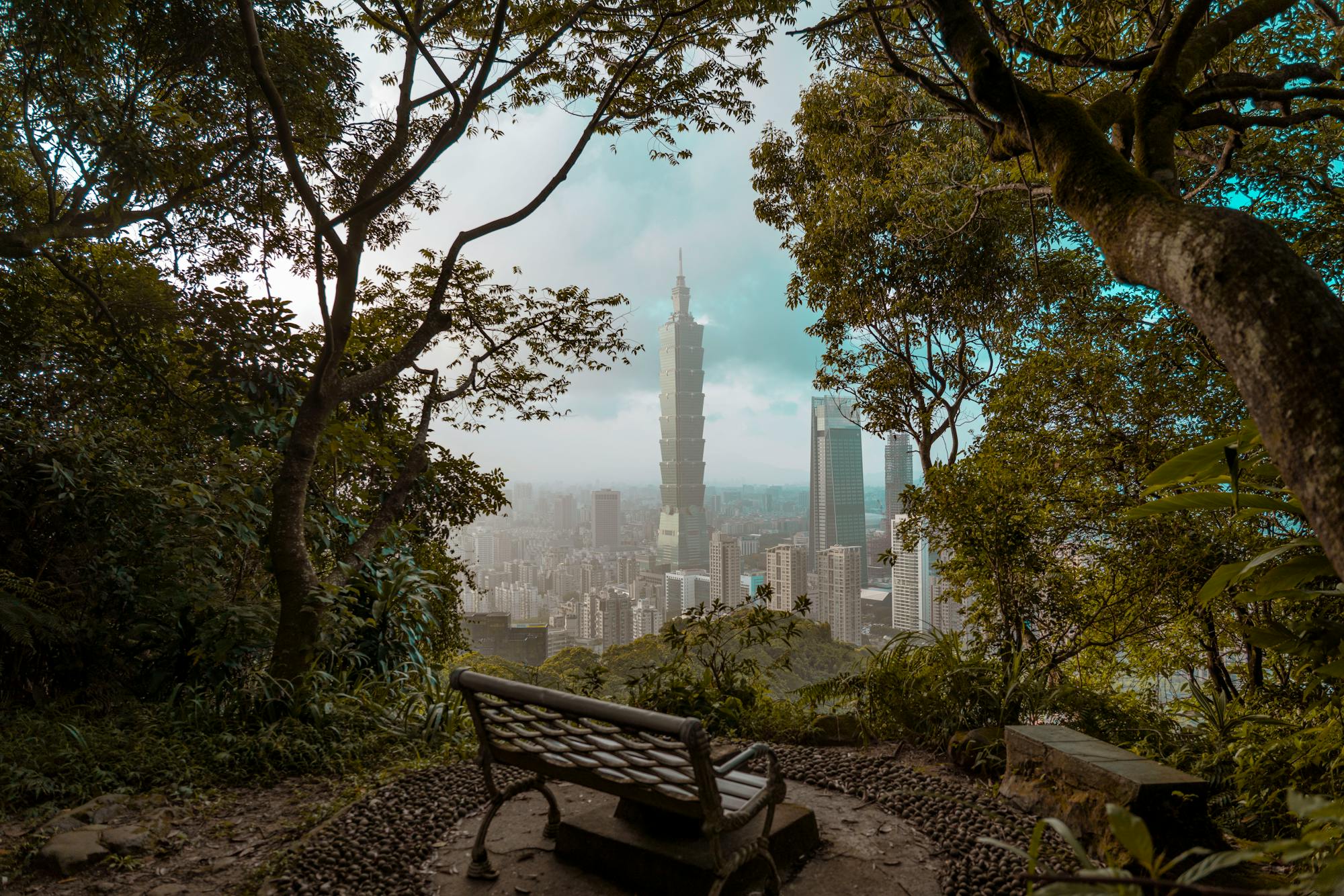
Taipei, Taiwan’s lively capital, blends modern city life with deep cultural heritage. Visit Taipei 101 for panoramic views, explore the Chiang Kai-shek Memorial Hall, and see ancient treasures at the National Palace Museum. Food is a highlight, with famous night markets like Shilin, Raohe, and Ningxia serving must-try dishes such as oyster omelets, stinky tofu, and bubble tea. Easy day trips include soaking in Beitou Hot Springs or riding the Maokong Gondola for tea plantations and hillside views.
The best time to visit is October–April, when the weather is cooler and drier. Taipei is well-connected by the MRT metro system, buses, and high-speed rail to other parts of Taiwan. The airport, Taoyuan International (TPE), is about 40 minutes from downtown by train or bus, making the city an ideal gateway for first-time and repeat travelers alike.
Tainan
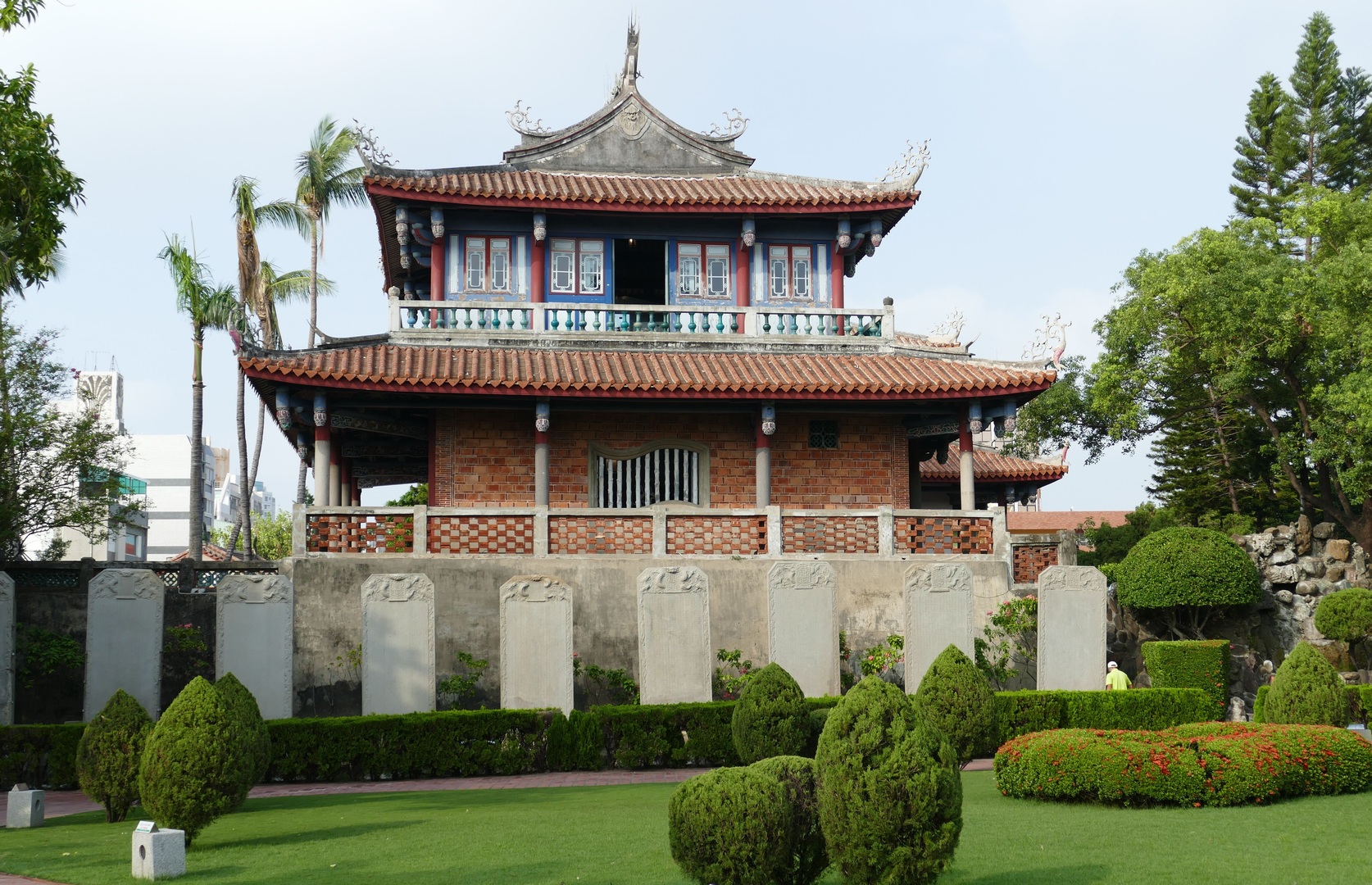
Tainan, Taiwan’s oldest city and former capital, is often called the cultural heart of the island. Landmarks like the Chihkan Tower, Confucius Temple, and hundreds of neighborhood shrines highlight its deep history, while narrow alleys and traditional shopfronts make it perfect for walking. Food is central here – don’t miss dan zai noodles, oyster omelets, and the quirky local favorite, coffin bread.
Taichung
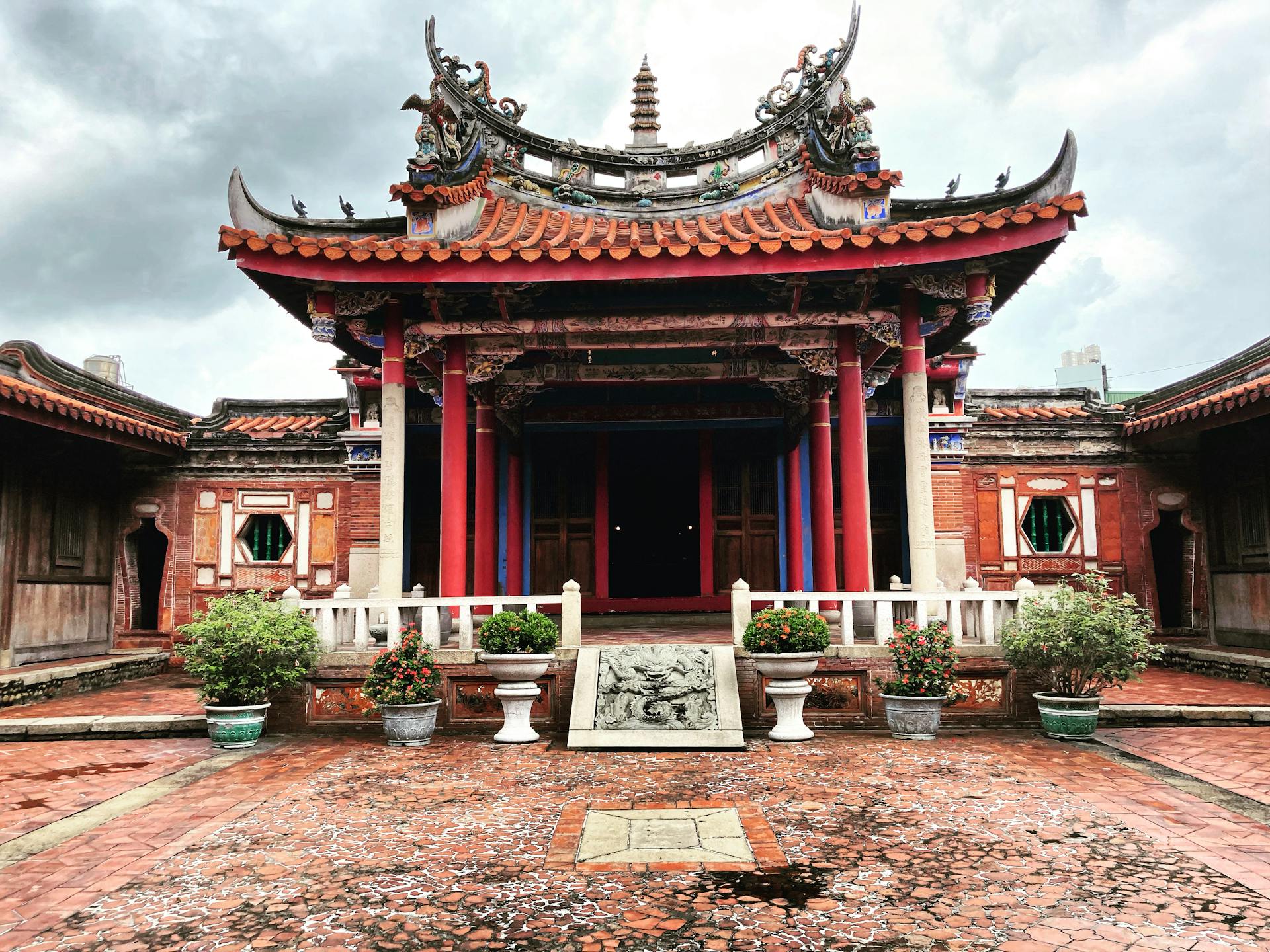
Taichung is Taiwan’s second-largest city and a hub for art, food, and culture. Beyond the Rainbow Village, the city offers major landmarks like the National Taichung Theater and the National Museum of Natural Science, both showcasing cutting-edge design and exhibitions. The Calligraphy Greenway links parks, cafés, and galleries, while Zhongshe Flower Market draws visitors year-round with vast seasonal flower fields. For history, stroll Taichung Park, one of Taiwan’s oldest, or see Luce Chapel at Tunghai University, a striking piece of modernist architecture. Food lovers shouldn’t miss Fengjia Night Market, the country’s largest, known for creative street snacks and bubble tea, which originated in Taichung. Taichung is just 1 hour from Taipei by HSR, making it an easy stopover.
Kaohsiung
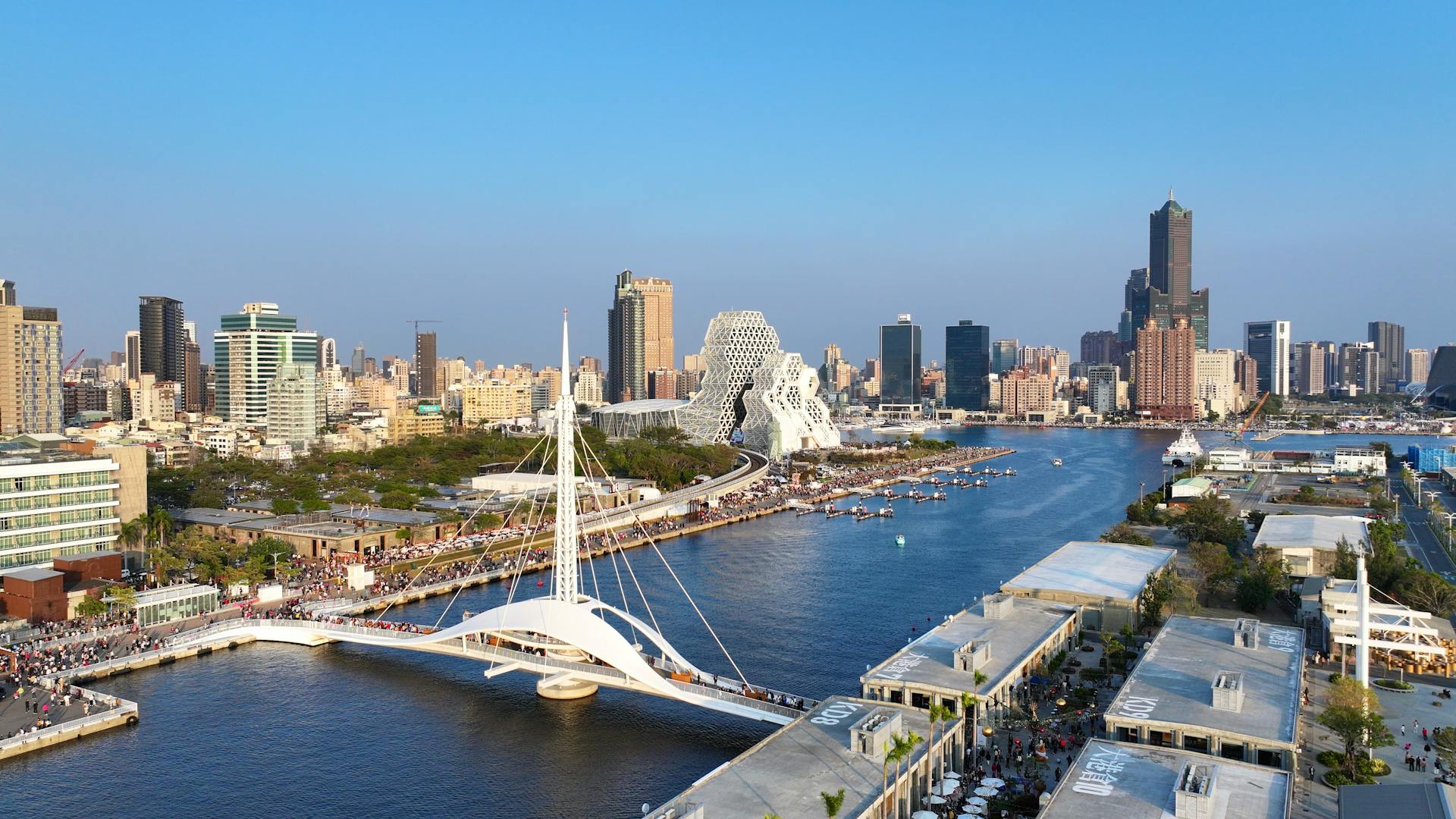
Kaohsiung, Taiwan’s southern metropolis, combines a busy port with vibrant cultural life. The Pier-2 Art Center has become a creative hub with warehouses turned into galleries, cafés, and public art. The Lotus Pond is famous for its Dragon and Tiger Pagodas and Taoist temples, while the massive Fo Guang Shan Buddha Museum features a 108-meter golden Buddha and is one of Asia’s largest Buddhist sites. Along the harbor, the 85 Sky Tower offers panoramic views, and the redeveloped Love River is lined with night cruises, restaurants, and outdoor performances. Food lovers should head to Ruifeng Night Market for local specialties and seafood.
Best Natural Attractions of Taiwan
Taroko Gorge
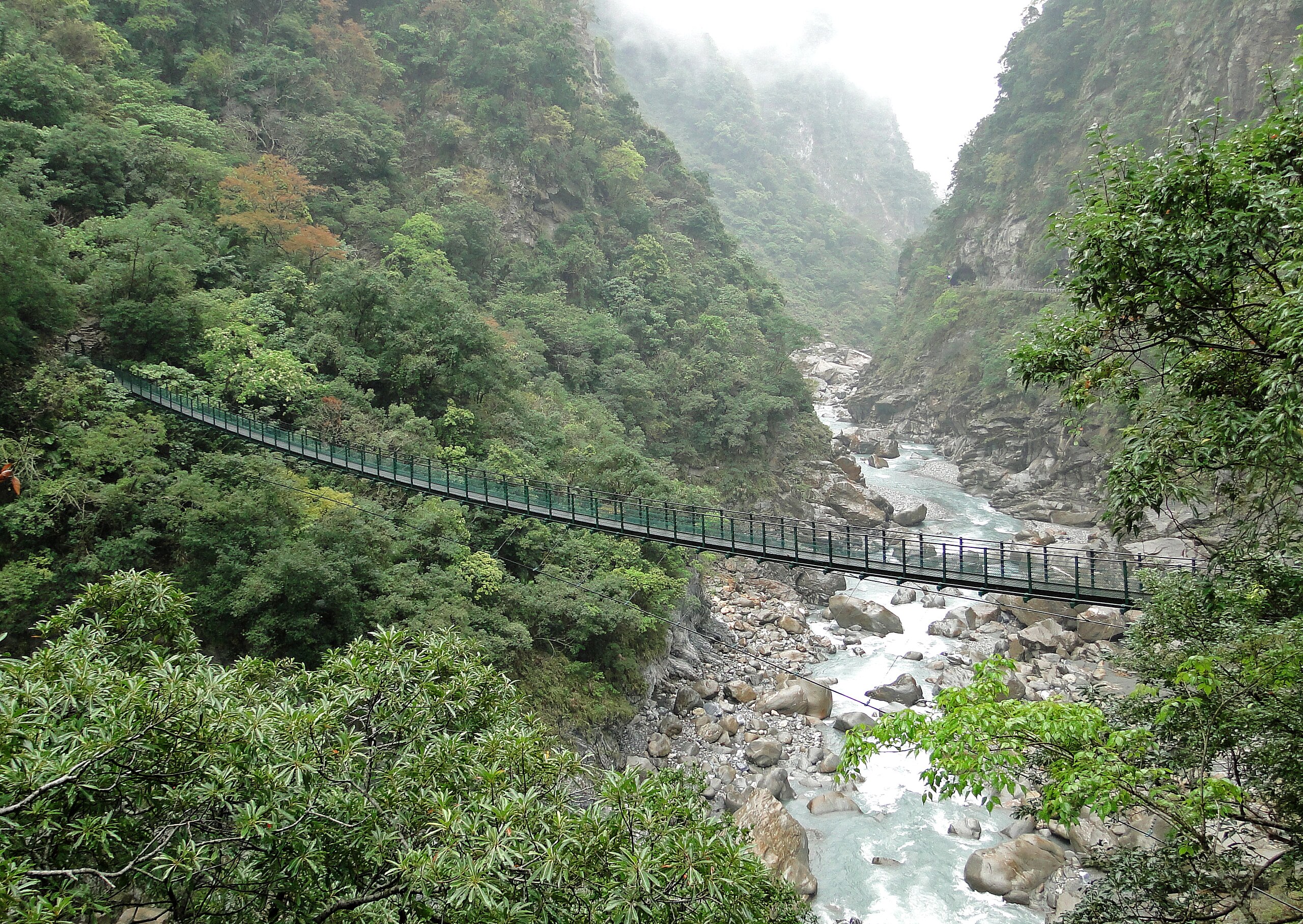
Taroko Gorge in Taroko National Park is Taiwan’s most dramatic landscape, where marble cliffs tower over rushing rivers and lush forested peaks. Must-sees include the Shakadang Trail (easy riverside walk), Baiyang Trail with waterfalls and tunnels, and the cliff-hugging Zhuilu Old Trail for sweeping views (advance permit required). Other highlights are the Eternal Spring Shrine, Swallow Grotto, and the Tunnel of Nine Turns, each showcasing the gorge’s geology. Don’t miss Qingshui Cliffs on the nearby coast, where mountains drop straight into the Pacific, or the tranquil Tianxiang village, a base for temples and hot springs.
Sun Moon Lake
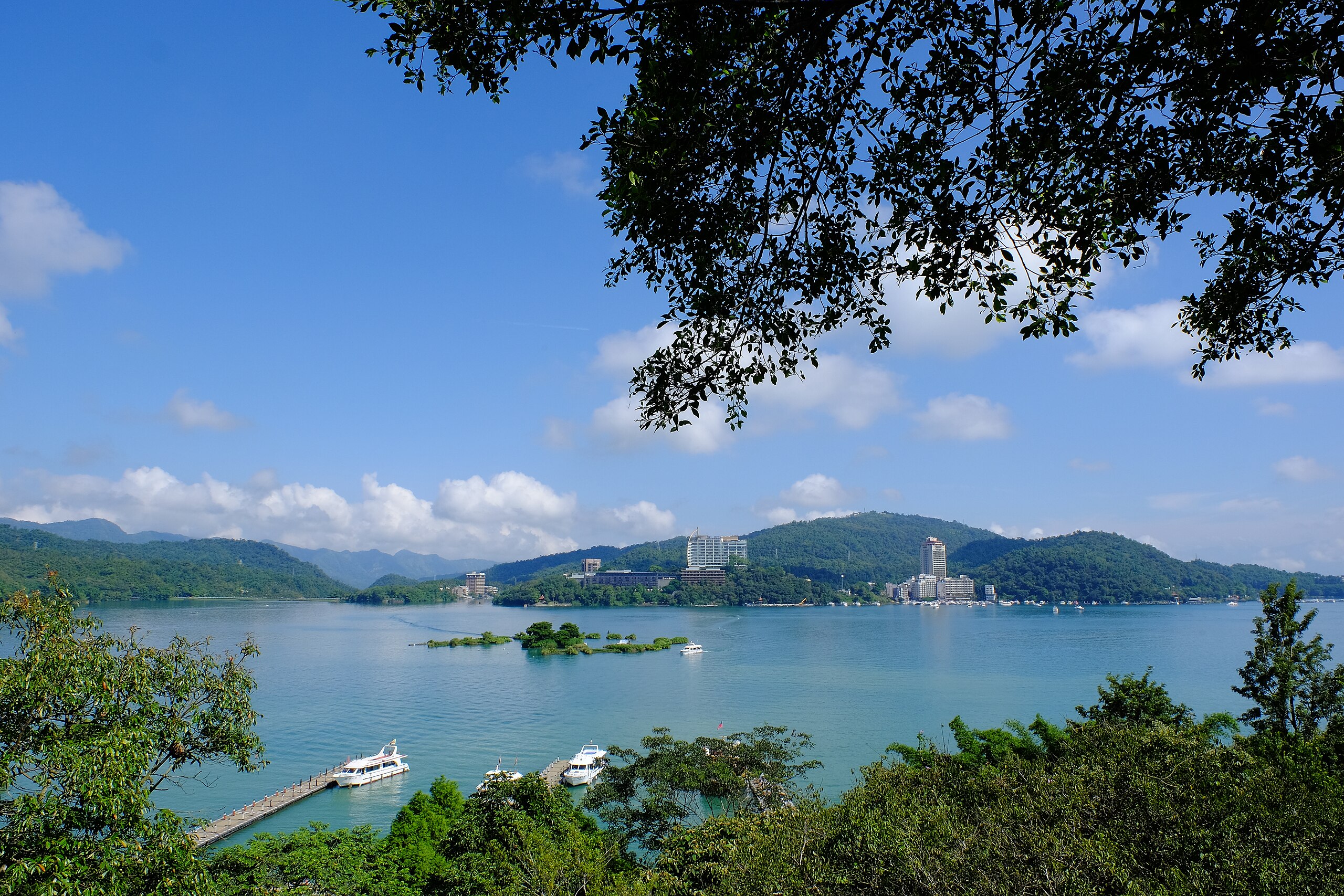
Sun Moon Lake is Taiwan’s most famous alpine lake, encircled by forested hills and dotted with temples and villages. The 30 km cycling path around the shoreline is ranked among the world’s best, while lake cruises stop at highlights such as Ita Thao Village, Xuanzang Temple, and the grand Wenwu Temple. Scenic cable cars connect to the Formosan Aboriginal Culture Village, and hiking trails like Ci’en Pagoda Trail offer panoramic lake views.
Alishan
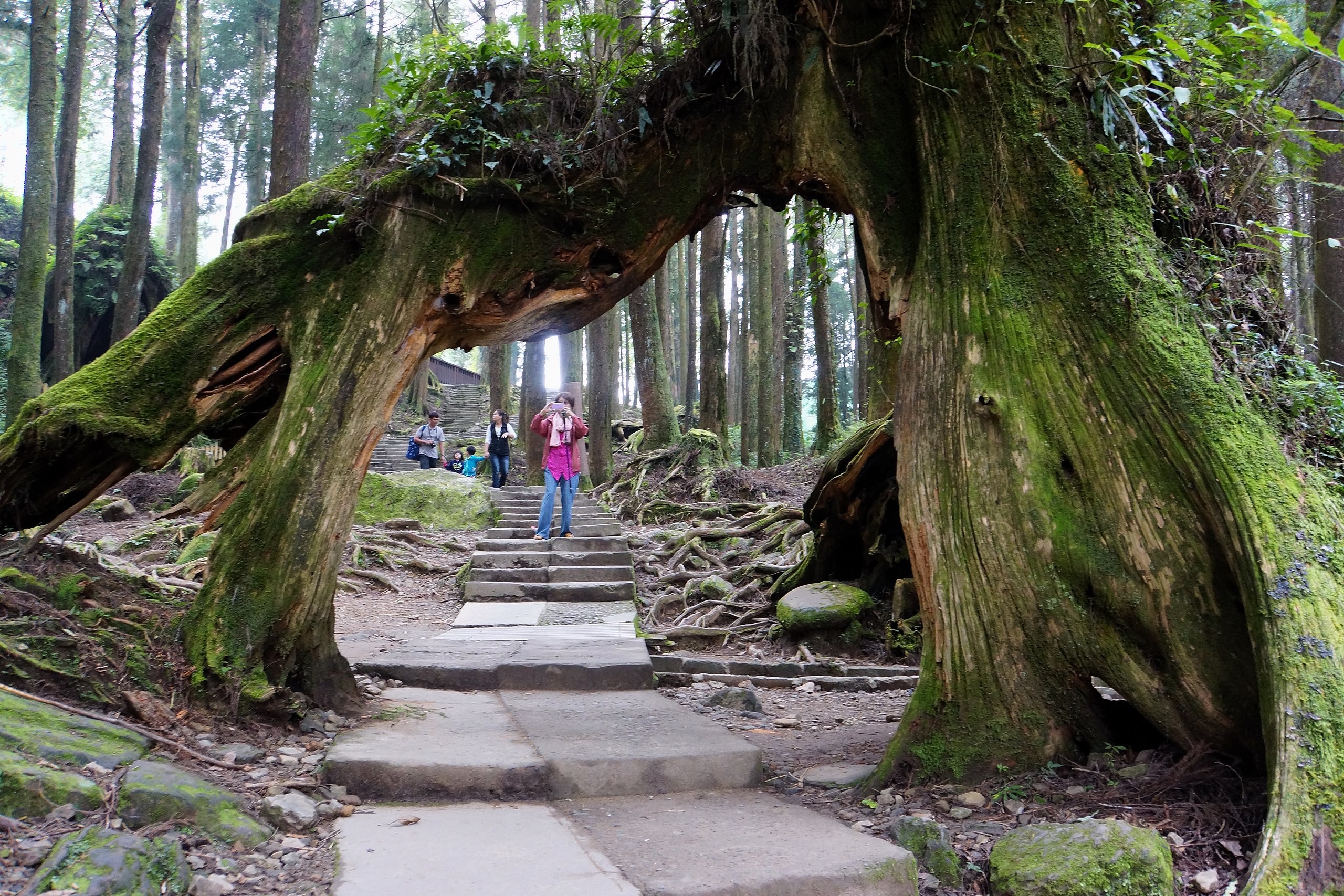
Alishan is one of Taiwan’s most iconic mountain retreats, famed for its cool climate, ancient forests, and tea culture. The Alishan Forest Railway, built by the Japanese in 1912, winds through cedar and cypress groves to reach the scenic area. Visitors hike misty trails to sights like the Sacred Tree, Sisters Ponds, and Shouzhen Temple, or ride the Alishan Forest Sky Walk for sweeping valley views. The main highlight is the Alishan sunrise, when the sun rises above a sea of clouds with Yu Shan (Jade Mountain) in the background.
Kenting National Park
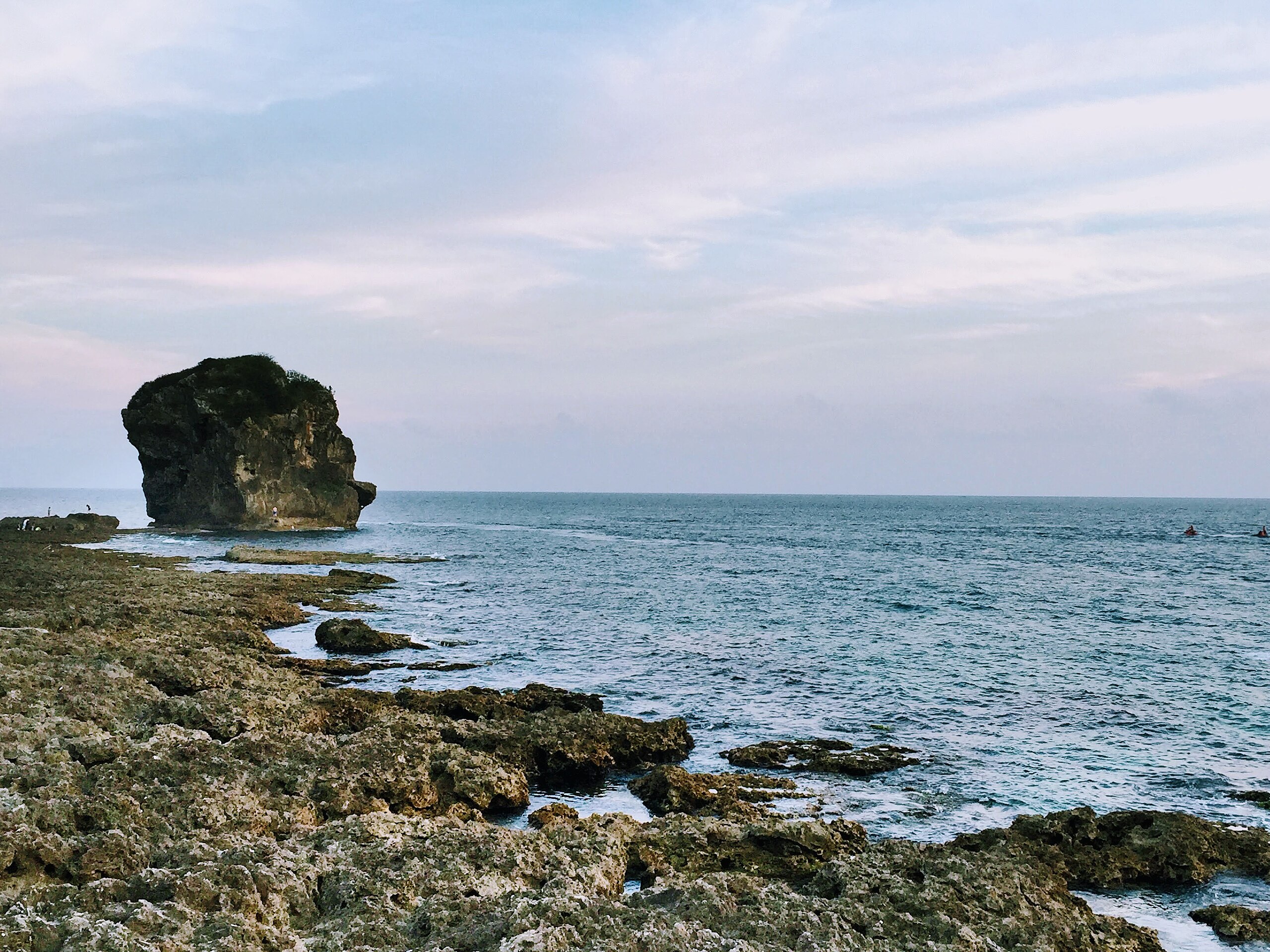
Kenting National Park, at Taiwan’s southern tip, is the country’s tropical playground with white-sand beaches, coral reefs, and dramatic coastal cliffs. Top spots include Baisha Beach (featured in Life of Pi), Nanwan Beach for water sports, and the rugged Longpan Park cliffs overlooking the Pacific. The Eluanbi Lighthouse, built in 1883, marks Asia’s southernmost point. Inland, explore the Kenting Forest Recreation Area with limestone caves and tropical plants, or stroll lively Kenting Street Night Market for seafood and local snacks.
Hidden Gems of Taiwan
Jiufen
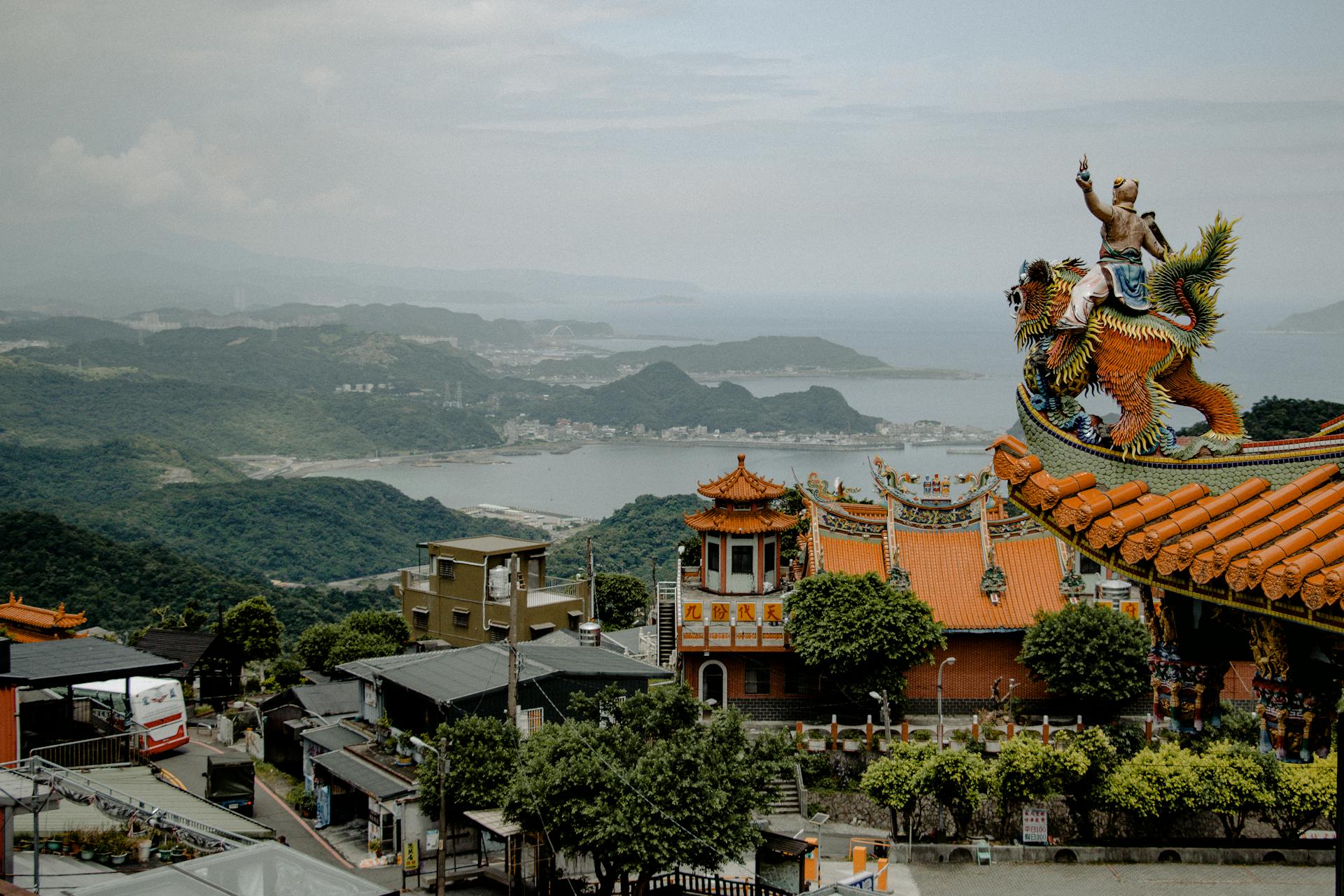
Jiufen, once a gold mining town, is now one of Taiwan’s most atmospheric destinations, perched on a misty hillside overlooking the Pacific. Its narrow lanes are packed with lantern-lit teahouses, old-style cafés, and snack stalls selling taro balls, fish balls, and peanut ice cream rolls. History comes alive at the Gold Museum in nearby Jinguashi and the Shengping Theater, Taiwan’s first movie house. Panoramic viewpoints along the steep stairways make Jiufen especially photogenic at dusk.
Shifen
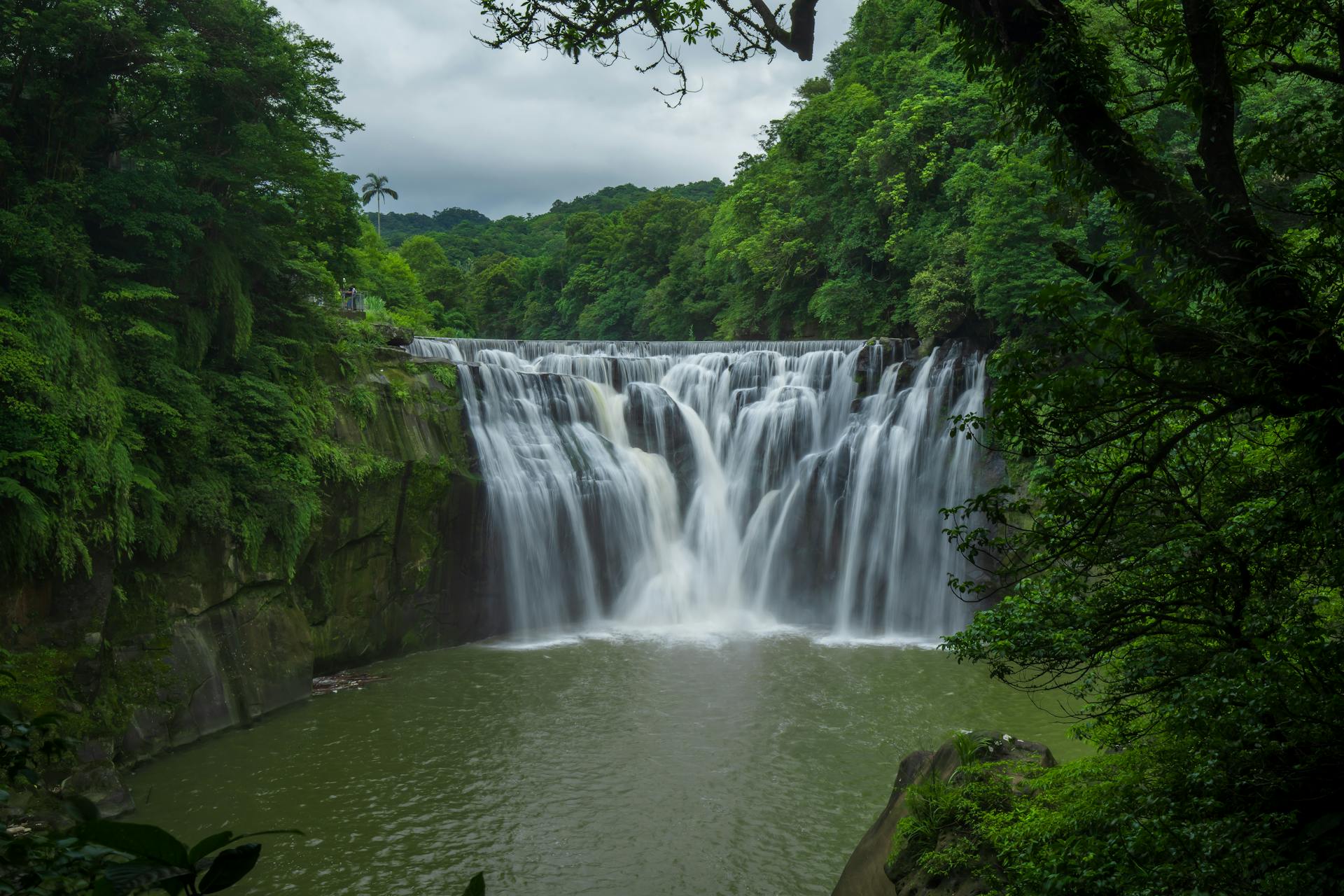
Shifen, in New Taipei’s Pingxi District, is best known for its sky lanterns, released along the old railway tracks to carry wishes into the sky. The town grew around coal mining, and its preserved Shifen Old Street still has trains running right through narrow shopfronts. Just a short walk away is the Shifen Waterfall, often called Taiwan’s “Niagara Falls,” with a 40-meter-wide cascade surrounded by forest trails and suspension bridges.
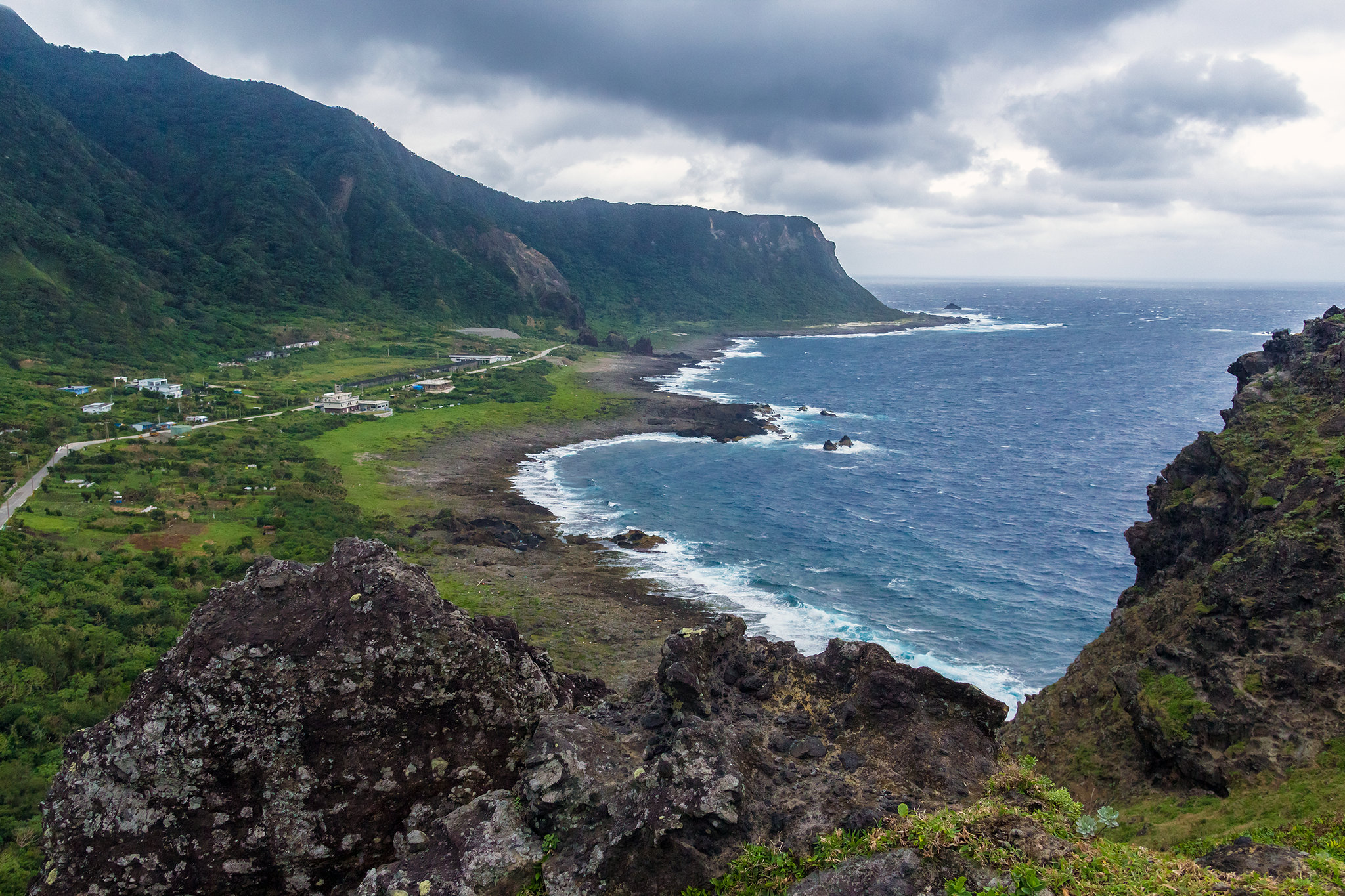
Orchid Island (Lanyu)
Orchid Island (Lanyu), off Taiwan’s southeast coast, is a remote volcanic island rich in both rugged scenery and indigenous Tao (Yami) culture. Visitors can explore basalt cliffs, caves, and dramatic coastal rock formations such as the Lover’s Cave and Twin Lions Rock. The Tao people maintain traditional wooden boat-building and underground houses, offering a rare glimpse of island life unchanged for centuries. The surrounding waters are ideal for diving and snorkeling, with coral reefs and sea turtles common.
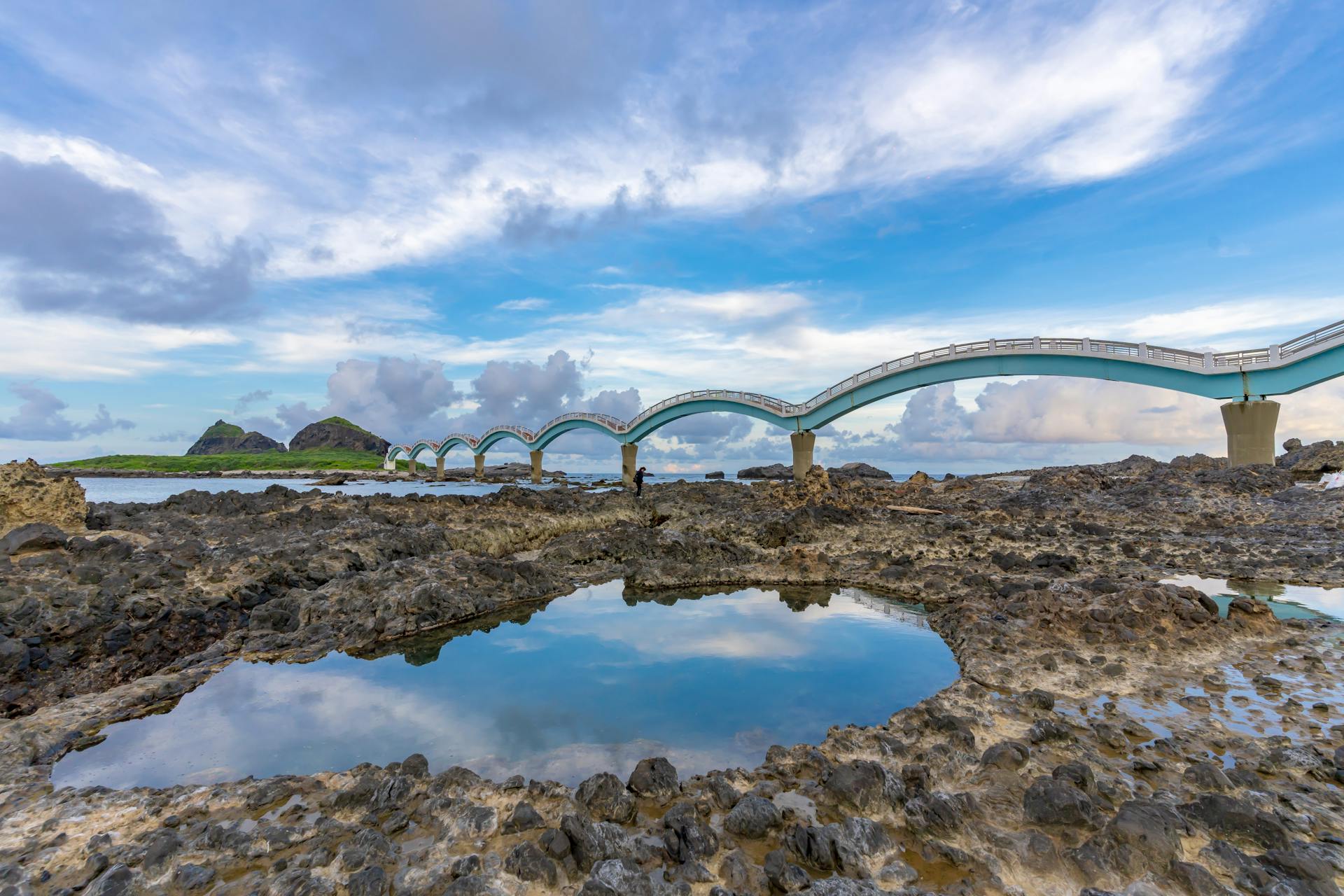
Taitung & Sanxiantai
Taitung on Taiwan’s southeast coast is a laid-back city surrounded by mountains, hot springs, and Pacific views. It’s best known for the Taiwan International Balloon Festival (June–August) in Luye Highlands, where dozens of hot air balloons rise over green valleys. The region also showcases indigenous culture, with Amis and Bunun festivals, night markets, and traditional crafts. Nearby Zhiben Hot Springs and Brown Boulevard in Chishang offer relaxation and rural landscapes.
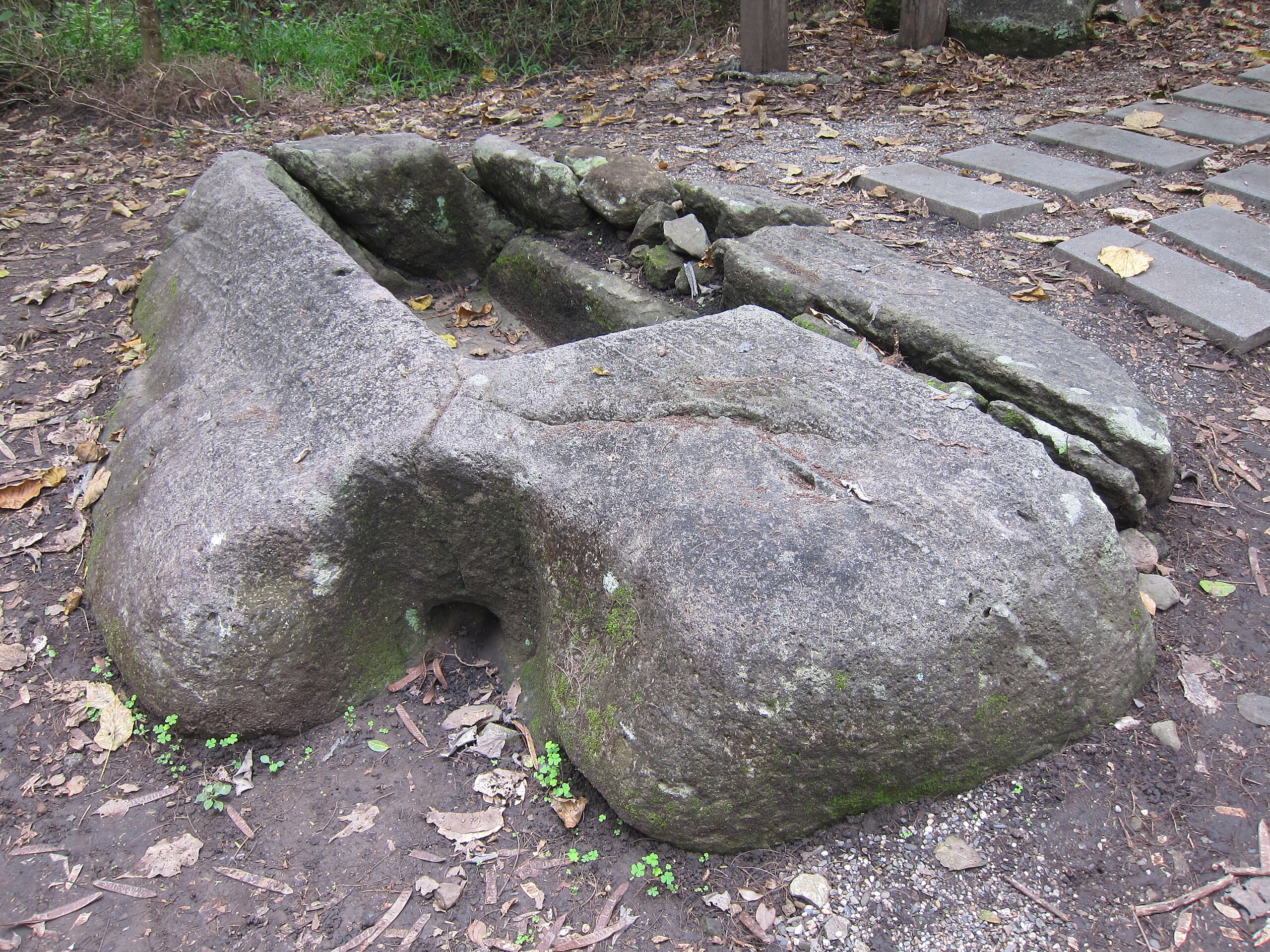
Dulan & East Rift Valley
Dulan, a coastal village near Taitung, has become a hub for surfers, artists, and travelers seeking a relaxed vibe. Waves at Dulan Beach attract surfers year-round, while the Old Sugar Factory now hosts art galleries, live music, and craft shops. Indigenous Amis culture is strong here, with traditional festivals and workshops open to visitors. Cafés and guesthouses line the coast, making it a base for slow travel.
Penghu Islands
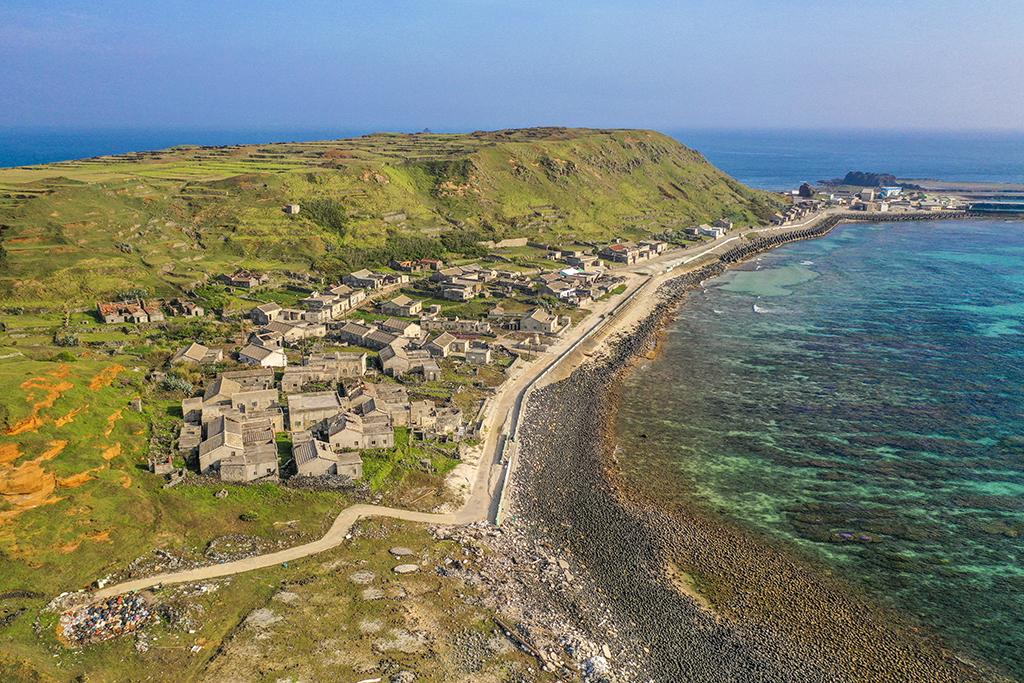
Penghu Islands, an archipelago of 90 islets in the Taiwan Strait, are known for their striking basalt cliffs, historic fishing villages, and centuries-old sea temples. Highlights include the Penghu Great Bridge, the black basalt columns of Qimei’s Twin Hearts Stone Weir, and beaches like Shanshui and Aimen for swimming and water sports. The islands also preserve traditional Fujian-style houses, especially in Erkan Village.
Lishan
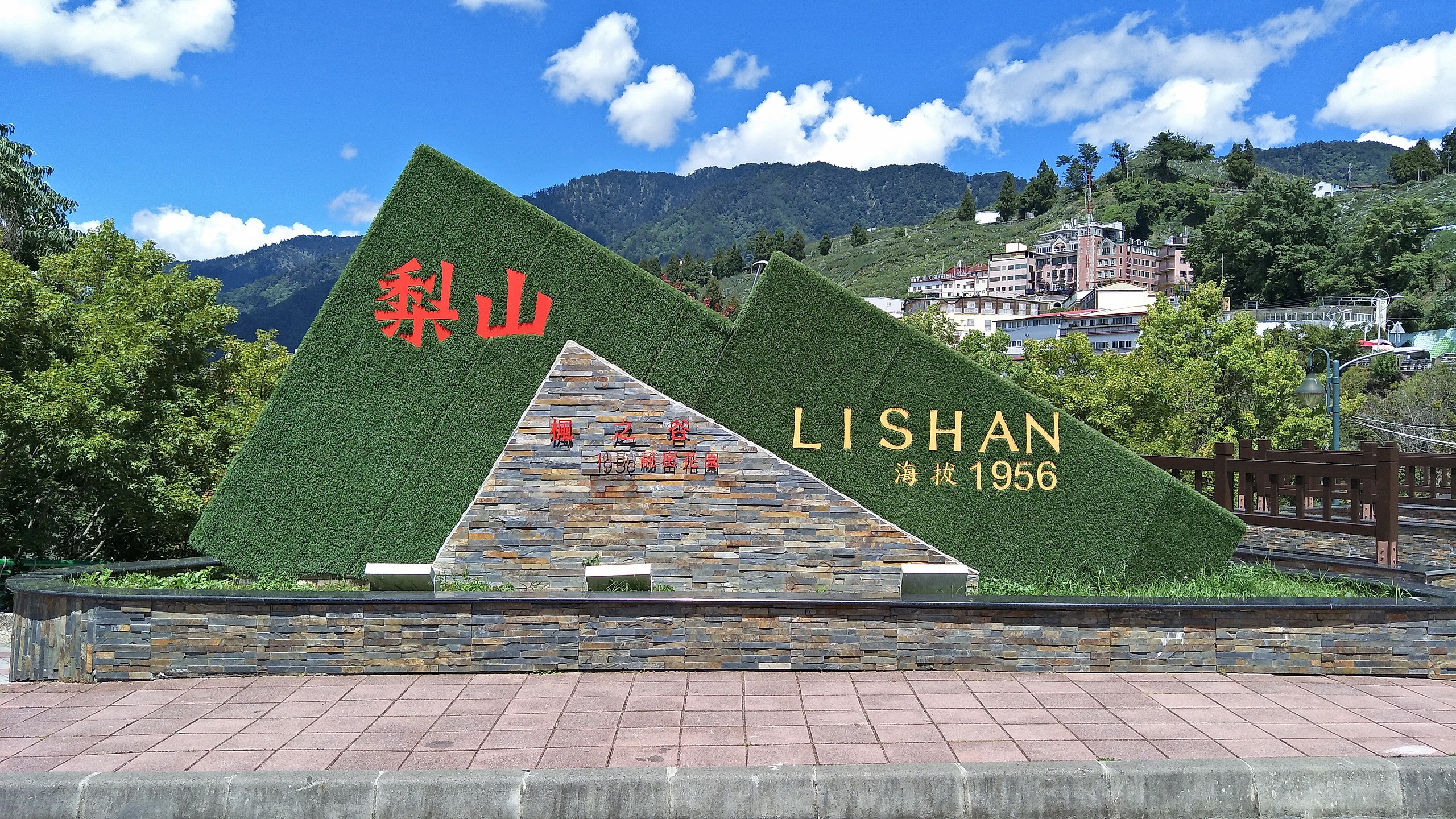
Lishan, perched at over 2,000 meters in Taiwan’s central mountains, is famed for its crisp highland climate that produces some of the island’s best apples, pears, and peaches. The town overlooks terraced orchards and misty valleys, with views stretching toward the Hehuanshan and Taroko Gorge region. Trails around Lishan offer access to remote villages, alpine forests, and lookout points like Fushoushan Farm, which also has cherry blossoms in spring and fiery foliage in autumn.
Xiaoliuqiu Island
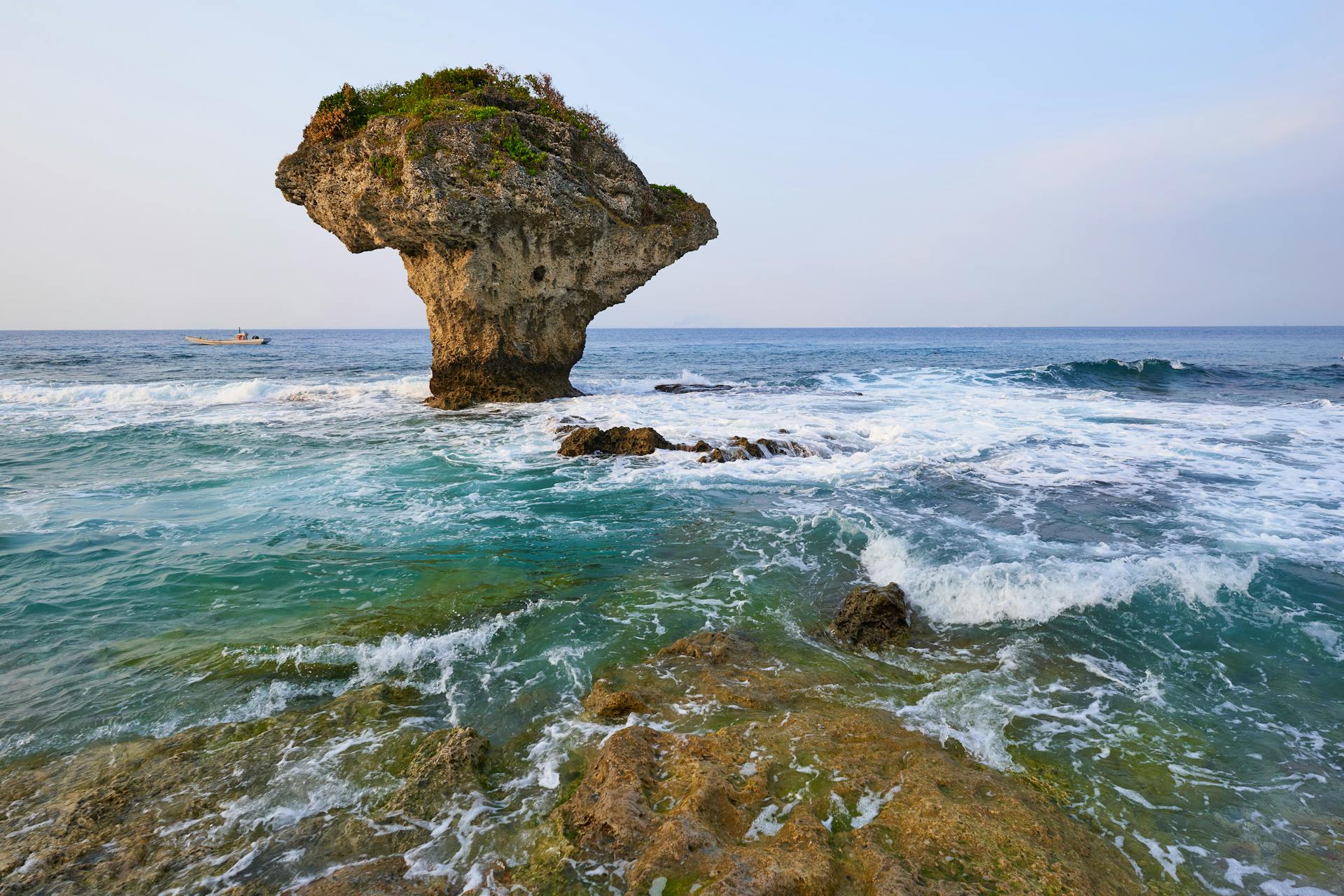
Xiaoliuqiu Island, also called Lambai Island, is a small coral island just off the coast of Kaohsiung and Pingtung. It’s one of the best places in Taiwan to snorkel with sea turtles, which can be spotted year-round in the clear waters. The island is ringed by caves and rock formations, such as Vase Rock, Beauty Cave, and Wild Boar Trench, all easily reached on a loop around the coast. Beaches like Secret Beach offer calm waters for swimming and diving.
Xiaoliuqiu is reached by ferry from Donggang (about 20 minutes), which connects by bus from Kaohsiung Zuoying HSR Station (about 1.5 hours total). Once on the island, most visitors rent scooters to circle the 12 km coastal road, stopping at snorkeling spots, temples, and seafood eateries serving freshly caught fish and squid.
Travel Tips
Visa
Taiwan offers relatively straightforward entry. Many nationalities can enjoy visa-free stays ranging from 14 to 90 days, while others may apply for an eVisa or visa on arrival depending on their passport. Since rules can change, it’s best to confirm the latest requirements before traveling.
Getting Around
Taiwan’s transport system is modern, reliable, and easy to use. The High-Speed Rail (HSR) connects Taipei with Kaohsiung in under two hours, making cross-island travel quick and comfortable. Beyond the HSR, an extensive network of local trains, buses, and MRT systems ensures clean, punctual, and affordable transport within cities and regions. The EasyCard is a must-have—it works on most forms of public transport and can even be used in convenience stores and some tourist attractions.
For more remote exploration, renting a car or scooter is a great option, especially along Taiwan’s scenic east coast or in the mountains. Travelers must carry an International Driving Permit together with their home license to rent vehicles legally. While city traffic can be hectic, driving outside urban centers is generally straightforward and rewarding.
Language & Currency
The official language is Mandarin Chinese, but in major tourist areas many signs are bilingual in English and Chinese. The local currency is the New Taiwan Dollar (TWD). Credit cards are widely accepted in urban centers, but cash remains important in rural areas, night markets, and smaller businesses.
Connectivity
Staying connected is simple. Renting pocket Wi-Fi devices or purchasing a local SIM card is highly recommended for easy internet access on the go. Many metro stations, tourist attractions, and public spaces also offer free Wi-Fi, though coverage may be inconsistent in rural regions.

Published August 20, 2025 • 9m to read