

Sudan is a vast country defined by desert expanses, the Nile’s narrow green corridor, and an extraordinary concentration of ancient sites. Much of its appeal lies in scale and atmosphere rather than convenience. Pyramids, temples, and archaeological remains stand in open desert landscapes that remain largely outside mainstream tourism, giving visits a strong sense of isolation and space.
Sudan is best suited to travelers whose primary focus is history and archaeology, as well as photographers and experienced overland visitors comfortable with limited infrastructure. Careful planning is essential. Access and security conditions can vary significantly by region and may change quickly. Any itinerary should be designed conservatively, arranged with reputable local partners, and checked against current official travel advisories before confirming plans.
Best Cities in Sudan
Khartoum and Omdurman
Khartoum and Omdurman are often most useful as a short “context segment” rather than a place to build a long checklist, especially on a Nile-focused itinerary. Khartoum’s defining geographic moment is the confluence of the White Nile and Blue Nile, where the two rivers meet and continue north as the Nile. Seeing that meeting point helps frame the logic of travel in Sudan, with river geography shaping settlement patterns, transport corridors, and the rhythm of life along the banks. If you have limited time, a well-paced half-day can cover a riverfront viewpoint, a brief city loop to understand the capital’s layout, and a practical reset before you move on.
Omdurman, on the opposite side of the Nile, can add texture through everyday atmosphere, particularly around its market areas, where trade and daily life feel more immediate than formal landmarks. This is also where common-sense precautions matter most: go in daylight, move with local guidance, keep valuables discreet, and treat photography as permission-led, especially around people and anything that appears official or sensitive. For most travellers, the smart approach is a single, structured “context day” focused on the confluence, one market-oriented walk in Omdurman, and then an early, daylight departure for the archaeology corridor, keeping the capital area primarily as a logistics base rather than the centre of the trip.
Port Sudan
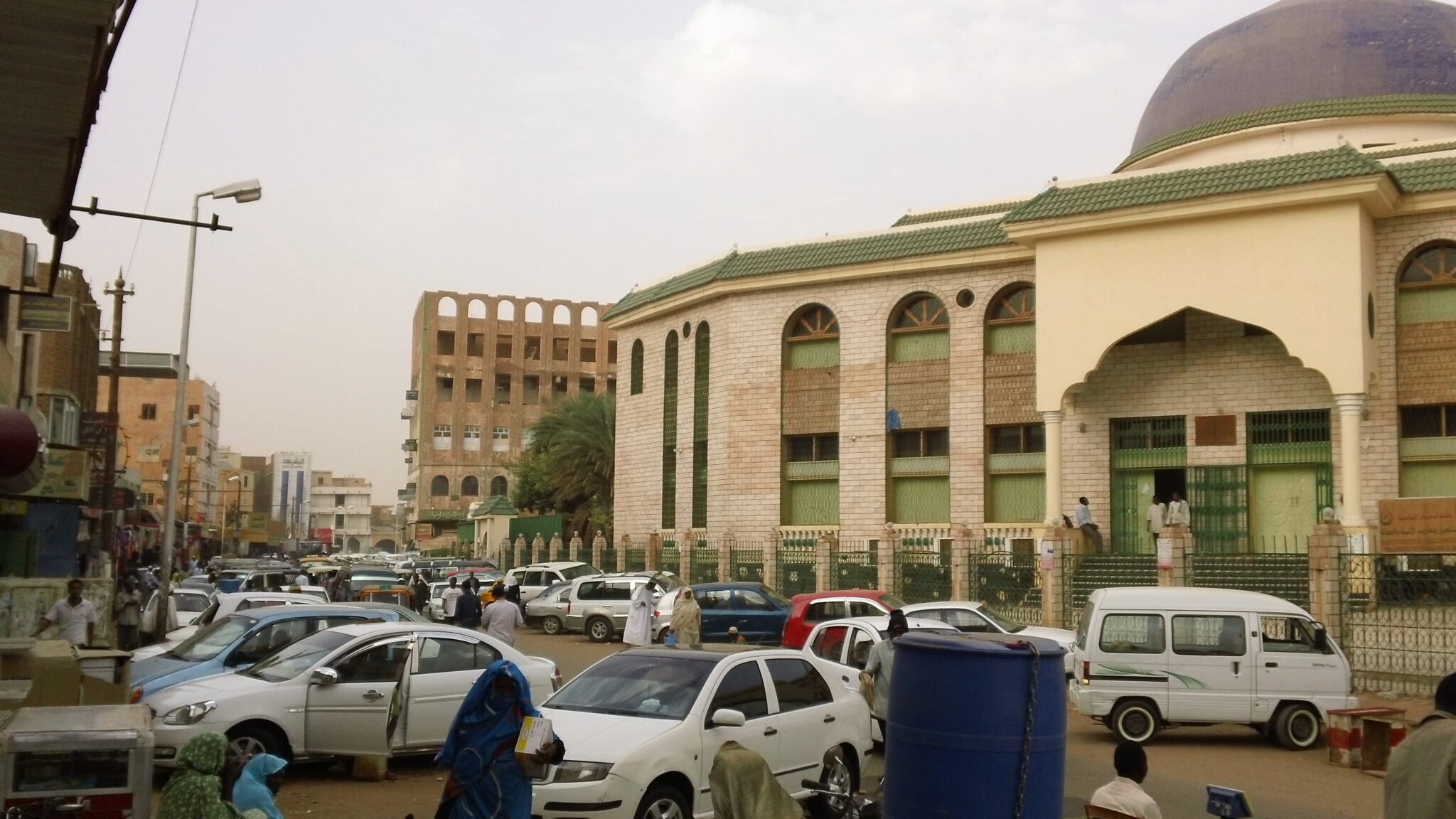
Port Sudan is Sudan’s main Red Sea gateway and, when access is feasible, it works best as a functional base for coastal downtime rather than a city you “tour” in depth. Use it to reset after inland travel, organise supplies, and set up marine days with realistic timing. The seafront is most pleasant early morning and late afternoon when temperatures drop and the air feels less heavy, and a simple routine of short waterfront walks, shaded breaks, and unhurried meals usually delivers the best experience. Expect a very different climate from the Nile corridor, with higher heat and humidity, so pace your day around comfort rather than distance.
Marine plans should be treated as conditions-dependent. Wind can quickly roughen the sea, reduce visibility, and make boat rides uncomfortable, so build flexibility into your schedule and prioritise operators who are willing to adjust destinations, departure times, or cancel when conditions are not suitable. If snorkelling or diving is a key goal, plan for at least one buffer day so you can choose the best weather window instead of forcing a marginal outing.
Kassala
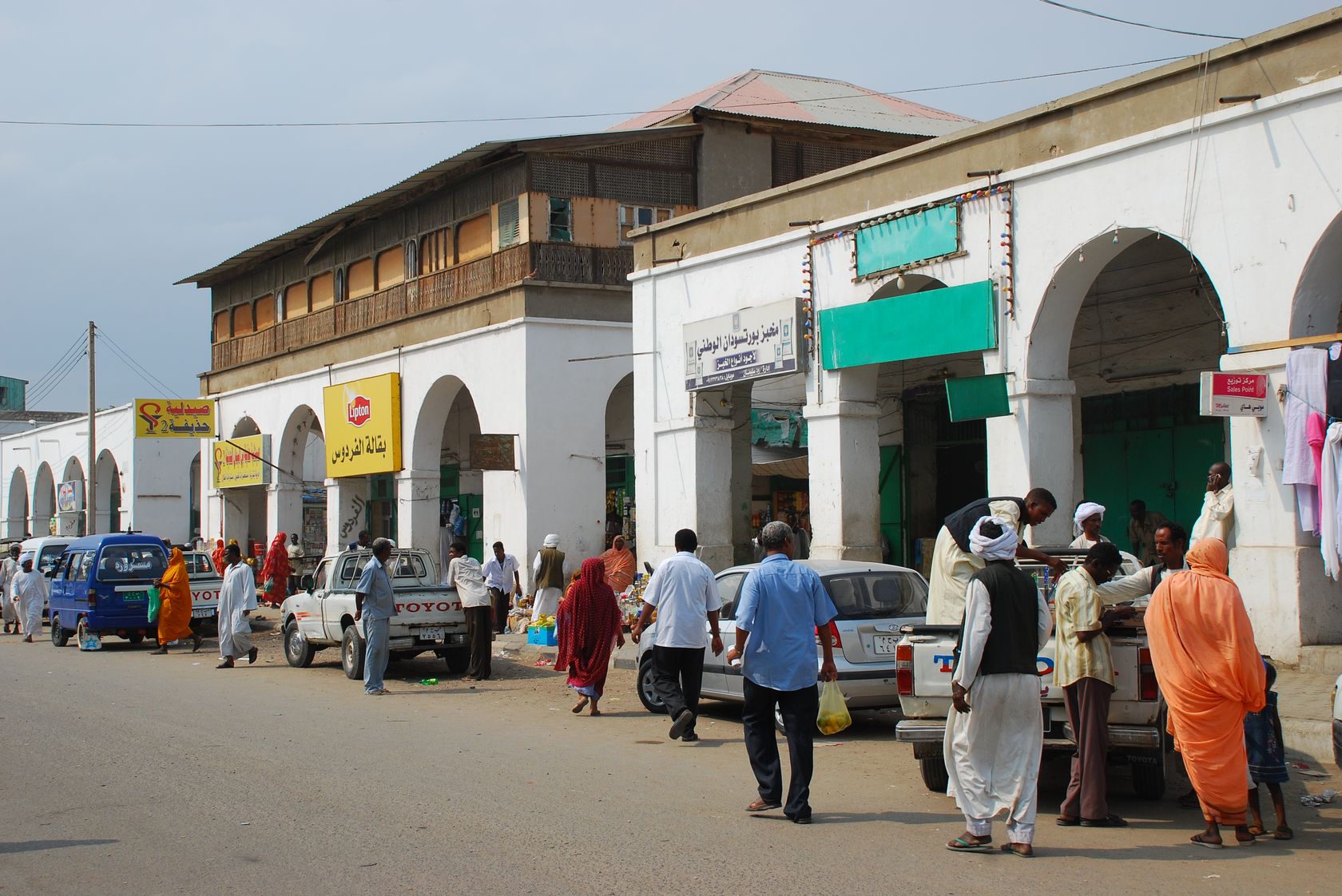
Kassala is often remembered for its scenery as much as for the town itself, thanks to the Taka Mountains rising sharply from the surrounding plain and giving the area a distinctive silhouette, especially in early and late light. It is a good fit for travellers who enjoy slower-paced days built around atmosphere rather than formal attractions: a morning market walk for everyday texture, a relaxed café pause, then an easy viewpoint loop where you can watch the mountains change colour as the sun moves. The town’s appeal is that it feels more regional and grounded than the Nile corridor hubs, with a rhythm shaped by trade, local neighbourhood life, and the landscape backdrop that is always present.
Practically, Kassala works best as a route-driven stop rather than a place you detour to at any cost. It fits naturally if you are moving through eastern Sudan, for example between the Red Sea corridor and the interior, and it is most enjoyable when you have at least one overnight so you can see the town in calm morning hours and again at sunset. Keep plans simple and daylight-focused, especially for market visits and neighbourhood wandering, and treat photography as permission-led when people are the subject.
Best Natural Sites in Sudan
The Nile corridor north of Khartoum into Nubia
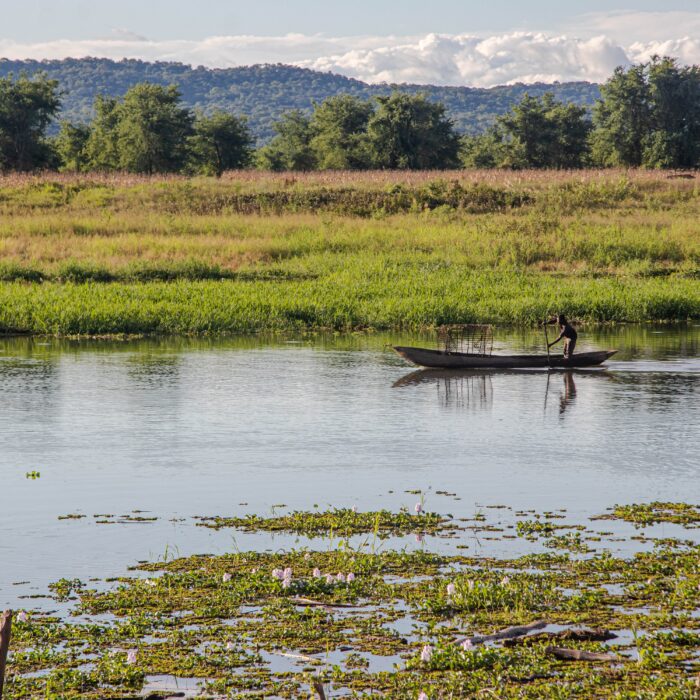
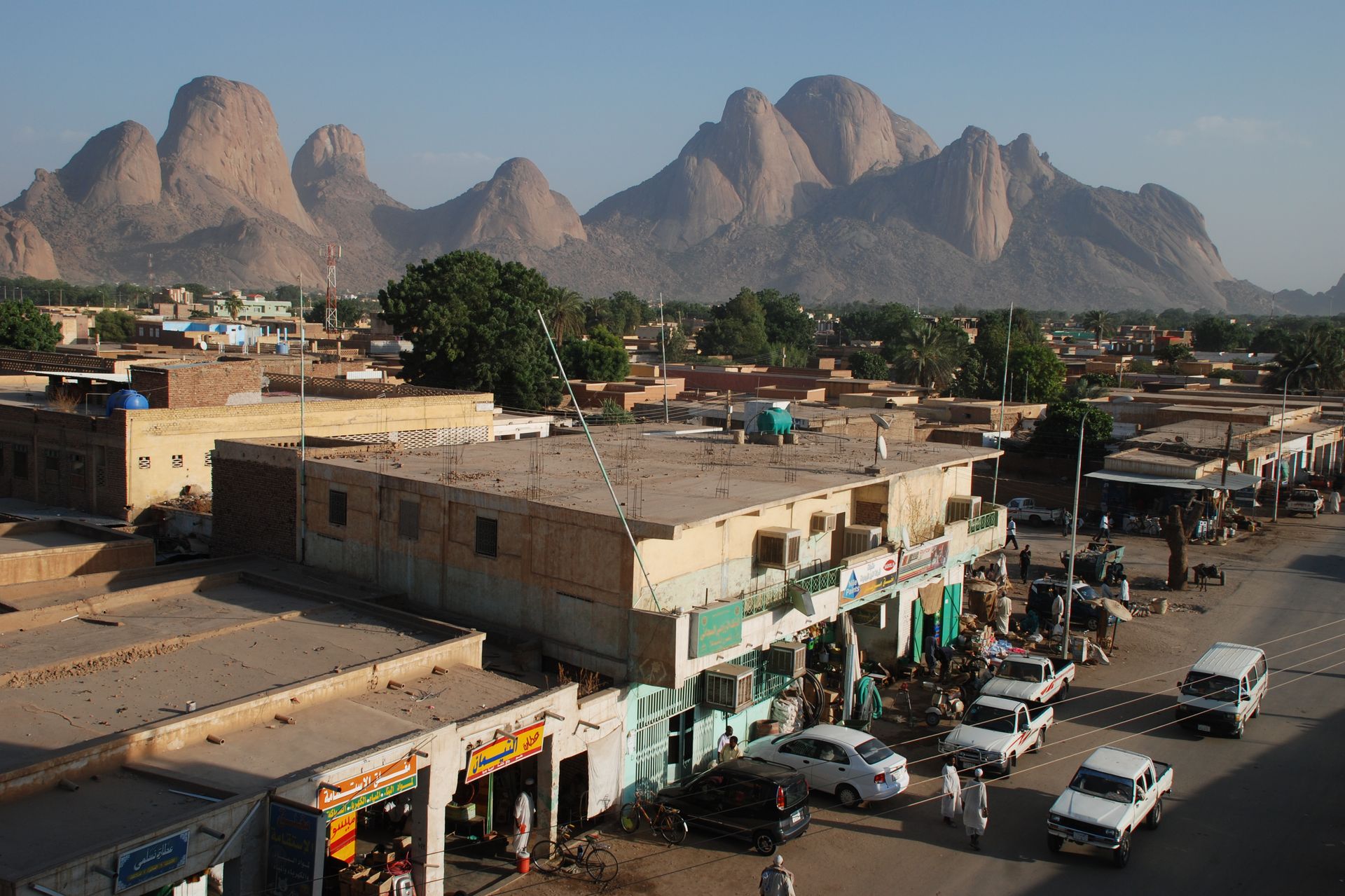
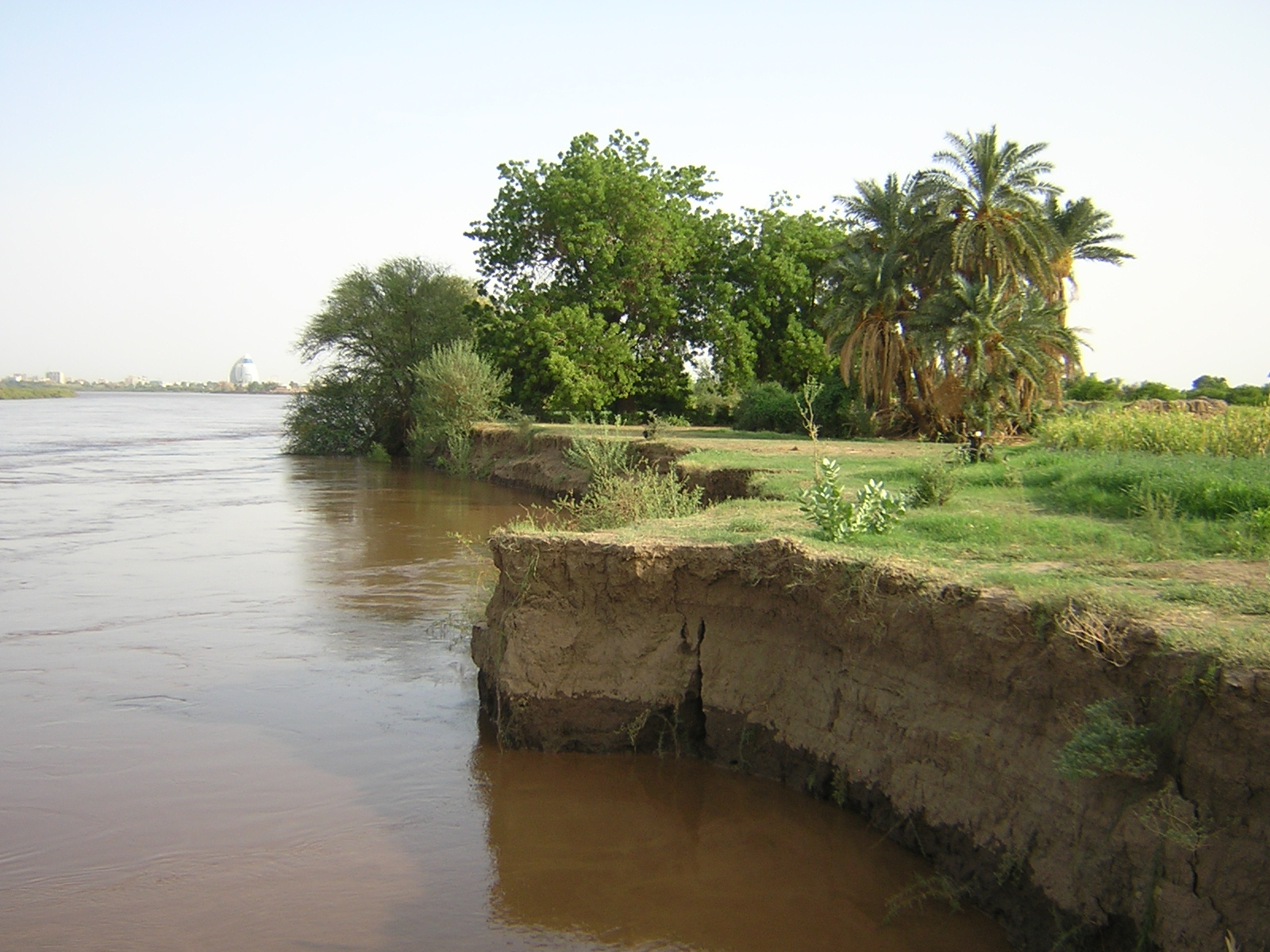
The Nile corridor north of Khartoum into Nubia is the classic “slow travel” spine of Sudan: broad river bends edged with date palms, irrigated fields, and compact villages where daily life stays closely tied to the water. The scenery is rarely dramatic in a single, postcard moment. Instead, it accumulates through repetition and rhythm, palm groves, donkey carts, small riverside jetties, and the steady alternation of green banks and sandy desert beyond. This is also the natural setting for Nubian cultural texture: mud-brick architecture, courtyard compounds, and a pace of movement that feels more measured than in the capital, especially when you spend time on the riverbank rather than trying to cover distance too quickly.
Plan the corridor around light and realistic driving days. Early starts make the heat easier to manage and give you calmer conditions for ferry crossings and river stops, while late afternoons are best for photography when the low sun turns the water bronze and lengthens shadows across the palms. Treat archaeological visits as anchors rather than a reason to rush: it is usually better to see fewer sites well, with unhurried time on the river in between, than to stack long detours and arrive exhausted.
Bayuda Desert
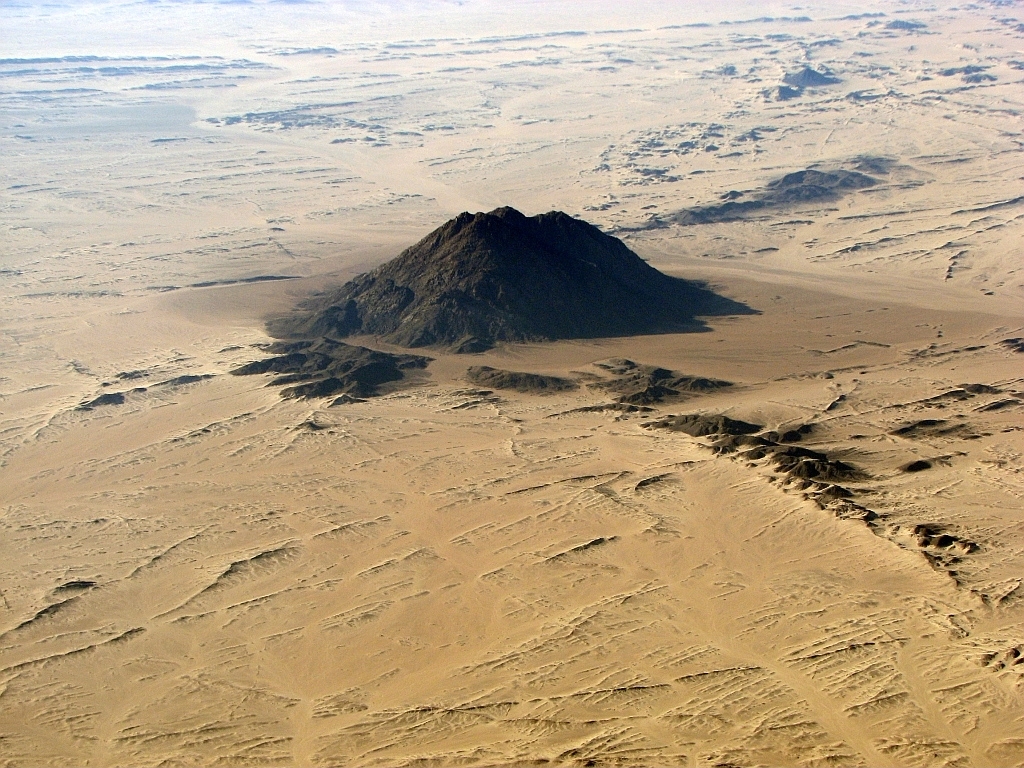
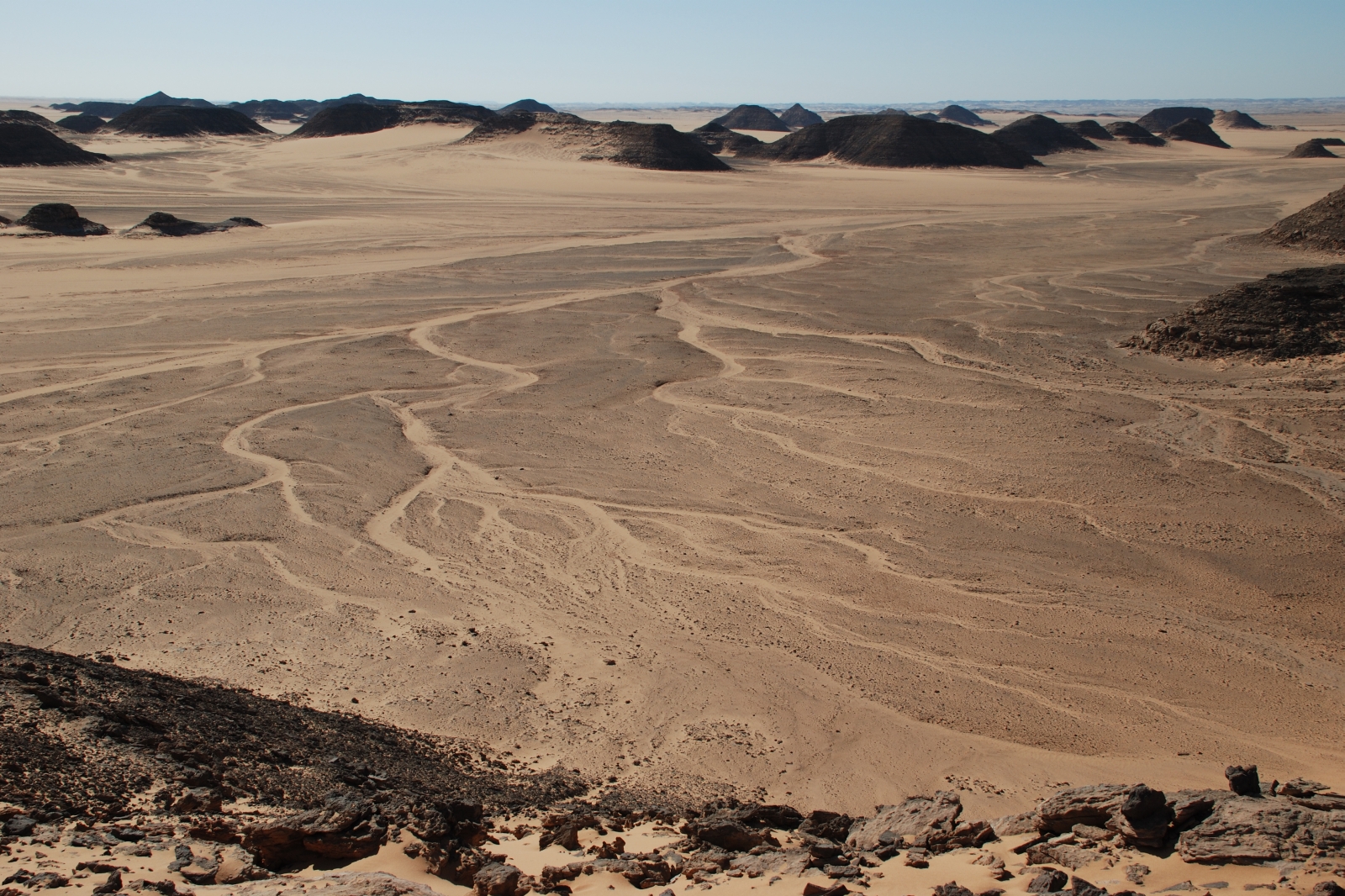
The Bayuda Desert is one of Sudan’s classic big-sky landscapes, a wide, sparsely settled expanse between major Nile bends where the road day itself becomes the experience. The appeal is minimalism and scale: long horizons, strong light, and a sense of space that makes small details, a lone acacia, a distant ridge line, a dust plume from a vehicle, feel unusually vivid. It suits travellers who enjoy route-driven scenery and do not need frequent “attractions”, because the most memorable moments are often the quiet transitions: the gradual shift in colour, the way the air shimmers at midday, and the calm intensity of dawn and late-afternoon light.
Red Sea Coast around Port Sudan
The Red Sea coast around Port Sudan works well as a recovery segment after inland desert travel because the rhythm shifts immediately from road endurance to sea time. The most satisfying visits are usually simple: early mornings on the waterfront before heat builds, a relaxed midday break in shade, then late-afternoon time by the water when light softens and the coast feels calmer. If conditions line up, clear-water moments can make snorkelling worthwhile, but even without getting in the water, the sea air and slower pace can reset an itinerary that has been dominated by long drives and dry landscapes.
Plan conservatively and confirm what is realistically available before you commit to multiple sea days. Operator availability, equipment, transport to suitable swim or boat points, and day-to-day sea conditions can all limit what you can do, especially if you are aiming for quieter stretches away from town. Build flexibility so you can choose the best weather window rather than forcing a boat or swim day in wind or poor visibility, and keep your routine low-pressure: one well-timed water day plus an extra buffer day often feels better than a tightly scheduled sequence.
Jebel Barkal and the wider Napatan landscape
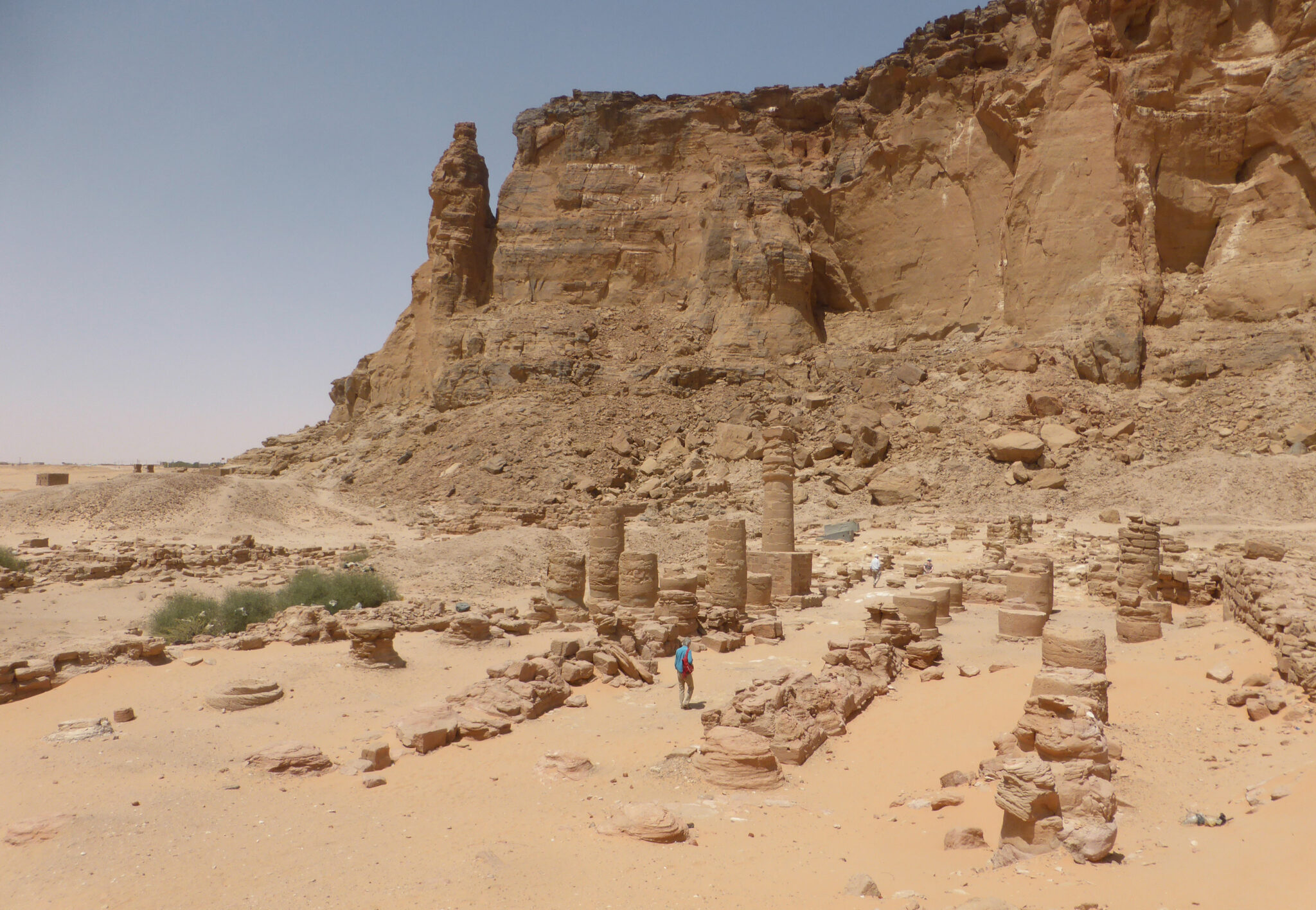
Jebel Barkal is one of Sudan’s most striking landmarks: a steep-sided sandstone butte rising abruptly from flat desert plains, with a surrounding Napatan landscape that feels purpose-built for photography. The area’s impact comes from the way the rock dominates an otherwise open horizon, and how closely major archaeological sites cluster around it, so you can combine short drives with long, unhurried time on site rather than spending the day in transit. The wider setting around Karima is equally important, with low dunes, gravel plains, and river-adjacent greenery that create strong colour contrasts and wide-angle compositions, especially when the air is clear and shadows are long.
If photography matters, plan one dedicated sunset session at Jebel Barkal. Late-day light deepens the red and gold tones in the rock and sand, and the scene changes quickly as the sun drops, with the butte shifting from detailed texture to dramatic silhouette in minutes. Arrive early enough to walk, choose your angles, and settle into a slow pace rather than rushing between viewpoints.
Archaeology and Cultural Landmarks
Meroë Pyramids
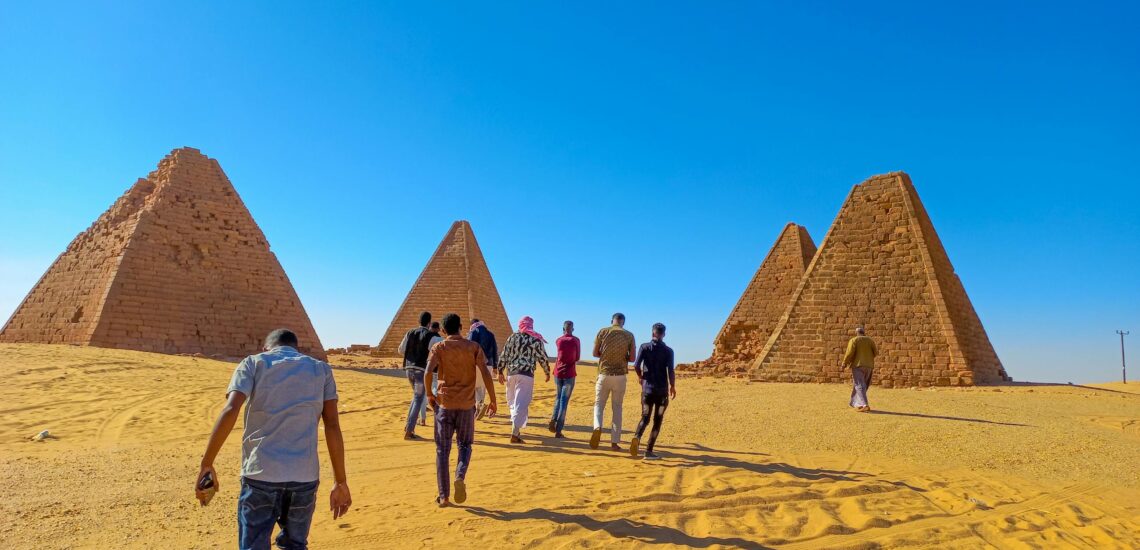
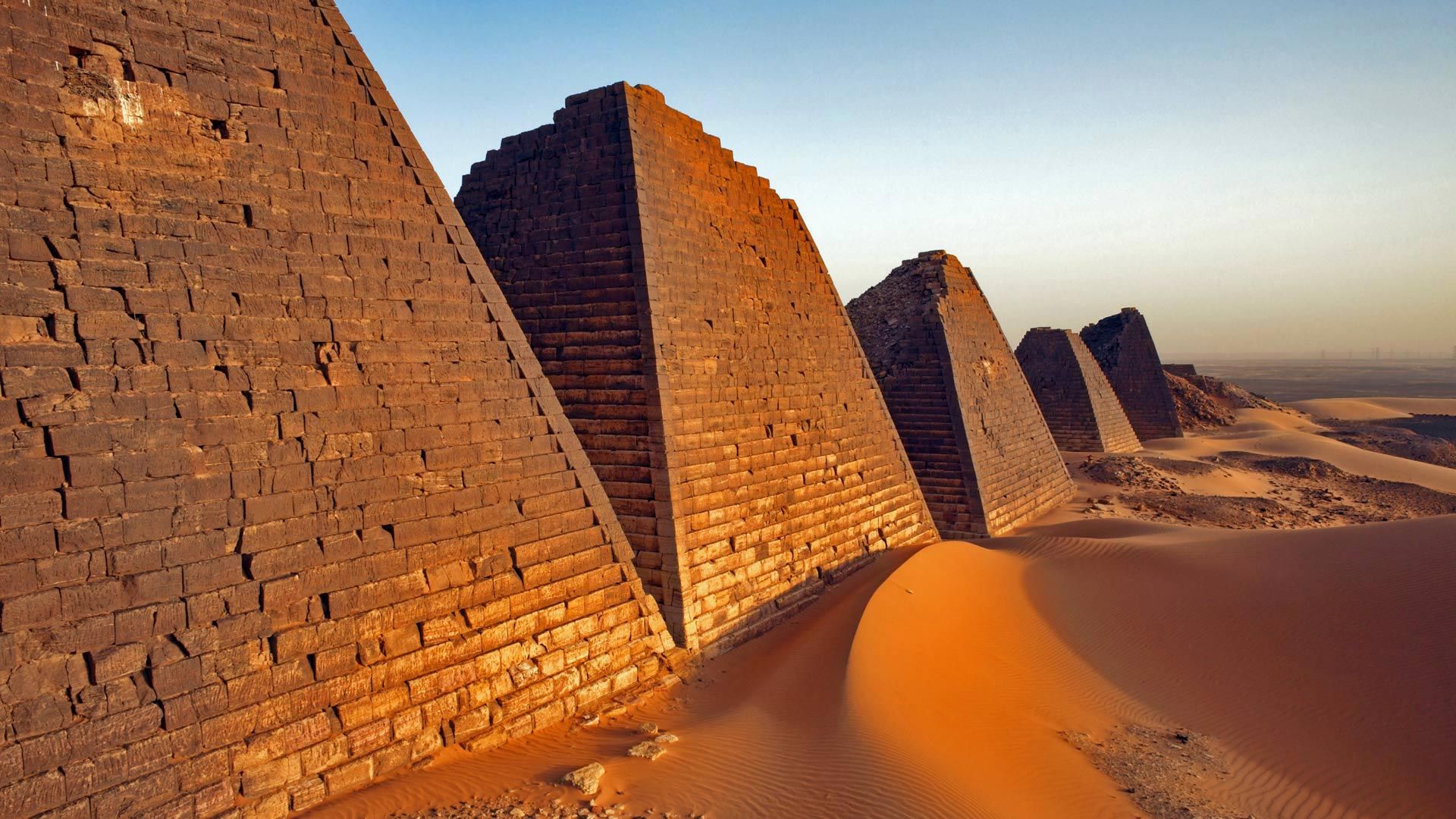
Meroë is one of Sudan’s most memorable desert sites: clusters of steep-sided pyramids and funerary structures rising from open sand in a setting that feels both monumental and surprisingly quiet. The impact is immediate because the scale reads clearly against an empty horizon, and you can walk between groups at your own pace, using the desert silence and long sightlines to appreciate how the cemetery layout fits the landscape. The best experience is unhurried: arrive early, walk slowly, and take time to step back for wide views as well as close-up details, because the site rewards both big-sky compositions and smaller textures.
Plan your visit around softer light for comfort and photography. Early morning and late afternoon usually give the best colour and shadow, while midday heat and glare can flatten the scene and make the sand reflection tiring. Bring plenty of water, strong sun protection, and footwear that handles hot sand and uneven ground, and keep a conservative pace, especially in warmer months.
Naga and Musawwarat es-Sufra
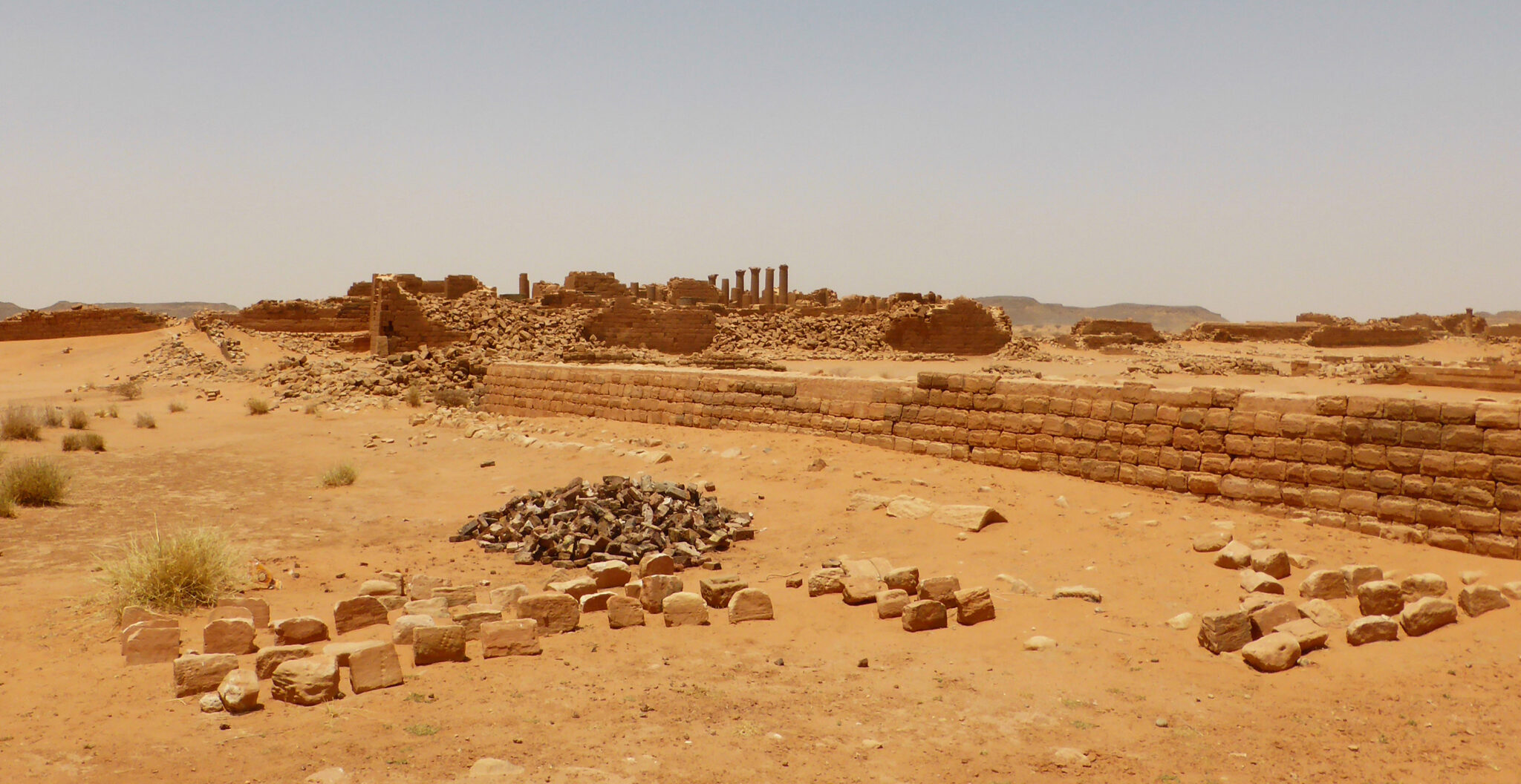
Naga and Musawwarat es-Sufra are often highlights for travellers who want a stronger expedition feel beyond the main Nile-corridor headline stops. Both sit in open desert settings where the silence and distance add to the impact, and the experience is as much about atmosphere as it is about the monuments themselves. Naga is best known for its temple remains and the way decorated stonework appears suddenly out of an otherwise minimal landscape, while Musawwarat es-Sufra feels more complex and enigmatic, with large-scale structures spread across a broader area that rewards slow walking and explanation. A guide can significantly improve the visit by adding context, helping you “read” what you are looking at, and keeping the day moving efficiently without turning it into a rushed box-tick.
Treat this as a full-day commitment from your base, not a quick add-on. Road time can be substantial, and conditions may vary by season and recent maintenance, so plan an early start, daylight-only driving, and conservative margins for delays. Bring more water than you think you need, plus sun protection and footwear suited to sand and rough ground, because shade is limited and you will spend time walking between features.
Jebel Barkal and the Napatan sites near Karima
Karima is one of Sudan’s strongest archaeology bases because several major Napatan-era sites sit within easy reach of each other, letting you build a satisfying 2 to 3 day segment without constant packing and long relocations. Jebel Barkal is the landmark anchor, a steep sandstone butte rising abruptly from the plain, paired with temple ruins at its foot and viewpoints that make the wider landscape feel monumental. From the same base you can reach key pyramid fields such as El Kurru (often linked with royal burials of the Napatan period) and Nuri (noted for large royal pyramids), plus additional temple-area remains around the Karima–Sanam zone, so your days can be built around short transfers and long, unhurried time on site rather than road endurance.
This region rewards a “light-and-pace” routine more than almost any other: start early for cooler air and cleaner contrast, take a long shaded break through midday heat, then return in late afternoon when the rock and sand tones deepen and sites look completely different. Plan at least one dedicated sunset session at Jebel Barkal, because the change from detailed texture to silhouette can happen quickly, and it is often the most photogenic moment of the entire Karima area.
Old Dongola
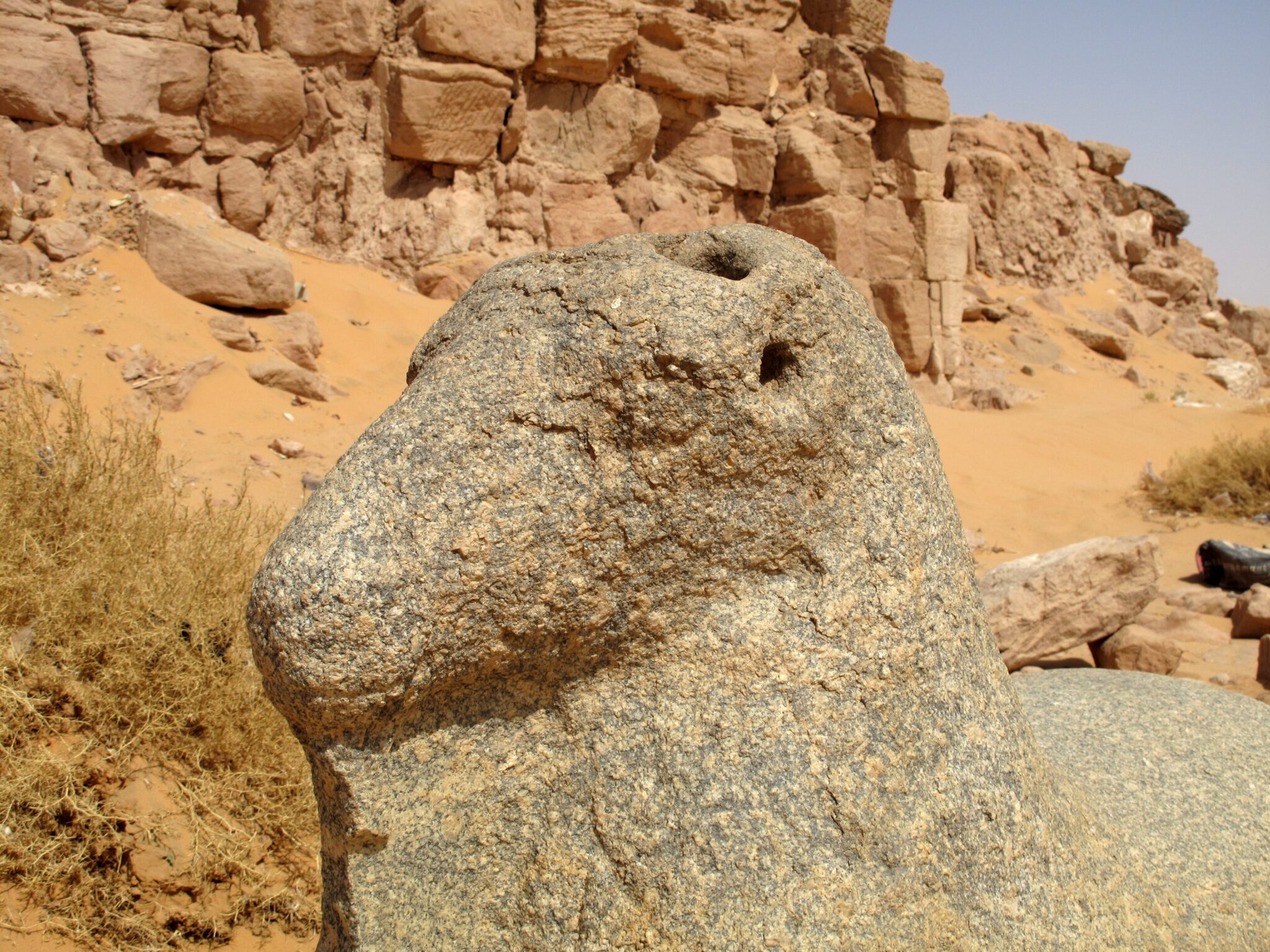
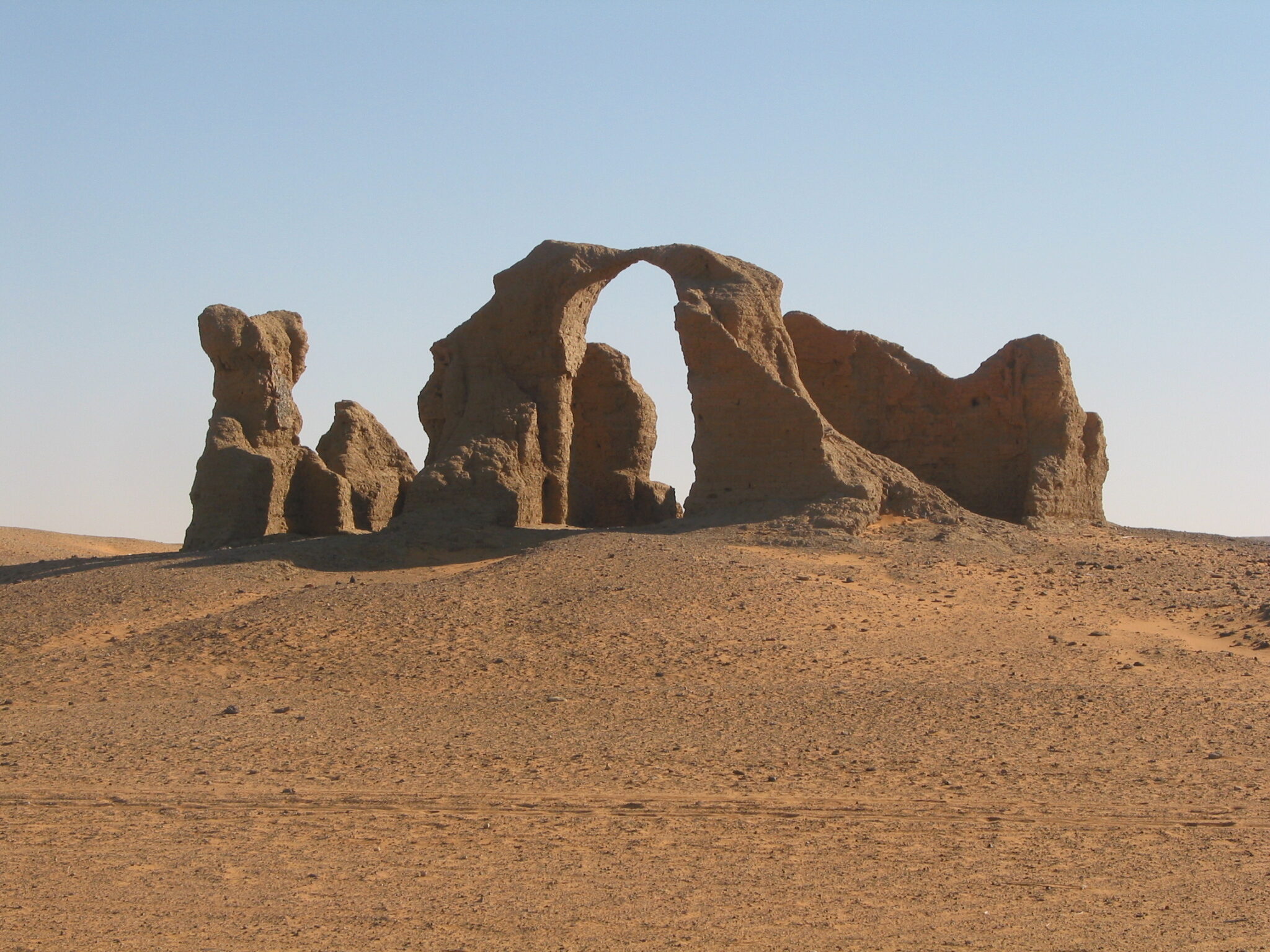
Old Dongola can be a rewarding stop on a northbound Nile route because it combines historic remains with the classic river–desert contrast that defines northern Sudan. The appeal is atmosphere: you have open views across sand and palms, a quieter setting than the headline pyramid fields, and ruins that feel embedded in the landscape rather than presented as a “museum site”. It suits travellers who enjoy context, slow walking, and photography built around texture and light, with the understanding that facilities may be basic and interpretation on site may be limited without local guidance. Include Old Dongola only when it fits your route naturally, because detours can quickly turn into long travel days. The best approach is to plan it as a focused stop, arrive early enough to walk unhurriedly, then continue onward before late-day driving becomes a pressure.
Suakin
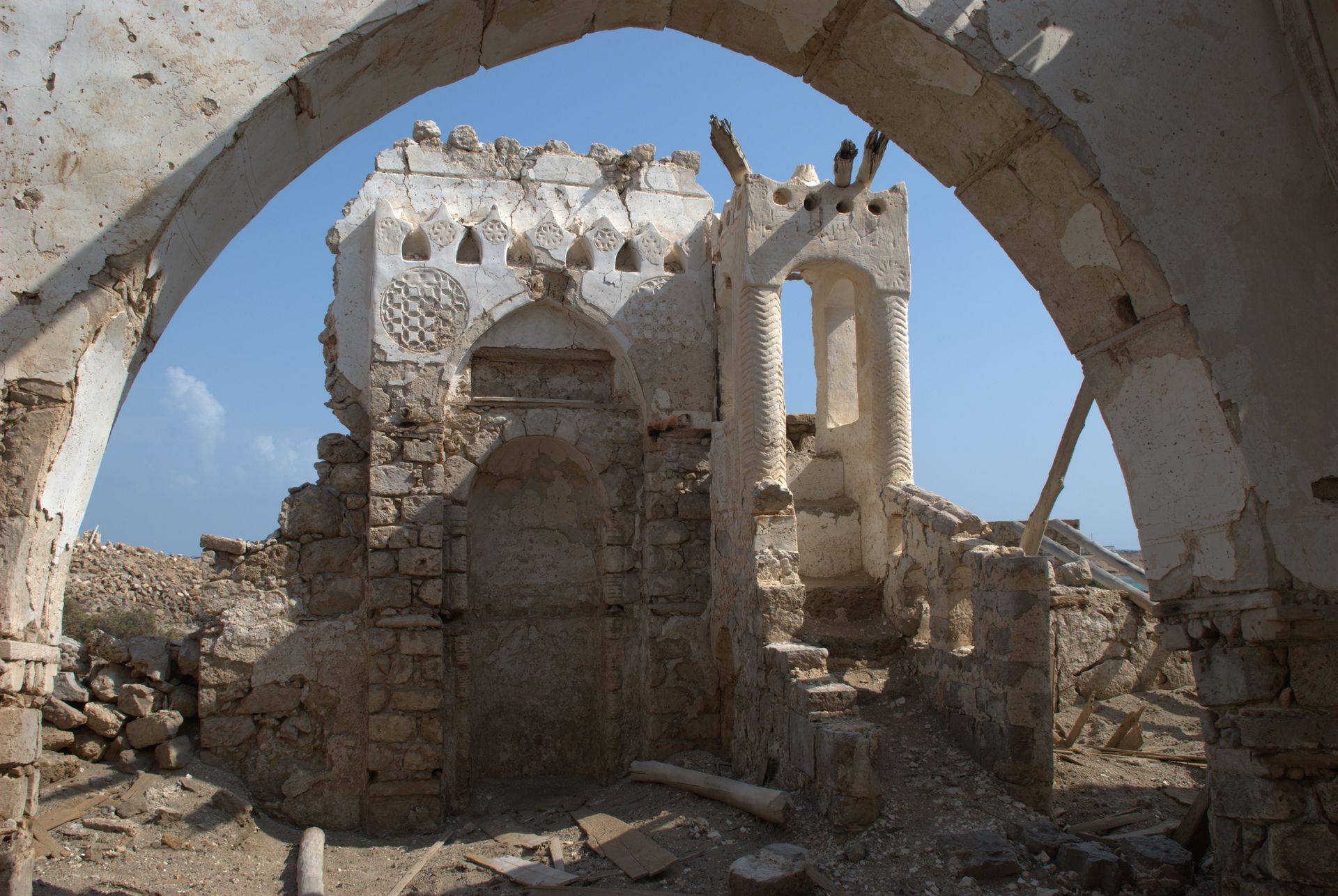
Suakin is one of the Red Sea coast’s most distinctive heritage stops, historically known as an island-port whose coral-stone buildings and maritime setting feel very different from Sudan’s inland archaeology. When access is feasible, the experience is less about a long list of “attractions” and more about atmosphere: weathered architecture, quiet waterfront views, and the sense of a place shaped by trade routes and sea travel. It can be especially rewarding for travellers who enjoy photography and urban texture, because the contrast between bright coastal light, pale stone, and the surrounding water creates strong compositions, particularly early and late in the day.
Feasibility and access can vary, so treat Suakin as conditions-dependent rather than guaranteed. The best approach is to plan it as an optional add-on from Port Sudan or the immediate coastal corridor, with a flexible schedule that can absorb changes in access, timing, or local advice. If you do go, keep plans simple: arrive in daylight, use a local guide if available for context and practical navigation, and avoid building a tight onward connection that forces you to rush.
Hidden Gems of Sudan
Karima
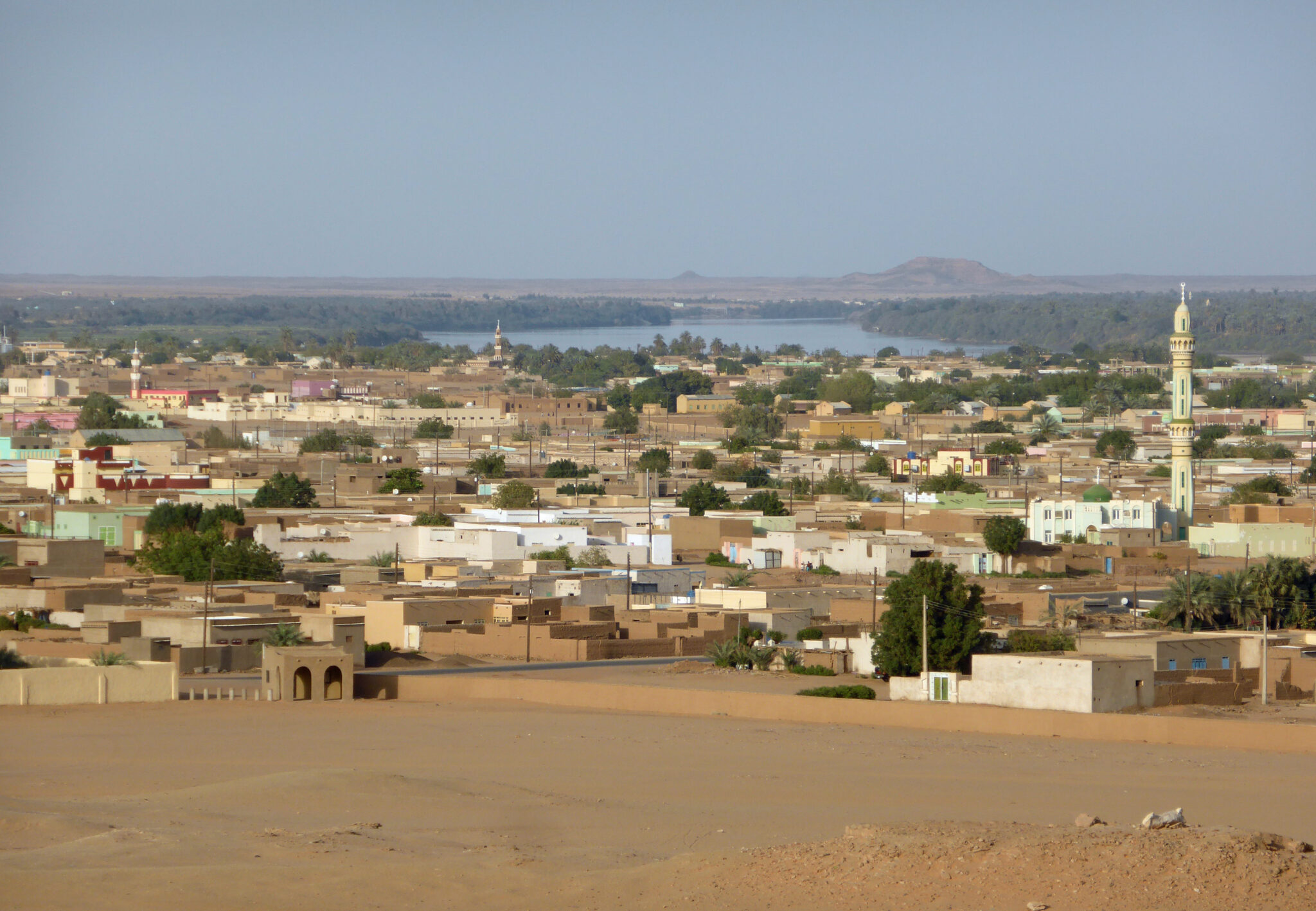
Karima works extremely well as a base because it gives you both practical access and a calmer Nile-side rhythm that makes archaeology days feel less pressured. Beyond being a gateway to Jebel Barkal, it is a place where you can settle into a steady routine: early starts, short drives to nearby sites, long midday breaks in shade, then late-afternoon returns for better light. That structure is especially useful in northern Sudan, where travel days can be long and constant relocation quickly becomes tiring. In Karima, you can keep transfers manageable and spend more time actually walking sites and absorbing the landscape.
Nile islands and village texture
Nile islands and small riverside villages can be some of the most memorable parts of a Sudan itinerary because the experience is built from quiet, everyday moments rather than headline monuments. A short ferry crossing can feel like a small ceremony of daily life: boats moving steadily across the current, people carrying supplies, and the river setting the pace. On the islands and along the banks, the atmosphere often comes from simple scenes, date palms, irrigated fields, mud-brick compounds, and children walking home from school, all framed by desert beyond the green strip. Sunset is usually the strongest time visually, when the river turns bronze and the silhouettes of palms and boats become the main subject.
These visits work best when they are calm and respectful. Keep photography permission-based, especially when people are identifiable, and be willing to put the camera away quickly if it is not welcome. Use fair local arrangements when you need transport, a guide, or access help, and avoid turning village life into a performance by keeping groups small and interactions unforced. Market mornings in smaller towns can add the same kind of texture, but they should be treated as brief, daylight-only stops with patient movement and discreet valuables.
Desert viewpoint stops and empty-road photography
Sudan’s desert road days can be some of the most photogenic parts of the trip because the scenery is built from scale and light rather than “attractions”. Wide horizons, long straight sections, and minimal visual clutter make small shifts in cloud, dust, and sun angle feel dramatic, and the best images often come from simple compositions: a ribbon of road disappearing into heat shimmer, a lone tree or telegraph pole, tyre tracks in sand, or layered ridgelines in the distance. Early morning and late afternoon are the prime windows, when shadows add depth and the desert palette becomes warmer and more textured, while midday glare can flatten everything and make the air feel harsher.
The key is conservative pacing and safe stopping. Plan your day so you finish driving well before dark, and treat viewpoint stops as short, deliberate breaks rather than long wanderings in heat. Carry extra water, keep fuel planning cautious, and assume facilities will be limited once you leave main towns. For “empty-road” photos, stop only where it is clearly safe and visible, well off the roadway, and avoid placing anyone on the road surface for shots.
Travel Tips for Sudan
Safety and General Advice
Travel in Sudan requires careful planning based on up-to-date local information, as conditions can change by region and even by specific routes. Visitors should remain flexible and avoid over-ambitious itineraries, particularly when covering long distances. Working with reputable local operators can simplify logistics, especially for desert or archaeological routes.
In cities and markets, standard urban precautions apply. Keep valuables discreet, remain aware of your surroundings, and limit unnecessary movement after dark. Building buffer days into your schedule allows for adjustments due to transport delays, weather, or administrative processes.
Comprehensive travel insurance is strongly recommended and should include coverage for medical treatment, emergency evacuation, and trip disruption. Healthcare services are limited outside major cities, and evacuation may be necessary in serious situations.
Driving in Sudan
Drivers must carry their national driving licence, an International Driving Permit, and a valid passport or official ID. Vehicle paperwork and insurance documents should remain accessible at all times, as checks may occur along major routes.
Driving is on the right-hand side of the road. Many travelers choose to arrange a vehicle with a driver for smoother logistics and easier management of permits and checkpoints. Self-driving is possible but can be demanding depending on route complexity, road conditions, and documentation requirements.
If driving independently, select a reliable vehicle and plan conservatively. In desert corridors, spare tires, repair planning, extra fuel, and water reserves are essential. Road quality varies, and sand, dust, and heat can affect both travel time and vehicle performance. Night driving outside major towns should be avoided due to reduced visibility and roadside hazards.

Published February 22, 2026 • 16m to read