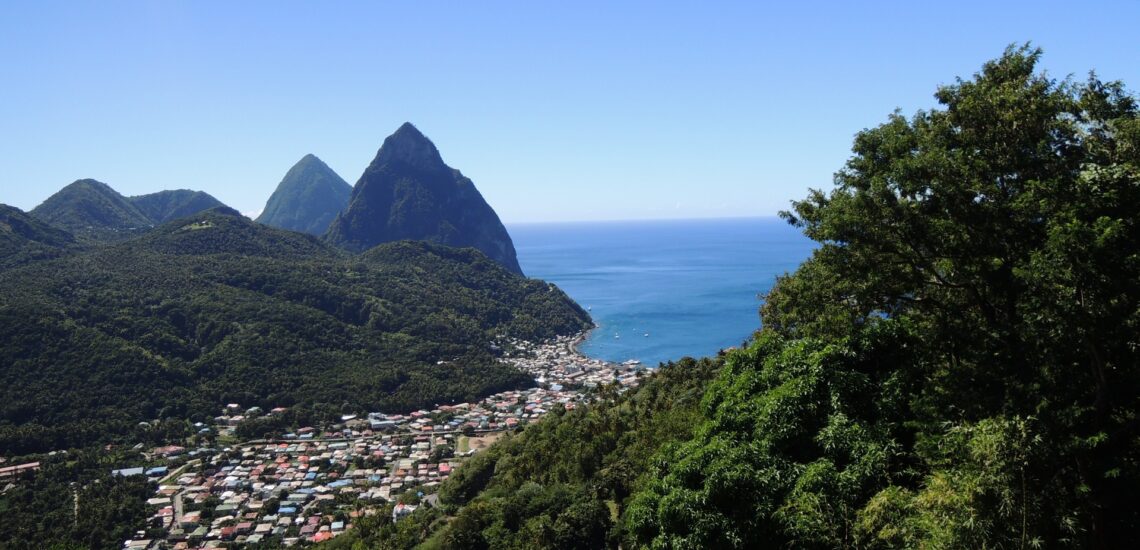


With its emerald peaks, golden beaches, and warm Creole spirit, St. Lucia is one of the Caribbean’s most spectacular and romantic islands. Famous for its twin volcanic spires – the Piton Mountains rising from the sea, St. Lucia seamlessly blends natural beauty, adventure, and island charm.
Whether you’re here for a honeymoon, rainforest hikes, cultural festivals, or simply to unwind in a seaside resort, St. Lucia’s mix of volcanoes, waterfalls, plantations, and vibrant local life promises an unforgettable experience.
Best Cities in St. Lucia
Castries
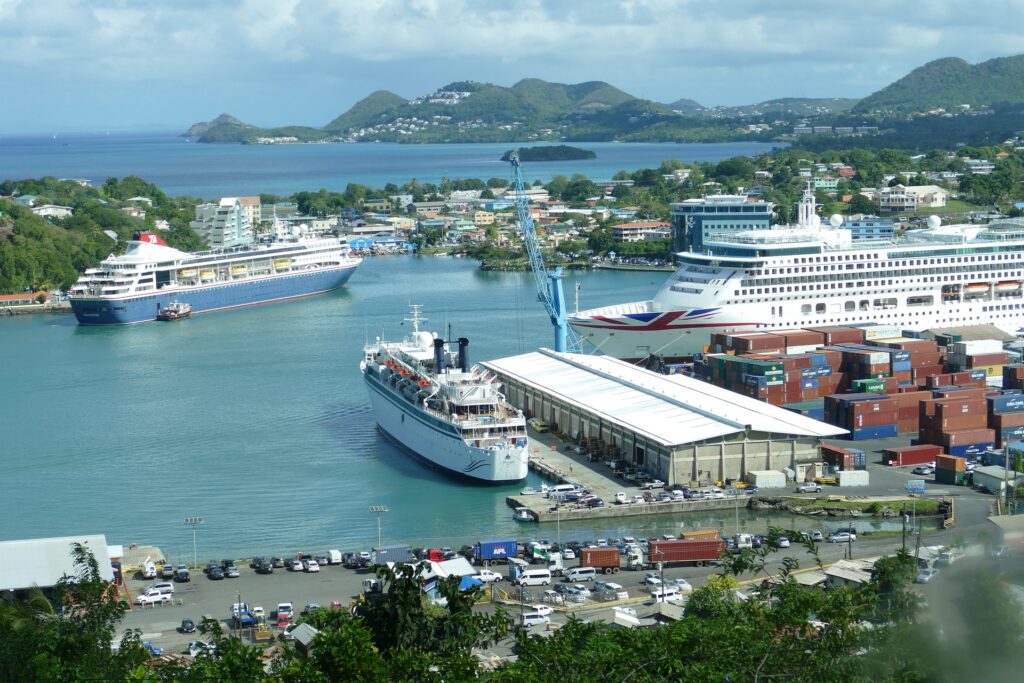
Castries, the capital of St. Lucia, is a lively port city nestled in a natural harbor surrounded by green hills. It serves as the island’s commercial and cultural hub, with cruise ships docking close to the city center. The Castries Market is one of its main attractions – a bustling spot where locals sell spices, rum, tropical fruits, and handmade crafts, offering a glimpse of daily life and island flavor.
Nearby, the Cathedral of the Immaculate Conception stands as one of the Caribbean’s largest churches, famous for its striking murals and painted interior. Just outside the city, Vigie Beach provides a long stretch of sand and calm water for swimming or unwinding after sightseeing.
Soufrière
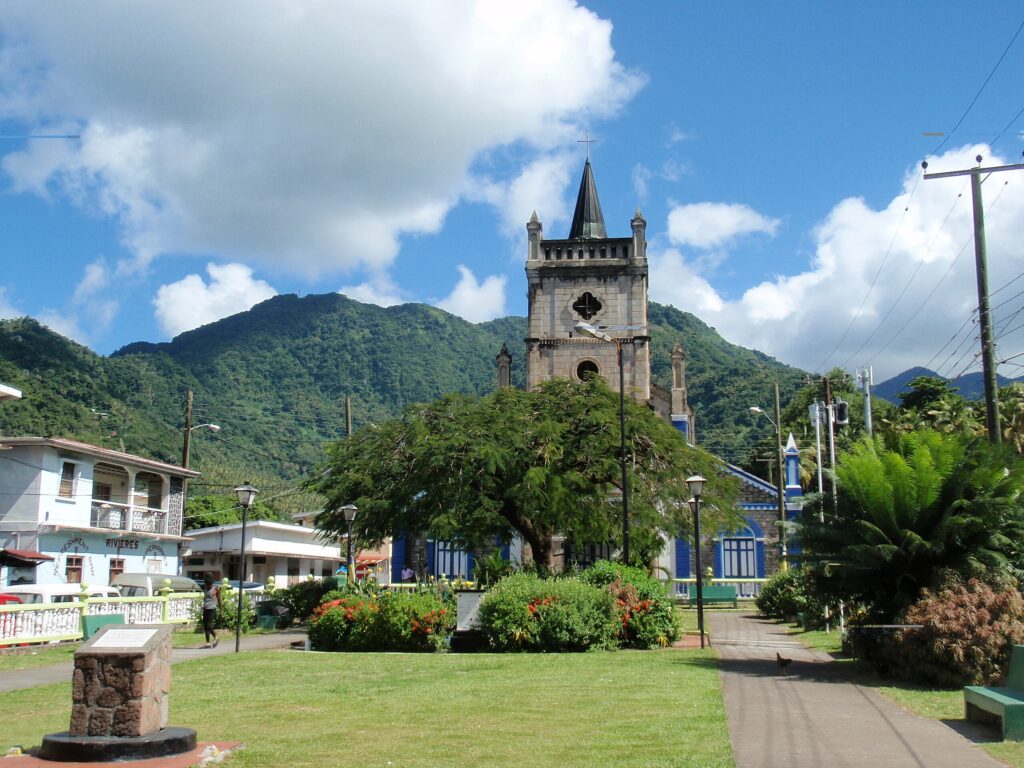
Soufrière, set against the backdrop of the iconic Pitons, is one of St. Lucia’s most picturesque and historic towns. Once the island’s French colonial capital, it retains much of its charm with colorful Creole houses, a lively waterfront, and the landmark Soufrière Church at its center. Fishing boats line the shore, and the relaxed pace gives the town an authentic, local feel.
Soufrière is also the gateway to some of St. Lucia’s most famous natural attractions. Just minutes away are the Sulphur Springs – the Caribbean’s only drive-in volcano – as well as Diamond Falls and its botanical gardens. Nearby Anse Chastanet Beach offers excellent snorkeling and views of the twin Pitons rising dramatically from the sea.
Gros Islet
Gros Islet, located on St. Lucia’s northern tip, is a vibrant blend of old fishing village charm and lively nightlife. By day, the town maintains a relaxed, local feel, with colorful wooden houses, small shops, and fishing boats anchored along the shore. It’s a pleasant place to stroll, chat with residents, and experience everyday island life.
On Friday nights, Gros Islet comes alive with its famous Street Party – one of the Caribbean’s best-known weekly events. The streets fill with music, dancing, and the scent of grilled seafood and local dishes, drawing both visitors and locals for a festive night out.
Rodney Bay
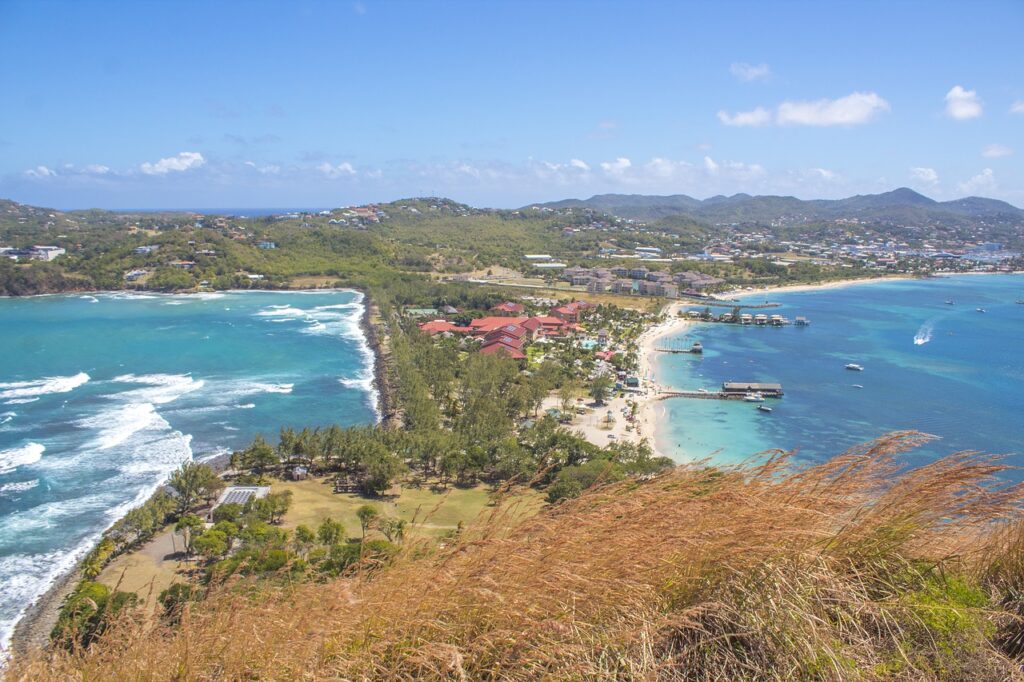
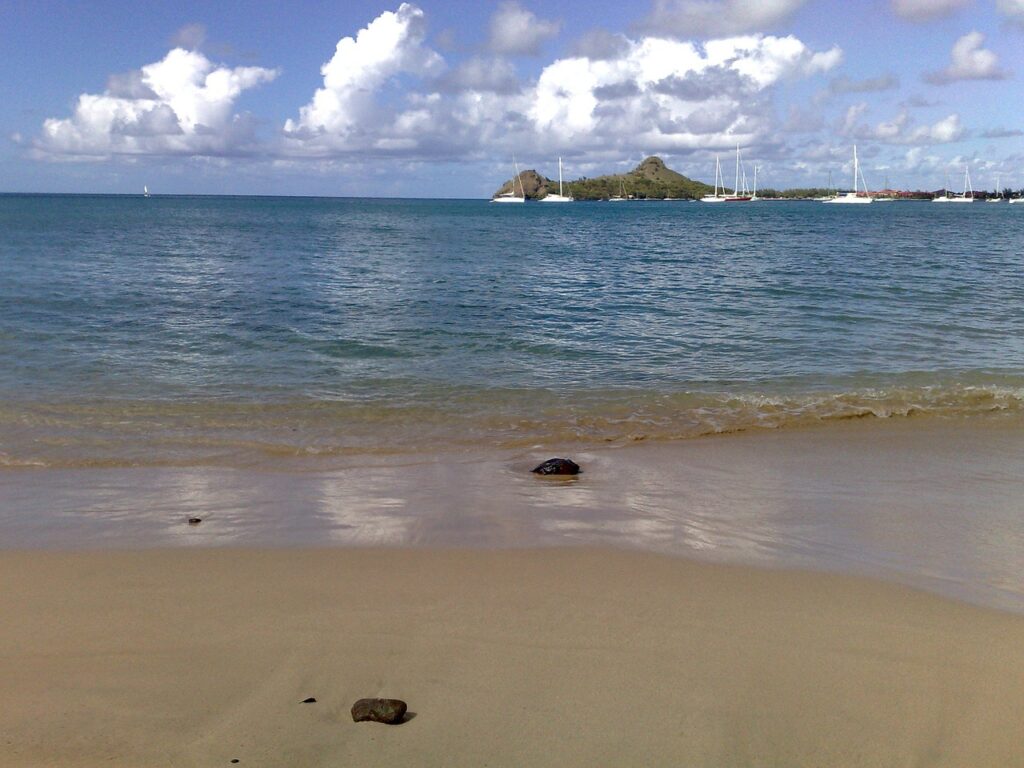
Rodney Bay is the main entertainment and leisure center of northern St. Lucia, offering a perfect mix of relaxation and activity. The bay’s long, sheltered curve includes Reduit Beach – one of the island’s best spots for swimming, sailing, and water sports thanks to its calm, clear waters. The area also features a wide range of hotels, shops, and cafés, making it a convenient base for exploring the island’s north. The nearby Rodney Bay Marina is a hub for dining and sailing, with waterfront restaurants, bars, and yacht charters creating a lively yet laid-back atmosphere.
Dennery
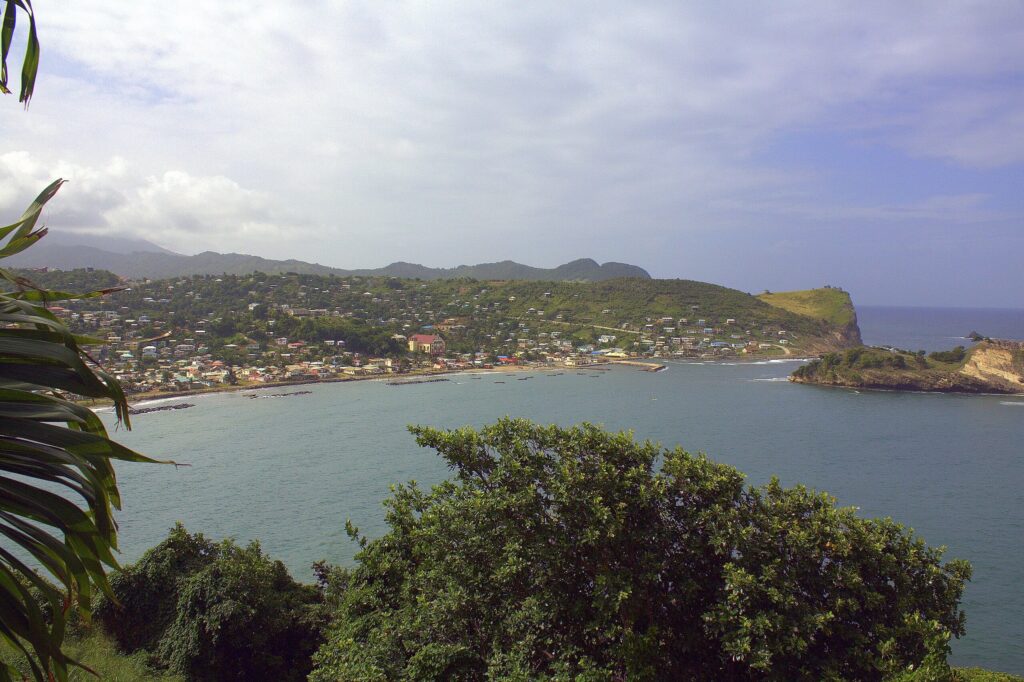
Dennery is a traditional fishing town on St. Lucia’s east coast that offers visitors an authentic glimpse of local life. Overlooking the Atlantic Ocean, the town is lively yet unpretentious, with colorful boats lining the shore and residents selling fresh catch straight from the sea. Its coastal setting provides sweeping views and a cool ocean breeze, making it a pleasant stop for those exploring the island’s quieter side. Dennery is best known for its weekly Fish Fiesta, held every Saturday evening, when the waterfront fills with food stalls, music, and dancing. Locals and visitors gather to enjoy freshly grilled seafood, rum punch, and live Caribbean rhythms.
Best Natural Wonders in St. Lucia
The Pitons
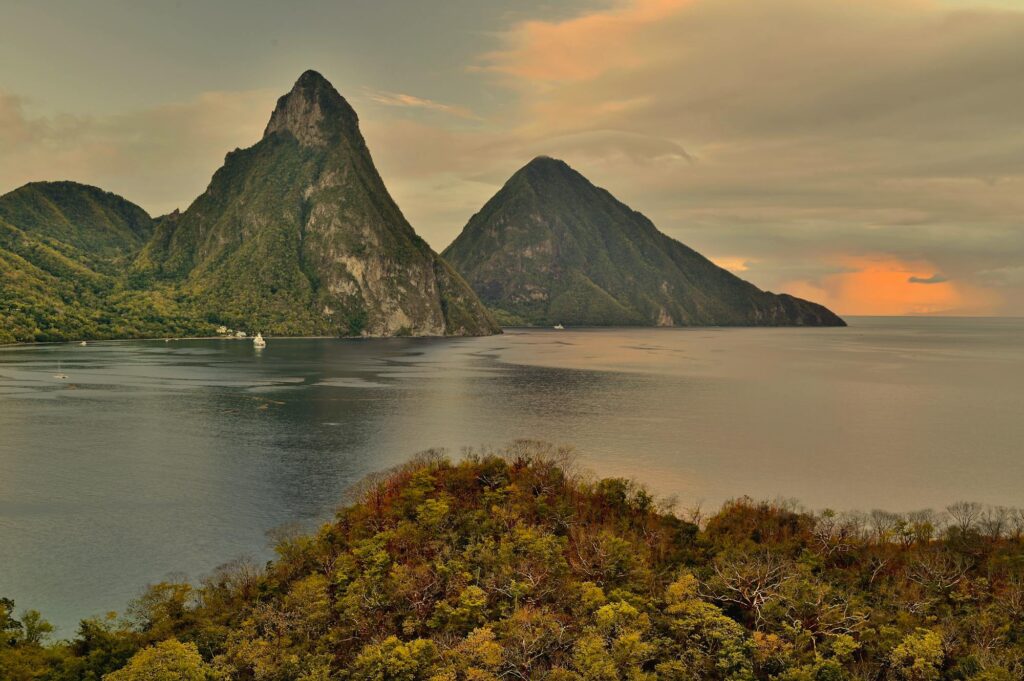
The Pitons, Gros Piton and Petit Piton, are St. Lucia’s most iconic natural landmarks and a UNESCO World Heritage Site. These twin volcanic peaks rise dramatically from the sea near Soufrière and represent the island’s most photographed view. Gros Piton, the higher of the two at about 770 meters, can be climbed with a local guide, offering hikers panoramic views of the Caribbean and St. Lucia’s lush coastline.
For those who prefer to stay at sea level, catamaran cruises and snorkeling trips provide excellent views of the mountains from the water. The surrounding marine area is home to coral reefs and tropical fish, making it one of the island’s best spots for underwater exploration.
Sulphur Springs & Drive-In Volcano
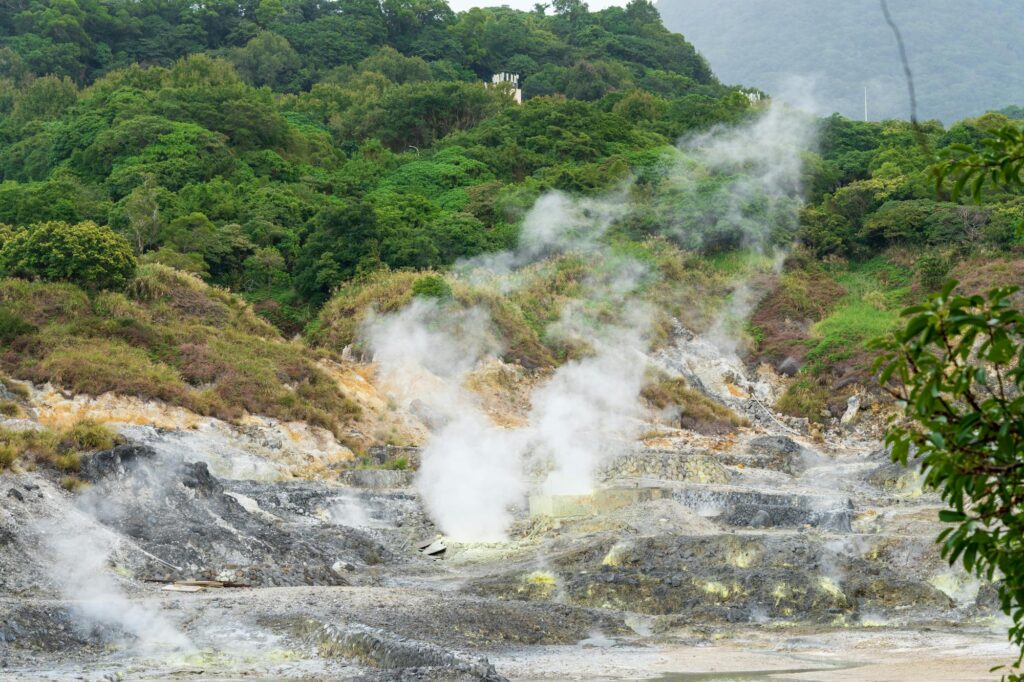
Sulphur Springs, near Soufrière, is often called the Caribbean’s only drive-in volcano. The site lies within the collapsed crater of a dormant volcano, where visitors can see bubbling mud pools, steaming fumaroles, and the strong scent of natural sulphur rising from the earth. Guided tours explain the area’s volcanic history and geothermal activity. After exploring the springs, visitors can relax in the nearby mineral baths, where warm sulphur-rich water is said to have healing and rejuvenating properties.
Diamond Falls Botanical Gardens
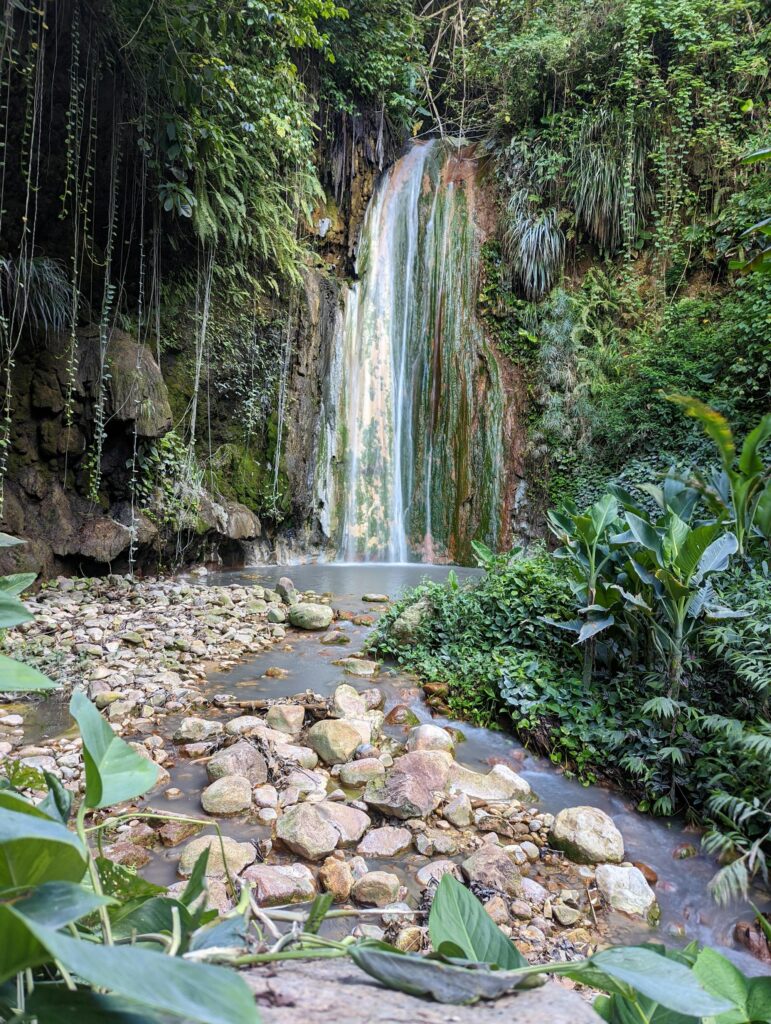
Diamond Falls Botanical Gardens, located just outside Soufrière, is one of St. Lucia’s most beautiful and historic natural sites. The gardens feature a wide variety of tropical plants, flowers, and trees, all set along shaded pathways that lead to the stunning Diamond Waterfall. The waterfall is unique for its ever-changing colors, caused by mineral deposits in the volcanic water that flows from the nearby Sulphur Springs. Within the gardens are the historic mineral baths, built in the 18th century for French soldiers stationed on the island. Visitors can still soak in the warm, mineral-rich waters that are believed to have therapeutic benefits.
Tet Paul Nature Trail
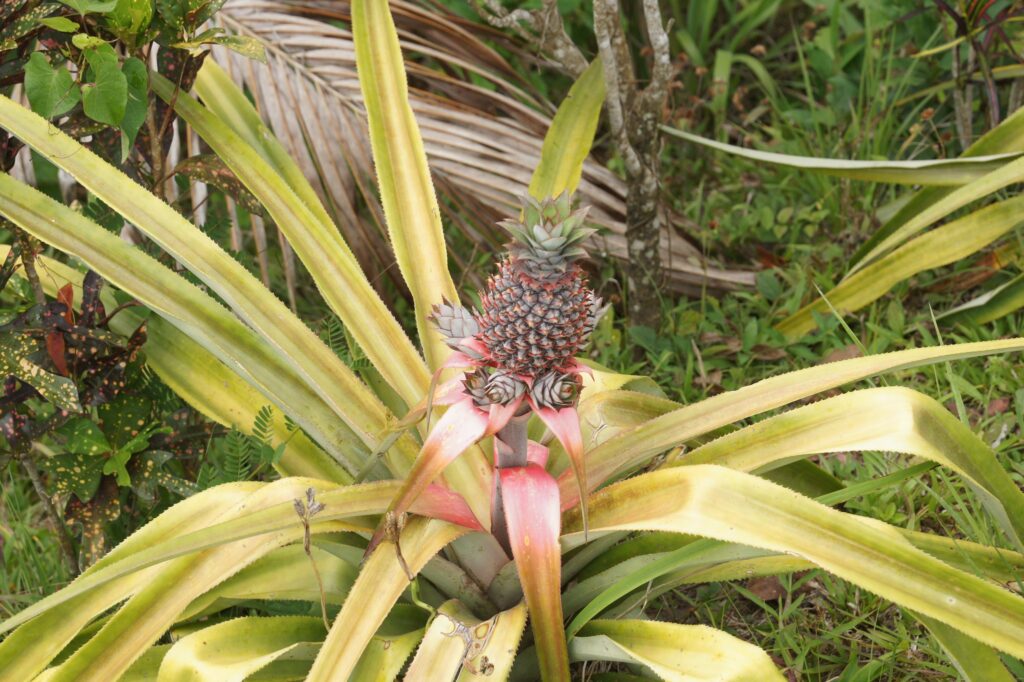
The Tet Paul Nature Trail, located near Soufrière, is a short and rewarding hike that showcases some of the best views in St. Lucia. The well-maintained path winds through community farmland and tropical vegetation, leading to several lookout points with breathtaking panoramas of the Pitons, Soufrière Bay, and the Caribbean Sea. The walk is easy to moderate, making it suitable for families and casual hikers.
Local guides accompany visitors, sharing insight into traditional St. Lucian farming, native plants, and the area’s cultural heritage. Along the way, small rest stops and viewing decks provide perfect spots for photography.
Toraille Waterfall
Toraille Waterfall is one of St. Lucia’s most accessible and popular natural attractions, located just a short drive from Soufrière. The waterfall drops about 15 meters into a clear pool surrounded by lush rainforest, creating a cool and refreshing spot for swimming or simply relaxing in nature. The site is well maintained, with facilities, changing areas, and easy access from the parking area, making it suitable for visitors of all ages.
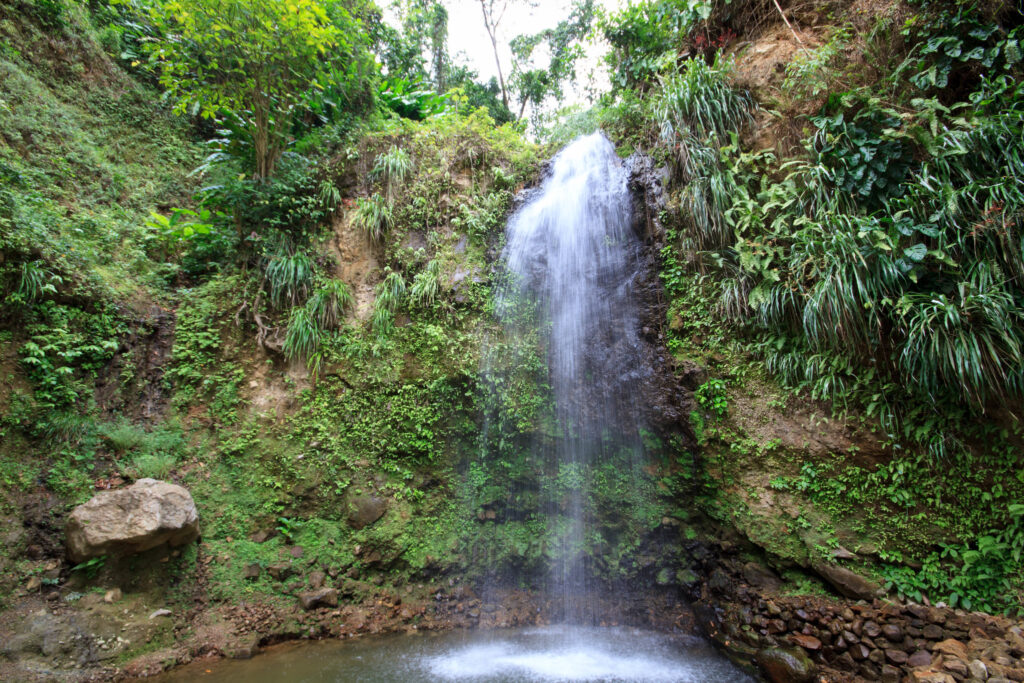
Pigeon Island National Park
Pigeon Island National Park, located on St. Lucia’s northern tip, combines rich history with scenic natural beauty. Once a separate island, it is now connected to the mainland by a causeway and serves as a peaceful retreat for hiking, sightseeing, and swimming. The park features the remains of 18th-century British military buildings, including Fort Rodney, which offers panoramic views over Rodney Bay and the Caribbean Sea.
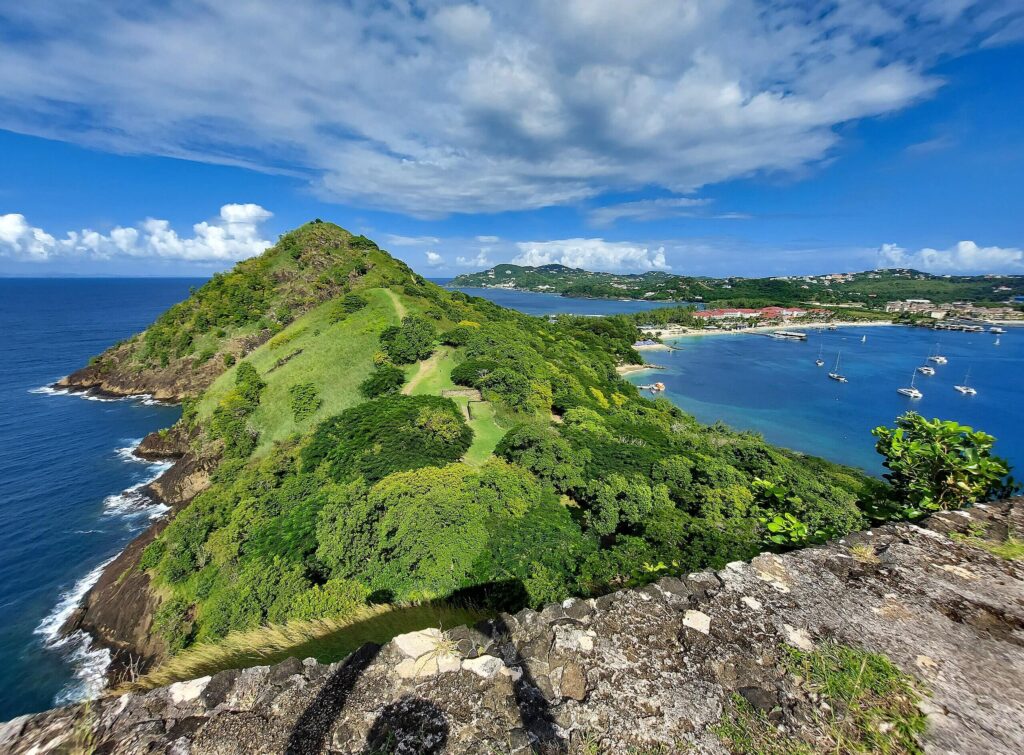
Anse Chastanet & Anse Mamin Beaches
Anse Chastanet and Anse Mamin are two of St. Lucia’s most beautiful beaches, located just north of Soufrière and framed by lush rainforest and volcanic mountains. Anse Chastanet is known for its excellent snorkeling and diving right off the shore, where vibrant coral reefs teem with tropical fish, making it one of the island’s top marine sites. The beach also offers views of both Pitons and easy access to resort amenities and water activities. A short walk or bike ride along a coastal path leads to Anse Mamin, a quieter and more secluded stretch of sand. Here, calm waters and fewer visitors create an ideal setting for swimming, sunbathing, and relaxation.
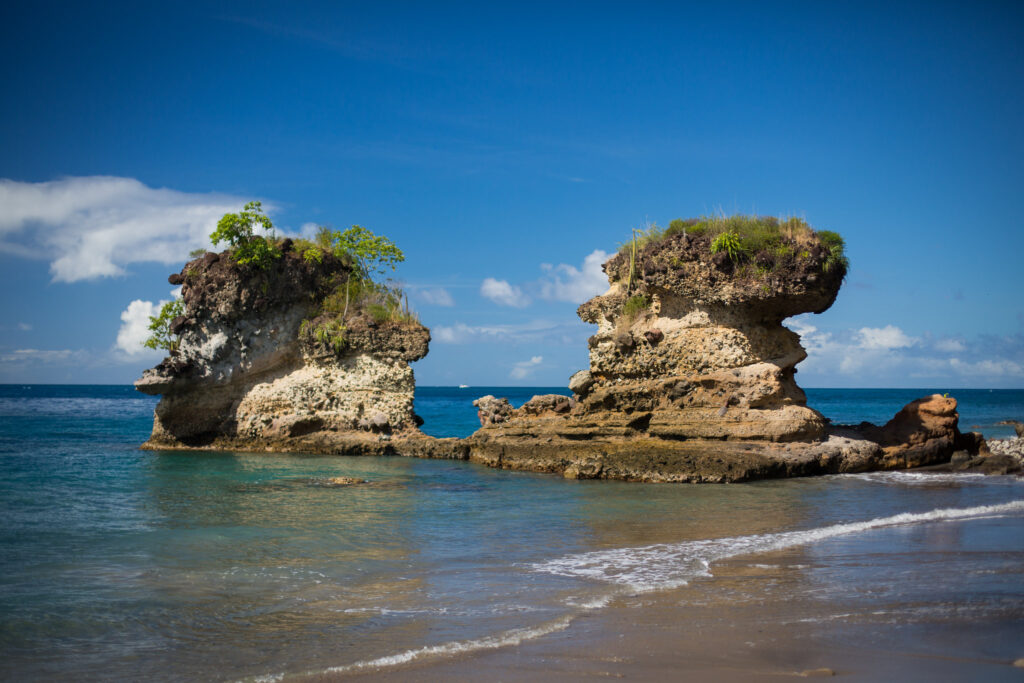
Hidden Gems in St. Lucia
Des Cartiers Rainforest Trail
The Des Cartiers Rainforest Trail, located in the island’s central highlands near the village of Millet, is one of St. Lucia’s best spots for birdwatching and quiet nature walks. The trail winds through dense tropical rainforest filled with towering trees, ferns, and orchids, offering a peaceful escape into the island’s interior. It is especially known as one of the best places to see the rare St. Lucia parrot (Amazona versicolor), the island’s national bird, which was once endangered but now thrives under protection.
Mamiku Gardens
Amiku Gardens is a peaceful attraction set on the grounds of a former plantation, where tropical gardens blend with the remnants of old estate buildings. The site features a variety of native and exotic plants, colorful blooms, and shaded pathways that invite visitors to explore at a relaxed pace. Scattered throughout the property are stone ruins and relics from the island’s colonial past, adding a sense of history to the natural surroundings.
Dennery Waterfall
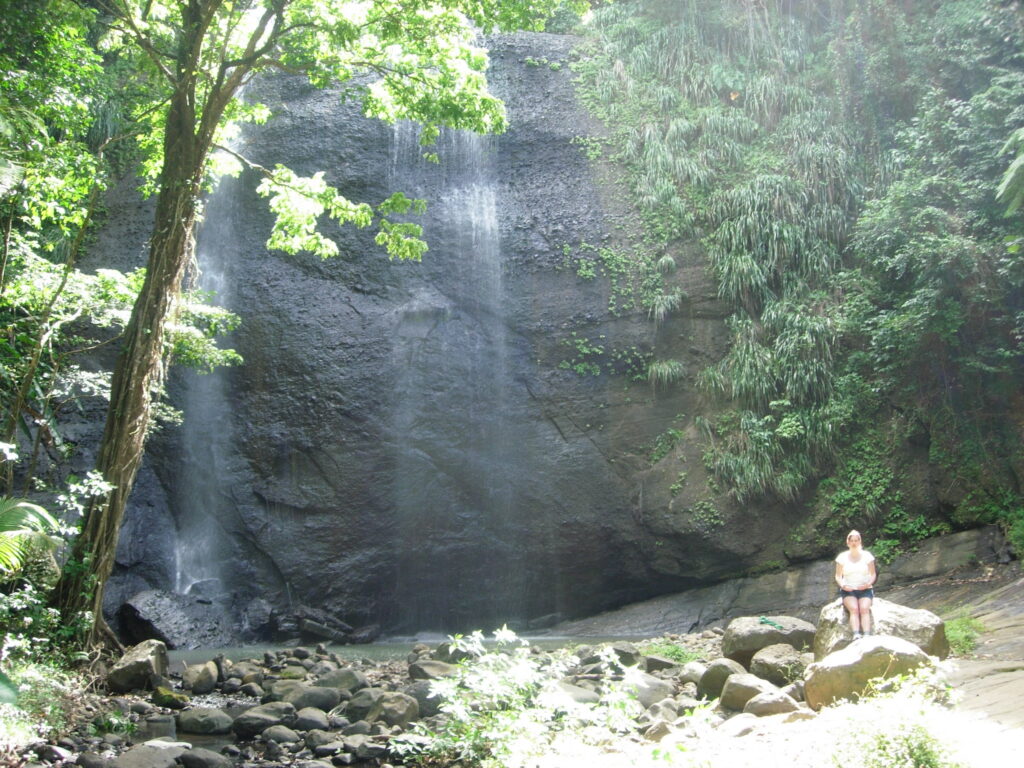
Dennery Waterfall, also known as Sault or Errard Falls, is one of St. Lucia’s hidden natural treasures. Tucked deep within the rainforest near the town of Dennery, the waterfall cascades down a broad rock face into a cool, clear pool surrounded by lush vegetation. The setting is quiet and untouched, making it an excellent spot for swimming, photography, and relaxation in nature.
Reaching the falls requires a moderate hike through forest trails, often guided by locals familiar with the route. Along the way, visitors can enjoy the sounds of birds and rushing water, adding to the sense of adventure.
Maria Islands Nature Reserve
Maria Islands Nature Reserve consists of two small uninhabited islets off St. Lucia’s southern coast, protected for their unique wildlife and delicate ecosystems. The islands are home to several rare and endangered species found nowhere else in the world, including the St. Lucia whiptail lizard and the St. Lucia racer snake, as well as nesting seabirds and a variety of coastal plants.
Access to the reserve is restricted to guided tours arranged through the St. Lucia National Trust, ensuring the fragile environment remains preserved. Visitors travel by small boat from the mainland and can explore designated areas on foot while learning about the islands’ conservation efforts.
Fond Doux Plantation
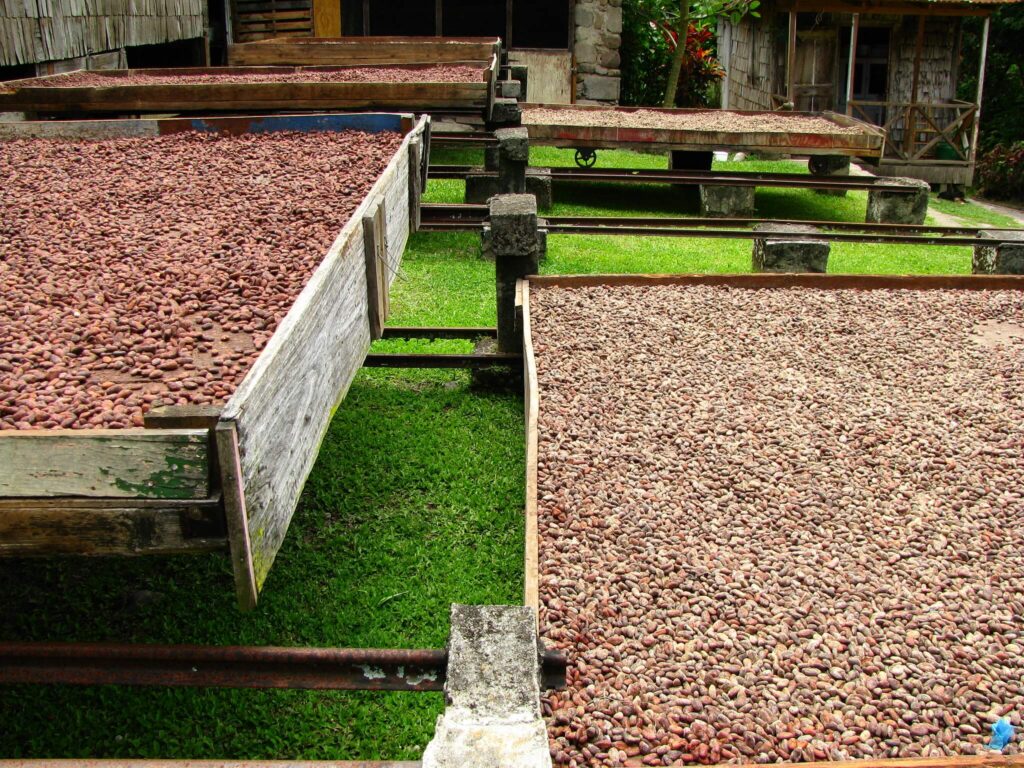
Fond Doux Plantation is a historic working cocoa estate located near Soufrière, surrounded by rainforest and views of the Pitons. The property dates back more than 250 years and still produces organic cocoa using traditional methods. Visitors can take guided tours to see the cocoa drying process, learn about the estate’s agricultural heritage, and walk through tropical gardens filled with fruit trees and flowering plants.
The plantation also features eco-lodges built in restored colonial-style cottages, offering a peaceful stay within the estate’s lush grounds. Its restaurant serves farm-to-table cuisine made from fresh local ingredients, much of it grown on-site.
Travel Tips for St. Lucia
Travel Insurance & Safety
Travel insurance is recommended, particularly if you plan to go diving, sailing, or take part in adventure activities. Make sure your policy includes storm and hurricane coverage if visiting during the wet season (June–November).
Barbados is among the safest and friendliest islands in the Caribbean. Tap water is safe to drink, and health standards are high. The tropical climate means strong sun year-round – use sunscreen, hats, and plenty of water to stay protected and hydrated while exploring.
Transportation & Driving
Public minibuses and ZR vans run frequently along main routes and are an inexpensive way to travel between towns and beaches. Taxis are easy to find but not metered, so always agree on a fare before departure. For full freedom to explore hidden beaches, gardens, and inland sights, renting a car is the best option.
An International Driving Permit is required along with your home license. Visitors must also obtain a temporary local driving permit, available from rental agencies or police stations. Vehicles drive on the left-hand side of the road. Most roads are well-paved, though those in rural areas can be narrow and winding, so drive carefully. A 4×4 is helpful for exploring hilly or less-traveled areas.

Published October 04, 2025 • 10m to read