

Sri Lanka is a compact island that combines ancient cities, tea-growing highlands, wildlife parks, and strong beach options within relatively short travel distances. Its size makes it one of the most practical destinations in South Asia for building a varied itinerary without constant long transfers. Cultural sites, scenic mountain roads, and coastal stays can all fit into a well-paced trip.
Sri Lanka suits first-time visitors to Asia as well as travelers focused on food, history, surfing, wildlife, or relaxed road trips. The main planning principle is regional grouping. It is most effective to organize time around the Cultural Triangle, the Hill Country, and one primary beach coast, rather than attempting to circle the entire island in a single fast-moving loop.
Best Cities in Sri Lanka
Colombo
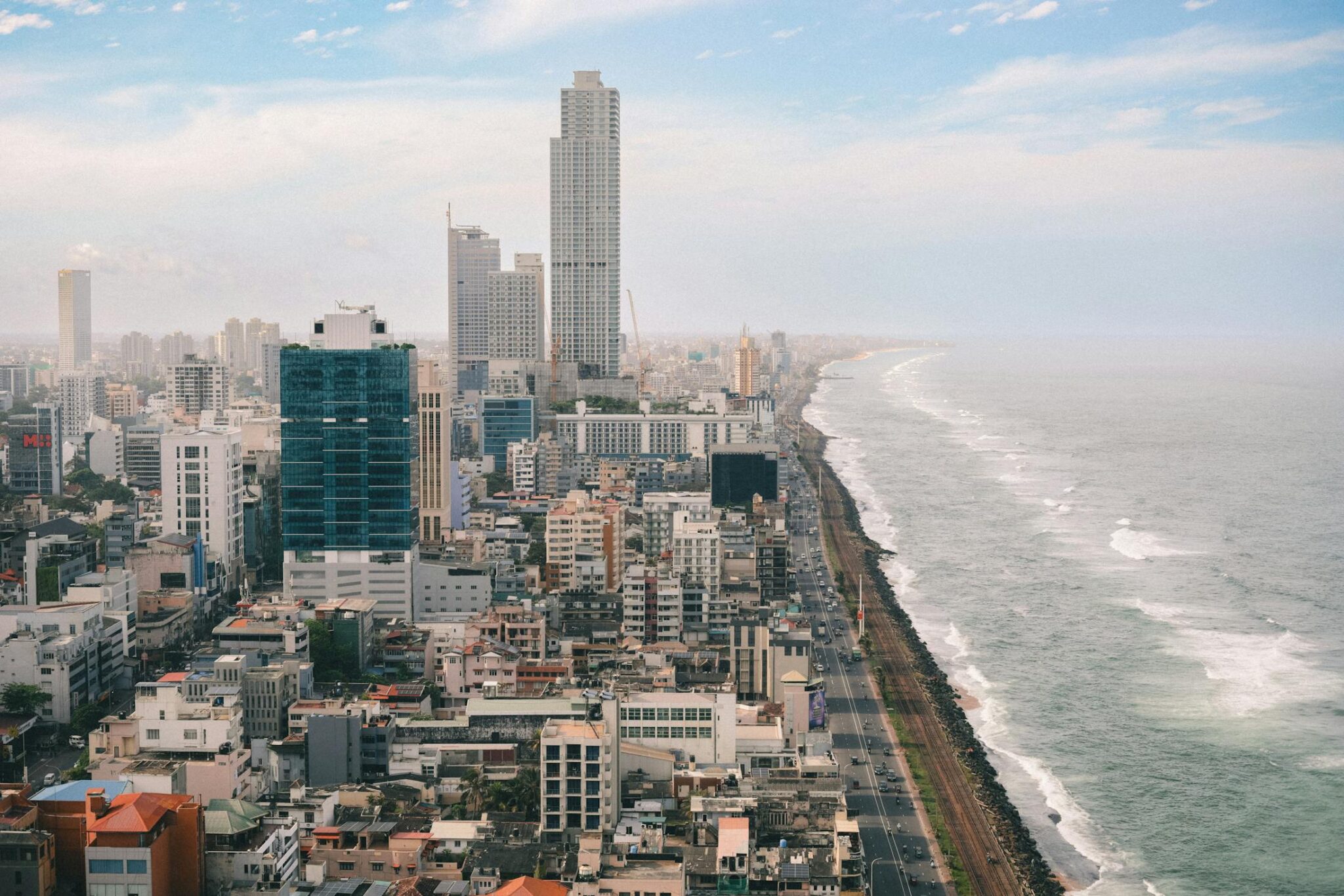
Colombo works best as a 12 to 24 hour “gateway” city before you head to the Cultural Triangle, Hill Country, or the coast. Start in Fort for a compact slice of colonial-era Colombo: the Old Dutch Hospital precinct is an easy, walkable cluster of restored buildings with cafés and small shops, while the nearby waterfront promenade at Galle Face Green is most enjoyable late afternoon to sunset when the heat drops and local snack stalls ramp up. From Fort, cross into Pettah for pure market energy: the bazaar lanes around Main Street and the floating market area give you textiles, electronics, spices, and produce in a tight grid, plus landmark mosques and temples within a few blocks. If you want a calmer contrast, Cinnamon Gardens and adjacent areas like Viharamahadevi Park and Independence Square are greener and more spacious, with wide sidewalks and better “stroll pace” for a morning walk. For a cultural stop that actually adds context, plan 60 to 90 minutes at the National Museum (Sri Lankan history, royal regalia, archaeology) or a contemporary art stop such as a small gallery in the city centre if you prefer something lighter.
What to do in a short visit is simple: one neighbourhood walk, one focused food stop, one cultural stop, then move on. A good “half-day” route is Fort to Galle Face (about 2 to 3 km of walking with stops), then a quick Pettah loop (aim for 60 to 90 minutes so it stays fun rather than exhausting), and finish in Cinnamon Gardens for a cooler, calmer walk. Colombo’s traffic is real, so choose transport based on time: Tuk-tuks are convenient for short hops, while the commuter rail is often the fastest way to connect to beach towns. Getting there and around is straightforward: Bandaranaike International Airport is roughly 30 to 35 km north of central Colombo, and most travellers reach the city in about 45 to 90 minutes depending on traffic. From Colombo Fort Station, frequent trains run south to Galle and Matara (a practical option for the south coast), while road transfers make it easy to continue to Negombo (about 40 minutes to 1 hour), Kandy (often 3 to 4.5 hours), or the airport corridor without overcomplicating your first day.
Galle
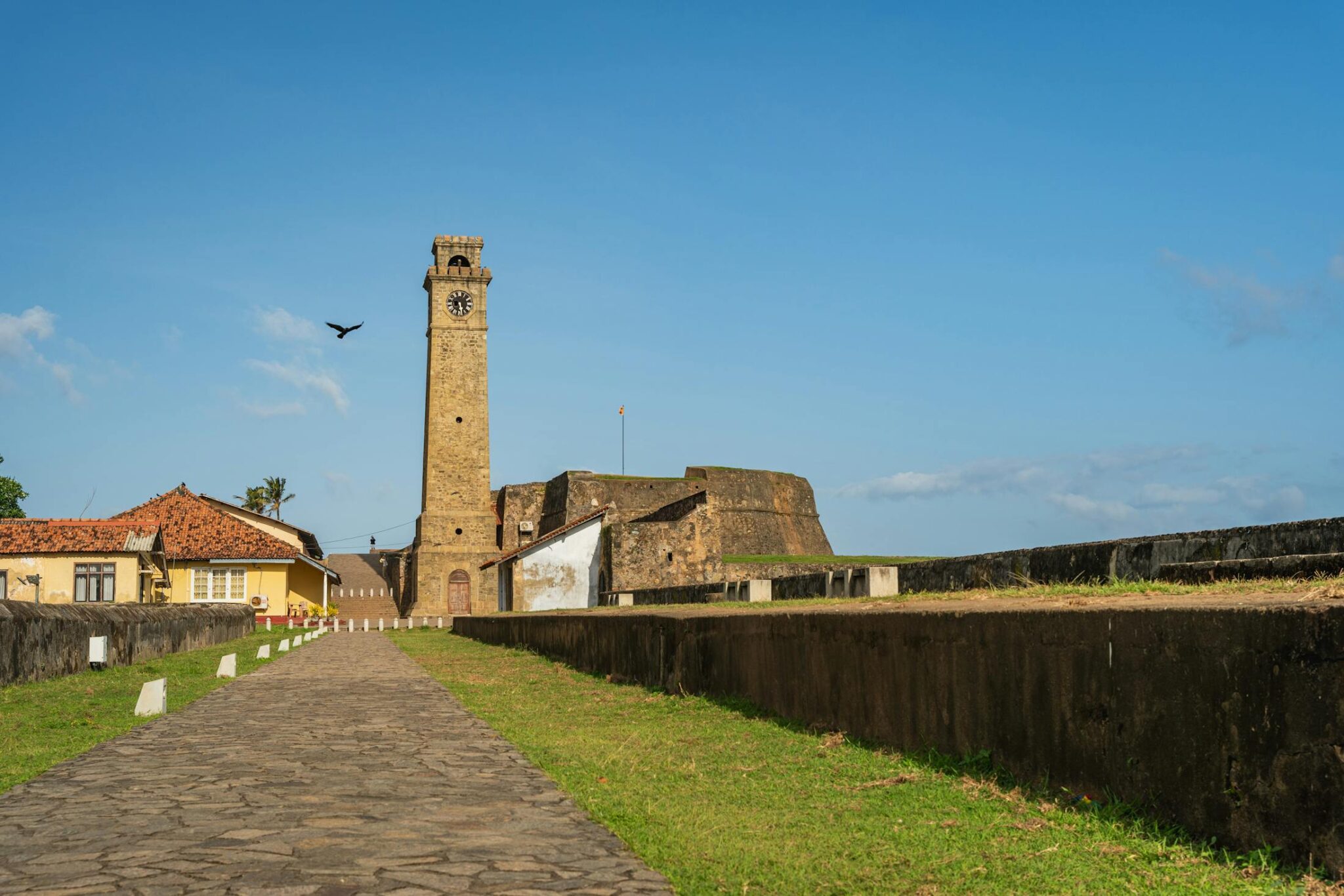
Galle is a compact, walkable stop where you can combine history and an easy coastal pace without complicated logistics. The UNESCO-listed Galle Fort, built by the Portuguese in the 16th century and later expanded by the Dutch, is the main draw and it rewards slow exploration. Walk the ramparts in the late afternoon when temperatures drop, looping from the Main Gate toward the Flag Rock bastion and along to the lighthouse area for one of the best sunset vantage points on the south coast. Inside the fort, the appeal is in the details: narrow lanes with colonial-era villas, small museums, churches, and boutique cafés. Add 45 to 60 minutes for a simple “context” stop such as the Maritime Archaeology Museum or a short visit to the Dutch Reformed Church and the old cemetery, then spend the rest of your time browsing and people-watching rather than trying to tick everything off. If you enjoy food, Galle is an easy place to sample Sri Lankan seafood and short-eats in a more comfortable setting than the big-city markets, and it is also one of the better places on the coast for small design shops and locally made souvenirs.
Kandy
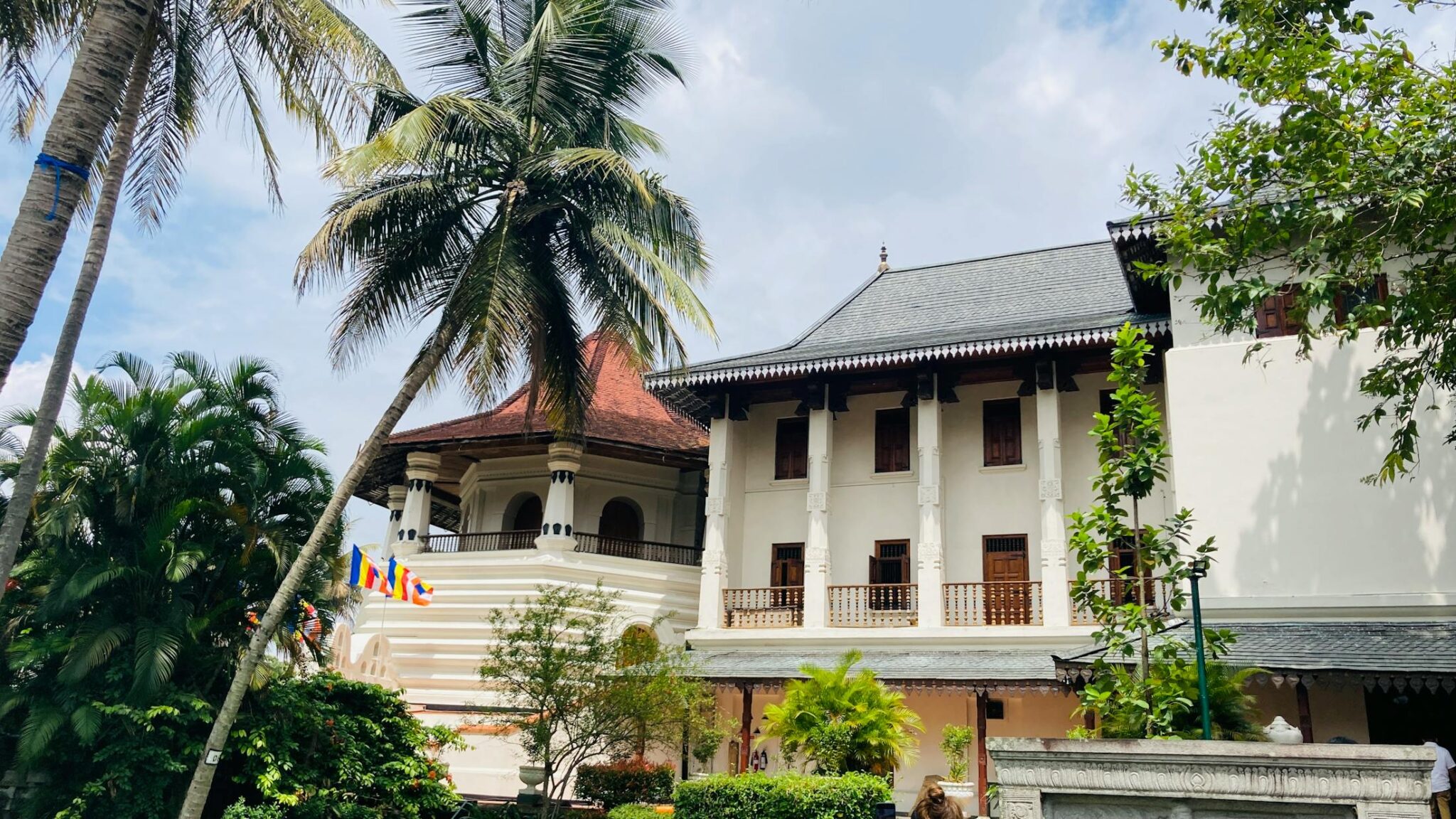
Kandy sits at roughly 500 m above sea level and works well as the cultural hinge between Colombo’s lowlands and the tea-country highlands. The main anchor is the Temple of the Tooth (Sri Dalada Maligawa), one of the country’s most important Buddhist sites, where visits are most comfortable early morning or later evening when the heat and crowds soften. Plan 60 to 90 minutes, dress conservatively with shoulders and knees covered, and treat it as a focused cultural block rather than something to rush through. Pair it with a slow loop of Kandy Lake, a flat circuit of about 3 to 3.5 km that is ideal for a late afternoon walk, especially if you want a low-effort reset after temples and museums. If you have extra time, the small Kandy viewpoint above town is a quick win for photos and orientation, but go with realistic expectations because haze is common in midday.
For a half-day outing, Peradeniya Royal Botanic Gardens is the easiest add-on and typically takes 2 to 3 hours at an unhurried pace. The gardens cover roughly 60 hectares and are known for their long avenues of tropical trees and large orchid collection, so it is a good place to slow down and get shade in the warm season. In the evening, Kandy’s cultural dance shows can be a simple entertainment stop that fits well if you have a spare hour, but it is best to treat it as a short performance rather than a substitute for visiting heritage sites. If you prefer a more local, low-key evening, a relaxed dinner near the lake or a short stroll at dusk usually feels more “Kandy” than trying to pack in extra attractions.
Jaffna
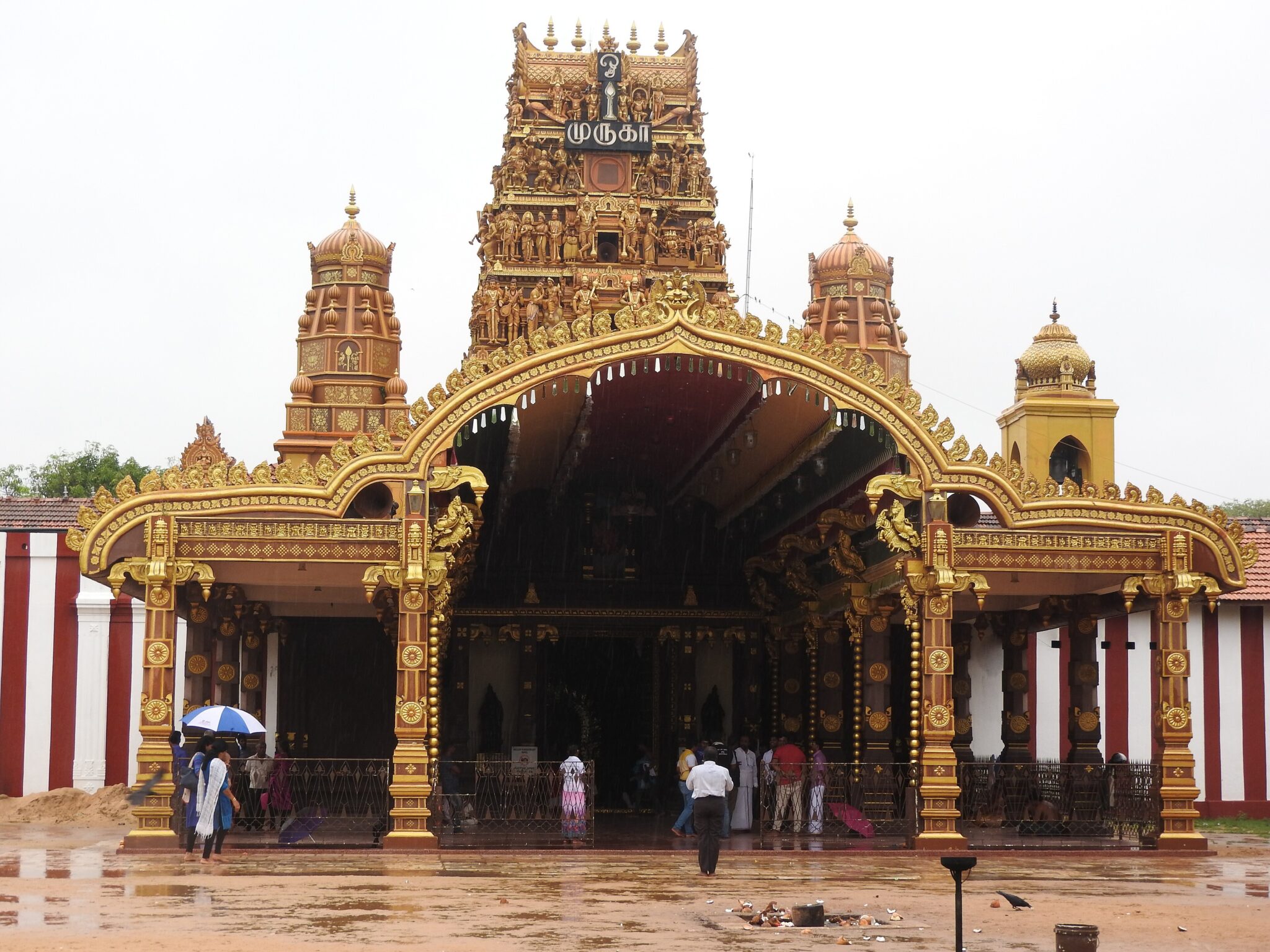
Jaffna sits at the top of Sri Lanka’s northern peninsula and feels notably different from the southern circuit, both culturally and in daily rhythm. It is a strong base for Tamil heritage, Hindu temples, and a food scene that many travellers rate among the country’s most distinctive. Start with a slow walk through the city centre and market areas for everyday atmosphere, then include Jaffna Fort, originally built by the Portuguese in the early 17th century and later expanded by the Dutch. The fort is best approached as a scenic, “big-sky” stroll rather than a museum-style attraction, with wide walls, sea views, and a sense of the peninsula’s strategic geography. For religious landmarks, Nallur Kandaswamy Kovil is the key temple for most visitors, and it is worth timing your visit for a puja period so you can observe the rhythm of worship respectfully. If you want a short cultural add-on, the Jaffna Public Library is an iconic civic landmark and easy to combine with a city walk.
Best Natural Sites in Sri Lanka
Sigiriya Rock Fortress and surroundings
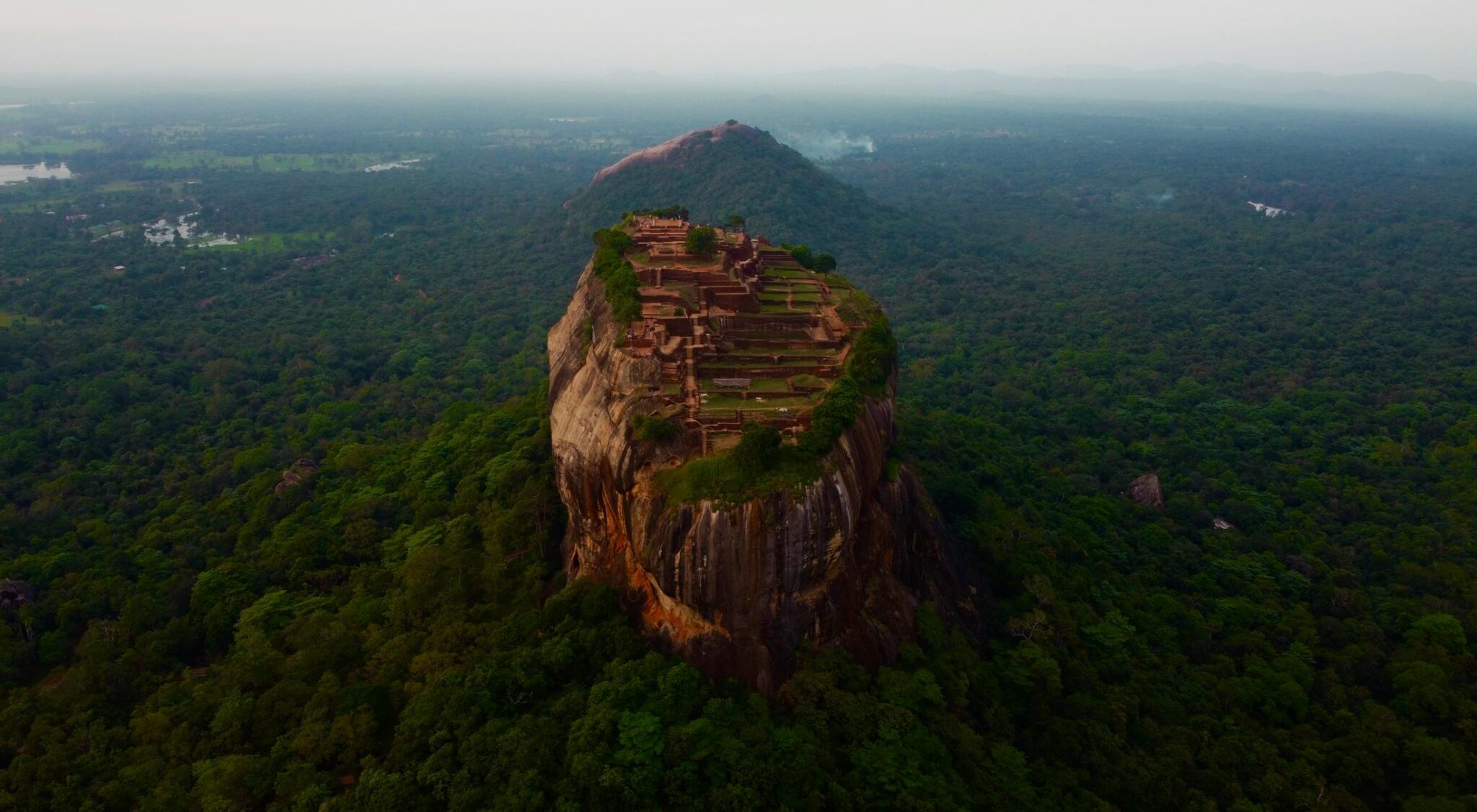
Sigiriya is the Cultural Triangle’s most iconic sight, and it is at its best at sunrise, when temperatures are lower and the rock’s silhouette rises out of mist over the surrounding forest. The Sigiriya Rock Fortress is a steep climb with a long run of steps and exposed sections, so plan 2.5 to 3.5 hours total for entry, the ascent, time on top, and the descent, longer if you stop often for photos. The “Lion Rock” summit is a ruined 5th-century citadel with terraces, foundations, and sweeping views across a flat, green landscape dotted with reservoirs and paddy fields. On the way up, you pass landscaped water gardens and boulder gardens that show how carefully the site was engineered, and you will feel the heat ramp up quickly once the sun is fully up. If you want a second perspective, Pidurangala Rock is the popular alternative viewpoint: it is usually cheaper, shorter, and gives you the classic panoramic view back toward Sigiriya itself. The final section involves a bit of scrambling over rocks, so closed-toe shoes make a real difference.
The surroundings matter almost as much as the main climb. The area is a patchwork of forest, small lakes, and rural villages, so it is worth building in one low-effort activity after the rock. Many travellers do a short village cycle loop on quiet lanes (often 8 to 15 km depending on route), or a simple safari-style drive in nearby Minneriya, Kaudulla, or Hurulu Eco Park, where elephant sightings are a major draw in the right season. Even without a “big” excursion, sunrise at the rock, a calm breakfast, and a late afternoon ride past tanks (reservoirs) and fields can make the day feel balanced rather than just a single intense climb.
Getting there is straightforward if you base yourself nearby. Most people stay in Sigiriya village or Habarana, both within easy reach by tuk-tuk or car. From Dambulla, it is typically about 25 to 35 minutes by road, from Habarana about 20 to 30 minutes, and from Polonnaruwa roughly 1 to 1.5 hours depending on traffic and stops. From Kandy, plan around 2.5 to 4 hours by road, and from Colombo typically 3.5 to 5 hours.
Cultural Triangle ancient cities
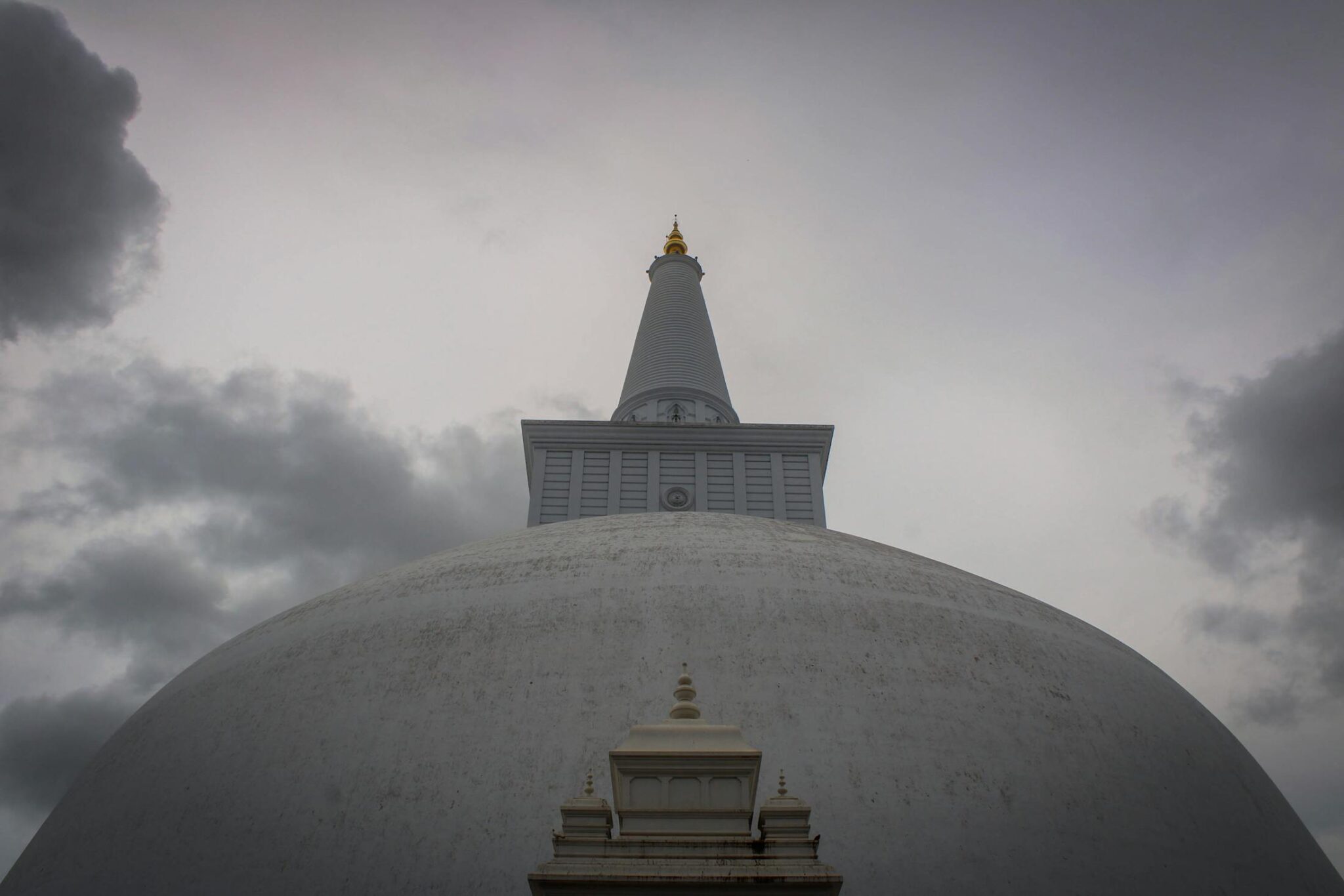
The Cultural Triangle’s ancient cities are best treated as three different experiences rather than one checklist. Anuradhapura is enormous, with key monuments spread over many kilometres, so it works best when you pick a small set of zones and move slowly. Focus on one core cluster such as the Sri Maha Bodhi sacred fig (a major pilgrimage site) and nearby stupas like Ruwanwelisaya and Jetavanaramaya, then add one quieter stop such as a monastery complex or a reservoir-edge viewpoint to balance the day. Expect a lot of open sun, long walking distances, and a visit length of 4 to 6 hours even with a selective plan. The most comfortable approach is early morning, with modest clothing and shoes that can handle hot stone paths.
Polonnaruwa is more compact and lends itself well to bicycles, which is why it often feels easier and more enjoyable in a single outing. Many travellers rent bikes near the entrance and loop between the main groups of ruins in 2.5 to 4 hours, stopping at highlights like the Royal Palace area, the Quadrangle (dense concentration of shrines), and the rock-carved Buddha images at Gal Vihara. Because the sites are connected by flat roads and short paths, the day feels more active and efficient than Anuradhapura, but the heat can still be intense from late morning onward. Dambulla Cave Temple is the “high-impact” stop: a relatively short climb up to a cave complex with multiple shrines and murals, where the interior atmosphere is the payoff. Plan 1.5 to 2.5 hours including the ascent, and go early or late to avoid the hottest stair climb.
Getting around the region is easiest if you base yourself sensibly and do one major site per day, as your note suggests. Dambulla is a practical hub for combining the cave temple with a Sigiriya stay, while Habarana works well for quick access to both Polonnaruwa (often about 1 to 1.5 hours by road) and Sigiriya. Anuradhapura is commonly reached from Colombo or Kandy by road or train, and many travellers either overnight there or visit as a full-day excursion from the surrounding area because of its scale.
Hill Country
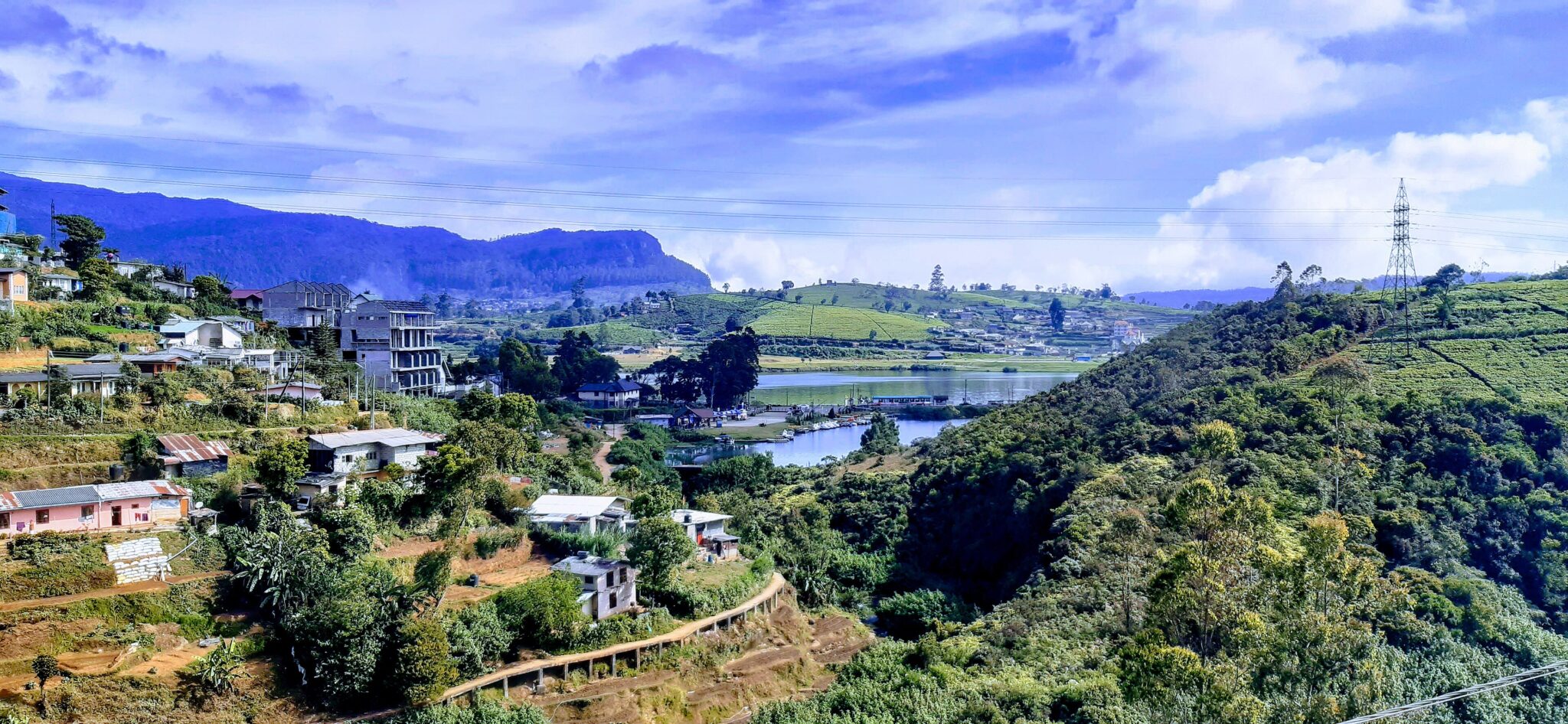
Sri Lanka’s Hill Country is defined by altitude, tea estates, and slower travel speeds, so it pays to choose one main base and build day trips around it. Nuwara Eliya sits at roughly 1,800 to 1,900 m above sea level and has the island’s most “classic” tea-country look: clipped hedges, misty mornings, and a noticeably cooler climate that can drop into the mid-teens Celsius at night in some seasons. It is a strong base for visiting working tea factories and estate viewpoints, plus short countryside drives to places like Gregory Lake for an easy walk, or Horton Plains National Park for an early start hike to World’s End, where the escarpment views are best before clouds roll in. Plan layers and rain protection because Hill Country weather can shift quickly. If you want a simple, low-effort day, combine a tea factory visit (often 60 to 90 minutes) with a scenic loop through estate roads and a lake walk, rather than trying to stack multiple long hikes.
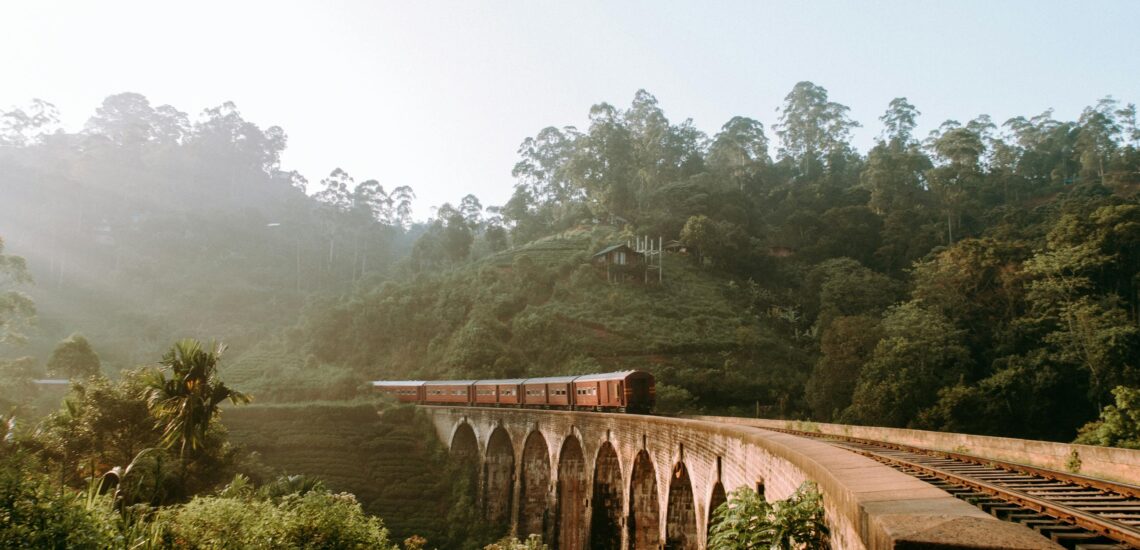
Ella is lower and warmer than Nuwara Eliya, but still feels like mountain country and is built around short, high-reward viewpoints and a relaxed café-town rhythm. The popular walks are manageable for most travellers with basic fitness: Little Adam’s Peak is typically 45 to 90 minutes each way depending on pace, and the Nine Arches Bridge is an easy stroll with classic train-and-jungle photo angles if you time it near a scheduled passing. If you have more time and want a longer hike, Ella Rock is the bigger half-day outing, best started early to avoid heat and haze. Ella also works well if you prefer a base where you can do one hike in the morning, then spend the afternoon recovering with a slower lunch and a viewpoint at sunset without feeling the need for constant driving.
The Kandy to Ella train is worth treating as a headline experience, not just a transfer. The route runs through forested hills and tea estates, and many travellers aim for the Kandy to Nanu Oya section (for Nuwara Eliya) or continue onward to Ella for the most famous scenery, typically taking around 6 to 7 hours for the full Kandy to Ella ride depending on the service and delays. For access, Kandy is the main rail gateway from the lowlands. From Kandy, you can reach Nuwara Eliya by train to Nanu Oya (then a 30 to 45 minute road transfer), or go all the way to Ella by train and use the station as your arrival point. If you are coming by road, expect slower-than-expected travel times on winding roads: Kandy to Nuwara Eliya is often 2.5 to 4 hours, and Kandy to Ella commonly 4 to 6 hours depending on traffic and stops.
Horton Plains National Park
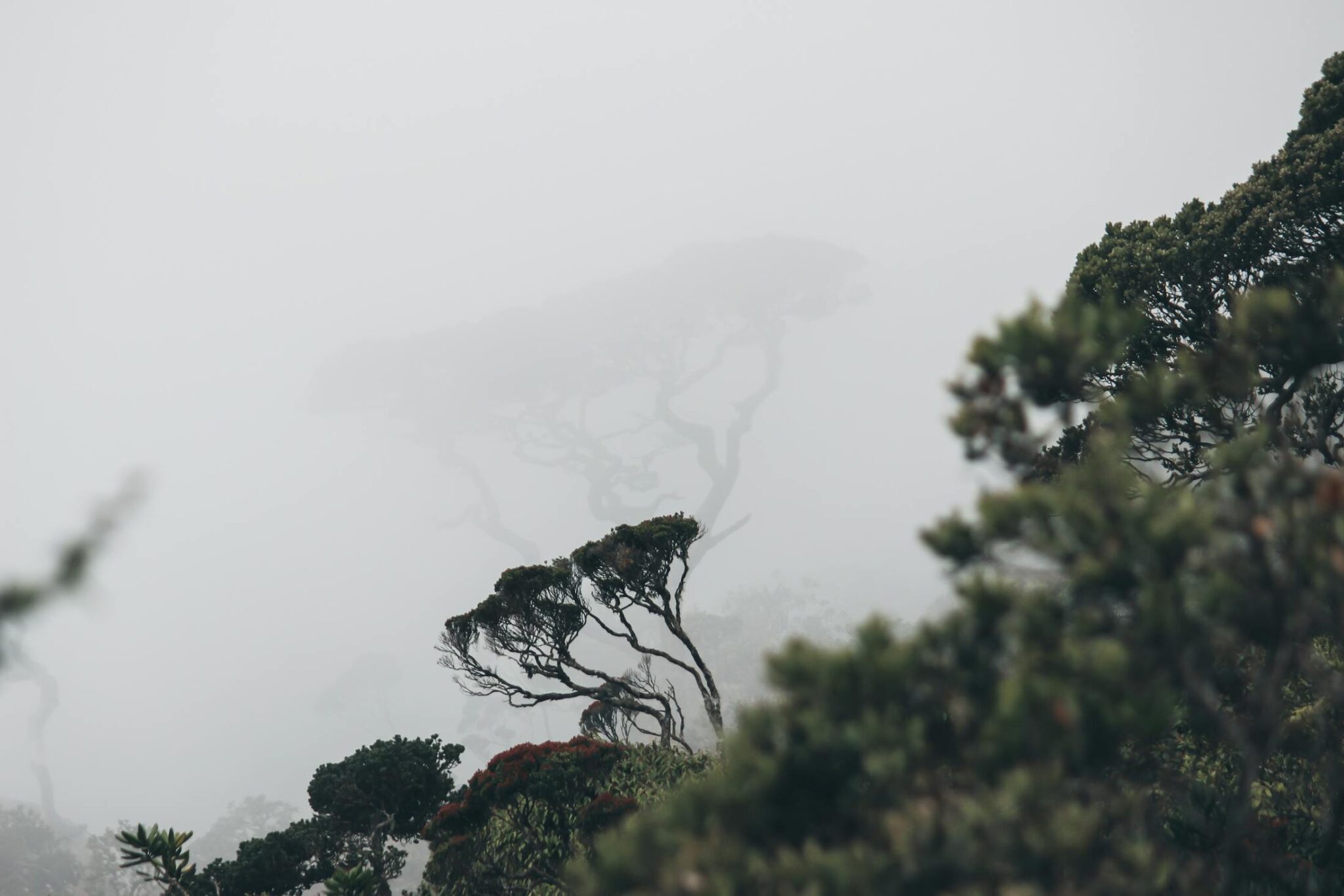
Horton Plains National Park is a high-elevation plateau, typically around 2,000 to 2,300 m above sea level, and it feels more like a cool, windy moorland than “tropical Sri Lanka.” The classic visit is the loop walk of roughly 9 to 10 km, which most travellers complete in 3 to 4.5 hours depending on pace and photo stops. The headline viewpoint is World’s End, an abrupt escarpment that can drop by several hundred metres into the lowlands, and it is most dramatic in the first hours after sunrise, before cloud and haze build. Many people also include Baker’s Falls on the same loop, which adds variety and is a good mid-walk reward, especially after the open plateau sections.
For logistics, Horton Plains is most commonly visited from Nuwara Eliya or nearby highland towns. From Nuwara Eliya, the drive is usually about 1 to 1.5 hours depending on your exact start point and road conditions, which is why dawn departures are realistic. From Ella, the road journey is longer and often around 2.5 to 4 hours each way, so it can become a very early, very long day unless you overnight closer to the park. From Kandy, plan roughly 4 to 6 hours by road, making it impractical as a simple day trip for most itineraries.
Knuckles Mountain Range
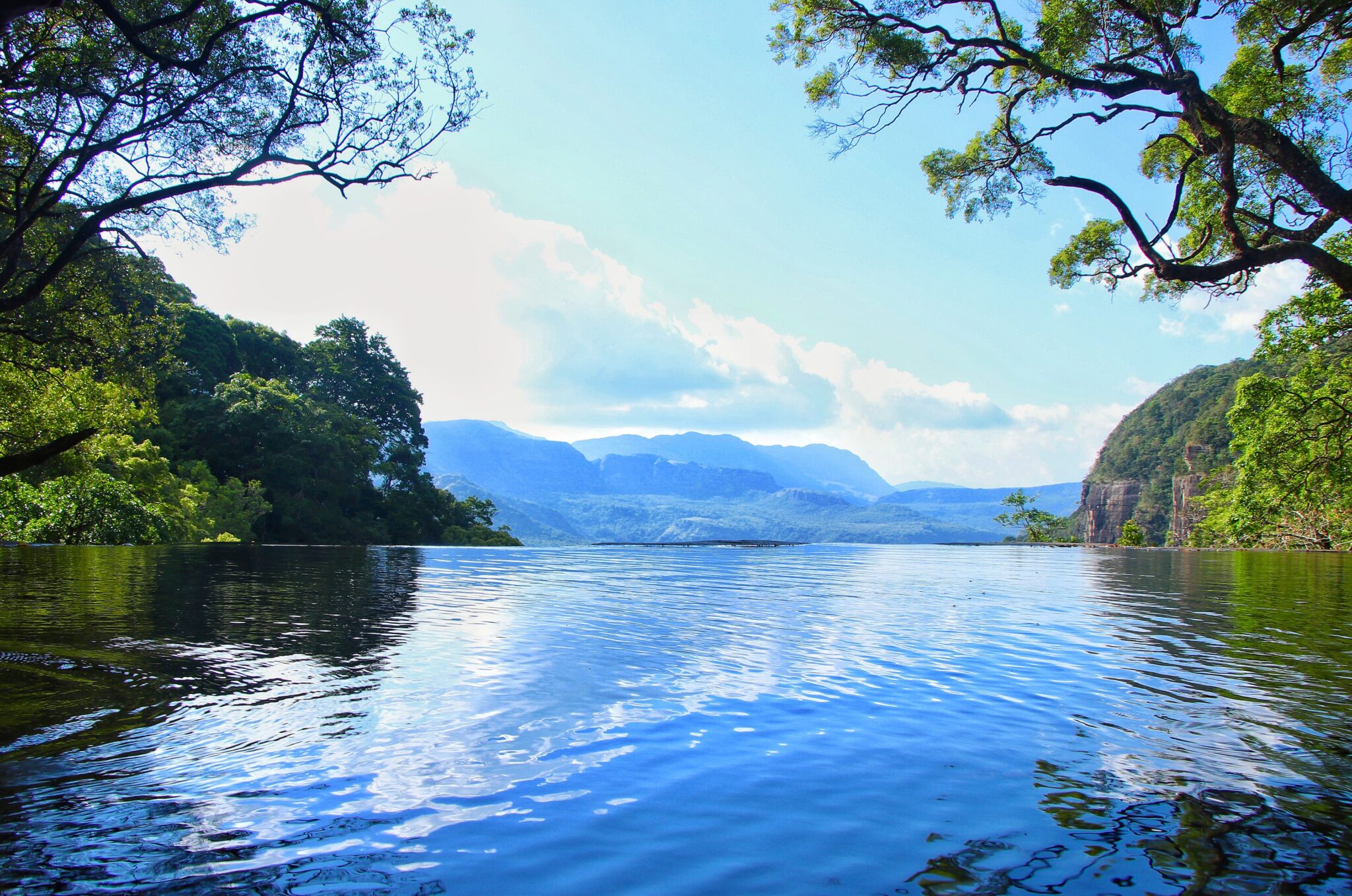
The Knuckles Mountain Range is one of the Hill Country’s best options for travellers who want quieter, more rugged hiking and a stronger sense of rural Sri Lanka. The massif sits northeast of Kandy and includes multiple peaks and ridgelines, with the highest points reaching over 1,900 m in elevation. Trails move through a mix of cloud-forest edges, grassland, small farms, and river valleys, so the scenery changes quickly over a single day. Instead of one famous “photo platform” viewpoint, Knuckles tends to reward you with a sequence of panoramas, narrow ridges, and village landscapes, plus cooler temperatures at altitude. A local guide is genuinely useful here, not just for navigation, but for choosing routes that match weather, trail conditions, and your pace, and for avoiding dead-ends on less-marked paths.
Treat Knuckles as a dedicated hiking segment and pick a route length that suits your time and fitness. Many visitors do a half-day walk of about 6 to 10 km (often 3 to 5 hours with stops), while stronger hikers choose full-day routes of roughly 12 to 20 km (often 6 to 9 hours) that link ridgelines, viewpoints, and valleys. Start early for better visibility and to avoid afternoon rain that can roll in on mountain terrain. Bring at least 1.5 to 2 litres of water per person, sun protection, and proper shoes, because surfaces can shift from dusty tracks to slippery rock and mud within the same hike. Because roads into the range are slow and winding, build buffer time into the plan, and avoid stacking a long Knuckles hike on the same day as a major transfer.
Yala National Park
Yala National Park is Sri Lanka’s most famous safari destination and is often marketed around leopard sightings, but the best experience comes from treating it as a broader wildlife landscape with realistic odds, not a guaranteed “big-cat show”. The park covers roughly 979 km² and includes dry forest, scrub, lagoons, and coastal dunes, which means you can see a wide mix of animals even when predators stay hidden. Typical sightings on a good drive include elephants, crocodiles, water buffalo, deer, wild boar, monkeys, and a strong variety of birdlife around water. Where Yala can disappoint is not the wildlife, but the crowding, especially in the most visited zones: when multiple vehicles converge on the same radioed location, the atmosphere can turn hectic and the viewing window becomes short and noisy.
Getting to Yala is usually easiest via Tissamaharama or Kataragama, the two most common bases with the shortest pre-dawn transfer times to park gates. From the south coast, travel times vary: from Mirissa/Weligama plan roughly 2.5 to 4 hours by road; from Galle often 3.5 to 5 hours; from Ella commonly 2 to 3.5 hours depending on road conditions. Many travellers build Yala as a one-night or two-night segment, with one early drive as the minimum and two drives (one morning, one afternoon) if wildlife is a priority.
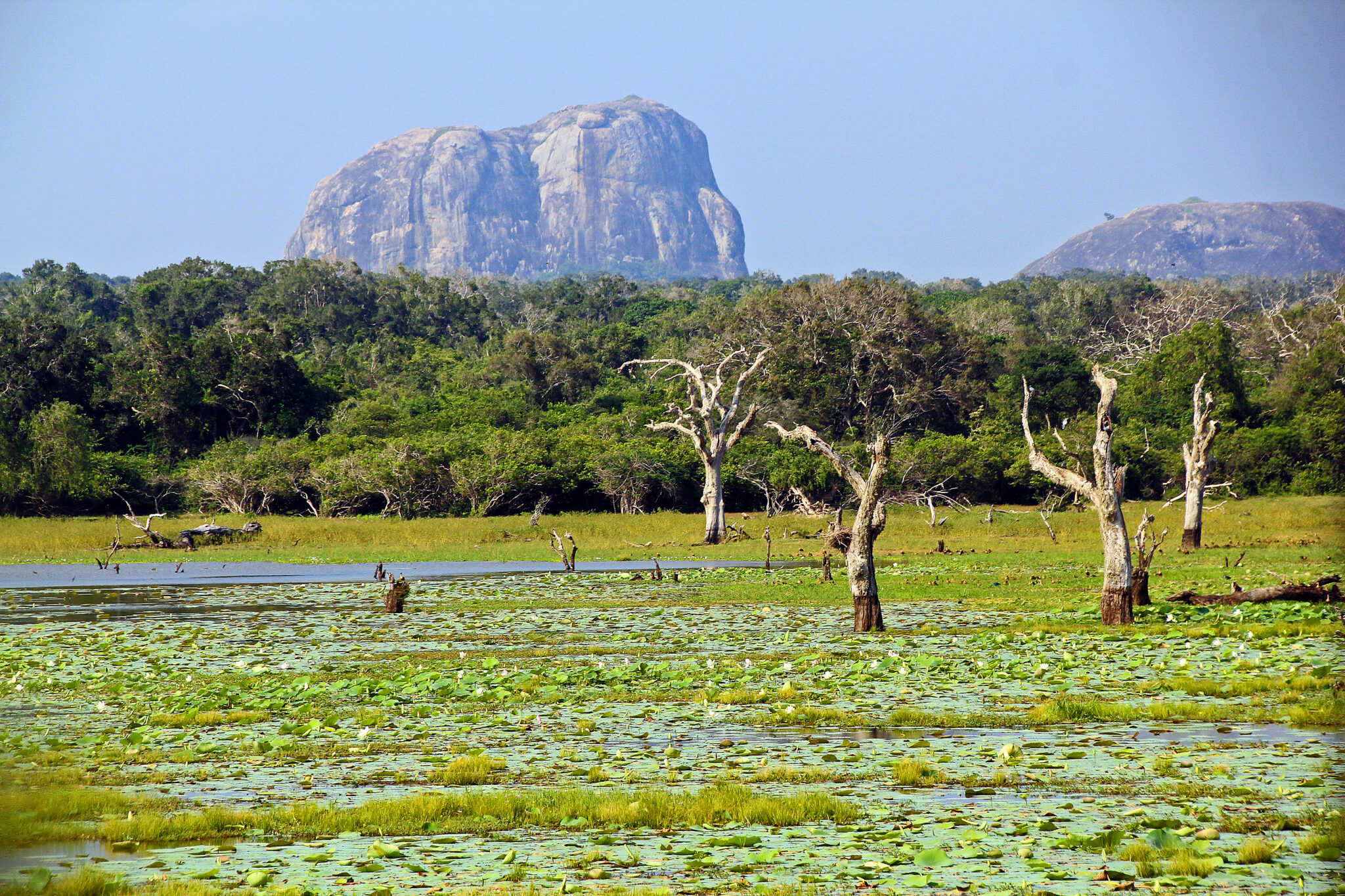
Udawalawe National Park
Udawalawe National Park is one of Sri Lanka’s most reliable safari choices for elephants, and it often feels simpler and more predictable than parks where sightings depend heavily on luck and long drives. The park covers roughly 308 km² and is built around open grassland, scrub, and the Udawalawe Reservoir, which creates excellent visibility compared with denser forest parks. That landscape is a major reason it works well for families: you spend less time straining to see through vegetation and more time watching animals at comfortable distances. Beyond elephants, a good drive can include water buffalo, sambar deer, crocodiles, jackals, monkeys, and a strong range of birds around water, so even without a “headline” moment the outing usually feels full.
Most travellers base themselves in Udawalawe town or nearby guesthouses for the shortest gate access, then do an early morning drive for cooler temperatures and more animal activity. A typical safari lasts 3 to 4 hours, while travellers who prioritise photography sometimes book longer, private drives to avoid rushing. Because the park can still get busy, especially in peak travel months, the experience improves with a reputable operator who drives patiently, avoids clustering, and focuses on natural behaviour rather than chasing sightings.
For routing, Udawalawe is a clean inland “break” between beach bases and hill-country stops. From the south coast, it is commonly 1.5 to 3 hours by road depending on where you are staying: from Tangalle it can be around 1 to 1.5 hours, from Mirissa/Weligama often 2 to 3 hours, and from Galle roughly 3 to 4 hours. From Ella, it is typically 1.5 to 2.5 hours, which makes it an easy add-on if you are transitioning between the hills and the coast.
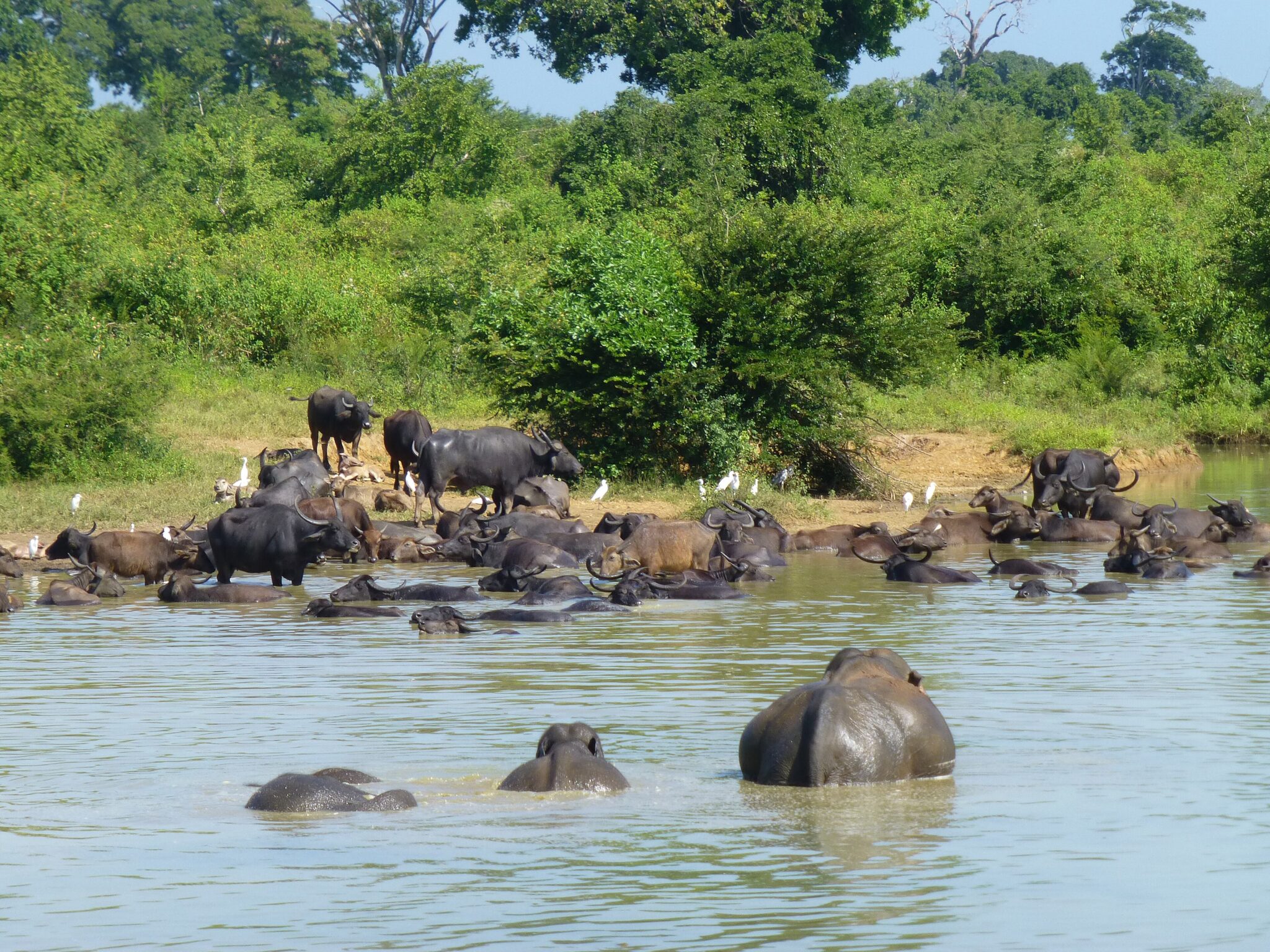
Minneriya, Kaudulla, and Hurulu (seasonal elephant gathering)
Minneriya, Kaudulla, and Hurulu sit in the same wildlife corridor around Habarana and Sigiriya, and in the right dry-season window they can deliver Sri Lanka’s most impressive elephant viewing in open terrain. The “gathering” effect is driven by water and grazing conditions around the reservoirs, when elephants move out of surrounding forest to feed on fresh grass on exposed shores. In strong seasons, visitors can see dozens of elephants in a single scene, and occasionally well over 100 spread across the grassland and lake edge, with visibility often better than in denser parks because the landscape is flatter and more open. Plan the experience as a 3 to 4 hour jeep drive, most commonly in the late afternoon when elephants are more likely to be out grazing and the light is softer.
Park choice is not fixed and should remain flexible because herds shift between Minneriya and Kaudulla depending on where water remains and where grass is best, while Hurulu can be the better option when elephants are moving through more forested habitat or when conditions make the reservoir edges less productive. Getting there is easy from the Cultural Triangle bases. From Sigiriya, Habarana, or Dambulla, the drive to the relevant park gates is typically 20 to 45 minutes depending on which park you enter. From Kandy, plan roughly 2.5 to 4 hours by road to the Habarana area, and from Colombo commonly 3.5 to 5 hours.
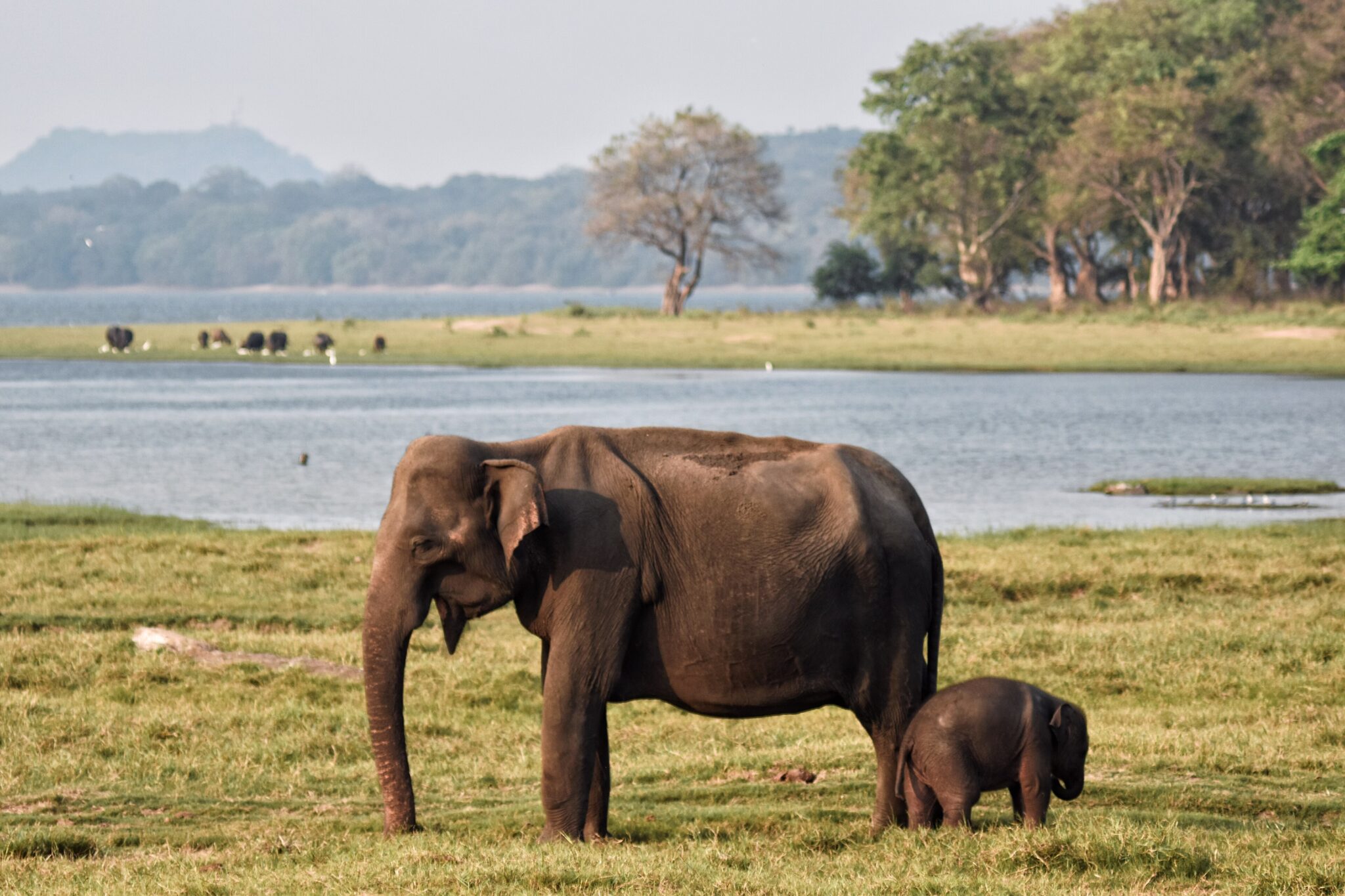
Mirissa and the south coast marine angle
Mirissa is one of the south coast’s best-known bases for whale watching, but it should be planned as a conditions-dependent bonus rather than a guaranteed highlight. Trips are typically early morning departures and run for several hours, with the experience shaped far more by sea state and visibility than by marketing promises. In calmer conditions, boats may cover long distances offshore and sightings can include large whales and dolphins, but rough water can make the ride uncomfortable, shorten effective viewing time, and reduce overall quality. If whale watching is a key goal, aim for a 2-night stay so you have flexibility to pick the best morning, and choose an operator that limits passenger crowding, uses proper safety gear, and follows sensible approach distances rather than chasing animals for close-up photos.
Getting there is simple from other south coast hubs. From Galle, Mirissa is typically about 45 to 70 minutes by road depending on traffic, from Weligama about 15 to 25 minutes, and from Tangalle often around 1.5 to 2.5 hours. From Colombo, plan roughly 2.5 to 4 hours by road depending on traffic and your exact start point. The cleanest approach is to base yourself in Mirissa or nearby Weligama, keep one morning open for the marine trip if conditions are good, and use the rest of the time for beaches, short coastal drives, and unhurried meals rather than over-scheduling.
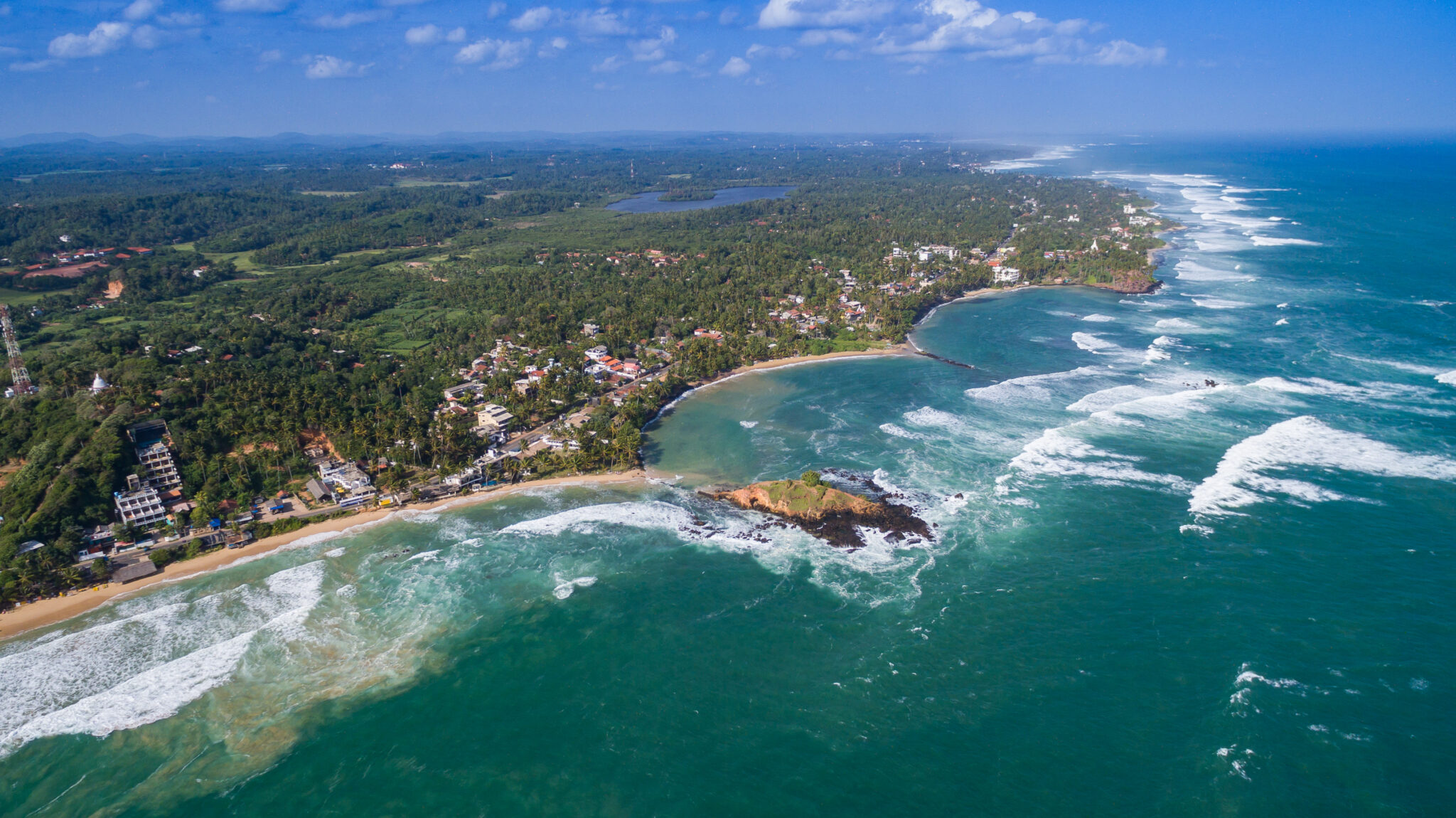
Hidden Gems of Sri Lanka
East Coast beaches (seasonal sweet spot)
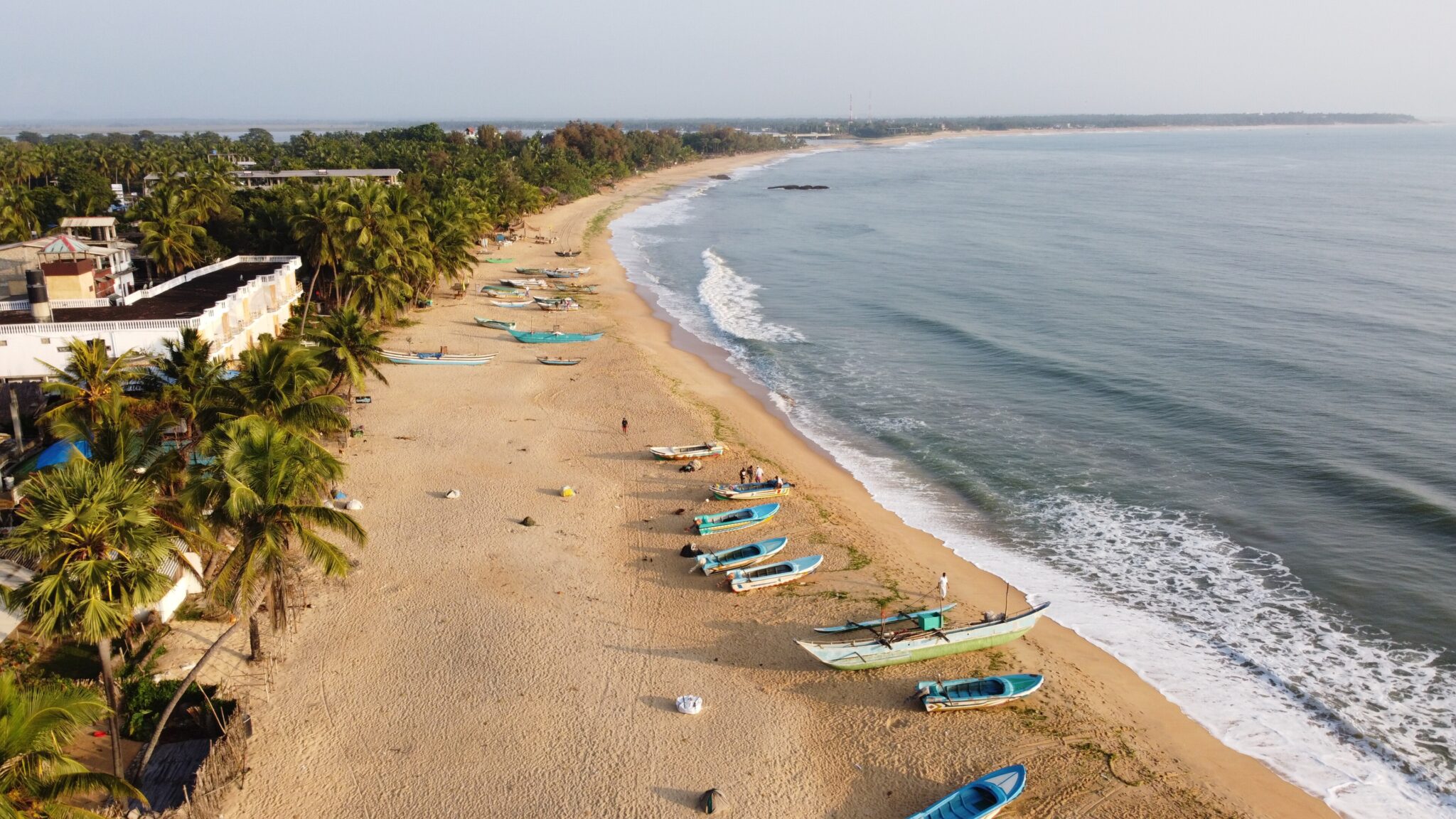
Sri Lanka’s east coast often delivers the best beach conditions when the south and southwest are being hit by rougher seas and heavier rain, so it is a smart “seasonal swap” rather than a second-choice coast. Arugam Bay is the surf hub, built around long sandy bays and point-break surfing that attracts beginners and experienced riders, with a lively strip of cafés and simple guesthouses that still feels relaxed by Sri Lankan standards. Even if you do not surf, it works for sunrise beach walks, casual scooter days, lagoon scenery, and an easy social atmosphere in the evenings. A typical stay is 3 to 5 nights so you can mix surf lessons, beach time, and a couple of short side trips without rushing.
If your priority is swimming and calm water, Pasikudah is usually the easiest east-coast pick. The shoreline here is known for its shallow, often clearer water and a gentler beach rhythm that suits families and travellers who want long swims without strong shore break, plus straightforward days of lounging, snorkelling in decent visibility when conditions are right, and early nights. Trincomalee adds the advantage of being a larger base with services, a working harbour backdrop, and multiple beaches nearby, most notably Nilaveli and Uppuveli, which are easy to reach for half-day beach sessions. Trinco also works well for travellers who want more choice in restaurants and transport than a small beach village provides, without the traffic intensity of Colombo.
Quiet cultural stops
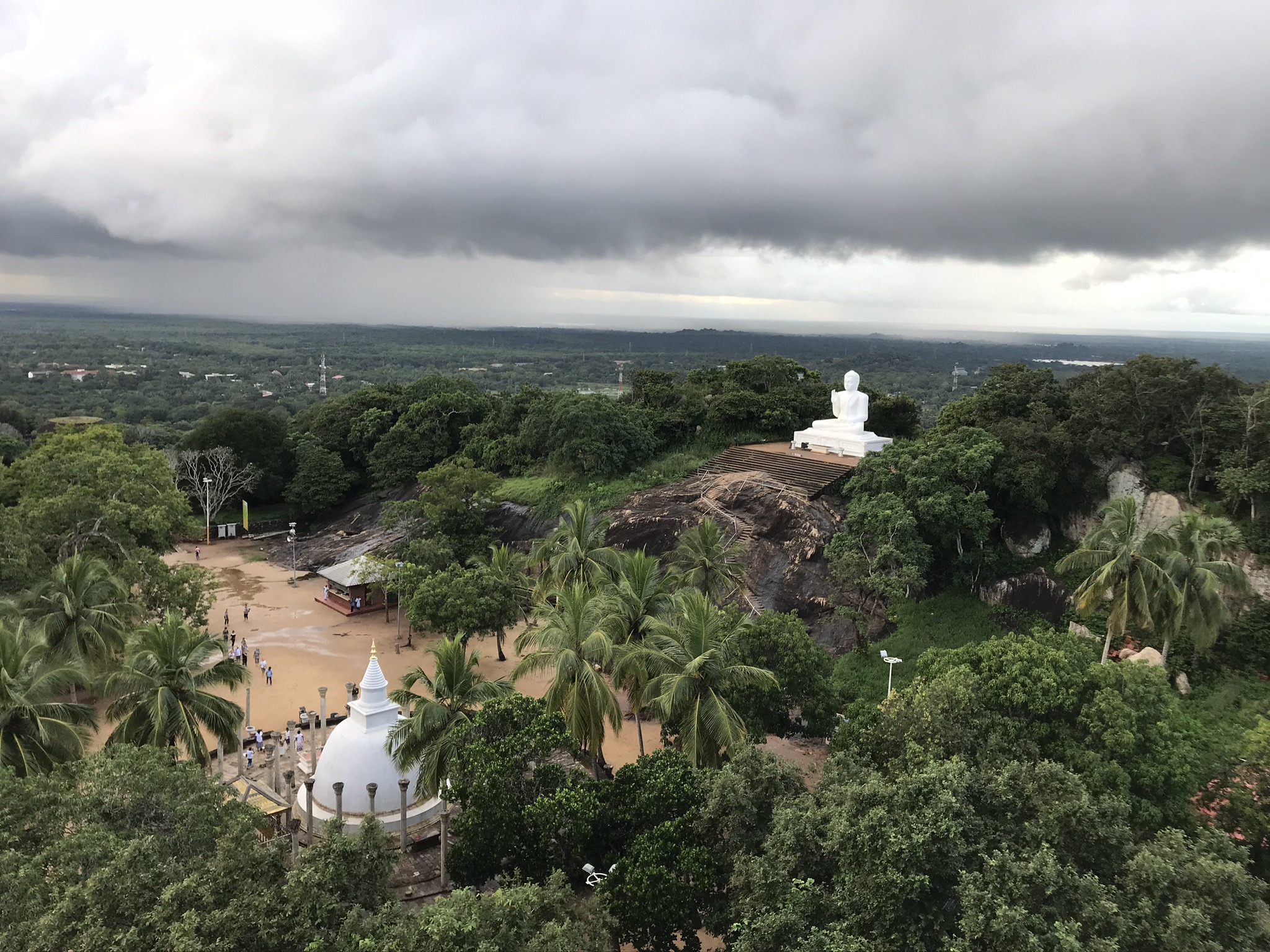
Mihintale, about 15 km east of Anuradhapura, is one of the best “quiet culture” additions because it combines pilgrimage history with a breezier hilltop setting. The visit is built around a long stair climb, often described as roughly 1,800 steps, broken by terraces, shrines, and small dagobas, so it feels like a gradual ascent rather than a single hard push. At the top, the reward is a wide view across the dry-zone plains and reservoirs, plus a calmer temple atmosphere than the main Anuradhapura complexes, especially early morning or near sunset. Allow 1.5 to 2.5 hours at an unhurried pace, bring water, and plan modest clothing because it is an active religious site. It works well as a “light” cultural block either before a shorter Anuradhapura circuit or as a recovery visit on a day you do not want another full-scale ruins marathon.
Ritigala, roughly 40 km from Sigiriya and Dambulla depending on the approach road, offers a very different mood: shaded forest, boulder-strewn hills, and the remains of an ancient monastery spread along quiet paths. The atmosphere is the point here. Instead of big stupas and open sun, you get stone platforms, old stair sections, and ruined structures half-swallowed by jungle, with a cooler, more reflective feel. Most visits take about 1.5 to 3 hours, and it suits travellers who enjoy slow walking and texture over “headline” monuments. Roads can be slow and the last stretch can feel rural, so it pays to build buffer time and go with a driver who knows the turn-offs. These two stops are at their best as slow mornings or late afternoons, adding depth to the Cultural Triangle without the fatigue of combining multiple major ancient-city sites in the same day.
Less-visited parks and nature
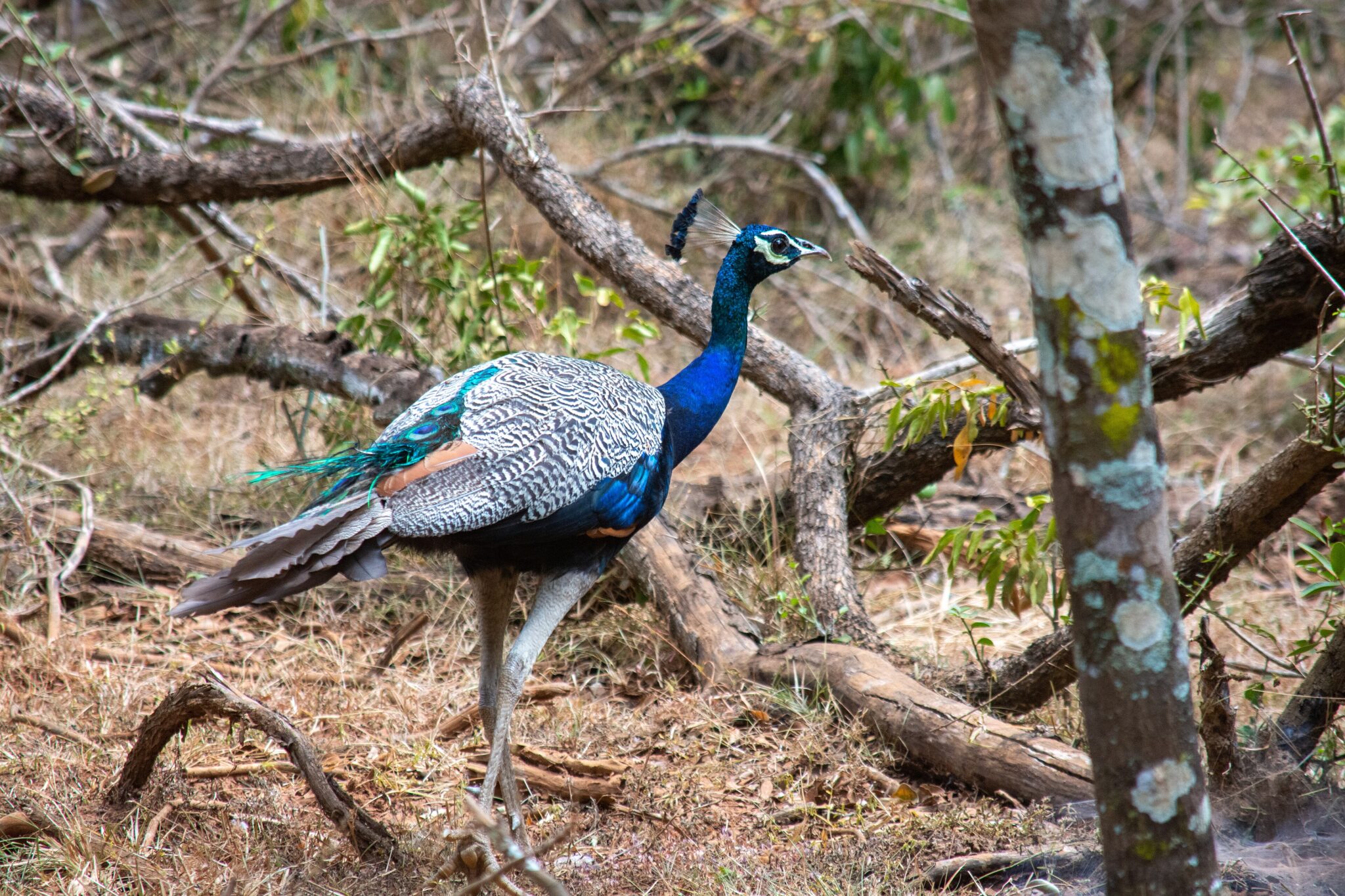
Wilpattu National Park is Sri Lanka’s largest national park at roughly 1,300 km², and it often feels more spacious because the safari experience is spread across a wide landscape of dry forest, scrub, and its signature “villus”, natural sand-rimmed lakes that attract wildlife. A typical drive is 3 to 4 hours, with early morning usually best for cooler temperatures and animal movement. Sightings vary by day, but the park is known for sloth bears, deer, wild boar, crocodiles, and strong birdlife, with a chance of leopards as well, though they are never guaranteed. The main advantage is pace: you are more likely to get long, quiet stretches between sightings rather than constant vehicle clustering. To visit well, book a reputable operator who is willing to drive slowly around water and open clearings, then commit to a single unhurried safari rather than stacking multiple drives back-to-back.
Logistics for Wilpattu are most straightforward if you route through the northwestern side of the island. From Anuradhapura, many entrances are reachable in roughly 1.5 to 2.5 hours by road depending on the exact gate and road conditions, which makes it a practical add-on to the Cultural Triangle if you want one wildlife day without going south. From Colombo, plan roughly 4 to 6 hours by road, and from Negombo often 3.5 to 5 hours, so it is usually best as an overnight near the park rather than a long day trip. For itinerary flow, Wilpattu pairs naturally with Anuradhapura, Mihintale, or a northbound route toward Jaffna, because it reduces backtracking and keeps travel days manageable.
Gal Oya is a more remote, nature-first option centered on Senanayake Samudraya, one of Sri Lanka’s largest reservoirs, and it suits travellers who value atmosphere over a guaranteed checklist of sightings. The experience here is different because you can combine classic jeep drives with a boat safari that explores islands and shorelines, which can create unique viewing angles for elephants when they are active near the water. Expect simpler infrastructure and fewer services, which is part of the appeal, and plan at least 2 nights so you are not rushing long transfers for a single short activity.
Southern and Hill Country detours
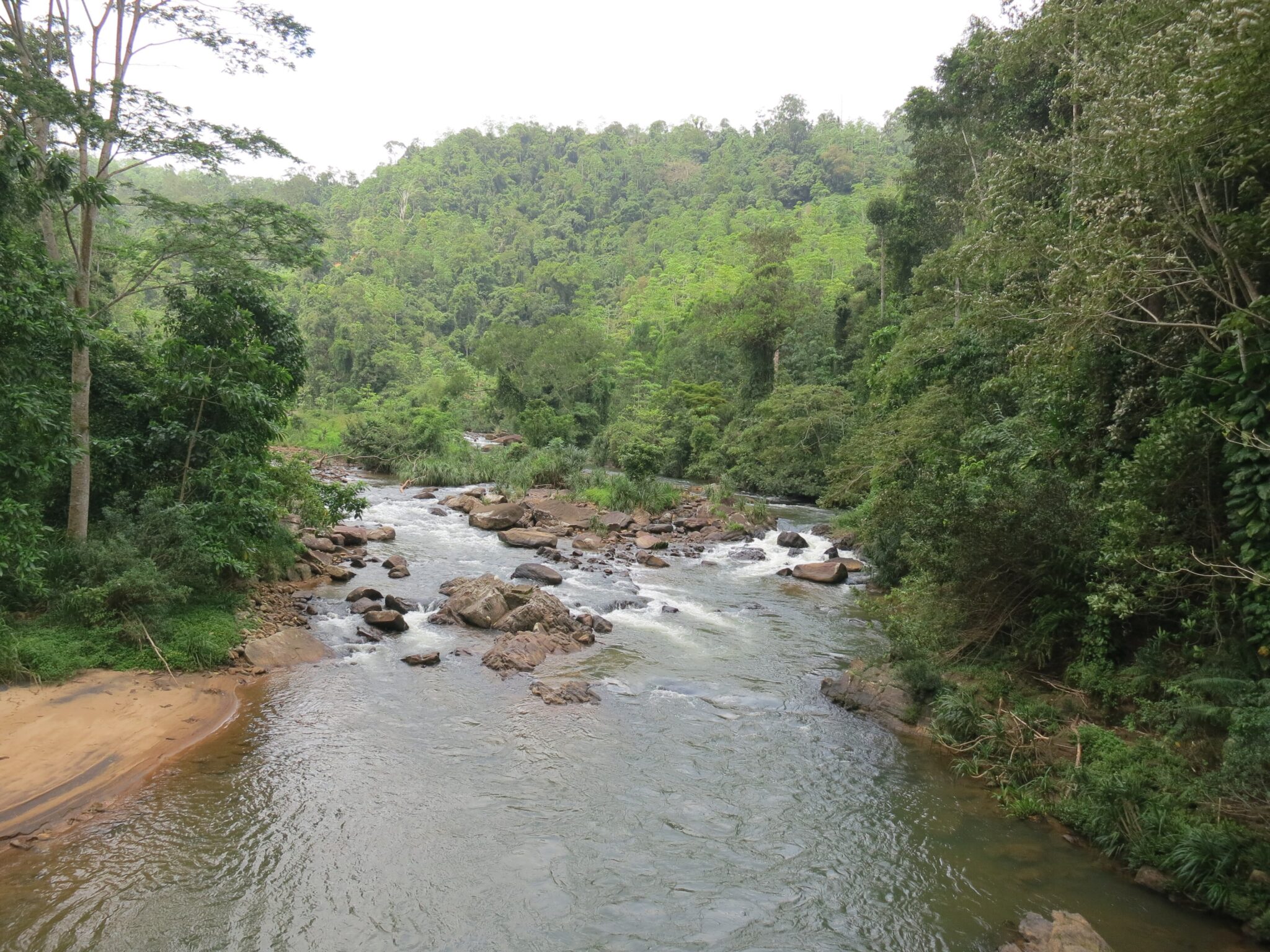
Sinharaja Forest Reserve is Sri Lanka’s most immersive lowland rainforest experience, with dense canopy, constant bird calls, and a completely different feel from tea-country hills or dry-zone ruins. It is a UNESCO-listed site and one of the island’s top areas for endemic wildlife, especially birds, so a guided walk is not just helpful but practical for spotting and safe route choice on muddy forest trails.
Diyaluma Falls, near Ella, is one of the most rewarding waterfall outings in Sri Lanka because it combines a big drop with natural rock pools and wide views, but it must be approached with common-sense safety. The full waterfall is often described at around 220 m in height, making it one of the country’s tallest, and the main payoff for many visitors is the upper area where you can see stepped cascades and, in safe conditions, swim in calmer pools away from the main plunge. Plan 4 to 6 hours for the outing including driving, hiking time, and a relaxed break at the top.
The Pekoe Trail is best treated as a menu of short, high-quality sections rather than one continuous trek. The full concept spans over 300 km across Sri Lanka’s tea country, linking plantation landscapes, small towns, ridges, and valley viewpoints, and it is designed in stages that can be tackled independently. Most travellers get the best results by choosing a half-day section of 8 to 12 km (often 3 to 5 hours) or a shorter 4 to 7 km walk if you want an easier morning. Good staging bases include Kandy, Nuwara Eliya, Hatton, Haputale, and Ella, where you can do a one-way walk and return by tuk-tuk or local transport without complex logistics.
Travel Tips for Sri Lanka
Safety and General Advice
Sri Lanka is generally straightforward and rewarding to travel in, with a well-developed tourism network and welcoming hospitality. That said, careful route planning is important. Distances may appear short on the map, but traffic, road conditions, and frequent stops can make journeys longer than expected. Planning conservatively and avoiding overly ambitious multi-stop itineraries will make your trip more comfortable.
In cities and crowded areas, keep valuables discreet and remain aware of your surroundings. At night, particularly in Colombo or other urban centres, use trusted transport services rather than walking long distances. When visiting temples and religious sites, dress respectfully with shoulders and knees covered, remove shoes where required, and be mindful of photography rules, especially around monks and worshippers.
Comprehensive travel insurance is strongly recommended and should cover medical treatment, trip disruption, and activities such as surfing, hiking, safaris, and whale-watching. Before departure, consult a travel clinic about recommended vaccinations and mosquito-bite prevention strategies based on your route and the season.
Driving in Sri Lanka
Driving in Sri Lanka is on the left-hand side of the road. While self-driving is possible, many travelers prefer hiring a car with a driver due to the busy traffic patterns, narrow roads, and local driving style. For those who choose to drive themselves, selecting an automatic vehicle can make the experience easier, and shorter daily driving distances are advisable. Drivers must carry their national driving licence, an International Driving Permit, and valid passport or identification at all times. Rental and insurance documents should remain accessible, as checks can occur.
Road conditions vary, and traffic can be dense, with frequent overtakes and mixed road users including buses, motorbikes, pedestrians, and animals. Night driving outside major cities is best avoided due to reduced visibility and unpredictable hazards.

Published March 01, 2026 • 24m to read