

South Sudan is one of Africa’s least-visited destinations, shaped by extensive wetlands, open savannahs, and river systems that create a strong sense of scale and isolation. Much of the country remains outside established travel circuits, and its appeal lies in remoteness rather than developed tourism. Landscapes dominate the experience, with wide horizons and seasonal ecosystems defining movement and access.
South Sudan is suitable only for highly experienced travelers who are comfortable with uncertain logistics and flexible planning. Conditions related to access, permits, and security can change, sometimes quickly. Any travel should be approached conservatively, with reputable local partners, clear contingency arrangements, and realistic expectations regarding timing and infrastructure. This is a destination where preparation and caution are essential to any responsible visit.
Best Cities in South Sudan
Juba
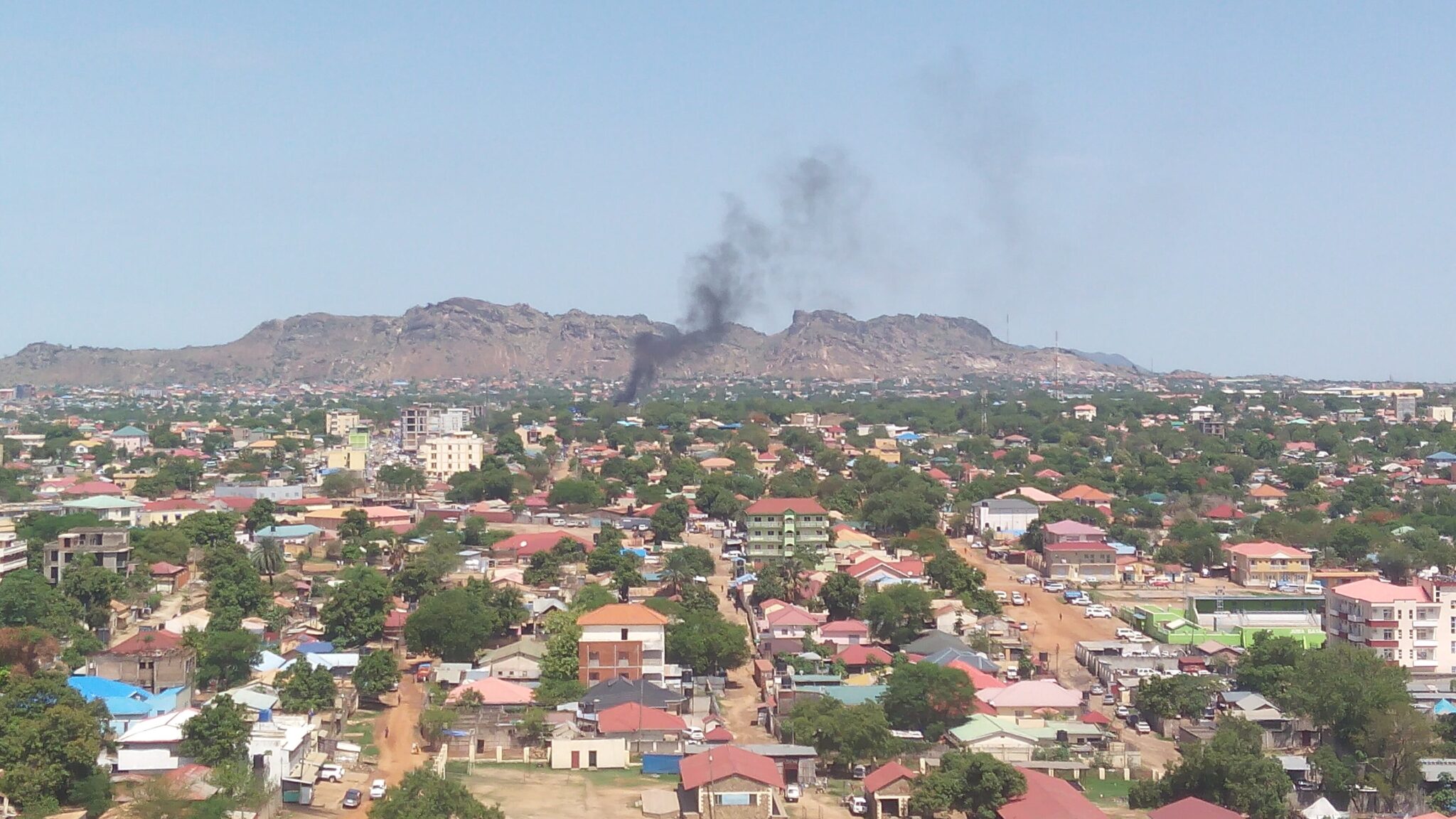
Juba is South Sudan’s primary gateway and works best as a staging hub rather than a sightseeing city. Use it to reduce uncertainty before you move on: organise a reliable vehicle and driver, confirm route feasibility, clarify which permits or letters are needed for your planned corridor, and identify dependable local contacts who can advise on current conditions. The city’s most distinctive feature is its relationship with the White Nile, and where access is straightforward, a short, structured riverfront outing can give you a first sense of place through working boats, roadside activity, and the everyday pace of a capital that is still primarily functional. Keep expectations realistic: the value is in preparation and coordination, not in a long list of attractions.
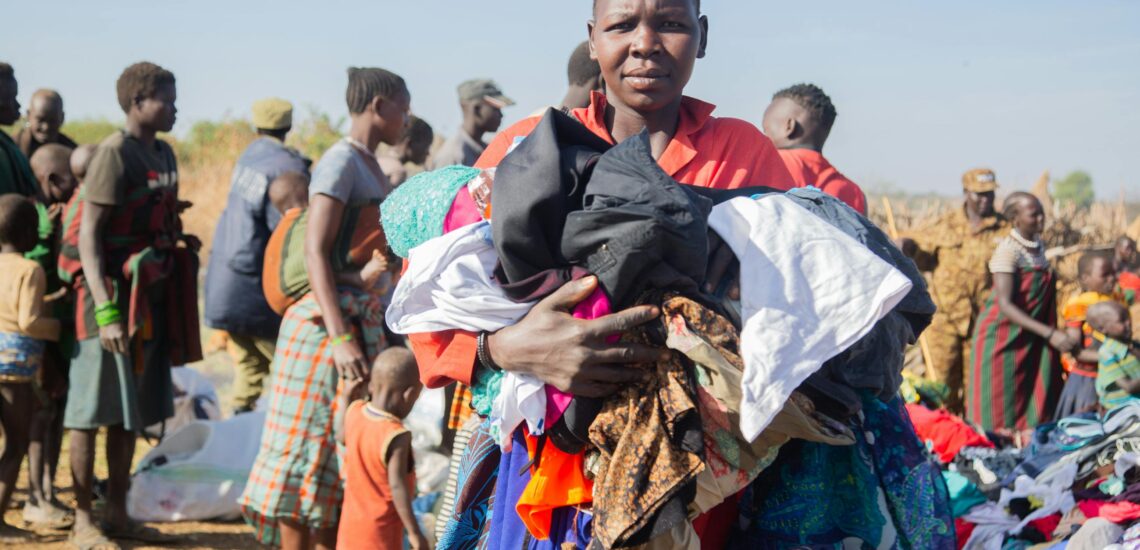
If you visit markets, treat them as brief, daylight-only stops and follow local guidance on where and when to go. Keep valuables discreet, avoid displaying expensive gear, and ask before photographing people, with a willingness to put the camera away immediately if it is not welcomed. Plan short loops rather than wandering aimlessly, and build buffer time into your schedule because city movement can be slow and plans can change quickly.
Wau (logistics-dependent)
Wau is best understood as a logistics-dependent regional hub rather than a destination built around sightseeing. It can make sense on certain overland routes in north-western South Sudan because it may help you break up long transfers, reset after difficult road days, and connect onward with drivers and local arrangements that are already confirmed. In practical terms, that is the main value: a place to regroup, check route feasibility, and keep the itinerary moving steadily, rather than an urban stop with a long list of visitor activities. Include Wau only if it fits your wider plan and current conditions support the route, because road access and on-the-ground feasibility can change quickly.
Best Natural Sites in South Sudan
The Sudd Wetlands (White Nile system)
The Sudd Wetlands are a defining landscape of South Sudan, formed by the White Nile spreading into a vast, slow-moving mosaic of open water, floating vegetation, reedbeds, and papyrus swamps. In peak extent, the wetland can cover tens of thousands of square kilometres, and its size can expand dramatically in the rainy season, which is why the dominant impression is scale: big skies, long horizons, and waterways that feel more like a moving labyrinth than a single river. Birdlife is one of the most consistent rewards, with strong potential for raptors, herons, storks, and dense wetland species, while larger wildlife is possible but should be treated as a bonus rather than a guarantee. The best experience is often simply travelling slowly through channels at first light, when the air is cooler, the water is calmer, and the wetland feels most alive.
Access is the deciding factor, and it changes with season, water levels, and route feasibility, so the Sudd should be planned as an expedition-style segment rather than a fixed “day trip”. Build buffer days, use reputable operators, and treat boat, fuel, and communications planning as non-negotiable: distances are deceptive, navigation can be complex, and resupply options may be limited once you are committed. Plan flexible objectives that can adapt to conditions, such as “a full day on the water with key channel zones” rather than a single must-reach point, and keep wildlife expectations grounded.
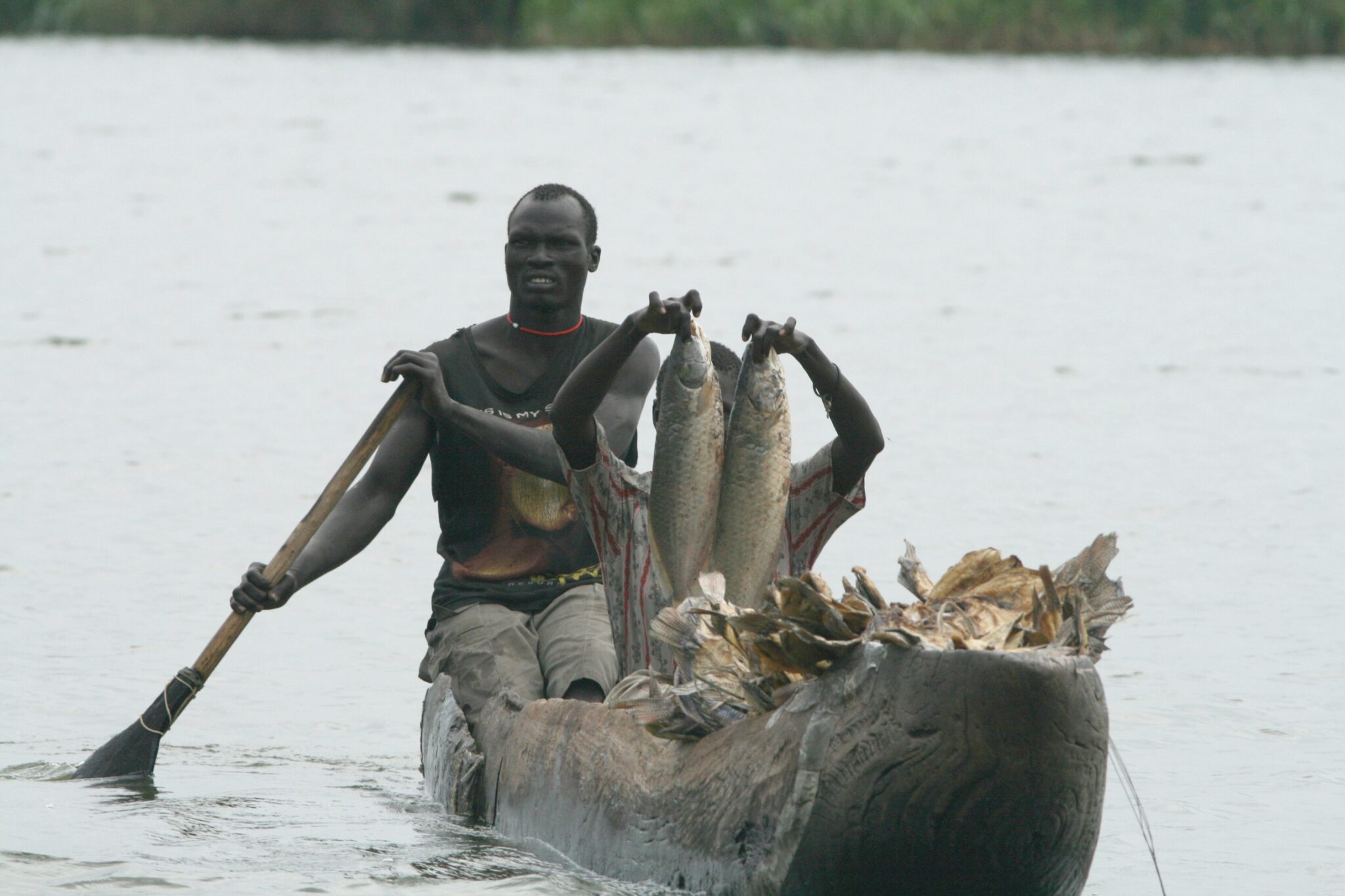
Boma National Park (expedition-style)
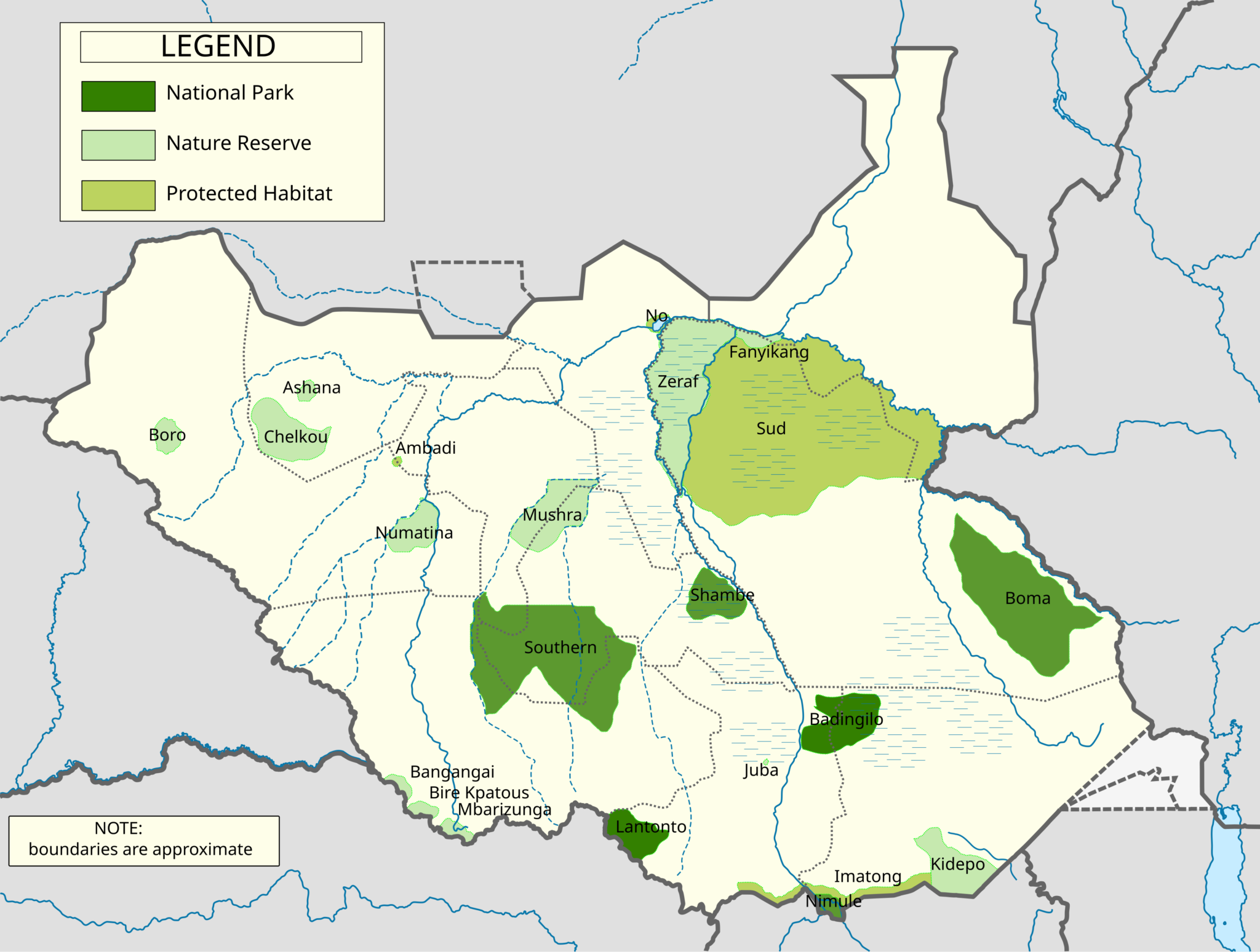
Boma National Park is an expedition-style wilderness destination in eastern South Sudan, valued primarily for its scale and wildlife potential rather than for comfort or easy access. It is often mentioned in the context of large animal movements across the broader Boma–Gambella ecosystem, which is one reason expectations need to stay grounded: sightings can be exceptional in the right conditions, but the park is vast, travel is slow, and outcomes depend heavily on season, water levels, and where animals are at that time. The most consistent “reward” is the wilderness atmosphere itself, wide savannah and woodland landscapes, big skies, and the feeling of being far from established tourism circuits, with wildlife as a high-upside bonus rather than a guaranteed daily checklist.
If Boma is a priority, treat it as the main objective of your trip, not an add-on. Access typically involves long overland legs, limited infrastructure, and logistics that must be planned conservatively, including fuel, water, spares, and communications, with a realistic understanding that plans may change on the ground. The best trips are run by operators who can adjust routes and timing based on conditions instead of forcing a rigid itinerary, and who are transparent about what is feasible and what is not.
Bandingilo National Park
Bandingilo National Park is best approached as a remote landscape experience rather than a classic, lodge-based safari. The setting is defined by big open plains and wide horizons, with a strong feeling of space that can be rewarding even when wildlife sightings are sporadic. In principle, the park is part of a broader ecosystem that can support impressive animal movements, but for travellers the practical reality is that infrastructure and tourism services are limited, and travel time and access conditions often shape what you can realistically do on the ground. If you go, the most satisfying mindset is “wilderness and scenery first,” with wildlife treated as a bonus that depends on season, water, and luck.
To make Bandingilo work, you need strong local support and conservative planning. Organise transport, permissions, fuel, water, and communications before you commit, and expect that road conditions and checkpoints can slow progress. Keep the pace flexible, build buffer time for delays, and focus your days on early starts, slow driving, and short walks only where it is clearly safe and locally advised.
Nimule National Park (White Nile corridor)
Nimule National Park is often considered one of the more accessible nature stops in South Sudan because it sits on the White Nile corridor and has a clearer “park” feel than far-remote wilderness areas. The landscape is shaped by the river: greener banks, islands and channels, and a sense of structure that makes scenery feel more varied than open plains alone. For travellers, the most rewarding time is usually a focused half-day or full day built around river-linked viewpoints and short, guided drives where feasible, with early starts for cooler temperatures and better light. This is a good fit if you want a nature segment that still feels wild, but does not require the same expedition-scale commitment as places like Boma.
Confirm access procedures, guide availability, and the most suitable travel windows in advance, and avoid stacking multiple ambitious activities into a tight schedule. Plan daylight-only movement, keep water and fuel margins conservative, and treat any river-based time as conditions-dependent, especially if flows or weather affect what is safe and practical.
Hidden Gems of South Sudan
White Nile river experiences near Juba (conditions-dependent)
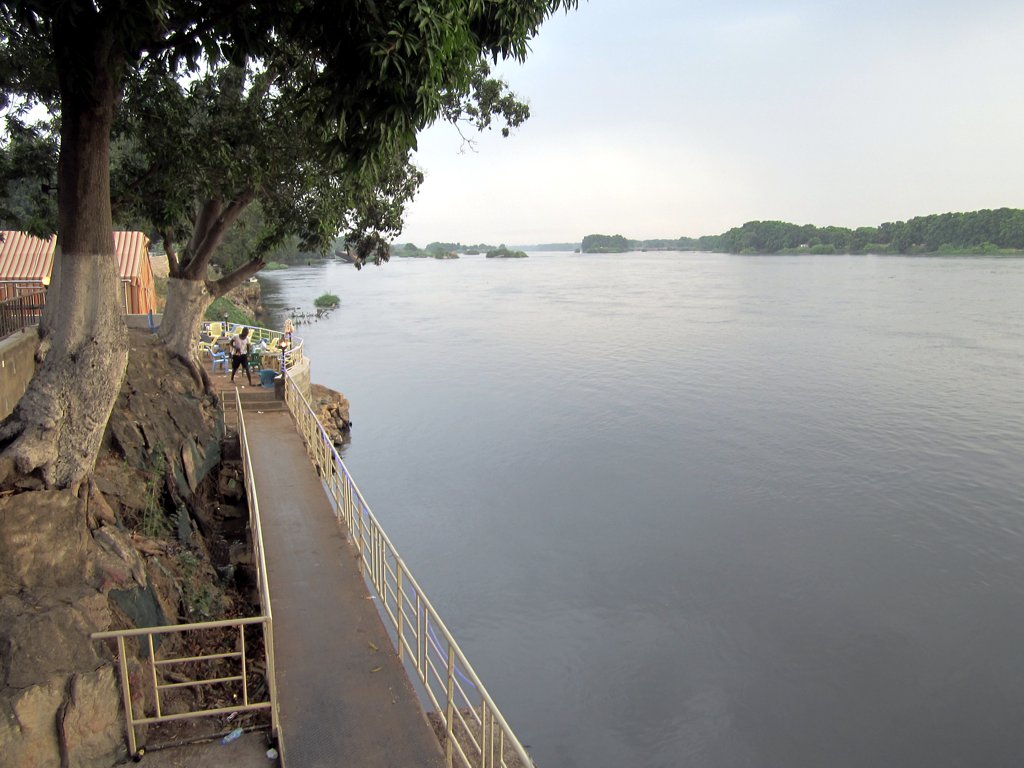
When conditions allow, a short boat outing on the White Nile near Juba can be one of the most rewarding low-effort experiences because it changes your perspective immediately. From the water, the city’s edges fall away and the emphasis shifts to river scale, broad skies, and the quiet rhythm of moving through channels and along greener banks. For photographers, the best window is usually late afternoon into sunset, when the light softens and reflections on the water become the main subject, while early mornings can feel calmer and cooler with cleaner, less hazy light. Keep objectives simple: a slow cruise, a few scenic pauses, and time to watch river life at a distance without trying to force a “wildlife checklist”.
Plan conservatively and let a reputable local operator shape the details. Water levels, current, debris, and weather can change what is safe, and reliable safety support matters more than squeezing in extra distance. Agree clear timings, ensure you have suitable life jackets and a boat in good condition, and avoid pushing into darkness unless it is explicitly advised and safely managed.
Rural landscapes and cultural texture
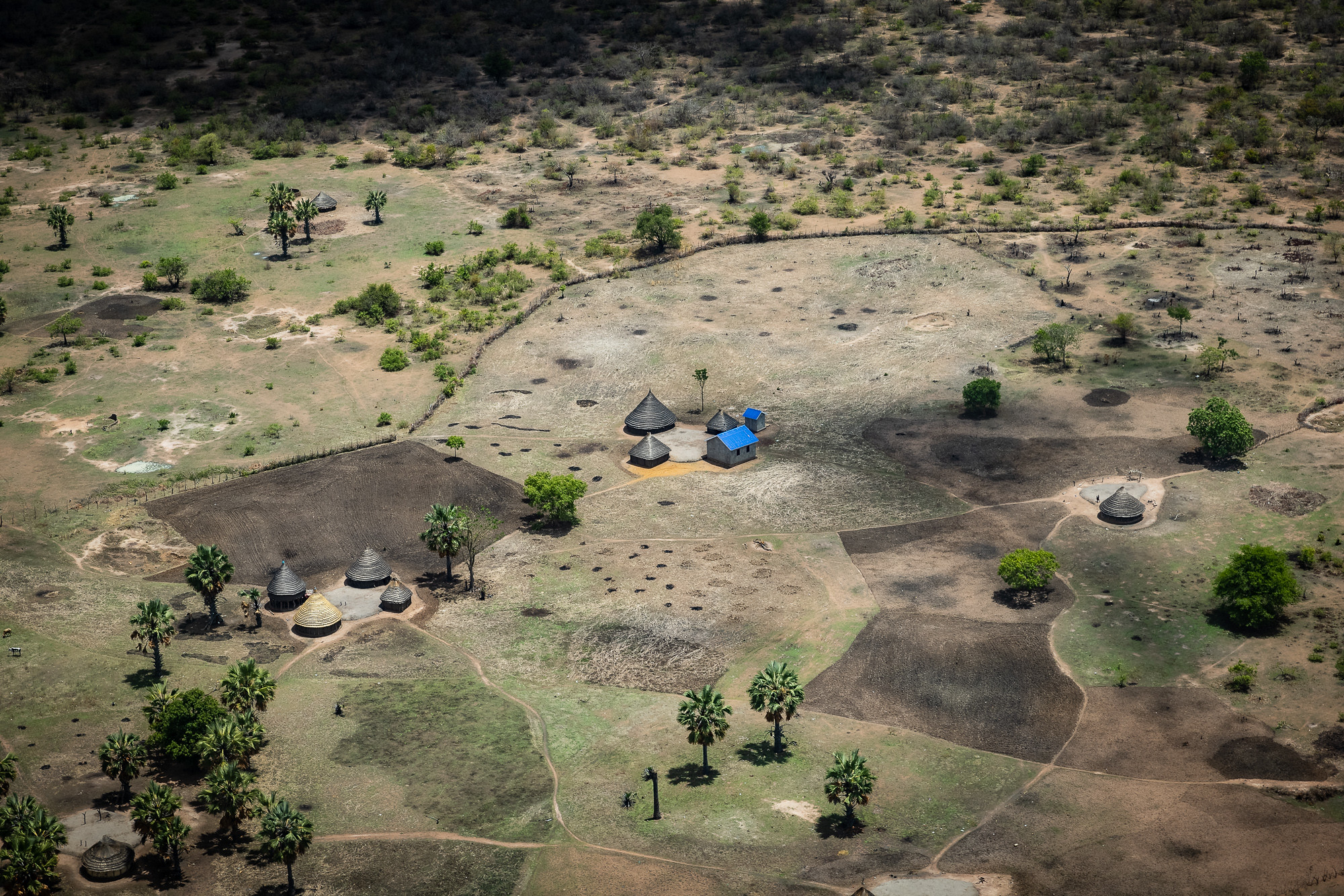
South Sudan’s rural landscapes can be one of the most meaningful parts of a trip because culture is often visible in everyday patterns rather than in formal “attractions”: cattle and grazing land, small farming plots, riverside activity, and the way communities organise markets, meeting points, and travel between settlements. Done well, this is not about chasing “scenes,” but about understanding how people live with seasonality, distance, and limited infrastructure. The best experiences usually come from a calm, guided approach that prioritises conversation, context, and observing daily routines at a respectful distance, with photography treated as optional and permission-led rather than automatic.
Keep it ethical by planning a small number of well-structured visits with reputable local guidance instead of frequent, unplanned roadside stops. Agree in advance where you will go, how introductions will be handled, and how local fees or support will be paid, so the visit benefits communities rather than turning people into backdrops. Ask clearly before photographing anyone, accept refusals immediately, and avoid creating pressure through money, crowds, or intrusive behaviour.
Borderland scenery and route-driven travel (for seasoned travellers only)
Route-driven travel in South Sudan’s borderland regions can deliver some of the most striking “moving landscape” scenery because you are often travelling through big-sky savannah, river corridors, and sparsely settled areas where the sense of space feels amplified. The visual appeal is frequently found between stops rather than at a single endpoint: long horizons, seasonal water, cattle landscapes, and sudden shifts from open plains into greener pockets around rivers and low hills. For experienced travellers, the most rewarding approach is to treat the road day itself as the experience, with planned pauses for viewpoints and short, locally approved walks, while keeping the schedule light enough that you are never forced to push into late-day driving.
This category should only be attempted with reputable local support and conservative decision-making because conditions can change quickly and differ significantly by corridor. Keep plans flexible, avoid overextending daily distances, and prioritise routes your local support actively recommends at the time of travel, including realistic assessments of checkpoints, road surface, and safe travel windows. Build buffer time into the itinerary, carry robust water and fuel margins, and treat “turn back” as a normal option rather than a failure.
Travel Tips for South Sudan
Safety and General Advice
Travel in South Sudan requires careful, up-to-date planning. Conditions can shift quickly by region and even by specific routes, so flexibility is essential. Visitors should work exclusively with reputable local operators and avoid independent improvisation outside controlled or well-supported settings.
Itineraries should remain flexible, with buffer days built in to account for logistical changes, weather, or local developments. Checking current official travel advisories for your nationality before and during your trip is crucial. Movement between locations should be conservative and well-coordinated, particularly outside the capital.
Comprehensive travel insurance is essential and must include coverage for medical treatment, emergency evacuation, and trip disruption. Healthcare facilities are extremely limited outside Juba, and evacuation may be required in serious situations.
Driving in South Sudan
Checkpoints are common. Drivers should keep documents ready and remain calm, respectful, and patient during inspections. You must carry your national driving licence, an International Driving Permit, and a valid passport or official ID at all times. Vehicle paperwork and insurance documents should also remain accessible throughout your journey.
Driving is on the right-hand side of the road. Most travelers rely on a vehicle with a driver arranged through a trusted operator, as self-driving is generally not recommended given road conditions, navigation complexity, and logistical requirements.
If driving forms part of your plan, a robust 4×4 vehicle is essential. Extra fuel, water supplies, and route coordination are typically necessary, particularly during or after rainy periods when passability can change rapidly. Road quality varies significantly, and rainfall can render some routes impassable.

Published February 22, 2026 • 11m to read