

South Korea is a country of striking contrasts and incredible energy – a place where 5,000-year-old palaces sit beside futuristic skyscrapers, where quiet Buddhist temples share space with K-pop billboards, and where rugged national parks meet golden beaches.
From vibrant Seoul and coastal Busan to volcanic Jeju Island and quiet folk villages, South Korea delivers a rich blend of culture, nature, and innovation. Whether you’re here for food, festivals, or fascinating traditions, Korea promises an unforgettable journey.
Best Cities in Korea
Seoul
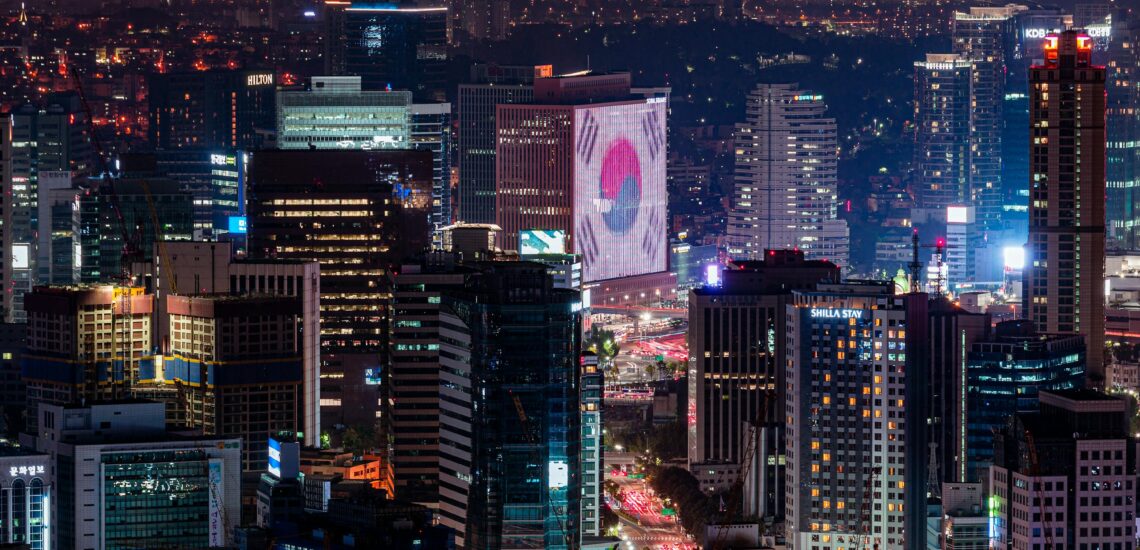
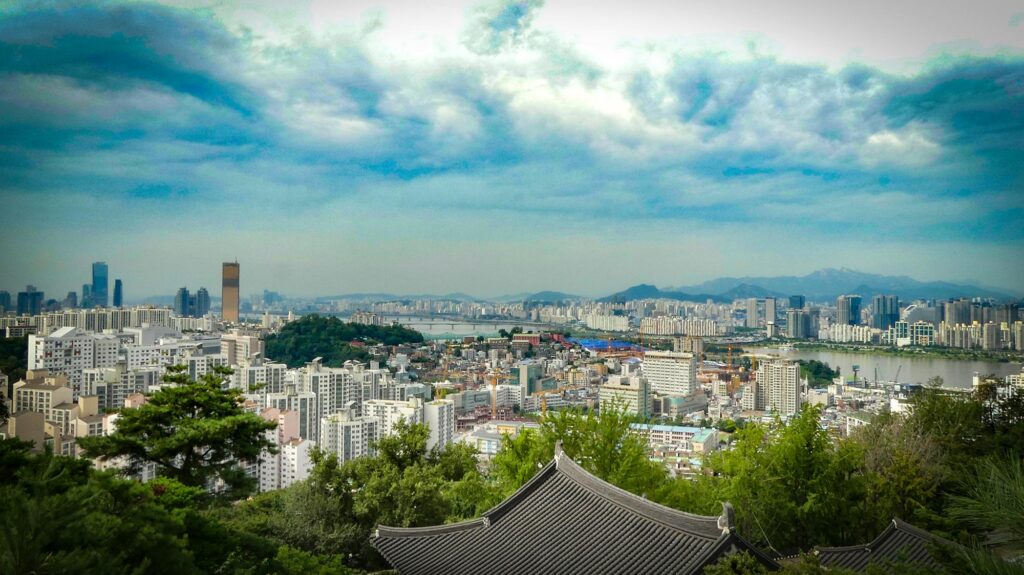
Seoul, South Korea’s capital of nearly 10 million people, blends royal palaces, modern design, and nonstop energy. The main landmarks are Gyeongbokgung and Changdeokgung Palaces, where visitors can watch guard-changing ceremonies and explore traditional gardens. Bukchon Hanok Village preserves hundreds of traditional houses, while Insadong is the go-to district for tea houses, crafts, and art galleries. For shopping, Myeongdong is packed with fashion and street food, and Dongdaemun Design Plaza showcases futuristic architecture. N Seoul Tower on Namsan Mountain offers panoramic night views, while Cheonggyecheon Stream provides a peaceful walkway through downtown.
The best time to visit is April–June and September–November, when weather is mild and cherry blossoms or autumn colors brighten the city. Seoul is served by Incheon International Airport (50 km from downtown), with an express train to the center in 45 minutes. The extensive subway system (23 lines) makes getting around efficient, while taxis and buses cover the rest.
Busan
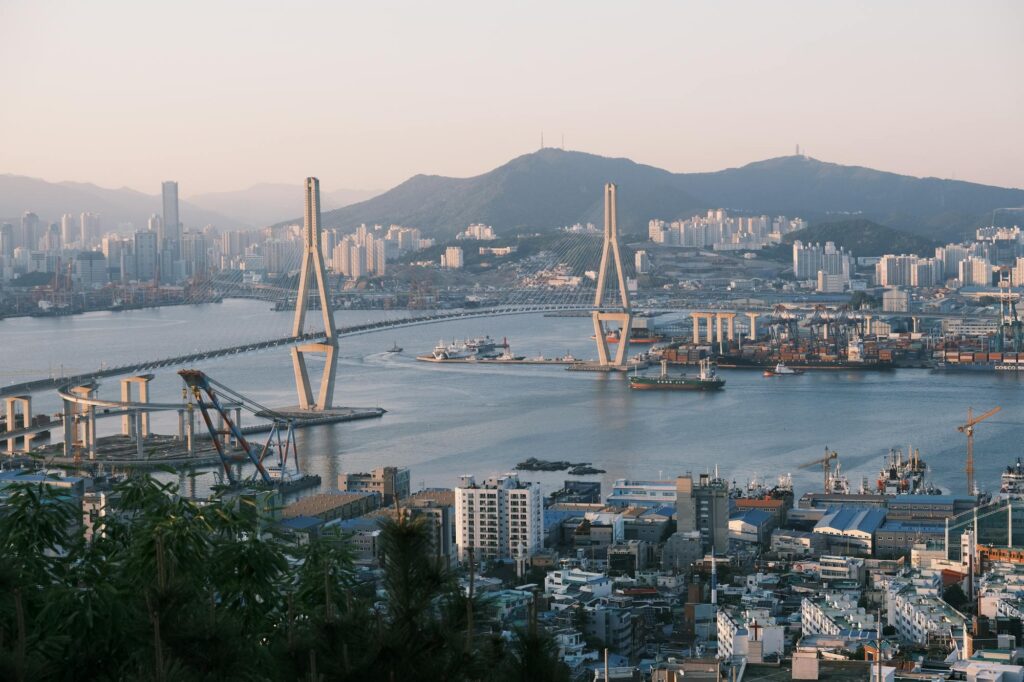
Busan, South Korea’s second-largest city, combines beaches, mountains, and vibrant urban life. Haeundae Beach is the country’s most famous stretch of sand, while Gwangalli Beach offers nightlife and views of the lit-up Gwangan Bridge. Gamcheon Culture Village, with its hillside maze of colorful houses and murals, is one of the city’s most photographed spots. Haedong Yonggungsa Temple, set dramatically on a seaside cliff, is a rare coastal Buddhist temple. For food lovers, Jagalchi Fish Market is the place to sample fresh seafood straight from the vendors.
Busan is served by Gimhae International Airport (30 minutes from downtown) and connected to Seoul by KTX high-speed train in 2.5 hours. The city’s metro system is convenient for most attractions, while buses and taxis connect coastal areas and mountain temples.
Gyeongju
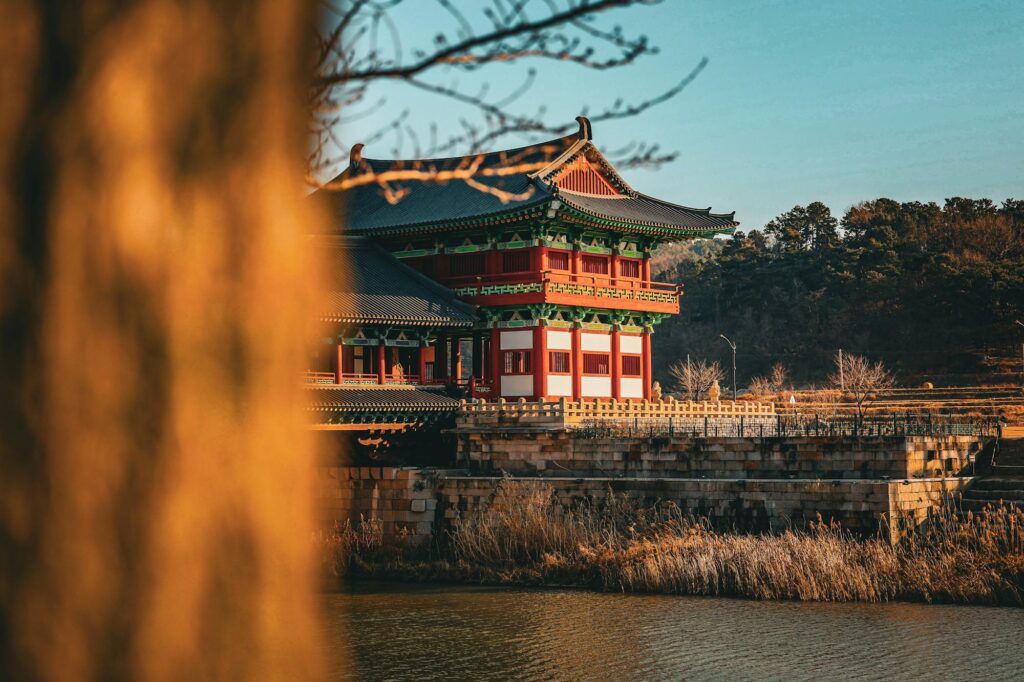
Gyeongju, the former capital of the Silla Kingdom (57 BCE–935 CE), is often called “the museum without walls” thanks to its wealth of UNESCO sites. Bulguksa Temple and nearby Seokguram Grotto are spiritual landmarks showcasing Buddhist art and architecture. Tumuli Park features grass-covered burial mounds of Silla royalty, while Cheomseongdae Observatory, built in the 7th century, is Asia’s oldest surviving astronomical observatory. Anapji Pond, beautifully illuminated at night, reflects reconstructed Silla pavilions and gardens.
Gyeongju is 1 hour from Busan by KTX train and 2.5 hours from Seoul. Local buses, taxis, and bike rentals make it easy to reach temples, tombs, and heritage sites scattered around the city.
Jeonju
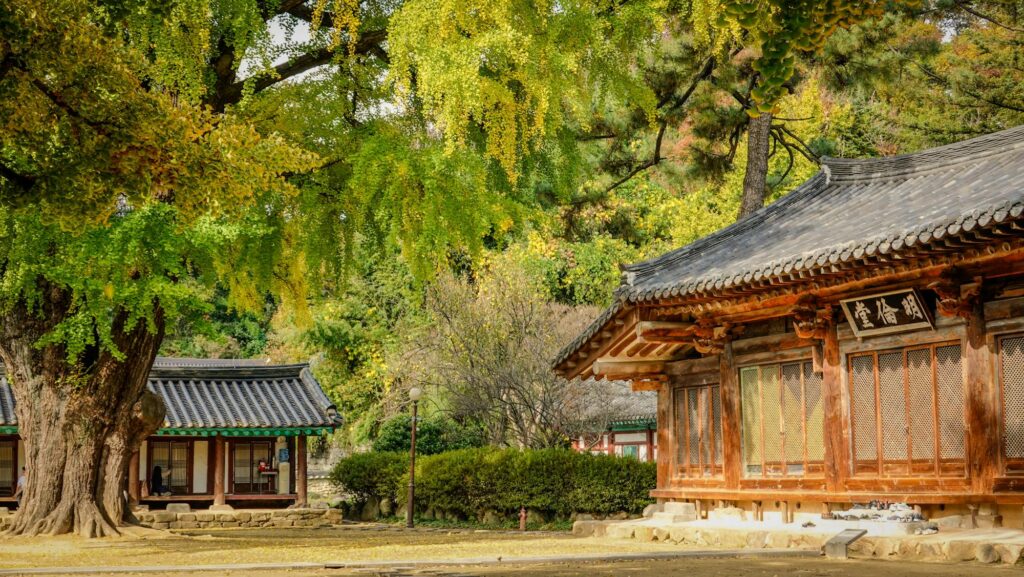
Jeonju, in southwestern Korea, is known as the country’s cultural heart and the birthplace of its most famous dish, bibimbap. The Jeonju Hanok Village, with over 700 preserved hanok houses, is the city’s highlight – visitors can stay overnight in traditional guesthouses, sample street food, or join craft workshops. The Gyeonggijeon Shrine, built in 1410, houses portraits of King Taejo, founder of the Joseon Dynasty, and offers insight into Korea’s royal heritage.
Jeonju is about 3 hours from Seoul by express bus or 1.5 hours by KTX train via Iksan. The city is compact and best explored on foot or by rental bike, especially around the Hanok Village. Food lovers should not miss Jeonju’s bibimbap, makgeolli (rice wine), and a thriving night market scene.
Suwon
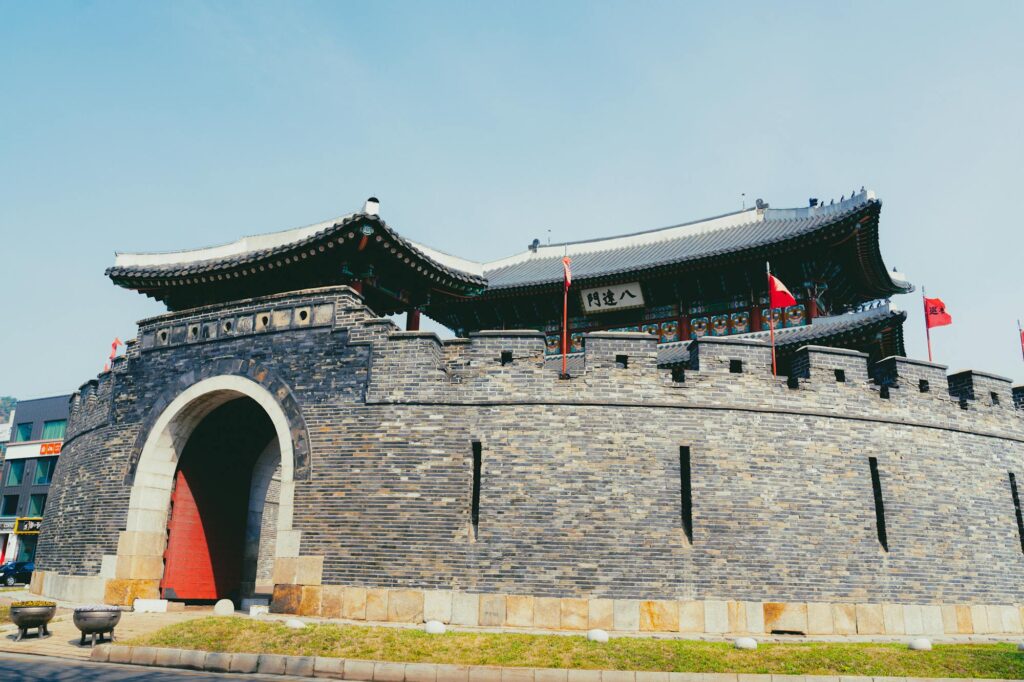
Suwon, just 30 km south of Seoul, is best known for the UNESCO-listed Hwaseong Fortress. Built in the 18th century by King Jeongjo, its 5.7 km of walls, gates, and watchtowers can be explored on foot, with night illuminations adding extra atmosphere. Beyond history, Suwon has a modern side: the Samsung Innovation Museum traces the rise of Korea’s tech giant. The city is also famous nationwide for its style of Korean fried chicken, best enjoyed in local restaurants near the fortress.
Best Natural Attractions in Korea
Jeju Island
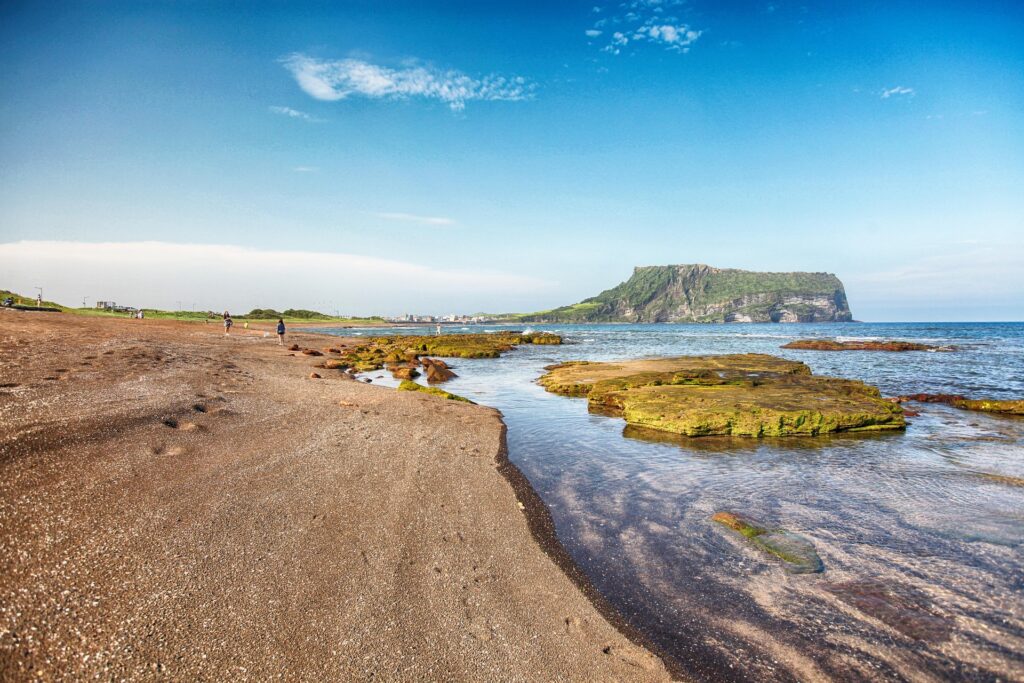
Jeju, South Korea’s largest island and a UNESCO-listed natural wonder, is famous for volcanic landscapes, waterfalls, and beaches. Hallasan (1,947 m), Korea’s highest peak, offers hiking trails with sweeping views, while the Manjanggul Lava Tube stretches for 7 km underground, showcasing one of the world’s longest lava caves. Coastal highlights include Jeongbang and Cheonjiyeon Waterfalls, Hamdeok Beach with turquoise water, and quirky attractions like the Teddy Bear Museum. A cultural highlight is watching the Haenyeo – traditional women divers who free-dive for seafood, a practice recognized by UNESCO.
Direct flights from Seoul to Jeju take just 1 hour, making it Korea’s busiest domestic air route. Ferries also connect Jeju with Busan and Mokpo. On the island, rental cars are the most convenient for exploring, though buses reach most major sights.
Seoraksan National Park
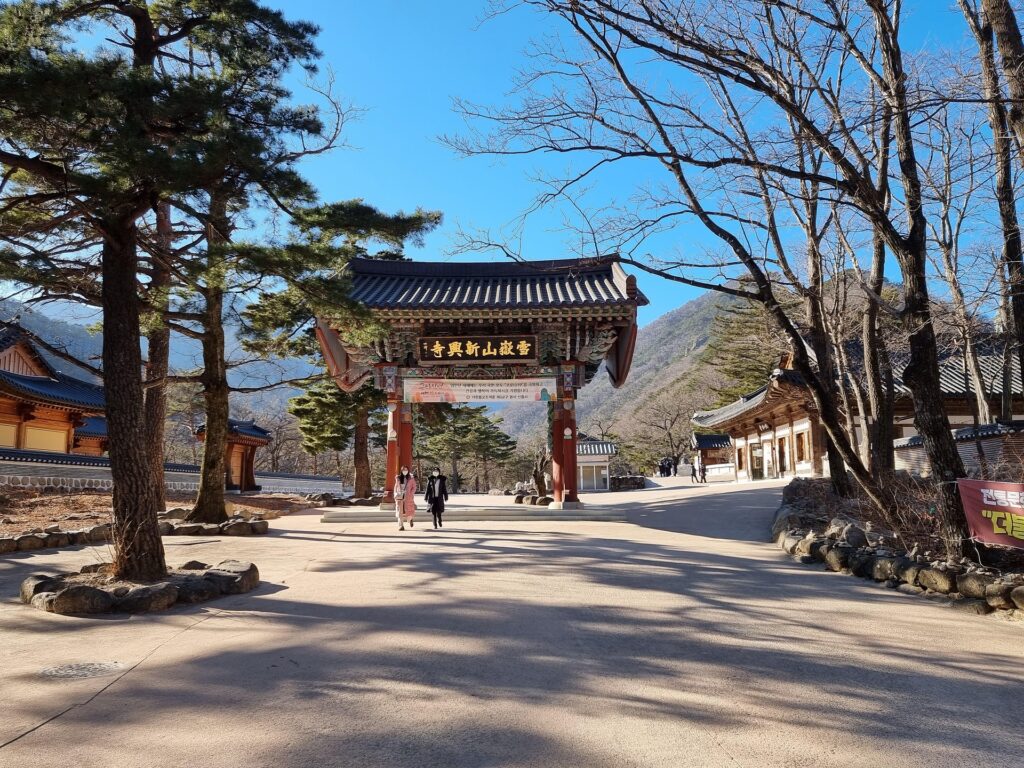
Seoraksan, in northeastern Korea, is one of the country’s most famous national parks, known for jagged granite peaks, waterfalls, and brilliant autumn foliage. Popular hikes include the trail to Ulsanbawi Rock, a tough 3–4 hour climb rewarded with sweeping views, and shorter walks to Biryong Falls. A cable car from the park entrance takes visitors up to Gwongeumseong Fortress, offering an easier way to enjoy the scenery. The park is also home to Buddhist sites like Sinheungsa Temple, marked by a giant bronze Buddha.
The gateway town is Sokcho, a seaside city with fresh seafood markets and beaches, located 3 hours from Seoul by express bus. Local buses run from Sokcho to the park entrance in 20 minutes, and guesthouses near the gates make early starts for hikes convenient.
Nami Island
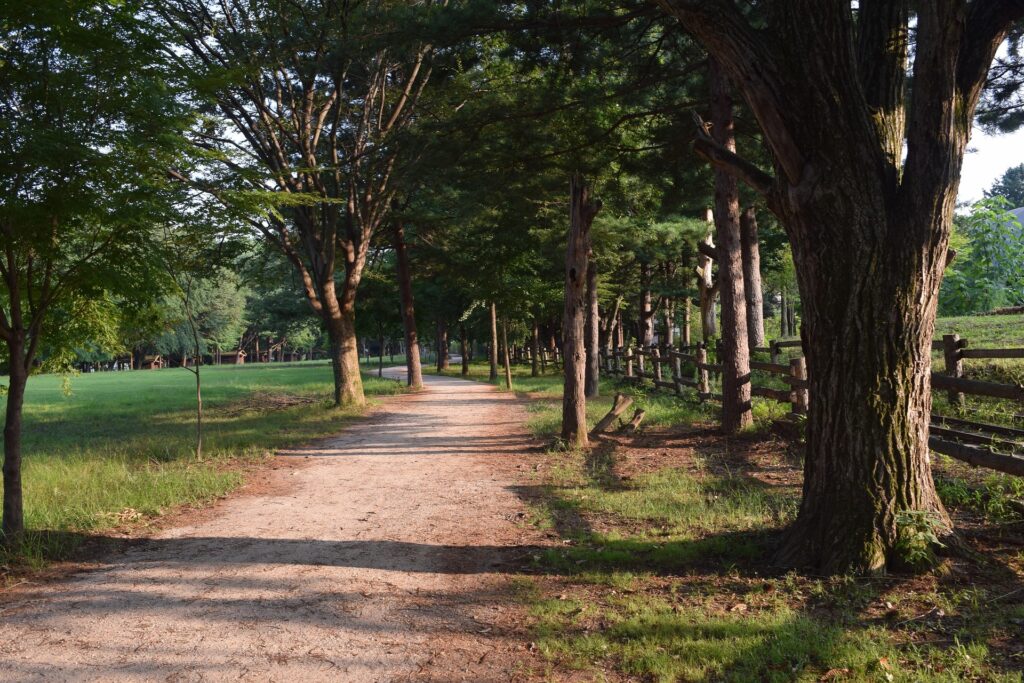
Nami Island, just outside Seoul, is famous for its tree-lined avenues of ginkgo and pine, made iconic by Korean dramas like Winter Sonata. Visitors rent bikes or stroll through landscaped paths, enjoy riverside views, and explore galleries and cafes dotted across the island.
Garden of Morning Calm
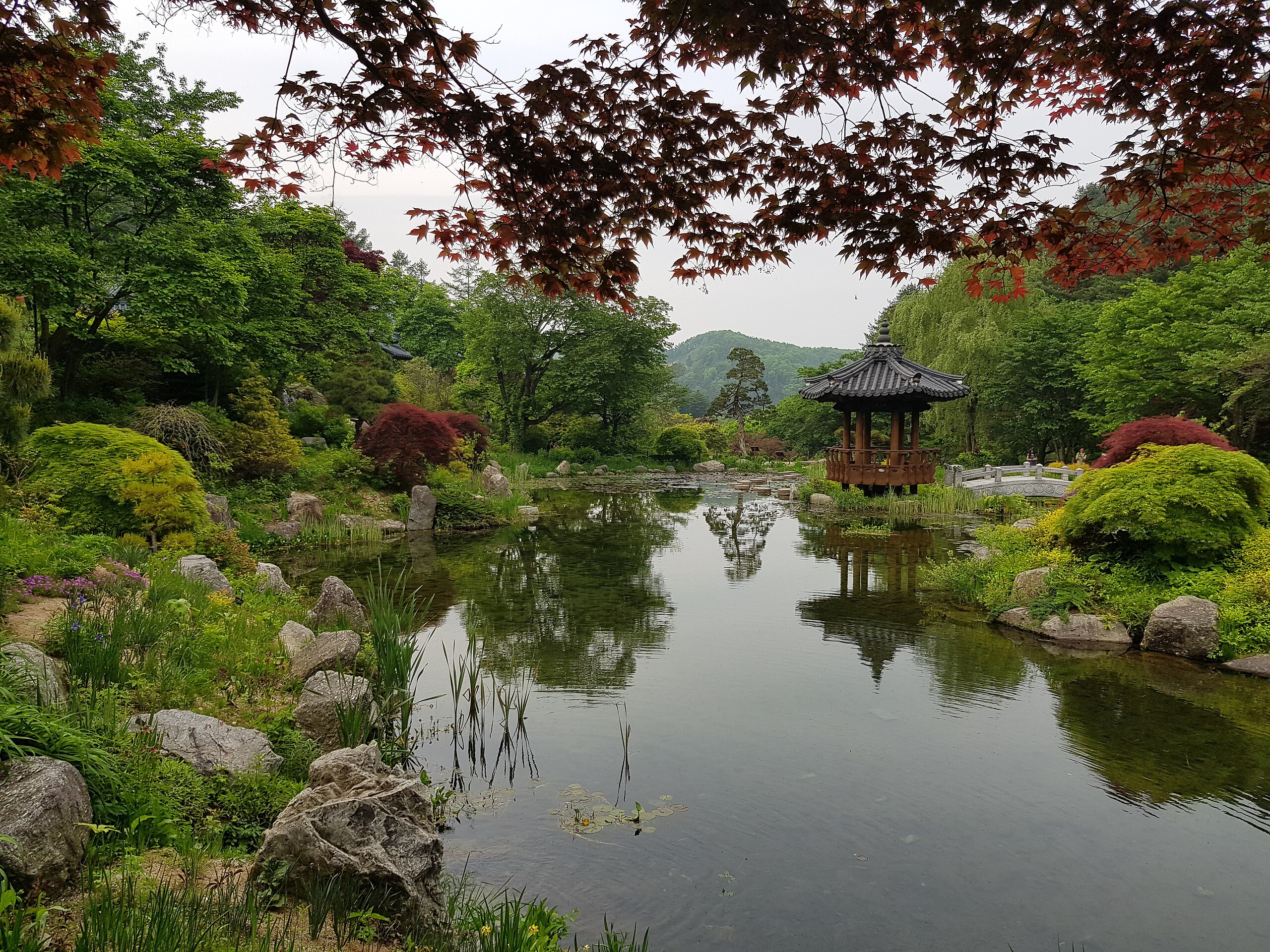
Nearby, the Garden of Morning Calm is one of Korea’s most beautiful botanical gardens, with themed sections showcasing seasonal flowers and traditional pavilions. It’s especially popular in spring for cherry blossoms and azaleas, and in winter for its illuminated Light Festival.
Nami Island is reached by ITX train (1 hour from Seoul) to Gapyeong Station, followed by a 5-minute ferry or zipline. The Garden of Morning Calm is 30 minutes from Gapyeong by shuttle bus or taxi, making it easy to combine both on a day trip.
Boseong Green Tea Fields
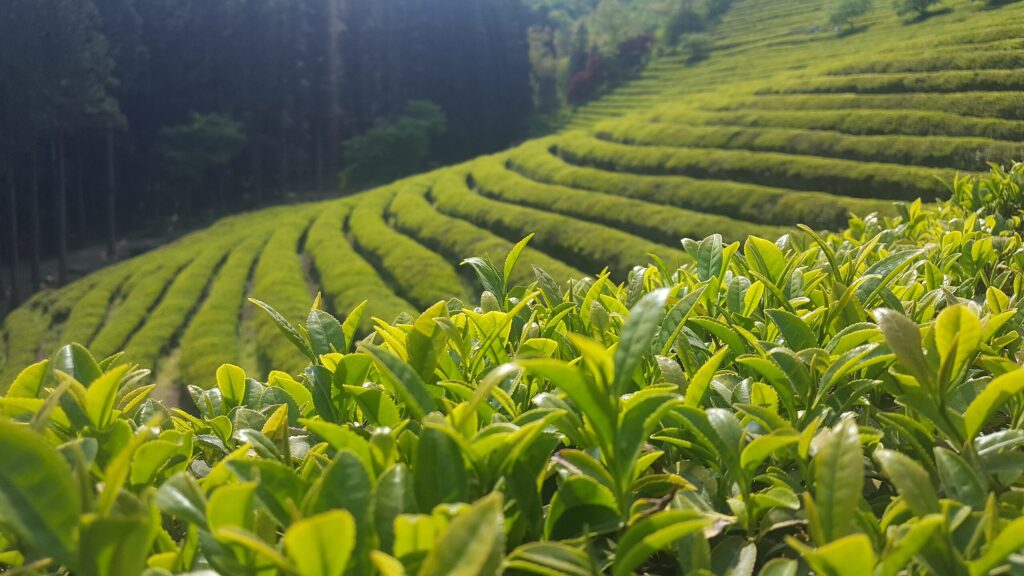
Boseong, in South Jeolla Province, is Korea’s most famous tea-growing region, with terraced plantations covering rolling hills. Visitors can stroll through the scenic fields, sample fresh green tea, and visit the Korea Tea Museum to learn about cultivation and traditions. The plantations are especially striking in May–June during the harvest season, and the Boseong Green Tea Festival offers tastings, tea ceremonies, and cultural performances.
Boseong is about 5 hours from Seoul by KTX train and bus, or 1.5 hours from Gwangju. Local buses and taxis connect the town to the tea fields, and guesthouses nearby offer overnight stays amid the plantations.
Ulleungdo
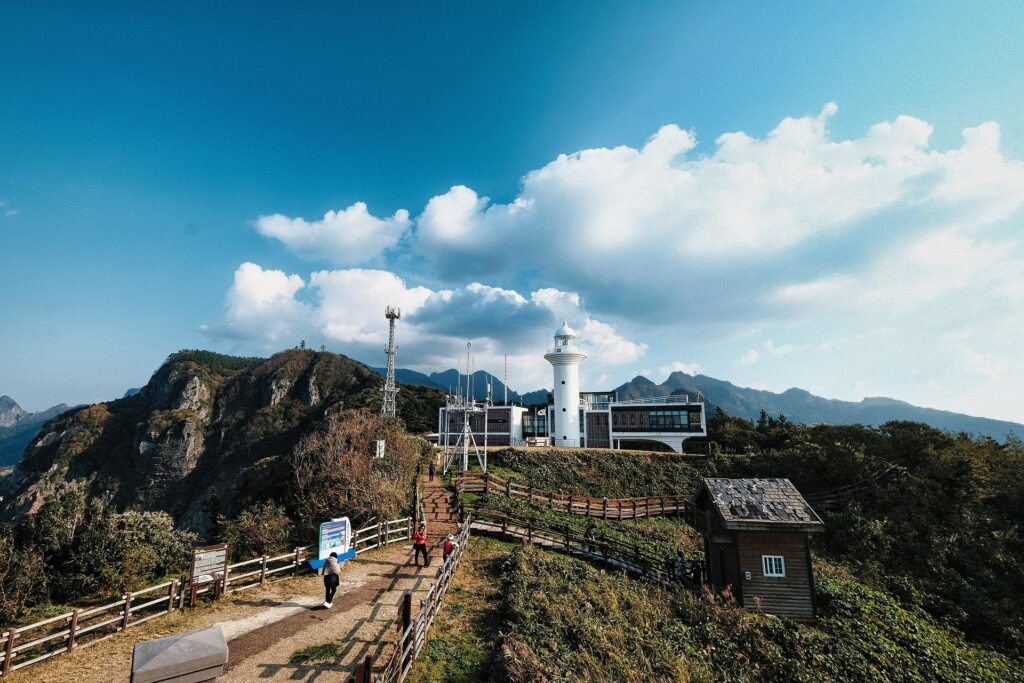
Ulleungdo, in the East Sea about 120 km off Korea’s coast, is a volcanic island known for its dramatic cliffs, clear waters, and seafood specialties like squid. Hiking trails circle the island, with highlights including Seonginbong Peak (984 m) and coastal viewpoints. Visitors can also enjoy diving, fishing, and boat tours around sheer rock formations such as Elephant Rock.
Dokdo Islands
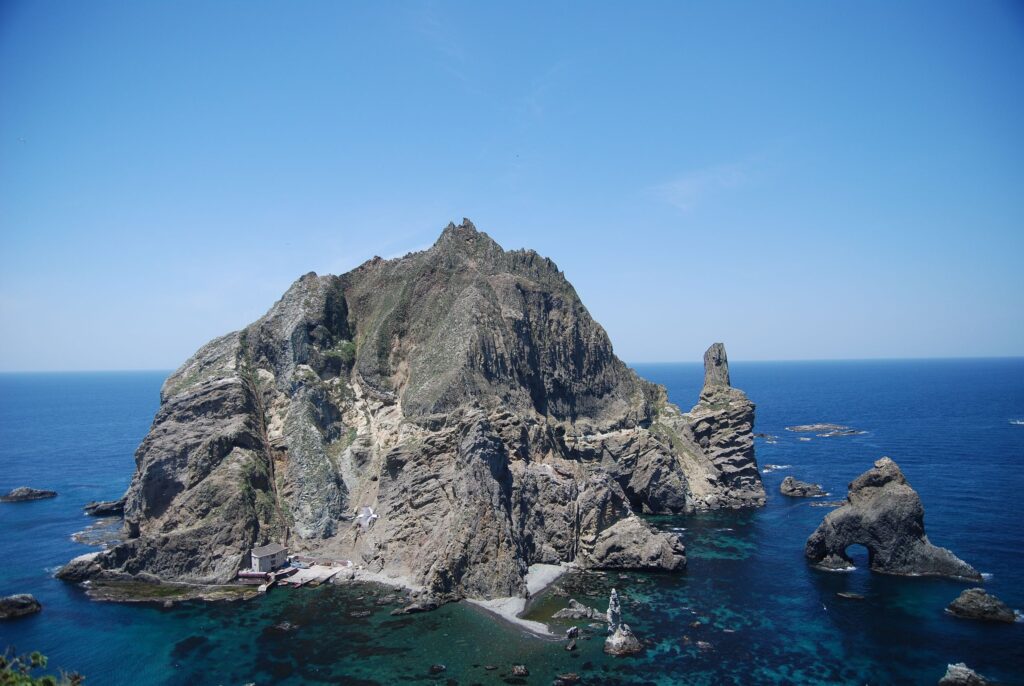
Dokdo, a tiny rocky islet 90 km further east, is both politically symbolic and naturally striking. Though inhabited only by a small guard detachment, it is open to visitors on day trips from Ulleungdo, weather permitting. The islands are important for Korea’s maritime identity and attract travelers seeking remote, wild scenery.
Hidden Gems of South Korea
Tongyeong
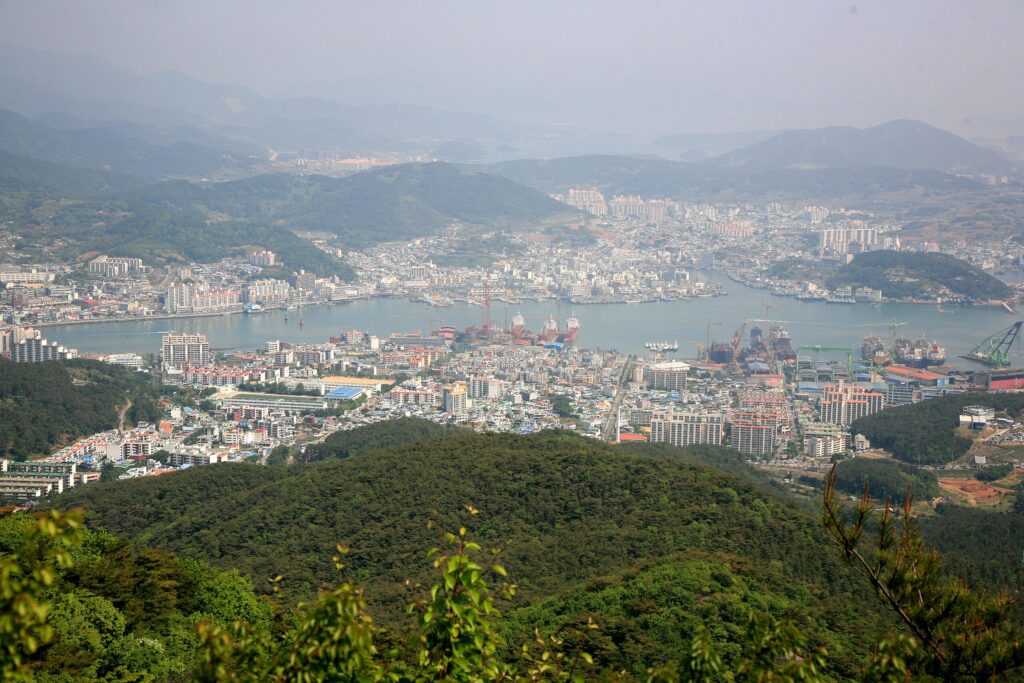
Tongyeong, a coastal city in southern Korea, is known for its harbor views, seafood, and artistic charm. The Mireuksan Cable Car takes visitors up to panoramic views of the coastline and scattered islands. Dongpirang Mural Village, once a hillside slated for demolition, has been transformed into a colorful art district with murals and cafes. The city is also famous for seafood markets and local specialties like Chungmu gimbap (rice rolls served with spicy squid).
Damyang
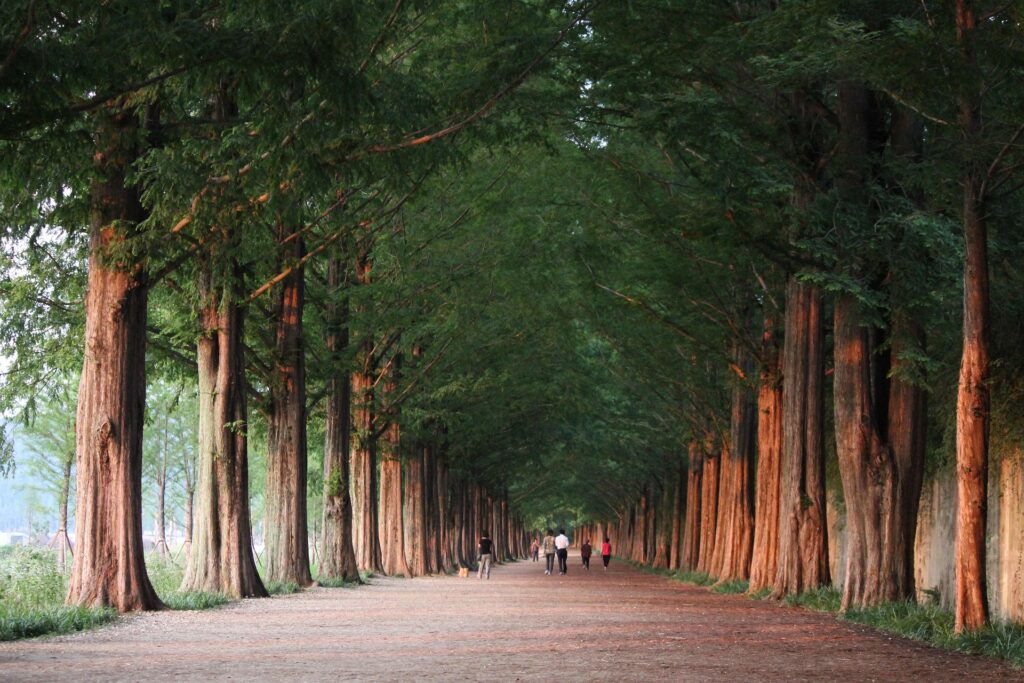
Damyang, in South Jeolla Province, is famous for its lush landscapes and bamboo culture. The Juknokwon Bamboo Forest is the highlight, with walking trails through towering bamboo groves, pavilions, and tea houses. Another must-see is the Metasequoia-lined Road, a picturesque avenue perfect for cycling or leisurely walks. Visitors can also explore Gwanbangjerim Forest, home to centuries-old trees, and sample bamboo-based cuisine such as bamboo rice and tea.
Andong Hahoe Folk Village
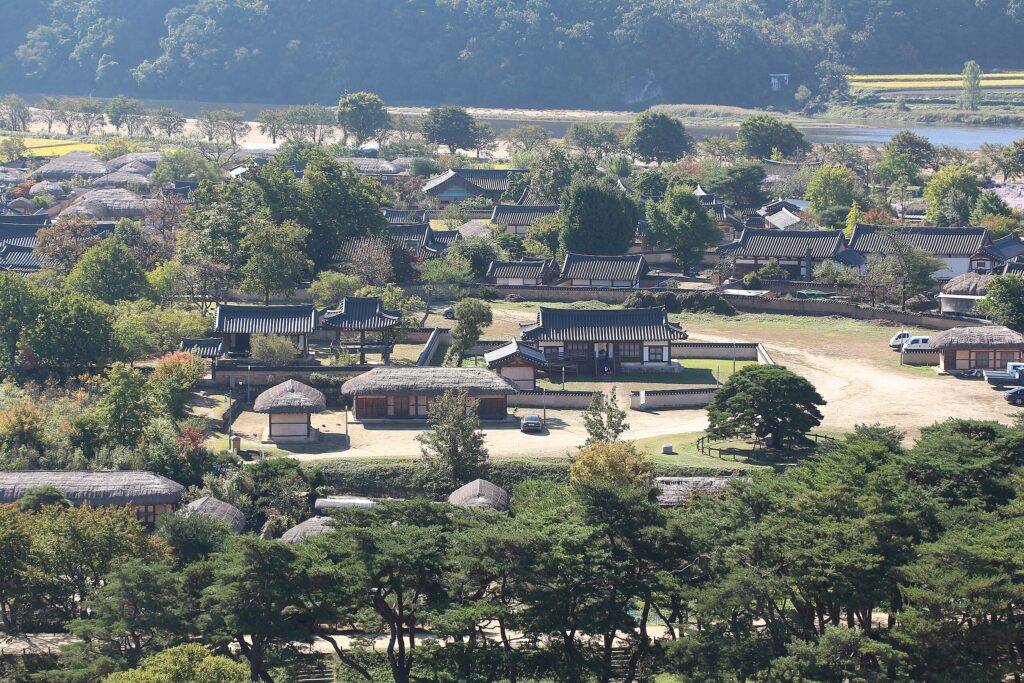
Hahoe Folk Village, near Andong, is a UNESCO World Heritage Site showcasing traditional Korean culture. The village preserves Joseon-era hanok houses, pavilions, and Confucian schools, still inhabited by the Ryu clan for over 600 years. Visitors can watch the famous Hahoe Mask Dance, learn about Confucian traditions, and stay in hanok homestays for an immersive cultural experience. The surrounding area includes Buyongdae Cliff, offering panoramic views of the village along the Nakdong River.
Gangjin & Daeheungsa Temple
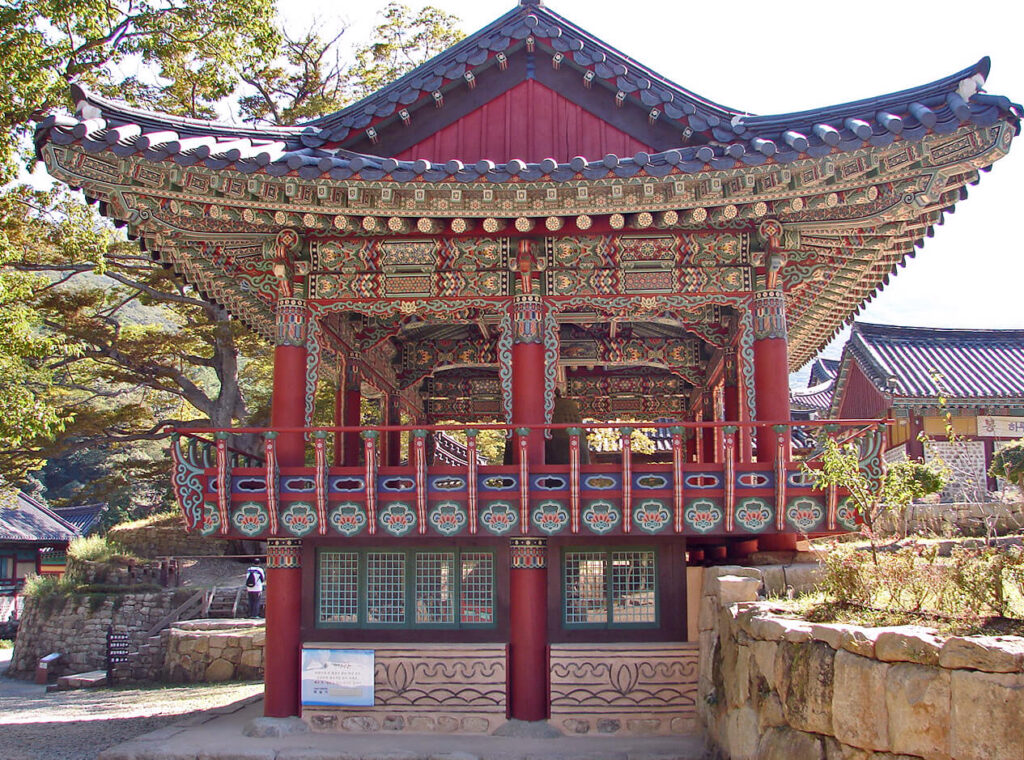
Gangjin, in South Jeolla Province, is famous as Korea’s celadon pottery capital. The Gangjin Celadon Museum and local kilns showcase Goryeo-era techniques, and visitors can try their hand at pottery-making. Nearby Daeheungsa Temple, nestled in Duryunsan Mountain, is a major Zen Buddhist center offering temple stay programs where guests can join meditation, tea ceremonies, and monastic meals.
Gochang Dolmen Sites
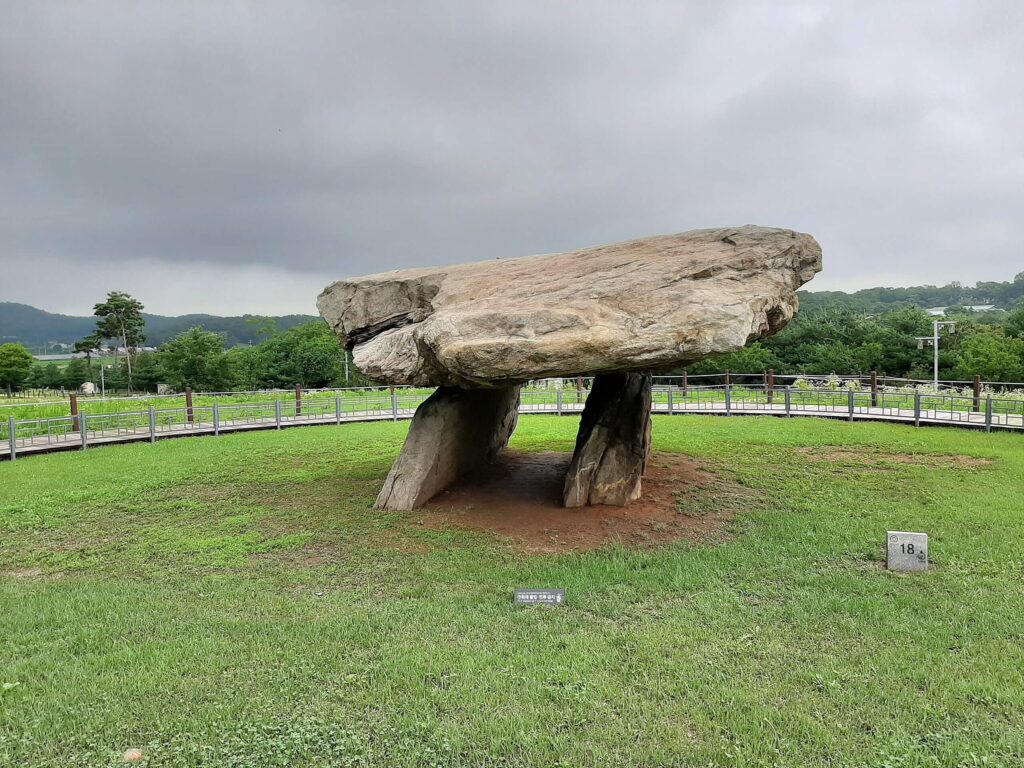
The Gochang Dolmen Sites, a UNESCO World Heritage Site, contain one of the world’s largest collections of prehistoric stone tombs. Over 440 dolmens, dating back to the 1st millennium BCE, are scattered across the countryside, offering a glimpse into Korea’s megalithic culture. Walking trails connect the main clusters, and the Gochang Dolmen Museum provides context on how these massive stones were built and used.
Gochang is about 1.5 hours by bus from Gwangju or 4 hours from Seoul. Local buses and taxis connect the museum and dolmen fields, while nearby guesthouses and farm stays make it possible to stay overnight in the countryside.
Yeosu
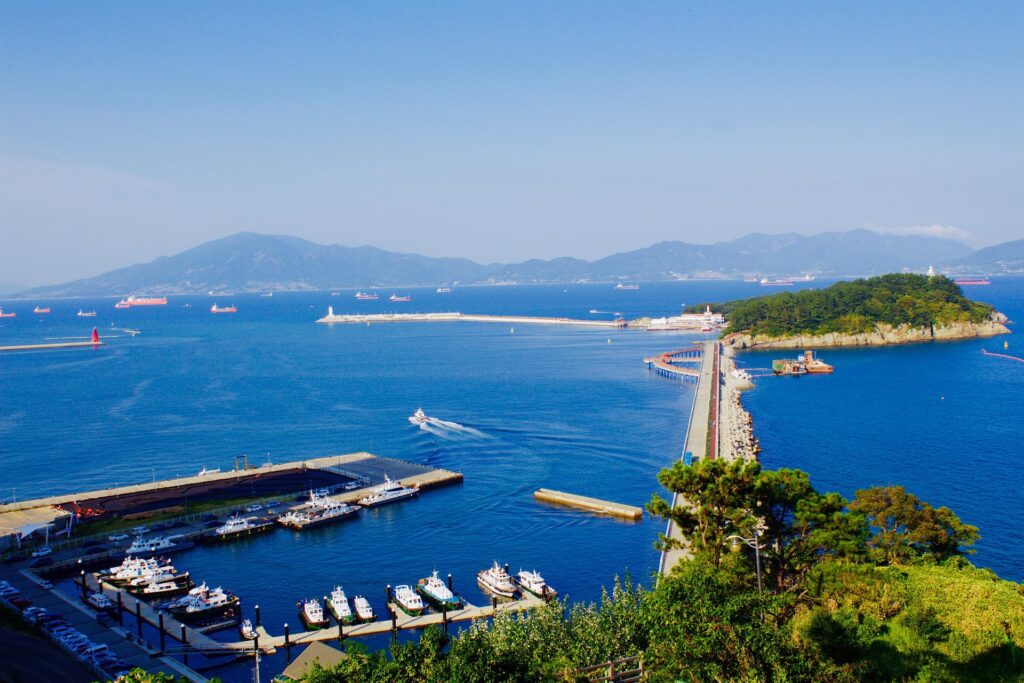
Yeosu, a coastal city in South Jeolla Province, is known for its dramatic seaside views and historic temples. Hyangiram Hermitage, perched on a cliff overlooking the ocean, is a popular pilgrimage site with stunning sunrise views. Odongdo Island, connected to the mainland by a causeway, is famous for its camellia forest and coastal walking paths. The Yeosu Cable Car, one of the longest in Asia, offers panoramic rides across the bay, especially beautiful at night.
Jirisan National Park
Jirisan, Korea’s second-highest mountain range, is the country’s largest national park and a top trekking destination. Its highest peak, Cheonwangbong (1,915 m), can be reached on multi-day treks, with mountain shelters along the way. Shorter trails lead to waterfalls, valleys, and the famous Hwaeomsa Temple, one of Korea’s most important Buddhist temples, where temple stay programs offer meditation and lodging.
Jirisan spans three provinces, with entrances near Gurye, Hadong, and Namwon. The park is reachable by bus or train from Seoul (3–4 hours) to these towns, followed by local buses or taxis to trailheads. Trekkers should book shelters in advance for overnight hikes.
Travel Tips
Visa
Entry requirements for South Korea vary by nationality. Many travelers can enjoy visa-free access for short stays, while others may apply for a K-ETA (Korea Electronic Travel Authorization) online before arrival. For longer stays or specific purposes, a visa must be arranged in advance. Always check the latest rules before traveling, as policies can change.
Transport
South Korea has one of the most advanced and convenient transport systems in Asia. The KTX high-speed trains connect Seoul with major cities such as Busan, Daegu, and Gwangju in just a few hours, making cross-country travel quick and efficient. Within cities, subway systems in Seoul, Busan, and Daegu are reliable, affordable, and easy to navigate, with signs in both Korean and English.
For everyday travel, the T-money card is essential – it works seamlessly on buses, subways, and even taxis. Short distances are easily covered by taxis or ride-hailing apps. Renting a car is possible, especially useful for exploring rural areas like Jeju Island or the countryside, but travelers must hold an International Driving Permit along with their home license. Driving in cities can be stressful due to traffic, so many visitors rely on public transport instead.
Currency & Language
The national currency is the South Korean Won (KRW). Credit cards are widely accepted, even in smaller shops and restaurants, though cash is still handy for markets or rural areas.
The official language is Korean, and while English is commonly understood in major tourist hubs, signage and communication may be limited in rural regions. Learning a few basic Korean phrases or using a translation app can make travel smoother and more enjoyable.

Published August 20, 2025 • 11m to read