

Somalia is shaped by a long Indian Ocean coastline, historic port cities, and expansive arid landscapes. Where travel is currently feasible, the experience is defined less by tourism infrastructure and more by atmosphere. Coastal life, markets, seafaring traditions, and strong local identity form the core of what visitors encounter, along with a sense of distance from established travel routes.
Somalia is only suitable for highly experienced travelers with a culture-first approach. It can appeal to those interested in historic trading networks, old port towns, and coastal regions, but only in areas where access is considered appropriate. Planning is critical. Security conditions and permissions vary widely by region and can change quickly. Travel should only be undertaken with thorough preparation, trusted local partners, and up-to-date professional guidance. This is not a destination for improvised or independent travel.
Best Cities in Somalia
Mogadishu
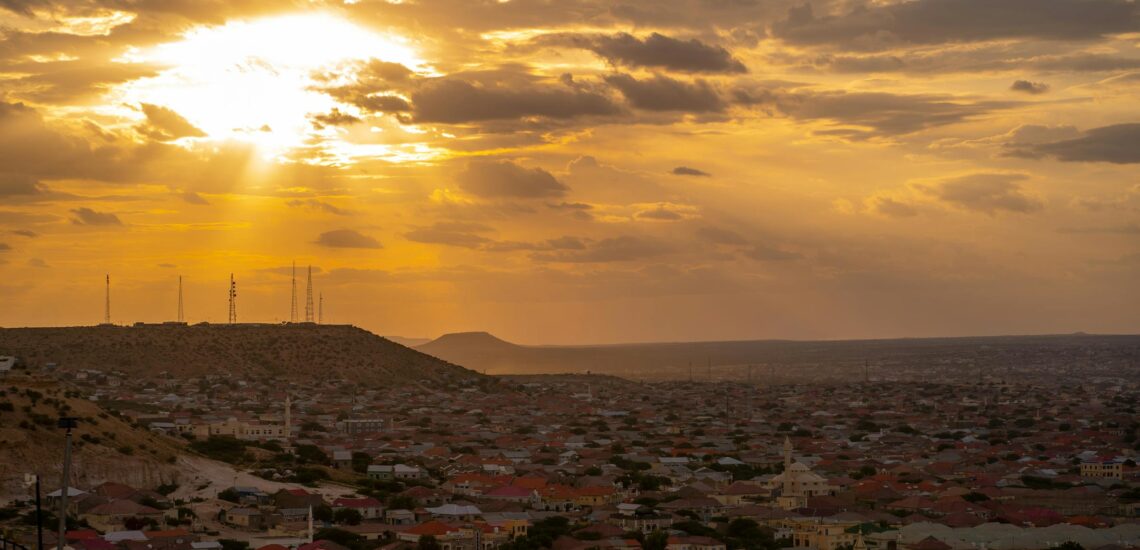
Mogadishu is Somalia’s main Indian Ocean city and, where access is appropriate, it can be a distinctive stop for coastal atmosphere, everyday urban energy, and a memorable food culture. Historically it was a major Swahili Coast trading city, later shaped by centuries of Indian Ocean commerce, Ottoman and Italian-era influence, and modern Somali life, which is why the city’s identity feels both coastal and intensely local. The most rewarding time is usually spent on simple, well-planned experiences: a guided, daylight walk in districts your hosts consider suitable, a controlled visit to a waterfront area for sea views and evening light, and one or two structured cultural stops that fit current conditions. Food is often the highlight, lean into grilled fish and seafood, spiced rice dishes, sambuus, fresh juices, and Somali tea in places your local contacts recommend.
Planning is primarily about conservative logistics. Keep routes short, avoid trying to “cover the whole city”, and let local hosts set the pace and decide what is sensible on the day, because suitability can change quickly. Most visitors arrive via Aden Adde International Airport, which is close to the central coastal districts in distance, but actual transfer time depends on routing and checks, so build buffer and do not stack multiple stops. In practice, Mogadishu works best as 1 to 2 nights if you want a taste of the city, and 3 nights if you want a slower routine that includes a dedicated food-focused evening and one calm coastal block without rushing.
Hargeisa
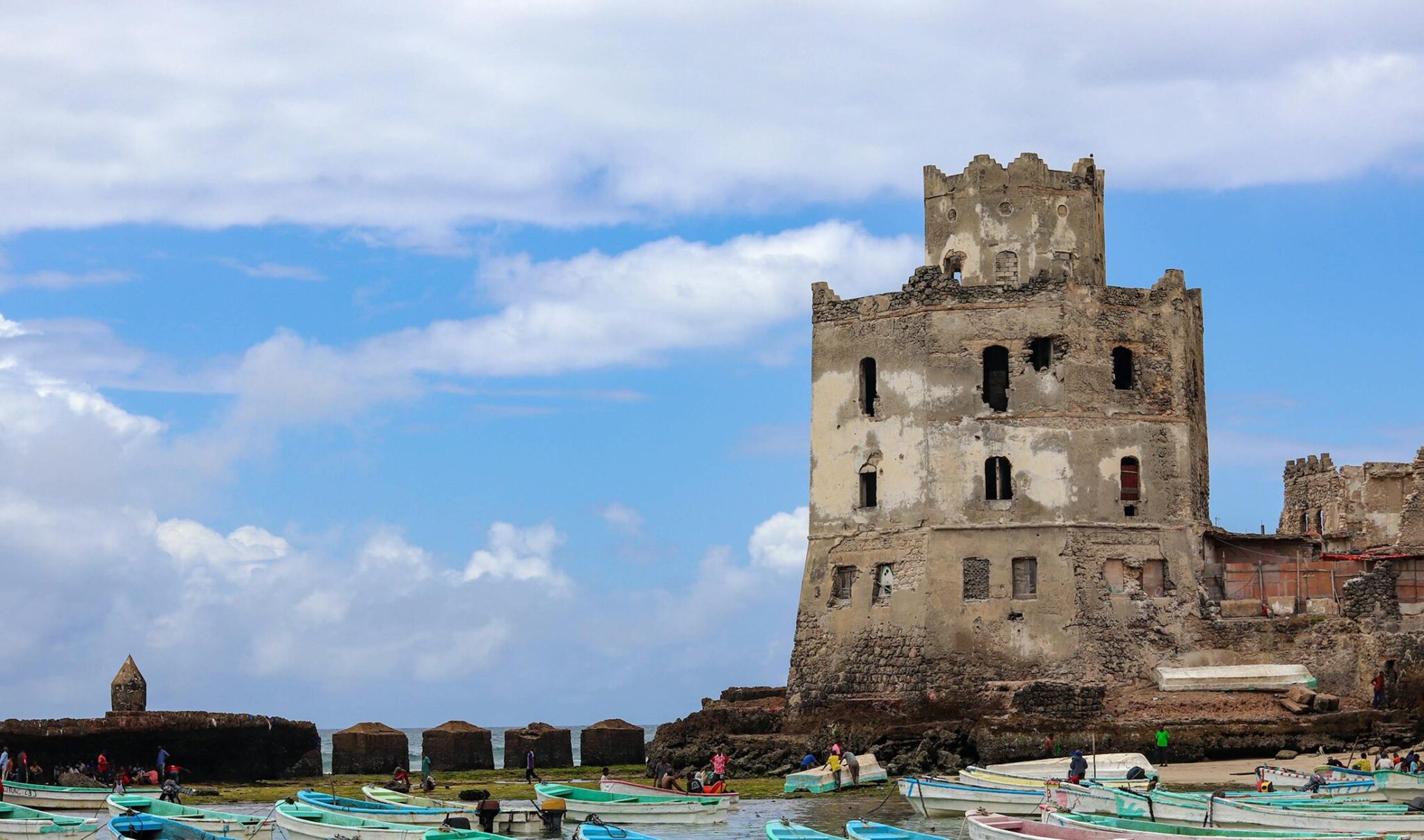
Hargeisa is the most practical base in Somaliland for both logistics and cultural context, and it rewards a short, focused city plan. The city’s daily life is best felt in its markets, especially the central market areas where you will see textiles, incense, spices, electronics, and locally made items side by side, plus money-changing and everyday trading that gives a clear sense of how the city functions. For cultural depth, prioritize one or two small institutions rather than trying to “museum hop”: the Hargeisa Cultural Center is often the most accessible place for exhibitions and public programming, while the Somaliland National Museum and the main monuments around the city help frame modern identity, recent history, and the region’s political story. A good rhythm is a morning market block, a midday cultural stop, then a calmer late-afternoon café or restaurant window, keeping movement conservative and daylight-focused.
Use Hargeisa as your staging point for day trips, because it is where permissions, transport, and reliable guides are easiest to organize. The standout excursion is Laas Geel, one of the most important rock-art sites in the region, typically done as a guided half-day to full-day trip with access handled locally. Other practical add-ons include Berbera on the coast for a different climate and seafront atmosphere, or the cooler Sheikh highlands if you want a scenery break and fresher air.
Berbera
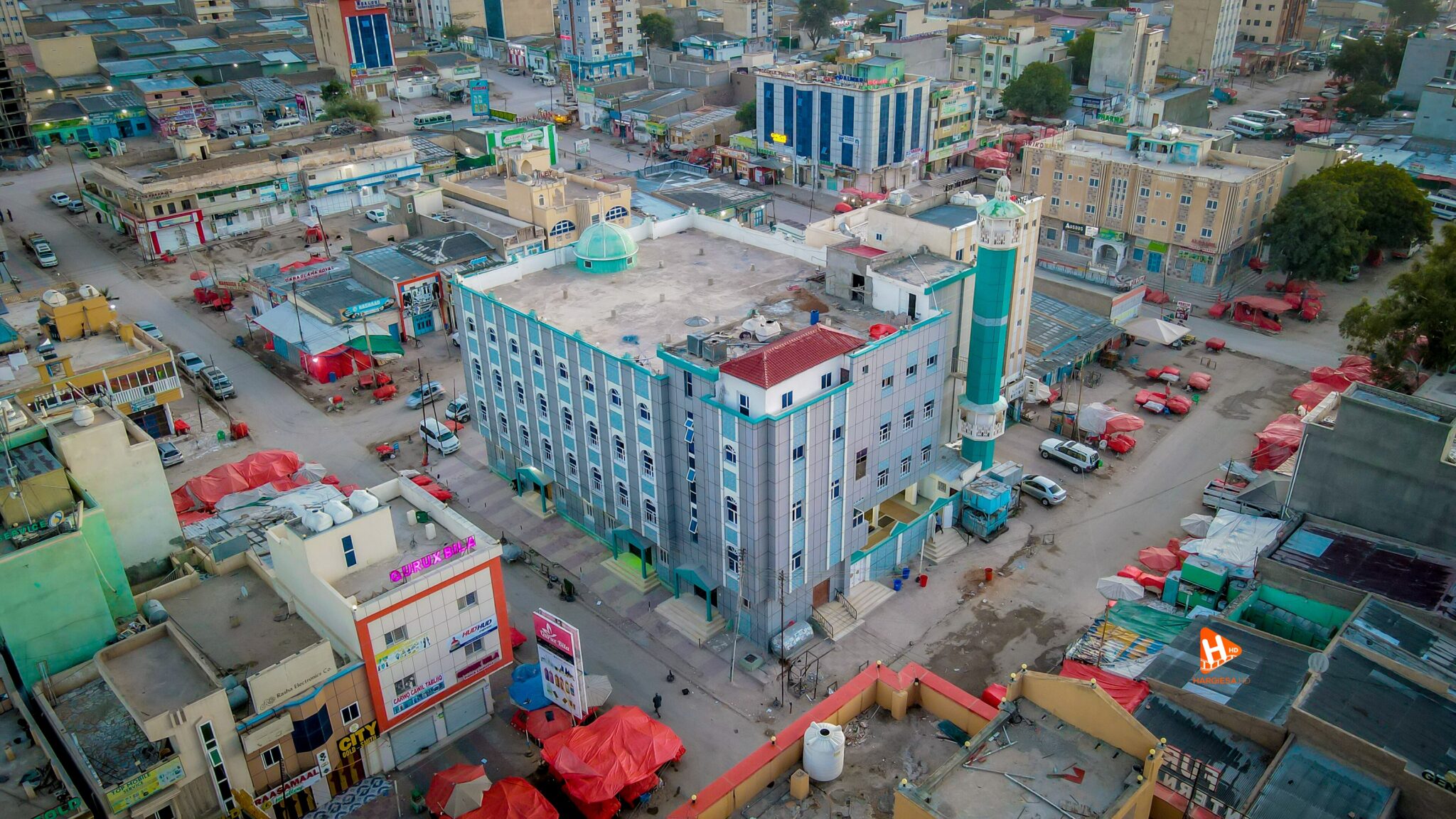
Berbera is Somaliland’s main port on the Gulf of Aden and it feels like a true coastal reset after inland time in Hargeisa. The appeal is simple and place-driven: a warm sea breeze, long open beach stretches, and the everyday maritime rhythm of a working port city. The best experiences are low-key ones you can do without over-planning: a slow morning walk along the waterfront, a look at the port area from appropriate public vantage points, a fish-first lunch when the catch is fresh, and a late-afternoon beach session when the light softens. If you have a vehicle and a local driver, short coastal drives can be the highlight, because the scenery opens up quickly and you can find quieter stretches for swimming, photos, and sunset.
Plan around heat and wind, because Berbera can feel intense in the middle of the day. The most comfortable pattern is early morning beach time, then shade and rest through midday, then return to the water in late afternoon. Bring more water than you think you need, plus sun protection and something for shade if your beach stop is not at a serviced hotel. From Hargeisa, Berbera is roughly 140 to 160 km and typically 2.5 to 3.5 hours by road depending on checks and traffic, so it works well as a one-night add-on, and better as two nights if you want a real sea break rather than a quick look.
Best Natural Places in Somalia
Somali coastline (Indian Ocean and Gulf of Aden)
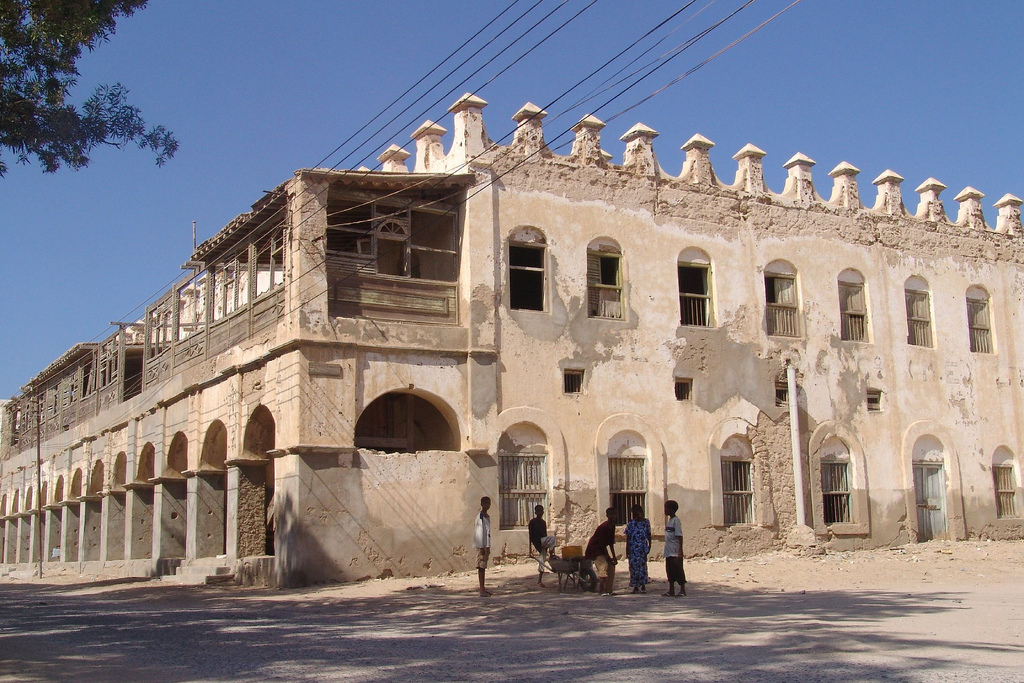
Somalia’s coastline, stretching from the Gulf of Aden in the north to the Indian Ocean in the south, is one of the country’s most striking natural assets: long, open beaches, wide horizons, and coastal communities shaped by fishing and maritime trade. Where access is considered appropriate, the most rewarding experiences are usually simple and place-led. Early-morning shoreline walks when the air is cooler, a fish-first meal timed to the day’s catch, and a short, locally arranged coastal outing often deliver more than trying to “tick off” multiple stops. The atmosphere changes by coast: the Gulf of Aden side can feel drier and windier with a rugged, desert-meets-sea look, while the Indian Ocean side is typically more humid with softer light and broader sandy stretches.
Sea activities should always be treated as conditions-dependent. Currents can be strong, surf and wind can change quickly, and safety services may be limited, so swimming is best kept to calm, sheltered areas your local hosts consider suitable. For any boat trip, use only trusted operators who provide clear safety practices, have well-maintained boats, and make conservative decisions when conditions are not right.
Golis Mountains
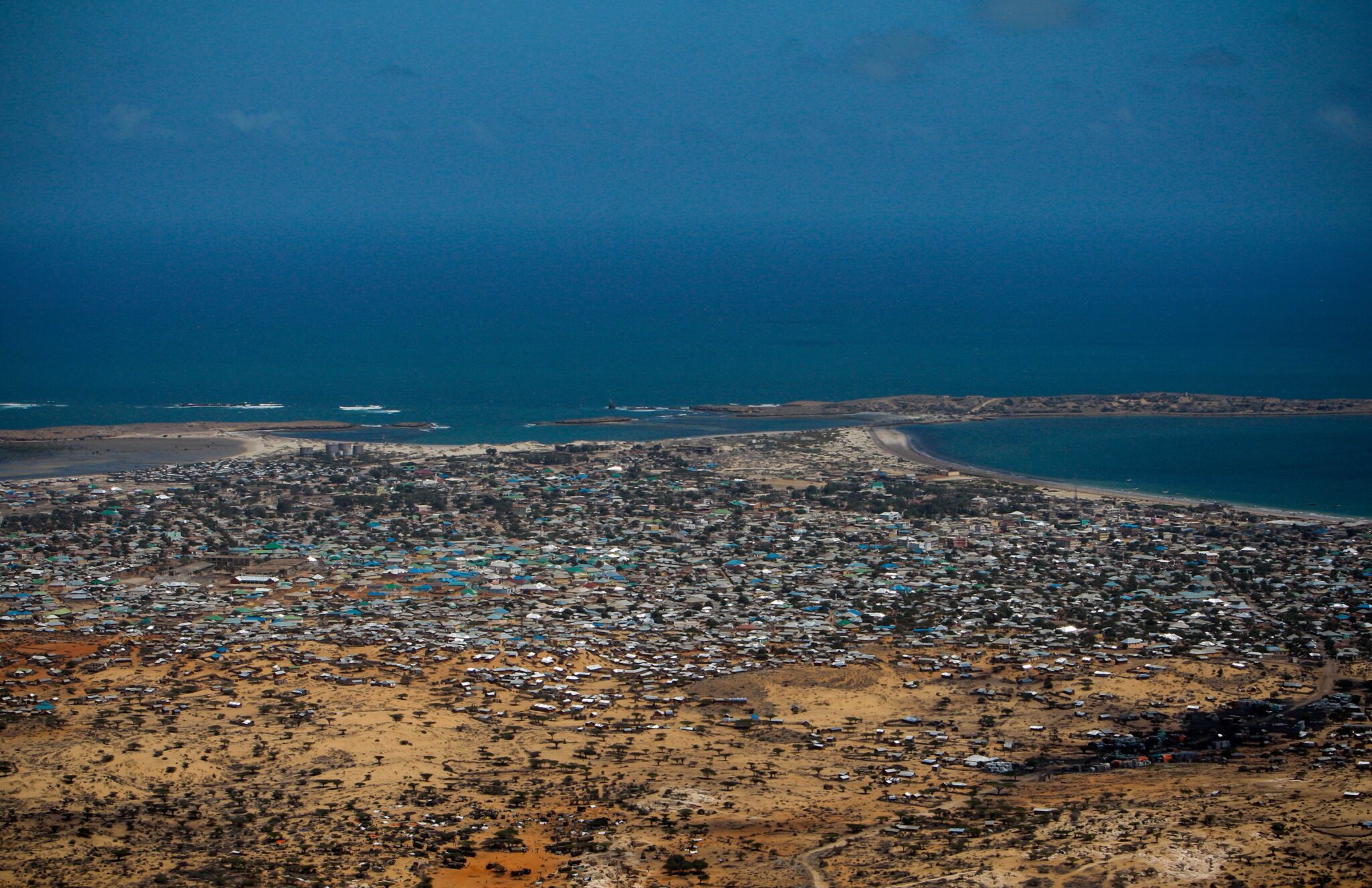
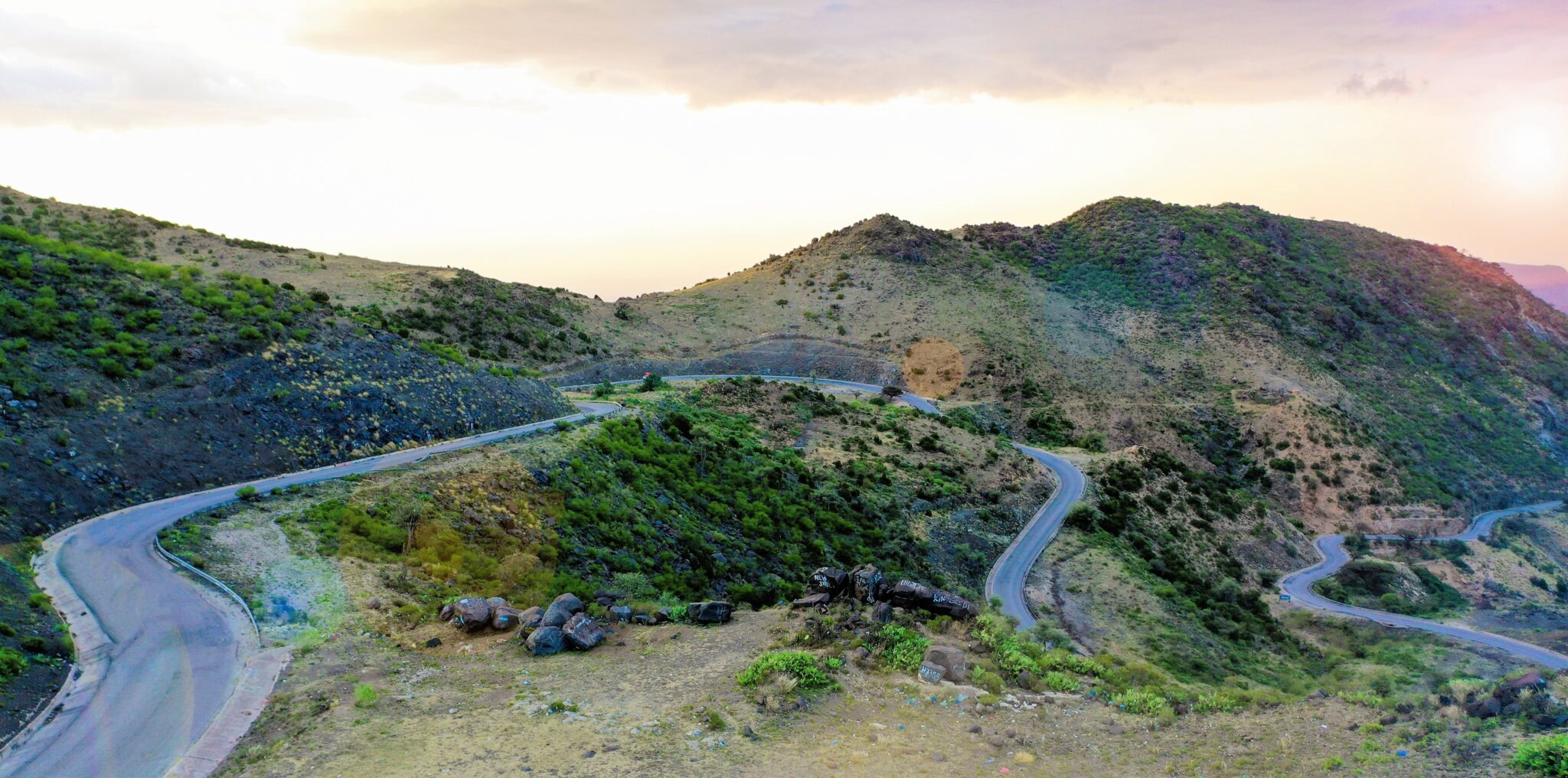
The Golis Mountains are Somaliland’s easiest “cool air” escape, rising quickly from the lowlands into higher ridgelines where temperatures drop and the scenery opens into wide horizons. The appeal is largely scenic and route-based: driving mountain passes, stopping at viewpoints on the ridgelines, and doing short nature walks that feel refreshing after city heat. The landscape is typically rugged and dry rather than lush, with big skies, layered hills, and long sightlines that make sunrise and late-afternoon light especially rewarding. For many travellers, the best experience is simply the contrast, you can go from coastal heat to crisp mountain air in the same day if conditions and routing allow.
Plan mountain time conservatively and treat timing as the main tool. Depart in the morning for clearer views, then build in a flexible window for fog or low cloud, which can reduce visibility and slow progress. Temperatures can drop quickly at elevation, especially with wind, so carry a warm layer even if you start in hot conditions, and keep water and snacks on hand because services can be limited outside towns.
Daallo Mountains
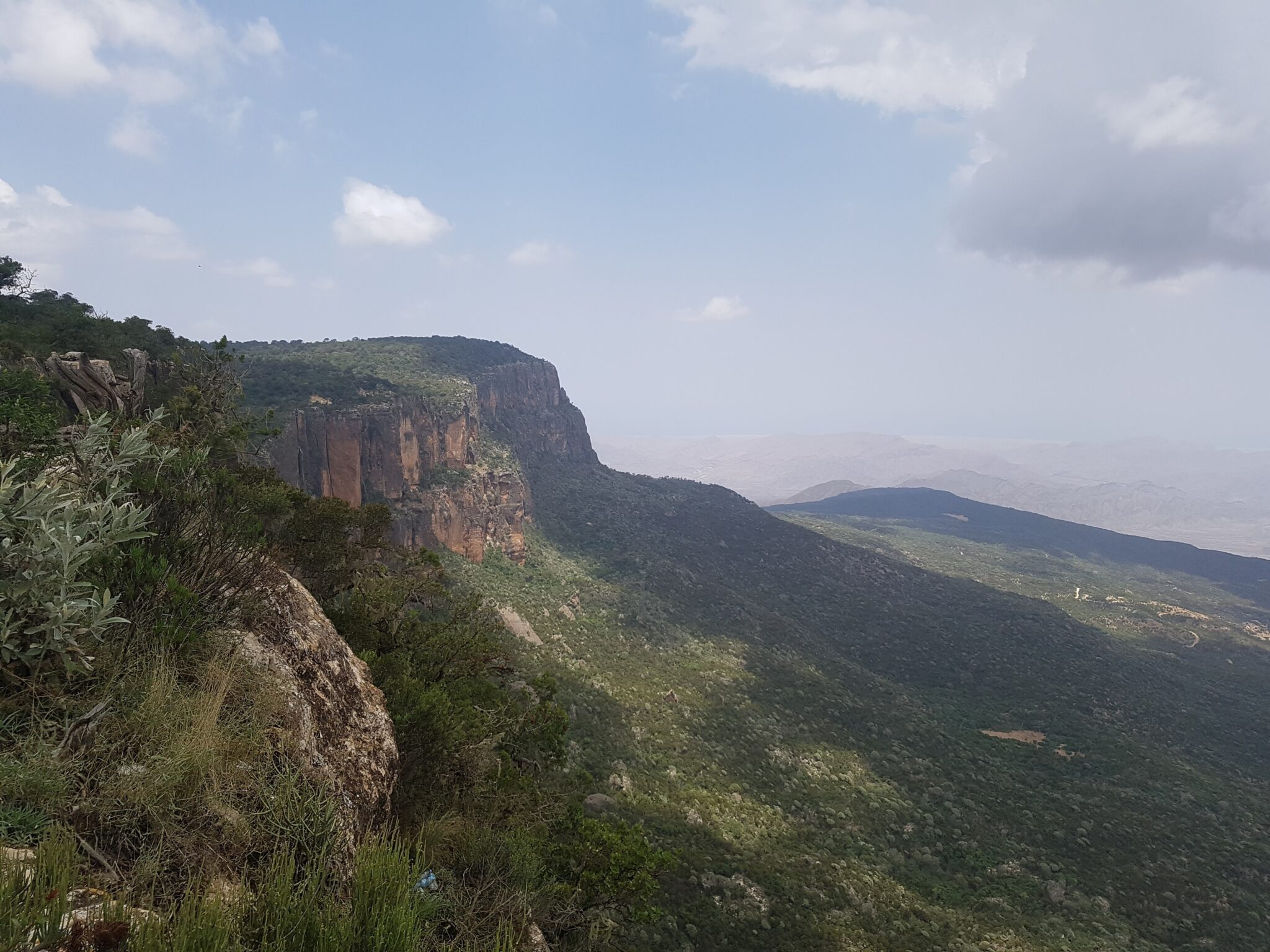
Daallo Mountains are one of Somaliland’s best “nature reset” areas because they offer a clear shift in climate and scenery, with cooler air, broad ridge views, and, in some sections, surprisingly green pockets for a region that is otherwise largely arid. The experience is intentionally simple: short walks for viewpoints, slow drives along passes and ridgelines, and quiet time in fresh air rather than a packed activity list. The scenery tends to be most rewarding early and late in the day, when light is softer and visibility is clearer, while midday can bring haze, wind, or low cloud that flattens the views.
Plan conservatively and build buffer time, since road conditions and travel times can be unpredictable. An overnight stay usually works better than trying to rush a long out-and-back day, because it lets you catch the best morning visibility and avoid driving the slowest sections under time pressure. Bring a warm layer even if you start in hot lowlands, carry water and snacks, and keep the plan focused on one or two viewpoints and a manageable walk.
Hidden Gems in Somalia
Laas Geel cave paintings
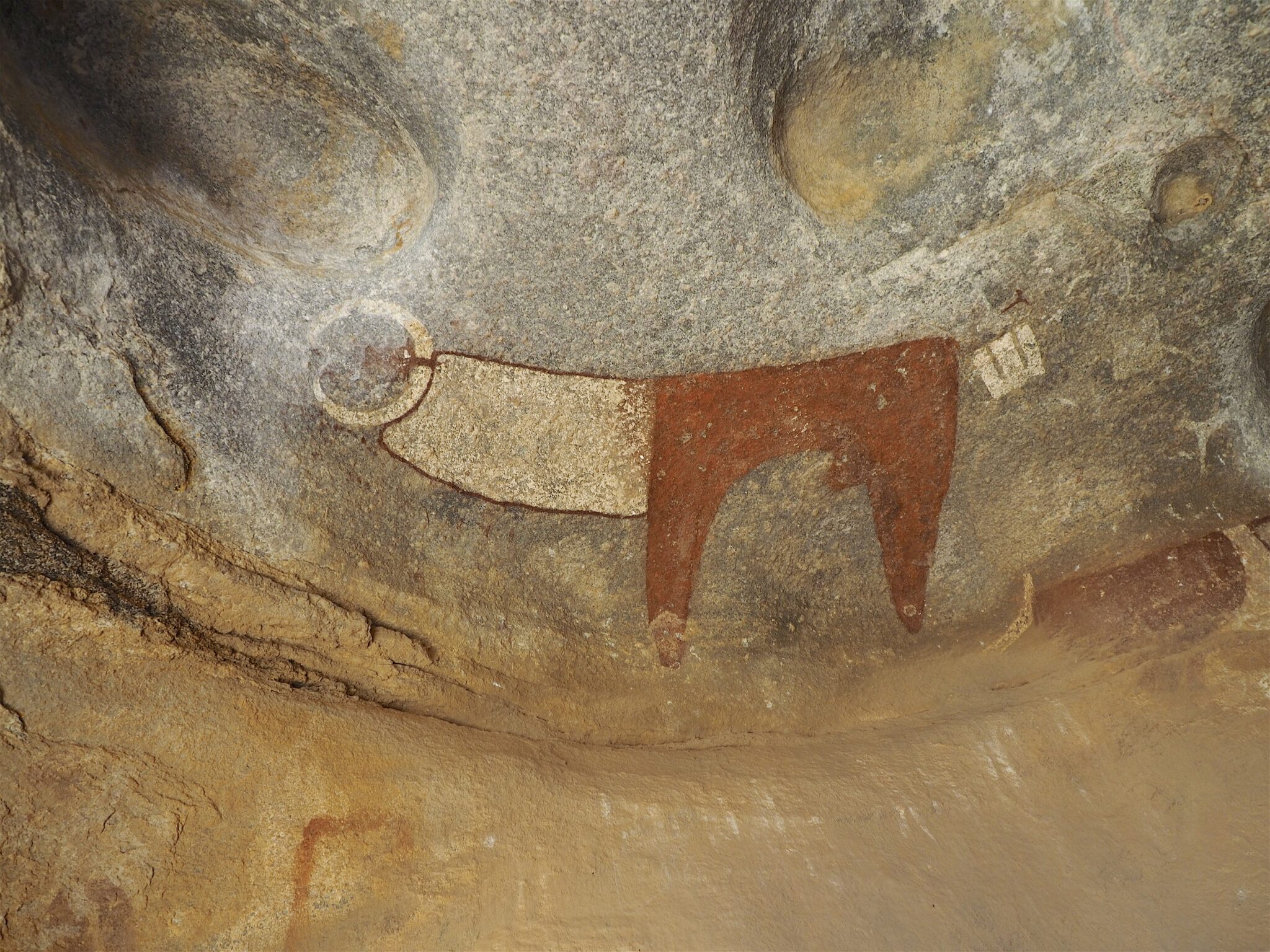
Laas Geel is the standout heritage day trip from Hargeisa and one of the Horn of Africa’s most important rock-art landscapes, valued for vivid painted panels in a cluster of rock shelters set among granite outcrops. The art is best known for its cattle imagery and human figures, and the setting makes it feel immersive rather than museum-like: you walk between shelters, then step into shaded spaces where the paintings sit at eye level and the colours can remain surprisingly strong. Plan to spend enough time for interpretation, because the real value is understanding what you are looking at, how pastoral life shaped the imagery, and why the site is culturally significant today. A guided visit also helps you move efficiently between the most important shelters without wandering aimlessly in the heat, and it keeps the experience respectful of local norms.
Treat Laas Geel as fragile and follow strict low-impact etiquette. Do not touch painted surfaces, avoid leaning on rock faces, and do not climb on sensitive areas, because small contact can cause long-term damage. Wear shoes with grip for uneven rock and sandy sections, bring water, and aim for a morning departure from Hargeisa for cooler temperatures and clearer light. Access should be arranged through local channels with reputable guides and drivers, which also helps with timing and site entry. Most visits work as a half-day to full-day outing from Hargeisa depending on road conditions and how long you spend on-site, and it is best to keep the rest of the day light so you are not rushing the visit or the return drive.
Zeila
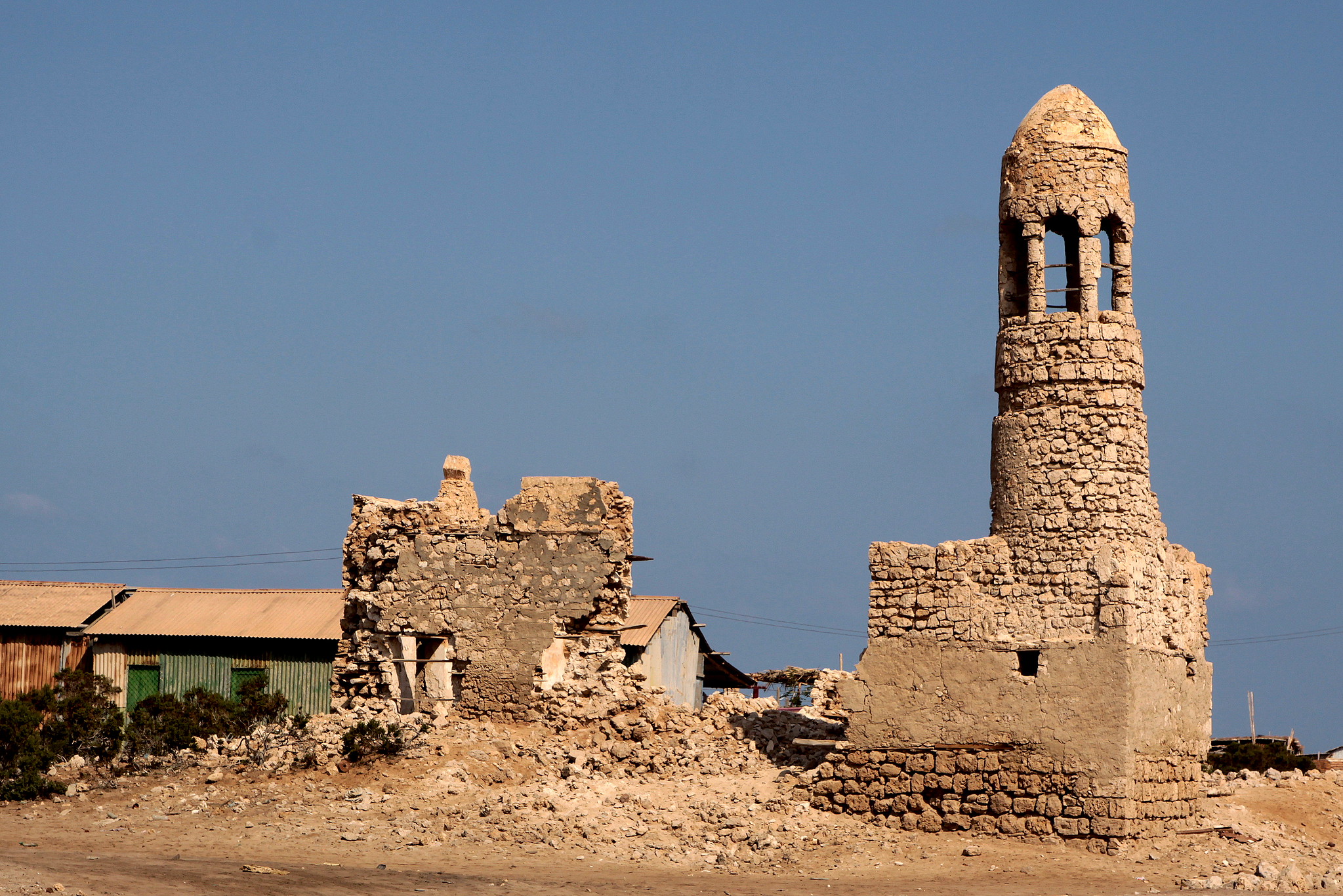
Zeila (Saylac) is one of Somaliland’s most atmospheric coastal towns, valued for its Indian Ocean and Red Sea trade legacy and its sense of remoteness rather than a checklist of major sights. Historically, it was an important port on the Gulf of Aden, connected to caravan routes inland and to maritime networks across the Arabian Peninsula, which is why the town still carries an old-world coastal character even when individual landmarks are modest. The best way to experience Zeila is slow and observational: walk the older quarters to absorb the weathered architecture, watch fishing life along the shore, and treat the town as a place for cultural texture, conversations, and coastal light rather than a fast sightseeing sprint. If you enjoy photography, early morning and late afternoon are the most rewarding for softer light and fewer people on the streets.
Plan Zeila as a specialist add-on with conservative logistics. Services can be limited, so bring water, snacks, cash, and any essentials you rely on, and keep your schedule flexible. An overnight stay is often the difference between a rushed transit and a comfortable visit, because it lets you arrive, take a calm sunset walk, and then see the town again in early morning light before returning. Most travellers arrange transport and routing through trusted local contacts in Hargeisa or Berbera rather than improvising on the day. As a practical guide, Berbera is the closest major base and usually the better staging point, while Hargeisa can be used for organising permits, drivers, and supplies before you head out.
Sheikh
Sheikh is one of Somaliland’s best “rhythm” stops, a small hill town with cooler air and a noticeably slower pace that makes it ideal between inland and coastal legs. The appeal is simple and restorative: highland breezes, open viewpoints over rolling hills, and an unhurried overnight that breaks up long drives without forcing a packed sightseeing plan. It works well for a calm evening walk, a sunrise or late-afternoon viewpoint stop, and a night of better sleep than you often get in hotter lowland towns, especially if you have been moving quickly through the route.
Use Sheikh to improve itinerary flow rather than to add complexity. One night is usually enough to reset energy and shift your longer driving into the cooler parts of the day, which can make the next leg feel much easier. Bring a warm layer because temperatures can drop quickly after sunset, keep plans light, and treat views and fresh air as the main “activity”. If you are travelling between Berbera and Hargeisa or linking to other highland areas, Sheikh works best when you depart in the morning, arrive with daylight, and leave the next day after a relaxed start rather than stacking multiple long transfers back-to-back.
Travel Tips for Somalia
Safety and General Advice
Travel in Somalia requires careful preparation and a cautious mindset. Standard travel planning is not sufficient here, as conditions vary greatly between regions and can change quickly. If visiting, it is best to focus on one specific area, plan short and realistic routes, and prioritize reliable local support over cost-saving. All logistics, including transport and accommodation, should be arranged in advance, and schedules should remain flexible. Night travel should be avoided, and travelers should stay informed about local developments throughout their stay.
Cultural Etiquette and Practical Preparation
Respect for local culture is central to safe and smooth travel in Somalia. Modest dress is expected, and it is important to ask permission before photographing people or entering religious sites. Somalia is a conservative, Muslim-majority country, and observing local customs ensures positive interactions with communities. Practical preparation is equally important: cash is the only reliable form of payment, as card acceptance is rare, and internet and mobile connectivity can be limited outside major towns. Travelers should bring a basic medical kit, plan for restricted healthcare options in rural areas, and have an emergency plan in case evacuation becomes necessary.
Driving in Somalia
When renting or operating a vehicle, drivers must carry their national license, an International Driving Permit, passport or ID, and insurance documents. Requirements and checkpoint procedures can differ between regions, so confirming local regulations in advance is essential. Driving in Somalia is possible only with careful local coordination. Travelers should rely on a local driver or escort familiar with road conditions, checkpoints, and regional safety procedures. In some areas, a vehicle can help with controlled mobility between towns, but in others – especially remote or unstable regions – it may add unnecessary risk. Reliable local advice is crucial before deciding to drive. Vehicles should be well maintained, with sufficient ground clearance and fuel reserves, as road quality varies from paved highways to rough tracks. Night driving is strongly discouraged because of poor visibility, uneven surfaces, and potential security concerns.

Published February 08, 2026 • 12m to read