
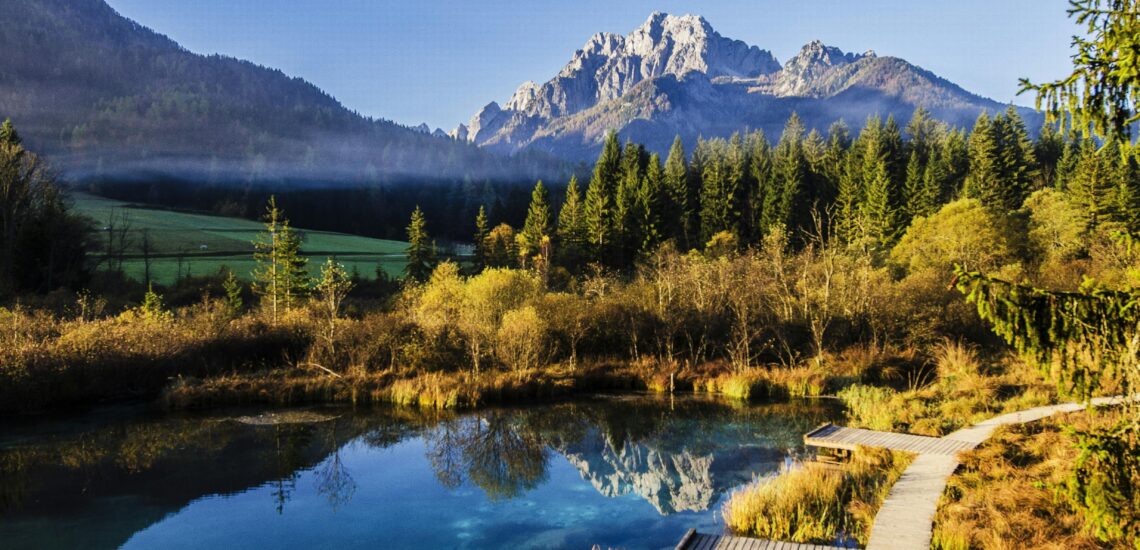


Slovenia, a small yet breathtakingly diverse country in the heart of Europe, is a treasure trove of natural beauty, historic towns, and cultural richness. From the majestic Alps to the serene Adriatic coast, Slovenia offers a wide range of experiences for every traveler. In this guide, we’ll explore Slovenia’s must-visit destinations in detail, including its hidden gems, to help you uncover the wonders of this charming country.
Whether you are planning a short city break in Ljubljana, a Slovenia road trip through the Julian Alps, or a summer holiday by the Adriatic Sea, this guide covers the best places to visit in Slovenia, top things to do, and useful driving tips. You will find ideas for first-time visitors, families, outdoor lovers, and travelers who prefer to explore lesser-known destinations.
Best Cities to Visit in Slovenia
Ljubljana
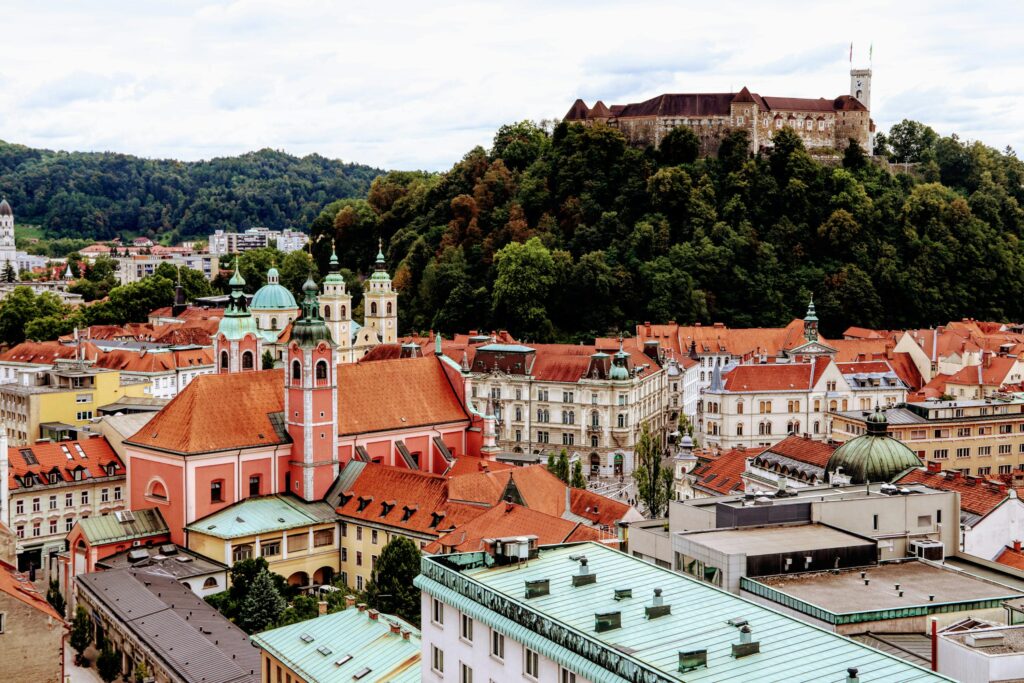
Ljubljana, Slovenia’s capital, is a vibrant and green city that combines a modern spirit with a rich historical heritage. The Ljubljanica River flows through the city, lined with charming cafes and restaurants. Ljubljana Castle, perched on a hill, offers panoramic views of the city and surrounding countryside. Tivoli Park provides a peaceful escape within the city, and the Central Market is perfect for tasting local delicacies. With its compact size, Ljubljana is easily walkable and exudes a welcoming atmosphere.
Top things to do in Ljubljana:
Take the funicular or hike up to Ljubljana Castle, join a walking tour of the Old Town, and relax with a coffee by the Ljubljanica River. In the evening, try traditional dishes such as štruklji or čevapčiči in one of the local restaurants. Ljubljana is also a perfect base for day trips to Lake Bled, Lake Bohinj, and the Postojna Cave.
Maribor
Maribor, Slovenia’s second-largest city, is nestled along the Drava River and surrounded by lush vineyards. It’s home to the world’s oldest grapevine, over 400 years old, which symbolizes the city’s rich winemaking tradition. The Lent district, with its riverside promenade and historic buildings, is the cultural heart of Maribor. Pohorje, a nearby mountain range, offers skiing in winter and hiking or biking in warmer months, making Maribor a year-round destination.
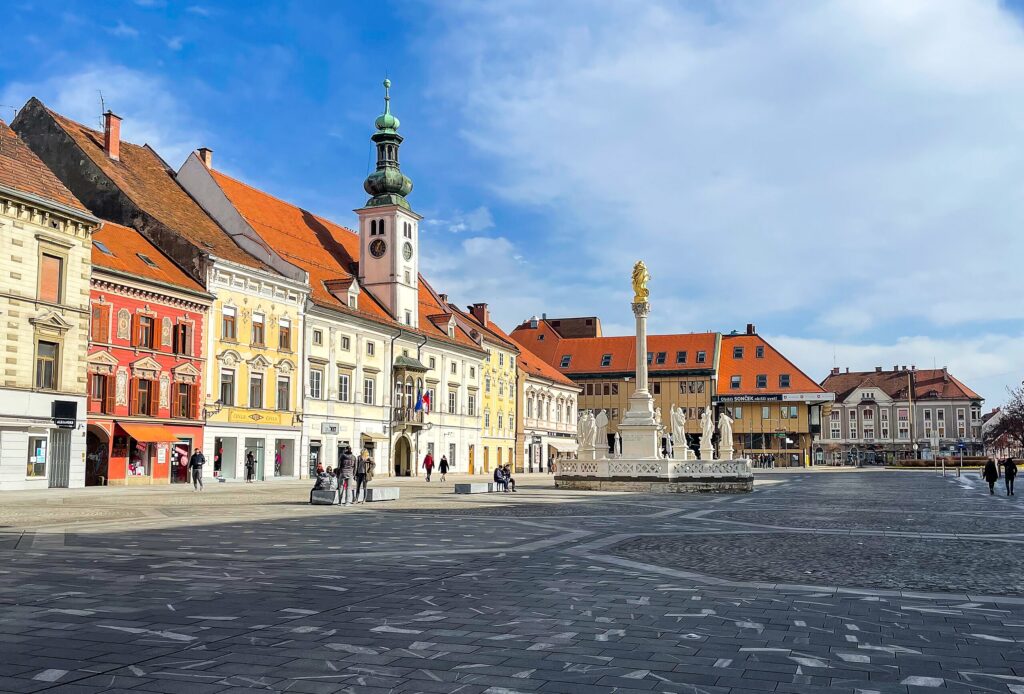
Maribor is especially attractive for wine lovers and travelers who enjoy a slower pace. Spend an afternoon wine tasting in the surrounding hills, cycle along the Drava River, or visit in autumn when the vineyards turn golden and the city hosts harvest festivals.
Piran
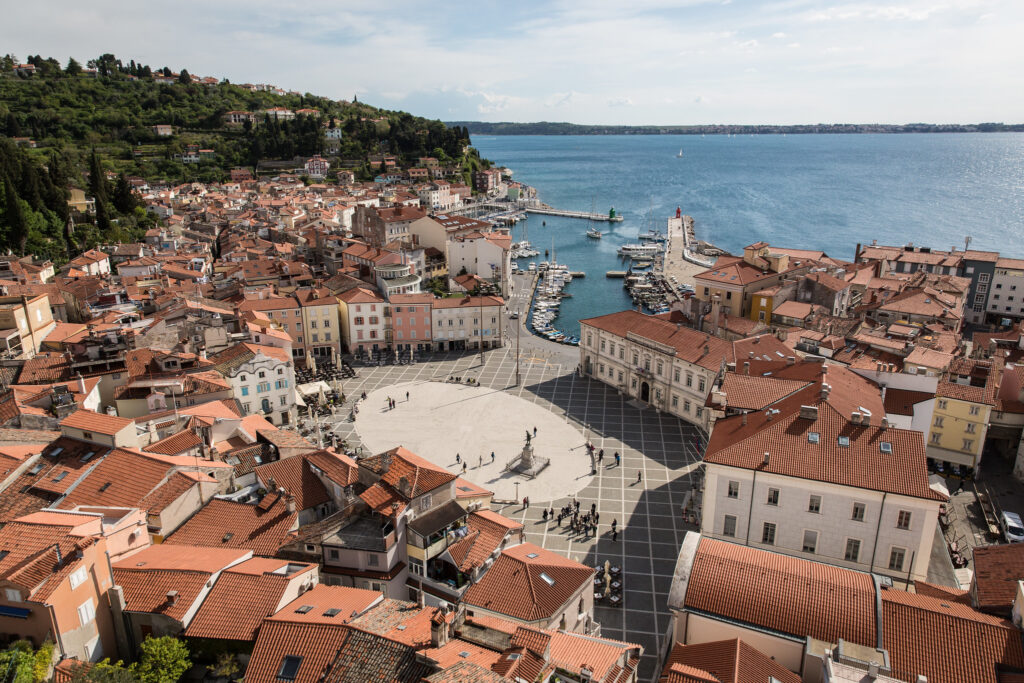
Piran, a picturesque coastal town, is a gem on the Adriatic Sea. Its narrow streets, Venetian-style architecture, and the striking Tartini Square create a romantic atmosphere. The town’s medieval walls and St. George’s Parish Church provide spectacular views of the sea and surrounding area. Piran is perfect for enjoying fresh seafood, exploring local art galleries, and soaking up the coastal charm.
Celje
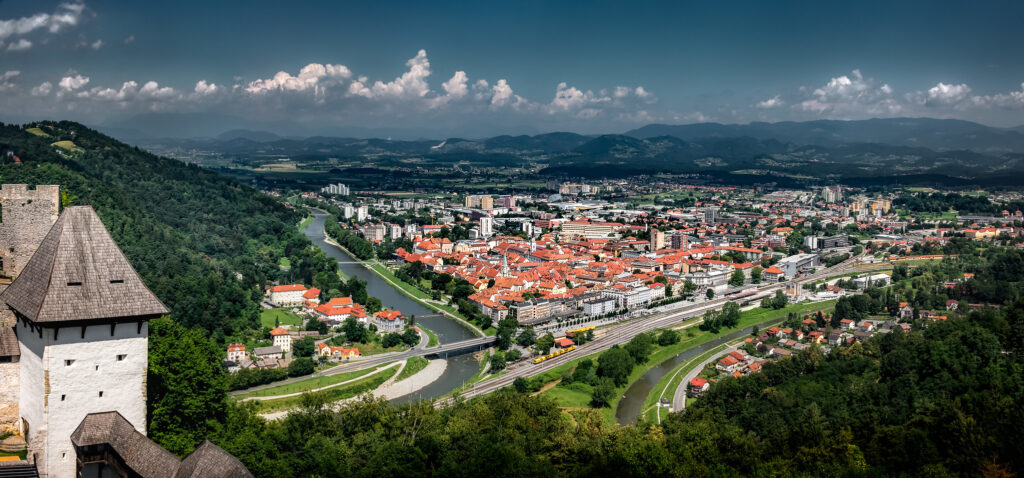
Celje, one of Slovenia’s oldest towns, boasts a rich history dating back to Roman times. The Celje Castle, a medieval fortress overlooking the town, offers incredible views and a glimpse into the region’s past. The town’s historic center features charming squares, baroque buildings, and lively cafes. Celje is a delightful blend of history and modernity, making it a rewarding stop on your Slovenian journey.
Natural Attractions in Slovenia
Lake Bled
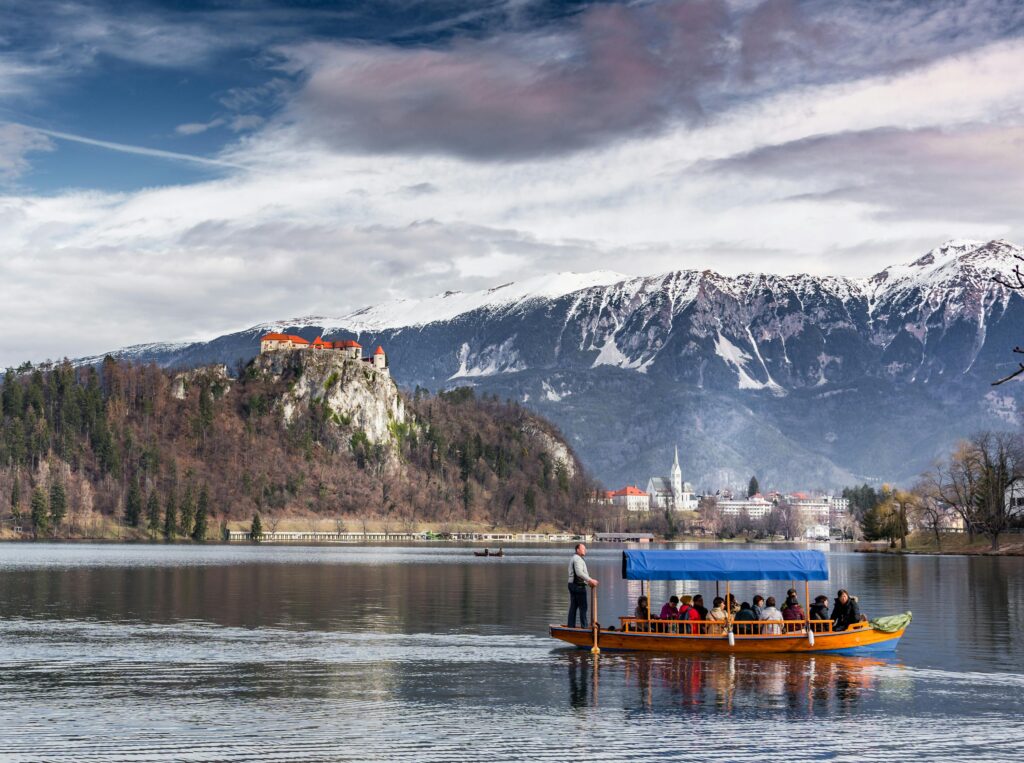
Lake Bled is Slovenia’s most iconic destination, and for good reason. The emerald-green lake, with its charming island and the towering Bled Castle, creates a fairy-tale setting. Visitors can row to the island and ring the wishing bell at the Church of the Assumption. Hiking trails around the lake and up to Ojstrica or Mala Osojnica viewpoints offer breathtaking panoramas. In winter, the snow-covered landscape adds a magical touch.
Triglav National Park
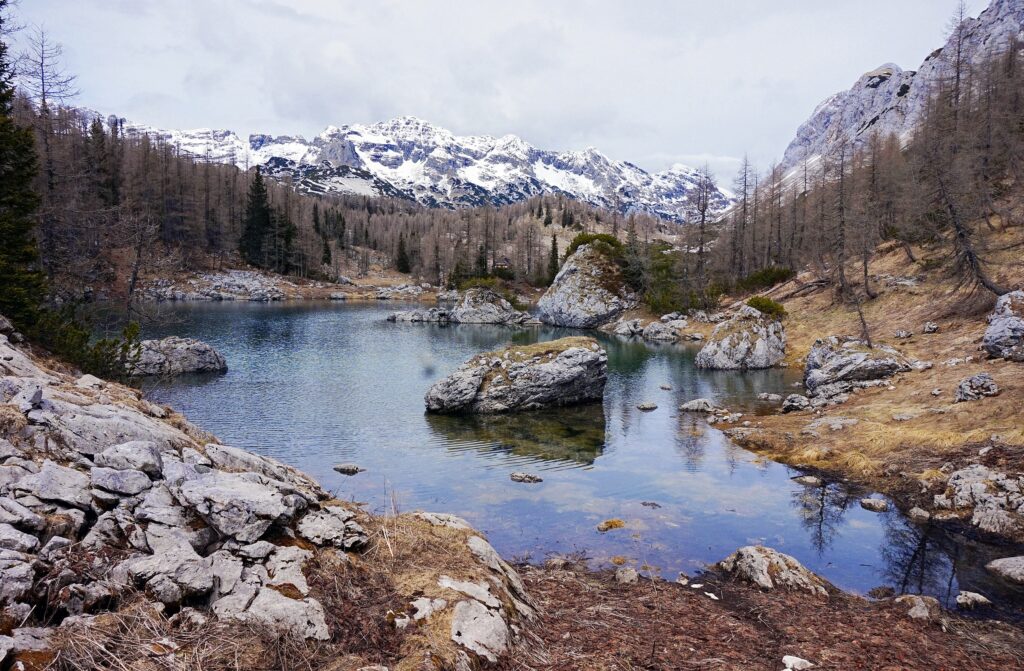
Triglav National Park, named after Mount Triglav, Slovenia’s highest peak, is a paradise for outdoor enthusiasts. The park features alpine meadows, glacial lakes, and dramatic mountain scenery. The Soca River, known for its striking turquoise color, is perfect for rafting, kayaking, and fly fishing. For hikers, the Seven Lakes Valley is a must-visit, showcasing the park’s pristine beauty.
Postojna Cave
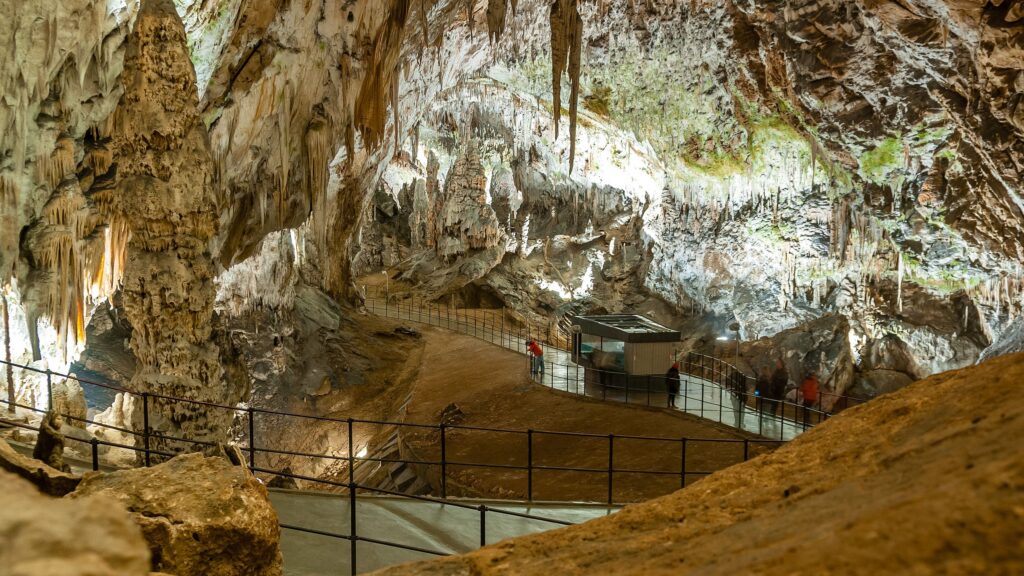
Postojna Cave is a mesmerizing underground world of stalactites, stalagmites, and vast caverns. A unique electric train takes visitors deep into the cave, where guided tours reveal its geological wonders. Nearby, Predjama Castle, a dramatic fortress built into a cliff, adds to the allure of the region. Together, they make for a fascinating day trip.
Lake Bohinj
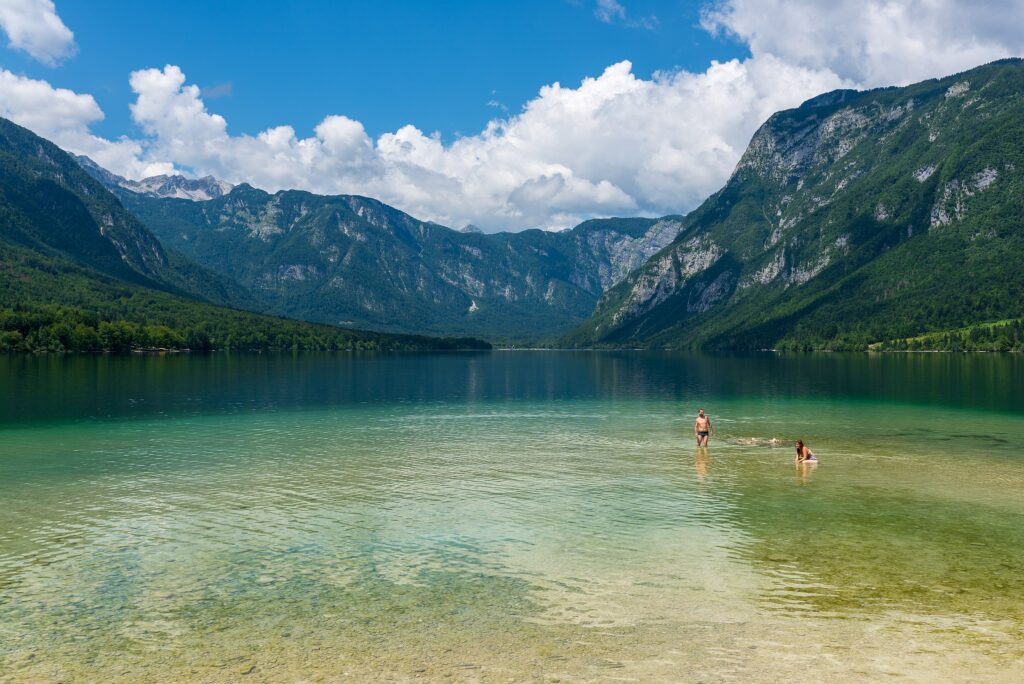
Lake Bohinj, nestled in the Julian Alps, offers a tranquil alternative to Lake Bled. Surrounded by mountains, it’s ideal for swimming, kayaking, and paddleboarding. Vogel Ski Resort, located above the lake, provides stunning views and excellent skiing in winter. Bohinj’s unspoiled beauty and peaceful atmosphere make it a perfect retreat for nature lovers.
Historical and Significant Sites
Škocjan Caves
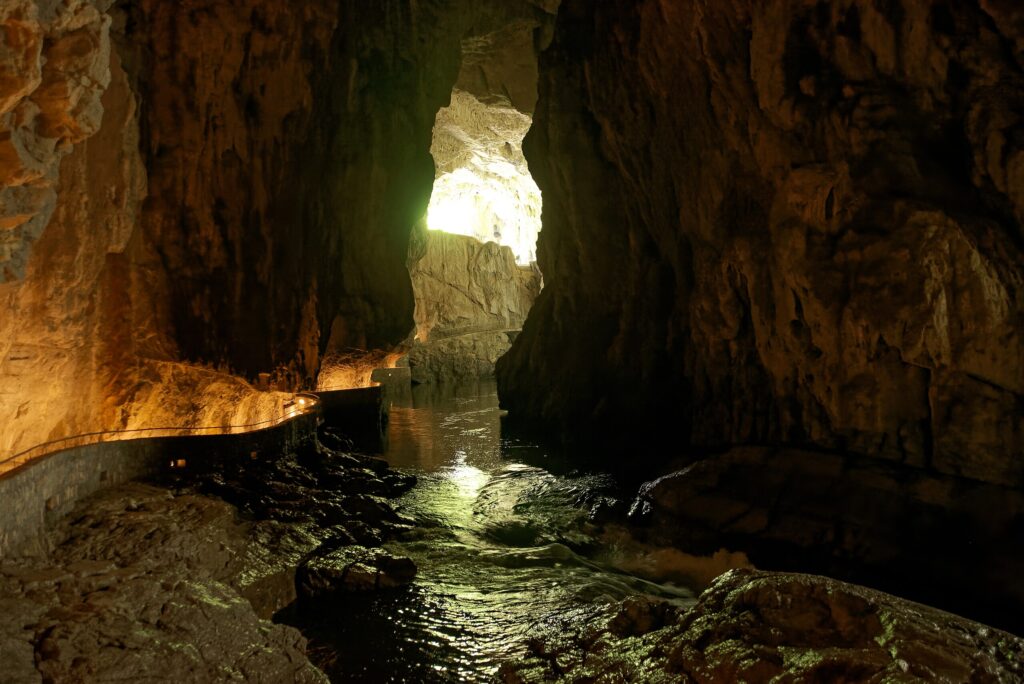
A UNESCO World Heritage Site, the Škocjan Caves are an awe-inspiring underground wonder. The Reka River flows through the caves, creating dramatic gorges and chambers. The Martel Chamber, one of the largest underground chambers in Europe, is a highlight. Exploring the caves feels like entering another world, showcasing the power and beauty of nature.
Ptuj
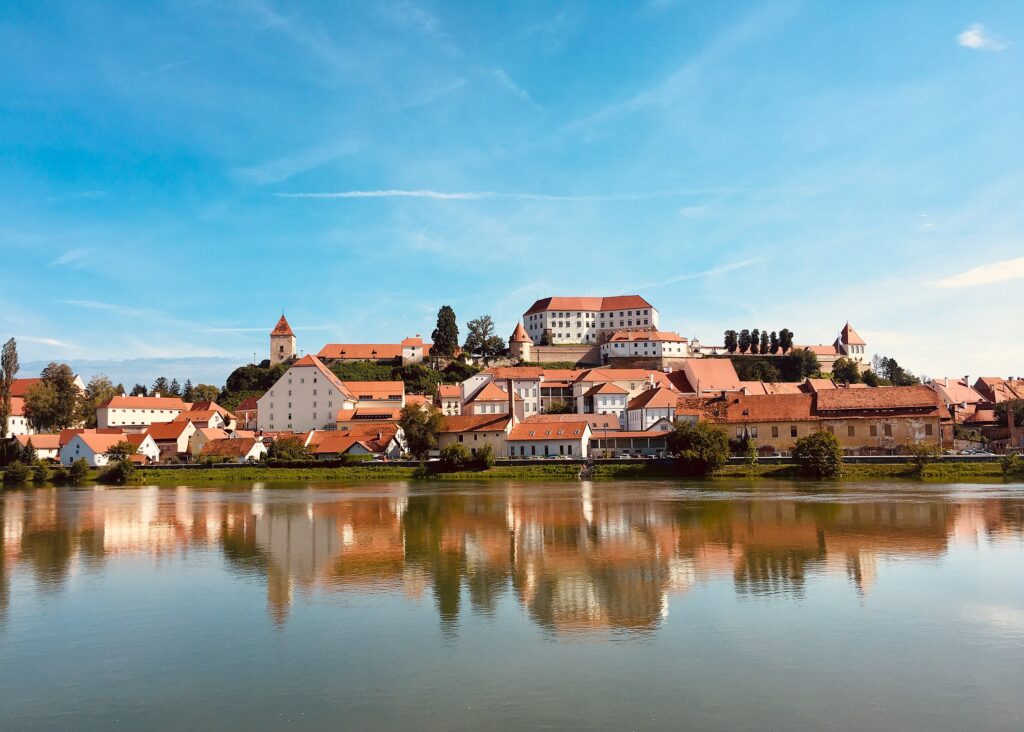
Ptuj, Slovenia’s oldest town, is a treasure trove of history and culture. Its cobblestone streets, medieval castle, and historic churches transport visitors back in time. The Ptuj Carnival (Kurentovanje) is a unique cultural event that celebrates local traditions and folklore. Ptuj’s rich heritage and warm hospitality make it a must-visit destination.
Kranj
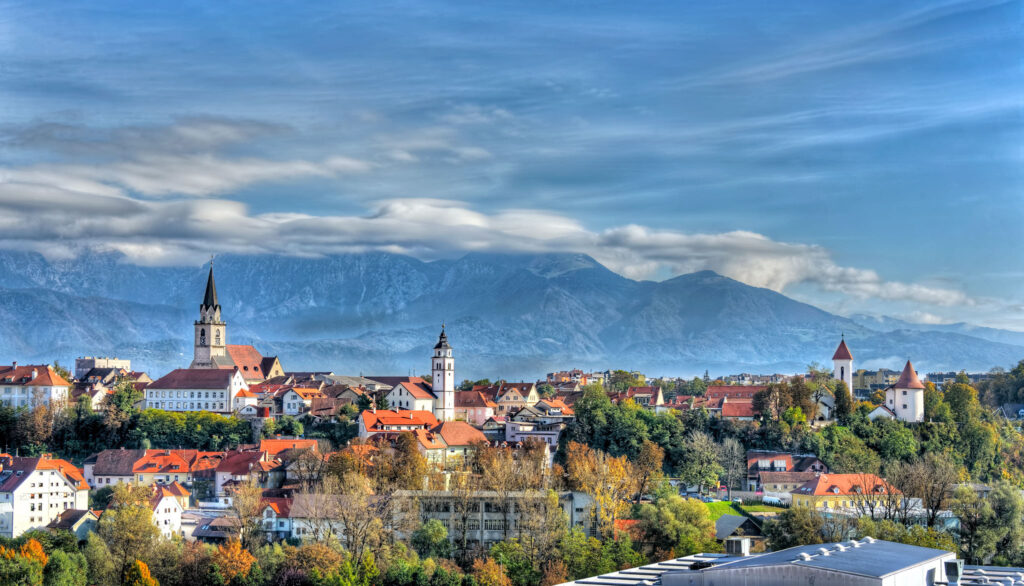
Kranj, the cultural capital of the Slovenian Alps, is a blend of natural beauty and historic charm. The old town features well-preserved medieval architecture, while the Kokra River Canyon offers a surprising natural escape within the city. Kranj is also known for its vibrant arts scene, with galleries and cultural events throughout the year.
Vipava Valley
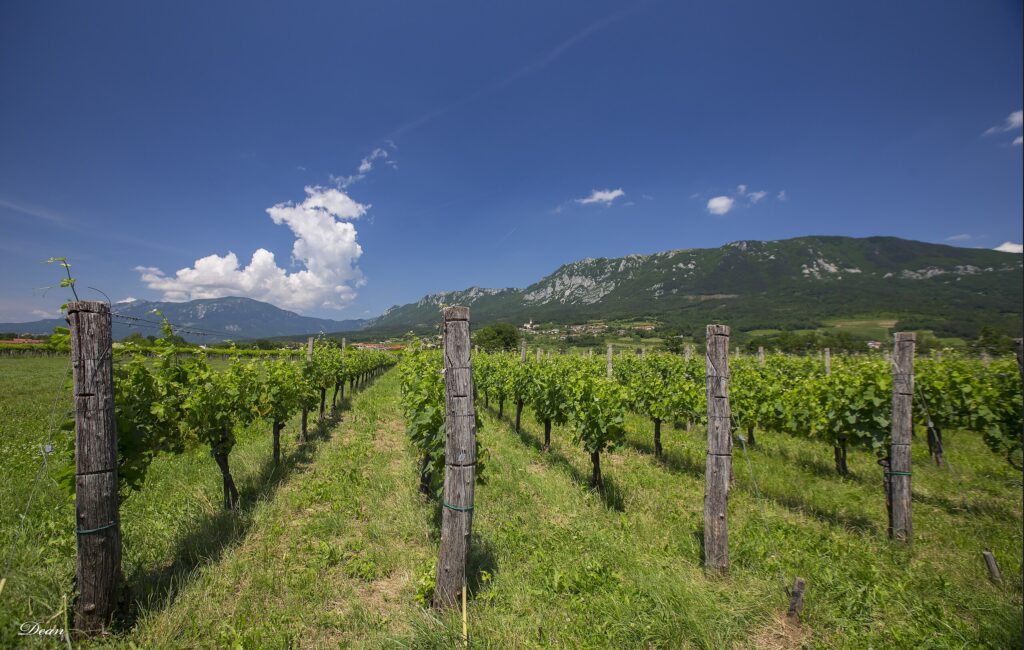
The Vipava Valley, a wine region in western Slovenia, is a hidden gem for food and wine lovers. The valley’s rolling hills, dotted with vineyards and charming villages, create a picturesque landscape. Visitors can sample local wines, such as Zelen and Pinela, and enjoy traditional Slovenian cuisine in family-run restaurants.
Hidden Gems in Slovenia
Velika Planina
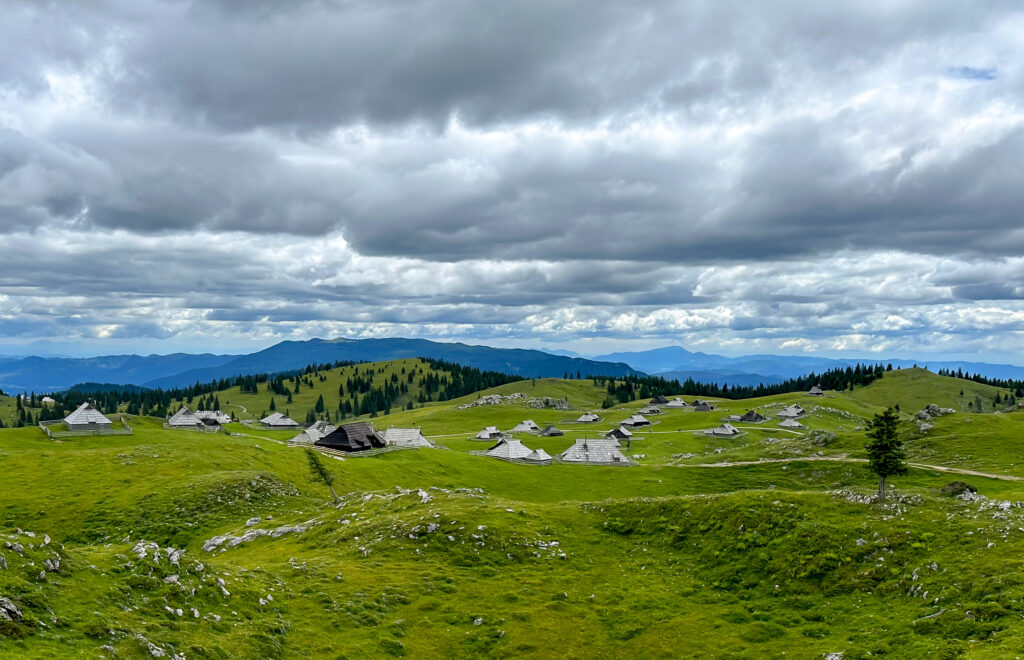
Velika Planina is a high-altitude alpine plateau known for its traditional herdsmen’s huts and stunning vistas. During summer, the plateau comes alive with wildflowers and grazing livestock. Visitors can hike or take a cable car to the plateau, where they can sample fresh dairy products and learn about the herdsmen’s way of life.
Kostanjevica na Krki
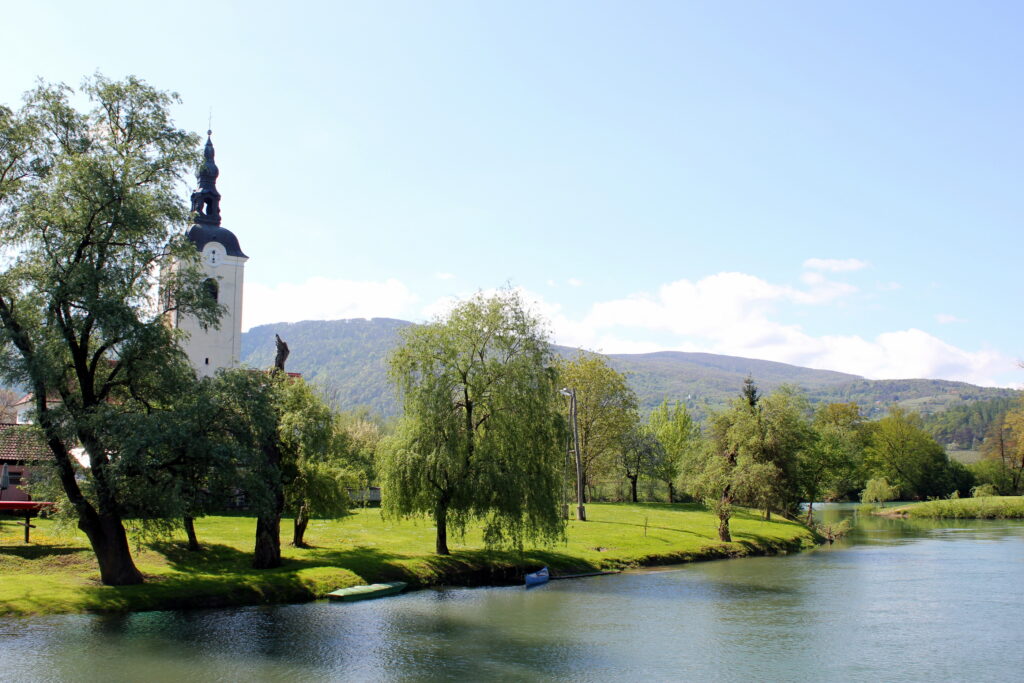
Often called the “Venice of Slovenia,” Kostanjevica na Krki is a charming riverside town with a rich history and artistic spirit. The town’s galleries and the nearby Božidar Jakac Art Museum showcase Slovenia’s cultural heritage. Surrounded by nature, it’s a peaceful retreat for art and history enthusiasts.
Logarska Dolina
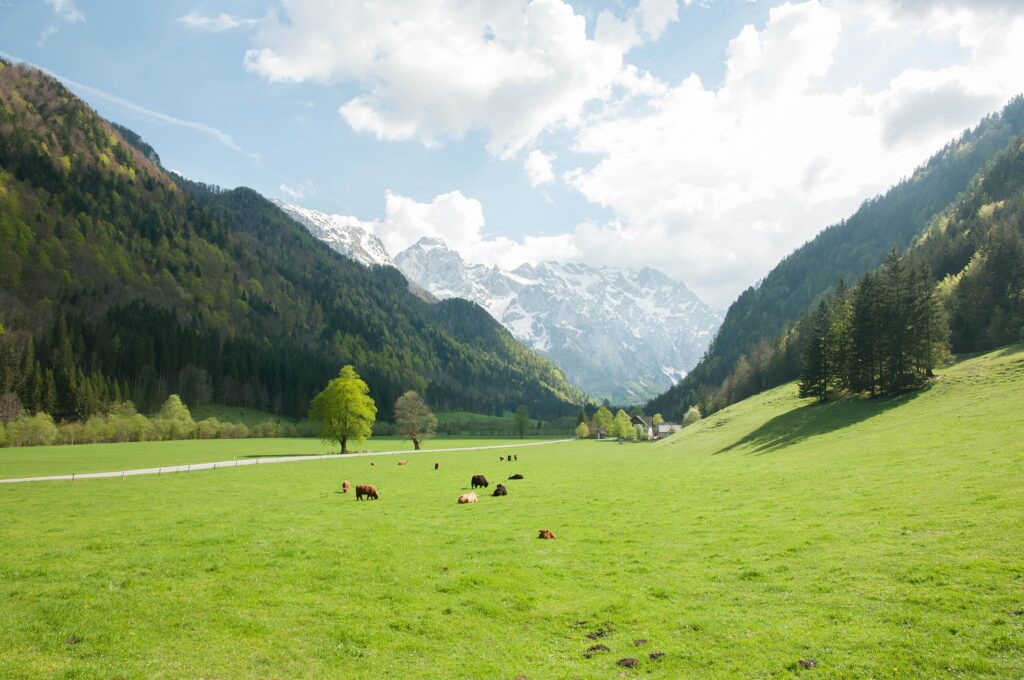
Logarska Dolina is a stunning alpine valley known for its pristine beauty and tranquility. The Rinka Waterfall, one of Slovenia’s highest, is a highlight, and the valley offers numerous hiking and biking trails. Logarska Dolina’s unspoiled nature and serene atmosphere make it a perfect escape for outdoor lovers.
Idrija
Idrija, a UNESCO World Heritage Site, is famous for its mercury mine and intricate lace-making tradition. Visitors can explore the Idrija Mercury Mine and learn about its historical significance. The town’s lace-making workshops and museums offer a glimpse into this delicate art form.
Eleassar, CC BY-SA 4.0, via Wikimedia CommonsPractical Tips for Travelers
- Car Rental and Driving: Slovenia’s well-maintained roads and compact size make driving a convenient option. An International Driving Permit is recommended for dvivers from countries that are not signatories to the 1968 Vienna Convention..
- Seasonality: Slovenia offers year-round attractions. Summer is ideal for exploring lakes and mountains, while winter is perfect for skiing and enjoying festive markets. Spring and autumn bring mild weather and fewer crowds.
- Budget-Friendly Travel: Slovenia is relatively affordable compared to neighboring countries. Guesthouses and family-run accommodations offer great value, and local markets are excellent for fresh produce and snacks.
Slovenia is a destination that captivates with its natural beauty, cultural heritage, and warm hospitality. From the iconic Lake Bled to the hidden treasures of Logarska Dolina, Slovenia promises a journey filled with unforgettable experiences. Discover its wonders and let this charming country leave an indelible mark on your heart.
Public Transport in Slovenia:
If you prefer not to drive, Slovenia is still easy to explore using public transport. Trains connect Ljubljana with cities such as Maribor and Koper, while buses cover most smaller towns, lakes, and tourist areas. For example, you can reach Lake Bled in around one hour from Ljubljana by bus. In peak season, it is wise to buy tickets in advance and travel early in the day.
Travel Budget and Prices:
Compared to many Western European countries, Slovenia is relatively affordable. You can find good mid-range guesthouses from around €60–90 per night, simple restaurant meals from €10–15, and coffee for about €2–3. Activities such as cave visits, castle entries, or cable cars usually cost between €10–25 per person. Renting a car becomes more cost-effective if you travel as a couple or family.
How Many Days Do You Need in Slovenia?
While you can get a taste of Slovenia in a weekend, 5 to 7 days is an ideal amount of time for a first visit.
3-day trip:
Day 1: Explore Ljubljana and Ljubljana Castle.
Day 2: Day trip to Lake Bled and Lake Bohinj.
Day 3: Visit Postojna Cave and Predjama Castle or head to the coast around Piran.
7-day Slovenia itinerary idea:
Days 1–2: Ljubljana and nearby attractions.
Day 3: Lake Bled and Vintgar Gorge (in season).
Day 4: Lake Bohinj and Vogel cable car.
Day 5: Triglav National Park and the Soča Valley.
Day 6: Postojna Cave and Predjama Castle.
Day 7: Relax by the sea in Piran or explore wine regions such as the Vipava Valley.
This kind of itinerary works especially well if you rent a car and enjoy the freedom of driving between Slovenia’s compact regions at your own pace.
FAQ
Is Slovenia safe for travelers?
Yes, Slovenia is considered one of the safest countries in Europe. Petty theft can happen in busy tourist areas, so use normal common sense, but serious crime is rare and locals are generally very welcoming.
Do I need a car to explore Slovenia?
You can visit Ljubljana, Lake Bled, and a few other popular places by train or bus, but renting a car gives you much more freedom, especially for visiting national parks, alpine valleys, and small villages. A car is the best option if you want to create your own Slovenia road trip itinerary.
Do I need an International Driving Permit to drive in Slovenia?
Visitors from EU and many European countries can drive with their domestic licence, but travelers from other regions are often asked to present an International Driving Permit together with their licence. It is a simple document that translates your licence into several languages and is useful when dealing with police or rental companies.
What is the best month to visit Slovenia?
For a mix of good weather and fewer crowds, May, June, September, and early October are ideal. July and August are warm and lively but also the busiest months, especially around Lake Bled and coastal towns like Piran.
Can I visit Slovenia as a day trip from another country?
Some travelers visit Slovenia on a day trip from Italy, Austria, or Croatia, but if possible, try to stay at least a few nights. The country is compact but full of variety, and even a short stay allows you to combine mountains, lakes, and the sea.
If you are planning a longer European road trip, you may also be interested in our guides to best places to visit in Italy and best places to visit in Croatia. Many travelers combine Slovenia with these neighbouring countries on one itinerary.
Published January 12, 2025 • 10m to read

.jpg)

.jpg)
.jpg)


.jpg)

.jpg)
