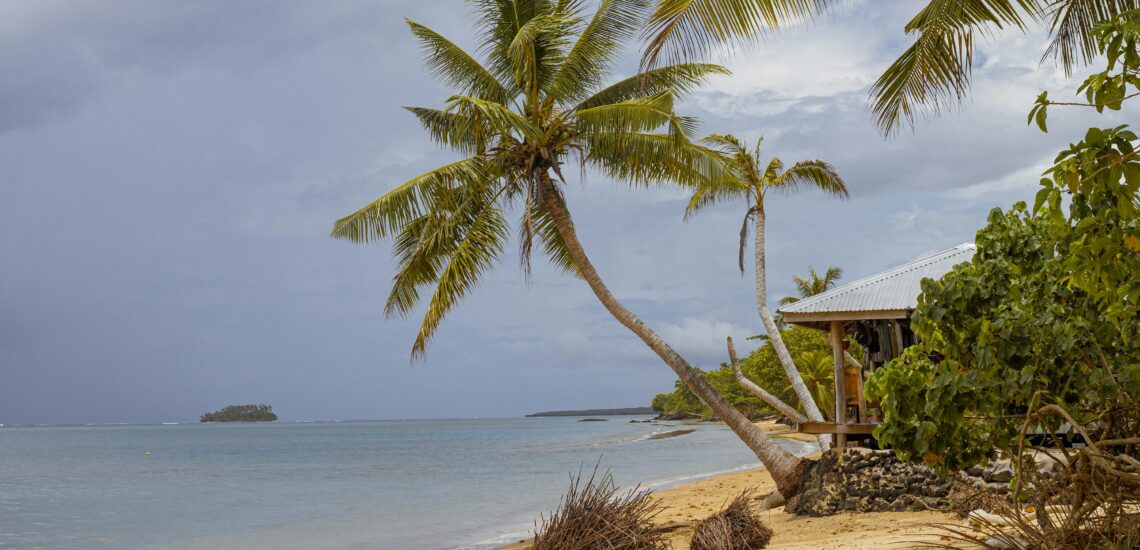


Samoa, often called the heart of Polynesia, is a captivating island nation where volcanic mountains, rainforest-covered valleys, and palm-fringed beaches meet a deeply rooted cultural heritage. The archipelago is made up of two main islands, Upolu and Savai’i, along with several smaller islets. Compared to its more touristy Pacific neighbors, Samoa offers a slower rhythm, strong traditions, and an authentic island atmosphere guided by Fa’a Samoa, the Samoan way of life.
Best Places to Visit on Upolu
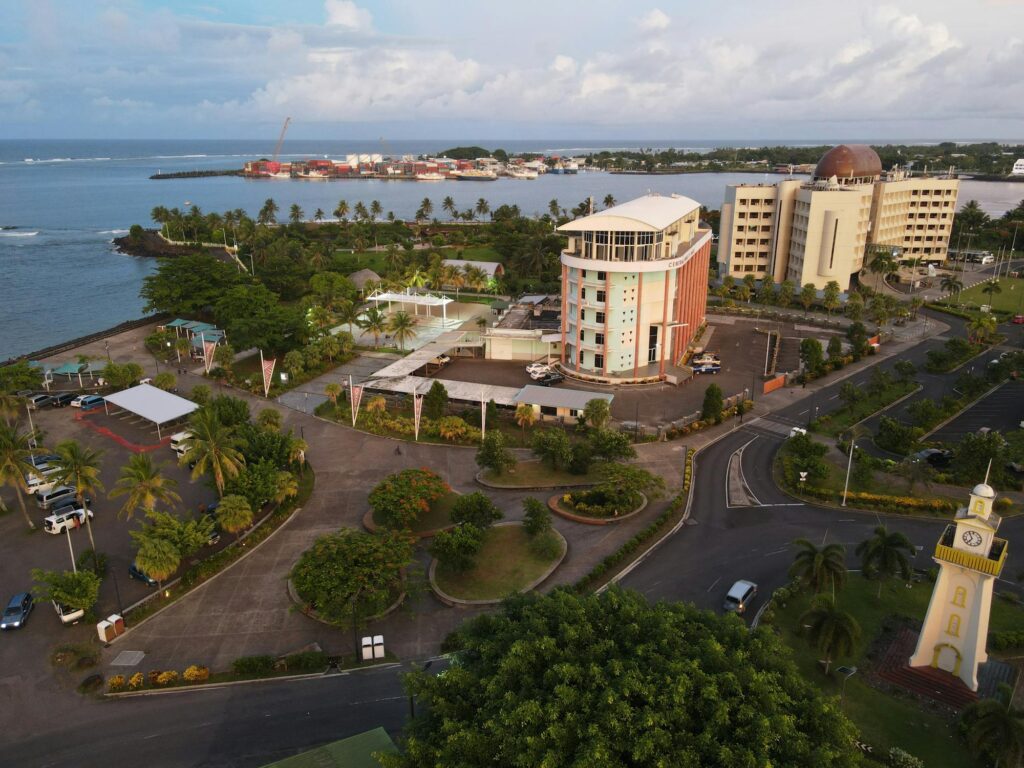
Apia
Apia is the capital and main urban center of Samoa, located on the north coast of Upolu. The city combines government offices, shops, and markets with cultural and historical landmarks.
Key sites include the Robert Louis Stevenson Museum, the preserved home of the Scottish author set within gardens and walking trails; the Immaculate Conception Cathedral, rebuilt after storm damage and noted for its mosaics and stained glass; and Maketi Fou, the central market where produce, handicrafts, and local foods are sold. Just outside the city, Palolo Deep Marine Reserve provides easy access to coral and marine life, with snorkeling available close to shore.
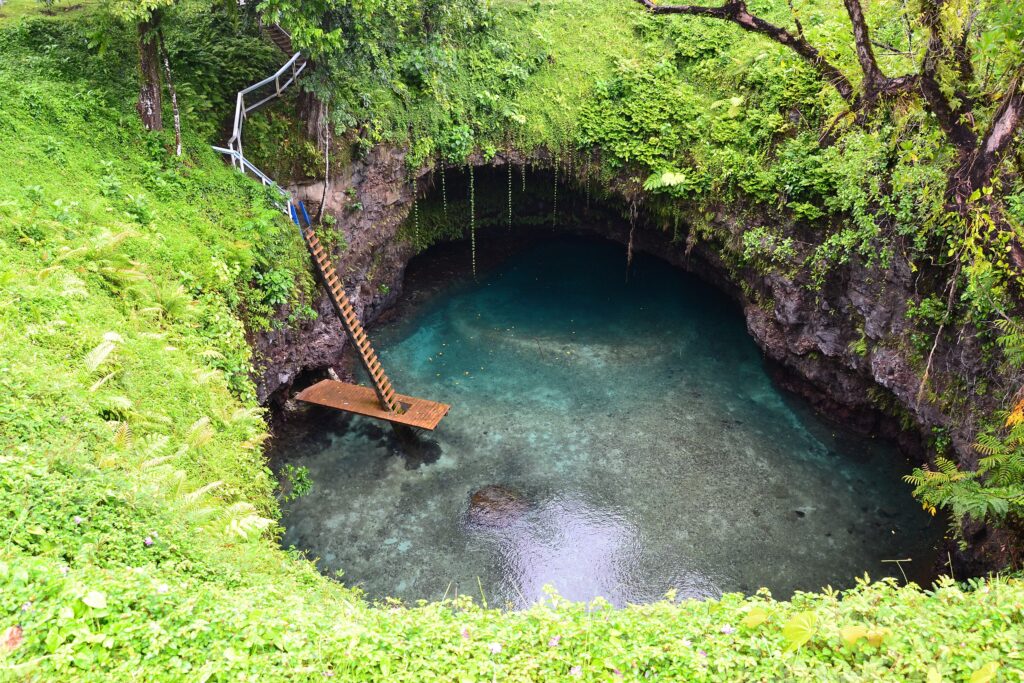
To Sua Ocean Trench (Lotofaga)
To Sua Ocean Trench is a natural swimming hole on the south coast of Upolu, near the village of Lotofaga. The pool is about 33 meters deep and is reached by a steep wooden ladder leading down to a platform. It is surrounded by gardens and lava cliffs, with clear turquoise water suitable for swimming. The site is privately managed, with an entrance fee that includes access to picnic areas and coastal viewpoints. To Sua is considered one of Samoa’s most photographed attractions.
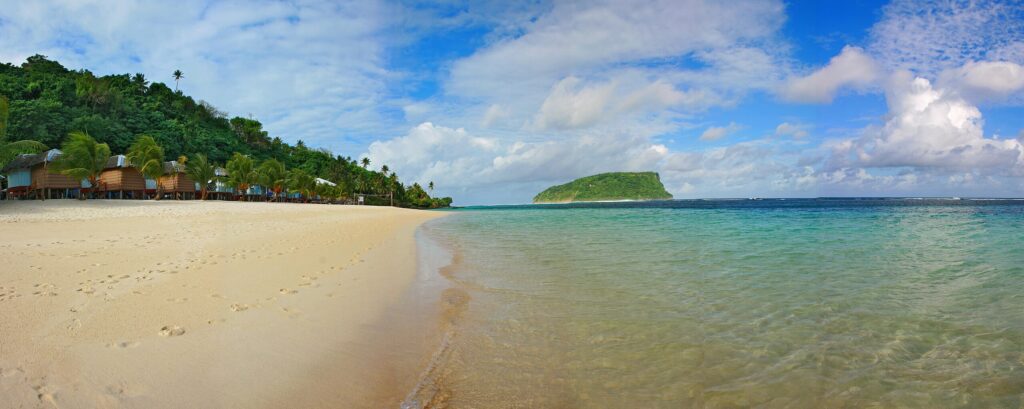
Lalomanu Beach
Lalomanu Beach is located on the southeast coast of Upolu and is regarded as one of Samoa’s most scenic beaches. The shoreline is lined with white sand and backed by lagoons with calm, clear water suitable for swimming, snorkeling, and kayaking. Simple beachside accommodation is available in traditional open-air fales, offering direct access to the sand. The beach is about a 90-minute drive from Apia and is often included in day trips around the island.
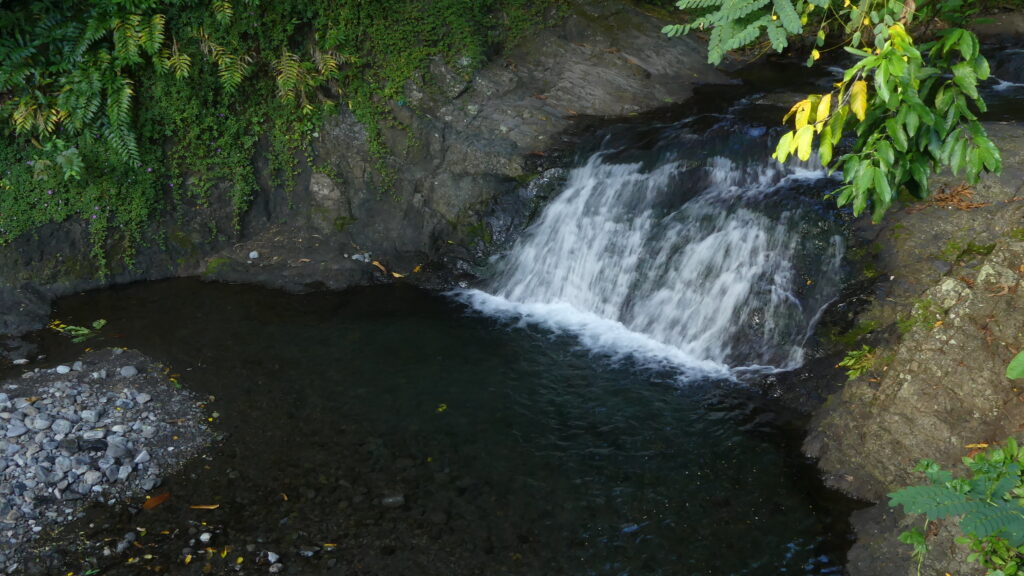
Papaseea Sliding Rocks
Papaseea Sliding Rocks are located a short drive from Apia in the hills of Upolu. The site features smooth lava rock formations that create natural water slides leading into freshwater pools. Conditions vary with rainfall, with higher water levels making the slides faster and deeper. Facilities include steps down to the pools, changing areas, and an entrance fee is charged. The location is popular with both locals and visitors, especially during the wet season.
Piula Cave Pool
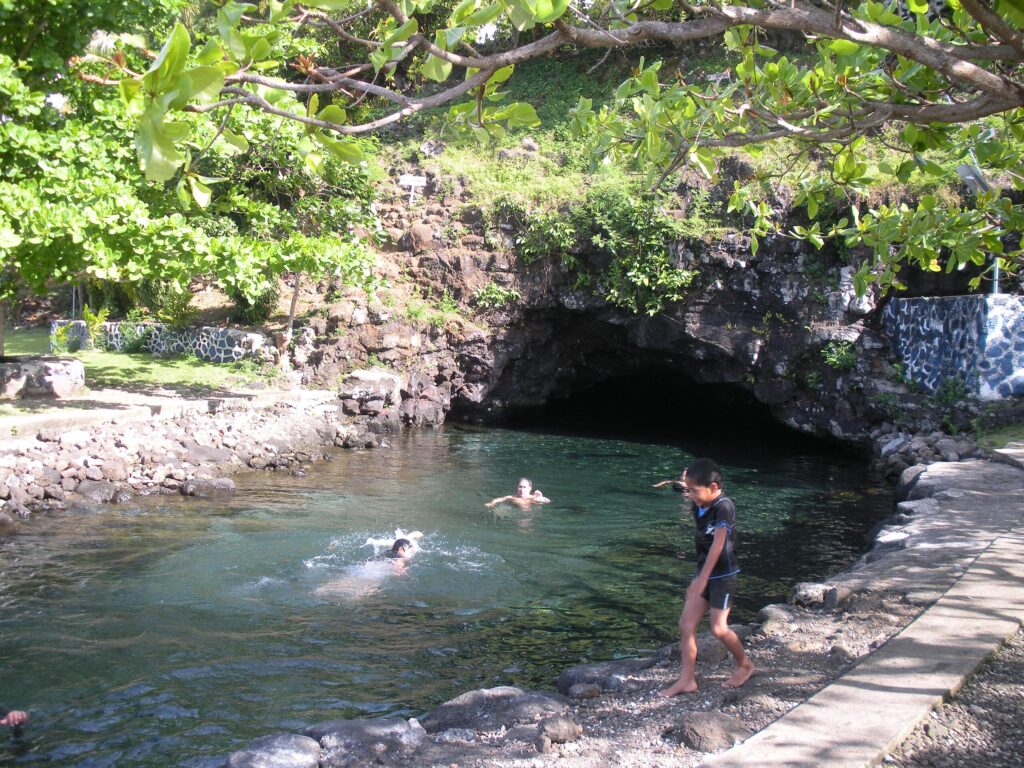
Piula Cave Pool is a freshwater swimming spot on the north coast of Upolu, located beneath the Piula Methodist Theological College. The spring-fed pool is clear and cool, with passages extending into small caves that can be explored by swimmers. Basic facilities such as changing rooms and picnic areas are available, and an entrance fee is charged. The site is about a 45-minute drive from Apia and is a popular stop on coastal tours.
Best Places to Visit on Savai’i
Savai’i is larger than Upolu but feels far less developed, making it ideal for travelers who want peace, nature, and culture.
Afu Aau Waterfall
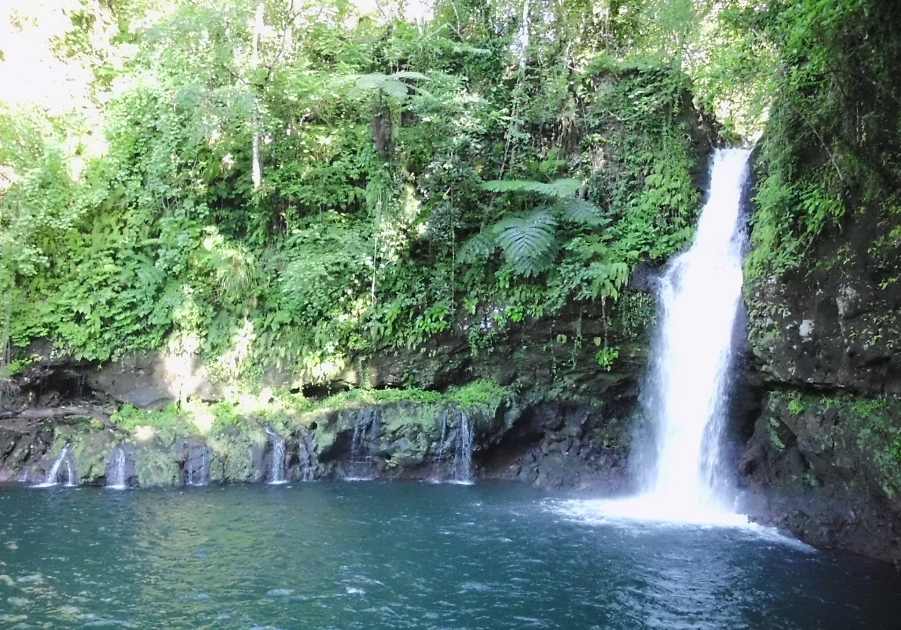
Afu Aau Waterfall, also known as Olemoe Falls, is located on the southeast side of Savai‘i near the village of Vailoa. The waterfall drops into a wide natural pool surrounded by rainforest, making it one of the island’s most popular swimming spots. The site is accessible via a short track, and an entrance fee is collected by local landowners. The combination of clear water, shaded forest, and easy access makes Afu Aau a highlight for visitors to Savai‘i.
Saleaula Lava Fields
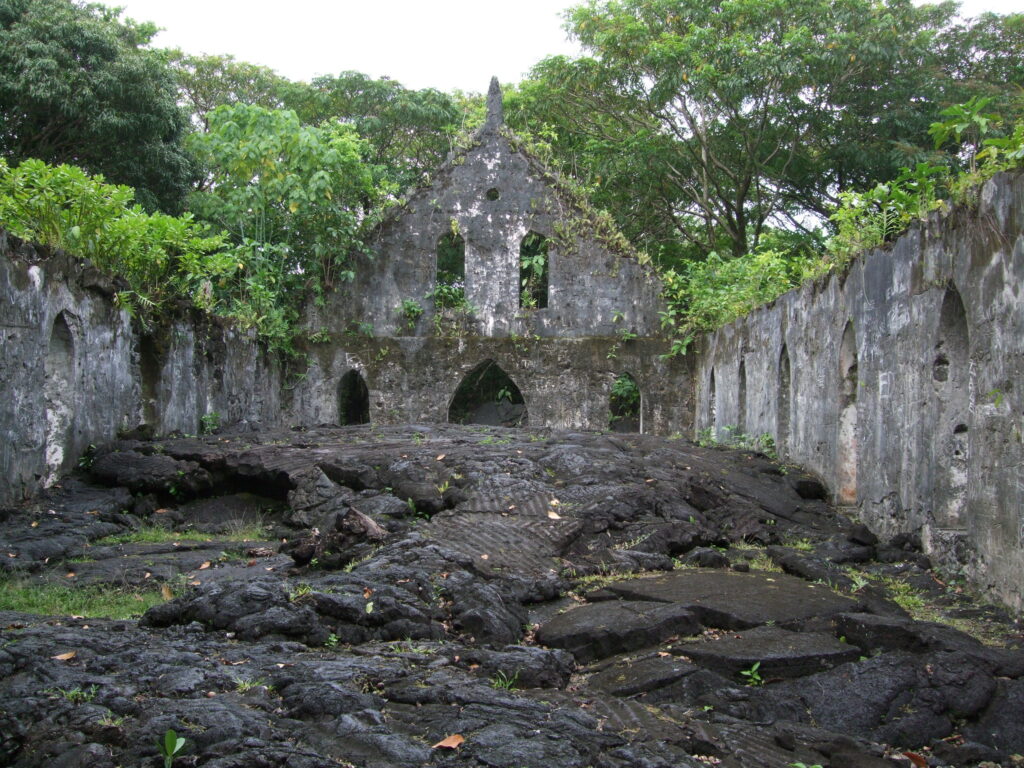
The Saleaula Lava Fields were formed by the eruption of Mount Matavanu between 1905 and 1911. The lava flows covered five villages and created a stark landscape of black rock stretching to the sea. Visitors can see lava tubes, solidified formations, and the remains of a stone church partly buried by lava, with its walls still standing. The site is located on the north coast of Savai‘i near the village of Saleaula, and local families manage access for visitors.
Alofaaga Blowholes
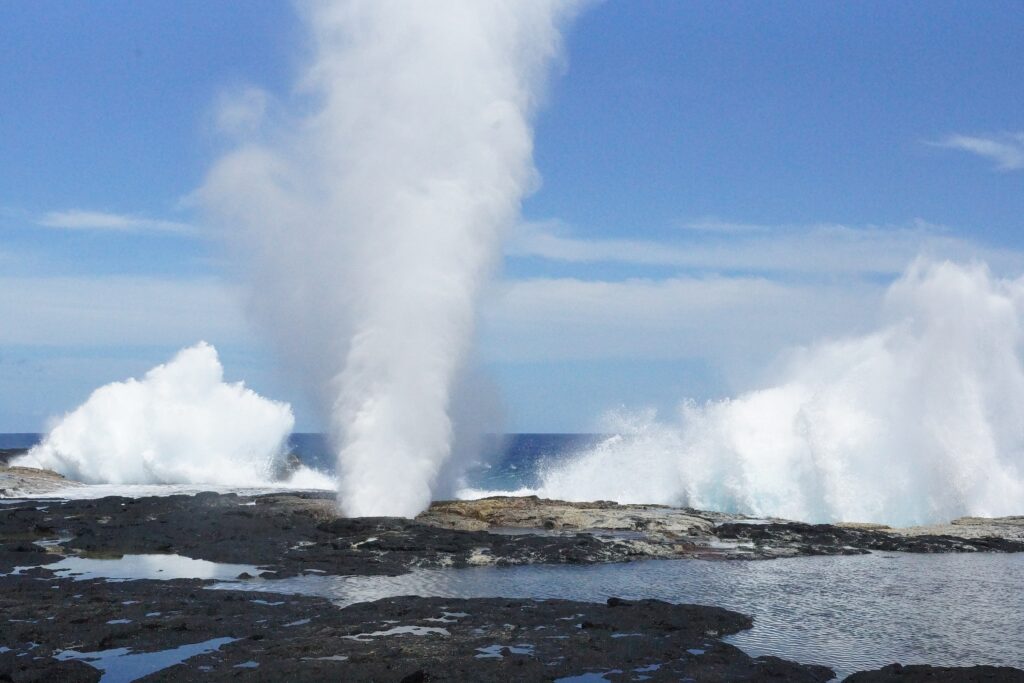
The Alofaaga Blowholes are located near Taga village on the southwest coast of Savai‘i. Waves force seawater through lava tubes in the coastal rock, sending jets high into the air, sometimes reaching more than 20 meters. The blowholes are most active during strong swells. Local guides often demonstrate the power of the site by placing coconuts into the holes, which are then launched skyward with the spray. An entrance fee is collected by the village for access.
Falealupo Village
Falealupo is a village on the western tip of Savai‘i, often described as the “edge of the world.” The area features several notable sites, including the Canopy Walkway, a suspension bridge set high in the treetops; the House of Rock, a natural lava formation; and ancient star mounds linked to Samoan history and legend. Accommodation is available in simple beach fales, and the village is also known as one of the best places in Samoa to watch the sunset. Access is by road, about a 90-minute drive from Salelologa ferry terminal.
Mount Matavanu Crater
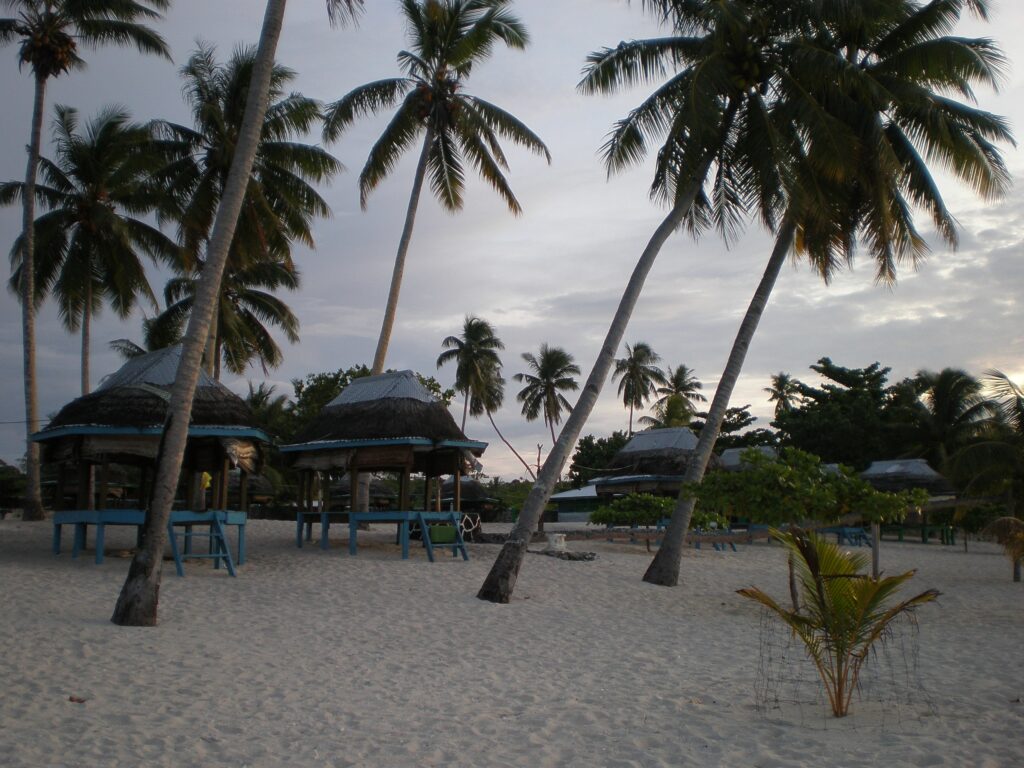
Mount Matavanu is an extinct volcano in central Savai‘i, best known for the eruption between 1905 and 1911 that created the Saleaula Lava Fields. Today visitors can travel by 4WD or hike to the crater rim, which offers wide views over the island and toward the ocean. The road is rough, and access is usually arranged through local guides. At the entrance, visitors are often welcomed by the self-styled “Gatekeeper of the Crater,” who provides information, collects a fee, and is known for his humor and stories.
Best Beaches
Manase Beach (Savai’i)
Manase Beach is one of the most popular coastal areas on Savai‘i, known for its long stretch of white sand and calm lagoon waters. The beach is lined with family-run accommodations, many offering traditional open-air fales directly on the sand. The shallow, clear water makes it suitable for swimming and snorkeling, especially for families with children. Located on the island’s north coast, Manase is about an hour’s drive from the Salelologa ferry terminal.
Aganoa Black Sand Beach (Savai’i)
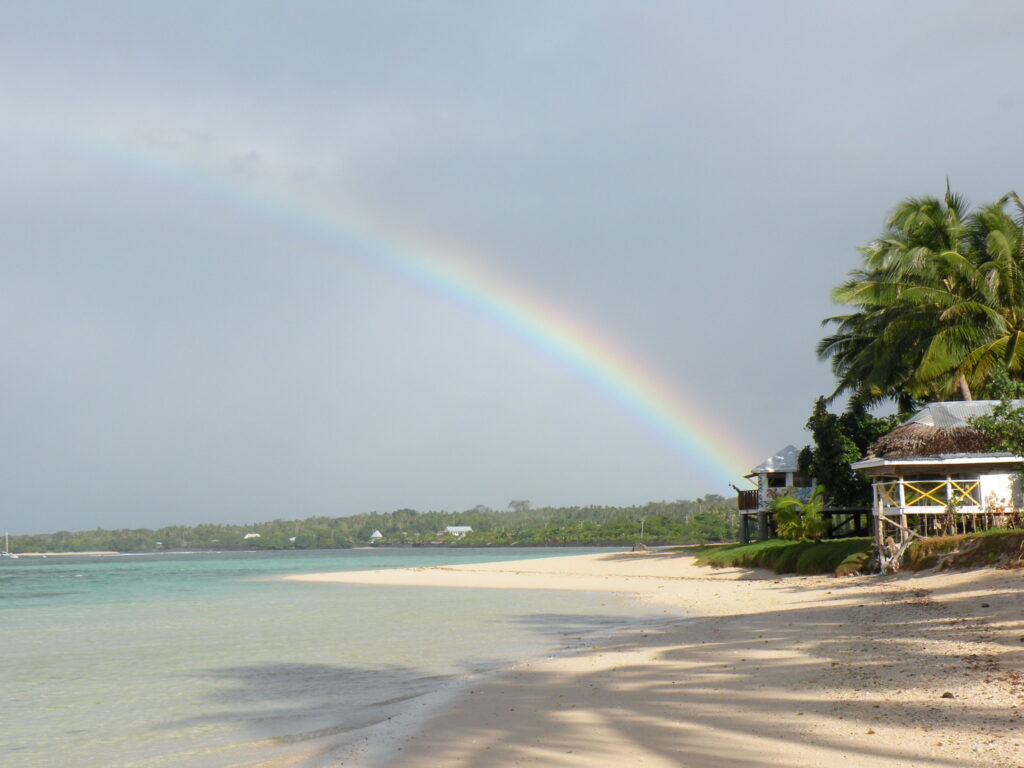
Aganoa Beach is located on the south coast of Savai‘i and is distinguished by its volcanic black sand. The beach is a well-known surfing spot, with waves breaking just offshore, while the surrounding lagoon provides calmer areas for swimming at lower tide. Evenings are notable for vivid sunsets, with views across the open Pacific. Accommodation options are limited, mainly small lodges and beach fales. Aganoa is about a 15-minute drive from the Salelologa ferry terminal, making it one of the more accessible beaches on the island.
Vaiala Beach (near Apia)
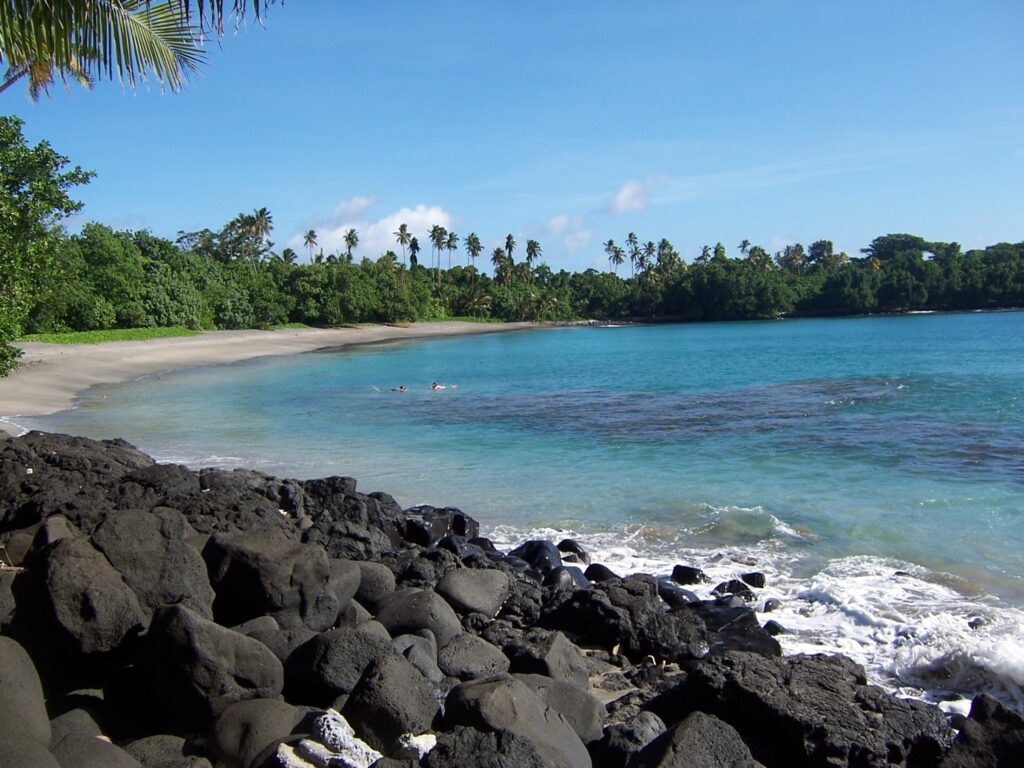
Vaiala Beach is located just east of central Apia, making it one of the most accessible beaches on Upolu. The lagoon here is calm and suitable for snorkeling, with small reefs close to shore. Local fishing boats often operate from the area, adding activity to the otherwise quiet stretch of sand. The beach is mainly used by nearby residents and visitors staying in Apia who want a convenient place to swim without traveling far.
Vavau Beach (Upolu)
Vavau Beach is a small and quiet stretch of sand on the south coast of Upolu. Sheltered by a reef, the lagoon has calm, shallow water suitable for safe swimming and snorkeling. The beach is often used for family picnics, with shaded areas under trees and simple facilities available. Its peaceful setting makes it less crowded than more popular beaches on the island. Vavau Beach is about a 90-minute drive from Apia and is commonly included in day trips along the south coast.
Hidden Gems of Samoa
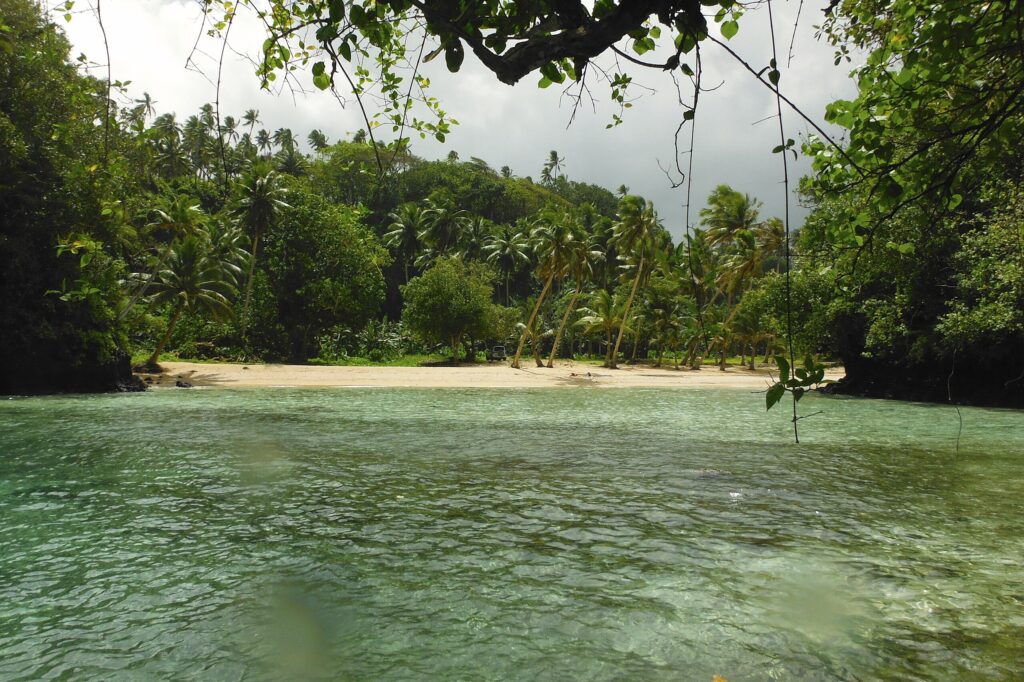
- Lotofaga Blowholes (Upolu): Less crowded than Alofaaga, dramatic and close to To Sua Ocean Trench.
- Tafatafa Beach (Upolu): A south-coast hideaway with simple fales and good surf breaks.
- Letui Pea Pools (Savai’i): Natural swimming holes right by the ocean, peaceful and scenic.
- Matavai Village (Savai’i): Rich in legends and archaeology, including ancient burial sites. A local guide makes the visit even more meaningful.
- Salamumu Beach (Upolu): Remote, quiet, and ideal for romantic stays or solo travelers seeking peace.
Travel Tips
Currency
The official currency is the Samoan Tala (WST). ATMs are available in Apia and larger towns, and credit cards are accepted in hotels, restaurants, and shops catering to tourists. In villages and rural areas, however, cash is essential, especially for buses, markets, and small family-run accommodations.
Language
Samoan is the national language and is spoken in daily life throughout the islands. English is also widely understood, particularly in schools, government, and the tourism industry, making communication relatively easy for visitors.
Getting Around
Travel within Samoa is straightforward but often relaxed in pace. On Upolu and Savai’i, visitors can use rental cars, taxis, or the island’s famous colorful local buses. Renting a car provides the most flexibility, but travelers must carry an International Driving Permit along with their home license to drive legally. For inter-island travel, ferries connect Upolu and Savai’i daily, offering a practical and scenic journey across the Apolima Strait.
Etiquette
Respect for tradition and community is central to Samoan culture. Visitors should dress modestly in villages, covering shoulders and knees, and avoid loud or disruptive behavior, especially on Sundays, when church and family time are prioritized. Always ask permission before entering villages or taking photographs, as many areas are under customary ownership. A respectful approach will ensure warm hospitality and meaningful cultural experiences.
Published September 20, 2025 • 8m to read