

Russia, the world’s largest country, spans eleven time zones and contains a vast diversity of landscapes, cultures, and histories. It is a land where imperial palaces stand alongside Soviet monuments, where taiga forests stretch endlessly, and where ancient monasteries survive on remote islands.
From the iconic onion domes of Moscow and the imperial elegance of St. Petersburg to the frozen wilderness of Siberia and the volcanic frontiers of Kamchatka, Russia is a country of immense contrasts and extraordinary adventures. Whether you’re a lover of art, literature, architecture, or raw nature, Russia offers journeys on a monumental scale.
Best Cities and Cultural Destinations
Moscow
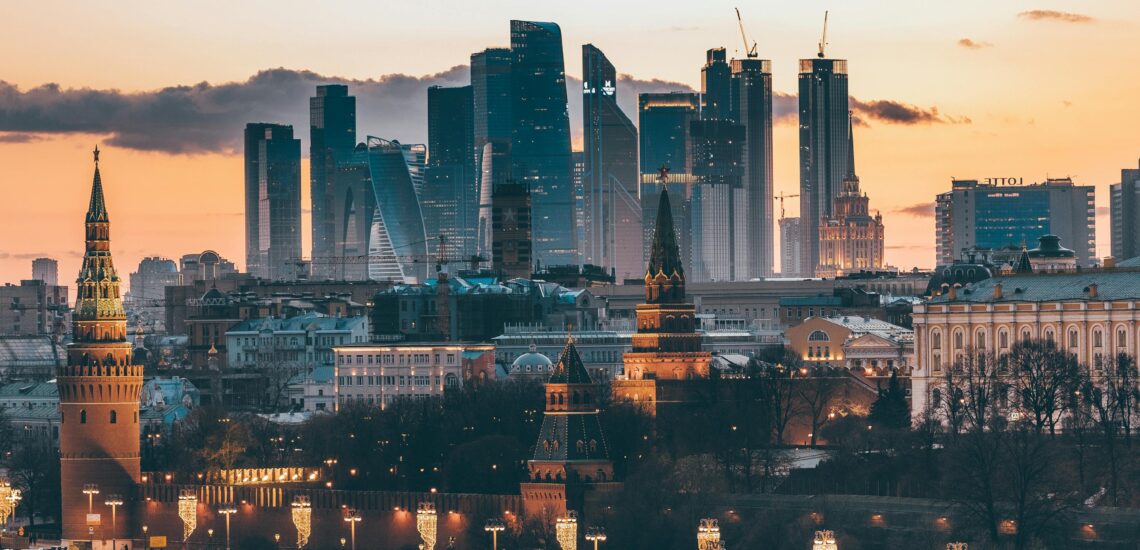
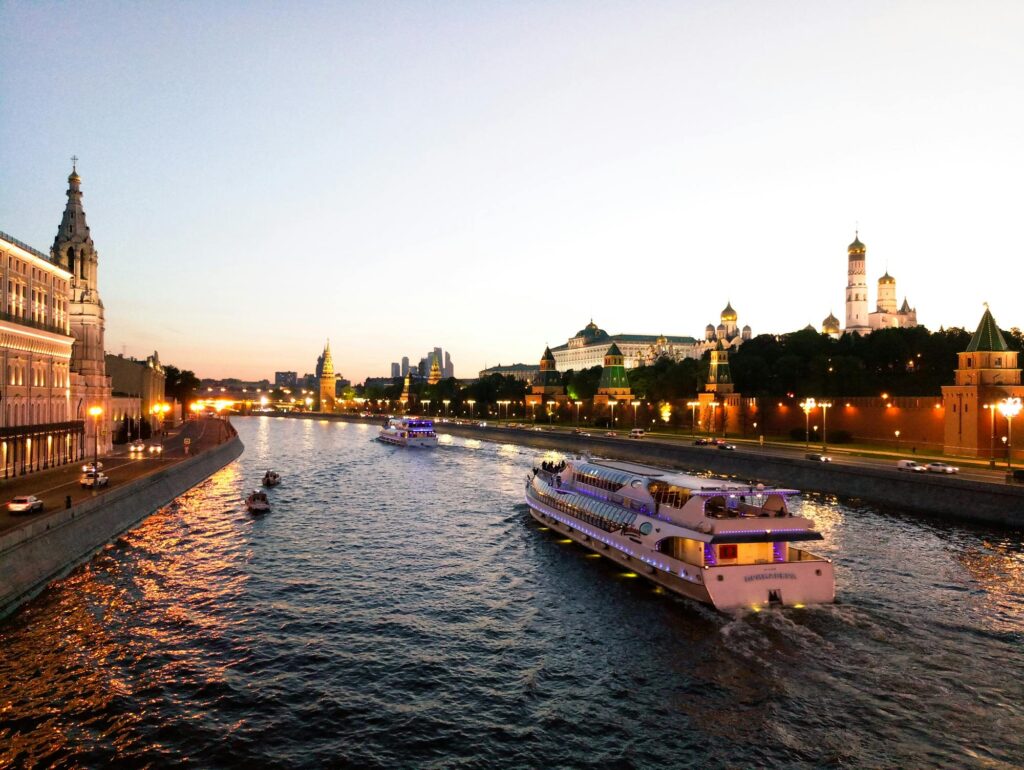
Moscow, Russia’s capital of over 12 million people, combines imperial landmarks, Soviet relics, and a fast-paced modern scene. The heart of the city is Red Square with the Kremlin, St. Basil’s Cathedral, Lenin’s Mausoleum, and the State Historical Museum. The Bolshoi Theatre remains one of the world’s top venues for ballet and opera, while the GUM arcade is both a luxury mall and an architectural landmark. The Moscow Metro, with stations decorated like underground palaces, is itself a highlight of the city. For a different vibe, Arbat Street offers street performers and souvenirs, while Patriarch’s Ponds is known for cafés, nightlife, and art galleries.
The best time to visit is May–September, when weather is mild (20–30 °C) and outdoor sightseeing is most comfortable, though December–January attracts visitors for snow and New Year lights. Moscow is served by three international airports (Sheremetyevo, Domodedovo, Vnukovo) connected to the center by Aeroexpress trains (35–45 min).
St. Petersburg
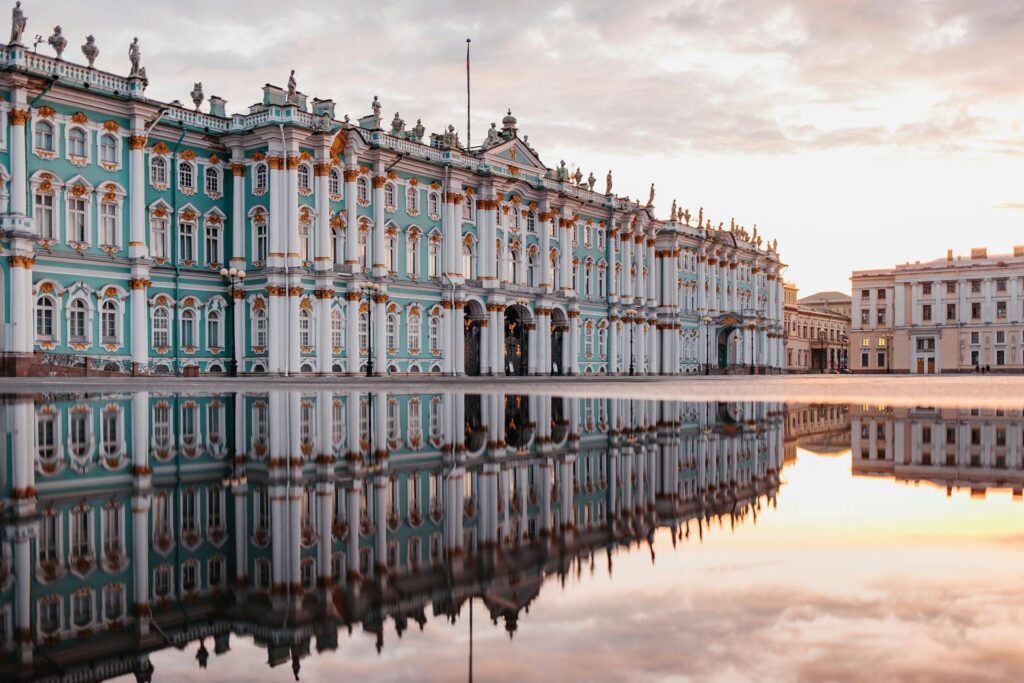
St. Petersburg, founded in 1703 by Peter the Great, is Russia’s cultural capital and UNESCO World Heritage city with over 300 bridges and grand palaces. The Hermitage Museum, housed in the Winter Palace, holds more than 3 million artworks, including pieces by da Vinci, Rembrandt, and Van Gogh. Peterhof Palace, with its golden fountains, and the Catherine Palace in Tsarskoye Selo showcase imperial luxury. The Church of the Savior on Spilled Blood, decorated with 7,500 m² of mosaics, is one of the city’s most photographed landmarks.
The best time to visit is during the White Nights Festival (late May–July), when the city barely sleeps under midnight sun. Canal cruises offer views of St. Petersburg’s baroque and neoclassical facades, while Nevsky Prospekt is the main artery for shopping, cafés, and nightlife. Pulkovo International Airport lies 20 km south of the center, connected by bus and taxi. High-speed trains reach Moscow in 4 hours, making travel between the two cities easy.
Kazan
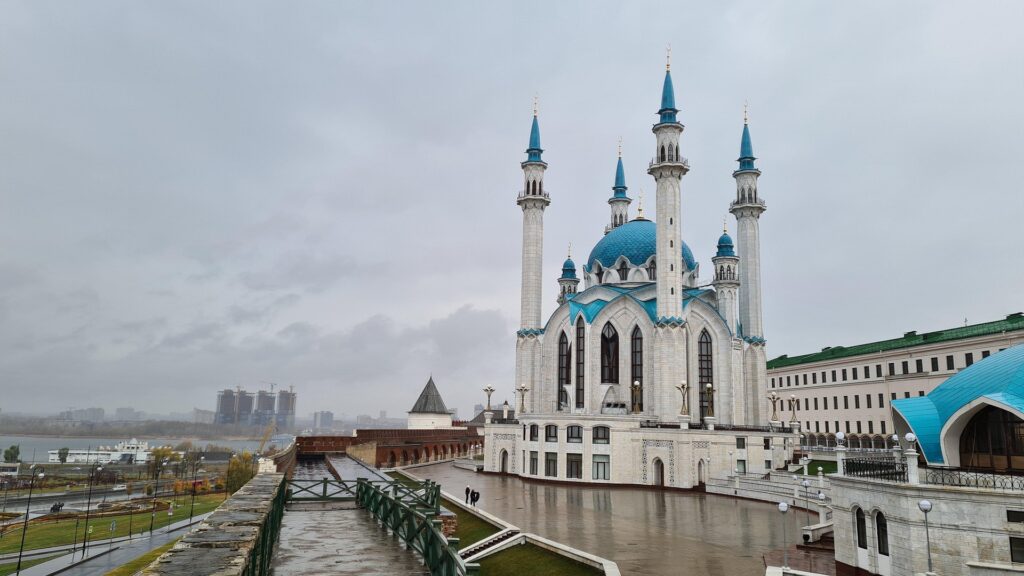
Kazan, the capital of Tatarstan, is one of Russia’s oldest cities and a meeting point of European and Asian cultures. Its main landmark is the UNESCO-listed Kazan Kremlin, where the Qol Sharif Mosque – one of the largest in Russia – stands alongside the 16th-century Annunciation Cathedral. Other highlights include the leaning Söyembikä Tower and the Tatarstan Museum of Natural History. Bauman Street, the city’s pedestrian center, is lined with shops, cafés, and street performers. Local cuisine reflects the cultural blend – don’t miss chak-chak, a honey-coated pastry, and traditional Tatar dishes like echpochmak (meat pies).
Kazan International Airport lies 26 km from the center, with flights from Moscow, St. Petersburg, and international hubs. High-speed trains connect Kazan to Moscow in about 11–12 hours. Within the city, the metro, buses, and trams make it easy to reach major sights.
Sochi
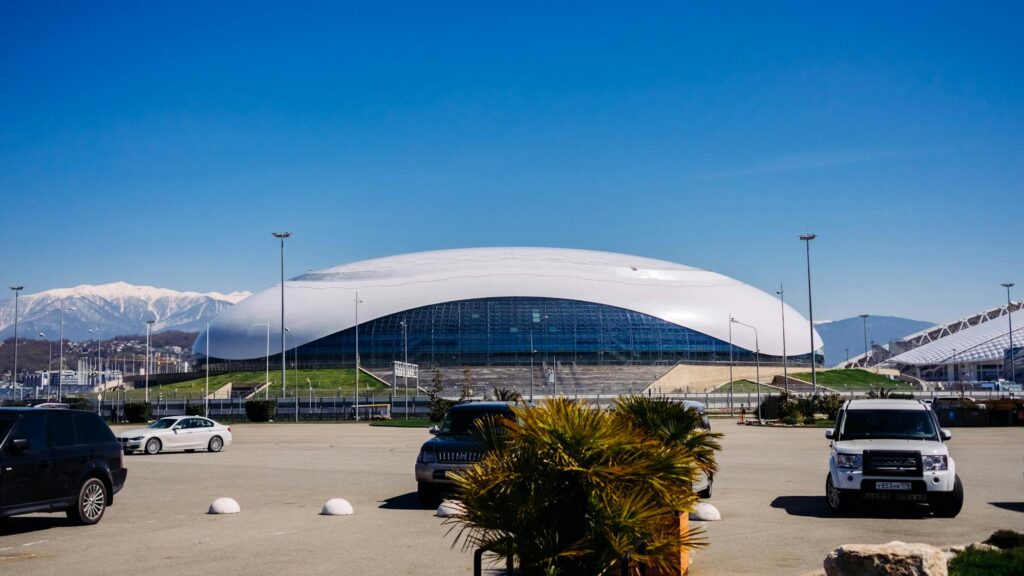
Sochi, stretched for 145 km along the Black Sea coast, is Russia’s leading resort city, combining beaches with mountain adventures. In summer, visitors relax on pebble beaches, while in winter the nearby Rosa Khutor ski resort in Krasnaya Polyana offers world-class slopes. Sochi National Park features waterfalls, caves, and hiking trails in the Caucasus foothills. History lovers can tour Stalin’s Dacha, while the 2014 Olympic Park showcases modern arenas and the Formula 1 track.
Yekaterinburg
Yekaterinburg, Russia’s fourth-largest city and the gateway between Europe and Asia, is known for its history and creative spirit. The Church on the Blood, built on the site where the last Romanov family was executed in 1918, is the city’s main landmark. Other highlights include the Yekaterinburg Museum of Fine Arts, housing the famous Kasli cast-iron pavilion, and the Boris Yeltsin Presidential Center, which combines a museum, gallery, and civic space. The city is also dotted with sculpture parks, street art, and lively cafés that showcase its modern edge.
Best Natural Attractions
Lake Baikal (Siberia)
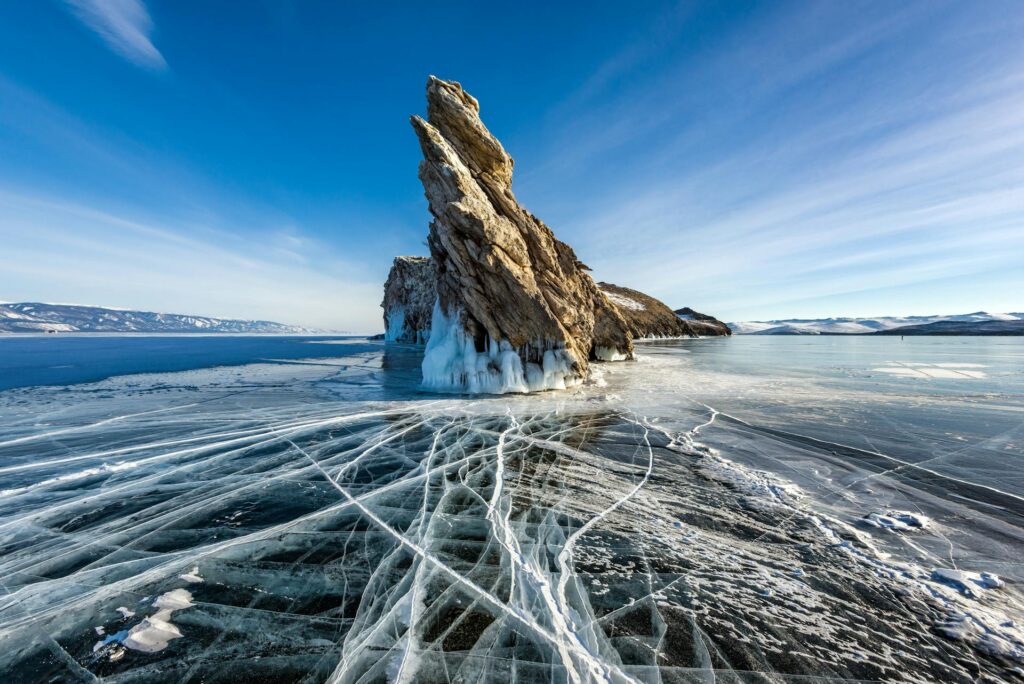
Lake Baikal, a UNESCO World Heritage Site, is the world’s deepest (1,642 m) and oldest (25 million years) freshwater lake, holding about 20% of Earth’s unfrozen fresh water. In summer, visitors kayak, swim in its crystal-clear but chilly waters, or hike trails like the 55 km Great Baikal Trail. In winter, the lake freezes with ice up to 1.5 m thick, allowing walking, skating, or even driving across its surface, while ice caves and frosted cliffs attract photographers. The most popular bases are Listvyanka, just 70 km from Irkutsk, and Olkhon Island, considered the spiritual heart of Baikal.
The best times to visit are July–August for summer activities and February–March for frozen landscapes. Irkutsk International Airport is the main gateway, with bus and ferry links to Listvyanka (1.5 hours) and seasonal ferries to Olkhon. Guesthouses and homestays are common, while eco-lodges and yurts offer more adventurous stays.
Kamchatka Peninsula
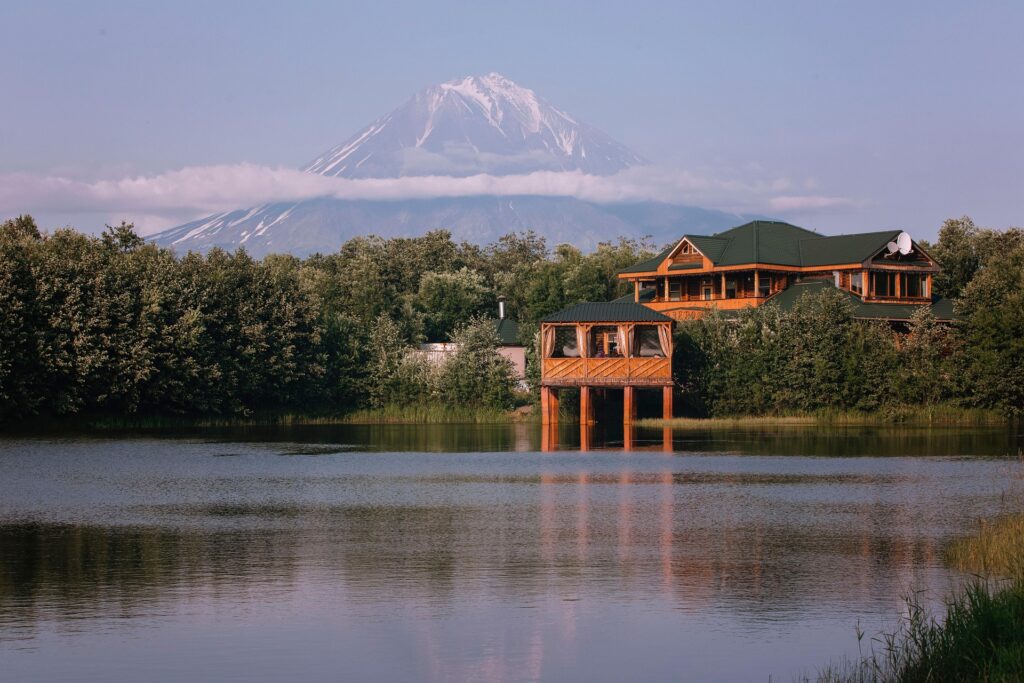
Kamchatka, in Russia’s Far East, is a remote land of more than 160 volcanoes, 29 of them active, and one of the wildest regions on Earth. Highlights include Klyuchevskaya Sopka (4,750 m), Eurasia’s highest active volcano, and the Valley of Geysers, where over 90 geysers erupt in a remote canyon accessible only by helicopter. Visitors can soak in natural hot springs, trek across lava fields, and watch brown bears fishing for salmon along rivers. Helicopter tours also reveal glaciers, volcanic craters, and smoking vents in landscapes rarely touched by people.
Petropavlovsk-Kamchatsky, the main gateway, is reached by flights from Moscow (8–9 hours) or Vladivostok (4 hours). From there, jeep expeditions, guided treks, and helicopter tours are the main ways to access Kamchatka’s remote interior. Accommodation ranges from guesthouses in Petropavlovsk to simple cabins and tent camps in the wilderness.
Altai Mountains
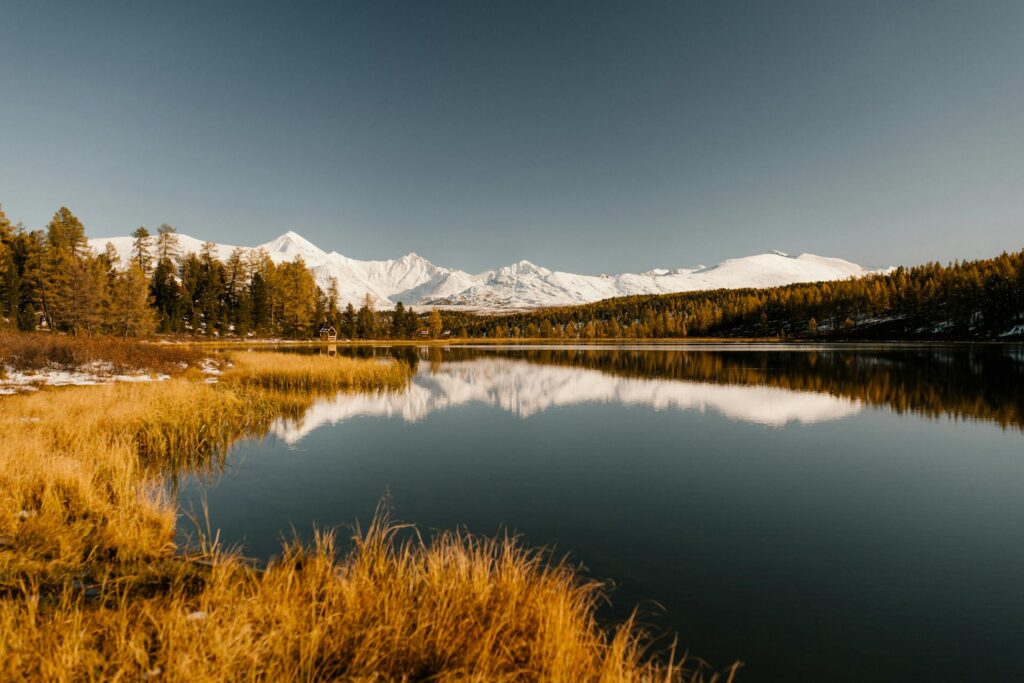
The Altai Mountains, where Russia, Mongolia, China, and Kazakhstan meet, are a land of alpine meadows, glaciers, and ancient history. Belukha Mountain (4,506 m), Siberia’s highest peak, is a sacred site for locals and a challenging trekking destination. Lake Teletskoye, 78 km long and 325 m deep, is often called the “younger brother of Baikal” and is perfect for kayaking, boating, and hiking along its shores. The Chuysky Tract, one of Russia’s most scenic roads, winds through high passes, river valleys, and petroglyph sites dating back thousands of years.
Karelia
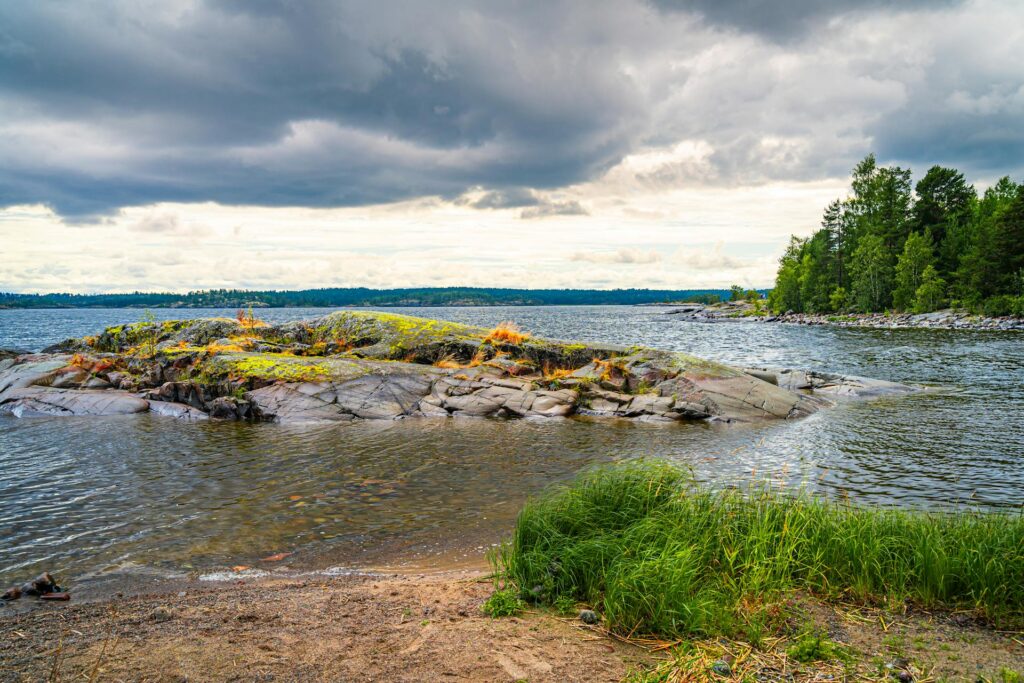
Karelia, on Russia’s border with Finland, is a region of forests, lakes, and traditional wooden architecture. Its most famous landmark is Kizhi Pogost, a UNESCO World Heritage site on Lake Onega, featuring 18th-century wooden churches built entirely without nails. The region is ideal for canoeing, kayaking, hiking, and fishing in pristine nature, with pine-lined lakes and rivers stretching in every direction. Petrozavodsk, the capital, is a starting point for trips to Kizhi and other cultural sites.
Hidden Gems of Russia
Solovetsky Islands (White Sea)
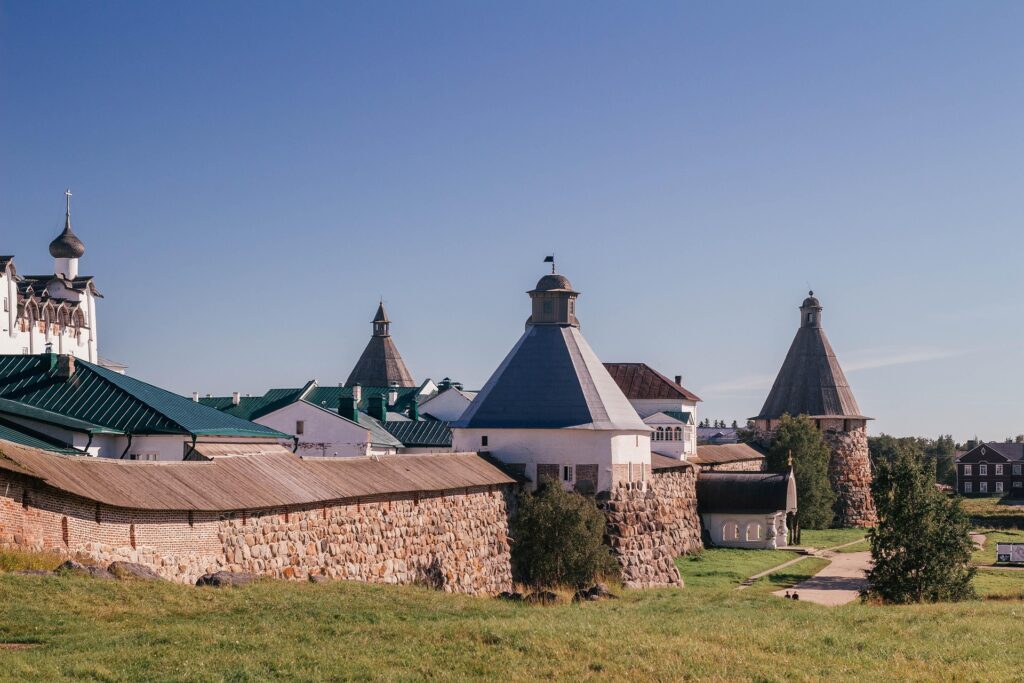
The Solovetsky Islands, or Solovki, are a remote archipelago in the White Sea, known for their mix of spirituality and tragic history. The 15th-century Solovetsky Monastery, once one of Russia’s richest religious centers, later became a Soviet gulag camp. Visitors can tour the fortress-like monastery, see old prison sites, and explore stone labyrinths dating back to prehistoric times. The islands also offer quiet landscapes of lakes, pine forests, and seabird colonies.
The best time to visit is June–September, when the weather is mild and ferries operate. Solovki are reached by flight from Arkhangelsk (about 45 minutes) or by ferry from Kem (6 hours). Once on the islands, bicycles, boats, and guided tours are the main ways to explore. Accommodation is available in small hotels, guesthouses, and monastery lodgings.
Derbent (Dagestan)
Derbent, on the Caspian Sea, is Russia’s oldest city with more than 5,000 years of history and a UNESCO World Heritage designation. Its highlight is the Naryn-Kala Fortress, a 6th-century citadel with panoramic views, connected to ancient double city walls that once stretched 40 km between the sea and the Caucasus mountains. Within the old town, visitors can see historic mosques, bathhouses, and caravanserais that reflect Persian, Arab, and Russian influences. Local bazaars add color with spices, fruits, and traditional crafts.
Derbent is about 120 km south of Makhachkala, reachable by train (2.5 hours), bus, or car. Once inside the compact old city, most sites can be explored on foot, while taxis connect to nearby beaches and vineyards.
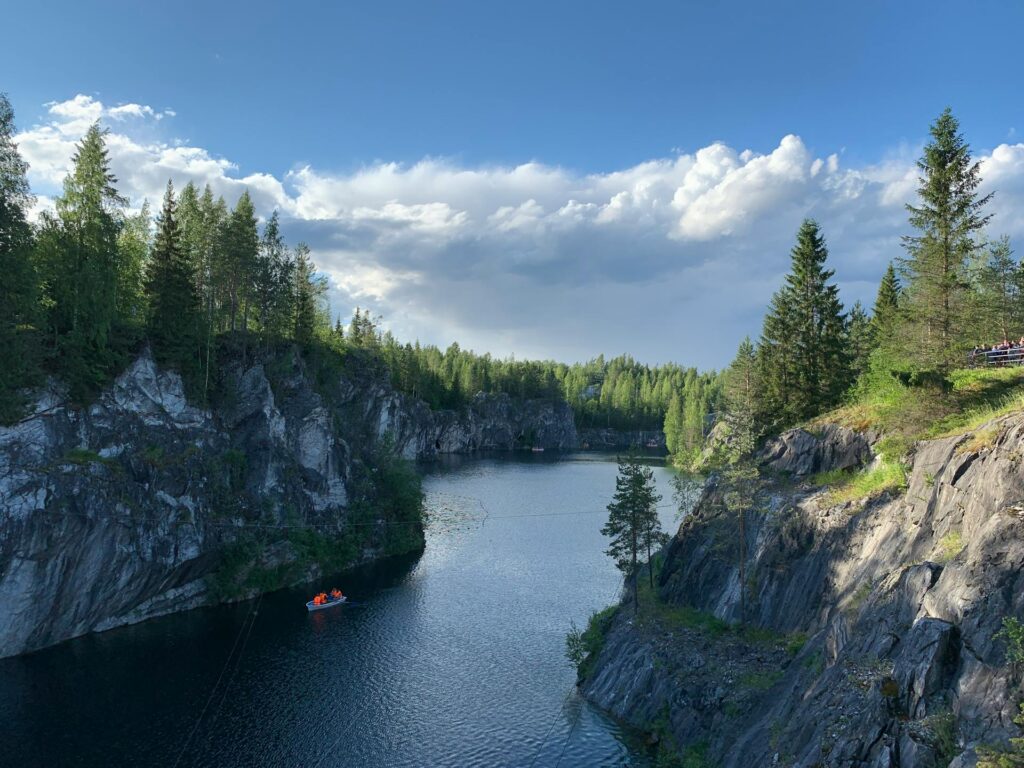
Ruskeala Marble Canyon (Karelia)
Ruskeala Marble Canyon, near Sortavala in Karelia, is a flooded marble quarry turned into a scenic turquoise lake. Visitors can explore the canyon by boat, kayak, or along walking trails on the cliffs. The park also offers zip-lining across the water, diving into underwater tunnels, and evening light shows that illuminate the marble walls. In winter, the canyon transforms into an ice grotto attraction with guided tours.
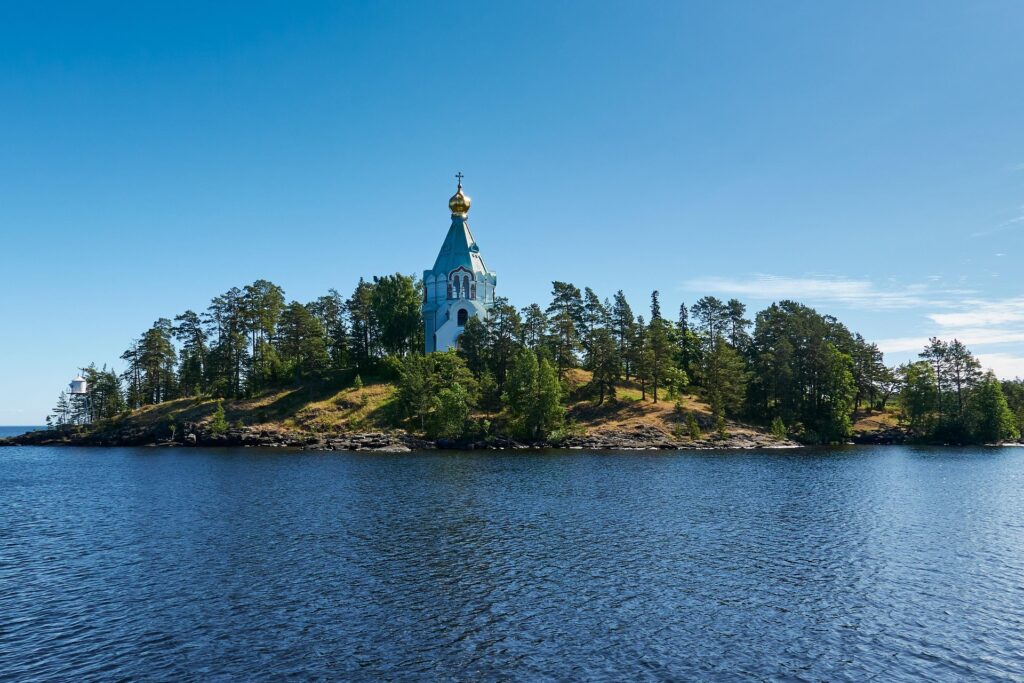
Valaam Island (Lake Ladoga)
Valaam Island, in Lake Ladoga, is one of Russia’s most spiritual sites, famous for its 14th-century Orthodox monastery surrounded by pine forests and rocky shores. The monastery complex includes the Transfiguration Cathedral and smaller hermitages scattered across the island. Visitors also come for quiet nature walks, boat rides around the archipelago, and concerts of traditional Valaam church singing.
Boats to Valaam run from Sortavala (1.5 hours) and Priozersk, while hydrofoils operate from St. Petersburg in summer (4 hours). Most tours are day trips, though guesthouses and monastery accommodations allow overnight stays.
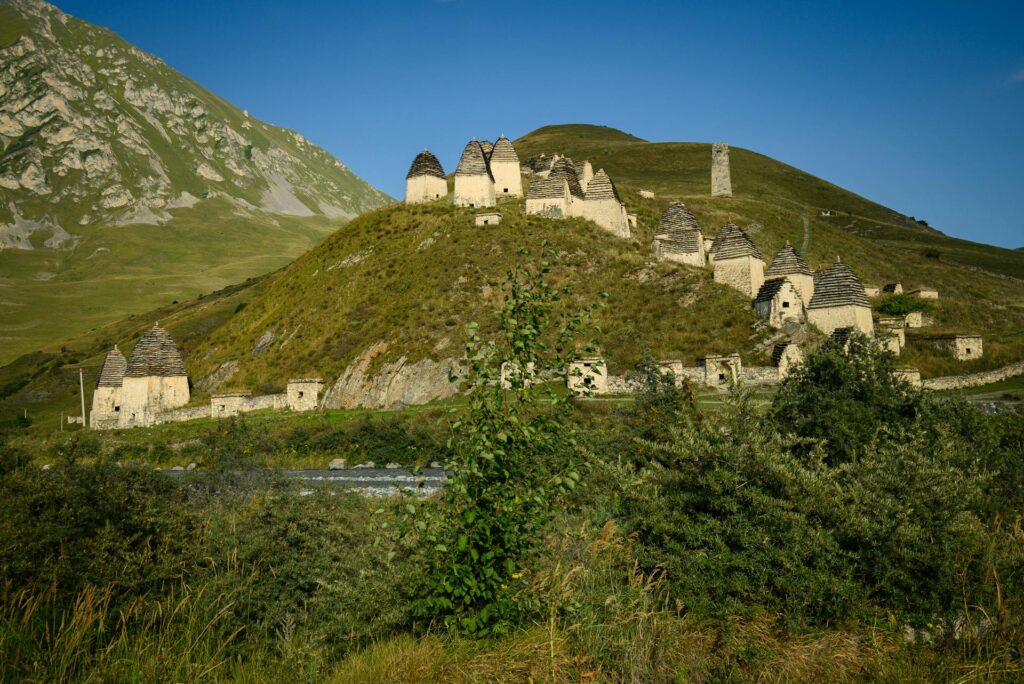
Dargavs (North Ossetia)
Dargavs, often called the “City of the Dead,” is a remote valley in North Ossetia dotted with nearly 100 stone crypts dating from the 14th–18th centuries. Set against the backdrop of the Caucasus mountains, the site is both atmospheric and historically significant, as families once built these tombs for entire generations. The surrounding Fiagdon Gorge adds to the dramatic scenery, with watchtowers and mountain trails nearby.
Dargavs is about 40 km from Vladikavkaz (1–1.5 hours by car). Public transport is limited, so taxis or organized tours are the most practical way to reach the site. Once there, walking paths connect the necropolis with viewpoints overlooking the valley.
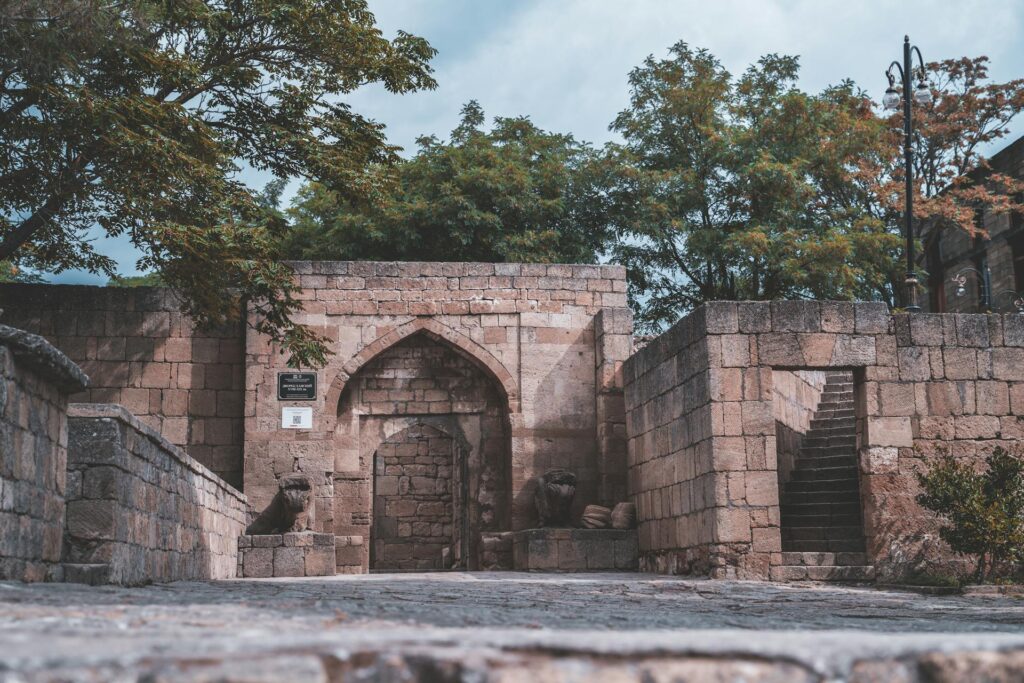
Stolby Nature Reserve (Krasnoyarsk)
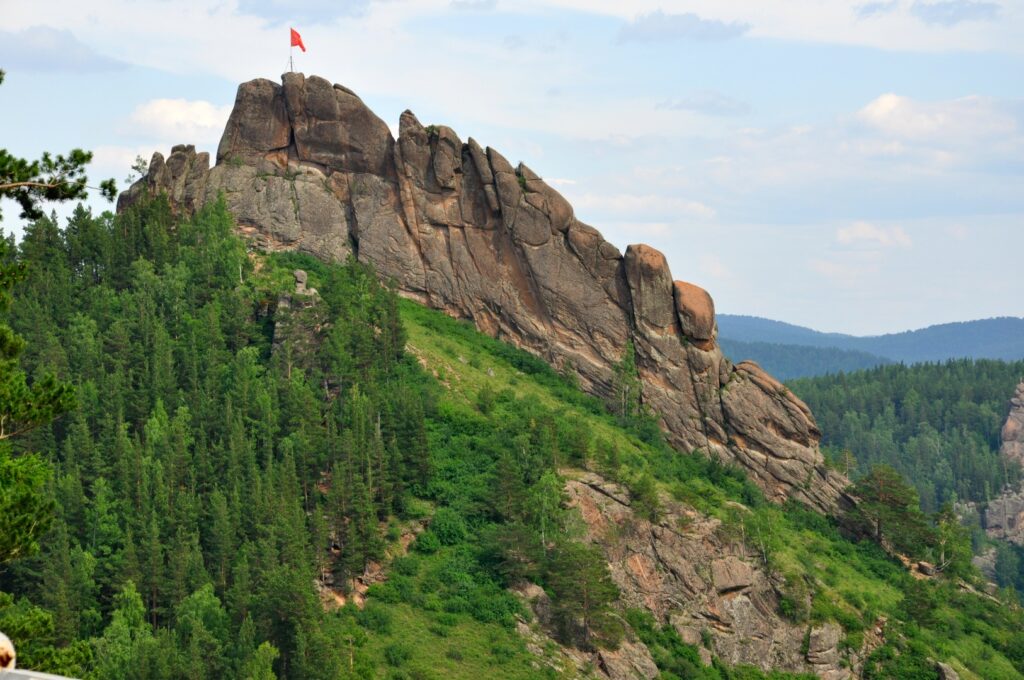
Stolby Nature Reserve, just outside Krasnoyarsk in Siberia, is known for its dramatic granite pillars (“stolby”) that rise above dense taiga forests. Some cliffs reach 100 meters and are popular for hiking, climbing, and wildlife spotting – the park is home to sable, elk, and numerous bird species. Well-marked trails lead to famous formations like Feathers, Lion’s Gate, and Grandfather.
The best time to visit is May–September for hiking or December–February for winter landscapes. The reserve is only 20 minutes from Krasnoyarsk by bus or car, with trailheads accessible from the city’s suburbs. Simple shelters exist inside the park, but most visitors stay in Krasnoyarsk and make day trips.
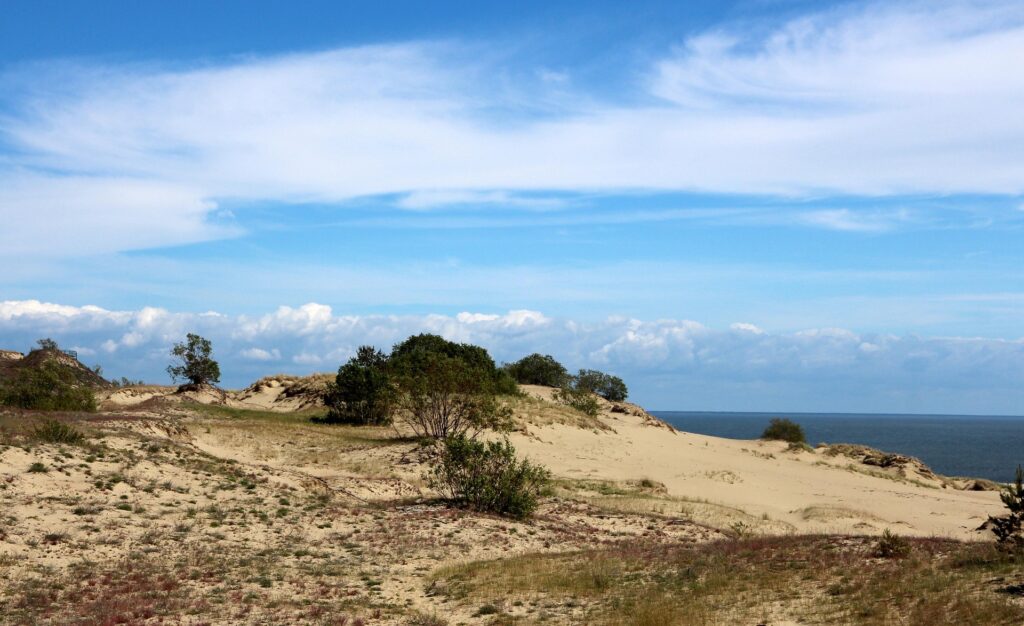
Curonian Spit (Kaliningrad)
The Curonian Spit, a UNESCO World Heritage Site, is a 98 km-long sand dune peninsula separating the Baltic Sea from the Curonian Lagoon. Its drifting dunes rise up to 60 meters, offering hiking routes with panoramic views. The area is also a major stopover for migratory birds, making it one of Europe’s top birdwatching destinations. Visitors can enjoy amber-strewn beaches, fishing villages, and the Dancing Forest, where pine trees grow in unusual twisted shapes.
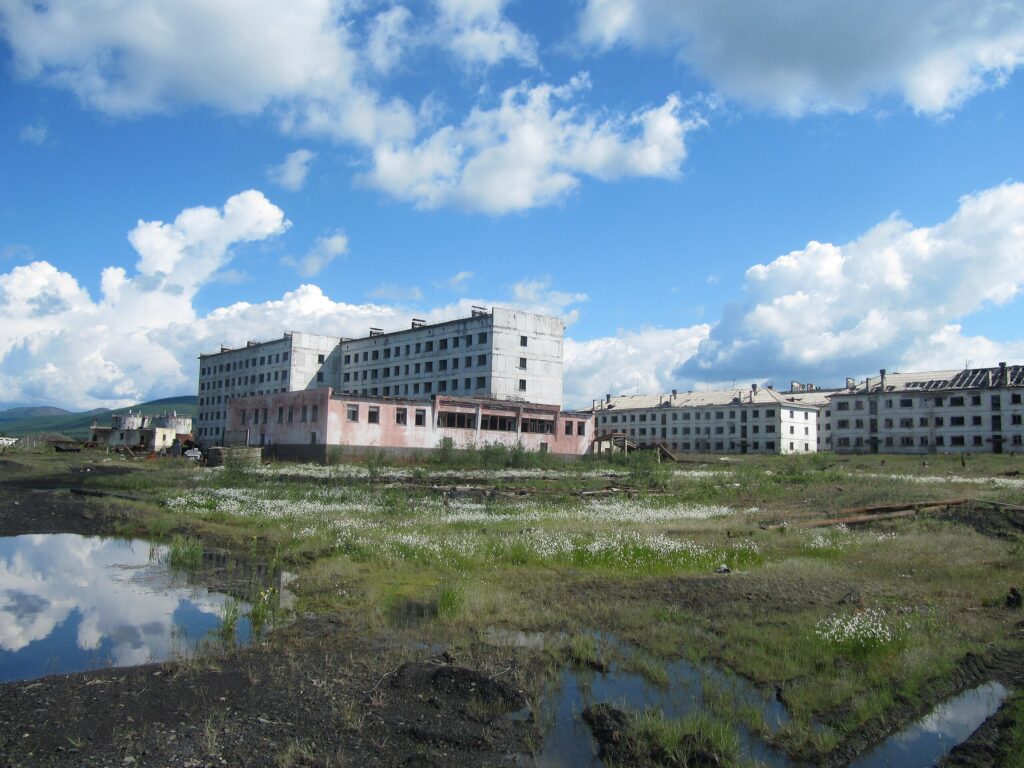
Ghost Towns of the Far East
Russia’s Far East is dotted with abandoned mining settlements, the most famous being Kadykchan in Magadan Region. Built during World War II by gulag labor to supply coal, it was fully evacuated in the 1990s after the mines closed. Today, rows of empty apartment blocks, schools, and factories stand frozen in time, making it a haunting destination for urban explorers. Other ghost towns include Chara and Delyankir, each telling a story of Soviet-era industrial ambition in remote landscapes.
These towns are extremely remote – Kadykchan is 650 km from Magadan along the Kolyma Highway (“Road of Bones”), reachable only by jeep or truck. Visitors should travel with guides, as infrastructure is nonexistent and conditions are harsh.
Travel Tips
Visa
For most nationalities, visiting Russia requires obtaining a tourist visa in advance, typically arranged through a consulate with supporting documents such as hotel confirmations and an invitation letter. Recently, select regions and cities have introduced eVisas for short stays, making travel more convenient, though availability depends on nationality and entry point. Travelers should always check the latest requirements before planning their trip.
Transport
Russia’s immense size makes transportation a key part of the travel experience. Trains remain the most iconic and scenic way to explore the country, from short journeys between nearby cities to the legendary Trans-Siberian Railway, which crosses the nation from Moscow to Vladivostok. For those with limited time, domestic flights are the fastest way to cover vast distances, with well-connected routes between major cities and regional centers.
Within Moscow and St. Petersburg, the metro systems are efficient, affordable, and architectural masterpieces in their own right, often resembling underground palaces. In other cities, buses and trams provide reliable urban transport. Renting a car is possible, but visitors must carry an International Driving Permit in addition to their home license. Due to language barriers and challenging traffic in large cities, many travelers find it easier to rely on trains and public transport instead of self-driving.
Currency & Language
The national currency is the Russian Ruble (RUB). Credit cards are widely accepted in major cities, but carrying cash is advisable in smaller towns and rural areas.
The official language is Russian, and while English is spoken in some tourist hubs, it is far less common outside major urban centers. A translation app or phrasebook is very helpful for navigating menus, signs, and everyday communication.

Published August 19, 2025 • 11m to read