
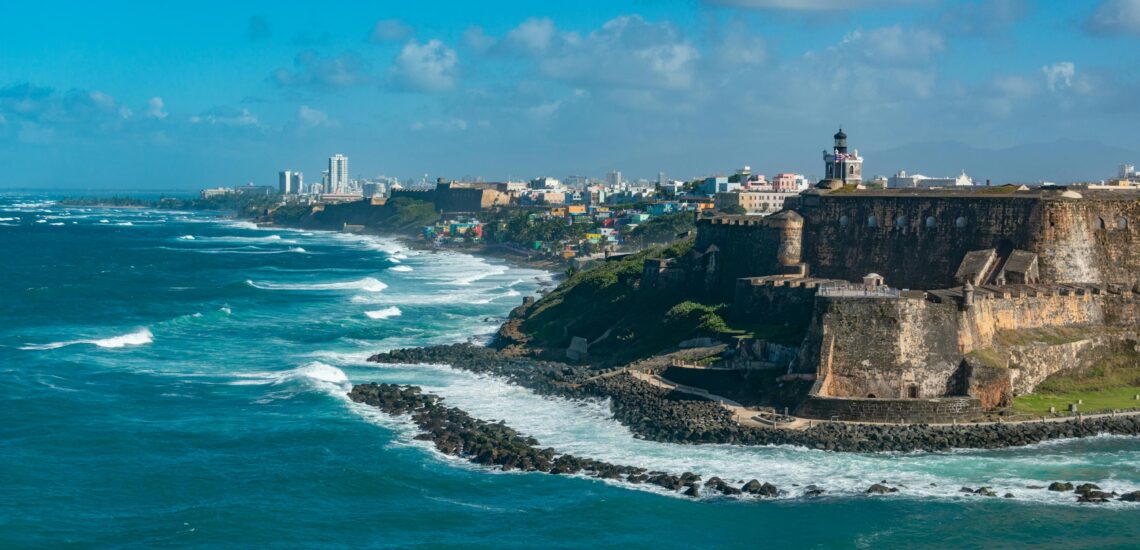


Puerto Rico is where Spanish passion, Caribbean rhythm, and American convenience come together. From the cobblestone streets of Old San Juan to the tropical peaks of El Yunque Rainforest, from glowing bioluminescent bays to white-sand beaches, the island delivers an experience that feels both exotic and familiar.
Best Cities in Puerto Rico
San Juan
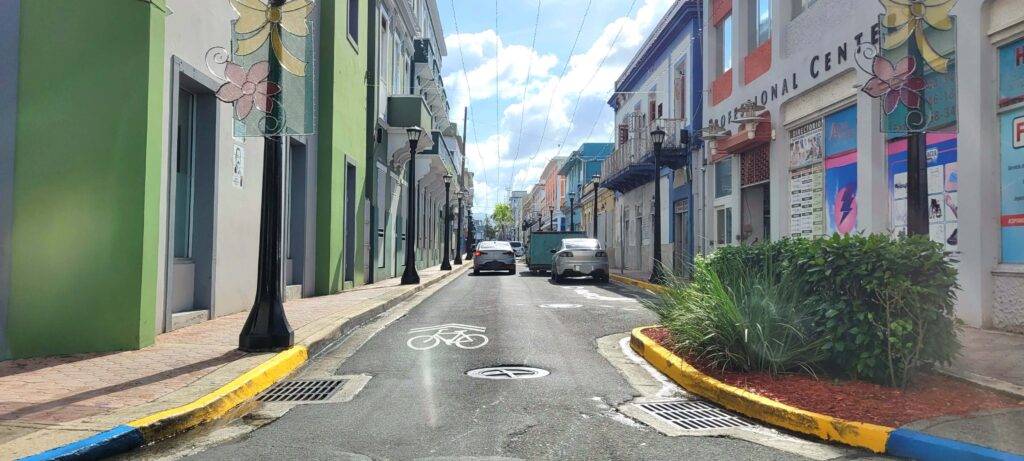
Old San Juan, a UNESCO World Heritage Site, is the heart of the city, known for its pastel-colored colonial buildings, cobblestone streets, and charming plazas. Visitors can explore El Morro and Castillo San Cristóbal, two 16th-century Spanish forts that once guarded the harbor, and tour La Fortaleza, the governor’s mansion and one of the oldest executive residences in the Western Hemisphere. The scenic Paseo de la Princesa promenade offers ocean views, local crafts, and live music, creating a relaxed waterfront experience. Beyond the old city, Condado and Isla Verde feature modern hotels, fine dining, and nightlife, with easy beach access and water sports. San Juan is well connected by air through Luis Muñoz Marín International Airport and is the main hub for exploring the rest of Puerto Rico.
Ponce
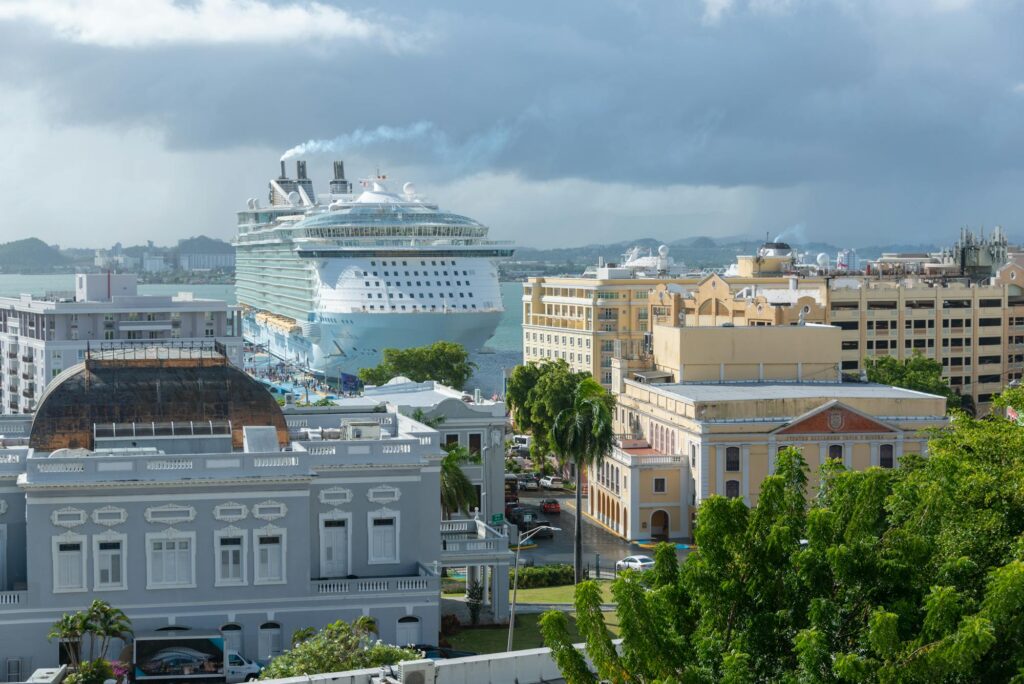
Ponce, often called “The Pearl of the South”, is Puerto Rico’s second-largest city and a center of art, history, and architecture. Its downtown area, centered around Plaza Las Delicias, features landmarks like the Parque de Bombas, a distinctive red-and-black firehouse that now serves as a museum, and the Cathedral of Our Lady of Guadalupe. The Museo de Arte de Ponce houses one of the Caribbean’s finest art collections, with works by European masters and Latin American artists. Overlooking the city, Castillo Serrallés offers panoramic views and insight into Puerto Rico’s rum-making heritage. Visitors can also stroll along the waterfront La Guancha Boardwalk for local food, music, and sea breezes. Ponce is about a 90-minute drive from San Juan via the scenic PR-52 highway and is easily reached by car or bus.
Rincón
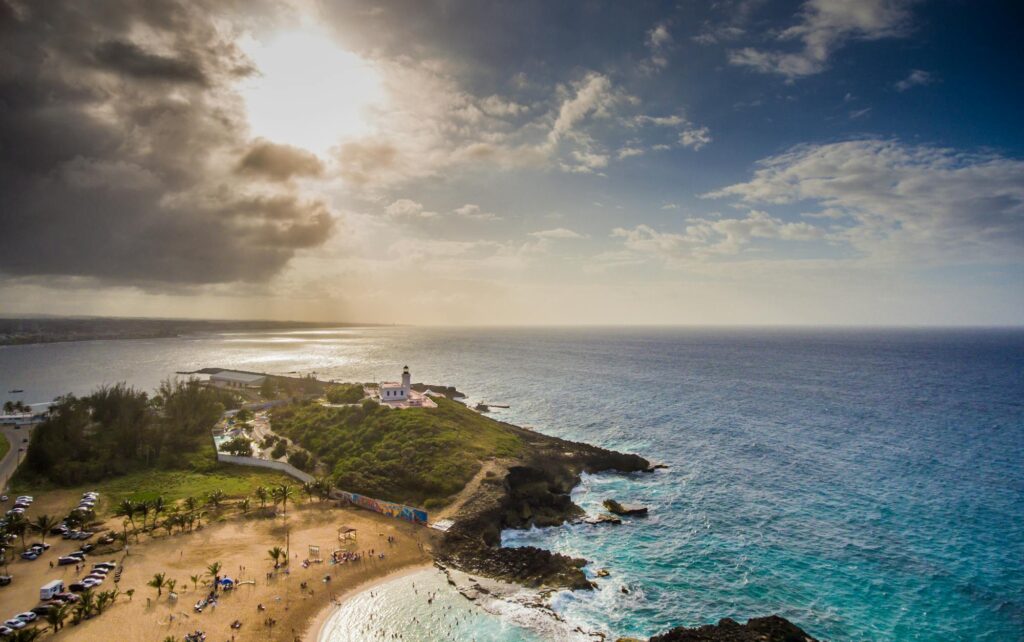
Domes Beach and Sandy Beach attract surfers from around the world, while calmer spots nearby are ideal for swimming, snorkeling, and diving. From January to March, humpback whales can often be seen offshore, and the sunsets here are among the island’s most memorable. The town has a growing community of digital nomads and long-term travelers drawn by its cafés, yoga studios, and laid-back rhythm. Rincón is about a 2.5-hour drive from San Juan and can be reached via the island’s northern or southern coastal highways.
Mayagüez
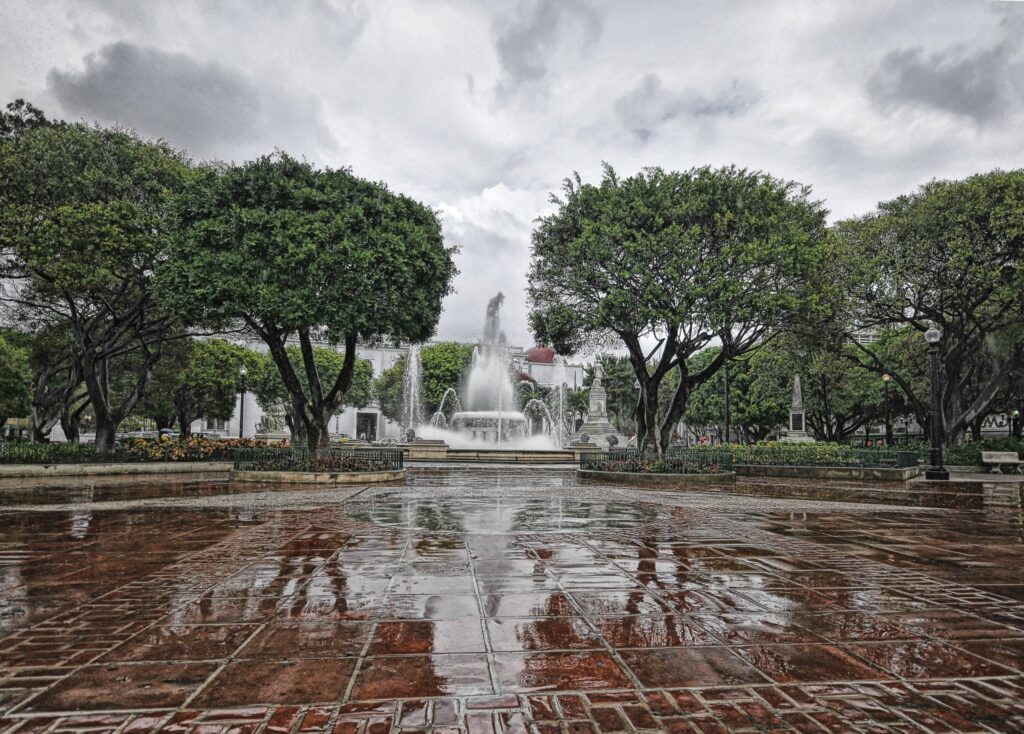
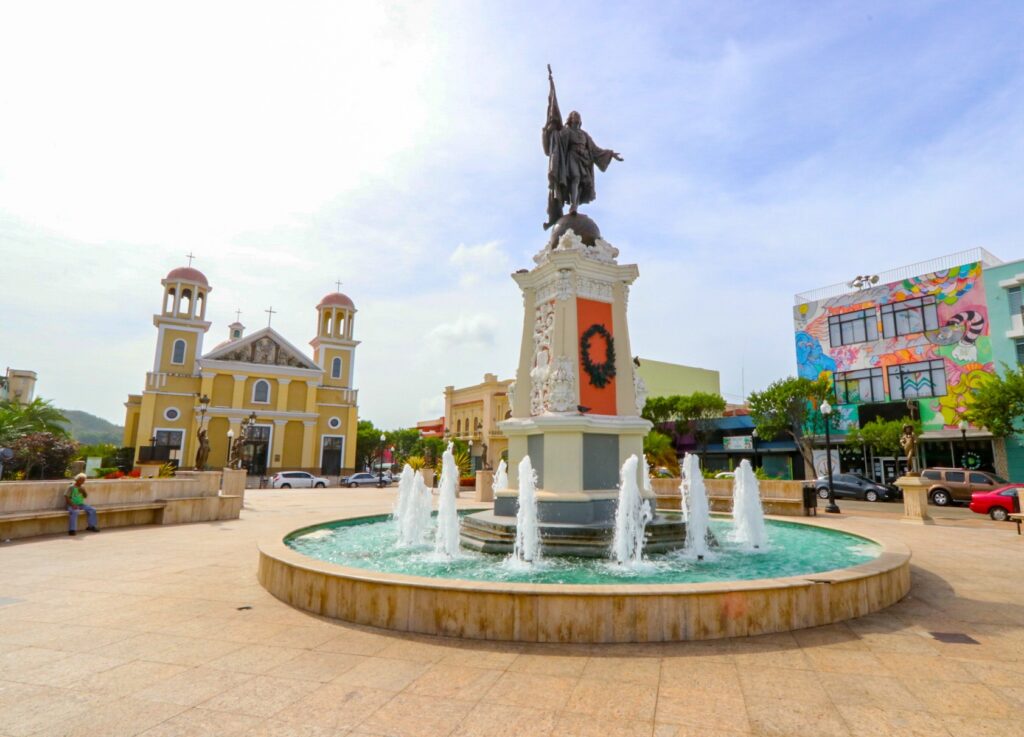
Centered around Plaza Colón, visitors can see the bronze statue of Christopher Columbus, the city’s cathedral, and a classic fountain surrounded by cafes and shops. The city is home to the University of Puerto Rico at Mayagüez, which gives it a youthful atmosphere and a lively arts scene. Nearby attractions include quiet beaches, coffee plantations in the surrounding hills, and seafood restaurants serving the region’s fresh catch. Mayagüez is also a transportation hub for reaching the western coast and offshore islands, located about a 2.5-hour drive from San Juan.
Arecibo
Cueva del Indio is one of the highlights – a seaside cave carved by the Atlantic waves, where visitors can see ancient Taíno petroglyphs and dramatic ocean arches. The nearby Arecibo Observatory, though no longer operational, remains an iconic scientific site and now serves as a center for education and research. Outdoor enthusiasts can also explore the Río Camuy Cave Park and the scenic coastal road leading to secluded coves and viewpoints. Arecibo is about a 90-minute drive from San Juan via PR-22 and is best explored by car.

Caguas & Cayey
Caguas blends tradition and modernity, with museums, botanical gardens, and a lively central square hosting weekend markets. Further south, Cayey is known for its cooler climate, lush hills, and mountain cuisine. The area’s highlight is the famous Pork Highway, or “La Ruta del Lechón”, a stretch of roadside restaurants where visitors can enjoy lechón asado – slow-roasted pork prepared over open fires. Both towns feature scenic viewpoints overlooking the Cordillera Central and are easily reached by car from San Juan in about an hour.
Best Natural Wonders in Puerto Rico
El Yunque National Forest
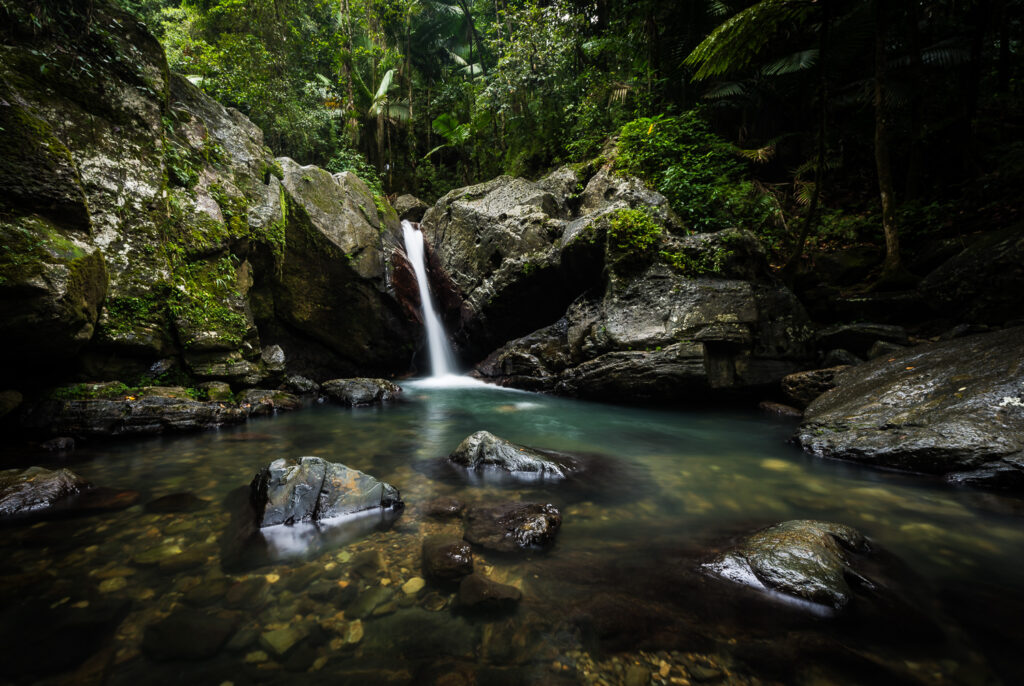
El Yunque National Forest, located in northeastern Puerto Rico, is the only tropical rainforest in the U.S. National Forest System and one of the island’s top natural attractions. The forest is filled with hiking trails that lead through dense vegetation to waterfalls, rivers, and lookout towers. Visitors can hike to La Mina Falls for a refreshing swim, climb Yokahú Tower for sweeping views of the coast, or take on the more challenging trail to El Yunque Peak. The forest is home to the native coquí frog, tropical birds, orchids, and a wide variety of plant life. El Yunque is about a one-hour drive from San Juan via Route 191 and is accessible by car or through guided eco-tours departing from the city.
Bioluminescent Bays
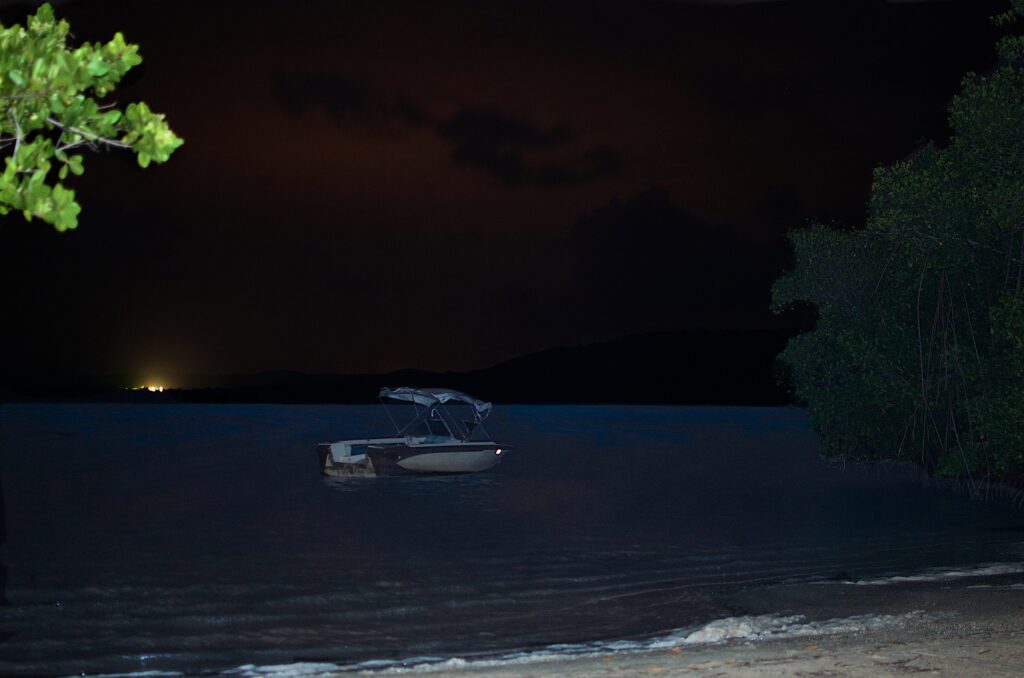
Puerto Rico is home to three remarkable bioluminescent bays, where microscopic organisms called dinoflagellates create a blue-green glow when the water is disturbed. Mosquito Bay on Vieques is officially recognized as the brightest bioluminescent bay in the world, offering an unforgettable night kayaking experience. Laguna Grande in Fajardo is the most accessible from San Juan and is surrounded by mangrove forests that add to its natural beauty. La Parguera, located on the southwest coast in Lajas, is unique as the only bay where swimming is permitted, allowing visitors to immerse themselves in the glowing waters. Each bay offers guided tours by kayak or electric boat, with the best visibility on moonless nights.
Cueva Ventana (Window Cave)
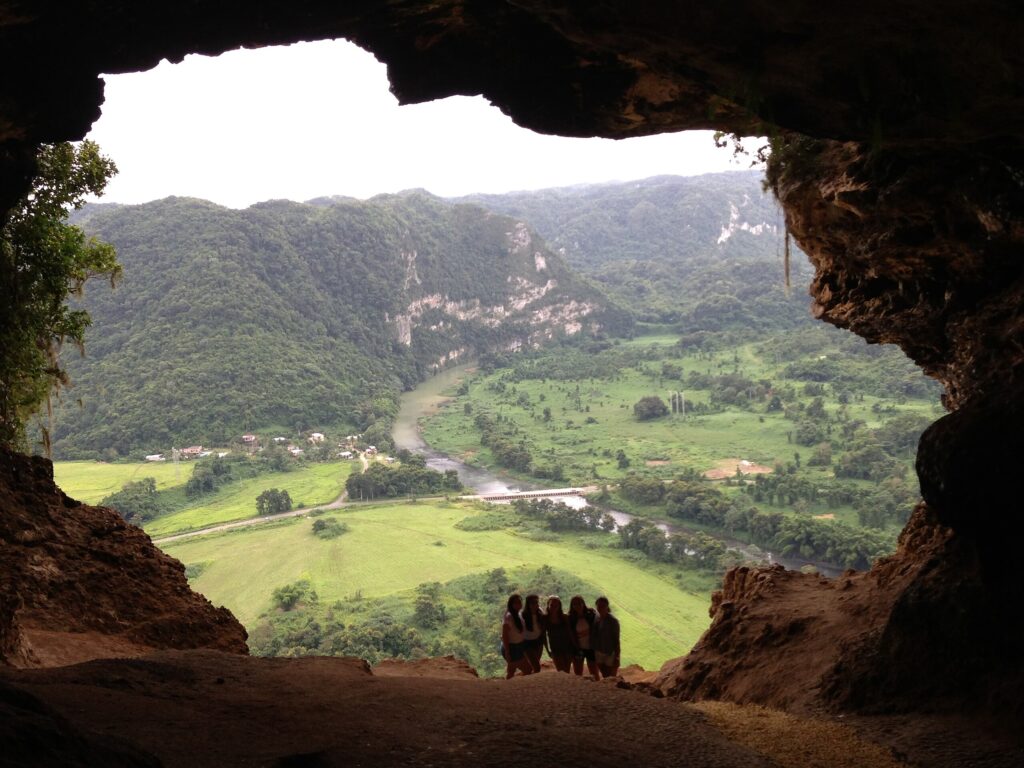
Cueva Ventana, or “Window Cave”, sits high above the Río Grande de Arecibo Valley on Puerto Rico’s northwestern side and is one of the island’s most photographed natural sites. The cave’s name comes from its large opening that frames a panoramic view of the valley and surrounding karst landscape. Guided tours take visitors through the dark interior filled with stalactites, stalagmites, and native wildlife such as bats before reaching the lookout point. The hike to the cave entrance is short but requires sturdy footwear due to uneven terrain. Cueva Ventana is located along PR-10 near Arecibo and is about a 90-minute drive from San Juan.
Río Camuy Cave Park
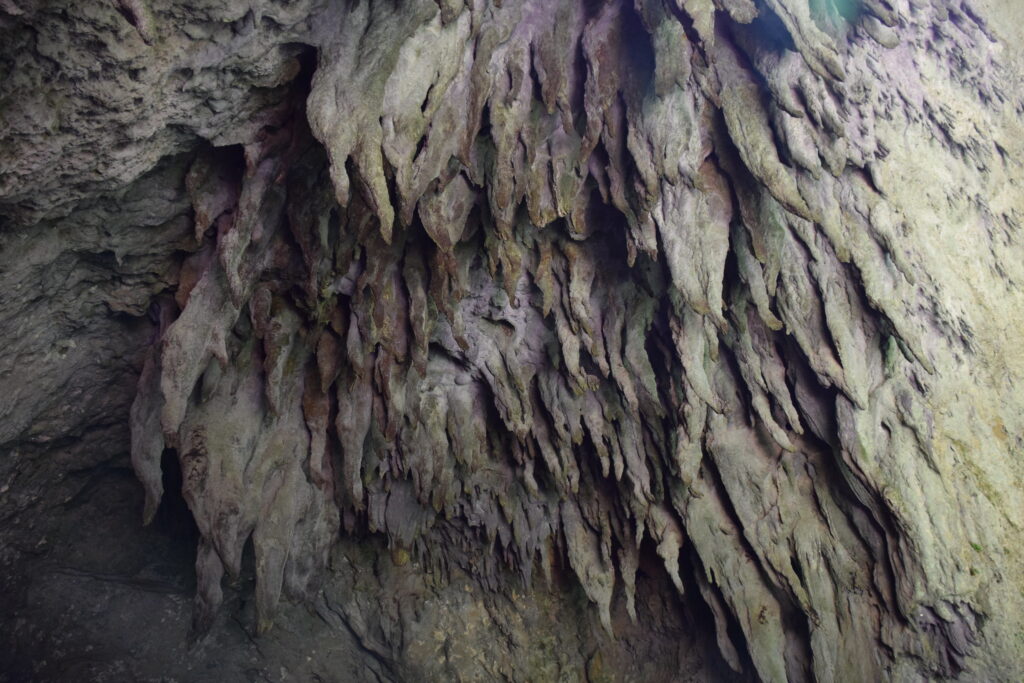
Río Camuy Cave Park, located in Puerto Rico’s northwest region, features one of the largest cave systems in the Western Hemisphere, formed by the flow of the Camuy River over millions of years. Guided tours lead visitors through vast caverns and sinkholes, showcasing impressive stalactites, stalagmites, and natural skylights that let sunlight filter deep underground. The main chamber, Cueva Clara, is the park’s highlight and offers a safe, accessible path for exploring this geological wonder. The surrounding area also includes walking trails and picnic areas within a lush forest setting. The park is about a 90-minute drive from San Juan and is best reached by car, with reservations recommended for guided tours.
Guánica Dry Forest
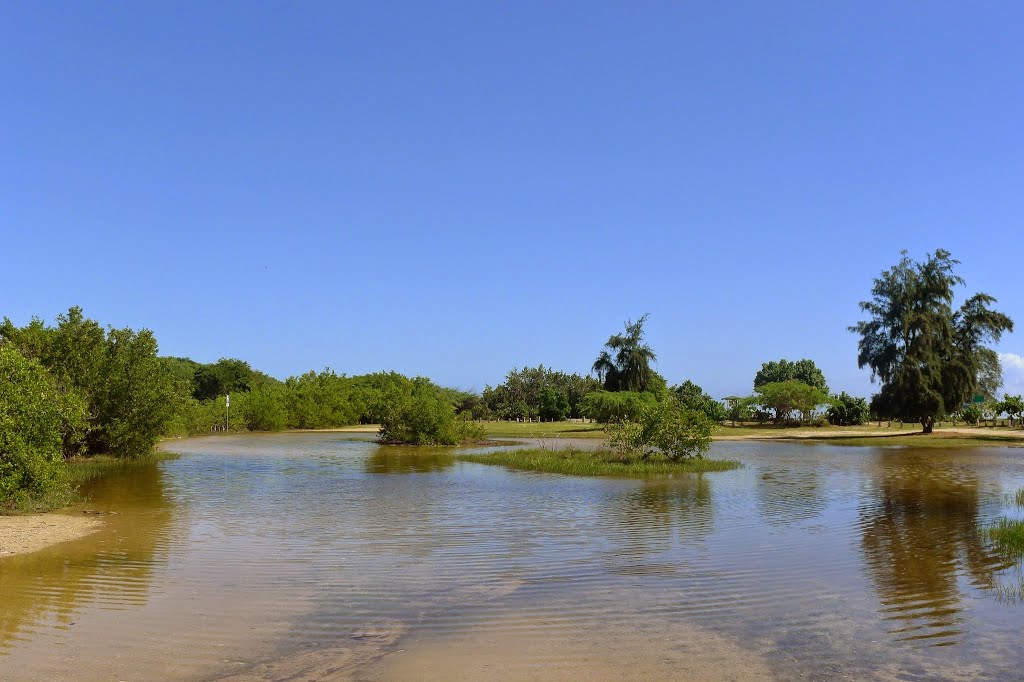
Guánica Dry Forest, located on Puerto Rico’s southwest coast, is a UNESCO Biosphere Reserve known for its rare dry subtropical ecosystem. Covering over 9,000 acres, it features a network of hiking trails that wind through cactus-covered hills, limestone cliffs, and coastal overlooks. The forest is home to hundreds of plant species and many endemic birds, making it a popular spot for birdwatching and nature walks. Visitors can hike down to hidden coves such as Playa Tamarindo or Ballena Bay for swimming and snorkeling in calm waters. The forest is about a two-hour drive from San Juan and best reached by car, with trailheads near the town of Guánica.
Best Beaches in Puerto Rico
Flamenco Beach (Culebra)
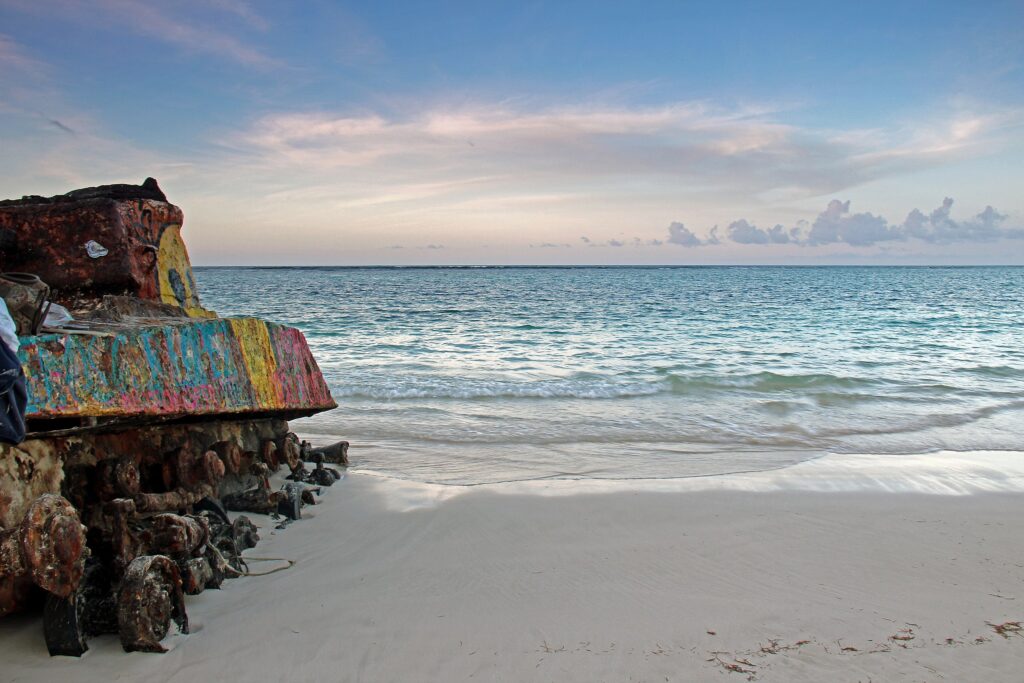
The beach is framed by gentle hills and shallow coral reefs that shelter colorful fish and sea turtles. Visitors can rent snorkeling gear, enjoy local food from beachside kiosks, or explore the rusted military tanks left from past U.S. naval exercises, now covered in graffiti and coral growth. Culebra is accessible by ferry from Ceiba or by a short flight from San Juan, and Flamenco Beach is a quick taxi or jeep ride from the island’s small airport.
Playa Buyé (Cabo Rojo)
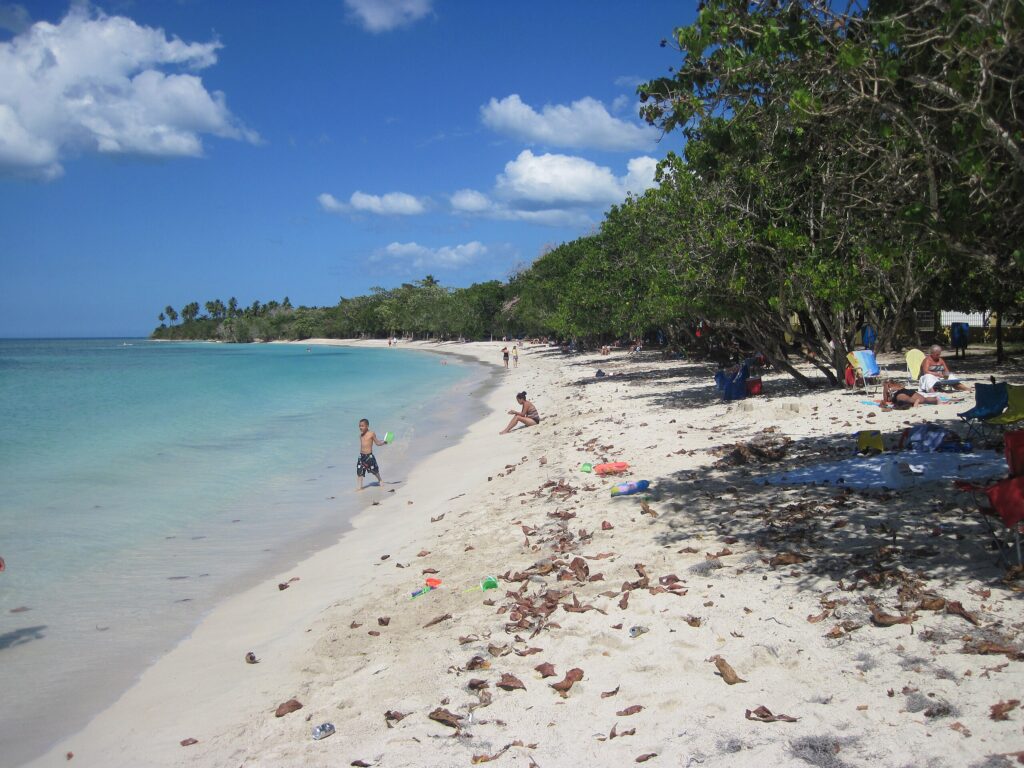
Playa Buyé, located in Cabo Rojo on Puerto Rico’s southwest coast, is a calm and family-friendly beach popular with locals. The shoreline offers gentle waves, soft sand, and shaded picnic spots perfect for a relaxed day by the water. The clear, shallow sea is ideal for swimming and snorkeling near the rocky edges, where small fish and coral can be seen. Food kiosks and a few small guesthouses are within walking distance, giving the area a casual, welcoming atmosphere. Playa Buyé is about a 10-minute drive from the town of Cabo Rojo and roughly two and a half hours from San Juan by car.
Playa Crash Boat (Aguadilla)
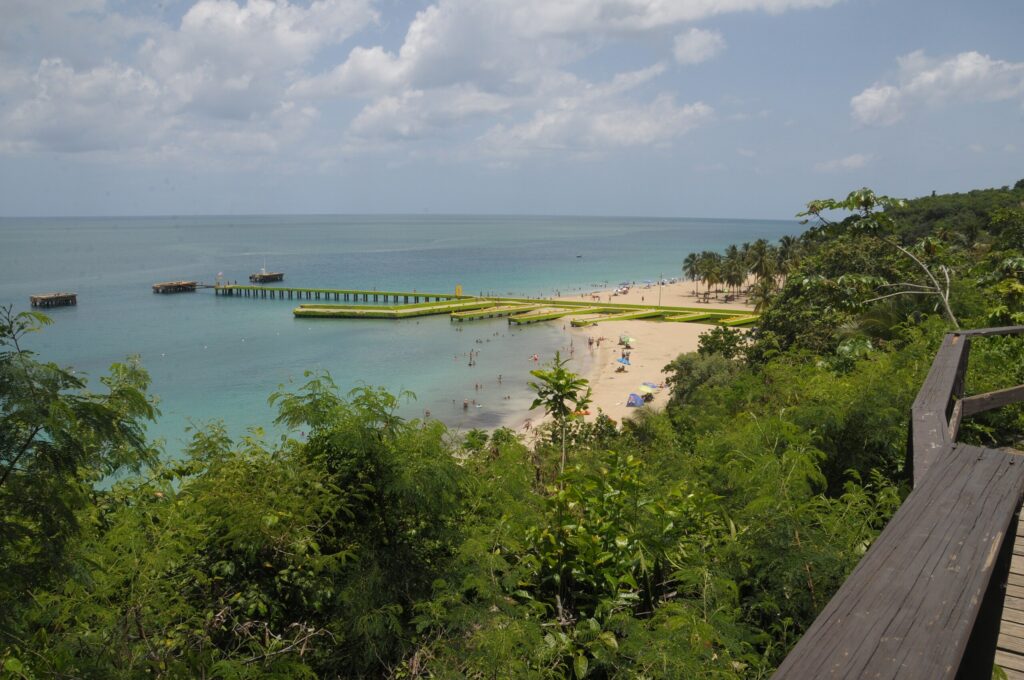
Playa Crash Boat, located in Aguadilla on Puerto Rico’s northwest coast, is one of the island’s most vibrant beaches. Known for its bright turquoise waters and former pier structures, it’s a favorite spot for swimming, snorkeling, and cliff jumping. The beach’s clear visibility makes it ideal for diving, with colorful marine life often seen close to shore. Lined with local food kiosks and beach bars, it has a lively yet laid-back atmosphere that attracts both locals and visitors, especially on weekends. Playa Crash Boat is about a 10-minute drive from Aguadilla’s town center and roughly two hours from San Juan, easily accessible by car.
Luquillo Beach
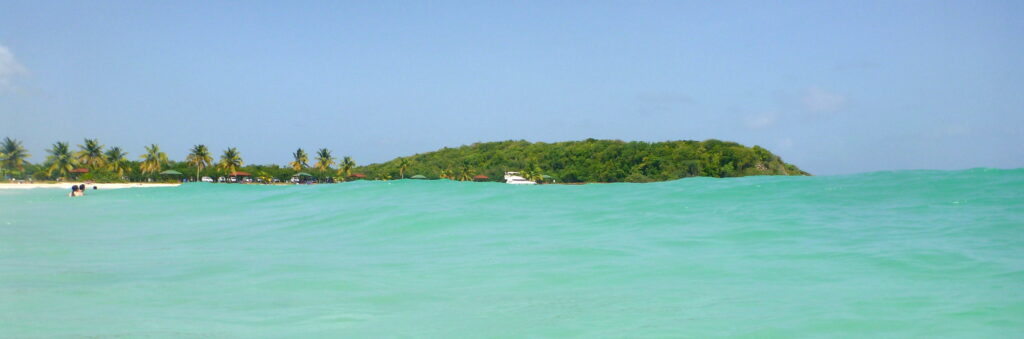
Luquillo Beach, located just east of San Juan and near El Yunque National Forest, is one of Puerto Rico’s most accessible and family-friendly beaches. The calm, shallow waters make it ideal for swimming, while its wide sandy shore is lined with palm trees providing natural shade. Facilities include restrooms, showers, and picnic areas, making it a convenient stop for day trips. Just across the road, the Luquillo Kioskos – a row of local food stands – serve traditional Puerto Rican dishes such as mofongo, empanadillas, and fresh seafood. Luquillo Beach is about a 45-minute drive from San Juan and easily reached by car or tour bus.

Playa Caracas (Vieques)
Playa Caracas, also known as Red Beach, is one of the most scenic and accessible beaches on the island of Vieques. It features a wide stretch of soft white sand and calm turquoise waters surrounded by low hills and native vegetation. The beach lies within the Vieques National Wildlife Refuge, ensuring a clean, undeveloped setting with excellent opportunities for swimming, snorkeling, and photography. There are basic facilities such as picnic tables and shaded areas, but no vendors, so visitors should bring their own supplies. Playa Caracas is about a 15-minute drive from Esperanza or the Vieques ferry terminal and is best reached by car or jeep rental.
Playa Boquerón
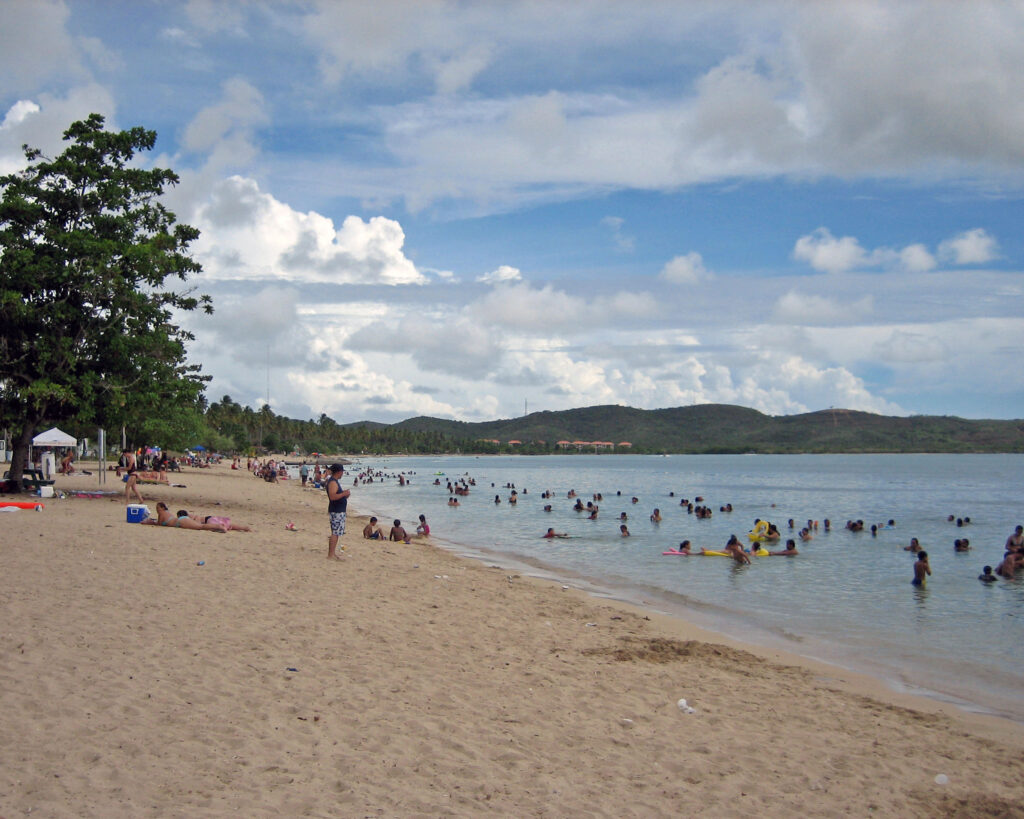
Playa Boquerón, located in the coastal town of Cabo Rojo, is one of southern Puerto Rico’s most popular beach destinations. The beach features calm, shallow waters ideal for swimming and boating, while the nearby village offers a lively boardwalk lined with seafood stalls, bars, and music venues. On weekends, the area comes alive with locals enjoying festivals, dancing, and open-air dining. During the day, visitors can rent kayaks or take boat tours to nearby cays and nature reserves. Playa Boquerón is about a two-and-a-half-hour drive from San Juan and is easily reached by car, making it a favorite getaway for both tourists and island residents.
Hidden Gems of Puerto Rico
Gilligan’s Island (Guánica)
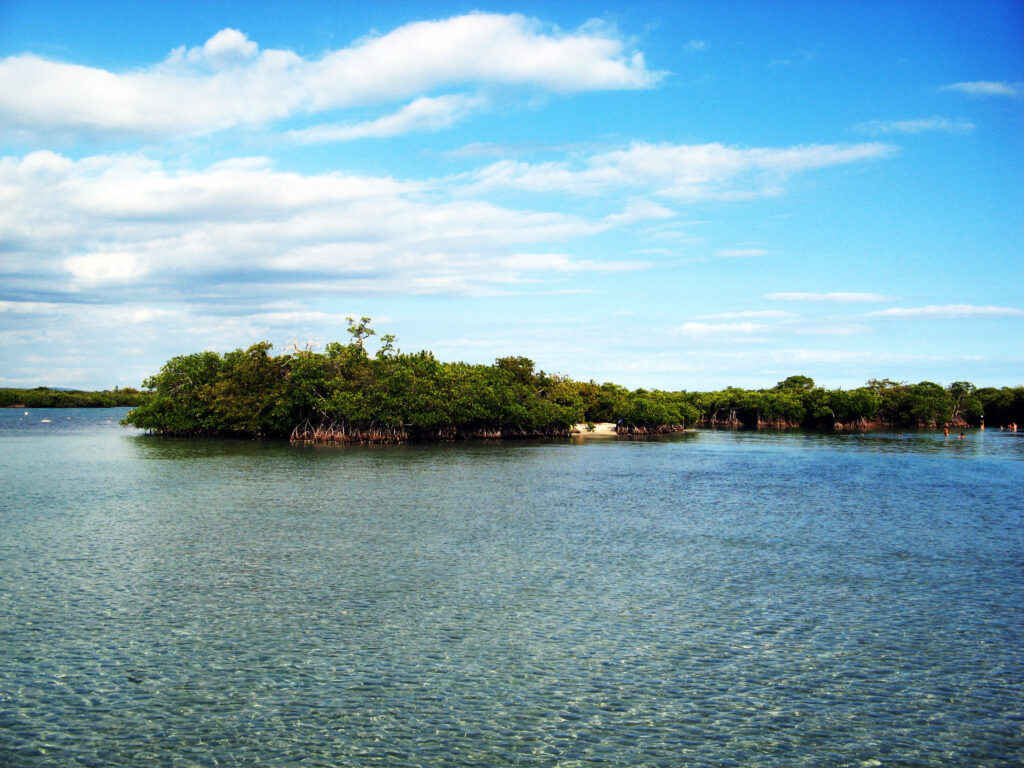
Gilligan’s Island, located off the coast of Guánica, is a small mangrove cay that forms part of the Guánica Biosphere Reserve. The island’s shallow, crystal-clear waters and natural channels make it ideal for snorkeling, kayaking, and floating among schools of tropical fish. There are no permanent facilities on the islet, but picnic tables and shaded spots provide simple comfort for day visitors. Access is by boat or kayak from the town of Guánica, with water taxis departing regularly from Playa de Caña Gorda. The trip takes only a few minutes, making Gilligan’s Island a convenient and peaceful day excursion.
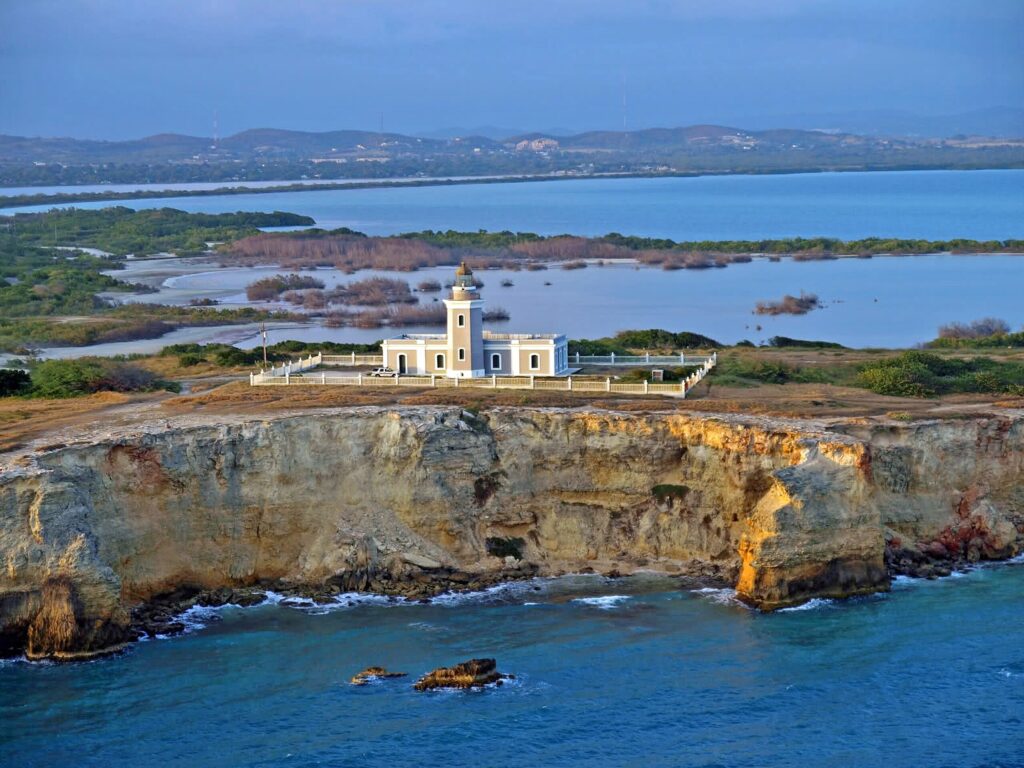
Cabo Rojo Lighthouse (Los Morrillos)
The Cabo Rojo Lighthouse, or Faro Los Morrillos, stands atop striking white limestone cliffs on Puerto Rico’s southwestern tip. Built in 1882, it overlooks the Caribbean Sea and offers sweeping views of Playa Sucia and the surrounding coastal landscape. Visitors can walk up the short trail from the parking area to the lighthouse, explore the restored structure, and take in panoramic vistas from the cliff edge. The nearby salt flats and observation platforms add another scenic stop, especially for birdwatching and photography. Cabo Rojo Lighthouse is about a 15-minute drive from Boquerón and roughly three hours from San Juan by car.
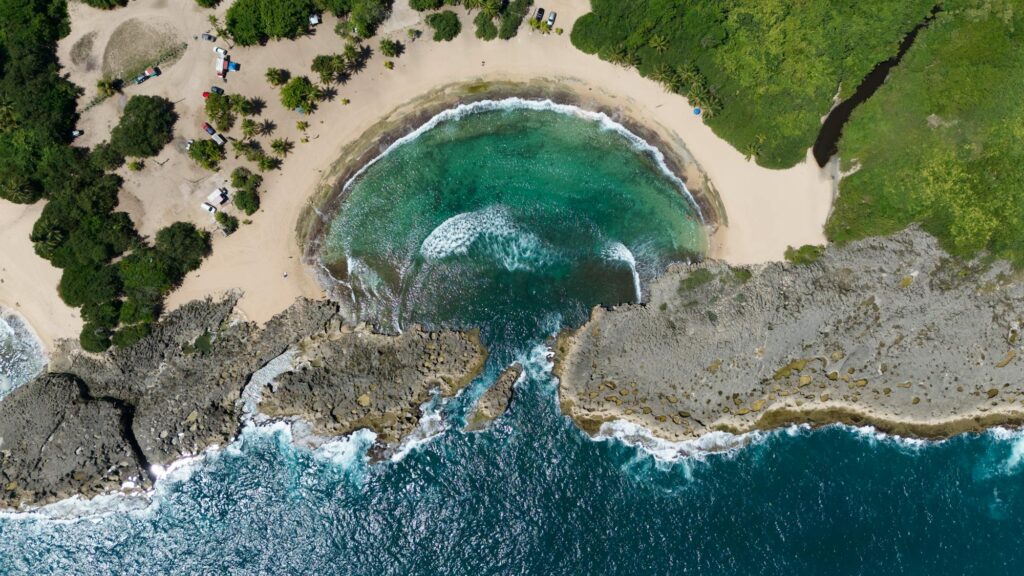
Mar Chiquita (Manatí)
Mar Chiquita, located near the town of Manatí on Puerto Rico’s north coast, is a distinctive natural pool formed by a narrow opening in the surrounding limestone cliffs. The rock formations protect the calm inner waters, creating a sheltered swimming area that contrasts with the rough Atlantic waves just beyond. The beach is popular on weekends for swimming, picnicking, and photography thanks to its unique shape and turquoise color. Visitors should exercise caution during high surf, as currents can be strong near the opening. Mar Chiquita is about a one-hour drive west of San Juan and is best reached by car, with limited facilities nearby.
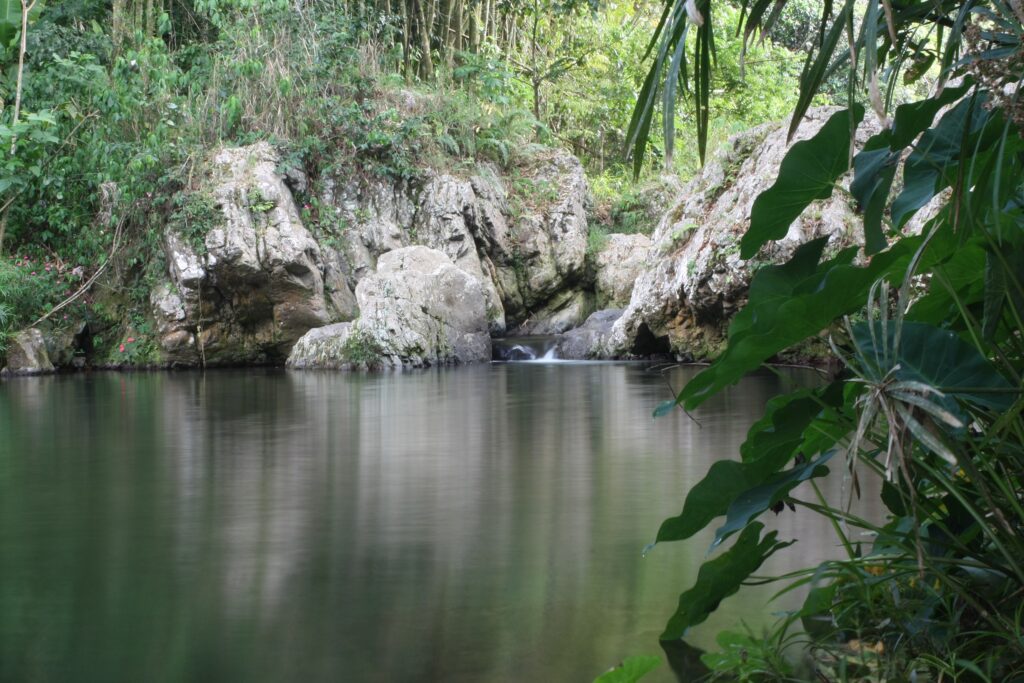
Charco Azul (Vega Baja)
Charco Azul, located in the hills of Vega Baja, is a hidden freshwater swimming hole surrounded by lush tropical forest. The pool gets its name from its deep blue color, which stands out against the greenery and natural rock formations. Reached by a short hike through shaded trails, it’s a favorite local spot for cooling off and relaxing away from the coast. The area remains mostly undeveloped, so visitors should bring their own water and supplies. Charco Azul is about an hour’s drive from San Juan and best accessed by car, with parking available near the trailhead.
Las Cabezas de San Juan Nature Reserve (Fajardo)
Las Cabezas de San Juan Nature Reserve, located in Fajardo on Puerto Rico’s northeast coast, protects a diverse ecosystem of mangroves, lagoons, dry forest, and coral reefs. The reserve is home to the historic Cape San Juan Lighthouse, built in 1882, which offers panoramic views of the Atlantic Ocean and nearby islands. Guided tours explore the reserve’s trails, boardwalks, and coastal habitats, highlighting local wildlife and conservation efforts. The area is also adjacent to Laguna Grande, one of Puerto Rico’s three bioluminescent bays. Las Cabezas de San Juan is about a one-hour drive from San Juan and requires advance reservations for guided visits.

Travel Tips for Puerto Rico
Travel Insurance & Health
Travel insurance is highly recommended, especially if you plan on outdoor adventures, hiking, or water sports. Make sure your policy includes medical coverage and protection for hurricane-season travel (June–November), as weather-related disruptions can occur.
Puerto Rico is safe, friendly, and welcoming, though it’s wise to exercise normal precautions in cities and crowded areas. Tap water is safe to drink, and healthcare services are of good quality. Mosquitoes can be common in forested or coastal regions, so bring repellent if exploring nature reserves or beaches.
Transportation & Driving
Car rental is the most convenient way to explore beyond San Juan, especially for reaching beaches, mountains, and rural towns. Public transportation is limited outside the metropolitan area, while ferries and small planes connect the main island to Culebra and Vieques, offering access to quieter island escapes.
An International Driving Permit is not required for U.S. citizens. Foreign visitors should carry their national license and an International Driving Permit. Always keep your license, insurance papers, and rental documents with you when driving, as they may be requested at checkpoints.
Vehicles drive on the right-hand side of the road. Roads are generally well-maintained, though traffic around San Juan can be heavy, particularly during rush hours. Mountain roads in the interior are often narrow and winding, so drive carefully and allow extra time for travel.

Published November 02, 2025 • 13m to read