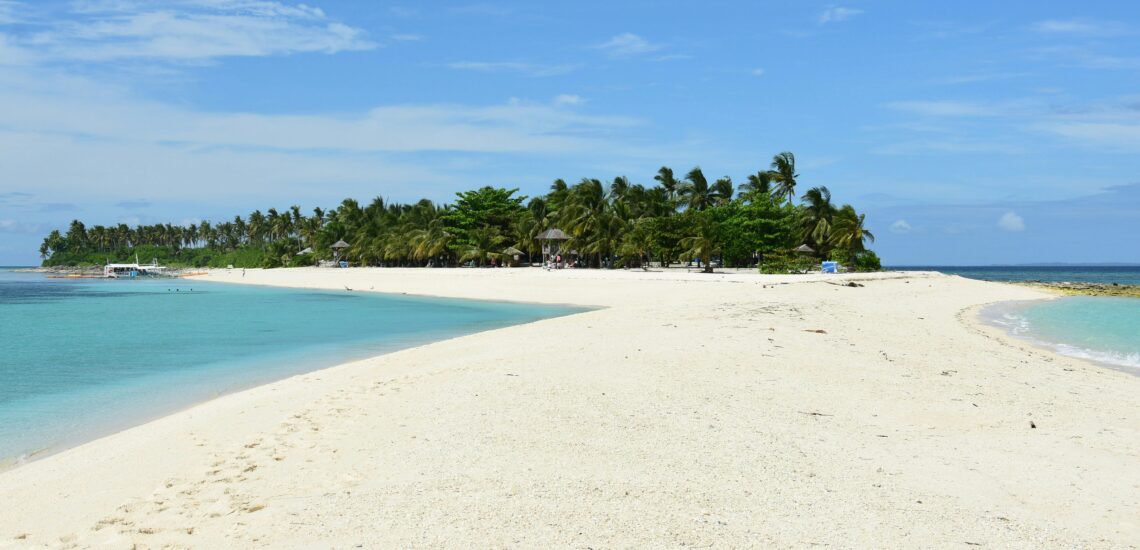


The Philippines is a breathtaking archipelago of over 7,000 islands, offering everything from palm-fringed beaches and turquoise lagoons to UNESCO rice terraces and vibrant festivals. With its unique mix of Asian, Spanish, and American influences, the country has a culture unlike anywhere else. Add in the warmth of the Filipino people and some of the most stunning natural wonders on Earth, and you have a destination perfect for both adventure seekers and beach lovers.
Best Islands & Cities in Philippines
Manila
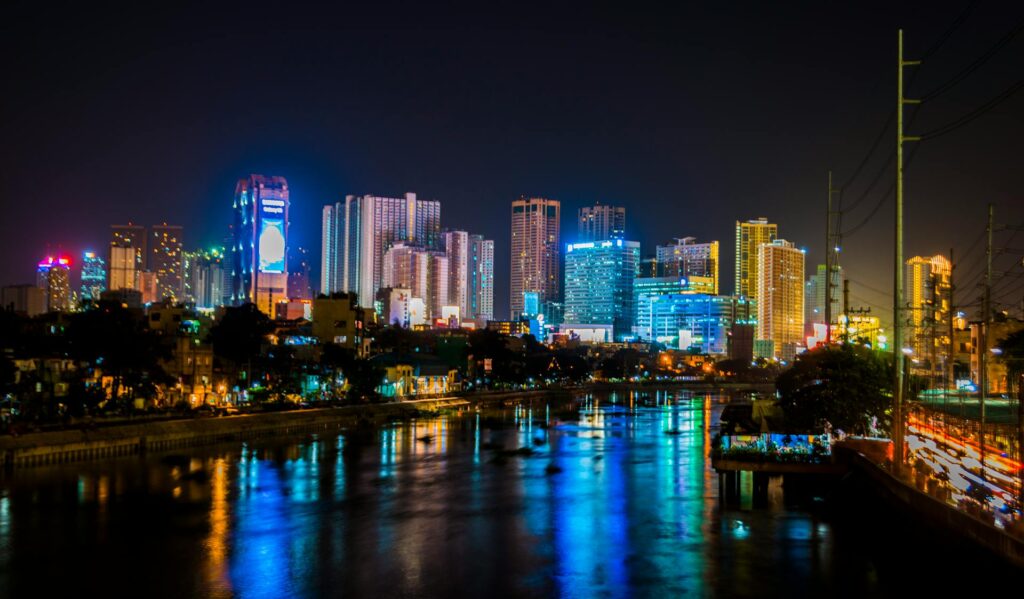
Manila, the Philippines’ bustling capital, mixes Spanish colonial history with a modern urban edge. The historic Intramuros district holds landmarks like Fort Santiago and San Agustin Church (a UNESCO site), while the National Museum Complex showcases art, archaeology, and natural history. Rizal Park offers open green space in the city center, and the restored Binondo district is the world’s oldest Chinatown, known for its food tours.
The best time to visit is December–April, the dry season with cooler weather. Manila is served by Ninoy Aquino International Airport (NAIA), about 30 minutes to 1 hour from downtown depending on traffic. Within the city, Grab taxis and light rail (LRT/MRT) are the main ways to get around. For modern shopping, dining, and nightlife, head to Makati or Bonifacio Global City (BGC), while Manila also serves as the main gateway to destinations like Palawan, Boracay, and Cebu.
Cebu
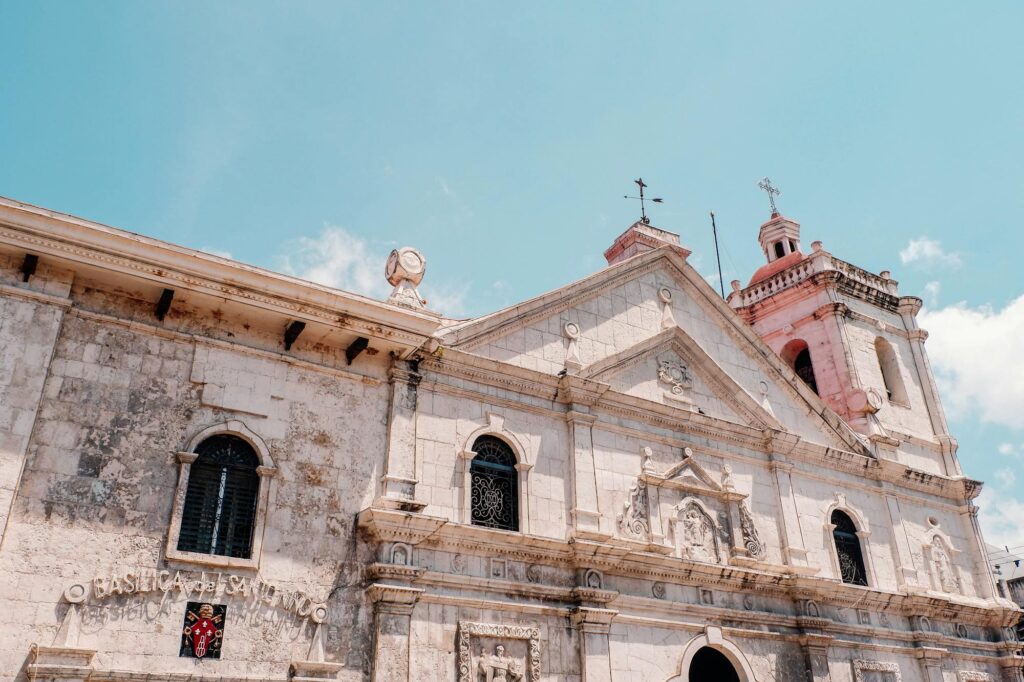
Cebu, the heart of the Visayas, combines centuries of history with natural adventures. In Cebu City, visit Magellan’s Cross and the Basilica del Santo Niño, the country’s oldest Catholic church, then climb to the Temple of Leah or Taoist Temple for city views. Beyond the capital, the island is famous for Oslob, where visitors can snorkel alongside whale sharks, and the turquoise cascades of Kawasan Falls, perfect for canyoneering. Offshore, Malapascua Island is world-renowned for diving with thresher sharks, while Bantayan Island offers white-sand beaches and laid-back fishing villages.
Cebu is served by Mactan-Cebu International Airport, which has direct domestic and international flights, making it a major gateway to the central Philippines. Buses connect Cebu City with Oslob (4 hours) and Moalboal (3 hours), while ferries and fast boats link to Malapascua (4–5 hours) and Bantayan (about 3–4 hours). Scooters are the easiest way to explore coastal towns once on the islands.
Bohol
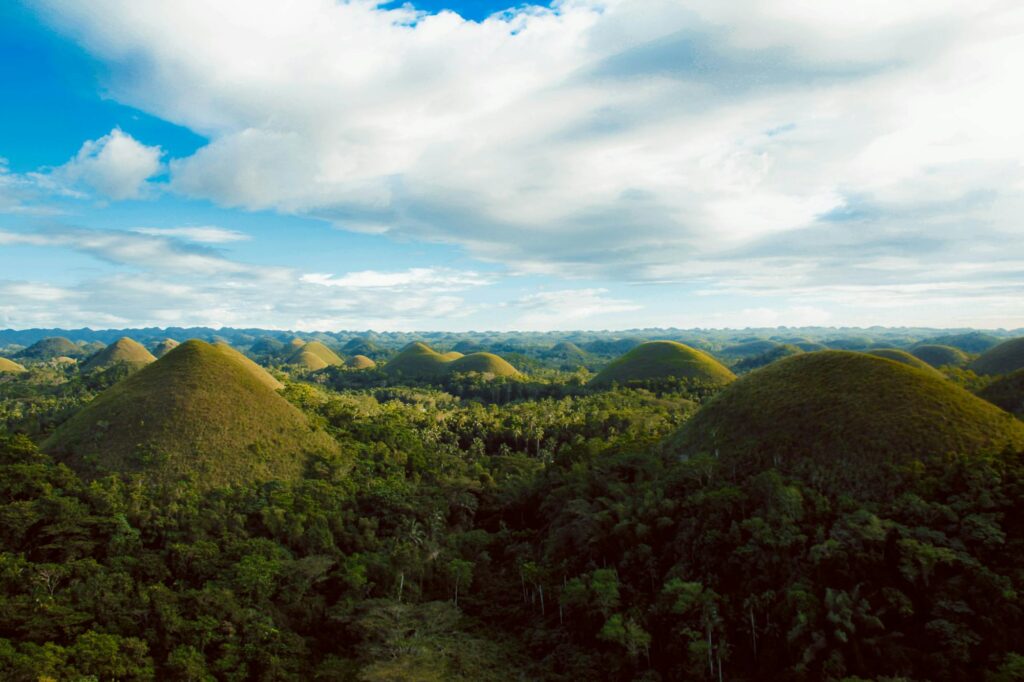
Bohol is one of the Philippines’ most diverse islands, known for its mix of unique landscapes, wildlife, and pristine beaches. The Chocolate Hills, over 1,200 grassy mounds that turn brown in the dry season, are its most iconic sight. Wildlife lovers can see the endangered Philippine tarsier at sanctuaries in Corella, while culture seekers can visit centuries-old stone churches and heritage houses. A Loboc River cruise offers dining with live music against a lush jungle backdrop.
For relaxation, Panglao Island is Bohol’s beach hub, with resorts, nightlife, and world-class diving at Balicasag and Pamilacan Islands. Bohol is reachable by 1.5-hour ferry from Cebu City or direct flights to Panglao International Airport. Local transport options include rented scooters, vans, or organized tours to cover the island’s spread-out attractions.
Vigan
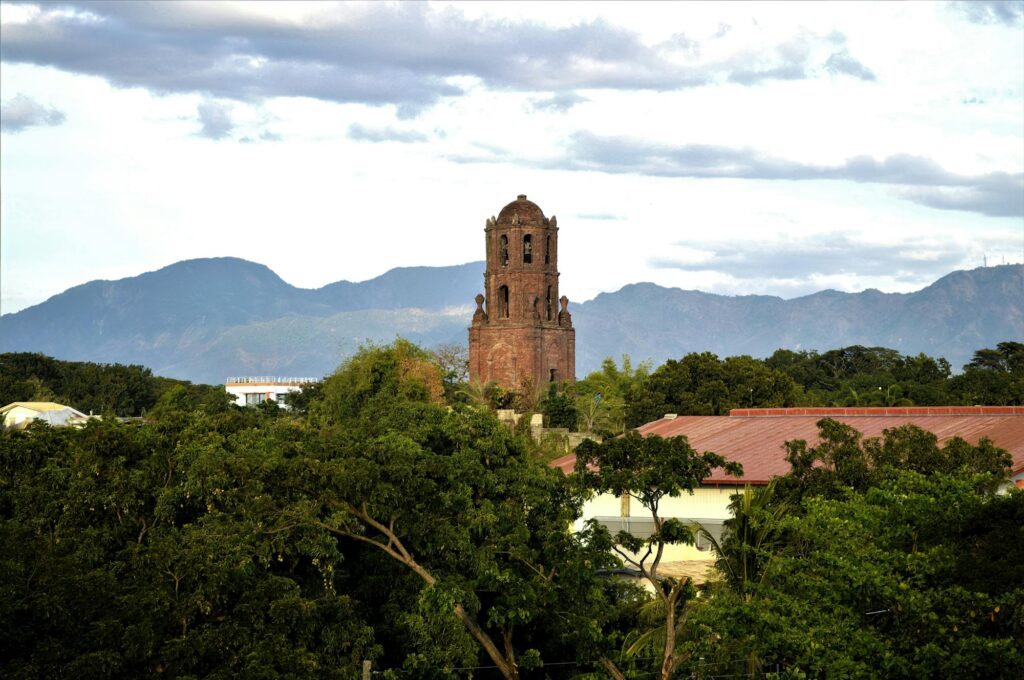
Vigan, in Ilocos Sur, is one of Asia’s best-preserved Spanish colonial cities and a UNESCO World Heritage Site. Its heart is Calle Crisologo, a cobblestone street lined with centuries-old houses, cafés, and craft shops, best explored by foot or in a kalesa (horse-drawn carriage). Nearby landmarks include the Bantay Bell Tower, offering panoramic views, and the Syquia Mansion Museum, which showcases aristocratic life during the Spanish era. Don’t miss Vigan Cathedral and Plaza Salcedo, where an evening fountain show takes place.
Vigan is about 8–9 hours by bus from Manila or 1 hour by plane to Laoag, followed by a 1.5-hour drive. Local specialties like Vigan longganisa (garlic sausage) and empanadas are must-tries, rounding out the cultural and culinary charm of this historic city.
Best Natural Attractions of the Philippines
Palawan
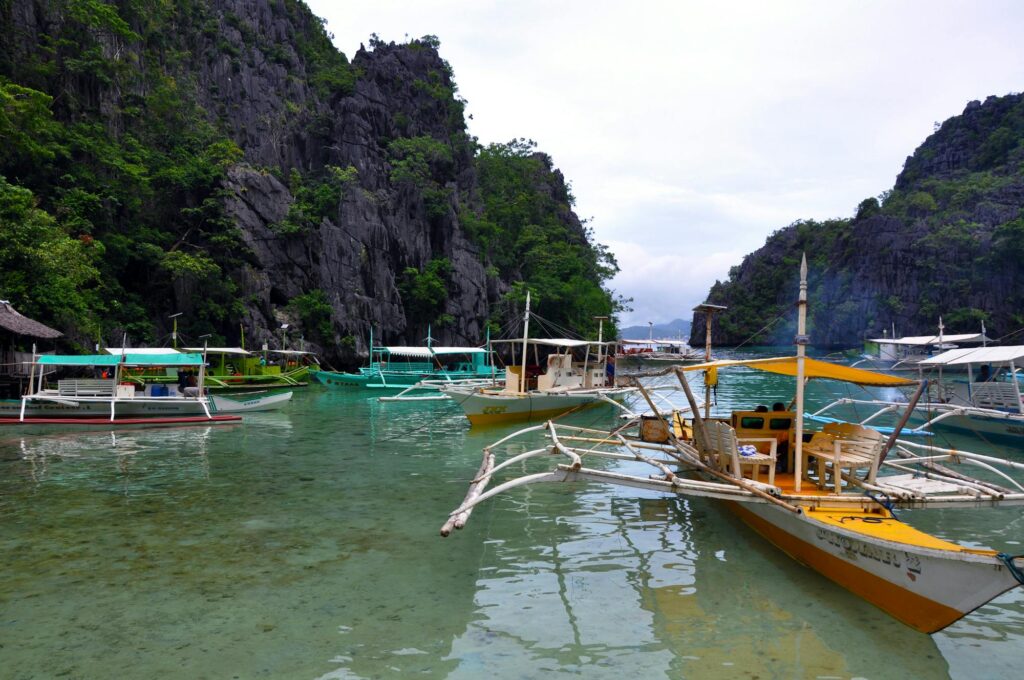
Palawan, often ranked among the world’s most beautiful islands, is a paradise of limestone cliffs, turquoise waters, and rich marine life. In the north, El Nido offers island-hopping tours through secret lagoons, white-sand beaches, and dramatic karst cliffs rising from Bacuit Bay. Nearby Coron is famed for its crystal-clear Kayangan Lake, Twin Lagoon, and some of the world’s best WWII shipwreck dives. In central Palawan, Puerto Princesa Underground River, a UNESCO World Heritage Site and New7Wonders of Nature, takes visitors by boat into a vast cave system filled with stalactites and bats.
The best time to visit is December–May, the dry season with calm seas perfect for island-hopping. Palawan is reached by flights into Puerto Princesa, El Nido, or Busuanga (for Coron), with boats linking towns across the archipelago. Travel between destinations often takes several hours by van or ferry, so plan at least a week to explore. Snorkeling, diving, and fresh seafood are daily highlights, making Palawan a must for both adventurers and beach lovers.
Boracay
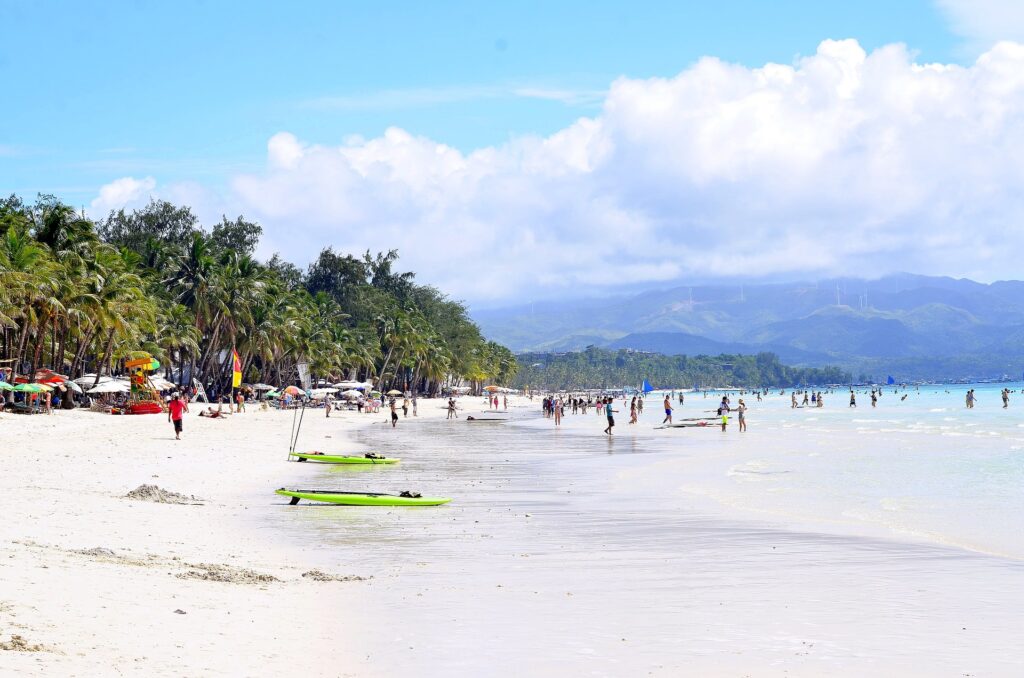
Boracay, once overcrowded, has reinvented itself after a 2018 environmental rehabilitation and now shines as the Philippines’ premier beach escape. Its centerpiece is the 4 km White Beach, with powdery sand and clear waters perfect for swimming and sunset walks. On the other side, Bulabog Beach is Asia’s top spot for kitesurfing and windsurfing. The island also offers cliff diving at Ariel’s Point, panoramic views from Mount Luho, and island-hopping to nearby coves.
Boracay, once overcrowded, has reinvented itself after a 2018 environmental rehabilitation and now shines as the Philippines’ premier beach escape. Its centerpiece is the 4 km White Beach, with powdery sand and clear waters perfect for swimming and sunset walks. On the other side, Bulabog Beach is Asia’s top spot for kitesurfing and windsurfing. The island also offers cliff diving at Ariel’s Point, panoramic views from Mount Luho, and island-hopping to nearby coves.
Banaue & Batad Rice Terraces (Ifugao)
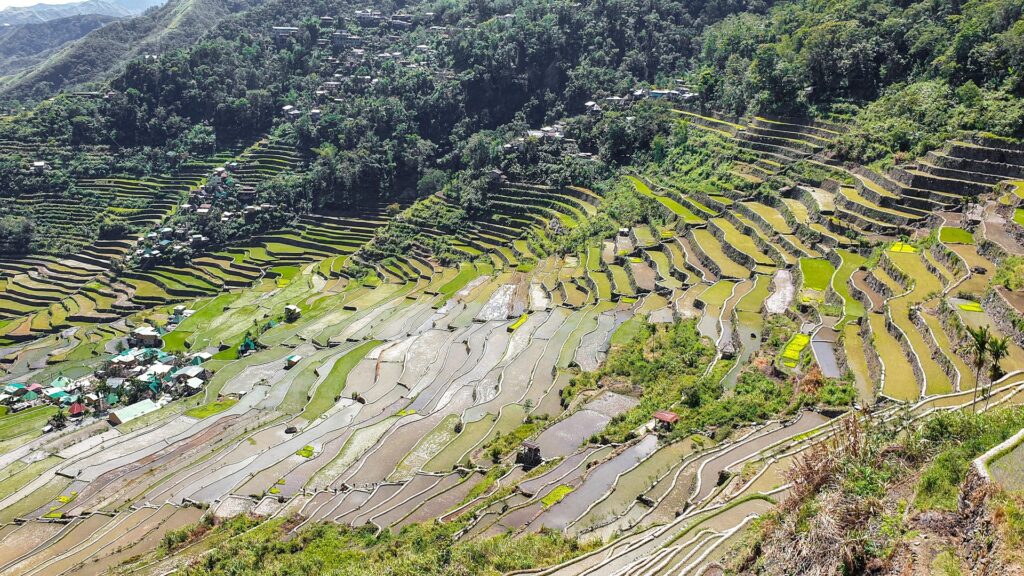
Banaue and Batad, in Ifugao Province, showcase the Philippines’ most breathtaking landscapes – 2,000-year-old rice terraces carved by the Ifugao people and recognized as a UNESCO World Heritage Site. The terraces of Batad, shaped like a natural amphitheater, are especially striking, and treks here lead to hidden gems like Tappiya Waterfall. Banaue serves as the main gateway, with viewing decks and local markets offering insight into Ifugao traditions.
Siargao
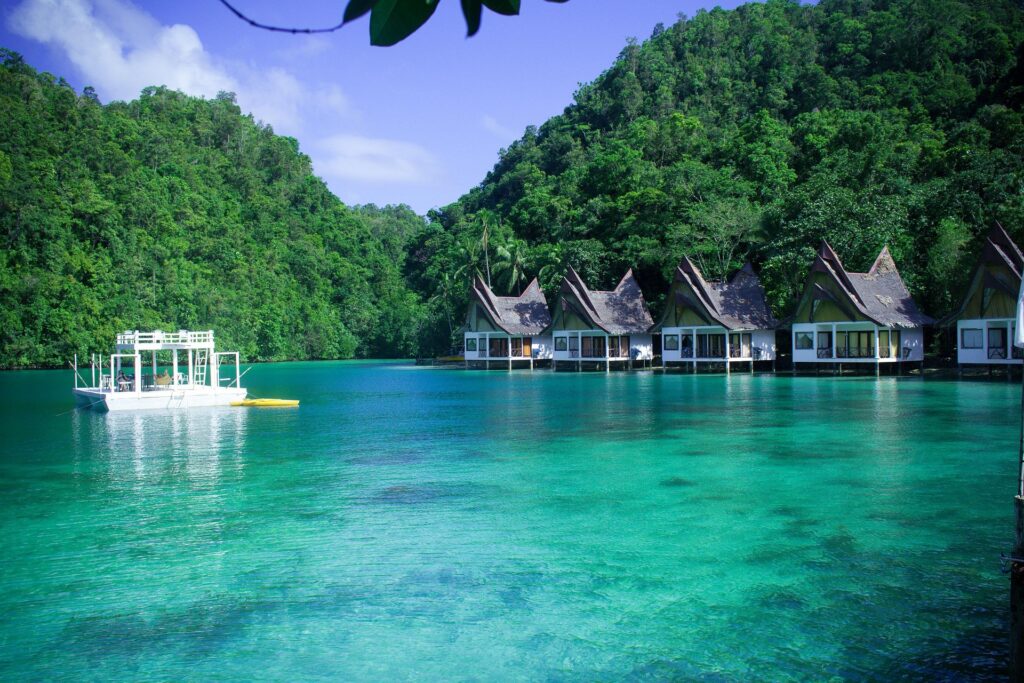
Siargao, dubbed the surfing capital of the Philippines, is best known for Cloud 9, a world-class break attracting surfers from across the globe. Beyond surfing, the island offers Sugba Lagoon, with jade-green waters perfect for kayaking and paddleboarding, and the Magpupungko Rock Pools, natural tidal pools that appear at low tide. Off the coast, island-hopping takes you to Naked Island, Daku Island, and Guyam Island, each with white sand and turquoise waters. Inland, palm-lined roads and coconut forests make for iconic motorbike rides.
Siargao is reached by direct flights from Manila or Cebu to Sayak Airport, followed by tricycles or motorbike rentals for exploring. The island maintains a laid-back vibe, with beach bars, local eateries, and eco-resorts spread across General Luna, making it ideal for both adventure and relaxation.
Mayon Volcano (Albay)
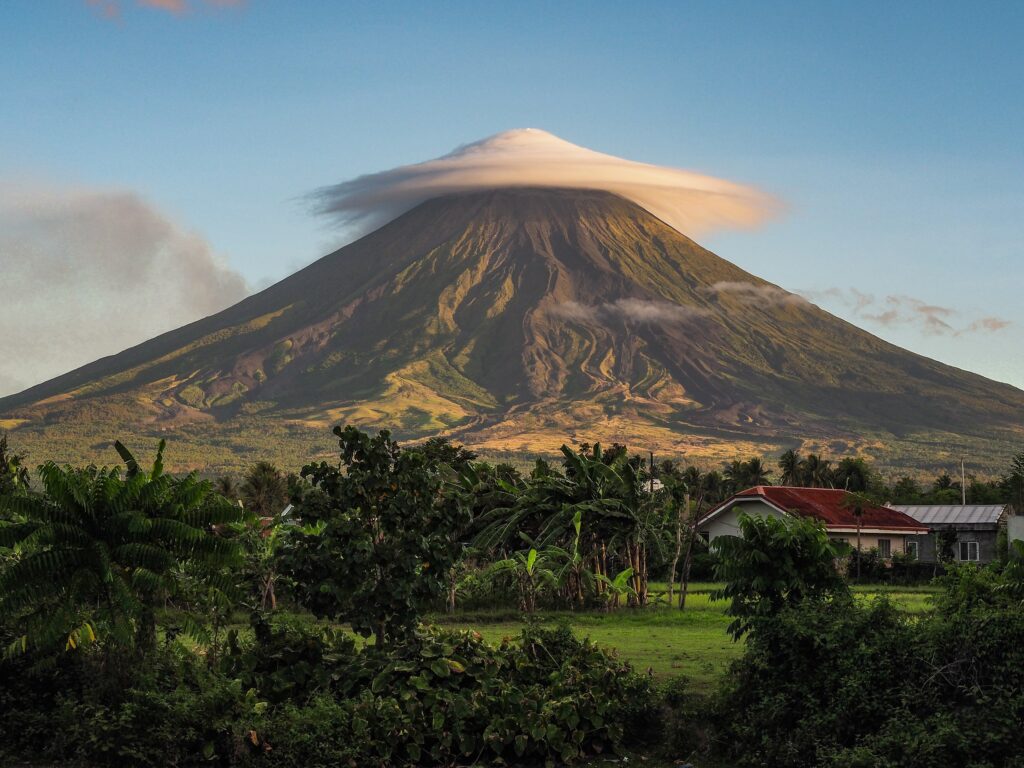
Mayon Volcano, in Albay Province, is famed for its near-perfect cone and is one of the Philippines’ most iconic natural landmarks. Adventurers can take ATV rides across lava trails or hike near the base for closer views, while experienced climbers may attempt guided treks toward the summit (permits required). The historic Cagsawa Ruins, remnants of a 16th-century church buried by an eruption, provide the most famous photo backdrop with Mayon towering behind. Other scenic spots include Lignon Hill and Sumlang Lake, both offering panoramic views of the volcano.
Hidden Gems of the Philippines
Camiguin Island
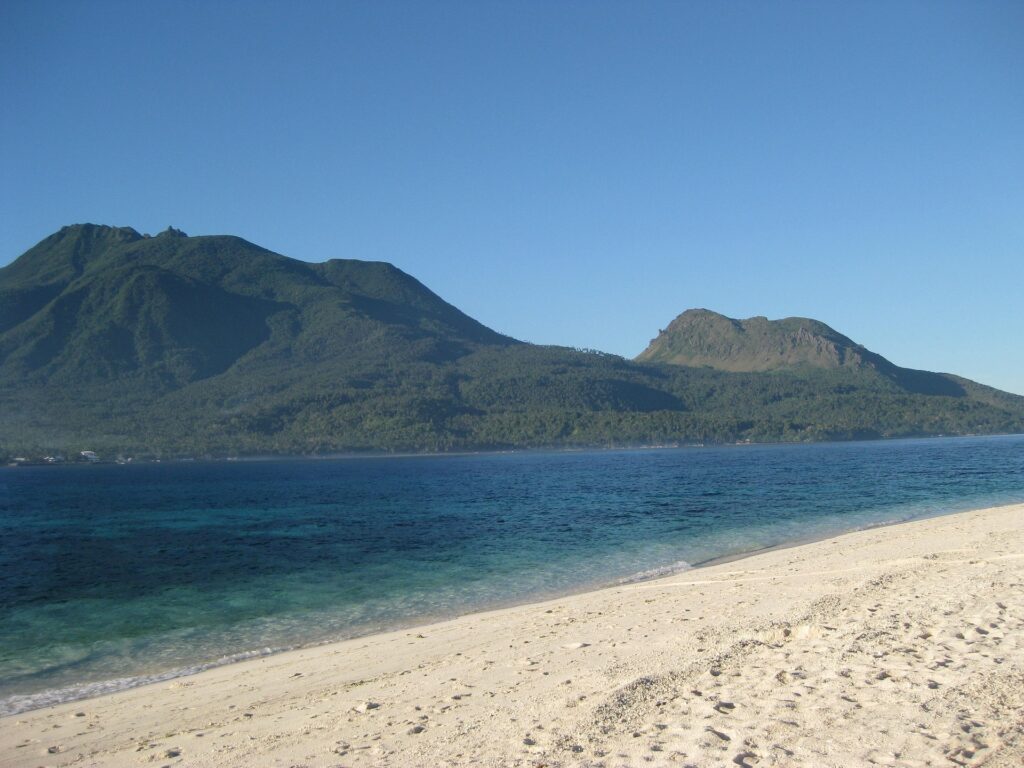
Camiguin Island, often called the “Island Born of Fire,” is the Philippines’ second-smallest province yet home to seven volcanoes and an astonishing variety of landscapes. Top sights include the shifting White Island sandbar, offering views of Mt. Hibok-Hibok and the Bohol Sea; the haunting Sunken Cemetery, marked by a giant cross where villages were submerged after an eruption; and Katibawasan Falls, a 70-meter cascade surrounded by lush forest. Other attractions include Tuasan Falls, hot and cold springs, and heritage houses in Camiguin’s old towns.
Batanes
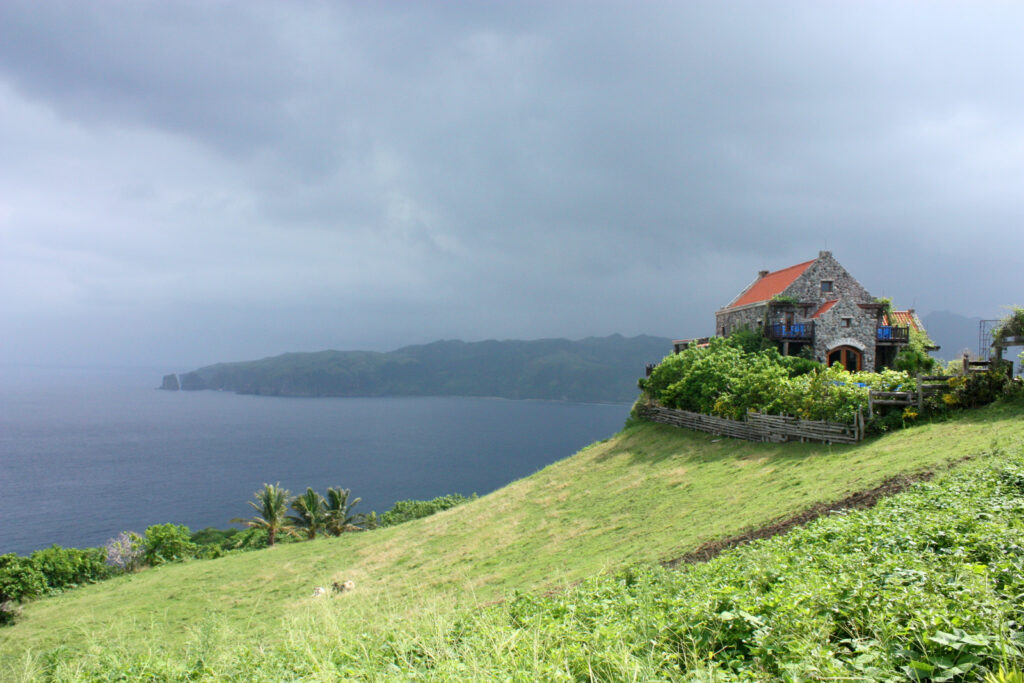
Batanes, the northernmost province of the Philippines, is often called the country’s “New Zealand” for its rolling hills, rugged cliffs, and windswept landscapes. The islands preserve traditional Ivatan stone houses, built to withstand typhoons, and showcase a distinct culture seen in local crafts and cuisine. Top sights on Batan Island include Basco Lighthouse, Marlboro Hills, Valugan Boulder Beach, and Mahatao Church, while Sabtang Island offers heritage villages like Savidug and Chavayan. Itbayat, the most remote inhabited island, rewards adventurous travelers with caves, cliffs, and untouched scenery.
Batanes is only accessible by direct flights from Manila or Clark to Basco (1.5–2 hours), as no ferries serve the long route. Once there, tricycles, bicycles, or arranged tours connect villages and viewpoints. Homestays and small inns provide an authentic base to experience Ivatan hospitality, local dishes like uvud balls and turmeric rice, and the islands’ serene, timeless pace of life.
Calaguas Islands
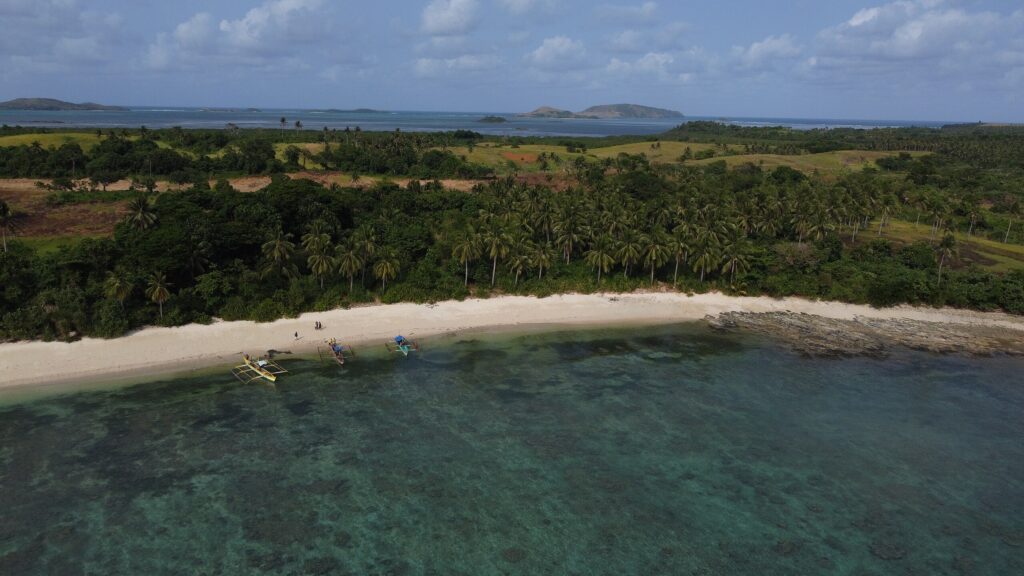
Calaguas Islands, in Camarines Norte, are a remote cluster of pristine islands often likened to Boracay before mass tourism. The star is Mahabang Buhangin Beach on Tinaga Island, a long stretch of powdery white sand and turquoise waters with virtually no commercial development. Visitors can swim, snorkel, or camp under the stars, as electricity and resorts are limited, preserving the raw beauty of the islands. Other nearby islets offer hidden coves, sandbars, and coral reefs ideal for island-hopping.
Romblon Islands
Romblon Province, made up of Romblon Island, Tablas, and Sibuyan, is one of the Philippines’ underrated gems, offering secluded beaches, marble quarries, and unspoiled nature. Romblon Island itself is known for heritage Spanish-era forts, quiet coves, and crystal-clear waters for snorkeling. Tablas, the largest, has hidden waterfalls like Busay Falls, white-sand beaches such as Binucot, and dive sites around Looc Bay. Sibuyan Island, often called the “Galápagos of Asia” for its biodiversity, is home to dense rainforests and the formidable Mt. Guiting-Guiting (2,058 m), one of the country’s toughest climbs, requiring permits and a guide.
Caramoan Peninsula
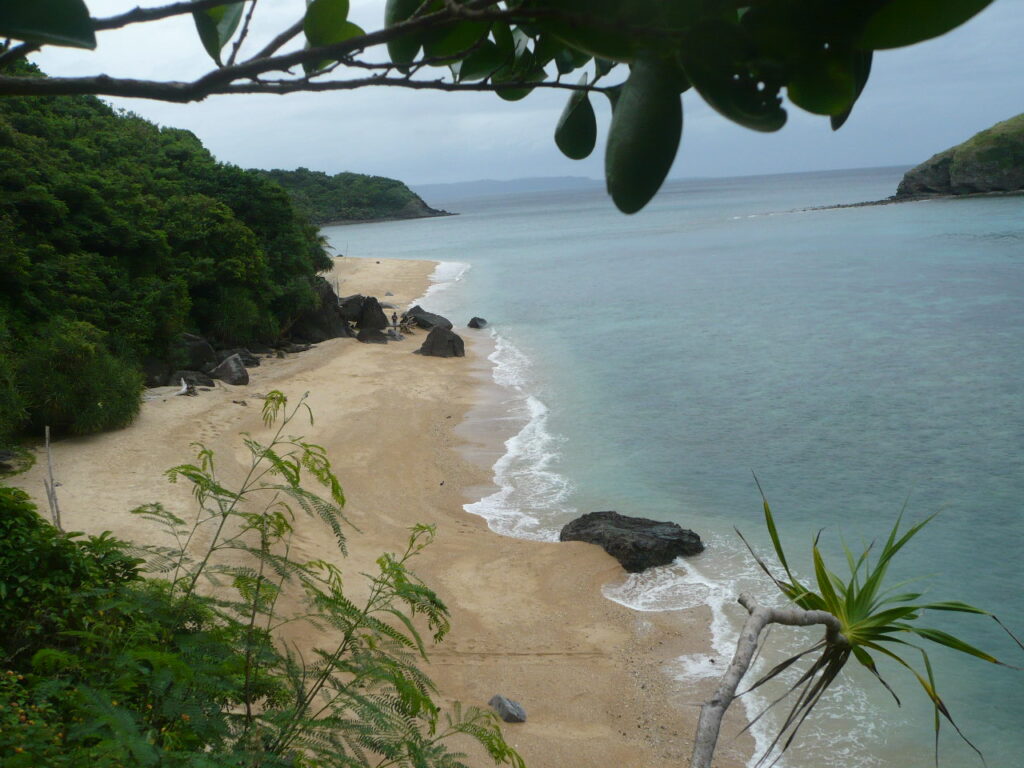
Caramoan Peninsula, in Camarines Sur, is famed for its limestone karsts, hidden lagoons, and island-hopping adventures. Once a filming site for Survivor, it remains relatively uncrowded compared to Palawan. Visitors can explore Matukad Island with its powdery white sand, Lahos Island where sandbars vanish at high tide, and Cotivas Island with shallow turquoise waters. Inland, caves, waterfalls, and limestone cliffs offer hiking and climbing opportunities.
Lake Sebu (South Cotabato)
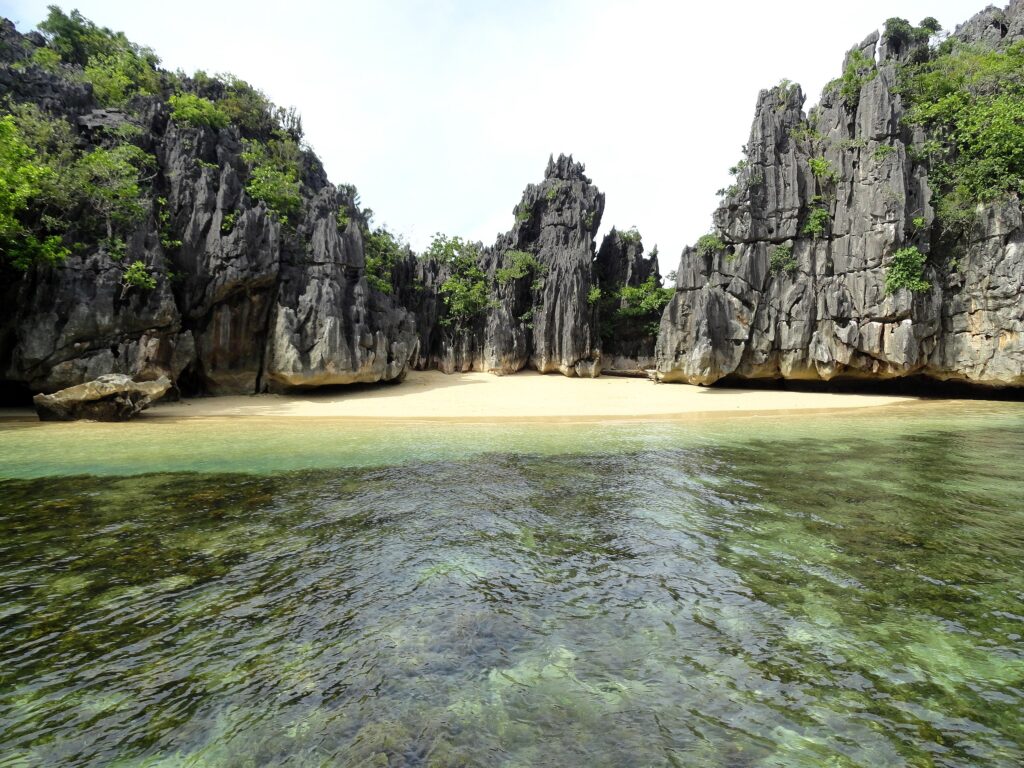
Lake Sebu, in South Cotabato, is a highland retreat known for its cool climate, indigenous T’boli culture, and natural beauty. The lake itself is dotted with tilapia fish pens and traditional wooden canoes, while nearby villages showcase T’boli weaving of T’nalak cloth, made from abaca fibers using centuries-old techniques. The area’s biggest attraction is the chain of Seven Falls, where visitors can hike between cascades or ride one of Asia’s highest ziplines for an aerial view of the waterfalls and forest canopy.
Apo Island
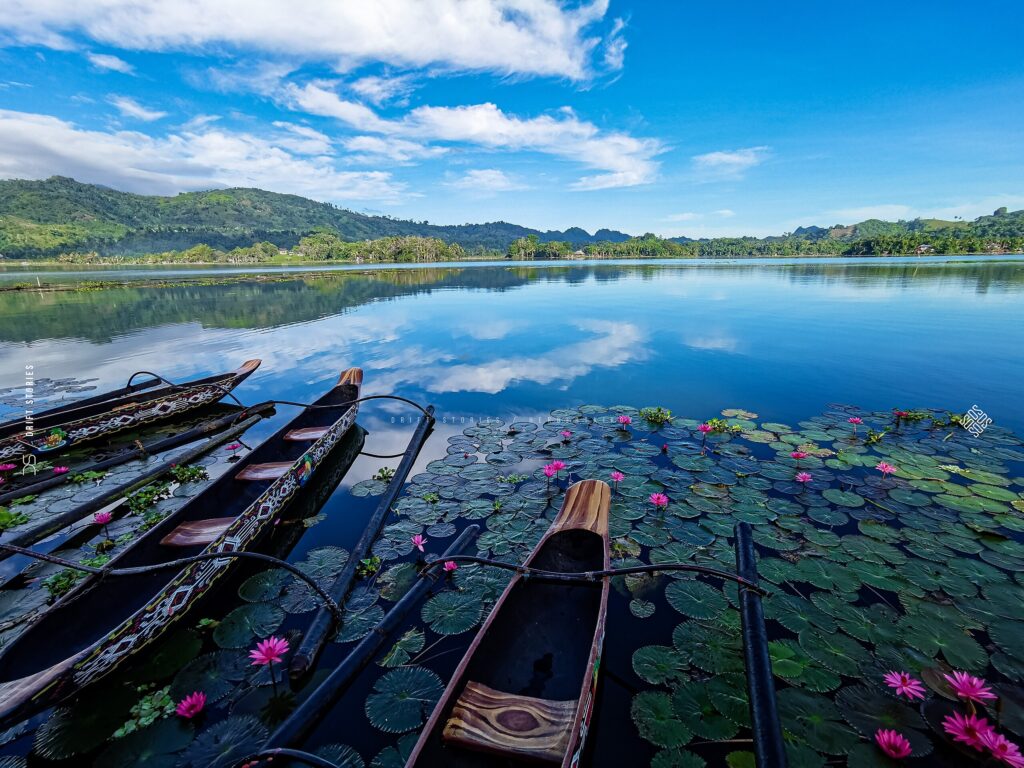
Apo Island, off the coast of Negros Oriental, is a world-renowned marine sanctuary and one of the best places in the Philippines for snorkeling and diving. The surrounding waters are home to over 600 species of fish and 400 coral species, making it a hotspot for marine biodiversity. Shallow reefs allow snorkelers to swim alongside resident green sea turtles, while divers can explore vibrant coral walls and underwater drop-offs. On land, the island is a small fishing community with a lighthouse and trails leading to panoramic viewpoints.
Travel Tips
Visa
Entry to the Philippines is relatively simple for most travelers. Citizens of many countries can enjoy visa-free stays ranging from 14 to 30 days, while extensions are available for longer visits. Others may need to apply for a tourist visa in advance. It’s always best to check the latest regulations before traveling, as requirements can change.
Language
The Philippines has two official languages: Filipino and English. English is widely spoken across the islands, making communication easy for most visitors. Regional languages and dialects also flourish, but travelers will rarely face serious language barriers in tourism, transport, or hospitality.
Currency
The local currency is the Philippine Peso (PHP). In cities, ATMs are common and credit cards are widely accepted, but in rural areas and smaller islands, cash is essential for transport, markets, and small eateries. It’s advisable to carry smaller bills for jeepneys, tricycles, and local shops.
Transport
Getting around the Philippines is part of the adventure. Within towns and cities, colorful jeepneys, tricycles, and buses are the most common means of transport, offering a true taste of local life. For inter-island connections, ferries and boats are essential, linking both major hubs and smaller islands. To cover the country’s vast distances more quickly, domestic flights with Cebu Pacific, AirAsia, or PAL Express are affordable and time-saving.
For independent exploration, renting a scooter or car is popular in places like Palawan, Cebu, and Bohol. Travelers must carry an International Driving Permit along with their home license to rent and drive legally. Roads outside major cities can be narrow or unpaved, so driving experience is recommended.

Published August 24, 2025 • 11m to read