

Peru is a country where ancient civilizations, breathtaking landscapes, and vibrant culture come together. From the world-famous ruins of Machu Picchu to the endless biodiversity of the Amazon rainforest, Peru offers experiences that are as diverse as its geography. One day you could be walking cobblestone streets in a colonial city, and the next you could be hiking among snow-capped peaks or exploring the world’s highest navigable lake.
Best Cities in Peru
Lima
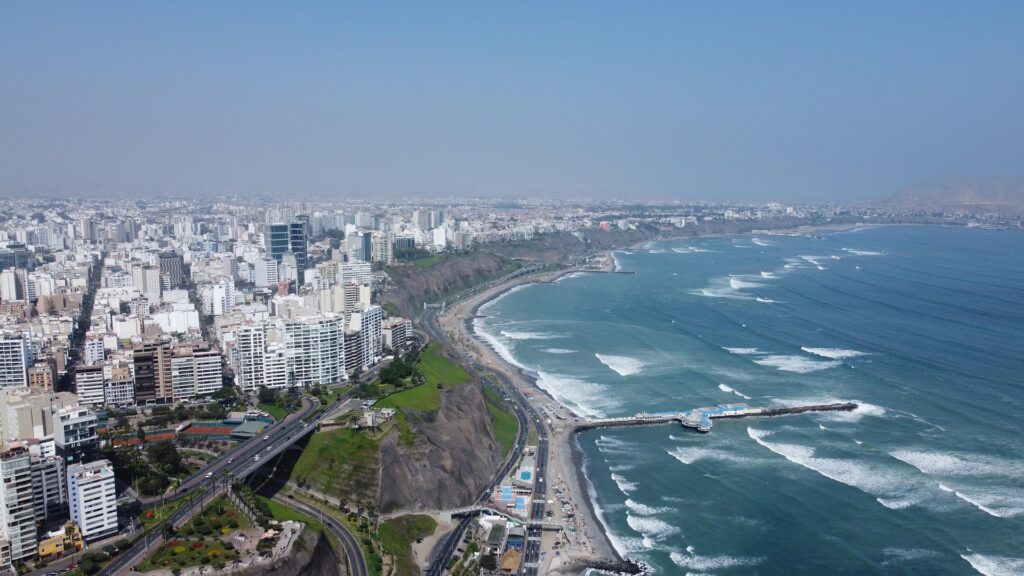
Lima, Peru’s capital, is a city where colonial history meets modern culture and world-class gastronomy. The Historic Center, a UNESCO World Heritage Site, features Plaza Mayor, the Government Palace, and colonial-era churches such as San Francisco with its catacombs. The Larco Museum holds one of the finest collections of pre-Columbian art, including ceramics, textiles, and gold pieces.
Along the coast, the districts of Miraflores and Barranco are known for oceanfront views, nightlife, galleries, and street art. Lima is also Peru’s culinary capital, home to internationally ranked restaurants. Signature experiences include tasting ceviche, sampling a pisco sour, and exploring Nikkei cuisine, which blends Japanese and Peruvian traditions. The city is served by Jorge Chávez International Airport, the main gateway to Peru.
Cusco
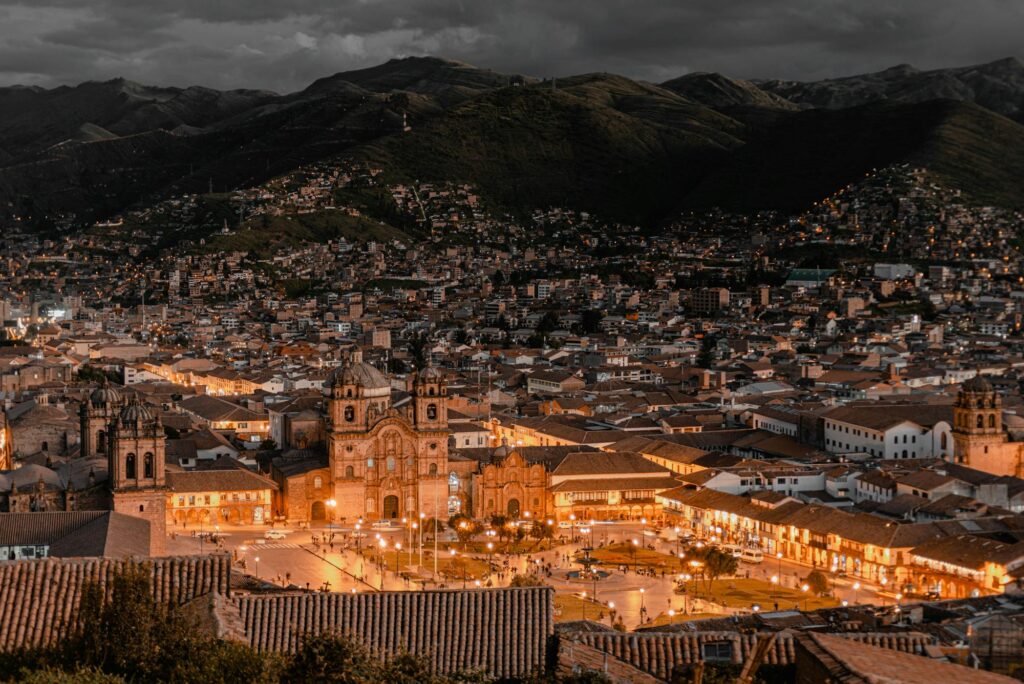
Cusco, once the capital of the Inca Empire, is today one of Peru’s main cultural and tourist centers. The Plaza de Armas is the heart of the city, surrounded by colonial churches built on Inca foundations. Qorikancha, the Temple of the Sun, was one of the most important Inca temples and later became part of the Santo Domingo convent. San Pedro Market offers local food, textiles, and handicrafts in a bustling atmosphere. Cusco is also the main gateway to the Sacred Valley, the Inca Trail, and Machu Picchu, with transport options ranging from trains to multi-day treks. The city sits at 3,400 meters above sea level, and visitors often spend a few days acclimatizing before exploring the surrounding region.
Arequipa
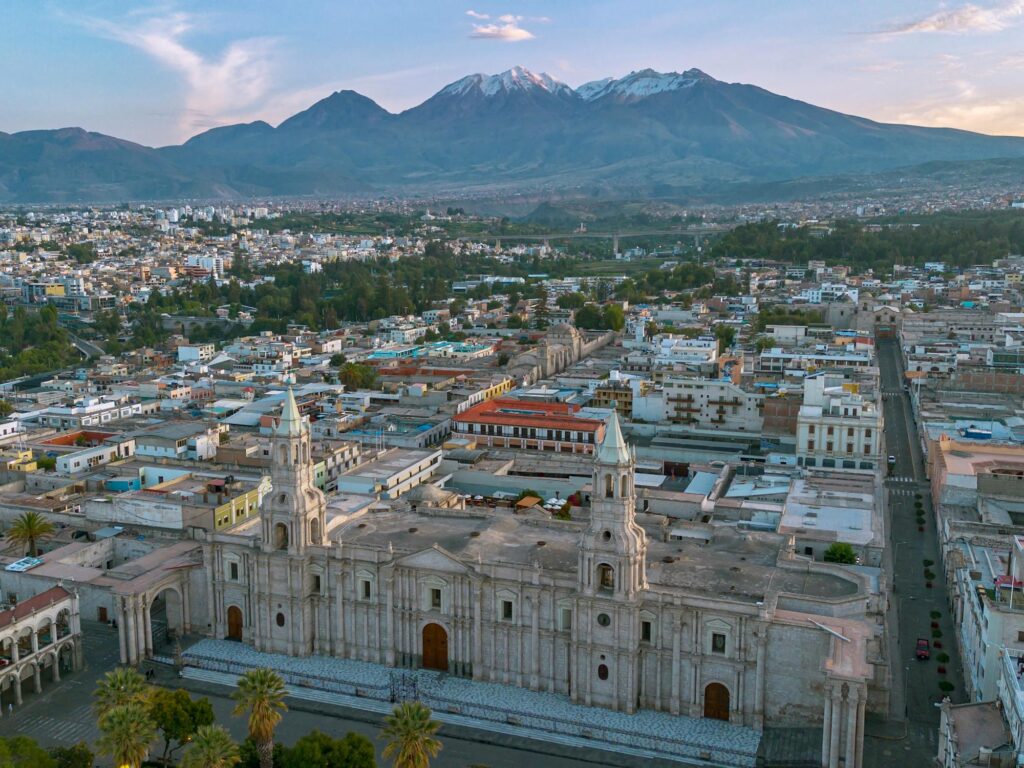
Arequipa, in southern Peru, is nicknamed the “White City” for its historic buildings constructed from sillar, a white volcanic stone. The Plaza de Armas is the city’s main square, framed by colonial arcades and the cathedral, with views of El Misti volcano in the background. One of the most important landmarks is the Santa Catalina Monastery, a vast convent complex with colorful courtyards and alleys that functioned as a city within the city. Arequipa is also the main base for excursions to Colca Canyon, one of the world’s deepest canyons and a prime spot for observing Andean condors. The city is a UNESCO World Heritage Site and is served by Rodríguez Ballón International Airport.
Puno
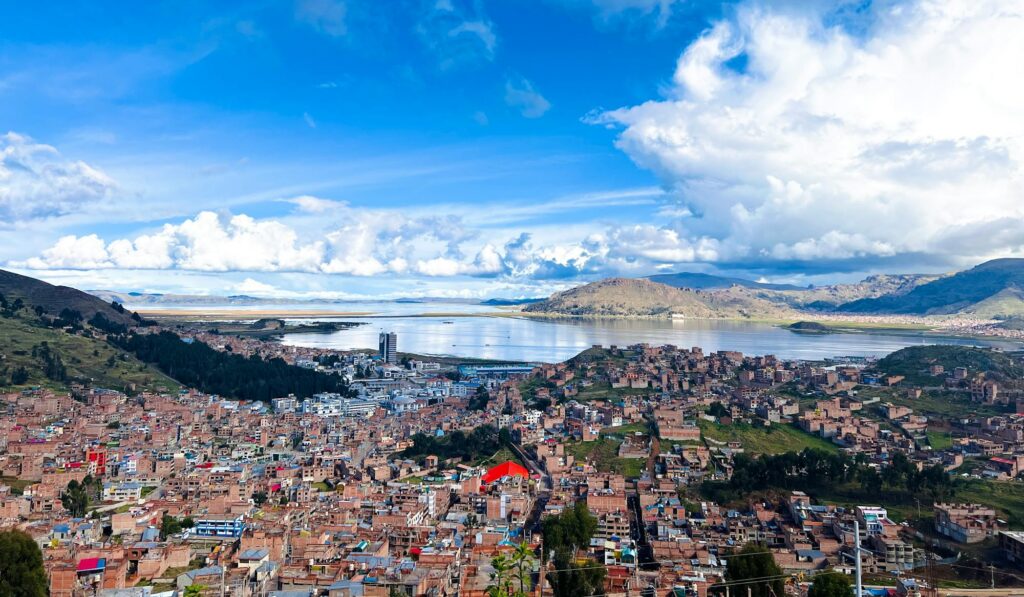
Puno, on the western shore of Lake Titicaca, is known as Peru’s folkloric capital for its many music and dance festivals, the most famous being the Virgen de la Candelaria celebration each February. The city itself has a busy port and serves as the main gateway to the lake’s islands. Boat tours visit the Uros Islands, where communities live on floating reed platforms, and Taquile Island, recognized for its textile traditions and panoramic lake views. At over 3,800 meters in altitude, Puno is also one of the highest cities in Peru, and visitors often use it as a stopover between Cusco and Bolivia.
Trujillo
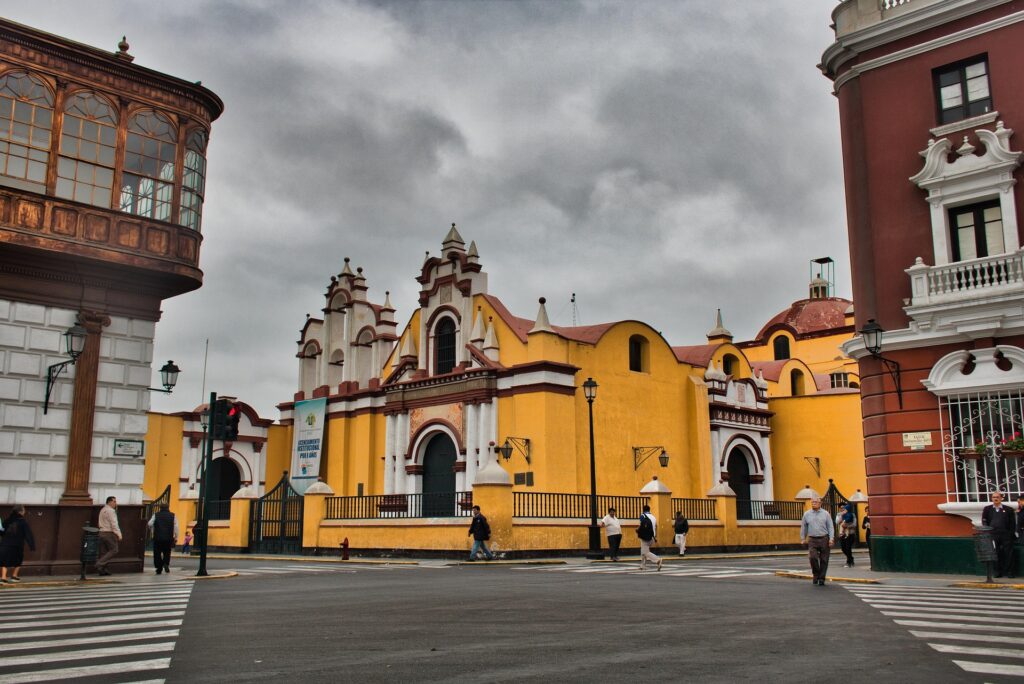
Trujillo, on Peru’s northern coast, is a colonial-era city with colorful plazas, churches, and mansions reflecting its Spanish heritage. The Plaza de Armas is the main square, surrounded by historic buildings and the cathedral. Nearby are some of the country’s most important archaeological sites: Chan Chan, the largest adobe city in the world and a UNESCO World Heritage Site, built by the Chimú civilization; and the Moche temples of Huaca del Sol and Huaca de la Luna, decorated with murals and friezes. Trujillo is also close to Huanchaco, a beach town famous for traditional reed fishing boats called caballitos de totora and popular with surfers.
Iquitos
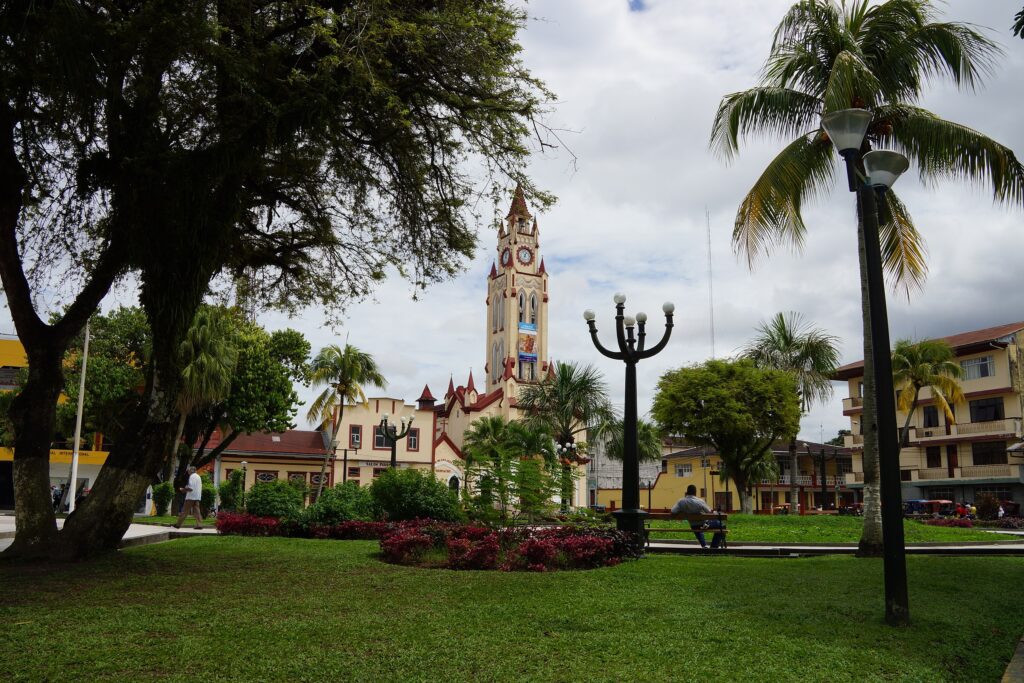
Iquitos is the largest city in the Peruvian Amazon and one of the world’s biggest urban centers without road access, reachable only by plane or boat. It serves as the main departure point for river cruises and stays in jungle lodges along the Amazon and its tributaries. Excursions from the city include wildlife watching for pink dolphins, monkeys, and exotic birds, as well as guided hikes in the rainforest. Visits to indigenous communities provide cultural context on traditional lifestyles. Within Iquitos itself, notable sites include the Iron House designed by Gustave Eiffel, the Belén floating market, and the riverfront promenade.
Best Natural Wonders in Peru
Machu Picchu & Sacred Valley
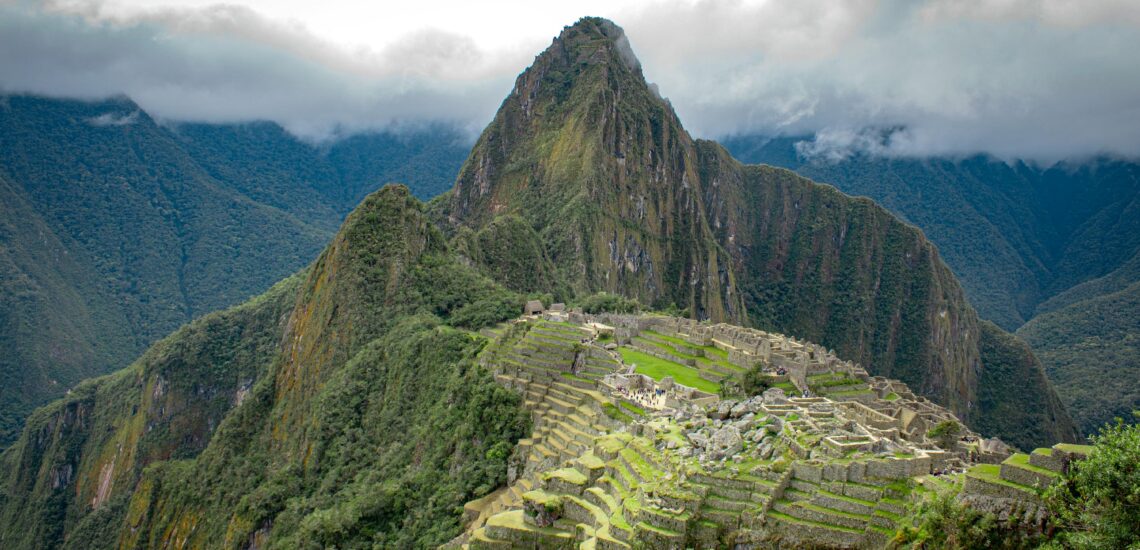
Machu Picchu, perched high in the Andes at 2,430 meters, is Peru’s most famous archaeological site and a UNESCO World Heritage Site, also recognized as one of the New Seven Wonders of the World. The citadel can be reached via the classic Inca Trail, a multi-day trek through mountains and cloud forests, or by train from Cusco and Ollantaytambo to Aguas Calientes, the gateway town.
The surrounding Sacred Valley of the Incas is dotted with sites that illustrate the scale of Inca civilization. Pisac is known for its hillside terraces and handicraft market, Ollantaytambo preserves an Inca fortress and town layout still in use, and Moray features circular agricultural terraces believed to have been used for experiments. The valley also offers opportunities for rafting, hiking, and exploring traditional Andean villages.
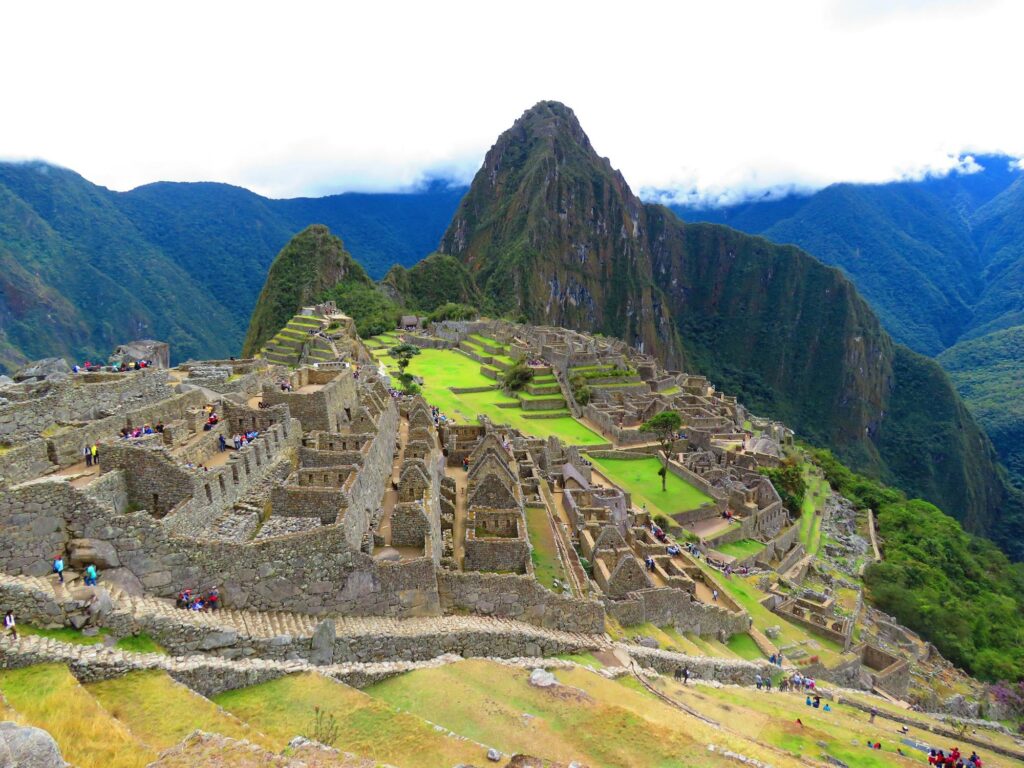
Colca Canyon
Colca Canyon, in southern Peru, is one of the world’s deepest canyons, reaching over 3,200 meters – nearly twice the depth of the Grand Canyon. The Cruz del Cóndor viewpoint is the best-known spot to watch Andean condors gliding on the morning thermals. The canyon is also home to terraced fields dating back to pre-Inca times and traditional villages such as Chivay, Yanque, and Cabanaconde, where local markets and hot springs attract visitors. Hiking trails range from multi-day treks descending to the canyon floor to shorter routes along the rim. Colca Canyon is typically visited on tours from Arequipa, located about 4–5 hours away by road.
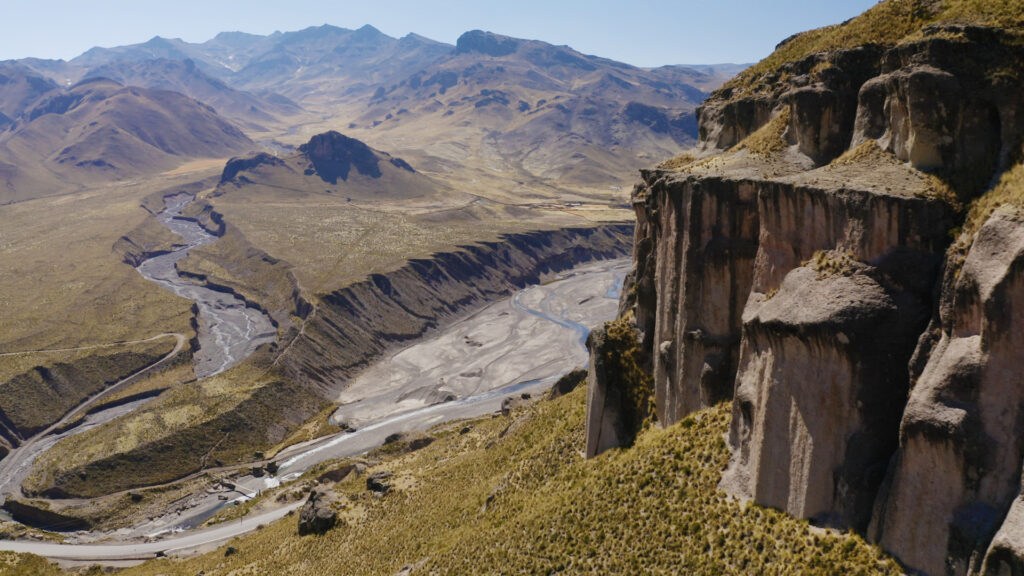
Lake Titicaca
Lake Titicaca, straddling the border of Peru and Bolivia, is the world’s highest navigable lake at 3,812 meters. On the Peruvian side, the main base is Puno, from where boat tours visit the Uros Islands, built entirely from floating reeds, and Taquile Island, known for its textile traditions and panoramic views. The lake has deep cultural significance, considered by the Incas as the birthplace of the sun. Visitors can stay in local guesthouses on the islands for an overnight experience. Access is easiest from Puno, which is connected by road, train, and flights via nearby Juliaca Airport.

Amazon Rainforest
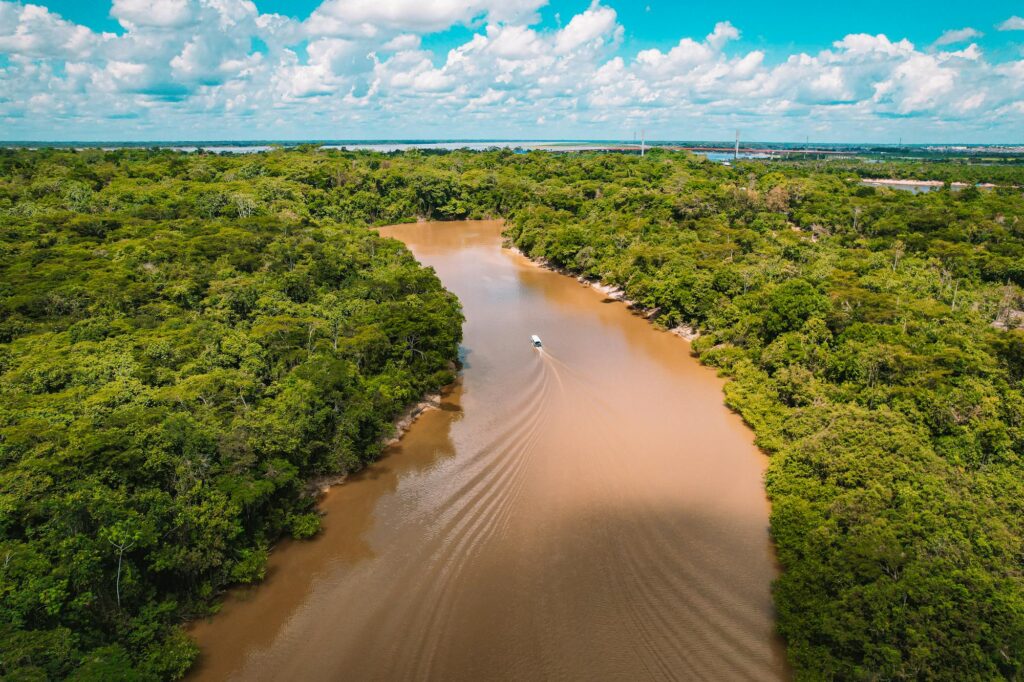
Peru’s Amazon covers more than half of the country and can be accessed through two main gateways: Puerto Maldonado in the south and Iquitos in the north. From Puerto Maldonado, visitors stay in eco-lodges within the Tambopata National Reserve, with activities such as canopy walks, night safaris, and visits to clay licks where macaws gather. Iquitos, only reachable by plane or boat, is the base for river cruises and lodges deeper in the rainforest along the Amazon and its tributaries. Both regions offer opportunities to spot pink river dolphins, monkeys, caimans, and diverse birdlife. Lodges range from basic to luxury, and guided excursions focus on wildlife observation and learning about the ecosystem.
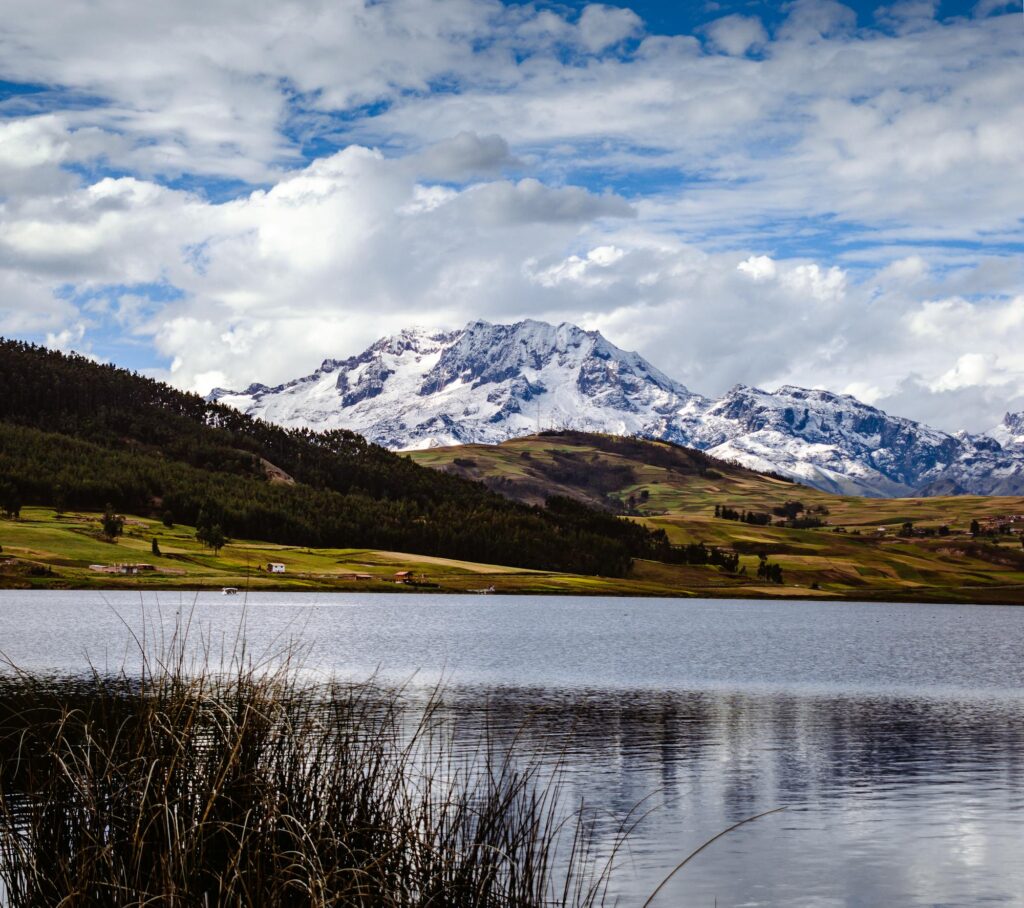
Huascarán National Park & Cordillera Blanca
Huascarán National Park, in Peru’s Ancash region, protects the Cordillera Blanca, the highest tropical mountain range in the world. Its centerpiece is Mount Huascarán, Peru’s tallest peak at 6,768 meters. The park is a UNESCO World Heritage Site and a prime trekking and climbing destination. Popular hikes include Laguna 69, with its striking turquoise waters beneath snow-covered peaks, and the multi-day Santa Cruz Trek, which crosses high passes and valleys. The park is also home to glaciers, diverse Andean flora and fauna, and archaeological remains. The city of Huaraz serves as the main gateway, with road access from Lima and a full range of visitor services.
Rainbow Mountain
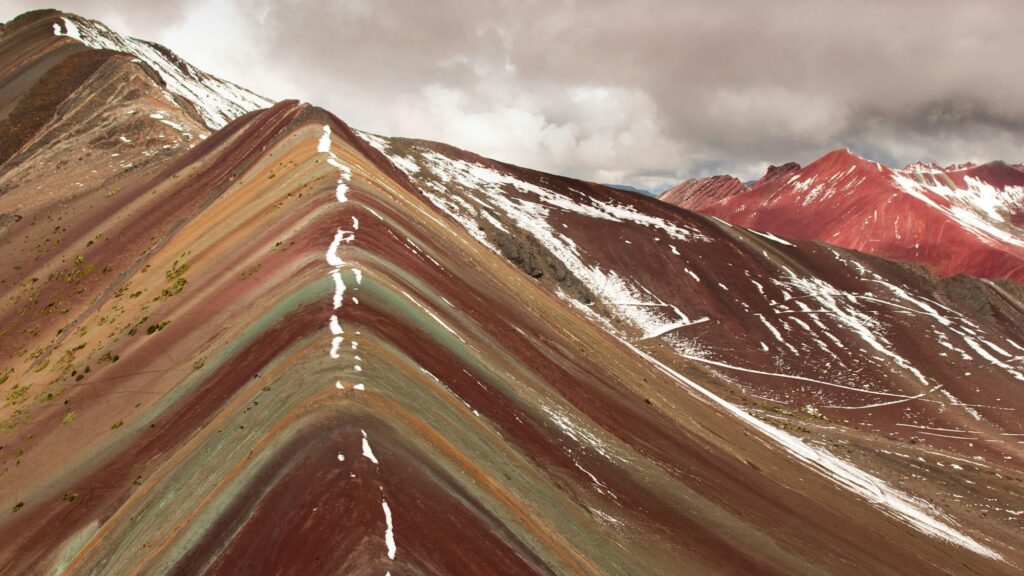
Rainbow Mountain, or Vinicunca, is a mineral-rich peak in the Andes about 100 km southeast of Cusco. The mountain is famous for its natural stripes of red, yellow, green, and purple, created by layered sediments. Reaching an altitude of over 5,000 meters, it requires acclimatization and a challenging hike of several hours, though shorter routes have recently been developed. The trek passes highland scenery with alpacas, llamas, and views of snowcapped Ausangate Mountain. Rainbow Mountain has quickly become one of Peru’s most popular day trips from Cusco, with tours departing daily.
Paracas & Ballestas Islands
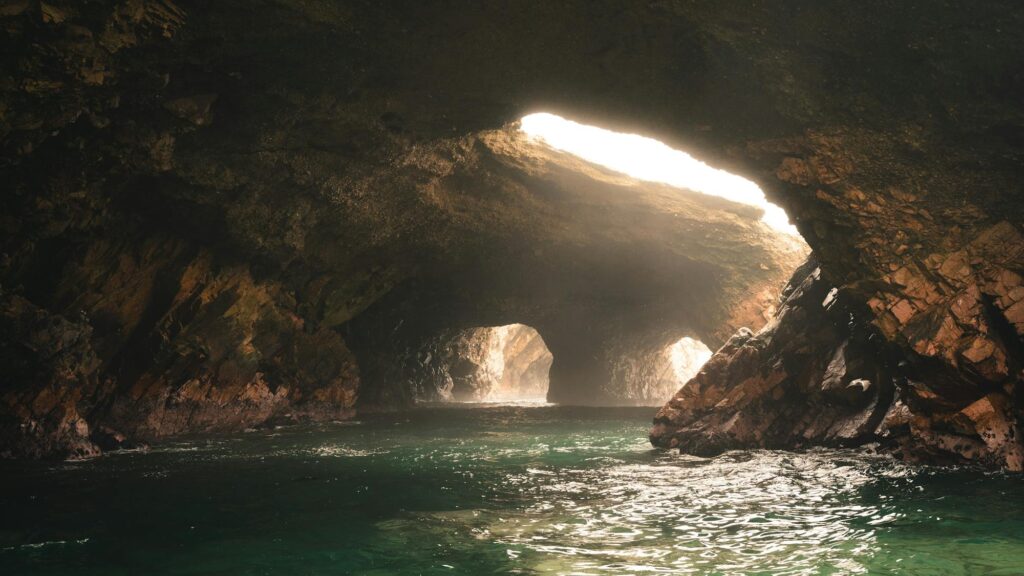
Paracas, on Peru’s southern coast, is the gateway to the Ballestas Islands, often called the “Poor Man’s Galápagos.” Boat tours from Paracas take visitors around rocky islets inhabited by sea lions, Humboldt penguins, and large colonies of seabirds. Onshore, the Paracas National Reserve protects desert landscapes that meet the Pacific Ocean, with striking cliffs, red sand beaches, and viewpoints over the coastline. The area is also home to the Paracas Candelabra geoglyph, a giant figure etched into a hillside and visible from the sea. Paracas is about 3.5 hours south of Lima by road, making it a popular weekend or short trip destination.
Nazca Lines
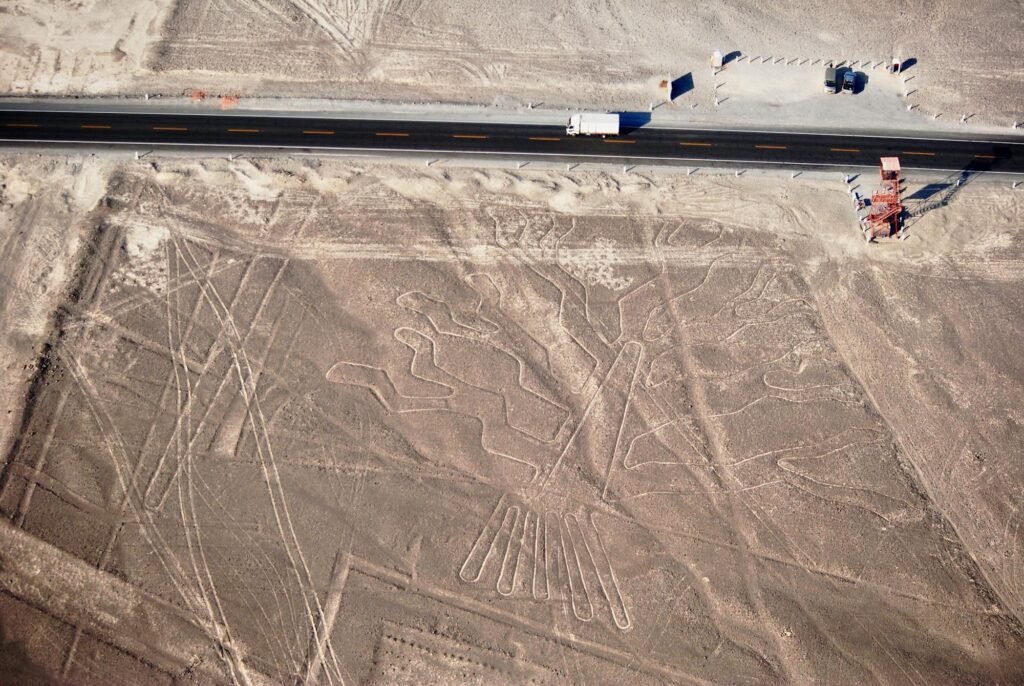
The Nazca Lines, in southern Peru, are a collection of large geoglyphs etched into the desert surface, created by the Nazca culture between 500 BCE and 500 CE. The designs include straight lines, geometric shapes, and figures of animals and plants such as a hummingbird, monkey, and spider. Their purpose remains uncertain, with theories ranging from astronomical markers to ritual pathways. Due to their size, the geoglyphs are best viewed from small aircraft flights departing from Nazca or Pisco, though some observation towers along the highway provide limited views. The site is a UNESCO World Heritage Site and one of Peru’s most enigmatic attractions.
Hidden Gems of Peru
Choquequirao
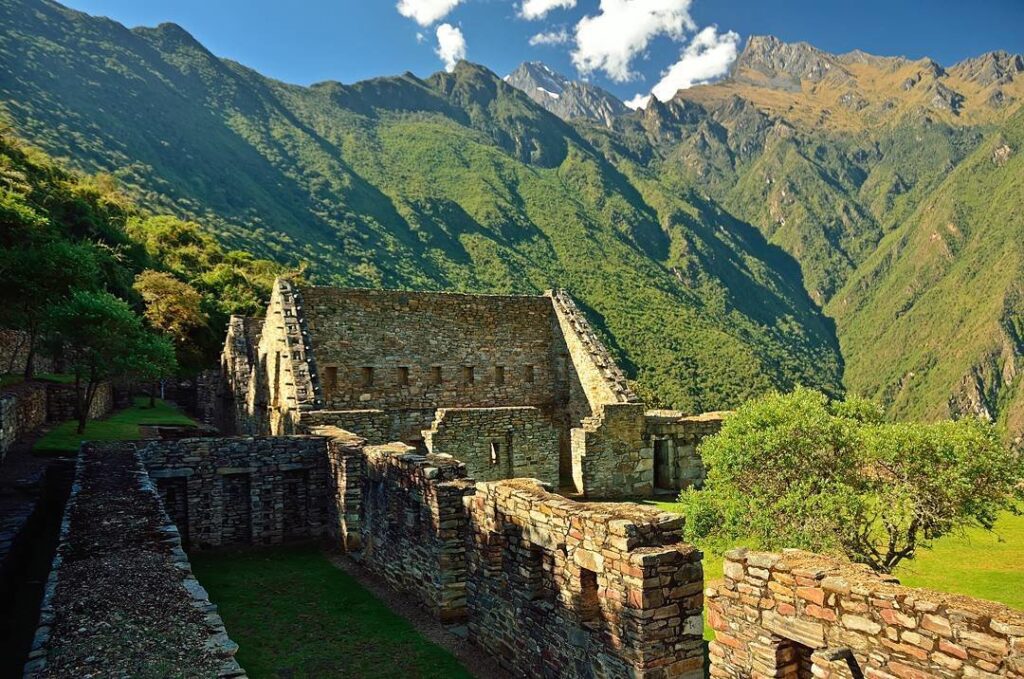
Choquequirao, in the Vilcabamba mountain range of southern Peru, is an Inca site often compared to Machu Picchu for its scale and architecture but receives far fewer visitors due to its remote location. The ruins include terraces, ceremonial plazas, and stone structures spread across a mountain ridge overlooking the Apurímac River canyon. Access currently requires a demanding two-day trek from the trailhead near Cachora, though plans exist for a future cable car. Because of its isolation, Choquequirao offers an uncrowded experience and is regarded as one of the most rewarding archaeological sites in the Andes.
Kuelap
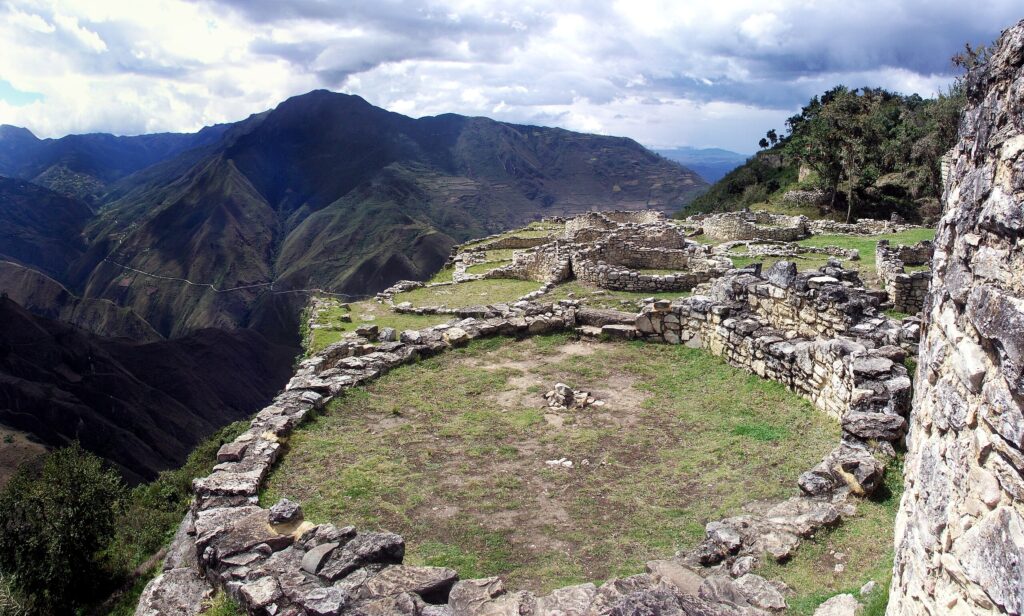
Kuelap is a monumental fortress built by the Chachapoyas culture around the 6th century CE in northern Peru. Situated at 3,000 meters above sea level in the Amazonas region, the site is enclosed by stone walls up to 20 meters high and contains more than 400 circular structures. Archaeologists believe it served as a political and ceremonial center. The complex features carved stone friezes and remains of dwellings, temples, and defensive towers. Kuelap is accessible from the town of Chachapoyas, with a cable car from the village of Nuevo Tingo now providing easier access to the site. It is considered one of Peru’s most significant archaeological attractions outside the Inca heartland.
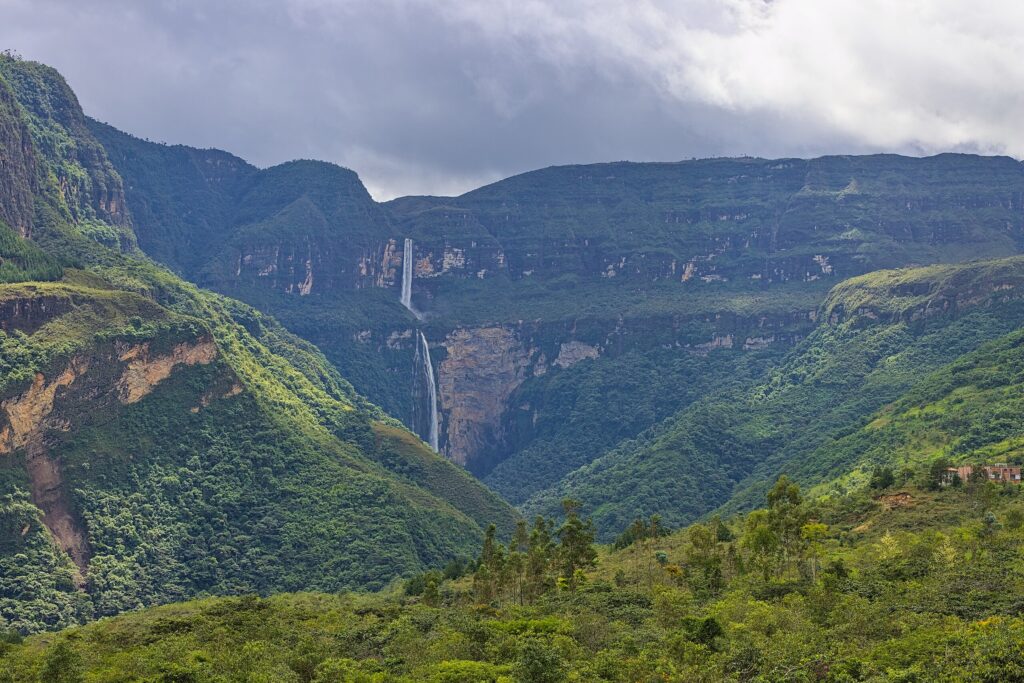
Gocta Waterfall
Gocta Waterfall, near Chachapoyas in northern Peru, is one of the tallest waterfalls in the world with a total height of about 770 meters. Surrounded by dense cloud forest, it was little known internationally until the early 2000s. The falls can be reached on foot or horseback from the village of Cocachimba, with trails offering views of the two main drops. The area is rich in biodiversity, with frequent sightings of hummingbirds, toucans, and monkeys. Gocta is often combined with visits to nearby sites such as Kuelap, making Chachapoyas a growing destination for both nature and archaeology.
Huacachina
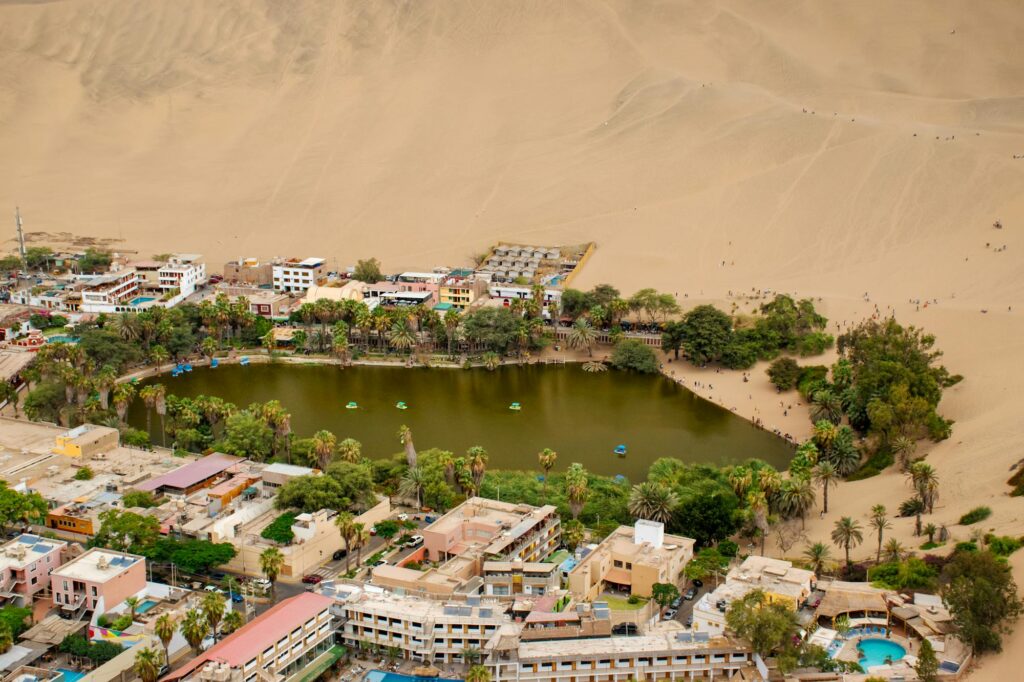
Huacachina is a small desert oasis located about 5 km from the city of Ica in southern Peru. The lagoon is surrounded by palm trees, hotels, and restaurants, with massive sand dunes rising in all directions. The area is a popular destination for adventure sports, especially dune buggy rides and sandboarding on the towering dunes. Visitors can also climb the dunes for sunset views over the desert. Huacachina is often visited as part of a circuit that includes Paracas and the Nazca Lines, and it is about a 5-hour drive south of Lima.
Marcahuasi Stone Forest
Marcahuasi is a stone forest located on a plateau in the Andes east of Lima, at an altitude of about 4,000 meters. The site is known for its unusual granite rock formations, many of which resemble human faces, animals, and symbolic figures due to natural erosion. The plateau covers roughly 4 km² and offers panoramic views of surrounding mountains and valleys. It is also associated with local legends and has become a destination for hikers, campers, and those interested in mysticism. Access is from the town of San Pedro de Casta, reached by road from Lima, followed by a several-hour hike or mule ride to the plateau.

Ayacucho
Ayacucho, in Peru’s south-central highlands, is a colonial city famous for its religious architecture and festivals. It is often called the “City of 33 Churches,” reflecting the number of colonial-era churches spread throughout its historic center. The city is particularly known for Semana Santa (Holy Week), one of the most elaborate celebrations in Latin America, featuring processions, music, and traditional dances. Ayacucho is also recognized for its artisan workshops producing textiles, retablos (painted wooden altarpieces), and pottery. Nearby attractions include the Wari archaeological site, capital of the pre-Inca Wari culture, and the Pampas de Ayacucho Historical Sanctuary, where the Battle of Ayacucho marked Peru’s independence. The city is accessible by road or by flights from Lima.
Special Experiences in Peru
- Hike the Inca Trail to Machu Picchu for the classic pilgrimage.
- Cruise the Amazon River from Iquitos and sleep in jungle lodges.
- Fly over the Nazca Lines to unlock their mysteries.
- Attend Inti Raymi (Festival of the Sun) in Cusco every June.
- Taste Peru’s world-famous cuisine – from ceviche to lomo saltado to more adventurous dishes like guinea pig (cuy).
- Explore the salt mines of Maras and circular terraces of Moray in the Sacred Valley.
Travel Tips for Peru
Health & Safety
Sickness is common in highland destinations such as Cusco, Puno, and Huaraz. Acclimatize gradually, rest on arrival, and drink coca tea to ease mild symptoms. Comprehensive travel insurance is essential, especially if you plan on trekking, mountain biking, or other adventure activities. Always drink bottled or purified water. Street food can be delicious but stick to well-known vendors to avoid stomach issues. Peru is generally safe for travelers, but pickpocketing is common in busy markets, bus stations, and tourist areas. Keep valuables secure.
Getting Around
Domestic flights are the fastest way to cover long distances, linking Lima with Cusco, Arequipa, Iquitos, and Trujillo. Long-distance buses, such as Cruz del Sur, are reliable, safe, and comfortable, with overnight options. Scenic rail journeys include Cusco–Machu Picchu and Cusco–Puno, offering both convenience and unforgettable views.
Driving is possible but often challenging. Mountain roads can be dangerous, with landslides, sharp curves, and unpredictable weather. A 4×4 is recommended for remote Andean and Amazon regions. Avoid driving at night outside cities.
If renting a car, an International Driving Permit is required along with your home license. Police checkpoints are frequent, so always carry your documents.

Published September 21, 2025 • 13m to read