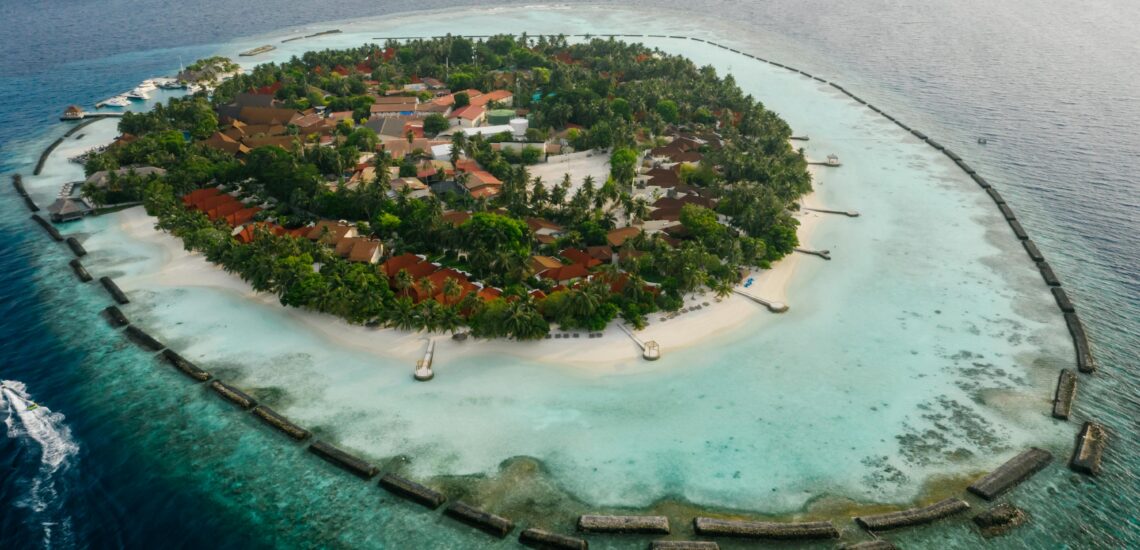


Palau, a remote island nation in the western Pacific, is a tropical paradise of turquoise lagoons, mushroom-shaped limestone islands, and world-class dive sites. Known for its strong commitment to conservation and rich Micronesian heritage, Palau is the ultimate destination for divers, eco-travelers, and adventure seekers. With pristine reefs, WWII relics, and warm local culture, it offers both thrills and tranquility in one of the world’s most beautiful marine environments.
Best Islands
Koror
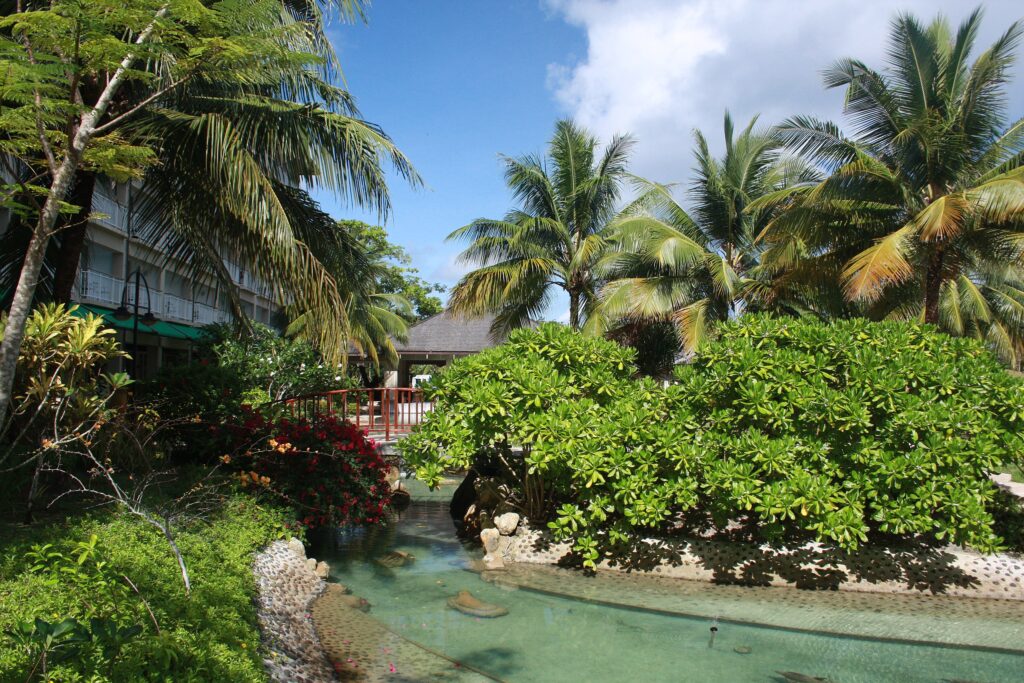
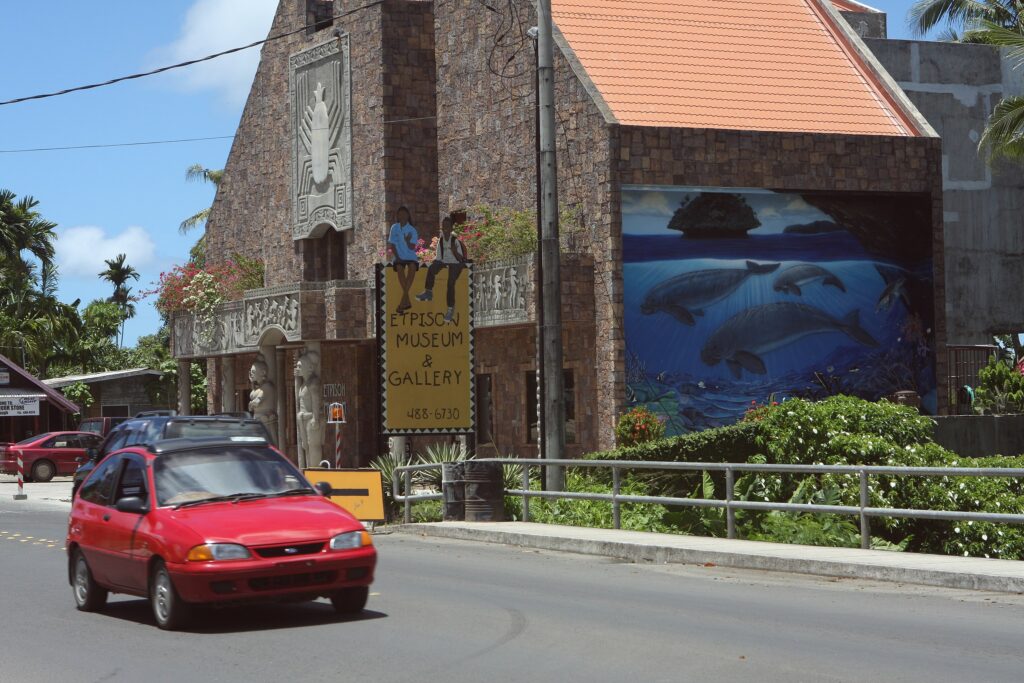
Koror, the largest town in Palau, is the country’s cultural and commercial hub as well as the main base for travelers. It’s home to the Belau National Museum, the oldest in Micronesia, which showcases Palauan history, artifacts, and traditional navigation. The Etpison Museum adds exhibits on local culture and colonial history, while a traditional bai (meeting house) introduces visitors to Palauan architecture and symbolism. Around town, local markets and souvenir shops sell storyboards and handicrafts, and waterfront cafés offer a relaxed spot to enjoy island views.
Most of Palau’s hotels, restaurants, and dive operators are based in Koror, making it the starting point for excursions to the Rock Islands, Jellyfish Lake, and WWII sites scattered across the archipelago. The best time to visit is November–April, during the dry season with calmer seas. Koror is just 15 minutes from Roman Tmetuchl International Airport, with easy transfers by car or shuttle.
Babeldaob Island
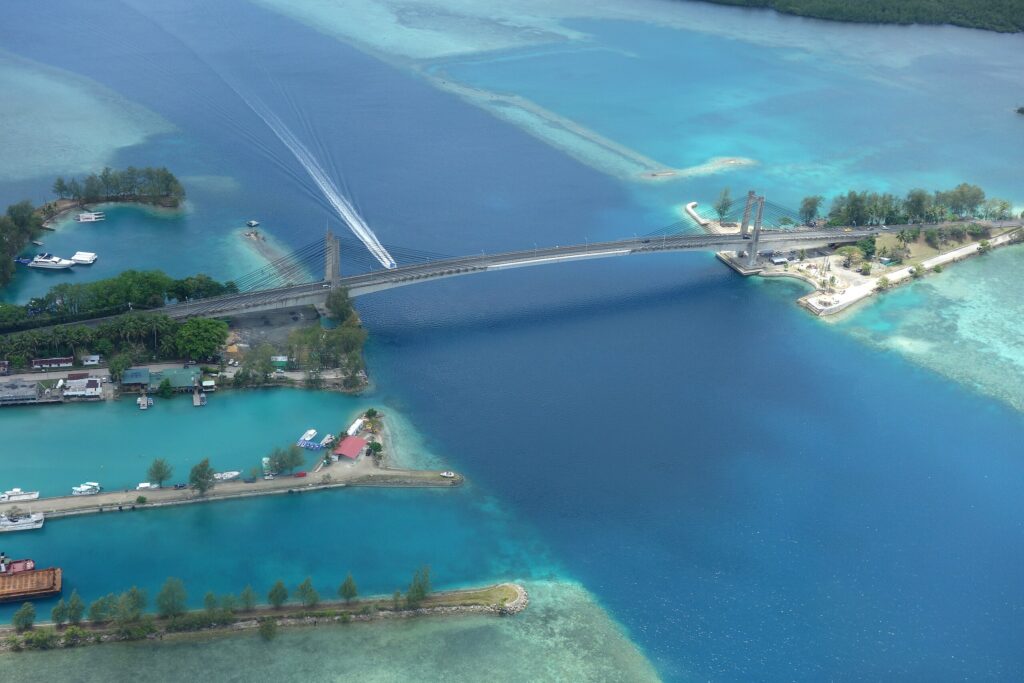
Babeldaob, Palau’s largest island, offers a wilder and more rural contrast to busy Koror. Covered in jungles, rivers, and rolling hills, it’s best explored by car along scenic coastal and mountain roads. Highlights include the Ngardmau Waterfall, Palau’s largest, reached by a short jungle hike, and the mysterious Stone Monoliths of Badrulchau, rows of megalithic heads and pillars whose origins remain uncertain. Along the coasts are quiet beaches and traditional villages, while the island’s interior hides caves and viewpoints rarely visited by tourists.
Peleliu Island
Peleliu Island, in southern Palau, is a quiet place with a heavy past. It was the site of one of WWII’s fiercest battles in 1944, and remnants of that history remain scattered across the island – from Japanese bunkers and tanks hidden in the jungle to the old airfield that became a key target. The Peleliu Peace Memorial, built by Japan, now honors all who fought there, making the island both a historic site and a place of reflection.
Today, Peleliu is also known for its uncrowded beaches and offshore coral reefs, where snorkeling and diving reveal healthy marine life in a calm setting. Peleliu is about 1.5 hours by boat from Koror, with day trips available, though some travelers stay overnight in simple guesthouses.

Best Natural Attractions
Rock Islands Southern Lagoon
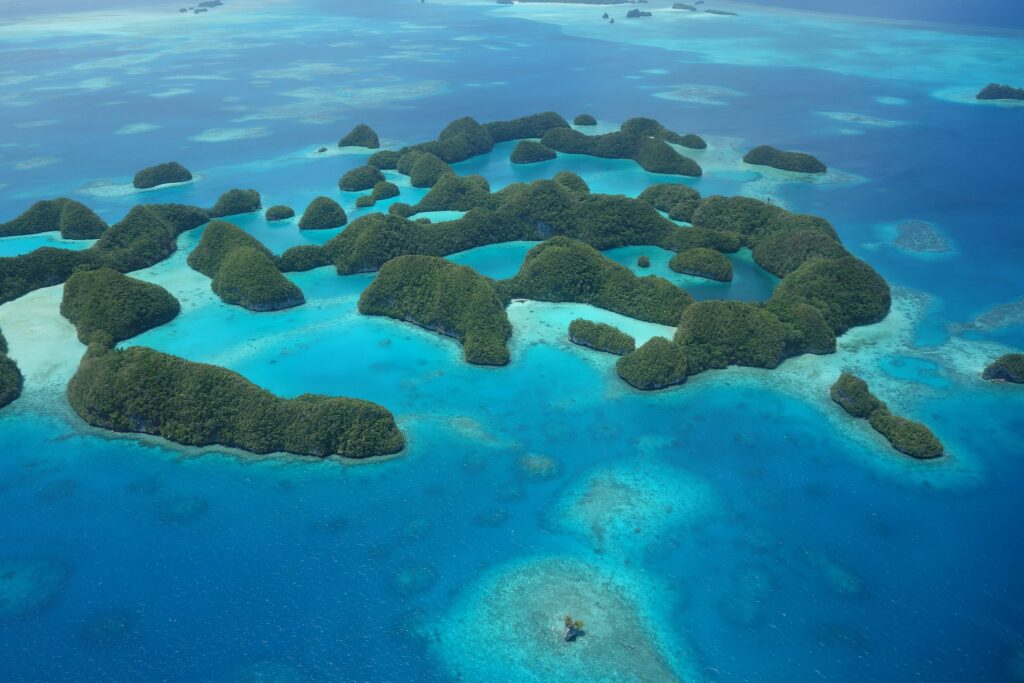
Rock Islands Southern Lagoon, a UNESCO World Heritage Site, is Palau’s most iconic natural attraction – a seascape of over 300 limestone islets rising like green mushrooms from turquoise waters. The area is renowned for its hidden lagoons, secret beaches, and marine lakes, including the famous Jellyfish Lake, where visitors can swim among millions of harmless jellyfish. Coral reefs around the islands rank among the world’s richest, offering diving and snorkeling with manta rays, sharks, and vibrant schools of fish.
Exploration is by kayak, paddleboard, or speedboat tours from Koror, with itineraries stopping at highlights such as Milky Way Lagoon (known for its white limestone mud baths) and secluded bays perfect for swimming. With its mix of surreal landscapes and unparalleled marine biodiversity, the Rock Islands are the heart of Palau’s eco-tourism and a must-see for any visitor.
Jellyfish Lake (Eil Malk Island)
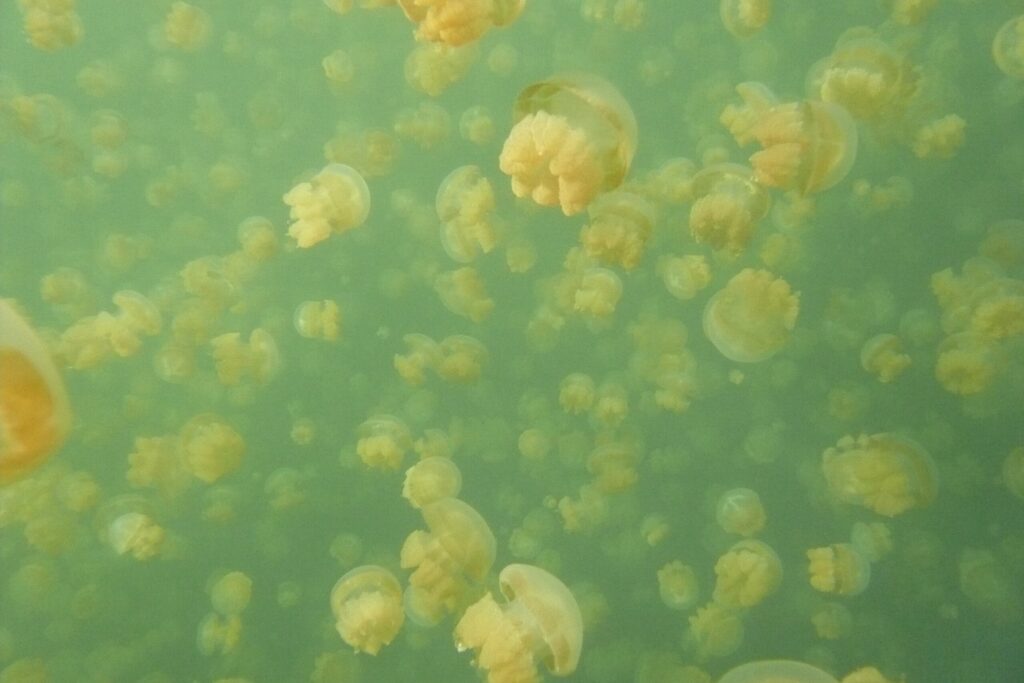
Jellyfish Lake, on Eil Malk Island in Palau’s Rock Islands, is one of the world’s most unique natural wonders. This marine lake is home to millions of golden and moon jellyfish that have evolved without stingers, allowing visitors to snorkel safely among them in an otherworldly experience found nowhere else on Earth. Surrounded by limestone cliffs and jungle, the lake’s calm, sunlit waters make it feel both surreal and serene.
The lake is carefully protected, and access is strictly controlled. It has been temporarily closed in the past for conservation, so visitors should confirm its status before planning a trip. Jellyfish Lake is reached by boat from Koror (30–45 minutes) as part of Rock Islands tours.
Milky Way Lagoon
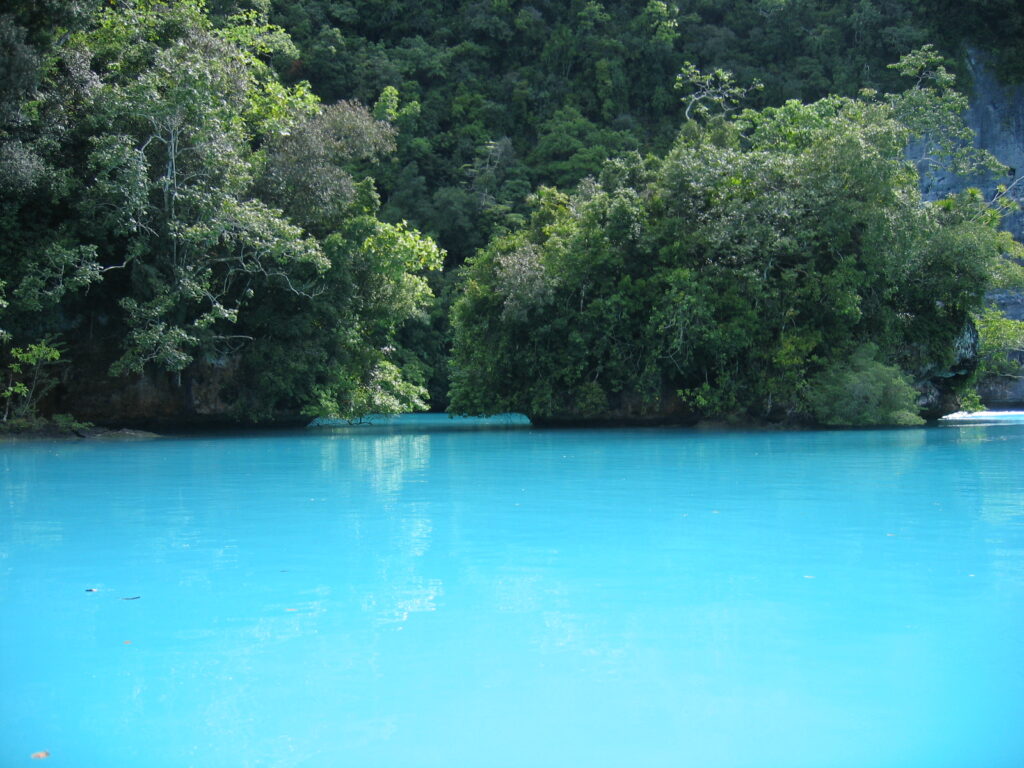
Milky Way Lagoon, tucked among Palau’s Rock Islands, is a small turquoise inlet famous for its soft white limestone mud, which visitors smear on their skin as a natural spa treatment. The mud is said to have rejuvenating properties, and washing it off in the warm, clear water adds to the playful experience. Surrounded by jungle-clad cliffs and sheltered from waves, the lagoon is also a peaceful swimming spot. It’s usually included as a stop on Rock Islands boat tours from Koror, often paired with snorkeling sites and hidden beaches.
Ngardok Nature Reserve (Babeldaob)
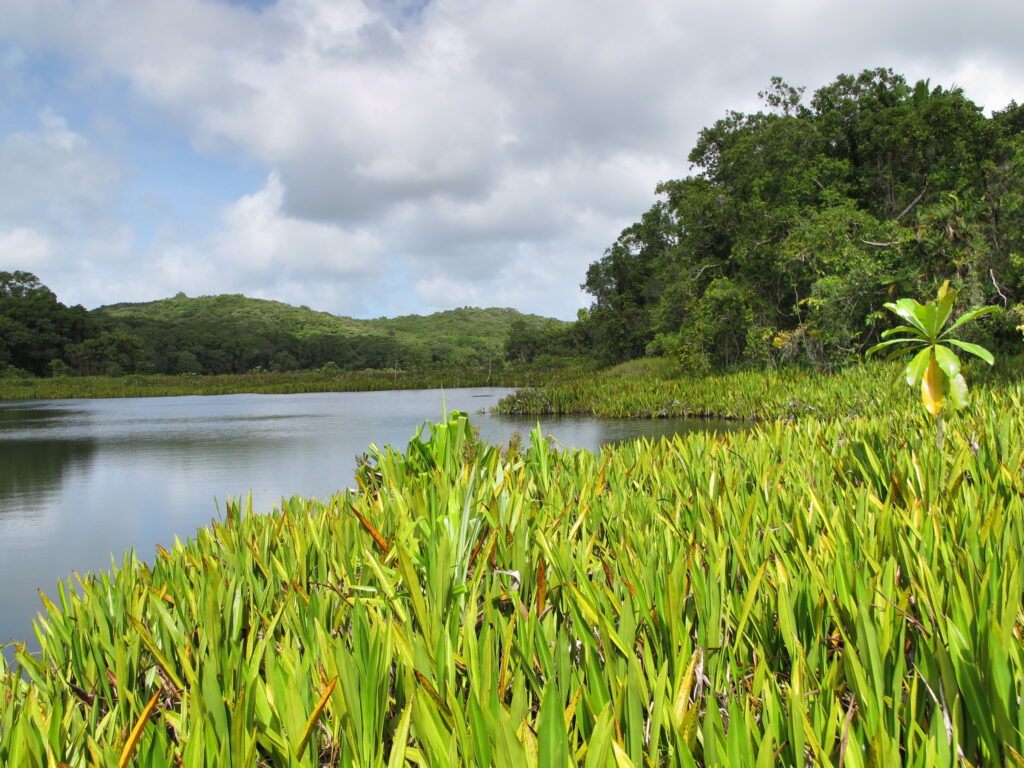
Ngardok Nature Reserve, on Babeldaob Island, protects Palau’s largest freshwater lake and one of the country’s richest tracts of rainforest. The reserve is a haven for birdwatchers, with species such as the Palau fruit dove, kingfishers, and other endemics thriving in its wetlands and forest canopy. Walking trails wind through dense jungle, offering a chance to explore freshwater ecosystems, orchids, and ferns, with lookout points over the lake and surrounding hills. Located inland on Babeldaob, the reserve is accessible by car in about 45 minutes from Koror, often combined with a day trip to nearby cultural sites and waterfalls.
Best Diving & Snorkeling Spots
Palau is consistently ranked among the world’s top dive destinations, with shark sanctuaries, coral walls, blue holes, and WWII wrecks.
- Blue Corner: Famous for strong currents and dense marine life – sharks, turtles, rays, and barracuda.
- German Channel: Known for manta rays, reef sharks, and schooling fish.
- Ulong Channel: One of the best drift dives in the world.
- Chandelier Cave: Shallow underwater caves with stalactites and air pockets.
- WWII Wrecks (Helmet Wreck & Iro Maru): Japanese cargo and oil ships now covered in coral.
Hidden Gems of Palau
Kayangel Atoll
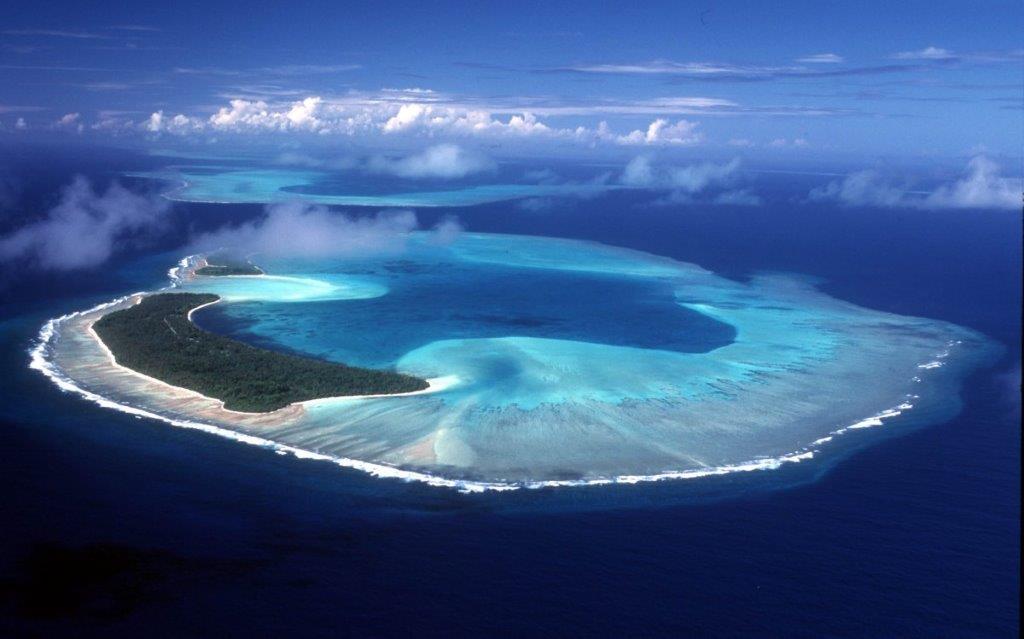
Kayangel Atoll, Palau’s northernmost state, is a ring of white-sand islets, turquoise lagoons, and coral reefs that feels far removed from the bustle of Koror. The atoll is known for its pristine beaches, thriving marine life, and abundant bird colonies, making it perfect for snorkeling, kayaking, and fishing in crystal-clear waters. With no large resorts, the vibe is quiet and authentic.
Ngeruktabel Island
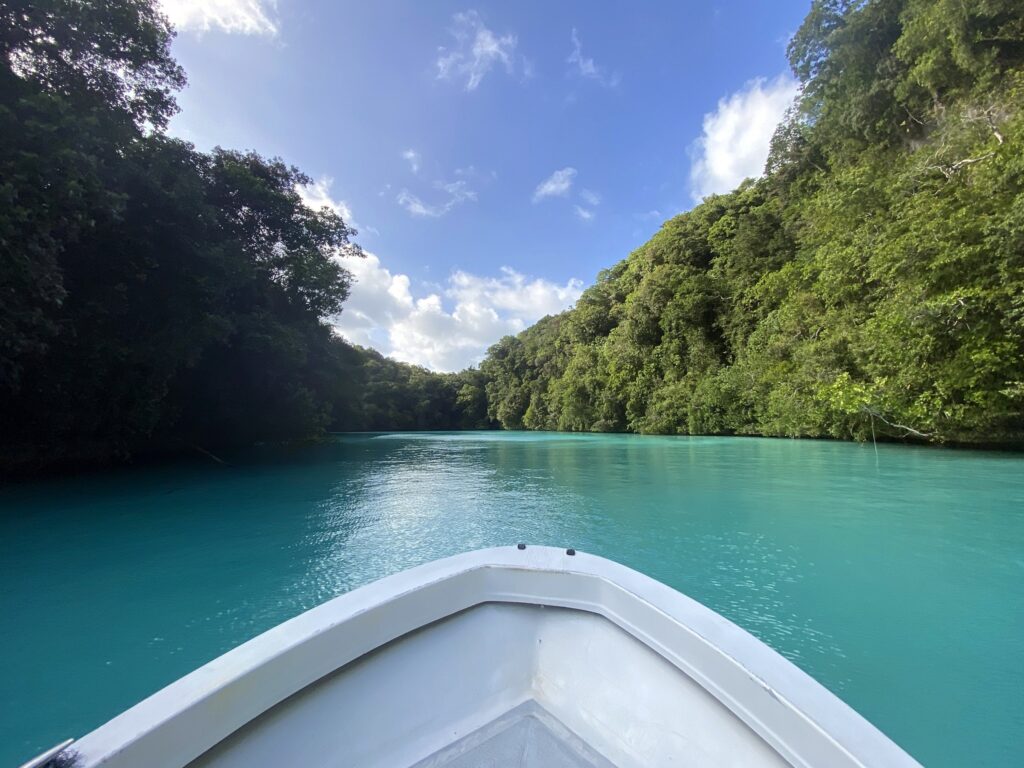
Ngeruktabel Island, the largest of Palau’s Rock Islands, is a rarely visited wilderness of jungle-covered hills, hidden marine lakes, and deserted beaches. Unlike the more popular lagoons, Ngeruktabel offers space for quiet exploration, whether it’s trekking forest trails, birdwatching, or discovering inland lakes surrounded by limestone cliffs. Its remote coves are ideal for swimming and snorkeling, with healthy reefs right off the shore.
Long Beach (Rock Islands)
Long Beach, in Palau’s Rock Islands, is one of the archipelago’s most photogenic spots – a pure white sandbar that appears only at low tide. Surrounded by turquoise waters and framed by jungle-topped limestone islets, it’s a favorite stop on boat tours for swimming, snorkeling, and photography. The sandbar stretches far into the lagoon, creating the illusion of walking on water with nothing but sea and sky around you. Most visits are part of day trips from Koror, often combined with snorkeling reefs and hidden lagoons. Timing is key, as the beach disappears completely at high tide, so tours plan arrivals carefully.
Pulau Ubin Aquarium (Neco Marine)
Pulau Ubin Aquarium (Neco Marine) in Koror is a small, conservation-focused aquarium that introduces visitors to Palau’s extraordinary marine biodiversity. Unlike large commercial aquariums, its aim is educational, highlighting local reef species, giant clams, and coral ecosystems found in Palauan waters. Exhibits are designed to promote awareness of marine conservation and responsible tourism, making it a good first stop before diving or snorkeling in the wild.
Etpison Museum (Koror)
Etpison Museum, in Koror, is one of Palau’s best places to learn about the nation’s cultural roots. Its exhibits cover Palauan legends, traditional navigation techniques, matrilineal society, and the storyboards – wooden panels carved with mythological scenes that remain a key local art form. The museum also houses displays of shell money, traditional clothing, and photographs documenting Palau’s transition from colonial times to independence.
Travel Tips
Currency
The official currency of Palau is the US Dollar (USD), making it convenient for travelers from the United States and those carrying dollars abroad. ATMs are available in Koror, but services can be limited on the outer islands, so it’s best to carry enough cash for excursions and small local purchases.
Language
Both Palauan and English are official languages and widely spoken, making communication easy for international visitors. Japanese is also understood by some, reflecting historical ties, while local island dialects may still be heard in more remote areas.
Getting Around
Exploring Palau’s pristine environment is part of the experience. Boat tours are the main way to visit the Rock Islands, lagoons, and diving sites, offering access to the country’s most iconic natural wonders. On land, renting a car or bicycle is the best option for exploring Koror and the larger island of Babeldaob. To rent a vehicle legally, travelers must carry an International Driving Permit along with their home license.
Domestic flights are rare, as most transport between islands is done by sea. Ferries, speedboats, and private charters are common, especially for reaching outer atolls and more remote resorts.
Sustainability & Permits
Palau is a global leader in environmental protection, and visitors are expected to travel responsibly. Upon entry, all travelers must pay the Palau Pristine Paradise Environmental Fee (PPTC), which supports conservation projects. Some natural attractions, such as Jellyfish Lake, require special permits, which are usually arranged through tour operators.
Eco-friendly practices are essential – using reef-safe sunscreen, avoiding plastic waste, and respecting marine life are not only encouraged but required by law in some cases. By following these guidelines, visitors help preserve Palau’s unique ecosystems for future generations.

Published September 06, 2025 • 9m to read