

Nepal is where the sacred meets the sublime. Nestled between India and China, it is a country of dramatic landscapes, ancient traditions, and warm hospitality. More than 90% of its land is covered by mountains, including eight of the world’s ten highest peaks, while its valleys hold vibrant cities, UNESCO-listed temples, and diverse cultures.
From trekking to Everest Base Camp to meditating in Lumbini, the birthplace of Buddha, Nepal offers both adventure and spiritual depth. Whether you’re drawn by the Himalayas, the wildlife of its national parks, or the rhythms of its festivals, Nepal is one of Asia’s most rewarding destinations.
Best Cities & Cultural Hubs
Kathmandu
Kathmandu is Nepal’s lively capital, where centuries-old traditions meet the daily buzz of modern city life. The historic Durbar Square is the best place to start, with its royal palaces and intricately carved temples that showcase the artistry of the Newar people. Just a short walk away, the narrow alleys are filled with spice shops, handicrafts, and hidden courtyards that reveal the city’s layered history.
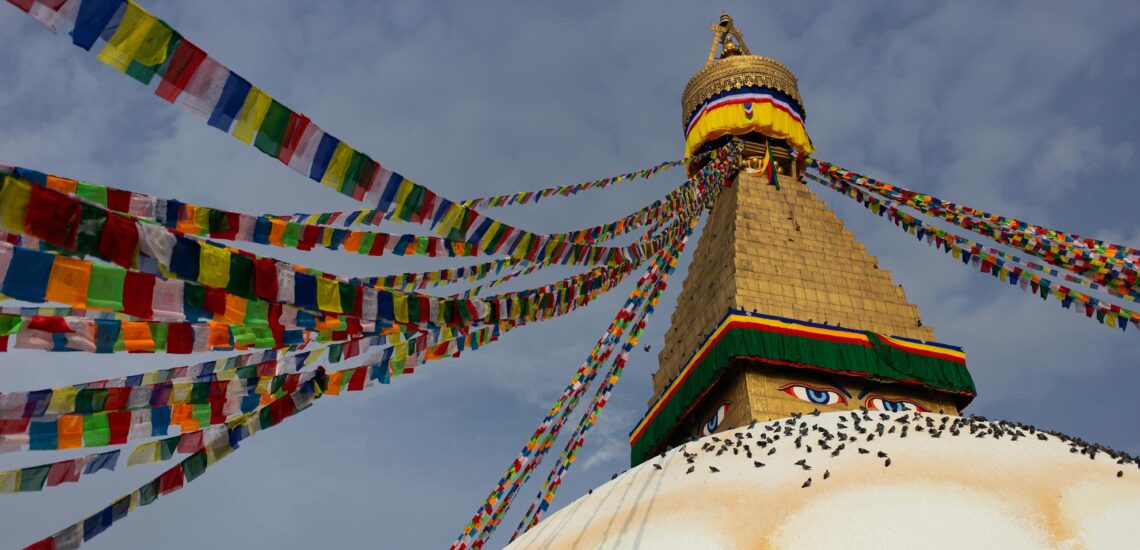
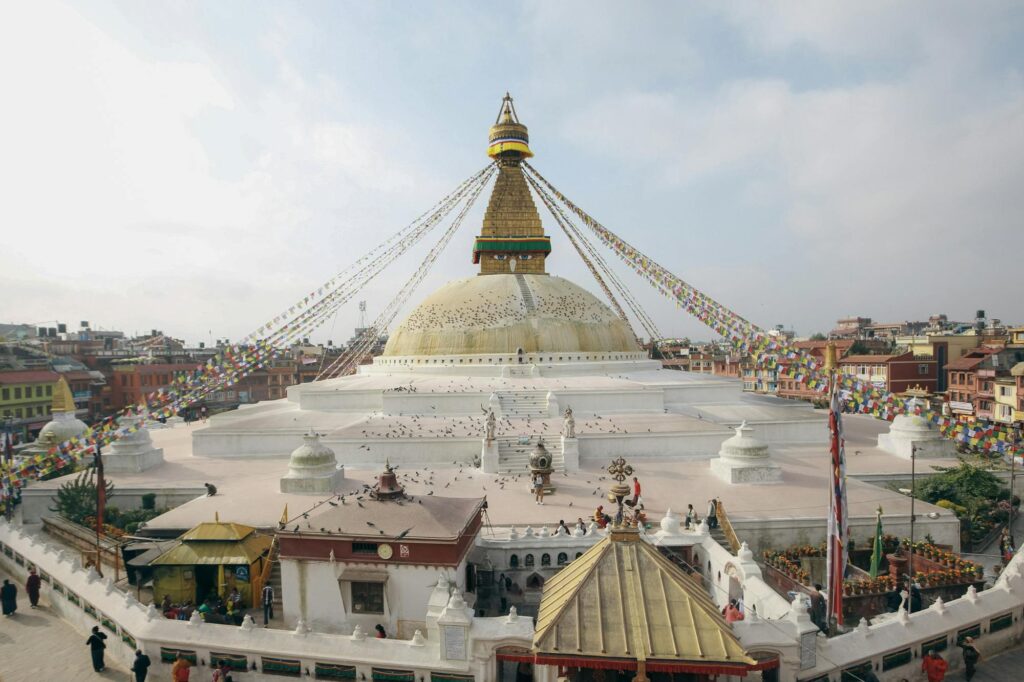
For panoramic views, climb to the hilltop Swayambhunath Stupa – nicknamed the Monkey Temple – where colorful prayer flags flutter against the skyline. Another must-see is the Boudhanath Stupa, one of the largest in the world, where Buddhist pilgrims walk clockwise in meditation. On the banks of the Bagmati River, the Pashupatinath Temple gives a moving glimpse into Hindu life and rituals. With its blend of spiritual sites, vibrant bazaars, and bustling energy, Kathmandu is a city that never fails to engage all the senses.
Patan (Lalitpur)
Just across the Bagmati River from Kathmandu, Patan is a treasure trove of art and heritage. Its Durbar Square is smaller than Kathmandu’s but arguably more elegant, lined with intricately carved temples, palace courtyards, and shrines that reflect the city’s rich Newar craftsmanship. The Patan Museum, housed in a former royal palace, is one of Nepal’s finest, displaying exquisite Buddhist and Hindu artifacts that bring centuries of history to life.
Beyond the main square, Patan’s narrow lanes lead to artisan workshops where traditional metal casting and woodcarving are still practiced. Visiting here offers not just sightseeing, but a chance to see how heritage and daily life intertwine. Patan is calmer than Kathmandu, yet deeply cultural – perfect for travelers who want to immerse themselves in Nepal’s artistic heart while avoiding some of the capital’s chaos.
Bhaktapur
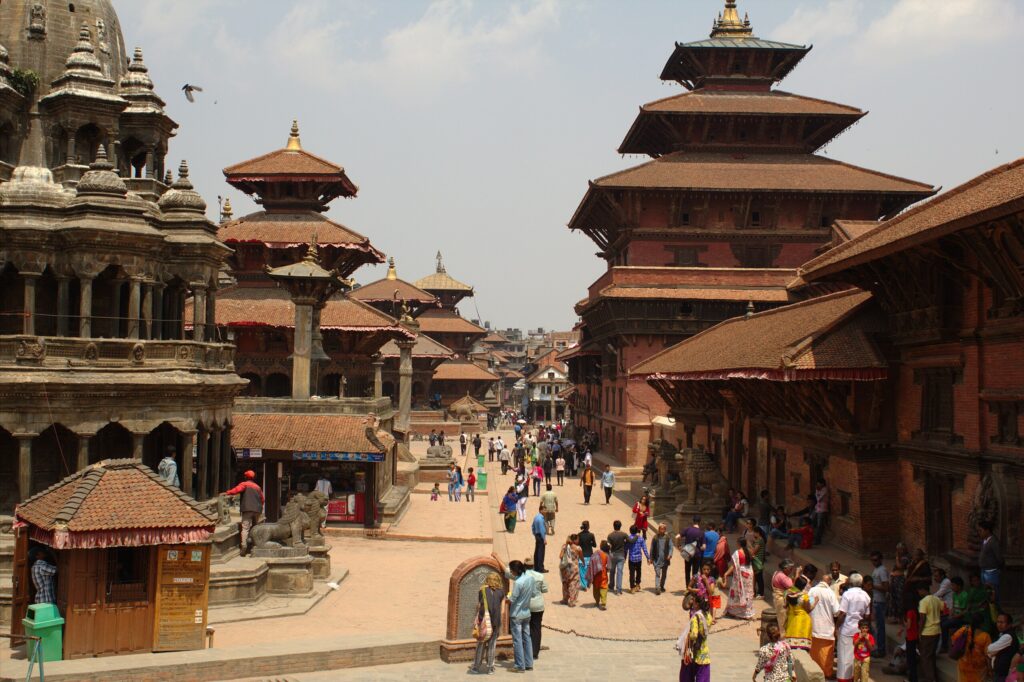
Bhaktapur, just a short drive from Kathmandu, is often considered the best-preserved of the valley’s three royal cities. Walking through its brick-paved streets feels like stepping back in time, with traditional Newar houses, intricately carved windows, and lively courtyards where artisans still spin clay on potter’s wheels. The city’s centerpiece, Durbar Square, is filled with pagoda-style temples and palaces, making it a true open-air museum.
Highlights include the towering Nyatapola Temple, a five-tiered pagoda that has stood since the 18th century, and the 55-Window Palace, showcasing the finest woodwork of the era. Don’t miss tasting juju dhau, Bhaktapur’s legendary sweet yogurt served in earthen pots. With fewer cars and a slower pace than Kathmandu, Bhaktapur is ideal for travelers who want to soak in authentic medieval charm while experiencing living traditions.
Pokhara
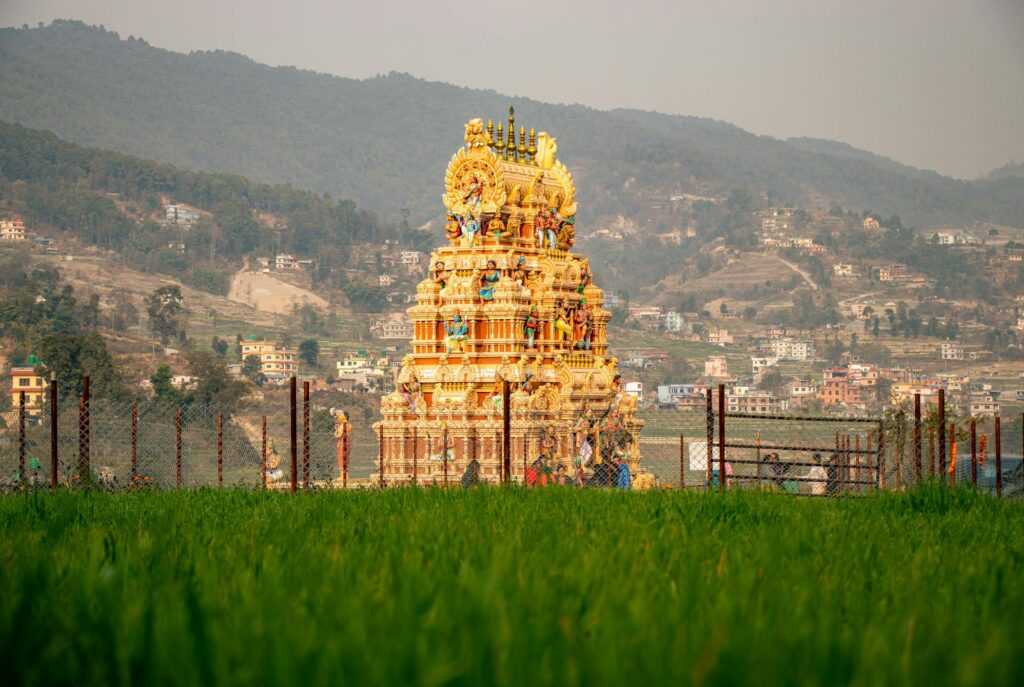
Pokhara is Nepal’s adventure capital and a favorite escape from the bustle of Kathmandu. Set beside Phewa Lake, the city offers a perfect mix of relaxation and thrill. You can rent a rowboat to glide across the calm waters, with reflections of the Annapurna range shimmering on the surface, or wander lakeside cafés that cater to trekkers and dreamers alike. The climb or boat-and-hike up to the World Peace Pagoda rewards you with sweeping views of the valley and snowcapped peaks.
For sunrise, Sarangkot is the spot – watching the first rays hit Machapuchare (the “Fishtail” peak) is unforgettable. Beyond sightseeing, Pokhara is the main hub for the Annapurna treks, with countless outfitters and guides ready to take you into the Himalayas. If trekking isn’t on your plan, the city still buzzes with paragliding, mountain biking, and even zip-lining, making it the rare place where you can be as laid-back or as adventurous as you like.
Best Natural Wonders & Adventure Spots
Mount Everest Region (Khumbu)
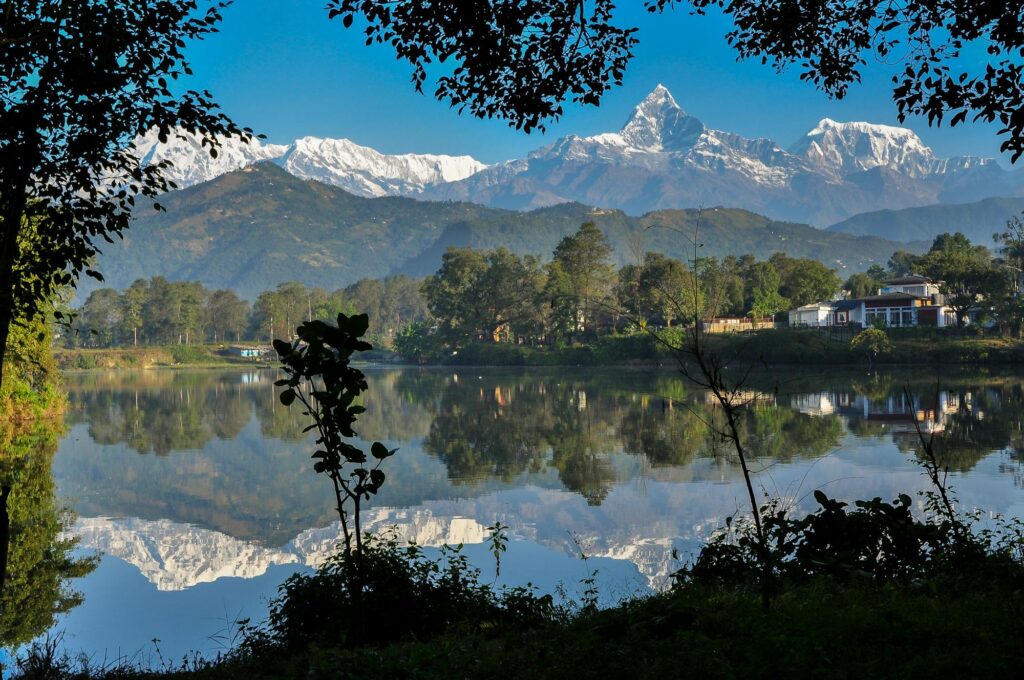
The Khumbu region is the ultimate Himalayan destination, drawing trekkers from around the world to stand in the shadow of Mount Everest. Most journeys begin with a thrilling flight into Lukla, followed by days of trekking through valleys, suspension bridges, and pine forests. Namche Bazaar, the lively Sherpa town, is both a rest stop and cultural highlight, with markets, bakeries, and museums that tell the story of mountain life. Along the way, Tengboche Monastery offers not only spiritual calm but also breathtaking views of Everest, Ama Dablam, and other peaks.
Reaching Everest Base Camp is a bucket-list goal, but the journey is as rewarding as the destination – passing through yak pastures, glacial rivers, and villages where hospitality is as memorable as the scenery. Treks usually take 12–14 days round trip, requiring fitness and acclimatization, but the payoff is standing at the foot of the world’s highest mountain, surrounded by landscapes that few places on earth can rival.
Annapurna Region
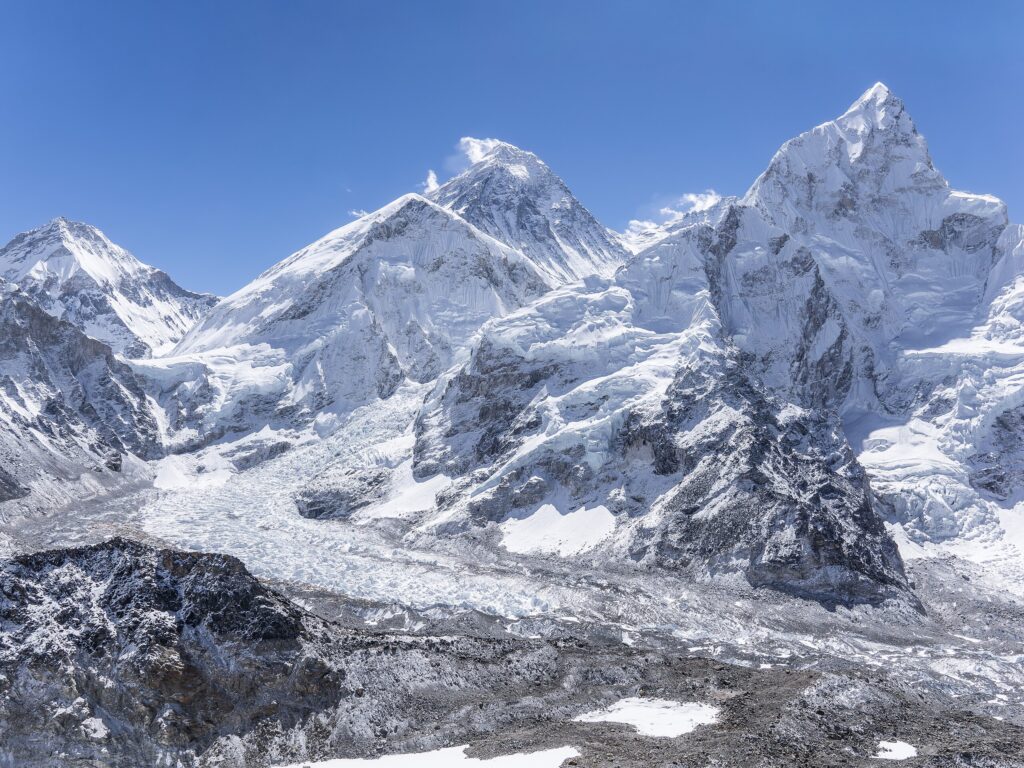
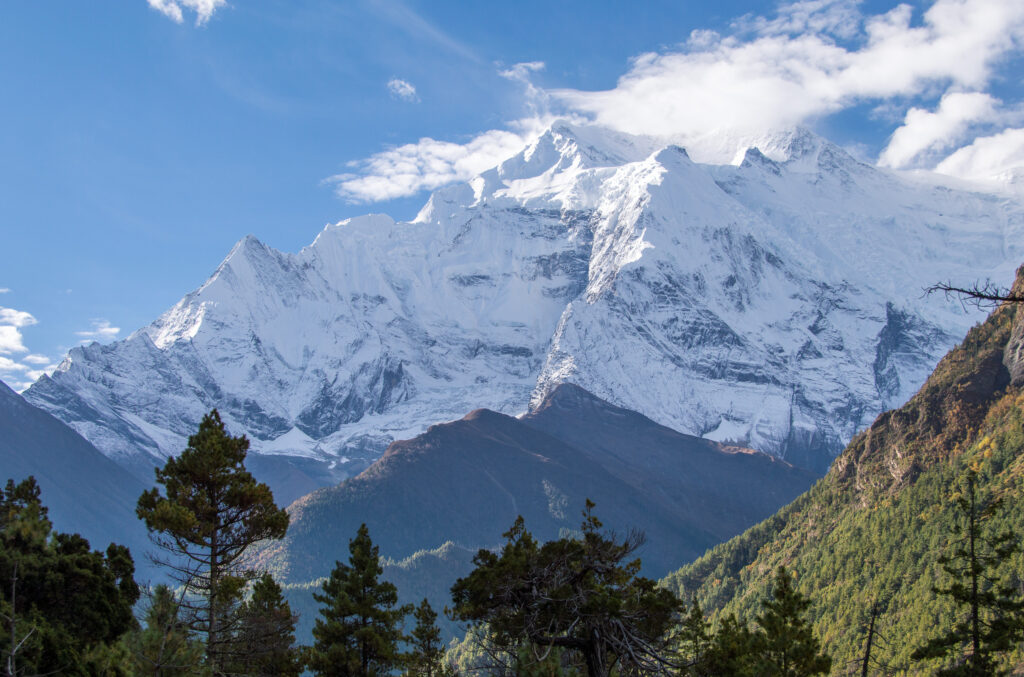
The Annapurna region is Nepal’s most versatile trekking area, offering everything from short, scenic hikes to epic multi-week adventures. The classic Annapurna Circuit takes you through terraced fields, subtropical forests, and across the 5,416m Thorong La Pass – one of the highest trekking passes in the world. For those with less time, the Annapurna Base Camp trek delivers close-up views of Annapurna I and Machapuchare (Fishtail Mountain), with landscapes shifting from rice paddies to alpine glaciers.
If you’re after something lighter, the Poon Hill trek (3–4 days) rewards you with a sunrise panorama of the Annapurna and Dhaulagiri ranges that’s among Nepal’s most photographed views. Most treks start from Pokhara, a laid-back lakeside city with good infrastructure and gear shops. Whether you want a week-long hike or a month-long challenge, Annapurna offers trails that balance accessibility with breathtaking variety.
Chitwan National Park
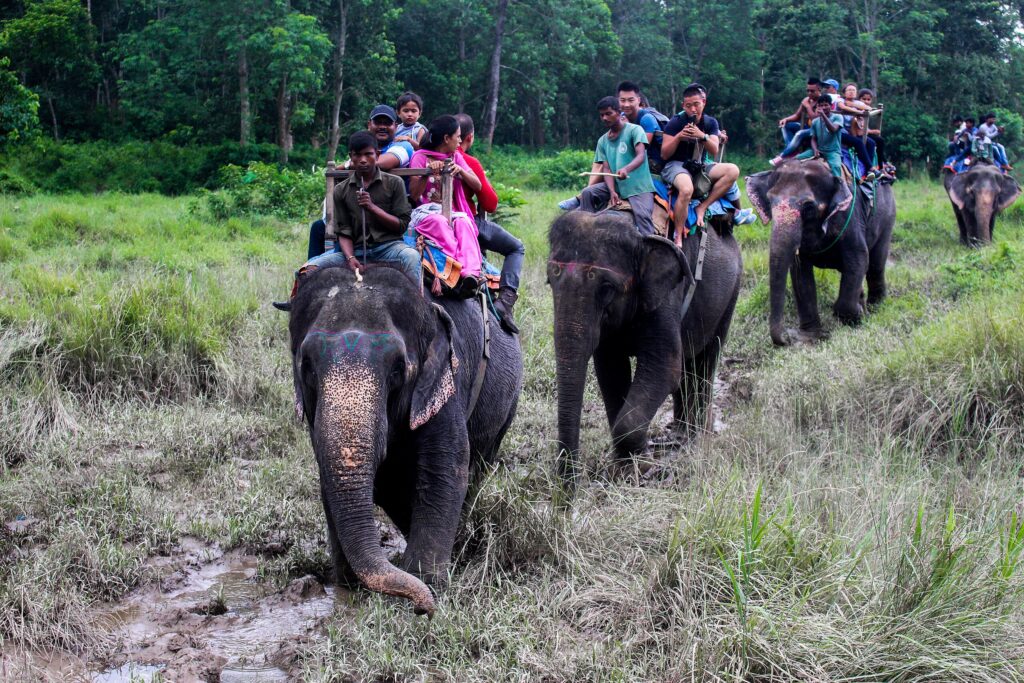
Chitwan is Nepal’s top spot for wildlife and a welcome contrast to the high Himalayas. Just a 5–6 hour drive or short flight from Kathmandu or Pokhara, the park is a UNESCO World Heritage Site that protects dense sal forests, grasslands, and river habitats. On jeep safaris or guided jungle walks, you can spot one-horned rhinos, sloth bears, deer, and, with luck, elusive Bengal tigers. Canoe rides on the Rapti River bring you close to gharial crocodiles and birdlife.
Beyond the wildlife, Chitwan offers rich cultural encounters with the indigenous Tharu community. Visitors can stay in eco-lodges or homestays, enjoy evenings of traditional dance, and sample local cuisine. The best time to visit is from October to March, when the weather is cooler and animals are easier to see. Chitwan is perfect for travelers who want to add a safari adventure to their Himalayan journey.
Lumbini
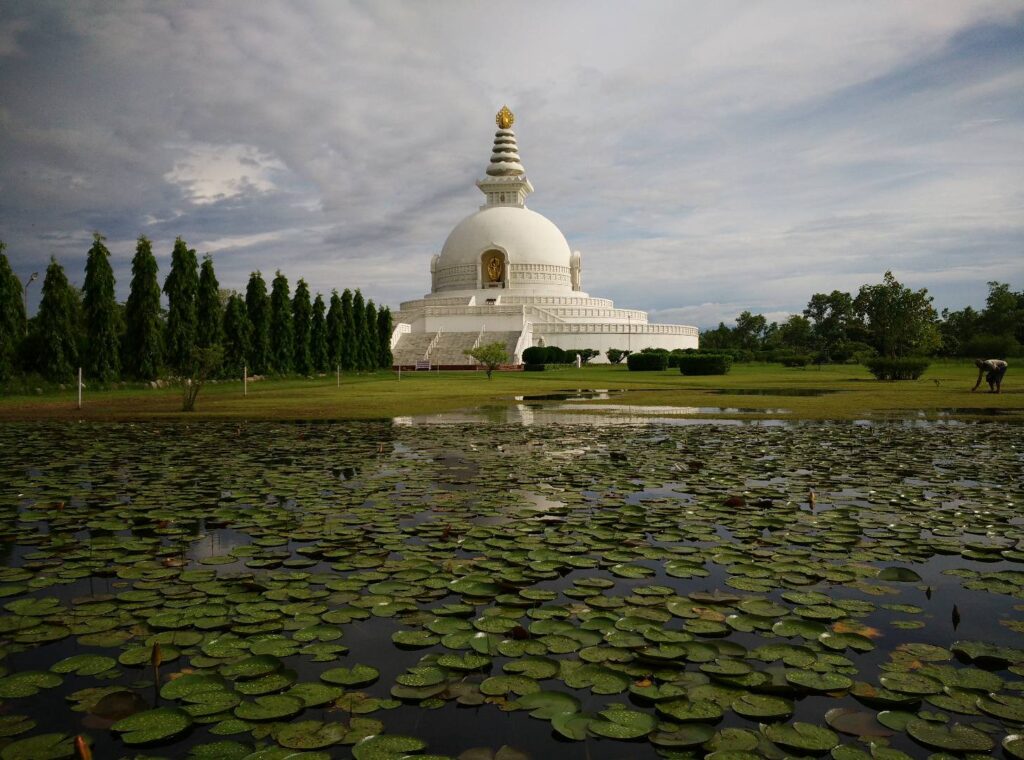
Lumbini, in Nepal’s Terai region, is one of the most sacred sites in Buddhism and a UNESCO World Heritage Site. Believed to be the birthplace of Siddhartha Gautama (the Buddha), it draws pilgrims and travelers seeking peace and reflection. The Maya Devi Temple marks the exact spot of his birth, with ruins dating back more than 2,000 years. Nearby stands the Ashoka Pillar, erected in the 3rd century BCE by the Indian emperor who embraced Buddhism.
The surrounding monastic zone is filled with temples and monasteries built by Buddhist communities from across the globe – each reflecting their country’s unique architectural style. Walking or cycling through the tranquil grounds is a serene experience, enhanced by meditation centers and quiet gardens. Lumbini is best visited in winter and spring, when the plains are cooler and easier to explore. It’s an essential stop for those interested in spirituality, history, or simply a calming retreat.
Rara Lake
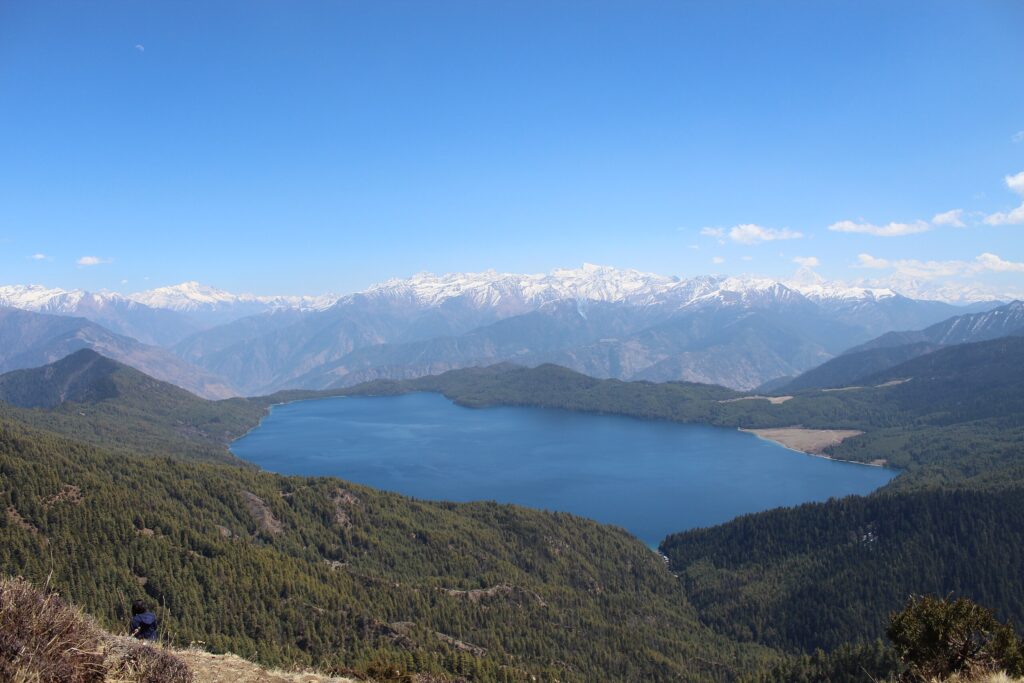
Hidden away in Nepal’s remote northwest, Rara Lake is the country’s largest lake and one of its most peaceful escapes. At an altitude of nearly 3,000 meters, it is surrounded by alpine forests and snow-dusted peaks, creating a setting of quiet beauty far from Nepal’s busier trekking routes. The lake’s crystal-clear waters reflect the mountains like a mirror, and its shores are ideal for camping, picnicking, and birdwatching.
Getting to Rara is an adventure in itself. Most visitors fly to Nepalgunj and then to Talcha airport, followed by a short trek into Rara National Park. Multi-day treks are also possible, passing through remote villages where traditional life continues much as it has for centuries. With its tranquility, pristine landscapes, and rare sense of seclusion, Rara Lake rewards those willing to journey off the beaten path.
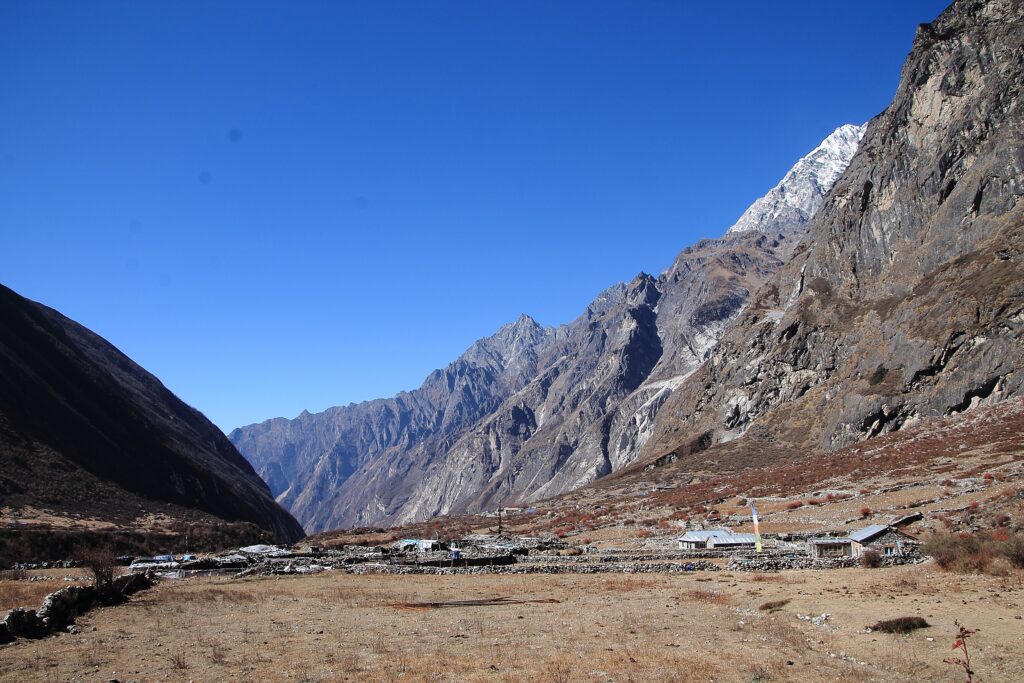
Langtang Valley
Just a day’s drive from Kathmandu, the Langtang Valley is one of Nepal’s most accessible trekking regions. The trails wind through rhododendron and bamboo forests, past yak pastures, and into high alpine terrain with sweeping views of Langtang Lirung and surrounding peaks. Since much of the valley lies within Langtang National Park, trekkers may also spot red pandas, Himalayan black bears, and diverse birdlife.
The valley is deeply tied to the Tamang people, whose villages and monasteries provide cultural insight along the way. Many settlements have been rebuilt after the devastation of the 2015 earthquake, and staying in local teahouses directly supports recovery and community life. Treks typically last 7–10 days, making Langtang perfect for those wanting a rewarding Himalayan experience without the longer commitments of Annapurna or Everest.
Hidden Gems & Off-the-Beaten-Path
Bandipur
Perched on a ridge halfway between Kathmandu and Pokhara, Bandipur is a beautifully preserved Newari town that feels like stepping back in time. Its cobblestone streets are lined with restored traditional houses, temples, and old shrines, giving the town an authentic charm. Unlike Nepal’s bigger cities, Bandipur moves at a slow pace – there are no cars in the main bazaar, just cafés, guesthouses, and locals going about their day.
What makes Bandipur especially rewarding are the Himalayan views stretching from Dhaulagiri to Langtang on clear mornings. Short hikes around town lead to caves, hilltop viewpoints, and nearby villages, making it a great stopover for those traveling between Kathmandu and Pokhara. For travelers seeking peace, heritage, and local culture without tourist crowds, Bandipur is one of Nepal’s best-kept secrets.
Tansen (Palpa)
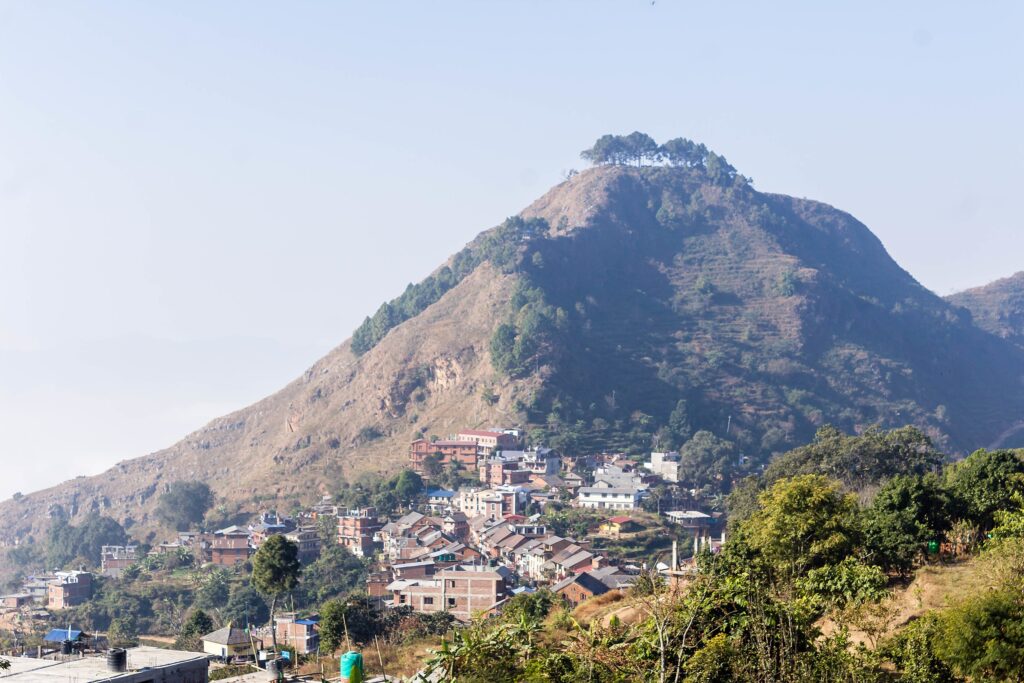
Set on the slopes of the Shreenagar Hills in western Nepal, Tansen is a charming mid-hill town that blends history, culture, and stunning scenery. Once the capital of the Magar kingdom, it later grew as a Newari trading hub, which is reflected in its winding alleys, pagoda-style temples, and traditional houses. The town is especially famous for its Dhaka fabric, woven into the patterned cloth used in the Nepali national hat (topi) and other garments, making it a rewarding place for cultural shopping.
Ilam
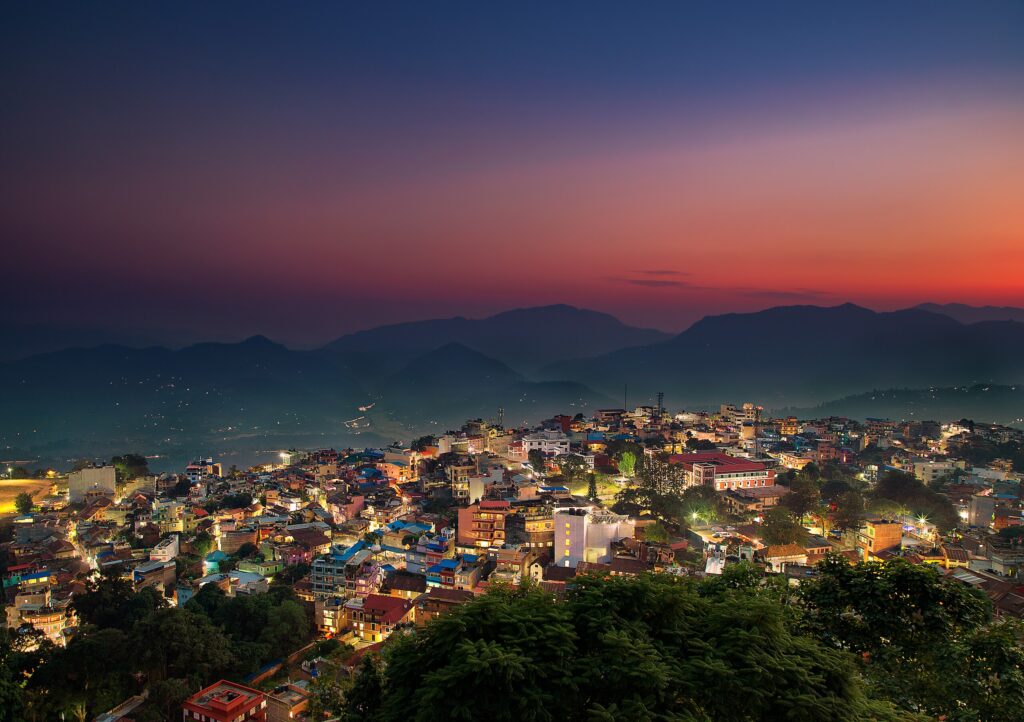
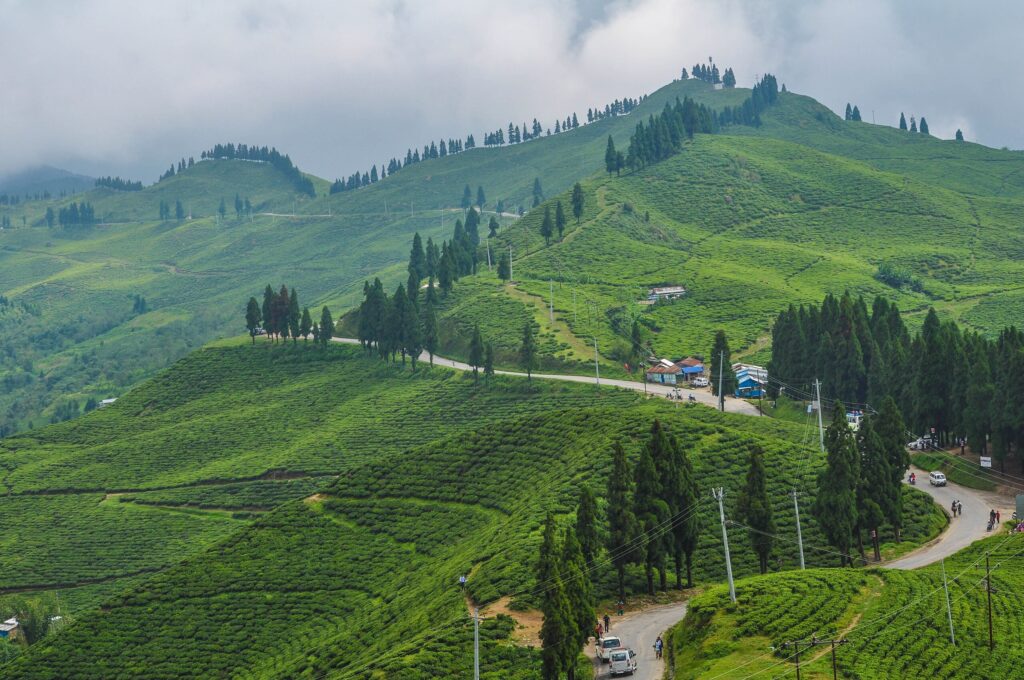
Nestled in Nepal’s far east, Ilam is the country’s tea capital, with rolling green hillsides covered in neat tea plantations. The region’s cool climate and fresh air make it a refreshing escape from the heat of the lowlands. Visitors can tour local tea estates, learn about the production process, and taste some of Nepal’s finest teas straight from the source. Small homestays and guesthouses in villages offer a chance to experience rural hospitality.
Bardia National Park
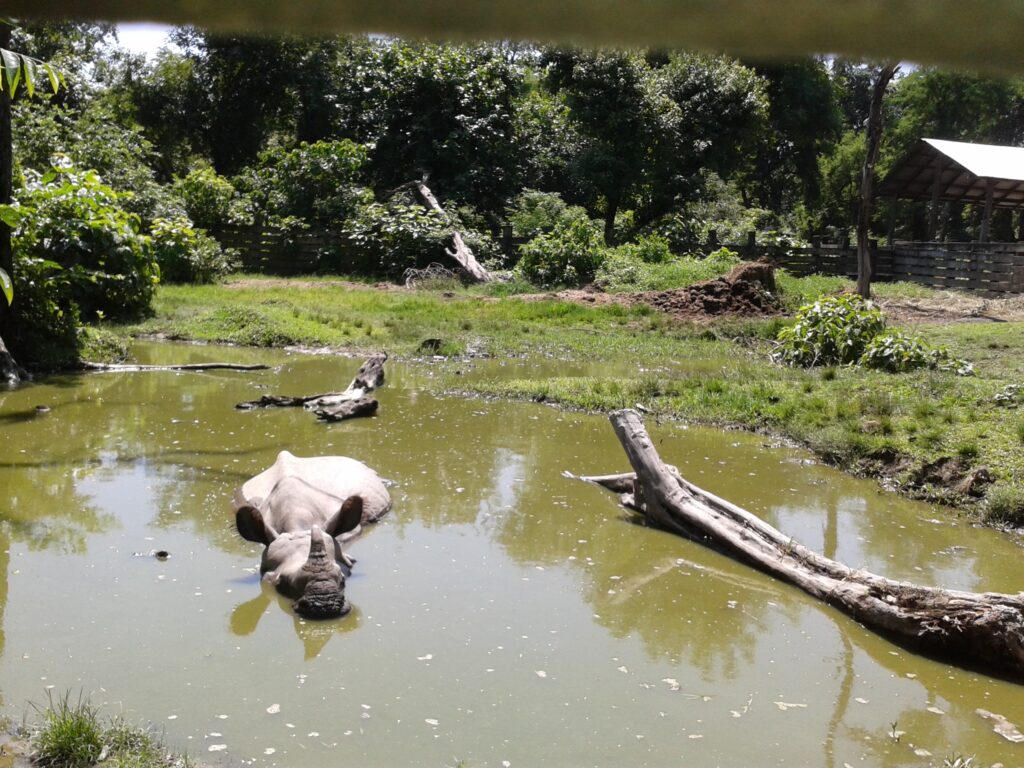
Tucked away in Nepal’s far west, Bardia is the country’s largest – and one of its wildest – national parks. Unlike Chitwan, it receives far fewer visitors, which makes for more authentic and peaceful safari experiences. The park’s grasslands, riverbanks, and sal forests are home to Bengal tigers, one-horned rhinos, wild elephants, mugger crocodiles, and the rare Gangetic dolphin. Birdwatchers will also find over 400 species, from hornbills to eagles.
Safaris here can be done by jeep, on foot, or by rafting along the Karnali River, giving travelers multiple ways to explore the wilderness. The nearby Tharu villages offer cultural homestays, where visitors can learn about traditional lifestyles and enjoy local hospitality. With its mix of wildlife, adventure, and remoteness, Bardia is ideal for those seeking an off-the-beaten-path nature experience in Nepal.
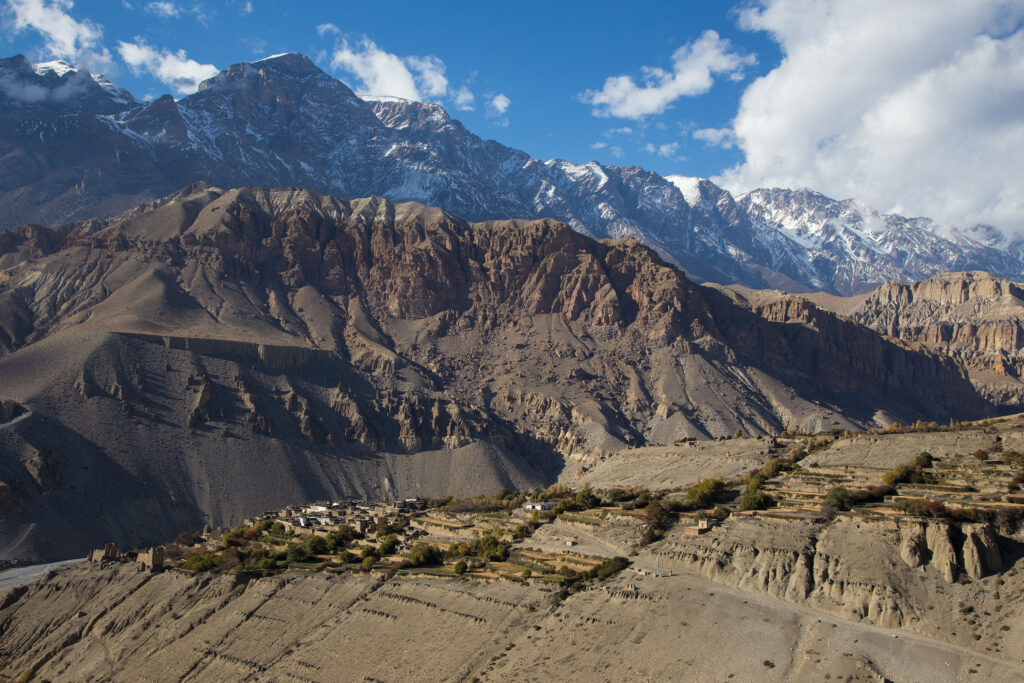
Upper Mustang
Often called the “Last Forbidden Kingdom,” Upper Mustang lies in a stark rain-shadow north of the Annapurna range, where the Himalayas give way to desert canyons and ochre cliffs. The region was once part of the ancient Kingdom of Lo, and its walled capital, Lo Manthang, still feels timeless with whitewashed houses, monasteries, and a royal palace. Hidden cave dwellings, some dating back thousands of years, and centuries-old Tibetan Buddhist monasteries reveal its deep spiritual heritage.
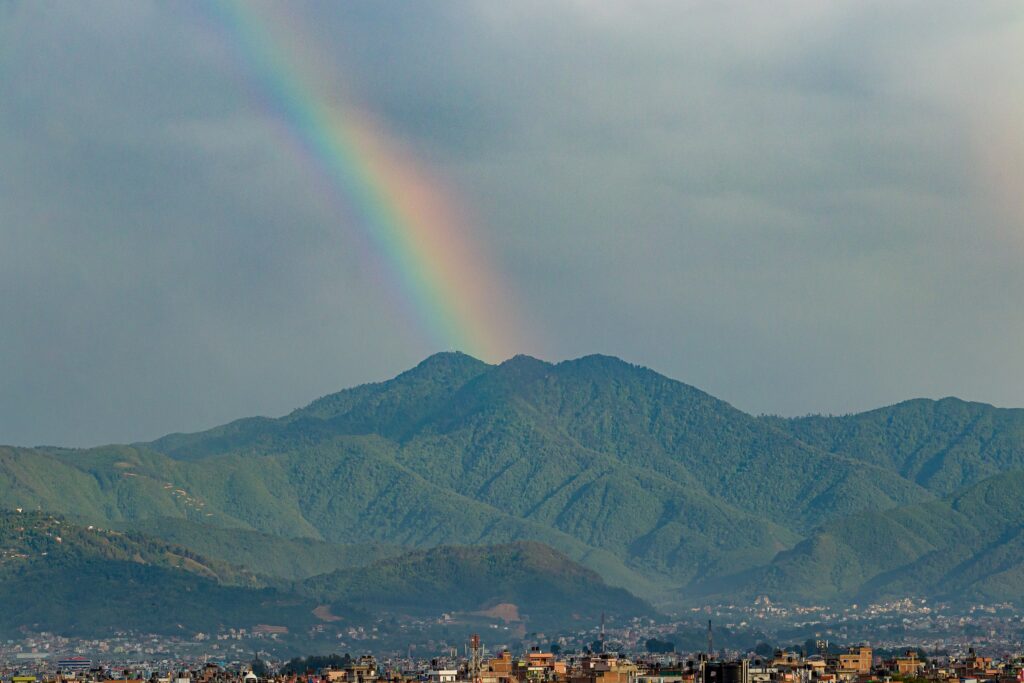
Phulchowki Hill
Rising to about 2,760 meters, Phulchowki is the highest hill around the Kathmandu Valley and a rewarding escape from the capital. The drive to Godavari, followed by a few hours of hiking through rhododendron forests, brings you to the summit, where you’re rewarded with sweeping views of the valley below and, on clear days, the Himalayan range in the distance.
The hill is especially popular with birdwatchers, as it hosts over 250 species, including colorful sunbirds, woodpeckers, and even the elusive laughing thrush. In spring, the forests bloom with rhododendrons, making the trail especially scenic. For those looking for a day trip combining nature, trekking, and quiet away from the city, Phulchowki is one of the best options near Kathmandu.
Festivals & Culture
Nepal’s cultural calendar is one of the richest in Asia, shaped by its blend of Hindu, Buddhist, and diverse ethnic traditions. The two most celebrated festivals are Dashain and Tihar, which bring families together, decorate homes with lights, and symbolize the triumph of good over evil. In spring, Holi turns streets into a joyful canvas of colors, music, and water fights.
Equally significant is Buddha Jayanti, honoring the birth of the Buddha, with Lumbini – his birthplace – and Boudhanath Stupa in Kathmandu becoming the heart of celebrations. In the Kathmandu Valley, local festivals such as Indra Jatra, Gai Jatra, and Teej fill the streets with processions, dances, and rituals that are unique to Newar culture. Together, these traditions reveal Nepal’s deep spirituality and vibrant community life.
Travel Tips
Best Time to Visit
Nepal’s seasons shape the traveler’s experience:
- Autumn (Sept–Nov): The clearest skies and most popular season for trekking.
- Spring (Mar–May): Warm, colorful, and famous for blooming rhododendrons.
- Winter (Dec–Feb): Cold in the mountains but good for cultural tours and lower-altitude treks.
- Monsoon (Jun–Aug): Rainy yet lush, with fewer tourists on the trails.
Entry & Visa
Most travelers can obtain a visa on arrival at Kathmandu airport, though certain trekking areas such as Upper Mustang, Dolpo, or Manaslu require additional permits. It’s best to plan these ahead through a registered trekking agency.
Language & Currency
The official language is Nepali, but English is widely spoken in Kathmandu, Pokhara, and major tourist areas. The local currency is the Nepalese Rupee (NPR). ATMs are easy to find in cities, but in rural and trekking regions cash remains essential.
Transportation
Traveling around Nepal is always an adventure. Domestic flights remain the fastest way to reach remote trekking gateways such as Lukla or Jomsom, while overland routes offer a slower but scenic journey. Tourist buses connect major hubs like Kathmandu, Pokhara, and Chitwan, with local buses providing a cheaper – though less comfortable – alternative. Within cities, taxis are widely available, and ride-hailing apps like Pathao are becoming increasingly popular for short trips.
For travelers wishing to rent a car or a motorbike, it is important to note that Nepal requires an International Driving Permit alongside your home country’s license. Roads can be challenging, especially in mountainous areas, so many visitors prefer hiring a local driver rather than driving themselves.
Nepal is a destination where spirituality and adventure coexist seamlessly. Whether you are wandering through the sacred calm of Lumbini, trekking towards the Everest Base Camp, navigating the bustling streets of Kathmandu, or enjoying the serenity of Rara Lake, every journey here feels transformative. The mix of vibrant festivals, Himalayan landscapes, and warm hospitality makes Nepal a place that stays with travelers long after they leave.

Published August 16, 2025 • 14m to read