

Why Tesla Motors Was Named After Nikola Tesla
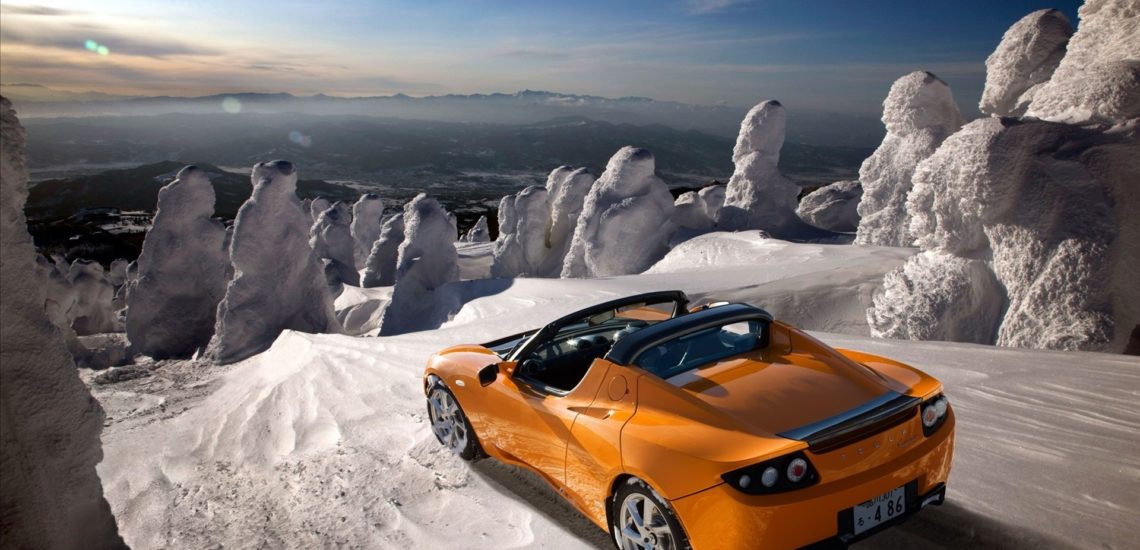
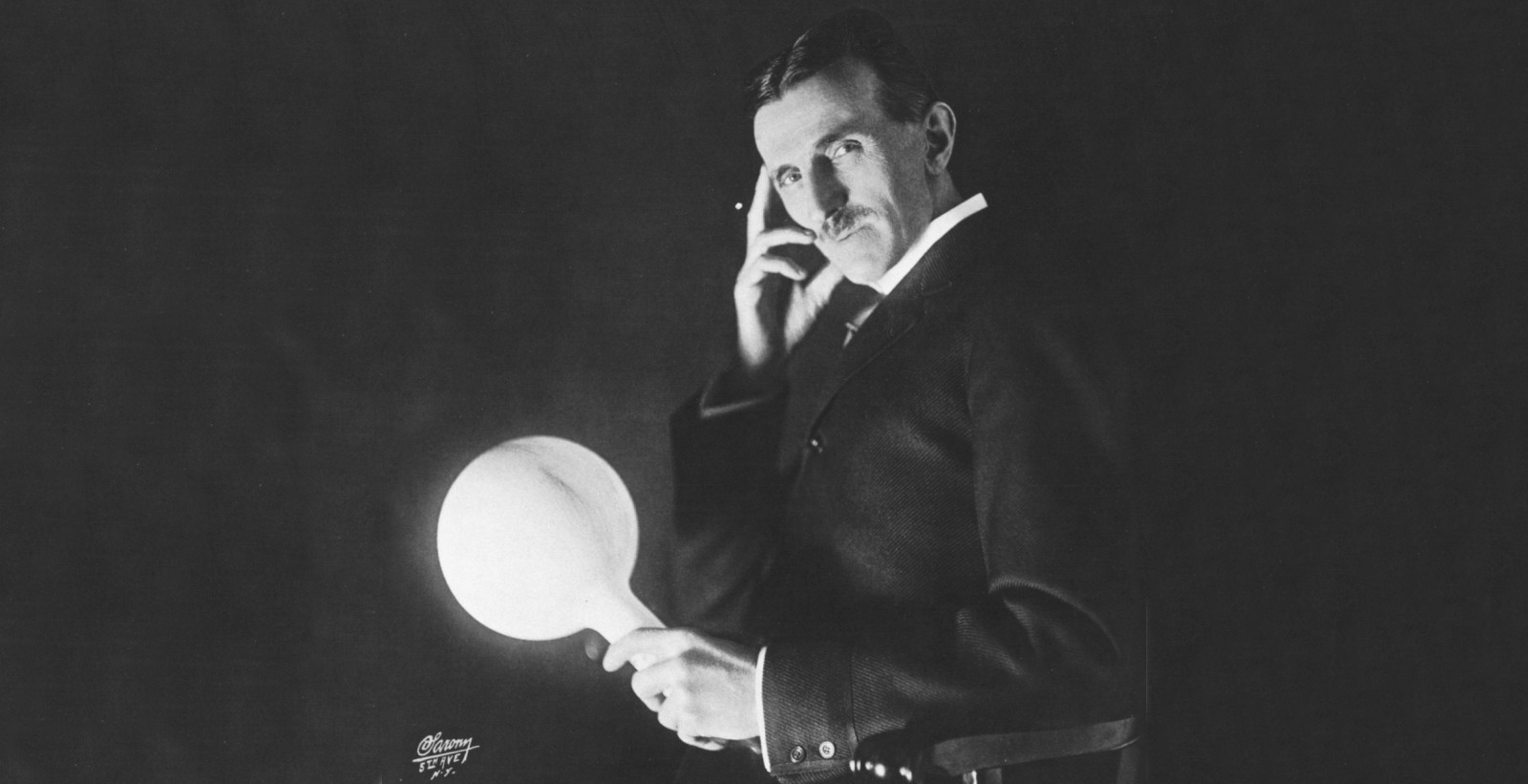
When Martin Eberhard and Marc Tarpenning founded Tesla Motors in 2003, they chose to honor one of history’s most brilliant minds. Nikola Tesla, the legendary Serbian-American inventor, revolutionized electrical and radio engineering in ways that still influence our modern world.
Nikola Tesla: A Genius Ahead of His Time
Tesla’s extraordinary contributions to science and technology include:
- Over 300 patents for groundbreaking inventions
- Pioneered alternating current (AC) electrical systems
- Invented the radio – later proven in court, not Marconi
- Developed wireless technology concepts decades before implementation
Born in Serbia and becoming a U.S. citizen in 1891 at age 34, Tesla dedicated his life to understanding electricity’s true nature. His humanitarian vision focused on maintaining Earth’s ecological balance – a philosophy that perfectly aligns with Tesla Motors’ mission to create sustainable transportation.
Tesla died at 87, leaving no wife, children, or close friends. He famously burned his papers, claiming “humanity is not yet ready for the greatness of my inventions.” Today, technologies like cell phones, the Internet, and laser systems prove how far ahead of his time he truly was.
The Golden Age of Electric Cars: Early 1900s America
Why Women Preferred Electric Vehicles
In the early 20th century, American roads featured three types of vehicles, each with distinct characteristics:
- Steam cars: Noisy, produced excessive steam, difficult to start in cold weather
- Gasoline cars: Created terrible emissions and unpleasant fumes
- Electric cars: Nearly silent, easy to drive, and environmentally clean
Female drivers quickly recognized the advantages of electric vehicles. According to The Washington Post, the 1901 automotive market distribution was remarkable:
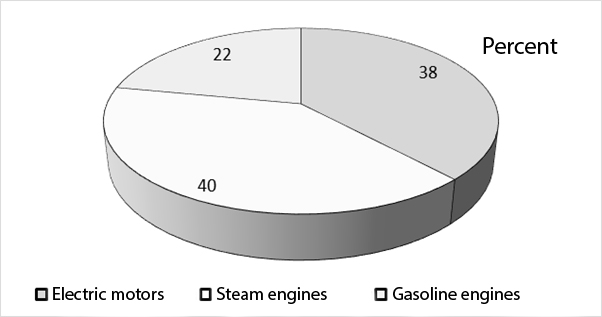
Electric motors 38%
Steam engines 40 %
Gasoline engines 22%
Electric Cars in Major American Cities
By 1915, electric vehicles had gained significant market share in major metropolitan areas:
- New York: Over 3,000 electric cars
- Chicago: More than 4,000 electric cars
- Washington D.C.: 1,325 electric cars
- Detroit: Approximately 1,325 electric cars
Charging infrastructure was already established through city car dealerships. By 1909, electric vehicles could travel up to 80 miles (nearly 120 kilometers) on a single charge – impressive for that era.
Celebrity Endorsements Fueled Popularity
America’s elite embraced electric vehicles:
- Helen Taft (wife of President William Howard Taft) drove a Detroit Electric, sparking a sales boom
- Clara Jane Ford (Henry Ford’s wife) preferred electric cars over her husband’s gasoline models
Leading Electric Car Manufacturers
Several pioneering companies dominated the electric vehicle market:
- Detroit Electric (USA) – Produced up to 2,000 vehicles annually starting in 1907
- Baker Motor Vehicle Co. (USA)
- Milburn Wagon Co. (USA)
- Anderson Electric Car Company (USA)
- Jeantaud (France)
- Bersey (UK)
- Lohner (Austria)
The Birth of Electric Vehicles: 19th Century Origins
Electric cars predate gasoline engines by several decades:
- 1828: Ányos Jedlik (Hungary) created an early electric cart prototype
- 1835: Robert Anderson (Scotland) and Sibrandus Stratingh with Christopher Becker (Netherlands) independently invented the first real electric carriages
- 1841: Official year of the electric car’s emergence
- 1880s: Camille Faure and Gaston Planté (France) developed concepts to extend battery life and driving range
England and France became pioneers in electric vehicle development, with Ralph Ward launching London’s first electric omnibus line – the forerunner of modern buses.
The Decline of Early Electric Vehicles
The Ford Model T Revolution
In 1908, everything changed. Ford Motor Company introduced the Model T “Tin Lizzie” with a game-changing price point:
- Ford Model T: $650
- Comparable electric car: $1,750
The simplified design and mass production made gasoline cars accessible to average Americans, effectively collapsing the electric car market.
The Oil Boom’s Impact
The 1920s Texas oil boom delivered the final blow to electric vehicles:
- Gasoline prices plummeted due to massive oil extraction
- Gas stations multiplied rapidly – even in areas without electricity
- Infrastructure favored gasoline vehicles over electric charging stations
- By the 1930s, electric cars had virtually disappeared from American roads
It would take thirty years before the world rediscovered the potential of electric vehicles – leading eventually to the modern Tesla revolution.
Driving Electric Vehicles Today
While modern electric cars are easier to operate than traditional vehicles, they still require proper licensing. Whether you’re driving a Tesla or any electric vehicle, you’ll need a valid driver’s license – and an international driver’s license for travel abroad.
Don’t have an international driver’s license yet? Process yours quickly and easily on our website. This valuable document ensures you’re legally covered whether driving an electric car or traditional vehicle anywhere in the world.

Published November 25, 2019 • 4m to read