

Morocco sits at the crossroads of Africa, Europe, and the Arab world, creating a unique mix of cultures, landscapes, and traditions. The country stretches from the Mediterranean coast to the vast Sahara Desert, with the Atlas Mountains running through its center. Ancient cities, desert dunes, and coastal towns offer a wide range of experiences within easy reach of one another.
In Marrakesh and Fes, travelers can explore maze-like medinas, visit historic mosques, and browse colorful markets filled with crafts and spices. The Sahara invites camel treks and nights under starry skies, while Essaouira and Agadir attract surfers and beach lovers. From mountain villages to lively souks, Morocco combines history, nature, and everyday life in a way that feels vibrant and authentic.
Best Cities in Morocco
Marrakech
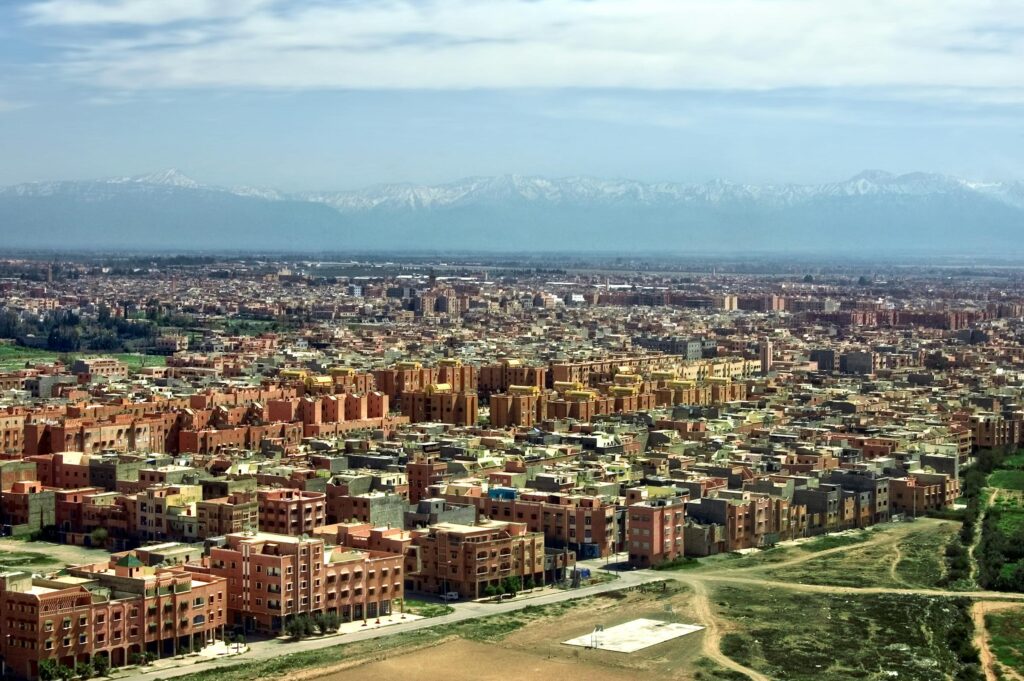
Marrakech is one of Morocco’s most visited cities and is centered on its historic medina, a UNESCO listed district of narrow alleys, souks, and courtyard homes. Jemaa el Fnaa is the city’s main square and shifts throughout the day, with food stalls, musicians, and performers becoming most active in the evening. The surrounding souks are divided by craft and trade, making it easy to explore areas dedicated to spices, leather, textiles, and metalwork. Key landmarks such as the Koutoubia Mosque, Bahia Palace, and Saadian Tombs illustrate the city’s architectural heritage and are all within a short walk or taxi ride from the medina.
North of the medina, Jardin Majorelle offers a quiet space of shaded paths, exotic plants, and bright blue buildings, along with an adjacent museum dedicated to Yves Saint Laurent. Many visitors choose to stay in traditional riads, which provide enclosed courtyards, rooftop terraces, and a more intimate experience of local hospitality. Marrakech is served by Menara Airport, and taxis or prearranged transfers connect travelers to the medina’s main gates, from where porters often assist with luggage through the pedestrian lanes.
Fes
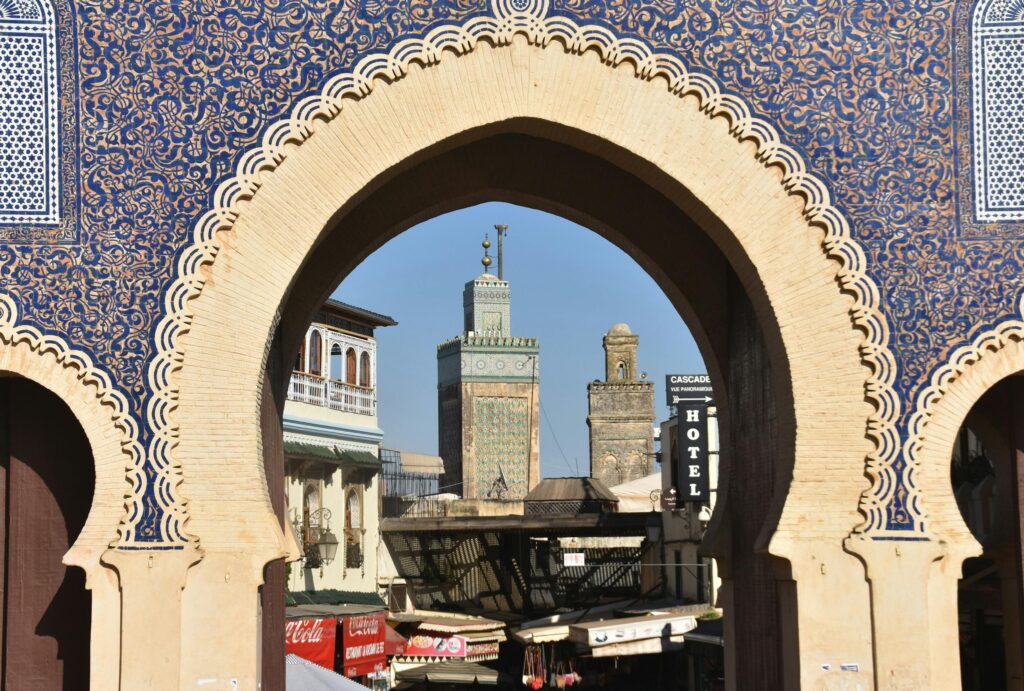
Fes is one of Morocco’s oldest imperial cities and offers a more traditional atmosphere than Marrakech. Fes el Bali is the heart of the city, a vast car free medina where narrow lanes wind through markets, workshops, and historic buildings. Navigating the medina usually requires walking or hiring a local guide, as the layout is complex and densely packed with activity. Within this district sits Al Quaraouiyine University, regarded as one of the oldest continually operating universities in the world, along with the Bou Inania Madrasa, which is open to visitors and shows detailed woodwork and tile decoration. The Chouara Tannery remains one of the most photographed sites, where leather is dyed in open vats much as it has been for centuries.
Fes is well suited for travelers who want an emphasis on craftsmanship, scholarship, and daily life rather than a heavily touristic atmosphere. Workshops specializing in metalwork, textiles, and ceramics are scattered throughout the medina, and many allow visitors to watch artisans at work. Most accommodations are traditional riads within the old city, providing easy access to major sights. Fes Sais Airport connects the city with domestic and international destinations, and taxis link the airport with the medina gates, where porters assist with luggage. The city also serves as a base for day trips to Meknes, Volubilis, and the Middle Atlas towns such as Ifrane and Azrou.
Chefchaouen
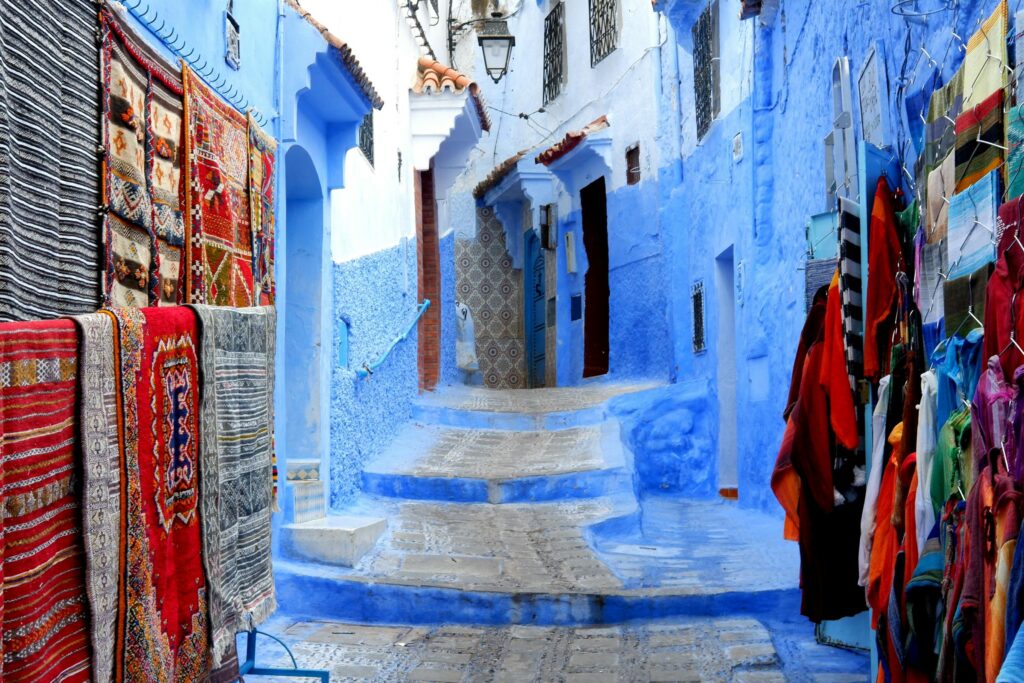
Chefchaouen sits in the Rif Mountains and is known for its blue painted medina, where narrow alleys and stairways lead past homes, small shops, and quiet courtyards. The old kasbah and its garden stand at the edge of Plaza Uta el Hammam, a central gathering space with cafés and views of the surrounding hills. The town’s compact layout makes it easy to explore on foot, and early morning or late afternoon light often highlights the varied shades of blue on the walls and doorways.
Many visitors use Chefchaouen as a starting point for hikes into the Rif Mountains. Trails lead to Akchour Waterfalls, the Bridge of God rock formation, and several viewpoints overlooking the town. Local guides are available for longer or more remote routes. Chefchaouen is reached by bus, shared taxi, or private transfer from cities such as Tangier, Tetouan, and Fes, with the final approach offering views of the mountains and terraced slopes.
Casablanca
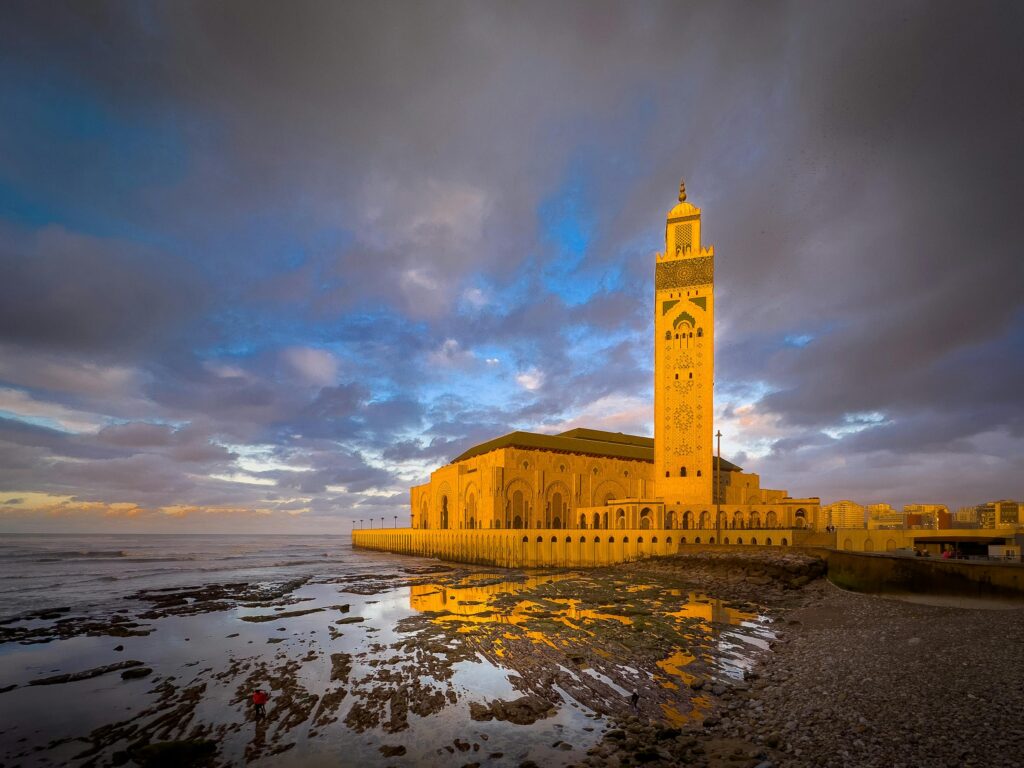
Casablanca is Morocco’s largest city and the country’s main commercial and transport hub, offering a modern urban environment alongside historic districts. The Hassan II Mosque is the city’s standout landmark, set directly on the Atlantic coast with a vast prayer hall and a minaret visible across the skyline. Guided tours allow non Muslims to visit the interior, making it one of the few major mosques in Morocco open to the public. The Corniche extends along the waterfront and features cafés, restaurants, and leisure areas that draw both locals and visitors, especially in the evening.
The city center combines the older medina with broad boulevards lined with French era Art Deco buildings, giving Casablanca a distinct architectural mix. Markets, shops, and cafés are spread throughout these districts, and the modern tram system makes it easy to move between neighborhoods. Casablanca Mohammed V International Airport is the country’s busiest entry point, with frequent flights connecting Europe, Africa, and the Middle East.
Rabat
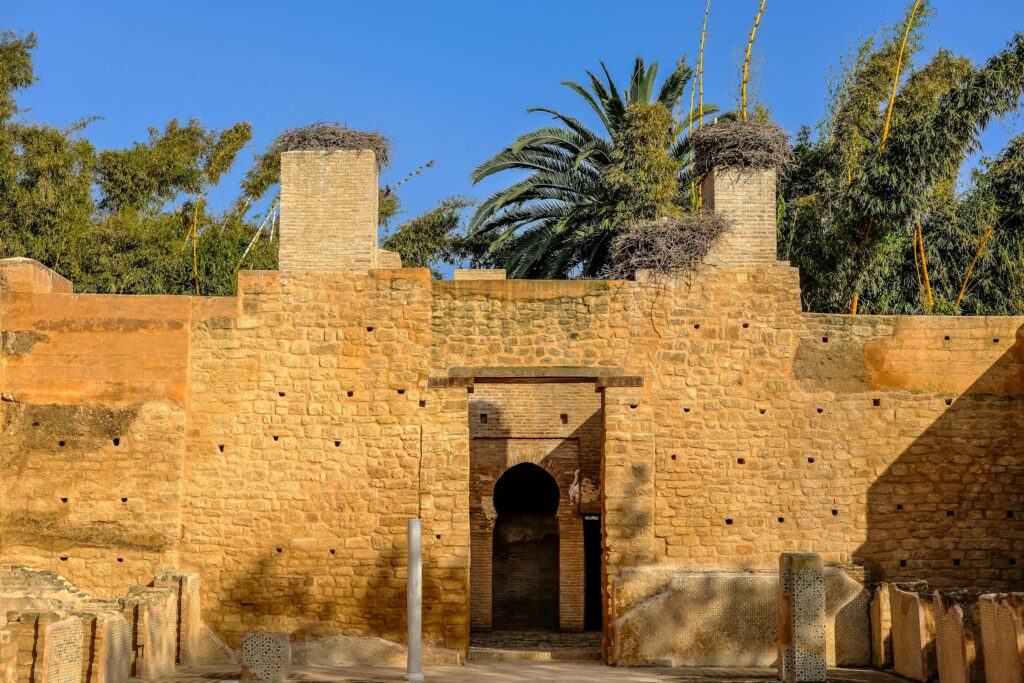
Rabat is Morocco’s capital and offers a quieter, more orderly atmosphere than many of the country’s larger cities. The Kasbah of the Udayas sits above the Atlantic and features blue and white alleys, gardens, and views across the river to Salé. Nearby, the Hassan Tower and the Mausoleum of Mohammed V form one of the city’s most important historic sites, where open courtyards, columns, and detailed architecture reflect Morocco’s royal heritage. The medina is compact and geared toward everyday life, with markets, cafés, and local shops that are easy to explore at a slow pace.
Modern Rabat includes tree lined boulevards, museums, and administrative districts. The Mohammed VI Museum of Modern and Contemporary Art and the Rabat Archaeological Museum highlight the city’s cultural side. Rabat is well connected by train to Casablanca, Marrakech, and Tangier, and Rabat Salé Airport provides regional and international flights.
Meknes
Meknes is one of Morocco’s imperial cities and offers a quieter experience than Marrakech or Fes while still presenting significant historic sites. The city is anchored by Bab Mansour, an ornate gate leading into the old medina and the vast square of Place El Hedim. Nearby sits the Mausoleum of Moulay Ismail, one of Morocco’s most important rulers, which is open to non Muslims and features detailed decoration and calm courtyards. The Royal Stables and granaries give a sense of the scale of Moulay Ismail’s ambitions, with long vaulted halls built to support thousands of horses.
The medina itself is compact and easier to navigate than those of larger cities, with markets and small workshops that reflect local daily life. Meknes is also a convenient base for visiting Volubilis, an ancient Roman city about 30 minutes away by car. The site contains well preserved mosaics, columns, and hillside views that show the extent of Roman influence in North Africa. Trains connect Meknes with Fes, Rabat, and Casablanca.

Best Natural Wonders
The Sahara Desert
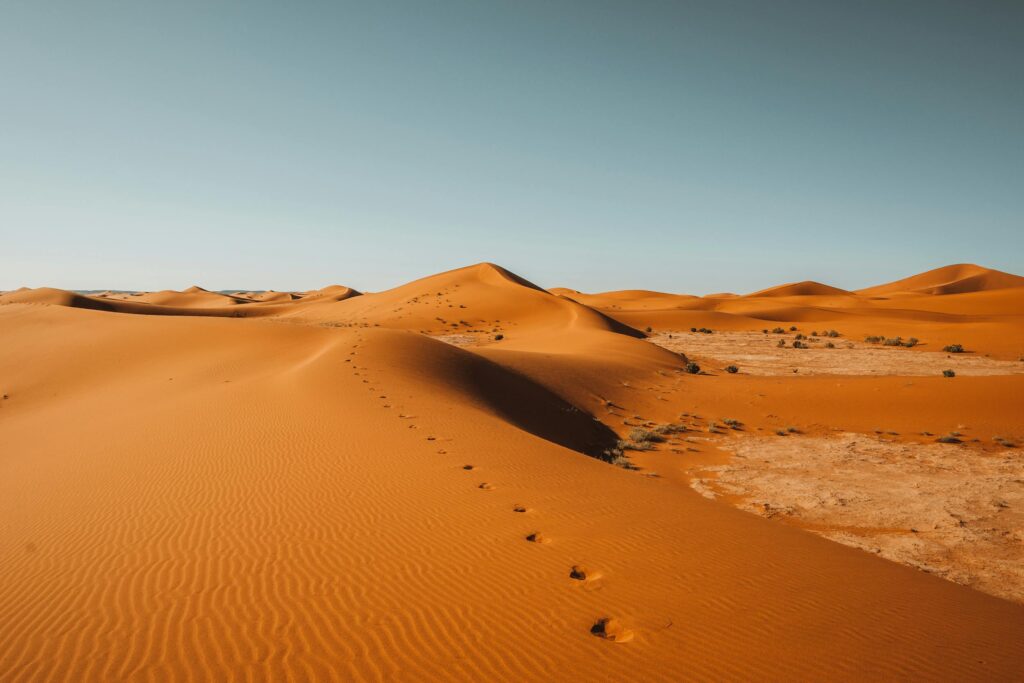
The Sahara is one of Morocco’s signature experiences, and most travelers visit the dunes around Erg Chebbi near Merzouga, where tall orange sand formations rise above small desert settlements. The area is reached by road from cities such as Marrakech and Fes, usually as part of a multi day journey that passes through mountain passes, oases, and kasbah towns. Once in Merzouga, local guides arrange camel treks that travel into the dunes at sunrise or sunset, when the shifting light highlights the color and shape of the sand.
Many visitors stay overnight in Berber style desert camps located within or at the edge of the dune fields. These stays include traditional meals, music, and time for stargazing in a very dark sky environment. For more active excursions, quad biking, sandboarding, and 4×4 tours explore broader sections of the desert. While Erg Chebbi is the most accessible dune system, travelers can also visit the more remote Erg Chigaga near M’Hamid, which requires longer off road travel and offers a more isolated experience.
Atlas Mountains
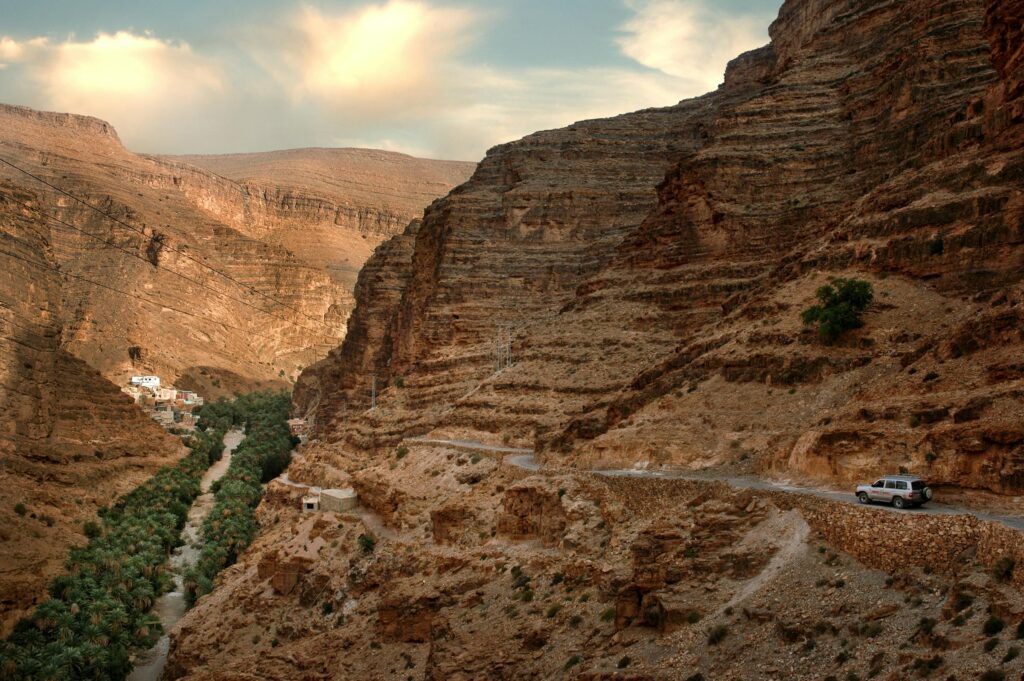
The Atlas Mountains form a long chain across Morocco and offer varied landscapes, from high alpine valleys to arid plateaus and cedar forests. The High Atlas is the most visited section and includes Mount Toubkal, North Africa’s highest peak. Most treks begin in the village of Imlil, where guides and mule support can be arranged for day hikes or multi day routes into Toubkal National Park. The region’s Berber villages sit along terraced fields and river valleys, giving travelers a chance to see rural life and stay in simple guesthouses. Summer brings the best conditions for high elevation trekking, while spring and autumn offer cooler daytime temperatures for lower routes.
The Middle Atlas lies farther north and features cedar forests, volcanic lakes, and cooler climates. Towns such as Ifrane and Azrou provide easy access to nature reserves where Barbary macaques are often seen. South of the High Atlas, the Anti Atlas presents a more rugged, dry environment with oasis towns, ancient kasbahs, and palm filled valleys around cities like Tafraoute. Scenic drives across these regions link small communities, mountain passes, and viewpoints. The Atlas Mountains are typically reached by car from Marrakech or Fes, with local transport available between villages.
Todra Gorge
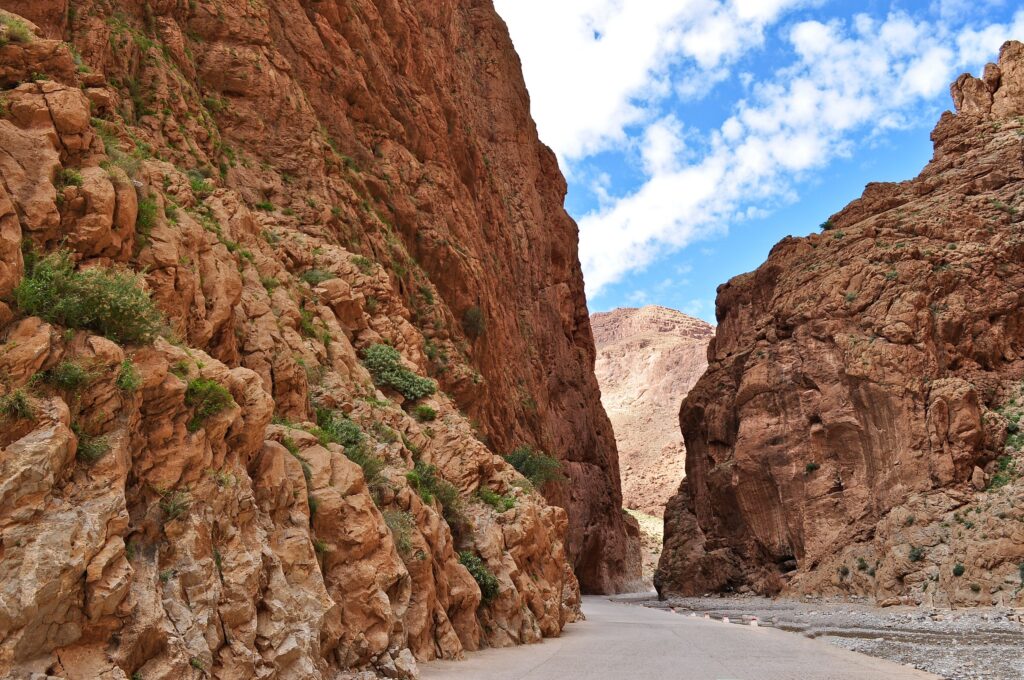
Todra Gorge is a narrow canyon carved by the Todra River near the town of Tinghir in eastern Morocco. The final section of the gorge features vertical limestone walls that rise up to 300 meters, creating one of the most striking landscapes in the region. A paved road runs directly into the narrowest part, making it easy to walk between the cliffs, explore small side paths, and take photographs of the rock formations. The area is also a major climbing destination, with routes of varying difficulty established along the canyon walls.
The approach to the gorge passes through palm groves and small villages that sit along the river valley, giving the region a mix of oasis greenery and desert rock. Short hikes lead into wider sections of the canyon and up to viewpoints overlooking the valley. Tinghir serves as the main base for accommodations and food, and local guides can arrange treks deeper into the surrounding mountains. Todra Gorge is usually included on road trips between the Sahara dunes at Merzouga and the central High Atlas, with easy access by car or organized tours.
Dades Valley
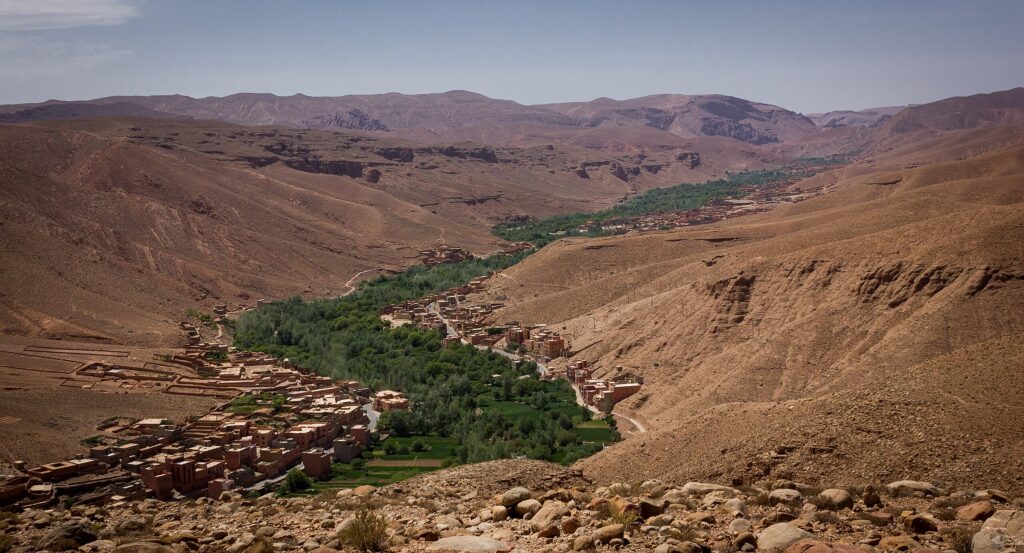
The Dades Valley stretches between the High Atlas and the Sahara and is known for its long chain of mud brick kasbahs, small villages, and contrasting red rock formations. The valley follows the Dades River, with green fields and palm groves running through otherwise arid terrain. One of the most famous sections is the upper Dades Gorge, where a steep road climbs through tight switchbacks to viewpoints over the canyon. This drive is easy to do by car and is a highlight for visitors making their way between Ouarzazate, Tinghir, and the desert regions farther east.
Unique rock formations, including the “Monkey Fingers” near Tamellalt, are scattered along the valley and are accessible by short walks. Sunrise and sunset bring strong color to the cliffs and kasbahs, which is why many travelers stay overnight in local guesthouses perched above the river. The Dades Valley is well suited for road trips, with opportunities to stop in villages, visit traditional homes, and explore viewpoints at a relaxed pace.
Ouzoud Waterfalls
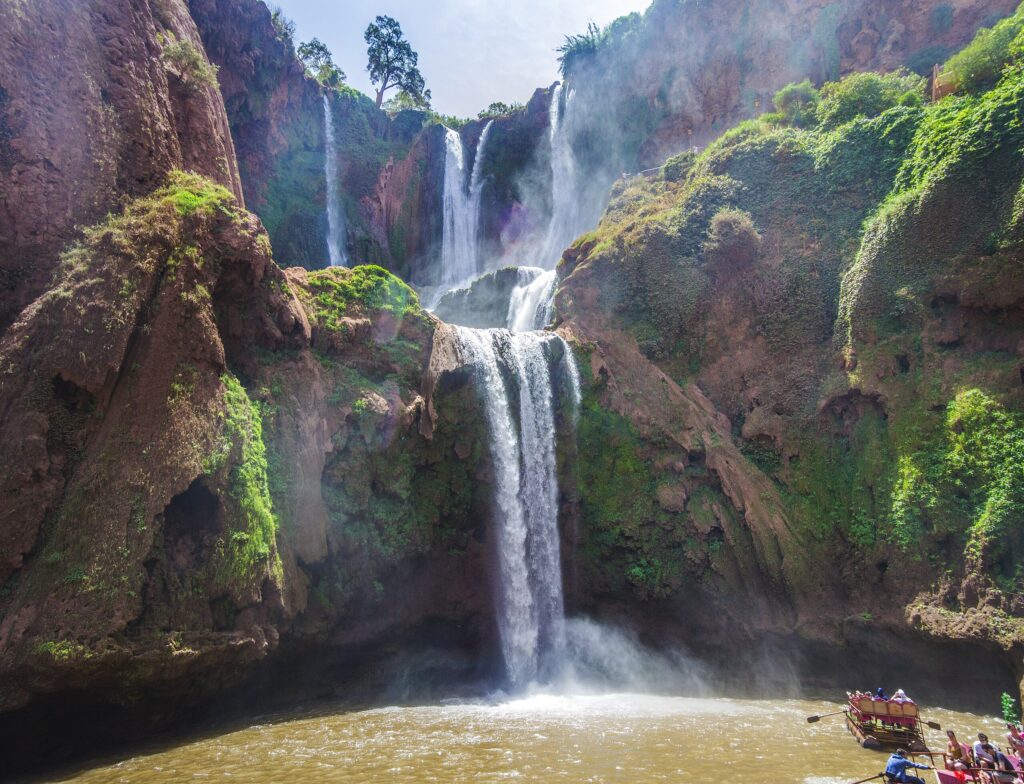
Ouzoud Waterfalls are one of Morocco’s most impressive natural sights, located in the Middle Atlas about two and a half hours from Marrakech. The falls drop roughly 110 meters into a deep gorge surrounded by olive groves and small cafés. A network of trails leads to viewpoints at the top and bottom of the falls, and the main path is easy to follow with plenty of shaded rest areas. At the base, small boats cross the pool for closer views of the cascade, and during warmer months visitors often swim in designated areas.
Barbary macaques are commonly seen along the trails, especially near the lower viewpoints. The area around the falls has several simple restaurants with terraces overlooking the water, making it a comfortable place to spend a few hours. Day trips from Marrakech are straightforward by car or tour, and local guides are available to explain the geology and nearby villages.
Paradise Valley (near Agadir)
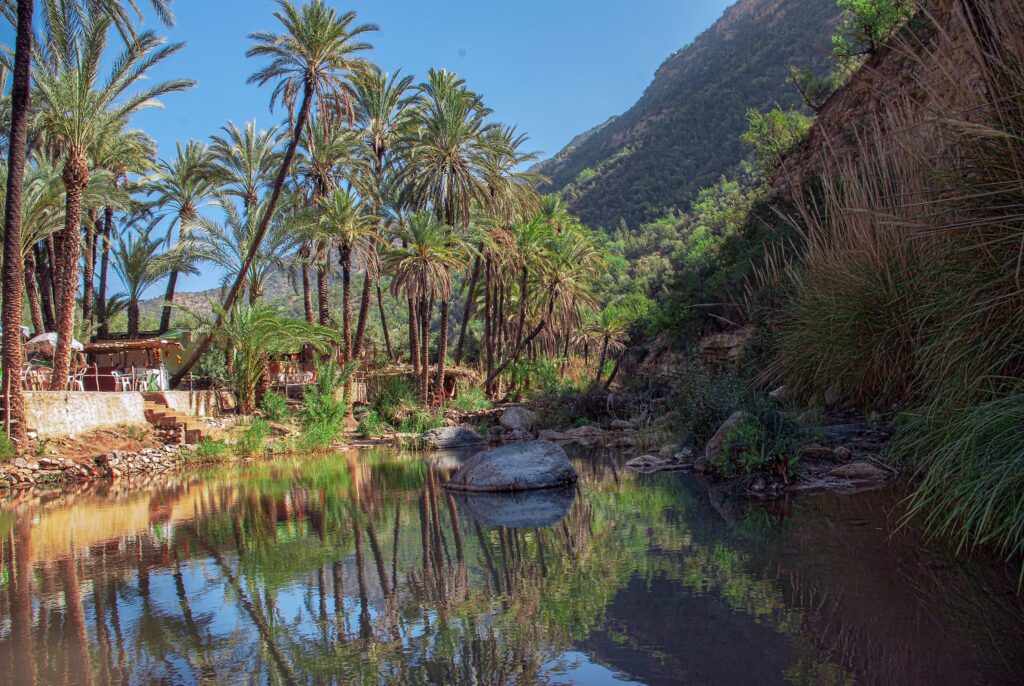
Paradise Valley is a small gorge northeast of Agadir, known for its natural pools, palm groves, and cliff lined riverbed. The valley is reached by a scenic drive through foothills and small Berber villages, followed by a short walk that leads to rocky basins filled with clear water. The area is calm in the morning and becomes livelier as visitors arrive to swim, relax by the pools, or try modest cliff jumps into deeper sections. Small cafés set along the trail offer simple meals and shaded seating close to the water.
The valley works well for half day trips from Agadir, with most visitors traveling by taxi, rental car, or guided tour. Several short hiking paths continue deeper into the gorge, passing additional pools and viewpoints. Water levels vary by season, with spring offering the strongest flow and summer bringing warmer conditions for swimming.
Best Coastal and Beach Destinations
Essaouira
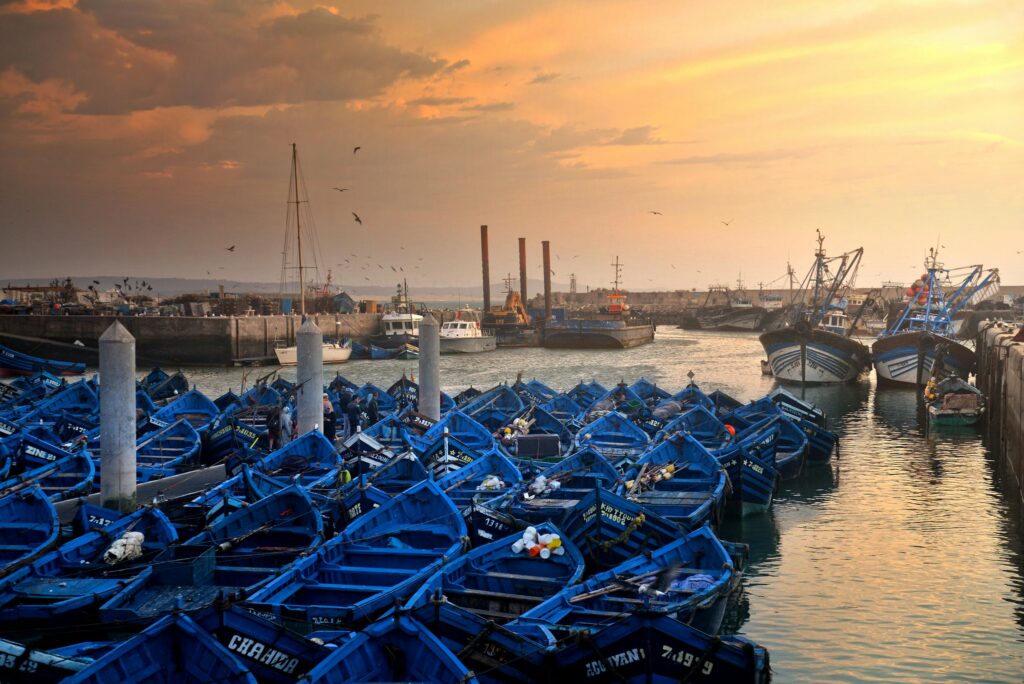
Essaouira is a coastal city known for its fortified medina, working harbor, and steady Atlantic winds. The UNESCO listed old town is easy to explore on foot, with whitewashed walls, blue shutters, and relaxed souks that feel calmer than those in larger cities. The Skala de la Ville ramparts overlook the ocean and provide views of the historic cannons and rocky shoreline. Near the port, fishing boats bring in the daily catch, and small stalls grill fresh seafood steps from the water. The beach stretches south of the medina and is popular with walkers, riders, and water sports enthusiasts.
Steady winds make Essaouira one of Morocco’s main centers for windsurfing and kitesurfing, with several schools offering lessons and equipment rental. Art galleries, craft workshops, and music venues add to the city’s creative reputation, and many cafés and riads focus on slow, easygoing travel. Essaouira is reached by bus or car from Marrakech in about two and a half hours, and the drive passes through argan growing regions where cooperatives demonstrate traditional oil production.
Agadir
Agadir is a modern beach resort city on Morocco’s Atlantic coast, rebuilt with wide avenues and open spaces after the 1960 earthquake. Its long sandy beach is the main attraction, with a promenade lined by cafés, restaurants, and hotels that cater to visitors looking for a relaxed coastal stay. The bay offers calm conditions for swimming and plenty of space for sunbathing, while surf schools operate at the northern and southern ends of the beach. The hilltop kasbah ruins provide views over the coastline and city, easily reached by taxi or guided tour.
The city’s layout makes it simple to move between the marina, beachfront districts, and commercial areas. Camel rides, quad biking, and horseback outings are widely available along the outskirts of the resort zone. Agadir also serves as a launching point for day trips into the surrounding landscape. Paradise Valley, a small gorge with natural pools, is less than an hour away, and longer routes lead to coastal towns like Taghazout or into the Anti Atlas Mountains. Agadir Al Massira Airport connects the region with domestic and international destinations, with taxis and shuttles providing quick access to the beachfront.
Taghazout
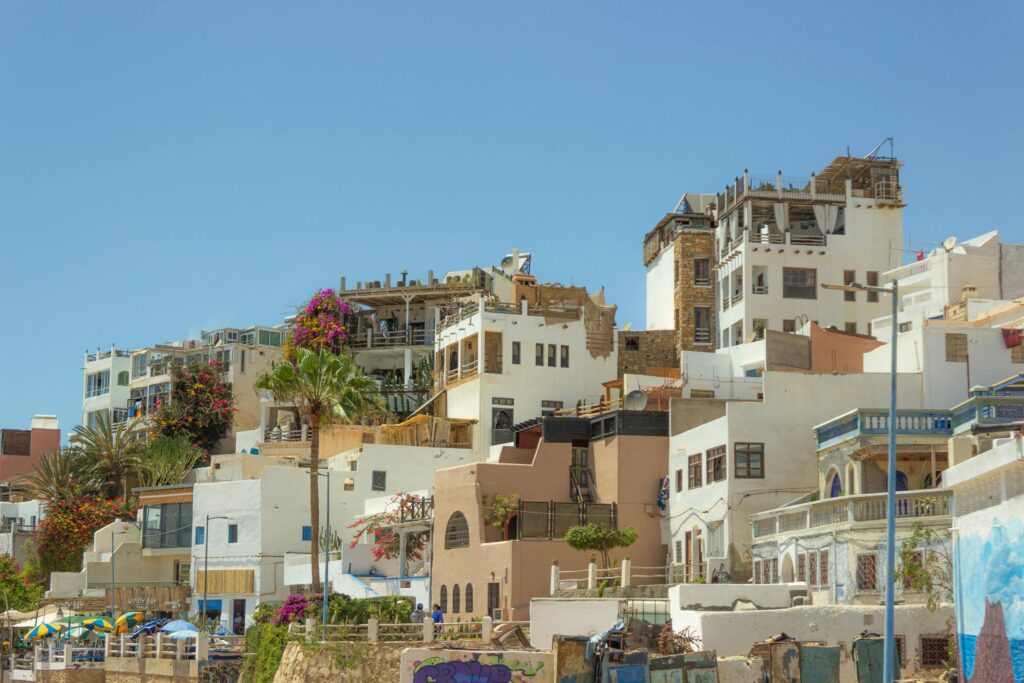
Taghazout is a relaxed coastal village north of Agadir that has grown into one of Morocco’s main surf destinations. The shoreline is lined with breaks suitable for different skill levels, from gentle waves at beginner friendly spots to more powerful point breaks that attract experienced surfers. Surf schools and rental shops operate year round, and the long beach offers space for lessons, morning yoga sessions, and casual walks between cafés and guesthouses. The village still retains elements of its fishing heritage, with boats pulled onto the sand and small seafood restaurants near the waterfront.
The atmosphere in Taghazout is informal and international, drawing budget travelers, long-term visitors, and digital nomads who stay in surf camps or small hotels. Yoga retreats, co working spaces, and rooftop terraces are common features of local accommodations. The village is reached by a short drive from Agadir, with taxis and shared transport running frequently along the coastal road. Many travelers pair a stay in Taghazout with day trips to Paradise Valley, nearby beaches such as Tamraght and Imsouane, or the larger amenities of Agadir while keeping a quieter base by the ocean.

Asilah
Asilah is a small coastal town north of Rabat known for its clean, whitewashed medina and calm atmosphere. The old town walls date back to the Portuguese period and enclose narrow lanes decorated with colorful murals created during the annual arts festival. The medina is compact and easy to explore on foot, offering quiet corners, small cafés, and ocean viewpoints. Outside the walls, Asilah’s beaches stretch along the Atlantic and are popular in summer for swimming, walking, and horseback rides.
The town works well for travelers looking for a slower pace and a focus on art, photography, and relaxed coastal living. Day trips can include nearby villages, beaches, or the larger city of Tangier, which is less than an hour away by train. Asilah Station sits just east of the medina and connects the town with Rabat, Casablanca, and northern routes on the high speed rail network.
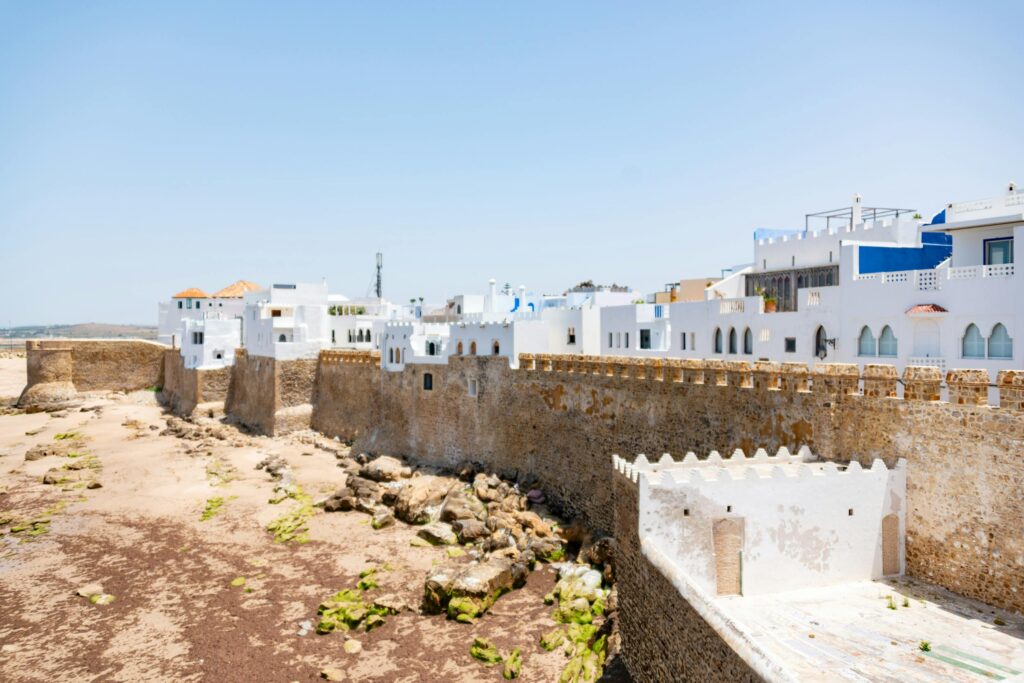
Tangier
Tangier stands at the entrance to the Mediterranean, overlooking the Strait of Gibraltar, and has a long history as a crossroads between Africa and Europe. The medina climbs from the harbor toward the kasbah, where the Kasbah Museum presents artifacts that trace the region’s diverse cultural past. Grand Socco marks the transition between the old city and the modern center and is a useful landmark for navigating the area. Tangier’s medina is smaller and less crowded than those of larger Moroccan cities, making it straightforward to explore on foot, with cafés, markets, and viewpoints spread along its narrow streets.
Just outside the city, the Caves of Hercules are a popular coastal stop linked to ancient mythology and easily reached by taxi. The city also carries a strong artistic legacy, having attracted writers and painters such as Paul Bowles and Henri Matisse, whose work was influenced by Tangier’s light and atmosphere. Modern Tangier has expanded rapidly, with a new marina, seaside promenade, and efficient transport links including high speed trains to Rabat and Casablanca. Tangier Ibn Battuta Airport and ferries from Spain make the city a convenient entry point to Morocco, and its mix of history.
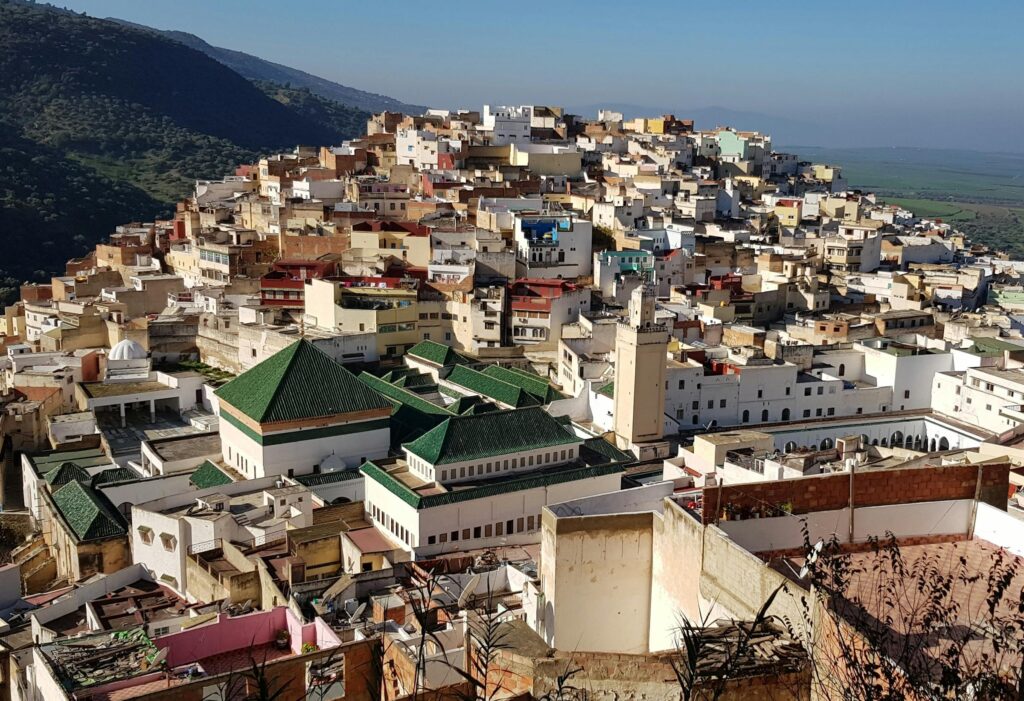
Hidden Gems of Morocco
Aït Ben Haddou
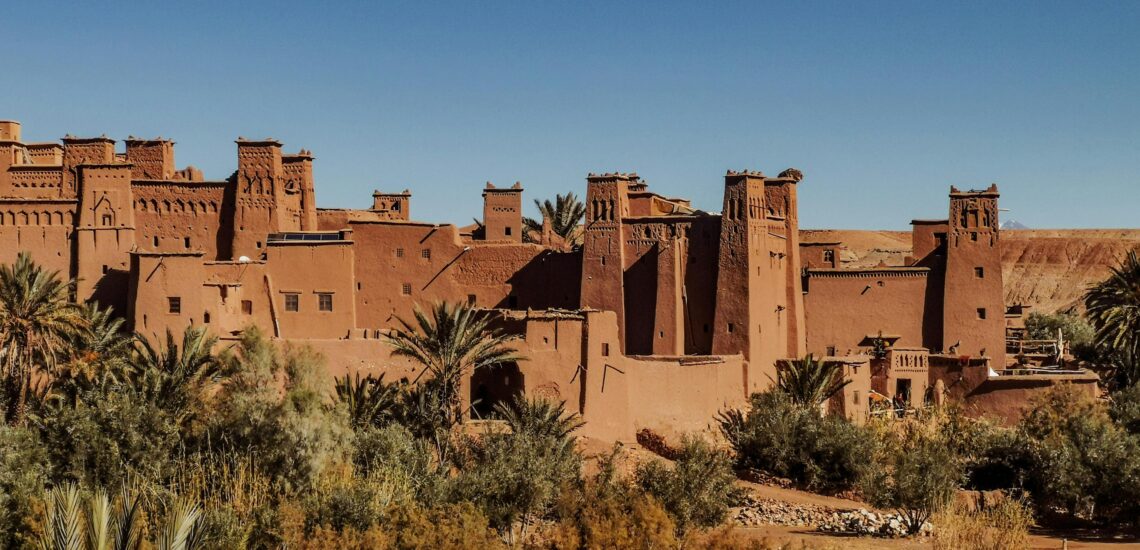
Aït Ben Haddou is a well preserved ksar made of clay and stone, set along a former caravan route on the southern side of the High Atlas. The fortified village rises above a dry riverbed and is crossed by footbridges that lead into a network of alleys, towers, and traditional houses. Its architecture and setting have made it a frequent filming location for major productions including Gladiator, Lawrence of Arabia, and Game of Thrones. Visitors can climb to the granary at the top of the hill for broad views of the surrounding desert plain and nearby palm groves.
The site sits about 30 minutes from Ouarzazate and is often included on routes between Marrakech and the Sahara. Most travelers visit by car or join organized tours that cross the Tizi n’Tichka Pass, a scenic but winding road through the High Atlas. Small guesthouses and cafés are available in the modern village across from the ksar.
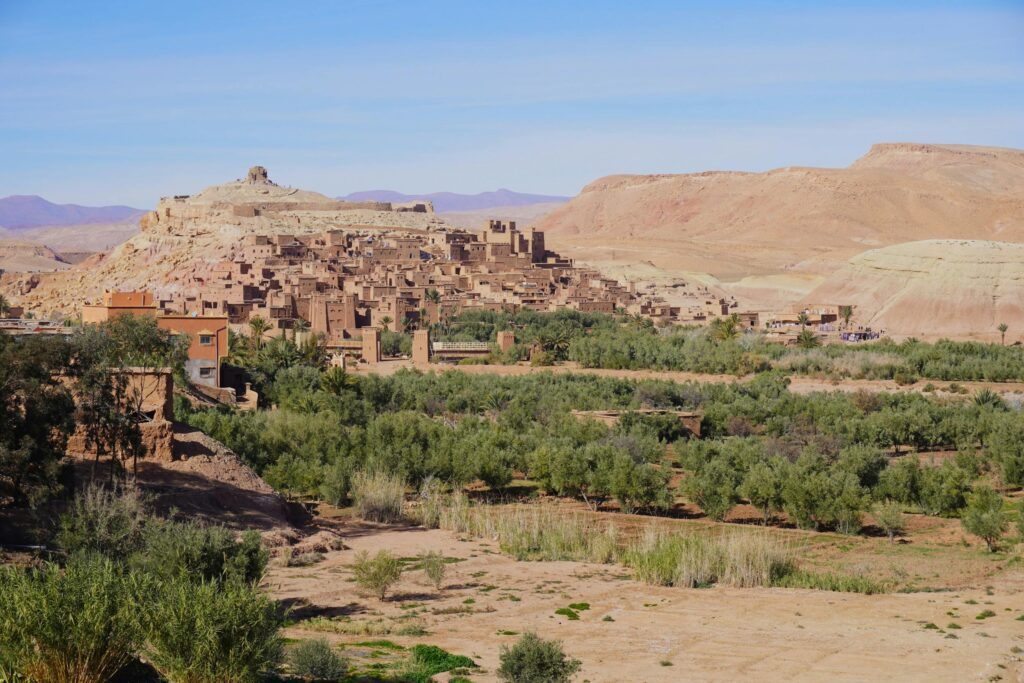
Ouarzazate
Ouarzazate sits at the meeting point of the High Atlas and the desert plateau, making it a common staging point for trips deeper into southern Morocco. The city is known for its role in film production, with Atlas Film Studios offering tours of sets and props used in international movies and television series. Nearby, the Taourirt Kasbah stands as one of the region’s most significant historic structures, featuring maze like corridors, earthen architecture, and views across the town and surrounding landscape. The city’s broad streets and modern layout make it easy to navigate, with cafés and hotels spread around the center.
Ouarzazate is also a key gateway for Sahara excursions. Travelers heading toward Merzouga or Erg Chebbi typically pass through here from Marrakech, crossing the Tizi n’Tichka Pass before continuing east. Those visiting the more remote dunes near Zagora also often begin their journey in Ouarzazate. The city is served by a small airport with flights to major Moroccan cities, and buses and private transfers link it with Marrakech, Agadir, and desert towns.
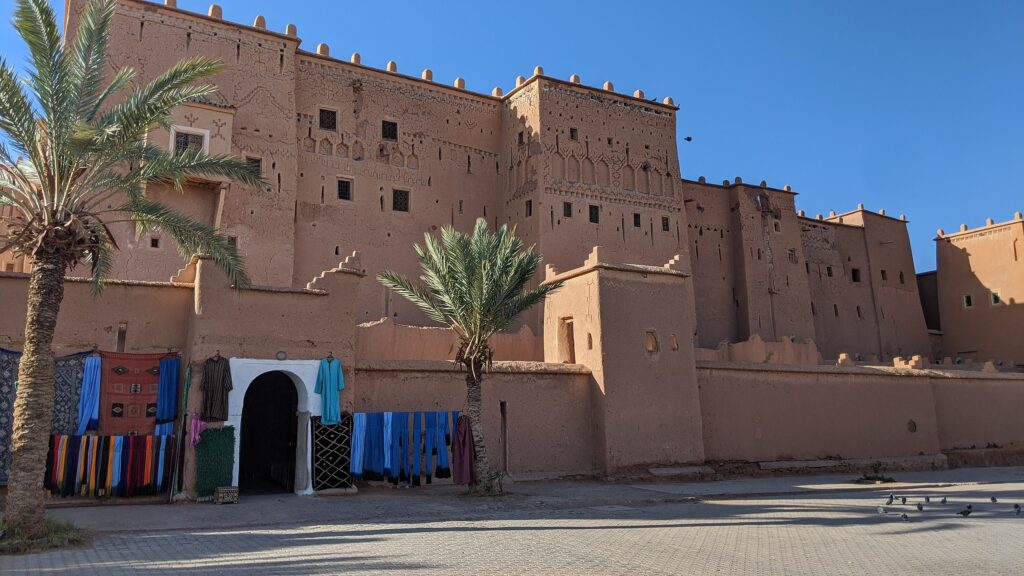
Tizi n’Tichka Pass
Tizi n’Tichka Pass is the main route across the High Atlas between Marrakech and Ouarzazate, reaching elevations of more than 2,200 meters. The road winds through steep valleys and high ridges, offering wide views of terraced fields, mountain peaks, and villages built from local stone and clay. Several pullouts allow drivers to stop for photographs or to visit small roadside stalls selling crafts and minerals. Weather can shift quickly at higher elevations, so conditions vary between clear views and cloud covered peaks.
The pass is part of the primary connection between Marrakech and the southern desert regions, making it a common segment on journeys toward Aït Ben Haddou, Ouarzazate, and the Sahara. The drive typically takes around four hours with stops, and many travelers hire private drivers or join guided tours to enjoy the scenery without needing to navigate the mountain roads themselves.

Azrou and Ifrane (Middle Atlas)
Ifrane and Azrou sit in the Middle Atlas and offer a cooler, greener contrast to Morocco’s larger cities. Ifrane is known for its chalet style architecture, tidy streets, and parks, giving it the nickname “Little Switzerland.” The town’s planned layout and high elevation make it a popular summer retreat and a center for winter activities when nearby slopes receive snow. Al Akhawayn University adds an international feel, and walking paths around town lead to small lakes and forest edges.
Azrou lies a short drive away and is surrounded by cedar forests that support wildlife, including the often-spotted Barbary macaques. Short hikes or roadside stops in the Ifrane National Park area provide reliable opportunities to see the macaques and explore shaded woodland trails. The two towns are commonly visited together on road trips between Fes and the southern deserts, as the Middle Atlas route passes through volcanic plateaus, forests, and winding passes.
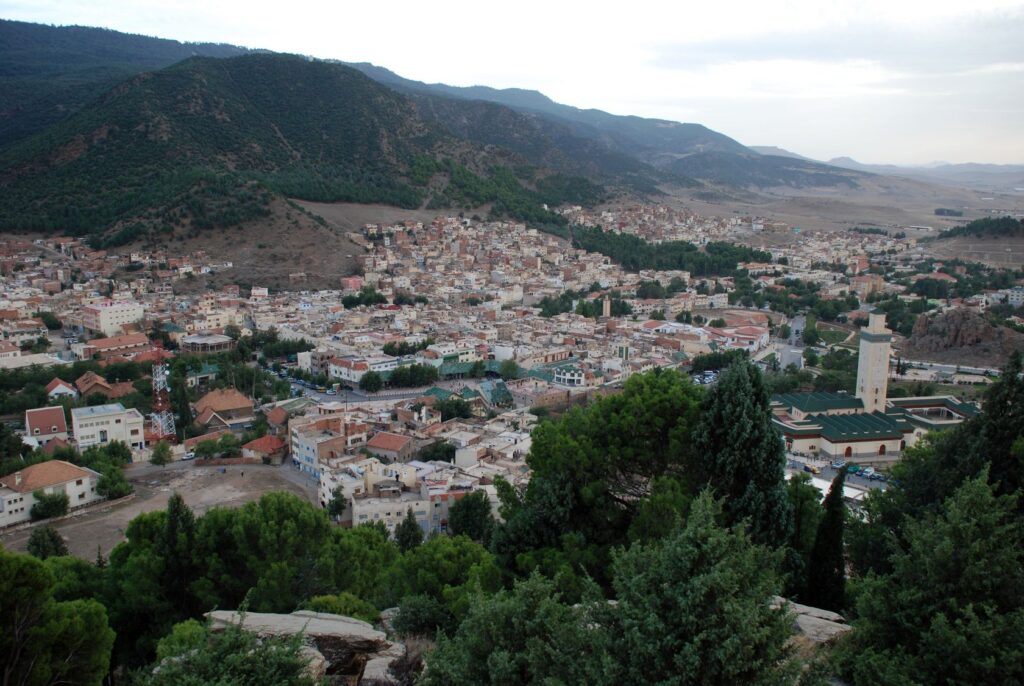
Taroudant
Taroudant is a compact desert edge city in the Souss Valley, often described as a quieter version of Marrakech due to its red ramparts, lively souks, and traditional atmosphere. The city walls stretch for several kilometers and are best appreciated on a walk or a short caleche ride. Inside the walls, the medina is easy to navigate, with markets focused on everyday goods, leatherwork, and local crafts rather than heavy tourist traffic. The central squares and cafés offer relaxed places to observe daily life, and the pace feels slower than in Morocco’s larger imperial cities.
Because of its location, Taroudant makes a good base for exploring the surrounding landscapes. The Souss Valley supports agriculture and argan cooperatives, while the nearby Anti Atlas Mountains offer scenic drives, small villages, and hiking opportunities.

Travel Tips for Morocco
Travel Insurance & Safety
Travel insurance is highly recommended for anyone visiting Morocco, particularly if you plan on desert excursions or mountain treks. Make sure your policy includes comprehensive health coverage and protection for trip interruptions or emergencies. While medical facilities in major cities like Casablanca and Marrakech are reliable, rural areas can be limited, so having coverage that includes evacuation is essential for peace of mind.
Morocco is one of North Africa’s safest and most stable destinations, welcoming visitors with warmth and hospitality. Petty theft can occur in crowded markets, so keep valuables secure and be cautious in busy areas. Out of respect for local customs, it’s best to dress modestly, especially in rural or religious communities. Tap water is not recommended for drinking, so stick to bottled or filtered water throughout your trip. Learning a few phrases in French or Arabic can enhance your interactions with locals, though English is widely understood in main tourist hubs.
Transportation & Driving
Getting around Morocco is straightforward and enjoyable thanks to its well-developed infrastructure. Domestic flights link major cities such as Casablanca, Marrakech, Fes, and Agadir, while trains provide a comfortable and efficient way to travel between Casablanca, Rabat, Tangier, Fes, and Marrakech. For reaching smaller towns, buses – including Supratours and CTM – and grand taxis are the main options. For travelers seeking flexibility, renting a car is ideal for exploring the Atlas Mountains, the Dades Valley, and gateways to the Sahara Desert.
Driving in Morocco is on the right-hand side of the road. Highways between major cities are generally well-maintained, but mountain passes can be narrow, steep, and winding. Always drive cautiously and give way to livestock or pedestrians in rural areas. Carry your passport, driver’s license, and insurance documents at all times, and an International Driving Permit is recommended for foreign visitors.

Published December 06, 2025 • 20m to read