

Montserrat is a tiny island with an extraordinary story. With its Irish roots, volcanic landscapes, and welcoming locals, this lush, mountainous island offers a rare glimpse into a Caribbean that feels both timeless and untouched.
Though the eruptions of the Soufrière Hills Volcano in the 1990s forever changed the island’s landscape – burying its capital, Plymouth – Montserrat has risen from the ashes to become a haven for eco-tourism, hiking, and cultural exploration.
Best Towns in Montserrat
Brades
Brades has served as the temporary capital and administrative center of Montserrat since the evacuation of Plymouth after the volcanic eruptions of the 1990s. Located on the island’s safer northern side, it houses government offices, local businesses, small shops, and restaurants that cater to both residents and visitors. While modest in size, Brades functions as the island’s commercial and civic heart. Its location makes it a convenient base for exploring northern Montserrat, including Little Bay’s developing waterfront, the forested trails of Centre Hills, and scenic viewpoints along the north coast.
Little Bay
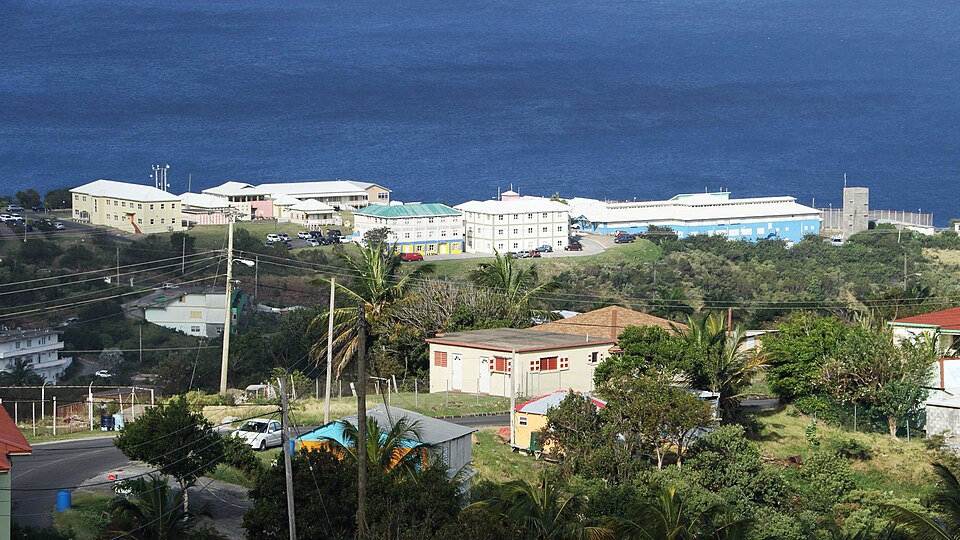
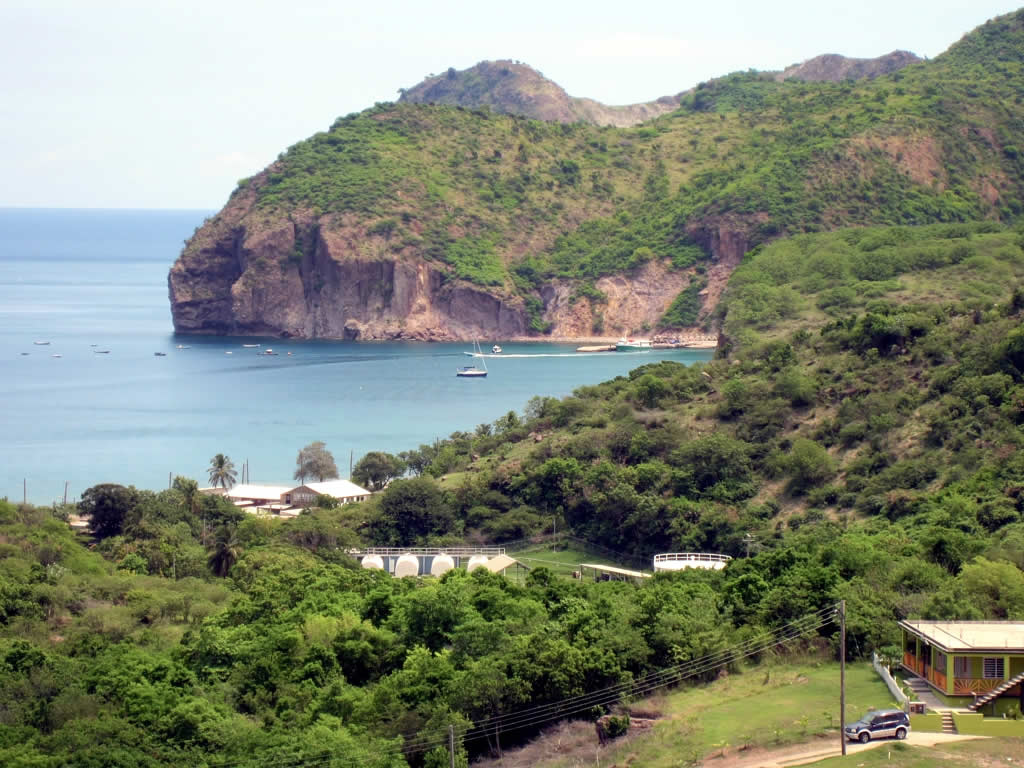
Little Bay, situated just below Brades on Montserrat’s northwest coast, represents the island’s emerging tourism and commercial hub. It serves as the main port and ferry terminal, welcoming visitors arriving by sea, and is the focus of ongoing development aimed at creating a new town center. The waterfront area features beach bars, cafés, and small boutique hotels, offering a relaxed yet modern atmosphere. The sheltered bay provides calm waters for swimming and coastal walks, making it a pleasant place to unwind after exploring the island’s natural and volcanic attractions.
Plymouth
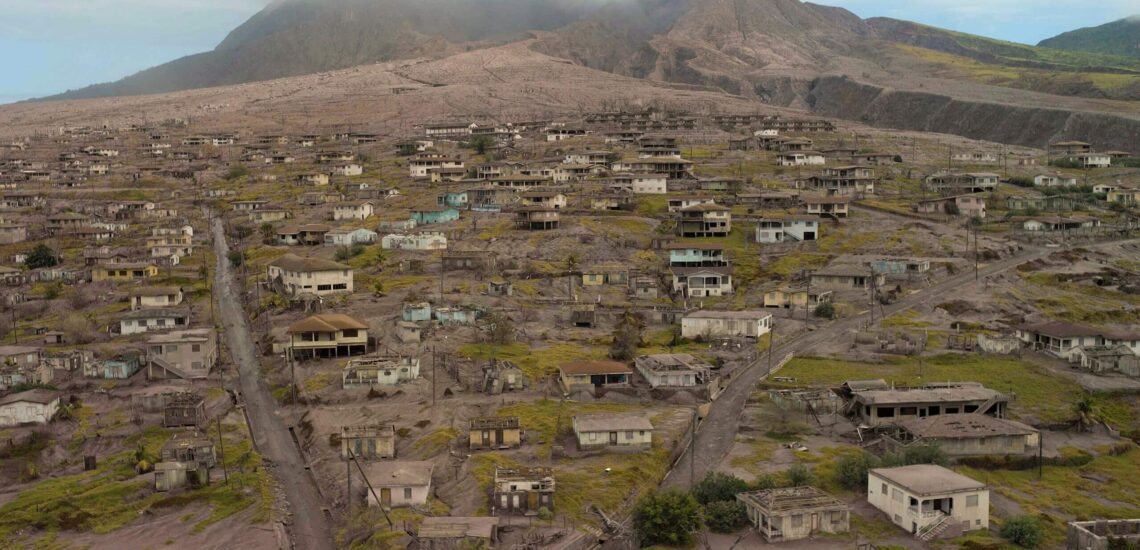
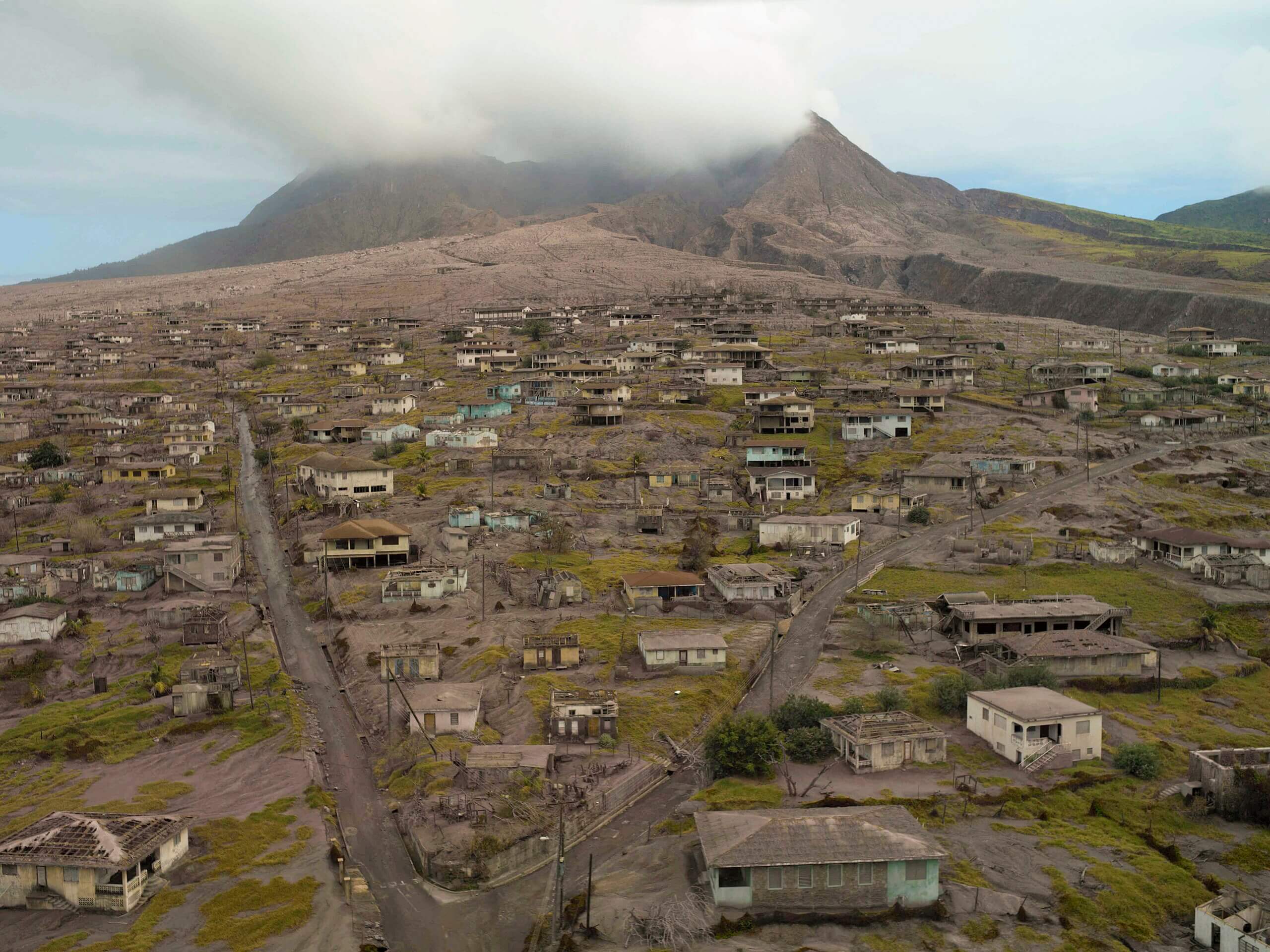
Plymouth, once the capital and commercial center of Montserrat, now stands as a haunting reminder of the island’s volcanic past. When the Soufrière Hills Volcano erupted in 1995, the city was buried under meters of ash and pyroclastic flow, forcing its complete evacuation. Today, the remains of government buildings, homes, and churches lie partially entombed, earning Plymouth the nickname “the modern-day Pompeii of the Caribbean”.
Access to the site is strictly controlled, with entry permitted only on guided tours authorized within the island’s Exclusion Zone. From safe vantage points or during supervised visits, visitors can witness the striking contrast between the preserved structures and the desolate volcanic landscape.
Salem
Salem is one of Montserrat’s most vibrant communities and a center of the island’s cultural life. Located in the safe northern zone, it blends local tradition with a spirit of creativity and resilience. The town is home to the Montserrat Cultural Centre, built with support from the late Sir George Martin, the legendary producer of The Beatles. The center hosts concerts, exhibitions, and community events that showcase Montserrat’s music, art, and heritage.
Each March, Salem becomes the focal point of the island’s St. Patrick’s Festival, a lively celebration that honors Montserrat’s unique blend of African and Irish influences. The week-long event features parades, traditional food, music, and dance, drawing visitors from across the Caribbean.
Best Natural Wonders in Montserrat
Soufrière Hills Volcano
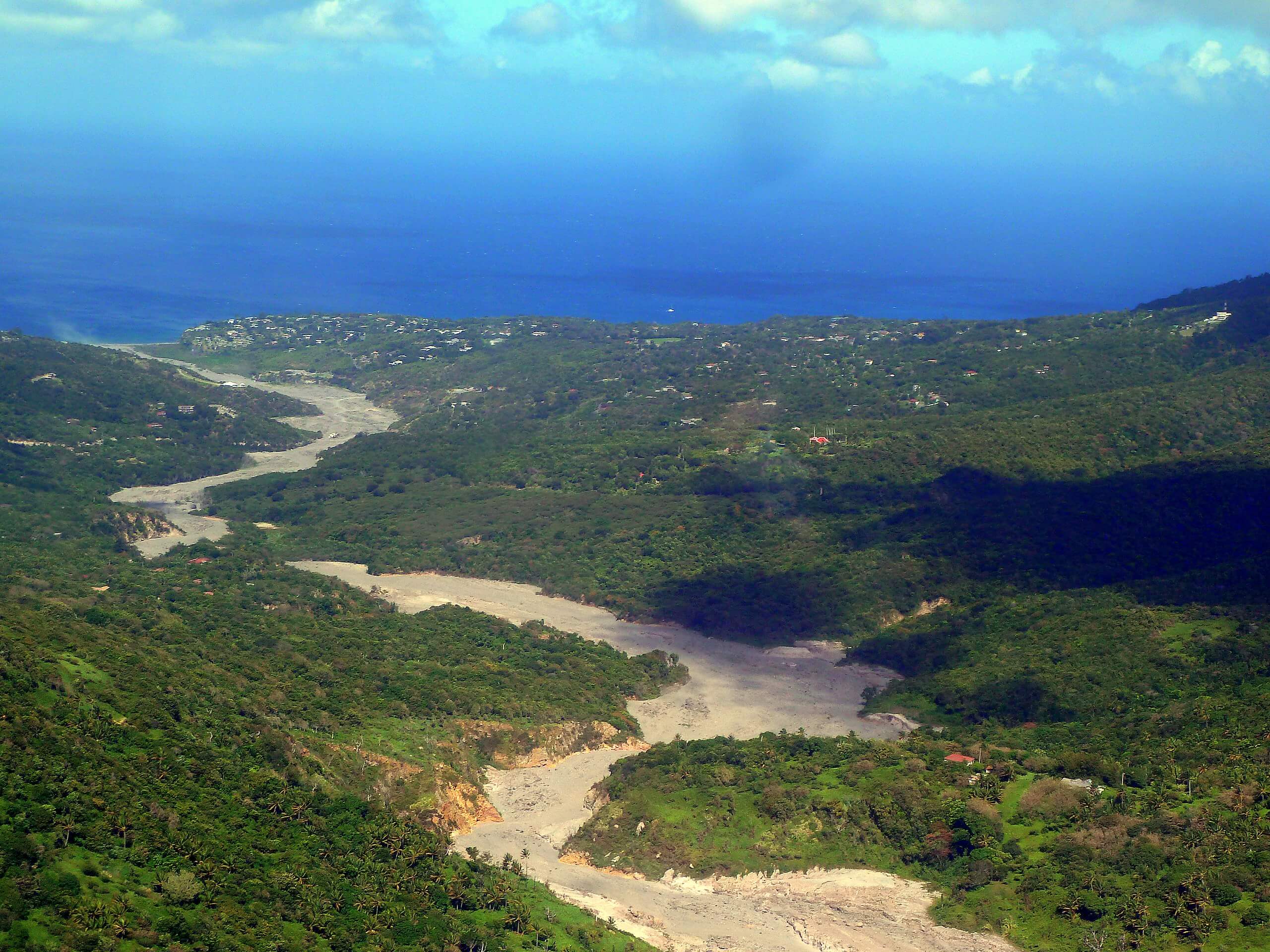
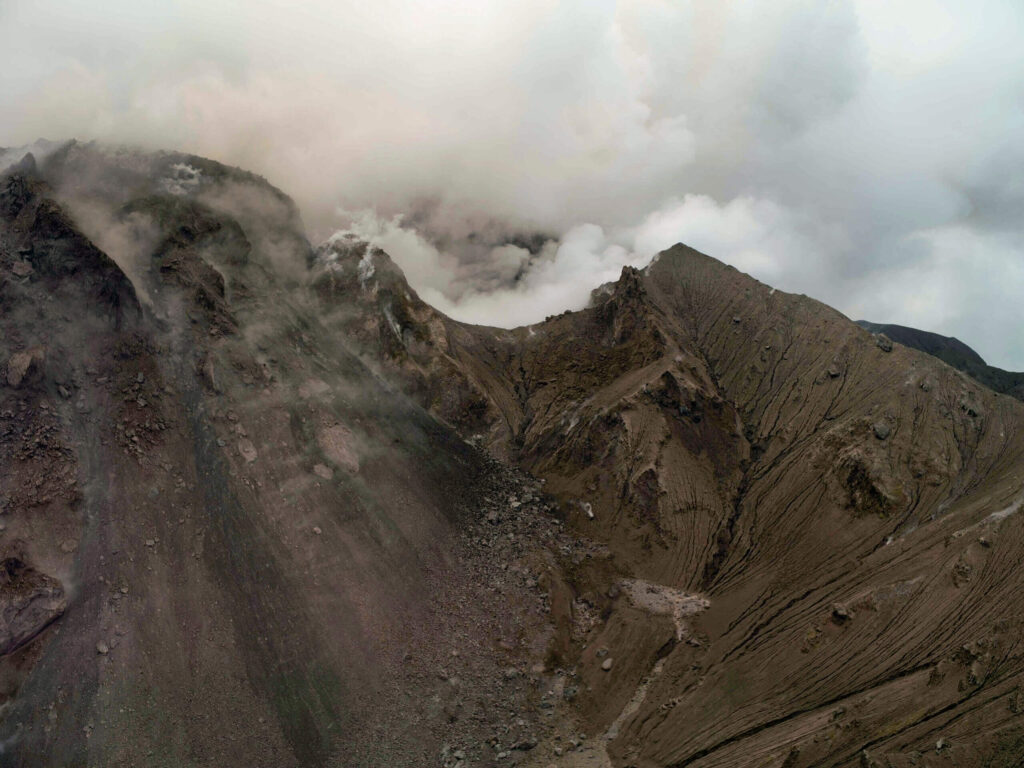
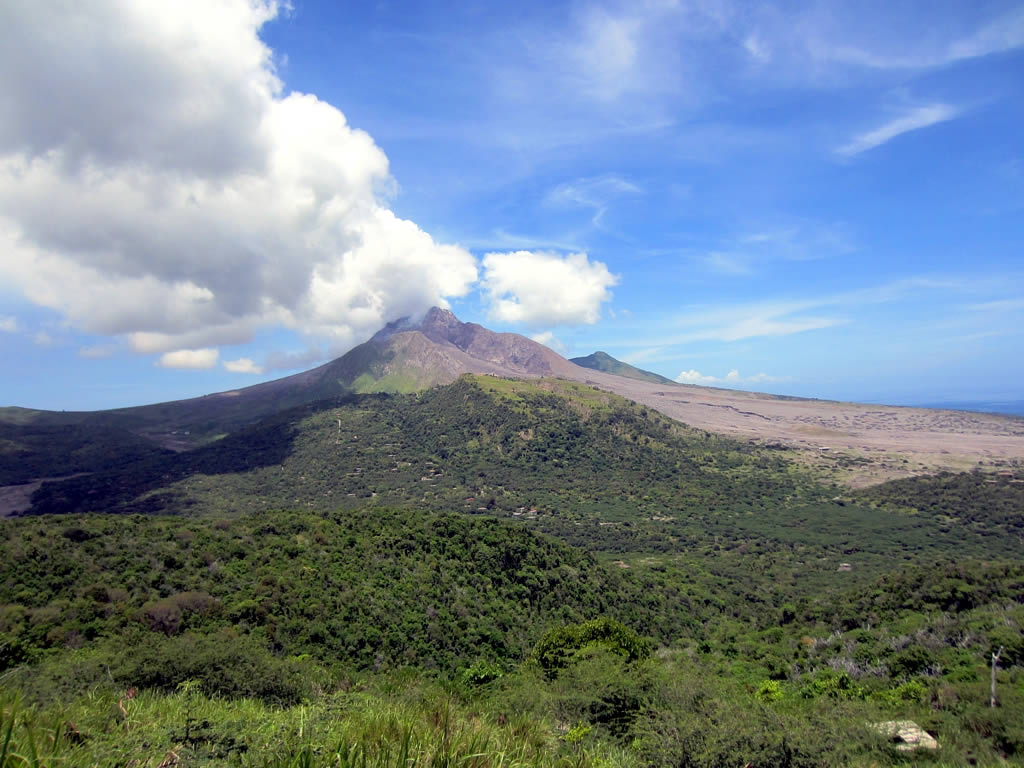
The Soufrière Hills Volcano dominates Montserrat’s landscape and history, shaping the island’s modern identity since its dramatic eruptions began in 1995. The volcano, still active, buried the former capital Plymouth and created an Exclusion Zone that remains uninhabited for safety. Today, the area stands as a striking mix of destruction and renewal, where lush vegetation slowly reclaims the ash-covered ruins.
Visitors can safely view the volcano from designated lookout points such as Jack Boy Hill on the northeast coast and Garibaldi Hill in the southwest, both offering sweeping views of the dome and surrounding valleys. The Montserrat Volcano Observatory (MVO), located near Flemmings, provides insight into the island’s geology and the science behind ongoing volcanic monitoring.
Centre Hills Forest Reserve
The Centre Hills Forest Reserve covers the mountainous heart of Montserrat and is the island’s most important area of rainforest conservation. This lush, misty region is home to a wide range of wildlife, including the Montserrat oriole, the island’s national bird, as well as tree frogs, bats, and many endemic plant species. The reserve plays a crucial role in protecting Montserrat’s remaining natural habitats and freshwater sources.
Several hiking trails wind through the forest, ranging from easy walks to more challenging climbs. Along the way, visitors can enjoy panoramic views of the Caribbean Sea, the Soufrière Hills Volcano, and the island’s northern coastline.
Silver Hills
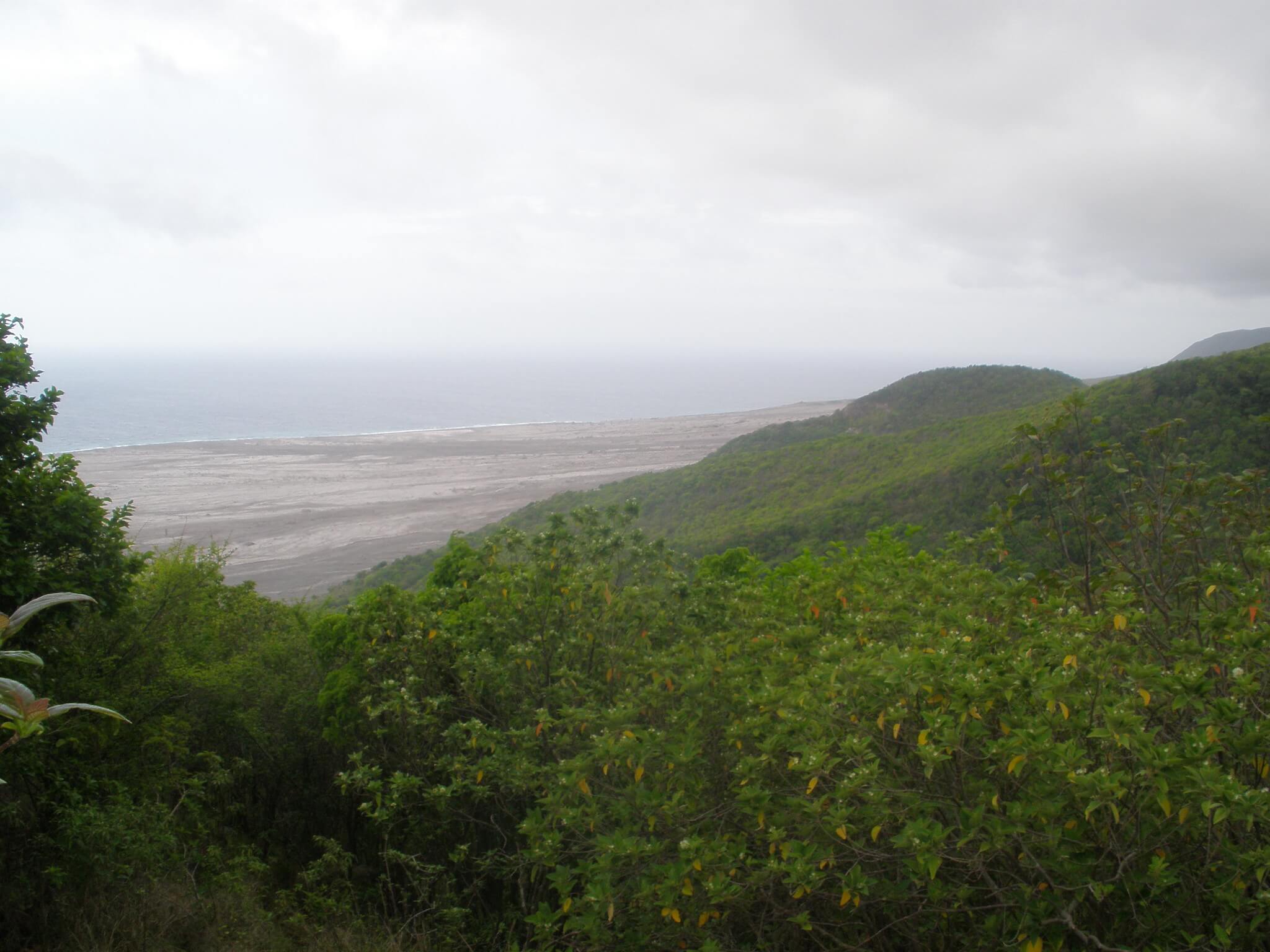
The Silver Hills, located in northern Montserrat, present a striking contrast to the island’s lush southern rainforest. This area is characterized by dry forest, open grasslands, and rocky ridges that offer wide views of the coastline and surrounding countryside. The landscape provides excellent opportunities for photography, birdwatching, and short, scenic hikes that showcase a different side of Montserrat’s natural beauty. From the hills, visitors can enjoy panoramic vistas of the Caribbean Sea and the nearby islands on clear days. The trails are relatively gentle, making the area accessible to most hikers.
Rendezvous Beach
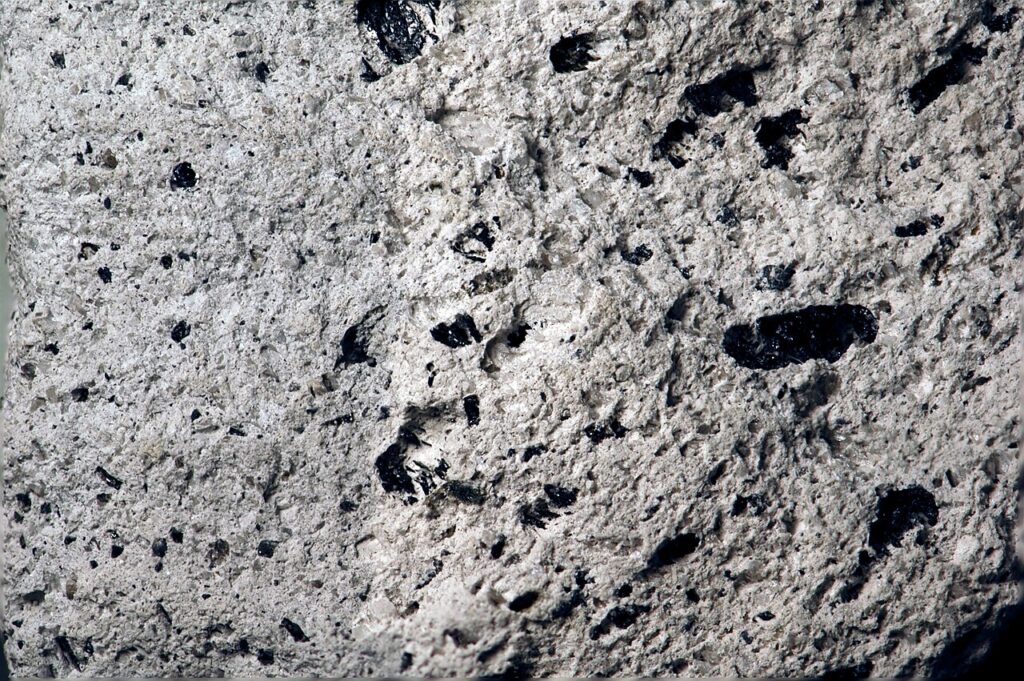
Rendezvous Beach is Montserrat’s only white-sand beach, a secluded cove hidden among the cliffs on the island’s northern coast. Its calm turquoise waters and soft sand make it a favorite escape for swimming, snorkeling, and relaxing in complete tranquility. The surrounding cliffs create a sheltered atmosphere and stunning backdrop for photos and picnics.
The beach can be reached by kayak or boat from Little Bay, or by a scenic hike that winds through dry forest and coastal trails. The journey adds to the sense of adventure, rewarding visitors with one of the most peaceful and picturesque spots on the island.
Woodlands Beach
Woodlands Beach is a peaceful stretch of dark volcanic sand located on Montserrat’s west coast. Sheltered by cliffs and cooled by steady sea breezes, it offers calm waters ideal for swimming and relaxing. The beach is a popular spot for locals, especially in the late afternoon when the setting sun casts a warm glow over the Caribbean Sea. Between July and October, sea turtles come ashore to nest, adding to the beach’s natural appeal. Basic facilities, including shaded areas and restrooms, make it convenient for visitors, while its tranquil atmosphere ensures it never feels crowded.
Bunkum Bay
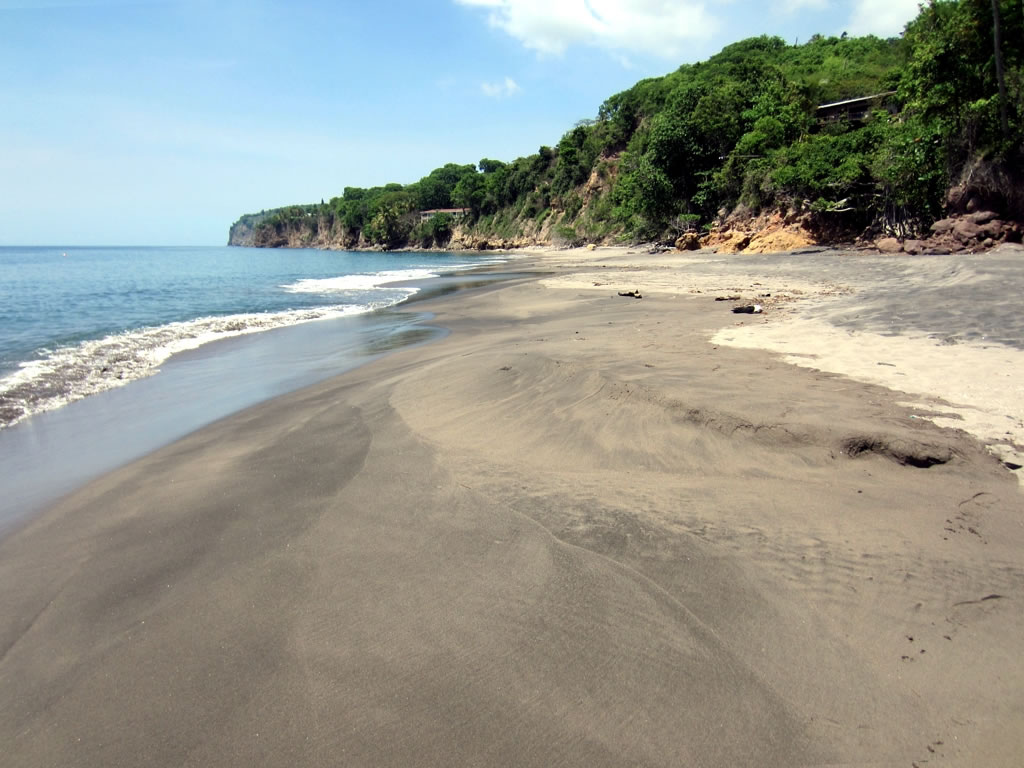
Bunkum Bay is a small, secluded cove located near Brades on Montserrat’s northwest coast. Known for its rugged beauty and sweeping views of the Caribbean Sea, it offers a peaceful escape just minutes from the island’s main settlements. The bay’s dark volcanic sand and rocky cliffs create a dramatic coastal landscape, making it a favorite spot for photography and quiet reflection. Although it is not a developed swimming beach, Bunkum Bay is easily accessible and ideal for enjoying ocean breezes, watching the waves, and taking in Montserrat’s natural scenery.
Hidden Gems in Montserrat
Garibaldi Hill
Garibaldi Hill is one of Montserrat’s most dramatic viewpoints, offering sweeping vistas over the buried city of Plymouth and the still-active Soufrière Hills Volcano. From its summit, visitors can clearly see the outlines of buildings half-buried in ash and the vast volcanic landscape that reshaped the island after the 1995 eruptions. The hill provides a safe vantage point within the safe zone, making it one of the best places to appreciate the scale and power of the volcano’s impact.
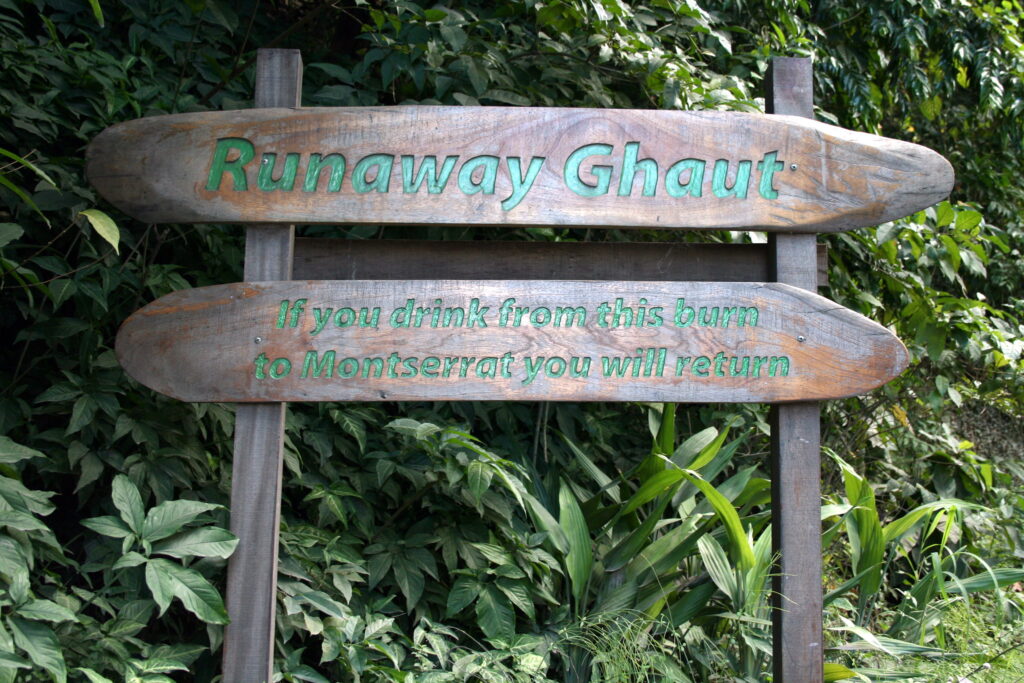
Runaway Ghaut
Runaway Ghaut is a picturesque roadside ravine located in northern Montserrat, known for its cool, clear spring water that flows through a shaded forest gully. According to local legend, anyone who drinks from the ghaut’s natural stream is destined to return to Montserrat – a promise that has made it a popular stop for both visitors and residents. The site is easy to access and features a small trail, picnic area, and interpretive signs explaining the island’s water systems and folklore.
Jack Boy Hill Lookout
Jack Boy Hill Lookout, located on Montserrat’s northeast coast, provides one of the island’s most striking views of the Soufrière Hills Volcano and the surrounding Exclusion Zone. From this vantage point, visitors can see the remains of the former W.H. Bramble Airport, now buried beneath layers of volcanic ash, as well as the desolate valleys created by past eruptions. The lookout offers a safe and elevated perspective on the island’s dramatic geological history.
The site is well maintained, with a viewing platform, picnic area, and informational displays about the volcano’s activity and its impact on Montserrat. On clear days, the panoramic view stretches across the island’s eastern coastline and out to the Atlantic Ocean.
Oriole Walkway Trail
he Oriole Walkway Trail is a scenic 1.3-mile loop through Montserrat’s lush rainforest, offering one of the best chances to spot the island’s national bird, the Montserrat oriole, along with other endemic species. The trail winds through the foothills of the Centre Hills Forest Reserve, passing towering trees, ferns, and flowering plants that attract a variety of wildlife. The cool, shaded environment and the sounds of birdsong create a peaceful atmosphere throughout the walk. The trail is moderately easy and well maintained, suitable for most visitors. Local guides can enhance the experience by pointing out rare birds and explaining the forest’s ecology.
Hilltop Coffee House & Family Centre
Hilltop Coffee House & Family Centre is a unique blend of museum, café, and community space that captures the spirit and resilience of Montserrat. Located near St. Peter’s, it serves as both a welcoming stop for visitors and an educational center preserving the island’s recent history. Inside, exhibits and photos document Montserrat’s volcanic eruptions, the evacuation of Plymouth, and the stories of the people who rebuilt their lives in the north.
Alongside its historical displays, the café offers locally roasted coffee, homemade snacks, and friendly conversation in a relaxed setting. The center also hosts storytelling sessions and community events that celebrate Montserrat’s culture and creativity.
Travel Tips for Montserrat
Travel Insurance & Safety
Travel insurance is essential, particularly for outdoor activities and volcanic excursions. Make sure your policy includes medical evacuation and coverage for natural events, as access to the island can sometimes be affected by weather or volcanic conditions.
Montserrat is one of the safest and most welcoming islands in the Caribbean. Volcanic activity is closely monitored, and visitors should always follow official guidance and stay within the designated northern safe zone. Tap water is safe to drink, and healthcare facilities are reliable for basic needs, though serious cases may require evacuation to Antigua.
Transportation & Driving
Taxis are available for local trips, especially around Brades and Little Bay, where most hotels, restaurants, and government offices are located. For independent travel, car rentals are recommended to explore the northern safe zone at your own pace. Ferries operate several times a week to Antigua, Montserrat’s main gateway, and small charter flights also connect the two islands and nearby Caribbean destinations.
Vehicles drive on the left-hand side of the road. Roads are narrow, winding, and hilly, so drive cautiously, especially after rain. A 4×4 vehicle is ideal for reaching scenic viewpoints, remote trails, and volcanic lookouts. An International Driving Permit is required along with your national license. Visitors must also obtain a temporary local driving permit, available through rental agencies or police stations. Always carry your documents, as roadside checks are routine.
Published October 26, 2025 • 10m to read