

Mexico is one of the most diverse and dynamic countries in the world, bringing together centuries of history, rich traditions, and a wide range of landscapes. It stretches from the deserts of the north to tropical jungles and turquoise beaches in the south. Ancient ruins, colorful towns, and modern cities coexist, offering visitors both culture and adventure in equal measure.
Travelers can visit Mayan and Aztec sites such as Chichén Itzá and Teotihuacán, swim in cenotes on the Yucatán Peninsula, or relax on the beaches of Cancún, Tulum, and Los Cabos. In cities like Mexico City, Oaxaca, and Guadalajara, art, food, and music create a lively atmosphere that reflects the country’s identity. Mexico combines history, nature, and daily life in a way that keeps every journey full of discovery.
Best Cities in Mexico
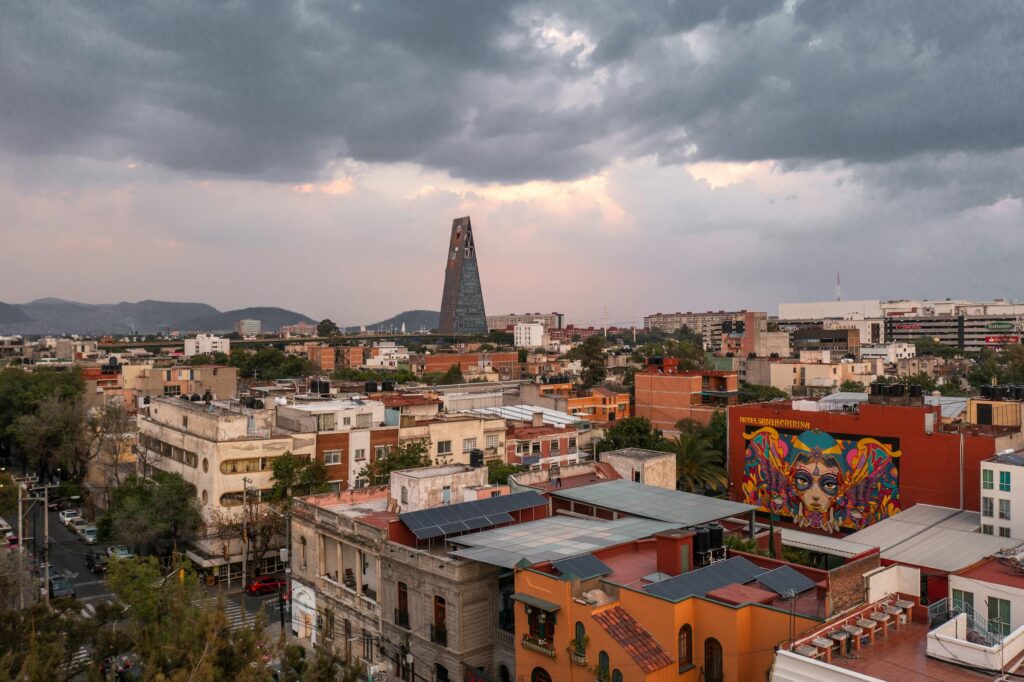
Mexico City
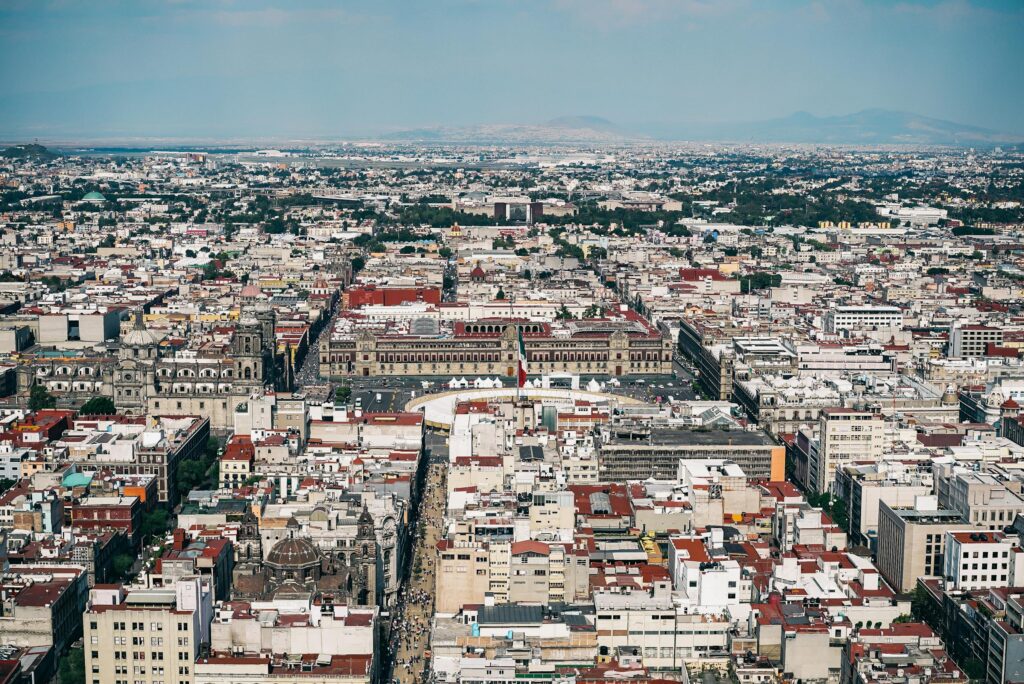
Mexico City, one of the largest and most vibrant capitals in the world, is a place where history, art, and modern life converge at every turn. Built on the ruins of the Aztec capital Tenochtitlán, it is now a sprawling metropolis of more than 20 million people, rich in museums, architecture, and food culture. At its core lies the Zócalo, one of the world’s largest city squares, flanked by the grand Metropolitan Cathedral and the remains of the Templo Mayor, where ancient and colonial Mexico stand side by side. Nearby, the Palacio de Bellas Artes dazzles with its art nouveau exterior and Diego Rivera murals inside.
To understand the country’s deep heritage, few places rival Chapultepec Park, a vast green space home to the National Museum of Anthropology, one of the most important museums in the Americas. Here, exhibits trace Mexico’s Indigenous civilizations, from the Olmecs and Maya to the Aztecs. The park also houses a hilltop castle, peaceful lakes, and botanical gardens – a perfect escape from the city’s energy.
Each neighborhood reveals a different face of Mexico City. The Centro Histórico preserves its colonial charm with cobblestone streets, old churches, and government palaces. Coyoacán, once a separate town, retains a bohemian feel with colorful houses, markets, and the iconic Casa Azul, where Frida Kahlo and Diego Rivera lived and worked. For a more contemporary vibe, Roma and Condesa offer leafy avenues, cafés, boutique galleries, and some of the city’s best nightlife, blending European-inspired architecture with modern Mexican style.
Guadalajara
Guadalajara is the cultural heart of the country and the birthplace of mariachi music and tequila. The city combines tradition with modern sophistication, offering grand colonial landmarks, leafy plazas, and a lively arts scene. At its center, the Guadalajara Cathedral dominates the skyline, surrounded by historic squares and government buildings adorned with murals by José Clemente Orozco. Nearby, the Teatro Degollado hosts classical concerts, ballet, and mariachi performances in a beautifully preserved 19th-century theater.
Just outside the city, the artisan towns of Tlaquepaque and Tonalá are known for their hand-crafted ceramics, glass, and furniture, as well as open-air restaurants where mariachi bands perform. A short day trip away, the town of Tequila offers tours of distilleries and blue agave fields recognized as a UNESCO World Heritage Site, where visitors can learn about the production of Mexico’s most famous spirit.
Oaxaca City
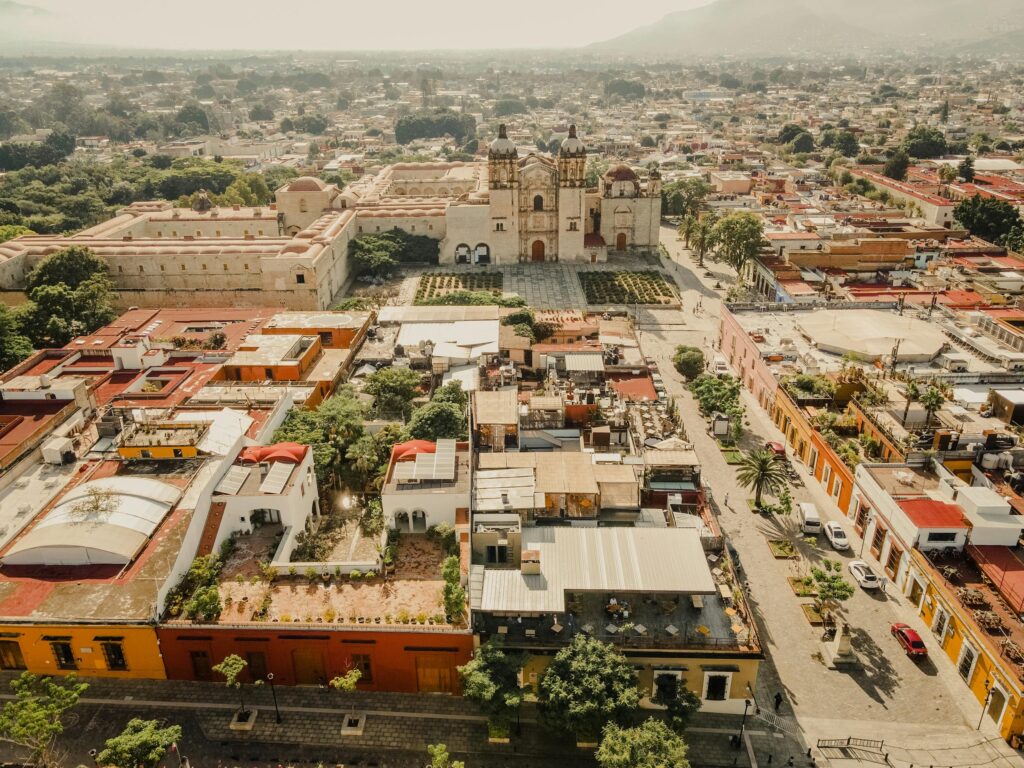
Oaxaca City is one of Mexico’s most captivating destinations – a UNESCO World Heritage Site celebrated for its Indigenous traditions, crafts, and exceptional cuisine. The city’s colonial center revolves around the Zócalo, a lively square lined with cafés, arcades, and street performers, while the Templo de Santo Domingo dazzles with its ornate baroque interior and adjoining cultural museum. The surrounding streets are filled with colorful buildings, art galleries, and markets like Mercado Benito Juárez and Mercado 20 de Noviembre, where visitors can sample local flavors and browse handmade textiles, pottery, and alebrijes (fantastical wooden carvings).
Oaxaca’s food scene is a highlight of any visit. It’s the birthplace of rich mole sauces, crispy tlayudas, and smoky mezcal, which can be tasted at traditional markets, mezcalerías, or family-run restaurants. The city also serves as a gateway to nearby cultural and natural landmarks – the Monte Albán archaeological site, once the capital of the Zapotec civilization, and the surreal Hierve el Agua, a set of mineral formations that resemble cascading waterfalls.
Puebla
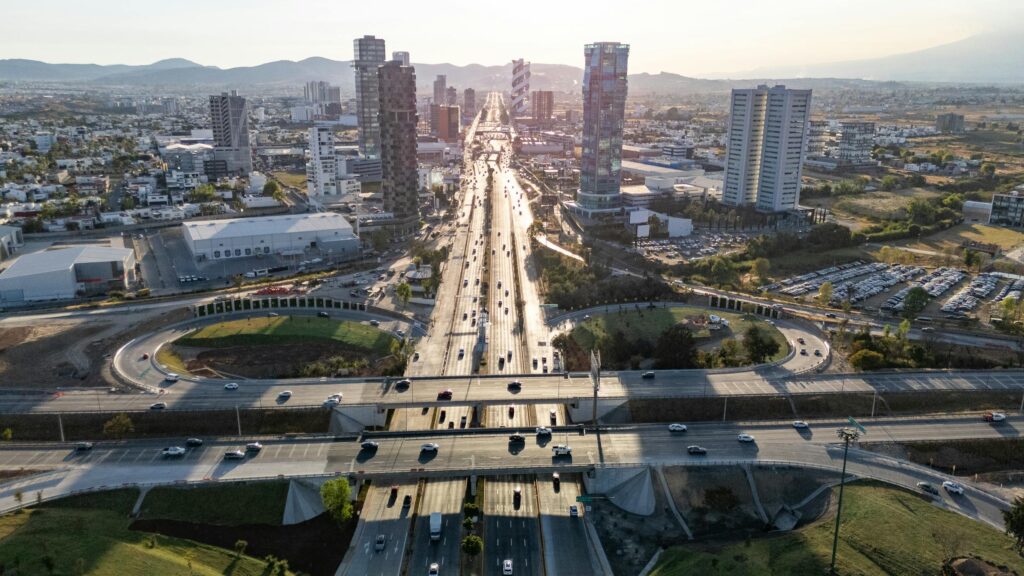
Puebla, a UNESCO World Heritage city nestled beneath the Popocatépetl and Iztaccíhuatl volcanoes, is known for its elegant colonial architecture, ornate Baroque churches, and rich culinary heritage. The city’s historic center is filled with beautifully tiled facades and grand buildings like the Puebla Cathedral, one of Mexico’s most impressive religious structures, and the Biblioteca Palafoxiana, the oldest public library in the Americas.
Puebla is also the birthplace of several of Mexico’s most famous dishes, including mole poblano, a complex sauce of chocolate and spices, and chiles en nogada, a seasonal specialty symbolizing the colors of the Mexican flag. Just outside the city lies Cholula, home to the Great Pyramid of Cholula, the largest pyramid in the world by volume, topped by a striking colonial church and offering panoramic views of the surrounding volcanoes.
San Miguel de Allende
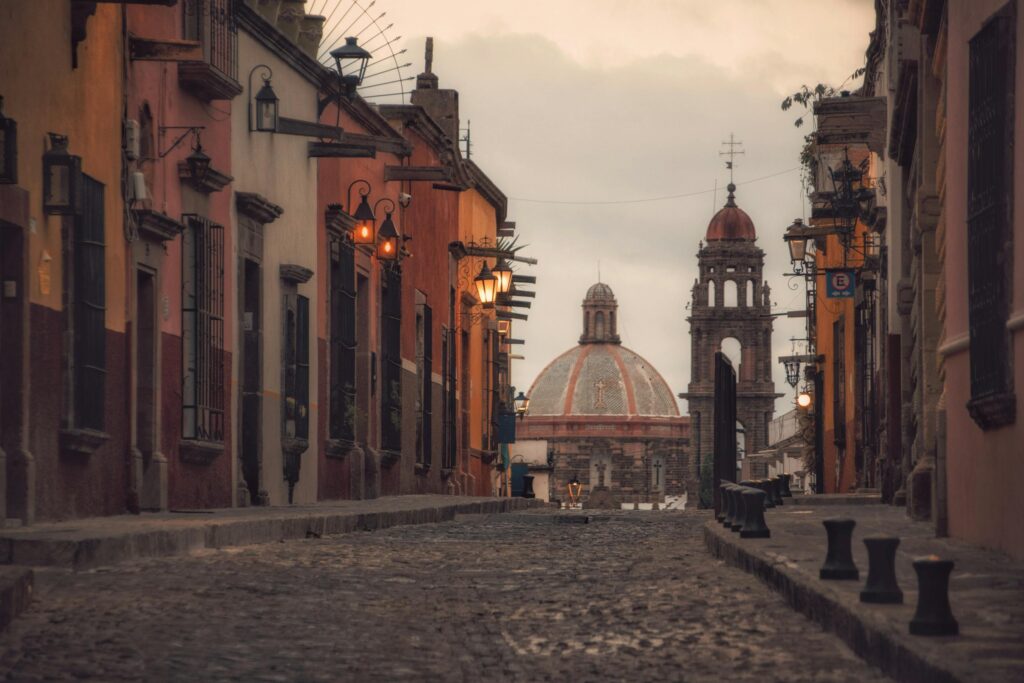
San Miguel de Allende, a UNESCO World Heritage city in central Mexico, is renowned for its romantic colonial streets, artistic spirit, and vibrant cultural life. The town’s skyline is dominated by the pink, neo-Gothic Parroquia de San Miguel Arcángel, a landmark that overlooks cobblestone plazas and pastel-colored buildings. Once a quiet highland town, San Miguel has become a haven for artists, writers, and creatives drawn by its architecture, light, and community atmosphere.
Visitors can explore art schools, galleries, and artisan markets, attend year-round festivals, and enjoy panoramic views from the town’s many rooftop restaurants and bars. Despite its growing popularity, San Miguel maintains an intimate charm, best experienced by walking its narrow streets and discovering hidden courtyards. The city lies about a 3.5-hour drive from Mexico City and pairs easily with nearby destinations like Guanajuato and Querétaro.
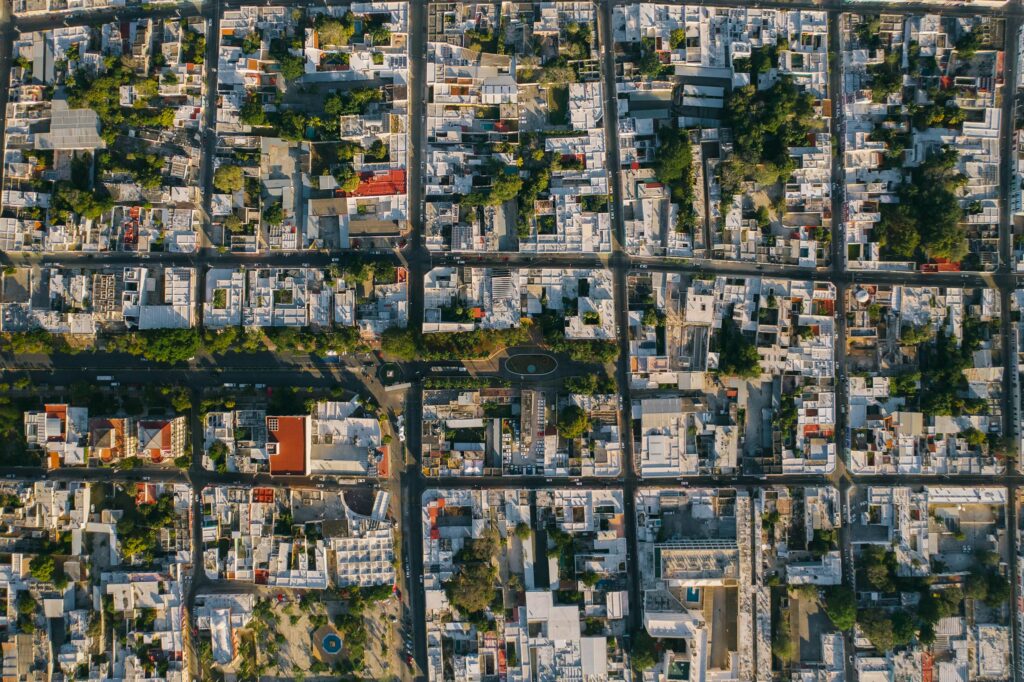
Mérida
Centered around the Plaza Grande, the city is filled with tree-lined boulevards, grand 19th-century mansions, and landmarks such as the Cathedral of San Ildefonso and the Palacio de Gobierno, where murals depict Yucatán’s complex history. Museums like the Gran Museo del Mundo Maya showcase the region’s deep Indigenous roots, while art galleries and music performances bring the city’s creative side to life. Mérida is also a gateway to some of the peninsula’s greatest attractions, including the Uxmal ruins, hidden cenotes (natural sinkholes for swimming), and beautifully restored haciendas that now operate as boutique hotels or restaurants. The city is celebrated for its Yucatecan cuisine, featuring dishes such as cochinita pibil, sopa de lima, and panuchos, which can be enjoyed in local markets or fine-dining spots.
Guanajuato
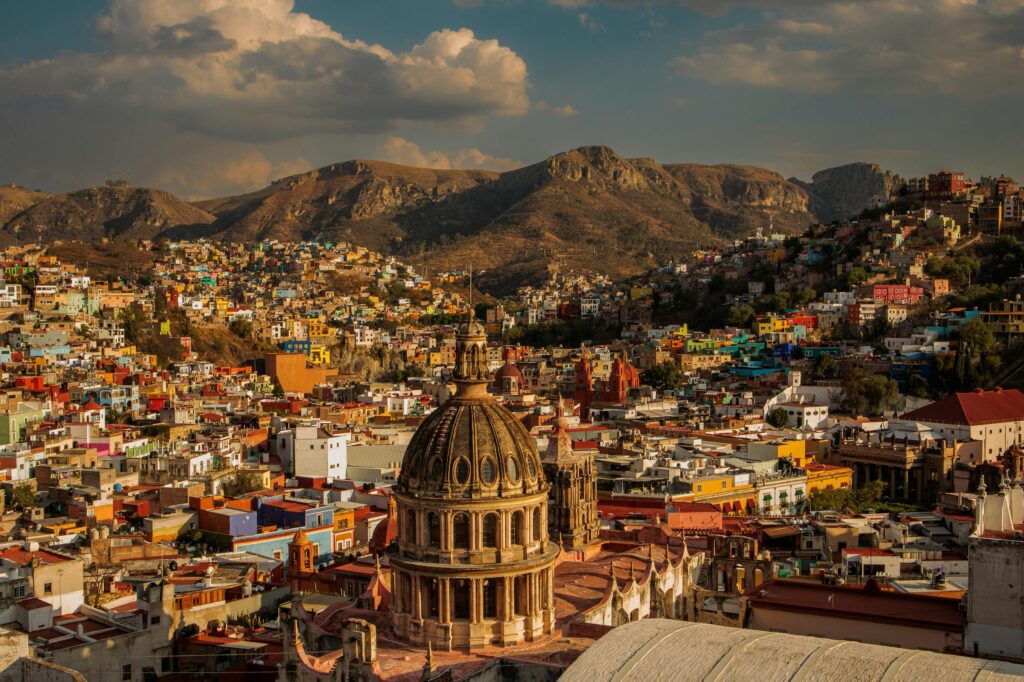
Guanajuato, a UNESCO World Heritage city nestled in a narrow mountain valley, is one of Mexico’s most colorful and atmospheric destinations. Its maze of tunnels, winding alleyways, and pastel-hued buildings give it a unique charm, best explored on foot. Once one of the world’s richest silver-mining centers, the city’s wealth is reflected in grand landmarks such as the Teatro Juárez, the Basilica of Our Lady of Guanajuato, and the Alhóndiga de Granaditas, a historic fortress turned museum.
Guanajuato’s lively spirit continues today through its universities, music, and festivals. The romantic Callejón del Beso (Alley of the Kiss) is steeped in legend, while cafés and plazas fill with street performers and mariachi bands. Each October, the city hosts the Cervantino Festival, Mexico’s leading international arts event, attracting artists and audiences from around the world.
Best Archaeological & Historical Sites
Chichén Itzá
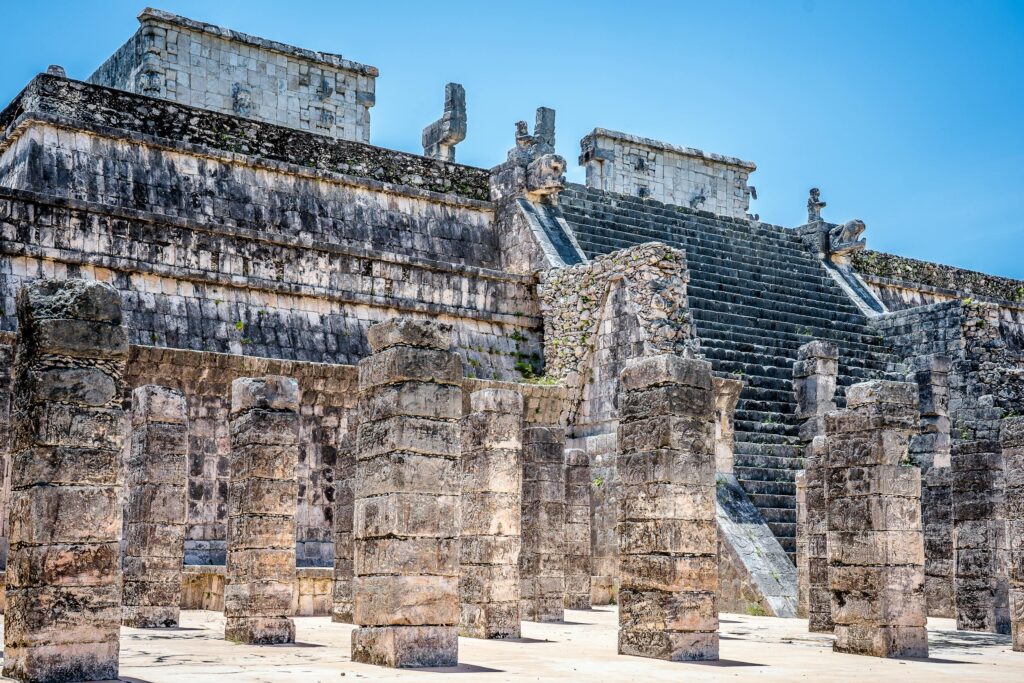
Chichén Itzá is one of the most important archaeological sites of the ancient Maya world and a UNESCO World Heritage Site. Recognized as one of the New Seven Wonders of the World, it showcases the brilliance of Maya astronomy, architecture, and engineering. The site’s centerpiece, El Castillo (Temple of Kukulkán), is a perfectly proportioned pyramid that aligns with the equinox sun, creating the illusion of a serpent descending its steps.
Other highlights include the Great Ball Court, the largest and best preserved in Mesoamerica, and the site’s sacred cenotes, where offerings were made to the gods. To make the most of your visit, arrive early in the morning or late in the afternoon to avoid crowds and enjoy cooler temperatures.
Teotihuacán
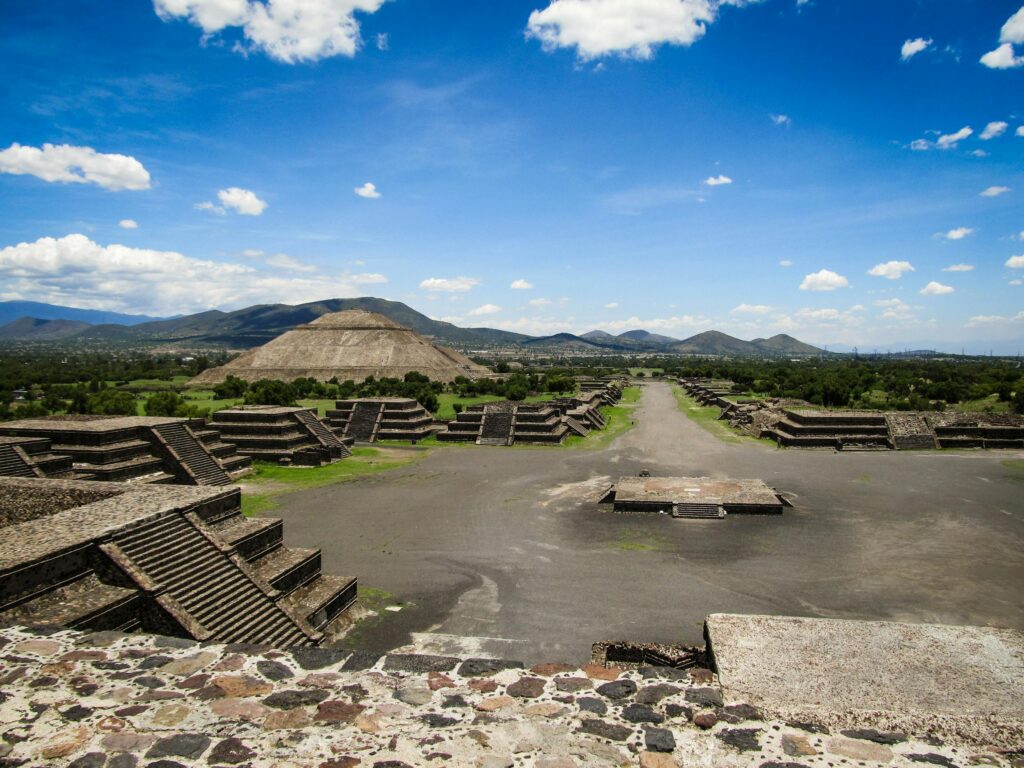
Teotihuacán is one of the most impressive archaeological sites in the Americas and a UNESCO World Heritage Site. Once a vast metropolis that predated the Aztecs, it was home to more than 100,000 people at its height and served as a major political, cultural, and religious center. Visitors can walk the Avenue of the Dead, the city’s main thoroughfare, flanked by ceremonial platforms and temples, and climb the Pyramids of the Sun and Moon for panoramic views of the ancient city and surrounding valley.
Other highlights include the Temple of the Feathered Serpent (Quetzalcóatl), known for its carved serpent heads, and the Palace of Quetzalpapálotl, featuring intricate murals and stonework. Teotihuacán is easily visited as a day trip from Mexico City by bus, car, or guided tour, with early morning visits offering cooler weather and fewer crowds.
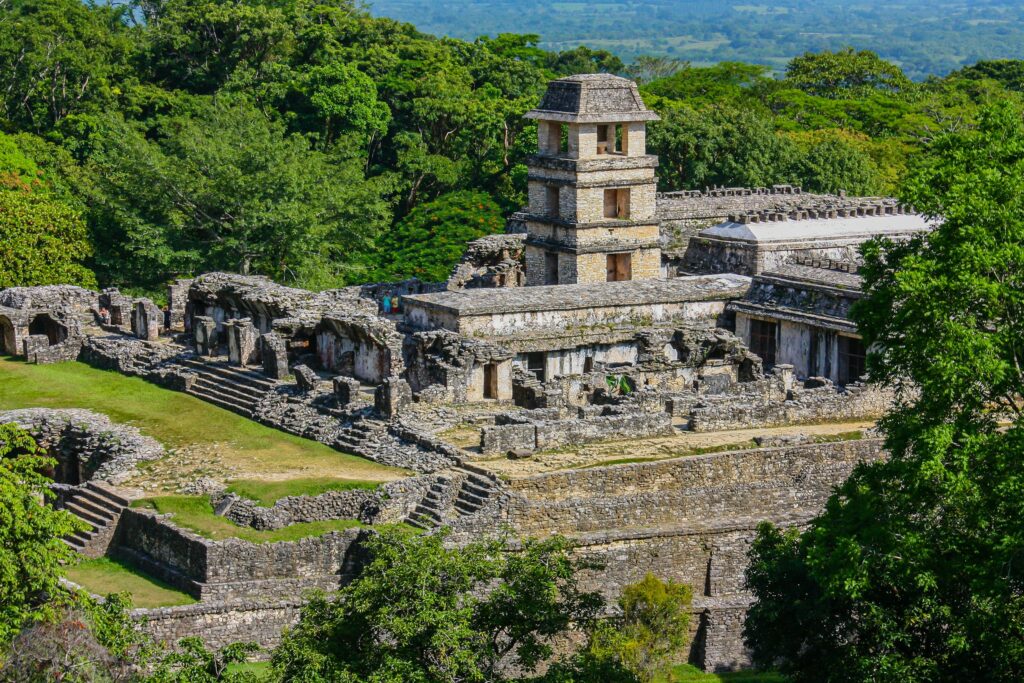
Palenque
Palenque is one of the most remarkable cities of the ancient Maya world and a UNESCO World Heritage Site. Known for its refined architecture and detailed carvings, the site flourished between the 6th and 8th centuries and offers a fascinating glimpse into Maya civilization. The highlight is the Temple of the Inscriptions, which houses the tomb of King Pakal and features hieroglyphs recounting the city’s history.
Surrounded by rainforest, Palenque’s ruins are alive with the sounds of howler monkeys and tropical birds, creating an unforgettable atmosphere. Visitors can also explore smaller temples and palaces scattered across the site, many still partly hidden by vegetation. The nearby Agua Azul and Misol-Ha waterfalls make perfect day trips, adding natural beauty to an already extraordinary region.
Monte Albán
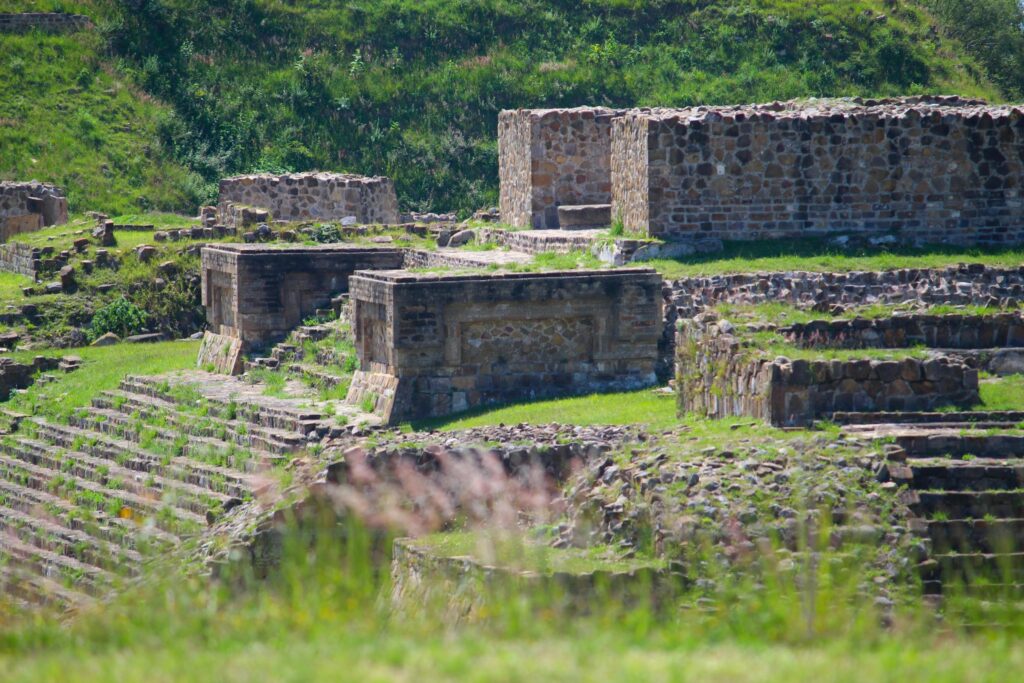
Monte Albán was the ancient capital of the Zapotec civilization and remains one of Mexico’s most impressive archaeological sites. Founded around 500 BC, the city once dominated the region politically, economically, and culturally for over a thousand years. Visitors can walk among grand plazas, pyramids, and ball courts, admiring the intricate stone carvings of the famous Danzantes – figures thought to represent captured warriors or ritual scenes.
The site’s elevated location offers panoramic views of Oaxaca City and the surrounding valleys, especially striking at sunrise or sunset. Monte Albán provides a vivid window into pre-Columbian life and artistry and is easily visited on a half-day trip from Oaxaca City, just a 20-minute drive away.
Tulum Ruins
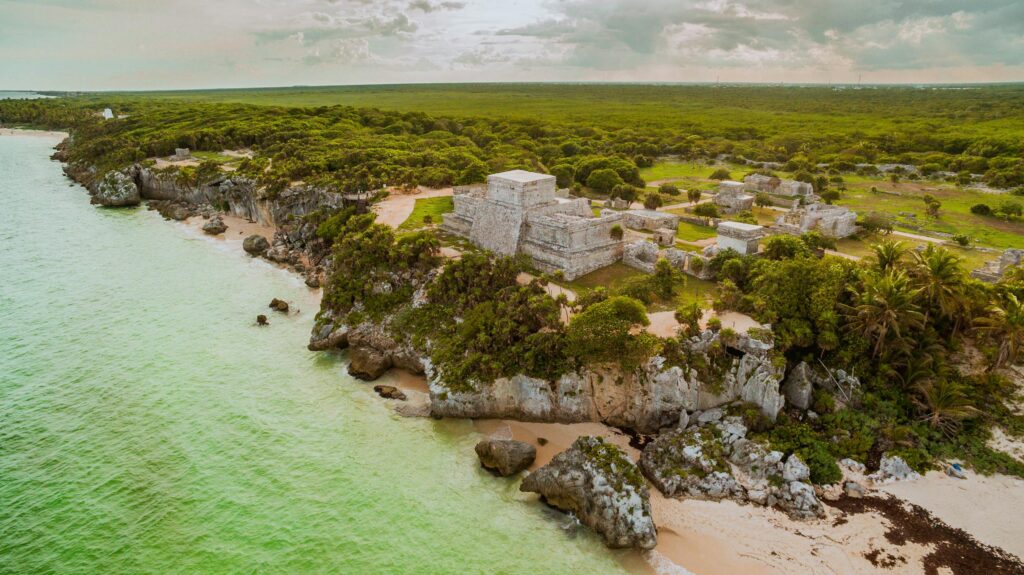
Tulum Ruins, set dramatically on a cliff overlooking the turquoise waters of the Caribbean, are among the most picturesque archaeological sites in Mexico. Once a fortified Mayan port city, Tulum flourished between the 13th and 15th centuries and served as an important trading hub along the coast. Visitors can walk through temples and walls that frame breathtaking sea views, with highlights including El Castillo, the Temple of the Frescoes, and the Temple of the Descending God.
After exploring the ruins, it’s easy to head down to the beach below for a swim – one of the few places where history and the Caribbean meet so seamlessly. The site is just a short drive or bike ride from Tulum town and about two hours south of Cancún, making it an ideal half-day trip that combines culture, scenery, and relaxation.
Best Natural Wonders
Copper Canyon
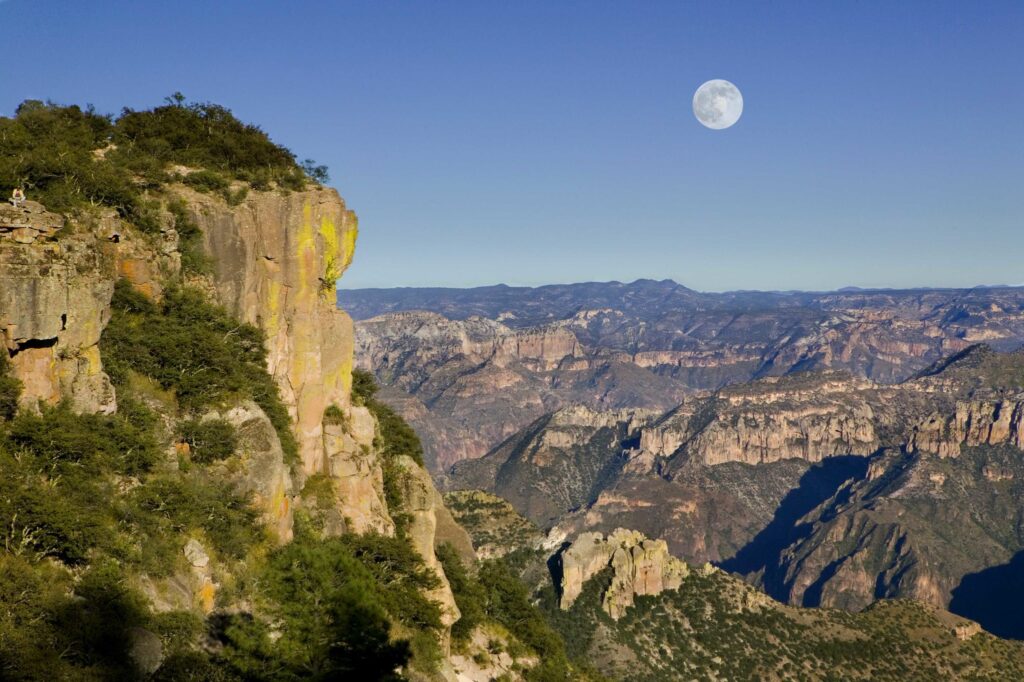
Copper Canyon (Barrancas del Cobre) is one of Mexico’s greatest natural wonders – a vast network of canyons that together are larger and deeper than the Grand Canyon. The region’s rugged landscape is carved by rivers, waterfalls, and forests, offering endless opportunities for hiking, horseback riding, and cultural exploration.
The best way to experience the canyons is aboard the Chepe Express, a world-class scenic train that travels between Los Mochis and Creel, passing dramatic cliffs, tunnels, and bridges along the way. Along the route, visitors can stop at Tarahumara (Rarámuri) villages to learn about the traditions of one of Mexico’s most resilient Indigenous communities, famous for their endurance running and handicrafts. Panoramic viewpoints such as Divisadero and Urique provide breathtaking vistas of the canyon system.
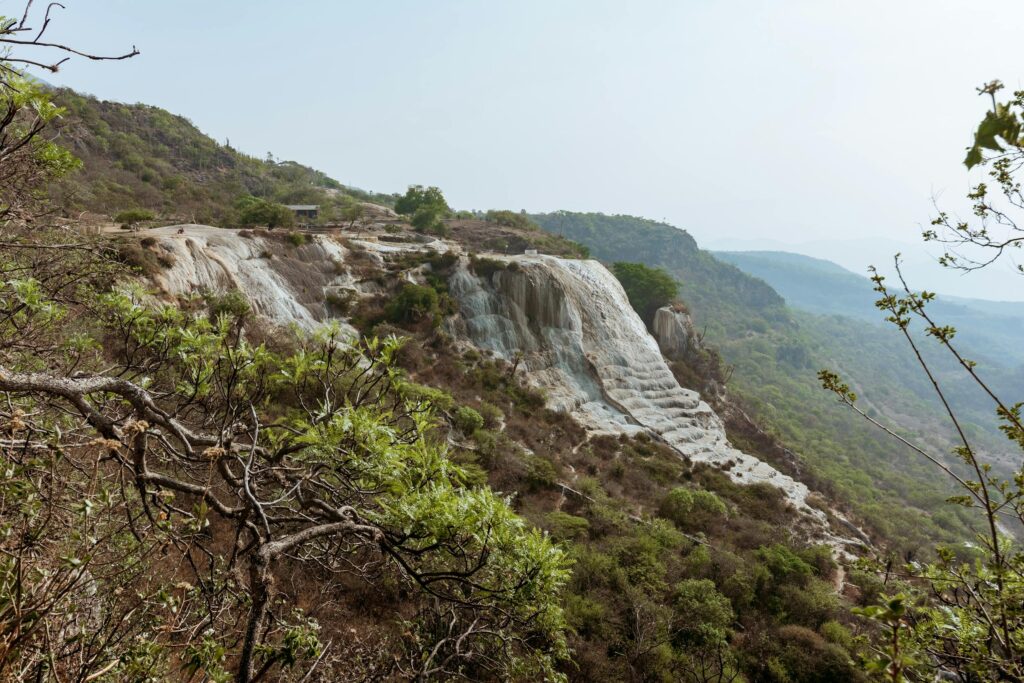
Hierve el Agua
Hierve el Agua is one of Mexico’s most unique natural formations. The site features mineral-rich springs that have flowed over the cliffs for thousands of years, creating what look like frozen waterfalls made of white limestone. Visitors can swim or relax in the natural infinity pools at the top, which overlook sweeping views of the Sierra Madre mountains and the valleys below.
In addition to the pools, there are short hiking trails around the cliffs that offer different vantage points of the petrified formations. Hierve el Agua is about a 1.5-hour drive from Oaxaca City, often combined with visits to nearby Mezcal distilleries and Zapotec villages along the route.
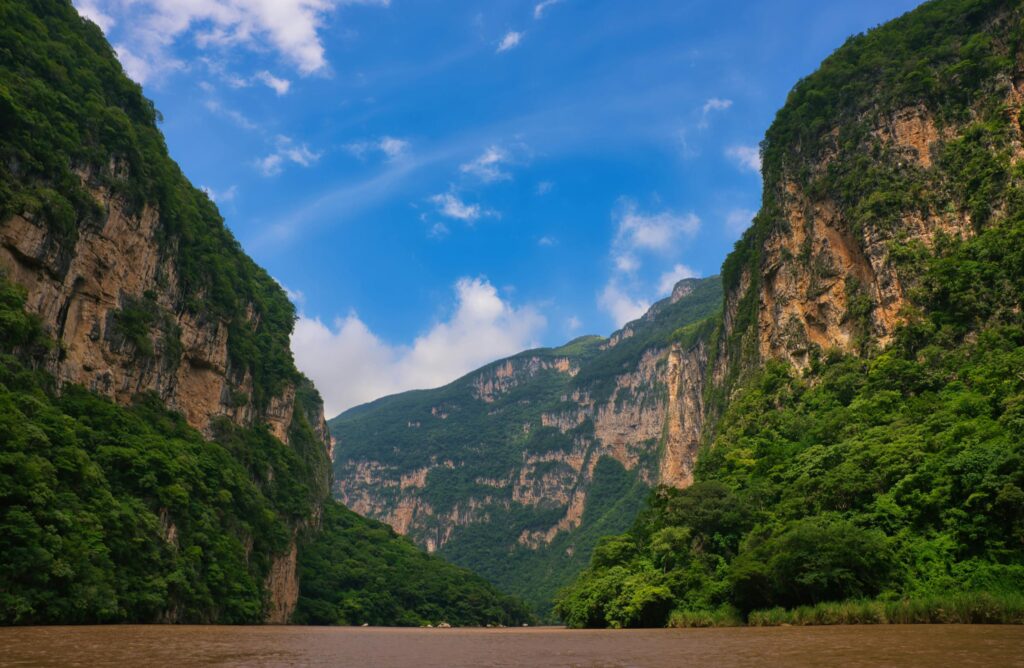
Sumidero Canyon
Sumidero Canyon (Cañón del Sumidero) is one of Mexico’s most dramatic natural landscapes. Carved by the Grijalva River, the canyon’s sheer walls rise over 1,000 meters high, creating a breathtaking sight whether seen from the water or from lookout points above.
The best way to experience the canyon is on a boat tour from Chiapa de Corzo, which winds along the river through narrow gorges and past waterfalls, caves, and lush forest. Along the way, it’s common to spot crocodiles, spider monkeys, and a variety of tropical birds. The trip can be combined with a visit to the nearby colonial town of Chiapa de Corzo.
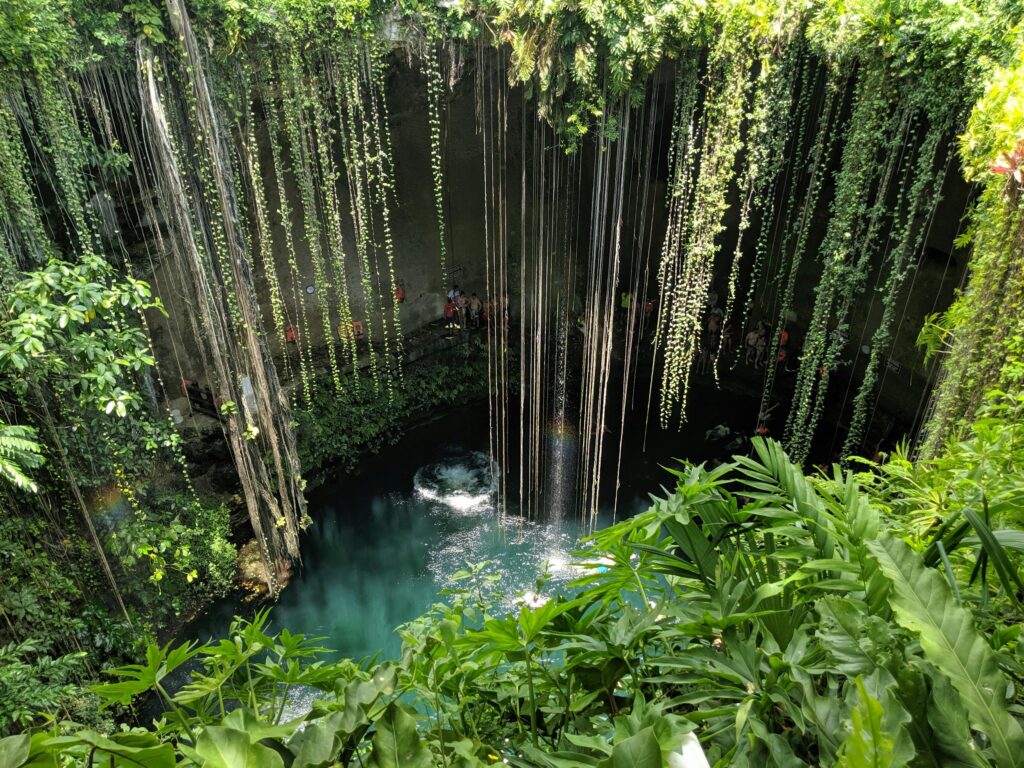
Cenotes of the Yucatán Peninsula
Cenotes of the Yucatán Peninsula are natural sinkholes formed by collapsed limestone caves, revealing pools of crystal-clear freshwater fed by underground rivers. Sacred to the ancient Maya, these cenotes now attract visitors for swimming, snorkeling, and diving in their cool, turquoise waters surrounded by stalactites and lush jungle. Some of the most popular include Cenote Ik Kil, near Chichén Itzá, known for its open circular pool draped in vines; Dos Ojos, near Tulum, a pair of interconnected caverns ideal for snorkeling and cave diving; and Gran Cenote, also near Tulum, with shallow areas perfect for families and first-time visitors.
Monarch Butterfly Biosphere Reserve
Monarch Butterfly Biosphere Reserve is one of the world’s most awe-inspiring natural migrations. Each year between November and March, millions of monarch butterflies travel over 4,000 kilometers from Canada and the United States to spend the winter in Mexico’s high-altitude fir forests. The trees become blanketed in orange and black as the butterflies cluster together, filling the air with the soft flutter of wings.
Visitors can hike or ride horseback through the cool mountain trails to reach sanctuaries such as El Rosario and Sierra Chincua, the two most accessible viewing areas. The experience is both peaceful and breathtaking, offering a rare glimpse of a delicate natural wonder that symbolizes endurance and renewal. The reserve is about a three-hour drive from Mexico City or Morelia and is best visited with a local guide to minimize environmental impact.

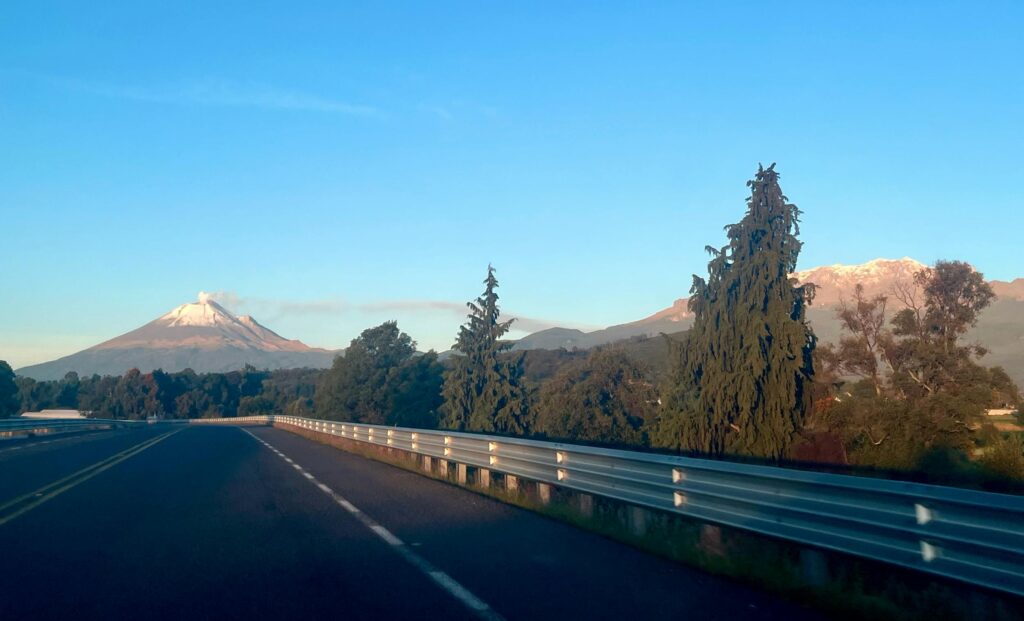
Popocatépetl & Iztaccíhuatl National Park
Popocatépetl & Iztaccíhuatl National Park protects one of Mexico’s most iconic landscapes – the twin volcanoes Popocatépetl (“Smoking Mountain”) and Iztaccíhuatl (“Sleeping Woman”). Rising over 5,000 meters, they dominate the skyline and are steeped in Aztec legend. While Popocatépetl is active and closed to climbers, nearby Iztaccíhuatl offers challenging hiking routes and panoramic viewpoints of both peaks.
The park’s main access point, Paso de Cortés, sits at 3,600 meters and provides stunning vistas, crisp mountain air, and well-marked trails for day hikes. Visitors can enjoy photography, birdwatching, and picnicking amid pine forests and high-altitude meadows. The park is easily reached by car – about two hours from Mexico City or one hour from Puebla.
Best Beaches in Mexico
Cancún
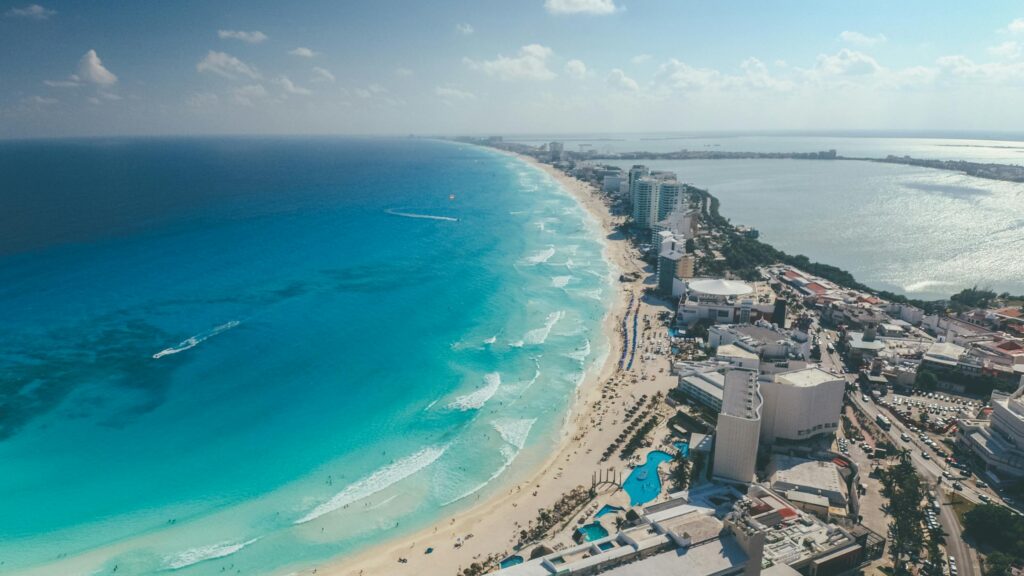
Cancún, located on Mexico’s Caribbean coast, is one of the world’s most famous beach destinations, known for its white-sand beaches, turquoise waters, and vibrant nightlife. The city’s Hotel Zone stretches along a narrow strip of coastline lined with luxury resorts, restaurants, and beach clubs offering every kind of water activity – from snorkeling and scuba diving to jet skiing, sailing, and parasailing.
Beyond the beaches, Cancún serves as a gateway to the Mayan Riviera, with easy access to ancient sites such as Chichén Itzá and Tulum, as well as cenotes and eco-parks like Xcaret and Xel-Há. As night falls, the city comes alive with rooftop bars, live music, and world-class clubs. Cancún’s international airport makes it one of Mexico’s most convenient and accessible tropical getaways.
Riviera Maya
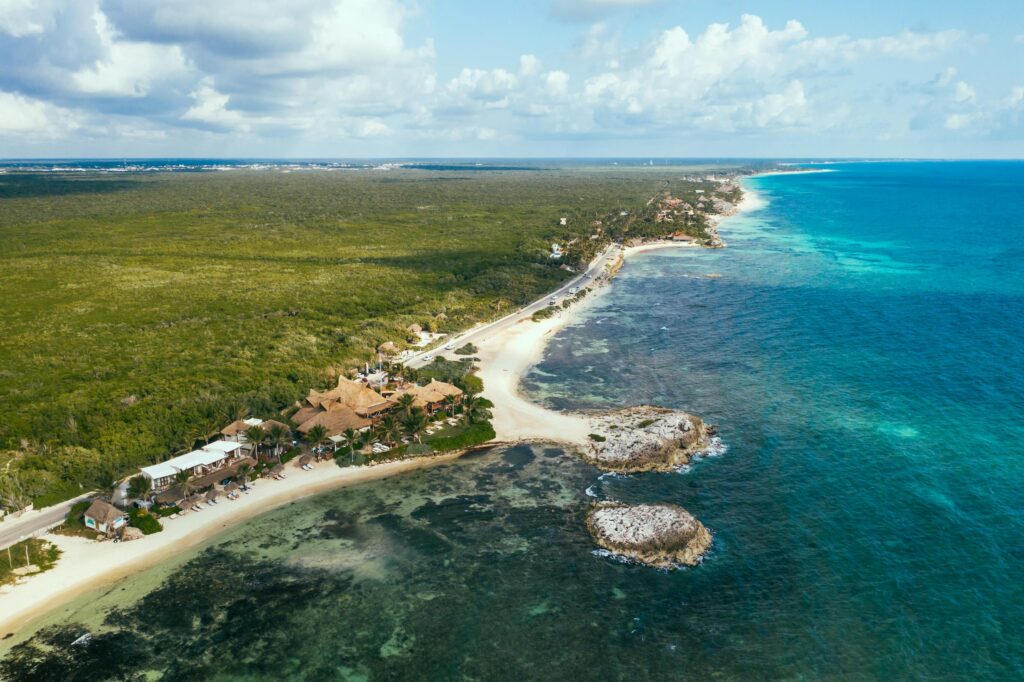
Riviera Maya, stretching along Mexico’s Caribbean coast from Cancún to Tulum, is one of the country’s premier travel destinations – combining pristine beaches, coral reefs, and a blend of luxury and laid-back charm. In Playa del Carmen, visitors can stroll along La Quinta Avenida, a lively pedestrian street filled with shops, restaurants, and bars, or take the ferry to Cozumel for world-class diving and snorkeling. Further south, Tulum offers a more relaxed, bohemian vibe with eco-friendly beachfront hotels, yoga studios, and wellness retreats, all set against the backdrop of turquoise waters and ancient Mayan ruins.
Cozumel Island
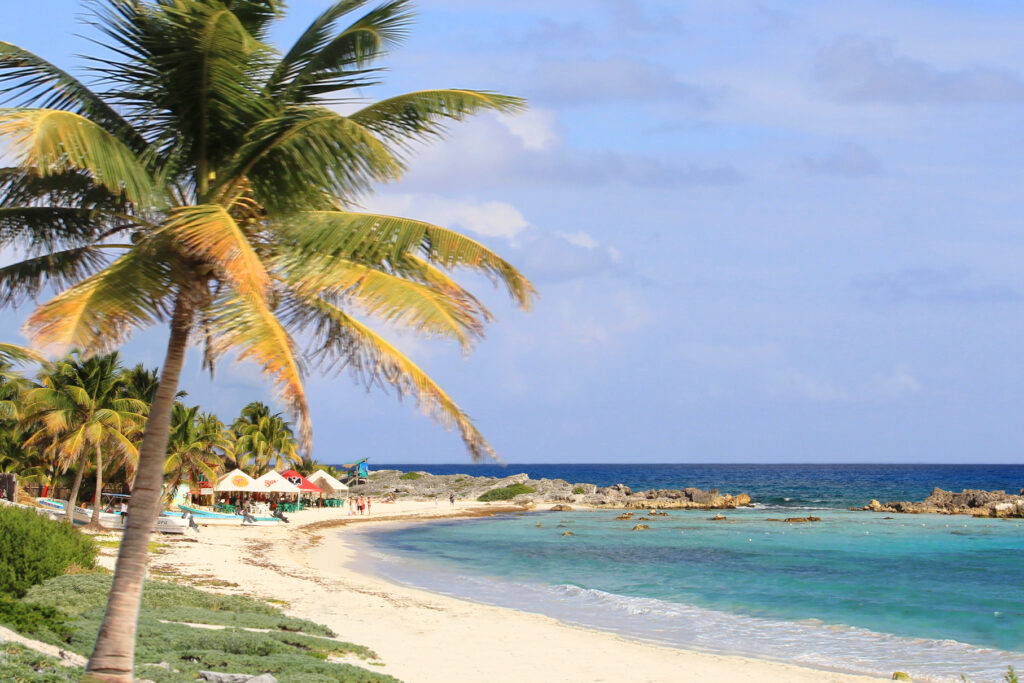
Cozumel Island, located off the coast of Playa del Carmen, is one of the world’s premier diving and snorkeling destinations, famous for its crystal-clear waters and colorful coral reefs that form part of the Mesoamerican Barrier Reef System. Divers and snorkelers can explore sites like Palancar Reef and Columbia Wall, home to sea turtles, rays, and vibrant marine life.
Beyond the underwater world, Cozumel offers white-sand beaches, eco-parks, and a relaxed island atmosphere. Visitors can rent a scooter or jeep to circle the island, stopping at local beach clubs and seaside restaurants along the way. Daily ferries from Playa del Carmen make Cozumel easily accessible for both day trips and longer stays.
Isla Mujeres
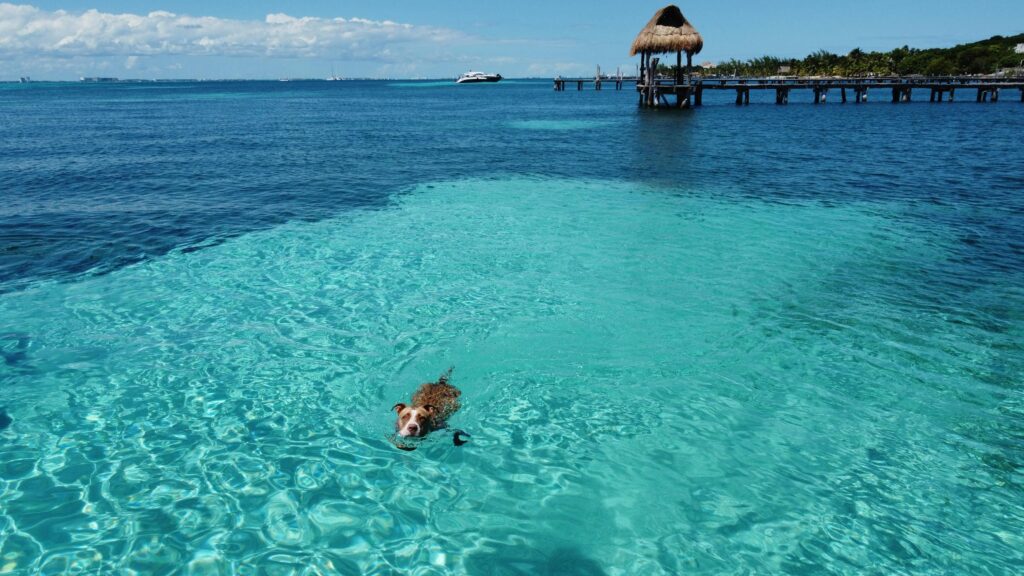
Isla Mujeres is a laid-back Caribbean island known for its calm vibe and stunning beaches. Its highlight, Playa Norte, is often ranked among Mexico’s best beaches, with soft white sand, shallow turquoise water, and gentle waves perfect for swimming.
The island is small and easy to explore by golf cart, with stops at scenic spots like Punta Sur, where cliffs overlook the sea, and the Turtle Sanctuary, which helps protect local sea turtles. Isla Mujeres also offers snorkeling and diving at nearby reefs and the Underwater Museum of Art (MUSA).
Puerto Vallarta
Puerto Vallarta, set on Mexico’s Pacific coast along the Bay of Banderas, blends colonial charm with spectacular ocean scenery and a lively cultural scene. The city’s historic center features cobblestone streets, whitewashed buildings, and the iconic Church of Our Lady of Guadalupe, while the seaside Malecón boardwalk is lined with sculptures, art galleries, and restaurants overlooking the water.
Outdoor enthusiasts can enjoy whale watching (December–March), snorkeling, and boat trips to hidden coves, while nearby jungles and mountains offer opportunities for hiking and zip-lining. As evening falls, Puerto Vallarta transforms with its vibrant nightlife, beach clubs, and live music.
Los Cabos
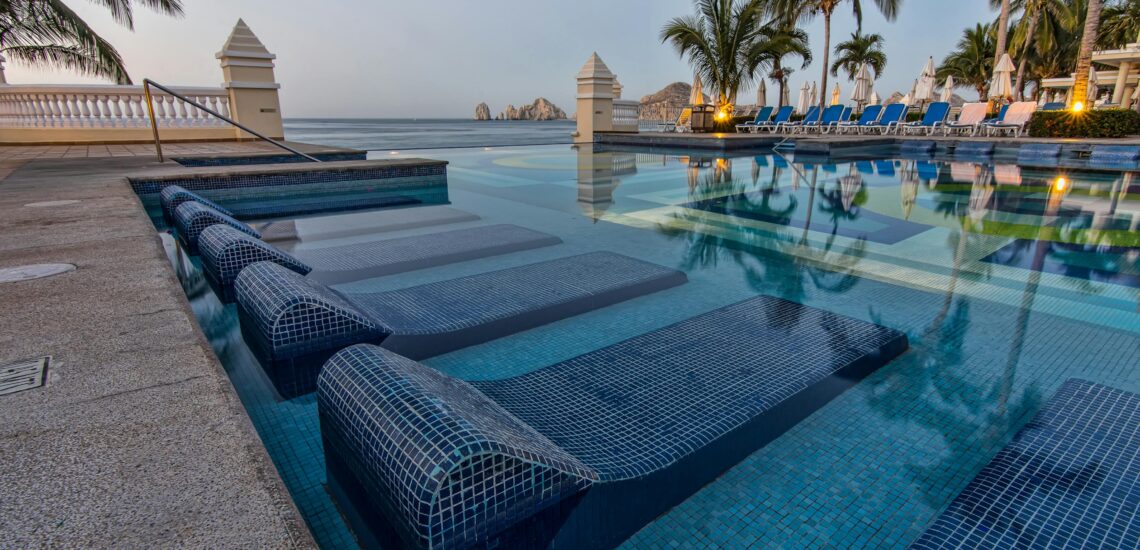
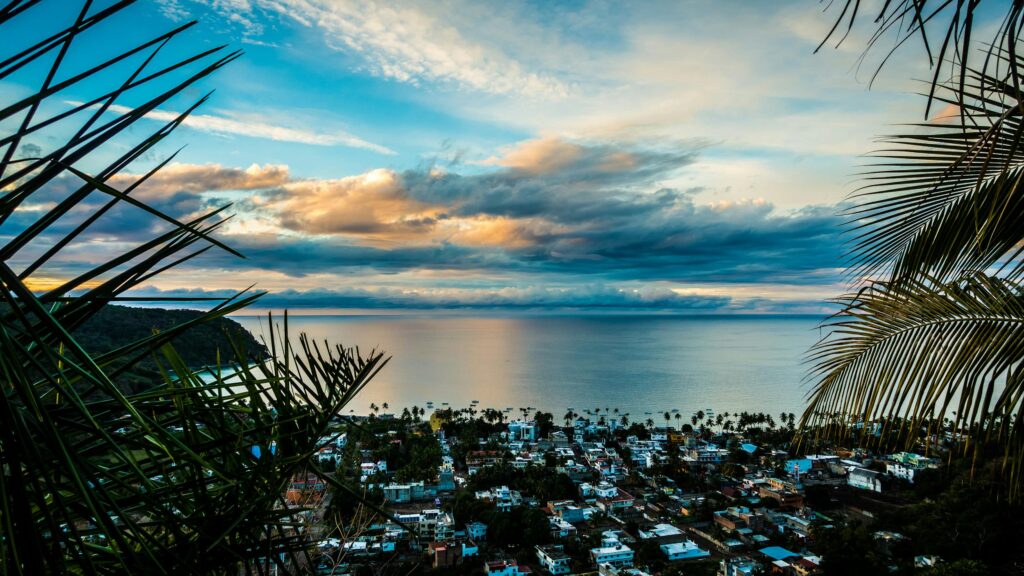
Los Cabos combines two distinct destinations in one: Cabo San Lucas and San José del Cabo. Together, they form one of Mexico’s most popular beach regions, known for its dramatic desert-meets-ocean scenery, world-class resorts, and excellent marine life. Cabo San Lucas is lively and energetic, offering luxury resorts, beach clubs, and a vibrant nightlife scene. It’s also home to the iconic El Arco, a natural rock arch at Land’s End best viewed by boat. In contrast, San José del Cabo has a quieter, more artistic atmosphere, with cobblestone streets, galleries, and charming restaurants around its historic plaza. Outdoor activities abound – from whale watching (December to April) and sportfishing to snorkeling, diving, and sunset cruises.
Mazatlán
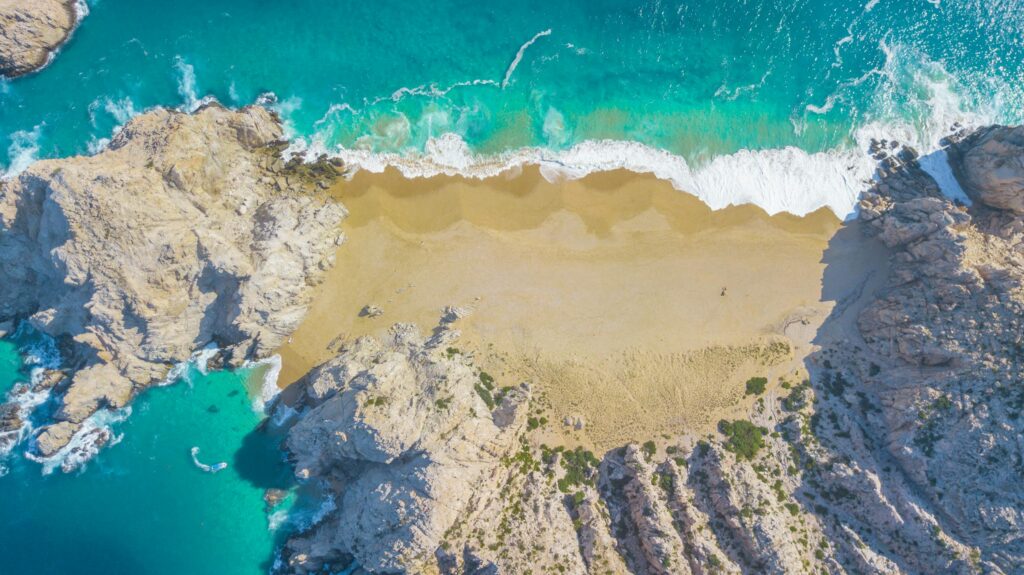
Mazatlán is a lively port city known for its golden beaches, excellent seafood, and rich cultural heritage. Its historic center (Old Mazatlán) features beautifully restored 19th-century buildings, plazas, and the elegant Angela Peralta Theater, giving the city a blend of beach life and colonial charm. The Malecón, one of the longest seaside promenades in the world, stretches for miles along the coast – perfect for walking, biking, or watching sunsets over the Pacific.
Mazatlán is also famous for its vibrant Carnival, one of Mexico’s largest and oldest festivals, celebrated each February with parades, music, and fireworks. Visitors can enjoy water sports, island excursions, and some of the freshest seafood in the country, including the city’s signature shrimp dishes.
Huatulco
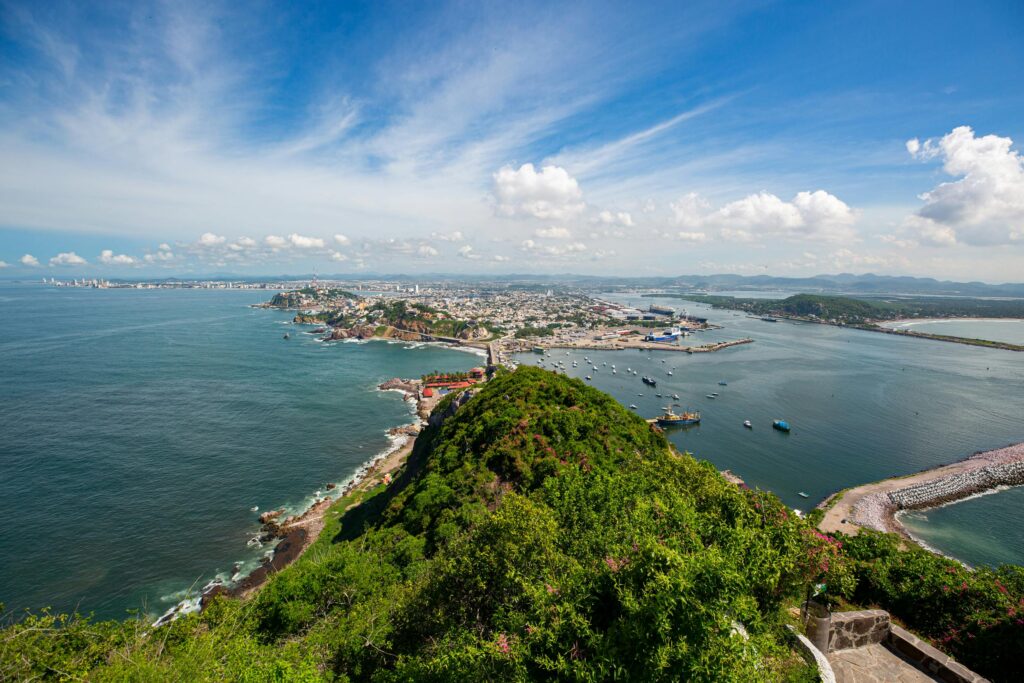
Huatulco is a tranquil resort area known for its nine bays and more than 30 beaches, many of them secluded and surrounded by protected natural landscapes. The region was developed with sustainability in mind, earning recognition as one of Mexico’s leading eco-friendly destinations. Visitors can relax on calm, swimmable beaches like Bahía Santa Cruz and Tangolunda, or take boat tours to explore hidden coves and snorkeling spots in the Huatulco National Park.
Beyond the coast, waterfalls, coffee plantations, and small mountain villages offer opportunities for day trips into the Sierra Madre del Sur. The nearby town of La Crucecita provides a local touch with restaurants, markets, and a welcoming atmosphere.
Hidden Gems of Mexico
Bacalar Lagoon
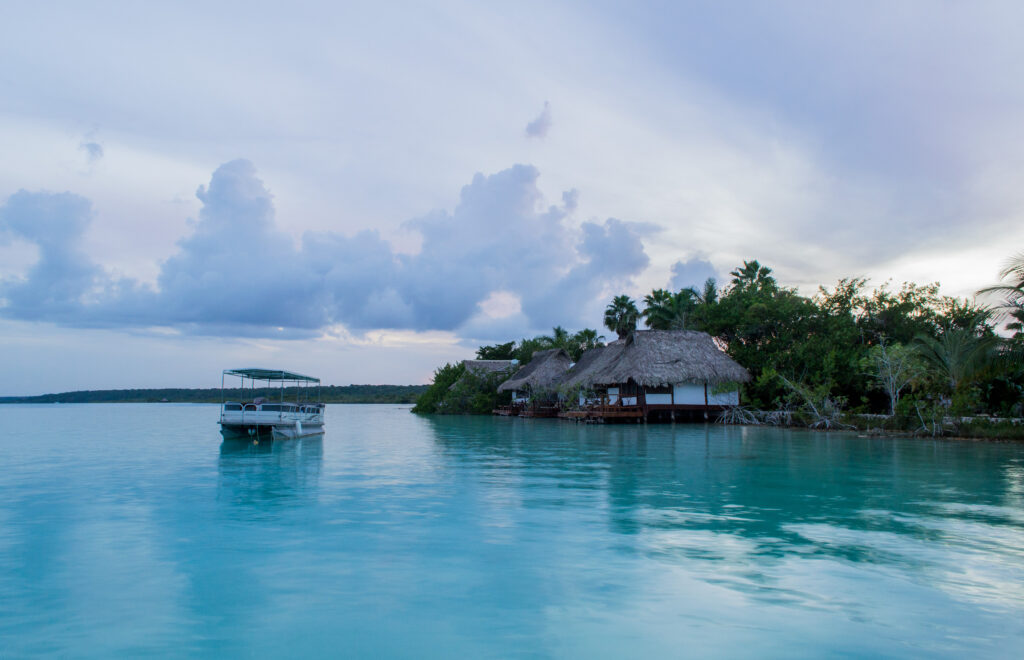
Bacalar Lagoon is a stunning freshwater lagoon in southern Quintana Roo known for its striking shades of blue that shift with depth and sunlight. The calm, clear waters make it perfect for kayaking, paddleboarding, and swimming, especially around the Cenote Azul and the Pirates’ Channel, a narrow waterway once used by buccaneers.
Unlike nearby beach resorts, Bacalar has a peaceful, laid-back atmosphere focused on eco-friendly travel. Wooden piers, small boutique hotels, and lakeside restaurants overlook the shimmering lagoon, offering a serene escape surrounded by tropical nature. The town of Bacalar is about a 30-minute drive from Chetumal and a four-hour trip from Tulum.
Valle de Bravo
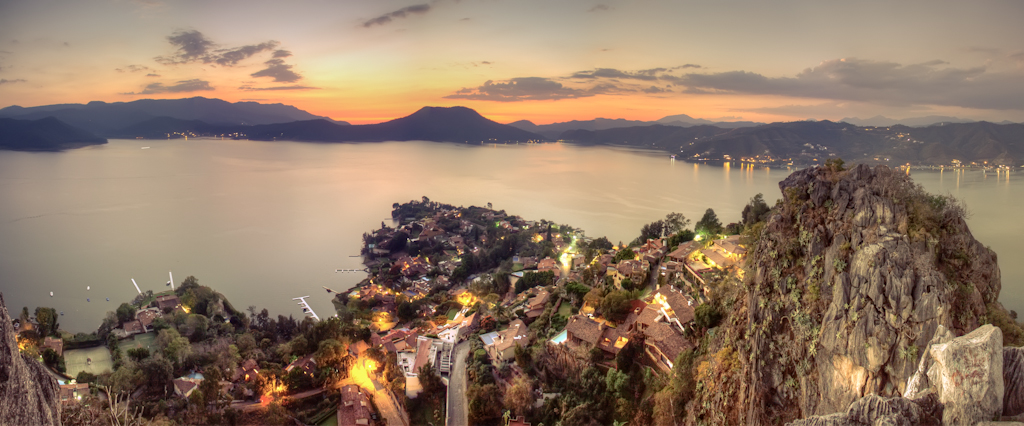
Valle de Bravo is a picturesque lakeside town known for its mix of outdoor adventure and rustic charm. Centered around a scenic mountain lake, it’s a favorite weekend escape for locals and visitors alike. The calm waters are perfect for boating, kayaking, and paddleboarding, while the surrounding hills attract thrill-seekers for paragliding and hiking with panoramic views.
The town itself features cobblestone streets, red-tiled roofs, and cozy cafés, creating a warm, small-town atmosphere. Nearby, forests and waterfalls such as Velo de Novia offer tranquil nature walks, and during winter months, the region serves as one of the key sanctuaries for migrating monarch butterflies.
Real de Catorce
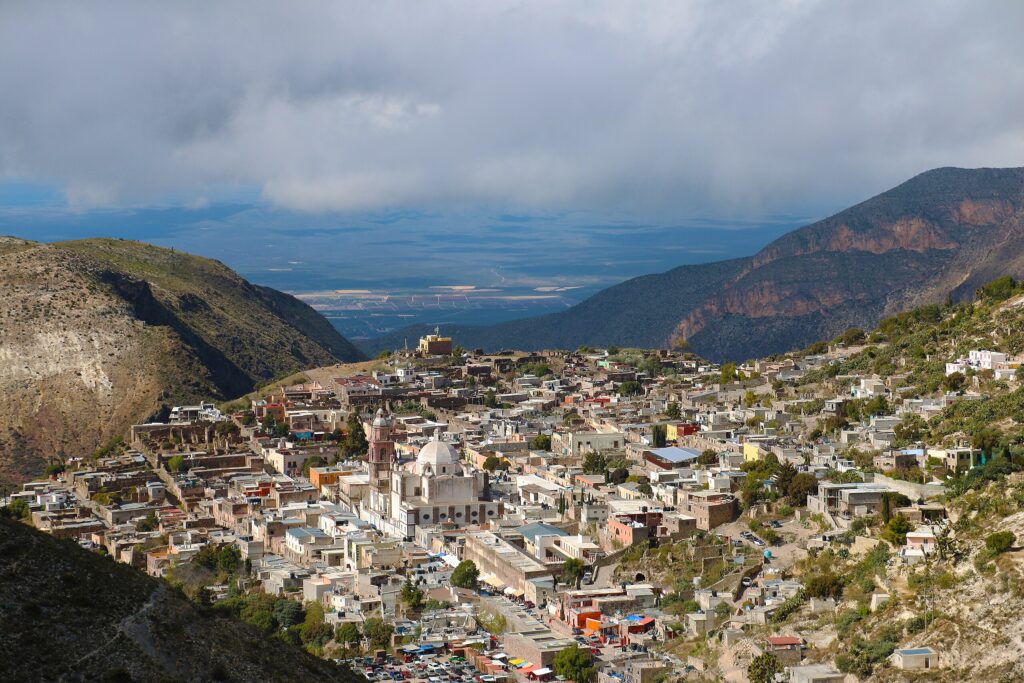
Real de Catorce is a former silver-mining town turned mystical travel destination. Reached through the Ogarrio Tunnel, a 2.3-kilometer-long stone passage carved into the mountains, the town feels frozen in time with its cobblestone streets, crumbling colonial buildings, and sweeping views of the desert below. Today, Real de Catorce is known for its ghost-town atmosphere, spiritual energy, and connection to Huichol (Wixarika) culture, whose people make pilgrimages here to gather peyote, a sacred cactus used in traditional ceremonies.
Holbox Island
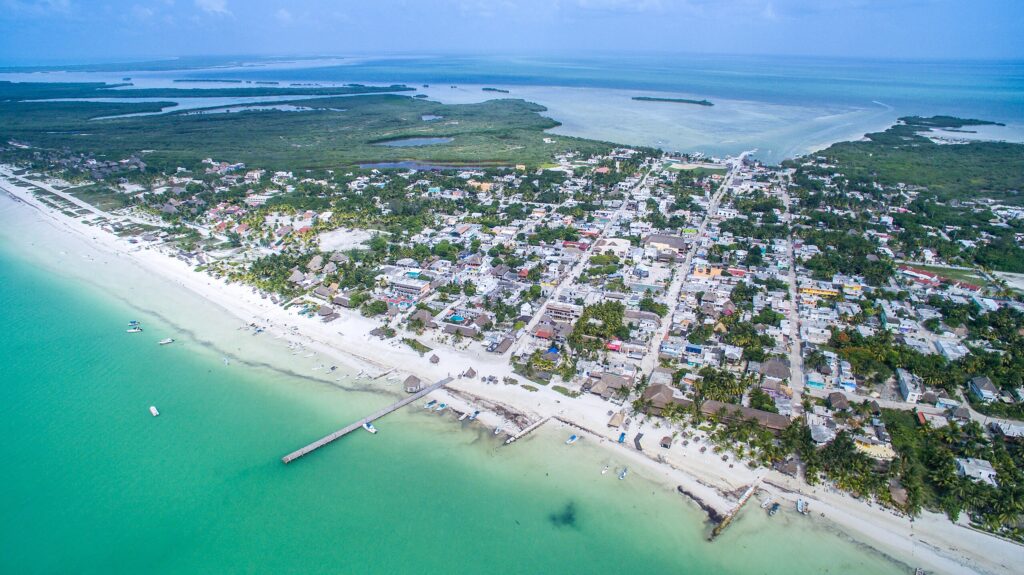
Holbox Island is a peaceful, car-free paradise where unpaved streets, colorful murals, and laid-back beach bars define the rhythm of island life. Known for its dreamy beaches and shallow turquoise waters, Holbox is ideal for swimming, kayaking, and relaxing in hammocks suspended over the sea.
From June to September, the island becomes one of the world’s best places for whale shark tours, giving visitors the chance to snorkel alongside these gentle giants. Holbox is also a haven for birdwatchers, with flamingos, pelicans, and herons often seen along its lagoons. The island can be reached via ferry from Chiquilá, about a two-hour drive from Cancún.
San Cristóbal de las Casas
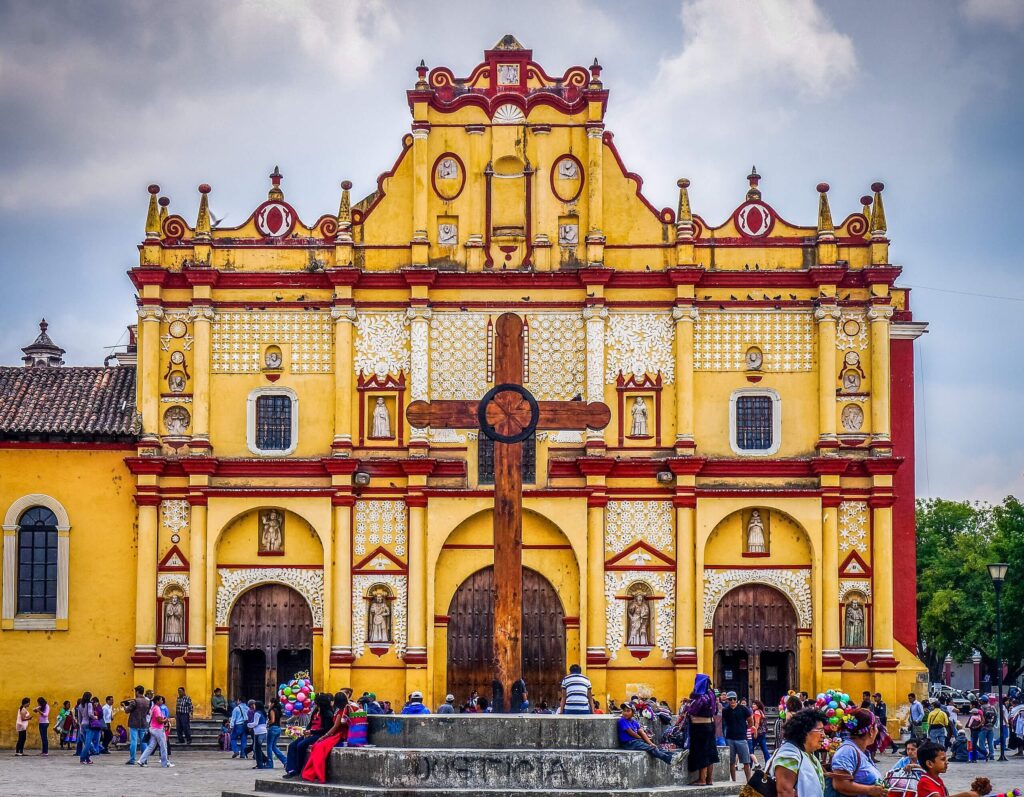
San Cristóbal de las Casas is a colonial gem rich in Indigenous culture and tradition. Its cobblestone streets, colorful houses, and ornate churches create a timeless atmosphere, while bustling markets overflow with handwoven textiles, jewelry, and crafts made by local Tzotzil and Tzeltal Maya artisans. The Templo de Santo Domingo and the Cathedral stand as architectural highlights, surrounded by lively plazas filled with vendors and musicians. The town also serves as a gateway to nearby Tzotzil villages such as San Juan Chamula and Zinacantán, where visitors can experience traditional rituals and weaving cooperatives firsthand.
Practical Travel Tips for Mexico
Travel Insurance
Travel insurance is highly recommended when visiting Mexico, especially if you plan to take part in adventure activities such as hiking, diving, or surfing. Make sure your policy includes medical coverage and trip cancellation protection, as healthcare costs for foreigners can be high and travel plans occasionally disrupted by weather or unforeseen events.
Safety & Health
Mexico’s main tourist areas are generally safe, but travelers should still use normal precautions, particularly in large cities or busy markets. Stick to registered taxis or rideshare services and avoid unmarked vehicles. Tap water is not safe to drink, so always choose bottled or filtered water. In restaurants and hotels, ice is usually made from purified water, but it’s worth checking if you’re unsure.
Transportation & Driving
Getting around Mexico is easy thanks to its extensive domestic flight network, which connects most major cities and resort destinations. Long-distance buses are comfortable, safe, and a popular way to travel between regions. Car rental is ideal for exploring destinations such as the Yucatán Peninsula, Baja California, the Oaxaca coast, and central Mexico, where scenic drives and flexibility make the journey part of the experience. Ferries also operate to popular islands like Cozumel and Holbox.
Driving in Mexico is on the right-hand side of the road. Be prepared for topes (speed bumps), which are common in towns and villages. Toll highways are faster, safer, and well-maintained, though it’s best to carry cash for payment. An International Driving Permit is recommended for foreign visitors, in addition to your national license. Always keep your license, passport, and insurance documents with you, as roadside checks may occur.

Published November 23, 2025 • 21m to read