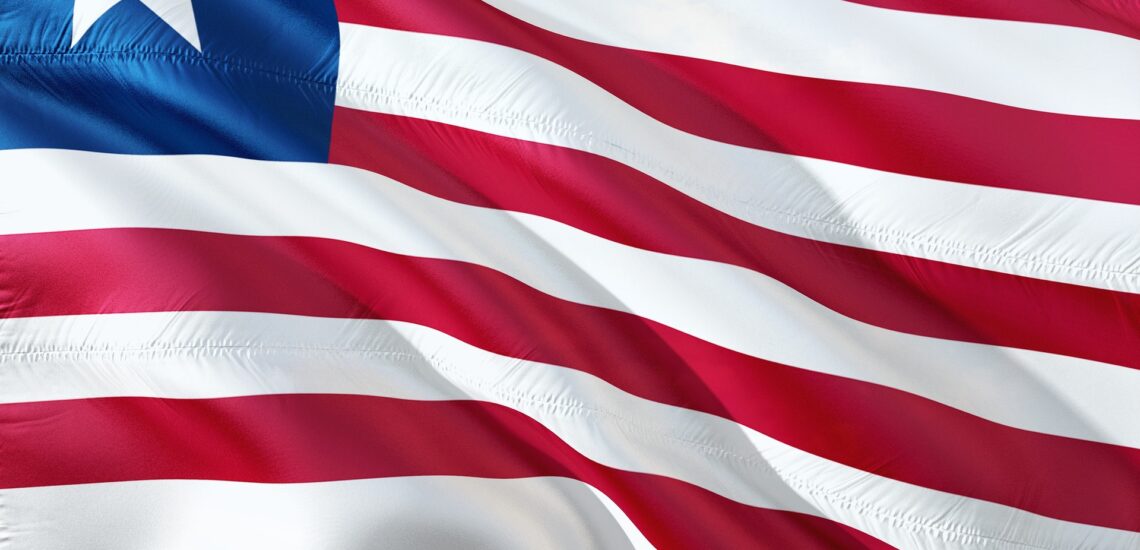


Liberia is Africa’s oldest republic, shaped by a unique history and a landscape that remains largely untouched. Along the Atlantic coast, long beaches and surf towns stretch between fishing villages, while inland rainforests protect rich biodiversity and remote communities. Founded in the 19th century by freed African Americans, the country blends Americo-Liberian influences with the traditions of more than 16 Indigenous ethnic groups, creating a distinct cultural mix.
Travel in Liberia offers a focus on nature, history, and everyday life rather than polished tourism. Visitors can explore historic settlements, hike through protected forests, or experience local markets and coastal towns where life moves at its own pace. For travelers interested in places that feel genuine and still largely undiscovered, Liberia provides a rare and meaningful West African experience.
Best Cities in Liberia
Monrovia
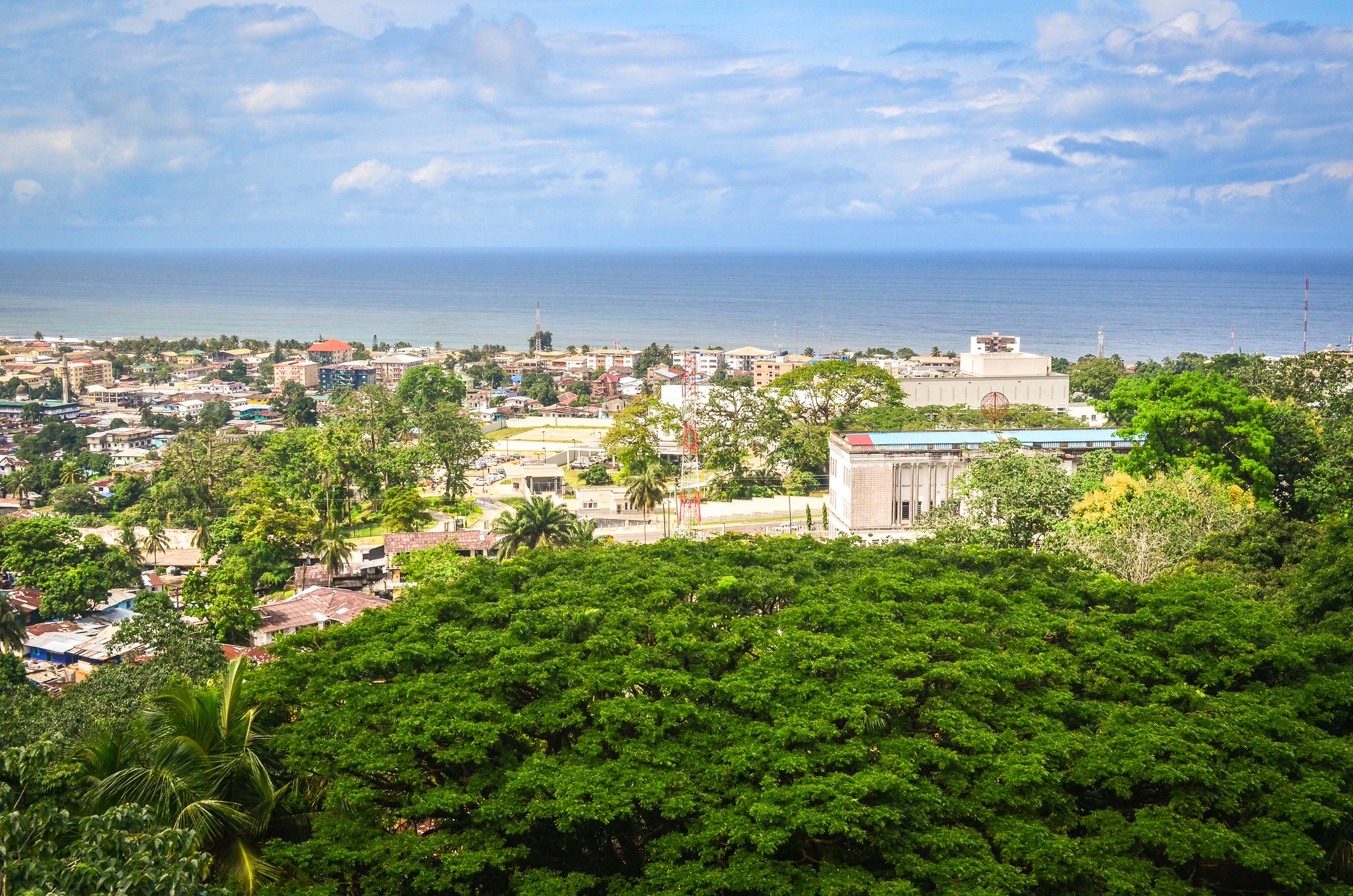
Monrovia is Liberia’s capital and largest city, located on a narrow peninsula between the Atlantic Ocean and the Mesurado River. Its position has shaped the city’s development as a port, administrative center, and point of contact between Liberia and the wider Atlantic world. One of the most historically significant sites is Providence Island, where formerly enslaved African Americans first settled in 1822. The island remains central to understanding Liberia’s founding and early political structure.
Cultural institutions such as the National Museum of Liberia provide context on Liberia’s indigenous communities, colonial-era history, and modern development through artifacts and archival materials. Daily commerce is most visible at Waterside Market, a large trading area where food, clothing, and household goods are sold.
Buchanan
Buchanan is Liberia’s second-largest city and the capital of Grand Bassa County, located along the Atlantic coast southeast of Monrovia. The city developed around its port, which remains important for regional trade and transport. Its coastal position shapes daily life, with fishing, small-scale commerce, and port activity playing central roles in the local economy.
The coastline around Buchanan features wide sandy beaches and waterfront areas used by fishing communities and local residents. Compared to the capital, the city experiences less congestion and has a slower pace of life, making it a practical base for short coastal stays or travel further into southeastern Liberia. Buchanan is accessible by road from Monrovia.
Ganta
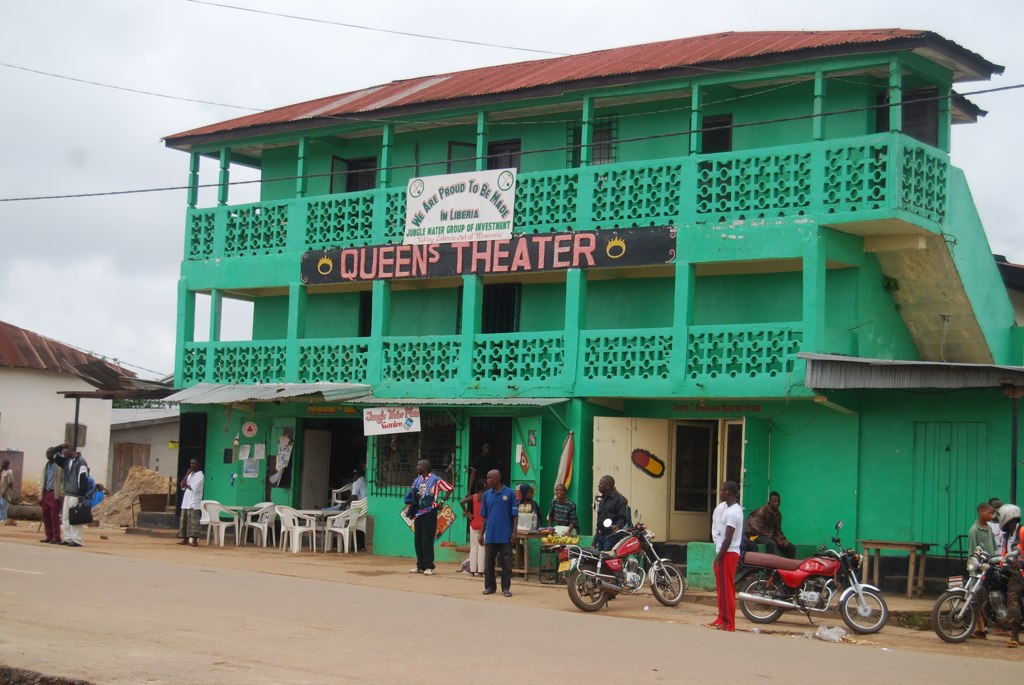
Ganta is a major inland town in northern Liberia, located close to the border with Guinea and positioned along key regional transport routes. Its location makes it an important commercial crossroads linking Monrovia with Liberia’s northern counties and neighboring countries. Trade and transport define much of daily life, with large markets serving traders from surrounding rural areas as well as cross-border merchants.
The town is commonly used as a gateway for travel into forested regions of northern Liberia and toward routes leading to the Mount Nimba area. From Ganta, travelers can access rural communities, agricultural zones, and forest landscapes, although road conditions outside main routes can be variable. The city’s population reflects a mix of ethnic groups and cultural influences typical of Liberia’s interior.
Best Beaches Destinations
Robertsport
Robertsport is a small coastal town in northwestern Liberia, located near the border with Sierra Leone and facing the Atlantic Ocean. It is widely regarded as the country’s main surfing destination due to its long coastline and consistent ocean swells. Several surf breaks are accessible directly from the beach, making the area suitable for both beginners and experienced surfers depending on sea conditions. The surrounding landscape includes sandy beaches, rocky points, and nearby lagoons.
Beyond surfing, Robertsport is known for its relaxed pace of life and minimal development. The town sits close to Lake Piso, one of Liberia’s largest lagoons, which supports fishing communities and provides additional opportunities for kayaking and nature observation. Access is by road from Monrovia, with travel times varying based on conditions.
CeCe Beach (Monrovia Area)
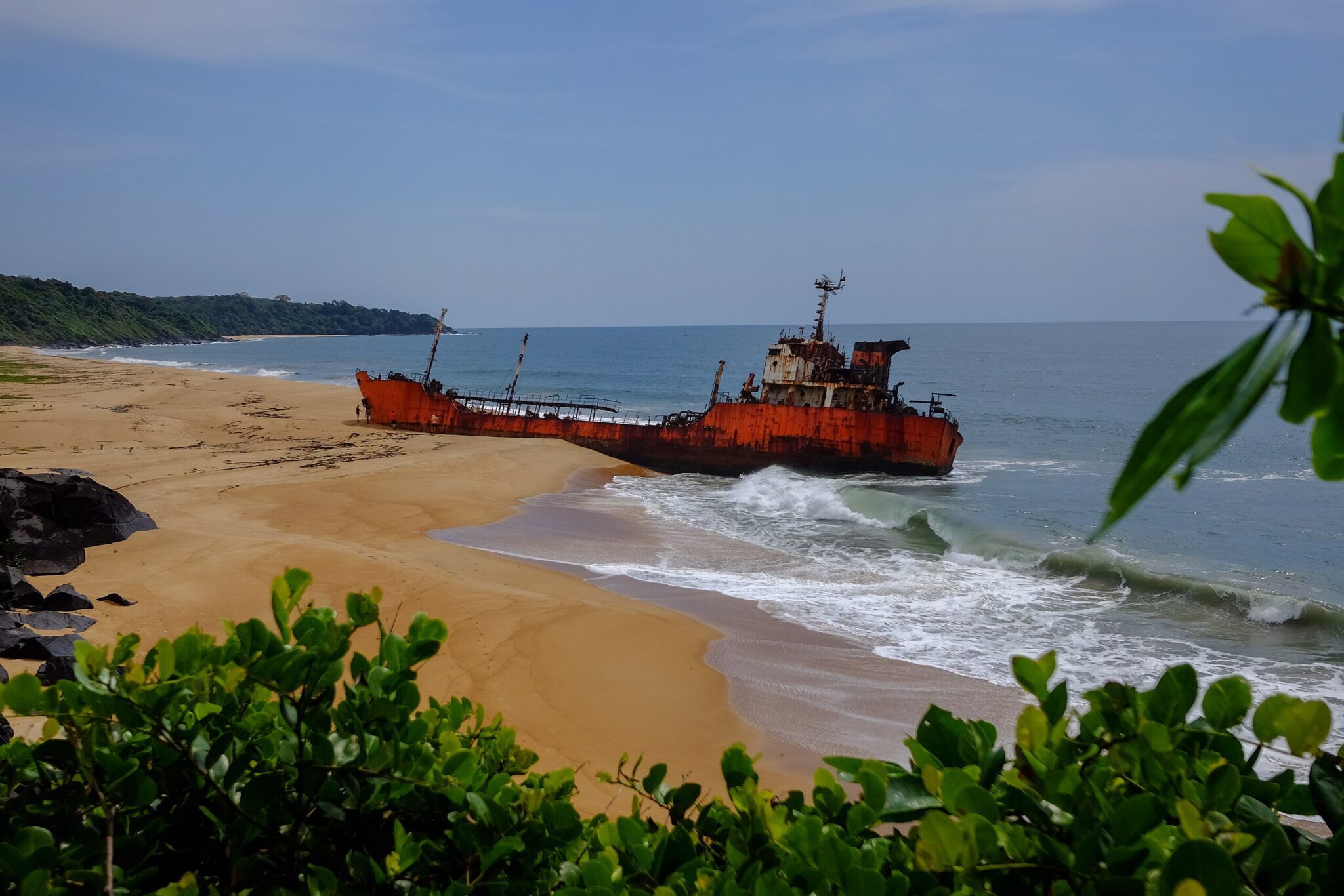
CeCe Beach is located just outside central Monrovia along the Atlantic coast and is one of the most frequented leisure spots in the capital area. The beach is lined with informal restaurants and bars that serve local and international food, often accompanied by music in the evenings. Its proximity to the city makes it easily accessible by taxi, which contributes to its popularity for short visits rather than full-day excursions. On weekends, CeCe Beach becomes a gathering place for residents and visitors, particularly in the late afternoon and early evening. The open shoreline provides space for walking and socializing, while oceanfront seating is commonly used for sunset views.
Buchanan Beaches
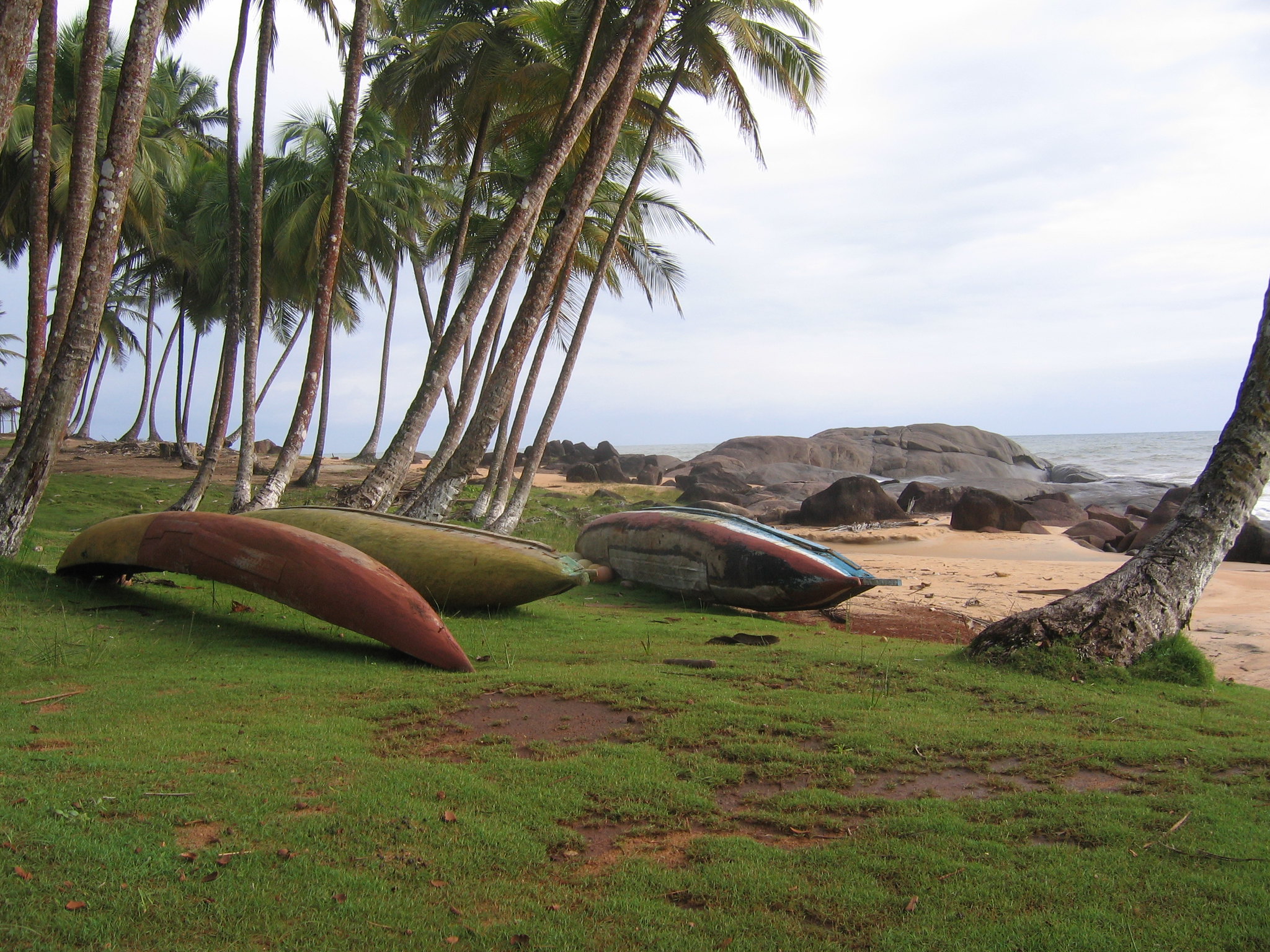
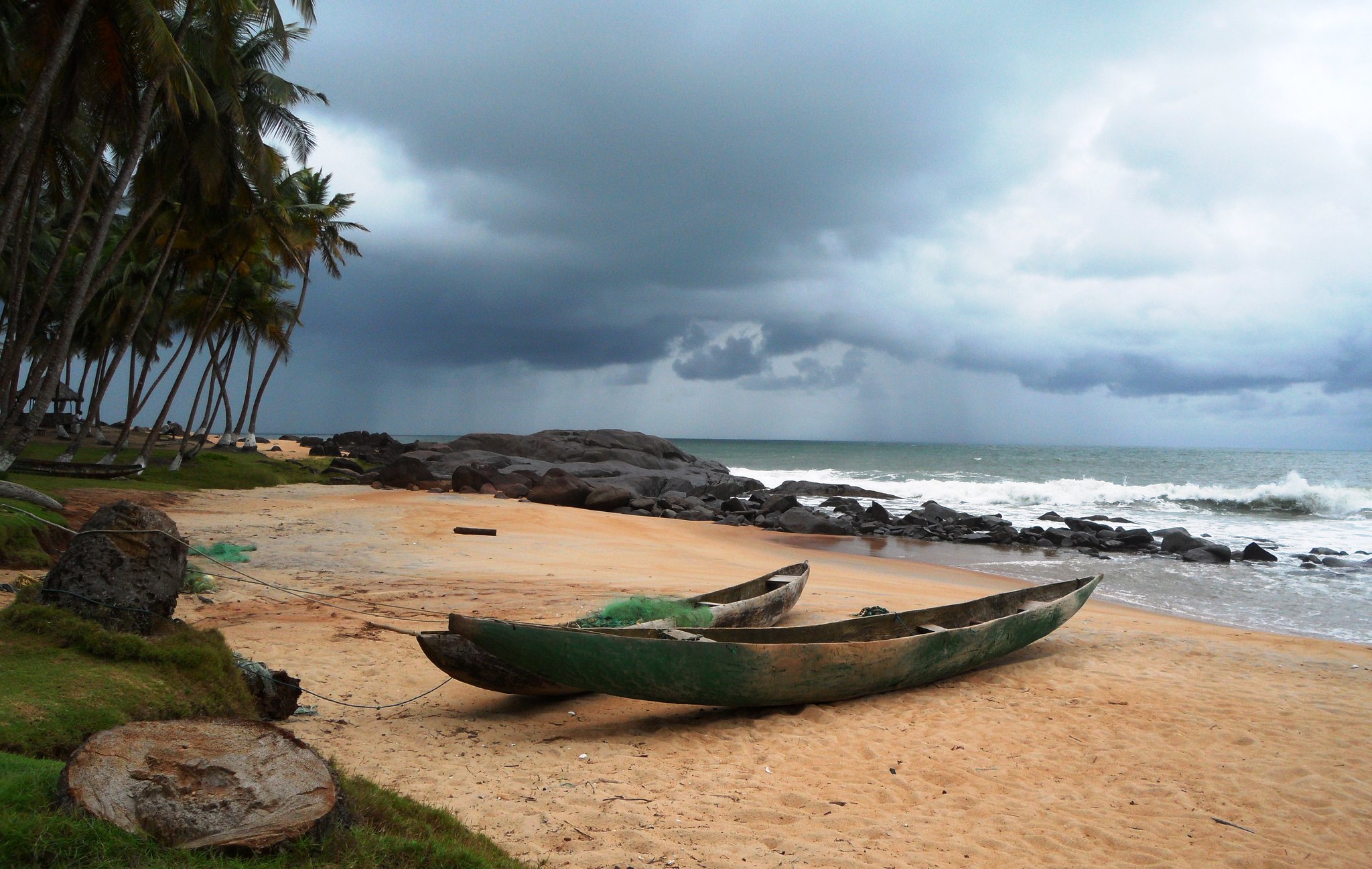
The beaches around Buchanan stretch along Liberia’s Atlantic coast and are characterized by wide sandy shorelines and low levels of development. These beaches are generally quiet, with few permanent facilities, and are used primarily by local fishing communities. Traditional fishing boats are commonly seen along the shore, especially in the early morning and late afternoon when daily catches are brought in. Access to the beaches is easy from the city of Buchanan, either on foot or by short drives along coastal roads. Swimming is possible in calmer conditions, though ocean currents can be strong in some areas.
Harper & Maryland County Coast
Harper is the main city of Maryland County in southeastern Liberia and is notable for its strong Americo-Liberian heritage. This influence is visible in historic houses, churches, and street layouts that reflect 19th-century settlement patterns. The city functions as an administrative and commercial center for the region, with local markets and small ports supporting trade and fishing. Harper’s cultural identity is shaped by both coastal traditions and its historical role as one of Liberia’s early settlements.
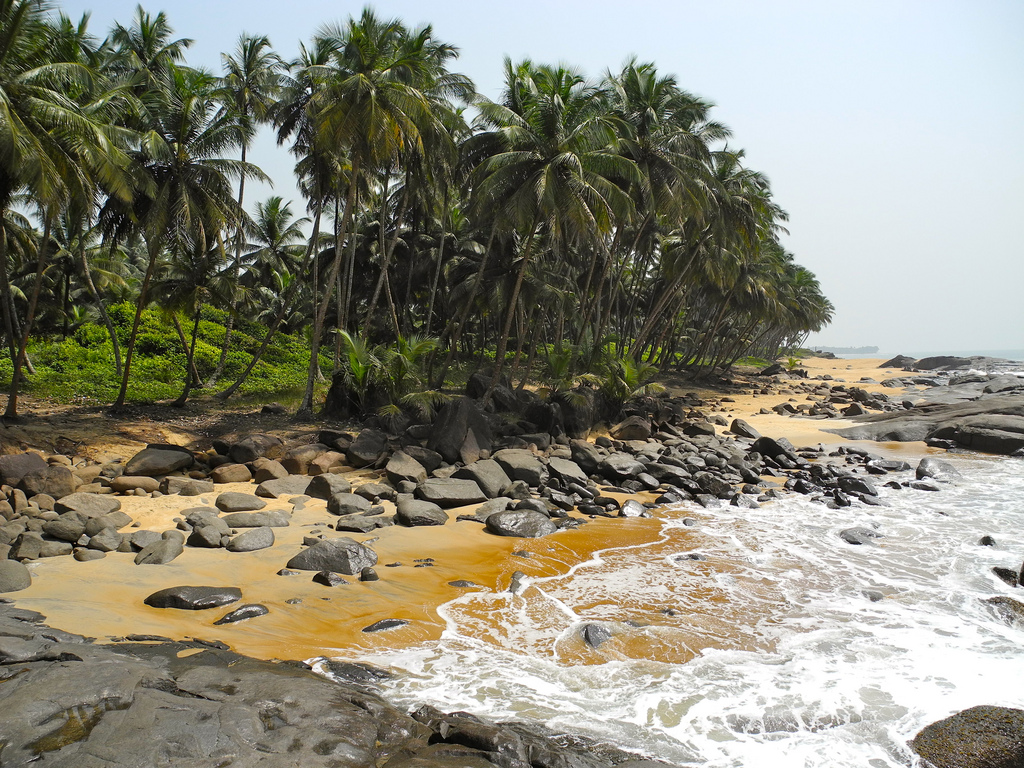
The Maryland County coastline extends south and east of Harper and remains largely undeveloped, with long stretches of beach lined by coconut palms and small fishing villages. Communities along the coast depend on fishing and small-scale farming, and daily life follows tidal and seasonal rhythms. Access to the region is mainly by long-distance road travel or domestic flights, and infrastructure is limited outside main towns.
Best Natural Wonders in Liberia
Sapo National Park
Sapo National Park is Liberia’s largest protected area and the most extensive remaining block of primary rainforest in the country. Located in southeastern Liberia, the park consists of dense tropical forest, river systems, and remote interior zones that are largely inaccessible without local expertise. It plays a critical role in regional conservation and supports a wide range of wildlife, including forest elephants, pygmy hippos, chimpanzees, duikers, and numerous bird species adapted to rainforest environments.
Access to Sapo National Park is restricted and requires advance planning, as independent travel inside the park is not permitted. Guided visits are typically organized from nearby towns such as Greenville or Zwedru, with transport by road followed by foot travel into the forest. Infrastructure within the park is minimal, and expeditions often involve multi-day treks with basic camping arrangements.
East Nimba Nature Reserve
The East Nimba Nature Reserve forms part of the wider Mount Nimba ecosystem and extends across the borders of Liberia, Guinea, and Côte d’Ivoire. Recognized as a UNESCO World Heritage Site, the reserve protects a rugged highland landscape of steep ridges, montane forests, grasslands, and waterfalls. Its isolation and varied elevation support a high number of rare and endemic plant species, as well as endangered wildlife adapted to cooler, mountainous conditions.
Access to the East Nimba area is limited and closely regulated due to its conservation status. Travel typically involves reaching nearby towns in northern Liberia or southeastern Guinea, followed by guided overland routes into designated zones. The terrain is physically demanding, with narrow trails and changing weather, making guided visits essential.
Mount Nimba (Liberian Side)
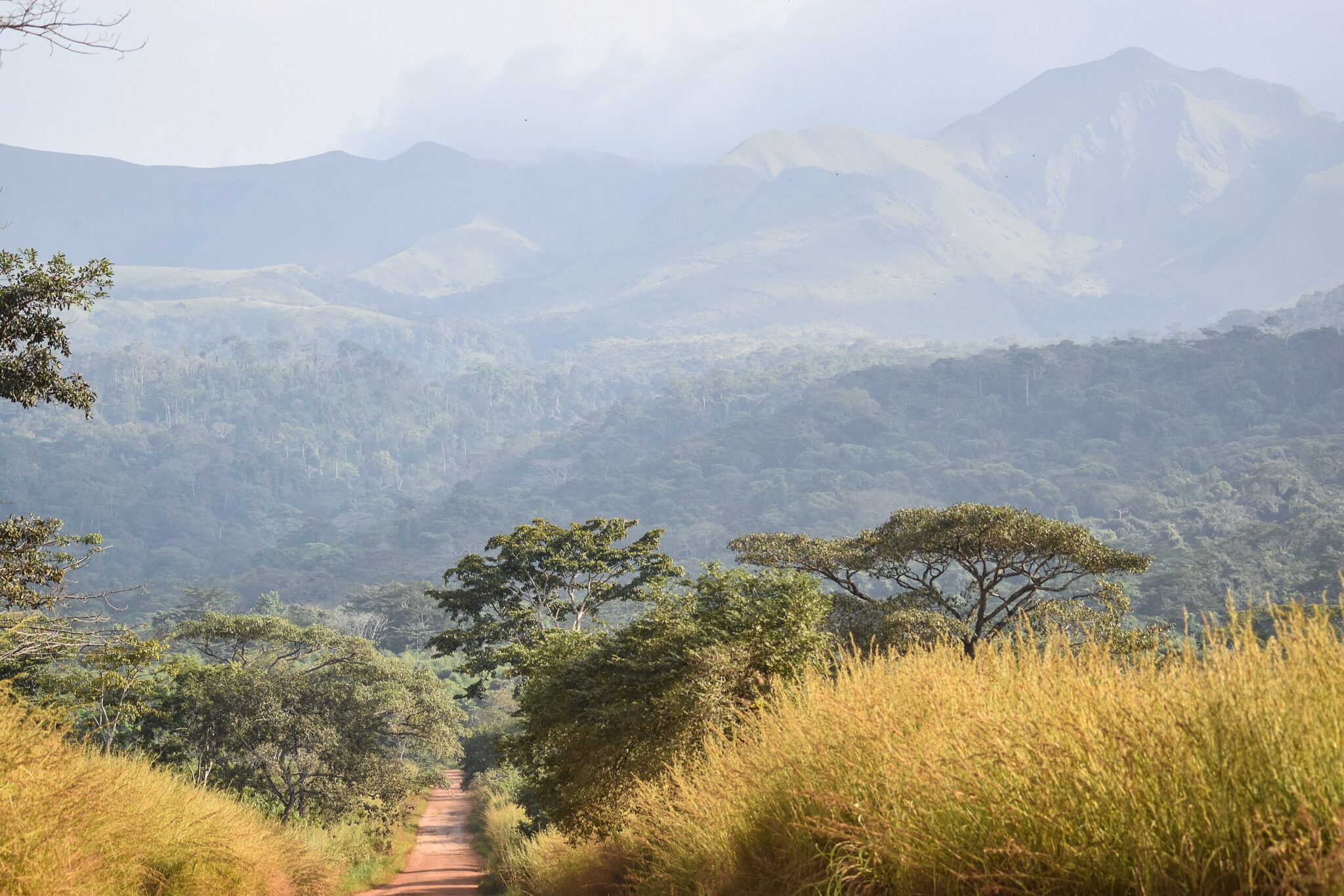
Mount Nimba is a prominent mountain range in West Africa, and its Liberian side forms part of one of the region’s most important ecological zones. The slopes rise from lowland rainforest into higher elevations with cooler temperatures, supporting a range of ecosystems that change noticeably with altitude. Dense forest, rocky ridges, and open highland grasslands create varied terrain, while views from higher points extend across the borders of Liberia, Guinea, and Côte d’Ivoire.
Access to the Liberian side of Mount Nimba is limited and usually arranged through guided visits due to conservation regulations and challenging terrain. Travel generally begins from towns such as Ganta or Yekepa, followed by overland routes and hiking into designated areas. Trails can be steep and conditions change quickly, making preparation and local guidance essential.
Lake Piso
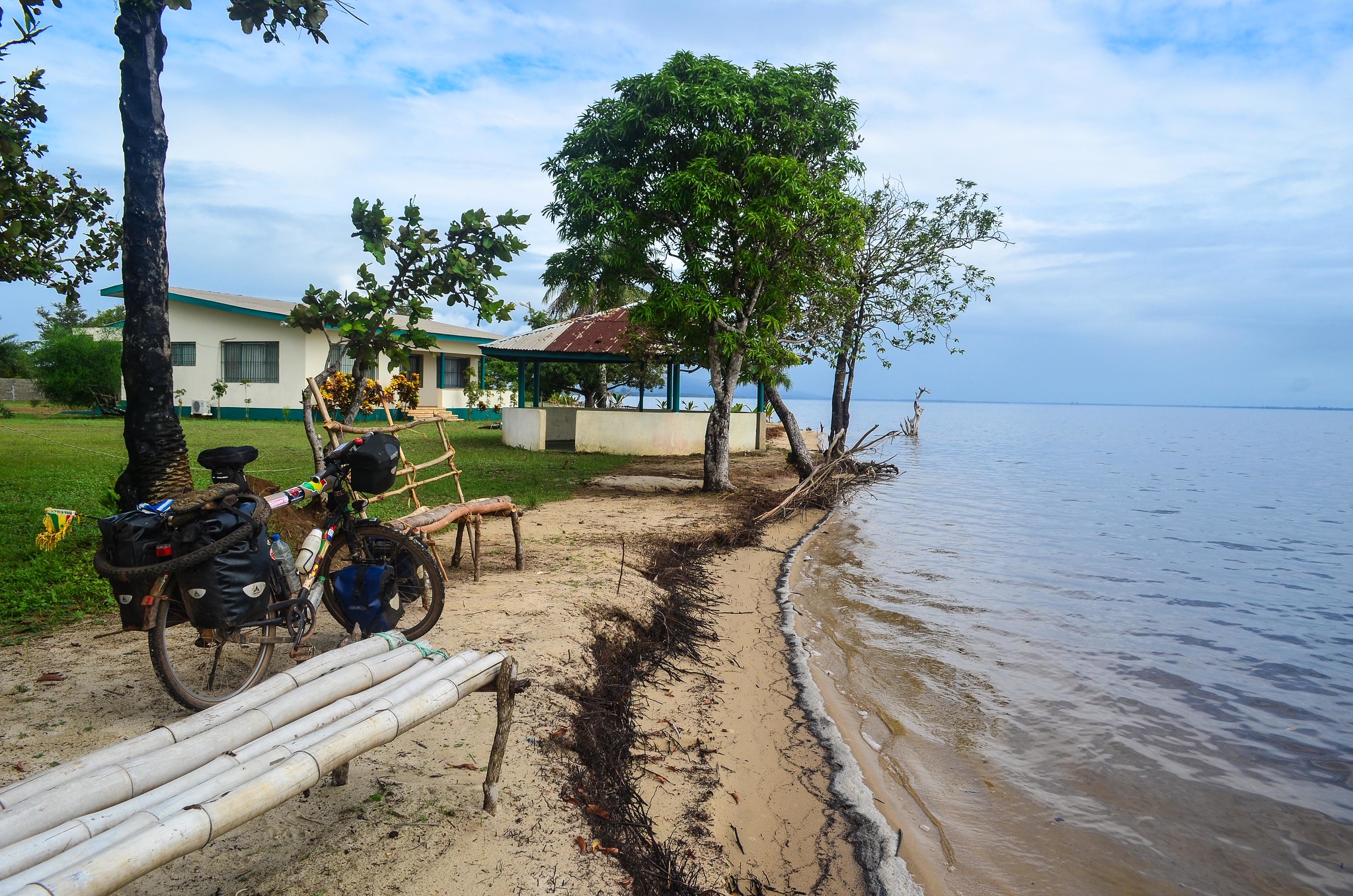
Lake Piso is Liberia’s largest lagoon system and is located near the coastal town of Robertsport in the country’s northwest. The lagoon is separated from the Atlantic Ocean by narrow sandbars and is surrounded by mangroves, shallow wetlands, and low-lying forest. This environment supports a wide range of bird species and aquatic life, making the area ecologically important as well as central to local fishing activities.
Communities around Lake Piso depend on fishing, small-scale agriculture, and lagoon transport, with boats serving as the main means of movement between settlements. Visitors can explore the area through short boat trips that provide views of mangrove channels, fishing camps, and open water. Access to Lake Piso is typically via road from Monrovia to Robertsport, followed by local transport to the lagoon’s edge.
Best Historical and Cultural Sites
Providence Island (Monrovia)
Providence Island is a small but historically significant island located at the mouth of the Mesurado River in Monrovia. It is recognized as the landing site of the first group of freed African Americans who arrived in 1822, marking the beginning of modern Liberia. The island is closely linked to the country’s founding, early governance, and its long-standing connections to the transatlantic world. Today, Providence Island features restored structures, monuments, and interpretive displays that outline the early settlement period and the formation of the Liberian state. Access is typically arranged through guided visits from central Monrovia, often combined with historical context provided on-site.
Centennial Pavilion
The Centennial Pavilion is a national monument in Monrovia built to mark the 100th anniversary of Liberia’s independence in 1947. It was constructed as a ceremonial and cultural space and reflects the political and social significance of the centennial period, when Liberia sought to present itself as a stable and independent nation on the international stage. The structure is closely associated with state events, public gatherings, and national commemorations. Architecturally, the Centennial Pavilion reflects elements linked to Americo-Liberian heritage while also symbolizing broader national identity. It is located within the urban core of Monrovia and is easily reached by road.
Americo-Liberian Architecture
Americo-Liberian architecture is a distinctive architectural tradition found primarily in cities such as Monrovia, Buchanan, and Harper. It developed in the 19th century after settlers from the United States established communities along Liberia’s coast. The buildings often reflect American domestic and civic styles of the period, including wooden construction, raised foundations, verandas, symmetrical facades, and church designs influenced by Protestant traditions.
These structures include private homes, churches, and former administrative buildings that once served as centers of political and social life. While many buildings have deteriorated due to climate and limited preservation resources, surviving examples still illustrate Liberia’s unique historical trajectory and its ties to the United States.
Hidden Gems of Liberia
Harper
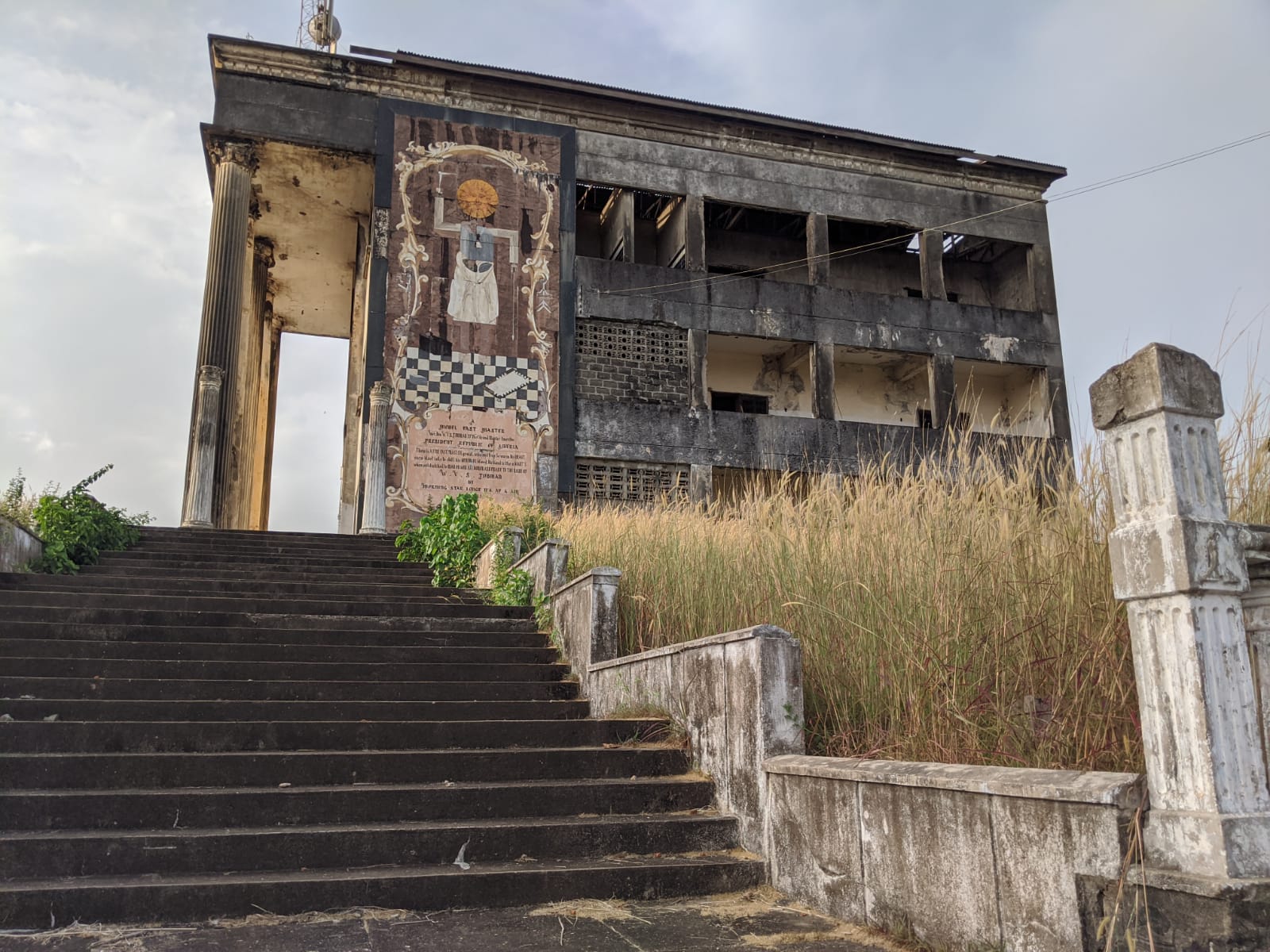
Harper is a coastal town in southeastern Liberia and the administrative center of Maryland County. It is one of the country’s oldest settlements and retains clear traces of Americo-Liberian heritage in its historic houses, churches, and street layout. Many of these buildings date back to the 19th century and reflect American-influenced architectural styles adapted to the tropical climate. Harper played an important role during Liberia’s early republican period and remains culturally distinct from other regions of the country.
The town sits directly along the Atlantic coast, where quiet beaches and a low-density shoreline shape daily life. Fishing and small-scale trade dominate the local economy, and the pace of life is slower than in Liberia’s larger cities. Harper is accessible by long-distance road travel or domestic flights, though connections can be irregular.
Greenville
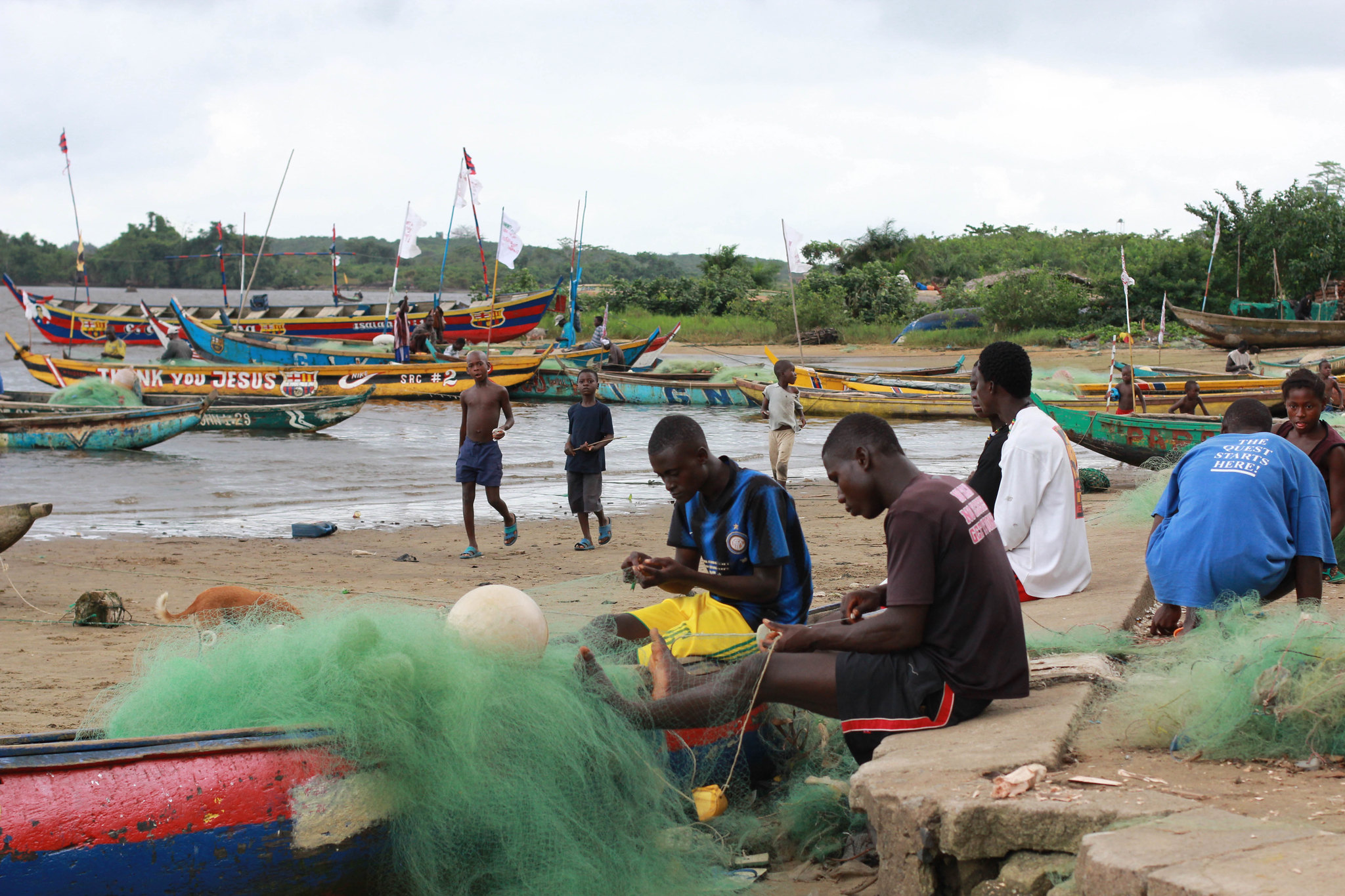
Greenville is a coastal town in southeastern Liberia and the capital of Sinoe County, situated near the mouth of the Sinoe River. The river and surrounding wetlands play a central role in local transport, fishing, and trade, with boats commonly used to reach nearby communities. Mangrove habitats along the riverbanks support fisheries and provide shelter for birdlife and other wildlife typical of Liberia’s coastal river systems.
The town is frequently used as a base for exploring southeastern Liberia’s natural environments, including river corridors, mangrove channels, and forested areas inland. From Greenville, travelers can arrange boat trips along the Sinoe River or continue overland toward protected forests and remote landscapes. Access to Greenville is by road from Monrovia or via domestic flights
Zwedru
Zwedru is the largest town in southeastern Liberia and the administrative center of Grand Gedeh County. Located within a heavily forested region, it functions as a key transport and supply hub for surrounding rural areas and smaller settlements. The town brings together multiple ethnic groups, and its markets, social gatherings, and community institutions reflect the cultural diversity of Liberia’s interior.
Zwedru is commonly used as a starting point for travel into nearby villages, forest zones, and protected areas, including routes leading toward Sapo National Park. Access is mainly by long-distance road travel from Monrovia or regional centers, with conditions that can be difficult during the rainy season.
Blue Lake (Near Monrovia)
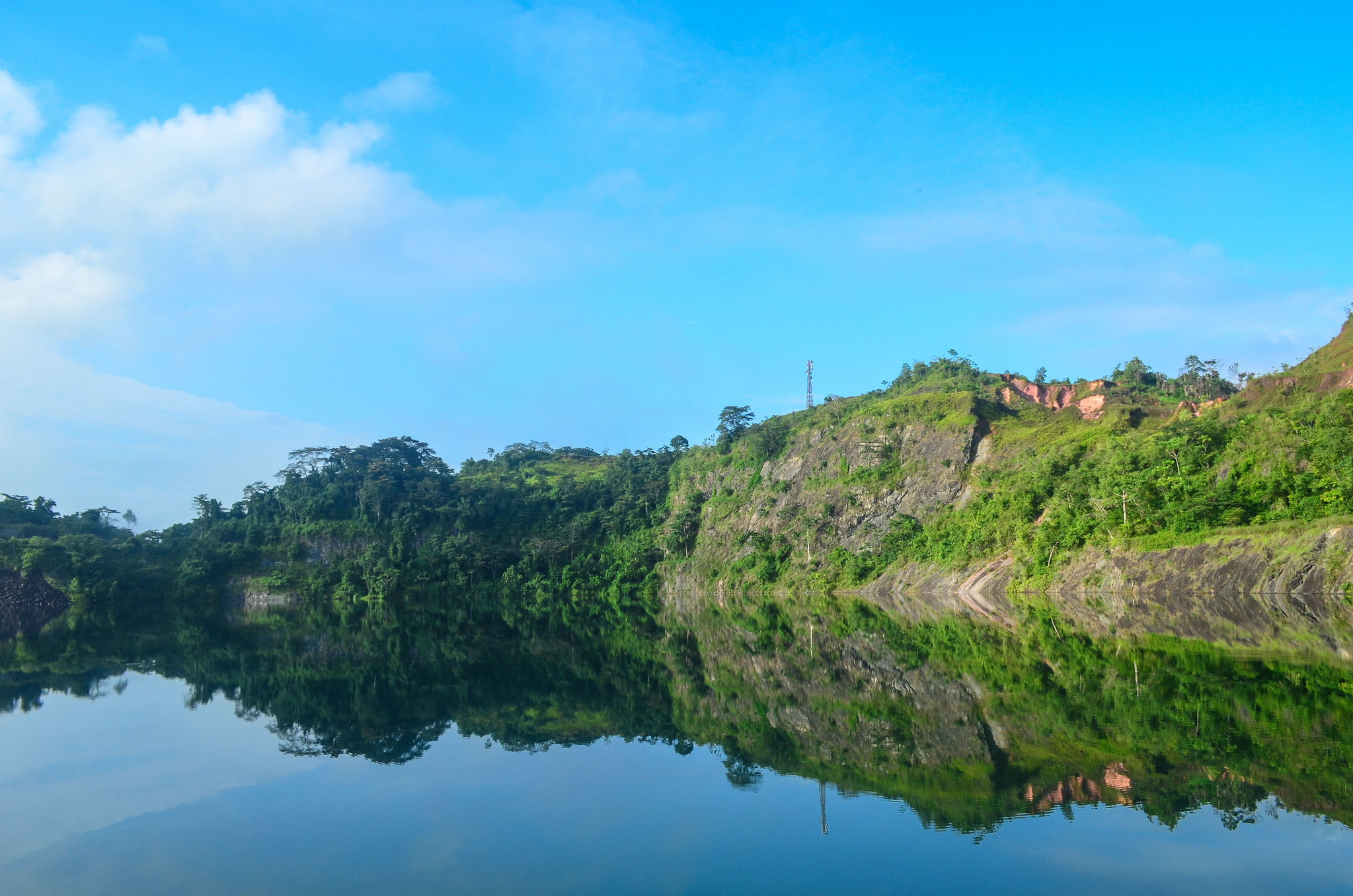
Blue Lake is a freshwater lake located a short distance outside Monrovia and is surrounded by steep, forested cliffs that give the site its enclosed and sheltered character. The lake was formed in a former quarry that gradually filled with water, resulting in its distinctive deep-blue color. Dense vegetation around the lake creates a quiet natural setting that contrasts with the urban environment of the capital.
The site is easily reached by road from Monrovia, making it a common destination for short outings rather than extended trips. Visitors typically come for picnics, photography, and brief walks along the lake’s edge. Swimming is sometimes practiced by locals, though conditions vary and safety precautions are advisable.
Travel Tips for Liberia
Travel Insurance & Safety
Comprehensive travel insurance is essential when visiting Liberia. Your policy should include medical and evacuation coverage, as healthcare facilities outside Monrovia are limited. Travelers venturing into rural areas or along remote coastal routes should ensure their plan also covers delays and emergency transportation.
Liberia is safe and welcoming, with friendly locals and a relaxed atmosphere, but visitors should be aware that infrastructure outside the capital remains basic. Yellow fever vaccination is required for entry, and malaria prophylaxis is strongly recommended. Tap water is not safe to drink, so stick to bottled or filtered water at all times. Bring insect repellent and sunscreen, especially when traveling outside Monrovia or spending time near rivers and beaches.
Transportation & Driving
Shared taxis and minibuses are the most common means of transport within cities and between nearby towns. Road conditions outside Monrovia can be challenging, particularly during the rainy season, when some routes become impassable. In certain regions, river transport is still used for local travel and access to remote communities.
Driving in Liberia is on the right-hand side of the road. A 4×4 vehicle is essential for travel beyond the main cities due to uneven terrain and unpaved roads. Drivers should avoid traveling at night, as lighting and road visibility are limited. An International Driving Permit is required alongside your national driver’s license. Police checkpoints are frequent – always carry your passport, license, and vehicle documents, and remain patient and polite during inspections.

Published January 04, 2026 • 13m to read