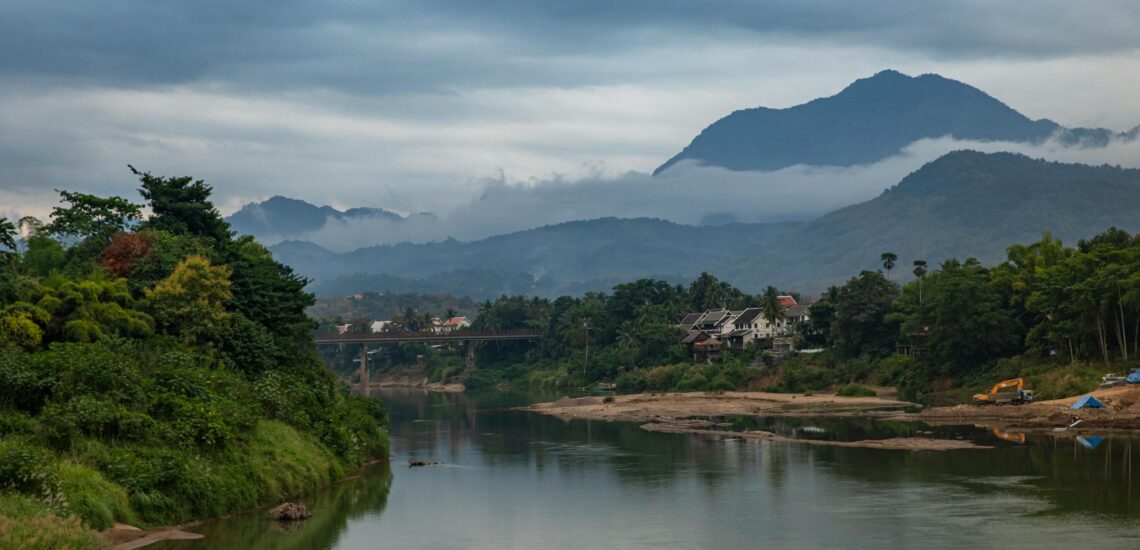


Tucked between Thailand, Vietnam, China, Cambodia, and Myanmar, Laos is Southeast Asia’s most tranquil and underrated gem. Known for its slow pace of life, French-colonial architecture, misty mountains, and deep-rooted Buddhist traditions, Laos offers an authentic travel experience away from the crowds.
Here you’ll find golden temples in sleepy towns, turquoise waterfalls in lush forests, and quiet riverside villages where time seems to stand still. Whether you’re backpacking, exploring by motorbike, or seeking cultural immersion, Laos will reward you with serenity and beauty.
Best Cities in Laos
Luang Prabang
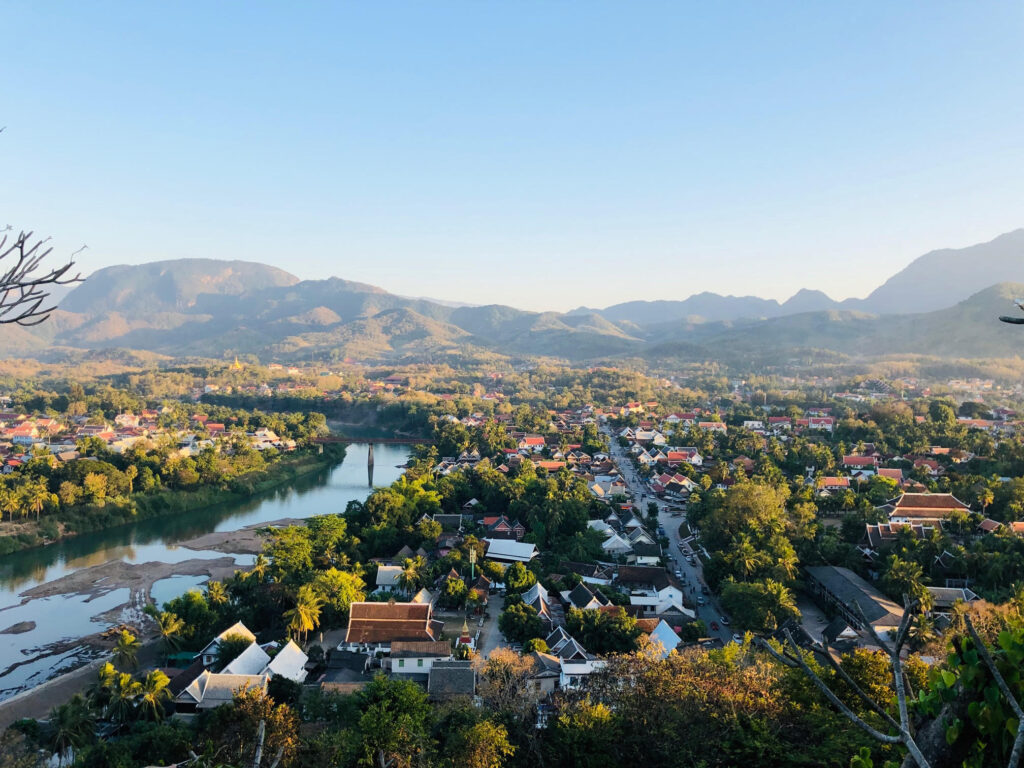
Luang Prabang, a UNESCO World Heritage city in northern Laos, blends Buddhist spirituality with colonial-era charm. Visitors can explore the Royal Palace Museum, admire Wat Xieng Thong – the country’s most important temple, and climb Mount Phousi for sweeping sunset views. At dawn, the daily alms-giving ceremony offers a quiet, spiritual glimpse of local life.
The city is also a base for Mekong River cruises to Pak Ou Caves, Kuang Si Waterfall, and remote villages. The best time to visit is November–February, when the weather is cool and dry. Luang Prabang International Airport connects the city with Bangkok, Hanoi, and Siem Reap, while boats and buses link it to other parts of Laos. Within the city, most sights are walkable or reachable by bicycle and tuk-tuk.
Vientiane
Vientiane, the capital of Laos, feels more like a laid-back riverside town than a bustling Asian capital. Its top landmark is Pha That Luang, the golden stupa considered the country’s most sacred monument. Other highlights include Wat Si Saket, lined with thousands of Buddha images, and the quirky Buddha Park, filled with Hindu and Buddhist statues in a garden setting. In the evenings, locals and visitors gather along the Mekong promenade for sunset views, street food, and a relaxed atmosphere.
Vientiane is served by Wattay International Airport with flights across Southeast Asia, and also connects to Thailand via the Friendship Bridge at Nong Khai. Getting around is easy by tuk-tuk, rented bicycle, or motorbike.
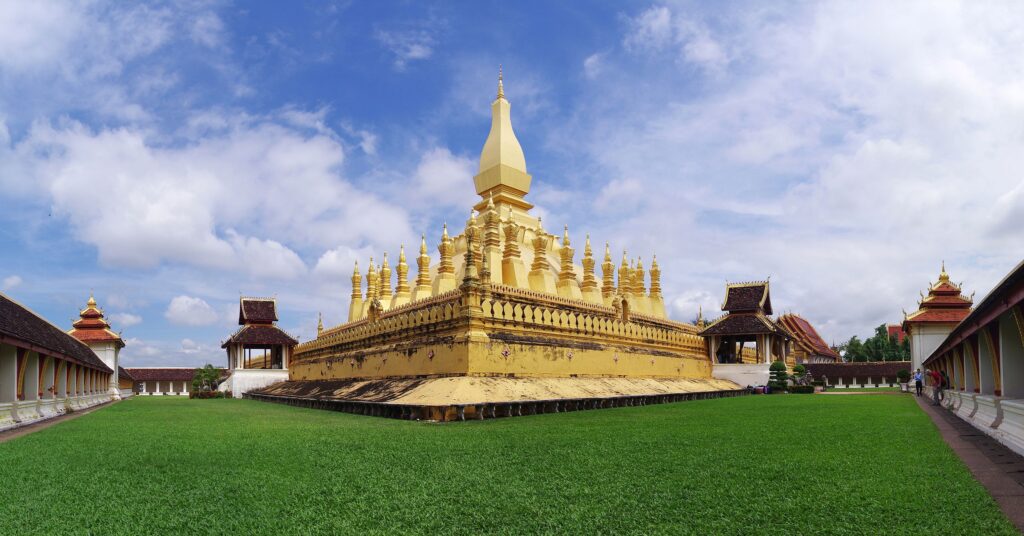
Savannakhet
Savannakhet, set on the banks of the Mekong, is a quiet Lao city with fading colonial architecture and a relaxed pace. Its key landmark is That Ing Hang Stupa, an important Buddhist pilgrimage site, while the small Dinosaur Museum adds a quirky touch with fossils and local discoveries. The old quarter, with French-era buildings and riverside cafes, is pleasant for strolling, especially at sunset.
Savannakhet connects to Thailand via the Friendship Bridge to Mukdahan and has an airport with flights to Vientiane and Pakse. The compact city is easy to explore on foot, while tuk-tuks and bicycles are available for short trips.
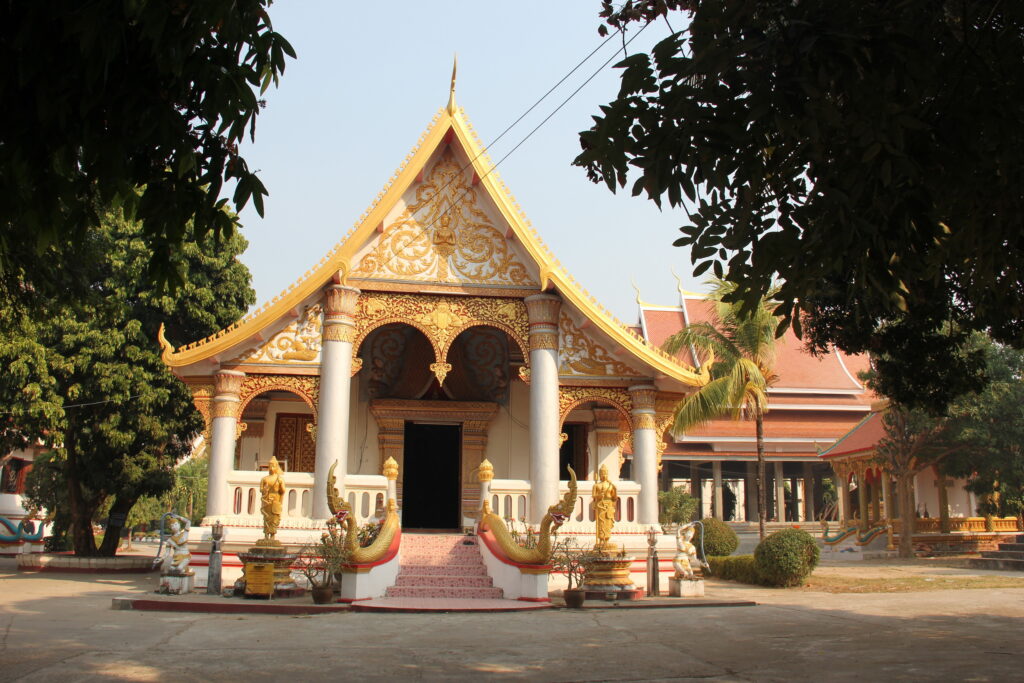
Pakse
Pakse, at the meeting of the Mekong and Xe Don rivers, is the main hub of southern Laos and a gateway to natural and cultural attractions. From here, travelers explore the Bolaven Plateau, known for its cool climate, coffee plantations, and waterfalls such as Tad Fane and Tad Yuang. Another highlight is Wat Phou, a UNESCO-listed pre-Angkorian temple complex that predates Cambodia’s Angkor Wat and offers insight into early Khmer history.
Pakse International Airport connects the city with Vientiane, Bangkok, and Ho Chi Minh City. Buses also link it with Thailand and Cambodia. Around town, tuk-tuks and motorbike rentals are the easiest way to get to nearby sights and day trips.

Best Natural Attractions in Laos
Kuang Si Falls (near Luang Prabang)
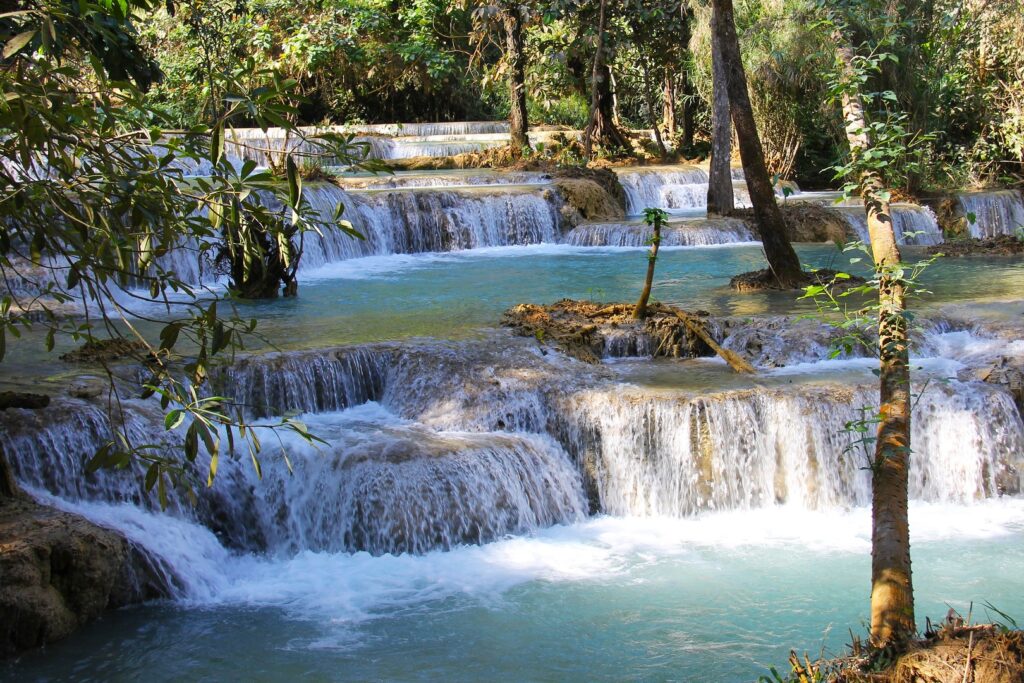
Kuang Si Falls is the most famous waterfall in Laos, known for its multi-tiered cascades and turquoise pools where visitors can swim or relax. Wooden bridges and trails lead to different levels, while the top offers quieter spots for picnics and forest views. At the entrance, the Tat Kuang Si Bear Rescue Center provides shelter for rescued Asiatic black bears and makes a worthwhile stop before reaching the falls.
Located about 30 km from Luang Prabang, the site is easily reached by tuk-tuk, minivan, or motorbike, with the trip taking less than an hour.
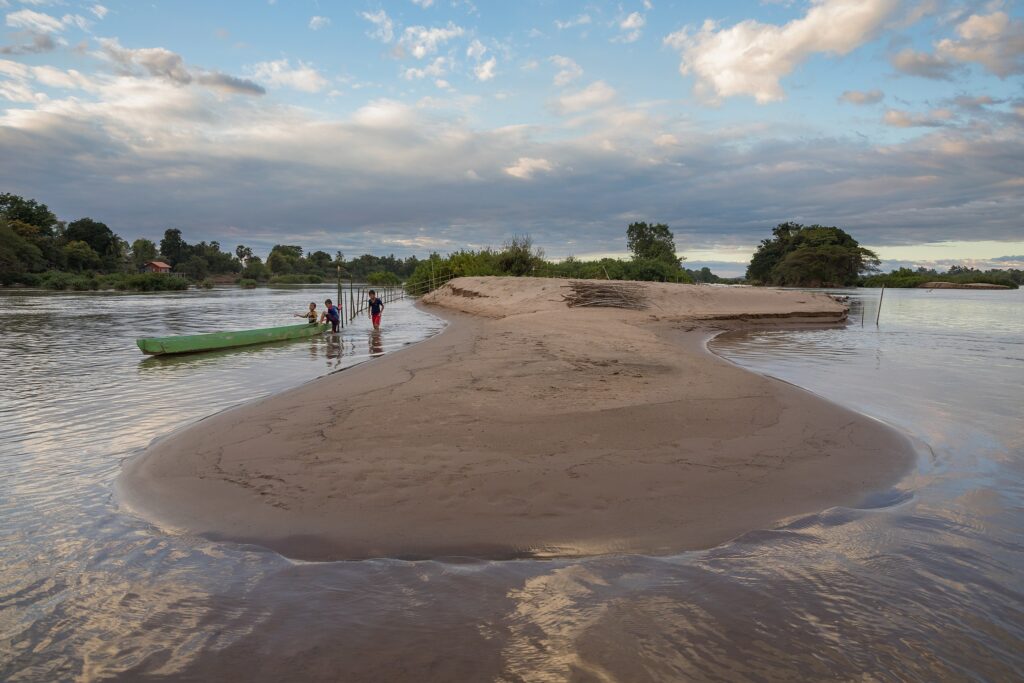
4000 Islands (Si Phan Don)
The 4000 Islands, where the Mekong splits into countless islets, is Laos’ most laid-back river destination. Travelers usually stay on Don Det or Don Khon, relaxing in hammocks, cycling through quiet villages, and enjoying Mekong sunsets. Boat trips give a chance to spot rare Irrawaddy dolphins, while Khone Phapheng Falls – the largest waterfall in Southeast Asia – showcases the river’s raw power. Old French railway relics on Don Khon add a touch of colonial history.
The islands are reached via boat from Nakasong after traveling overland from Pakse (3–4 hours). Once there, most areas are easily explored by bicycle or on foot.
Bolaven Plateau
The Bolaven Plateau in southern Laos is a cool, green highland famous for its coffee plantations, waterfalls, and eco-tourism. Highlights include Tad Fane with its twin cascades plunging into a deep gorge, Tad Yuang with natural swimming spots, and Tad Lo surrounded by small villages. Visitors can tour coffee farms, sample local brews, and stay in eco-lodges that support village communities. Motorbike loops around the plateau are a popular way to experience its landscapes and rural culture.
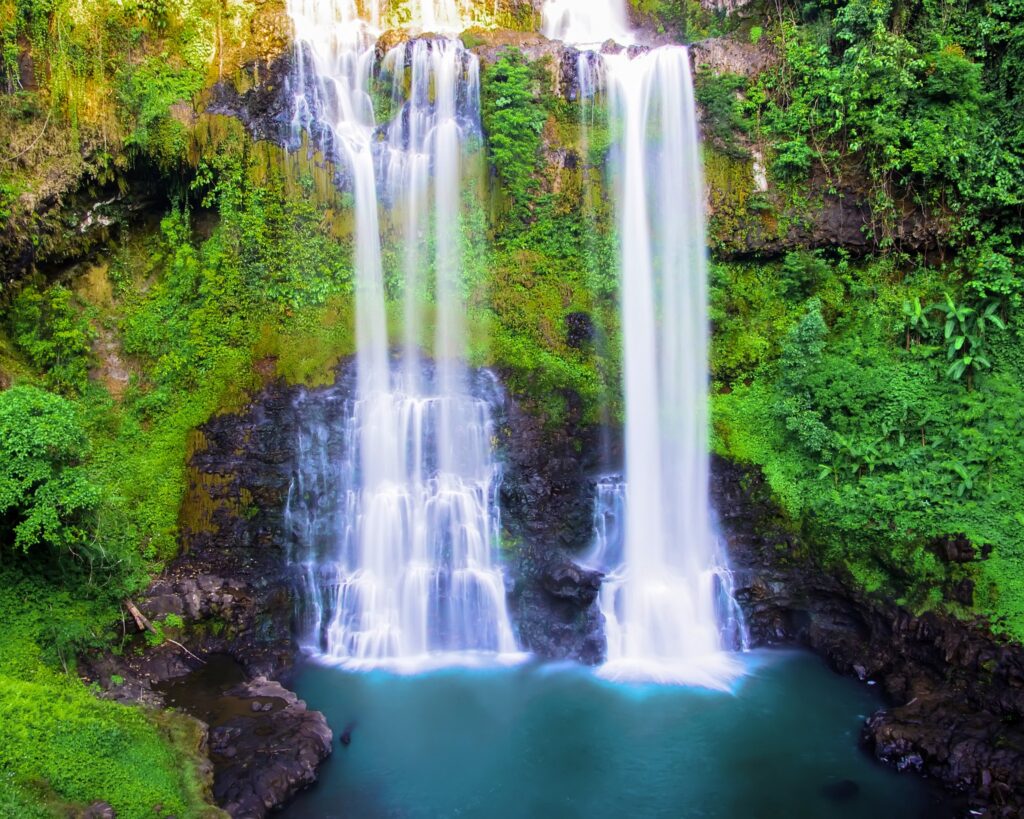
Vang Vieng
Vang Vieng, once known mainly for its party scene, has reinvented itself as one of Laos’ top nature destinations. Surrounded by limestone karsts, it offers outdoor activities like kayaking and tubing on the Nam Song River, hot air balloon rides with views over cliffs and rice fields, and caving adventures at Tham Chang and Tham Nam. The town itself has plenty of guesthouses, cafes, and a relaxed vibe, making it popular with both backpackers and families.
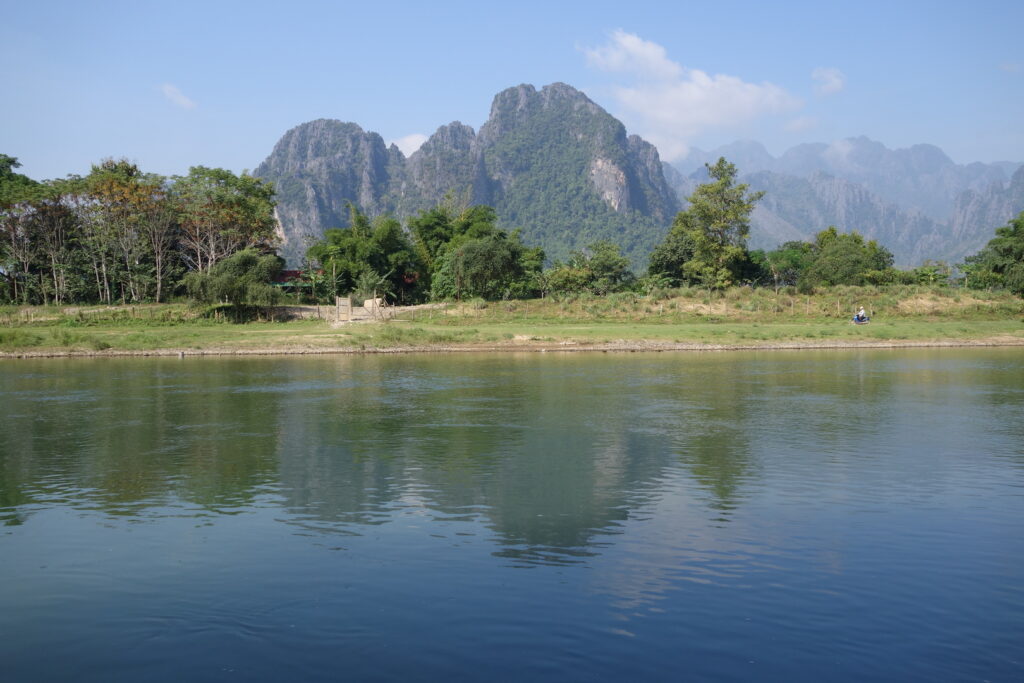
Hidden Gems of Laos
Nong Khiaw
Nong Khiaw, a small village on the Nam Ou River, is one of northern Laos’ most scenic destinations. Surrounded by limestone mountains, it’s popular for hiking to viewpoints such as Pha Daeng for sunrise panoramas, kayaking along the river, and taking boat trips to Muang Ngoi, an even more remote riverside settlement. The village atmosphere is relaxed, with simple guesthouses, homestays, and riverside cafes ideal for slow travel.
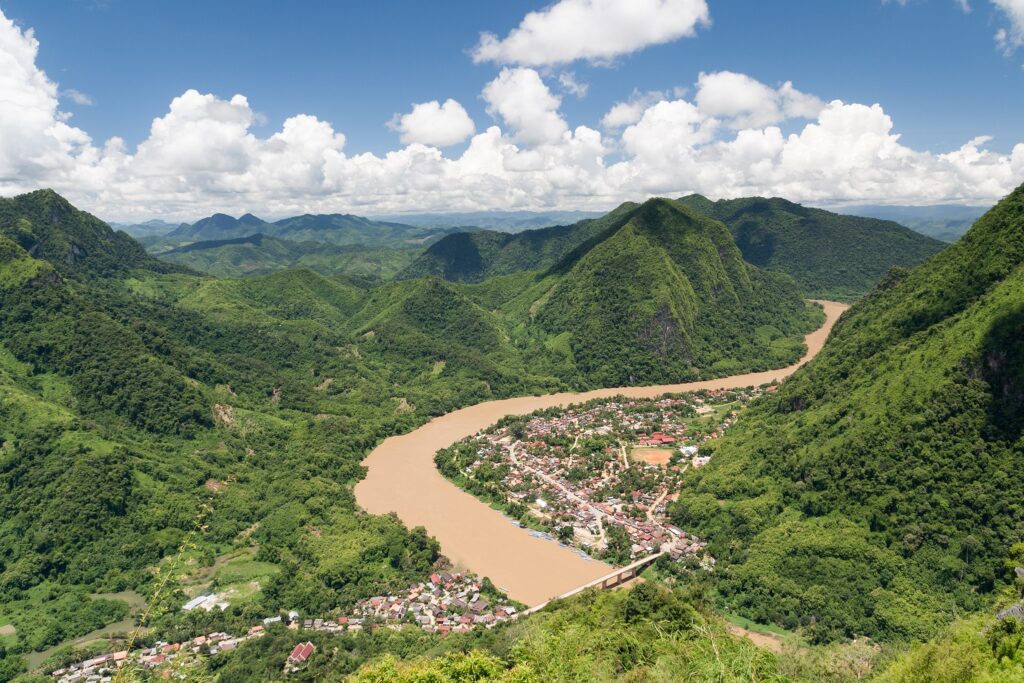
Wat Phou (Champasak)
Wat Phou, a UNESCO World Heritage Site in southern Laos, is an ancient Khmer temple complex dating back to the 5th century – older than Angkor Wat. Built on the slopes of Phou Kao mountain, it features crumbling sanctuaries, stone stairways, and reservoirs aligned with sacred geography. With far fewer visitors than Cambodia’s Angkor, it offers a peaceful, atmospheric look into early Khmer civilization.
The best time to visit is November–February, when the weather is cooler for exploring the ruins. Wat Phou is located near Champasak town, about 40 minutes from Pakse by road. Most travelers visit as a day trip from Pakse by tuk-tuk, motorbike, or organized tour, often combining it with a Mekong river cruise or a stop in Champasak village.

Muang La
Muang La, in northern Laos, is a small riverside town famous for its natural hot springs and access to remote hill tribe villages. Visitors come to soak in thermal baths, enjoy peaceful rural scenery, and explore the traditions of Hmong and Akha communities in the surrounding mountains. The area is also known for trekking, cultural homestays, and scenic river views.
Muang La is about 30 km from Oudomxay, which connects by bus or flight with Luang Prabang and Vientiane. From Oudomxay, local transport or private transfers bring travelers to Muang La.
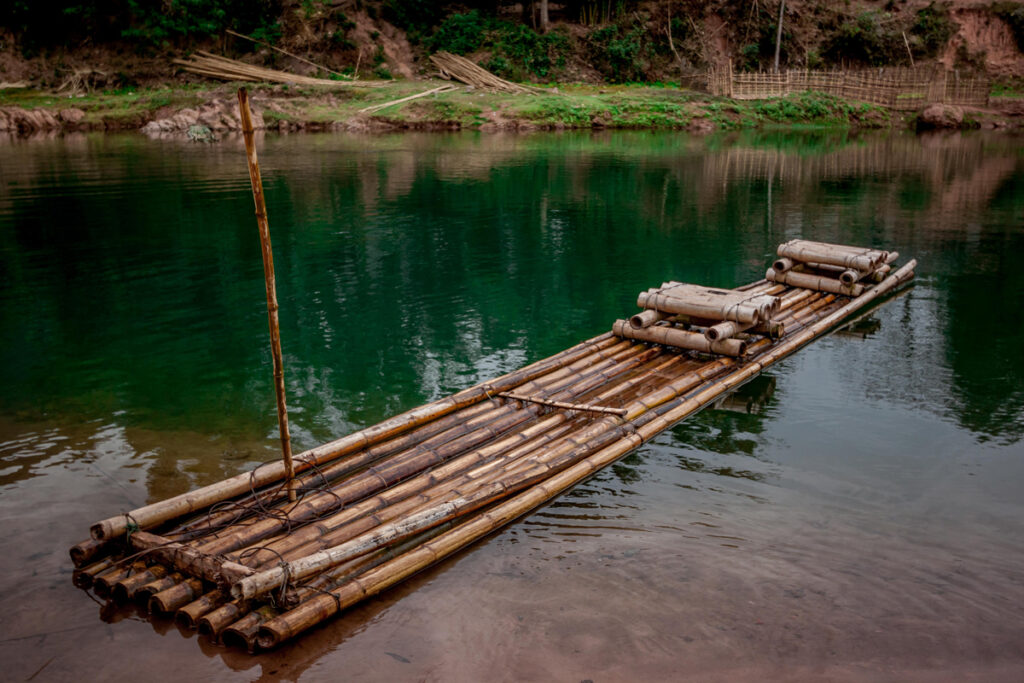
Vieng Xai Caves
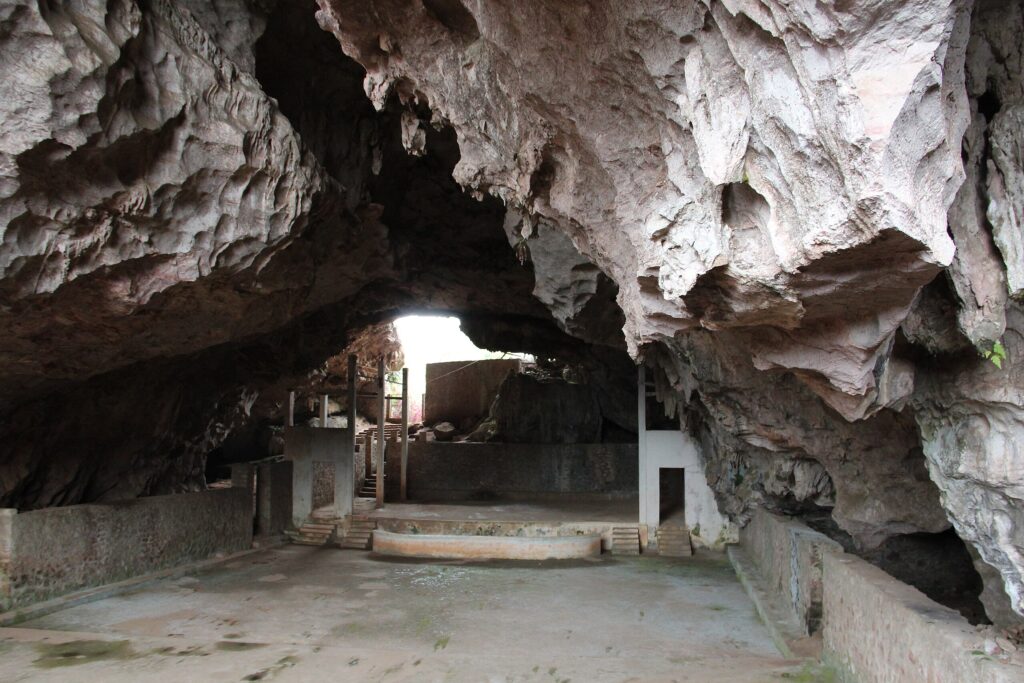
The Vieng Xai Caves, near the Laos–Vietnam border, form a vast underground complex that sheltered the Pathet Lao leadership during the Indochina War. Guided tours take visitors through former meeting halls, schools, hospitals, and even theaters hidden inside the limestone mountains, with audio commentary bringing history to life. The surrounding karst scenery adds to the experience, making it both a cultural and natural highlight.
Thakhek Loop
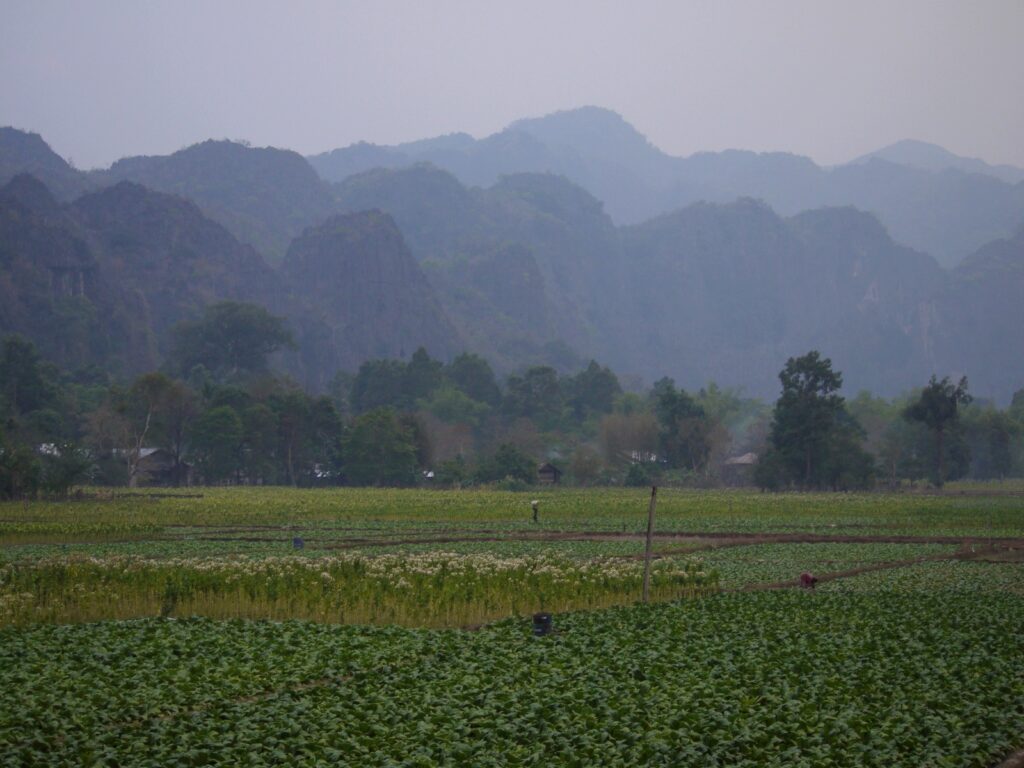
The Thakhek Loop in central Laos is one of the country’s most popular motorbike routes, taking travelers through limestone karst landscapes, rural villages, and hidden caves. The highlight is Kong Lor Cave, a 7 km-long river cave navigable by boat, where visitors glide through vast chambers and emerge into a remote valley. Along the way, smaller caves, waterfalls, and scenic viewpoints make the journey as rewarding as the destination.
Travel Tips
Best Time to Visit
Laos has three main travel seasons. From November to March, the weather is cool and dry, making it the best time for trekking, river cruises, and sightseeing across the country. The hot months of April and May bring higher temperatures, but also make visiting waterfalls and rivers especially rewarding. The rainy season (June to October) transforms the countryside into a lush green paradise. Travel can be slower due to heavy rains, yet the landscapes are at their most vibrant and there are fewer tourists.
Currency
The official currency is the Lao Kip (LAK). However, US dollars and Thai baht are widely accepted in hotels, restaurants, and tourist services. Outside major towns, carrying kip in small denominations is essential, as rural markets and local transport generally only accept cash. ATMs are available in cities but scarce in remote areas.
Getting Around
Travel within Laos is part of the adventure. VIP and minivans connect the main towns such as Vientiane, Luang Prabang, Vang Vieng, and Pakse. Along the Mekong River, travelers can choose between leisurely slow boats and faster speedboats. For those seeking independence, motorbike rentals are a popular choice, particularly in scenic regions like the Bolaven Plateau or the Thakhek Loop. An International Driving Permit is required for renting motorbikes or cars, and given the winding mountain roads, riding experience is highly recommended.
Visa
Entry is relatively straightforward. Most travelers can obtain a visa on arrival at international airports and major border crossings, or apply in advance for an eVisa online. Always check requirements before traveling, as regulations can occasionally change.

Published August 18, 2025 • 9m to read