

India is often described as a subcontinent rather than a country, and for good reason. Stretching from the snowy Himalayas to tropical beaches, from deserts to dense forests, it is one of the most geographically and culturally diverse nations in the world. Every region has its own language, cuisine, festivals, and traditions, making travel here endlessly fascinating.
It’s a place where ancient temples stand beside bustling modern cities, where spirituality blends with innovation, and where hospitality is as warm as the climate.
Best Cities to Visit
Delhi
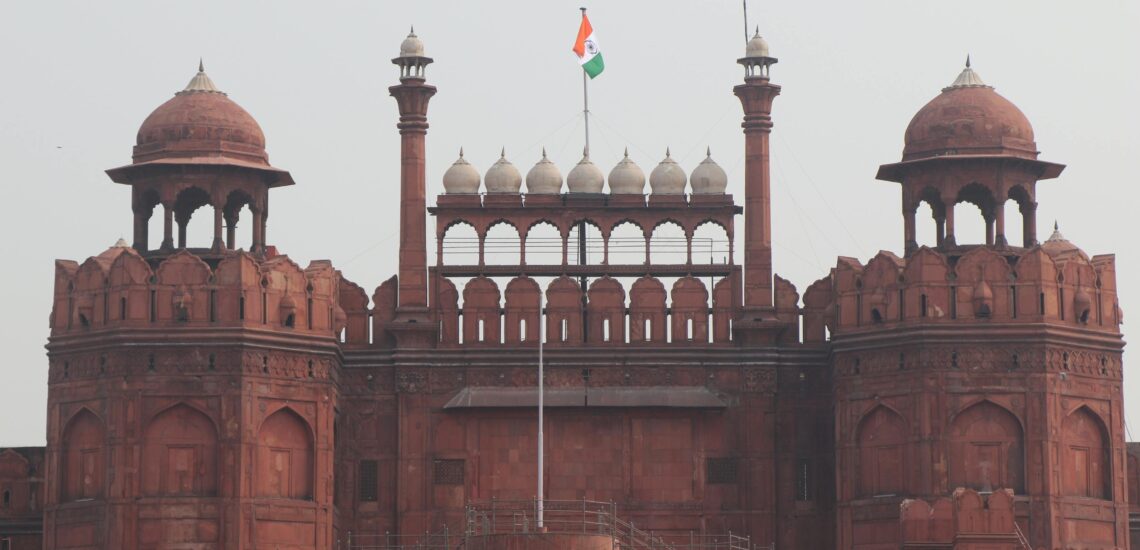
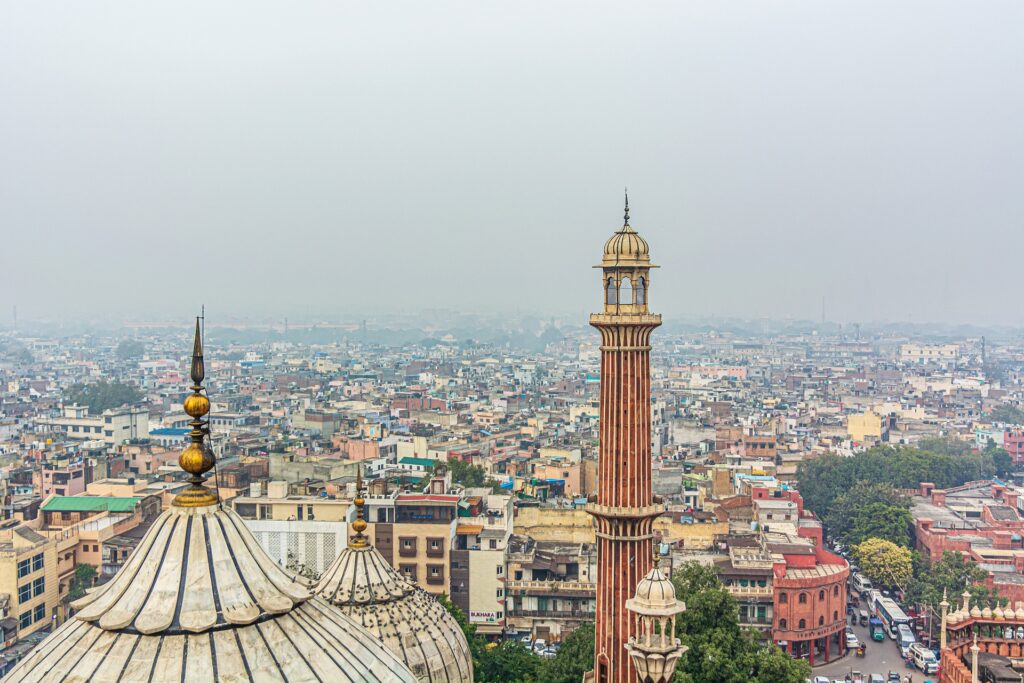
Delhi is one of the best cities to visit in India because it offers a complete introduction to the country’s history and lifestyle. Visitors can explore three UNESCO World Heritage Sites – the Red Fort, the Qutub Minar, and Humayun’s Tomb – each representing key phases of Indian architecture. The Jama Masjid, India’s largest mosque, offers panoramic views from its minarets, while the Raj Ghat memorial provides insight into Mahatma Gandhi’s life. Old Delhi’s Chandni Chowk market is not just for shopping – it’s where travelers can taste famous street food like parathas and jalebis, ride a cycle rickshaw, and see daily life up close.
Modern Delhi has a different energy, with wide boulevards built during the British Raj and landmarks such as India Gate, Rashtrapati Bhavan (Presidential Palace), and Connaught Place. The city also surprises visitors with green escapes: the Lodhi Gardens for a peaceful walk among 15th-century tombs, and the futuristic Lotus Temple for its striking design and meditation halls. For culture, the National Museum and Crafts Museum are excellent, while evening sound-and-light shows at the Red Fort or Purana Qila bring history alive.
Agra
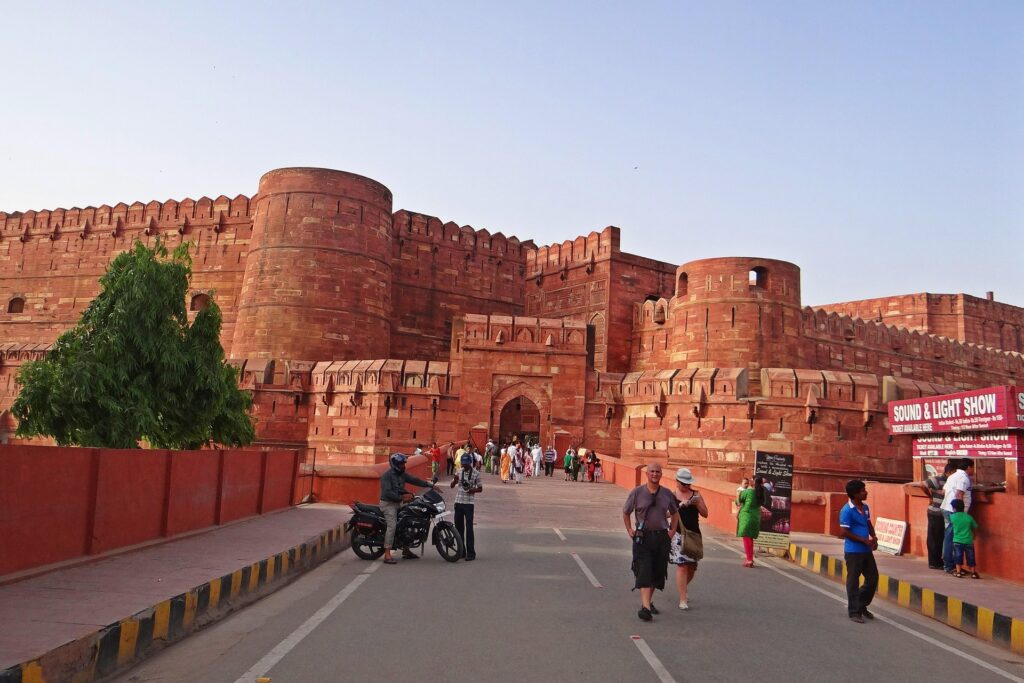
Agra is a must-visit in India because it is home to the Taj Mahal, one of the New Seven Wonders of the World and perhaps the most recognized monument to love. Visiting at sunrise or sunset is highly recommended for the best light and fewer crowds. But Agra offers much more than the Taj – the Agra Fort, a UNESCO World Heritage Site, showcases red sandstone palaces, courtyards, and mosques that once served as the seat of Mughal power.
Just outside the city lies Fatehpur Sikri, another UNESCO site and the former Mughal capital, now a well-preserved “ghost city” of royal palaces, mosques, and courtyards. Agra is also known for its local handicrafts, especially marble inlay work and leather goods, as well as its food – don’t miss the famous petha (a sweet made from ash gourd) and Mughlai cuisine.
Jaipur
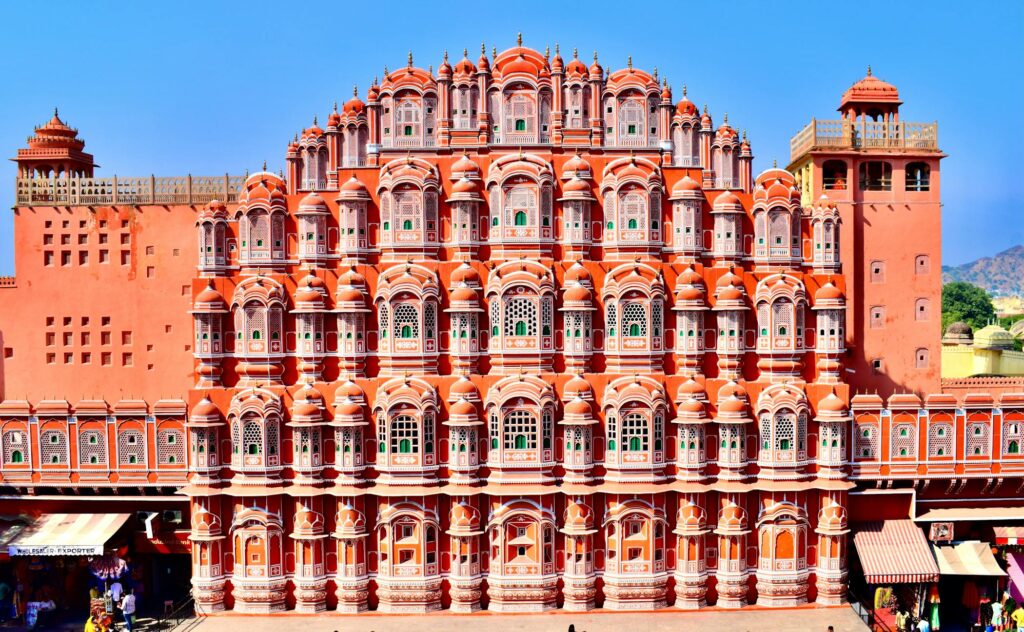
Known as the “Pink City”, Jaipur is one of India’s most vibrant destinations and a key stop on the Golden Triangle route with Delhi and Agra. The city is filled with palaces, forts, and colorful markets, all reflecting the grandeur of the Rajput kings who founded it. The Amber Fort, a UNESCO site just outside the city, is the highlight – its hilltop setting, mirrored halls, and courtyards make it one of the most impressive forts in India. Inside the city, the Hawa Mahal (Palace of Winds) stands out with its delicate pink sandstone façade, built to allow royal women to watch street life unseen.
Jaipur is also home to the City Palace, a royal residence with museums showcasing textiles, weapons, and art, as well as the Jantar Mantar, an astronomical observatory with giant instruments still used to study the stars. Beyond monuments, Jaipur’s bazaars are among the best in India for shopping – from jewelry and textiles to traditional crafts. The city is equally famous for its Rajasthani food, including dal baati churma, gatte ki sabzi, and sweets like ghewar.
Mumbai
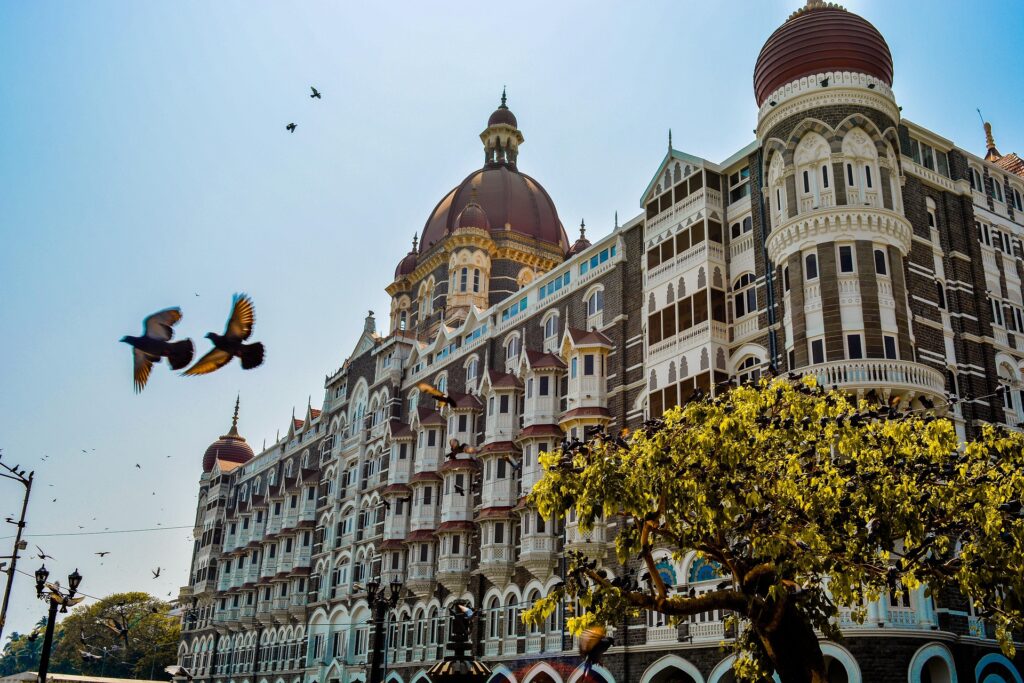
As India’s financial capital and Bollywood hub, Mumbai is a city of contrasts – fast-paced, glamorous, yet grounded in tradition. At the waterfront, the Gateway of India stands as the city’s most famous landmark, built during the British Raj. From here, boats depart to Elephanta Island, home to ancient rock-cut temples. A walk along Marine Drive and Chowpatty Beach offers the best sunset views, while the Victorian Gothic and Art Deco buildings of South Mumbai (a UNESCO World Heritage site) showcase the city’s colonial past.
Mumbai is also about energy and culture. Visitors can take a Bollywood studio tour to see the heart of India’s film industry, or explore bustling markets such as Crawford Market for spices, textiles, and antiques. The city’s street food is legendary: try vada pav (Mumbai’s signature snack), pav bhaji, and fresh seafood. For art and history, the Chhatrapati Shivaji Maharaj Vastu Sangrahalaya (formerly Prince of Wales Museum) and Kala Ghoda art district are must-sees.
Varanasi
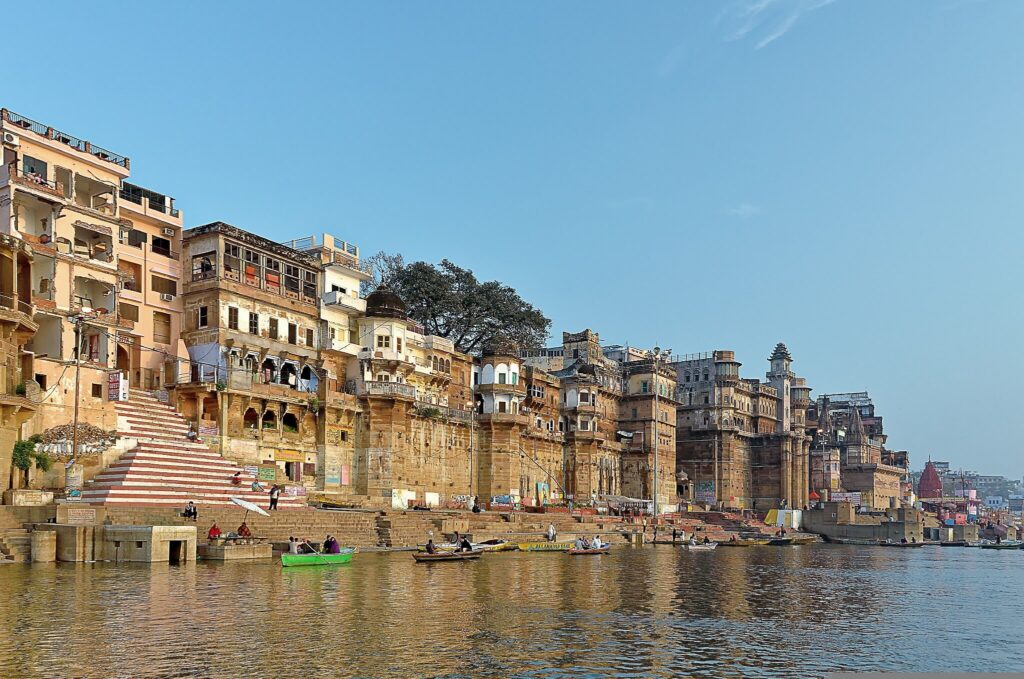
As one of the oldest continuously inhabited cities in the world, Varanasi is considered the spiritual heart of India and a must-visit for those seeking a deeper cultural experience. The city’s soul lies along the ghats (riverfront steps) of the Ganges, where rituals of life and death unfold daily. The most powerful experience is witnessing the evening Ganga Aarti at Dashashwamedh Ghat, when priests perform synchronized fire ceremonies as chants and bells fill the air. Equally unforgettable is a sunrise boat ride, offering peaceful views of the riverbanks as locals bathe, pray, and begin their day.
Beyond the ghats, Varanasi is a maze of narrow lanes filled with temples, shrines, silk workshops, and street food stalls. The Kashi Vishwanath Temple is one of Hinduism’s holiest sites, while nearby Sarnath is where the Buddha gave his first sermon, making the area significant for both Hinduism and Buddhism. Visitors can also explore the city’s traditional silk-weaving industry, famous for producing Varanasi saris.
Kolkata
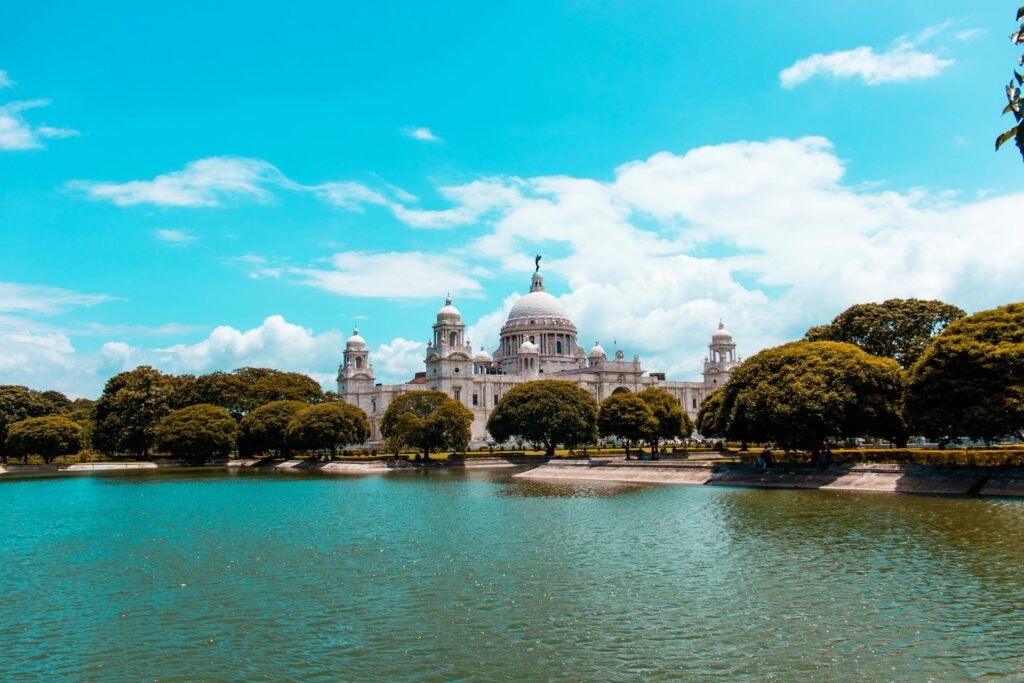
Kolkata combines colonial architecture, vibrant festivals, and a rich intellectual tradition. The city’s most famous landmark is the Victoria Memorial, a marble monument surrounded by gardens that now houses a museum on India’s colonial past. Other highlights include the iconic Howrah Bridge, one of the busiest in the world, and St. Paul’s Cathedral, reflecting the city’s British-era heritage.
Kolkata is also India’s literary and artistic hub, with a thriving café culture, bookshops, and theaters. The city’s passion for food is equally strong – from street-side kathi rolls and puchkas to traditional Bengali sweets like rasgulla and sandesh. Visiting during Durga Puja (September–October) is especially rewarding, as the city transforms with elaborate pandals (temporary temples), lights, music, and cultural performances.
Bengaluru (Bangalore)
Bengaluru is the country’s technology capital, but it offers far more than modern offices and skyscrapers. The city balances its cosmopolitan energy with abundant parks and gardens, making it one of India’s most livable destinations. Top highlights include Lalbagh Botanical Garden, famous for its glasshouse and diverse plant collections, and Cubbon Park, a sprawling green escape right in the city center.
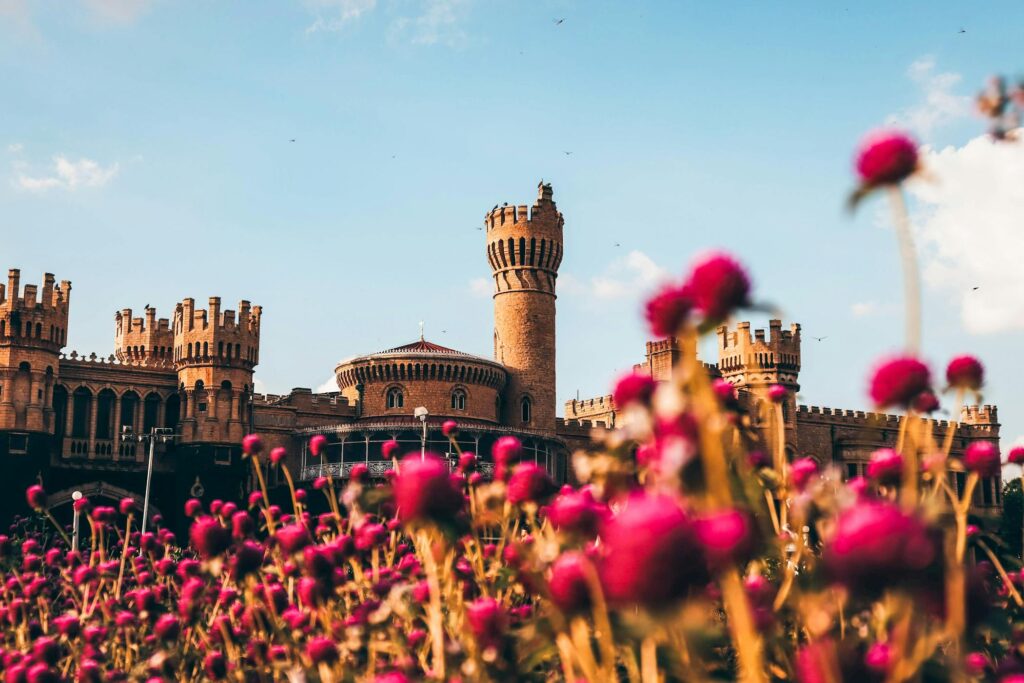
Bengaluru is also a food and nightlife hub, with India’s most vibrant craft brewery scene, rooftop bars, and an endless variety of restaurants offering everything from South Indian dosas to global cuisine. Shopping ranges from bustling Commercial Street to luxury malls and quirky local markets. Cultural stops include Bangalore Palace, modeled on Windsor Castle, and the Tipu Sultan’s Summer Palace, offering a glimpse of the city’s royal past.
Hyderabad
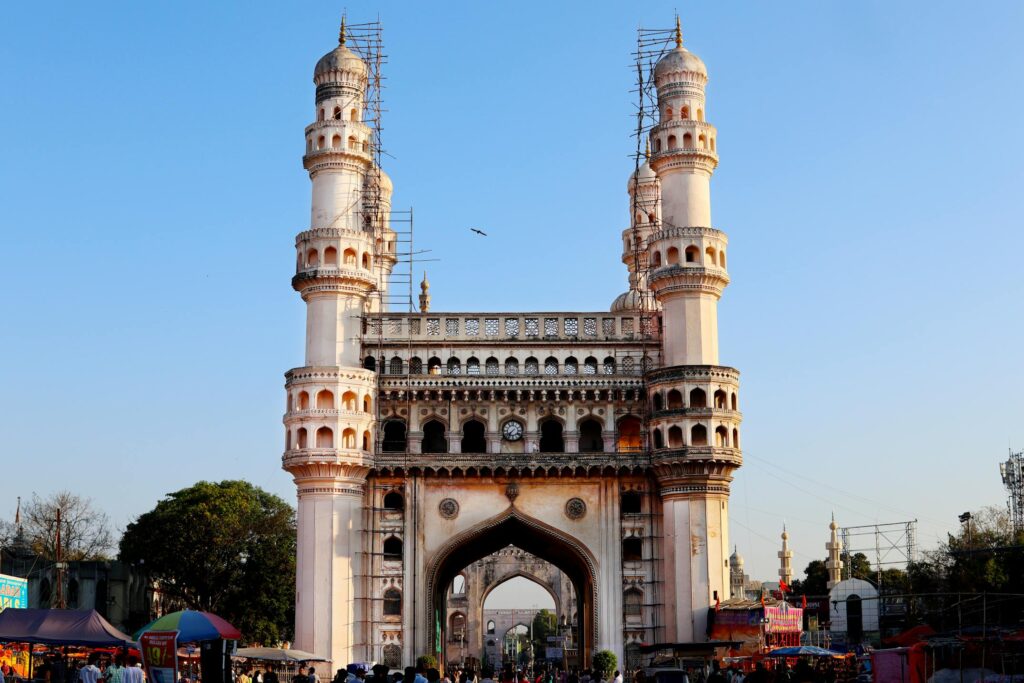
Blending Mughal, Persian, and South Indian influences, Hyderabad is one of India’s most atmospheric cities, equally famous for its historical landmarks and its cuisine. The iconic Charminar, a 16th-century monument with four grand arches, is the heart of the old city and surrounded by bustling bazaars. Nearby, the Mecca Masjid and vibrant markets selling pearls, spices, and bangles showcase the city’s cultural richness.
History enthusiasts will enjoy exploring Golconda Fort, once the seat of a powerful dynasty and still impressive with its vast ramparts and acoustic engineering. The elegant Chowmahalla Palace, with its chandeliers and courtyards, offers a glimpse into the grandeur of the Nizams. For art and artifacts, the Salar Jung Museum holds one of India’s largest collections.
Chennai
Located on the Bay of Bengal, Chennai is a city that blends modern growth with deep traditions. It’s the starting point for exploring Tamil Nadu’s temple heritage, with UNESCO-listed Mahabalipuram and the silk-weaving town of Kanchipuram just a short drive away. Within the city, visitors can see Kapaleeshwarar Temple, with its colorful gopuram towers, and the colonial-era Fort St. George, built by the British East India Company. The city’s long stretch of Marina Beach is a popular evening gathering spot.
Chennai is also a cultural capital, especially known for Carnatic music, Bharatanatyam dance, and South Indian cuisine. Traditional meals served on banana leaves, filter coffee, and dosa breakfasts are everyday highlights. Museums such as the Government Museum house rich collections of Chola bronzes and South Indian art.
Best Natural Wonders
Himalayas
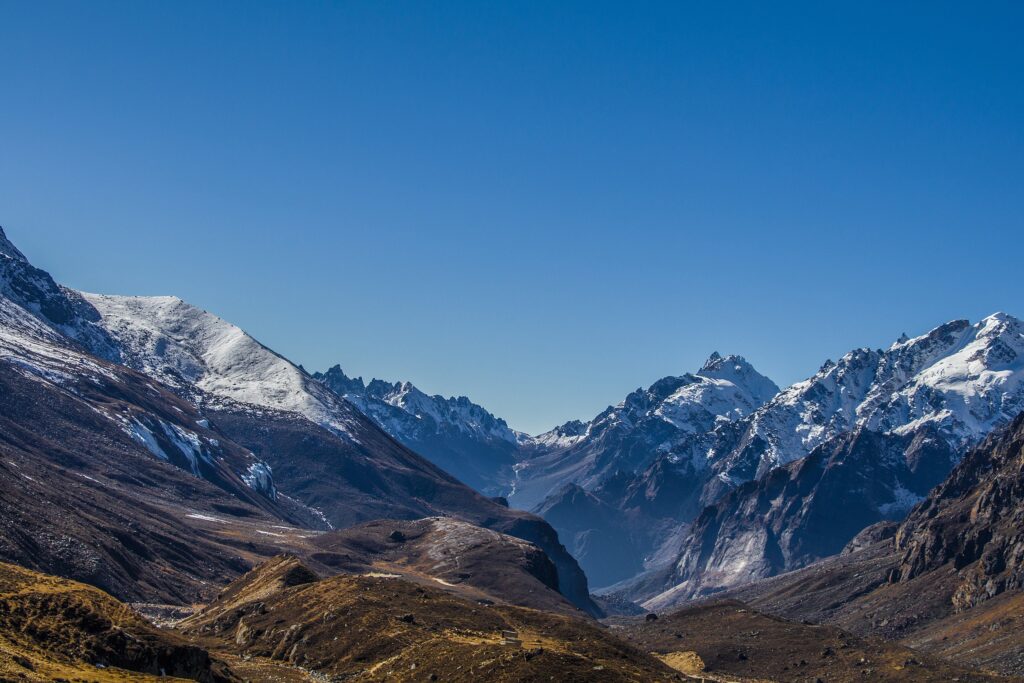
The first time you see Ladakh, it almost feels like another planet. The air is thin, the mountains are bare, and yet between the ochre ridges lie monasteries painted in white and gold, where monks chant as prayer flags whip in the wind. Driving over Khardung La – one of the world’s highest motorable passes – you can’t help but feel the thrill of standing on the roof of the world. And then comes Pangong Lake, shifting from steel grey to turquoise to deep indigo in a single afternoon, a view that stays etched in memory long after you leave.
Head south into Himachal Pradesh, and the mood shifts completely. In Manali, apple orchards line the valley, and cafés hum with trekkers planning their next route into the Parvati Valley or across the passes into Spiti. Spiti itself is raw and unforgettable: mud-brick villages cling to cliffsides, and the silence of Key Monastery at sunrise is enough to make anyone pause. This is a place where you don’t just look at landscapes – you feel their weight.
Kerala Backwaters
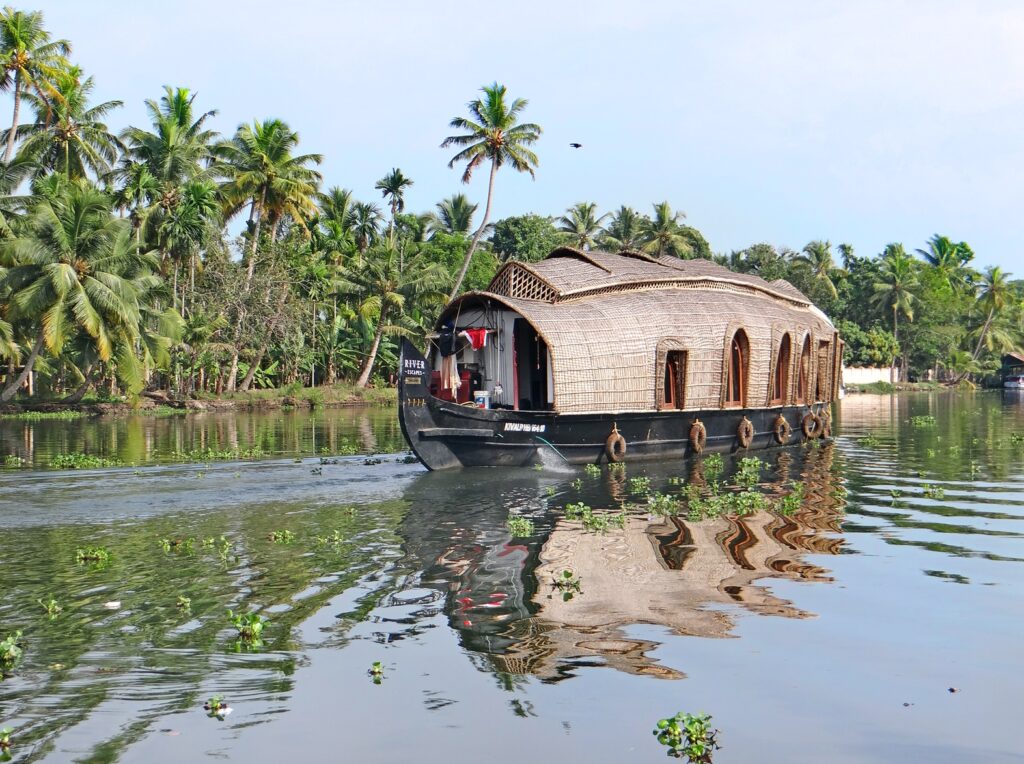
The Kerala Backwaters stretch for over 900 km across southern India, a maze of lagoons and canals connecting villages and rice fields. The best way to explore is on a houseboat from Alleppey (Alappuzha), about 1.5 hours by road from Kochi airport. You can book day cruises (4–6 hours) or overnight trips, where meals are freshly cooked on board and you drift past palm-lined shores, churches, and small ferry crossings.
Most itineraries last one or two nights, looping through Vembanad Lake and village canals before returning to Alleppey. If you’re short on time, a half-day trip still gives a good taste. The experience is slow and immersive – expect Wi-Fi to be patchy, but sunsets, birdlife, and the rhythm of local life more than make up for it.
Rann of Kutch (Gujarat)
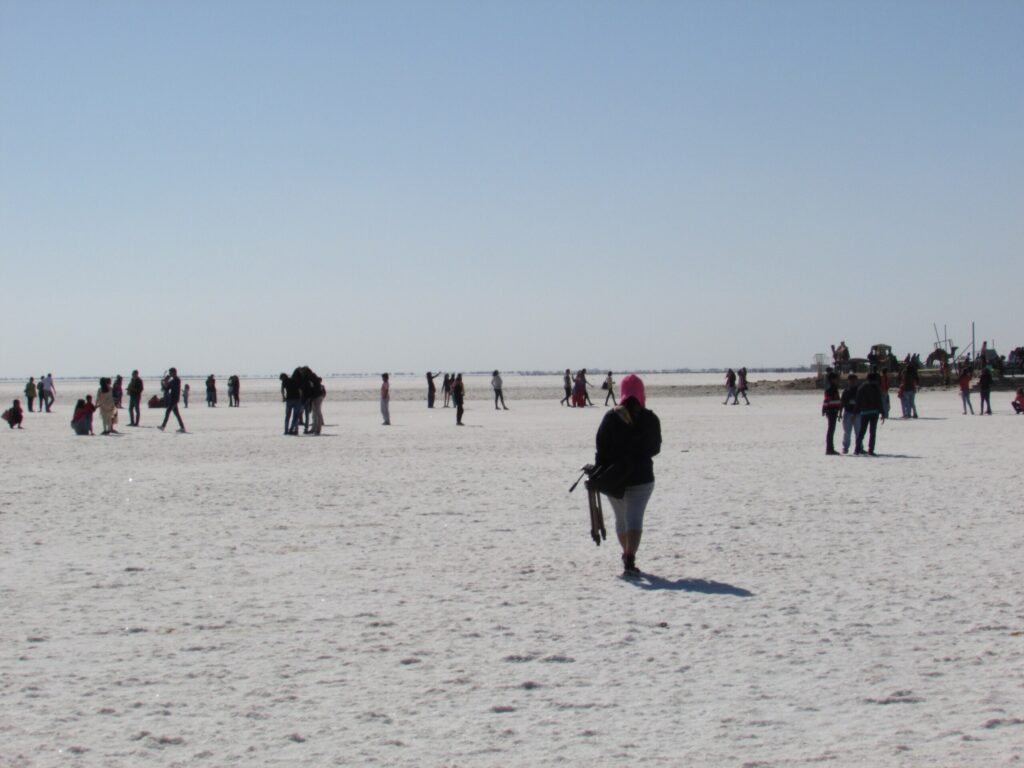
The Rann of Kutch is one of India’s most surreal landscapes – a vast white salt desert stretching to the horizon. The best time to visit is during the Rann Utsav (November–February), when the desert comes alive with folk music, dance, handicraft stalls, and camel rides. The highlight is walking on the endless salt flats under the full moon, when the desert literally glows. The closest entry point is Dhordo village, about 85 km (2 hours by road) from Bhuj, which itself is connected by flights and trains to major cities like Ahmedabad and Mumbai.
Most travelers stay in tented resorts set up during the festival, complete with cultural shows and local cuisine. If you’re not visiting during the Utsav, the desert is still worth seeing, but plan for permits at the check-post (required for the White Rann). A day trip from Bhuj is possible, but an overnight stay lets you catch both sunset and moonrise over the salt flats – unforgettable moments that make Kutch one of India’s most unique destinations.
Goa Beaches
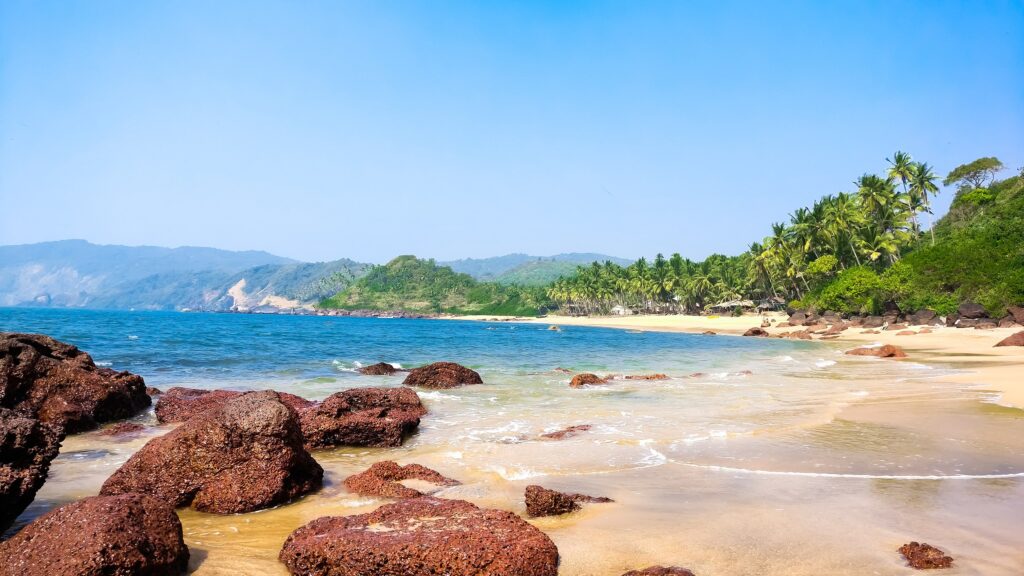
Goa’s 100 km coastline is India’s most famous beach escape, offering everything from buzzing party hubs to quiet coves. In the north, Baga, Calangute, and Anjuna are known for their nightlife, beach shacks, and water sports. South Goa, by contrast, is laid-back – Palolem, Agonda, and Colva are lined with palm trees, yoga retreats, and boutique stays. Beyond the sand, Goa’s Portuguese heritage shows in its whitewashed churches, old forts, and colorful Latin Quarter in Panaji.
Getting here is easy: Goa has an international airport near Vasco da Gama, well-connected to Mumbai, Delhi, and Bengaluru. Trains and buses also link Goa with major Indian cities. Most beaches are within 1–2 hours’ drive from the airport or railway stations. Whether you want to party till dawn, practice sunrise yoga, or simply enjoy fresh seafood by the sea, Goa’s beaches offer something for every traveler.
Andaman & Nicobar Islands
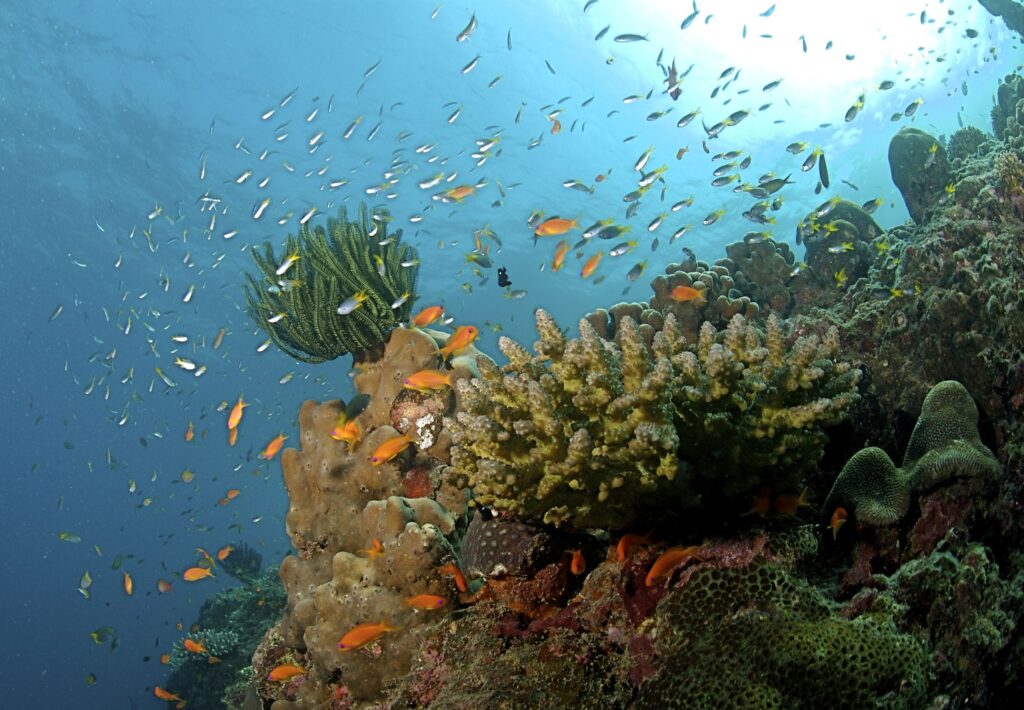
Far out in the Bay of Bengal, the Andaman & Nicobar Islands feel like a world apart – tropical, untouched, and strikingly beautiful. Havelock Island’s Radhanagar Beach is often ranked among Asia’s best, with powdery sand and unforgettable sunsets. The surrounding waters are crystal clear, perfect for snorkeling and scuba diving among coral reefs teeming with marine life, from manta rays to reef sharks. History also lingers here: the Cellular Jail in Port Blair tells stories of India’s freedom struggle.
Flights connect Port Blair, the capital, to Chennai, Kolkata, and Delhi in about 2–3 hours, while ferries link the main islands. Getting between Havelock, Neil, and other islands usually requires 1–2 hour boat rides. Best visited between November and May, the islands are ideal for both adventure and relaxation. Whether you’re diving into the Andaman Sea, trekking through rainforests, or just swaying in a hammock under palm trees, this is India at its most idyllic.
Meghalaya
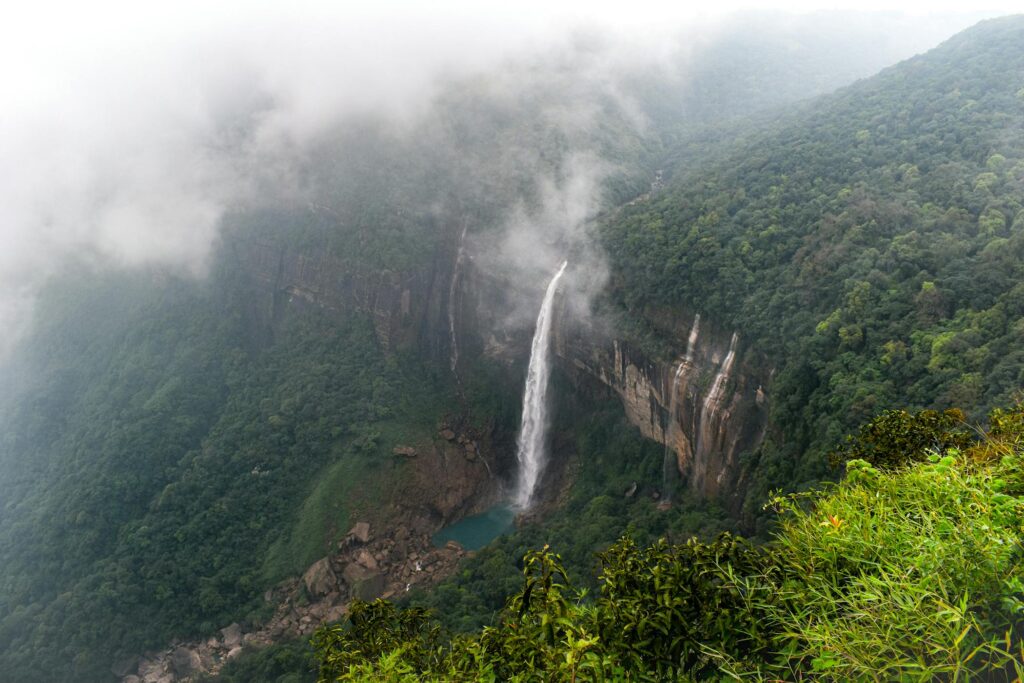
Meghalaya is where India feels wild, green, and deeply mystical. The town of Cherrapunji – once the wettest place on Earth – offers thundering waterfalls like Nohkalikai and panoramic views of rolling, mist-covered valleys. Trekking down to the living root bridges, crafted over generations by the Khasi people, is an unforgettable experience that combines both nature and indigenous ingenuity.
Travelers usually reach Meghalaya via Guwahati in Assam, from where Shillong, the state’s charming capital, is about a 3-hour drive. From Shillong, day trips take you to Mawlynnong, dubbed the “cleanest village in Asia,” and to caves, canyons, and endless stretches of forest. The best time to visit is October to April, when the weather is clear and ideal for exploring, though the monsoon months (June – September) transform the landscape into a surreal, rain-drenched wonderland.
Jim Corbett National Park
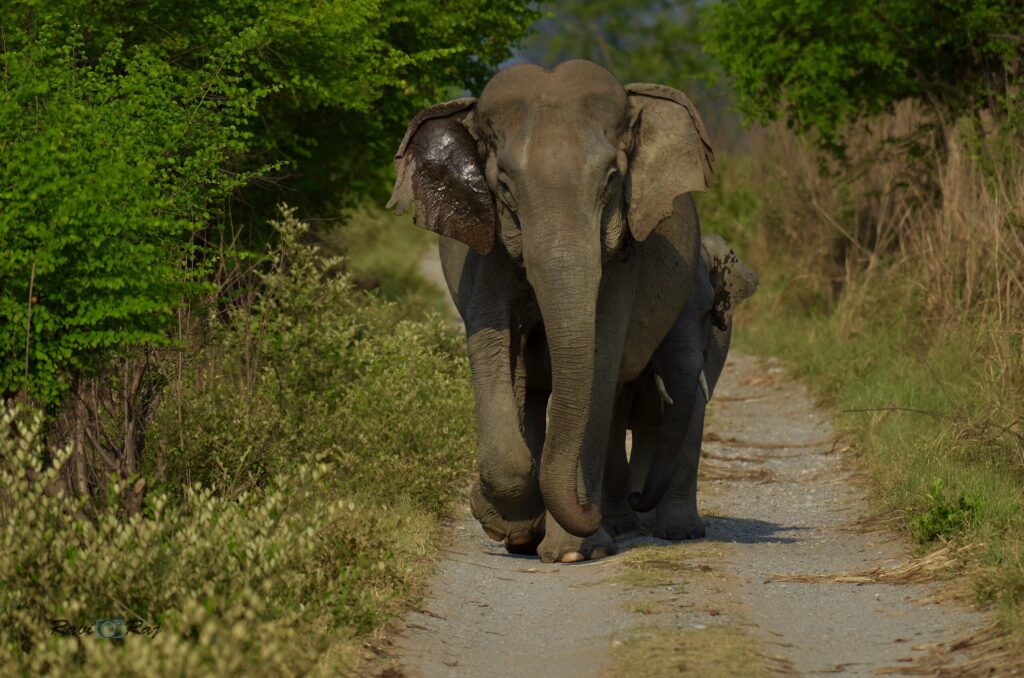
Established in 1936 as India’s first national park, Jim Corbett remains one of the best places in the country to see wildlife in its natural habitat. Spread across Uttarakhand’s Himalayan foothills, the park is most famous for its tiger population, but visitors can also spot wild elephants, leopards, gharials, and over 600 bird species. The landscapes are just as varied – dense sal forests, grasslands, marshes, and riverbanks – making every safari feel different.
The park is about 5–6 hours by road from Delhi or reachable by train to nearby Ramnagar. Safaris are conducted in designated zones like Dhikala, Bijrani, and Jhirna, each with its own character. November to June is the best time to visit, with Dhikala zone offering the best chance to spot tigers. Accommodations range from forest lodges inside the park to resorts around Ramnagar, giving travelers a choice between rustic and comfortable stays.
Valley of Flowers (Uttarakhand)
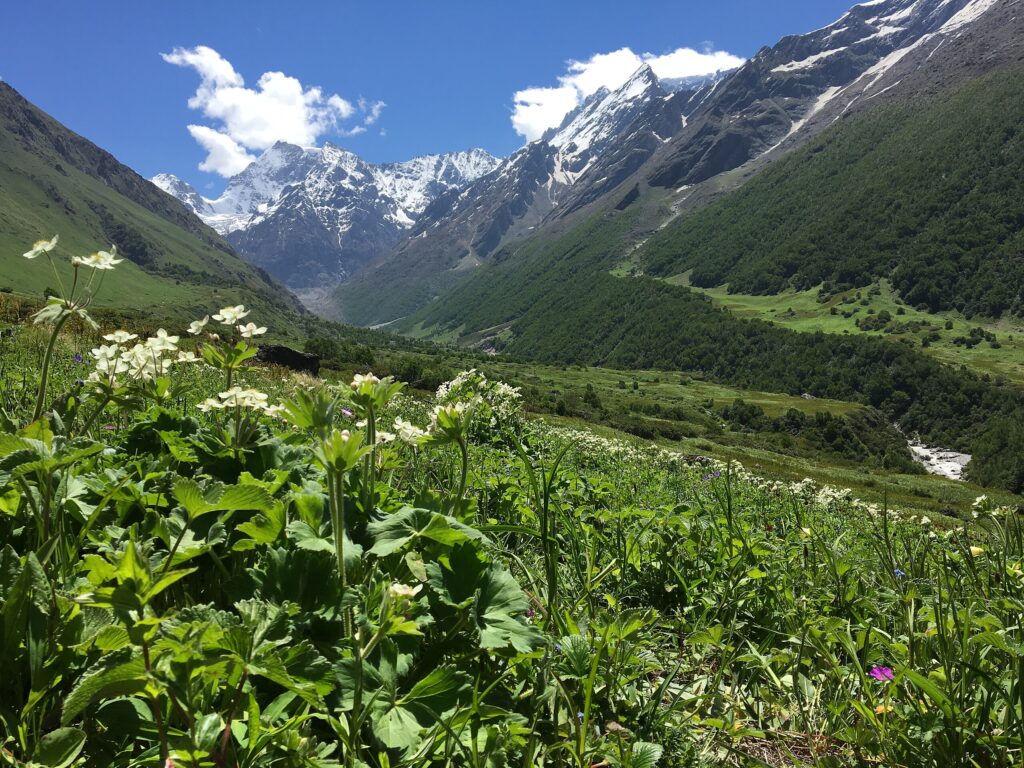
Tucked high in the Garhwal Himalayas, the Valley of Flowers is one of India’s most enchanting treks. A UNESCO World Heritage site, it comes alive during July and August, when thousands of alpine flowers paint the meadows in a riot of colors against the backdrop of snow-dusted peaks. Orchids, poppies, primulas, and countless other species blanket the valley, attracting nature lovers, photographers, and botanists from around the world.
Reaching the valley requires effort: the journey usually starts with a drive to Govindghat (about 10 hours from Rishikesh or Haridwar), followed by a trek via Ghangaria village. From there, it’s a 4–5 km hike into the valley itself. The trek is moderate, making it accessible to most reasonably fit travelers. Combine it with a visit to Hemkund Sahib, a high-altitude Sikh pilgrimage site nearby, to round out a truly unforgettable Himalayan adventure.
Hidden Gems of India
Hampi (Karnataka)
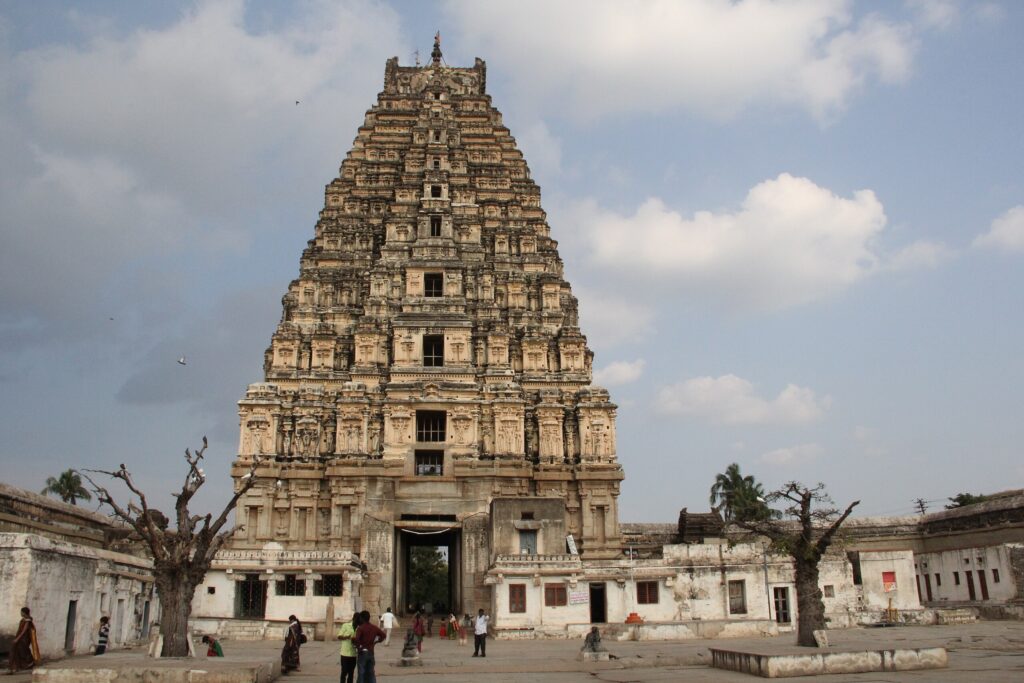
Hampi, a UNESCO World Heritage site, feels like stepping into another world. Once the capital of the Vijayanagara Empire, its ruins stretch across a surreal landscape of massive boulders, banana plantations, and the Tungabhadra River. Here you’ll find intricately carved temples like the Virupaksha Temple, the stone chariot at Vittala Temple, ancient bazaars, and the remains of royal enclosures and palaces. The scale and artistry of the ruins make it one of India’s most captivating historical destinations.
Getting to Hampi usually involves traveling via Hospet (13 km away), which is well connected by train and bus to Bengaluru, Goa, and Hyderabad. From Hospet, autos and taxis take you into Hampi. To really experience the site, plan at least 2–3 days—rent a bicycle or scooter to explore at your own pace, hike up Matanga Hill for sunrise views, and spend evenings by the riverside cafés soaking in the atmosphere.
Spiti Valley (Himachal Pradesh)
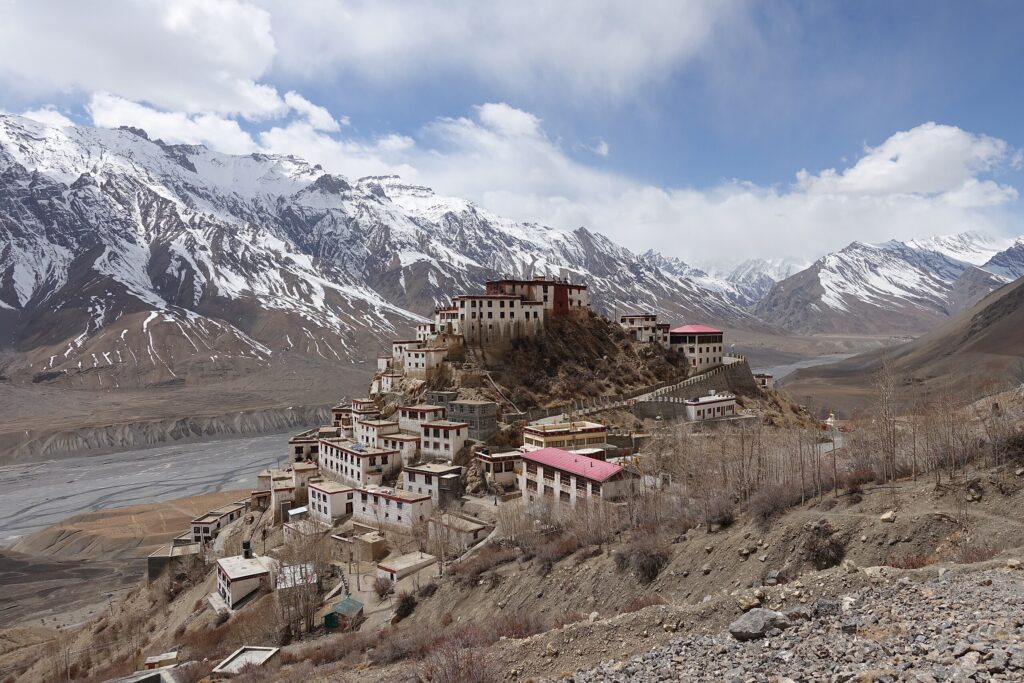
Spiti Valley is one of India’s most breathtaking high-altitude regions, often called “Little Tibet” for its stark landscapes and centuries-old monasteries. Perched at over 3,500 meters, the valley is dotted with whitewashed villages, turquoise lakes like Chandratal, and monasteries such as Key, Dhankar, and Tabo, some of the oldest in the world. The scenery—rugged mountains, vast deserts, and clear skies – feels otherworldly, and treks here rival those in Ladakh but without the heavy tourist crowds.
Reaching Spiti is part of the adventure. Travelers can drive via Shimla (through Kinnaur) or take the more dramatic Manali–Rohtang Pass–Kunzum Pass route (open June to October). Either way, expect long, rough drives but unforgettable views. It’s best to plan at least a week to acclimatize and explore, with highlights including the villages of Kibber and Langza, spotting Himalayan wildlife, and experiencing life at homestays where hospitality is as warm as the valley is cold.
Gokarna (Karnataka)
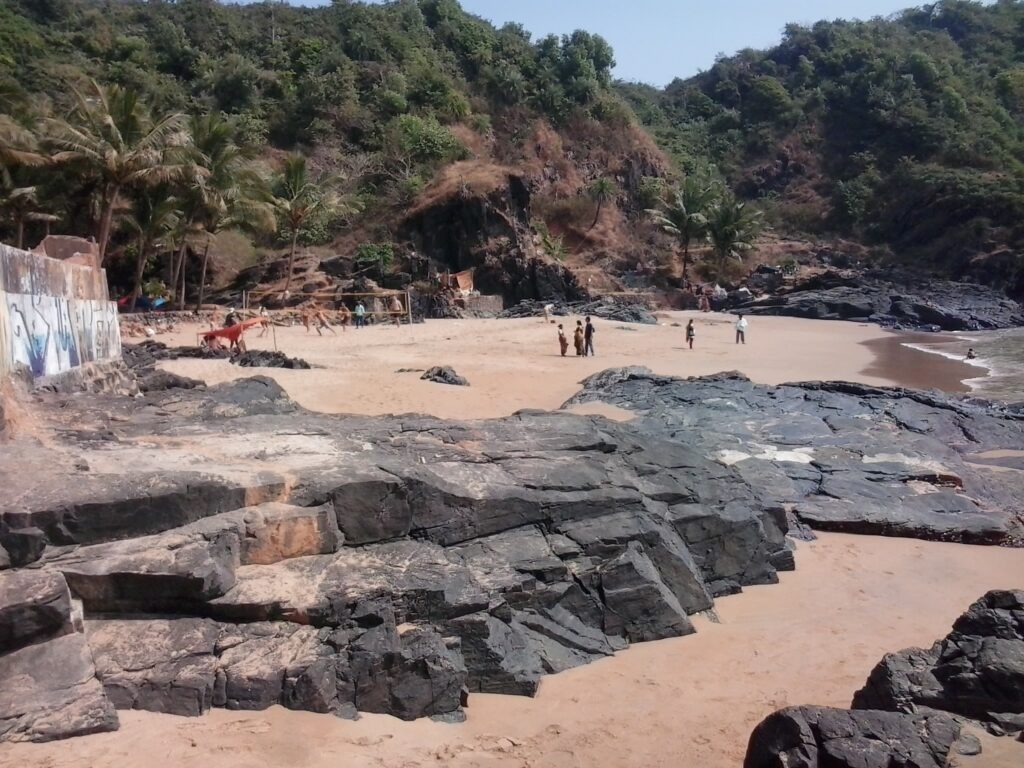
Gokarna is often called Goa’s quieter cousin, but it has its own distinct charm. This small coastal town combines spirituality with natural beauty – pilgrims come to visit the ancient Mahabaleshwar Temple, while travelers are drawn to its string of pristine beaches. Om Beach, Kudle Beach, Paradise Beach, and Half Moon Beach are all walkable or reachable by short boat rides, each offering a mix of relaxation, cliffside cafés, and water activities. Unlike Goa’s party vibe, Gokarna’s beaches feel more laid-back, making them perfect for yoga, meditation, or just watching the sunset in peace.
Getting here is relatively easy: Gokarna Road railway station is about 10 km from town, and the nearest airport is Goa’s Dabolim Airport (approx. 140 km / 3.5–4 hours by car). Many travelers combine Gokarna with a Goa trip, but it’s well worth spending 2–3 days here on its own – whether to join a yoga retreat, trek along the scenic beach-to-beach trails, or simply slow down and enjoy a calmer side of India’s coastline.
Khajuraho (Madhya Pradesh)
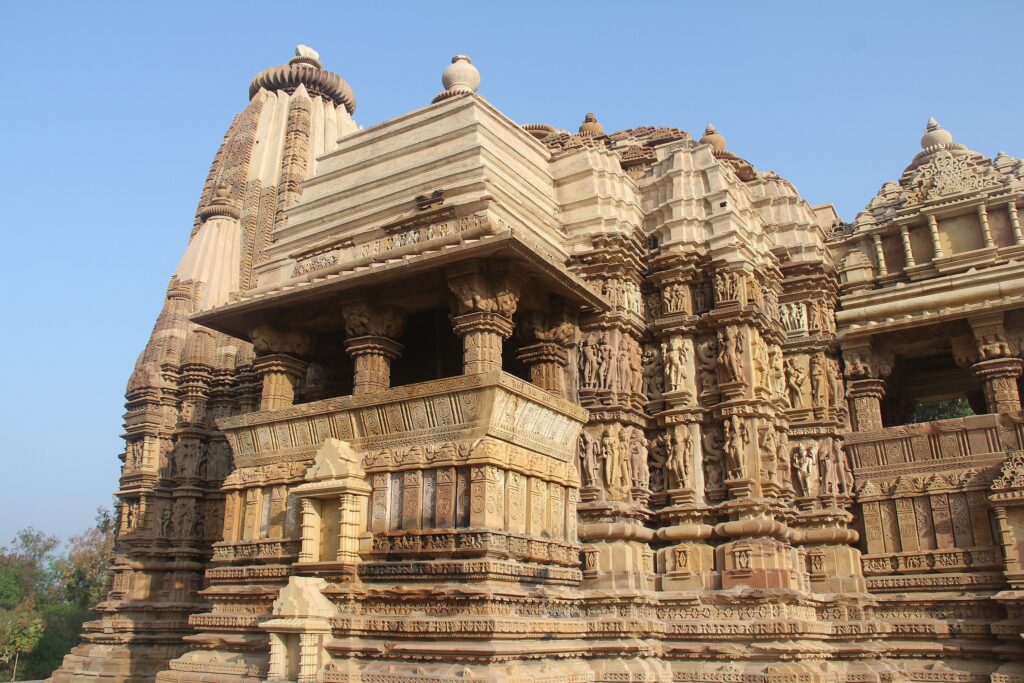
Khajuraho is one of India’s most remarkable heritage sites, famous for its group of UNESCO-listed temples built between the 9th and 12th centuries by the Chandela dynasty. What makes them unique are the exquisite stone carvings – thousands of figures illustrating gods, goddesses, dancers, musicians, and even explicit scenes of human intimacy. Far from being just erotic art, these carvings represent the balance of life: spirituality, love, and daily existence woven together in stone. The Kandariya Mahadeva Temple is the largest and most breathtaking, while the Lakshmana and Parsvanatha temples showcase the artistry at its peak.
Khajuraho is well-connected by air through its small domestic airport (2 km from town), with regular flights from Delhi and Varanasi. Trains also link it to major cities like Jhansi (about 5–6 hours away). Most visitors spend 1–2 days here, exploring the western, eastern, and southern temple groups, often paired with a visit to the nearby Panna National Park for tiger safaris. Evening sound-and-light shows at the temples add a magical dimension to the experience.
Majuli Island (Assam)
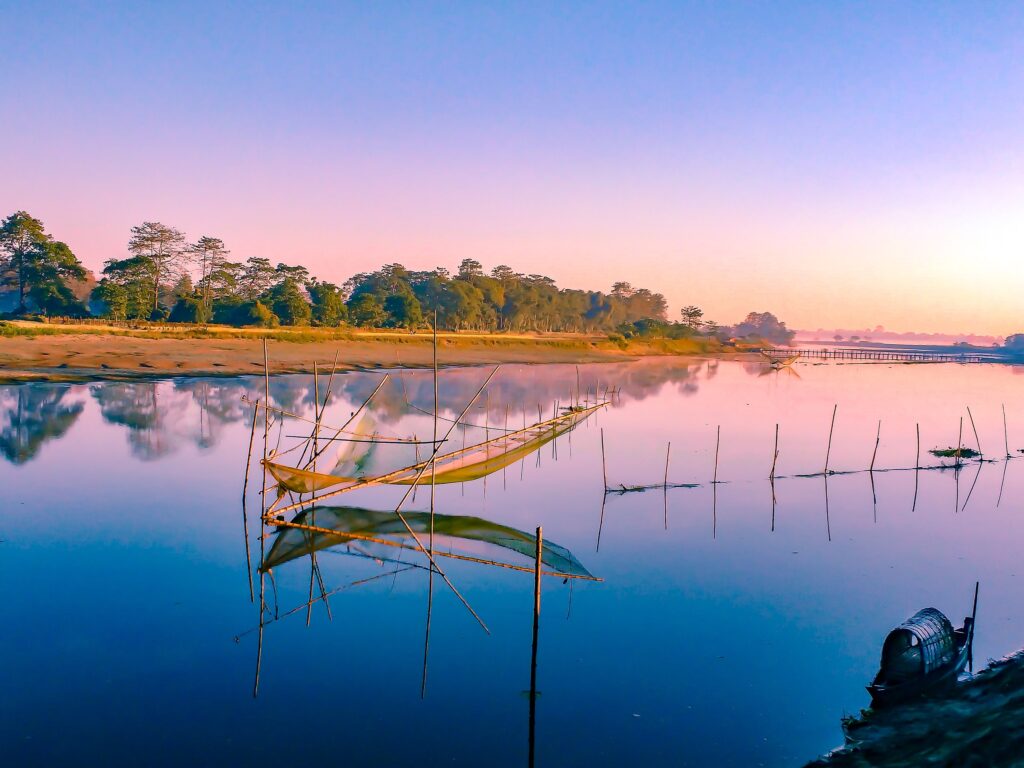
Majuli, floating in the mighty Brahmaputra River, holds the title of the world’s largest river island and is deeply woven into Assam’s cultural and spiritual fabric. It is home to unique Vaishnavite monasteries called satras, where monks preserve centuries-old traditions of dance, music, and art. Festivals like Ras Leela bring the island alive with vibrant performances, while village life offers a slower rhythm, marked by bamboo houses, craftwork, and warm hospitality.
Reaching Majuli requires a bit of adventure: the nearest hub is Jorhat (about 20 km away), from where travelers take a ferry ride across the Brahmaputra to the island. Once there, exploring is best done by bicycle or motorbike, giving time to visit monasteries, meet artisans, and enjoy the lush paddy fields and wetlands teeming with birdlife. Spending a couple of days here offers not just sightseeing but immersion in a way of life that feels timeless and connected to nature.
Ziro Valley (Arunachal Pradesh)
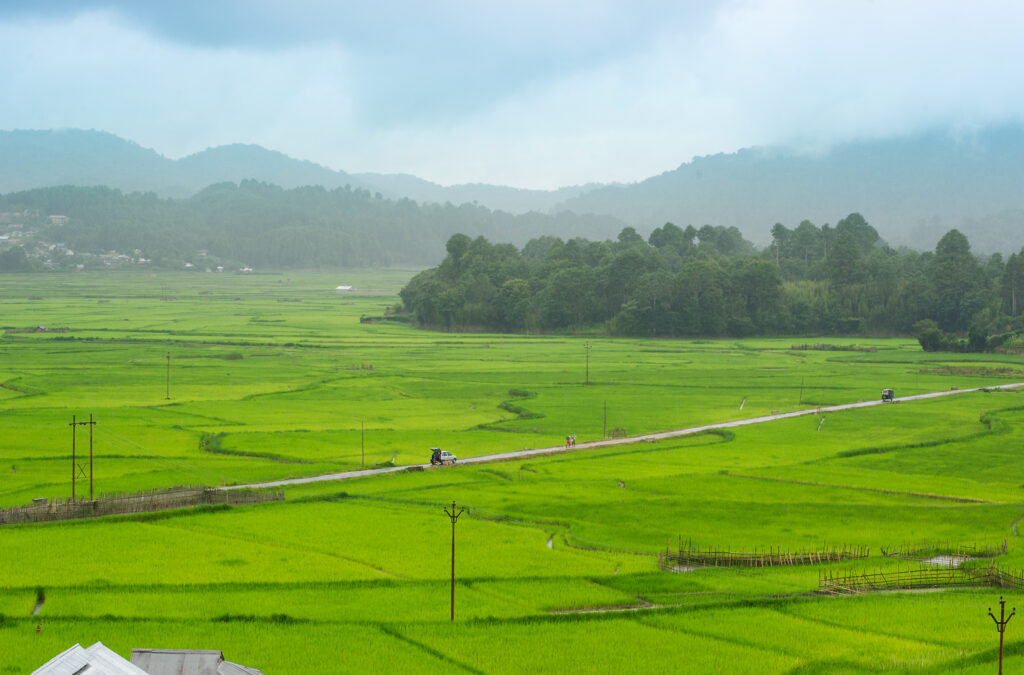
Tucked away in the eastern Himalayas, Ziro Valley is a patchwork of emerald rice paddies, pine-clad hills, and quaint villages that feels untouched by time. It’s the homeland of the Apatani tribe, known for their sustainable farming practices and unique traditions, which add a rich cultural depth to the natural beauty. The valley’s cool climate makes it a pleasant retreat year-round, and its laid-back atmosphere is perfect for slow travel.
Ziro is also gaining global fame thanks to the Ziro Music Festival, held every September, which transforms the valley into an open-air stage where local and international artists perform under the stars. To reach Ziro, travelers usually go via Guwahati or Tezpur, then continue with an overnight train or a drive through winding mountain roads. Plan on spending 3–4 days here to enjoy village walks, explore tribal culture, and soak up the festival or the valley’s serenity if visiting outside the event.
Best Cultural & Historical Landmarks
Taj Mahal (Agra)
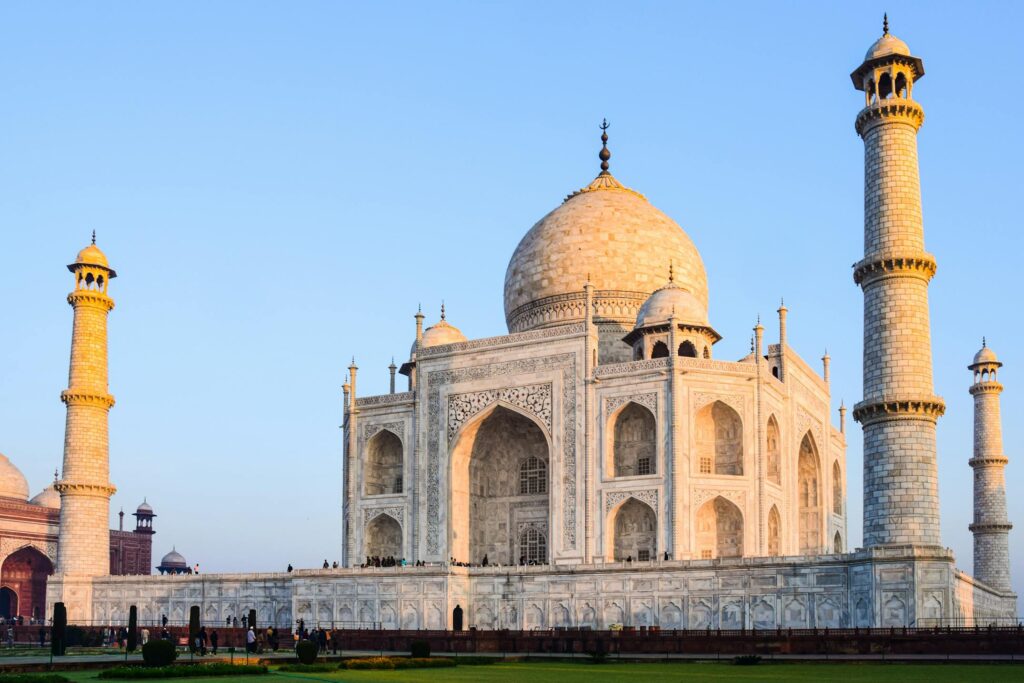
The Taj Mahal is more than India’s most famous monument – it’s a masterpiece of Mughal architecture and a UNESCO World Heritage site that draws millions each year. Built in the 17th century by Emperor Shah Jahan as a mausoleum for his wife Mumtaz Mahal, its perfect symmetry, intricate marble inlay work, and serene gardens make it one of the world’s great wonders. The monument changes color with the light, glowing pink at sunrise, golden at sunset, and silver under the moon.
Reaching the Taj Mahal is straightforward: Agra is about a 2–3 hour train or car ride from Delhi via the Gatimaan Express or Yamuna Expressway. Entry tickets can be purchased online to avoid queues, and it’s wise to visit early morning or late afternoon to skip crowds and heat. A typical visit takes 2–3 hours, but many travelers combine it with nearby sites like Agra Fort and Fatehpur Sikri to round out their trip.
Amber Fort (Jaipur)
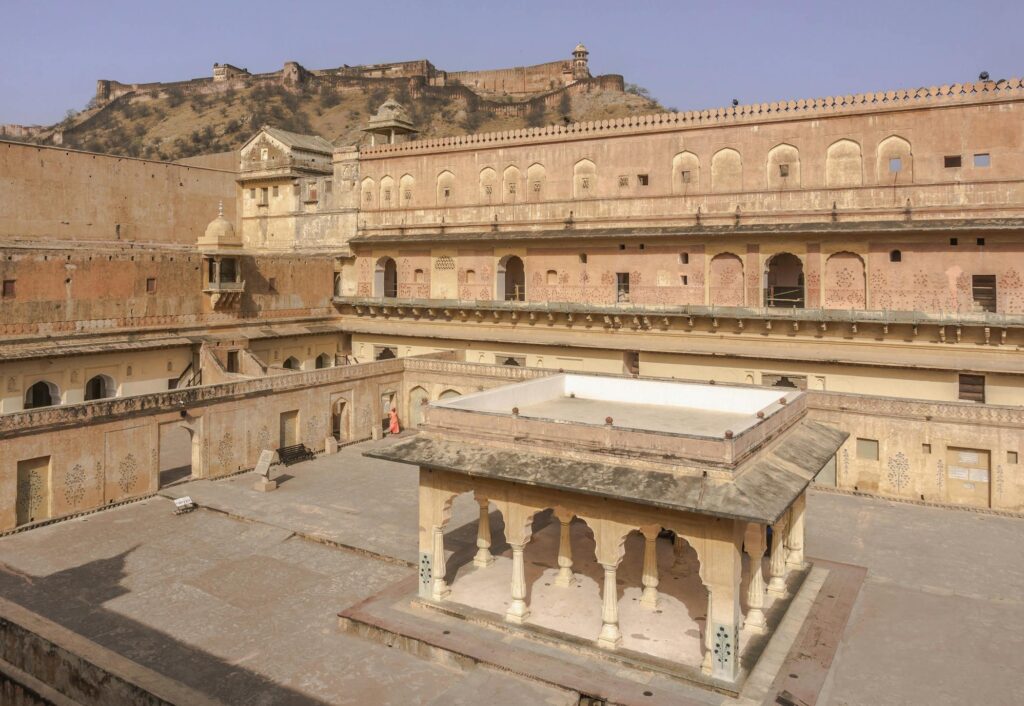
Perched on a hill just outside Jaipur, Amber Fort (or Amer Fort) is one of Rajasthan’s most impressive landmarks. Built in the 16th century, it blends Rajput and Mughal architecture, with sprawling courtyards, delicate frescoes, and the famous Sheesh Mahal (Mirror Palace), where tiny mirrors sparkle under the faintest light. The fort’s location above Maota Lake adds to its dramatic appeal, especially at sunrise or sunset when the sandstone glows golden.
Getting to Amber Fort is easy – it’s about a 20-minute drive from central Jaipur. Visitors can either hike up the cobbled path, take a jeep, or ride the shuttle service. Plan to spend 2–3 hours exploring its palaces, gardens, and hidden passages. A popular option is to buy a composite ticket, which also covers Jaipur’s other landmarks like Hawa Mahal and Jantar Mantar.
Qutub Minar (Delhi)
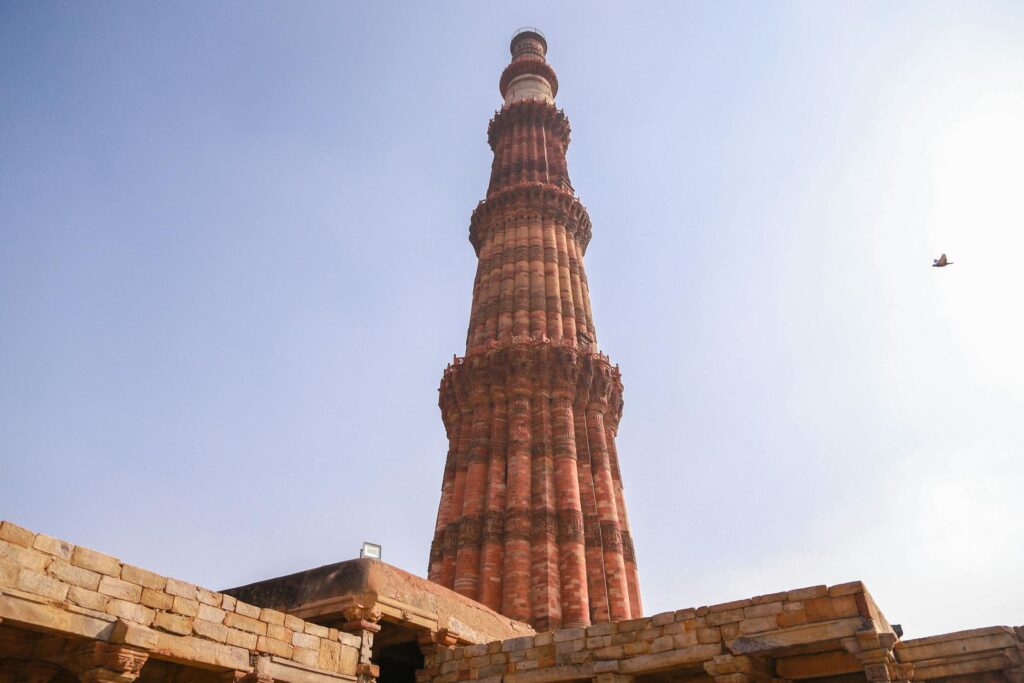
Qutub Minar is one of Delhi’s most striking landmarks – a 73-meter-tall red sandstone minaret built in the early 13th century by Qutb-ud-din Aibak, the founder of the Delhi Sultanate. Adorned with intricate Arabic calligraphy and geometric patterns, the tower leans slightly but has stood the test of time for over 800 years. Surrounding it is the Qutub Complex, a UNESCO World Heritage Site that includes the Quwwat-ul-Islam Mosque (the first mosque built in India) and the mysterious Iron Pillar of Delhi, which has resisted rust for more than 1,600 years.
Located in Mehrauli, South Delhi, the site is easily reachable by metro (Qutub Minar station on the Yellow Line) or taxi. Visitors typically spend 1–2 hours exploring the monuments and landscaped gardens. Early morning or late afternoon is the best time to visit, when the site is quieter and the minaret glows warmly in the sunlight, making it a favorite for both history enthusiasts and photographers.
Ajanta & Ellora Caves (Maharashtra)
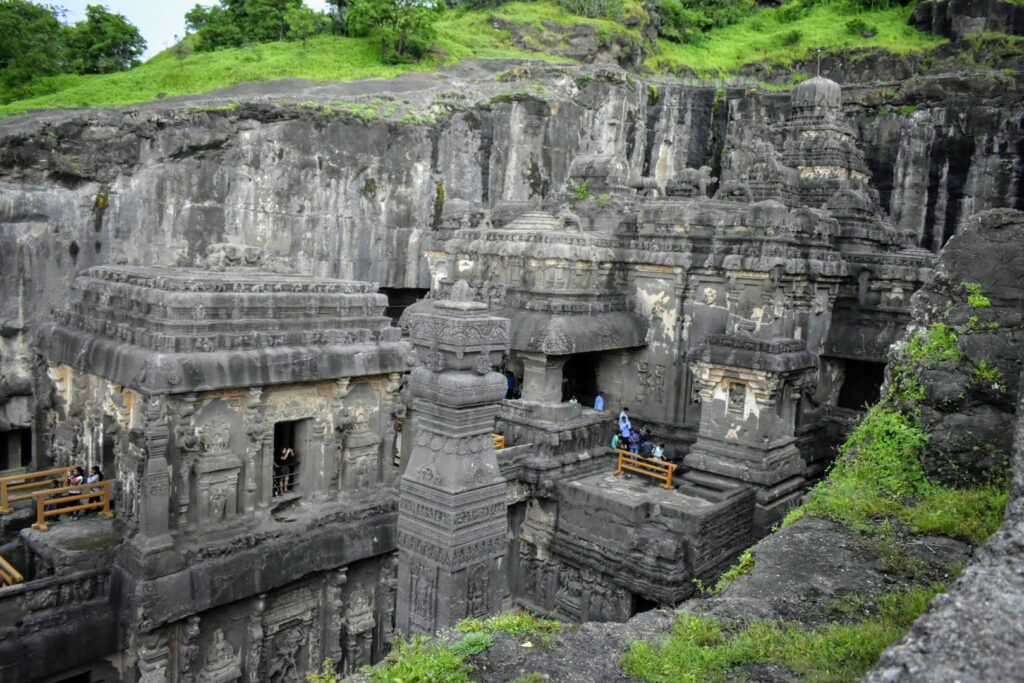
The Ajanta and Ellora Caves are among India’s most extraordinary archaeological treasures, showcasing rock-cut architecture and intricate artistry carved directly into cliffs. Ajanta, dating back to the 2nd century BCE, is famed for its Buddhist monasteries and prayer halls adorned with exquisite frescoes that vividly depict the life of the Buddha. Ellora, built later between the 6th and 10th centuries CE, represents a rare coexistence of faiths with Hindu, Buddhist, and Jain temples – including the awe-inspiring Kailasa Temple, carved from a single rock and often called the largest monolithic structure in the world.
Located near Aurangabad, the caves are accessible by train or flight to Aurangabad Airport, followed by a drive of about 2 hours to Ajanta and 30 minutes to Ellora. Most travelers spend a full day at each site to properly absorb the scale and artistry. The best time to visit is between October and March, when the weather is cooler. Together, Ajanta and Ellora offer not just a journey into India’s artistic heritage but also a profound glimpse into its spiritual and cultural diversity.
Golden Temple (Amritsar)
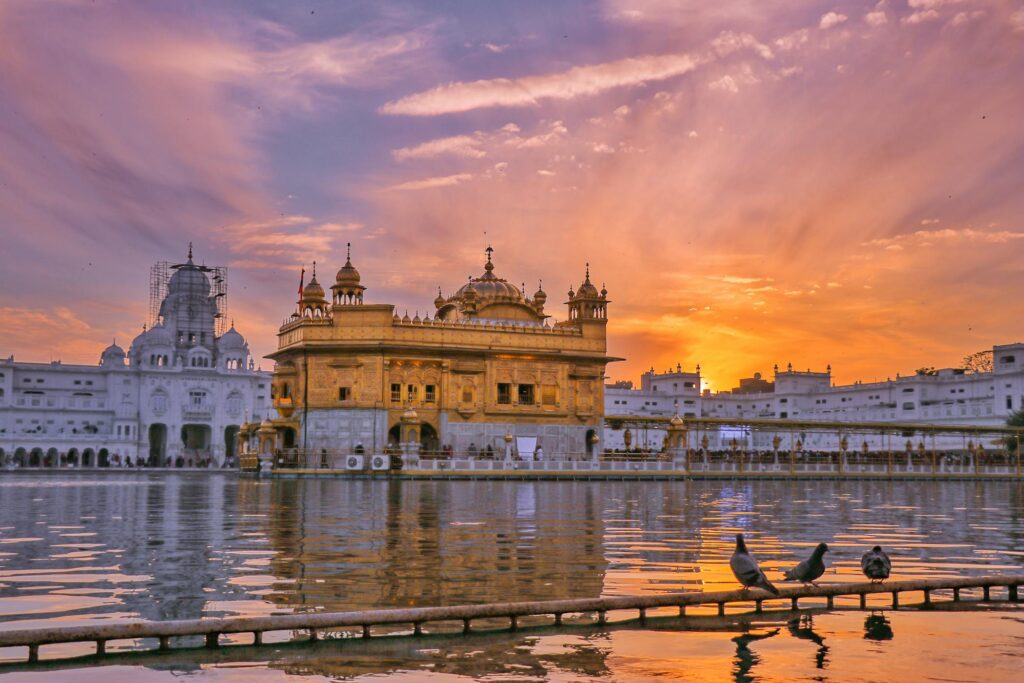
The Golden Temple, or Harmandir Sahib, is the holiest shrine of Sikhism and one of India’s most moving spiritual sites. Its shimmering gold-covered sanctum sits at the heart of the Amrit Sarovar, a sacred pool believed to have healing qualities. Pilgrims and visitors circle the temple along the marble pathway, listening to live hymns that echo across the water, creating an atmosphere of peace and devotion.
Beyond its beauty, the Golden Temple is also famous for its langar (community kitchen), where tens of thousands of people – regardless of faith or background – are served free vegetarian meals daily, a living expression of Sikh hospitality and equality. Located in the center of Amritsar, it’s easily reached by train or a short flight from Delhi, with the best times to visit being early morning or at night, when the temple is illuminated and reflected in the water.
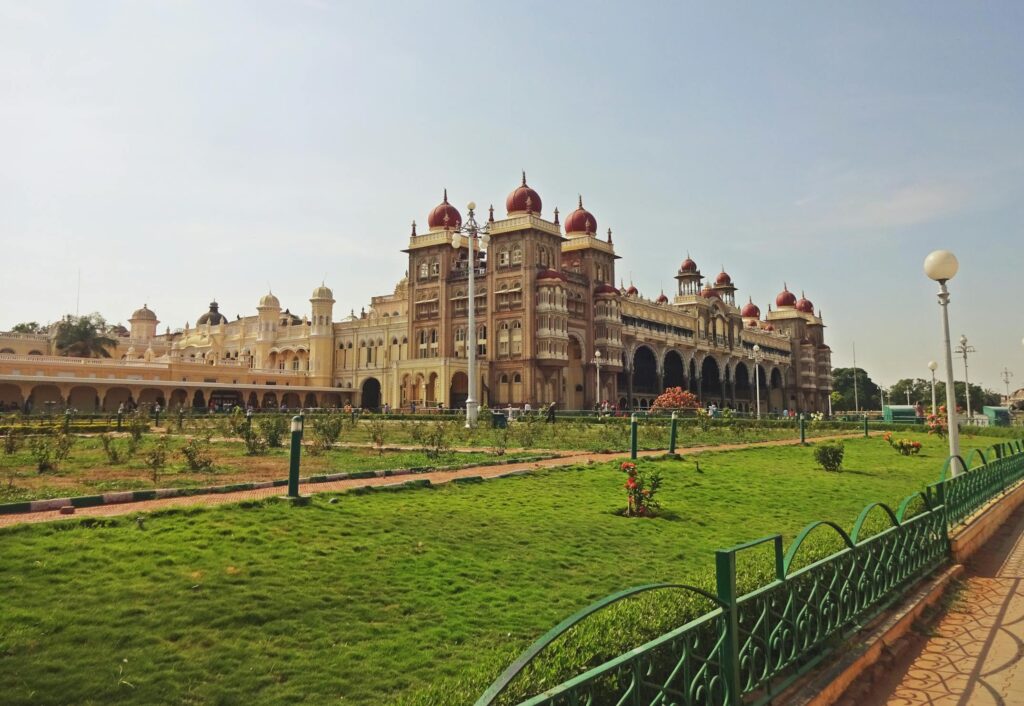
Mysore Palace (Karnataka)
Mysore Palace, also known as the Amba Vilas Palace, is one of India’s most opulent royal residences and the centerpiece of Mysore city. Built in the Indo-Saracenic style with domes, arches, and intricate carvings, the palace offers a glimpse into the grandeur of the Wodeyar dynasty. Inside, you’ll find ornate halls, stained glass ceilings, and gilded interiors that reflect centuries of wealth and craftsmanship.
The highlight comes at night when the palace is illuminated by nearly 100,000 bulbs, creating a magical spectacle visible across the city. It’s also the focus of the Dasara Festival, when cultural performances and processions bring the palace grounds to life. Located just 3 km from Mysore railway station, the palace is easy to reach and best visited in the evening to witness its stunning illumination.
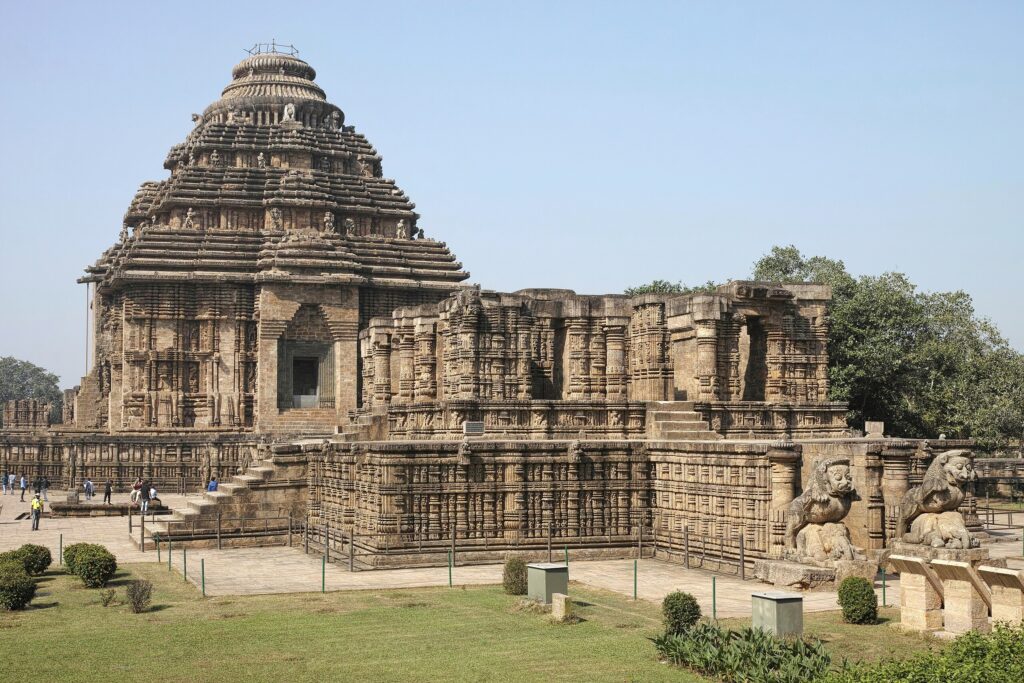
Konark Sun Temple (Odisha)
The Konark Sun Temple, a UNESCO World Heritage Site, is one of India’s most extraordinary monuments. Built in the 13th century by King Narasimhadeva I, it was conceived as a giant stone chariot for the Sun God, complete with 24 intricately carved wheels and pulled by seven stone horses. The temple walls are adorned with detailed carvings depicting deities, dancers, animals, and scenes of everyday life, showcasing the artistic mastery of the Kalinga school of architecture.
Although parts of the temple are now in ruins, its scale and craftsmanship remain awe-inspiring. The site is especially lively during the Konark Dance Festival (December), when classical dancers perform with the illuminated temple as a backdrop. Located about 35 km from Puri and 65 km from Bhubaneswar, it’s easily reached by road and is often combined with a visit to the Puri Jagannath Temple and the beaches of Odisha.
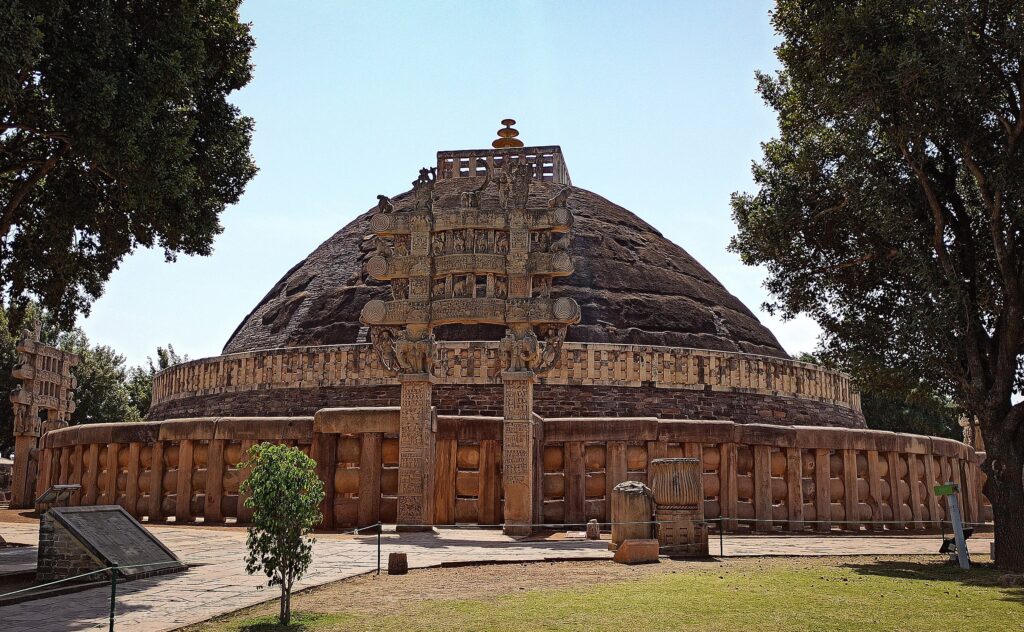
Sanchi Stupa (Madhya Pradesh)
The Great Stupa at Sanchi is one of the oldest surviving stone structures in India, commissioned by Emperor Ashoka in the 3rd century BCE. Built to house Buddhist relics, it remains an important pilgrimage site and a remarkable symbol of India’s Buddhist heritage. The hemispherical dome, crowned with a central pillar, represents the universe, while the four gateways (toranas) are covered with intricate carvings that narrate stories from the life of the Buddha and his previous incarnations (Jataka tales).
Beyond the main stupa, the complex includes smaller stupas, monasteries, and temples that together chart the evolution of Buddhist art and architecture. Located about 46 km from Bhopal, Sanchi is easily accessible by road or train and can be explored in a half-day trip. A visit here is not only about history but also about experiencing the serenity and symbolism of a monument that has inspired spiritual travelers for over two millennia.
Culinary & Market Experiences
Regional Dishes
India’s culinary diversity is best experienced region by region.
- North India is known for hearty gravies and tandoor cooking: butter chicken, kebabs, naan, and crispy samosas.
- South India offers lighter, rice-based meals: dosa, idli, sambar, and coconut-flavored fish curries.
- West India mixes vibrant snacks with coastal spice: pav bhaji, dhokla, vada pav, and Goan vindaloo.
- East India highlights fish and sweets: Bengali fish curry, momos, rasgulla, and mishti doi.
Street Food
Street food is a cultural highlight. Pani puri, chaat, vada pav, and jalebi are cheap, delicious, and found almost everywhere, from bustling cities to small towns.
Traditional Markets
Markets reflect India’s daily life and trade history. Delhi’s Chandni Chowk is packed with spices and sweets, Mumbai’s Crawford Market mixes fresh produce with curiosities, Kolkata’s New Market offers handicrafts and clothing, while Cochin’s Jew Town is famous for antiques and spices.
Travel Tips for Visiting India
Best Time to Visit
- Winter (Oct–Mar): Best weather overall.
- Summer (Apr–Jun): Hot in plains, ideal for the Himalayas.
- Monsoon (Jun–Sep): Green landscapes, but heavy rains can disrupt travel.
Entry & Language
Most visitors need an eVisa, which can be obtained online. Hindi and English are widely spoken, while regional languages dominate in different states.
Money & Etiquette
The currency is the Indian Rupee (INR). ATMs are common in cities, but cash is essential in rural areas. Travelers should dress modestly, remove shoes before entering temples, and respect local traditions.
Transportation & Driving
India has extensive domestic flights and train services, plus buses, taxis, and rickshaws for short trips. Roads are hectic, so hiring a driver is safer than self-driving. Renting a car requires an International Driving Permit (IDP).
India is a journey through time and culture – from the marble beauty of the Taj Mahal to the high passes of Ladakh, from Kerala’s peaceful backwaters to Rajasthan’s deserts. Every region offers new experiences, but the warmth of its people is what makes India unforgettable.

Published August 16, 2025 • 25m to read