

Eswatini, formerly known as Swaziland, is a small, mountainous kingdom with a strong sense of identity and a landscape shaped by valleys, highlands, and protected wildlife areas. Its compact size makes travel efficient, allowing visitors to experience game reserves, craft markets, hiking routes, and cultural landmarks without long transfers. Compared with larger regional destinations, Eswatini often feels quieter and more personal, particularly in its parks and rural areas.
Eswatini is well suited either as a short standalone visit or as an extension of a South Africa itinerary. Basing yourself in the Ezulwini Valley provides convenient access to cultural sites, nature reserves, and viewpoints, while an overnight stay near a major wildlife reserve adds a classic safari element. With thoughtful planning and a focused route, Eswatini offers a balanced mix of nature, culture, and wildlife within a manageable and relaxed travel framework.
Best Cities in Eswatini
Mbabane
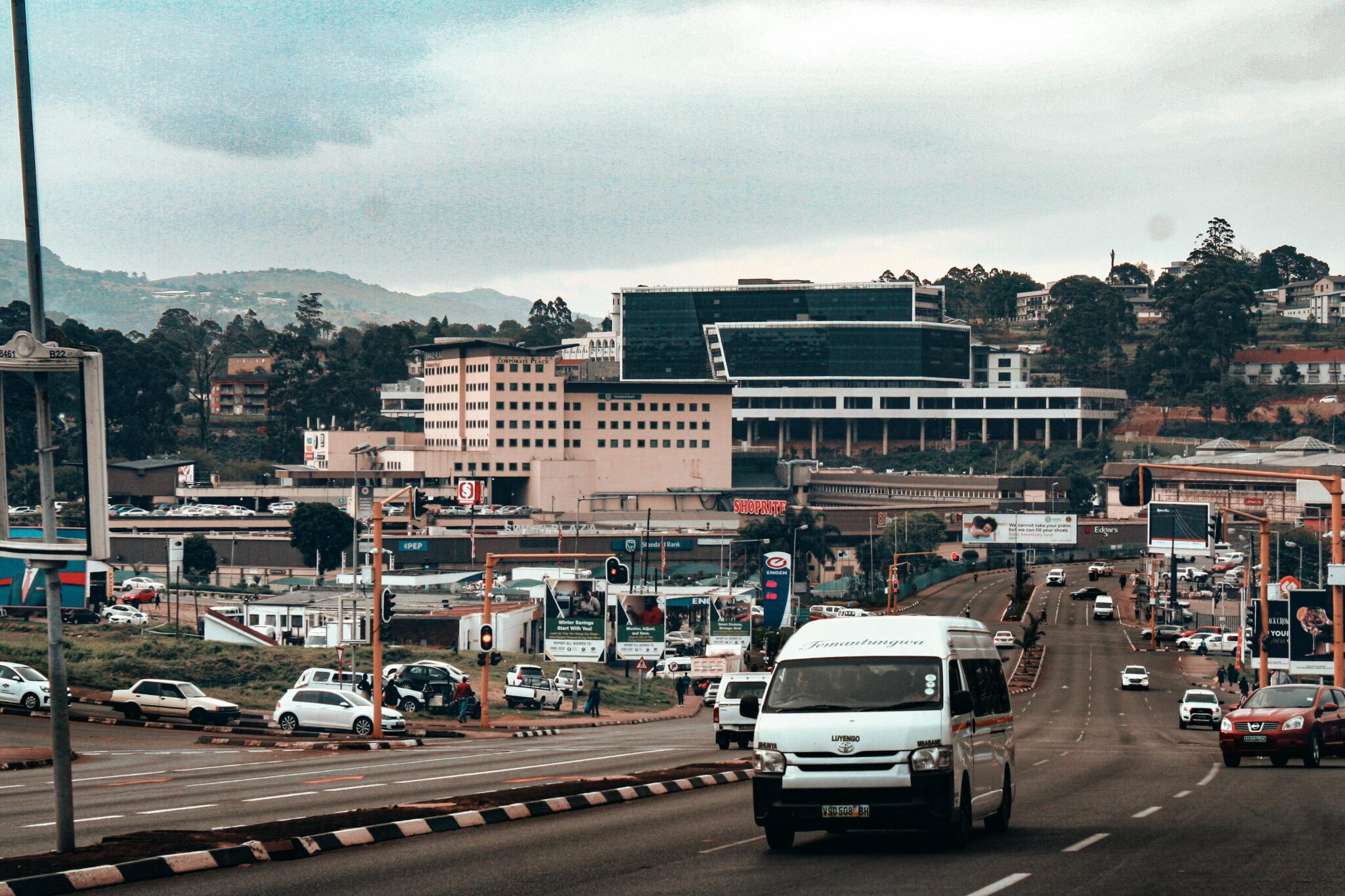
Mbabane is Eswatini’s administrative capital in the highlands, set in a bowl of green hills at cooler elevations than the lowlands, and it works best as a practical base rather than a “sightseeing city”. The most worthwhile time is usually spent on simple, close-by activities that match the setting: craft browsing for local textiles, woodwork, and small souvenirs, a short hill-view stop at a nearby lookout to get a first read of the terrain, and an easy café or market loop to settle in after an overland arrival. Because the center is compact, it is a good first-night stop to reset, sort cash and supplies, and position yourself for drives toward the Ezulwini Valley, Malolotja, or northern reserve routes.
Mbabane’s main value is logistics and location. It sits close enough to key highland roads that you can reach multiple attractions without long transfers, but mountain driving remains slower than distances suggest due to bends, trucks, and mist pockets. Use the city to fuel up, confirm reserve entry times and gate hours, and plan daytime driving, as visibility can drop quickly in cloud and rain. A good pattern is to arrive by afternoon, do a short craft and viewpoint loop, then leave early the next morning for your main nature day, keeping buffer time for weather changes and road pace.
Manzini
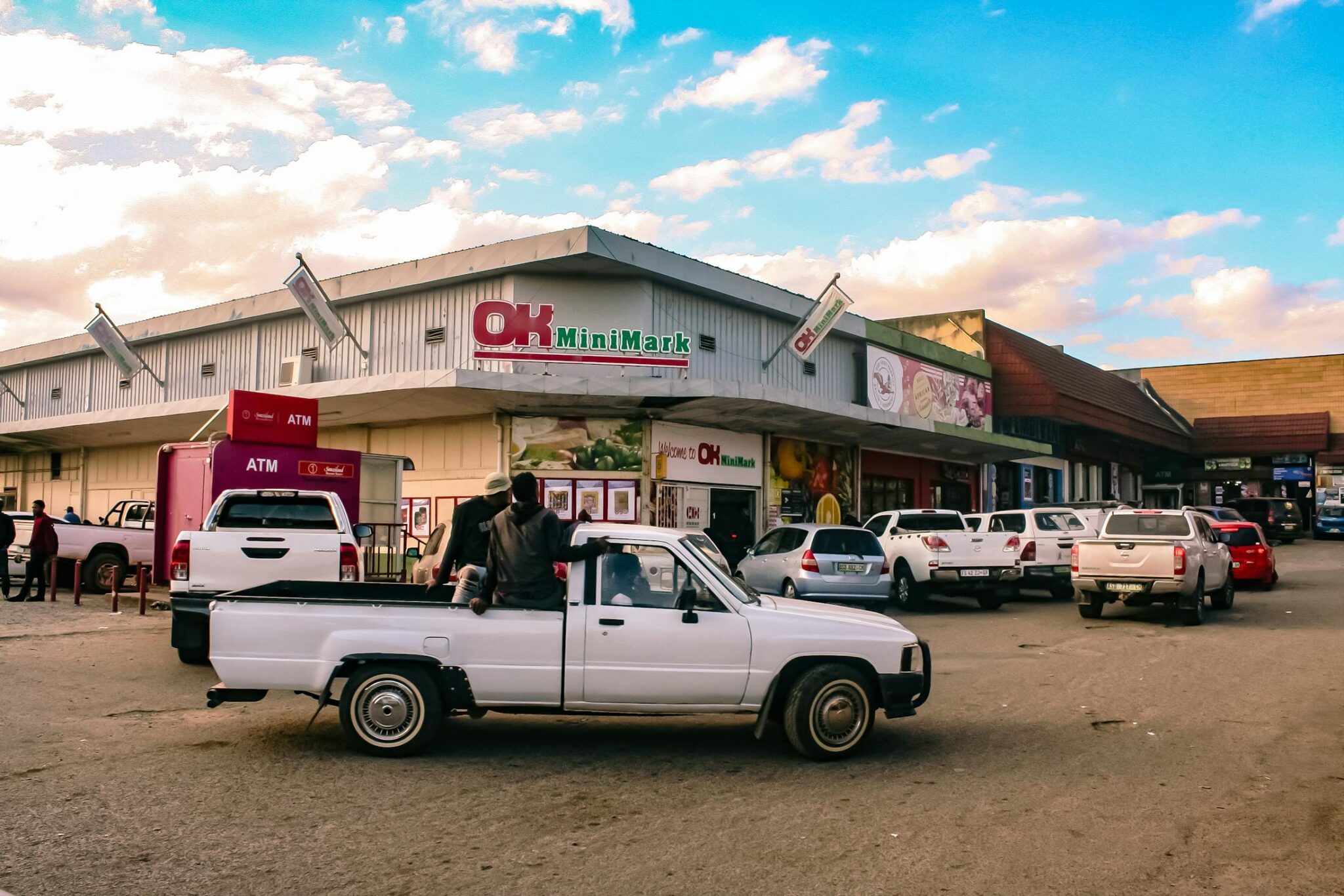
Manzini is Eswatini’s largest city and main commercial hub, so its value for travelers is energy and access rather than landmark sightseeing. The most worthwhile stop is the central market area, where you can browse fresh produce, household goods, and small craft items and get a clear “day-to-day” view of how the city works; it is also a practical place to pick up basics before heading to reserves. If you want to add one simple activity beyond the market, keep it local and short: a quick street walk around the busiest trading blocks, then a meal stop, because Manzini is most enjoyable in compact doses.
Logistically, Manzini’s central location makes it useful for road travel across Eswatini, especially if you are moving between the Ezulwini corridor, Mbabane, and routes toward the lowveld. It is also one of the easier places to handle errands such as cash, supplies, and fuel without detours. Visit markets earlier in the day when trading is active and temperatures are lower, keep valuables discreet, and carry small notes for straightforward purchases.
Lobamba
Lobamba is Eswatini’s royal and cultural center, and it is the most efficient place to add national-identity context to an itinerary that is otherwise focused on reserves and scenery. The visit works best as a compact cultural circuit: the National Museum for an overview of history and material culture, the nearby memorial sites for modern state context, and a short walk-through of the civic area to understand how the royal and administrative functions sit side by side. It is also a good place for craft browsing, with small stalls and nearby markets that make it easy to pick up locally made textiles and carvings without turning the day into a long shopping run.
Best Natural Wonders Sites
Hlane Royal National Park
Hlane Royal National Park is Eswatini’s main “savannah safari” stop, built around open plains, acacia woodland, and water points that concentrate movement in the cooler hours. The best way to experience it is simple: plan a dawn and late-afternoon game drive, spend time at a waterhole hide when the sun is higher, and add a short guided walk where available for tracks and birdlife. Rhino viewing is one of the park’s main draws, and the park format rewards patience, slow scanning, and repeated passes on the same routes rather than trying to cover every track in one outing. An overnight usually improves results because you can be out at first light, then return for the last hour before sunset when activity lifts again.
Hlane sits in eastern Eswatini and is straightforward to reach by road from the main urban bases. From Manzini it is typically around 75 to 90 km and about 1 to 1.5 hours by car; from Mbabane roughly 110 to 130 km and about 1.5 to 2 hours, depending on traffic and your exact start point; from the Ezulwini Valley/Lobamba area the timing is often similar to Mbabane but slightly shorter. Plan daylight driving, fuel up before you leave the cities, and arrive with enough time to settle in and still catch an afternoon drive, because Hlane works best when you are not turning the safari hours into transfer time.
Mkhaya Game Reserve
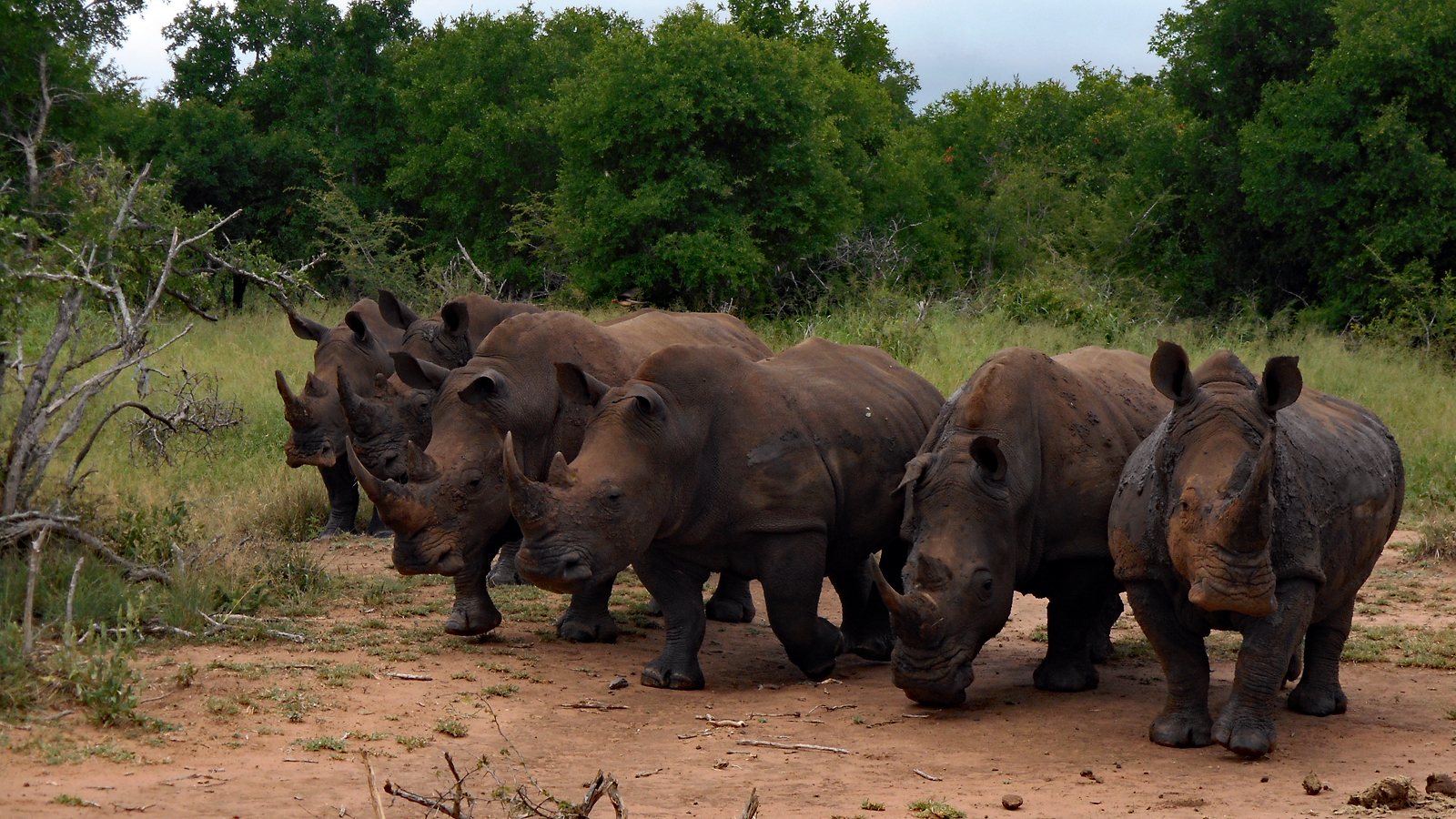
Mkhaya Game Reserve is one of Eswatini’s most conservation-focused safari areas, best known for close, guide-led tracking that prioritizes rhino protection and low-impact viewing. The visit is built around guided 4×4 drives and often short guided walks where conditions allow, with the main goal being time with rhino and an understanding of how protection work is done on the ground. Compared with larger, more open-access parks, Mkhaya tends to feel structured: you follow set activity windows, spend longer at sightings, and get more interpretation on tracks, habitat, and animal behavior. Many travelers find that one night is enough for a complete experience, while two nights lets you repeat drives at first light and late afternoon without rushing.
Logistics are straightforward but need planning because access is controlled and activities are guided. From Manzini it is typically about 70 to 90 km and around 1 to 1.5 hours by road depending on your route; from Mbabane and the Ezulwini Valley/Lobamba area, plan roughly 120 to 160 km and about 2 to 3 hours. It fits well between the central corridor and eastern Eswatini routes, but you should treat the arrival as time-sensitive, since late arrival can cut into the first drive.
Mlilwane Wildlife Sanctuary
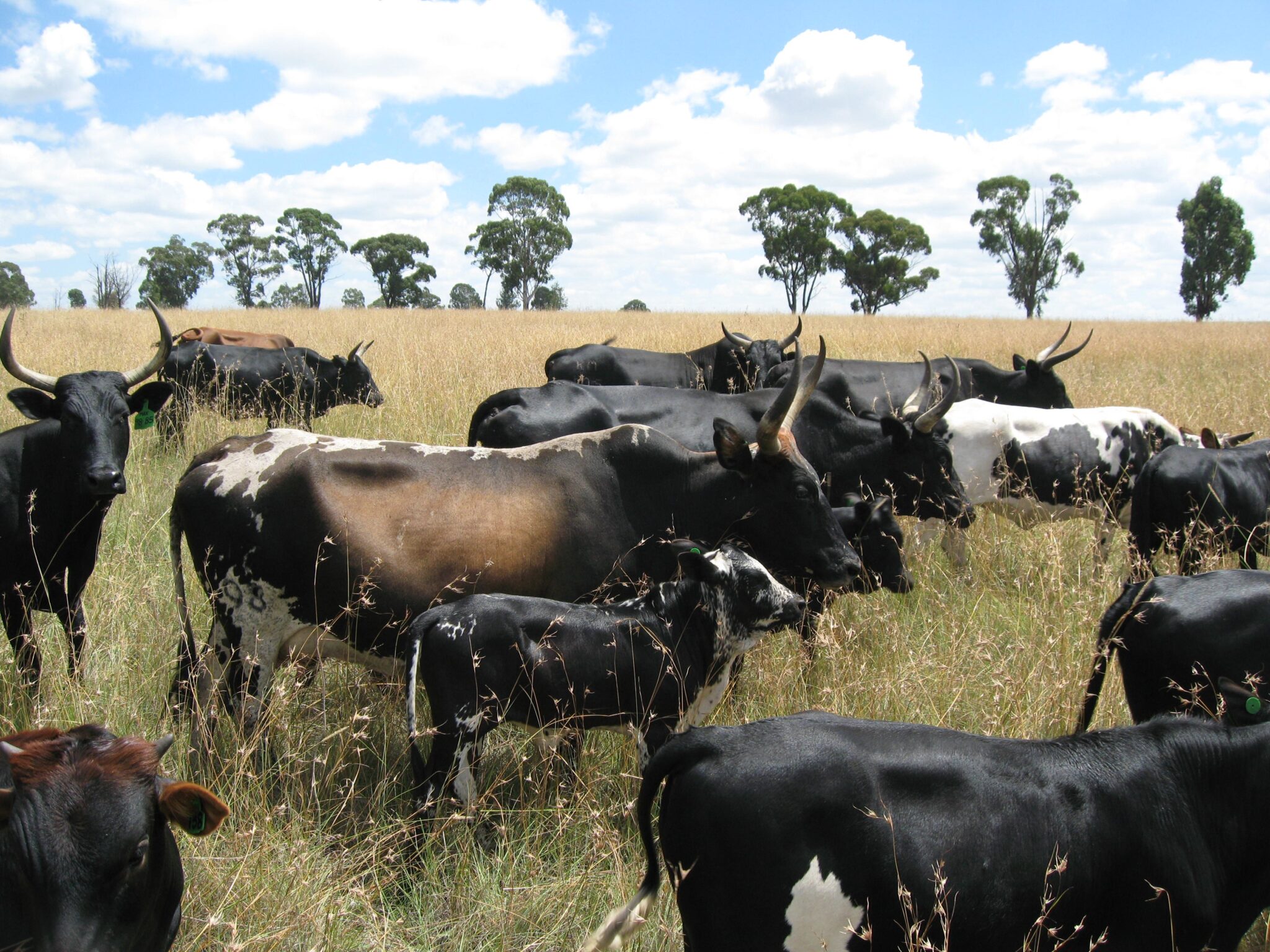
Mlilwane Wildlife Sanctuary is the Ezulwini Valley’s easiest “active nature” stop, designed for walking, cycling, and low-pressure wildlife viewing rather than predator-focused game drives. The best day is built around movement: a morning walk or cycle loop through open grass and acacia patches where you may see zebra, wildebeest, warthog, and small antelope at close range, then a slower midday break with short scenic loops and birdwatching near wetter areas. Because there are no major predators in the core visitor zones, the atmosphere feels calmer, and you can focus on tracks, landscape views, and time outdoors instead of staying inside a vehicle.
Mlilwane is close to the main bases in the valley, which makes it easy to fit into a half-day or full-day plan. From Lobamba it is typically a short drive of around 10 to 20 minutes, and from Mbabane often about 30 to 45 minutes depending on traffic. Go early for cooler temperatures and better wildlife movement, especially if you plan walking or cycling, then keep the afternoon flexible for a shorter loop or a valley scenic drive.
Malolotja Nature Reserve
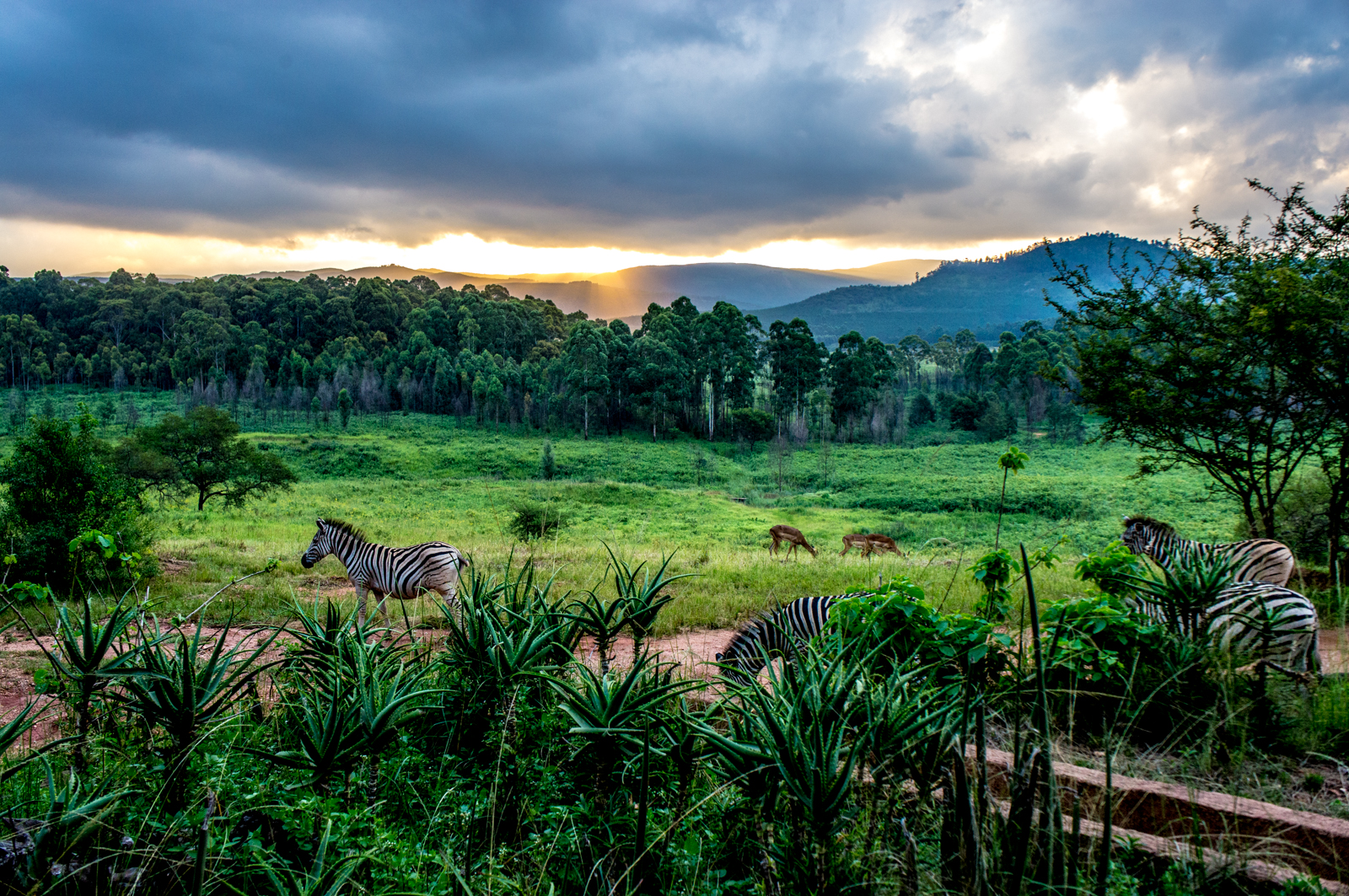
Malolotja Nature Reserve is Eswatini’s largest protected area and the country’s best choice for mountain scenery and hiking, with highland ridges, deep valleys, and a trail network that makes walking the main activity. The strongest experiences are built around one substantial hike and one shorter scenic stop: a ridge or valley route for wide views and birdlife, then a waterfall walk or viewpoint loop to finish without rushing. The reserve is also one of the better places in Eswatini for birding because habitats shift quickly with altitude, and the day often feels more like a mountain park visit than a safari, with time spent on foot, pauses at lookouts, and long stretches of quiet.
Malolotja is usually approached from the Mbabane side, which makes it easy to plan as a full day trip or a one-night nature break from the main highland corridor. Road distances are not large, but mountain driving and park speeds can stretch the schedule, so start early and avoid packing in multiple long trails. Choose a hike that matches your fitness and daylight, carry enough water, and keep a light rain layer because mist and showers can arrive quickly.
Ezulwini Valley
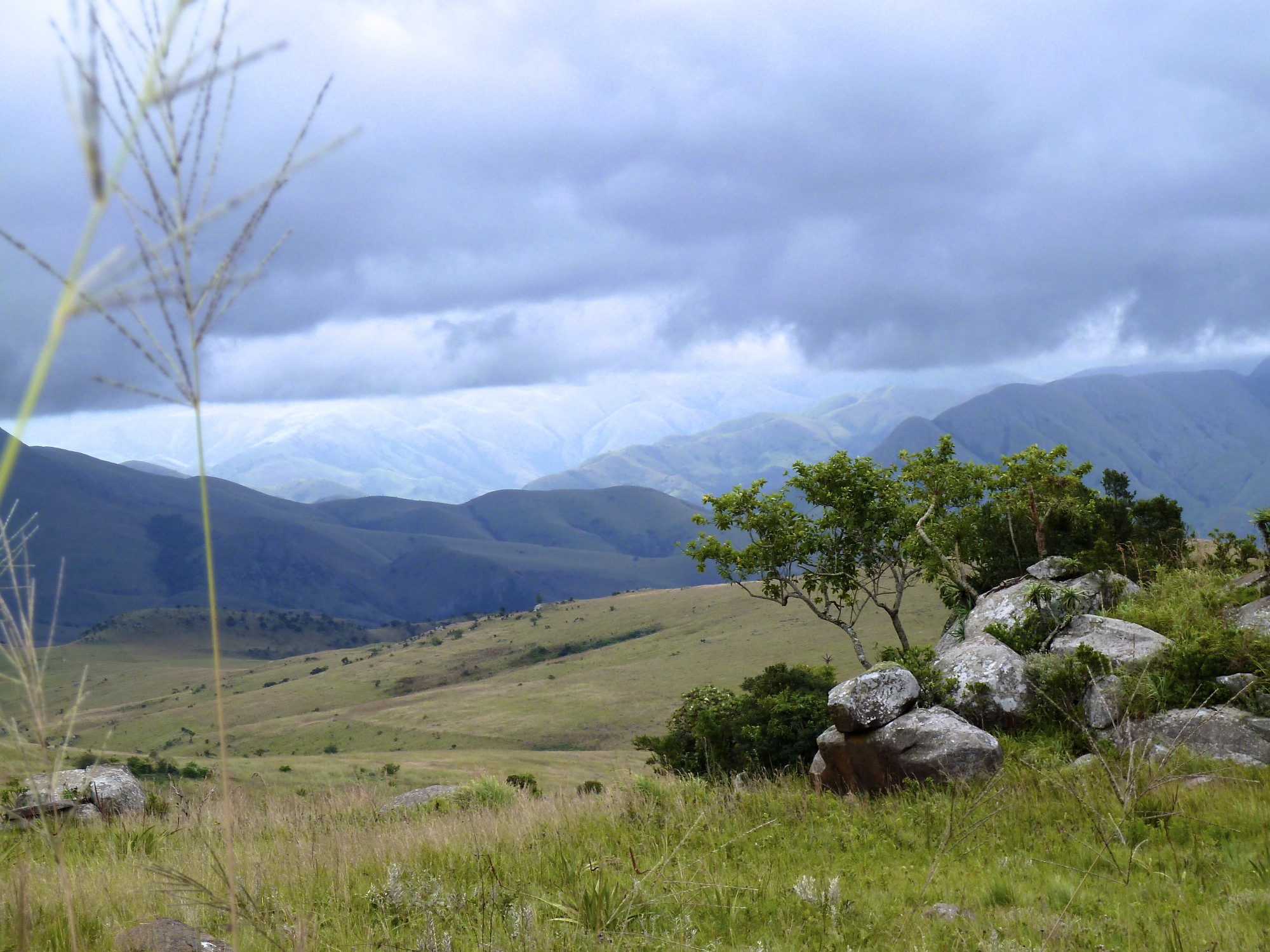
Ezulwini Valley is Eswatini’s main tourism corridor between Mbabane and Manzini, and it works best as a base because many key stops are within short driving range. The valley experience is about easy variety rather than one headline sight: you can combine a morning in a nearby reserve such as Mlilwane for walking or cycling, a half-day cultural loop through Lobamba’s museums and memorial sites, and a craft stop for textiles and woodwork without long transfers. Short hikes and viewpoints sit close to the main road, so even a “light day” can include a quick nature walk, a market browse, and a relaxed meal, which helps balance the trip if you are mixing safari days with cultural context.
Using Ezulwini as a central base for 2 to 3 nights usually improves the itinerary because it cuts down on packing and keeps driving simple. Typical transfer times are short: Mbabane is often 20 to 40 minutes away depending on where you stay in the valley, and Manzini is commonly 20 to 35 minutes, which makes it easy to resupply or shift plans. Build your days around one main activity block plus one smaller stop, then keep a buffer for traffic and weather, because mountain mist and afternoon showers can change visibility quickly.
Sibebe Rock
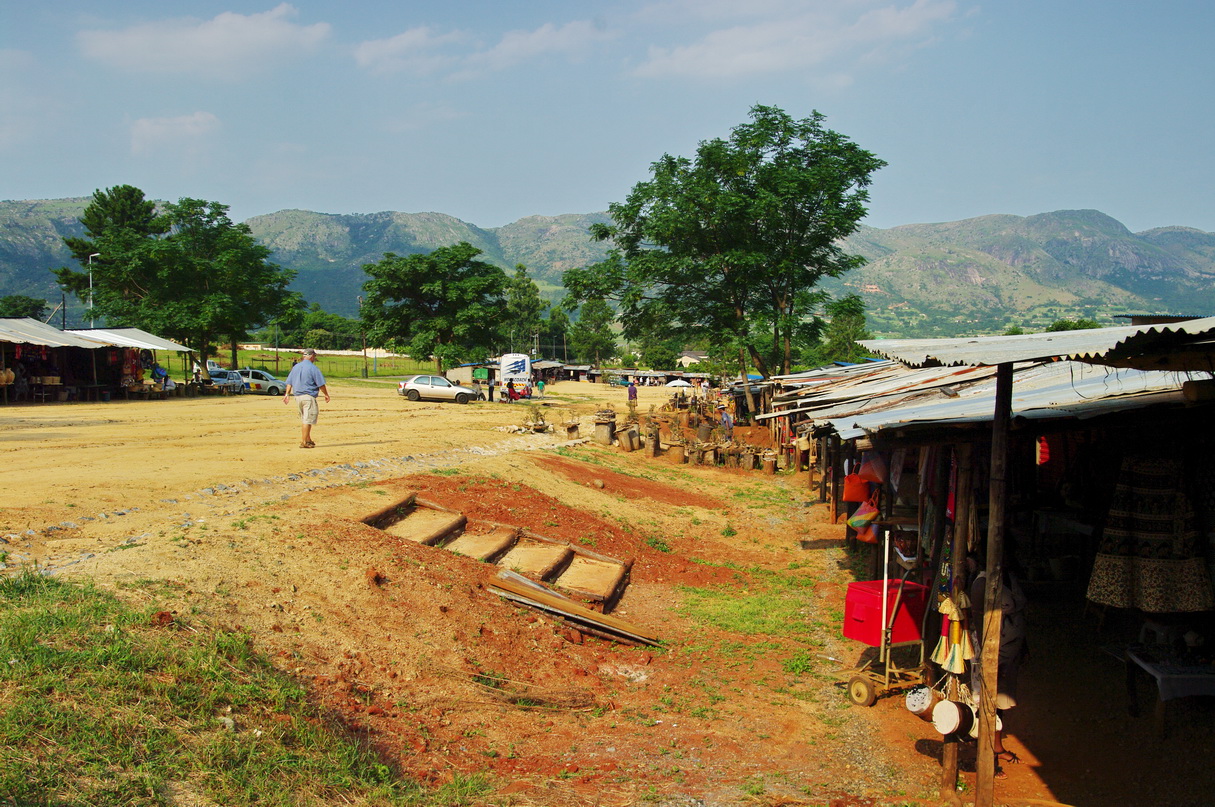
Sibebe Rock is a large granite dome close to Mbabane and one of Eswatini’s most popular day hikes because it delivers big views with a relatively short approach. The hike is straightforward in concept but demands attention: you move from lower forest and boulder sections onto open granite slabs where the route can feel exposed, and the payoff is a wide panorama over the highlands and the Ezulwini corridor. Many visitors plan a half-day for the main ascent and viewpoint time, with the best experience coming from an early start when temperatures are lower and light is cleaner. The impression is scale and texture, with long granite surfaces, steep drops in places, and a summit area that feels quiet once you are away from the first busy sections.
Logistically, Sibebe is easy to reach from Mbabane and the Ezulwini Valley, so it fits well on a “non-driving” day between reserve visits. Allow extra time for navigation at the start and for slower movement on the rock itself, especially if it has rained. Wear shoes with solid grip, carry water even on cool days, and bring a light layer because wind can pick up on the exposed upper sections.
Phophonyane Falls Nature Reserve
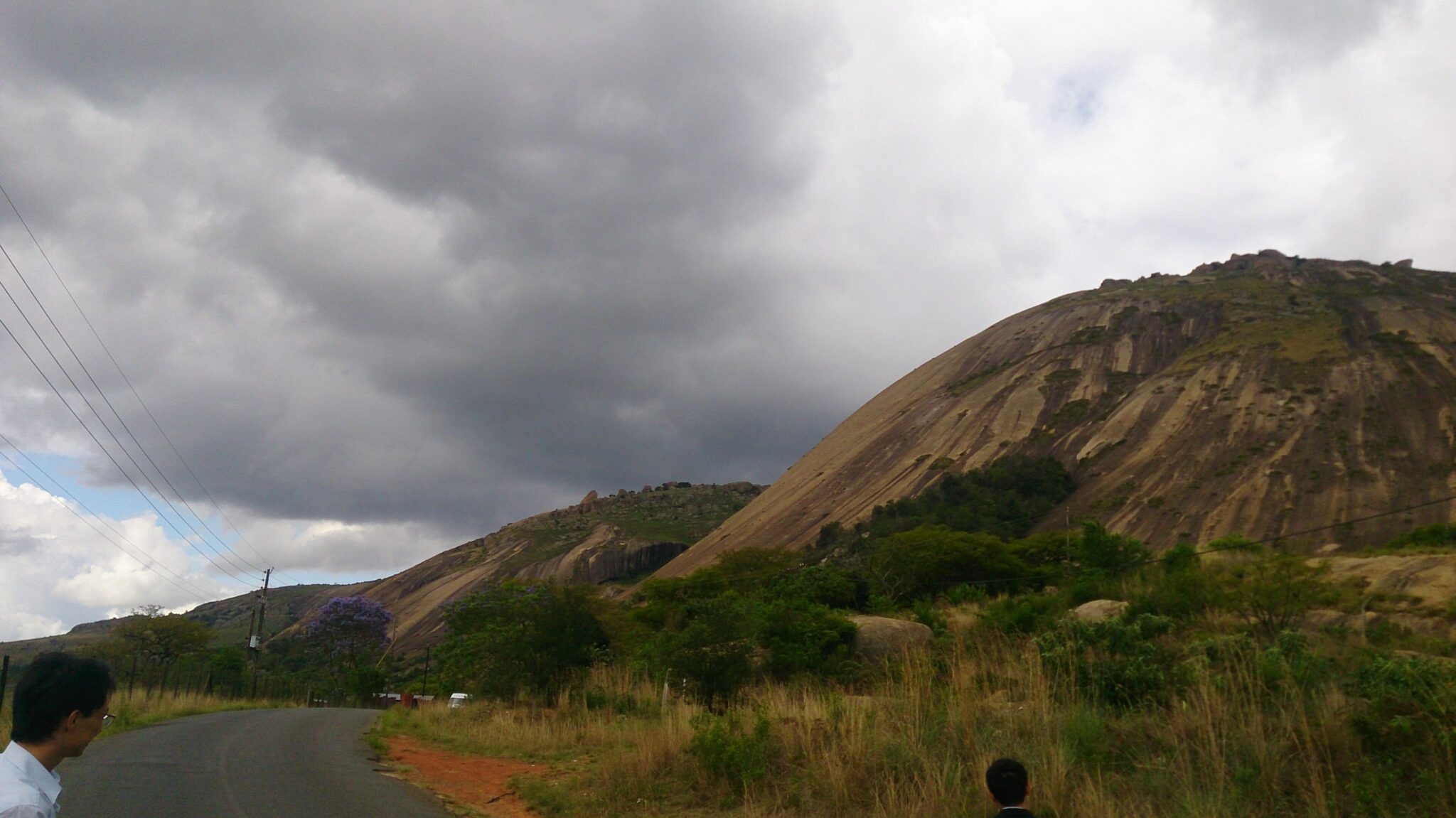
Phophonyane Falls Nature Reserve is a small forest retreat in northern Eswatini built around shaded trails, river sound, and waterfall viewpoints rather than big, vehicle-based wildlife viewing. The best way to experience it is slow and simple: a short loop walk through indigenous forest, time at the main falls viewpoint, and a second short trail to a smaller cascade or lookout if you want a bit more distance. The impression is cool air, birdsong, and a change of texture from open highland scenery to dense greenery, which makes it a good “reset” stop between longer drives or safari days.
It fits well as a half-day or overnight break on routes between Mbabane and northern reserves. Road distances are manageable, but the value comes from not rushing, so plan to arrive by early afternoon, walk one trail before light fades, then do a second short walk the next morning if you stay overnight. Wear shoes with grip because paths can be damp near water, carry a light rain layer, and keep your schedule open enough to sit at viewpoints for a while.
Best Cultural and Historical Sites
Swazi National Museum
The Swazi National Museum in Lobamba is the most efficient place to build context for Eswatini’s history and cultural symbols, especially if you plan to visit craft centers or spend time in the Ezulwini corridor. The visit is usually best as a steady 60 to 120 minutes, moving through displays on traditional life, material culture, and national identity themes that help you recognize patterns you will later see in markets, clothing, and ceremonial objects. It pairs naturally with the rest of Lobamba’s cultural area, so you can follow it with a short walk to nearby memorial sites or a quick craft browse without turning the day into a long, multi-stop circuit.
Logistically, it is easy to include because Lobamba sits close to most tourist accommodation in the Ezulwini Valley, often 10 to 20 minutes by road depending on where you stay, and roughly 30 to 45 minutes from Mbabane in typical conditions. Visit early in your trip so the background carries forward into the rest of your itinerary, and aim for morning hours when you have more energy for reading and interpretation.
Mantenga Cultural Village
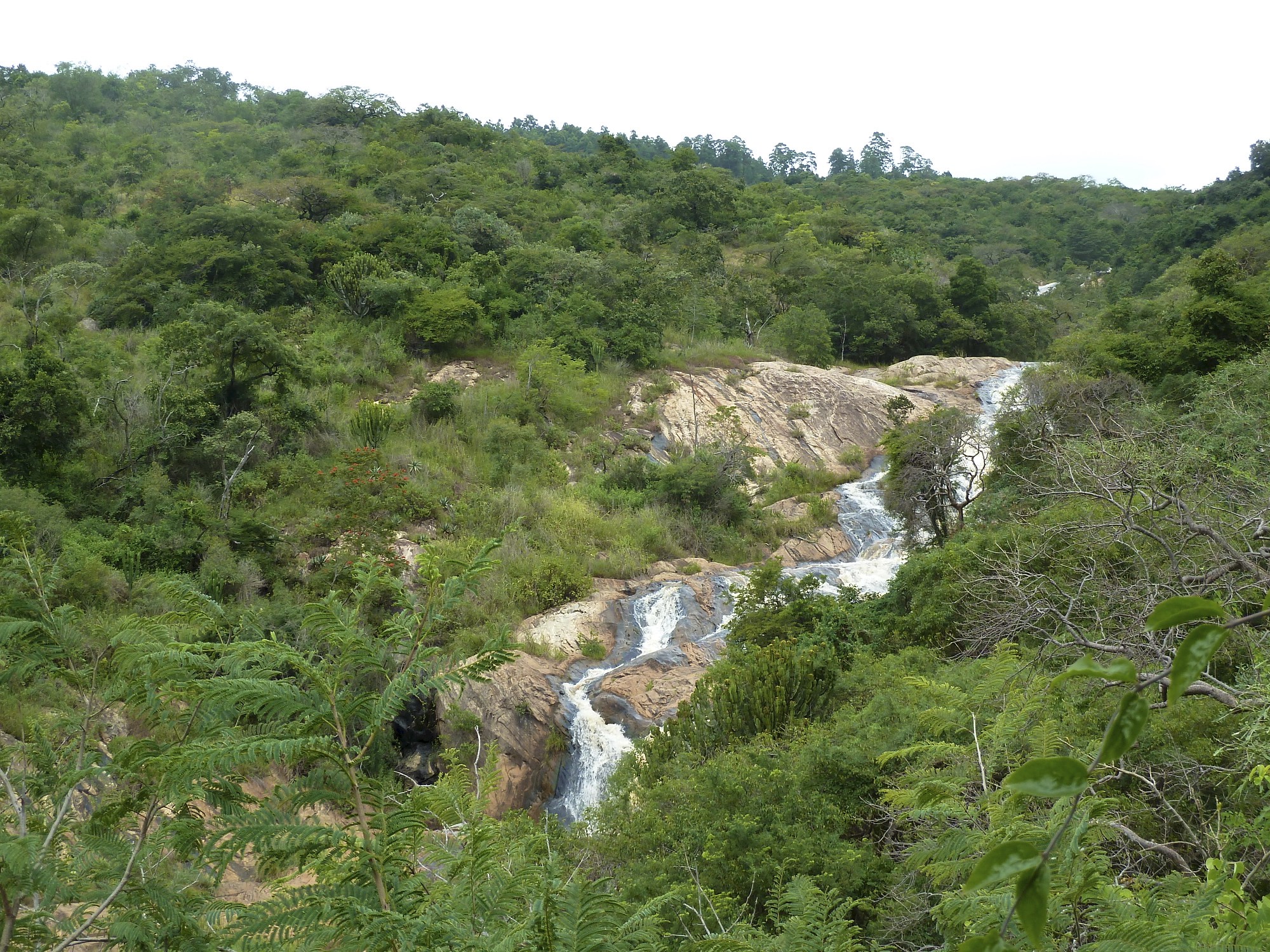
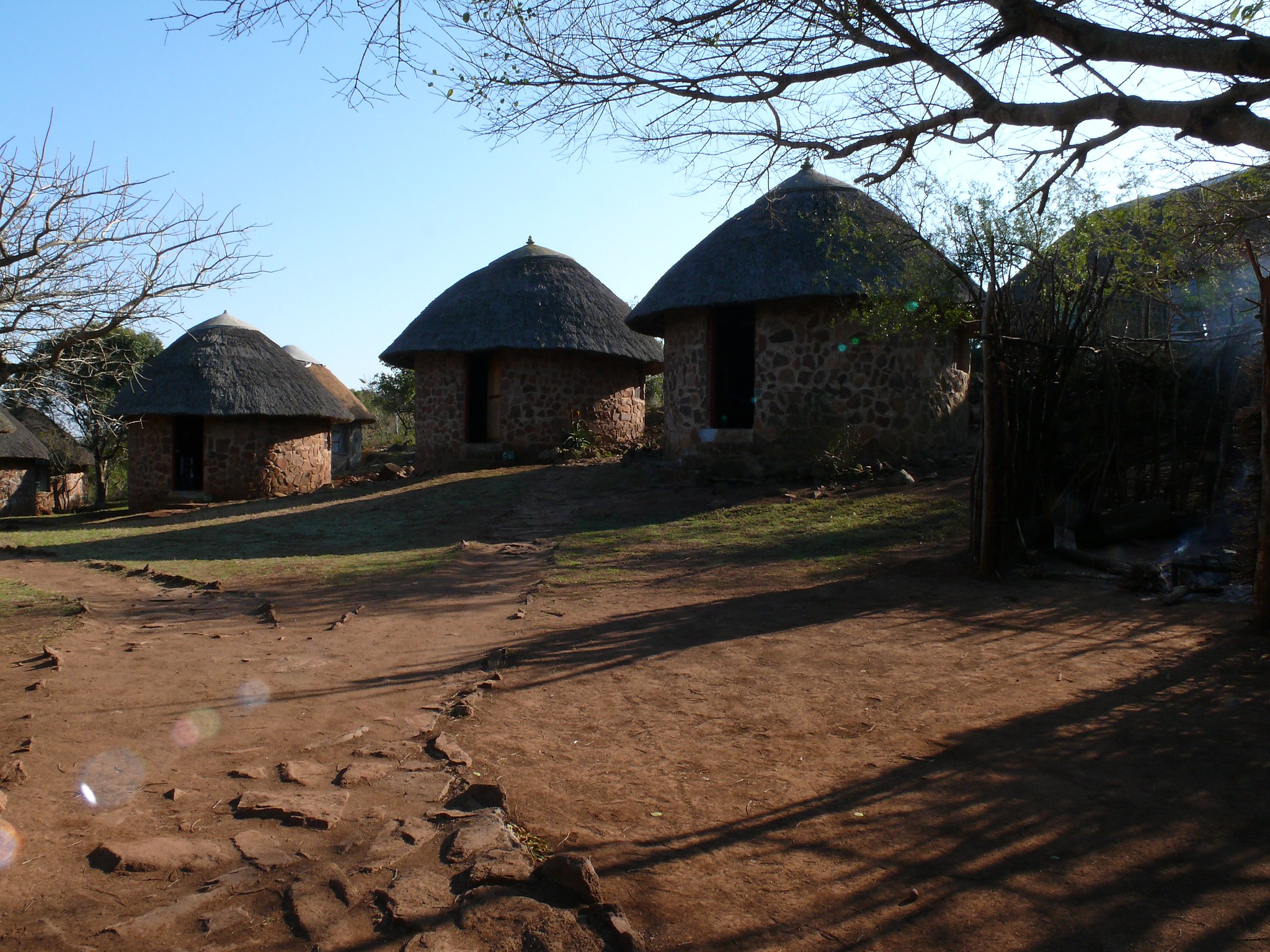
Mantenga Cultural Village in the Ezulwini Valley is one of the easiest places for visitors to get a structured introduction to Swazi traditional homestead design, household layout, and selected customs. The visit usually works in two parts: a walk-through of the reconstructed village area where you can see how spaces were arranged for cooking, storage, and family life, followed by a scheduled performance that focuses on song, dance, and rhythm. It is most enjoyable when you treat it as context-building rather than a “quick show”, because the village walk gives meaning to what you later see in markets, museums, and everyday clothing and craft patterns.
Plan it as a half-day cultural stop with attention to timing. Arrive early enough to walk the village area at a calm pace before the performance window, then stay a few minutes afterward if questions are welcomed, since short explanations often add more value than extra photos. Mantenga is close to the main Ezulwini accommodation zone, so transfers are short, and it pairs well with nearby craft browsing or the Swazi National Museum in Lobamba if you keep the day light and do not rush.
King Sobhuza II Memorial Park
King Sobhuza II Memorial Park in Lobamba is a calm, modern-history stop that adds context to Eswatini’s national story without taking much time. It works best as a short walk-and-pause visit where you absorb the memorial setting, read the key markers, and use the space to connect the names and dates you have seen elsewhere to a physical place. The park’s value is not “things to do”, but the way it deepens a Lobamba circuit, especially if you are trying to understand how the modern state narrative sits alongside older traditions and royal institutions. It is easiest to combine with nearby cultural sites in the same half-day, because transfers are minimal and the pacing stays calm. Pair it with the Swazi National Museum in Lobamba so you get both the background and the modern framing, then add a short craft browse or a scenic Ezulwini Valley drive afterward to keep the day balanced.
Hidden Gems of Eswatini
Shewula Mountain Camp
Shewula Mountain Camp is a community-run base in eastern Eswatini that is valued for highland viewpoints, quiet evenings, and the chance to spend time in a village context rather than moving between standard tourist stops. The main experiences are simple and time-based: sunset and sunrise from the ridge for wide views over the lowveld and toward Mozambique on clear days, short guided walks to understand local farming and daily routines, and optional cultural interaction that feels more grounded when you approach it as conversation and learning rather than a scheduled “show”. The camp also works well as a pause in the itinerary because the setting encourages slower pacing, early nights, and a clear sense of place.
It fits best as an overnight on an eastern Eswatini route, often combined with wildlife days in nearby reserves or a transfer toward the Lubombo region. Road travel in this part of the country is manageable, but the value of Shewula depends on having time on site, so plan to arrive by mid-afternoon, settle in, then use the next morning for a walk or viewpoint time before you continue. Pack a warm layer for evenings at elevation, carry cash for small purchases or community activities, and confirm what is included in your stay so expectations are clear.
Ngwenya Glass Factory
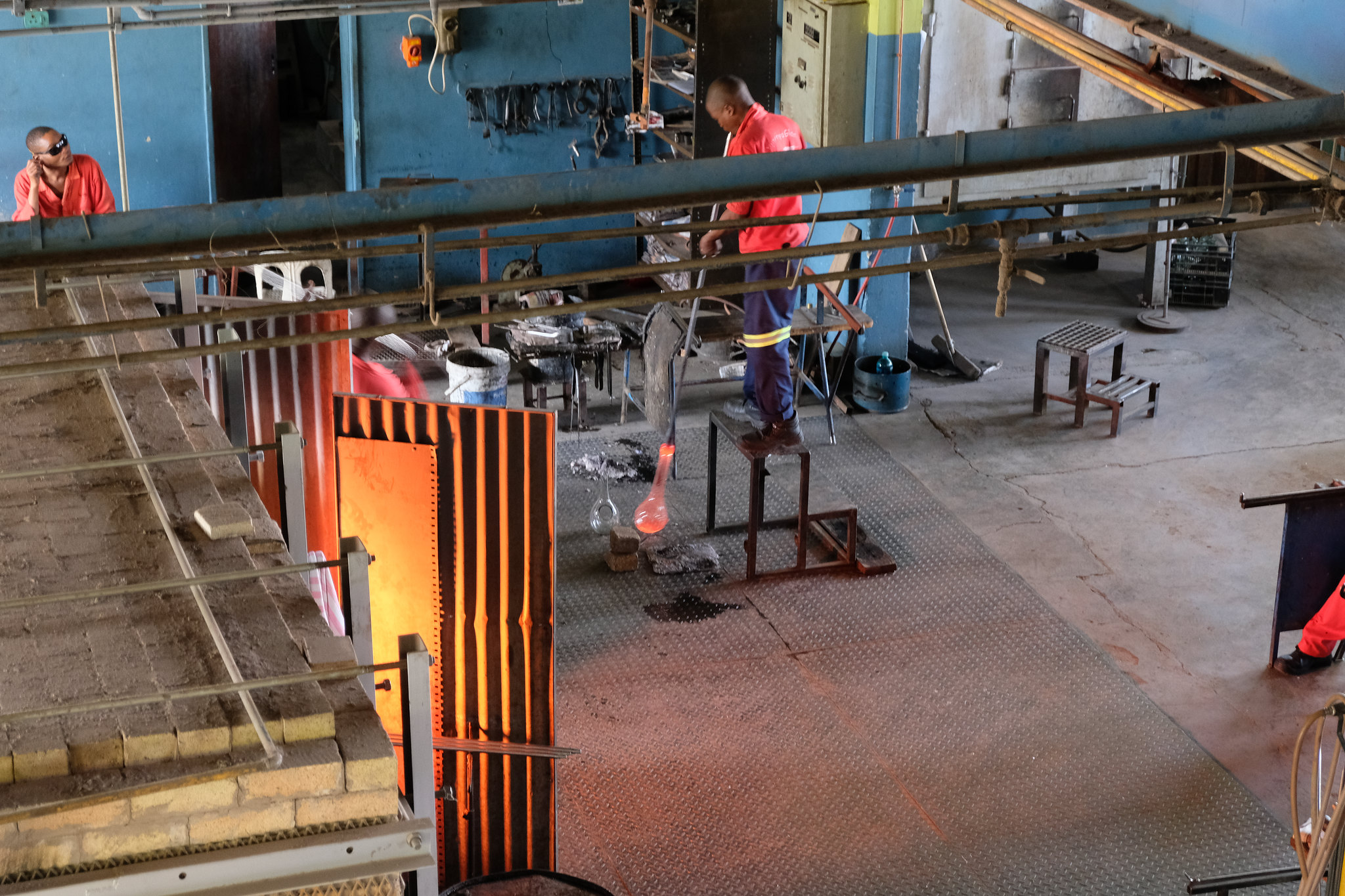
Ngwenya Glass Factory near Mbabane is one of Eswatini’s most practical craft stops because you can see production in action and buy items that are clearly locally made from recycled glass. The visit is usually short but satisfying: you watch glassblowers shape pieces, browse a shop with usable items such as tumblers, small bowls, and ornaments, and then take in the viewpoint setting, which often becomes part of the stop because the factory sits on a highland edge with wide scenery. It works well as a break in a driving day because it is focused, easy to navigate, and gives you a souvenir option that feels connected to place rather than generic. Logistically, it is an easy add-on from Mbabane and the Ezulwini Valley, often reached in under an hour by road depending on your start point and traffic.
Swazi Candles Centre
Swazi Candles Centre is an easy, low-effort craft stop in the Ezulwini area where you can watch handmade candle production and browse a wider artisan market in the same compact space. The appeal is practical: it is quick to fit into a travel day, the products are clearly local, and you can pick up gifts like carved items, textiles, and small crafts without committing to a long shopping run. Most visitors spend 45 to 90 minutes, longer if they want to compare stalls and choose a few pieces carefully, and it pairs well with nearby cultural stops in Lobamba or a relaxed valley drive.
Mahamba Gorge
Mahamba Gorge near Eswatini’s southern border is a quiet, landscape-first stop built around a narrow river gorge, rocky walls, and short trails that give you changing angles in a small area. It works best as a compact hike rather than a long trekking day: a river-level walk for shade and sound, then a short climb to a lookout where the gorge reads as a clean cut through the ridge. The value is the pause, cooler air near water, simple viewpoints, and a feeling of being off the main tourist circuit, which makes it a good reset if your trip is heavy on driving and borders.
It fits well as a detour when traveling south, with limited services once you leave the larger towns, so plan as if you are self-sufficient for a few hours. From Nhlangano it is typically a short drive, often 20 to 40 minutes depending on exact access roads, while from Manzini it is commonly around 1.5 to 2.5 hours by road and from Mbabane often 2 to 3 hours, depending on traffic and route.
Travel Tips for Eswatini
Safety and General Advice
Eswatini is one of Southern Africa’s safest and most welcoming destinations, offering a relaxed atmosphere and compact size that make it easy to explore. Normal precautions apply in towns, markets, and busy areas, but most visits are trouble-free. With well-maintained reserves, friendly communities, and good infrastructure, the country is particularly appealing for self-drive and cross-border trips with South Africa or Mozambique.
A yellow fever vaccination may be required depending on your travel route. Malaria risk can occur seasonally in the lowveld and eastern regions, so it’s best to seek medical advice and prophylaxis before visiting those areas. Tap water is generally safe in most towns and lodges, though bottled or filtered water is advisable when traveling more widely or in rural areas. Basic medical care is available in Mbabane and Manzini, but visitors should still carry comprehensive travel insurance covering medical evacuation.
Car Rental and Driving
An International Driving Permit is recommended alongside your national driver’s license, and both should be carried at all times, especially at border crossings or road checkpoints. Driving in Eswatini is on the left-hand side of the road. Main highways are paved and well-maintained, while rural roads can be narrow or winding. Night driving outside towns is not recommended due to limited lighting and the possibility of encountering animals or pedestrians on the road. Fuel is widely available near major routes, though travelers should fill up before venturing into remote areas.

Published February 01, 2026 • 16m to read